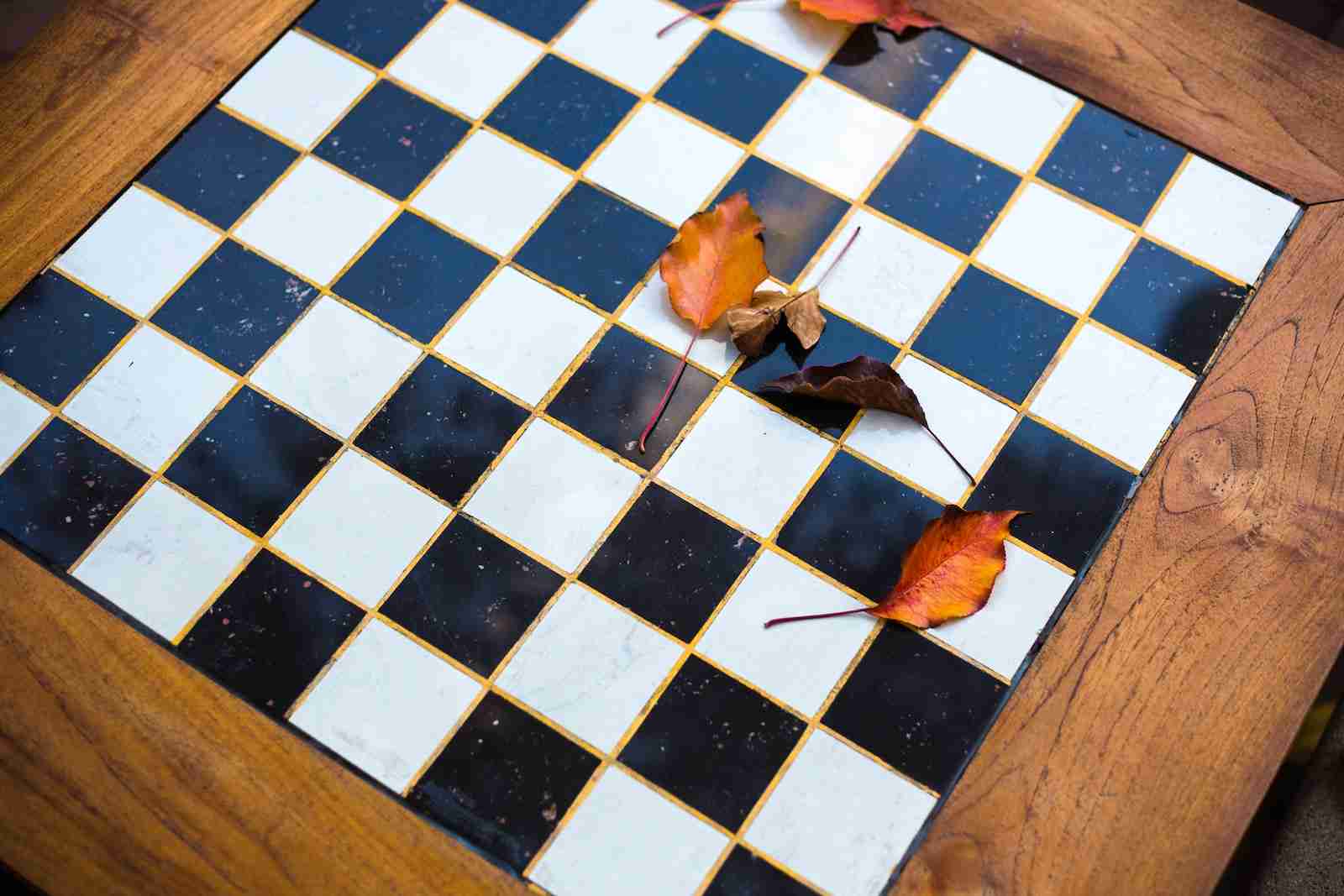
The Missing Link In Childhood Development
By Tom Seest
At BestBoardGameNews, we help people who love board games by collating information and news about board games.
Be sure to read our other related stories at BestBoardGameNews to learn more about board games.
Are Board Games and Gaming Failing to Teach Your Children Empathy?
Let’s paint a picture together. You gather around the table, excited to dive into a board game that promises laughter, strategy, and possibly a whole lot of friendly competition. As dice roll and pieces move, there’s a palpable sense of camaraderie, right? But here’s the kicker: while you’re all having fun, are you truly teaching your kids the essence of empathy, or just sharpening their ability to win at any cost?
Board games can be fantastic tools for engagement; they bring people together, foster critical thinking, and create memorable experiences. Yet, in our rush to outsmart the opponent or claim the highest score, we sometimes overlook the deeper lessons—particularly the ones that cultivate empathy. Think about it: when was the last time you paused the game to talk about how that sneaky trade made your opponent feel? In the heat of competition, it’s easy to forget that those little pieces on the board are attached to real-life emotions just waiting to be acknowledged.
Let’s face it; empathy isn’t a skill that comes naturally to everyone. It’s painstakingly cultivated through practice and experience. When kids focus solely on strategies to beat the game, they might miss the rich opportunity to step into someone else’s shoes. Instead of celebrating victory at any cost, why not highlight kindness? Celebrate the moment when a player chooses not to take an unfair advantage or offers a suggestion that benefits everyone. Turn the spotlight from the scoreboard to the quality of interactions.
This isn’t just about board games; think about video gaming as well. Sure, they can be immersive and thrilling, but the real magic happens when we create environments where cooperation and teamwork lead the way, forging lasting connections over mere competition.
So, what can we do? Let’s reframe our gaming experiences. Before you dive into that epic adventure game or family board night, set the stage for discussions about feelings, intentions, and the importance of kindness. Challenge your players to think about how their decisions can uplift or affect those around them. Make empathy part of the game, and watch how the dynamics shift.
It’s not just about winning and losing; it’s about growing together, sharing in laughter, and learning the invaluable art of understanding one another. Let’s harness the fun of gaming and board games as a powerful springboard for nurturing empathy in our children—it starts with us, after all.

Are Board Games and Gaming Failing to Teach Your Children Empathy?
Are Board Games and Gaming Failing to Teach Your Children Empathy?
- Board games are great for fostering laughter, strategy, and friendly competition.
- It’s important to teach kids empathy during gameplay, not just focus on winning.
- Board games encourage engagement, critical thinking, and memorable experiences.
- Players often overlook the emotions of others while competing.
- Empathy is a skill that needs to be cultivated through practice and experience.
- Reframe gaming experiences to highlight kindness and the impact of decisions on others.
- Games should promote cooperation and understanding, not just winning and losing.

Are Board Games and Gaming Failing to Teach Your Children Empathy?
Table Of Contents
- Are Board Games and Gaming Failing to Teach Your Children Empathy?
- Are Board Games Effective In Teaching Empathy To Children?
- How Do Board Games Foster Emotional Understanding Among Players?
- Can Gaming Experiences Promote Cooperation And Teamwork?
- What Role Do Narratives In Board Games Play In Empathy Development?
- Are There Specific Board Games Better Suited For Teaching Empathy?
- Can Video Games Positively Influence Empathy In Children?
- How Can Parents Enhance Empathy Lessons Through Board Games?
- Conclusion
- Other Resources
- Glossary Of Terms
- Other Questions
- Haiku
- Poem
- Checklist
Are Board Games Effective In Teaching Empathy To Children?
Let’s take a stroll down memory lane, shall we? Think back to those long evenings spent gathered around the table, laughter echoing as colorful cards and whimsical pieces danced amidst snacks and friendly banter. Board games, simple as they may seem, have a remarkable power—they’re more than just a means to pass the time; they’re a gateway to understanding our fellow humans.
So, you might be asking, how can rolling dice and moving pawns actually teach our kids about empathy? Well, let’s peel back the layers on this. When children engage in a board game, they’re not just strategizing for victory; they’re stepping into the shoes of others. Each turn taken isn’t just a move; it’s an opportunity to think about someone else’s feelings. Whether it’s feeling the excitement when another player gets a lucky draw or the disappointment when they miss out on a chance, kids learn to navigate emotions in real-time.
Games designed around collaboration, like “Forbidden Island” or “Catan,” require players to work together, strategizing and communicating. Here, friendships and relationships are forged. Children learn negotiation skills, and more importantly, they cultivate an understanding of compromise—all essential ingredients for empathy. Imagine a scenario where your child realizes that a teammate’s success could be intertwined with their own—a concept that not only bolsters teamwork but also fosters a deep sense of connection.
And let’s not forget about storytelling games, with their vibrant narratives and beloved characters. As kids immerse themselves in diverse situations, they explore different perspectives. When children unlock their imaginations and assume diverse roles, they’re invited to feel what it’s like to be someone unlike themselves, deepening their capacity for empathy.
Now, don’t just take my word for it. Look around and observe. Does your child become more mindful of others’ emotions when they partake in these games? Chances are, you’ll see hints of sensitivity blossoming—not because they have to, but because they want to.
Empathy isn’t simply a buzzword; it’s a skill that, if nurtured early on, can yield lasting connections and a kinder world. So, the next time you pull out your favorite board game, remember, you’re not just playing—you’re shaping the future of how your child interacts with the world. Isn’t that a worthwhile pursuit?

Are Board Games Effective In Teaching Empathy To Children?
Are Board Games Effective In Teaching Empathy To Children?
- Board games foster social interactions and bring people together through laughter and fun.
- Playing board games teaches children to empathize by encouraging them to consider others’ feelings during gameplay.
- Engaging in games allows kids to experience emotions such as excitement and disappointment in real-time.
- Collaborative games like “Forbidden Island” and “Catan” help children develop negotiation and compromise skills.
- Storytelling games enable kids to explore diverse perspectives, enhancing their imaginative capacity and empathy.
- Observing children during gameplay often reveals growth in their sensitivity towards others’ emotions.
- Nurturing empathy through play can lead to lasting connections and a more compassionate society.

Are Board Games Effective In Teaching Empathy To Children?
How Do Board Games Foster Emotional Understanding Among Players?
Ah, the humble board game. Often dismissed as just another pastime, these little boxes of cardboard and plastic hold something far more profound — a gateway to understanding each other, our emotions, and the intricate tapestry of human experience. Picture yourself gathered around a table, friends and family laughing, strategizing, sometimes even squabbling over the next move. It’s in these moments that we not only create memories but also build emotional bridges.
So, how exactly does a board game facilitate this? Well, let’s consider the dynamics at play. As players dive into a board game, they’re simultaneously exploring different perspectives and emotions. Whether it’s the sly grins of a successful bluff or the disappointed sighs after an unexpected loss, emotions are laid bare. You see, board games aren’t just about winning or losing; they’re about the experience and the connections forged during gameplay. Each roll of the dice and each card drawn can lead to laughter or frustration, prompting discussions that might not arise in our day-to-day chit-chat.
Moreover, many board games are designed to encourage collaboration and teamwork. Think about it: in cooperative games, players must work together, balancing their individual desires with the needs of the group. This teamwork fosters emotional understanding, as players learn to communicate effectively, recognize the strengths and weaknesses of others, and appreciate what each individual brings to the table—both literally and figuratively. There’s something beautifully authentic about witnessing a friend’s joy as they succeed or comforting them when they stumble. In that shared space, empathy blooms naturally.
Let’s not forget about the delightful unpredictability of board games. When things take an unexpected turn—an unlikely comeback, a poorly timed decision, or an unexpected alliance—our emotional responses come flooding in. It’s often in these surprising moments that we discover the importance of resilience and adaptability. We learn to navigate our own emotions and become more attuned to those of our fellow players.
So, the next time you find yourself eyeing that dusty board game on your shelf, don’t overlook it as merely a source of entertainment. Open that box and embrace the emotional journey it promises. You’ll be surprised at how much a simple game can teach us about ourselves and each other, bridging gaps and fostering understanding. After all, in the end, isn’t that what it’s all about?

How Do Board Games Foster Emotional Understanding Among Players?
How Do Board Games Foster Emotional Understanding Among Players?
- Board games are more than just pastimes; they serve as a gateway to understanding emotions and human experiences.
- Playing board games fosters connections among participants, creating memories and emotional bridges.
- Games reveal emotional dynamics, showcasing joy in success and disappointment in loss, deepening interactions.
- Many board games promote collaboration, encouraging teamwork and effective communication among players.
- Board games highlight individual strengths and weaknesses, cultivating empathy and appreciation for contributions.
- The unpredictability of games encourages resilience and adaptability, enhancing emotional awareness.
- Engaging with board games can reveal valuable lessons about ourselves and our relationships with others.

How Do Board Games Foster Emotional Understanding Among Players?
Can Gaming Experiences Promote Cooperation And Teamwork?
When you think of gaming experiences, your mind might immediately jump to video games lighting up your screen or the latest high-tech console. But let’s not forget the charm of a sturdy old board game sitting on a dining room table, waiting to bring people together. There’s something innately human about gathering around a board, whether it’s a classic like Monopoly or a modern gem like Catan. It’s here, in the fragile world of cardboard and plastic, where cooperation takes center stage.
Picture this: a group of friends or family members huddled over a board game, laughter ricocheting off the walls as they strategize, negotiate, and sometimes outright tussle over their next moves. These experiences go far beyond just rolling dice or moving pieces. They forge bonds, teaching us invaluable lessons in teamwork and compromise. Each turn invites connection, proving that success often hinges on collaboration, not just individual prowess.
Think about it. Imagine you’re in a competitive game of Codenames. One player has to think about how to guide their team with clues, carefully choosing words that hint at the right answers while avoiding pitfalls. It requires trust—your clue giver needs to trust you’ll follow their lead, while you, in turn, must trust their judgment. It’s a dance of intuition and strategy, where every player’s contribution counts. Suddenly, you’re not just a disparate group of individuals; you’re a cohesive unit working toward a common goal. This simple act of gaming highlights how cooperation can lead to greater rewards. And hey, it’s more engaging than just watching TV, right?
Now, it’s important to realize that this concept isn’t limited to light-hearted fun. Think back to challenging team-building exercises in the workplace or brainstorming sessions that feel more like a battleground than collaboration. The essence of teamwork—communication, listening, compromise—manifests in these board game moments and can translate directly into our daily lives.
So, grab that dusty board game sitting in the closet. Invite over friends, family, or even that neighbor you’ve waved at but never really talked to. Set that board up, roll the dice, and let the magic of cooperation unfold in real time. You’ll create memories, trust, and connections that sometimes feel lost in our fast-paced world. Gaming experiences, indeed, can be a powerful catalyst for building cooperation and teamwork—one roll at a time.

Can Gaming Experiences Promote Cooperation And Teamwork?
Can Gaming Experiences Promote Cooperation And Teamwork?
- Gaming experiences extend beyond video games to include traditional board games, fostering human connections.
- Gathering for board games encourages cooperation, as seen in classics like Monopoly and modern favorites like Catan.
- Playing games with friends or family enhances bonding, teaching lessons in teamwork and compromise.
- Games like Codenames exemplify the importance of trust and collaboration among players in achieving a common goal.
- The cooperative essence of board games can translate to real-life scenarios, including workplace teamwork and brainstorming sessions.
- Encouraged to dust off old board games, players can invite others to experience the joy of cooperative gaming.
- Gaming is a potent catalyst for building connections and teamwork, providing engagement beyond passive entertainment like TV.

Can Gaming Experiences Promote Cooperation And Teamwork?
What Role Do Narratives In Board Games Play In Empathy Development?
What Role Do Narratives in Board Games Play in Empathy Development?
Let’s set the scene. You gather around a table with friends, the soft glow of a lamp illuminating a spread of dice, cards, and a chunky board adorned with vibrant illustrations. This isn’t just any night; this is where lives intersect, where stories unfold, and where empathy quietly, but powerfully, begins to take root.
Board games have long been a staple of social gatherings, a delightful way to pass the time. However, what do we really achieve when we roll the dice or move our pieces across the board? Sure, there’s competition, and there’s laughter, but there’s something more profound happening underneath the surface. The narratives woven into these games serve as conduits for empathy development, opening doors to perspectives we might not encounter in daily life.
Imagine you’re playing a cooperative strategy game. Each player assumes a character with unique backstories and motivations, navigating challenges together. You might find yourself in the shoes of a brave knight defending a kingdom or a clever rogue navigating the shadows. As you delve deeper into these characters, you start to feel their hopes, fears, and dreams. You share in their victories and losses, and in this shared experience, empathy grows.
Think about it: when you imagine the dilemmas your character faces, you’re not just solving problems; you’re grappling with the complexities of human experience. You face moral choices that challenge your viewpoints and encourage you to consider alternate realities. This isn’t just play; it’s a deep dive into the heart of understanding others.
The beauty of narratives in board games is that they create a safe space for exploration. You can experiment with different strategies and viewpoints without the pressure of real-world consequences. You may find that your experience as a villain fighting against the odds can lead to a greater understanding of those you don’t agree with. This awareness doesn’t just stay at the game table; it seeps into your everyday interactions, enhancing your relationships and enriching your view of the world.
So, next time you unfold a board game, remember: it’s not just about winning or losing; it’s about connection, understanding, and growth. These stories allow us to walk a mile in someone else’s shoes, igniting a spark of empathy that can light the way in our shared journey through life. Now, gather your friends, roll those dice, and let the narratives unfold. You might just discover a deeper bond with each other—one that lasts long after the last piece has been put away.

What Role Do Narratives In Board Games Play In Empathy Development?
What Role Do Narratives In Board Games Play In Empathy Development?
- Board games provide a social setting where narratives promote empathy development.
- The stories within board games allow players to explore diverse perspectives and emotions.
- Cooperative strategy games enable players to embody characters with unique motivations.
- Experiencing characters’ dilemmas fosters deeper understanding and empathy among players.
- Narratives create a safe space for players to experiment with viewpoints and strategies.
- This immersive experience enhances real-world relationships and broadens perspectives.
- Ultimately, board games facilitate connection and growth beyond mere competition.

What Role Do Narratives In Board Games Play In Empathy Development?
Are There Specific Board Games Better Suited For Teaching Empathy?
When it comes to teaching empathy, the right board game can be more than just a good time among friends; it can be a powerful tool for connection, understanding, and growth. Let’s face it: in this fast-paced world, sometimes it’s easy to overlook the subtleties of how others might feel. That’s where the magic of a well-crafted board game comes in.
Imagine sitting around a table, laughter echoing as everyone takes turns sharing their thoughts and feelings. Some board games, with their unique mechanics and themes, create a safe space where players can step into someone else’s shoes—literally or figuratively. For instance, consider games like *The Empathy Game*, which prompts players to share personal stories and experiences while navigating challenges faced by various characters. It’s not just about winning; it’s about understanding. Each card drawn doesn’t just quantify a point; it invites a conversation that dives deep into what makes us human.
Then there’s *Dixit*, with its beautifully surreal art. Players are tasked with interpreting images in a way that resonates with their own experiences. This opens the door for everyone to share memories, dreams, and feelings associated with what they see. You might be surprised how art can unlock emotions and foster deep discussions.
Let’s not overlook cooperative games like *Pandemic*. While the focus is on saving the world from outbreaks, the crux lies in how players must work together. Communication is key here—players learn to express their strategies while considering others’ thoughts and concerns. It teaches that sometimes, the best way to solve a problem is to listen closely to your teammates, recognizing their fears and hopes as you collaborate.
So, the next time you’re rummaging through your game collection or preparing a game night, think about what message you want to deliver. Empathy is a skill that can be nurtured, and the right board game can turn ordinary moments into extraordinary lessons. Don’t just roll the dice—embrace the opportunity to connect. Trust me, the bonds forged around those game tables can lead to deeper understandings and a more compassionate community. When we play with intention, we not only entertain; we enlighten. So grab that board game and let the learning begin!

Are There Specific Board Games Better Suited For Teaching Empathy?
Are There Specific Board Games Better Suited For Teaching Empathy?
- Board games can serve as powerful tools for teaching empathy and fostering connections among players.
- They provide a safe space for sharing thoughts and feelings, allowing players to step into others’ shoes.
- Games like The Empathy Game promote personal storytelling and exploration of characters’ challenges.
- Dixit uses surreal art to encourage players to share memories, dreams, and emotions through image interpretation.
- Cooperative games such as Pandemic emphasize teamwork and communication, teaching players to listen and consider others’ perspectives.
- Choosing the right board game can transform game nights into opportunities for deeper understanding and compassion.
- Playing with intention not only entertains but also enlightens, fostering a more empathetic community.

Are There Specific Board Games Better Suited For Teaching Empathy?
Can Video Games Positively Influence Empathy In Children?
Imagine a Saturday afternoon, the living room scattered with the remnants of family game night. On one side, a colorful board game sprawls on the table, pieces ready for action, while in front of the TV, a digital world bursts to life—where characters face moral dilemmas, forge friendships, and often encounter the struggles of others. You might be asking yourself: can these virtual experiences really shape empathy in kids? The answer might surprise you.
Video games have often been painted with a broad brush, lumped together as mindless distractions. But just like that board game, which encourages players to navigate challenges and collaborate to win, many video games present situations that push children to step into someone else’s shoes. Think about it: when children are tasked with making choices that impact the lives of virtual characters—characters that experience pain, joy, and heartache—they are not just passively observing; they’re actively engaging.
Take games that emphasize storytelling and character development. These immersive digital landscapes require kids to adapt, empathize, and understand diverse perspectives. As players journey through plots laden with complex moral choices, they cultivate emotional intelligence—an invaluable skill that extends beyond the screen. In turn, this fosters a deeper understanding of real-world issues. When kids see a character struggling with loneliness or experiencing failure, they begin to draw parallels to their own lives and the lives of those around them, nurturing a sense of compassion that is all too important in today’s world.
And let’s not forget the social aspect. Many of these games also invite collaboration and teamwork. Whether it’s strategizing with friends or making sacrifices for a teammate’s success, these group dynamics echo the spirit of that board game night, encouraging kids to communicate, share ideas, and respect differing viewpoints. These moments become a sandbox for societal skills, teaching kids about negotiation, conflict resolution, and the simple yet profound art of listening.
So, the next time you hear the familiar sound of the controller buttons clicking, take a moment to appreciate what’s really happening. Your child might not just be playing a game; they could be honing their empathy skills, navigating moral landscapes, and forging connections that last well beyond the screen. Embrace these moments, and you’ll be investing in their emotional growth, one level at a time.

Can Video Games Positively Influence Empathy In Children?
Can Video Games Positively Influence Empathy In Children?
- Family game night is interactive and promotes emotional engagement.
- Video games can be more than distractions; they foster empathy in children.
- Games with storytelling and character development encourage kids to make impactful choices.
- Players engage actively, cultivating emotional intelligence through gameplay.
- Children relate to virtual characters, nurturing compassion for real-world issues.
- Multiplayer games enhance social skills, including communication and teamwork.
- Playing video games can contribute to emotional growth and moral understanding.

Can Video Games Positively Influence Empathy In Children?
How Can Parents Enhance Empathy Lessons Through Board Games?
Picture this: a cozy evening at home, the table is set, and the dim light casts a warm glow over a colorful board game sprawled in the center. The kids are buzzing with excitement, ready to dive into another round of fun. But wait! What if that board game does more than just entertain? What if it becomes a powerful tool for fostering empathy in your children?
Empathy isn’t just a buzzword; it’s a crucial life skill that helps us connect, understand, and ultimately thrive as a community. Luckily, board games can provide the perfect platform for weaving these lessons into everyday life. Let’s be real: in a world that sometimes feels more disconnected than ever, learning to walk in someone else’s shoes is invaluable.
So how do we make the most of our game nights? Start by selecting games that require players to think and act in ways that reflect the feelings of others. Strategy games that involve negotiation, like “Catan,” encourage kids to recognize and respond to their opponents’ emotions—teaching them that a win isn’t just about accumulating resources but also about understanding the needs and motivations of others.
Imagine you’re in the middle of a friendly competition. As you negotiate trades, you’re not just calculating victory; you’re digging deep into understanding your friend’s perspective. “What does he need? How can I help her succeed while still keeping my own goals in sight?” That’s empathy in action!
But let’s take it a step further. After the game wraps up, gather the family around for a little reflection time. Ask questions like, “How did you feel when someone made a surprising move?” or “Can you remember a time during the game when you saw things from someone else’s viewpoint?” This conversation reinforces the lessons learned and turns a fun night into a bonding experience.
And let’s not kid ourselves—board games offer a rare chance to witness real-life interactions unfold. Kids learn how to handle emotions, express frustration, joy, and even disappointment, all while nestled in the safe harbor of family fun. So grab that well-loved board game, gather the troops, and watch as laughter and connection bloom amidst the friendly competition.
Incorporating empathy lessons through board games isn’t just a strategy; it’s a journey. One that fosters connection, builds trust, and lays a solid foundation for our children’s social skills as they grow. So, roll the dice and get started!

How Can Parents Enhance Empathy Lessons Through Board Games?
How Can Parents Enhance Empathy Lessons Through Board Games?
- A cozy board game night can be an opportunity to foster empathy among children.
- Empathy is a crucial life skill that helps individuals connect and thrive in their communities.
- Choose games that promote perspective-taking and emotional awareness, like strategy games with negotiation elements.
- Engaging in trades during games encourages players to consider others’ needs and feelings.
- Reflection after gameplay enhances empathy by discussing experiences and emotions experienced during the game.
- Board games provide a safe environment for children to practice expressing and managing their emotions.
- Incorporating empathy lessons through board games fosters connections and builds vital social skills in children.

How Can Parents Enhance Empathy Lessons Through Board Games?
Conclusion
As we wrap up our journey through the world of board games and their potential to cultivate empathy in children, let’s take a moment to reflect—because this isn’t just about shuffling cards or rolling dice. At its core, it’s about forging connections, understanding emotions, and developing a sense of community that echoes far beyond the table. The intriguing notion that board games and video games can serve as powerful platforms for social development may surprise some, but when you think about it, it makes perfect sense.
In our fast-paced, technology-driven world, the importance of empathy—or the ability to step into someone else’s shoes—cannot be overstated. It’s a skill honed not through isolation, but through shared experiences and engagement with others. Just imagine those game nights filled with laughter, where a simple roll of the dice translates not only to moves on a board but to lessons about kindness, teamwork, and emotional awareness. In these moments of light-hearted competition, we’re weaving the fabric of understanding that binds us together as a family and as a community.
As we consider the various types of games—whether cooperative or competitive, simple or complex—each comes with its own unique opportunity to teach and reinforce these vital lessons. Games that push children to negotiate, collaborate, and communicate foster not just strategic minds, but compassionate hearts. Think about it: negotiating a trade in *Catan* isn’t just about maximizing your resources; it’s about tuning into someone else’s needs and feelings. That’s where the magic happens.
But I urge you, don’t let these moments pass without reflection. After the game, create spaces for conversations. Discuss the emotions that surfaced during play—the excitement of a win, the disappointment of loss, and the joy of helping one another. This practice not only reinforces those lessons but strengthens the bonds within your family.
So, the next time you glance at that collection of board games or video games, don’t just see entertainment. See the potential for growth, connection, and empathy your family can cultivate together. Remember, in the intricate dance of learning about empathy, every game night becomes a springboard for meaningful connections. In the grand game of life, it’s empathy that will ultimately lead us to a more compassionate world, and it all starts at home—with you, your kids, and a roll of the dice. Let’s turn fun into an invaluable journey that shapes who we are and how we relate to one another. Game on!

Conclusion
Conclusion:
- Board games and video games foster connections, understanding emotions, and community beyond the game table.
- Empathy, essential in today’s fast-paced world, is developed through shared experiences rather than isolation.
- Game nights create opportunities for lessons in kindness, teamwork, and emotional awareness amid light-hearted competition.
- Different types of games offer unique chances to teach important social skills like negotiation and collaboration.
- Reflect on emotions experienced during play, discussing wins, losses, and cooperation to strengthen family bonds.
- Consider board games not just as entertainment but as tools for growth, connection, and empathy within the family.
- Emphasize that game nights can pave the way for meaningful connections and a more compassionate world.

Conclusion
Other Resources

Other Resources
Here is a list of other resources you can review online to learn more:
- Eurogamer
- Queen Games
- Alderac Entertainment Group
- Goliath Games
- Betrayal at Baldur’s Gate
- Gaming Rules!
- Planly
- GeekDad
- Polygon
Use This Prompt To Get More Resources With Your Favorite Online AI Tool: Please provide me with a list of online articles with their URLs in a bulleted list that I can read regarding Are Board Games and Gaming Failing to Teach Your Children Empathy?

Other Resources
Glossary Terms
Are Board Games and Gaming Failing to Teach Your Children Empathy? – Glossary Of Terms
1. Empathy: The ability to understand and share the feelings of others; a crucial social skill for building connections.
2. Board Games: Tabletop games that involve pieces or cards and a game board, often requiring strategy, skill, and sometimes luck.
3. Video Games: Digital games played on computers or consoles that may involve strategic thinking, problem-solving, and interaction with virtual worlds.
4. Social Interaction: The processes by which individuals engage with one another, crucial for developing empathy and understanding.
5. Prosocial Behavior: Actions intended to help or benefit another individual or group, which can be fostered through gameplay.
6. Competitiveness: A characteristic of many games that can diminish collaborative aspects and empathy by focusing on winning.
7. Role-Playing Games (RPGs): Games where players assume the roles of characters, often fostering understanding of different perspectives.
8. Conflict Resolution: The process of resolving a disagreement or conflict, which can be a key learning moment during game play.
9. Emotional Intelligence: The ability to understand and manage one’s own emotions and the emotions of others, foundational for empathy.
10. Collaboration: Working together towards a common goal, which is often essential in games designed to encourage teamwork.
11. Gameplay Mechanics: The rules and systems that dictate how players interact within a game, influencing the development of empathetic skills.
12. Narrative Engagement: The extent to which players are involved in a story within a game, which can enhance empathy through connection with characters.
13. Puzzles: Challenges designed to be solved, often requiring critical thinking; cooperative puzzle games can promote teamwork and understanding.
14. Diversity: The inclusion of different perspectives, backgrounds, and cultures in games, which can broaden players’ empathy.
15. Game Design: The art and science of creating games that can either foster or hinder empathetic skills based on their mechanics and themes.
16. Feedback Loop: The responses and reactions that players have to each other’s actions, crucial for understanding emotions in gameplay.
17. Mirror Neurons: Brain cells that fire when observing others, playing a role in empathy as they help individuals understand others’ actions and emotions.
18. Simulation Games: Games that mimic real-world scenarios, often used to teach empathy by allowing players to experience different perspectives.
19. Player Agency: The level of control players have over their actions within a game, impacting their ability to make empathetic decisions.
20. Inclusion: The practice of integrating all players in the gameplay experience, fostering an understanding of different backgrounds and emotions.
21. Emotional Connection: The bond formed between players and characters or other players, which can heighten empathetic understanding.
22. Cognitive Dissonance: The psychological conflict occurring when actions and beliefs do not align, which can arise in moral decisions during games.
23. Shame: A painful emotion arising from the consciousness of something dishonorable, which games can explore to teach empathy through understanding.
24. Narrative Arc: The structured storyline that can guide players through a range of emotions, fostering empathy for characters.
25. Altruism: Selfless concern for the well-being of others, which can be inspired through cooperative gameplay.
26. Interactivity: The degree of interaction in a game, influencing how players engage with each other and develop empathy.
27. Game Literacy: The understanding of game rules and systems, as well as critical thinking about the implications of gameplay on social skills.
28. Character Development: The process by which characters in a game evolve, exposing players to varied emotional experiences and perspectives.
29. Emotional Resonance: The degree to which a game’s narrative or situation evokes emotional responses leading players to empathize.
30. Teachable Moments: Incidents during gameplay where lessons about empathy, empathy-building, or social skills can naturally arise and be discussed.

Glossary Of Terms
Other Questions
Are Board Games and Gaming Failing to Teach Your Children Empathy? – Other Questions
If you wish to explore and discover more, consider looking for answers to these questions:
- What specific board games are known to teach empathy effectively?
- How can parents create a more empathetic environment during game nights?
- Are there video games specifically designed to enhance empathy in children?
- What age group benefits most from empathy lessons through gaming?
- How do cooperative board games differ from competitive ones in teaching empathy?
- What role does parental involvement play in children’s empathy development during games?
- Can empathy be measured or assessed in children through board gaming?
- How can discussions after gaming sessions enhance the empathy-building experience?
- What are some common misconceptions about gaming and empathy?
- Are there studies or research backing the idea that games teach empathy?
- How does the design of a board game influence its potential to foster empathy?

Other Questions
Haiku
Are Board Games and Gaming Failing to Teach Your Children Empathy? – A Haiku
Gathered ’round the board,
Cards and dice teach empathy—
Kindness wins the game.

Haiku
Poem
Are Board Games and Gaming Failing to Teach Your Children Empathy? – A Poem
Empathy at Play: A Gaming Reflection
Gather ’round the table bright,
Where laughter echoes, hearts take flight,
A board awaits with pieces near,
But deeper lessons might be here.
In every roll of dice’s dance,
A chance to share, to learn, to enhance,
But as we strive for victory’s glow,
Do we forget the hearts below?
For in the game, through smiles and sighs,
Are fleeting moments where kindness lies,
To pause and ask, “How did you feel?”
Transforms mere play into something real.
From sneaky trades to shared delight,
There’s empathy born in each playful light,
Cooperative minds must strategize,
Together growing, building ties.
Through stories spun of dreams and fears,
Children step into worlds sincere,
Each character’s plight ignites the spark,
To understand others in the dark.
So let’s reframe each game we choose,
Make space for feelings, not just to lose,
In laughter shared and tales retold,
Empathy’s treasure is ours to hold.
A journey woven with every turn,
As bonds are forged and hearts will yearn,
For in this play, we plant the seeds,
Encouraging kindness, nurturing needs.
So let’s embrace this playful art,
For gaming’s gift can heal the heart,
With every piece and card we play,
We shape a kinder world—come what may.

Poem
Checklist
Are Board Games and Gaming Failing to Teach Your Children Empathy? – A Checklist
Checklist: Fostering Empathy through Board Games and Gaming
Use this checklist to enhance empathy-building experiences during your next board game or gaming night. Incorporate these strategies to ensure that gameplay becomes a meaningful opportunity for growth and connection.
Before the Game: Setting the Stage
1. Choose Empathy-Driven Games
_____ Select games that require collaboration and negotiation (e. g. , *Catan*, *Forbidden Island*, *Pandemic*).
_____ Consider storytelling games with character development (e. g. , *Dixit*, *The Empathy Game*).
2. Set Intentions
_____ Share with players that empathy is a focus for the night.
_____ Explain the importance of understanding emotions and perspectives while playing.
During the Game: Promoting Empathy in Action
3. Encourage Reflection on Feelings
_____ Pause gameplay to discuss how players feel during critical turns (e. g. , during a surprise trade or unexpected win).
_____ Ask questions like, “How do you think your move affected others?”
4. Highlight Acts of Kindness
_____ Celebrate instances where players show kindness (e. g. , offering advice or not taking unfair advantages).
_____ Encourage players to acknowledge and appreciate these moments.
5. Facilitate Communication
_____ Promote open dialogue about strategies and feelings throughout the game.
_____ Allow space for sharing concerns or frustrations without judgment.
After the Game: Reinforcing Lessons
6. Host a Debrief Session
_____ Gather everyone for a reflective conversation after the game.
_____ Ask guiding questions: “What did you learn about teamwork?” and “How did it feel to experience someone else’s perspective?”
7. Connect Game Experiences to Real Life
_____ Encourage players to relate the game experience to real-life situations where empathy is important.
_____ Discuss how communication and understanding can improve relationships.
8. Keep the Conversations Going
_____ Make it a habit to reflect on empathy even outside of game nights.
_____ Share stories or experiences during family time that illustrate empathy in action.
Additional Tips: Making Empathy a Habit
9. Integrate Empathy Lessons Regularly
_____ Incorporate discussions about emotions and understanding in daily life, not just during games.
_____ Recognize and praise empathetic behavior in everyday situations.
10. Create a Safe Space for Sharing
_____ Ensure that children feel comfortable expressing their feelings during games and in general.
_____ Foster an environment where vulnerability is met with support.
Use this checklist to transform gaming nights into powerful opportunities for teaching and practicing empathy, resulting in deeper connections both on and off the board. Happy gaming!

Checklist
At BestBoardGameNews, we help people who love board games by collating information and news about board games.
Be sure to read our other related stories at BestBoardGameNews to learn more about board games.