

Reconnect With Your Family: The Impact Of Board Games
By Tom Seest
At BestBoardGameNews, we help people who love board games by collating information and news about board games.
Be sure to read our other related stories at BestBoardGameNews to learn more about board games.
Are Board Games Driving a Wedge Instead Of Bonding Your Family?
Board games were supposed to be the glue that held us together—a cherished ritual where laughter echoed off the walls and heartfelt connections flourished over a shared mission or an escalating competition. Then, reality sets in. Just like a needle in a haystack, the disconnect we feared began to surface, and before we knew it, the evening’s promise of bonding turned into a battlefield of mismatched expectations.
Think back to that moment when you gathered around the dining table, spirits high and snacks at the ready, eager to unwrap a new board game. In theory, it was nothing short of a recipe for joy. But let’s be honest. How many times have you found yourself clenching your teeth during a game of Monopoly? Each turn, that well-meaning game turned from friendly banter into bitter exchanges over hotel placements and overly competitive wheeling-and-dealing. You may have started the evening with intentions of creating lasting memories, but instead found a wedge forming between you and your partner or your kids.
It’s easy to get lost in the allure of the latest, hottest board game. You stumble onto a social media post showcasing an enticing title, and suddenly it appears as a panacea for family bonding. But how many of us take a moment to ask, “Will this game truly resonate with everyone, or is it just going to inflate egos and agitate tempers?” The answer often rests not in the game itself but in our expectations of it.
So how do we turn this around? It’s time to strip it back to basics. Choose games that foster cooperation over competition. Team-based games can work wonders by creating a shared goal that requires everyone to work together and communicate effectively. Maybe you ditch that complex game for the old classic that everyone enjoyed as a child. Revisit the magic of your youth, where the stakes were low, and laughter reigned supreme.
Ultimately, board games are powerful tools not merely for competition, but for connection. With the right mindset and a little strategic planning, those boxes of cardboard and plastic can become the vehicles for understanding, camaraderie, and shared joy. The goal should never be a victory at the cost of your family bond—rather, let it be a celebration of togetherness, where every roll of the dice brings you one step closer to each other.

Are Board Games Driving a Wedge Instead Of Bonding Your Family?
Are Board Games Driving a Wedge Instead Of Bonding Your Family?
- Board games were intended to unify families through laughter and connection.
- Reality often turns game nights into battlegrounds of mismatched expectations.
- Examples like Monopoly show how friendly competition can lead to tension and frustration.
- The latest popular games may not cater to everyone’s interests and can escalate emotions.
- Focusing on cooperative games can enhance family bonding and communication.
- Revisiting classic games can rekindle shared joy and nostalgic memories.
- The ultimate aim should be to strengthen family connections rather than simply winning.

Are Board Games Driving a Wedge Instead Of Bonding Your Family?
Table Of Contents
- Are Board Games Driving a Wedge Instead Of Bonding Your Family?
- Are Board Games Helping Or Hurting Family Relationships?
- What Are Common Conflicts During Board Game Nights?
- How Do Different Age Groups React To Competitive Games?
- Can Cooperative Games Promote Family Bonding?
- What Types Of Games Are Best For Family Unity?
- How Can You Choose Games That Everyone Will Enjoy?
- Are Some Families Better Suited For Board Games Than Others?
- Conclusion
- Other Resources
- Glossary Of Terms
- Other Questions
- Haiku
- Poem
- Checklist
Are Board Games Helping Or Hurting Family Relationships?
Are Board Games Helping or Hurting Family Relationships?
Picture this: a cozy living room, the aroma of popcorn wafting through the air, and laughter echoing off the walls as the family gathers around a table. What could be more inviting? Board games have long been the centerpiece of family fun—a gateway to playful banter, strategy, and sometimes, fierce competition. But like any good story, there’s a flip side to this tale worth exploring.
When you think about it, a board game can serve as a unique catalyst for family bonding, igniting conversations and inspiring teamwork in a way that our fast-paced digital lives often neglect. They allow us to leave behind the screens that seem to dominate our daily lives, creating a shared space where stories, jokes, and friendly rivalries unfold. Unplugging from our devices and diving into the tactile joy of game pieces and cards can forge connections that last beyond the game night, leaving us with family memories that shimmer like polished gems.
Yet, there’s another aspect to this family game night bliss. In the heat of competition, things can take a turn. Mention the term “board game” to a family divided over who’s the reigning champion of Monopoly, and you’ll see the tension rise like a hot air balloon. Arguments can flare, and wounds can be re-opened, reminding us that sometimes, what works as a joyful pastime can also reveal underlying issues. Emotions run high, and suddenly, a simple game becomes a battlefield—where good-natured fun can devolve into hurt feelings and fractured relationships.
So, how do we navigate this intricate landscape of family dynamics? It starts with understanding your family culture. Be conscious of the personalities at play—some thrive on competition, while others may prefer a more collaborative approach. Choose games that encourage teamwork rather than get the juices of rivalry flowing, or include lighthearted rules to defuse tension. The ultimate goal? Create a space where laughter prevails over arguments, balancing the thrill of victory with the grace of defeat.
Board games can indeed help strengthen family bonds, but only if we keep our eyes fixed on the bigger picture: connection. So, pick that game, throw open those cards, and let’s roll the dice. Because at the heart of it all, the relationships we forge around that table will last long after the last piece is put away. Here’s to game nights that foster not just competition, but kinship!

Are Board Games Helping Or Hurting Family Relationships?
Are Board Games Helping Or Hurting Family Relationships?
- Board games serve as a catalyst for family bonding, promoting conversations and teamwork.
- They help families unplug from digital devices and create shared experiences.
- Board games can create lasting memories that enhance familial connections.
- Competition during game nights can lead to heightened emotions and potential arguments.
- Recognizing family dynamics is essential to ensure a positive game night experience.
- Choosing collaborative games or adding lighthearted rules can help manage competition-related tensions.
- The ultimate goal is to prioritize connection and laughter over rivalry and conflict.

Are Board Games Helping Or Hurting Family Relationships?
What Are Common Conflicts During Board Game Nights?
Ah, board game nights – a sacred tradition that promises laughter, a hint of competition, and the sweet aroma of camaraderie. On the surface, it’s all about rolling dice and drawing cards, but beneath that glossy veneer lurk some classic conflicts. While I won’t sugarcoat the realities, let’s face it: these squabbles are often the glue that binds friends together.
Take the age-old tussle over rules, for example. Nothing can turn a friend into a fierce adversary faster than the dreaded “But that’s not how we play it!” Ever seen two people squint at a rulebook like it contained the secrets of the universe? It’s a sight to behold! The confusion escalates, tempers flare, and before you know it, an innocent game of Monopoly transforms into a high-stakes debate on whether free parking actually means free money. If you’ve experienced it, I feel you. But there’s a little magic in those moments if you can keep it light.
Then there’s the classic case of the “alpha gamer,” a term that strikes fear into the hearts of those who just want to roll some dice in peace. This is the player who’s guaranteed to dominate the evening, whether through strategic prowess or sheer force of character. If you’ve found yourself silently seething while your buddy enjoys a turn that feels like a five-hour TED Talk, you’re not alone. Call it what you will: dominance, assertiveness, or just plain enthusiasm. But the key here is communication. A simple reminder that everyone came to the table for good fun can go a long way in calming those high-strung situations.
And let’s not forget the inevitable accusations of cheating. Whether it’s an extra shuffle of the deck or an unintended peek at another player’s hand, a board game night can swiftly turn into a courtroom drama. But rather than pointing fingers, consider it an opportunity for laughter and a chance to affirm that everyone’s there to enjoy themselves. Embrace the chaos; it’s all part of the game!
So, before your next board game night rolls around, remember this: conflicts are as inevitable as those all-too-frequent “technical issues” with the game pieces. Embrace them, learn from them, and most importantly, don’t lose sight of why you gathered in the first place: to connect, create memories, and share a few laughs. Game on!

What Are Common Conflicts During Board Game Nights?
What Are Common Conflicts During Board Game Nights?
- Board game nights offer laughter, competition, and camaraderie.
- Conflicts over rules can escalate quickly, bringing friends closer together.
- The debate over rule interpretations can turn into intense discussions.
- The “alpha gamer” can dominate gameplay, potentially frustrating others.
- Communication is essential to maintain a fun atmosphere during games.
- Accusations of cheating can add drama, but should be viewed with humor.
- Embrace conflicts as part of the experience; focus on connection and memory-making.

What Are Common Conflicts During Board Game Nights?
How Do Different Age Groups React To Competitive Games?
When it comes to competitive games, people of all ages bring unique perspectives and energies to the table—literally and figuratively! Think about a classic board game night. You’ve got the spirited teenagers ready to outwit their friends with strategies that often take the rest of us a moment to comprehend, while the grandparents may approach the same game with a mix of nostalgia and a leisurely pace. It’s a beautiful mix that showcases how different age groups react not just to competition, but to each other.
Younger players, fueled by adrenaline and a dash of bravado, often thrive on the competitive edge. They relish the thrill of victory and, let’s be honest, the self-proclaimed titles of “champion” that come with victory over their peers. Their laughter rings loudest, especially when the stakes get high—think of the high-pitched shrieks echoing around the room when someone unexpectedly steals a coveted piece in a beloved board game. This youthful energy can ignite the atmosphere, transforming a simple game into an unforgettable evening of camaraderie.
On the flip side, there are the older generations who bring wisdom and a more laid-back attitude to the mix. They might take their time, carefully contemplating their moves as if each action is a masterstroke of strategic genius. The lessons they share, often laced with stories from their own competition days, add a layer of richness to the experience. You’ll hear phrases like, “Back in my day…” and realize that board games aren’t just about winning or losing—they’re about connection, storytelling, and shared laughter.
But let’s not overlook those in-between—the young adults who might have one foot in nostalgia and one in ambition. They often bounce between the playful banter and the serious competition, navigating the different approaches with ease. They may even play the mediator, reminding everyone that the true value lies in enjoying each other’s company rather than strictly keeping score.
The best part? This interplay among different age groups fosters an environment that encourages learning and growth. It teaches us patience, sportsmanship, and the kind of respect that only comes from understanding where someone else is coming from. When the pieces are laid out and the dice are rolled, it becomes clear: competitive games are more than just contests; they are opportunities to forge bonds across generations, leaving everyone with a sense of belonging. So, the next time you gather for a game night, embrace the differences, relish the competition, and remember that it’s the stories shared and connections made that ultimately matter most.

How Do Different Age Groups React To Competitive Games?
How Do Different Age Groups React To Competitive Games?
- Competitive games bring together people of all ages, creating a unique blend of perspectives and energies.
- Younger players thrive on competition, often exhibiting high energy and excitement, especially during intense moments.
- Older generations contribute wisdom and a relaxed approach, treating each move as a carefully considered decision.
- Board games serve as a platform for storytelling and connection, highlighting experiences beyond just winning or losing.
- Young adults navigate between nostalgia and ambition, balancing playful banter with serious competition.
- This intergenerational mix fosters an environment of learning, patience, and sportsmanship.
- Ultimately, game nights are about forging bonds and making memories rather than just keeping score.

How Do Different Age Groups React To Competitive Games?
Can Cooperative Games Promote Family Bonding?
Picture this: It’s a rainy Saturday afternoon, and the family is huddled indoors, each person glued to their respective screens, lost in a virtual world where each likes and shares are more important than shared experiences. It’s a modern-day conundrum, isn’t it? But what if I told you that dusting off that neglected board game could reignite the spark, leading to laughter, teamwork, and more cherished memories than you could shake a controller at?
Enter cooperative games! These aren’t the cutthroat, competition-fueled games that leave one person victorious and the rest sulking—no way. Cooperative board games invite everyone to step into a shared mission. Whether it’s battling monsters, solving mysteries, or building a kingdom, each player’s success hinges on communication and collaboration. What could be more unifying than rallying together, pooling your resources, and working toward a common goal?
Imagine the scene: the family gathered around the table, an array of snacks within arm’s reach, and laughter echoing off the walls. As the game unfolds, you’re not just moving pieces on a board; you’re engaging in delightful banter, negotiating strategies, and, yes, even playfully arguing over the best route to victory. No screen can replicate the energy of a family working side by side to overcome challenges. It’s striking how these games can peel back the layers of daily life, revealing shared interests and igniting fresh dialogues.
Don’t think you have to be a gaming guru to enjoy this experience. The beauty of cooperative board games lies in their accessibility. You can find rule sets that cater to all skill levels, making them inviting to rookies and seasoned players alike. Gather the family, set the scene, and watch as everyone brings their unique strengths to the table, creating an opportunity for deeper connections to flourish.
So, what’s stopping you? Put down the electronics for a while. Pull out a cooperative board game, gather the family, and let the bonding begin. You might just find that in the adventure of saving the world together, you’ve also rediscovered each other. It’s high time we invest in these invaluable moments; after all, nothing strengthens the family bond like shared victories and the joy of teamwork.

Can Cooperative Games Promote Family Bonding?
Can Cooperative Games Promote Family Bonding?
- Families often find themselves disconnected, engrossed in their individual screens during leisure time.
- Cooperative board games can reignite family connections through teamwork and shared experiences.
- These games promote collaboration, requiring communication and a united effort for success.
- Playing together fosters laughter, bonding, and engaging conversations that screens cannot replicate.
- Cooperative games are accessible and suitable for players of all skill levels, appealing to both novices and experts.
- Encouraging family members to contribute unique strengths can deepen relationships and create cherished memories.
- Taking time to play cooperative games offers valuable moments that strengthen family bonds through shared victories.

Can Cooperative Games Promote Family Bonding?
What Types Of Games Are Best For Family Unity?
When it comes to bringing a family together, nothing quite compares to the timeless charm of a classic board game. You can almost hear the laughter, the friendly banter, and the rhythmic clattering of dice as the day unfolds. Board games have a magical way of transforming mundane evenings into cherished memories. It’s a simple pleasure, but it’s the kind that stitches the fabric of family ties tighter than any thread you could buy at the craft store.
Board games are more than just pieces of cardboard and plastic; they’re vehicles for connection. Whether you’re retreating to the living room for a marathon session of Monopoly or diving into a strategic battle in Settlers of Catan, these games encourage interaction in a world that can often feel disconnected. They allow us to take a step back from our screens and engage face-to-face, which is an important aspect of modern family dynamics that shouldn’t be overlooked.
Consider the benefits of cooperative games: titles like Pandemic or Forbidden Island invite players to work toward a common goal. These games teach teamwork and foster a sense of camaraderie you don’t always find in competitive settings. You tackle challenges together, and when you win—or even when you lose—you share the experience and celebrate as a unit. There’s a special kind of richness that comes from overcoming obstacles side by side, and it strengthens bonds that might feel a bit stretched.
Imagine an evening filled with chips, dip, and the occasional friend or family member’s dramatic miscalculation resulting in much-appreciated ribbing. Each game night brings with it not only a chance to unwind but also an opportunity to delve deeper into one another’s personalities. The side comments, the playful jabs—they all transform a routine gathering into a whirlwind of memories that will be recounted for years to come.
Families grow and change, but the love reflected around the game table stays constant. Board games hold a special place in this story, a staple that transforms otherwise ordinary days into extraordinary experiences. So, the next time you’re searching for a way to enhance family unity, dust off that stack of board games and let the gatherings begin. You never know, you might just find a slice of happiness in a simple roll of dice.

What Types Of Games Are Best For Family Unity?
What Types Of Games Are Best For Family Unity?
- Classic board games enhance family time with laughter and memorable experiences.
- Board games foster connection and encourage face-to-face interaction, countering modern disconnection.
- Cooperative games like Pandemic and Forbidden Island promote teamwork and shared goals.
- Game nights offer opportunities to bond and deepen understanding of each other’s personalities.
- Playful banter and friendly competition create cherished memories during gatherings.
- Board games remain a staple in family life, turning ordinary days into extraordinary experiences.
- Engaging in board games can lead to slices of happiness found in simple activities.

What Types Of Games Are Best For Family Unity?
How Can You Choose Games That Everyone Will Enjoy?
Ah, the quest for the perfect game night! You gather with friends and family, the table’s set, and anticipation hangs in the air like the smell of freshly popped popcorn. But let’s face it: not everyone enjoys the same things. The last thing you want is for your game night to resemble a reality show gone wrong—someone sulking in the corner because they’re more into strategy than silly shenanigans or vice versa. So, how do you navigate this tricky landscape?
Start with a good old-fashioned board game. Yes, the classics might seem boring, but they carry a certain nostalgia and charm that can bridge generations. Picture a group of friends or family gathered around a colorful board, laughter echoing as pieces are moved, cards are drawn, and strategies unfold. You want something that’s easy to set up, engaging to play, and, most importantly, inclusive.
But what’s the secret recipe? First, get to know your crowd. Are they competitive types who thrive on challenge, or do they prefer casual interaction? A fast-paced game like “Codenames” invites teamwork and communication, while “Ticket to Ride” offers a satisfying mix of strategy and exploration. Make sure you ask questions—what did they enjoy in the past? Do they crave creative collaboration or head-to-head rivalry?
Once you have a sense of their preferences, don’t shy away from introducing something fresh. Sometimes, the wild card—a quirky new board game—can break the ice and energize the room. Options like “Dixit” can spur creativity and imagination, inviting everyone to participate in a uniquely personal way.
Keep it light, too. The goal here is connection, not competition. Create a relaxed atmosphere where everyone feels empowered to participate, share, and even goof around a bit. Remember, it’s not just about winning or losing; it’s about the shared experience.
Lastly, be flexible. If a game isn’t resonating, don’t force it. Swap it out for something different, or even take a break for a snack and some banter. The best moments often come in the unplanned ones.
So, as you prepare for your next game night, think about how you can cultivate an investment in fun, choosing games that encourage laughter, connection, and maybe even a little friendly rivalry. After all, those are the moments we cherish most.

How Can You Choose Games That Everyone Will Enjoy?
How Can You Choose Games That Everyone Will Enjoy?
- Gather friends and family for a game night filled with excitement and anticipation.
- Choose inclusive games that cater to a variety of preferences, balancing strategy and fun.
- Understand your guests’ gaming styles—competitive or casual—to select suitable games.
- Introduce a quirky new game to break the ice and encourage creativity, such as “Dixit..
- Create a relaxed atmosphere focused on connection rather than competition.
- Be flexible and willing to swap out games or take breaks if needed to maintain a fun vibe.
- Focus on fostering laughter, connection, and shared experiences for memorable moments.
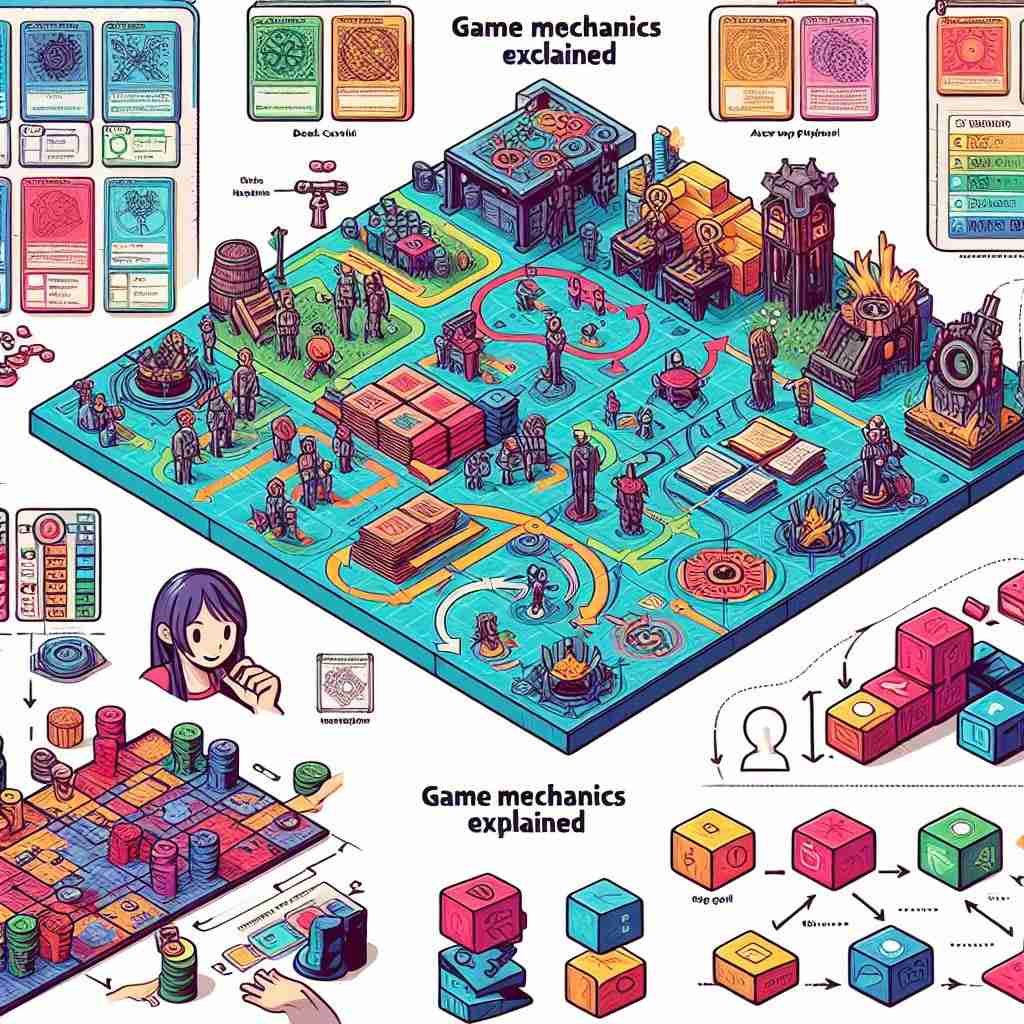
How Can You Choose Games That Everyone Will Enjoy?
Are Some Families Better Suited For Board Games Than Others?
Let’s face it—gathering the family around a table for a lively Board Game night can be as fraught with tension as a family reunion on Thanksgiving. Some households might naturally gravitate toward this tradition, while others seem to struggle at every turn. You may wonder: Are some families just better suited for Board Games than others? The short answer is—probably.
Picture this: a family bustling with energy, laughter ringing through the air as the dice roll and cards fly. That’s a household in sync with the rhythm of games. There’s an innate sense of camaraderie and a few playful rivalries to boot. These families may have spent countless evenings rolling those same dice, cementing their bonds over heart-pounding rounds of strategy, chance, and simple joy. Perhaps they are accustomed to a culture that actively encourages lighthearted competition or isn’t afraid of a little friendly trash talk.
On the flip side, consider the family who approaches Board Games with trepidation, where the mere thought of a strategy game is enough to induce groans. Maybe they’re used to quieter evenings, blissfully absorbed in their screens or books. Or worse, maybe they tried a particularly controversial game last year that left them bickering well into the night. In cases like these, Board Games can feel more like a battleground than a fun evening at home.
But don’t worry! The good news is that you don’t have to resign yourself to a life void of Board Gaming bliss. If you find your family stuck in the “no games” rut, it might just be time for a rework of your approach. Maybe start with simpler, light-hearted games that encourage participation without the stress of complex rules. These avenues can help break the ice and coax out the hidden game-lovers lurking within your relatives.
And remember, it’s not all about winning or losing; it’s about the stories, laughter, and memories that emerge in the process. So whether your family is a seasoned Board Game crew or a hesitant band of explorers, the key lies in fostering connection and making every roll of the dice an opportunity for togetherness. Dust off that game cabinet and take the plunge—who knows what new adventures await?

Are Some Families Better Suited For Board Games Than Others?
Are Some Families Better Suited For Board Games Than Others?
- Board Game nights can create tension similar to family reunions.
- Some families are naturally better suited for Board Games, fostering camaraderie and playful rivalries.
- Joyful families often enjoy strategy and chance games, enhancing their bonds.
- Other families may dread games due to past negative experiences or prefer quieter activities.
- Transitioning to simpler, light-hearted games can encourage participation and ease tension.
- Focus on the stories, laughter, and memories created rather than just winning or losing.
- Encouraging connection can transform Board Game nights into enjoyable family adventures.

Are Some Families Better Suited For Board Games Than Others?
Conclusion
So here we are, folks—an ode to board games—the age-old tradition that was once the celestial glue binding families together, and yet, let’s be real, has at times turned living rooms into veritable arenas of tactical warfare. If you’ve ever gathered around the table, full of hopes, snacks, and a fresh game, only to watch as excitement devolves into arguments over property taxes in Monopoly, welcome to the reality of family game night!
The allure of those colorful boxes promises laughter and connection, yet, the fine line between friendly rivalry and all-out temper tantrum can be as thin as the rule book itself. Sure, board games have the potential to create vivid memories, where the echoes of laughter—or maybe a bit of heated banter—fill the room. But beneath that surface, there can lurk a potential for misunderstandings, old wounds, and even competitiveness gone wild.
Let’s not throw the proverbial baby out with the bathwater here. Perhaps it’s time to reevaluate our approach. The key isn’t just in the games we choose but also how we play them. Consider leaning toward cooperative games that invite everyone to become teammates, tackling challenges as one, rather than pitting family members against each other. Remember the magic of simpler days? A classic game your family savored in times past could be just the thing to bring back the joy instead of the combat.
Take a moment to assess your crew; your family’s dynamics matter. Identify their personalities and preferences—some thrive in a competitive landscape, while others might prefer an atmosphere of collaboration more akin to a team-building retreat. The essence of board gaming should be about cherishing shared experiences rather than simply chasing victory.
So as we round this out, I’ll leave you with a challenge: the next time you dig into that game cabinet, don’t come armed with expectations of triumph. Instead, approach it like the grand adventure it can be—where the central theme is connection. Let those games transform into an opportunity for stories, laughter, and a genuine celebration of being together. After all, the biggest win isn’t in the points scored or the titles claimed; it’s in the bonds forged over high-stakes left turns and strategic retreats. Game on!

Conclusion
Conclusion:
- An ode to board games as a tradition that connects families, yet also creates competitive environments.
- Family game nights can sometimes devolve into arguments, highlighting the thin line between fun and conflict.
- Board games have the potential to create lasting memories filled with laughter and camaraderie.
- Cooperative games may offer a better approach by fostering teamwork instead of competition.
- Understanding family dynamics and individual personalities can enhance the gaming experience.
- The essence of board gaming should focus on shared experiences rather than winning.
- Approach game nights as adventures for connection, celebrating relationships rather than just triumphs.

Conclusion
Other Resources

Other Resources
Here is a list of other resources you can review online to learn more:
- Board to Death TV
- Arcane Wonders
- Poker
- Roll for the Galaxy
- Brass: Lancashire
- Planly
- Gloomhaven
- IGN
- Wizards of the Coast
Use This Prompt To Get More Resources With Your Favorite Online AI Tool: Please provide me with a list of online articles with their URLs in a bulleted list that I can read regarding Are Board Games Driving a Wedge Instead Of Bonding Your Family?

Other Resources
Glossary Terms
Are Board Games Driving a Wedge Instead Of Bonding Your Family? – Glossary Of Terms
1. Board Game: A tabletop game that typically involves pieces and a board, where players engage in strategic, competitive, or cooperative play.
2. Family Bonding: The process of creating a close-knit familial relationship through shared activities and experiences.
3. Competitive Play: A style of gameplay where players are in direct competition with one another, often leading to winners and losers.
4. Cooperative Play: A gaming style where players work together to achieve a common goal, fostering teamwork and collaboration.
5. Conflict Resolution: The methods and processes involved in alleviating conflict or disagreement that may arise during gameplay.
6. Emotional Intelligence: The ability to recognize and manage one’s own emotions and the emotions of others, which is important in social interactions like board gaming.
7. Turn-taking: A gameplay mechanic where players alternate turns in a set sequence, crucial for maintaining fairness and structure in many board games.
8. Rules Complexity: The difficulty level of a game’s rules, which can affect players’ enjoyment and engagement.
9. Social Interaction: The ways in which players communicate and interact with one another within the context of the game.
10. Game Night: A designated evening for family members or friends to gather and play board games together, promoting social bonding.
11. Frustration Factor: A term describing how the difficulty of a game can lead to feelings of irritation or anger among players.
12. Family Dynamics: The patterns of interaction and relationships within a family unit, which can be influenced by shared activities like board gaming.
13. Inclusivity: The practice of ensuring that all family members, regardless of age or skill level, can participate in and enjoy the game.
14. Playtesting: The process of evaluating a game by playing it, often done before final production, to see how players interact with it.
15. Skill Level: The degree of proficiency a player has in a particular game, which may differ among family members.
16. Game Fatigue: A sense of monotony or weariness that can develop when the same game is played repeatedly.
17. Communication Styles: Different ways in which individuals express themselves and convey thoughts, often affecting how arguments or strategies are discussed during games.
18. Tension: The heightened emotional state that can occur during competitive gameplay, sometimes leading to disagreements.
19. Family Traditions: Established customs or practices within a family, which can include regular game nights or specific games played together.
20. Peer Pressure: The influence exerted by family members that can affect a player’s choices in gameplay, resulting in stress or reluctance.
21. Strategic Thinking: The cognitive process involved in planning and making decisions during gameplay.
22. Replayability: The likelihood that a board game will be played multiple times without feeling stale, often considered a measure of its quality.
23. Game Design: The art and science of creating games, including mechanics, themes, and components that impact player experience.
24. Social Learning: The process through which individuals learn behavior and social skills by observing and interacting with others, a key component of family game dynamics.
25. Conflict: Disagreements or friction that may surface during gameplay, potentially affecting family relationships.
26. Family Cohesion: The strength of relationships and sense of unity within a family, influenced by shared activities like board games.
27. Game Moderation: The act of overseeing a game to ensure rules are followed and conflicts are managed, crucial in family settings.
28. Encouragement: Support and positive reinforcement offered by family members that can enhance gameplay and foster a positive environment.
29. Adaptability: The ability of family members to adjust gameplay or strategies to keep everyone engaged and included.
30. Emotional Outbursts: Sudden expressions of emotion, either positive or negative, that can occur during gameplay, often influencing the atmosphere of family interaction.

Glossary Of Terms
Other Questions
Are Board Games Driving a Wedge Instead Of Bonding Your Family? – Other Questions
If you wish to explore and discover more, consider looking for answers to these questions:
- What are the benefits of playing board games with family?
- How can we handle conflicts that arise during board games?
- What are some examples of cooperative board games?
- How do different family dynamics affect game night experiences?
- What age-appropriate games are ideal for mixed-age groups?
- How can parents encourage a love for board games in their children?
- Are there specific types of games that promote conversation and bonding?
- What should families do if one member dislikes board games?
- How can board games be adapted for families with varying skill levels?
- What role does humor play in family game nights?

Other Questions
Haiku
Are Board Games Driving a Wedge Instead Of Bonding Your Family? – A Haiku
Board games unite,
Laughter shared, bonds may be strained;
Choose joy, not just wins.

Haiku
Poem
Are Board Games Driving a Wedge Instead Of Bonding Your Family? – A Poem
A Game of Bonds
In cozy rooms with laughter bright,
Families gather, hearts alight,
Once thought a glue of joy and play,
Board games can shift in a complex way.
With snacks aplenty and spirits high,
Hopeful eyes meet under the sky,
Yet the simple roll can ignite fierce strife,
Competitions fought can slice like a knife.
From Monopoly’s clash with tensions steep,
To the quiet corners where tempers creep,
Expectations rise, and egos may swell,
In the fray of fun, sometimes we dwell.
But hark! There’s wisdom in choosing the game,
Cooperative play to share in the aim,
Where laughter reigns and kindness holds sway,
Bringing together what games should portray.
From young ones filled with bravado and glee,
To wiser souls with tales in their spree,
Each with a spirit, a role to fulfill,
Building connections, the heart’s greater thrill.
Old classics revive the memories sweet,
As dice roll gently with every heartbeat,
So gather your loved ones, share in the cheer,
Choosing joy, not the win, brings you near.
For beneath the cardboard, in laughter so true,
Lay threads of connection that bind me and you,
So let’s cast aside rivals, breathe in the grace,
And find in our games a beloved embrace.

Poem
Checklist
Are Board Games Driving a Wedge Instead Of Bonding Your Family? – A Checklist
Board Game Family Connection Checklist
Use this checklist to enhance your next family board game night and ensure it promotes bonding and enjoyment for everyone involved:
Pre-Game Preparation
1. Assess Family Dynamics:
_____ Identify competitive vs. cooperative preferences.
_____ Consider age differences and their influence on game enjoyment.
2. Select Appropriate Games:
_____ Choose games that have a cooperative element (e. g. , Pandemic, Forbidden Island).
_____ Include classic board games that evoke nostalgia (e. g. , Monopoly, Scrabble).
_____ Have a mix of strategic, casual, and innovative games (e. g. , Codenames, Dixit).
3. Set the Mood:
_____ Create a cozy, inviting environment (snacks, drinks, comfortable seating).
_____ Play soft background music to set a positive atmosphere.
During the Game
4. Establish Ground Rules:
_____ Clarify rules before starting; agree on how disputes will be handled.
_____ Introduce lighthearted rules to keep things fun (e. g. , silly penalties for losing).
5. Encourage Participation:
_____ Rotate turns and encourage those who may be shy to speak up.
_____ Offer support to less experienced players without over-dominating.
6. Focus on Connection:
_____ Foster an environment of laughing and sharing stories related to the game.
_____ Remind everyone that the goal is to build relationships, not just to win.
Handling Conflicts
7. Manage Competitive Tensions:
_____ Keep an eye on emotional reactions; step in if conflicts arise.
_____ Suggest breaks, snacks, or switching games if tensions escalate.
8. Promote Team Spirit:
_____ Emphasize team success in cooperative games to fuel camaraderie.
_____ Encourage players to share strategies and celebrate achievements together.
Post-Game Reflection
9. Discuss the Experience:
_____ Share favorite moments and discuss what everyone liked or didn’t like about the games.
_____ Encourage players to suggest games for future nights.
10. Plan for Future Game Nights:
_____ Together, create a list of games to try next time.
_____ Schedule regular game nights to build on the shared experience.
Miscellaneous Tips
11. Stay Flexible:
_____ If a game isn’t resonating, don’t hesitate to switch it out for something else.
_____ Be open to trying new games suggested by family members.
12. Capture Memories:
_____ Take pictures or videos during the game night to preserve memories.
_____ Reflect on funny or memorable quotes or moments after the session ends.
Use this checklist to maximize enjoyment and connection during your family board game nights! Happy gaming!

Checklist
At BestBoardGameNews, we help people who love board games by collating information and news about board games.
Be sure to read our other related stories at BestBoardGameNews to learn more about board games.


