

Uncovering The Power Of Board Games For Family Unity
By Tom Seest
At BestBoardGameNews, we help people who love board games by collating information and news about board games.
Be sure to read our other related stories at BestBoardGameNews to learn more about board games.
Are Board Games The Critical Link to Enhanced Family Interaction?
In our fast-paced, technology-driven world, we often overlook one of the simplest yet most effective ways to foster family interaction: the board game. Yes, you heard me correctly! While we scroll through our screens, tapping away at countless notifications, there’s a treasure trove of connection waiting to be discovered right on the game shelf.
Imagine this idyllic scene: a cozy evening, the aroma of popcorn wafting through the air, and laughter bubbling up from the living room as family members gather around the table. Each player grabs a piece and, for a few hours, the outside world melts away. In this sacred space, the board game becomes more than just a simple pastime; it transforms into a catalyst for conversation, creativity, and camaraderie.
Now, let’s get real. We all know that family dynamics can be a bit shaky at times. Tensions rise, opinions clash, and communication falters. But here’s the kicker: the right board game can break through those barriers. Whether it’s a classic like Monopoly or a modern strategy game, each match brings an opportunity for shared experiences and laughter — the kind that sticks with you long after the last piece has been placed. The friendly competition forces us to engage with one another, fostering an environment where everyone has a voice.
And if you think gaming is just for kids, think again. It’s a gentle reminder that play knows no age; it’s for parents, grandparents, cousins — everyone! With every roll of the dice, you experience the unique, unfiltered joy of being present. These moments matter. They create memories that bind families tighter and pave the way for deeper conversations about everything under the sun.
Ready to reconnect? Dust off those board games, load up the snacks, and set aside the distractions for an evening. You might be surprised by how quickly you find a rhythm and rediscover those little things that make your family unique. In a world that often pulls us apart, board games can be the critical link to building bridges of understanding and connection.
So, gather around, roll the dice, and let the games begin. Your family will thank you for it — and you might just find yourselves wishing you did it a whole lot sooner.

Are Board Games The Critical Link to Enhanced Family Interaction?
Are Board Games The Critical Link to Enhanced Family Interaction?
- Board games are a simple yet effective way to foster family interaction in a technology-driven world.
- A cozy game night creates an environment filled with laughter and connection, away from distractions.
- The right board game can help break down family tensions and encourage communication.
- Games like Monopoly or modern strategy games promote shared experiences and camaraderie.
- Board gaming is for all ages, enabling families to create special memories together.
- Engaging in board games allows families to have deeper conversations and strengthen their bonds.
- Set aside distractions and enjoy game night to reconnect and appreciate what makes your family unique.

Are Board Games The Critical Link to Enhanced Family Interaction?
Table Of Contents
- Are Board Games The Critical Link to Enhanced Family Interaction?
- Are Board Games Beneficial For Family Bonding?
- How Can Board Games Reduce Screen Time?
- What Types Of Board Games Are Best For Families?
- Do Board Games Help Improve Communication Skills?
- How Do Board Games Encourage Teamwork Among Family Members?
- Can Playing Board Games Alleviate Family Stress?
- What Age-Appropriate Board Games Exist For All Family Members?
- Conclusion
- Other Resources
- Glossary Of Terms
- Other Questions
- Haiku
- Poem
- Checklist
Are Board Games Beneficial For Family Bonding?
Picture this: a rainy Saturday afternoon, the kind that tempts you to curl up under a blanket and binge your latest favorite series. But before you do, take a look around. Instead of retreating into your digital devices, how about gathering the family around the kitchen table for a good old-fashioned board game? That’s right — those colorful boxes filled with dice, cards, and the promise of laughter. Board games are more than just nostalgic relics of childhood; they are a powerful vehicle for family bonding, an avenue to strengthen connections that might otherwise slip away in our busy lives.
Let’s face it, life can feel like a non-stop hamster wheel sometimes, and the close-knit family moments can seem harder to come by than that last piece of pizza at a party. But when you pull out a board game, you’re not just breaking the monotony; you’re creating an environment that encourages interaction, strategy, competition, and yes, even a little harmless rivalry. Kids, teens, and adults alike can find a common ground over a shared love for something as simple as rolling dice or moving pieces across a board. Suddenly, you’re not just a parent or a sibling; you’re a teammate, a strategist, and sometimes, a fierce competitor.
When we engage in gameplay, we learn to communicate more effectively. The rules of a board game foster conversation and demand cooperation, which can be a refreshing change of pace from the quick, digital interactions we often settle for. Do you remember the last time you all erupted into laughter over a surprising move, or when someone accidentally knocked over the board? Those moments, light-hearted and poignant, become the threads that weave your family’s fabric tighter.
Moreover, these experiences instill values of patience, sportsmanship, and strategic thinking — all while building relationships that can withstand the everyday grind. So, why not carve out some time to unbox a board game? You just might discover that it’s not only about winning or losing; it’s about connecting in a world that seems to pull us apart. In those moments, you may find laughter, shared stories, and perhaps a deeper understanding of one another. So go ahead—make game night a tradition and watch as those dice roll strengthen your family bond like never before.

Are Board Games Beneficial For Family Bonding?
Are Board Games Beneficial For Family Bonding?
- Rainy afternoons can be perfect for family bonding time instead of screen time.
- Board games offer a nostalgic yet powerful way to strengthen family connections.
- Playing board games creates an environment of interaction, strategy, and friendly competition.
- All ages can engage and find common ground through shared gameplay experiences.
- Gameplay encourages effective communication and cooperation within the family.
- Board games teach important values like patience, sportsmanship, and strategic thinking.
- Making game night a tradition fosters deeper connections and shared laughter.

Are Board Games Beneficial For Family Bonding?
How Can Board Games Reduce Screen Time?
In an age where screens seem to rule our lives, it might feel like we’re all living in some high-tech sci-fi novel. Think about it: mornings start with scrolling through feeds, afternoons are dominated by webinars, and evenings? Well, they’re often spent binge-watching until our brains feel fuzzy. But here’s the kicker: there’s a classic antidote to this digital deluge, a remedy deeply rooted in the simplicity of human connection. And that’s where the board game steps in.
Picture the scene: your family gathers around the kitchen table, sunlight streaming in through the window, illuminating the polished surface of a box bursting with colorful pieces and endless possibilities. A board game isn’t just a collection of cardboard and plastic; it’s an invitation to engage, to laugh, and to strategize together. When you roll the dice, you’re rolling back the clock as well—back to a time when screens didn’t dominate our recreational hours.
It’s all too easy to forget the richness of face-to-face interaction when all we see are the glowing blue lights of our devices. But board games create a space where genuine connections blossom. The thrill of competition, the laughter over a well-executed plan gone awry, the shared cheers when someone finally makes that critical move—these moments are irreplaceable. They invite conversations, foster teamwork, and provide an opportunity for everyone to step away from the omnipresent screens and rediscover the joy of just being together.
Think about the last time you played a board game with someone. Do you remember how the energy in the room shifted? How the chatter began to replace the silence? When you indulge in a good round of Monopoly or Settlers of Catan, you’re not just playing—you’re creating memories. You’re rediscovering the joy of competition and cooperation, savoring moments of triumph and camaraderie.
Now, imagine making this a regular practice. Allocate one night a week to board games—no screens allowed. It’s a small commitment but one that can carve a path back to what matters: real human interaction and shared experiences. By doing this, you’re not just reducing screen time; you’re building a community right at your kitchen table. Embrace the challenge. Embrace the laughter. Grab your favorite board game and rediscover the joy of stepping away from the digital world. After all, the best adventures happen face-to-face, not through a screen.

How Can Board Games Reduce Screen Time?
How Can Board Games Reduce Screen Time?
- Modern life is dominated by screens, with daily routines revolving around digital interactions.
- Board games serve as a remedy to restore human connection in a tech-obsessed world.
- Gathering around a board game fosters engagement, laughter, and teamwork.
- Playing games encourages face-to-face interactions, creating irreplaceable memories.
- Board games shift energy in the room, inviting conversations and camaraderie.
- Regularly scheduling a board game night can strengthen community and relationships.
- Embracing board games helps to reduce screen time and promotes real-life adventures.

How Can Board Games Reduce Screen Time?
What Types Of Board Games Are Best For Families?
What Types of Board Games Are Best For Families?
When it comes to family board games, variety is more than just the spice of life—it’s the glue that bonds us together. Think about it: gathering around a table, the laughter and friendly banter filling the room, all while the clattering of game pieces and the thrill of competition spark joy. Just picture a classic board game night paired with pizza or snacks, and you’ve got a recipe for unforgettable moments.
So, what types of board games should make the cut for your family game night? First off, co-op games. These are the unsung heroes. Instead of pitting family members against each other, they foster teamwork and collaboration. Picture your troop banding together to defeat a dragon or solve a mystery. Games like *Pandemic* or *Forbidden Island* require players to strategize as a unit, highlighting the power of collective effort—a great lesson for all, particularly the little ones.
Next up, consider family-friendly strategy games. These games often keep older kids and adults engaged while still being approachable for younger members. Think of titles like *Ticket to Ride* or *Carcassonne*. They strike that sweet balance of being easy enough to learn but complex enough to keep everyone hooked. Plus, they encourage critical thinking, so you can flex those brain muscles while surrounded by loved ones.
Don’t overlook the classic social deduction games—these are ideal for families with teens. Games like *Werewolf* or *Coup* provide an exhilarating blend of suspense and deception. They can lead to belly laughs as family members try to suss out each other’s motives. Who knew a little light-hearted betrayal could inspire such connections?
Lastly, let’s not forget the importance of narrative-driven games. These games, like *Dixit* or *The Story Cube*, tap into imaginations and storytelling. They create an avenue for creativity, allowing your family to collaboratively craft tales that could easily rival any blockbuster flick. What better way to bond than by sharing laughs and weaving fables from the comfort of your kitchen table?
Families come in all shapes and sizes, but the essence of bonding remains the same. The perfect board game cultivates communication, builds trust, and invites everyone to the table—literally. So gather your crew, dust off those game boxes, and let the fun begin. Magic happens over a game board, and every roll of the dice could be the start of a beautiful family memory.

What Types Of Board Games Are Best For Families?
What Types Of Board Games Are Best For Families?
- Family board games create memorable moments filled with laughter and friendly competition.
- Co-op games, such as Pandemic and Forbidden Island, promote teamwork and collective problem-solving.
- Family-friendly strategy games like Ticket to Ride and Carcassonne balance engagement for all ages.
- Social deduction games, including Werewolf and Coup, offer excitement and suspense, particularly for families with teens.
- Narrative-driven games, like Dixit and The Story Cube, encourage creativity and storytelling among family members.
- The right board game fosters communication, builds trust, and engages everyone around the table.
- Gathering for board games is an opportunity for bonding and creating lasting family memories.

What Types Of Board Games Are Best For Families?
Do Board Games Help Improve Communication Skills?
Let’s face it: in a world dominated by technology, where most of our conversations are reduced to emoji-laden messages and social media posts, the art of face-to-face communication sometimes gets lost in the shuffle. This is where board games step in to save the day, like an old friend who reminds you of the joy of genuine interaction.
Picture this: a gathering of friends or family, sitting around a table piled high with snacks and laughter, the atmosphere charged with excitement. You grab a board game—maybe it’s a classic like Monopoly or a modern marvel like Catan. As the pieces are set and the rules explained, you can almost feel the tension simmer down and camaraderie begin to build. This isn’t just a game; it’s an opportunity. An opportunity to boost your communication skills in a way that feels natural and enjoyable.
As you dive into the game, you’re not only thinking about your next move but also how to share your strategy with your teammates or persuade others to join your cause. Board games encourage dialogue, negotiation, and even a bit of healthy competition. You start to strategize, share ideas, and negotiate your way to victory. Sure, winning is great, but the true beauty lies in the connections you form along the way.
However, it’s not just about barking orders or making statements. It’s about listening, too. As players discuss tactics, debate outcomes, and issue challenges, each person is honing their ability to listen actively and respond thoughtfully. You may find yourself engaged in light-hearted banter or even delving into deeper conversations that enrich your relationships—who knew that a board game could turn into a bonding session?
Moreover, these games are a microcosm of real-world scenarios. Whether you’re strategizing in a business meeting or navigating personal relationships, the skills you practice during game nights—like clarity in communication, patience, empathy, and the ability to read body language—can translate directly to everyday life.
So, if you’re looking for a way to enhance your communication skills while having a blast, take a step away from the screens. Gather around a table and dive into a board game. Let the laughter, conversation, and friendly competition guide you toward becoming a better communicator, one roll of the dice at a time. Trust me, your future conversations will be all the richer for it.

Do Board Games Help Improve Communication Skills?
Do Board Games Help Improve Communication Skills?
- Board games provide an opportunity to enhance face-to-face communication in a tech-driven world.
- They create a fun atmosphere filled with laughter, snacks, and camaraderie among friends or family.
- Playing board games promotes natural dialogue, negotiation skills, and healthy competition.
- Engaging in games helps players strategize and share ideas, building connections along the way.
- Active listening and thoughtful responses are vital skills developed during gameplay.
- Board games mirror real-life scenarios, improving communication skills applicable in both personal and professional settings.
- Gathering for board games can transform relationships and improve communication skills away from screens.

Do Board Games Help Improve Communication Skills?
How Do Board Games Encourage Teamwork Among Family Members?
When you gather around a table with a board game, you’re not just moving pawns or rolling dice—you’re diving headfirst into an experience that weaves a tapestry of teamwork, communication, and a sprinkle of healthy competition. Picture this: the laughter ringing through the air, the playful banter as you attempt to outsmart one another, and the camaraderie that grows with each turn of the card. All of this nurtures not just memories, but robust connections that can last a lifetime.
At the core of any good board game is the necessity for collaboration. Whether it’s strategizing your next move in a game of Settlers of Catan or forming alliances in a classic game of Risk, family members must learn to work together to achieve a common goal. This isn’t just about winning or losing—it’s about sharing ideas, negotiating terms, and sometimes even compromising. When your teenager enthusiastically suggests a different tactics to outmaneuver the competition, or your youngest family member triumphs in rallying everyone to their side for a bold move, magic happens.
Let’s be honest—real life isn’t always a smooth sail. Conflicts arise, and differing opinions clash. Board games offer a low-stakes environment to tackle these challenges gracefully. They establish a safe space where everyone can be heard, and unique perspectives are not only welcome but often critical to navigating tricky situations. Families can lean into the discomfort of conflict and emerge stronger and more cohesive with each game played.
Moreover, these gatherings invite a delightful dose of nostalgia. Fond memories of board game nights can spark discussions about family history and shared laughter over past games gone awry. Reliving these moments reinforces the idea that family is a united front, capable of overcoming obstacles together—especially when the stakes are as simple as a few victory points.
In the bustling pace of life, setting aside dedicated time for board games encourages all family members to pause and engage. With every roll of the dice, you’re investing not just in a game, but in each other. So grab that board game from the shelf, dust it off, and let the laughter—along with a bit of rivalry—flow. By doing so, you’re not just playing; you’re building a legacy of teamwork that will resonate through generations.

How Do Board Games Encourage Teamwork Among Family Members?
How Do Board Games Encourage Teamwork Among Family Members?
- Board games foster teamwork, communication, and healthy competition among players.
- Laughter and playful banter create a sense of camaraderie and lasting connections.
- Collaboration is key; games require strategizing and working together towards a common goal.
- Board games offer a low-stakes environment to navigate conflicts and differing opinions.
- They create a safe space for everyone’s voices to be heard and valued.
- Game nights evoke nostalgia, reinforcing family bonds and shared experiences.
- Dedicated game time encourages engagement and builds a legacy of teamwork across generations.

How Do Board Games Encourage Teamwork Among Family Members?
Can Playing Board Games Alleviate Family Stress?
Picture this: It’s a Friday evening. The week’s fatigue has woven itself tightly into the fabric of your household. The kids are cranky, the pet is restless, and the never-ending list of chores looms over you like a thundercloud. Now, here comes the hero of our tale: the trusty board game. Yes, that simple cardboard creation is not just a relic of a bygone era; it’s a gateway to connection, laughter, and an antidote to the chaos of daily life.
When you gather around the table, it’s not just about rolling dice or moving pieces—it’s about reigniting that spark of family spirit. Whether you’re strategizing your way to victory in Monopoly or collaborating as a team in a cooperative adventure game, there’s something can’t-be-beat about the camaraderie that develops around a board game. You’re not just players; you’re allies, rivals, and sometimes a comic relief troupe, navigating the ups and downs of competition with humor.
Think of those moments—the tension of a close roll, the joy of a surprise win, or the collective groans when the family member who always forgets the rules spells doom for your carefully crafted plans. Those are the moments that build bonds, create memories, and fortify relationships. Each laugh shared or playful jab exchanged becomes part of the rich tapestry of family stories that you’ll reminisce about later.
Moreover, let’s not overlook the mental health benefits here. In a world full of distractions and digital screens, board games draw everyone together and provide a rock-solid platform for connection. You’re not caught in a social media whirlwind or watching the latest streaming series alone in your corners of the house. Instead, you’re present. And being present? That’s priceless.
So, the next time family stress hits, consider building a board game night into your routine. Dust off that old game box, shuffle the cards, and set up the pieces. Allow the joy of the game to wash over you, melting away the strain of the week. It’s not just about enjoying a little competition; it’s about reclaiming family time, one turn at a time. Who knows? You might just find that the best remedy for stress is not a pill, but a few good friends (or family members) gathered around a table, united by laughter and a shared love of play.

Can Playing Board Games Alleviate Family Stress?
Can Playing Board Games Alleviate Family Stress?
- Board games provide a way to connect and bond as a family, especially during stressful times.
- They can transform a chaotic evening into moments of laughter, strategy, and teamwork.
- Playing games fosters camaraderie and creates memorable experiences, from close rolls to surprising wins.
- Board games encourage presence and connection, steering families away from distractions and digital screens.
- Engaging in board games builds a rich tapestry of family stories filled with humor and competition.
- A board game night can be a simple yet effective remedy for family stress and exhaustion.
- Gathering around a game can remind families that joy and connection often come from shared experiences, not just technology.
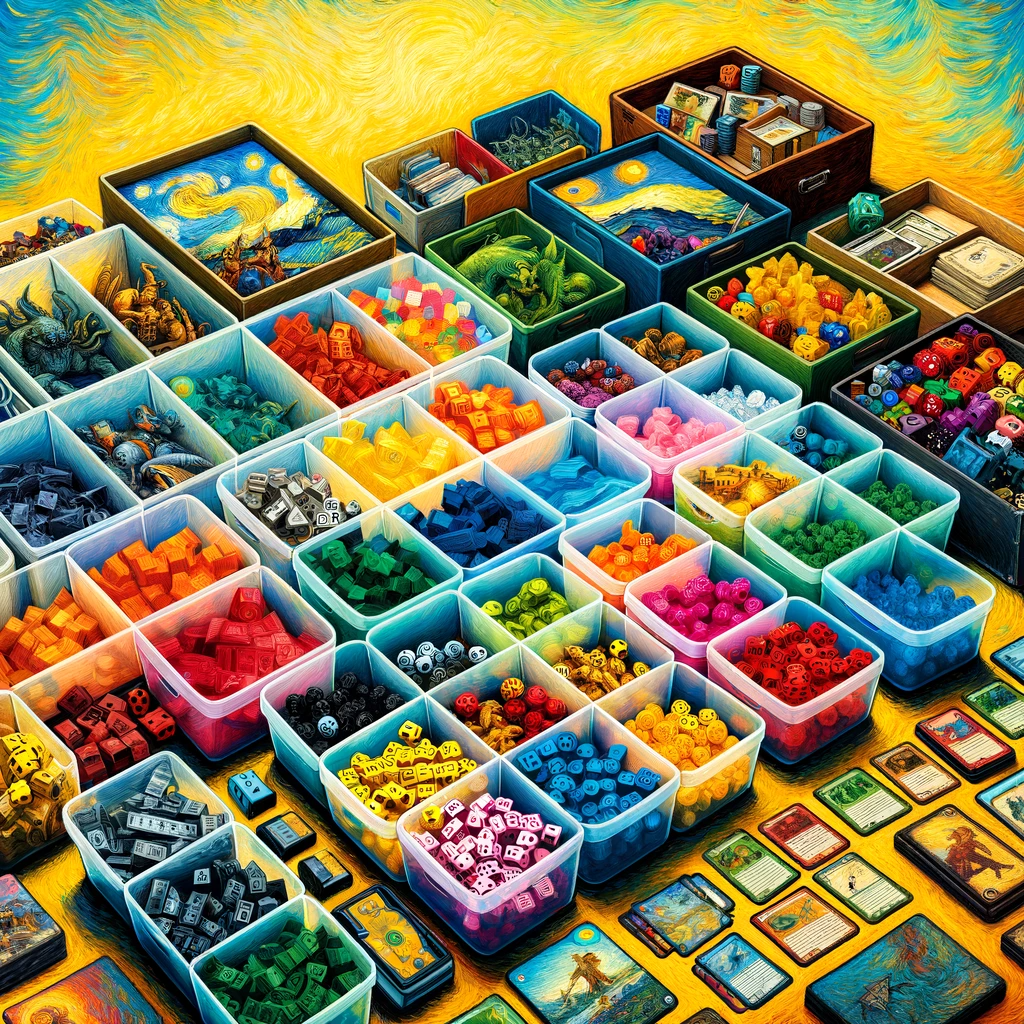
Can Playing Board Games Alleviate Family Stress?
What Age-Appropriate Board Games Exist For All Family Members?
What Age-Appropriate Board Games Exist for All Family Members?
Gather ’round the table, folks! When it comes to family bonding, there’s nothing quite like the magic of a good old-fashioned board game. Picture this: the smell of popcorn wafting through the air, laughter echoing, and every family member, from grandpa to the little tyke, engaged in a vibrant, spirited competition. But not all board games are crafted equal, and finding the right ones can be as daunting as trying to explain the rules of chess to a five-year-old.
Let’s dive into the world of age-appropriate board games that ensure everyone from toddlers to seniors can share in the fun without feeling lost or frustrated. For the wee ones, you might consider classic games like “Candy Land” or “Chutes and Ladders.” These vibrant, simple games with colorful boards and basic rules capture the imaginations of the little ones while teaching them fundamental counting skills and turn-taking. Plus, nothing beats the look of pure joy on their faces when they move their game piece down that winding path or slide down a chute!
For the budding strategists in your family, “Uno” serves up some card-slinging excitement that’s ideal for pre-teens and up. The beauty of this game lies in its simplicity – easy to learn, yet filled with twists and turns that keep everyone on their toes. Plus, it’s perfect for those family gatherings that often spiral into shenanigans, where the unexpected rule challenges and playful sabotage can turn the tide of the game in a matter of seconds.
Now, if you’ve got some older kids or teens in the mix, “Codenames” brings a bit of intrigue and teamwork to the table. With two teams attempting to uncover their agents through clever clues, it’s the kind of game that encourages communication and shared strategy. It’s also a fantastic way for generations to bond over the art of clever wordplay while getting into some friendly rivalry.
And let’s not forget the adults, who deserve some fun, too! Enjoy the great outdoors right in your living room with “Settlers of Catan.” A little trading, negotiation, and strategy never hurt anyone, and it’s a surefire way to make family game night more than just a pastime—it’s an adventure!
So dust off those game boxes, gather your family, and revel in the laughter, conversation, and camaraderie that only a good board game can bring. Who knows? You might just create a new family tradition that will last a lifetime!

What Age-Appropriate Board Games Exist For All Family Members?
What Age-Appropriate Board Games Exist For All Family Members?
- Board games foster family bonding and create a fun atmosphere.
- Age-appropriate games are essential for everyone, from toddlers to seniors.
- Classic games like “Candy Land” and “Chutes and Ladders” are great for young children.
- Uno” is suitable for pre-teens and offers easy-to-learn yet exciting gameplay.
- “Codenames” encourages teamwork and clever wordplay for older kids and teens.
- “Settlers of Catan” combines strategy and negotiation, appealing to adult players.
- Family game nights can create lasting traditions filled with laughter and camaraderie.

What Age-Appropriate Board Games Exist For All Family Members?
Conclusion
Conclusion: Rediscovering Family Through Board Games
Folks, let’s take a moment to hit pause on the relentless pace of our technology-driven lives. We all know how easy it is to slip into the allure of screens—endless scrolling and binge-watching can quickly take over our time. But nestled amongst those forgotten boxes on the shelf lies a treasure trove of human connection: board games. Yes, that’s right! It’s time to bring back that delightful ritual of gathering around the table, rolling dice, and enjoying some good-natured competition with the ones we love.
Imagine this: it’s a cozy Saturday evening, the aroma of popcorn fills the air, and laughter rings throughout the room as family members playfully strategize their next moves. Those moments aren’t just fleeting; they create lasting memories that weave us together as a family fabric. A board game isn’t merely a game; it’s a platform for communication, empathy, and even teamwork. As families vie for victory, they’re not just playing; they’re learning to listen, to strategize, and to negotiate—skills that enrich our daily interactions outside of game night.
What’s more, these sessions offer a gentle yet powerful antidote to the distractions of modern life. They provide an opportunity for everyone, from toddlers to grandparents, to engage in meaningful experiences devoid of digital interruptions. Whether you’re battling it out in Monopoly, teaming up in Pandemic, or unraveling the intrigue in Codenames, every roll and every turn fosters interaction that proves invaluable, especially in an age where genuine conversation can often feel scarce.
So do your family a favor: dust off those board games, set aside the screens, and carve out dedicated family time. Make it a weekly ritual. Not only will you reduce screen time, you’ll also build stronger, more vibrant connections that can weather the everyday storms of life. And trust me, while winning is great, the true beauty lies in the laughter, the playful jabs, and the stories that will be recounted for years to come.
In a world that constantly pulls us apart, board games can indeed be that critical link, forging the kind of unity that enhances our family life. So gather ‘round, roll those dice, and get ready for an adventure—not just in the games you play, but in the relationships you strengthen along the way. Your family will thank you, and you may even find yourself wishing you had started sooner. Now, let the games begin!

Conclusion
Conclusion:
- Pause the fast-paced, technology-driven lifestyle to reconnect with family.
- Board games foster human connection and provide an opportunity for quality family time.
- Playing board games creates lasting memories and strengthens family bonds.
- These games encourage essential skills like communication, empathy, and teamwork.
- Game nights offer a digital-free space for meaningful interactions across generations.
- Regular board game sessions can reduce screen time and enhance family relationships.
- Ultimately, the true joy lies in the laughter and stories shared during these gatherings.

Conclusion
Other Resources

Other Resources
Here is a list of other resources you can review online to learn more:
- Hanabi
- Dead of Winter: The Long Night
- GMT Games
- Robinson Crusoe: Mystery Tales Expansion
- 7 Wonders Duel
- Betrayal at Baldur’s Gate
- Mombasa
- White Wizard Games
- Star Wars: Rebellion
Use This Prompt To Get More Resources With Your Favorite Online AI Tool: Please provide me with a list of online articles with their URLs in a bulleted list that I can read regarding Are Board Games The Critical Link to Enhanced Family Interaction?

Other Resources
Glossary Terms
Are Board Games The Critical Link to Enhanced Family Interaction? – Glossary Of Terms
1. Board Game: A structured form of play typically played on a flat surface, often involving pieces, cards, and a game board, aimed at providing entertainment and challenge.
2. Family Interaction: The communication and engagement that occurs among family members, fostering relationships through shared activities and experiences.
3. Social Skills: The abilities that facilitate interaction and communication with others, including listening, empathy, and cooperation.
4. Cognitive Development: The progression of a person’s ability to think, understand, and learn, which can be stimulated through strategic board games.
5. Cooperation: The act of working collaboratively towards a common goal, often encouraged through team-based board games.
6. Strategy: A plan of action designed to achieve a particular outcome, commonly utilized in games that require critical thinking and foresight.
7. Communication: The exchange of information and ideas among family members during gameplay, enhancing emotional connections.
8. Turn-Taking: The principle of players waiting for their turn to act, promoting patience and respect for others.
9. Conflict Resolution: The process of resolving disagreements or disputes that may arise during gameplay, teaching valuable life skills.
10. Emotional Intelligence: The ability to recognize and understand emotions, beneficial in navigating interactions during competitive games.
11. Engagement: The act of participating actively in a game, which can strengthen the bonds among family members.
12. Playfulness: A quality of being lighthearted and fun, essential for creating an enjoyable family environment during games.
13. Tradition: Established customs or practices, such as family game nights, that foster continuity and connection among generations.
14. Stress Relief: The relaxation and enjoyment that can arise from playing games, contributing to overall family well-being.
15. Interpersonal Skills: The skills used to communicate and interact with others, which are often improved through family game play.
16. Bonding Activities: Actions or events that strengthen relationships, such as playing board games together.
17. Learning Opportunity: The chance to acquire new knowledge or skills, which board games can provide through various themes and mechanics.
18. Mental Stimulation: The engagement of the mind through critical thinking and problem-solving, often enhanced by complex game rules.
19. Inclusiveness: Creating an environment where all family members feel welcome to participate, critical in family gaming.
20. Game Mechanics: The rules and systems that govern how a game operates, influencing the dynamics of family interaction.
21. Family Dynamics: The patterns of interaction and relationships within a family, which can be influenced by shared activities like gaming.
22. Laughter: The expression of joy often experienced during family game nights, contributing to positive interactions.
23. Competitiveness: The desire to win that can drive engagement but should be balanced with fairness in family play.
24. Creativity: The ability to think outside the box, which is often encouraged in games that allow for personal expression or storytelling.
25. Focus: The concentration required to strategize and engage with the game, promoting mindfulness among players.
26. Memory Skills: The ability to recall information and remember rules, enhanced through repeated play of board games.
27. Shared Goals: Objectives pursued collaboratively in games, strengthening communication and teamwork among family members.
28. Cultural Themes: The background and context provided by games that reflect different societies and histories, enriching family discussions.
29. Digital Board Games: Electronic versions of traditional board games that can also provide family interaction opportunities.
30. Family Traditions: Ritualized activities, like game nights, that bring family members together and enhance the sense of belonging.
These terms and descriptions highlight how board games may serve as a vital tool for fostering improved interactions and connections within family units.

Glossary Of Terms
Other Questions
Are Board Games The Critical Link to Enhanced Family Interaction? – Other Questions
If you wish to explore and discover more, consider looking for answers to these questions:
- What are the historical benefits of playing board games?
- How often should families play board games to see benefits?
- What are some recommendations for beginners in board games?
- How can families select the best board games for their dynamics?
- What are some popular board game trends currently?
- Are there board games that can be played with large groups?
- How have board games evolved in the digital age?
- Can board games be used for educational purposes?
- What are the differences between board games and video games in terms of family interaction?
- How can families incorporate board games into their busy schedules?
- What are some classic board games that never go out of style?
- Are there any age restrictions or considerations for specific board games?
- What role do board games play in developing critical thinking skills?
- How do cultural differences impact the types of board games families play?
- What are some DIY board games families can create together?

Other Questions
Haiku
Are Board Games The Critical Link to Enhanced Family Interaction? – A Haiku
Board games unite us,
Laughter, strategy, joy,
Bonding through the game.

Haiku
Poem
Are Board Games The Critical Link to Enhanced Family Interaction? – A Poem
The Game of Us
In a world of screens that blink and glow,
We often forget the bonds we can sow.
But gather ’round the table, my dear,
For board games await, let’s draw them near.
A cozy night with laughter and cheer,
Popcorn scents wafting, family draws near.
With each roll of dice and each move we make,
Old barriers break, new memories we’ll stake.
Tensions may rise, opinions may clash,
Yet through friendly rivalry, we learn to outlash.
In games like *Monopoly* or *Catan* we find,
The art of connection where hearts are entwined.
Forchildren and grand folks, for all ages alike,
Co-op joys beckon—a shared bond we strike.
From strategic whispers to tales we create,
The laughter of moments we cherish and state.
In the midst of chaos, stress fades away,
As rivalries blend and friendships hold sway.
Remember the joy, remember the play,
When our family unites, it’s the heart of the day.
So dust off those boxes, embrace time well spent,
In this age of distraction, let’s be present,
For the real wins in life are found in the game,
Building bridges of love, never the same.
Gather close, roll the dice, let the fun intertwine,
In every game played, we cultivate shine.
A legacy founded, wrapped in laughter and trust,
Through board games we thrive; this is the must.

Poem
Checklist
Are Board Games The Critical Link to Enhanced Family Interaction? – A Checklist
Checklist: Uncovering the Power of Board Games for Family Unity
Preparing for Family Game Night
1. Choose a Date and Time:
_____ Select a regular night each week for family game night.
_____ Ensure all family members can participate.
2. Create a Comfortable Setting:
_____ Set the table with enough space for everyone.
_____ Prepare snacks (e. g. , popcorn, chips, drinks) to enjoy during the game.
3. Select Board Games:
_____ Gather a variety of age-appropriate games for all family members.
_____ Consider adding a mix of co-op, strategy, social deduction, and narrative-driven games.
4. Ditch the Distractions:
_____ Put away screens and other digital devices.
_____ Create a screen-free zone to boost engagement.
Types of Games to Consider
5. Cooperative Games:
_____ Examples: *Pandemic*, *Forbidden Island*—encourage teamwork and collaboration.
6. Family-Friendly Strategy Games:
_____ Examples: *Ticket to Ride*, *Carcassonne*—balance approachability with strategic depth.
7. Social Deduction Games:
_____ Examples: *Werewolf*, *Coup*—great for older kids and adults, promoting interaction and laughter.
8. Narrative-Driven Games:
_____ Examples: *Dixit*, *Story Cubes*—encourage creativity and storytelling within the family.
Enhancing Family Interaction
9. Encourage Communication:
_____ Promote discussion about strategies and outcomes during gameplay.
_____ Foster an environment where everyone feels comfortable voicing their thoughts.
10. Incorporate Light-Hearted Competition:
_____ Emphasize fun and laughter over winning; remind family members that it’s just a game.
_____ Create memories and inside jokes through playful banter.
Building Lasting Traditions
11. Establish Family Game Night Rituals:
_____ Create traditions such as picking a game randomly from a jar, themed snacks, or family awards for the best player.
12. Reflect on Experiences Post-Game:
_____ Talk about the highlights of the night and memorable moments.
_____ Encourage family members to share what they enjoyed most or learned.
Evaluating the Impact
13. Discuss Benefits After a Few Weeks:
_____ Check in as a family about how game nights have impacted your connections.
_____ Suggest possible adjustments to enhance the experience further.
14. Keep an Open Mind:
_____ Be open to trying new games and strategies to keep the experience fresh.
_____ Allow all family members to suggest games they’d like to play.
Communicating the Message
15. Share Your Experience:
_____ Consider writing about your family game nights and the benefits witnessed.
_____ Encourage friends and relatives to embark on their own game night journeys.
By following this checklist, you can cultivate an atmosphere enriched with love, laughter, and improved communication, all facilitated by the wonderful world of board games!

Checklist
At BestBoardGameNews, we help people who love board games by collating information and news about board games.
Be sure to read our other related stories at BestBoardGameNews to learn more about board games.


