

Are Family Game Nights Damaging Family Harmony?
By Tom Seest
At BestBoardGameNews, we help people who love board games by collating information and news about board games.
Be sure to read our other related stories at BestBoardGameNews to learn more about board games.
Are Family Game Nights Fostering More Conflict Than Connection?
Let’s face it: the grand idea of a family game night often comes with a healthy dose of optimism. You set the stage with your favorite board game, a pile of snacks, and a room full of eager faces, ready for an evening of laughter and connection. But sometimes, the mood shifts faster than you can say “Uno!” The truth is, what starts as a simple game can quickly tumble into chaos, where the stakes feel higher than the actual scoreboard.
We’ve all been there, right? You gather around the dining table, excitement in the air, sharing stories and memories as you shuffle those brightly colored cards or stack that classic wooden tower. It feels perfect—until it doesn’t. That innocent roll of the dice can suddenly ignite old rivalries, with siblings and parents sparring over the slightest rule interpretation or that one questionable strategy that surface every time. Before you know it, what was meant to be an evening of connection transforms into a battleground, where hurt feelings run rampant and the competitive spirit clouds the joy.
But hold on a second! This doesn’t have to be the norm. The key is to embrace the spirit of playfulness rather than perfection. Board games were designed to bring folks together—to challenge ideas and inspire team dynamics. So why not play a little differently? Consider a shift not just in the gameplay but in the mindset. Incorporate some light-hearted banter, set a mantra that emphasizes fun over winning, or establish an unbreakable rule guaranteeing at least one round’s worth of compliments shared between players.
Rescue game nights from the jaws of conflict! After all, it’s perfectly okay for someone to win—every time! Think of it not as a rivalry, but as a chance for growth and understanding. Cultivating this atmosphere not only enhances your enjoyment but strengthens bonds that may need a little TLC.
Remember, no one remembers the winner of the game last Tuesday. What they cherish are the shared chuckles, the silly moments, and the warm embrace of family togetherness. So grab that board game, shuffle those cards, and roll that dice with the intent to connect, not compete. The most important rule? Make sure everyone leaves with a smile, and maybe a story or two worth retelling at the next game night.

Are Family Game Nights Fostering More Conflict Than Connection?
Are Family Game Nights Fostering More Conflict Than Connection?
- Family game nights often start with excitement and optimism but can quickly turn chaotic.
- A simple game can ignite old rivalries and lead to hurt feelings instead of connection.
- Emphasizing playfulness over perfection is key to a successful game night.
- Incorporating light-hearted banter and fun mantras can shift the atmosphere.
- Encouraging a spirit of growth and understanding transforms competition into camaraderie.
- Shared experiences and laughter are more memorable than who won the game.
- The goal is to ensure everyone leaves with a smile and memorable stories to share.

Are Family Game Nights Fostering More Conflict Than Connection?
Table Of Contents
- Are Family Game Nights Fostering More Conflict Than Connection?
- Do Family Game Nights Encourage Healthy Communication Skills?
- How Can Game Selections Impact Family Dynamics During Play?
- What Are The Benefits Of Cooperative Games For Family Bonding?
- How Can Parents Manage Conflict During Family Game Nights?
- Are There Age-Appropriate Games To Reduce Disputes Among Kids?
- What Role Does Laughter Play In Diffusing Tension During Games?
- How Can Family Game Nights Be Structured To Minimize Arguments?
- Conclusion
- Other Resources
- Glossary Of Terms
- Other Questions
- Haiku
- Poem
- Checklist
Do Family Game Nights Encourage Healthy Communication Skills?
Picture this: a dining room table, a jumble of game pieces, and a pile of mismatched dice. Surrounding it all are family members, each engaged in a time-honored tradition—the family game night. You’ve got the board game of choice laid out, pieces gleaming under the warm kitchen light, and the air is thick with laughter, friendly banter, and perhaps a bit of good-natured trash talk. But beyond the fun and games—pun intended—there lies a vital question: do these gatherings actually encourage healthy communication skills?
Imagine this scenario: your youngest sibling just rolled a double six, landing on your carefully guarded property. In a flash, the room erupts into a delightful mix of groans and cheers. Suddenly, the mood shifts from competitive tension to collaborative strategy. Your family is not just playing a board game; they’re honing their ability to express opinions, negotiate, and even empathize with one another. When was the last time you had to articulate a counter-argument without resorting to eye rolls or sulking? Family game nights require dialogue—there’s no silent treatment here.
Through the simple act of playing a board game, children and adults alike are nudged into a space where sharing ideas and listening to differing viewpoints becomes second nature. “Why did you choose that move?” or “How do you feel about that rule?” become the gateway to more profound conversations. These exchanges build a platform for trust and understanding, essential ingredients for healthy relationships.
Now, we all know that not every family game night is devoid of conflict. Arguments over rules can erupt faster than card shuffling, and disagreements about strategy can get a bit heated. But here’s the twist: those moments are ripe opportunities for teaching conflict resolution. “Let’s pause, breathe, and talk this out. What do you think we should do here?” Suddenly, you’re not just resolving a game-related spat; you’re modeling a life skill that translates far beyond the table.
So, next time you set up a board game with the family, remember that it’s not just about who wins or loses. It’s an opportunity to foster healthy communication skills, build connections, and create cherished memories. So gather ‘round, roll those dice, and let the games—and the conversations—begin!

Do Family Game Nights Encourage Healthy Communication Skills?
Do Family Game Nights Encourage Healthy Communication Skills?
- Family game nights bring together family members for fun, laughter, and bonding.
- Game play encourages healthy communication by requiring dialogue and interaction.
- Players develop skills like expressing opinions, negotiating, and empathizing.
- Engaging in discussions about strategies fosters deeper conversations.
- Conflict during games can serve as opportunities for teaching conflict resolution skills.
- Game nights help build trust and understanding, essential for healthy relationships.
- Overall, board games are a chance to enhance communication skills and create memorable experiences.

Do Family Game Nights Encourage Healthy Communication Skills?
How Can Game Selections Impact Family Dynamics During Play?
Gathering around a table for a board game night might seem like a simple pastime, but let’s be honest—it’s a lot more than just tokens and dice. It’s an opportunity to dive into the rich tapestry of family dynamics, where laughter, competition, and sometimes a little chaos unfold. The games we choose can either tighten our bonds or expose some cracks in the foundation of our relationships, and that’s where the fun really begins.
Think about it: when you pick a board game, you’re not just selecting a pastime; you’re initiating a mini-society with its own rules, challenges, and emotional highs and lows. A game like Scrabble can showcase who has the best vocabulary, either encouraging or deflating the wordsmiths among us. You might find the quiet cousin finally breaking out of their shell or the spirited sibling turning a friendly competition into a verbal fencing match—cheering, teasing, and maybe a few playful jabs thrown in for good measure.
Then you’ve got games like Monopoly, which can bring out the cutthroat capitalist in everyone. In those high-stakes moments when someone lands on Boardwalk with a hotel, the tension can climb akin to watching an old-school Western showdown. Will you let sibling rivalry overshadow holiday cheer, or will the game foster camaraderie as you negotiate trades and share a laugh over an unexpectedly tough break?
The selection often sets the stage for trust and understanding, or it may reveal hidden stressors. Playing cooperative games can build teamwork, teaching everyone the value of working together towards a common goal. Together, you strategize how to save the kingdom from dragons, fostering laughter and, in some cases, some very heartfelt exchanges. Conversely, picking a game that’s too complex or competitive might lead to frustration, sending some family members fleeing to the cookie jar for solace.
So, next time you pull out a board game, remember this: it’s more than a simple choice. It’s a chance to connect, reflect, and, most importantly, create memories with those you love. Choose wisely, and get ready to not only have fun but to deepen those bonds that make your family uniquely yours.

How Can Game Selections Impact Family Dynamics During Play?
How Can Game Selections Impact Family Dynamics During Play?
- Board game nights are more than just a pastime; they reflect family dynamics.
- The choice of games can strengthen relationships or reveal underlying tensions.
- Games like Scrabble can showcase vocabulary skills, encouraging or challenging players.
- Monopoly can evoke cutthroat competition, heightening tension among players.
- The selection of a game influences trust, understanding, and potential stress within the group.
- Cooperative games encourage teamwork and bonding through shared objectives.
- Playing board games provides opportunities for connection, reflection, and memory-making.

How Can Game Selections Impact Family Dynamics During Play?
What Are The Benefits Of Cooperative Games For Family Bonding?
Cooperative games offer a unique opportunity to strengthen family ties while having a blast. Picture this: a rainy afternoon, the living room sprawled out with snacks, and a board game spread across the table. Instead of pitting yourselves against one another in some cutthroat battle of wits, everyone becomes part of the same team, working together towards a common goal. Sounds refreshing, right? That’s the beauty of cooperative games—everyone’s not just playing; they’re collaborating.
Embracing cooperative gameplay can break down walls that competition often builds. When you’re all working toward the same end—a shared victory against a tricky adversary or an intricate puzzle—you’re not just strategizing; you’re communicating. You’re discussing ideas, listening to one another, and collectively navigating challenges. This fosters teamwork, which is a vital skill not just at home, but in school and later in life. Families learn how to value each member’s contributions and harness everyone’s strengths, making it a game of mutual respect.
Now let’s talk about those unforgettable memories you’re creating while rolling the dice and moving pieces around the board. Laughter, triumphs, and even the occasional blunder become staples of family lore. These shared experiences are the glue that holds family connections together. They give everyone a sense of belonging, turning a simple board game into a treasure trove of memories. When you reflect back on these evenings, you’ll recall not just who won or lost, but the fun you shared, the goofy comments that had everyone chuckling, and the moments when you banded together to overcome a culinary-themed crisis in your board game.
Moreover, engaging in cooperative games cultivates a safe space for expressing thoughts and feelings. Everyone can share their ideas without the fear of interrupting someone else’s winning streak. This openness is crucial in building trust within the family unit. Over time, these moments translate into deeper conversations, understanding, and love—no dice required.
So, why not take a break from the busy hustle and bustle and dive into a cooperative board game night? You’ll not only spark joy but also invest in lifelong connections that can flourish beyond the table. It’s about togetherness—making memories, learning together, and savoring those sweet victories as one united team. It’s time to roll the dice and let the laughter begin!

What Are The Benefits Of Cooperative Games For Family Bonding?
What Are The Benefits Of Cooperative Games For Family Bonding?
- Cooperative games provide an opportunity to strengthen family ties in a fun environment.
- Players work as a team towards a common goal, fostering collaboration rather than competition.
- Cooperative gameplay encourages communication, discussion, and collective problem-solving.
- These games teach families to value each member’s contributions and harness individual strengths.
- Playing together creates unforgettable memories that bind family connections and create a sense of belonging.
- Cooperative games offer a safe space for sharing thoughts and feelings, building trust within the family.
- Engaging in cooperative game nights fosters joy, learning, and lasting connections beyond the game table.

What Are The Benefits Of Cooperative Games For Family Bonding?
How Can Parents Manage Conflict During Family Game Nights?
Ah, family game night—a time for laughter, camaraderie, and perhaps, a little chaos. Picture it: The excitement of unboxing that brand new board game, the vibrant colors of the pieces, and the sun setting peaceful outside your window. But what happens when the dice rolls start to feel more like a wrestling match? Conflict can bubble to the surface faster than your youngest can claim a piece of pizza.
First things first, remember that these game nights aren’t just about winning; they’re about bonding. Setting the right tone is key. Before the game begins, gather everyone together and set some ground rules. Keep it light-hearted. Maybe something like, “Let’s play fair and remember: it’s just a game!” This kind of language encourages a sense of unity instead of competition.
Next, consider choosing a board game that suits your family dynamics. Some games can be great for cooperation, requiring players to work together against a common enemy. Think about games where everyone wins or loses together—cooperative board games can eliminate that cutthroat edge that sometimes leads to disagreements.
Now, depending on your family’s unique personalities, tensions might still arise. And that’s okay! Here’s where your leadership comes in handy. If you spot inflating egos or simmering rivalries, pause the game. Take a breather. Acknowledge the rising emotions without judgment—something like, “Hey, I can see this is getting serious. How about a quick break”? A few minutes can give everyone time to cool off and regain perspective.
And let’s not forget the power of humor. A well-timed joke or a funny observation about a player’s “amazing” tactical decision can diffuse tension quicker than you can say “monopoly.” It fosters connection and reminds everyone that laughter is a glue that bonds families.
Finally, when the dust settles and you return to the game, encourage all players to express their feelings in a constructive way. If someone is upset about a move made or a rule bent, give them the floor. Opening up the dialogue can transform lingering resentment into understanding and builds trust as everyone realizes their feelings are valid.
At the end of the day, family game night is an opportunity. Yes, there might be some games lost along the way, but there will also be victories in connection. And isn’t that the ultimate win?

How Can Parents Manage Conflict During Family Game Nights?
How Can Parents Manage Conflict During Family Game Nights?
- Family game night promotes laughter, camaraderie, and sometimes chaos.
- Focus on bonding, not just winning; set ground rules to keep it light-hearted.
- Choose board games that match family dynamics, especially cooperative games.
- Acknowledge rising tensions during gameplay and encourage breaks if needed.
- Use humor to diffuse tension and foster connection among players.
- Encourage constructive dialogue about feelings to build trust and understanding.
- Ultimately, the goal is connection and shared victories, making it a rewarding experience.

How Can Parents Manage Conflict During Family Game Nights?
Are There Age-Appropriate Games To Reduce Disputes Among Kids?
When it comes to fostering harmony among kids, age-appropriate games can act like a magic elixir for reducing disputes and igniting those essential connections. Think of these games as bridges that span the sometimes-turbulent waters of childhood disagreements. Each roll of the dice or flip of a card is not just a chance to win; it’s an opportunity to learn the delicate art of cooperation, negotiation, and compromise—skills that will serve them well into adulthood.
Let’s take a moment to explore the undeniable charm of board games. They’ve been a staple in family living rooms for generations, transforming ordinary evenings into unforgettable bonding experiences. There’s something intrinsically inviting about gathering around a table, with laughter in the air and friendly competition brewing. Picture it: the excitement as kids roll dice, strategize their next move, and celebrate each other’s victories with high-fives and cheers. It’s a glorious tapestry of interaction where the focus isn’t solely on winning but enjoying the company of friends and family.
But don’t be mistaken; the allure of these games runs deeper than just a fun distraction. Games are fantastic teachers, often instilling fundamental values without the kids even realizing it. Dramatic twists during gameplay can lead to teachable moments about losing gracefully or understanding that teamwork sometimes trumps individual glory. When tensions flare, a well-chosen board game can redirect that energy into laughter and collaboration, creating lasting memories that outweigh any petty squabbles.
As you navigate the realm of game choices, look for ones tailored to various age groups to keep everyone engaged. Games that promote critical thinking and creativity are excellent for older kids, while younger ones thrive on simple rules and colorful visuals. Options abound—everything from strategy games that challenge the mind to cooperative games where players must join forces to achieve a common goal.
The true power of age-appropriate games lies not only in their entertainment value but in their ability to smooth the wrinkles of childhood rivalries. The next time a dispute arises among your little ones, consider inviting them to a board game night. You might just find that a simple game can work wonders, transforming a potential standoff into a flourishing alliance—all while gifting your kids the invaluable art of connection and camaraderie. Now, who’s up for a game?

Are There Age-Appropriate Games To Reduce Disputes Among Kids?
Are There Age-Appropriate Games To Reduce Disputes Among Kids?
- Age-appropriate games foster harmony among children and reduce disputes.
- These games serve as bridges over childhood disagreements, promoting cooperation, negotiation, and compromise.
- Board games create unforgettable bonding experiences in family settings, turning ordinary evenings into exciting gatherings.
- Games teach fundamental values, such as losing gracefully and the importance of teamwork.
- A well-chosen game can redirect tension into laughter and collaboration, creating lasting memories.
- Choose games tailored to different age groups to maintain engagement and promote critical thinking.
- Inviting children to play board games can transform disputes into alliances and teach them the art of connection and camaraderie.

Are There Age-Appropriate Games To Reduce Disputes Among Kids?
What Role Does Laughter Play In Diffusing Tension During Games?
Picture this: you’re gathered around a table with friends, a board game sprawled out before you. Cards, tokens, dice—the lot of it, just waiting for some friendly competition. But as the game heats up, so do the tempers. It’s amazing how the atmosphere can shift from playful banter to a palpable tension, especially when that one “strategic” move manages to ruffle a few feathers. Enter laughter, the unsung hero of game night.
Why does laughter work so well? To put it simply, it’s a universal language—a powerful tool that can transform the mood in a heartbeat. When the stakes rise and the competition gets fierce, sometimes you just need that one perfect quip to shatter the tension like an egg. It’s that lighthearted moment that reminds everyone why they came together in the first place: to enjoy each other’s company, share some smiles, and maybe, just maybe, outwit one another in good fun.
Think about it: that feeling of triumph when you declare victory can quickly turn to a sour note if a friend feels sidelined or overlooked. A well-timed joke can flip the script, bringing laughter instead of conflict. It’s a connection moment—shared laughter acts as a bond, weaving a tapestry of enjoyment that covers up any minor grievances or competitive streaks. It’s the lovely reminder that the goal is to make memories, not enemies.
One of the best parts of laughter is its ability to disarm tension and encourage openness. When someone can laugh at their own poor roll or ridiculous bluff, it shows vulnerability—an acknowledgement that we’re all just here for the sheer joy of gaming. Laughing at ourselves a little makes it easier to let go of slight grievances or perceived betrayals during gameplay. You may even find that those who are a little competitive may soon turn into your biggest cheerleaders, rallying the group together for the next round.
So, the next time you find yourself gathered for a board game, remember to bring not just your favorite strategies but also a sense of humor. Embrace the awkward moments, take the wrong turn, and laugh it off. It’s those moments that will not just diffuse the tension but create lasting memories that you’ll recount with a smile long after the game night has ended. Trust me, laughter is the best strategy in any game worth playing.

What Role Does Laughter Play In Diffusing Tension During Games?
What Role Does Laughter Play In Diffusing Tension During Games?
- Board games can intensify emotions, shifting from playful banter to tension.
- Laughter serves as a universal language that can quickly change the mood during competitive gameplay.
- A well-timed joke can ease feelings of rivalry and maintain a fun atmosphere among friends.
- Shared laughter fosters connections and reminds everyone of the enjoyment of time spent together.
- Laughter disarms tension and promotes openness, encouraging vulnerability amongst players.
- Embracing humor in moments of failure can prevent conflicts and promote camaraderie.
- Bringing humor to game night helps create lasting memories that are fondly remembered.

What Role Does Laughter Play In Diffusing Tension During Games?
How Can Family Game Nights Be Structured To Minimize Arguments?
Ah, the time-honored tradition of family game night—where the stakes are high, the snacks are plentiful, and the conflict? Well, that can escalate faster than you can say “Monopoly.” But fear not, fellow fun-seekers! There are ways to structure your evening of board games so that everyone walks away smiling, not grumbling.
First, let’s establish some ground rules. Before diving into that shiny new game you just picked up, gather the crew for a quick huddle. Set clear expectations around friendly competition. Make it known that winning isn’t the only goal; having fun together is what matters most. When everyone understands that the objective is shared enjoyment, it can take some pressure off—and trust me, a little less pressure adds a lot more joy.
Next up, game selection is crucial. Choose board games that suit your family’s dynamics. Are you a group that thrives on strategy, or do you prefer lighthearted fun? Engage everyone in the decision-making. Allowing each family member to pick a game from the list keeps everyone invested and excited, reducing the likelihood of complaints and disagreements. And remember, if someone insists on bringing out that game that always ends in a brawl, maybe it’s time for a gentle nudge in a different direction!
Now, let’s talk about time limits. Nothing sparks tension like a game that drags on endlessly. Set a timer for each round or phase of the game. When people know there’s a clear endpoint, they tend to stay in the moment and focus on the fun rather than getting tangled up in who’s winning or losing. Plus, it opens the door for some lighthearted banter while everyone gears up for the next round, fostering connection amid the competition.
Lastly, celebrate both successes and shared laughter. Emphasize that whether you’re rolling dice or drawing cards, your family is in it together. Aiming for a good laugh over a tricky situation can work wonders. If someone lands on Park Place with a hefty hotel and gets a panicked reaction, seize that moment to break the ice with a joke. Celebrating the absurdity of life’s little mishaps makes the experience not just enjoyable but unforgettable.
Family game night should be a chance to carve out meaningful connections, embrace a little chaos, and share a collective experience that, while competitive, ultimately rewrites the script on how we spend time together. So, gather those game boxes, prep the snacks, and go forth—arguments be gone, and fun be had!

How Can Family Game Nights Be Structured To Minimize Arguments?
How Can Family Game Nights Be Structured To Minimize Arguments?
- Family game night is a cherished tradition with high stakes, plenty of snacks, and potential for conflict.
- Establish ground rules before starting, emphasizing that having fun together is the main goal.
- Select games that suit the family’s dynamics and engage everyone in the decision-making process to increase investment.
- Implement time limits for rounds to prevent games from dragging on and to maintain focus on enjoyment.
- Encourage lighthearted banter and connection during game breaks to enhance the shared experience.
- Celebrate both successes and moments of laughter to create a memorable atmosphere throughout the game night.
- Family game night is an opportunity to strengthen bonds, embrace chaos, and enjoy time together in a fun and competitive way.

How Can Family Game Nights Be Structured To Minimize Arguments?
Conclusion
All right, folks, let’s wrap this up. Family game nights—a concept brimming with potential, a rich tapestry woven from laughter, competitiveness, and the occasional bout of chaos. We all want that magical evening where the dice roll and a collective spirit sparks connection. Yet, as the expert Tom Seest points out, the reality can be far more tumultuous than anticipated. It’s more than just board games; it’s a social experiment where emotions run high, rivalries creep in, and, before you know it, your innocent game of Monopoly devolves into a fierce contest that would make old West saloon brawlers cringe.
But here’s the kicker: it doesn’t have to be that way. The secret sauce to a fabulous family game night lies not just in the game selection but also in the atmosphere you cultivate. Instead of locking horns over rules, try softening the competitive edge with a focus on fun and playful engagement. Picture this: instead of players clawing their way to victory, they’re out there celebrating every quirky move, sharing laughs over slapstick strategies, and even tossing around compliments like candy. It’s all about crafting an environment where being together reigns supreme over winning.
Now, let’s not gloss over the serious advantages tucked within these games. They’re not just distractions; they’re platforms for vital life skills. Through spirited competition, families can hone their communication, negotiation, and, yes, even conflict resolution skills. When the heat of the moment occurs—perhaps a sibling monopolizes all the best properties—you have a golden opportunity to model the kind of constructive conversation that yields understanding.
And here’s where laughter enters the frame, folks. Never underestimate the power of a good joke to soothe frayed nerves. A well-timed quip can transform a potential showdown into a memory steeped in joy. When you allow humor to break the tension, you’re not just diffusing a moment; you’re fortifying those familial bonds with an unbreakable thread of connectivity.
So, as we look towards future game nights, remember: embrace the spirit of playfulness, engage with intention, and keep laughter at the forefront. Set ground rules that promote camaraderie, select games that speak to everyone in the family, and celebrate each play, win or lose. At the end of the day, all those perfect strategies and brilliant tactics might fade from memory, but the stories, the giggles, and those shared experiences? They’ll be the treasures that linger long after the game ends. Let’s roll the dice and enjoy the ride, together.

Conclusion
Conclusion:
- Family game nights are rich experiences filled with laughter, competitiveness, and potential chaos.
- Expert Tom Seest notes that the reality of game nights often involves high emotions and rivalries.
- The key to a successful game night lies in fostering a fun and playful atmosphere rather than focusing solely on competition.
- Encouraging celebration of quirky moves and shared laughter enhances the experience over winning.
- Games serve as platforms for developing vital life skills, including communication, negotiation, and conflict resolution.
- Humor plays a crucial role in diffusing tension and strengthening family bonds during gameplay.
- Future game nights should prioritize camaraderie, intentional engagement, and shared experiences over competitive strategies.

Conclusion
Other Resources
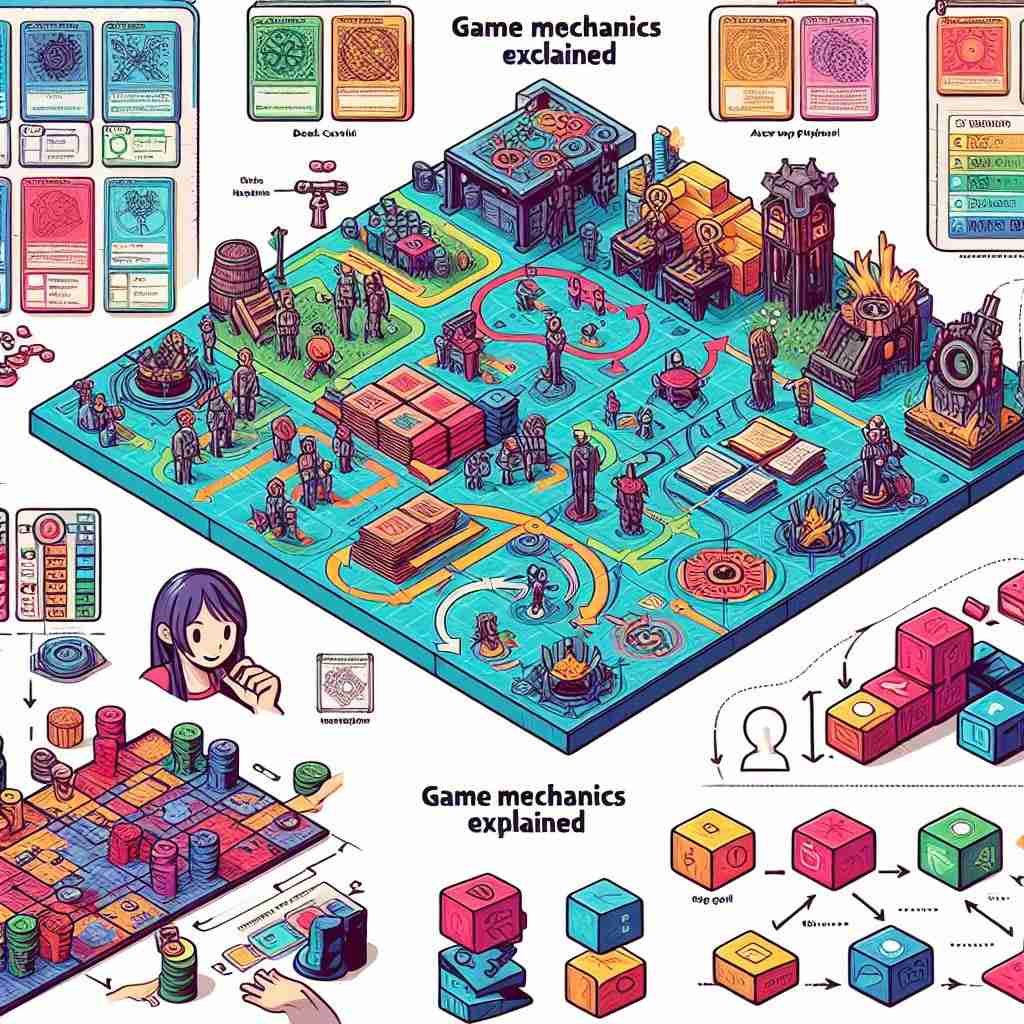
Other Resources
Here is a list of other resources you can review online to learn more:
- Horrible Games
- 999 Games
- Capstone Games
- The Voyages of Marco Polo
- Days of Wonder
- Victory Point Games
- Keyforge
- The Board Game Family
- Pearl Games
Use This Prompt To Get More Resources With Your Favorite Online AI Tool: Please provide me with a list of online articles with their URLs in a bulleted list that I can read regarding Are Family Game Nights Fostering More Conflict Than Connection?

Other Resources
Glossary Terms
Are Family Game Nights Fostering More Conflict Than Connection? – Glossary Of Terms
1. Family Game Night: An organized evening where family members come together to play board games, card games, or other group activities.
2. Connection: The emotional bond and sense of belonging that family members feel towards one another, often reinforced through shared experiences.
3. Conflict: Disagreements or disputes that arise during group activities, potentially leading to tension and dissatisfaction among participants.
4. Communication: The process of exchanging information and feelings, which can affect the dynamics of family interactions during game nights.
5. Competitive Spirit: The eagerness to win, which can sometimes escalate emotions and lead to conflicts during game play.
6. Collaboration: The act of working together harmoniously, often missing when competition overshadows cooperation during games.
7. Team Dynamics: The relationships and interactions between family members when working together as a team during cooperative games.
8. Social Skills: Abilities such as communication, empathy, and conflict resolution that can be developed or challenged during family game nights.
9. Game Selection: The process of choosing which games to play, which can influence the atmosphere of the night and potential for conflict.
10. Rules Interpretation: The way in which game rules are understood and enforced, which can be a source of disagreement among players.
11. Emotional Regulation: The ability to manage emotions constructively, important for maintaining a positive environment during competitive play.
12. Winning vs. Losing: The outcomes of games that can lead to feelings of joy or disappointment, influencing family dynamics.
13. De-escalation: Techniques used to reduce tension during conflicts, crucial for resolving disputes that arise during games.
14. Healthy Competition: Competition that encourages fun and sportsmanship without leading to stress or conflict.
15. Game Etiquette: The expected behavior and manners during gameplay that promote respect and cooperation among players.
16. Inclusivity: Ensuring all family members feel valued and able to participate in the games being played.
17. Feedback: Responses and opinions shared during or after game nights, vital for improving future experiences.
18. Stress Relief: The potential benefit of game nights as a fun activity that helps alleviate daily stress when done positively.
19. Memory Making: The creation of enjoyable and lasting memories through shared experiences during family game nights.
20. Mindfulness: The practice of being present and fully engaged, which can enhance the enjoyment of game nights.
21. Role Assignment: Designating specific roles to players, which can influence participation and reduce competition.
22. Transactive Memory: A system where family members share knowledge and experiences, contributing to a collective family identity during gameplay.
23. Personality Clashes: Differences in temperament or play style that may lead to misunderstandings or conflict.
24. Expectations: The assumptions or hopes that family members have about the evening, which can set the stage for enjoyment or disappointment.
25. Nonverbal Communication: The use of gestures or expressions during gameplay, which can convey emotions beyond spoken words and impact interactions.
26. Time Constraints: The limited duration of game nights, which can heighten pressure and lead to conflict if not managed well.
27. Parental Influence: The effect that parents’ attitudes and behavior have on the family dynamics during game nights.
28. Post-Game Reflection: Discussing the game experience afterward to identify positive moments and areas for improvement in future game nights.
29. Adaptability: The willingness to change gameplay strategies or rules to maintain harmony and enjoyment among family members.
30. Family Identity: The collective sense of belonging and shared values that influences how family members interact during game nights.
These terms provide insight into the dynamics of family game nights, highlighting both potential benefits and challenges they present.

Glossary Of Terms
Other Questions
Are Family Game Nights Fostering More Conflict Than Connection? – Other Questions
If you wish to explore and discover more, consider looking for answers to these questions:
- What types of games are best for promoting family bonding?
- How can families choose games that cater to different age groups?
- In what ways can humor improve the game night experience?
- What strategies can families employ to ensure everyone participates equally?
- How can parents encourage good sportsmanship in children during game night?
- What are some signs that a game is causing more conflict than fun?
- Are there specific games designed to teach conflict resolution skills?
- How can families recover from a particularly heated game night?
- What role do snacks and refreshments play in maintaining a positive atmosphere?
- How can game night traditions change as children grow older?

Other Questions
Haiku
Are Family Game Nights Fostering More Conflict Than Connection? – A Haiku
Family game night fun,
Laughter and love, yet beware—
Conflict may arise.

Haiku
Poem
Are Family Game Nights Fostering More Conflict Than Connection? – A Poem
Family Game Night: A Dance of Connection
In the warmth of home, the table laid,
A stack of snacks, games ready to invade.
With laughter bright, hopes held high,
A game night dream beneath the sky.
But wait—a throw of dice, the mood can flip,
Old rivalries surge; tensions start to grip.
That innocent card, that playful banter,
Can turn to chaos, a fierce family canter.
Let’s shift the scene, embrace the cheer,
Play with love, let go of the fear.
Set rules of fun, let kindness reign,
In laughter and joy, we’ll dance through the strain.
For games are not just for win or loss,
They teach us empathy, help us emboss
The bonds of trust with every play,
Transforming night into memories that stay.
Cooperative games can nurture our ties,
Teamwork blossoms as we strategize.
Together we face challenges, heartened with glee,
Finding strength in unity, making history.
Yet when disputes arise, as they sometimes do,
Pause for a moment, acknowledge the view.
A gentle reminder, a quip or a jest,
Laughter’s the remedy, it brings out the best.
So gather your loved ones, let the games unfold,
With hearts wide open and stories retold.
In the charm of this night, let conflict take flight,
For the real victory’s found in each shared delight.
Through playful connection, our spirits ignite,
Family game nights—a joyous invite.
With every chuckle and story re-spun,
We weave closeness, our hearts warmly won.

Poem
Checklist
Are Family Game Nights Fostering More Conflict Than Connection? – A Checklist
Checklist for Constructive Family Game Nights
Before Game Night
1. Set Ground Rules
_____ Discuss and agree on the purpose of the game night (e. g. , fun over winning).
_____ Establish guidelines for respectful play and communication.
2. Select Games Wisely
_____ Choose games suitable for all ages and family dynamics.
_____ Consider cooperative games to foster teamwork and reduce rivalry.
3. Include Everyone in Selection
_____ Allow each family member to pick a game to increase investment and excitement.
During Game Night
4. Create a Positive Atmosphere
_____ Encourage light-hearted banter and humor throughout the game.
_____ Remind everyone to take deep breaths during tense moments.
5. Implement Time Limits
_____ Set time limits for rounds to keep the game moving and reduce frustration.
6. Focus on Communication
_____ Encourage discussions about game moves and strategies to improve communication skills.
7. Encourage Laughter
_____ Make jokes about game situations to diffuse tension and promote bonding.
In Case of Conflict
8. Pause When Needed
_____ If tensions rise, pause the game for a quick break to cool down and regroup.
9. Model Conflict Resolution
_____ Teach conflict resolution by guiding discussions on disagreements, validating feelings, and finding solutions.
10. Reinforce Positive Moments
_____ Celebrate funny or unexpected moments during the game, giving everyone a chance to laugh together.
After Game Night
11. Reflect on the Experience
_____ Discuss what went well and areas for improvement for future game nights.
_____ Share favorite memories from the night to reinforce positive feelings and connections.
12. Plan the Next Game Night
_____ Set a date for the next family game night and invite input on game selections.
By following this checklist, families can foster deeper connections, improve communication, and create wonderful memories during game nights, all while minimizing conflicts and arguments. Enjoy your game night!

Checklist
At BestBoardGameNews, we help people who love board games by collating information and news about board games.
Be sure to read our other related stories at BestBoardGameNews to learn more about board games.


