

Unleash The Educational Benefits Of Board Games!
By Tom Seest
At BestBoardGameNews, we help people who love board games by collating information and news about board games.
Be sure to read our other related stories at BestBoardGameNews to learn more about board games.
Are You Ignoring The Power Of Board Games In Family Education?
The Hidden Gem of Family Learning
Let’s take a moment to talk about something that’s often shoved to the side, much like that half-eaten sandwich you forgot about in the fridge: board games. Now, I get it. You’re busy. Work, school, chores—the usual suspects keep your schedule tighter than a drum. But what if I told you that nestled within that colorful cardboard box are not just games, but powerful tools for family education?
Picture this: A Friday night, the kids are buzzing with energy, and you’re out of ideas for how to pull everyone together—no smartphones, no tablets, just good old-fashioned human connection. Enter the board game. The simple act of gathering around a table with dice, cards, and maybe a few feigned accusations of cheating can spark laughter, ignite imagination, and even teach valuable skills.
Think about it. From strategy games that sharpen critical thinking to word games that flex those vocabulary muscles, board games are a multi-faceted treasure chest of learning opportunities. They offer a unique blend of entertainment and education, weaving together math, reading, cooperation, and even emotional intelligence in a way that feels effortless. It’s not just play; it’s a workshop disguised as family time.
And let’s not overlook the glue that holds it all together—relationships. When was the last time you truly connected with your kids outside the usual hustle and bustle? Board games create a space where competition morphs into camaraderie, where triumphs are celebrated and losses become lessons. In those moments, you aren’t just parents and children; you’re team members, strategists, and yes, even goofballs.
Now, some may argue that modern technology and digital distractions have rendered board games obsolete. To that, I say: take a closer look. The magic of a board game lies in its tactile nature, the stories crafted around the table, and the tangible memories made. When you stack ‘family game night’ up against a screen, which one wins in the bid for connection?
So here’s the challenge: set aside a bit of time, dust off that neglected board game, and experience together what you’ve been missing. You might just find that playtime isn’t just an escape; it’s a pathway to deeper understanding, stronger bonds, and lifelong learning for the entire family. Don’t let the power of board games go ignored; embrace it.

Are You Ignoring The Power Of Board Games In Family Education?
Are You Ignoring The Power Of Board Games In Family Education?
- Board games are often overlooked but serve as powerful educational tools for families.
- They promote human connection by providing a no-tech environment for family interaction.
- Games can enhance various skills, including critical thinking, vocabulary, math, reading, and emotional intelligence.
- Playing board games fosters relationship-building, turning competition into camaraderie.
- The tactile and engaging nature of board games creates lasting memories and stories among family members.
- Unlike digital distractions, board games provide a more meaningful avenue for connection.
- Families are encouraged to dedicate time to play board games, discovering deeper understanding and stronger bonds.

Are You Ignoring The Power Of Board Games In Family Education?
Table Of Contents
- Are You Ignoring The Power Of Board Games In Family Education?
- What Benefits Do Board Games Offer For Family Education?
- How Can Board Games Improve Communication Skills In Families?
- Which Board Games Are Best For Enhancing Critical Thinking?
- Can Board Games Help Teach Financial Literacy To Kids?
- What Age-Appropriate Board Games Promote Learning For All Ages?
- How Can Parents Use Board Games To Bond With Their Children?
- What Role Do Board Games Play In Developing Problem-Solving Skills?
- Conclusion
- Other Resources
- Glossary Of Terms
- Other Questions
- Haiku
- Poem
- Checklist
What Benefits Do Board Games Offer For Family Education?
There’s something magnetic about gathering around a table, the clatter of game pieces, and the laughter echoing off the walls. Board games aren’t just a fun way to spend an evening—they’re an underappreciated tool in the educational toolbox of family dynamics. Now, let’s dig into why these seemingly simple pastimes are buttressed by a robust foundation of learning.
Picture this: the family has put down their devices and instead, they’re rolling dice, drawing cards, and strategizing around a colorful board. Each move is a lesson in problem-solving, each turn an opportunity to communicate. Take “Monopoly,” for instance. While it may seem like an exercise in finance, it dives deeper, teaching kids about the concepts of investment, risk management, and even negotiation. That’s right—a little friendly rivalry can help shape savvy young minds!
Board games also cultivate critical thinking. Remember when you first played “Settlers of Catan?” You were not just placing settlements; you were figuring out resource allocation, planning ahead to outmaneuver your opponents, and weighing your options in real-time. It’s in these scenarios that kids learn to think on their feet, making decisions that have profound implications on the game outcome—and by extension, on life.
And let’s not forget about social skills. Engaging in a family board game fosters communication, flexibility, and even empathy. Children learn to navigate the ups and downs of competition, how to win with grace, and how to lose with dignity. When your child makes a fabulous play or accidentally disrupts a carefully laid plan, that’s a moment to share laughter and reinforce emotional intelligence.
The best part? Board games create a platform for families to bond. With the demands of life pulling us in so many directions, sitting around a table transforms those fleeting moments into lasting memories. It’s here, amidst the friendly banter and shared frustration, that connections are solidified—in essence, it’s quality time that nurtures learning.
So, whether it’s the thrill of rolling doubles in a game of “Snakes and Ladders” or the strategic depth of “Ticket to Ride,” board games are a bridge to family education that goes far beyond entertainment. They’re life’s little lessons hidden under the guise of fun. Now, gather your crew, dust off that shelf of games, and let the educational adventure begin!

What Benefits Do Board Games Offer For Family Education?
What Benefits Do Board Games Offer For Family Education?
- Board games promote family bonding through shared experiences and interactions.
- They serve as an educational tool, teaching problem-solving skills while playing.
- Games like “Monopoly” introduce children to finance concepts such as investment and negotiation.
- They enhance critical thinking through resource management and strategic planning.
- Board games foster communication, flexibility, and empathy among players.
- Playing games helps children learn to handle competition gracefully, teaching emotional intelligence.
- Overall, board games provide memorable experiences that enrich family dynamics and learning.

What Benefits Do Board Games Offer For Family Education?
How Can Board Games Improve Communication Skills In Families?
Gather ‘round the table, folks! It’s time for a family game night that could do more than just spark laughter—it’s your secret weapon for crafting better communication at home. Yes, you heard it right; we’re talking about that trusty Board Game sitting in your closet, gathering dust and waiting for its moment in the spotlight.
Now, before you roll your eyes and think this is just another ploy to get you to play Candy Land for the umpteenth time, let’s dive a little deeper. Picture this: the clatter of dice, the thrill of competition, and that delicious sense of camaraderie as everyone leans in to strategize their next move. In these moments, real connections are forged, and not just over winning or losing, but in the simple act of being present with one another.
You see, board games are more than just a way to pass the time; they act as a social lubricant. As families navigate through the twists and turns of a game, natural conversation unfolds. “Did you see that move?” or “What if we team up against Grandma?” This kind of banter promotes an open communication channel and encourages everyone to express their thoughts, forging bonds that extend far beyond the confines of the game.
And let’s talk about active listening! In the heat of competition, one must actually pay attention to what others are saying. Imagine your teenager being required to summarize their part of a strategy or your little one explaining their thought process behind a silly move. These interactions encourage mindfulness and respect—skills that are not just useful at the game table but translate beautifully into everyday life.
Moreover, board games often require teamwork. Collaborating to solve a problem or achieve a shared goal fosters a sense of belonging and mutual understanding. When a family rallies together, devising tactics and sharing wins, they’re not just playing a game; they’re honing essential life skills that will serve them long after the last piece has been packed away.
So why not gather the family around that neglected Board Game? Dust it off, roll the dice, and watch as laughter fills the room, and with it, an invaluable opportunity to strengthen communication blooms. The best part? You’re not just playing a game. You’re crafting memories, honing skills, and weaving tighter ties with those you love most. The rewards far exceed the scorecard. Give it a shot; you may be surprised by what you discover!

How Can Board Games Improve Communication Skills In Families?
How Can Board Games Improve Communication Skills In Families?
- Family game nights can enhance communication at home.
- Board games foster camaraderie and connection beyond just competition.
- Playing games encourages open conversations and shared thoughts.
- Active listening is developed as players engage with each other’s strategies.
- Teamwork in games promotes a sense of belonging and mutual understanding.
- Game nights create opportunities to hone life skills applicable outside the game.
- Gathering around a board game crafts lasting memories and strengthens family ties.

How Can Board Games Improve Communication Skills In Families?
Which Board Games Are Best For Enhancing Critical Thinking?
When it comes to board games, it’s easy to think of them as mere pastimes—simple means of passing the time with friends or family. But some games hold a hidden treasure trove of cognitive benefits, particularly in fostering critical thinking. So, are you ready to uncover the gems? Let’s dive in.
Picture this: you and a few friends gather around a table, snacks at the ready, and a board game laid out before you. As the dice roll and pieces shuffle, there’s way more happening than just competitive chatter. It’s a workout for your brain. Board games like *Settlers of Catan* inspire negotiation skills, asking you to barter resources and develop strategies based on the moves of your opponents. Suddenly, that humble board game transforms into a battleground where critical thinking becomes your most trusted weapon.
Then we have *Ticket to Ride*, where strategic route planning conflicts with the uncertainty of an ever-changing game landscape. You quickly learn that while it’s great to plan ahead, your dreams of the longest railway may be derailed by a sudden block from a rival player or a dashed chance of connecting cities. It challenges you to analyze situations, make quick decisions, and adapt on the fly.
But don’t overlook games like *Pandemic*, where you’re not just up against one opponent, but a world on the brink of collapse. Teamwork is paramount, and critical thinking becomes essential as you craft strategies to tackle incoming infections. It teaches you to assess risks, allocate resources effectively, and consider the impact of each move on the broader game dynamics. As you collaborate with your teammates, trust builds, and often, friendships deepen in those exhilarating moments of working together toward a common goal.
Now we can’t forget classics like *Chess*, where each move is a calculated risk. It’s not just about knowing how pieces move; it’s a marathon of foresight and mental discipline. Each game is like a mental jigsaw puzzle that gets more intricate with every turn.
So, next time you find yourself staring at a shelf of board games, remember: these aren’t just cardboard and plastic. They’re gateways to enhanced thinking skills, inviting you to challenge yourself and those around you in ways you never imagined. Grab a game, gather your friends, and let the critical thinking adventures unfold!

Which Board Games Are Best For Enhancing Critical Thinking?
Which Board Games Are Best For Enhancing Critical Thinking?
- Board games are often seen as simple pastimes but offer significant cognitive benefits, especially in critical thinking.
- Games like Settlers of Catan promote negotiation and strategic planning through resource bartering.
- Ticket to Ride emphasizes strategic route planning and adaptability to changing game dynamics.
- Pandemic requires teamwork and critical thinking to manage risks and allocate resources effectively.
- Classic games like Chess serve as intricate mental challenges that demand foresight and discipline.
- Board games create opportunities for enhanced thinking skills and strengthen friendships through collaboration.
- Playing board games can transform social gatherings into critical thinking adventures.

Which Board Games Are Best For Enhancing Critical Thinking?
Can Board Games Help Teach Financial Literacy To Kids?
Can Board Games Help Teach Financial Literacy to Kids?
Let’s be honest: managing money isn’t exactly the most thrilling topic for kids. But throw in a colorful board game, a few laughs, and perhaps a little friendly competition, and suddenly, you’ve got an engaging environment where learning about financial literacy doesn’t feel like an uphill battle. It’s far from a dry lecture; in fact, it’s more like a lively family gathering with a dash of strategy and critical thinking.
Picture this: You’re gathered around the dining room table, the board spread out like a treasure map, each piece representing opportunities and pitfalls alike. The kids are engrossed, their minds ticking away as they buy properties, collect rent, and make trades. It’s not just about rolling dice or moving pieces; it’s about making decisions that have consequences—real-world decisions that will shape their understanding of money. When children experience the thrill of earning play money or the disappointment of financial setbacks, they’re essentially getting a crash course in budgeting, investing, and saving—all while having a blast!
Now, let’s tap into that age-old debate: is it better to learn from your own mistakes or from the wisdom of others? Board games bridge that gap. Kids can experiment with their financial strategies without the looming pressure of real-life repercussions. They can go “bankrupt” when playing Monopoly, but guess what? In the next round, they can learn to be more prudent with their in-game funds. They can explore risk and reward, all while laughing and negotiating with family members. It’s a sandbox for money management skills, wrapped in fun.
And you know what else? It brings people together. In a world buzzing with screens and distractions, a board game can spark conversations that matter. Kids can ask questions, share ideas, and even challenge outdated notions about money. Parents, uncles, aunts, or grandparents can pass down wisdom in the guise of playful advice. It’s a bonding experience—where lessons about financial principles turn into lasting memories.
So, why not grab a board game? Dust off that box on the shelf—it might be just the ticket to transforming financial literacy into an engaging adventure that everyone can partake in. After all, teaching kids about money doesn’t have to be a chore; it can be a journey that both you and they will cherish for years to come.

Can Board Games Help Teach Financial Literacy To Kids?
Can Board Games Help Teach Financial Literacy To Kids?
- Managing money can be unexciting for kids, but board games make learning enjoyable.
- Board games create an engaging environment that combines fun, strategy, and critical thinking.
- Children learn about budgeting, investing, and saving through gameplay experiences.
- Board games allow kids to experiment with financial strategies without real-life consequences.
- Games encourage risk-taking and negotiation skills while fostering laughter among family members.
- Board games facilitate meaningful conversations about money between generations.
- Playing board games can transform financial literacy into a fun and memorable adventure.

Can Board Games Help Teach Financial Literacy To Kids?
What Age-Appropriate Board Games Promote Learning For All Ages?
Let’s take a moment to look at the humble board game. Yes, that cardboard rectangle filled with colorful pieces, intricate rules, and—let’s face it—a good dose of friendly competition. But don’t let its simplicity fool you; these games are a powerhouse for promoting learning across generations.
Board games have an uncanny ability to bring people together. Picture this: a family huddled around the dining table, laughter and playful banter filling the air as they navigate through a game filled with strategy, chance, and a dash of good-natured rivalry. It’s wholesome chaos, but it’s also something much deeper. It’s an opportunity for learning, skill-building, and connection.
When it comes to age-appropriate choices, you’ve got options galore. For the wee ones, games like “Candy Land” or “Chutes and Ladders” instill foundational concepts like counting and color recognition without feeling like a math lesson in disguise. As they age, titles like “Apples to Apples” or “Uno” not only keep the fun flowing but also help sharpen their critical thinking skills and expand their vocabulary. Who knew a simple round of cards could serve as a doorway to risk assessment and interpersonal communication?
And let’s not forget the teens and adults. Drop a game of “Settlers of Catan” or “Ticket to Ride” onto the table, and you’ll see strategic minds at work—learning about resource management, negotiation, and planning while fueling some friendly rivalry. Who could resist the allure of a little competition that also sharpens the mind? Those late-night gaming sessions can be both satisfying and educational—transforming family time into an engaging intellectual exchange.
The best part? These board games are timeless, yet always relevant. They bridge age gaps and create intergenerational spaces where lessons are learned not just from the games but from one another. You can’t underestimate the power of watching your little one develop their skills while seeing Grandma outwit everyone with a clever play.
So, gather your crew, dig out those board games, and let the learning unfold! Because learning doesn’t have a age limit, and with a little effort, any game can also be a stepping stone toward understanding, connection, and a whole lot of fun. Transform your family game night into a learning experience, and watch as everyone, young and old, grows just a little bit wiser—one roll of the dice at a time.

What Age-Appropriate Board Games Promote Learning For All Ages?
What Age-Appropriate Board Games Promote Learning For All Ages?
- Board games are simple yet powerful tools for promoting learning across generations.
- They provide opportunities for skill-building, connection, and family bonding through friendly competition.
- Age-appropriate games teach foundational concepts like counting and color recognition for younger children.
- As children grow, games like “Apples to Apples” and “Uno” enhance critical thinking skills and vocabulary.
- For teens and adults, games such as “Settlers of Catan” and “Ticket to Ride” teach resource management and negotiation.
- Board games bridge age gaps, allowing for intergenerational learning and valuable exchanges.
- Game nights can transform into educational experiences, helping everyone grow a little wiser.

What Age-Appropriate Board Games Promote Learning For All Ages?
How Can Parents Use Board Games To Bond With Their Children?
How Can Parents Use Board Games to Bond with Their Children?
Picture this: a quiet evening, the soft glow of a table lamp illuminating a well-worn box of your favorite board game. It’s not just a game; it’s a portal to laughter, competition, and connection. Board games are like the secret sauce for strengthening the bond between you and your children. No high-tech gadgets or subscription services are required—just a simple cardboard box filled with endless possibilities.
First off, let’s address the elephant in the room: time. Between school, sports, and the hustle and bustle of daily life, finding moments to connect can feel like a tall order. Yet, setting aside just one evening a week for a board game can yield more benefits than you might expect. It’s an opportunity to step away from the screens and dive into a world where every roll of the dice can lead to belly laughs or a playful rivalry.
Now, let’s talk strategy. Choose a board game that resonates with your child’s interests. Whether they’re into fantasy, mystery, or good old-fashioned strategy, the right game can become a bridge to engaging conversations about anything from their day at school to their dreams for the future. Invite them to teach you the rules—there’s something empowering about showing mom or dad how it’s done. And believe me, nothing builds trust like admitting that you can learn a thing or two from your kids!
But it’s not all about winning. Embrace the moments when things don’t go as planned—maybe you spill a few pieces or accidentally knock over the whole game board. It’s those little mishaps that often become the best stories, the kind you’ll reminisce about for years to come. In those fleeting times of triumph and defeat, you show your children that it’s okay to laugh at yourself and to be human.
As the game continues, watch your children’s competitive spirits shine. Cheer them on when they make a great move, and celebrate little victories. This is more than just playing a board game; it’s about creating a safe environment where they feel valued and understood.
So grab that dusty box of Monopoly or Clue. Clear your calendar just for one night a week and see how much those moments can fill your hearts. Board games are not just a pastime; they’re a bridge to deeper connections, cherished memories, and the chance to be a kid again, together. Let’s roll the dice and see where the evening takes you!
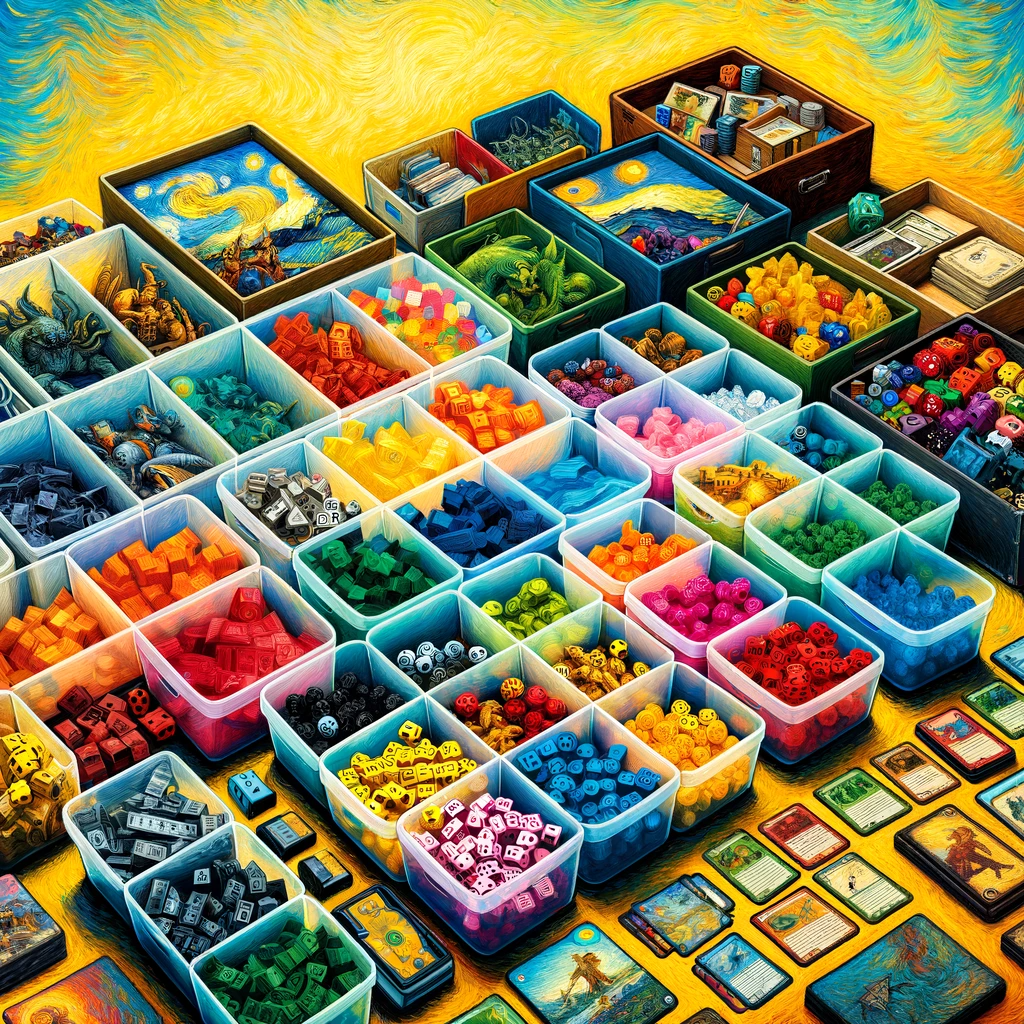
How Can Parents Use Board Games To Bond With Their Children?
How Can Parents Use Board Games To Bond With Their Children?
- Board games serve as a valuable tool for parents to strengthen their bond with their children.
- Setting aside one evening a week for board games can lead to meaningful connections and a break from screens.
- Choosing a game that aligns with a child’s interests encourages engagement and opens up dialogue about their life.
- Inviting children to teach the game’s rules can empower them and help build trust in the parent-child relationship.
- Embrace mishaps during gameplay, as these moments often create lasting memories and teach resilience.
- Cheering for children’s successes fosters a sense of value and understanding in a supportive environment.
- Overall, board games provide opportunities for cherished memories, deeper connections, and shared joy between family members.

How Can Parents Use Board Games To Bond With Their Children?
What Role Do Board Games Play In Developing Problem-Solving Skills?
Let’s set the stage: You’re gathered around a table with friends or family, the kind of crew you wouldn’t trade for the world. The atmosphere is buzzing with laughter, anticipation, and just a hint of friendly competition. In the center, a board game – it could be anything from a classic like Monopoly to a strategic powerhouse like Settlers of Catan, or even a quirky, unpredictable modern marvel. But here’s the kicker: what’s happening at that table goes far beyond just moving pieces and rolling dice.
Board games serve as vibrant arenas for developing problem-solving skills, and they do it in a way that feels organic—almost second nature. Each game presents its own intricate puzzle, a series of challenges that compel players to think critically, plan strategically, and, yes, sometimes even adapt on the fly when the game takes an unexpected turn. You want to win, but more importantly, you want to learn from every roll, every trade, and every decision made in the heat of the moment.
Imagine you’re navigating through a complex game scenario. You weigh your options carefully. Should you block that player from making a powerful move, or do you focus on building your own empire? Decisions like these encourage us to think three steps ahead and analyze the consequences of our actions—skills that go far beyond the board. They enhance our ability to tackle real-life problems with a thoughtful approach, turning abstract challenges into opportunities for growth.
But let’s not forget the richness of interaction that comes with board games. Every session is a microcosm of life’s unpredictability, a lesson in collaboration, negotiation, and even conflict resolution. When you find yourself in a tight spot, it’s not just about your own strategy; it’s also about how you read the room, communicate with your teammates, and adapt to shifting dynamics. These moments foster trust and create lasting connections, showcasing the crucial role of teamwork in overcoming obstacles.
So, the next time you pick up a board game, remember: it’s not just a pastime. It’s a valuable exercise in problem-solving, encouraging us not only to think critically but also to engage boldly with those around us. Embrace the challenge, relish the learning, and who knows—what starts as a game might just enhance your skills in navigating life’s more complicated puzzles.

What Role Do Board Games Play In Developing Problem-Solving Skills?
What Role Do Board Games Play In Developing Problem-Solving Skills?
- Board games create a vibrant atmosphere for friends and family to connect.
- They serve as arenas for developing problem-solving skills in an organic manner.
- Each game presents unique challenges that encourage critical thinking and strategic planning.
- Playing board games enhances decision-making skills and the ability to foresee consequences.
- Board games teach collaboration, negotiation, and conflict resolution during gameplay.
- Games foster trust and lasting connections among players through teamwork.
- Engaging in board games is a valuable exercise that can improve our approach to real-life challenges.

What Role Do Board Games Play In Developing Problem-Solving Skills?
Conclusion
So, here we are, folks, at the close of another deep dive into the hidden benefits of something we often overlook: board games. Yeah, I know, it sounds like the kind of topic that’d put most people to sleep faster than a dull lecture. But hear me out—these colorful cardboard creations can be absolute goldmines for family learning and bonding.
Let’s be honest, in our digital age, where screens tend to steal the spotlight, board games may seem like relics of the past. But they’re anything but obsolete. Picture this: a Friday night, the kids are bouncing off the walls, and you’re fresh out of ideas to wrangle some quality family time. Enter the humble board game. It’s not just a game. It’s a stage for critical thinking, teamwork, and communication. It’s a playground of imagination and skill that doesn’t require a power outlet.
Think about it—strategizing your way through *Settlers of Catan* not only hones your child’s critical thinking but also teaches them about negotiation and resource management. It’s a miniature classroom where every roll of the dice is a lesson, and every laugh or friendly jab is a chance to connect on a deeper level. Board games lay the groundwork for emotional intelligence, foster empathy, and promote resilience, especially when dealing with wins and losses in a fun, supportive environment.
And let’s not forget how board games allow you to share your wisdom—in the guise of a game night, mind you. Those moments spent teaching your child the rules can transform into invaluable conversations about life, dreams, and aspirations, paving the way for richer communication. It’s a time warp where you teach, learn, and bond all at once. Who knew something so simple could create such meaningful interactions?
So here’s the challenge: don’t let those dusty board games sit idle on the shelf. Dust them off, gather your family, and embark on an evening where laughter isn’t just welcomed; it’s mandatory. This is more than just a way to pass the time; it’s an opportunity to build foundational skills that go beyond the game.
Remember, it’s not about which game you play or how often you win; it’s about the connections you forge and the memories you create. After all, in this bustling world full of distractions, sometimes the most enriching experiences can be found waiting in a little box filled with pieces, a dice cup, and a hearty dose of good-natured competition. So, roll those dice and deal those cards—it’s time to unleash the educational power of board games!

Conclusion
Conclusion:
- Board games offer hidden benefits for family learning and bonding.
- They provide a valuable alternative for quality family time, especially in a digital age.
- Games like *Settlers of Catan* enhance critical thinking, negotiation, and resource management skills.
- Board games promote emotional intelligence, empathy, and resilience in a supportive environment.
- Game nights facilitate meaningful conversations about life lessons and aspirations.
- Engaging in board games fosters connections and creates cherished memories.
- Playing board games is an opportunity to develop foundational skills in a fun and interactive manner.

Conclusion
Other Resources

Other Resources
Here is a list of other resources you can review online to learn more:
- Terraforming Mars
- Star Wars: Rebellion
- Tichu
- 7 Wonders Duel
- Robinson Crusoe: Mystery Tales Expansion
- Days of Wonder
- Quined Games
- Alchemists
- Through the Ages: A New Story of Civilization
- Diigo
Use This Prompt To Get More Resources With Your Favorite Online AI Tool: Please provide me with a list of online articles with their URLs in a bulleted list that I can read regarding Are You Ignoring The Power Of Board Games In Family Education?

Other Resources
Glossary Terms
Are You Ignoring The Power Of Board Games In Family Education? – Glossary Of Terms
1. Board Game: A tabletop game that involves counters or pieces moved or placed on a pre-marked surface according to rules.
2. Family Education: The process by which family members teach and learn from one another, focusing on values, skills, and knowledge.
3. Cognitive Skills: Mental capabilities that include memory, reasoning, problem-solving, and decision-making.
4. Social Skills: Abilities that facilitate interaction and communication with others, essential for building relationships.
5. Critical Thinking: The ability to analyze, evaluate, and synthesize information to make informed decisions.
6. Teamwork: Collaborative effort by a group to achieve a common goal, often seen in cooperative board games.
7. Strategic Thinking: Planning and thinking ahead to gain an advantage, a crucial component of many board games.
8. Goal Setting: Establishing objectives to achieve, a skill that can be developed through gaming experiences.
9. Turn-Taking: A game mechanic that teaches patience and respect for others’ opportunities during play.
10. Problem Solving: The process of finding solutions to complex issues; enhanced through gameplay scenarios.
11. Emotional Intelligence: The ability to understand and manage one’s own emotions and the emotions of others, often practiced in family games.
12. Communication Skills: The ability to express thoughts and ideas effectively, critical in games requiring negotiation and explanation.
13. Rules and Structure: The established guidelines governing gameplay, crucial for teaching discipline and fairness.
14. Creativity: The ability to generate new ideas or concepts; can be fostered through imaginative gameplay.
15. Math Skills: Numerical abilities that can be reinforced through counting and resource management in game scenarios.
16. Memory Retention: The ability to remember information, enhanced through gameplay that requires recall of rules and strategies.
17. Cooperative Play: A gaming format where players work together towards a common outcome, promoting collaboration.
18. Role-Playing: A game mechanic that allows players to assume characters or roles, fostering empathy and perspective-taking.
19. Family Bonding: Strengthening relationships and connections among family members, often achieved through shared gaming experiences.
20. Competition: A drive to win against others, which can teach resilience and sportsmanship in a controlled environment.
21. Turn-Based Play: A style of game where participants take turns in a set order, teaching patience and strategic decision-making.
22. Game Mechanics: The rules and systems that dictate how a game is played and the interactions within it.
23. Task Management: The ability to prioritize and manage multiple responsibilities, a skill often practiced through resource allocation in games.
24. Diversity: The inclusion of varying perspectives and backgrounds, which can be represented and celebrated in game themes and characters.
25. De-escalation: Techniques used to reduce tension or conflict during competitive play, teaching conflict resolution skills.
26. Learning through Play: An educational approach that emphasizes the role of play in acquiring new knowledge and skills.
27. Engagement: The level of involvement and interest a player has in the game, critical for effective learning.
28. Feedback: Information provided on performance or behavior, essential for improvement, often integrated in board game play.
29. Risk Assessment: The ability to identify and evaluate potential pitfalls, enhanced by strategic decisions in gameplay.
30. Mindset: The established attitudes and beliefs that affect how one approaches challenges and learning opportunities, which can shift through collaborative board play.

Glossary Of Terms
Other Questions
Are You Ignoring The Power Of Board Games In Family Education? – Other Questions
If you wish to explore and discover more, consider looking for answers to these questions:
- What are some specific board games that promote educational benefits?
- How can I introduce board games into our family routine?
- Are there any studies that support the educational value of board games?
- What age groups benefit the most from playing board games?
- How can board games be adapted for children with learning disabilities?
- What types of skills can children develop through board games?
- How often should families play board games to see significant benefits?
- Are there board games specifically designed to teach financial literacy?
- Can digital board games offer the same educational benefits as traditional ones?
- What are some common misconceptions about board games in education?
- How do board games foster social skills among family members?
- Can board games help bridge generational gaps in families?
- What role do board games play in emotional development for children?

Other Questions
Haiku
Are You Ignoring The Power Of Board Games In Family Education? – A Haiku
Board games unite hearts,
Teaching skills through laughter,
Fun blooms, bonds grow strong.

Haiku
Poem
Are You Ignoring The Power Of Board Games In Family Education? – A Poem
The Game of Learning: A Family’s Delight
In boxes bright with tales untold,
A treasure waits, both new and old,
Not just for play or laughs in storm,
But for the minds, a vibrant form.
When Friday night draws near once more,
Gather ’round from every door,
No screens to dim the love you share,
Just laughter, strategy, and a friendly dare.
Each dice that rolls, each card that’s drawn,
Opens paths from dusk till dawn,
Critical thinking, negotiation’s art,
Lessons woven as you take part.
From Monopoly’s streets to Catan’s designs,
Young minds sharpen through playful signs,
Emotional bonds and memories grow,
In the warmth of competition, real love will show.
Problem-solving blooms amidst friendly bets,
In playful banter, the heart connects,
Flexibility, teamwork, lessons anew,
Each game unveils a varied view.
For little hands with pieces bright,
Counting, colors, pure delight,
And teens with strategies profound,
In the whirl of games, true wisdom is found.
So dust off that box, let laughter unfold,
In family connections, let stories be told,
For every roll of the dice, every playful jest,
In the game of learning, we find our best.

Poem
Checklist
Are You Ignoring The Power Of Board Games In Family Education? – A Checklist
Unleash the Educational Benefits of Board Games: Checklist for Families
Checklist: Harnessing the Power of Board Games in Family Education
General Preparation
1. Choose a Game:
_____ Select age-appropriate board games that interest everyone.
_____ Consider games that foster critical thinking, strategy, and teamwork.
2. Set a Regular Game Night:
_____ Dedicate one evening a week for family game nights.
_____ Ensure everyone commits to disconnecting from screens during this time.
Engaging with the Game
3. Establish a Comfortable Environment:
_____ Create a cozy space dedicated to play.
_____ Gather snacks and drinks to enhance the atmosphere.
4. Involve Everyone:
_____ Encourage all family members to participate, regardless of skill level.
_____ Allow each person to play a different role, like being a scorekeeper or judge.
5. Teach and Share:
_____ If you’re unfamiliar with the game rules, let older children teach the younger ones.
_____ Discuss strategies and share tips as the game progresses for collaborative learning.
Learning Outcomes
6. Encourage Critical Thinking:
_____ Prompt discussions about the strategies used during the game.
_____ Ask questions such as, “What would you do differently next time?” or “What were the risks involved in that decision?”
7. Promote Communication Skills:
_____ Focus on encouraging open dialogue, sharing observations, and expressing ideas about gameplay.
_____ Practice active listening by summarizing each other’s thoughts during gameplay.
8. Highlight Emotional Intelligence:
_____ Discuss feelings during the game, recognizing moments of joy and frustration.
_____ Emphasize the value of sportsmanship and empathy when winning or losing.
Building Connections
9. Create Lasting Memories:
_____ Capture gameplay moments with photos or written notes about the highlights of each session.
_____ Encourage storytelling about favorite plays or games during family gatherings.
10. Reflect Post-Game:
_____ After the game, gather around to discuss what was learned, both in terms of game mechanics and interpersonal skills.
_____ Share what everyone enjoyed most and discuss ideas for the next game night.
Expanding Beyond the Game
11. Explore New Games:
_____ Research and try out new board games that encourage different skills or themes.
_____ Consider board games that explore financial literacy or real-world problem-solving.
12. Integrate Learning Themes:
_____ Relate game outcomes to real-life scenarios, like budgeting after a monopoly game or strategy in everyday decisions.
_____ Encourage kids to apply skills learned through games in their daily lives, like teamwork in sports or problem-solving in schoolwork.
By following this checklist, families can unlock the potential of board games as valuable educational tools while enhancing familial bonds and communication skills. Enjoy the fun and learning that follows every roll of the dice!

Checklist
At BestBoardGameNews, we help people who love board games by collating information and news about board games.
Be sure to read our other related stories at BestBoardGameNews to learn more about board games.


