

Unlocking Teamwork: The Impact Of Family Gaming
By Tom Seest
At BestBoardGameNews, we help people who love board games by collating information and news about board games.
Be sure to read our other related stories at BestBoardGameNews to learn more about board games.
Can Critical Teamwork Skills Be Built Through Family Gaming?
Let’s face it; when you think of family game night, what probably springs to mind is an unearthed board game, laughter mingling with friendly banter, and maybe a little butting of heads—who among us hasn’t experienced a fierce debate over the rules of Monopoly? But what if I told you that those moments of joyful chaos, the highs of victory, and the agony of defeat could be more than just your average family bonding time? Believe it or not, playing board games can be a powerful way to develop critical teamwork skills that benefit everyone involved.
Imagine this: you and your family gathered around a table, a colorful board game set up in front of you. You’re not just tossing dice and moving pieces; you’re diving into an experience that calls for communication, strategy, and collaboration. As you plot your moves and negotiate deals, there’s a natural rhythm that unfolds—a rhythm that echoes the very essence of teamwork. You learn to listen and adapt, to reflect on your choices, and, let’s be honest, sometimes you even have to swallow your pride and admit you’ve messed up. In this environment, trust is built, not merely between players but also as a foundation for healthy relationships.
Now, consider for a moment the lessons that stem from these game nights. Whether you opt for a tactical conquest in “Settlers of Catan” or the fast-paced challenges of “Codenames,” what’s happening at the table extends far beyond casual entertainment. Each individual isn’t just a player—everyone’s contributions matter. You’re tasked with balancing individual goals against team priorities. Maybe you’re crafting a strategy to outsmart the opponent, or perhaps you’re finding a way to support your player to maximize their strengths. These dynamics resonate deep into the core of teamwork in real life.
Moreover, as parents, what better way to model and instill these vital skills than within the cozy confines of your home? When you foster an environment that encourages healthy competition, you create lasting memories filled with lessons. So next time you pull that dusty board game off the shelf, remember that you’re not just about to play a game. You’re about to lay the groundwork for vital teamwork skills that could last a lifetime. And who knows? Maybe your living room will become the next training ground for the next great team players—one roll of the dice at a time!

Can Critical Teamwork Skills Be Built Through Family Gaming?
Can Critical Teamwork Skills Be Built Through Family Gaming?
- Family game nights often evoke laughter, competition, and memorable debates over rules.
- Playing board games can be an effective way to develop critical teamwork skills.
- Game nights involve communication, strategy, and collaboration among family members.
- Trust is built through listening, adapting, and reflecting on choices during gameplay.
- Each player’s contributions are significant, highlighting the balance between individual and team goals.
- Parents can model and instill vital skills by fostering a competitive yet supportive environment at home.
- Game nights can lay the groundwork for foundational teamwork skills that last a lifetime.
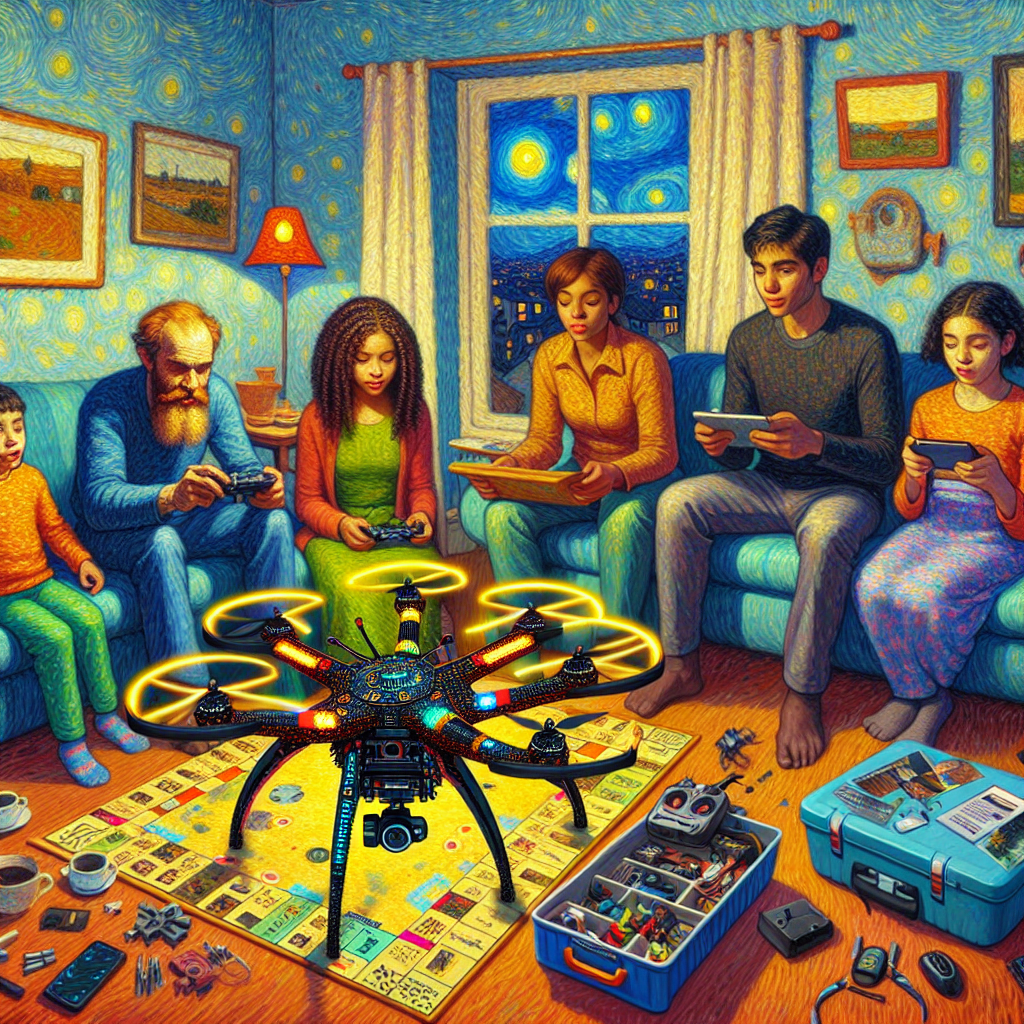
Can Critical Teamwork Skills Be Built Through Family Gaming?
Table Of Contents
- Can Critical Teamwork Skills Be Built Through Family Gaming?
- Can Family Gaming Improve Teamwork Skills For Children?
- What Types Of Games Promote Teamwork Among Family Members?
- How Can Gaming Create A Safe Space For Collaboration?
- What Role Does Communication Play In Successful Family Gaming?
- Are There Specific Family Games Designed To Enhance Teamwork?
- How Do Different Age Groups Contribute To Team Dynamics In Gaming?
- Can Failure In Family Games Teach Valuable Teamwork Lessons?
- Conclusion
- Other Resources
- Glossary Of Terms
- Other Questions
- Haiku
- Poem
- Checklist
Can Family Gaming Improve Teamwork Skills For Children?
Let’s take a moment to imagine your living room. Instead of the typical clamor of video games blasting through the speakers or the distant sound of children engrossed in their screens, picture this: a big, sprawling board game laid out on the table. Family members gathered around, leaning in with anticipation, and laughter ringing through the air. This is where the magic happens—a space where collaboration meets friendly competition, and lessons are learned without anyone even realizing it.
Family board games have an extraordinary way of nudging children toward cooperation. When the dice are rolled and the pieces move, kids are thrown into a realm where they must negotiate, strategize, and sometimes even compromise. Think about it. In a world of instant gratification, where kids often navigate through solitary screens, a board game provides a refreshing avenue for personal interaction. They learn to communicate effectively, whether it’s to share ideas or to persuade each other on the best moves.
Imagine your child delving into a game like Monopoly or Settlers of Catan. Each turn requires them to work not only for their own success but also to be mindful of how their choices affect others. They start to grasp the value of collaboration—learning that victory is sweeter when it’s shared. Dropping a house on that crucial property isn’t just about winning the game; it’s a lesson in foresight, teamwork, and the understanding that sometimes, it’s helpful to lend a friend a hand.
Additionally, family gaming serves to strengthen emotional bonds. As children navigate the ups and downs of a game—celebrating victories and learning from defeats—they’re also forging connections that will last a lifetime. Those shared moments of triumph and frustration foster empathy and resilience, invaluable skills in this ever-changing world.
So, why not bring a board game into your family routine? Beyond just entertainment, it offers a chance to chat, connect, and cultivate teamwork skills that’ll serve your kids well into adulthood. It’s not just about the fun of the game; it’s about the life lessons tucked within the rules and strategies. Dust off that board game, gather the family, and witness firsthand how these moments, wrapped in fun, can pave the way toward building essential skills in teamwork—one roll of the dice at a time.

Can Family Gaming Improve Teamwork Skills For Children?
Can Family Gaming Improve Teamwork Skills For Children?
- Imagine a living room filled with laughter and a big board game instead of video games.
- Board games promote cooperation, negotiation, and strategizing among players.
- They provide a refreshing alternative to solitary screen time, fostering effective communication.
- Games like Monopoly and Settlers of Catan teach children to consider the impact of their choices on others.
- Family gaming strengthens emotional bonds through shared experiences of victory and defeat.
- It fosters empathy and resilience, essential skills in today’s world.
- Incorporating board games into family routines cultivates teamwork skills valuable into adulthood.

Can Family Gaming Improve Teamwork Skills For Children?
What Types Of Games Promote Teamwork Among Family Members?
What Types of Games Promote Teamwork Among Family Members?
When it comes to family bonding, few things can foster connection quite like a good old-fashioned game night. And while digital distractions may have a strong grip on our attention spans these days, there’s something incredibly inviting about gathering around a table with loved ones for a little friendly competition. Board games, in particular, offer a unique opportunity to promote teamwork among family members, turning ordinary evenings into memorable experiences.
Cooperative board games are simply the cream of the crop when it comes to uniting players toward a common goal. Picture this: you and your family are working together to fend off a zombie apocalypse in titles like *Zombicide* or teaming up to solve a mystery in *Sherlock Holmes: Consulting Detective*. In these scenarios, it’s not just about individual wins; it’s about communication, strategy, and supporting one another as you navigate challenges together. Each player brings their unique strengths to the table, proving that collaboration can lead to victories that are more satisfying than solo successes.
But let’s not stop there! Classic games, with a cooperative twist, can also deliver the goods. Consider games like *Pandemic*, where your family must strategize together to save the world from spreading diseases. Nothing brings a family closer than the high stakes of impending doom! The frantic conversations, the moments of realization when one player connects the dots—these are the magic moments. They weave a tapestry of shared experiences that strengthen family ties.
And for those who might think they’re not board game enthusiasts, fear not! There’s a wealth of options that cater to every taste and age group. Fun and engaging games like *Codenames* or *Forbidden Island* can spark creativity and collaboration, while also being easy to learn. The barriers of entry are low, making it simple for everyone—from grandparents to grandchildren—to join in the fun.
At the end of the day, it’s not merely about winning or losing; it’s about fostering trust and confidence in one another. Life, much like these games, is a series of challenges best faced together. So, gather your family, dust off those board games, and dive into an evening that promises laughter, strategy, and all the warmth that comes with working hand-in-hand towards a common goal. Your family deserves it, and the rewards will echo far beyond game night.

What Types Of Games Promote Teamwork Among Family Members?
What Types Of Games Promote Teamwork Among Family Members?
- Game nights foster family bonding and connection.
- Cooperative board games encourage teamwork and communication.
- Examples include *Zombicide* and *Sherlock Holmes: Consulting Detective* which focus on shared goals.
- Classic games with a cooperative twist, like *Pandemic*, heighten the stakes and encourage collaboration.
- Engaging games like *Codenames* and *Forbidden Island* appeal to all ages and skill levels.
- The primary focus is on building trust and confidence rather than only winning or losing.
- Family game nights create lasting memories through shared experiences and challenges.

What Types Of Games Promote Teamwork Among Family Members?
How Can Gaming Create A Safe Space For Collaboration?
Let’s face it: finding common ground in today’s bustling world can feel like searching for a needle in a haystack. As we navigate life—whether it’s in the office, at school, or even at home—chaos seems to be the only constant. But believe it or not, there’s a powerful antidote to this chaos, and it comes in the form of gaming. Yes, you heard me right—gaming!
Consider the humble Board Game. It’s a tool that not only entertains but also fosters collaboration in the most unexpected ways. When you gather around a table, the rules are simple, but the dynamics are rich. You’re thrown into a world where the objective is clear, but how you get there is wide open for discussion. Each player has a voice, a strategy, and a stake in the outcome. This environment not only levels the playing field but also invites collaboration. You learn to listen, observe, strategize, and negotiate, all while having a good time.
Imagine a game night where everyone is encouraged to share their thoughts. The laughter that fills the room is often punctuated by spirited debates over a silly rule or a clever strategy. Suddenly, those around you—your friends, family, or colleagues—transition from mere players to collaborators. Trust builds as you realize that success depends on your ability to work together. It’s not just about winning; it’s about understanding each other’s perspectives and creating a shared experience.
What’s even more fascinating is how gaming can bridge gaps. We all have stories, skills, and backgrounds that shape who we are, and when you approach a Board Game with an open mind, those differences become assets rather than barriers. Whether you’re strategizing over a classic like Monopoly or diving into cooperative challenges in a modern tabletop game, you’re fostering empathy and connection. Every roll of the dice, every drawn card is a reminder that sometimes, the best way to tackle life’s complexities is through play.
So next time you’re looking for a way to bring people together, consider a Board Game. Create a space where laughter and friendly competition reign, and watch how collaboration blossoms. In a world where tension often rules, gaming offers a natural escape—a place where we can all come together, share ideas, and maybe even learn a little about ourselves and each other along the way. Let’s roll those dice and discover the magic of collaboration through play!

How Can Gaming Create A Safe Space For Collaboration?
How Can Gaming Create A Safe Space For Collaboration?
- Finding common ground in today’s chaotic world can be challenging.
- Gaming, particularly Board Games, serves as a powerful antidote to chaos.
- Board Games foster collaboration by encouraging players to engage with one another.
- The environment promotes listening, strategizing, and negotiating while having fun.
- Game nights create opportunities for trust-building and understanding diverse perspectives.
- Gaming bridges gaps by transforming differences into assets, fostering empathy and connection.
- Consider using Board Games as a way to bring people together and enhance collaboration.

How Can Gaming Create A Safe Space For Collaboration?
What Role Does Communication Play In Successful Family Gaming?
Alright, folks, let’s talk about communication in family gaming—specifically, how it’s the secret sauce that turns a tabletop experience into a memorable bonding session. Imagine gathering around the dining room table, a board game sprawled out like a battleground, family members ready to unleash their competitive spirits. It’s a scene that could be ripped from the pages of a family saga, but here’s the kicker: without solid communication, it’s bound to descend into chaos quicker than you can flip a card.
Here’s the deal: engaging in a board game isn’t just about rolling dice or moving pieces; it’s about sharing thoughts, strategies, and a few hearty laughs along the way. When families communicate effectively, they lay the groundwork for teamwork, whether it’s collaborating on a plan to defeat the opposing team or simply figuring out the rules together. This interaction becomes a dance, where every step is a chance to connect and engage.
Picture this: you’ve set up your favorite board game for a family night. Everyone’s excited, but—surprise!—someone isn’t sure about the rules, or maybe they’re feeling a little overwhelmed. If open lines of communication aren’t established early on, that person might retreat into frustration, feeling disconnected from the fun. By encouraging questions and discussions about the game instead, you invite all voices to join the table, fostering inclusion and camaraderie.
And let’s not ignore the power of playful banter. Trash talk in good spirits can lighten the mood, turning a simple competition into a shared memory. Communication helps build a comfort zone where everyone feels allowed to joke around without crossing lines, making those game nights something special that everyone looks forward to again and again.
So, whether you’re strategizing over a game of Monopoly or navigating the twists and turns of Clue, remember: your ability to communicate is as essential as the game itself. It’s about creating a warm, welcoming atmosphere where laughter mingles with the occasional groan of defeat. Commit to open, honest conversations, and you’ll elevate family gaming from a pastime to a cherished tradition. In this chaotic world, a board game and good communication might be just what your family needs to reconnect. So, gather ‘round that table and let the games begin!

What Role Does Communication Play In Successful Family Gaming?
What Role Does Communication Play In Successful Family Gaming?
- Effective communication is essential for transforming family gaming into a memorable bonding experience.
- Board games promote sharing thoughts, strategies, and laughter among family members.
- Solid communication fosters teamwork, whether in planning strategies or understanding rules.
- Open lines of communication encourage questions, ensuring everyone feels included and engaged.
- Playful banter and trash talk can enhance the mood and create lasting shared memories.
- A warm and inclusive atmosphere makes family game nights something to look forward to.
- Good communication elevates gaming from a pastime to a cherished family tradition.

What Role Does Communication Play In Successful Family Gaming?
Are There Specific Family Games Designed To Enhance Teamwork?
Gather ’round the table, folks! When it comes to fostering teamwork within the family, there’s nothing quite like a good old-fashioned board game to bridge the gap between disparate personalities and varying ages. Trust me—there’s something magical about shaking off the day’s busyness and diving into a playful environment where everyone’s voice matters.
Now, you might wonder, “What’s so special about a board game?” The answer lies in their inherent design to encourage communication, collaboration, and, yes—behind all that strategy and playful banter—teamwork. Games like *Forbidden Island* invite players to band together to retrieve treasures before the island sinks beneath their feet. In moments of high tension, you’ll witness decision-making under pressure, creating a shared sense of urgency and responsibility. Just imagine the laughter and excitement as everyone leans in, strategizing how best to save their virtual fate!
Let’s not overlook *Codenames*, either. This game is a playful test of wits and teamwork that kicks the whole family’s brain gears into action. Teams must navigate clues and uncover secrets while relying on each other’s insights. The dynamic between players opens the floor for discussions, where listening becomes as vital as speaking. When that light bulb moment occurs and your family finally connects the dots, the sense of accomplishment is palpable—and might just lead to a spontaneous victory dance in the living room!
But what’s better than the thrill of victory? A sense of belonging and shared laughter that grows stronger with every game played. Board games have that magical ability to break down walls. They stimulate conversations that are often strayed from amidst the daily chaos of life. Whether it’s the younger kids teaming up with grandparents or siblings squabbling over who gets to roll the dice, these moments stick—creating memories that will be cherished for years to come.
So, if you’re looking to enhance teamwork within your family, pull out a board game. Dust off that old box, shuffle the cards, and gather everyone around. Let the board be your stage, and watch as your family transforms into a team, bonded by shared experiences, laughter, and perhaps a healthy dose of competition. You’ll find that, in the process, you’re not just playing a game; you’re building a foundation of connection that will thrive long after the dice have settled. So, go ahead! Make game night a regular affair and witness the magic unfold.

Are There Specific Family Games Designed To Enhance Teamwork?
Are There Specific Family Games Designed To Enhance Teamwork?
- Board games foster teamwork and bridge gaps between different personalities and ages.
- They encourage communication, collaboration, and decision-making under pressure.
- Games like *Forbidden Island* create a shared sense of urgency and responsibility.
- *Codenames* enhances family interaction and relies on team insights to solve clues.
- Board games stimulate conversations often lost in daily life, breaking down walls.
- They create cherished memories and strengthen family bonds through shared laughter.
- Regular game nights build a foundation of connection beyond just playing a game.

Are There Specific Family Games Designed To Enhance Teamwork?
How Do Different Age Groups Contribute To Team Dynamics In Gaming?
When it comes to the intricate world of gaming, age isn’t just a number—it’s a bridge to diversity. Imagine gathering around your favorite board game, a classic like Settlers of Catan or a modern hit like Ticket to Ride. The rich tapestry of different age groups enhances the experience, giving each playthrough a unique flavor. Older players bring a wealth of strategy and a penchant for deeper planning, while younger gamers often infuse energy and spontaneity into the mix. This blend can lead to unexpected moments, laughter, and insights that create memories worth treasuring.
Picture this: a few seasoned players with decades of experience sharing a space with their younger counterparts who grew up with technology embedded in their play. This dynamic can feel like a beautiful conversation between tradition and innovation. The veterans might reminisce about the thrill of rolling dice on a well-loved board, while the younger crowd may introduce new tactics learned from online play. Together, they weave a narrative that adapts and evolves, enhancing the shared experience.
Moreover, there’s something profoundly uplifting about intergenerational teams. When younger players witness the patience and resilience of their older allies, they learn invaluable lessons that go beyond mere gaming. And conversely, the enthusiasm of youth can reignite the spark of passion in seasoned gamers who might otherwise have sidelined their love for the board game. Each age group informs and inspires the other, promoting a synergy that makes the team all the stronger.
Creating an environment that embraces this dynamic brings out the best in everyone. Whether you’re leading a team or just gathering friends for a casual night in, strive to mix ages and backgrounds. Don’t let preconceived notions about “gaming demographics” limit your experiences. It’s about connection and collaboration, values that transcend age boundaries.
So, next time you pull out that board game, invite a mix of players. Trust me, whether it’s a crucial decision in a game of diplomacy, a cooperative battle against invading foes, or a lighthearted family game, everyone contributes their unique perspective. Each roll of the dice, each decision made, is another thread in the fabric of teamwork. By recognizing the strengths of different generations, we start to realize that gaming isn’t just about competition; it’s about shared stories, growth, and enduring friendships. And on that board, every contribution counts.

How Do Different Age Groups Contribute To Team Dynamics In Gaming?
How Do Different Age Groups Contribute To Team Dynamics In Gaming?
- Age diversity in gaming enhances the experience, adding unique flavors to each playthrough.
- Older players contribute strategic depth and planning, while younger players bring energy and spontaneity.
- The interaction between seasoned players and younger gamers creates a dialogue between tradition and innovation.
- Intergenerational teams offer invaluable life lessons, blending patience from older players with enthusiasm from the youth.
- Mixing ages and backgrounds in gaming fosters connection and collaboration, transcending traditional demographics.
- Each player’s unique perspective enriches gameplay, whether in diplomacy, cooperation, or family games.
- Recognizing diverse strengths leads to shared stories and enduring friendships, emphasizing that every contribution counts.

How Do Different Age Groups Contribute To Team Dynamics In Gaming?
Can Failure In Family Games Teach Valuable Teamwork Lessons?
Can Failure in Family Games Teach Valuable Teamwork Lessons?
Gather ’round the table, friends; today we’re diving into the world of family board games, where laughter, competition, and, yes, failure intersect to teach some of life’s most valuable lessons in teamwork. Picture this: it’s Friday night, the snacks are spread across the table, and the polyhedral-shaped dice or brightly colored pieces are ready to roll. The game begins, everyone’s spirits high, but before you know it, chaos reigns. That one family member always seems to draw the dreaded card, while another somehow ends up being the “team” jokester, more intent on causing a ruckus than winning.
Sound familiar? But herein lies the beauty of it all. Each setback, each misstep, is an opportunity disguised as a hurdle. Sure, nobody wants to face the dreaded “you fail” moment, but let me tell you: failure in these family board games can provide invaluable insights into the kind of collaboration we often overlook in our day-to-day lives.
When the chips are down—perhaps literally—what does your family do? Do you rally together, strategizing how to turn the tide, or does tension mount, leading to blame and frustration? This is where the real lessons on teamwork unfold. It teaches us to communicate better, to listen attentively, and to develop a keen sense of empathy for one another. You learn that sometimes it’s your little sibling’s idea that cleverly saves the day, or it’s that family member who always seems to know the rules who can guide the entire team back on track.
Let’s face it, nobody loves to lose, but in a family board game, those moments of failure can teach us more about collaboration and compromise than all the victories combined. The joy in facing defeat together often strengthens bonds and fosters trust. When you can laugh at your collective failures, you craft a shared experience that not only adds to the fun but also deepens your understanding of each other.
So the next time you gather around that table, don’t shy away from the possibility of failure. Embrace it! Ensure that every miscalculation leads to a moment of connection. Who knew that a simple board game could become the cornerstone of building a resilient, cohesive family unit? Let’s turn those failures into stepping stones, and the next victory will be all the sweeter.

Can Failure In Family Games Teach Valuable Teamwork Lessons?
Can Failure In Family Games Teach Valuable Teamwork Lessons?
- Family board games foster laughter, competition, and learning through failure.
- Setbacks in games offer opportunities to understand teamwork and collaboration.
- Failure prompts families to either unite in strategy or create tension through blame.
- Playing games teaches communication, listening, and empathy skills.
- Moments of defeat can strengthen bonds and foster trust among family members.
- Embracing failure in games enhances shared experiences and enjoyment.
- Family board games can be pivotal in building a resilient and cohesive family unit.

Can Failure In Family Games Teach Valuable Teamwork Lessons?
Conclusion
In the grand scheme of life, every dice roll, every strategic move, and every heartfelt discussion during family game night is more than just a way to pass the time. It’s an opportunity—a rare moment to unwind, connect, and cultivate essential teamwork skills that can serve us well beyond the confines of the game table. Picture this: the laughter echoing in the living room, siblings negotiating trades in Settlers of Catan, or perhaps a spirited debate over Monopoly rules. These moments aren’t just trivial distractions; they act as a training ground for the collaboration skills we desperately need in today’s fast-paced world.
Now, when you gather your clan around a board, you’re creating an environment filled with communication and strategy. You’re inviting your family to share their thoughts, listen to one another, and contribute to the collective goal of victory—no matter how elusive that may be! Each game teaches us a nuanced lesson: how to balance personal ambitions with team priorities. Through cooperative games like Pandemic or even classic titles with a twist, families learn that success isn’t merely about individual prowess; it’s about weaving together diverse talents and insights to reach a common goal.
And let’s not ignore the beautiful chaos that comes with failure. Losing a game might sting, but it’s in those moments of defeat that we discover the strength of our relationships. Failure teaches resilience, empathy, and communication, and encourages us to rally together rather than retreat into frustration. Who would have thought that a rollercoaster of setbacks could forge deeper bonds between family members, turning rivals into allies?
Moreover, family gaming promotes intergenerational connection. Different age groups bring unique perspectives and skills to the table—older generations share time-honored strategies, while the younger crew introduces tech-savvy innovations. This interplay enriches the gaming experience, reminding us that collaboration knows no age.
So, dust off that old board game and gather your family for a night of laughter, learning, and teamwork. These seemingly trivial encounters are opportunities for growth. Unleash the power of play and watch relationships blossom, lessons unfold, and essential skills take root—all while enjoying the sweet taste of competition. In the end, it’s not just about winning; it’s about the memories we create along the way and the bonds we strengthen, one roll of the dice at a time. Now, go on, roll those dice and let the games—and learning—begin!

Conclusion
Conclusion:
- Family game nights provide valuable opportunities for connection and teamwork.
- Engaging in games fosters communication, strategy, and collaborative problem-solving skills.
- Games like Pandemic teach families the importance of balancing personal ambitions with team objectives.
- Experiencing failure in games strengthens relationships by promoting resilience and empathy.
- Family gaming encourages intergenerational connections, blending strategies from older and younger generations.
- These activities create memorable experiences and deepen bonds through competition and collaboration.
- Ultimately, the focus of game nights should be on the enjoyment of togetherness, rather than just winning.

Conclusion
Other Resources

Other Resources
Here is a list of other resources you can review online to learn more:
- Dead of Winter: A Crossroads Game
- Spirit Island: Branch & Claw Expansion
- Bezier Games
- Grail Games
- Bridge
- Mastodon
- Space Cowboys
- Mechs vs. Minions
- Ravensburger
- Board to Death TV
Use This Prompt To Get More Resources With Your Favorite Online AI Tool: Please provide me with a list of online articles with their URLs in a bulleted list that I can read regarding Can Critical Teamwork Skills Be Built Through Family Gaming?

Other Resources
Glossary Terms
Can Critical Teamwork Skills Be Built Through Family Gaming? – Glossary Of Terms
1. Collaboration: Working together effectively towards a common goal, often requiring compromise and communication.
2. Communication: The process of sharing information, thoughts, or feelings; essential for effective teamwork in gaming.
3. Cooperation: The act of working jointly with others, fostering a sense of unity and shared responsibility during gameplay.
4. Conflict Resolution: The methods and processes involved in facilitating the peaceful ending of conflict; critical in managing disagreements during gaming.
5. Role Assignment: The practice of distributing specific responsibilities among team members to enhance efficiency and strategy.
6. Team Dynamics: The behavioral relationships and interactions among team members that influence overall performance.
7. Active Listening: Paying close attention to what others are saying to fully understand their perspectives and concerns.
8. Strategic Planning: The process of outlining a course of action, often involving tactics and foresight in the context of gaming scenarios.
9. Problem Solving: The ability to identify solutions to challenges encountered during gameplay, requiring critical thinking and collaboration.
10. Trust Building: The process of establishing reliability and confidence among team members, crucial for successful teamwork.
11. Feedback: Constructive criticism or praise provided to teammates, helping to improve individual and group performance.
12. Adaptability: The ability to adjust one’s approach or strategy in response to new information or changes in gameplay dynamics.
13. Leadership: The act of guiding and influencing others within the team, often facilitating effective teamwork and decision-making.
14. Empathy: The capacity to understand and share the feelings of others; important for fostering a supportive team environment.
15. Motivation: The internal or external drive that encourages team members to engage and perform in gaming sessions.
16. Patience: The ability to remain calm and tolerant, especially when facing challenges or working through complex strategies.
17. Decision Making: The process of selecting a course of action from multiple options, essential in a team setting during gameplay.
18. Encouragement: Providing support or praise to teammates, which can boost morale and enhance teamwork.
19. Commitment: A pledge to contribute to the team’s goals and objectives, ensuring stability and consistency in teamwork.
20. Innovation: The ability to think creatively and develop new strategies or approaches during gameplay.
21. Interdependence: The reliance among team members where each individual’s success is linked to the group’s effectiveness.
22. Cohesion: The degree to which team members are connected and motivated to work together harmoniously.
23. Game Mechanics: The various rules and systems that govern gameplay, which can impact teamwork dynamics.
24. Goal Setting: Establishing clear, achievable objectives for the team, which helps focus efforts and measure success.
25. Responsibility: Acknowledging and fulfilling one’s role and duties within a team context, crucial for teamwork.
26. Diversity: The inclusion of different perspectives and backgrounds in a team, which can enhance creativity and problem-solving.
27. Team Roles: Specific positions that individuals take within a team, each with distinct responsibilities that contribute to overall success.
28. Social Skills: Abilities that facilitate interaction and communication with others, enhancing teamwork in gaming environments.
29. Reflection: The practice of reviewing and analyzing team performance to identify areas for growth and improvement.
30. Engagement: The level of involvement and participation of team members during gameplay, which can influence overall success.
These terms provide a foundational understanding of the dynamics involved in how critical teamwork skills can be developed through family gaming.

Glossary Of Terms
Other Questions
Can Critical Teamwork Skills Be Built Through Family Gaming? – Other Questions
If you wish to explore and discover more, consider looking for answers to these questions:
- What are some specific teamwork skills that can be improved through family gaming?
- How often should families engage in game nights to see improvements in teamwork?
- What age groups benefit the most from family gaming in terms of teamwork skills?
- Are there any scientific studies supporting the benefits of gaming for teamwork development?
- How can parents effectively introduce family games to younger children?
- Can video games also develop teamwork skills, or are board games more effective?
- What are some tips for resolving conflicts that arise during family game nights?
- How can families measure improvements in teamwork skills through gaming?
- What are examples of games that can specifically enhance communication skills?
- How does the type of game (cooperative vs. competitive) affect teamwork dynamics?
- What challenges might families face when trying to incorporate gaming into their routine?
- Can regular gaming nights replace other family bonding activities?
- What role does parental involvement play in the benefits of family gaming?
- How can family gaming be adapted for families with varying interests?
- Are there different strategies for engaging different age groups during family gaming?

Other Questions
Haiku
Can Critical Teamwork Skills Be Built Through Family Gaming? – A Haiku
Family game night fun,
Dice rolls teach teamwork and trust—
Bonding through each loss.

Haiku
Poem
Can Critical Teamwork Skills Be Built Through Family Gaming? – A Poem
Together We Play: A Family’s Game Night
Gather ‘round the table, come, let’s take a seat,
Where laughter dances lightly, and hearts begin to beat,
A board game laid before us, a world of chance and fate,
In this playful, vibrant setting, we forge a bond innate.
Dice rolling, pieces moving, strategies entwine,
In the chaos of connection, our teamwork starts to shine.
Through negotiations and laughter, we’re learning how to share,
Each voice around the table, each thought, a breath of air.
For when we face a challenge—whether win or lose we stand,
It’s in that place of failure we learn to understand.
Together we reflect, adapt, and grow in trust,
In every twist and turn, our hearts are free to bust.
The younger and the wiser, a mix of strength and ease,
They teach us through their energy, bring out our qualities.
Empathy and resilience sprinkle joy through every round,
In each triumphant moment, deeper connections found.
With names like *Codenames* calling for our minds,
Or *Pandemic* urging cooperation, a thrill that binds,
We build a legacy of laughter, a treasure chest of play,
In every game’s enchantment, essential skills conveyed.
So let’s dust off those boxes, and gather close tonight,
For gaming isn’t just a pastime but a pathway to insight.
In this safe space of family, where chaos turns to cheer,
We find our greatest teamwork blooms with every roll sincere.

Poem
Checklist
Can Critical Teamwork Skills Be Built Through Family Gaming? – A Checklist
Checklist for Building Teamwork Skills Through Family Gaming
Use this checklist to maximize your family’s gaming experience and enhance teamwork skills:
Pre-Game Preparation
1. Choose the Right Game
_____ Select games that promote collaboration, such as *Pandemic*, *Forbidden Island*, or *Codenames*.
_____ Consider the age range and interests of family members to ensure everyone is engaged.
2. Set Up a Comfortable Environment
_____ Create a clutter-free table space with adequate seating for all players.
_____ Gather snacks and beverages to keep the atmosphere relaxed and enjoyable.
During the Game
3. Encourage Communication
_____ Before starting, remind everyone to share strategies if it’s a cooperative game or discuss thoughts casually during play.
_____ Foster a culture of asking questions to clarify rules and strategies.
4. Promote Active Listening
_____ Encourage family members to listen to each other’s ideas and strategies attentively.
_____ Highlight the value of every player’s input throughout the game.
5. Emphasize Team Goals
_____ Focus on collective success over individual achievements, especially in cooperative games.
_____ Celebrate teamwork moments, such as successful strategies or clever plays.
6. Foster Inclusivity
_____ Ensure everyone gets a chance to participate and contribute, especially quieter family members.
_____ Allow younger players to lead discussions on moves, encouraging their involvement.
7. Engage in Light-hearted Banter
_____ Use playful teasing or friendly competition to maintain a fun atmosphere.
_____ Balance competition with encouragement, reinforcing the importance of camaraderie.
Post-Game Reflection
8. Discuss Communication Styles
_____ After the game, hold a brief discussion about what communication worked well and what could improve.
_____ Encourage family members to share their feelings about teamwork and collaboration during the game.
9. Analyze Challenges and Failures
_____ Reflect on any difficult moments during gameplay as opportunities for learning.
_____ Discuss how handling setbacks could translate into real-life teamwork situations.
10. Plan Regular Game Nights
_____ Schedule future family game nights to build a tradition of teamwork through play.
_____ Rotate game choices to expose the family to different teamwork dynamics.
Long-term Strategies
11. Introduce New Games
_____ Continuously explore new games that encourage teamwork, ensuring variety in gameplay.
_____ Engage in online reviews or game stores to discover popular cooperative board games.
12. Celebrate Achievements
_____ Acknowledge both individual and team achievements, reinforcing positive feelings around teamwork.
_____ Create a reward or celebration for successful cooperative games, emphasizing teamwork results.
By following this checklist, your family can strengthen their teamwork skills in a fun and engaging way, turning game nights into valuable bonding experiences!

Checklist
At BestBoardGameNews, we help people who love board games by collating information and news about board games.
Be sure to read our other related stories at BestBoardGameNews to learn more about board games.


