Unlocking Essential Communication Skills Through Family Games
By Tom Seest
At BestBoardGameNews, we help people who love board games by collating information and news about board games.
Be sure to read our other related stories at BestBoardGameNews to learn more about board games.
Can Essential Communication Skills Be Taught Via Family Games?
Picture this: a chilly Saturday evening, the sun dipping below the horizon, leaving a cozy glow in your living room. You gather the family around the dining table, and out comes the board game from the back of the shelf, dusted off and waiting for its moment in the spotlight. Sure, you might think you’re just making it through another game night, but what if I told you that the board game is more than just a source of fun? It could very well be a hidden gem for building essential communication skills.
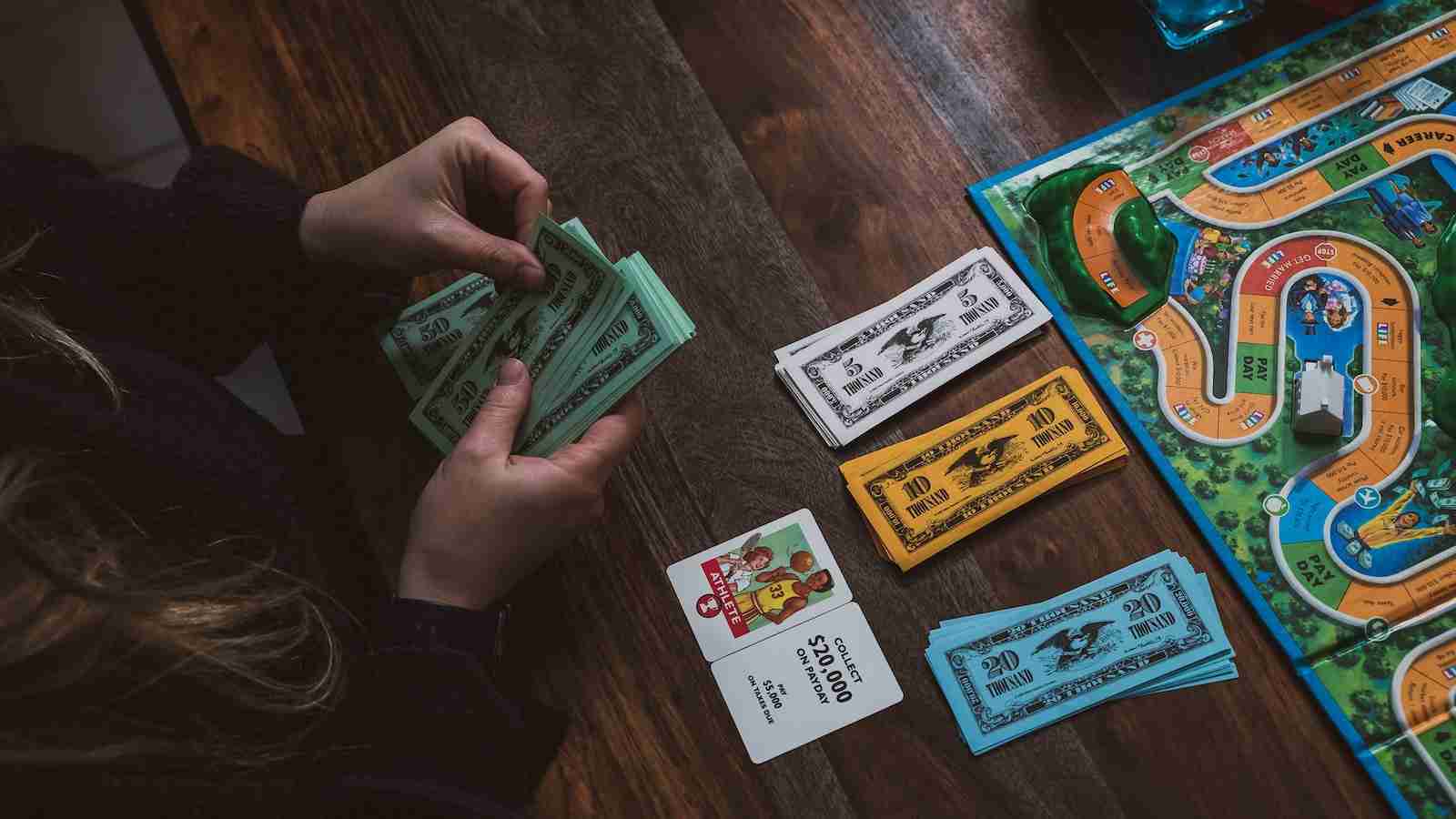
Now, let’s not kid ourselves. Family game nights can get a little wild. The friendly banter that evolves into lighthearted competition mirrors the real world more than you might believe. As the dice roll and the game pieces move, players are forced to articulate their thoughts, negotiate strategies, and even compromise—skills that are crucial in just about every area of life, from the workplace to personal relationships.
When you dive into a game, you’re not just inviting chaos onto the table. You’re creating an environment that promotes teamwork, patience, and creativity. Take a moment to observe your kids as they strategize. Notice the way they negotiate, listen, and respond—not solely to the game but to each other. They’re learning to articulate their ideas clearly and work together towards a common goal. In essence, you’re crafting future communicators and collaborators without them even realizing it.
And let’s not overlook the beauty of failure. Board games are rich with moments of triumph and defeat, both of which offer lessons like no textbook ever could. When someone loses, it’s a prime opportunity to foster resilience and empathy, teaching them not just how to win, but how to communicate their feelings constructively. Each laugh, debate, and even the occasional eye roll adds to the tapestry of connection that binds families together.
So, here’s the challenge: next time you pull out that trusty board game, treat it as a training ground for vital life skills. Keep it light, keep it fun, but also seize those moments to teach and learn. You might just discover that vital communication skills can flourish amidst laughter, strategy, and a little friendly competition. Embrace the chaos of family game night, and watch as essential skills unfold right before your eyes.

Can Essential Communication Skills Be Taught Via Family Games?
Can Essential Communication Skills Be Taught Via Family Games?
- Family game nights provide a cozy setting and encourage togetherness.
- Board games serve as a tool for building essential communication skills.
- Friendly competition in games teaches articulation of thoughts and negotiation strategies.
- Playing games fosters teamwork, patience, and creativity among family members.
- Children develop their ability to articulate ideas and collaborate towards common goals.
- Moments of winning and losing in games teach resilience and empathy.
- Utilizing game nights as a training ground can enhance vital life skills through fun and laughter.

Can Essential Communication Skills Be Taught Via Family Games?
Table Of Contents
- Can Essential Communication Skills Be Taught Via Family Games?
- Can Family Games Improve Our Communication Skills?
- What Types Of Games Enhance Communication?
- How Do Family Games Foster Teamwork Skills?
- Can Playing Games Reduce Communication Anxiety?
- What Role Does Feedback Play In Family Game Communication?
- How Can We Assess Communication Skills During Games?
- Are Certain Games Better For Teaching Specific Skills?
- Conclusion
- Other Resources
- Glossary Of Terms
- Other Questions
- Haiku
- Poem
- Checklist
Can Family Games Improve Our Communication Skills?
When you gather around the table with loved ones for a good old-fashioned board game night, you’re not just pulling out a few dice and cards; you’re inviting the perfect opportunity to sharpen your communication skills. It’s incredible how a simple board game can transform a living room into a lively arena of banter, strategy, and sometimes, heated debate. Trust me, these moments are more than just fun; they’re phenomenally effective at teaching us how to express ourselves clearly and listen actively.
Imagine this: you’re engaged in a spirited game of Settlers of Catan. As you negotiate trades for resources, you’re forced to articulate your needs without appearing desperate. You have to observe your opponents, read their body language, and gauge their reactions to craft the perfect pitch that might win you that one precious brick you need. Each interaction becomes a mini-exercise in persuasion, empathy, and even conflict resolution. You might find yourself employing tactics that, just a few hours earlier, seemed reserved solely for boardroom meetings or social functions.
And let’s not forget the laughter and the camaraderie that come with it. When the stakes are high—who’s going to win the game or who’s going to claim the title of the ultimate family strategist—a true dialogue blossoms. You share stories, tease each other, and, yes, sometimes you might even argue. Yet, through it all, you’re learning to express your thoughts, clarify misunderstandings, and resolve conflicts in an environment that is chuckling at its own quirks. It’s a safe space to practice being your authentic self.
Plus, don’t overlook the value of non-verbal communication here. Strategic glances, exaggerated sighs, and the ever-intriguing eyebrow raise—these subtle cues often speak volumes. They help you read the room and understand others’ feelings and intentions without a single word being uttered.
In short, the next time you suggest a family board game night, remember: it’s not just about the competition; it’s a grooming ground for communication skills that will serve you beyond that table. So roll those dice, draw those cards, and revel in the delightful chaos that emerges. You might just discover a newfound confidence in your ability to connect with the people you care about most. And who knows? The laughter and lessons learned might be far more valuable than the victory itself.

Can Family Games Improve Our Communication Skills?
Can Family Games Improve Our Communication Skills?
- Board game nights provide a unique opportunity to enhance communication skills.
- Games create an engaging environment for banter, strategy, and debate.
- Negotiating trades in games like Settlers of Catan fosters articulation and observation skills.
- Interactions during gameplay serve as exercises in persuasion, empathy, and conflict resolution.
- Games encourage laughter and camaraderie, facilitating open dialogue among players.
- Non-verbal communication, such as body language and facial expressions, plays a crucial role during gameplay.
- Board games are valuable for building confidence in connecting with loved ones beyond just competition.

Can Family Games Improve Our Communication Skills?
What Types Of Games Enhance Communication?
When it comes to sharpening our communication skills, sometimes you’ve got to roll the dice—and no, I’m not talking about your chances in Vegas. I’m referring to the timeless table gatherings where laughter mingles with strategy, and friendships grow stronger with every turn. Board games, in particular, have carved out a unique niche in the realm of improving how we connect.
Imagine this: you gather around a table with friends or family, the air thick with anticipation. You might be flipping through cards in a raucous game of charades or carefully strategizing in a competition-filled evening of Settlers of Catan. Each game pulls you into a dance of dialogue, persuasion, and sometimes, a healthy dose of excitement-fueled banter. But why are these games so effective in enhancing communication?
First off, board games offer a structured environment where people can engage with one another without the distractions of modern life. The screens get turned off, and before you know it, everyone’s focused on the task at hand. That’s where the magic happens. Players have to articulate their thoughts and negotiate their moves, whether by sharing a clever strategy or convincing someone to trade that coveted resource.
Then there’s the beauty of problem-solving. Many board games require teams to work together, fostering collaboration and the need to articulate opinions and strategies. In doing so, players learn to listen, reflect, and respond thoughtfully—a practice that often translates into real-world scenarios. And let’s not forget the inevitable surprises! A well-timed “Take that!” in a game of Uno can prompt laughter, teasing, or a good-natured rebuttal, further breaking down communication barriers.
Additionally, there’s a wonderful variety out there. From classic games that have stood the test of time to modern, innovative designs, there’s something to suit every personality and age group. This diversity makes it possible to find the right game that resonates with your own circle, promoting engagement and trust.
So, next time you’re looking to enhance your communication skills—whether for personal development, team building, or just plain fun—look no further than the world of board games. Break out that dusty box from the shelf, gather your crew, and let the games begin! You might just discover that a little friendly competition can pave the way to better conversations. Now, isn’t that worth the effort?

What Types Of Games Enhance Communication?
What Types Of Games Enhance Communication?
- Board games foster improved communication skills through interactive and engaging play.
- They create a structured environment, free from modern distractions, encouraging focus and participation.
- Players articulate thoughts and negotiate moves, enhancing persuasive communication.
- Problem-solving through teamwork in games promotes collaboration and thoughtful listening.
- Unexpected moments in games can create laughter and camaraderie, breaking down communication barriers.
- The variety of board games available caters to different personalities and age groups, ensuring engagement.
- Playing board games can enhance personal development, team building, and facilitate enjoyable interactions.

What Types Of Games Enhance Communication?
How Do Family Games Foster Teamwork Skills?
When you gather around the kitchen table, armed with a stack of cards or a colorful board game, you’re not just picking a pastime; you’re launching a mini-odyssey of teamwork that can bring your family closer together. It might sound a bit cliché, but beneath the laughter and friendly banter lies an incredible opportunity for connection and collaboration—qualities that are woven into the fabric of effective teamwork.
Picture this: you’re elbow-deep in a board game, and the stakes are high. Maybe it’s a race to build the best empire, solve a mystery, or complete a jigsaw puzzle. Suddenly, you’re not just a collection of individuals; you’re a team. You’re strategizing like seasoned generals, calling out plays, and even arguing over the best move. Each decision becomes a collective effort, and as you progress, those individual roles begin to meld into a unified purpose.
Whether it’s navigating a tricky decision or tackling an unexpected twist, every game presents unique challenges, requiring players to communicate effectively. It tests resilience when someone lands on the wrong spot or when tension runs high as the final moves unfold. In these moments, families develop a language of collaboration. You start to learn the art of compromise—maybe you decide to share resources or come up with a new game plan when things don’t go according to your initial strategy.
The best part? These lessons aren’t confined to the game board. They weave their way into daily life. When your kids learn to work together to figure out who takes the last cookie or how to clean up after dinner, they are applying the teamwork skills honed while playing. These interactions build trust and confidence, teaching them that collaboration often leads to better outcomes than going it alone.
So, don’t underestimate the power of an evening filled with board games and friendly competition. You’re not just entertaining yourselves; you’re reinforcing the bonds that hold your family together. And who knows? Maybe that playful spirit will carry into your everyday lives, fostering an environment where teamwork thrives, both in board games and beyond. So grab that board game, gather your crew, and let the bonding begin!

How Do Family Games Foster Teamwork Skills?
How Do Family Games Foster Teamwork Skills?
- Gathering around a kitchen table with games fosters teamwork and family closeness.
- Board games create opportunities for connection, collaboration, and effective teamwork.
- Players strategize together, transforming individual roles into a unified purpose.
- Games present challenges that require effective communication and resilience.
- Family members learn compromise and adaptability while playing games.
- Teamwork skills from games translate to everyday situations, enhancing trust and confidence.
- Board games reinforce family bonds and promote a spirit of collaboration in daily life.

How Do Family Games Foster Teamwork Skills?
Can Playing Games Reduce Communication Anxiety?
You know that feeling when your palms start to sweat, your stomach does a little dance, and all you can think about is how taboo that silence between conversations feels? Communication anxiety is a heavy cloak that many of us wear at times, and let’s face it, it can weigh you down. But what if I told you there’s a way to lighten that load—something as simple as gathering around a board game with friends?
Now, I get it. You might be thinking that rolling dice or moving little pieces around a cardboard battlefield won’t do much for your anxiety. But let’s peel back the layers a bit. When you invite folks over for a game night, you’re not just breaking out a board game; you’re creating an open environment. The pressure to perform, to be articulate, and to fill awkward silences is lifted. Instead, laughter becomes your guide and playful competition turns the spotlight away from personal performance and onto the fun. There’s something magical about the way a shared experience can turn anxiety into camaraderie.
Picture this: You’re sitting at a table, friends gathered ‘round, and everyone’s eyes are locked on the game board. The rules are simple, the stakes are light, but the stories that emerge around that table? Priceless. It’s in those small moments—laughter erupting when someone makes a bold play, or cheers that erupt from a well-timed strategy—that connections happen. It’s hands-on, low-pressure communication, and it’s golden.
And let’s not overlook the added benefit of practicing conversation in a relaxed setting. While you’re explaining your game strategy or debating the merits of a certain move, you’re also honing your ability to articulate thoughts, respond to others, and engage in exchanges without the weight of judgment looming over you.
Think of each board game night as a practice session. The more you engage, the more confident you’ll feel next time you find yourself in a crowded room or around a workplace table. You’ll start to see that friends are rooting for you, not against you, and you can let that anxiety slide away.
So why not dust off that old board game you’ve been saving? Invite some friends over and witness how the simple act of play can transform anxiety into connection. There’s freedom in laughter, joy in collaboration, and with a little strategy, you just might find that communication isn’t quite so scary after all.

Can Playing Games Reduce Communication Anxiety?
Can Playing Games Reduce Communication Anxiety?
- Communication anxiety can feel overwhelming, causing physical symptoms like sweating and discomfort.
- Hosting a board game night can create a relaxed and welcoming environment.
- Engaging in games reduces the pressure to perform in conversations, fostering laughter and fun.
- Shared experiences during gameplay can strengthen connections between friends.
- Board games provide low-pressure opportunities to practice conversation skills.
- Regular game nights can help build confidence in social situations beyond the game table.
- Inviting friends over for a game can transform anxiety into camaraderie through joyful collaboration.

Can Playing Games Reduce Communication Anxiety?
What Role Does Feedback Play In Family Game Communication?
Ah, the board game — a simple rectangle of cardboard and plastic pieces, right? But this unassuming setup often transforms into the ultimate battleground for emotions, strategy, and yes, communication. When families gather ’round that table, ready to engage in a friendly competition, something magical happens. You see, these games don’t just entertain; they hold up a mirror to our interactions, revealing the depth and complexity of our family dynamics — and that’s where feedback steps into the spotlight.
Now, don’t get me wrong; I’m not talking about the kind of feedback you’d get from a corporate report or performance review. Nope! I’m talking about the good ol’ heart-to-heart, “Hey, I really liked how you made that move” or “Could you please pass the dice?” kind of communication. In the heat of a game, feedback becomes not just a tool for strategy, but also a vessel for connection. Every comment, no matter how small, paves a pathway to understanding. When Aunt Sally gleefully shouts out the strategic genius of your last play, she’s not just praising your skills; she’s reinforcing a bond of support.
On the flip side, consider the constructive nuances that come into play, especially when the stakes get high. Maybe someone feels overlooked or hurt by a surprising twist in the game. Instead of letting that simmer, the board game arena encourages an honest check-in. “I didn’t appreciate that last move, can we talk about it?” In those moments, people learn to navigate the uncharted waters of emotions, reinforcing the trust that every family needs to thrive.
This back-and-forth dance of giving and receiving feedback can be transformative. With each game night, families can cultivate a culture of openness where everyone feels heard and valued. When the game pieces settle and the final score is tallied, it’s not just about who wins or loses; it’s about the experience — the laughter, the lessons, and the love interwoven throughout.
So, whether you’re rolling dice or strategizing with cards in hand, remember that feedback is more than a simple conversation; it’s a lifeline to deeper communication. The next time your family gathers to indulge in a board game, take a moment to appreciate the role you all play in building a strong family foundation, one move at a time.

What Role Does Feedback Play In Family Game Communication?
What Role Does Feedback Play In Family Game Communication?
- Board games serve as a battleground for emotions, strategy, and communication among family members.
- These games reflect family dynamics, highlighting interactions and relationships.
- Feedback during games goes beyond practical suggestions, fostering emotional connections.
- Positive comments reinforce bonds, showcasing support and camaraderie during gameplay.
- Constructive feedback helps address feelings of being overlooked or hurt, promoting open dialogue.
- The exchange of feedback cultivates a culture of openness, ensuring every family member feels valued.
- Ultimately, the experience of game nights enriches relationships through laughter, lessons, and love.

What Role Does Feedback Play In Family Game Communication?
How Can We Assess Communication Skills During Games?
Picture this: a rainy afternoon, the table sprawled with the colorful chaos of a board game, and a group of friends huddled together, laughter erupting one moment and friendly banter the next. It’s more than just a game; it’s a stage where communication takes center stage. Assessing communication skills during these spirited gatherings is both insightful and entertaining.
First off, let’s talk about engagement. Notice who’s naturally drawing others into the conversation. Are they asking questions or encouraging quieter players to share their thoughts? Engagement isn’t just about speaking; it’s about creating a space where everyone feels their voice matters. Whether it’s a strategic debate over the best way to outmaneuver an opponent or a light-hearted exchange about the absurdity of a game rule, these moments are golden for assessing how individuals connect.
Next, consider clarity. In the heat of competition, players often need to explain their moves or strategies. Take a good look at who can articulate their thoughts clearly. Are they using jargon that leaves others scratching their heads, or are they adept at simplifying complex ideas without sounding condescending? Clarity in communication fosters teamwork—an essential ingredient in any board game.
Active listening is another cornerstone of effective communication that emerges during gameplay. It’s not just about waiting for one’s turn to speak. Watch how players react to one another. Do they nod, ask follow-up questions, or respond thoughtfully? Those who actively listen aren’t just participants; they’re building stronger connections with their peers.
And let’s not overlook the non-verbal cues. Body language, eye contact, and even smiles play a significant role in game dynamics. Someone might exude confidence, making bold moves while maintaining an inviting demeanor that draws others in. Conversely, a tense posture can signal discomfort or disengagement, which affects the overall experience for everyone involved.
By observing these interactions, we gain a clearer understanding of who excels in communication within the group. So the next time you gather around a board game, remember: it’s not only about winning or losing; it’s a unique opportunity to assess and appreciate the art of communication. Grab your favorite game, gather your friends, and let the conversations flow. You might be surprised by what you discover—not just about them but about yourself as well.

How Can We Assess Communication Skills During Games?
How Can We Assess Communication Skills During Games?
- Board games foster communication skills among friends during playful interactions.
- Engagement is key; it involves inviting quieter players to share and creating a space for all voices.
- Clarity of expression is crucial; players should articulate their thoughts simply and effectively.
- Active listening enhances communication; players should show they are invested in each other’s contributions.
- Non-verbal cues like body language and eye contact greatly influence game dynamics and player interactions.
- Observing these communication dynamics helps identify proficient communicators within the group.
- Board games provide a unique opportunity to learn about communication styles and personal interactions.

How Can We Assess Communication Skills During Games?
Are Certain Games Better For Teaching Specific Skills?
When it comes to games, we often envision a leisurely escape—an afternoon of laughter and competition with friends or family around a table. But beneath that surface of fun, games can serve as powerful teaching tools, uniquely suited for cultivating specific skills. Let’s dive into this fascinating world and explore how certain games can shape our abilities in ways we may not have anticipated.
Imagine gathering around a board game like *Settlers of Catan*. It’s not just about building settlements; it’s a masterclass in negotiation and resource management. Players quickly learn the art of bartering, strategizing their moves based not only on their intentions but on predicting the decisions of their opponents. The game’s dynamic flow fosters critical thinking, encouraging you to adapt your strategy in real time. It’s a beautiful dance of logic and intuition, where every decision ripples through the board and affects countless outcomes.
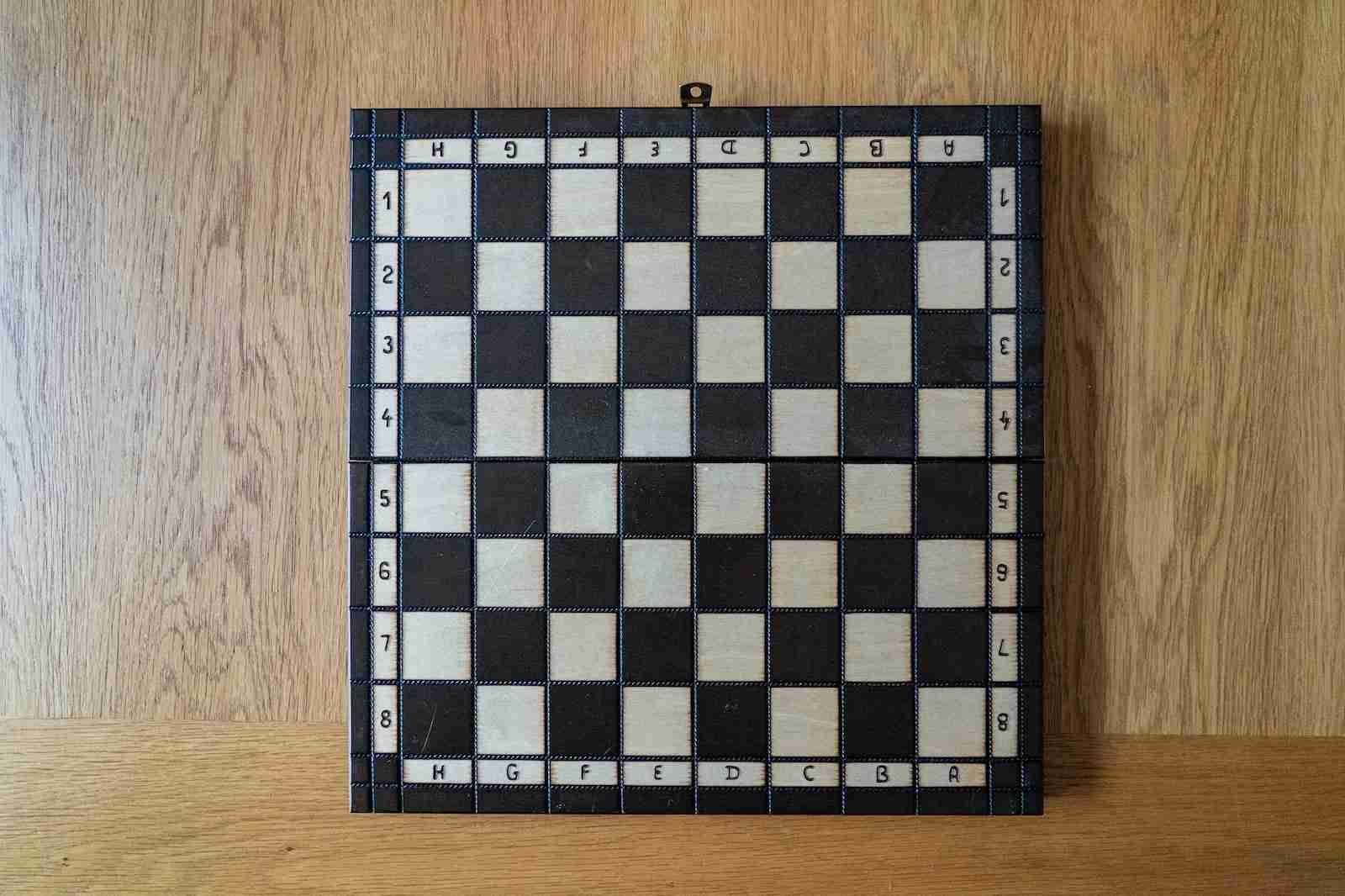
Now, let’s shift gears to a simple game of chess. Every piece on the board has its own unique way of moving, and navigating this complexity strengthens cognitive skills. Chess teaches patience and foresight—the ability to see five moves ahead. It requires focus and discipline, rewarding those who take the time to study their opponent’s intentions. In a world full of instant gratification, engaging with a game like chess instills a sense of perseverance that can extend beyond the chessboard into daily life.
For problem-solving and teamwork, nothing beats a cooperative board game like *Pandemic*. Here, you’re not just pitted against one another; you work together to strategize against the spread of diseases. The experience fosters communication and collaboration, blending the thrill of a challenge with the necessity of partnership. Players learn to articulate their thoughts, delegate responsibilities, and think community-first—a vital lesson in today’s interconnected world.
The key takeaway? Games are more than just entertainment. They are gateways to skill development, offering us the chance to learn about ourselves and others. Whether it’s honing negotiation skills or improving teamwork, integrating games like board games into our lives provides memorable lessons that stick. So, the next time you sit down with a game, remember that you’re not just playing; you’re enhancing your toolkit for life. Embrace the playful side of learning—your future self will thank you.

Are Certain Games Better For Teaching Specific Skills?
Are Certain Games Better For Teaching Specific Skills?
- Games often serve as powerful teaching tools beyond mere entertainment.
- Board games like *Settlers of Catan* enhance negotiation and resource management skills.
- The dynamic nature of games fosters critical thinking and adaptability.
- Chess strengthens cognitive skills and instills patience and foresight.
- Cooperative games like *Pandemic* promote teamwork and communication.
- Engaging in games provides valuable life lessons in negotiation and collaboration.
- Playing games can be a playful way to enhance essential life skills.

Are Certain Games Better For Teaching Specific Skills?
Conclusion
Conclusion
As we wrap up this exploration of the potential of family games to unlock essential communication skills, let’s take a moment to step back and appreciate the beauty of the ordinary. Nothing too fancy—a simple board game, a little rolled dice, and your loved ones gathered around the table. What might feel like just another night of competitive fun could actually be a dynamic classroom, chock-full of lessons that extend beyond those four corners of cardboard.
Now, I know what you’re thinking: it’s just a game, right? But let me tell you, amid the laughter, the mild bickering, and the nail-biting moments of triumph or defeat, there’s a treasure trove of communication skills waiting to be mined. From negotiation tactics that could outsmart the most seasoned business professionals to empathy lessons learned after a surprising twist in the game, those moments are rich soil for growth.
While engaged in a rousing match, you can see families learning the delicate dance of expressing thoughts clearly, actively listening, and responding thoughtfully—all vital components of communication. Your kids, perhaps unknowingly, are cultivating these skills and fostering teamwork, patience, and creativity—all while having a blast. Let’s not forget about the occasional emotional rollercoaster when someone loses, which sets the stage for learning resilience and how to express feelings constructively.
Beyond just the competitive edge, playing together fosters connections and encourages openness. The feedback exchanged during these games—whether it’s support or a gentle nudge to consider another viewpoint—reinforces family bonds. You create a safe space where individuals can share their thoughts without the weight of judgment. That’s real communication at work!
So, don’t let those board games gather dust in the closet. Embrace the organized chaos of game nights as opportunities for growth and connection. Roll the dice, deal those cards, and revel in the playful spirit that blooms amidst friendly competition. You might just find that with every round played, you’re not only sharpening skills but deepening relationships and building a foundation where communication flourishes.
Next time you gather with family or friends, think of it as setting the stage for both fun and invaluable lessons. And remember: laughter, strategy, and connection can be powerful catalysts for meaningful communication. So go ahead, get that game out, and see what unfolds. After all, in the end, it’s not just about winning; it’s about bonding, learning, and savoring the joy of shared experiences. Now, isn’t that worth celebrating?

Conclusion
Conclusion:
- Family games serve as a dynamic classroom for essential communication skills.
- Game nights provide a fun way to cultivate negotiation, empathy, and teamwork.
- Players learn to express thoughts clearly and listen actively, vital components of communication.
- Games help develop resilience and emotional expression, especially in moments of loss.
- Playing together fosters connections and encourages open exchanges of feedback.
- Game nights should be embraced as opportunities for growth and connection rather than just competition.
- Ultimately, playing games enhances relationships and promotes the joy of shared experiences.

Conclusion
Other Resources

Other Resources
Here is a list of other resources you can review online to learn more:
- Twilight Struggle
- Boardgames.com
- Boss Monster
- Blue Peg, Pink Peg
- Kotaku
- Google My Business
- Gloomhaven
- GamesRadar+
- Roll Player
Use This Prompt To Get More Resources With Your Favorite Online AI Tool: Please provide me with a list of online articles with their URLs in a bulleted list that I can read regarding Can Essential Communication Skills Be Taught Via Family Games?

Other Resources
Glossary Terms
Can Essential Communication Skills Be Taught Via Family Games? – Glossary Of Terms
1. Active Listening: The skill of fully concentrating, understanding, responding, and remembering what is being said in a conversation.
2. Assertiveness: The ability to express one’s feelings, needs, and opinions in a direct, honest, and respectful manner.
3. Communication: The process of sharing information, thoughts, and feelings through verbal and non-verbal methods.
4. Conflict Resolution: Techniques and strategies used to resolve disagreements and disputes effectively and amicably.
5. Cooperation: Working together towards a common goal, reliant on effective communication and teamwork.
6. Empathy: The capacity to understand and share the feelings of others, enabling improved interpersonal communication.
7. Feedback: Information provided about a person’s performance or understanding, crucial for learning and improvement.
8. Family Games: Structured activities designed for family members to participate in together, often promoting interaction and bonding.
9. Interpersonal Skills: Skills used to communicate and interact with others effectively, essential for building relationships.
10. Listening Skills: Abilities that contribute to effective listening, including comprehension and retention of information.
11. Non-verbal Communication: The transmission of messages without words, using body language, facial expressions, gestures, and tone of voice.
12. Role-Playing: A game format where participants assume the roles of various characters to practice and simulate real-life conversations.
13. Social Skills: Skills that facilitate interaction and communication with others, including verbal and non-verbal communication skills.
14. Teamwork: The collaborative effort of a group to achieve a common goal, relying on mutual respect and clear communication.
15. Trust-building: Activities or approaches that foster reliability and openness among family members, crucial for effective communication.
16. Verbal Communication: The sharing of information through spoken or written words, a cornerstone of effective interaction.
17. Game Dynamics: The patterns and behaviors that emerge during game play, often highlighting communication styles and strategies.
18. Consensus: A general agreement reached by a group, reflecting effective communication and collaboration.
19. Problem-solving: The process of finding solutions to difficult or complex issues, often requiring cooperative communication.
20. Negotiation: The dialogue between two or more parties aimed at reaching an agreement, emphasizing communication and compromise.
21. Fun Learning: The concept of enjoying the process of gaining knowledge and skills, particularly through engaging activities.
22. Emotional Intelligence: The ability to identify, understand, and manage emotions in oneself and others, enhancing communication.
23. Observation Skills: The ability to watch and interpret the behavior and cues of others, crucial for effective engagement.
24. Creativity: The use of imagination or original ideas to develop new ways to communicate or resolve conflicts during games.
25. Mindfulness: The practice of being present and fully engaged in the moment, which can enhance communication dynamics.
26. Family Bonding: Strengthening the relationship between family members through shared activities, including games that promote dialogue.
27. Cognitive Skills: Mental abilities that help process information, essential for responding and engaging in conversations.
28. Peer Learning: Learning from and with others in a group, often fostered through collaborative activities and games.
29. Icebreaker Games: Activities designed to help people get to know each other, often facilitating open communication and trust.
30. Encouragement: Providing support and positive reinforcement, which can foster a communicative atmosphere during family games.

Glossary Of Terms
Other Questions
Can Essential Communication Skills Be Taught Via Family Games? – Other Questions
If you wish to explore and discover more, consider looking for answers to these questions:
- What specific communication skills can be developed through family games?
- Are there particular games that are best for enhancing communication skills?
- How do different age groups benefit from playing communication-based games?
- Can online games provide the same communication benefits as physical board games?
- What are some examples of family games that promote teamwork and collaboration?
- How can parents effectively facilitate communication during family game nights?
- What role does humor play in enhancing communication during games?
- How can we measure the improvement of communication skills after playing games?
- Are there any resources or guides available to help choose the right games for communication skills development?
- Can playing competitive games lead to negative communication outcomes?
- What strategies can be used to address conflicts that arise during family game nights?
- How can board games be integrated into educational settings to foster communication skills?

Other Questions
Haiku
Can Essential Communication Skills Be Taught Via Family Games? – A Haiku
Family game night fun,
Words and laughter intertwine,
Skills bloom in the play.

Haiku
Poem
Can Essential Communication Skills Be Taught Via Family Games? – A Poem
A Game of Words and Laughter
On a chilly eve, the world unwinds,
Around the table, connection finds,
A board game dusted off with care,
An invitation to laughter, a moment to share.
In playful chaos, the dice will roll,
Echoes of banter fill the room’s soul,
Through strategy shared and thoughts expressed,
Essential skills in games are blessed.
As kids negotiate, their voices rise,
Compromise blooms, a clever surprise,
Each turn a lesson, each laugh a thread,
Building resilience in paths we tread.
Feedback flows, an honest exchange,
Through friendly rivalry, we learn and change,
Clarity born from the heat of play,
Active listening nurtured, day by day.
Imagine a game of *Catan* or chess,
Where negotiation skills find their finesse,
Teamwork emerges in cooperative strife,
Crafting young minds for the dance of life.
Games strip away anxiety’s cloak,
In laughter’s embrace, connections provoke,
No judgment looms as stories unfold,
Shared moments transform, hearts turn to gold.
So gather your family, your friends, your crew,
For in each game night, life’s lessons are true,
With every roll, may your spirits ignite,
Unlocking communication through the magic of night.

Poem
Checklist
Can Essential Communication Skills Be Taught Via Family Games? – A Checklist
Checklist: Enhancing Communication Skills Through Family Games
1. Choose the Right Game
_____ Select games that encourage communication, like *Settlers of Catan* or *Pandemic*.
_____ Consider the interests and ages of participants to ensure engagement.
2. Create a Positive Environment
_____ Choose a comfortable setting where everyone can focus on the game.
_____ Minimize distractions (e. g. , turn off phones and TVs).
3. Set Ground Rules
_____ Encourage respectful communication during the game.
_____ Foster a playful spirit—remind everyone that it’s about fun, not just winning.
4. Encourage Participation
_____ Engage quieter players by inviting their thoughts.
_____ Ask questions that prompt discussion and strategy.
5. Observe Communication Skills
_____ Pay attention to how players articulate their strategies and thoughts.
_____ Notice non-verbal cues such as body language and eye contact.
6. Facilitate Discussion
_____ After the game, discuss what communication strategies worked well.
_____ Share moments that built team spirit or caused misunderstanding.
7. Embrace Loss and Win Together
_____ Use moments of defeat or victory to teach empathy and resilience.
_____ Discuss feelings around wins and losses to foster emotional awareness.
8. Encourage Feedback
_____ Promote an open dialogue about game strategies and move decisions.
_____ Allow everyone to share their feelings about the game respectfully.
9. Practice Active Listening
_____ Reinforce the importance of listening during gameplay.
_____ Encourage players to respond thoughtfully to each other.
10. Reflect on Skills Learned
_____ After playing, collectively identify communication skills practiced (e. g. , negotiation, empathy).
_____ Consider how these skills can translate into real-life situations.
11. Regular Game Nights
_____ Make family game nights a regular event to continuously build communication skills.
_____ Rotate games to expose players to different communication styles and strategies.
By following this checklist, families can turn their game nights into valuable opportunities to enhance communication skills while having fun together. Happy gaming!

Checklist
At BestBoardGameNews, we help people who love board games by collating information and news about board games.
Be sure to read our other related stories at BestBoardGameNews to learn more about board games.