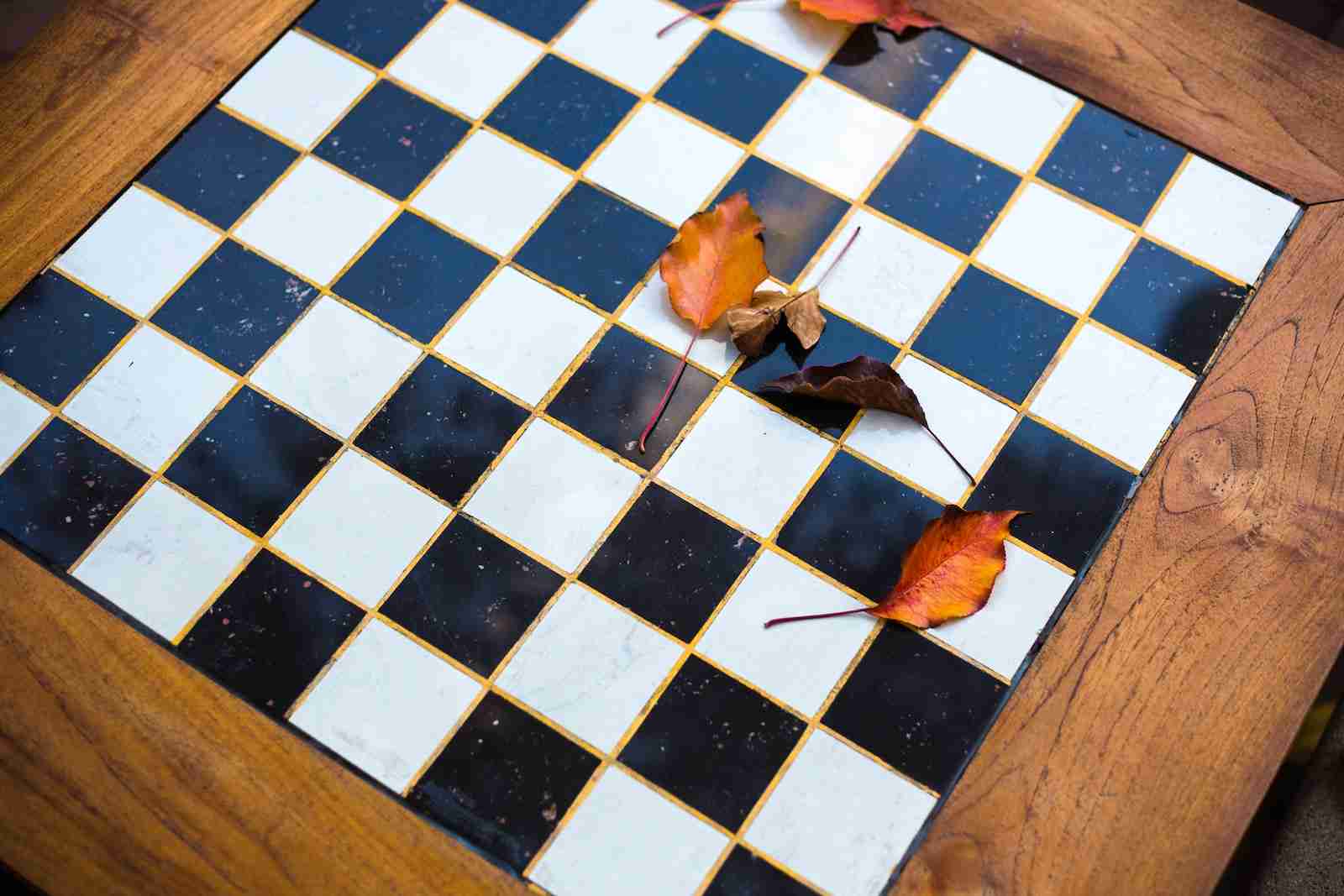
Level Up Your Decision Making With Family Board Games
By Tom Seest
At BestBoardGameNews, we help people who love board games by collating information and news about board games.
Be sure to read our other related stories at BestBoardGameNews to learn more about board games.
Can Family Board Games Lead to Better Decision Making Skills?
Can Family Board Games Lead to Better Decision-Making Skills?
Picture this: a Friday night, the coffee table transformed into a battleground of colorful board game boxes, laughter echoing through the house, and the delightful aroma of homemade pizza wafting in from the kitchen. As you gather around, the excitement builds. It’s not just a game; it’s a chance to sharpen skills that are often overlooked in the hustle of everyday life. Yep, we’re talking about decision-making—the kind of decisions that can shape our futures.
While the kids might be eyeing the latest game of Monopoly or Scrabble, there’s more happening than simple entertainment. Each turn unfolds a storyline where players are constantly weighing options, assessing risks, and thinking ahead. Will you buy that property, or hold out for something better? Do you take the safe route, or gamble on a more challenging move with the chance of greater reward? These questions—rooted in strategy, intuition, and sometimes a splash of luck—mirror the daily choices we face outside the confines of a board game.
Research has shown that engaging in these friendly rivalries fosters critical thinking and enhances one’s ability to make quick decisions. Kids learn that every choice has a consequence—an essential lesson whether you’re navigating a game of Settlers of Catan or the complex social landscape of school. But let’s be real; it’s not just beneficial for the young ones. Adults, too, can exit their comfort zones and tackle challenges that might seem daunting at first.
Ever found yourself stuck on the sidelines during a family game, half-heartedly rolling dice while scrolling through your phone? Resist the urge! Get in there. The camaraderie born from sharing these moments—balancing out strategy with a touch of chaos—builds more than just decision-making skills; it forges deeper connections within the family fabric.
So, dust off that neglected board game collection and organize a family night. As you shuffle through the rules (or make some up as you go), embrace the chaos and enjoyment. Together, you’ll discover that these moments aren’t just about winning or losing; they’re about learning to make choices that matter. With every roll of the dice, you’re not just playing a game—you’re preparing for life’s unpredictable journey. And who knows, that old visual of the coffee table could be filled with future leaders, innovators, and decision-makers, all thanks to a little family fun.

Can Family Board Games Lead to Better Decision Making Skills?
Can Family Board Games Lead to Better Decision Making Skills?
- Family board games transform ordinary nights into opportunities for skill-building and bonding.
- Games encourage players to weigh options, assess risks, and think strategically, paralleling real-life decision-making.
- Research indicates that playing board games enhances critical thinking and quick decision-making abilities.
- Every choice made during gameplay teaches valuable lessons about consequences and strategy.
- Adults benefit from stepping out of their comfort zones and facing challenges through games.
- Participating in games fosters camaraderie and deeper connections among family members.
- Engaging in family game nights promotes learning and prepares players for life’s unpredictable situations.

Can Family Board Games Lead to Better Decision Making Skills?
Table Of Contents
- Can Family Board Games Lead to Better Decision Making Skills?
- How Do Board Games Enhance Teamwork?
- What Decision-Making Skills Do We Learn From Games?
- Can Playing Games Reduce Stress During Decision-Making?
- Are There Specific Board Games That Teach Decision-Making?
- How Do Family Dynamics Change During Board Game Nights?
- Do Board Games Encourage Risk Assessment Skills?
- What Age Is Best For Introducing Decision-Making Games?
- Conclusion
- Other Resources
- Glossary Of Terms
- Other Questions
- Haiku
- Poem
- Checklist
How Do Board Games Enhance Teamwork?
There’s something downright magnetic about gathering around a table with a board game. It’s not just about the rolls of the dice or the strategic moves on the game board; it’s about the camaraderie that blossoms when we engage in a shared experience. In a world where digital interactions often overshadow face-to-face connections, board games serve as a portal back to a time when socializing required more than just a click or a tap.
Now, let’s break it down. When you pull out a board game, you aren’t just pulling out cardboard and plastic pieces; you’re inviting everyone to a collaborative adventure. Each move made is an opportunity for teamwork, a call to communicate, strategize, and think critically together. Whether it’s devising a plan to conquer a kingdom in a fantasy game or working side-by-side to solve a challenging puzzle, these moments foster a sense of unity that easily spills over into the workplace.
Imagine this: your team sits around a table, laughter mingling with friendly banter as you all navigate the ups and downs of the game. Every laugh is backed by a shared understanding that this isn’t just a game anymore; it’s a mini-boot camp for building trust. You learn to rely on your teammates, appreciate their strengths, and manage their weaknesses—all transferable skills that can transform team dynamics on Monday mornings.
Moreover, board games are the ultimate icebreakers. For new teams or those similar to old machines in need of a little oiling, playing a board game can reveal hidden talents and spark connections that formal meetings could never achieve. You might discover who among you is the go-to strategist, the creative thinker, or the emerging leader—all in a low-pressure, fun environment.
At the end of the day, it’s these shared experiences that create a sense of belonging and mutual respect. The victories become collective, while the losses are softened by shared companionship. So, why not bring your team together for a game night? Break out that board game and watch as connections deepen, trust builds, and teamwork transforms from a mere concept into a palpable force. Trust me—it might just be the best investment in your team you make this quarter!

How Do Board Games Enhance Teamwork?
How Do Board Games Enhance Teamwork?
- Board games create a magnetic atmosphere for face-to-face interactions, countering digital oversaturation.
- Playing a board game fosters camaraderie and invites participants into a collaborative adventure.
- Each move in the game is an opportunity for communication, teamwork, and critical thinking.
- Game sessions help build trust and appreciation for each other’s strengths and weaknesses among team members.
- Board games serve as effective icebreakers, revealing talents and sparking connections within teams.
- Shared experiences during gameplay cultivate belonging and mutual respect among players.
- Organizing a game night can deepen connections, build trust, and enhance teamwork within your group.

How Do Board Games Enhance Teamwork?
What Decision-Making Skills Do We Learn From Games?
Picture this: a rainy afternoon, surrounded by friends and family, as a board game sprawls across the dining table. You know the scene. There’s laughter, some friendly competition, maybe a little bit of trash talk. But what you might not realize is that hidden within that seemingly simple pastime are critical skills that can bolster your decision-making prowess in the real world.
First off, let’s talk strategy. When you sit down to a board game, you’re confronted with a slew of choices, each one more enticing than the last. Do you go all-in on resources, bide your time, or strike out against your opponents early? Each decision requires you to assess risks, weigh outcomes, and anticipate the moves of others at the table. These aren’t just the makings of a good board game; they’re also foundational skills in effective decision-making.
Now, consider the art of negotiation. Ever tried bartering or forming alliances to gain an upper hand? Well, that’s more than just a fun way to change the course of a game; it teaches you how to communicate effectively and find common ground with others. Trust me, these abilities are gold when you’re in the throes of collaboration at work or in your personal life. You learn to read people, figure out when to be firm, and when to be flexible. As they say, you win some, you lose some, but how you handle yourself in those moments is what truly matters.
And let’s not forget about adaptability. You might come into a game thinking you have it all figured out. Then, suddenly, the tides change, and you’re left scrambling. Those shifts can be frustrating, but they force you to think on your feet. In life, unexpected challenges are par for the course. The ability to reconsider your approach in the face of adversity is invaluable.
So, the next time you reach for that board game, remember—it’s not just about rolling dice and moving pieces. It’s a microcosm of life itself, full of opportunities to hone your decision-making skills. Embrace the moments at the table, and you’ll be equipping yourself with tools that extend well beyond the game night hustle. After all, life is just one big, beautiful game, isn’t it?

What Decision-Making Skills Do We Learn From Games?
What Decision-Making Skills Do We Learn From Games?
- A rainy afternoon with friends and family can lead to valuable learning experiences through board games.
- Playing board games enhances strategic thinking by requiring players to assess risks and anticipate opponents’ moves.
- Negotiation skills are developed through bartering and forming alliances during gameplay.
- Effective communication and finding common ground are essential skills that are practiced through game interactions.
- Board games promote adaptability by forcing players to rethink strategies when faced with unexpected changes.
- Life’s challenges parallel board game experiences, making gameplay a practical training ground for real-world decision-making.
- Embracing the lessons learned from board games equips individuals with tools applicable to various aspects of their lives.

What Decision-Making Skills Do We Learn From Games?
Can Playing Games Reduce Stress During Decision-Making?
Let’s face it, decision-making can feel like trying to navigate a swamp in the dead of night—muddy, slippery, and full of unexpected surprises. Stress tends to bubble up like a pot of water left on the stove too long, and suddenly, what should be a simple choice feels like a full-blown crisis. But believe it or not, there’s an antidote right at your fingertips—and it’s sitting quietly on the bookshelf or in that stack of games you haven’t touched in ages: the good old board game.
Now, you might be rolling your eyes, thinking that games are just for kids or lazy weekends, but hear me out. Board games offer not just an escape, but a structure for softening the stresses of life’s bigger choices. When you sit down with a group of friends or family for a game night, it’s not just about rolling dice or moving pieces around a colorful board—it’s about creating a space where you can unwind. These moments of laughter and competition pave the way for clearer thinking.
Think about it: in the world of gaming, decisions are isolated in the present. You’re not worrying about the mortgage, that upcoming work deadline, or what to eat for dinner. You’re making choices about your next move, and there’s something therapeutic in that singular focus. The adrenaline rush that comes when playing a board game shifts your mindset from anxiety to engagement. You’re actively participating, thinking strategically, and having fun—all key elements that reduce stress.
Furthermore, playing games can foster camaraderie and connection. As you engage with your fellow players, you build bonds, share stories, and even learn a thing or two about collaboration and compromise. That sense of community fosters emotional well-being, and suddenly, the weight of your stresses feels a little lighter.
So, the next time you find yourself caught up in a web of worry, consider breaking out a board game. Dive into classics like Monopoly or Settlers of Catan, or explore new titles that catch your eye. Trust me; you’ll find that a few rounds of friendly competition can put your mind at ease, making those tough decisions feel far more manageable the next day. Because while life may be complicated, a good game can remind us that sometimes, it’s best to roll with the punches and enjoy the ride.

Can Playing Games Reduce Stress During Decision-Making?
Can Playing Games Reduce Stress During Decision-Making?
- Decision-making can often feel overwhelming and stressful.
- Board games provide a structured way to reduce life’s stressors.
- Playing games helps create a relaxing environment for clearer thinking.
- In games, decisions are focused in the present, shifting attention away from worries.
- Engaging in board games promotes strategic thinking and fun, which alleviates anxiety.
- Board games foster connections and camaraderie among players, enhancing emotional well-being.
- Playing games can make difficult decisions feel more manageable and less daunting.

Can Playing Games Reduce Stress During Decision-Making?
Are There Specific Board Games That Teach Decision-Making?
Picture this—a rainy Saturday afternoon, the kind of day that begs for connection and conversation. Instead of staring at screens or scrolling through endless newsfeeds, you gather around the table with family or friends. What’s in the center? A board game ready to whisk you into worlds of strategy, competition, and yes, decision-making.
Now, what if I told you that while you’re huddled together with laughter and maybe a sprinkle of friendly rivalry, you’re also sharpening your decision-making skills without even realizing it? That’s the magic of board games! These marvelous tools can teach us valuable lessons that spill over into real life, all while providing a good dose of fun.
Take “Settlers of Catan,” for example. Here, you’re not just rolling dice; you’re weighing the risks and potential outcomes of each move. Do you trade your sheep for that coveted wood? Or are you banking on future resources to secure your victory? Every decision, big or small, has consequences, and learning to navigate these can help develop a solid foundation for decision-making skills.
Then there’s “Ticket to Ride.” This gem teaches players to strategize while anticipating opponents’ moves. Should you focus on building your route first or try to block others? These sorts of choices translate into the real world—where we often need to assess various factors before making choices that can affect both ourselves and others.
And let’s not forget classics like “Chess,” where every piece moves with purpose. Every decision has a direct impact on the board, echoing the complexities of everyday decision-making. Whether you’re an ambitious knight charging ahead or a cautious pawn contemplating the next step, you learn to think both strategically and critically, balancing the short-term gains with long-term repercussions.
In a world overflowing with choices, cultivating your decision-making prowess—preferably over a friendly game of Monopoly or Carcassonne—could very well turn into one of the best investments you make. So, next time you sit down with a board game, remember: it’s more than just entertainment; it’s a masterclass in making choices. Who knew that the road to becoming a better decision-maker could start with a roll of the dice? Trust me, when the chips are down, it pays to play smart!

Are There Specific Board Games That Teach Decision-Making?
Are There Specific Board Games That Teach Decision-Making?
- Board games offer a perfect way to connect with family and friends on rainy days.
- While playing, participants unintentionally sharpen their decision-making skills.
- “Settlers of Catan” emphasizes weighing risks and potential outcomes with choices.
- “Ticket to Ride” teaches players to strategize and anticipate opponents’ moves.
- Games like “Chess” highlight the importance of impactful decision-making.
- Board games reflect the complexities of real-life decisions through gameplay.
- Engaging in board games can be a fun and valuable investment in developing decision-making abilities.

Are There Specific Board Games That Teach Decision-Making?
How Do Family Dynamics Change During Board Game Nights?
Gather ’round the table, folks! There’s something magical about a board game night that transforms the very fabric of our family dynamics. It’s more than just rolling dice or drawing cards—it’s the chance to peel back the layers and discover the unique personalities hiding within our kin. It’s a canvas where cooperation meets competition, where laughter becomes the soundtrack, and where meaningful connections nearly always emerge from the chaos.
Let’s face it: Life can get hectic. We’re juggling responsibilities, life’s curveballs, and all the distractions of modern living. Yet, when we sit down for a board game, there’s something undeniably powerful about that time together. That single, shared experience has the potential to shift the atmosphere from mundane to memorable. It’s like pressing pause on reality, allowing for a little fun and connection amidst the daily grind.
Now, you might think board games are just child’s play. But oh, how wrong you’d be! When the pieces hit the table and those rules are explained, you can almost feel the shift in energy. Suddenly, we’re not just family; we’re allies, adversaries, strategists, and sometimes even comedians! Rivalries ignite, and friendships are put to the test, but there’s camaraderie in the challenge. It’s this playful contest that brings out laughter, playful banter, and occasionally, a little good-natured trash talk. Those moments of friendly competition foster trust and understanding, with the underlying message: “We can disagree, but we’re still in this together.”
Have you ever noticed how board games reveal unexpected facets of our family members? The quiet one suddenly devising a devious plan, or the over-enthusiastic uncle transforming into a fierce competitor who takes a little too much pride in victory. These small revelations can deepen connections and create inside jokes that will last a lifetime.
So if you haven’t already, it’s time to round up the family, dust off those board games, and embrace the evening ahead. Set aside your screens and excuses—embrace the laughter, chatter, and even the occasional groan of despair. The next time you gather around that table, know that what you’re really doing is building bonds that will navigate you through life’s ups and downs. Trust me, the value of shared experiences is priceless. Go ahead—make that next board game night a tradition, and watch your family dynamics flourish!

How Do Family Dynamics Change During Board Game Nights?
How Do Family Dynamics Change During Board Game Nights?
- Board game nights transform family dynamics and reveal unique personalities.
- They provide a chance for cooperation, competition, laughter, and meaningful connections.
- Amidst life’s distractions, board games offer a shared experience that shifts the atmosphere.
- They are not just for children; they ignite energy and create roles of allies, adversaries, and strategists.
- Friendly competition fosters trust and understanding, emphasizing togetherness despite disagreements.
- Board games uncover unexpected traits in family members and create lasting inside jokes.
- Making board game nights a tradition can strengthen family bonds through shared experiences.

How Do Family Dynamics Change During Board Game Nights?
Do Board Games Encourage Risk Assessment Skills?
When you sit down with friends for a classic board game night, you’re not just shuffling pieces and rolling dice. No, my friend, you’re diving headfirst into a rich tapestry of strategy, psychology, and, let’s be honest, a healthy dose of risk management. Let’s think about it: every move you make has potential consequences, and suddenly, life feels a bit more like the intricate dance of chess than the humdrum of everyday existence.
Consider a simple game like Monopoly. As you buy properties, negotiate trades, and plot your financial domination, you inadvertently dabble in risk assessment. Do you invest heavily in Boardwalk and Park Place, knowing the potential payoff could bankrupt your friends? Or do you play it safe, spreading your resources across less glamorous real estate? Each choice mirrors real-world scenarios where evaluating risk might mean the difference between success and failure. The exhilaration of landing on that prime property or dodging bankruptcy hones critical thinking and strategic planning skills.
And it’s not just about the endgame. As you respond to ever-shifting dynamics—like a sudden “Go to Jail” card or another player’s cunning negotiation—you’re constantly recalibrating your approach. Each session around the table becomes a microcosm of life, one filled with risk and reward, where you learn that sometimes, taking a chance can lead to unexpected victories.
But let’s get to the crux of it: why should this matter to you? Well, life, as we know it, is a series of calculated risks. Whether you’re deciding to invest in a new venture, approaching that daunting job interview, or even planning your next vacation, the skills you refine while playing board games can carry over into real life. The ability to assess risk, weigh outcomes, and make informed decisions is invaluable.
So the next time you gather for a night of dice and strategy, remember that you’re not just there for the snacks and camaraderie. You’re leveling up your risk assessment skills, and who knows? Maybe that board game might just prepare you for a big decision ahead. Get that competitive spirit brewing, and embrace the challenge! The rewards of your risk-taking might just surprise you. After all, life is a game, and it’s time to play to win!

Do Board Games Encourage Risk Assessment Skills?
Do Board Games Encourage Risk Assessment Skills?
- Board game nights involve strategy, psychology, and risk management.
- Games like Monopoly teach risk assessment and investment strategies.
- Critical thinking and strategic planning skills are honed through gameplay.
- Players must adapt to changing dynamics and recalibrate their approaches.
- Board games mirror real-life scenarios involving calculated risks.
- Skills gained from games can improve decision-making in real-life situations.
- Engaging in board games enhances competitive spirit and risk-taking abilities.

Do Board Games Encourage Risk Assessment Skills?
What Age Is Best For Introducing Decision-Making Games?
Ah, the age-old question: when do we hand the reins of decision-making over to the younger generation? It’s a bit like picking the right moment to jump into a lake—too early, and you’re shivering in the cold; too late, and the fun is all but over. Introducing decision-making games like board games to kids can build critical thinking skills, enhance social interactions, and even foster a sense of responsibility. But just when is the sweet spot?
Let’s set the stage. Picture this: a cozy family room, with the sun’s rays streaming through the window, illuminating a colorful spread of board games. It’s a delightful scene waiting for eager minds to tackle challenges and make choices that affect the game’s outcome. Most experts suggest that around the age of 5 or 6 is an ideal time to start. At this age, children have developed enough cognitive skills to grasp basic rules and enjoy the strategic elements of a game. They thrive on engagement, and what better way to engage them than with friendly competition?
But hold on a second—don’t just dive in! Before you jump into the deep end with decision-making games, consider first introducing simpler games that allow them to build foundational skills. Think about games that focus on color matching or turn-taking; these can prepare them for the world of decision-making that lies ahead. It’s not just about winning or losing; it’s about learning choices matter, and that’s a life lesson we all can get behind.
As they grow older, around ages 8 to 10, they’re ready for more complex decisions. This is when alliances can be formed and strategies concocted. Insightful dialogue and negotiation become key components of the experience. Involve them in the decision-making process of selecting a game, so they feel invested from the get-go. They might just surprise you with their insights!
What’s important is to maintain a light-hearted atmosphere. Remember, the goal isn’t just about honing decision-making skills; it’s about creating shared memories. As they develop these skills in a supportive environment, they’ll gain confidence—not just in games, but in making choices that extend far beyond the tabletop. So gather around your favorite board game and dive into the wonderful world of decision-making! Trust me, you’ll look back and cherish these moments more than you know.

What Age Is Best For Introducing Decision-Making Games?
What Age Is Best For Introducing Decision-Making Games?
- Introduce decision-making games like board games to kids to promote critical thinking, social interactions, and responsibility.
- The ideal age to start is around 5 or 6, as children at this age can grasp basic rules and enjoy strategy.
- Begin with simpler games focusing on skills like color matching and turn-taking to build foundational skills.
- As children grow (ages 8 to 10), introduce more complex decision-making scenarios involving alliances and negotiations.
- Involve kids in selecting games to enhance their investment in the process and foster surprising insights.
- Maintain a light-hearted atmosphere; the goal is not only skill development but also creating shared memories.
- Encouraging decision-making skills will boost their confidence beyond games, impacting their choices in life.

What Age Is Best For Introducing Decision-Making Games?
Conclusion
As we wrap up this exploration of board games and decision-making, let’s take a moment to appreciate the unexpected wonders these colorful boxes of cardboard and plastic offer—both for our families and for ourselves. Picture this: It’s a Friday night, the game is set, and the laughs echo through the room as family members gather. What started as a casual pastime morphs into an educational experience, subtly honing decision-making skills while ramping up the fun factor. In those moments, each roll of the dice becomes a poignant reminder that life, much like Monopoly or Catan, is filled with choices that carry real-life implications.
You see, engaging in family board games isn’t merely about playing to win; it’s about sharpening our ability to assess risk, weigh options, and adapt to the whirlwind of change—skills that are crucial for navigating the complexities of adult life. Research backs it up; board games elevate critical thinking and foster the kind of quick decision-making that’s invaluable both in school for the kids and at work for adults. And, let’s be honest, when was the last time a Zoom call sparked the same kind of warmth and camaraderie that a good board game does?
But it’s not just the kids who benefit. Adults, too, find their comfort zones challenged as they confront strategic dilemmas with a side of familial love and good humor. Suddenly, the uncle who never loses can teach us not just the ways of victory but the essence of resilience.
So why not ditch the screens and dust off your old game collection? Gather ‘round, share some laughs, and remember that every piece moved signifies far more than just a hobby; it represents your family’s shared journey, building bonds that weave through moments of both triumph and defeat.
In a world brimming with distractions, board games grant us a portal back to connection, conversation, and laughter. They evidence that the road to becoming better decision-makers begins not just with rules and dice, but with shared experiences that strengthen family ties. So, go on—roll that dice, make those decisions, and savor the lovely chaos that comes with family game night; you never know, you might just be preparing the next generation of leaders, all while enjoying a coast of friendly rivalry. Trust me, in this game of life, that’s the winning move.

Conclusion
Conclusion:
- Board games offer unexpected wonders for families and individuals.
- Playing games fosters decision-making skills while enhancing enjoyment.
- Each game illustrates life’s choices and their real-life implications.
- Engagement with board games develops critical thinking and quick decision-making.
- Adults also benefit by facing strategic challenges in a family-friendly environment.
- Board games create shared experiences that strengthen family bonds.
- Participating in game nights helps build connections amidst modern distractions.

Conclusion
Other Resources

Other Resources
Here is a list of other resources you can review online to learn more:
- Days of Wonder
- Fluxx
- Portal Games
- GameNight!
- Board to Death TV
- Betrayal at Baldur’s Gate
- Plurk
- 7 Wonders Duel
- Scoop.It
Use This Prompt To Get More Resources With Your Favorite Online AI Tool: Please provide me with a list of online articles with their URLs in a bulleted list that I can read regarding Can Family Board Games Lead to Better Decision Making Skills?

Other Resources
Glossary Terms
Can Family Board Games Lead to Better Decision Making Skills? – Glossary Of Terms
1. Board Games: Tabletop games that involve counters or pieces moved or placed on a pre-marked surface according to a set of rules.
2. Decision Making: The cognitive process of selecting a course of action from multiple alternatives.
3. Critical Thinking: The ability to analyze facts and form a judgment, often used in evaluating decisions.
4. Strategic Thinking: The process of planning for the future by analyzing available options and outcomes.
5. Cognitive Skills: Mental capabilities such as attention, memory, reasoning, and problem-solving involved in decision-making.
6. Social Interaction: Engagements with other individuals that can influence perspectives and decisions during gameplay.
7. Teamwork: Collaborative effort to achieve common goals, often enhanced through cooperative board games.
8. Conflict Resolution: The process of resolving disagreements, a skill practiced during competitive board games.
9. Turn-taking: A game mechanic where players alternate turns, teaching patience and respect for others’ decisions.
10. Risk Assessment: Evaluating potential outcomes and their impacts, a skill honed through strategy games.
11. Goal Setting: The process of identifying specific objectives, important in many board games with win conditions.
12. Problem Solving: The ability to find solutions to obstacles faced during gameplay.
13. Emotional Intelligence: The ability to recognize and manage one’s emotions and the emotions of others, crucial in group dynamics during games.
14. Negotiation Skills: The ability to discuss and reach agreements, often needed in games with trading or alliances.
15. Fair Play: Adhering to the rules and treating other players with respect, enhancing moral decision-making.
16. Imagination: The ability to envision different scenarios and outcomes, beneficial in abstract strategy games.
17. Long-term Planning: Developing strategies that consider future moves and their consequences, vital in many strategic board games.
18. Adaptability: The capacity to adjust strategies based on changing game dynamics, sharpening decision-making flexibility.
19. Learning from Failure: The ability to reflect on mistakes made during the game to improve future decisions.
20. Motivation: The drive to succeed or improve personal skills, which can be fostered through competitive gameplay.
21. Attention to Detail: The capacity to notice and consider minor aspects of a game that could influence decisions.
22. Narrative Skills: The ability to create a storyline or context within a game, enhancing engagement and strategic exploration.
23. Delay of Gratification: The practice of resisting immediate rewards for larger future gains, demonstrated through game strategies.
24. Resource Management: The act of managing limited resources, often crucial in games that require allocation for maximum benefit.
25. Feedback Loop: The continuous process of learning from outcomes of decisions made during the game to improve future play.
26. Cognitive Flexibility: The ability to switch between thinking about two different concepts or to think about multiple concepts simultaneously.
27. Persuasion: The skill of convincing others during discussions or negotiations in games, fostering communication and influence.
28. Time Management: The ability to prioritize tasks and manage pacing during gameplay, which is critical in timed games.
29. Community Building: The process of fostering relationships and bonds via shared experience in board gaming sessions.
30. Cultural Literacy: Understanding diverse perspectives and contexts, which can be deepened by playing games from various cultures.

Glossary Of Terms
Other Questions
Can Family Board Games Lead to Better Decision Making Skills? – Other Questions
If you wish to explore and discover more, consider looking for answers to these questions:
- What types of board games are best for developing decision-making skills?
- Can board games be used in educational settings to enhance decision-making?
- How do different genres of board games compare in terms of decision-making skills taught?
- What age groups benefit the most from playing board games to improve decision-making?
- How do family dynamics influence decision-making during board game nights?
- Are there studies that support the idea that board games improve decision-making skills?
- In what ways can board games be adapted to better teach decision-making?
- What role does competition play in decision-making skill development through board games?
- How can parents encourage their children to embrace decision-making games?
- Are there specific strategies players can use to enhance their decision-making during games?
- Can digital board games provide the same benefits for decision-making as physical board games?
- How do social interactions during board game play affect decision-making skills?

Other Questions
Haiku
Can Family Board Games Lead to Better Decision Making Skills? – A Haiku
Family game night fun,
Choices shape our futures bright,
Learn to play, unite.

Haiku
Poem
Can Family Board Games Lead to Better Decision Making Skills? – A Poem
Gather ‘Round the Table
On Friday nights, the table’s set,
With laughter ringing, it’s a perfect duet,
A world of colors in boxes stacked high,
Where families gather, and spirits can fly.
It’s more than a game, it’s a life-skill stage,
Where every roll teaches the wisdom of age.
In Monopoly’s struggle or Catan’s grand trade,
We learn of decisions, the choices we’ve made.
With every turn taken, we weigh and assess,
A lesson in strategy wrapped in finesse.
Kids learn of consequences, adults find the way,
To step out of comfort, embrace the play.
Board games foster teamwork and unite the clan,
While the banter and laughter reveal who we am.
In friendly competitions, trust takes its seat,
Building bonds that endure, making lives more sweet.
From chess strategies to ticketed rides,
Each game blooms a skill where cooperation abides.
Negotiations flourish, and risk-taking’s embraced,
In the tapestry woven, new wisdom is traced.
When stress begins mounting and choices seem steep,
A board game can offer a moment of peace.
With laughter and joy, anxieties fade,
As camaraderie flourishes, strong memories made.
So dust off those games and gather your crew,
For around that square table, life’s lessons ensue.
In every move played, every smile shared bright,
We’re shaping decision-makers, ready for flight.

Poem
Checklist
Can Family Board Games Lead to Better Decision Making Skills? – A Checklist
Checklist: Level Up Your Decision-Making Skills with Family Board Games
Use this checklist to enhance your family game night experience and develop vital decision-making skills together:
Before Game Night
_____ Gather a Variety of Games: Include a mix of strategy, negotiation, and cooperative games suitable for all ages (e. g. , Monopoly, Settlers of Catan, Ticket to Ride, Chess).
_____ Set a Comfortable Environment: Prepare a cozy space around the dining table with snacks and drinks to create a relaxed atmosphere.
_____ Involve Everyone in Game Selection: Ask family members to choose which games they want to play to encourage excitement and engagement.
During Game Night
_____ Embrace Friendly Competition: Encourage light-hearted rivalry and playful banter to increase enjoyment and engagement.
_____ Discuss Strategies and Decisions: After each turn, share thoughts on the decisions made and why, fostering critical thinking.
_____ Practice Negotiation Skills: Engage in trades and alliances, highlighting the importance of communication and finding common ground.
_____ Encourage Teamwork: If playing cooperative games, focus on working together to achieve a common goal for better teamwork.
_____ Embed Risk Assessment Conversations: Talk about potential risks and rewards of decisions made during the game to promote analytical thinking.
After Game Night
_____ Reflect and Share Learnings: Discuss what worked well during the games and what strategies could be improved, reinforcing learning from each game.
_____ Incorporate Game Skills in Real Life: Encourage family members to relate their game experiences to real-life decisions and situations to reinforce lessons learned.
_____ Plan Regular Game Nights: Make game nights a tradition to continually foster decision-making skills and strengthen family bonds.
Additional Tips
_____ Start Young: Introduce simpler games to younger family members (ages 5-6) to help them grasp basic decision-making concepts.
_____ Gradually Increase Complexity: As children grow (ages 8-10), introduce more complex games that require strategic thinking and decision-making.
_____ Enjoy the Journey: While winning can be fun, remind everyone that the aim is to have fun, build connections, and grow together in decision-making skills.
Utilize this checklist to transform your family board game nights into valuable opportunities for growth, bonding, and enhancing decision-making skills!

Checklist
At BestBoardGameNews, we help people who love board games by collating information and news about board games.
Be sure to read our other related stories at BestBoardGameNews to learn more about board games.