Unlocking Learning Potential Through Family Gaming
By Tom Seest
At BestBoardGameNews, we help people who love board games by collating information and news about board games.
Be sure to read our other related stories at BestBoardGameNews to learn more about board games.
Can Family Gaming Revolutionize Learning Right Now?
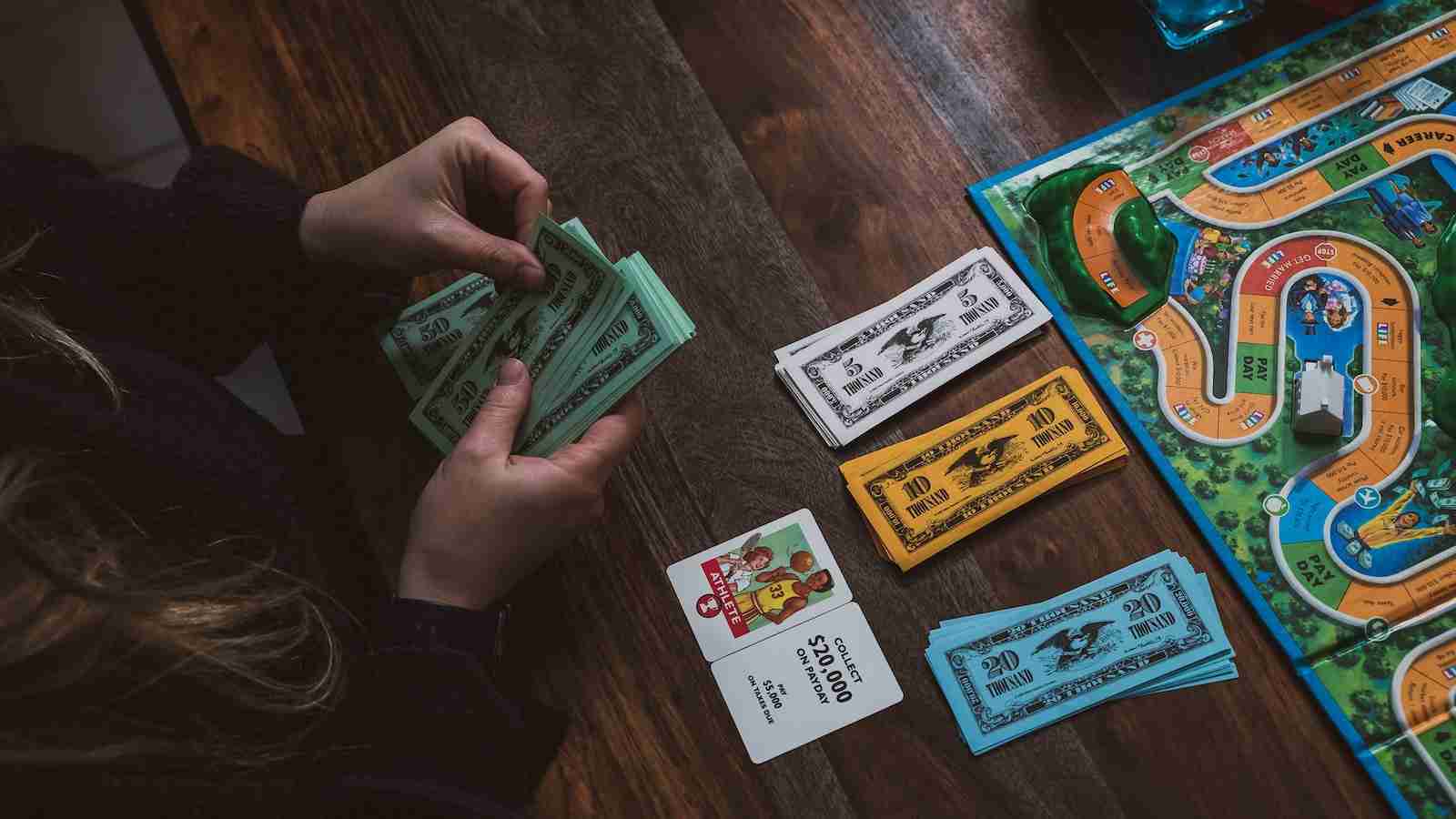
Gather ’round the kitchen table or plop down on the living room floor—wherever your clan feels most at home. Get ready to roll the dice, flip cards, and dive into the world of board games because, believe it or not, family gaming might just be the unsung hero of modern learning. Now, before you roll your eyes and mutter about lack of time or too much screen exposure, let’s explore how board games can spark curiosity, creativity, and even collaboration among family members.
We live in a fast-paced world dominated by technology, and while tablets and smartphones have their place, there’s something utterly comforting about the simplicity of a well-crafted board game. Each time you huddle together to outwit one another over a game of strategy or luck, you’re fostering skills that go far beyond just making it to the finish line. Those moments encourage critical thinking as players plot their next moves, engage in healthy competition, and practice social skills essential for navigating both the board and the wild ride of life.
Imagine your kids squaring off in a game of Scrabble. They’re busy developing their vocabulary, piecing together letters like a puzzle, and getting a grasp on spelling—all while they think they’re just having fun. Or picture a family game of Settlers of Catan, where planning, negotiation, and resource management come into play. It’s like a mini economics class wrapped in the thrill of laying down roads and cities. These experiences stick with kids, embedding lessons in their minds without ever feeling like a classroom chore.
But hold on, it’s not just about the kids. Family gaming sits at the intersection of education and entertainment, a sweet spot where parents can sneak in the life lessons kids won’t soon forget. The ups and downs of board games teach resilience; when you fancy yourself a hotshot only to watch someone else leap to victory, there’s a learning moment nestled in that humbling defeat. Bonds strengthen, laughter echoes, and suddenly, you’re not just a family—you’re a team on a grand adventure.
So, why not clear a space on that dining table, dust off those neglected board games, and dive into an experience that blends bonding and learning with nary a textbook in sight? The revolution is quiet, but the impact can be profound. The time is now to turn the attention from screens to a world where laughter, competition, and lessons converge right in your living room. Your next family game night awaits—who’s ready to play?

Can Family Gaming Revolutionize Learning Right Now?
Can Family Gaming Revolutionize Learning Right Now?
- Board games promote family bonding and learning in a fun, engaging way.
- They encourage curiosity, creativity, and collaboration among family members.
- Playing games fosters critical thinking and social skills beyond just gaming.
- Games like Scrabble help kids develop vocabulary and spelling through play.
- Strategic games, such as Settlers of Catan, teach planning and resource management.
- Family gaming provides valuable life lessons, including resilience and teamwork.
- Transitioning from screens to board games can enhance family connections and create lasting memories.

Can Family Gaming Revolutionize Learning Right Now?
Table Of Contents
- Can Family Gaming Revolutionize Learning Right Now?
- What Benefits Does Family Gaming Offer For Learning?
- How Can Games Support Teamwork In Families?
- What Skills Can Children Develop Through Family Games?
- Are There Educational Games That Engage The Whole Family?
- How Can Gaming Create Bonding Experiences Among Family Members?
- What Role Do Parents Play In Family Gaming For Education?
- How Can Family Gaming Be Structured To Encourage Learning?
- Conclusion
- Other Resources
- Glossary Of Terms
- Other Questions
- Haiku
- Poem
- Checklist
What Benefits Does Family Gaming Offer For Learning?
Let’s break it down. Imagine a table cluttered with colorful game pieces, stacks of cards, and maybe even a few snacks going cold as laughter fills the room. Family gaming—especially with a board game—doesn’t just provide entertainment; it opens a hidden curriculum that’s rich in learning opportunities. It’s where math skills mingle with strategy, and social dynamics can be as intricate as any lesson plan.
When families gather around a board game, they’re not just rolling dice and moving tokens; they’re negotiating rules, making quick calculations, and competing in a friendly manner. Take a classic like Monopoly—who knew counting money and making change could be this much fun? It’s all about practical application; kids are mastering math skills without even realizing it because they’re too busy strategizing how to dominate the board.
And let’s not forget the soft skills. Communication, teamwork, and even conflict resolution are all part of the package. When someone flips the board in a fit of frustration—hey, it happens!—that’s a teachable moment about handling setbacks. Family gaming offers a safe space to explore these emotions. You learn to celebrate victories with humility and approach defeats with grace. Those lessons stick long after the last token is put away.
But what about creativity? Games like Pictionary or Codenames? They push players to think outside the box, brainstorming ways to convey ideas with clever doodles or cryptic clues. This creative problem-solving is a skill that bleeds into areas like writing, art, and even scientific thinking. Just picture it—a family gathered around the table, each person painting a picture of teamwork and imagination. It’s not just about winning; it’s about crafting experiences that shape who we are.
So, what’s the takeaway? Family gaming, particularly with a good old-fashioned board game, is more than just a way to pass the time. It’s an investment in learning, bonding, and growing together. The benefits are undeniable: enhanced problem-solving skills, better communication, and a deeper connection. So the next time you’re looking for a way to bring the family together, consider elevating game night beyond just play. Harness that fun to build a foundation for lifelong learning. Gather the family around, roll the dice, and embrace the opportunity to learn while you play. You just might find it’s the best kind of education out there.

What Benefits Does Family Gaming Offer For Learning?
What Benefits Does Family Gaming Offer For Learning?
- Family gaming, especially with board games, is a hidden curriculum rich in learning opportunities.
- Math skills are practiced through gameplay, such as counting money in Monopoly, often unnoticed by children.
- Soft skills like communication, teamwork, and conflict resolution are developed during game nights.
- Teachable moments arise from gameplay frustrations, helping children handle setbacks effectively.
- Creative games like Pictionary encourage out-of-the-box thinking and enhance creative problem-solving abilities.
- Family gaming fosters bonding and connection, contributing to personal development beyond just winning.
- Investing time in family game nights promotes lifelong learning and growth among family members.

What Benefits Does Family Gaming Offer For Learning?
How Can Games Support Teamwork In Families?
Imagine a rainy Saturday afternoon where the sun has decided to play hide-and-seek, leaving you with a bit of time on your hands and a family that’s starting to show the signs of cabin fever. That’s when the treasure trove of board games tucked away in the closet starts to look more inviting than ever. Pulling out a good board game isn’t just about rolling dice or counting pieces; it’s a ticket to teamwork, laughter, and a bit of friendly competition.
Board games have a unique way of bringing family members together, creating an atmosphere that encourages connection. As you gather around the table, it’s not just about winning or losing; it’s about the stories that unfold, the inside jokes that emerge, and the laughter that fills the room. Each game is an opportunity for collaboration. Players must work together to navigate challenges and strategize toward common goals—whether that’s defeating a mythical dragon or mastering a property empire.
And let’s be honest, the rules of board games often call for communication—lots of it. Suddenly, kids are explaining strategies, parents are negotiating deals, and everyone is learning the art of compromise. Remember that feeling of triumph when your young one figures out how to overcome an obstacle with your guidance? Those moments don’t just create memories; they build trust and confidence. Family members learn to rely on each other, gaining a newfound respect for everyone’s contributions, no matter their age.
Now, let’s talk action. Pick a weekend, gather your family, and dive into a board game night. Trust me—once you uncover the joy of cooperative play, you’ll find it hard to put the games back in the closet. You’ll discover new sides to each other as you collaborate or strategize together. Plus, there’s something inherently satisfying about gathering around a table, with your collective energy focused on a single goal.
So, next time you’re looking for a way to bring your family closer, forget the screens and reach for a board game. You’ll be amazed at the teamwork, laughter, and connection that simply rolls out with every turn of those well-worn pieces. Game on!

How Can Games Support Teamwork In Families?
How Can Games Support Teamwork In Families?
- A rainy Saturday afternoon can lead to family bonding over board games.
- Board games promote teamwork, laughter, and friendly competition among family members.
- Gathering around a table creates an atmosphere of connection, emphasizing shared experiences.
- Games encourage communication, negotiation, and the art of compromise among players.
- Playing together fosters trust and confidence, building respect among family members of all ages.
- Cooperative gameplay reveals new sides to family members and strengthens relationships.
- Choosing board games over screens enhances family connections through teamwork and shared joy.

How Can Games Support Teamwork In Families?
What Skills Can Children Develop Through Family Games?
Gather ‘round the table, folks! It’s game night, a sacred tradition in many households, and it goes a long way beyond just rolling dice and moving little pieces around a board. Family games—especially good old-fashioned board games—are a treasure trove of personal development for kids, laying down skills that last a lifetime.
First up, let’s talk about teamwork. Sure, you might think passing around a game piece is just a step toward victory, but it’s really a crash course in collaboration. When children join forces to tackle a challenging board game, they’re learning how to communicate, listen, and work as part of a team. They navigate different perspectives and strategies, helping them understand the value of dialogue. Trust me, they won’t even realize they’re picking up this vital skill, but it’s sinking in just the same.
Now, let’s not forget about critical thinking. As the dice roll and the stakes rise, kids are faced with countless decisions. Should they take that risk and move forward or play it safe? These split-second choices foster problem-solving abilities and improve analytical skills. Not only does thinking strategically push the mental muscles, but it also instills confidence in their ability to tackle challenges—whatever they might be, whether on the game board or in the classroom.
And here’s an important aspect—emotional resilience. Ah, yes! The sweet taste of victory is delightful, but the sting of defeat? That’s just as valuable. When children lose a game—because let’s be honest, someone has to—they’re given a chance to learn how to cope with disappointment. It opens discussions about growth, persistence, and the importance of trying again. Those life skills are crucial, especially in a world that doesn’t always play fair.
Lastly, family games provide a unique setting for strengthening relationships. Whether it’s the laughter shared over a bold bluff in Poker or the playful banter during a round of Monopoly, these moments create bonds that deepen understanding and trust. It’s where memories are made, and lessons are learned, and what better way to build a foundation for a resilient future?
S0, the next time you find that dusty board game in the closet, don’t just think of it as a pastime. Recognize it for what it truly is—a vibrant platform for growth, skill-building, and connection. Get that game out, spread the word, and let the adventure unfold!

What Skills Can Children Develop Through Family Games?
What Skills Can Children Develop Through Family Games?
- Game night is a cherished family tradition that extends beyond just playing games.
- Board games nurture teamwork by teaching kids to communicate, listen, and collaborate effectively.
- They encourage critical thinking as children make quick decisions, enhancing problem-solving skills and confidence.
- Games help kids develop emotional resilience by coping with both victory and defeat, fostering discussions on persistence.
- Family games strengthen relationships through shared laughter and playful interactions, creating lasting memories.
- Engaging in board games serves as a vibrant platform for personal growth and skill-building.
- Rediscover board games as a tool for connection and adventure, promoting learning experiences for all ages.

What Skills Can Children Develop Through Family Games?
Are There Educational Games That Engage The Whole Family?
Gather ’round the kitchen table, folks—there’s a world of educational board games out there just waiting to bring your family together. You know the scene: you’ve had a long day, the kids are buzzing with energy, and the TV is calling. But here’s a thought: what if you could harness that energy and turn it into learning? I’m not talking about soggy worksheets or boring lectures; I’m talking about games that engage the whole family, delivering laughs, competition, and knowledge all at once.
Imagine pulling out a vibrant board game that focuses on geography—say, one where you might have to build cities or navigate unique landscapes. Suddenly, instead of passive consumption of information, you’re actively placing pieces, strategizing, and engaging in some healthy sibling rivalry. It’s not just a game; it’s a chance to dive into discussions about different cultures and countries, all while having fun. Who knew learning about the capitals of the world could be as thrilling as claiming victory in a family showdown?
Now, think about it: in our everyday hustle and bustle, how often do we find moments to connect with our loved ones? Educational games are your ticket to creating those moments. You’re not just rolling dice or tracking points; you’re fostering teamwork, nurturing critical thinking, and developing problem-solving skills—all under the disguise of fun!
Consider a trivia game where players of all ages contribute to a shared bank of knowledge. Watching your youngest try to answer questions while the older ones help guide them creates a wholesome dynamic. The joy you see in their faces as they confidently share newfound facts is priceless—and trust me, that kind of learning sticks. It’s a gentle reminder that education doesn’t have to happen in a classroom; it can thrive in the comfort of your own home, surrounded by family.
So, dust off that board game shelf or invest in a new one that promises both fun and learning. Set aside those screens for just one evening and experience the magic of connection that comes with rolling dice, trading resources, or building empires. You’ll not only entertain and educate your family, but you’ll also create memories that last a lifetime. Now, how’s that for a game plan?

Are There Educational Games That Engage The Whole Family?
Are There Educational Games That Engage The Whole Family?
- Educational board games can engage families and create learning opportunities.
- Games can transform energy into active participation in subjects like geography.
- Playing games fosters discussions about cultures and enhances knowledge.
- Educational games provide a unique opportunity to connect with loved ones.
- These games nurture teamwork, critical thinking, and problem-solving skills.
- Trivia games can strengthen family bonds by allowing players of all ages to contribute.
- Setting aside screens for board games cultivates lasting memories and connections.

Are There Educational Games That Engage The Whole Family?
How Can Gaming Create Bonding Experiences Among Family Members?
Let’s be honest—life can get hectic. Between work, school, and a myriad of responsibilities, it often feels like family members are living in separate orbits, only brushing past each other in the hallways of life. But what if you could transform a simple evening into a remarkable bonding experience? Enter gaming, the often-overlooked glue that can hold families together.
Now, when we talk about gaming, let’s expand our horizons beyond just video games. Sure, those sleek consoles and immersive graphics have their place, but there’s something timeless about the classic board game. Picture it: a worn-out Monopoly set with some missing pieces but a whole lot of memories. There’s nothing quite like gathering around a table, exchanging playful banter, and engaging in a bit of friendly competition. It fosters an atmosphere where everyone can feel heard, and laughter reigns supreme.
Family game nights offer the perfect opportunity for connection. It’s not just about winning or losing; it’s about sharing experiences that could be cherished for years. Take a moment and reflect on that time when your family tried to build a city in SimCity, only for it to become an unexpected wasteland. Those shared struggles? They become inside jokes that fortify your family bond.
Moreover, gaming can teach valuable life lessons. It encourages teamwork and critical thinking, whether you’re strategizing your next move in a round of Settlers of Catan or navigating through the complexities of Dungeons & Dragons. Communication becomes key, transforming a room full of individuals into a cohesive unit striving for a common goal.
Let’s not forget the profound sense of achievement when everyone collaborates to conquer a challenge, be it a boss in a cooperative video game or conquering the last round of Uno. It reinforces the idea that working together can be rewarding, and that’s an invaluable lesson that translates beyond the gaming table and into everyday life.
In this fast-paced world, taking the time to sit down with loved ones—be it over a board game or a shared adventure in a digital realm—creates bonds that technology alone cannot replicate. So I invite you to set aside your devices for a night and dive into the world of gaming with your family. You just might uncover layers of connection you never knew were there, and some of the best memories of your lives. Who’s up for a game?

How Can Gaming Create Bonding Experiences Among Family Members?
How Can Gaming Create Bonding Experiences Among Family Members?
- Life can be hectic, making family members feel disconnected.
- Gaming, including both video and board games, can enhance family bonding.
- Classic board games, like Monopoly, create memorable experiences and promote laughter.
- Family game nights are opportunities for connection and sharing cherished moments.
- Games teach valuable lessons in teamwork, critical thinking, and communication.
- Collaborative gaming fosters a sense of achievement and reinforces teamwork beyond the game.
- Gaming with family can create lasting memories and strengthen relationships amidst a fast-paced life.

How Can Gaming Create Bonding Experiences Among Family Members?
What Role Do Parents Play In Family Gaming For Education?
When we think of family gaming, the image that often springs to mind is a chaotic living room, laughter echoing off the walls, and maybe a few friendly jabs at one another’s strategic mishaps. But let’s pause for a moment and consider the powerful role parents play in this colorful tapestry of play—and education.
At its core, gaming can be a remarkable educational tool. Board games, for example, offer an unparalleled opportunity for families to engage in learning without the rigid confines of a classroom. Picture a group around a table, dice rolling—every decision made together. Suddenly, math skills come to life as kids tally their scores or count resources, all masked under the excitement of competition. Parents are not just spectators in this scene; they are facilitators of joy and learning. By setting aside screen time for a good old-fashioned board game, parents create a space where critical thinking, social interaction, and even a little bit of sportsmanship can flourish.
Moreover, the emotional connection fostered during these gaming sessions is irreplaceable. Family game nights present moments for parents to bond with their children—offering guidance, sharing stories, and most importantly, listening. The laughter that spills from those late-night games isn’t just noise; it’s the sound of family ties strengthening, memories being formed, and lessons being learned. And let’s not forget, our kids learn from our reactions. When parents model patience amidst defeat or celebrate the inclusion of everyone, they teach invaluable life skills, making the lessons of gaming transcend the game itself.
But what about video games? Today’s digital landscape offers a smorgasbord of interactive learning experiences—from math challenges to world history quests. Here, too, parents serve as the compass. By participating together or setting boundaries around time spent gaming, they ensure that playtime holds both fun and function. Engaging in conversations about what they’re experiencing not only instills critical analysis but also strengthens communication skills.
In this age of ever-evolving technology, parents, you stand at the helm of your family’s gaming journey. So the next time you gather around that board game or delve into a digital adventure, remember: your involvement isn’t just about playing; it’s about guiding, teaching, and nurturing. Trust in the power of play, and embrace it as the tremendous educational ally it can be. Your family’s education is waiting—one game at a time!

What Role Do Parents Play In Family Gaming For Education?
What Role Do Parents Play In Family Gaming For Education?
- Family gaming creates a lively atmosphere filled with laughter and learning.
- Board games serve as effective educational tools, enhancing math skills through engaging play.
- Parents play a crucial role as facilitators, promoting critical thinking and social interaction during game time.
- Family game nights foster emotional connections and bonding opportunities between parents and children.
- Children learn essential life skills by observing parental reactions during gaming sessions.
- Video games also offer interactive learning experiences, and parents help guide how these games fit into their children’s lives.
- Parents should embrace their role in gaming to nurture their children’s education and development through play.

What Role Do Parents Play In Family Gaming For Education?
How Can Family Gaming Be Structured To Encourage Learning?
Let’s face it: gathering the family around for a game night can sometimes feel like herding cats. But what if I told you that the right approach to family gaming could turn that chaos into a learning adventure? By being intentional with our game choices and structuring the experience wisely, we can create an environment that’s not only fun but also fertile ground for growth—yours and your kids’.
First, consider the power of the humble board game. There’s something incredibly magical about the tangible pieces and the thrill of rolling dice or drawing cards. Not only do board games foster social interaction, but they also present numerous opportunities for learning. Whether it’s strategizing in “Settlers of Catan,” where players must negotiate resources and trade effectively, or uncovering historical facts in “Pandemic,” the educational potential is limitless. The key here is to choose games that are rich in content while inviting conversation. This way, when your kids ask that inevitable question, “Why can I do this?” you’re ready to turn a simple game into a valuable lesson.
Next, set a clear intention for what you want to achieve during game night. This isn’t about transforming your living room into a classroom; instead, it’s about identifying themes and skills to cultivate as you play. You might focus on math skills with a game like “Monopoly,” where budgeting becomes a lively discussion. Or ignite critical thinking and problem-solving with “Clue,” as players deduce their way to victory. Each game can serve as a springboard to deeper discussions, inspiring trust in your child’s ability to think critically and articulate their thoughts.
Lastly, don’t underestimate the power of reflection. Once the game is over, gather everyone around and chat about the experience. What did they learn? What challenges did they face? Encouraging kids to express their thoughts and feelings cements their understanding and makes the learning process more personal. This creates a bond—a shared experience that embodies the essence of family.
So, gather your family, dust off that old board game from the shelf, and transform it into a lively learning opportunity. With a little structure and purposeful conversation, you’ll find yourself not just playing games, but crafting memories and fostering knowledge that lasts a lifetime. It’s about playing together, learning together, and creating connections that reach far beyond the confines of cardboard. Believe me, everyone will thank you for it—eventually!

How Can Family Gaming Be Structured To Encourage Learning?
How Can Family Gaming Be Structured To Encourage Learning?
- Gathering family for game night can feel chaotic, but it can be turned into a learning adventure.
- Board games provide a unique opportunity for social interaction and education.
- Choosing games rich in content can facilitate valuable lessons for children.
- Setting clear intentions for game night helps identify themes and skills to cultivate.
- Games like “Monopoly” can teach budgeting, while “Clue” encourages critical thinking.
- Reflection after the game enhances understanding and builds family bonds.
- Purposeful conversation and structure create lasting memories and knowledge for the family.

How Can Family Gaming Be Structured To Encourage Learning?
Conclusion
Alright, folks, if you’ve made it this far, you’ve heard enough about the potential powerhouses lurking in your game closet—those seemingly innocent board games just waiting for a little family fun to unleash their educational magic. Let’s wrap this up by driving home the point that family gaming is not just a leisure activity; it’s an incredible opportunity for bonding, learning, and development.
Picture this: the kids enthusiastically diving into a game of Scrabble, while you sit back, maybe, just maybe, gazing at a masterpiece in the making. Every letter they lay down isn’t just a step toward victory; it’s a stepping stone to enriching their vocabulary. And don’t get me started on Monopoly. Who knew that learning math could come with so much glee and a dash of strategy? As players navigate buying and selling properties, they’re actually grappling with fundamental economics, all while chuckling over the occasional cousin catastrophe when someone lands on Boardwalk.
Now, let’s peel back the layers a bit more. It’s not all about the kids either. Family gaming serves a dual purpose: it’s a chance for parents to teach, mentor, and, let’s be honest, show off their skills a little. Think of game night as an ongoing lesson in patience, resilience, and teamwork. Those moments of camaraderie are priceless. A flipped board can lead to a heart-to-heart on how to handle defeat gracefully—life skills that prove essential long after the last token is packed away.
Moreover, gaming turns your living room into a stage for creativity and critical thinking. Whether you’re negotiating like a pro in Catan or plotting your next move in Clue, you’re reinforcing skills that echo far beyond those strange little cardboard pieces. And let’s not forget that shared laughter—the kind that weaves an indelible bond through memories that could last a lifetime.
So what’s the takeaway? Dust off those neglected games and recognize them not just as toys, but as tools. They’re vessels for growth, understanding, and connection. Trade in your screen time for some family game night and watch the magic unfold. It’s not just play; it’s learning disguised in fun. So who’s ready to roll the dice on a new kind of learning experience? I promise, it might just be the best investment in your family’s education you’ve ever made. Game on!

Conclusion
Conclusion:
- Board games offer an incredible opportunity for bonding, learning, and family development.
- Playing games like Scrabble helps enrich children’s vocabulary while having fun.
- Monopoly teaches fundamental economics and math in an engaging way.
- Family gaming allows parents to teach important life skills such as patience, resilience, and teamwork.
- Game nights create priceless memories and opportunities for meaningful conversations.
- Engaging in games fosters creativity and critical thinking skills beyond just gaming.
- Board games should be viewed as tools for growth and understanding rather than mere toys.

Conclusion
Other Resources

Other Resources
Here is a list of other resources you can review online to learn more:
Use This Prompt To Get More Resources With Your Favorite Online AI Tool: Please provide me with a list of online articles with their URLs in a bulleted list that I can read regarding Can Family Gaming Revolutionize Learning Right Now?

Other Resources
Glossary Terms
Can Family Gaming Revolutionize Learning Right Now? – Glossary Of Terms
1. Active Learning: An educational approach that actively engages students in the learning process through activities, discussion, and problem-solving, often enhanced by gaming.
2. Collaborative Learning: A learning strategy where individuals work together in groups to achieve a common goal, encouraging teamwork and communication skills often facilitated by multiplayer games.
3. Cognitive Engagement: The mental effort invested in learning, which can be heightened through interactive and immersive gaming experiences.
4. Critical Thinking: The ability to analyze, evaluate, and synthesize information. Many games foster critical thinking through puzzles and strategic challenges.
5. Digital Literacy: The skills required to effectively navigate, evaluate, and create information in a variety of digital formats; important in a gaming context where technology plays a central role.
6. Edutainment: Entertainment designed to educate, combining enjoyment with learning, exemplified by many family-oriented games.
7. Gamification: The application of game design elements in non-game contexts to increase engagement and motivation, often used in educational settings.
8. Gamers’ Psychology: Understanding the psychological principles that motivate players, which can inform how games can be used to enhance learning.
9. Interactivity: The degree to which a game allows players to influence its content and outcomes, fostering deeper engagement and learning.
10. Learning Pathways: Structured routes through educational content, which can be customized in gaming environments for personalized learning experiences.
11. Motivational Theory: A framework for understanding what drives individuals to engage in particular activities, including how gaming can enhance motivation to learn.
12. Multimodal Learning: Learning that involves multiple modes of information processing, such as visual, auditory, and kinesthetic, often present in video games.
13. Narrative Play: The use of storytelling within games to create immersive experiences that promote engagement and learning through narrative-driven content.
14. Problem-Solving Skills: The ability to find solutions to complex issues, often developed through challenges faced during gameplay.
15. Role-Playing Games (RPGs): Games where players assume the roles of characters in a fictional setting, often fostering empathy and critical thinking as players navigate various scenarios.
16. Social Learning Theory: A theory positing that people learn from one another through observation, imitation, and modeling, relevant in family gaming scenarios.
17. Simulation: A type of game that replicates real-world processes or systems, providing experiential learning opportunities in a controlled environment.
18. Soft Skills: Non-technical skills such as communication, teamwork, and adaptability that are often developed and improved through collaborative gaming experiences.
19. STEAM Education: An interdisciplinary approach to learning that incorporates Science, Technology, Engineering, Arts, and Mathematics, often supported by relevant games.
20. Transmedia Learning: Learning that takes place across multiple platforms and formats, allowing for deeper exploration of concepts through interconnected gaming experiences.
21. User Experience (UX): The quality of the interaction between the player and the game, critical for effective engagement and learning outcomes.
22. Virtual Reality (VR): A simulated environment created using computer technology that immerses players in a three-dimensional space, offering unique learning experiences.
23. Visual Literacy: The ability to interpret and create meaning from visual images, often enhanced through graphic-rich gaming environments.
24. Wholesome Games: Games designed to promote positive social interaction and inclusivity, making them suitable for family play and learning experiences.
25. Game-Based Learning (GBL): An educational approach that integrates game elements into the learning process to facilitate engagement and knowledge retention.
26. Achievement Badges: Rewards granted in gaming contexts for completing specific tasks or levels, serving as motivational tools in education.
27. Feedback Loops: Mechanisms within games that provide players with insights and assessments of their performance, supporting learning through iterative improvement.
28. Peer learning: A collaborative approach where individuals learn from each other, often seen in multiplayer gaming scenarios where players share knowledge and strategies.
29. Flow Theory: The state of being fully immersed and engaged in an activity, often achieved in gaming when challenges are well-balanced with skill levels.
30. 21st Century Skills: A framework of skills essential for success in today’s world, including creativity, critical thinking, collaboration, and digital literacy, which can be enhanced through gaming.

Glossary Of Terms
Other Questions
Can Family Gaming Revolutionize Learning Right Now? – Other Questions
If you wish to explore and discover more, consider looking for answers to these questions:
- What specific board games are best for fostering learning in children?
- How can family members of different ages participate in educational games together?
- What are some strategies for parents to enhance the learning experience during game night?
- How do different types of games (board games vs. video games) impact learning differently?
- What skills can parents also develop through family gaming?
- Can family gaming also improve emotional intelligence in children?
- How?
- What are some examples of teamwork-focused games that promote collaboration?
- How can families structure their game nights to maximize engagement and learning?
- What research supports the educational benefits of family gaming?
- How can parents handle competitive situations during games to maintain a positive atmosphere?

Other Questions
Haiku
Can Family Gaming Revolutionize Learning Right Now? – A Haiku
Family gaming fun,
Learning through laughter shared,
Bonding in each game.

Haiku
Poem
Can Family Gaming Revolutionize Learning Right Now? – A Poem
A Game Night’s Glow
Gather ’round the table bright,
With laughter shared and hearts alight,
A world awaits in games of chance,
In dice and cards, we find romance.
A treasure trove of skills to gain,
From teamwork forged through joy and pain,
Children learn as they engage,
In friendly competition, life’s own stage.
With every roll, a chance to think,
To strategize, to plan, to link,
Math disguised in Monopoly’s play,
While Scrabble weaves words in a clever way.
Resilience grows when losses sting,
A lesson learned in the joy of the swing,
For in the game, in each close call,
We learn to rise, to stand up tall.
Parents guide with a gentle hand,
Fostering growth, helping them stand,
Through playful banter, stories exchanged,
In gaming moments, bonds are arranged.
So dust off those games, set the phones aside,
Embrace the joy, let connection be your guide,
For in the heart of family play,
The spirit of learning finds its way.
Together we roll, together we thrive,
In laughter and learning, our spirits alive,
A game night’s glow, where lessons unfold,
Creating memories more precious than gold.

Poem
Checklist
Can Family Gaming Revolutionize Learning Right Now? – A Checklist
Checklist: Unlocking Learning Potential Through Family Gaming
Getting Started with Family Gaming
_____ Choose the Right Time: Schedule a regular family game night to ensure everyone participates.
_____ Select Board Games: Gather a collection of board games that cater to different age groups and interests.
_____ Designate a Game Area: Clear a space that can become your family gaming zone, making it inviting and comfortable.
Enhancing Learning Through Gameplay
_____ Integrate Learning Objectives: Identify what skills or subjects you want to focus on during gaming sessions (e. g. , math, vocabulary, teamwork).
_____ Encourage Communication: Foster discussions about strategies, rules, or even trivia related to the game being played.
_____ Promote Critical Thinking: Choose games that require planning and decision-making, such as Settlers of Catan or Clue.
Building Teamwork and Social Skills
_____ Play Cooperative Games: Select games that require teamwork, such as Pandemic or Forbidden Island, to promote collaboration.
_____ Simulate Real-Life Scenarios: Use games to introduce concepts like negotiation and conflict resolution, emulating life challenges.
Reflecting on the Experience
_____ Host Post-Game Discussions: After each session, have a conversation about what was learned, what strategies worked, and areas for improvement.
_____ Celebrate Achievements: Acknowledge both wins and losses, highlighting the lessons learned through each experience.
Encouraging Creativity and Engagement
_____ Choose Creative Games: Incorporate games that promote creativity, such as Pictionary or Codenames, to spark imagination.
_____ Incorporate DIY Elements: Encourage family members to create their own game or modify an existing one to enhance personal engagement.
Broadening the Gaming Experience
_____ Explore Educational Games: Look for games specifically designed for educational purposes that can engage all family members.
_____ Mix Traditional with Digital: Balance board games with educational video games to cover different learning styles and preferences.
Maintaining the Joy of Gaming
_____ Keep It Fun: Ensure gameplay remains light and enjoyable, focusing on bonding rather than competition.
_____ Set Ground Rules: Establish rules for behavior during games to maintain a healthy atmosphere (e. g. , no cheating, respect turns).
By following this checklist, you can make family gaming not just an entertaining pastime but a powerful tool for learning and bonding. Enjoy your journey into the world of games!

Checklist
At BestBoardGameNews, we help people who love board games by collating information and news about board games.
Be sure to read our other related stories at BestBoardGameNews to learn more about board games.