Board Games: Fostering Unrealistic Expectations?
By Tom Seest
At BestBoardGameNews, we help people who love board games by collating information and news about board games.
Be sure to read our other related stories at BestBoardGameNews to learn more about board games.
Do Board Games Create Unrealistic Expectations In Your Children?
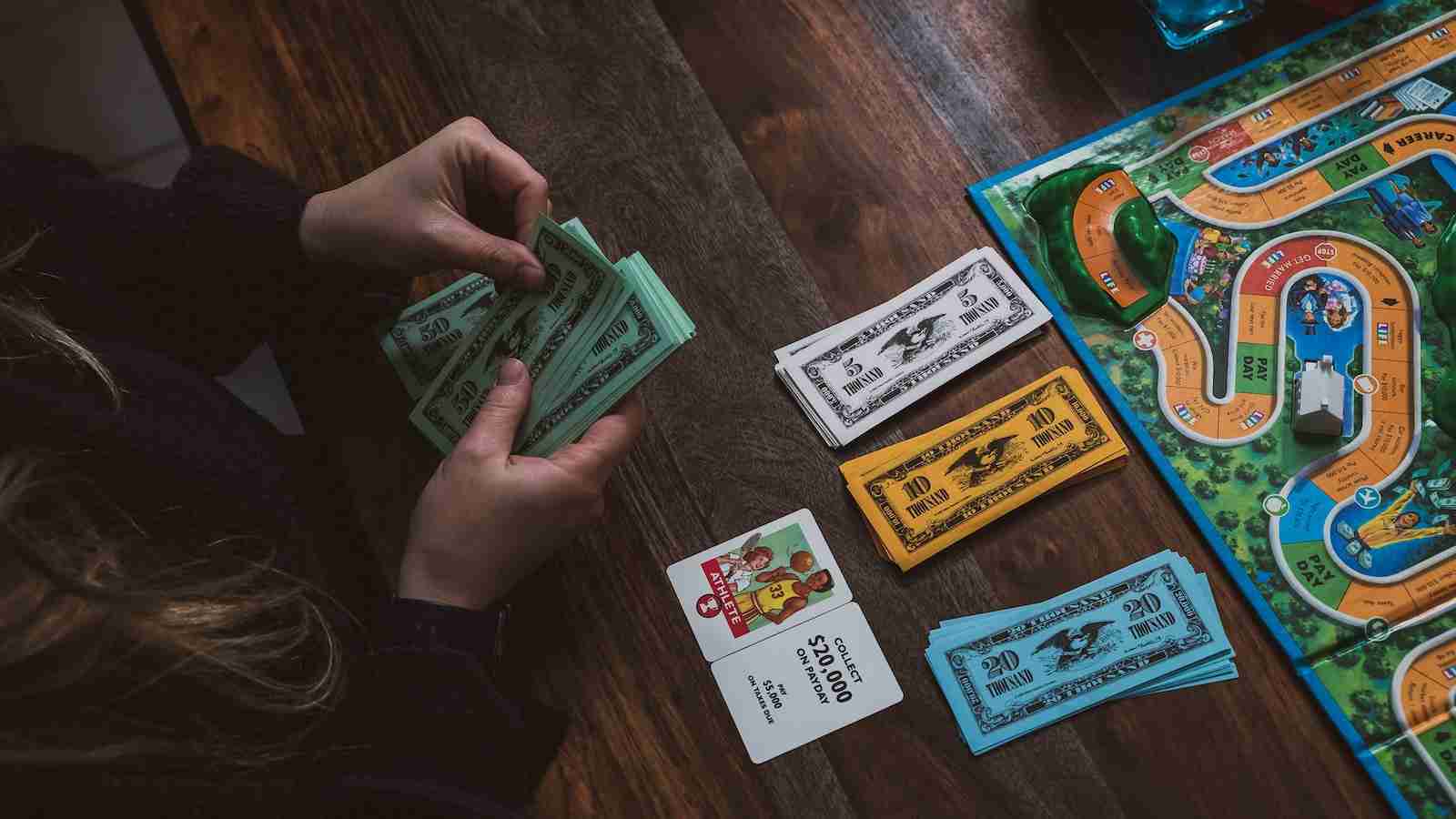
Picture this: a family gathered around a table, the flicker of candlelight adding warmth to an evening of friendly competition. The board game sprawls out before them, a colorful universe filled with chance, strategy, and, let’s be honest, a little bit of luck. While these games can create moments of laughter and bonding, they also offer a unique lens into our children’s developing minds. But are we cultivating a sense of reality, or are we setting the stage for unrealistic expectations?
Let’s get one thing straight—board games are a blast. They teach cooperation and problem-solving skills, ignite the imagination, and foster healthy competition. But there’s a flip side to the funhouse mirror. The very essence of many games can warp our kiddos’ expectations of the world outside the cardboard confines. The sweet taste of victory or the sting of defeat can feel magnified when the stakes are simply who gets the last cookie from the cookie jar. It’s easy to forget that winning a game where everyone plays by the rules might translate into expectations that life will operate the same way.
Life, as many of us know, is a lot like the messy pile of game pieces found at the bottom of that well-loved box—the pieces don’t always fit together smoothly. When your child rolls the dice and suddenly races ahead, it sets the stage for a sense of entitlement that doesn’t always happen in the real world. They might begin to expect that same straightforward path to success, overlooking the hard work and resilience required to face obstacles that don’t come with an “Extra Turn” card.
So, what can we do? It starts with conversations around the table. Use the board game as a catalyst for discussing the reality of winning and losing beyond the game. Celebrate the learning moments from defeat; let them know that losing is just another step on the long road of growth. Emphasize teamwork and that the real treasure lies in the shared experience, not just in the game’s scoreboard.
Game night can be more than just fun. It can be a rich tapestry of lessons woven through camaraderie and competition. So when you pull that board game off the shelf next, remember: it’s not just about scores—it’s about life, learning, and shaping expectations that can carry them through their journey. Let’s make those expectations a bit more realistic together.

Do Board Games Create Unrealistic Expectations In Your Children?
Do Board Games Create Unrealistic Expectations In Your Children?
- Family gatherings around board games foster bonding and friendly competition.
- Board games teach cooperation, problem-solving, and healthy competition.
- Victories and losses in games can shape children’s expectations of real-life outcomes.
- Children may develop a sense of entitlement based on game experiences, oversimplifying success.
- It’s important to have conversations about the realities of winning and losing beyond the game.
- Celebrities learning moments from defeat and emphasizing the importance of teamwork.
- Game night can serve as a platform for discussing life lessons and shaping realistic expectations.

Do Board Games Create Unrealistic Expectations In Your Children?
Table Of Contents
- Do Board Games Create Unrealistic Expectations In Your Children?
- Do Board Games Promote Unhealthy Competition Among Kids?
- How Do Board Games Influence Social Skills In Children?
- Can Board Games Lead To Frustration And Anxiety In Kids?
- Are Board Games Setting Children Up For Unrealistic Victories?
- Do Cooperative Board Games Offer Better Life Lessons?
- What Role Do Parents Play In Moderating Expectations From Games?
- How Can Children Differentiate Between Game Outcomes And Real Life?
- Conclusion
- Other Resources
- Glossary Of Terms
- Other Questions
- Haiku
- Poem
- Checklist
Do Board Games Promote Unhealthy Competition Among Kids?
When you think about a family game night, what comes to mind? The clatter of dice, the shuffle of cards, maybe a few rounds of banter echoing off the walls. A board game can transform an ordinary evening into a lively battleground of strategy and wits. But here’s the million-dollar question: do these games spark healthy competition, or do they set the stage for unhealthy rivalries among kids?
Let’s peel back the layers of that question. At first glance, board games seem like a harmless endeavor, a gathering point for laughter and camaraderie. But don’t be fooled by their cheerful appearances. Competitive games can sometimes turn a fun activity into a pressure cooker of expectations. Kids can feel the weight of wanting to win, and that’s where the real challenge lies. If we’re not careful, those friendly matchups can morph into cutthroat skirmishes that leave emotional scars.
However, here’s the kicker: competition isn’t inherently bad. In fact, a little rivalry can be a beneficial motivator. It’s how we frame that competition that matters. A simple board game can teach children lessons about perseverance, strategic thinking, and even sportsmanship when things don’t go their way. The key is to create an environment where winning takes a backseat to enjoying the journey.
Parents and caregivers can cultivate a healthy competitive spirit by emphasizing the joy of playing rather than focusing solely on the scoreboard. When kids understand that the real victory lies in the memories made—an inside joke, the thrill of a last-minute comeback—they’re more likely to share a laugh even if they end up losing.
Now, let’s take it a step further. Encourage cooperative board games, where children work together towards a common goal. These experiences can forge bonds of teamwork and unity, showing kids that sometimes, the best prize is the friends you make along the way.
So, the next time you gather around the table for a board game, consider this: You hold the power to shape how your child views competition. With a sprinkle of humor and a dash of perspective, a board game can become a nurturing ground for positive relationships, resilience, and memories that last a lifetime. Create an atmosphere that inspires growth, and watch as those game pieces become tools for building character, rather than harbingers of conflict.

Do Board Games Promote Unhealthy Competition Among Kids?
Do Board Games Promote Unhealthy Competition Among Kids?
- Family game nights can create a lively atmosphere filled with laughter and camaraderie.
- Board games have the potential to either foster healthy competition or escalate into unhealthy rivalries among children.
- While competition can sometimes create pressure, it can also be a beneficial motivator when framed positively.
- Board games can teach valuable lessons about perseverance, strategic thinking, and sportsmanship.
- Parents should focus on the joy of playing rather than just the outcome of the game.
- Encouraging cooperative board games can enhance teamwork and foster friendships among children.
- Creating a positive atmosphere during games can help children build character and positive relationships.

Do Board Games Promote Unhealthy Competition Among Kids?
How Do Board Games Influence Social Skills In Children?
Picture this: It’s a rainy afternoon, the kind that keeps kids cooped up inside, bouncing off the walls. Instead of giving in to boredom, a family gathers around the kitchen table, the centerpiece transformed into a battlefield of imagination. Enter the board game – a simple, yet powerful tool that can change the dynamics of play, laughter, and learning.
Board games have a knack for breaking down barriers, inviting children into a world where rules matter, but friendships matter more. As your little ones pull out those colorful pieces, something magical begins. There’s a spark in their eyes — they’re about to embark on an adventure that hones their social skills without them even realizing it.
First off, let’s talk about communication. In this whirlwind of dice rolls and strategic moves, kids are compelled to express their thoughts and feelings. Whether they’re negotiating a trade or rallying a team, they learn to articulate their ideas and listen to others. It’s a prime opportunity for them to practice the delicate dance of conversation, understanding both verbal and non-verbal cues. And, oh boy, this lesson carries into their everyday interactions, building confidence as they find their voice.
Then, there’s cooperation. Many board games require teamwork to conquer challenges or achieve common goals. Kids discover that together they can accomplish feats that one alone simply cannot. This cooperative spirit nurtures empathy, teaching them to recognize and appreciate different perspectives. They learn that everyone has a role to play, fostering a sense of belonging and shared responsibility.
Of course, we can’t overlook the resilience that emerges from a little friendly competition. Losing can sting, but it also offers a golden opportunity to practice sportsmanship—the art of handling disappointment gracefully. Kids learn how to celebrate wins and navigate losses, building emotional intelligence that will serve them well throughout life.
So next time the rain starts pouring, encourage your children to pull out a board game. Invest that time into fostering their social growth in a setting that feels safe and fun. With every roll of the dice, they’re not just playing; they’re building essential skills that will support them in forming connections, handling challenges, and navigating the friendships that will light up their journeys ahead.

How Do Board Games Influence Social Skills In Children?
How Do Board Games Influence Social Skills In Children?
- Board games transform family time into imaginative adventures on rainy afternoons.
- They help break down barriers, promoting the importance of friendships over mere rules.
- Playing board games enhances children’s communication skills through negotiation and teamwork.
- Kids learn to articulate thoughts, listen actively, and understand verbal and non-verbal cues.
- Cooperative gameplay fosters empathy, recognizing diverse perspectives and shared responsibility.
- Friendly competition teaches resilience and sportsmanship, helping them handle wins and losses gracefully.
- Encouraging board games contributes to social growth, essential for navigating friendships and challenges in life.

How Do Board Games Influence Social Skills In Children?
Can Board Games Lead To Frustration And Anxiety In Kids?
Let’s face it: board games have been a staple of family fun for generations. They promise laughter, camaraderie, and the thrill of competition. But as any seasoned game enthusiast might tell you, they can also be a double-edged sword—especially for our young players. Whether it’s the clatter of dice or the shuffle of cards, the ambiance may be festive, but lurking beneath can be moments of tension that can lead to frustration and anxiety in kids.
Picture this: it’s Saturday night, and your living room transforms into a battlefield of strategy, snickers, and sometimes, silent sulks. You set up your favorite board game, but soon discover that competition can be fierce, and the stakes—particularly in the eyes of a child—can seem monumental. When the thrill of winning overshadows the joy of playing, some kids can find themselves grappling with expectations that weigh heavier than the game pieces themselves.
What’s important to recognize is that while some kids thrive on the competition, others feel the pressure mount. The pressure to perform, to win, or even to play by someone else’s rules can create a web of anxiety as tangled as the game board itself. Those feelings of inadequacy can surface with every roll of the dice, intensifying their need to either win at all costs or avoid playing altogether.
So, how do we navigate this tricky terrain? The key is to remember that the ultimate goal of any board game isn’t just to claim victory, but to foster connections and create lasting memories. Encouraging a healthy environment where mistakes are seen as stepping stones, not roadblocks, can transform the gaming experience. Emphasizing teamwork and celebrating effort over outcome can help alleviate some of that pressure.
Additionally, being mindful of each child’s temperament is crucial. Some might prefer cooperative games that emphasize collaboration over competition. By adjusting our approach and choosing games that suit their individual styles, we can cultivate an atmosphere that champions creativity rather than conflict.
Board games can be a beautiful catalyst for growth, learning, and connection—but only if we acknowledge the potential pitfalls. It’s about striking that delicate balance between fostering a competitive spirit and nurturing a safe space where our kids can learn to play hard while feeling secure. So, the next time you gather around the board, remember: it’s all fun and games until someone rolls the wrong way. Let’s make sure it stays fun.

Can Board Games Lead To Frustration And Anxiety In Kids?
Can Board Games Lead To Frustration And Anxiety In Kids?
- Board games are a long-standing source of family entertainment, providing laughter and camaraderie.
- They can lead to tension and anxiety in children due to competitive pressure.
- Some kids thrive on competition, while others may struggle with feelings of inadequacy.
- The main goal of board games should be to foster connections and create lasting memories.
- Encouraging a healthy environment where mistakes are learning opportunities can enhance the experience.
- Being aware of each child’s temperament and opting for cooperative games can promote collaboration.
- It’s important to strike a balance between competitiveness and creating a safe, supportive play environment.

Can Board Games Lead To Frustration And Anxiety In Kids?
Are Board Games Setting Children Up For Unrealistic Victories?
Let’s take a moment to consider the humble board game, a staple of family gatherings and rainy afternoons. It’s a remarkable invention—a multi-colored universe where dice roll, pawns move, and dreams of victory dance tantalizingly close. We gather around the table, drawing smiles and laughter as we set the stage for friendly competition. But here’s the rub: are we inadvertently setting up our children for a world where unrealistic victories feel not just possible but expected?
Picture this: a child rolls a neat six and lands on Board Game heaven—landing right where they’ll catapult themselves ahead of everyone else. It feels good, right? Sure. But in this tame little world, the consequences of their triumph are often blunted. In the real world, a single roll doesn’t dictate success. People don’t just roll the dice in life; they face challenges with grit, determination, and a fair bit of trial-and-error.
While board games do teach strategies, critical thinking, and teamwork, they can also create a bubble of victory that’s not quite aligned with reality. Children experience the thrill of winning without the accompanying complexities of life’s setbacks—those glorious little moments when grit meets grace and resilience is born. Not every encounter in life will herald glorious success. Sometimes, you’ll land on that “Go to Jail” space and wonder how you got there.
Let’s not toss out the games entirely. That would be a disservice to the joy they bring. Instead, let’s view them as a launching pad for conversation—an opportunity to talk about what winning means and, more importantly, what it doesn’t mean. Victory in a board game can be a stepping stone towards teaching children about effort, humility, and the importance of learning from loss.
As we roll the dice and move our pieces, let’s open the floor to discussions that might feel awkward but are vital. Ask the kids about the last game they lost. Did it sting? Why? What did they learn? Create a space where they understand that fortune can smile on them one moment and hand them a bitter lesson the next.
It’s about balance—finding the sweet spot between the fun of competition and the real-world lessons that shape resilient, confident individuals. It’s up to us to make sure that every game played is more than just a colorful board and a few rules, but a valuable experience that prepares kids for the wonderful, unpredictable game of life.

Are Board Games Setting Children Up For Unrealistic Victories?
Are Board Games Setting Children Up For Unrealistic Victories?
- Board games are a staple of family gatherings, offering fun and friendly competition.
- They create a bubble of victory that may lead children to expect unrealistic success.
- In the real world, success requires grit, determination, and overcoming challenges.
- Board games teach valuable skills like strategy and teamwork but lack real-world complexities.
- Winning in games can serve as a platform to discuss effort, humility, and learning from loss.
- Encouraging conversations about experiences with winning and losing helps children learn resilience.
- The goal is to balance the enjoyment of competition with essential life lessons for children.

Are Board Games Setting Children Up For Unrealistic Victories?
Do Cooperative Board Games Offer Better Life Lessons?
Imagine this: you and your friends huddled around the kitchen table, the smell of pizza in the air, laughter spilling over as you open up a fascinating Board Game filled with adventure. But it’s not just any game; it’s a cooperative one, where collaboration takes center stage, and each player is a crucial part of the team. Suddenly, you’re not just sitting there rolling dice or playing cards — you’re forging alliances, strategizing, and navigating challenges together.
Now, let’s take a moment to really soak that in. Life is a lot like those moments around the table. Sure, we often find ourselves competing against each other in the grand arena of existence, chasing promotions, recognition, or the best slice of the pie. But when you dive into a cooperative board game, you shift your focus from individual success to collective triumph. You learn that listening, communicating, and being adaptable isn’t just beneficial in a game; it’s vital in life.
Think about how these games unfold, as you each contribute your unique skills to overcome obstacles. One friend might be a whiz at strategy, while another can navigate interpersonal dynamics with ease. It’s a beautiful symphony of collaboration, where recognizing and leveraging each other’s strengths is the key to success. And isn’t that much like how we navigate our personal and professional relationships?
When you play together, you build trust, foster empathy, and cultivate a sense of belonging. Those lessons don’t just fade the moment the last card is played or the final piece is placed. They stick with you, shaping how you approach challenges outside the game. Whether in the board room or your living room, the foundational skills learned in those cooperative encounters are transferable, making you a better teammate, friend, and partner.
Let’s not kid ourselves; growing up and facing the world can feel daunting. But by immersing ourselves in cooperative board games, we practice solving problems as a unit. You’ll find that, when the going gets tough, leaning on each other can open doors you never knew existed. So next time you’re considering a game night, let your go-to competitive flicker to the back of your mind, and give cooperation a try. After all, who knew that a simple Board Game could hold the keys to better life lessons, and maybe even a few new friendships?

Do Cooperative Board Games Offer Better Life Lessons?
Do Cooperative Board Games Offer Better Life Lessons?
- Imagine a fun gathering with friends centered around a cooperative board game filled with adventure.
- Cooperative games emphasize collaboration, where each player’s role is essential to the team’s success.
- Playing these games shifts focus from individual achievements to collective victories, highlighting the importance of teamwork.
- Players bring unique skills to the table, fostering a beautiful collaboration that mirrors personal and professional relationships.
- Engaging in cooperative gameplay helps build trust, empathy, and a sense of belonging among players.
- The problem-solving skills developed in these games are transferable to real-life challenges, enhancing one’s role as a teammate and friend.
- Embracing cooperative games can reveal new perspectives and strengthen connections, making game night an opportunity for personal growth.

Do Cooperative Board Games Offer Better Life Lessons?
What Role Do Parents Play In Moderating Expectations From Games?
In today’s fast-paced, heavily digital world, parents find themselves walking a tightrope when it comes to moderating expectations around games. Picture this: a family gathered around the dining table, a colorful board game set up, the anticipation buzzing in the air. Is there anything more heartening? But what happens when our kids start expecting every game to deliver that same thrill, that same excitement? This is where parental guidance plays a pivotal role in shaping those expectations.
First and foremost, let’s talk about perspective. Kids are impressionable, their little minds soaking up everything like sponges. When it comes to choosing board games or video games, it’s essential for parents to guide them in seeing games as just that—games. Following every marketing hype can lead to disappointment when the reality falls short. It’s up to parents to ensure children understand that not every game will hit the jackpot or live up to the blockbuster standard. It’s like preparing them for life; sometimes, the journey of playing is just as important as winning.
Moreover, it’s about setting the tone. When a family plays a board game together, it’s not about who comes out on top. Instead, it’s a moment to encourage teamwork, strategy, and perhaps a little friendly competition. Parents can set expectations around cooperation and enjoyment, emphasizing that the aim is to have fun together rather than solely focusing on the end result. Those heartwarming moments of laughter, a little friendly trash talk, or that shared “aha!” moment can build richer memories than any victory ever could.
Additionally, it’s crucial for parents to engage in conversation with their children about their interests. What kinds of games excite them? How do they feel when they lose? Asking these questions promotes emotional intelligence and helps kids navigate their feelings around competition, failure, and success. This dialogue can arm them with the right attitude toward gaming, teaching them resilience and the importance of learning from every experience, whether it’s a win or a loss on the game board.
By actively participating in a child’s gaming experience, parents can foster a healthy relationship with games that prioritizes enjoyment over expectations. And what’s better than being able to look back on those evenings spent around a board game, knowing you helped frame a love for play that can last a lifetime? Let’s cherish the magic of games together, setting expectations that enrich rather than diminish the experience.

What Role Do Parents Play In Moderating Expectations From Games?
What Role Do Parents Play In Moderating Expectations From Games?
- Parents face challenges in moderating children’s expectations around games in a digital world.
- Children need guidance to understand that not every game will deliver the same excitement and enjoyment.
- Board games should emphasize teamwork and enjoyment over competition, fostering positive experiences.
- Parents should facilitate discussions about children’s gaming interests and emotional responses to winning and losing.
- Encouraging emotional intelligence helps kids build resilience and learn from gaming experiences.
- Active parental involvement can create a healthy relationship with games focused on enjoyment, not just outcomes.
- Creating joyful memories through games can cultivate a lasting love for play in children.

What Role Do Parents Play In Moderating Expectations From Games?
How Can Children Differentiate Between Game Outcomes And Real Life?
Ah, the board game. A staple of countless family nights, waiting to be pulled from the shelf and dusted off like an old friend. As we gather around that cardboard battlefield, we engage in a dance of strategy, luck, and a dash of friendly rivalry. But while the laughter and competition can ignite their imagination, there’s an important line to draw between these playful outcomes and the reality we navigate daily.
For children, the vibrant colors, animated characters, and whimsical rules of a board game can sometimes feel as engaging as a fast-moving cartoon. In these moments, when the dice are rolled and the pieces are placed, it’s crucial for them to grasp that these scenarios are mere simulations. They revolve around rules constructed for entertainment, and the stakes are far less consequential than real-life choices. Herein lies the art of differentiation, and parents play a fundamental role in guiding that understanding.
One effective strategy is to discuss these differences openly. When your little one jumps up in excitement after a big win—celebrate, of course! But seize that moment to reflect: “Wasn’t it fun? But remember, in real life, we deal with things a little differently.” This very distinction can help cultivate their ability to process situations—encouraging them to analyze outcomes based on real-world consequences versus game mechanics.
Playing together is vital, too. Let’s say you’re deep into a classic game of Monopoly, where the thrill of buying properties and collecting rent reigns supreme. After the final turn and the inevitable end, use that moment to pivot the discussion toward financial decisions in daily life. Share stories about budgeting, savings, and the importance of sometimes saying no for a greater good.
And remember, games can serve as a valuable teaching tool! They model competition, cooperation, and problem-solving—all skills that are essential beyond that game board. By framing these lessons with warmth and humor, you build a bridge for your child, one that fosters both critical thinking and compassion for others in the real world.
In the grand odyssey of growing up, every board game is not just an escape but a stepping stone. When we invite our children to explore these nuances with us, we’re equipping them with the understanding they’ll rely on time and again, transforming the playful lessons of the game into life-long wisdom.

How Can Children Differentiate Between Game Outcomes And Real Life?
How Can Children Differentiate Between Game Outcomes And Real Life?
- Board games are a beloved tradition in family gatherings, combining strategy, luck, and friendly rivalry.
- Children often view board games as exciting as cartoons, but it’s important for them to understand the difference between game scenarios and real life.
- Parents play a crucial role in helping children differentiate between playful outcomes and real-world consequences.
- Open discussions about game experiences can help children reflect on real-life implications, enhancing their decision-making skills.
- Playing games together offers opportunities to discuss real-life lessons, such as budgeting and saving after finishing games like Monopoly.
- Games can effectively teach essential skills like competition, cooperation, and problem-solving, framed with warmth and humor.
- Promoting the understanding of these lessons equips children with vital skills, turning playful learning into lifelong wisdom.

How Can Children Differentiate Between Game Outcomes And Real Life?
Conclusion
As we gather around the kitchen table for a night of board games, it’s easy to focus on the immediate thrill of dice rolls and strategic moves. Sure, we’re creating moments of laughter and connection, but let’s not overlook the broader implications at play here. Are we, as parents and guardians, unknowingly teaching our kids to expect lives that mirror the relative simplicity of these cardboard adventures? First off, let’s get one thing straight: board games are not just a great way to pass the time; they’re a laboratory for life skills. Sure, they instill cooperation, problem-solving, and resilience, but they also risk breeding unrealistic expectations about winning and losing. What happens when our mini-me’s take those game triumphs and fails into the real world? Life isn’t neatly laid out with a rulebook and a set of dice; life is messy, unpredictable, and often fraught with setbacks that don’t come with “Extra Turn” cards.
Here’s where our parenting mojo comes into play. We need to help our kids understand that while it’s great to celebrate a win in a board game, real-life victories often demand grit, perseverance, and a willingness to learn from losses. It’s about using that game night as a golden opportunity for conversation. Let’s talk about what winning even means! Teach them that sometimes losing can open the door to invaluable lessons, the kind that builds character.
Emphasizing teamwork over rivalry is another critical aspect. Rather than letting a competitive spirit devolve into cutthroat antics, let’s encourage kids to find joy in playing together. Introduce cooperative games to highlight that, while winning feels good, there’s immeasurable value in collaboration and shared success.
And let’s be real—kids are as sensitive as they are impressionable. So, we need to ensure they differentiate between game dynamics and everyday life. Celebrate their wins, but also gently steer them towards understanding that real-life challenges come with more complex stakes. Sprinkle in discussions about feelings—like what it feels to lose—and create a safe space where they can express themselves and process those experiences.
Next time you whip out that board game, remind yourself that it’s more than playing a game; it’s an invaluable lesson in life, resilience, and emotional intelligence wedged between the laughs and competition. Out there in the real world, those lessons will carry real weight, shaping the next generation into confident, compassionate players ready to tackle whatever challenges life throws their way. Let’s make game night not just about winning or losing, but about learning and growing together—because that’s the ultimate victory.

Conclusion
Conclusion:
- Board games serve as a platform for developing life skills such as cooperation, problem-solving, and resilience.
- They can also create unrealistic expectations concerning winning and losing in real life.
- Life is unpredictable and does not follow a rulebook like board games do.
- Parents should use game nights to foster conversations about the true meaning of winning, emphasizing lessons learned from losing.
- Encouraging teamwork over rivalry can help kids find joy in collaboration rather than competition.
- It’s important for children to distinguish between game dynamics and real-life challenges, including processing emotional responses to winning and losing.
- Game nights should focus on learning and growth, shaping resilient and compassionate individuals for the real world.

Conclusion
Other Resources

Other Resources
Here is a list of other resources you can review online to learn more:
- Star Realms
- Victory Point Games
- Splendor: Cities of Splendor Expansion
- Goliath Games
- Hearts
- Roxley Games
- Tumblr
- Hive
- Spirit Island: Branch & Claw Expansion
Use This Prompt To Get More Resources With Your Favorite Online AI Tool: Please provide me with a list of online articles with their URLs in a bulleted list that I can read regarding Do Board Games Create Unrealistic Expectations In Your Children?

Other Resources
Glossary Terms
Do Board Games Create Unrealistic Expectations In Your Children? – Glossary Of Terms
1. Board Games: Physical or digital games played on a pre-marked surface, often involving strategy, chance, and player interaction.
2. Expectations: Anticipated outcomes or beliefs about what one is meant to achieve, based on experiences or societal standards.
3. Unrealistic Expectations: Optimistic beliefs or standards that are improbable or unattainable, particularly in relation to personal achievements or outcomes.
4. Social Skills: Abilities that facilitate interaction and communication with others, often enhanced through group activities like board games.
5. Critical Thinking: The ability to analyze facts and form judgments; a skill cultivated through strategic decision-making in games.
6. Failure: The condition of not achieving a desired outcome; board games can teach children how to cope with failure positively.
7. Resilience: The capacity to recover quickly from difficulties; board games can help develop this trait through repeated challenges and losses.
8. Cooperation: Working together toward a common goal, which many board games require, teaching children the value of teamwork.
9. Competition: An interaction in which players strive to win, which can influence children’s expectations of success versus collaboration.
10. Fantasy: An imaginative scenario or world that may not reflect reality; can be a theme in many board games, shaping children’s expectations.
11. Rewards: Benefits gained from achievements in games, which can lead to children expecting similar rewards in real life.
12. Goal Setting: The process of defining objectives; games often have clear goals, teaching children the importance of striving for achievement.
13. Dopamine: A neurotransmitter involved in reward and pleasure; winning in board games can trigger dopamine release, creating expectation patterns.
14. Risk Assessment: The evaluation of potential risks versus rewards in games, teaching children to make calculated decisions.
15. Investment: Engaging time and effort into a game; children may expect similar returns in effort put into real-life situations.
16. Socialization: The process of learning and developing social skills, often fostered through playing board games in groups.
17. Narrative: A story or account within the game; engaging narratives may set children up for unrealistic expectations in storytelling or outcomes.
18. Role-Playing: Acting out characters in a game; this can influence children’s understanding of identity and success in various roles.
19. Luck: Chance events that affect outcomes in games, which can create skewed notions of success predicated on randomness.
20. Achievement: Accomplishing a task or reaching a goal; board games often reward achievements, potentially skewing expectations in reality.
21. Simulation: A representation of real-world processes within a game, teaching children about various situations but also potential misconceptions.
22. Conflict Resolution: The process of resolving disagreements during gameplay, an essential skill that can shape children’s real-life interactions.
23. Emotional Intelligence: The ability to understand and manage emotions; board games can develop this by teaching children to respond to their and others’ feelings.
24. Design: The strategy behind creating a balanced game; understanding design can provide children with realistic insights into game outcomes.
25. Incentive: Motivation to act, often built into gameplay; children may develop expectations based on perceived incentives in life.
26. Learning Curve: The process of acquiring skill in a game; it highlights the importance of patience and practice, countering unrealistic expectations.
27. Interaction: The reciprocal exchange between players during a game, influencing social dynamics and children’s understanding of relationships.
28. Expectation Management: Balancing hopes and reality; important for helping children understand outcomes versus aspirations in both games and life.
29. Feedback Loop: Consistent responses to actions taken; in games, this can influence how children gauge future performance or expectations.
30. Perspective-Taking: The ability to understand others’ viewpoints; gameplay often requires this skill, allowing for empathy and understanding in real-world scenarios.

Glossary Of Terms
Other Questions
Do Board Games Create Unrealistic Expectations In Your Children? – Other Questions
If you wish to explore and discover more, consider looking for answers to these questions:
- What are some examples of board games that promote healthy competition?
- How can parents effectively communicate the difference between game outcomes and real-life outcomes?
- What strategies can parents use to reduce frustration and anxiety related to board games?
- Are there specific board games that are better for teaching social skills?
- How do children’s personalities influence their response to competition in board games?
- What are some signs that a board game is creating unrealistic expectations for children?
- How can cooperative board games be implemented in family game nights?
- What role does emotional intelligence play in board game experiences?
- What techniques can parents use to frame discussions about winning and losing with their children?
- Can playing board games help with conflict resolution skills in children?

Other Questions
Haiku
Do Board Games Create Unrealistic Expectations In Your Children? – A Haiku
Board games unfold life,
Lessons wrapped in laughter’s joy,
Real and game collide.

Haiku
Poem
Do Board Games Create Unrealistic Expectations In Your Children? – A Poem
In the Game of Life: A Balancing Act
Gather ‘round the table, friends,
Where laughter mingles, joy extends,
A board game spreads its vibrant hue,
A canvas rich with chances due.
In whimsical realms of chance and play,
We teach our children, day by day,
To roll the dice and make their moves,
But what of truths that life proves?
Sweet victories, a fleeting high,
Yet real life tests the bold and shy.
With every loss, a lesson learned,
In struggle, resilience is earned.
Do games create a bubble bright,
Where every win feels just so right?
Yet outside those cardboard walls,
The path is fraught with stumbles and falls.
Let’s talk of failure at the game’s end,
Converse with kindness, be a friend.
Foster teamwork, and in delight,
Paint the victory in shared light.
Beware the scars of rivalry’s fire,
For hearts can be bruised by childish desire.
Encourage joy beyond the score,
Where memories made can rise and soar.
Cooperation builds a bridge of trust,
In unity, we thrive—this is a must.
For strength lies in shared endeavor,
In kindness and laughter, we’re bound forever.
Guide them gently, parents dear,
Teaching balance, quell the fear.
In playful worlds, let wisdom flow,
So they may see the real life show.
Through games, not just scores, let’s pave the way,
For children who’ll flourish come what may,
For every play teaches lessons profound,
In this wondrous game, true growth is found.

Poem
Checklist
Do Board Games Create Unrealistic Expectations In Your Children? – A Checklist
Checklist: Realistic Expectations and Life Lessons in Board Games for Kids
Creating Balanced Gaming Experiences:
1. Discuss the Purpose of Games:
_____ Talk about how games are for fun and learning, not just winning.
2. Frame Competition Positively:
_____ Highlight the importance of enjoyment and camaraderie over individual victories.
3. Celebrate Participation:
_____ Acknowledge efforts and strategies used during the game, regardless of the outcome.
4. Reflect on Outcomes:
_____ After a game, discuss what was learned from winning and losing experiences.
5. Encourage Emotional Intelligence:
_____ Ask children how they feel when they win or lose and talk about managing those feelings.
Promoting Cooperative Play:
6. Choose Cooperative Games:
_____ Opt for games that require teamwork to foster collaboration skills.
7. Highlight Team Achievements:
_____ Emphasize the importance of achieving goals together rather than focusing on individual scores.
Incorporating Real-Life Lessons:
8. Draw Parallels to Real Life:
_____ Use game scenarios to teach about real-life decision-making and consequences.
9. Discuss the Nature of Reality vs. Game Mechanics:
_____ Explain that game outcomes may not reflect real-world dynamics and complexities.
10. Encourage Critical Thinking:
_____ Ask questions that prompt children to think critically about strategies and decisions in both games and life.
Creating a Positive Gaming Environment:
11. Monitor Stress Levels:
_____ Be aware of children who may be more sensitive to competition and adjust games accordingly.
12. Set Realistic Expectations:
_____ Prepare kids for the fact that not every game will be a victory and that’s okay.
13. Model Healthy Competition:
_____ Demonstrate good sportsmanship and positive reactions to outcomes, no matter what they are.
14. Engage in Dialogue:
_____ Keep open lines of communication about how games are perceived and what expectations children are forming.
Building Lasting Memories:
15. Make Game Night Special:
_____ Use game nights to create lasting families memories, focusing on shared experiences rather than just the game outcome.
16. Encourage Creativity and Imagination:
_____ Let kids invent their own games or rules occasionally to foster creativity and free thinking.
By implementing this checklist, parents and caregivers can ensure that board games enhance children’s lives by fostering realistic expectations, emotional resilience, and valuable life skills.

Checklist
At BestBoardGameNews, we help people who love board games by collating information and news about board games.
Be sure to read our other related stories at BestBoardGameNews to learn more about board games.