Rediscovering The Bond Through Board Games
By Tom Seest
At BestBoardGameNews, we help people who love board games by collating information and news about board games.
Be sure to read our other related stories at BestBoardGameNews to learn more about board games.
How Can Board Games Reconnect Grandparents with Grandchildren?
When it comes to reconnecting grandparents with grandchildren, sometimes the simplest of solutions can be found sitting right on the coffee table: a board game. Yes, folks, you heard it right—this classic pastime has the potential to bridge generations and create lasting memories. In an age dominated by screen time and digital distractions, pulling a board game from the shelf can be like opening a portal to a world where laughter and interaction reign supreme.
Imagine a rainy afternoon when the modern world’s onslaught of video games and social media fades into the background. A colorful board game beckons, offering an invitation to gather around the table. This setting, imbued with the character of fond family stories and playful competition, provides the perfect backdrop for grandparents and grandchildren to immerse themselves in each other’s company. As the pieces are set and the rules are explained, time seems to dissolve, allowing for genuine connections to flourish.
What’s so remarkable about board games is their universal appeal. Whether it’s a classic like Monopoly or a newer sensation like Catan, the excitement of rolling dice and strategizing moves mimics the unpredictability of life itself. Grandparents can share the skills they’ve honed over decades—patience, critical thinking, and a sense of humor—while grandchildren bring their fresh perspectives and energy to the table. This exchange transforms the experience from mere gameplay into a dynamic dialogue, where each victory or loss provides humor and lessons that go beyond the board.
Moreover, playing a board game together offers a tactile experience that screens simply cannot replicate. The feel of the pieces, the sound of laughter, and the way the game unfolds in real time create a multi-sensory environment that invites connection. These moments can ignite conversations, gently coaxing stories from the past or inspiring future dreams, all while building the familial bonds that keep generations intertwined.
So, dust off that board game and set the stage for an engaging experience that draws grandparents and grandchildren closer together. In a world that often feels fragmented, the act of gathering around a board game can remind us of what truly matters: the relationships we foster, the laughter we share, and the simple joy of spending time together. After all, in the grand game of life, it’s these moments that truly count.

How Can Board Games Reconnect Grandparents with Grandchildren?
How Can Board Games Reconnect Grandparents with Grandchildren?
- Board games can effectively reconnect grandparents and grandchildren.
- They provide a distraction from screen time and promote real-life interactions.
- Playing board games creates a warm environment for sharing family stories and enjoying playful competition.
- Board games appeal to all ages, fostering the exchange of skills and perspectives between generations.
- The tactile experience of board games enhances connections through laughter and real-time engagement.
- Playing together ignites conversations that strengthen familial bonds and encourage storytelling.
- Gathering around a board game highlights the importance of relationships and shared moments in life.

How Can Board Games Reconnect Grandparents with Grandchildren?
Table Of Contents
- How Can Board Games Reconnect Grandparents with Grandchildren?
- What Types Of Board Games Are Best For All Ages?
- How Can Board Games Foster Communication?
- What Benefits Do Board Games Offer To Family Bonding?
- How To Choose Board Games That Grandparents Will Enjoy?
- What Strategies Can Help Bridge The Generational Gap In Games?
- How Can We Encourage Grandparents To Play Board Games With Kids?
- What Role Do Board Games Play In Storytelling Between Generations?
- Conclusion
- Other Resources
- Glossary Of Terms
- Other Questions
- Haiku
- Poem
- Checklist
What Types Of Board Games Are Best For All Ages?
What Types of Board Games Are Best for All Ages?
When it comes to family bonding or gathering friends for an evening of laughter, few things are as universally engaging as a good board game. We’re talking about the kind of board game that welcomes everyone from the spry five-year-old to the wise grandparent, and everything in between. But what types of board games are best for all ages? Let’s break it down.
First off, you’ll want to look for games that strike the perfect balance between simplicity and strategy. Take classics like Monopoly or Scrabble. These games have stood the test of time for a reason. They engage the mind, encourage friendly competition, and have just enough rules to keep everyone on their toes without overwhelming newcomers. The beauty of these board games lies in their ability to foster a shared experience—whether counting money or forming words, everyone gets to contribute.
Next on the list are party games that bring a sense of humor into the mix. Think Pictionary or Charades. These are not just games; they’re full-on experiences that involve laughter and creativity. They encourage participants to think outside the box, work as a team, and even embrace their silly sides. With games designed to break down barriers, everyone gets to showcase their talents, sometimes in ways they never thought possible.
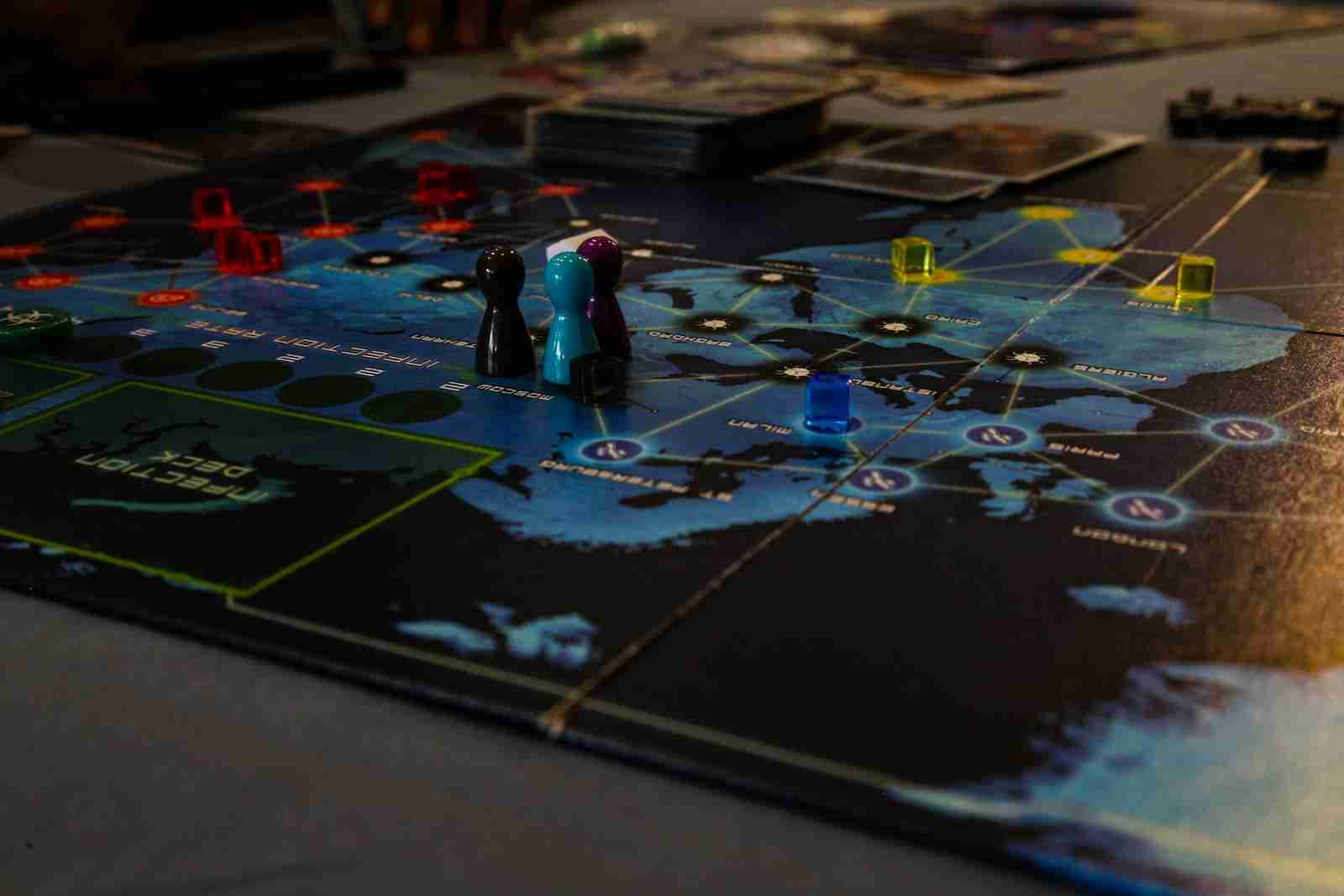
For those who prefer something more collaborative than competitive, consider cooperative board games like Pandemic or Forbidden Island. In these games, players must work together to achieve a common goal, fostering teamwork and communication. They create an environment where even the youngest players can make crucial contributions, proving that every voice matters.
Let’s not forget lighter, quick-play games like Spot It! or Also Known As, which are perfect for filling brief moments of downtime. These games tend to have a rapid pace, keeping everyone engaged without dragging out the fun. They’re also a fantastic way to introduce new players into the world of board gaming, as they’re easy to understand and quick to play.
In summary, the best board games for all ages seamlessly blend strategy, humor, and collaboration. They create memories that resonate long after the last piece has been placed back in the box. So gather around, roll the dice, and let the games begin. Who knows? You just might discover a new favorite along the way that everyone—yes, even Grandma—can enjoy!

What Types Of Board Games Are Best For All Ages?
What Types Of Board Games Are Best For All Ages?
- Board games are great for family bonding and gatherings with friends.
- Look for games that balance simplicity and strategy, like Monopoly or Scrabble.
- Party games such as Pictionary and Charades encourage laughter and creativity.
- Cooperative games like Pandemic and Forbidden Island promote teamwork and communication.
- Lighter, quick-play games like Spot It! can fill downtime and are easy to learn.
- The best board games blend strategy, humor, and collaboration for all ages.
- These games create lasting memories and appeal to everyone, including grandparents.

What Types Of Board Games Are Best For All Ages?
How Can Board Games Foster Communication?
In the age of screens and instant messaging, the charm of gathering around a table to roll dice, draw cards, or maneuver little plastic pieces has not lost its allure. Board games, those unsung heroes of social interaction, offer a mechanics-driven approach to communication that can deepen relationships in ways we may not fully appreciate until we’re elbows deep in a game night.
Picture this: a diverse group of friends gathers in a cozy living room, game board spread out before them. The atmosphere grows charged with anticipation, laughter, and a healthy sprinkling of competitive spirit. Each player begins to engage, whether strategizing a move, negotiating trade, or simply reacting to an unexpected twist of fate. That’s where the magic happens—board games foster a unique form of dialogue. Unlike a simple chat over coffee, these games inherently require players to articulate thoughts, express enthusiasm, and, yes, even confront disappointment.
Consider the often-overlooked value of negotiation in games like *Catan* or *Monopoly*. Players must vocalize their desires, making their wants clear while also understanding and responding to the wants of others. This back-and-forth isn’t just about winning; it trains us to listen, empathize, and find common ground, all skills that translate seamlessly into our everyday interactions. When one of your friends dramatically announces they’re just one trade away from victory, how do you respond? Often, these pivotal moments spark not just game-related conversation but also deeper discussions on strategy, fairness, and collaboration.
Moreover, board games serve as a neutral ground for tackling awkward or tense situations. The shared experience of facing challenges together—whether that’s fending off a dragon in a dungeon crawler or collaboratively solving a mystery—encourages meaningful exchanges. Memories generated in the heat of competition often lead to stories shared long after the game has ended, creating bonds that go beyond just the game itself.
As the night winds down and the laughter carries into the kind of heartfelt conversations that only a great board game can incite, we realize we haven’t just played a game. We’ve shared experiences, flourished our communication skills, and, in some ways, painted a richer tapestry of friendship. So, the next time you gather your crew for an evening of board games, pay attention—not just to the game’s outcome, but to the conversations blossoming around it. Because in the end, it may not just be the game that matters; it’s the connections we forge along the way.

How Can Board Games Foster Communication?
How Can Board Games Foster Communication?
- Board games remain popular as a means of social interaction in a digital age.
- They promote a mechanics-driven communication approach that can deepen relationships.
- Players engage in strategy, trade negotiations, and react to unexpected game events.
- Games emphasize negotiation skills, requiring players to articulate desires and empathize with others.
- Board games create a neutral space for addressing awkward situations through shared challenges.
- Experiences during gameplay foster lasting memories and deeper friendships.
- The conversations and connections formed are often more significant than the game results themselves.

How Can Board Games Foster Communication?
What Benefits Do Board Games Offer To Family Bonding?
In today’s high-speed world, where digital distractions abound and everyone seems glued to their screens, family bonding can sometimes feel like a rare gem, hidden amidst the chaos. Enter the board game: a simple yet powerful tool that has stood the test of time, and offers a multitude of benefits for families yearning to connect.
For starters, let’s talk about engagement. Forget the modern distractions for a minute; when families gather around a table for a board game, they’re stepping into a world where everyone’s attention is focused on one another. It’s a chance to put down the phones and share laughter, competition, and maybe even a little friendly banter. These games transform mere moments into memories, providing a perfect backdrop for storytelling and building a familial narrative that extends beyond the current game session.
Now, there’s a unique magic that comes into play when a board game is introduced. It’s not just about rolling dice or moving pieces across a colorful board; it’s about the lessons learned along the way. Families may discover that teamwork is essential in cooperative games, or that strategic thinking can often trump luck. These lessons don’t just remain confined to the game; they seep into life, teaching valuable skills such as patience, resilience, and how to handle both victory and defeat with grace.
Another compelling aspect of board games is their inherent versatility. Whether you’re playing a classic like Monopoly that sparks nostalgia or a modern cooperative game where everyone works towards a common goal, there’s something for everyone, no matter the ages or interests involved. This inclusivity means that even the shyest family member can find their voice amidst the fun, breaking down barriers and fostering communication.
Let’s not overlook the sheer joy that these games bring. The anticipation of the first roll, the suspense of an approaching victory, and the delightful surprises that unfold with each turn create a tapestry of emotions. This shared experience is what truly cements a family bond. It allows for vulnerability and authentic interaction, away from the noise of everyday life.
In a world that often seems to pull families apart, board games shine as a beacon of unity. They remind us that sometimes the simplest joys—like gathering around a table with a spirited game—can cultivate deeper connections. So, the next time you look for a way to bond with your family, consider pulling out a board game. You just may rediscover a world of laughs, lessons, and lasting memories.

What Benefits Do Board Games Offer To Family Bonding?
What Benefits Do Board Games Offer To Family Bonding?
- Board games are a powerful tool for family bonding amidst digital distractions.
- They promote engagement by encouraging face-to-face interaction and focused attention.
- Games provide valuable life lessons, such as teamwork, strategic thinking, patience, and resilience.
- Board games offer versatility, catering to various ages and interests, fostering inclusivity.
- They evoke joy through shared experiences that create lasting memories and deepen family ties.
- Board games serve as a reminder of the importance of simple joys in uniting families.
- Playing board games can rediscover laughter, lessons, and deeper connections with loved ones.

What Benefits Do Board Games Offer To Family Bonding?
How To Choose Board Games That Grandparents Will Enjoy?
When it comes to selecting board games that will keep grandparents engaged, delighted, and having a good time, there’s a bit of art to it. Let’s face it: finding the right board game isn’t just about picking the latest title fresh off the shelf; it’s about fostering connections, igniting memories, and ensuring everyone has a blast. So, roll up your sleeves, grab a cup of coffee, and let’s dive into some tips that’ll help you make the right choice.
First off, consider the board game’s complexity. While some folks thrive on strategizing and complex rules, many grandparents might appreciate a more leisurely pace. Choose games that balance fun with simplicity. Think about classics like checkers or Scrabble that are simple to set up and easy to understand. The right game should encourage laughter and interaction rather than deep dives into rulebooks that could put them to sleep faster than a Sunday afternoon nap.
Next on the list is the theme of the game. Nostalgia is a powerful thing, and there’s nothing like a game that brings back old memories. Seek out board games that resonate with their experiences or interests. If they have a soft spot for history or travel, look for games that incorporate those themes. A game centered around vintage train routes or a classic quiz show format can spark delightful discussions and stories from years gone by.
Now, let’s not ignore the social aspect. Board games are best enjoyed with fellow players. Find games that accommodate various player counts, allowing for family gatherings or visits from friends. Cooperative games, where players team up against a challenge instead of competing against each other, can foster teamwork and camaraderie. They create an environment where everyone feels good about contributing, no matter their experience level.
Finally, consider the length of the game. Aboard many different sizes of attention spans, it’s best to select games that have a suitable playtime, ideally under an hour. This keeps the energy high without dragging on endlessly. Your mission is to ensure your grandparents are having fun without feeling overwhelmed or fatigued.
So, whether you’re planning a cozy family night or dropping off a surprise gift, these tips will guide you toward choosing board games that should delight even the pickiest of players. Remember, the goal is enjoyment—after all, a great board game isn’t just a pastime; it’s the catalyst for bonding and laughter.

How To Choose Board Games That Grandparents Will Enjoy?
How To Choose Board Games That Grandparents Will Enjoy?
- Selecting board games for grandparents involves careful consideration to ensure enjoyment and engagement.
- Choose games with manageable complexity that balance fun and simplicity, like checkers or Scrabble.
- Opt for themes that evoke nostalgia, tapping into their experiences and interests.
- Look for games accommodating various player counts to promote social interaction during family gatherings.
- Consider cooperative games to foster teamwork and camaraderie among players.
- Pick games with suitable playtime, ideally under an hour, to keep energy levels high.
- The ultimate goal is enjoyment, creating opportunities for bonding and laughter through gameplay.

How To Choose Board Games That Grandparents Will Enjoy?
What Strategies Can Help Bridge The Generational Gap In Games?
Gaming is a cornerstone of human connection, but often, it can feel like two ships passing in the night—different generations, different tastes. But finding common ground doesn’t have to be an uphill battle. With a little effort and some clever strategies, we can transform the gaming experience into a shared adventure that draws everyone in.
First off, consider the power of the good old board game. Yes, I said it—board games. These timeless treasures have a way of breaking down barriers and sparking conversation like few things can. They’re tactile, social, and require face-to-face interaction, making them perfect for bridging the generational divide. Opt for games that have simple mechanics but allow for strategic depth, appealing to both seasoned players and novices alike. Titles like “Ticket to Ride” or “Catan” can draw interest from all ages, providing layers of depth for those who want to dive deeper while remaining accessible to newcomers.
Next, let’s talk gaming genres. It’s essential to find games that resonate across various age groups. Many older gamers may reminisce about classic card games or escape room puzzles, while younger ones might gravitate toward video games or immersive RPGs. Choose a mix that allows younger players to introduce their favorites while older players can recommend the classics. This back-and-forth creates an engaging dialogue that turns gaming into a rich, shared experience.
Now, let’s not overlook the importance of patience and open-mindedness. When introducing a new game—whether it’s a board game or a video game—commit to learning together. Younger players can teach their elders about new rules and strategies, while seasoned players can share stories stemming from their own experiences. This not only builds skills but also fosters a deepened respect for each other’s knowledge, creating a genuine trust.
Lastly, consider establishing regular game nights that draw in family or friends of all ages. Making gaming a ritual helps solidify those connections and brings everyone back to the table, time and again. With snacks, laughs, and a little friendly competition, your gatherings will transform into cherished memories, reminding everyone involved of the value that different generations bring to the table—quite literally, if you’re using a board game.
By embracing these strategies, you can turn game time into a bridge—one that unites generations through laughter, learning, and a shared love for play.

What Strategies Can Help Bridge The Generational Gap In Games?
What Strategies Can Help Bridge The Generational Gap In Games?
- Gaming fosters human connection but can often feel isolating between generations.
- Board games serve as effective tools to break down barriers and encourage face-to-face interaction.
- Select games with simple mechanics and strategic depth, such as “Ticket to Ride” or “Catan,” to engage all ages.
- Incorporate a mix of gaming genres that resonate across age groups, allowing for shared recommendations and favorites.
- Patience and open-mindedness are crucial when learning new games together, fostering mutual respect and trust.
- Establish regular game nights to strengthen connections and create lasting memories with family and friends.
- Embracing these strategies can transform gaming into a bridge that unites generations through laughter and shared experiences.

What Strategies Can Help Bridge The Generational Gap In Games?
How Can We Encourage Grandparents To Play Board Games With Kids?
In today’s fast-paced world, where screens dominate our attention, it’s easy to forget the simple joys of face-to-face interaction and good, old-fashioned fun. Board games have long been a family staple, and they offer a unique opportunity for bonding between grandparents and grandchildren. So how can we ignite that spark and encourage those beloved older adults to roll the dice and engage in a spirited game?
First off, it’s all about the invitation. Many grandparents may feel unsure about venturing into a board game session, partially because they fear that the rules have changed or that they won’t understand the modern ones. This is where a little patience and enthusiasm go a long way. Sit down with them and share your excitement about a specific board game. Highlight the elements that make it fun—the strategy, the laughter, or the fact that it’s a chance to create memories. Make it personal. A simple phrase like “Hey, Grandma, remember how we played Monopoly together?” can act like a time capsule, reminding them of the joy it once brought.
Next, be mindful of the board game selections. Choose games that are accessible and hold meaning for both generations. Classics like Scrabble or Risk might evoke nostalgia, while newer games like Ticket to Ride or Codenames have a fun, straightforward appeal. Discuss why you think this particular game would be great for them. The key here is to tailor your approach; highlight the simplicity or the humor involved, depending on what you believe your grandparent would enjoy.
Engaging them isn’t only limited to the invitation and the game choice; it’s also about the environment. Set the stage for a game night. Create an inviting space with snacks, drinks, and comfy seating. This transforms a gaming session into a cozy event, making it more attractive for grandparents to participate. Emphasize the social aspect—this isn’t just about winning or losing, but about laughing together and spending quality time.
Finally, be sure to show appreciation for any effort they make. Whether they come to the table with enthusiasm or a touch of reluctance, affirm their participation. A simple “Thanks for playing!” can go a long way, signaling that their presence matters.
In merging the old with the new, we can ensure that board game nights not only bridge the generational gap but also create lasting connections. So let’s get rolling!

How Can We Encourage Grandparents To Play Board Games With Kids?
How Can We Encourage Grandparents To Play Board Games With Kids?
- Board games foster bonding between grandparents and grandchildren amidst a screen-dominated world.
- Inviting grandparents to play is crucial; sharing enthusiasm and nostalgia can help alleviate their insecurities.
- Select board games that are accessible and meaningful for both generations; consider classics and newer options.
- Creating an inviting game night atmosphere with snacks and comfy seating enhances participation.
- Emphasize the social aspect of gaming, focusing on laughter and quality time over competition.
- Show appreciation for grandparents’ participation, regardless of their initial enthusiasm.
- Engaging in board games can bridge generational gaps and foster lasting connections.

How Can We Encourage Grandparents To Play Board Games With Kids?
What Role Do Board Games Play In Storytelling Between Generations?
In today’s digital age, where screens dominate our lives, there’s something wonderfully tactile and profoundly engaging about gathering around a table with a few good friends or family members, ready to dive into a board game. It’s more than just moving pieces and rolling dice; it’s about weaving stories that span generations, each roll and decision crafting a narrative that connects the old with the new.
Board games have a unique way of fostering interaction—an engagement that often fades in the glow of a smartphone. When we sit down to play, we are not just participants; we are active narrators in a collective tale. Take Monopoly, for instance. What starts as a simple game about property trading can lead to heated debates over questionable land deals, countless family anecdotes, and laughter that echoes the rich history of the players at the table. Each game is a new chapter, but the shared memories from past games become part of the ongoing saga that connects parents, grandparents, and children.
Moreover, these board games often carry a nostalgic weight. For many, the clink of game pieces on a wooden board transports us back to a simpler time—perhaps a rainy Sunday afternoon spent in a cozy living room or a family holiday tradition. Discussing strategies, reminiscing about past victories and defeats, and witnessing the younger generation’s reactions to classic games offers a bridge between ages. This storytelling aspect of board games doesn’t just offer entertainment; it fortifies bonds.
Let’s not underestimate the lessons embedded in these games. As we mentor younger players, we impart not only strategic thinking but also ethics, patience, and the importance of sportsmanship. Every time a child sets up a game with their grandparents, they’re not just learning the rules; they’re also hearing the echoes of laughter and camaraderie from years gone by. This legacy is powerful. Board games become a medium through which we share life lessons, allowing wisdom to trickle down while creating new stories that will be cherished for years to come.
So, the next time you shuffle the cards or lay down the game board, remember: you’re not just playing a game; you’re crafting a narrative. Each moment spent engaged in play is another chance to connect across generations, ensuring that the stories we tell today continue to resonate tomorrow.

What Role Do Board Games Play In Storytelling Between Generations?
What Role Do Board Games Play In Storytelling Between Generations?
- Gathering around a table with board games fosters tactile and engaging interactions with friends and family.
- Board games create a narrative that connects generations through shared experiences and storytelling.
- The experience of playing games like Monopoly generates laughter and debates, enriching family bonds and history.
- Nostalgia is evoked by the sounds and memories associated with board games, reminding players of simpler times.
- Board games serve as a bridge between ages, promoting discussions about strategies and past game memories.
- These games teach important life lessons, including strategic thinking, ethics, patience, and sportsmanship.
- Playing board games is not just fun; it’s about crafting lasting narratives that connect generations and build future memories.

What Role Do Board Games Play In Storytelling Between Generations?
Conclusion
Conclusion: Board Games as the Bridge Between Generations
Let’s face it: in a world dominated by screens and relentless distractions, the very idea of spending quality time with family can feel about as appealing as a trip to the dentist. But what if I told you that the key to rekindling those connections might just be sitting in a dusty old box on your shelf? That’s right, folks—board games have an incredible power to bridge the gap between grandparents and grandchildren, creating heartfelt moments wrapped in laughter and a dash of friendly competition.
Picture this: a rainy afternoon, where the cacophony of video games and social media fades into the background. You grab a colorful board game, dust off the pieces, and gather around the table with your loved ones. Suddenly, the air crackles with anticipation as the laughter starts to flow and the playful banter takes center stage. It’s magic, folks! These games transform family members from mere players into storytellers, sharing tales of past experiences and dreams for the future, all while strategizing over dice rolls and word formations.
What’s truly remarkable is how board games invite everyone—young and old—to the table, weaving together their diverse insights and life lessons. Grandparents draw from their rich reservoir of experiences while kids infuse their fresh energy and creativity. The result? A dynamic conversation that extends far beyond the game board, where every win or loss becomes a lesson learned, a point of laughter, or simply a cherished memory.
Now, don’t overlook the simple joy these games bring. Each turn, each unexpected twist, envelops the players in a nostalgia that’s as comforting as a warm hug on a chilly day. Cooperative games foster teamwork, twisting the narrative into a shared adventure rather than a mere contest. On the flip side, competitive games ignite that little spark of rivalry that can only come from good-hearted family competition.
The beauty lies in their simplicity. When you choose the right game—one that resonates with both generations—you’re offering more than entertainment. You’re opening a doorway to connection, communication, and a renewed appreciation for one another. So, be it Monopoly, a classic card game, or a modern co-op adventure, there’s a world of possibilities awaiting you.
So the next time you find yourself looking for ways to strengthen those bonds, reach for that board game instead of the remote. You might just unlock a timeless experience filled with laughter, life lessons, and love. Because in the grand game of life, it’s these shared moments that truly matter. Dust off that box and roll the dice—the joy is not just in the game but in the connections that grow around it.

Conclusion
Conclusion:
- Board games can rekindle connections between generations and create heartfelt family moments.
- Gathering around a board game transforms the atmosphere, pushing aside distractions like video games and social media.
- These games encourage storytelling, allowing family members to share past experiences and future dreams.
- Board games invite players of all ages to engage in dynamic conversations and learn valuable life lessons.
- The joy of playing board games stems from nostalgia and fosters teamwork and friendly competition.
- Choosing the right game offers more than entertainment; it facilitates connection and appreciation among family members.
- Opting for a board game can unlock timeless experiences rich with laughter, life lessons, and love.

Conclusion
Other Resources

Other Resources
Here is a list of other resources you can review online to learn more:
Use This Prompt To Get More Resources With Your Favorite Online AI Tool: Please provide me with a list of online articles with their URLs in a bulleted list that I can read regarding How Can Board Games Reconnect Grandparents with Grandchildren?

Other Resources
Glossary Terms
How Can Board Games Reconnect Grandparents with Grandchildren? – Glossary Of Terms
1. Board Game: A tabletop game that involves pieces or cards and may include a game board, played according to a set of rules.
2. Intergenerational Play: The practice of engaging multiple generations in shared activities, such as playing board games, to foster connections.
3. Cognitive Engagement: Activities that stimulate mental processes, including attention, memory, and problem-solving, often enhanced by playing games.
4. Social Interaction: Engaging in communication and activities with others, crucial for building relationships between grandparents and grandchildren.
5. Family Bonding: The process of strengthening emotional ties and relationships within a family, often achieved through shared experiences.
6. Cooperative Games: Games designed where players work together towards a common goal rather than competing against each other, promoting teamwork.
7. Nostalgia: A sentimental longing for the past, which can be triggered by traditional or classic board games that grandparents may remember fondly.
8. Strategy Game: A game that emphasizes planning and decision-making skills, often requiring players to think critically and anticipate others’ moves.
9. Memory Skills: The ability to recall information, which can be sharpened through playing games that require remembering rules or patterns.
10. Communication Skills: The ability to convey and interpret messages, vital for effective interaction in board game play.
11. Turn-Taking: A game mechanic where players alternate turns, teaching patience and respect for others’ time and choices.
12. Role-Playing: Engaging in a scenario through characters, allowing for creative expression and empathy development during gameplay.
13. Game Night: A designated time set aside for family members to gather and play board games, promoting routine interaction.
14. Fun: Enjoyable activities that bring joy and laughter, making the board game experience more memorable.
15. Learning Opportunities: Moments during play where players can gain new skills, knowledge, or insights, often integrated into the game structure.
16. Conflict Resolution: Skills used to address disagreements, often practiced through in-game dynamics, beneficial for real-life situations.
17. Adaptability: The ability to adjust strategies or actions in response to changing play conditions, reinforcing flexibility in thought.
18. Inclusivity: Designing games that can be enjoyed by persons of different ages, cultures, and abilities, ensuring everyone feels welcome.
19. Digital Versus Physical: A discussion on the differences between electronic games and traditional board games, with implications for interaction quality.
20. Creativity: The ability to generate new ideas or approaches, often stimulated by imaginative board games with diverse themes.
21. Skill Development: Building various life skills, such as strategic thinking, teamwork, and patience, through regular gameplay.
22. Trust Building: The process of establishing mutual respect and confidence among family members, enhanced through shared challenges in games.
23. Game Mechanics: The rules and systems that govern gameplay, which can influence the dynamics of interaction and learning.
24. Cultural Transmission: Passing down traditions, values, and knowledge from one generation to another, often facilitated through shared game experiences.
25. Empathy: The ability to understand and share the feelings of others, fostered through cooperative play and storytelling in games.
26. Creativity: The ability to think outside the box, necessary for coming up with strategies or solutions in many board games.
27. Attention Span: The length of time a person is able to concentrate on a task, which can be measured and expanded through engaging activities like board games.
28. Mindfulness: The practice of being present and fully engaged in the moment, which can be encouraged through focused gameplay.
29. Tradition: Established customs or practices that can include regular family game nights, helping to build lasting memories.
30. Adaptation: The ability to modify a game’s rules or approach based on the players’ skill levels or interests, making it accessible for all ages.

Glossary Of Terms
Other Questions
How Can Board Games Reconnect Grandparents with Grandchildren? – Other Questions
If you wish to explore and discover more, consider looking for answers to these questions:
- What are some specific board games that grandparents enjoy the most?
- How can I choose a board game that is appropriate for elderly players?
- What is the history of board games in family bonding?
- How can board games improve communication skills among family members?
- What types of board games are best for fostering teamwork between generations?
- How can digital board games compare to traditional board games in terms of family bonding?
- What strategies can grandparents use to connect with their grandchildren through games?
- Are there age-specific adaptations of popular board games for older adults?
- How can board games aid in memory retention for seniors?
- What role do board games play in teaching life skills to children and grandparents alike?

Other Questions
Haiku
How Can Board Games Reconnect Grandparents with Grandchildren? – A Haiku
Generations unite,
Board games weave their stories bright—
Laughter fills the night.

Haiku
Poem
How Can Board Games Reconnect Grandparents with Grandchildren? – A Poem
In cozy corners where laughter weaves,
Amidst the clatter of dice and dreams,
A timeless dance takes form anew,
As grandparents and children bond, that’s true.
With every roll, a story unfolds,
Of wisdom shared and moments bold,
From checkers’ ease to Monopoly’s charm,
Each game a bridge, each laugh a balm.
In a world where screens often reign,
A board game draws out joy from pain.
It ignites the spark of tales long spun,
As generations gather, hearts beat as one.
From Scrabble words to Pictionary glee,
Each move a chance to be wild and free.
With patience learned and laughter shared,
Life’s lessons found, all the hearts declared.
So dust off that game, set the stage right,
With snacks and stories, make it a night.
In simple play, the magic unfolds,
As bonds grow stronger, in memories retold.
For in this game of life, it’s clear to see,
The moments we cherish are the key to be,
In laughter and play, we stitch our lives tight,
Bridging the gap, a beautiful light.

Poem
Checklist
How Can Board Games Reconnect Grandparents with Grandchildren? – A Checklist
Preparing for Board Game Time
1. Choose the Right Game
_____ Select games that are simple yet engaging.
_____ Look for classics like Monopoly or Scrabble, or newer games like Ticket to Ride or Catan.
_____ Consider themes that resonate with grandparents’ interests.
2. Set Up a Comfortable Environment
_____ Create a cozy space with comfortable seating.
_____ Have snacks and drinks available for a relaxed atmosphere.
_____ Minimize distractions (e. g. , put away phones).
3. Invite Enthusiastically
_____ Personally invite grandparents to join.
_____ Share your excitement about a specific game.
_____ Remind them of nostalgic games you played together in the past.
Enhancing the Play Experience
4. Foster Interaction
_____ Encourage conversations that arise during gameplay.
_____ Share family stories and experiences related to the game.
5. Support Learning
_____ Be patient when explaining the game rules.
_____ Play collaboratively to help learn strategies together.
_____ Emphasize teamwork in cooperative games.
6. Focus on Fun
_____ Keep the atmosphere light and humorous.
_____ Celebrate both wins and losses to promote enjoyment.
Strengthening Connection
7. Create Game Traditions
_____ Plan regular family game nights to establish a routine.
_____ Rotate games to keep it fresh and engaging for everyone.
8. Encourage Storytelling
_____ Share memories related to past games or family experiences.
_____ Allow grandparents to impart wisdom or lessons learned from previous games.
9. Acknowledge Participation
_____ Thank grandparents for joining the game.
_____ Affirm their contributions to the fun, regardless of the outcome.
Post-Game Reflection
10. Discuss Favorite Moments
_____ Reflect on the game experience together after playing.
_____ Ask about what they enjoyed most and any memorable moments.
11. Capture New Memories
_____ Take photos during games to document the fun.
_____ Consider creating a scrapbook of game nights and stories shared.
By following this checklist, you can ensure that your board game nights become cherished opportunities for bonding, laughter, and storytelling between generations!

Checklist
At BestBoardGameNews, we help people who love board games by collating information and news about board games.
Be sure to read our other related stories at BestBoardGameNews to learn more about board games.