

Game On: Enhancing Family Communication With Board Games
By Tom Seest
At BestBoardGameNews, we help people who love board games by collating information and news about board games.
Be sure to read our other related stories at BestBoardGameNews to learn more about board games.
How Can Board Games Transform Family Communication Skills?
There’s something undeniably special about a family gathering around a table. Maybe it’s the smell of popcorn wafting through the air or the buzz of anticipation as everyone tries to figure out how to unearth the treasures of a good ol’ board game. Believe it or not, these seemingly simple pastimes hold the power to grow more than just your win-loss record—they can fundamentally enhance how we communicate with each other.
Think about it. When you’re engaged in a board game, you’re not just rolling dice or drawing cards; you’re entering a mini-universe where strategy, negotiation, and good old-fashioned conversation collide. Whether the game is a lighthearted romp through a fantasy world or a competitive race to gather resources, players must interact, deliberate, and, yes, even disagree. That’s the beauty of it—a chance to navigate the messy, delightful chaos of human interaction.
Board games encourage dialogue, but they also create a safe space for vulnerability. They teach us to listen actively, express opinions, and respect differing viewpoints—all while sharing a few laughs and some friendly banter. Imagine the joy of your child fervently presenting their case for why they should be allowed to swap tokens or trade for an extra turn. These moments display their growing confidence, and you—being the supportive parent—have the opportunity to encourage articulate expression.
Then there’s the beauty of collaboration. In games that require teamwork, you and your family members learn to share ideas, strategize together, and support each other’s efforts. It’s a gentle reminder that communication is a two-way street. When one person takes the lead but welcomes input, everyone feels valued—and that’s a skill that pays dividends well past game night.
Let’s not overlook the power of humor and humility woven into the fabric of competition. Losing a piece can stir up playful rivalry, but it also cultivates resilience and the understanding that it’s okay to laugh at ourselves. These moments foster deeper connections, reminding us that it’s about more than just winning—it’s about enjoying each other’s company.
So, dust off that board game sitting in the corner, gather your family, and let the games begin. You might just find that the key to transforming your family communication skills was hiding beneath that colorful game board all along.

How Can Board Games Transform Family Communication Skills?
How Can Board Games Transform Family Communication Skills?
- Family gatherings around a table create a special atmosphere full of anticipation and connection.
- Board games foster a mini-universe of strategy, negotiation, and conversation among players.
- They encourage dialogue and provide a safe space for vulnerability and expression of opinions.
- Games promote active listening and respect for differing viewpoints, enhancing confidence in children.
- Teamwork in games teaches collaboration, idea-sharing, and valuing everyone’s input.
- Humor and humility in competition foster resilience and the importance of enjoying each other’s company.
- Playing board games can significantly improve family communication skills while having fun.

How Can Board Games Transform Family Communication Skills?
Table Of Contents
- How Can Board Games Transform Family Communication Skills?
- How Can Board Games Improve Family Communication?
- What Types Of Board Games Are Best For Communication?
- How Do Board Games Encourage Active Listening?
- Can Board Games Help Resolve Family Conflicts?
- How Can Playing Games Promote Teamwork Among Family?
- Do Board Games Teach Problem-Solving Skills?
- What Age-Appropriate Games Boost Family Dialogue?
- Conclusion
- Other Resources
- Glossary Of Terms
- Other Questions
- Haiku
- Poem
- Checklist
How Can Board Games Improve Family Communication?
Let’s face it—family communication can sometimes feel like navigating a minefield. Between busy schedules, digital distractions, and the whirlwind of daily life, it’s not always easy to sit down and truly connect. But here’s the thing: Board games can be your ticket to smoother conversations and deeper connections. Yes, those colorful boxes piled in the corner might be just what you need to ignite better communication!
When you gather around the table for a game night, it’s not just about the game itself; it’s about the shared experience. The laughter that spills out during a moment of victory—or a blundering mistake—creates a comfortable atmosphere. This environment encourages everyone to engage more openly. It’s a perfect setup for sharing thoughts, encouraging banter, and even cultivating some friendly competition! That competitive spirit translates into communication as players strategize together or bicker over a particularly tricky rule. In that playful chaos, you’ll discover layers of personality that may often go unnoticed in day-to-day life.
Plus, board games are a gateway to storytelling. Each move on the game board can trigger a memory or a funny anecdote from the past—like the time Uncle Bob claimed he could outsmart everyone at Monopoly for the third time in a row! Those moments build threads of family lore, turning ordinary evenings into treasured memories that you’ll recount for years to come. It’s this tapestry of shared experiences that strengthens bonds.
Don’t underestimate the power of downtime, either. Sometimes, the act of unplugging from our devices—even for a few hours—can reshape how we interact with one another. When the screens go dark and the dice start rolling, you create a unique space for genuine conversation. Be it strategy discussions, sharing tactics, or playful teasing, these interactions help build trust, respect, and understanding among family members.
So, why not give it a try? Next family gathering, leave the devices behind and pick a board game from that dusty shelf. You might be surprised by the conversations that unfold and the connections that deepen. In an age where face-to-face communication can feel like a lost art, these simple games can be your method of reclaiming it—one roll of the dice at a time. It’s time to connect, engage, and rediscover each other, one game night at a time.

How Can Board Games Improve Family Communication?
How Can Board Games Improve Family Communication?
- Family communication can be challenging due to busy schedules and distractions.
- Board games provide an opportunity for smoother conversations and deeper connections.
- Game nights create a relaxed environment that encourages open engagement among family members.
- Friendly competition and shared strategies foster communication and reveal personalities.
- Board games promote storytelling and the sharing of family memories, enriching connections.
- Unplugging from devices during game nights enhances genuine interactions and trust-building.
- Reconnecting through board games can revitalize face-to-face communication in a digital age.

How Can Board Games Improve Family Communication?
What Types Of Board Games Are Best For Communication?
When it comes to fostering communication, there’s no better catalyst than a good old-fashioned board game. Think about it: you gather around a table, the sun dips below the horizon, and suddenly, the world outside fades away. It’s just you, a handful of friends or family, and the colorful pieces scattered across the board. But which games are the real champions of conversation and connection? Let’s break it down.
First on the list is the ever-popular “Codenames.” This game is like a linguistic treasure hunt. Players team up, trying to guess the right words based on one-word clues from their spymaster. It’s not just about your vocabulary; it requires an understanding of how your teammate thinks. You’ll find yourselves laughing, debating, and diving into lively discussions about what you meant when you said “ocean.” Pass the popcorn—communication is at its finest!
Next up is “Dixit.” This game invites creativity and interpretation. Players use beautifully illustrated cards to tell stories or convey abstract ideas. You’ll watch as everyone’s imagination takes flight, leading to rich conversations about the meaning behind each image. What was the intention behind that particular card? Why did you choose that one? Get ready for a journey not just into the game but into each other’s minds.
If you’re looking to build teamwork and communication, “The Resistance” is a thrilling option. Players must work together to accomplish missions, but beware—some members may not be who they seem. This game forces players to communicate subtly, strategize, and read each other’s intentions. It’s a genuine test of trust and understanding, prompting discussions that might just reveal what you really think about your friends!
Want something a little more relaxed? Try “Ticket to Ride.” As players build train routes across the board, it’s a fantastic opportunity to strategize together. While the competition is friendly, players often end up making plans to block each other or cooperate on larger routes. These moments spark conversation that can lead to deeper connections.
It’s not just about moving pieces or scoring points; it’s about the laughter, the lessons, and the bonds created around that table. So grab your favorite board game and get ready to communicate like never before. After all, every great conversation starts with a single roll of the dice!

What Types Of Board Games Are Best For Communication?
What Types Of Board Games Are Best For Communication?
- Board games are excellent catalysts for fostering communication and connection among friends and family.
- “Codenames” promotes teamwork and understanding as players guess words based on one-word clues, leading to entertaining discussions.
- “Dixit” encourages creativity and storytelling through illustrated cards, provoking rich conversations about interpretation and meaning.
- “The Resistance” enhances teamwork and strategic communication, requiring players to navigate trust and deception during missions.
- “Ticket to Ride” offers a relaxed environment for strategizing while building train routes, sparking friendly competition and conversation.
- Board games create opportunities for laughter, lessons, and stronger bonds among players.
- Every great conversation can begin with the simple act of playing a board game together.

What Types Of Board Games Are Best For Communication?
How Do Board Games Encourage Active Listening?
When you sit down to play a board game, you might think you’re just about to dive into a world of competition and strategy. But take a moment to look closer, and you’ll see that these tabletop pastimes are more than just a leisurely way to spend an evening; they’re a masterclass in active listening. Yes, really. Who would have guessed that the dice rolling, the cards shuffling, and the pieces moving around the board could serve as a training ground for one of the most underappreciated skills in our daily lives?
Picture this: you’re gathered around the table with friends or family, the air filled with excitement and anticipation as everyone prepares to embark on a quest—or perhaps to build the biggest empire. Each player has a role to play, and the dynamics of the game demand that you pay close attention to what others are saying. “Did they just reveal a vital piece of information?” “What strategies are they hinting at?” The nature of board games requires more than just a passing engagement; it calls for active listening, a skill that can enhance both your gameplay and your relationships outside of it.
Active listening translates into a much simpler premise: being present. When you’re engaged in a board game, the stakes are woven into every word spoken at that table. Your opponent’s plans, their tone, even the moments of silence can all hint at their next move. If you tune out, you might miss the subtle cues that could shift the balance of the game. More importantly, you miss the chance to connect on a deeper level with those around you. You find yourself leaning in, making eye contact, and responding not just with your words but with your enthusiasm—the very essence of active listening.
So, why not take that experience out of the game room and into your everyday conversations? Like a practiced player in a board game, we can cultivate the habit of listening intently, responding thoughtfully, and fostering an atmosphere of trust and understanding. After all, life is a series of moves and countermoves, and the more we embrace the art of listening, the better positioned we’ll be to thrive in whatever game we find ourselves playing. Whether you’re rolling dice or rolling into a new conversation, let those board game lessons resonate beyond the tabletop and into every connection you make.

How Do Board Games Encourage Active Listening?
How Do Board Games Encourage Active Listening?
- Board games offer more than competition; they are a masterclass in active listening.
- The dynamics of gameplay require players to pay close attention to others’ words and strategies.
- Active listening enhances gameplay and improves relationships outside the game.
- Being present and engaged in a game allows players to pick up on subtle cues and hints.
- Engaging in board games fosters deeper connections through eye contact and enthusiastic responses.
- We can apply the lessons from board games to everyday conversations to cultivate better listening habits.
- The art of listening positions us to thrive in various interpersonal situations throughout life.

How Do Board Games Encourage Active Listening?
Can Board Games Help Resolve Family Conflicts?
Let’s face it: families can be a wild bunch. From the chaos of homework to the clamor of weekend plans, it’s easy for tensions to rise like a pot boiling over. But what if I told you there’s a surprisingly simple solution hiding in plain sight? Enter the humble board game.
Picture this: you gather around the kitchen table, dice clattering against the laminate like a soft drumroll. A board game sprawls before you, ready to ignite both laughter and a little friendly competition. Instantly, the air shifts. Suddenly, you’re not just a parent or sibling; you’re a strategist, a risk-taker, a spirited player taking on a shared adventure.
Why do board games work like magic for families? It’s not just the nostalgia of childhood memories or the thrill of winning — it’s the opportunity they provide to reconnect on a level that often gets buried beneath the daily grind. In initiating a board game, you’re not just setting up a few pieces; you’re crafting an environment ripe for laughter, banter, and even the kind of light-hearted banter that smooths over rough edges. It’s nearly impossible to stay mad when your 12-year-old just knocked your game piece off the board with a mischievous grin.
Now, let’s not sugarcoat things; conflict can still arise, even during game night. This is where the beauty of a board game truly shines. It encourages dialogue and teamwork. When disagreements pop up over the rules or a strategic move, families can practice patience, communication, and compromise – skills that will serve them beyond the table. Here’s a chance to show kids how to respectfully navigate differences, which is a vital lesson in any family dynamic.
So grab that box of Monopoly or Settlers of Catan and dust it off. Transform your living room into a haven where laughter drowns out frustrations, and connection outweighs conflict. It doesn’t take much — just a willingness to play, to laugh, and to embrace the inevitable hiccups along the way. In doing this, you’re not just playing a game; you’re building stronger bonds that could last a lifetime. Isn’t that the greatest victory of all?

Can Board Games Help Resolve Family Conflicts?
Can Board Games Help Resolve Family Conflicts?
- Families can experience chaos and tension from daily activities.
- Board games provide a simple solution to reconnecting as a family.
- Gathering around the table for a board game creates laughter and friendly competition.
- Playing board games allows family members to step into roles like strategists and risk-takers.
- Board games create an environment for laughter and light-hearted banter.
- Conflict can arise during gameplay, but it encourages dialogue, teamwork, and compromise.
- Engaging in board games strengthens family bonds and creates lasting memories.

Can Board Games Help Resolve Family Conflicts?
How Can Playing Games Promote Teamwork Among Family?
Family bonding can often feel like a jigsaw puzzle, where you’re desperately trying to piece together those moments of connection amidst life’s busy schedule. Enter the world of board games—a realm where laughter, strategy, and some friendly competition collide, leading to a magical blend of teamwork and trust. Picture this: a rainy afternoon, the family gathered around the dining table, a colorful board game sprawled out before you. This isn’t just a game; it’s an opportunity for everyone to step outside their usual roles and work together towards a common goal.
But why does sitting around a table with dice and cards foster such a strong sense of camaraderie? It’s simple. Engaging in a board game requires communication, negotiation, and often a sprinkle of strategy—skills that we may overlook in our daily lives. As each player takes their turn, everyone must actively listen, share ideas, and adapt to the game’s unfolding drama. Whether you’re deciding to band together against a common foe or plotting your own unique path to victory, those moments bring about a sense of unity that can spill over into everyday family dynamics.
And let’s not forget the laughter that bubbles up when things don’t go as planned. You’ve probably experienced a moment when your carefully crafted plan crumbles before your eyes, leading to a chorus of groans or giggles around the table. These shared experiences—frustration, surprise, triumph—serve as building blocks for deeper connections. They teach you and your family how to navigate conflict and celebrate each other’s victories, however small.
What’s more, board games offer that rare, precious time when screens are off and conversations flow. In a world where distractions abound, focusing on a single, shared activity allows families to synchronize their energy and creativity. It encourages collaboration, strengthens relationships, and fosters a deeper understanding of each other’s strengths and weaknesses.
So, gather your family, dust off those board games, and get ready for some honest competition paired with genuine teamwork. Together, you’ll not only have fun but also cultivate a rich environment of trust and cooperation that lasts far beyond the final roll of the dice. Remember, every game you play isn’t just entertainment; it’s an investment in your family’s future strength and unity. Let the games begin!

How Can Playing Games Promote Teamwork Among Family?
How Can Playing Games Promote Teamwork Among Family?
- Family bonding resembles a jigsaw puzzle, seeking moments of connection amidst busy schedules.
- Board games create a blend of laughter, strategy, teamwork, and trust among family members.
- Playing board games encourages communication, negotiation, and strategy, skills often overlooked in daily life.
- Shared experiences during games, such as frustration and triumph, build deeper family connections.
- Board games provide a rare screen-free environment for open conversations and synchronized family energy.
- Engaging in gameplay strengthens relationships and fosters understanding of each other’s strengths and weaknesses.
- Every game played is an investment in family unity and future strength, promoting fun and cooperation.

How Can Playing Games Promote Teamwork Among Family?
Do Board Games Teach Problem-Solving Skills?
Let’s talk about board games—those colorful boxes of strategy and chance that have a funny way of drawing people together. You remember the laughter, the tension, the flair of uncertainty that comes when you’re just one roll away from victory or defeat? But beyond the bubbles of excitement and the celebrations—or groans—of a well-played turn, board games are doing something downright remarkable. They’re teaching us problem-solving skills, and here’s how.
Picture this: you’re gathered around a table, the air thick with anticipation, and each player is sporting a different strategy as they dive into the complexities of the game. Do you hoard resources? Do you build alliances? Or do you launch a full-blown offensive? Each decision spotlights a tiny piece of life’s bigger puzzle, nudging us toward flexible thinking and adaptation. You see, every flip of a card or roll of the dice lays the groundwork for something more than just winning or losing—it’s a live-action lesson in weighing options, predicting outcomes, and learning from mistakes.
Think back to that classic board game scenario. Maybe you miscalculated a move. Maybe you didn’t see the sneaky plan your friend was devising right under your nose. It feels like a letdown at the moment, but that disappointment is also a masterclass in problem-solving. You analyze what happened, you adjust your strategy, and you come back stronger for the next round. Just like in life, those moments of defeat pave the way for resilience. You learn not just to play the game, but to play the game of life a little better.
Moreover, these games encourage dialogue and collaboration, which are critical components of effective problem-solving. Whether you’re teaming up to defeat a common foe or trying to outwit one another, you’re exercising those communication muscles. The skills that blossom around the board—critical thinking, negotiation, and even social-emotional intelligence—extend far beyond the game night, informing how we interact and resolve conflicts in our daily lives.
Board games are not just nostalgic relics or markers of leisure—they are training grounds for our minds. So the next time you’re eyeing that box of playing pieces, think of it as more than entertainment. Embrace it as a tool to sharpen your problem-solving skills, cultivate connections, or simply enjoy moments of joy and learning with those around you. Grab a seat at the table; the lessons are waiting.

Do Board Games Teach Problem-Solving Skills?
Do Board Games Teach Problem-Solving Skills?
- Board games are engaging tools that combine strategy and chance, fostering social connections.
- They promote flexible thinking and adaptability through various player strategies.
- Every game moment teaches valuable lessons in weighing options and predicting outcomes.
- Experiences of failure during games serve as lessons in resilience and problem-solving.
- Games encourage dialogue and collaboration, enhancing communication skills.
- Skills developed during gameplay, such as critical thinking and negotiation, apply to real-world interactions.
- Board games serve as effective training grounds for problem-solving and fostering connections.

Do Board Games Teach Problem-Solving Skills?
What Age-Appropriate Games Boost Family Dialogue?
Let’s face it: in today’s fast-paced world, getting the family together for a meaningful conversation can feel as challenging as herding cats. Between work, school, and those all-powerful screens, it’s easy for genuine dialogue to slip through the cracks. But what if I told you that the simplest solution might lie in a trusty old board game? Yep, you heard me right. The beauty of these games isn’t just in the fun; they can actually elevate family conversations to new heights.
Picture it: a rainy Saturday afternoon, the kind of day that invites you to hunker down and embrace quality time. You spread out a board game across the kitchen table, and suddenly that static silence turns into something electrifying. Each roll of the dice or draw of a card becomes an opportunity. As the competition heats up or the laughter erupts, so do the stories. “Remember that time we played Monopoly and Dad cornered the market on Boardwalk?” Those nursery rhymes of memory spark dialogue, transforming the game into a vehicle for connection.
Whether you opt for classics like “Scrabble” or “The Game of Life,” or something fresh and quirky, age-appropriate games can bridge the gap across generations. They engage everyone, from the littlest ones who are still figuring out “counting” to the seasoned strategists plotting how to take their brethren down a notch. There’s something rewarding about seeing everyone come together, engaged not just in playful rivalry, but in shared experiences and anecdotes that flow like the laughter around the table.
But it’s not just about the roll of the dice or the shuffle of the cards. The magic happens when you pause to reflect on the game’s moments. “Uncle Joe, why did you choose to build hotels on Baltic Avenue?” Or “Mom, how did you master the art of using your ‘Get Out of Jail Free’ card?” These questions unravel layers of personality, history, and the sometimes hilariously unpredictable nature of family dynamics.
So grab a board game, unleash your inner strategist, and watch as it transcends mere entertainment. It pulls families together, offering a platform to share stories, create new memories, and perhaps even solve a few puzzles along the way. Embrace the art of conversation through play; your future family gatherings will thank you. When the pieces are laid out, they bring people together—not just in competition but in camaraderie and warmth. Who knew a morning filled with rolling dice could lead to lasting connections? Give it a shot; you might be pleasantly surprised at the masterpiece that unfolds!
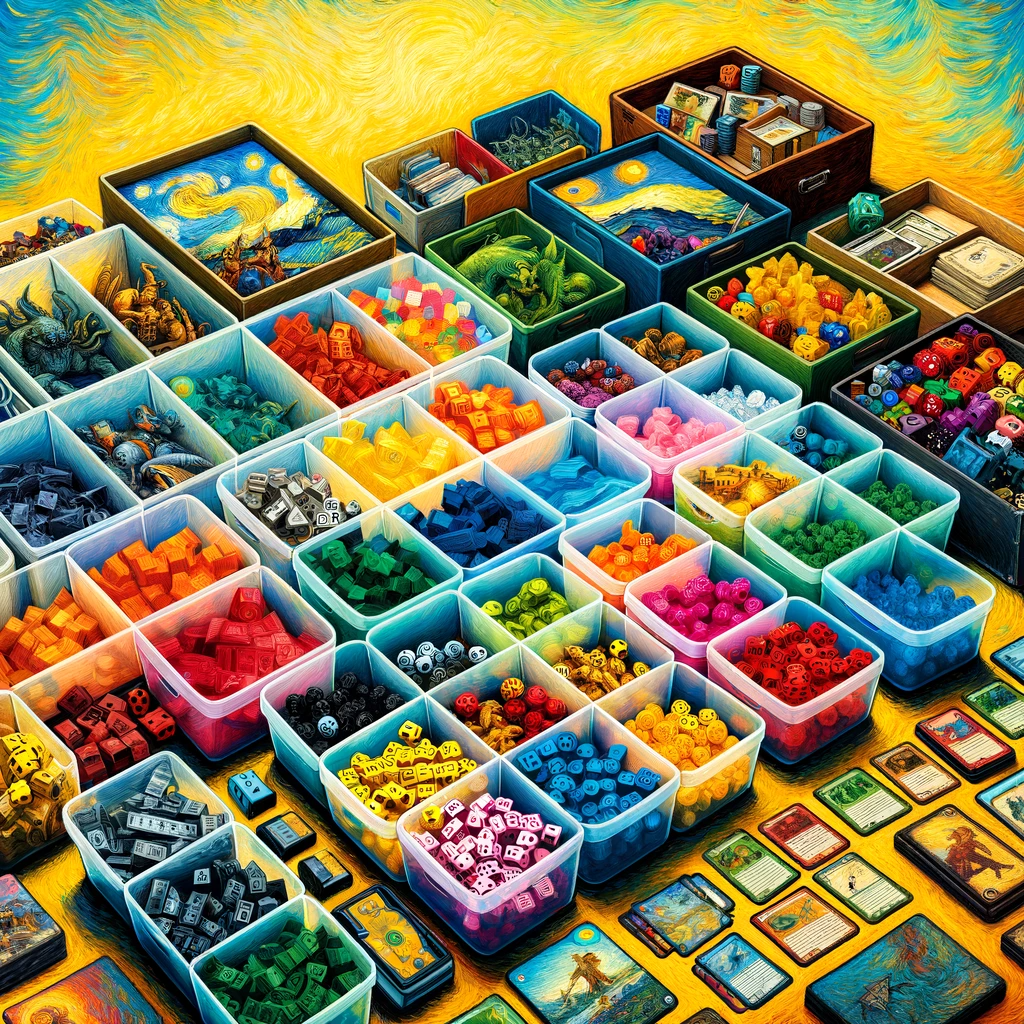
What Age-Appropriate Games Boost Family Dialogue?
What Age-Appropriate Games Boost Family Dialogue?
- Meaningful family conversations can be challenging due to busy schedules and distractions like screens.
- Board games can serve as a simple yet effective solution to encourage dialogue and connection.
- Playing games on a rainy day can transform silence into lively interaction filled with stories and laughter.
- Classic and new age-appropriate board games engage family members of all ages, fostering competition and shared experiences.
- Pausing to reflect on game moments can reveal personal stories and deep family dynamics.
- Board games provide a platform for storytelling, memory-making, and problem-solving among family members.
- Embracing play can lead to lasting connections and warmth during family gatherings.

What Age-Appropriate Games Boost Family Dialogue?
Conclusion
Alright folks, let’s wrap this up in true Mike Rowe fashion. Picture this: your family gathered around the dining table, a colorful board game sprawled out before you, popcorn wafting through the air—sounds familiar, right? It’s not just about rolling dice and moving pieces; it’s about harnessing a golden opportunity to supercharge your family communication skills in a way that’s as enjoyable as it is effective.
Board games, in their simple, unassuming glory, act as a bridge over tumultuous waters, connecting family members across generations. Remember those quiet dinners filled with screens and awkward silences? Well, dust off that Monopoly set because game night doesn’t just fill the air with laughter; it ignites conversation, brings out stories, and fosters those oh-so-important connections that often get lost in our busy lives. When you’re strategizing a win or defending your game piece against a sneaky sibling, you’re also engaging in a dance of dialogue, negotiation, and—dare I say it—problem-solving.
Through games like Codenames, Dixit, or even the classic but always entertaining Scrabble, we don’t just elevate our vocabulary; we learn to listen, express ourselves, and appreciate differing perspectives. These games create a space where opinions can be voiced without judgment, laughter can echo unconstrained, and even lost pieces can turn into life lessons about resilience and humility.
Now, let’s not kid ourselves; conflicts can and will arise—after all, it’s all fun and games until someone flips the board. But every disagreement provides a teachable moment, a chance to practice patience and respect. This is where the magic happens; you’re not just players in a game, you’re a family, working through differences together.
So what do we take from this? The next time you find yourself wondering how to break through the digital fog hanging over your family interactions, head to that dusty shelf, grab a board game, and watch as the transformative power of play unfolds. You might just find that laughter and meaningful conversations are lurking beneath that colorful game board, waiting to be unearthed. Now let’s roll those dice and connect like never before! Game on!

Conclusion
Conclusion:
- Family game nights provide an opportunity to enhance communication skills in a fun and engaging way.
- Board games bridge generational gaps, fostering connections among family members.
- Games ignite conversation and storytelling, breaking the silence created by screens.
- Playing games promotes dialogue, negotiation, and problem-solving among family members.
- Games like Codenames, Dixit, and Scrabble help improve vocabulary and listening skills.
- Conflicts during games serve as teachable moments to practice patience and respect.
- Engaging in board games can lead to laughter and meaningful conversations, enhancing family bonds.

Conclusion
Other Resources

Other Resources
Here is a list of other resources you can review online to learn more:
- Terraforming Mars
- Keyforge
- Love Letter
- Pearl Games
- AEG (Alderac Entertainment Group)
- Keyflower: The Farmers Expansion
- Aeon’s End
- Mombasa
Use This Prompt To Get More Resources With Your Favorite Online AI Tool: Please provide me with a list of online articles with their URLs in a bulleted list that I can read regarding How Can Board Games Transform Family Communication Skills?

Other Resources
Glossary Terms
How Can Board Games Transform Family Communication Skills? – Glossary Of Terms
1. Active Listening: The practice of fully concentrating on what is being said rather than just passively hearing the message. Board games require players to listen to each other’s strategies and motivations.
2. Collaboration: The act of working together toward a common goal. Many board games require players to team up, fostering cooperative dialogue and shared decision-making.
3. Conflict Resolution: A method for resolving disagreements, which can be refined through discussions during competitive or cooperative board games.
4. Creative Thinking: The ability to think outside the box and develop innovative solutions. Board games often encourage unconventional strategies.
5. Empathy: The ability to understand and share the feelings and perspectives of others. Board games can facilitate discussions about characters and motives, enhancing emotional connections.
6. Family Bonding: Strengthening relationships between family members. Playing board games together promotes shared experiences and memories.
7. Feedback: Information provided by one player regarding others’ actions or decisions. Board games foster an environment where constructive feedback is exchanged.
8. Game Mechanics: The rules and methods that facilitate gameplay. Understanding these mechanics requires communication between players about strategies and rules.
9. Verbal Communication: The exchange of ideas through spoken words. Board games often require discussion, which enhances verbal interaction skills.
10. Nonverbal Communication: Conveying messages without words, such as gestures and facial expressions, which can be significant in interpreting players’ reactions during games.
11. Initiative : The ability to assess and initiate things independently. Board games encourage players to take charge, helping them develop confidence in communication.
12. Role-Playing: Acting out a character or scenario, which is common in storytelling board games. This practice can improve understanding of diverse perspectives and increase compassion.
13. Teamwork: Cooperative effort by team members to achieve a common objective. Board games often necessitate collaboration, teaching family members the value of working as a unit.
14. Determination: The firmness of purpose and persistence in achieving goals. Board games can motivate families to persevere in challenging scenarios together.
15. Strategy: The plan of action designed to achieve a specific goal, critical in many board games. Discussing strategies can refine analytical skills and communication.
16. Negotiation: Discussing terms and reaching an agreement, often crucial in games involving trade or alliances, enhancing persuasive communication.
17. Social Skills: The skills necessary for effective interpersonal interactions. Playing board games offers informal settings to practice and enhance these skills.
18. Consensus Building: The process of reaching agreement, particularly valuable in cooperative board games where shared decisions must be made.
19. Turn-Taking: Allowing each player a chance to play. This practice teaches patience and respect for others’ contributions to the communication flow.
20. Perspective-Taking: Understanding and considering others’ viewpoints, which is often required in team-based or story-driven board games.
21. Positive Reinforcement: Encouraging desired behaviors by rewarding them, applicable when players support each other during games.
22. Descriptive Language: The use of rich and detailed language for more engaging communication. Board games that involve storytelling often stimulate the use of descriptive words.
23. Tension Management: The ability to handle pressure or stress in competitive situations, which board games can simulate and teach families to navigate.
24. Patience: The ability to accept or tolerate delay or challenges. Games often require waiting for one’s turn, teaching the value of patience in communication.
25. Emotional Regulation: The capability to manage one’s emotions in social settings, particularly important in competitive games where emotions can run high.
26. Adaptability: The ability to adjust to new conditions. Board games may present unexpected challenges that require flexibility in gameplay and communication.
27. Discourse: Written or spoken communication or debate. Board games often spark discussions, encouraging families to articulate their thoughts and strategies.
28. Trust-Building: Developing reliability and faith in one another’s abilities, crucial in cooperative gameplay where players need to rely on each other’s decisions.
29. Inclusivity: Ensuring all family members feel valued and included, a core aspect of playing games that accommodates different skill sets and ages.
30. Fun: Enjoyment derived from playing a game, which is vital for effective communication as relaxed environments promote open dialogue.

Glossary Of Terms
Other Questions
How Can Board Games Transform Family Communication Skills? – Other Questions
If you wish to explore and discover more, consider looking for answers to these questions:
- What are some specific board games that promote family communication?
- How do different types of board games affect communication skills differently?
- Can board games be used to address specific family issues or challenges?
- Are there board games that are particularly effective for introverted family members?
- What age groups benefit most from playing board games for communication skills?
- How often should families play board games to achieve communication improvement?
- What role does the facilitator or game leader play in enhancing communication during board games?
- Can virtual board games or digital versions be as effective as traditional board games for communication?
- What are some signs that family communication has improved through board game play?
- Are there studies or research that support the benefits of board games for family communication?

Other Questions
Haiku
How Can Board Games Transform Family Communication Skills? – A Haiku
Here’s a haiku summarizing the article:
Games on the table,
Laughter, talk, and trust unfold—
Hearts and minds connect.

Haiku
Poem
How Can Board Games Transform Family Communication Skills? – A Poem
Game Night Connections
Gather ’round the table, where laughter reigns,
With popcorn popping and no room for pains.
In the heart of the game, where we all come alive,
Communication blossoms, and together we thrive.
Dice are rolled, and cards are played,
In playful competition, our worries allayed.
Strategies shared, and stories unfold,
In this cozy space, warmth takes hold.
Children learning to share and to plead,
Their voices encouraged, their thoughts set free.
Through each pause and each playful jest,
We build our connections, we give our best.
With teamwork and trust in every turn,
We navigate conflicts, and together we learn.
As laughter erupts from a well-timed blunder,
Resilience builds in the sweet, joyful thunder.
Electronic distractions, we gladly forsake,
To share in the moments that memories make.
For it’s not just a game, but a thread that we weave,
A tapestry rich of the stories we leave.
So dust off those boxes, invite one and all,
Let the games teach us to rise when we fall.
In the spirit of play, we grow and unite,
Family bonds strengthened in the soft candlelight.
Together we gather, in this timeless embrace,
Reclaiming our voices, our joy, and our space.
Game night isn’t just play; it’s a beautiful art,
Where communication flourishes, binding each heart.

Poem
Checklist
How Can Board Games Transform Family Communication Skills? – A Checklist
Checklist: Transform Family Communication Skills Through Board Games
1. Set the Scene for Board Game Night
_____ Gather family members in a comfortable area, free from distractions.
_____ Remove digital devices to foster an unplugged environment.
2. Choose the Right Game
_____ Select age-appropriate games that encourage conversation. (Suggestions include: Codenames, Dixit, The Resistance, Ticket to Ride, Monopoly, Scrabble, etc. )
_____ Consider varying interests and skills among family members.
3. Encourage Active Participation
_____ Invite each family member to explain their strategy or choices during the game.
_____ Promote taking turns and sharing the spotlight.
4. Foster Open Communication
_____ Encourage discussion about game decisions and strategies.
_____ Create a space for everyone to express their thoughts and feelings about the game.
5. Use Humor to Lighten the Mood
_____ Incorporate friendly banter and jokes to keep the atmosphere light and enjoyable.
_____ Embrace mistakes and miscalculations with laughter.
6. Practice Problem-Solving and Teamwork
_____ Engage in games that require collaboration and strategy.
_____ Discuss game challenges and make decisions together.
7. Reflect on the Experience
_____ After the game, talk about what was learned—strategies, teamwork, fun moments.
_____ Share stories and memories that were triggered during gameplay.
8. Build on the Conversation
_____ Ask open-ended questions inspired by the game. (e. g. , “What made you choose that move?” or “How did you feel when you lost?”).
_____ Use game experiences to discuss broader family topics or values.
9. Establish a Regular Game Night
_____ Set a consistent schedule for family game nights to build connections over time.
_____ Rotate game selection to keep things fresh and exciting.
10. Celebrate Successes and Connection
_____ Acknowledge victories and personal growth during game sessions.
_____ Remind family members that the goal is to connect and enjoy time together, not just to win.
Bonus Tip: Document the Moments
_____ Take photos or keep a family game night journal to capture memories and stories for future reference.

Checklist
At BestBoardGameNews, we help people who love board games by collating information and news about board games.
Be sure to read our other related stories at BestBoardGameNews to learn more about board games.


