

Unlocking Critical Thinking Through Strategy Gaming
By Tom Seest
At BestBoardGameNews, we help people who love board games by collating information and news about board games.
Be sure to read our other related stories at BestBoardGameNews to learn more about board games.
Is Strategy Gaming The Ultimate Tool for Critical Thinking?
Let’s be honest for a moment: when was the last time you sat down with a group of friends, the table sprawled with a board game, and suddenly realized you weren’t just having fun, but you were right in the thick of it, challenging your mind? Strategy games have a unique ability to draw us in, engaging not only our competitive spirit but also our analytical thinking. Who knew that rolling dice or moving tiny plastic figures could sharpen our critical faculties?
Picture a rainy Saturday afternoon. You gather with friends, pizza on the way, and it’s time to break out that dusty box you’ve been meaning to play. As you lay out the pieces, something remarkable begins to happen. You’re no longer just flipping cards or moving tokens; you’re navigating complex decisions that may very well impact your standing in the game. The tactics you choose require foresight and adaptability, applying resources efficiently, and weighing risks versus rewards. Each move offers a lesson, not just in how to win, but in how to think.
These experiences aren’t just entertaining; they are masterclasses in problem-solving. Suddenly, you find yourself faced with not just in-game dilemmas, but perspectives that echo the challenges we encounter in everyday life. The rules may change, but the need to assess situations, make decisions under pressure, and collaborate with others remains constant.
And it’s more than just an escape from reality. Consider this: within the confines of that board game lies a training ground for the brain. Each session nudges you to think critically, to strategize, and to adapt. The beauty of it is that you can practice these skills without the stakes of the real world weighing you down.
So next time you turn to a strategy game for a bit of fun, remember that you’re not just passing time. You’re honing a skill that’s increasingly vital in our fast-paced, complex environment. Embrace the challenge, relish the competition, and you might just emerge not only as the game champion but as a more adept thinker ready to tackle whatever life throws your way. In the grand tapestry of personal development, those moments around the board may be as crucial as any formal learning experience. So grab your pieces, summon your friends, and dive into the captivating world of strategy gaming—where critical thinking thrives and fun abounds!

Is Strategy Gaming The Ultimate Tool for Critical Thinking?
Is Strategy Gaming The Ultimate Tool for Critical Thinking?
- Strategy games engage competitive spirit and enhance analytical thinking.
- Group gaming experiences are both fun and mentally challenging.
- Playing involves making complex decisions that impact the game outcome.
- Games teach valuable lessons about problem-solving and critical thinking.
- They provide a safe environment to practice decision-making and collaboration.
- Engaging in strategy games improves skills vital for navigating real-life challenges.
- Moments spent playing may contribute significantly to personal development.

Is Strategy Gaming The Ultimate Tool for Critical Thinking?
Table Of Contents
- Is Strategy Gaming The Ultimate Tool for Critical Thinking?
- Is Strategy Gaming Effective In Enhancing Critical Thinking Skills?
- What Are The Cognitive Benefits Of Playing Strategy Games?
- How Do Strategy Games Improve Problem-Solving Abilities?
- Can Strategy Gaming Foster Better Decision-Making In Real Life?
- What Role Does Teamwork Play In Strategy Games And Critical Thinking?
- Are There Specific Strategy Games That Are Best For Critical Thinking?
- How Can Strategy Gaming Be Used In Educational Settings?
- Conclusion
- Other Resources
- Glossary Of Terms
- Other Questions
- Haiku
- Poem
- Checklist
Is Strategy Gaming Effective In Enhancing Critical Thinking Skills?
Let’s face it: in a world filled with distractions, the idea of huddling around a table with a group of friends, rolling dice, and plotting a grand strategy doesn’t just sound charming; it sounds downright revolutionary. This isn’t just play—this is serious business. I’m talking about board games that challenge your mind while building connections with the people sitting across from you.
Whether you’re maneuvering armies in an epic war game or solving puzzles in a resource management challenge, strategy gaming taps into something deep within us—the need to think critically, adapt, and overcome. Much like life, every decision matters. We’ve all had that moment when you weigh your options, contemplating not just the immediate effects, but the long-term repercussions of the choices you make on that board. You’re not just moving pieces; you’re in a mental wrestling match where strategy becomes your greatest ally.
Critics might dismiss it as mere entertainment, but the reality is far richer. Strategy gaming cultivates the kind of thinking skills that are essential both in and out of the game. It teaches you to analyze complex situations, anticipate opponents’ strategies, and adjust your plans on the fly. It’s about learning to read the room, which, let’s be honest, is a life skill all its own. The tension builds as you make choices—do you push forward, or hold back and wait for the right moment? You develop foresight and adaptability that’ll serve you well in everyday problem-solving.
Think about it: each game session becomes a microcosm of life’s challenges. The bonds forged around that table aren’t just about winning; they’re about understanding different perspectives, learning to navigate social dynamics, and sharpening your argumentation skills. Those critical thinking muscles? They get a solid workout.
So, if you’re looking for a way to hone your critical thinking in a way that’s engaging and fun, consider dusting off that old board game. Gather your friends or family and dive into the world of strategy gaming. It’s not just a game; it’s a training ground for the mind. Embrace the challenge, relish in the competition, and watch your critical thinking skills flourish. You’ll reap the benefits long after the dice stop rolling.

Is Strategy Gaming Effective In Enhancing Critical Thinking Skills?
Is Strategy Gaming Effective In Enhancing Critical Thinking Skills?
- Board games offer a unique blend of entertainment and strategic thinking, creating a revolutionary communal experience.
- Strategy games challenge players to think critically and make decisions with both immediate and long-term consequences.
- Engaging in board games enhances skills such as analyzing complex situations and anticipating opponents’ strategies.
- Players learn important life skills, including reading social dynamics and developing foresight and adaptability.
- Game sessions serve as a microcosm of life’s challenges, fostering understanding and perspective-sharing among players.
- Participating in strategy games provides a fun way to hone critical thinking and problem-solving skills.
- Gathering friends and family for a board game session can lead to lasting benefits beyond the game experience itself.

Is Strategy Gaming Effective In Enhancing Critical Thinking Skills?
What Are The Cognitive Benefits Of Playing Strategy Games?
Gather ’round, folks, because we’re diving into the captivating world of strategy games! If you’ve ever sat down with a board game—yes, that colorful cardboard battlefield where each move is a decision and every decision can lead to victory or defeat—you may have already tasted some of the cognitive benefits these pastimes provide. But let’s dig a little deeper and explore just what makes these games not only exhilarating but also remarkably good for your brain.
First off, strategy games are like mental workouts. When you strategize, you’re not merely rolling dice and moving pieces; you’re engaging in a complex dance of decision-making and prediction. Each turn you take requires planning ahead, weighing risks, and considering the potential consequences of your every move. This kind of analytical thinking doesn’t just improve your skills at the game—it sharpens your overall problem-solving abilities. Suddenly, you’re not just navigating a fantasy world; you’re honing your capacity to tackle real-world challenges.
Then there’s the social aspect. Whether you’re sitting around a table with friends or competing online, strategy games foster valuable communication and teamwork skills. They encourage you to articulate your thoughts, negotiate with others, and adapt your tactics based on evolving dynamics. These experiences build not only friendships but also emotional intelligence, which is vital in today’s collaborative environments. As we engage with others, we refine our ability to understand diverse perspectives—something that’s invaluable, both in our personal lives and in the workplace.
And let’s not forget about patience and focus. A good strategy game isn’t won in a matter of minutes. It demands your concentration and encourages you to think several moves ahead. This ability to maintain focus in a world filled with distractions can translate to more productive work habits or a calmer approach to life’s daily hurdles.
So, next time you roll up to the game board with friends, remember: you’re not just playing a game; you’re also investing in your cognitive health. Embrace the thrill of strategizing, the joy of problem-solving, and the bonds you create, and watch how these skills spill over into the rest of your life. The benefits are there; you just have to decide to take a seat at the table. Grab your meeples, roll the dice, and let the game begin!

What Are The Cognitive Benefits Of Playing Strategy Games?
What Are The Cognitive Benefits Of Playing Strategy Games?
- Strategy games provide cognitive benefits, acting as mental workouts that enhance decision-making skills.
- Players engage in complex analyses, improving their overall problem-solving abilities.
- These games foster valuable communication and teamwork skills among players.
- Playing strategy games develops emotional intelligence by encouraging negotiation and adaptation.
- Participants learn to appreciate diverse perspectives, beneficial for personal and professional interactions.
- Strategy games require patience and focus, leading to improved concentration and productivity.
- Engaging in these games is a fun way to invest in cognitive health and build lasting friendships.

What Are The Cognitive Benefits Of Playing Strategy Games?
How Do Strategy Games Improve Problem-Solving Abilities?
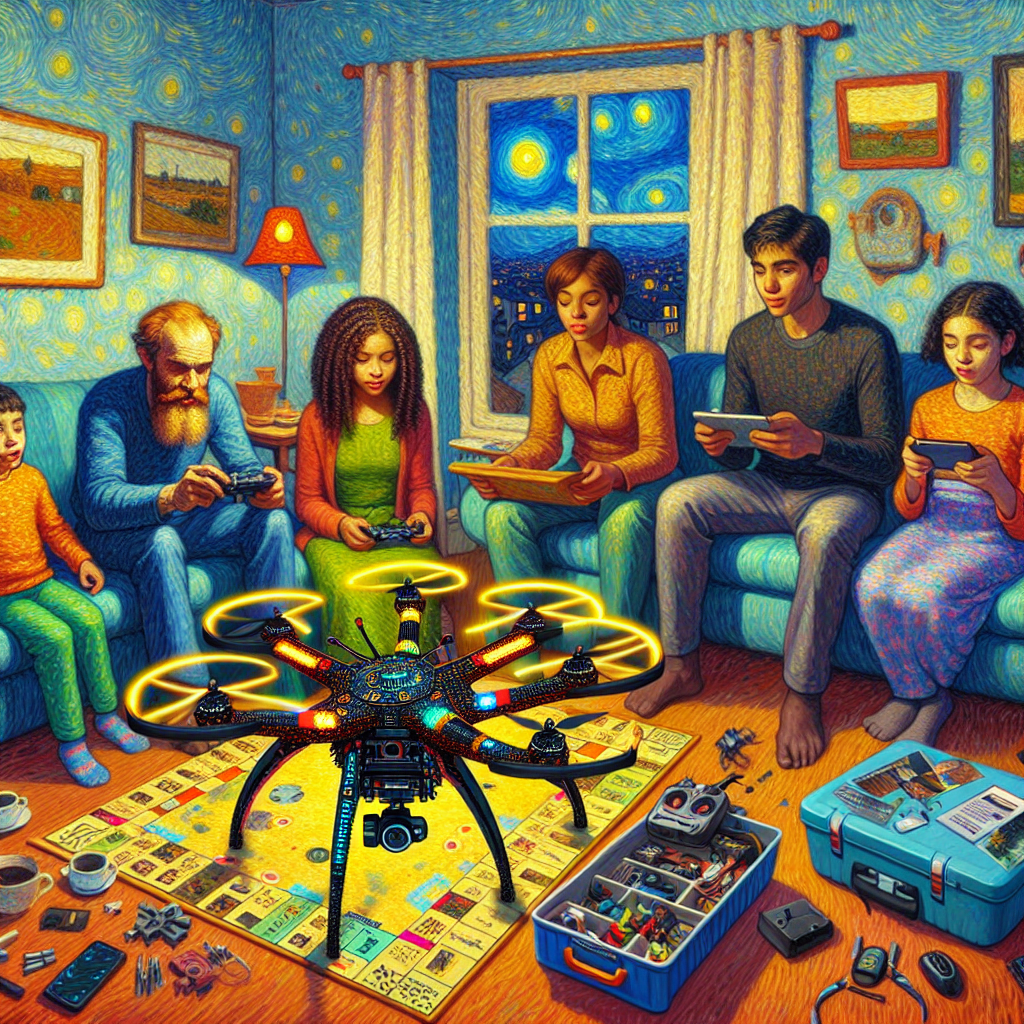
Picture this: you’re sitting around a table with friends or family, each of you armed with a game piece, a handful of strategy, and a healthy dose of competitive spirit. It’s a board game night—a modern rite of passage that goes beyond mere entertainment. In fact, these gatherings are a rich training ground for sharpening our problem-solving skills.
Let’s break it down. When you dive into a strategy board game, you’re not just flipping cards or rolling dice. You’re stepping into a living puzzle, a maze where every move counts and decisions resonate through the turns that follow. This isn’t just casual fun; it’s a crash course in critical thinking. You learn to foresee consequences, weighing short-term gains against long-term strategies. Each decision isn’t made in isolation; it’s part of a larger web of possibilities that can dramatically shift with a single misstep.
Consider games like “Settlers of Catan,” where trade-offs are the name of the game. Do you hoard resources for that massive city expansion? Or do you barter with opponents to secure that crucial location? Navigating through those choices teaches you to analyze each situation dynamically—an invaluable skill that translates seamlessly into real-life problem-solving.
And let’s not forget the social component. As you play, you’re not just strategizing against your opponents; you’re also reading their moves, anticipating their next steps and possible responses. This interaction fosters collaboration and negotiation skills. You don’t just approach problems as a lone wolf; you learn the power of teamwork and communication, essential threads in the fabric of effective problem-solving.
So, as you shuffle cards or plot your next strategic placement, remember that this isn’t just about winning the game. It’s about building a mental toolkit filled with the skills necessary to tackle life’s real puzzles. Whether you’re strategizing a business plan, resolving a conflict, or simply aiming to make sense of the chaos, those hours spent over that board game are molding your approach to challenging situations.
So, go ahead—gather your friends, set that board on the table, and face those challenges head-on. You might just discover that every game night isn’t just about fun; it’s a master class in problem-solving that you didn’t even know you were enrolled in. Time to roll those dice and see where your strategy takes you!
How Do Strategy Games Improve Problem-Solving Abilities?
How Do Strategy Games Improve Problem-Solving Abilities?
- Board game night is not just entertainment; it’s a training ground for problem-solving skills.
- Strategy games present a living puzzle where each move and decision impacts future turns.
- Players learn to foresee consequences and weigh short-term versus long-term strategies.
- Games like “Settlers of Catan” highlight the importance of analyzing dynamic choices and trade-offs.
- Social interaction in games fosters collaboration, negotiation skills, and teamwork.
- Board games help build a mental toolkit for tackling real-life challenges effectively.
- Every game night offers valuable lessons in problem-solving disguised as fun.

How Do Strategy Games Improve Problem-Solving Abilities?
Can Strategy Gaming Foster Better Decision-Making In Real Life?
Picture this: you’re gathered around the dining room table, the scent of snacks wafting through the air, and your closest friends are locked in a fierce battle over a board game. Dice are clattering, strategies are whispered, and every move carries weight—from the insatiable ambition of a conqueror to the caution of an unassuming diplomat. Sure, it might seem like just a way to pass the evening, but peers into that world for a moment longer. What you see is a training ground for decision-making that can ripple far beyond those cardboard pieces.
When you enter the realm of strategy gaming, you’re not just playing; you’re learning. Each encounter puts your instincts to the test. It’s a simulation of real-life scenarios—where your choices lead not to victory points, but potentially to win or loss in life’s bigger game. You’re tasked with balancing risk and reward, predicting your opponent’s moves, and adapting your strategy as the game unfolds. The lessons are invaluable! They demand analytical thinking, foresight, and an understanding of human behavior.
Ever find yourself in a tough spot, weighing two choices? You’ve probably been there—do you take the leap or play it safe? Those questions bubble up in the heat of a game as players strategize their next move, laying bare the complexity of decision-making. What could be more relatable than that? In those moments, confusion transforms into clarity as you evaluate outcomes. With practice, that skill becomes second nature.
Moreover, it’s a community affair. Engaging with fellow strategists builds camaraderie and hones communication skills. You learn to express your thoughts clearly, negotiate deals, and even influence others—all vital skills in everyday life.
And let’s not overlook resilience. Loss in a board game can sting a bit, but it’s also a lesson in bouncing back. Each mistake is an opportunity for growth. Next time, you’ll be armed with insights that could turn the tide in your favor.
So, the next time you turn down a friendly game night, consider what you’re missing. Those hours spent with friends, strategizing over a board game, may very well be sharpening your mind for the challenges of life outside your front door. You might just find that there’s more to those colorful pieces than meets the eye.

Can Strategy Gaming Foster Better Decision-Making In Real Life?
Can Strategy Gaming Foster Better Decision-Making In Real Life?
- Board games provide a lively environment for intense decision-making among friends.
- Playing strategy games serves as a training ground for real-life scenarios, improving decision-making skills.
- Players learn to balance risk and reward, predict opponents’ moves, and adapt their strategies.
- Strategizing during gameplay enhances analytical thinking, foresight, and understanding of human behavior.
- Game nights encourage camaraderie and develop effective communication, negotiation, and influence skills.
- Experiencing loss in games fosters resilience and transforms mistakes into valuable growth opportunities.
- Participating in game nights can sharpen critical life skills, making them more than just a recreational activity.

Can Strategy Gaming Foster Better Decision-Making In Real Life?
What Role Does Teamwork Play In Strategy Games And Critical Thinking?
Picture this: a rainy Saturday afternoon, the aroma of popcorn filling the air, and a group of friends gathered around a table, their eyes glued to a colorful board game sprawled before them. In that moment, as the dice are rolled and the strategies unfold, something magical happens—teamwork ignites, transforming a simple game into an engaging battleground of ideas, plans, and camaraderie.
Teamwork in strategy games isn’t just about winning or losing; it’s about the collective effort. Each player brings their unique perspective and skills to the table. One might have a knack for negotiation, while another excels in resource management. As players strategize on how to conquer territories or build their empires, they learn to communicate effectively, listen intently, and devise plans that harness the strengths of each member. This collective intelligence often leads to creative solutions that one person alone might never envision.
Now, let’s not ignore the critical thinking aspect. When you’re navigating the complexities of a board game, every move requires analysis. Players must anticipate their opponents’ strategies while weighing their own options. It’s here that teamwork shines, as the group bounces ideas off one another, dissecting each play and making adjustments in real-time. This collaborative problem-solving fosters an environment where critical thinking flourishes. Each decision becomes a teaching moment, allowing players to learn from successes as well as failures.
Moreover, this interaction builds trust. As players work through challenges together, they develop a shared understanding and respect for one another’s abilities. Trust isn’t easily earned, but it’s forged across the table in those intense moments when the stakes are high and the laughter is even higher. Each time a team successfully navigates a tricky turn or narrowly avoids defeat, it reinforces their bond—a vital element both in games and in life.
In choosing to partake in strategy games with friends, you’re not just signing up for a few hours of entertainment; you’re investing in skills that extend far beyond the game board. You’re immersing yourself in an experience that teaches collaboration, enhances problem-solving abilities, and nurtures bonds that can last a lifetime. So next Saturday, gather those friends, roll the dice, and dive into a world where teamwork is not just part of the game, but the glue that holds it all together.

What Role Does Teamwork Play In Strategy Games And Critical Thinking?
What Role Does Teamwork Play In Strategy Games And Critical Thinking?
- Rainy afternoons create the perfect ambiance for board games and friendship.
- Teamwork in strategy games enhances collaboration and engagement beyond just winning or losing.
- Players contribute unique skills, such as negotiation and resource management.
- Effective communication and planning harness collective intelligence for creative solutions.
- Critical thinking is developed as players analyze moves and anticipate opponents’ strategies.
- Working through challenges fosters trust and respect among team members.
- Participating in strategy games provides valuable life skills in collaboration and problem-solving.

What Role Does Teamwork Play In Strategy Games And Critical Thinking?
Are There Specific Strategy Games That Are Best For Critical Thinking?
When it comes to honing critical thinking skills, strategy games stand out as not just a pastime but a pathway to deeper understanding. Imagine gathering around a table with friends or family, the light flickering off game pieces, and the air crackling with anticipation. This isn’t just a game night; it’s a battleground for ideas, and the right board game can sharpen your mind like a finely honed tool.
Take, for instance, classics like *Chess.* This timeless game pits two players against each other in a dance of strategy, foresight, and mental agility. Every move matters, pushing players to think several steps ahead while weighing risk against reward. It’s like a mental chess match with life—every decision can open doors or close them.
Then there are games like *Settlers of Catan,* where you trade resources and navigate delicate alliances. Here, the capacity to observe your opponents’ strategies and adjust your gameplay accordingly is crucial. It’s a fantastic way to practice critical thinking in real-time. Each turn becomes a lesson in negotiation, anticipation, and adaptability—skills that will serve you well beyond the game board.
*Pandemic* introduces teamwork into the mix, forcing players to collaborate against a common threat. This one hits home because it’s about collective problem-solving. With the clock ticking and challenges arising at every turn, players must communicate effectively and think critically. You can’t just play your own hand here; you need to adjust your strategy based on group dynamics. What better way to prepare for real-world challenges than to navigate crises in a controlled, engaging environment?
Maybe you lean towards the card game *Dominion,* focused on resource management and strategic expansion. Behind its straightforward façade lies a web of complex decision-making. It’s a reminder that critical thinking is not just about making the right choice; it’s about adapting to a constantly shifting landscape. Here’s where lessons in flexibility and foresight come into play.
Time spent around a table with a well-crafted board game fosters connections and laughter but also cultivates critical thinking that’s essential in our day-to-day lives. So, whether you’re a seasoned strategist or a curious newbie, dive into these inviting opportunities and see how they can sharpen your mind and enrich your understanding of the world. Grab that board game, gather your favorite people, and let the thinking—and the fun—begin!

Are There Specific Strategy Games That Are Best For Critical Thinking?
Are There Specific Strategy Games That Are Best For Critical Thinking?
- Strategy games serve as a pathway to enhance critical thinking skills beyond mere entertainment.
- Games like *Chess* require foresight and mental agility, prompting players to think several steps ahead.
- *Settlers of Catan* emphasizes negotiation and adaptability, as players must observe and adjust to opponents’ strategies.
- *Pandemic* promotes teamwork and collective problem-solving by forcing players to navigate group dynamics under pressure.
- *Dominion* challenges players with resource management and decision-making in a constantly changing environment.
- Board games foster connections and laughter while cultivating essential critical thinking skills for everyday life.
- Engaging in strategic gameplay can sharpen the mind and enhance understanding of the world.

Are There Specific Strategy Games That Are Best For Critical Thinking?
How Can Strategy Gaming Be Used In Educational Settings?
Picture this: a classroom buzzing with energy, students fully engaged—not because they’re staring at a screen, but because they’re huddled around a board game. You see, strategy games are a unique blend of fun, competition, and education that can transform the way young minds absorb knowledge. They’re not just games; they’re powerful tools for learning.
When we think of strategy gaming, we often envision epic battles on a vast tabletop, minds calculating the next best move, and friendships forged over shared victories and losses. This is exactly where the magic happens in the educational arena. Strategy games can teach critical thinking, teamwork, and problem-solving skills that are essential for navigating today’s complex world. Imagine a group of students collaborating to outsmart their peers in a game of Risk or balancing resources in Settlers of Catan. In those moments, they’re acquiring essential life skills disguised as play.
But let’s take a closer look. You might wonder, “How does this apply to real-world education?” Well, strategy games can be tailored to fit various subjects. For history, students can reenact pivotal battles, gaining insights into decision-making and the consequences of those choices. In math, they can work on budgeting and strategic planning to win—a lesson in financial literacy wrapped in excitement. The possibilities are as endless as the game pieces scattered across the board!
And let’s not forget about fostering social skills. In a world increasingly dominated by digital interactions, those face-to-face conversations over a shared board game are invaluable. Students learn to communicate their ideas effectively, negotiate with peers, and manage their emotions—skills that will serve them well beyond the classroom. Plus, building connections through these games can create a more inclusive environment where everyone feels they have something to contribute.
So, how can we harness the power of strategy gaming in educational settings? Start by introducing a game during group projects or as part of a lesson. Encourage students to discuss strategies and reflect on their experiences afterward. Make it a regular part of your curriculum! With a little creativity, strategy games can become a bridge to deeper understanding and engagement. Let’s embrace the playful side of learning and watch as our classrooms transform into vibrant ecosystems of knowledge!

How Can Strategy Gaming Be Used In Educational Settings?
How Can Strategy Gaming Be Used In Educational Settings?
- Strategy games create an engaging classroom environment by promoting active participation.
- They serve as powerful educational tools, teaching critical thinking, teamwork, and problem-solving skills.
- Games like Risk and Settlers of Catan help students develop essential life skills while having fun.
- Strategy games can be adapted for various subjects, enhancing lessons in history and math with practical applications.
- They foster social skills, encouraging effective communication, negotiation, and emotional management among students.
- Introducing strategy games into curricula can enhance group projects and deepen engagement with the material.
- Utilizing games regularly can transform classrooms into vibrant ecosystems of knowledge and collaboration.

How Can Strategy Gaming Be Used In Educational Settings?
Conclusion
Conclusion: The Surprising Power of Strategy Gaming in Cultivating Critical Thinking
Alright, folks, let’s wrap our heads around this whole strategy gaming phenomenon. If you’ve ever found yourself elbow-deep in a board game, pizza on the side, surrounded by friends, you already know that what happens on that table transcends mere entertainment. The reality is, those colorful pieces and cardboard landscapes are stealthy boot camps for our brains—a real workout for critical thinking. Now, I’m not saying you’re going to solve the world’s problems after a few rounds of *Settlers of Catan,* but there’s a solid argument for what these games offer us.
When you dive into a strategy game, you’re not just flipping cards and rolling dice; you’re wading into a pool of decision-making, where every choice can lead to triumph or tragedy. It’s all about weighing options, anticipating opponents’ moves, and navigating the intricacies of group dynamics. Whether you’re playing *Risk* or *Pandemic,* every session sharpens your analytical skills, gets you thinking ahead, and teaches you about the delicate dance of teamwork.
And let’s not forget about the social magic happening here! Strategy gaming fosters communication skills and emotional intelligence. You learn not just to advocate for your own strategy, but to listen, negotiate, and adapt as the game evolves. It’s like being thrust into life’s chess match, where reading the room becomes as crucial as your next move. Winning isn’t the only goal; it’s about the connections and perspectives you gain along the way.
Digging deeper, these games are brilliantly flexible. They can be tailored for all ages and educational settings, from history lessons to social skill building. Imagine students reenacting a crucial battle in *Risk,* grasping history in a way that makes the facts come alive. Or think about how much financial literacy you could impart while managing resources in a game.
So, next time you gather your crew and crack open that dusty board game, remember that you’re not just killing time. You’re investing in critical thinking, problem-solving, and invaluable life skills that extend beyond that tabletop battlefield. Grab those game pieces, relish in the fun, and watch yourself emerge not just as a champion at the table, but as a more adept, agile thinker ready to tackle the big challenges life throws your way. After all, in the grand game of life, every roll counts!

Conclusion
Conclusion:
- Strategy gaming transcends entertainment, serving as a mental workout for critical thinking.
- Engaging in these games enhances decision-making skills, weighing options, and anticipating opponents’ moves.
- Playing strategy games improves teamwork and enhances group dynamics.
- These games foster communication skills and emotional intelligence through negotiation and adaptation.
- Strategy games are adaptable for various ages and educational settings, promoting active learning.
- They can be used to teach subjects like history and financial literacy through gameplay.
- Playing strategy games cultivates problem-solving and life skills that extend beyond the game itself.

Conclusion
Other Resources

Other Resources
Here is a list of other resources you can review online to learn more:
- Mechs vs. Minions
- Puerto Rico (with two expansions)
- Gaming Rules!
- Root: The Riverfolk Expansion
- Aeon’s End
- Dominion: Prosperity (Second Edition)
- Tigris & Euphrates
- Wizards of the Coast
- Osprey Games
- Ticket to Ride
Use This Prompt To Get More Resources With Your Favorite Online AI Tool: Please provide me with a list of online articles with their URLs in a bulleted list that I can read regarding Is Strategy Gaming The Ultimate Tool for Critical Thinking?

Other Resources
Glossary Terms
Is Strategy Gaming The Ultimate Tool for Critical Thinking? – Glossary Of Terms
1. Strategy Gaming: A genre of games that focus on tactical and strategic decision-making, requiring players to plan and adapt their methods to achieve success.
2. Critical Thinking: The ability to analyze information, evaluate evidence, and make reasoned judgments to solve problems or make decisions.
3. Cognitive Skills: Mental capabilities that include attention, memory, reasoning, and the ability to process information, which are often enhanced through strategic gameplay.
4. Decision Making: The process of making choices by identifying options, evaluating them, and selecting a course of action, often utilized in strategy games.
5. Problem Solving: A cognitive process aimed at finding solutions to complex challenges, frequently exercised in strategy gaming scenarios.
6. Adaptability: The ability to change tactics or strategies in response to new information or changing circumstances encountered during gameplay.
7. Resource Management: The strategic allocation of limited resources (time, money, materials) to maximize efficiency and achieve goals, a key aspect in many strategy games.
8. Forecasting: The skill of predicting future outcomes based on current information, crucial in anticipating opponent moves in strategy games.
9. Collaboration: Working in conjunction with others to achieve common goals; prevalent in team-based strategy games that require cooperative tactics.
10. Game Theory: A mathematical framework for analyzing competitive situations where the outcome depends on the actions of multiple players, often applied in strategy games.
11. Simulation: The imitation of real-world processes or systems over time within a game, designed to enhance decision-making and critical thinking skills.
12. Interactivity: The level of engagement a player has with the game’s elements, impacting their ability to think critically and strategize effectively.
13. Tactical Thinking: The capacity to make quick, short-term decisions that impact the immediate outcome of a game or situation.
14. Long-term Planning: The ability to set goals and develop strategies that consider future outcomes and implications of current actions.
15. Risk Assessment: Evaluating potential risks versus rewards before making decisions, an essential skill in both strategy gaming and critical thinking.
16. Mindset: A mental attitude that influences how players approach challenges and learn from errors in strategy gaming.
17. Engagement: The level of interest and immersion a player experiences, which can enhance cognitive processes and critical thinking skills.
18. Social Intelligence: Understanding and managing interpersonal dynamics; often tested in multiplayer strategy games where negotiation and alliances are key.
19. Situational Awareness: The perception of environmental elements and understanding how they relate to the player’s objectives, critical in fast-paced strategy games.
20. Feedback Loop: A system in which information about the outcome of actions is fed back to the player, allowing for adjustment and improved decision-making.
21. Motivation: The internal and external factors that drive a player to engage with and excel at strategy games, influencing learning and cognitive development.
22. Creative Thinking: The ability to think outside the box and develop innovative strategies and solutions within the game’s context.
23. Analytical Skills: The capacity to break down complex problems into smaller components for better understanding and decision-making.
24. Competitiveness: A drive to outperform rivals; can foster critical thinking and strategic planning as players analyze opponents’ capabilities and weaknesses.
25. Immersive Learning: A type of experiential learning that occurs within an engaging and interactive environment, like strategy games, enhancing critical thinking skills.
26. Scenario Analysis: The evaluation of various potential future events based on different choices, a common exercise in strategic thinking within games.
27. Playtesting: The process of evaluating a game’s design and mechanics, often used to understand strategic elements and enhance critical thinking.
28. Narrative Strategies: The storytelling aspect within games that can influence player choices and enhance engagement and critical thinking pathways.
29. Motif: A recurring element or theme that enhances the depth of strategy gaming experiences, often requiring players to think critically about their implications.
30. Learning Curve: The rate at which a player adapts to the mechanics and strategies of a game; a steeper curve can demand more critical thinking and adaptive learning.

Glossary Of Terms
Other Questions
Is Strategy Gaming The Ultimate Tool for Critical Thinking? – Other Questions
If you wish to explore and discover more, consider looking for answers to these questions:
- What types of strategy games are most effective for enhancing critical thinking?
- How can strategy gaming impact cognitive development in children?
- Are there specific age groups that benefit more from strategy gaming?
- What research supports the claims about strategy gaming and critical thinking?
- How do different cultures approach strategy gaming and its educational benefits?
- Can online strategy games provide the same benefits as physical board games?
- What skills learned from strategy gaming can be applied in professional settings?
- How do strategy games compare to other forms of entertainment in developing critical thinking?
- What role does creativity play in strategy gaming and critical thinking development?
- How do strategy games teach emotional regulation and resilience in players?

Other Questions
Haiku
Is Strategy Gaming The Ultimate Tool for Critical Thinking? – A Haiku
Strategy games ignite,
Critical thinking refine,
Play, learn, grow as one.

Haiku
Poem
Is Strategy Gaming The Ultimate Tool for Critical Thinking? – A Poem
Game On: A Symphony of Strategy
Gather round, in laughter’s embrace,
Friends and challenges share this space.
A table set with vibrant plays,
Where thought and tactics twist and sway.
On stormy days with dice to roll,
Engaged we sit, our minds in thrall.
Each move a lesson, rich and true,
In games, the world we navigate anew.
With armies clashed and tokens placed,
We weigh our choices, risks embraced.
Not just for fun, but skills refined,
In strategy’s grip, sharp thoughts aligned.
Negotiation, patience breeds,
In teamwork’s dance, the mind proceeds.
One’s vision spark, another’s strength,
Together forging paths of length.
Each card flipped, each token moved,
We solve the puzzles, truths improved.
In cunning plays and calculated stares,
Life’s questions answered, wisdom shares.
So dust those boxes, gather your crew,
In strategy’s realm, see what you can do.
For in these games, play is our teacher,
A master’s course, no need for a preacher.
From board to life, as skills take flight,
Critical thinking ignites like light.
With every laugh and every sigh,
In the game of strategy, we learn to fly.

Poem
Checklist
Is Strategy Gaming The Ultimate Tool for Critical Thinking? – A Checklist
Checklist: Unlocking Critical Thinking Through Strategy Gaming
This checklist outlines key elements to consider when engaging with strategy games for enhancing critical thinking skills. Use it as a guide to enrich your gameplay experience and maximize the cognitive benefits!
Before the Game: Preparation
_____ Choose the Right Game:
_____ Select games known for enhancing critical thinking, such as Chess, Settlers of Catan, Pandemic, or Dominion.
_____ Gather Your Team:
_____ Assemble a group of friends or family who are willing to engage and collaborate.
_____ Set the Environment:
_____ Ensure a comfortable and distraction-free gaming environment (appropriate seating, good lighting, snacks).
During the Game: Engaging Strategies
_____ Assess the Situation:
_____ Take time to evaluate the game state, available options, and potential outcomes of each decision.
_____ Practice Active Listening:
_____ Pay attention to your opponents’ strategies and adapt your game plan accordingly.
_____ Communicate Effectively:
_____ Articulate your thoughts and strategies to your teammates to promote discussion and collaboration.
_____ Embrace Flexibility:
_____ Be ready to adjust your tactics based on the changing dynamics of the game and your opponents’ moves.
_____ Analyze Risk vs. Reward:
_____ Weigh the short-term gains against potential long-term consequences for each move you make.
After the Game: Reflection and Learning
_____ Debriefing:
_____ Discuss the game with your group post-session. What strategies worked? What didn’t? What could be done differently next time?
_____ Identify Transferable Skills:
_____ Reflect on how the skills practiced during the game can apply to real-life situations (problem-solving, negotiation, teamwork).
Integrating Games into Learning Environment
_____ Consider Educational Use:
_____ Explore how strategy games can be integrated into educational settings to enhance critical thinking and social skills among students.
_____ Encourage Regular Gameplay:
_____ Make strategy gaming a regular social or educational activity, promoting continuous learning and engagement.
Personal Growth: Ongoing Improvement
_____ Set Personal Goals:
_____ Create specific goals related to your critical thinking and decision-making skills based on your gameplay experiences.
_____ Continue Exploring New Games:
_____ Regularly try new strategy games to challenge yourself and expand your thinking repertoire.
Use this checklist to ensure you’re making the most of your strategy gaming experiences, fostering not only fun but also critical thinking and problem-solving abilities in every session! Enjoy your game night!

Checklist
At BestBoardGameNews, we help people who love board games by collating information and news about board games.
Be sure to read our other related stories at BestBoardGameNews to learn more about board games.


