

The High Cost Of Victories: Keeping Your Family Together
By Tom Seest
At BestBoardGameNews, we help people who love board games by collating information and news about board games.
Be sure to read our other related stories at BestBoardGameNews to learn more about board games.
Is The Excitement Of Winning Causing Your Family to Drift Apart?
The Board Game of Life: When Winning Becomes Losing
Picture a family gathered around the dining room table, laughter echoing in the air, the familiar clatter of dice rolling across a board game. Those evenings are a tapestry of shared stories, playful banter, and maybe a little friendly competition. But when does that excitement of winning—whether it’s chess, Monopoly, or even a simple game of Uno—begin to unravel the very fabric of those relationships?
As we gather around that board game, the initial thrill of competition can ignite a spark, awakening our inner champions. It’s easy to get caught up in the adrenaline rush, driven by the desire to emerge victorious. But this thirst for success can unintentionally shift our focus from playing together to playing against each other. Suddenly, it’s not just about rolling the perfect number or crafting the cleverest strategy; it’s about securing bragging rights, wading into the murky waters of rivalry, and forgetting what we genuinely came together for.
When we treat these games like life-and-death battles, we slip into an unwelcome territory. Tension rises; voices become sharper, competitive spirit morphs into one of resentment. There’s a fine line between bonding over a board game and creating divides that send the family drifting apart. Long after the last piece is put away, the echoes of harsh words can linger, souring memories that were meant to be joyful. That’s a price far too high to pay for any win, especially with those we love.
So, how do we recalibrate the compass, remembering that the ultimate objective isn’t just winning, but connecting? Start by stepping back and reminding yourself of the purpose behind these gatherings. Challenge the competitive nature with a little vulnerability: maybe let your partner win once in a while or discuss strategies openly, turning the competition into a collaborative effort. Embrace laughter, the shared experience, and the unwavering bond that exists beyond the scoreboard.
In doing so, you’ll find yourself redefining ‘winning.’ It’s not simply about points racked up on a board; it’s about building bridges, forging memories, and nurturing the relationships that make those moments truly special. Let that board game be a reminder of the joy in unity, not the tension of rivalry.

Is The Excitement Of Winning Causing Your Family to Drift Apart?
Is The Excitement Of Winning Causing Your Family to Drift Apart?
- Family gatherings around board games evoke laughter and shared stories.
- The thrill of competition can lead to a shift from collaboration to rivalry.
- Winning can become detrimental, causing resentment and tension among players.
- Harsh words during games can leave lasting negative memories.
- To reconnect, remind yourself of the purpose behind these gatherings.
- Encourage vulnerability in gameplay by letting others win and fostering collaboration.
- Redefine ‘winning’ as building relationships and creating joyful memories.

Is The Excitement Of Winning Causing Your Family to Drift Apart?
Table Of Contents
- Is The Excitement Of Winning Causing Your Family to Drift Apart?
- Is Winning Creating Tension In Your Family Dynamics?
- How Does Competition Affect Family Relationships?
- Are You Prioritizing Victories Over Family Time?
- What Impact Does Winning Have On Family Bonding Experiences?
- Are You Losing Sight Of Family Values In Pursuit Of Success?
- How Can You Balance Competition And Family Connections?
- What Role Does Sportsmanship Play In Family Interactions?
- Conclusion
- Other Resources
- Glossary Of Terms
- Other Questions
- Haiku
- Poem
- Checklist
Is Winning Creating Tension In Your Family Dynamics?
Picture this: a cozy Sunday afternoon, the sunlight streaming through the kitchen window, and your family gathered around the table, an assortment of snacks laid out like a feast. It’s the perfect setting for a good old-fashioned board game, a chance to unwind and bond, right? But then something unexpected happens. The dice are rolled, and suddenly, the air is thick with competition. All of a sudden, that friendly game transports you from laughter to edge-of-your-seat tension faster than you can say “Monopoly.”
What is it about winning that ignites a spark in family dynamics? In the spirit of healthy competition, a little rivalry can be invigorating. It sharpens our skills, builds camaraderie, and introduces a bit of excitement—but when does it cross the line from fun to fraught? Navigating the fine line between spirited competition and family friction is no small feat. Just one ill-timed jab or a too-competitive sibling can turn a delightful day into an unforgettable showdown.
Let’s face it: everyone loves to win. It’s a sweet taste, like the first bite of homemade pie after a long meal. But at what cost? The tension that arises can leave underlying feelings simmering under the surface, turning what should have been a night of laughter into a battlefield of words and hurt feelings. Each move on the board can lead to a pause of unspoken words, a moment where you can almost hear the unasked question, “Is it worth it?”
Now, don’t get me wrong; winning can encourage the best in us. It can drive us to be better, to strategize and think ahead. But let’s also remember that family is about connection, support, and love—values that don’t always tally up on a scoreboard. So why not embrace the fun of a board game while keeping the atmosphere light and enjoyable? Set the tone by celebrating creativity, strategy, or even a hilarious mistake; after all, it’s those unexpected moments that create lasting memories.
So, before you dive into that next game night, take a moment to reflect. Are you bringing a spirit of connection to the table, or are you more focused on claiming victory? Let’s choose bonding over battling, laughter over tension, and create a family dynamic where winning isn’t everything. Because in the end, the real prize is the time spent together—now that’s a trophy worth displaying!

Is Winning Creating Tension In Your Family Dynamics?
Is Winning Creating Tension In Your Family Dynamics?
- A cozy Sunday afternoon sets the scene for family bonding over board games.
- Friendly competition can heighten tension, transforming laughter into a showdown.
- The thrill of winning sharpens skills and builds camaraderie but can lead to family friction.
- Tension from competition can overshadow enjoyment, raising questions about what’s truly valuable.
- Winning can inspire improvement, yet family is fundamentally about love and support.
- Emphasizing fun and memorable moments is key to keeping game nights enjoyable.
- Reflect on your intentions before game night to prioritize connection over competition.

Is Winning Creating Tension In Your Family Dynamics?
How Does Competition Affect Family Relationships?
Competition—it’s a natural part of life, isn’t it? From the nursery where toddlers vie for toys to family board game nights that can end in laughter or heated debates, the spirit of competition permeates our familial interactions. At its core, competition can spur growth and motivate us to strive for greatness, but let’s not overlook its potential to strain the delicate threads of family bonds.
When we think about board games, we might envision an enjoyable evening filled with playful banter and maybe a little strategic sabotage. But remember that moment when your cousin, who typically fumbles at games, suddenly becomes a fierce competitor and swipes that coveted victory from you? Or consider the teasing that turns sour between siblings once the game gets serious. Competition has a unique way of revealing the best—and sometimes the ugliest—sides of our personalities. It can bring out our passion, but too often, it can also expose insecurities and rivalries that we thought we had long buried.
As families, we find our identities intertwined, and competition can illuminate the strengths we never knew we had. A spirited debate over who scored the most goals in last weekend’s soccer match can morph into a chance to showcase resilience and sportsmanship. But here’s the kicker: competition necessitates a balance. When it veers too far into the realm of comparison and jealousy, that once-innocent game night might spiral into conflict, igniting resentments that linger long after the board is cleared.
So, how do we keep that competitive fire from turning toxic? First and foremost, communication becomes key. Take a step back and remind each other that the goal isn’t just to win but to have fun and grow together. Setting boundaries around competition can establish a more supportive atmosphere—maybe agreeing that the focus is on enjoying the game rather than just claiming bragging rights.
Moreover, reflecting on what competition means to your family can lead to deeper conversations about goals, achievements, and vulnerabilities. It’s in these discussions that trust is nurtured and confidence can flourish. After all, isn’t that the aim behind every family game night—to nurture not only a love for competition but the relationships that define us? By acknowledging and respecting each other’s accomplishments, even when they yield a competitive edge, we can foster connections stronger than any win on a game board.
Embrace the competition, but do so with an eye on love and understanding; it might just lead to the best family memories yet.
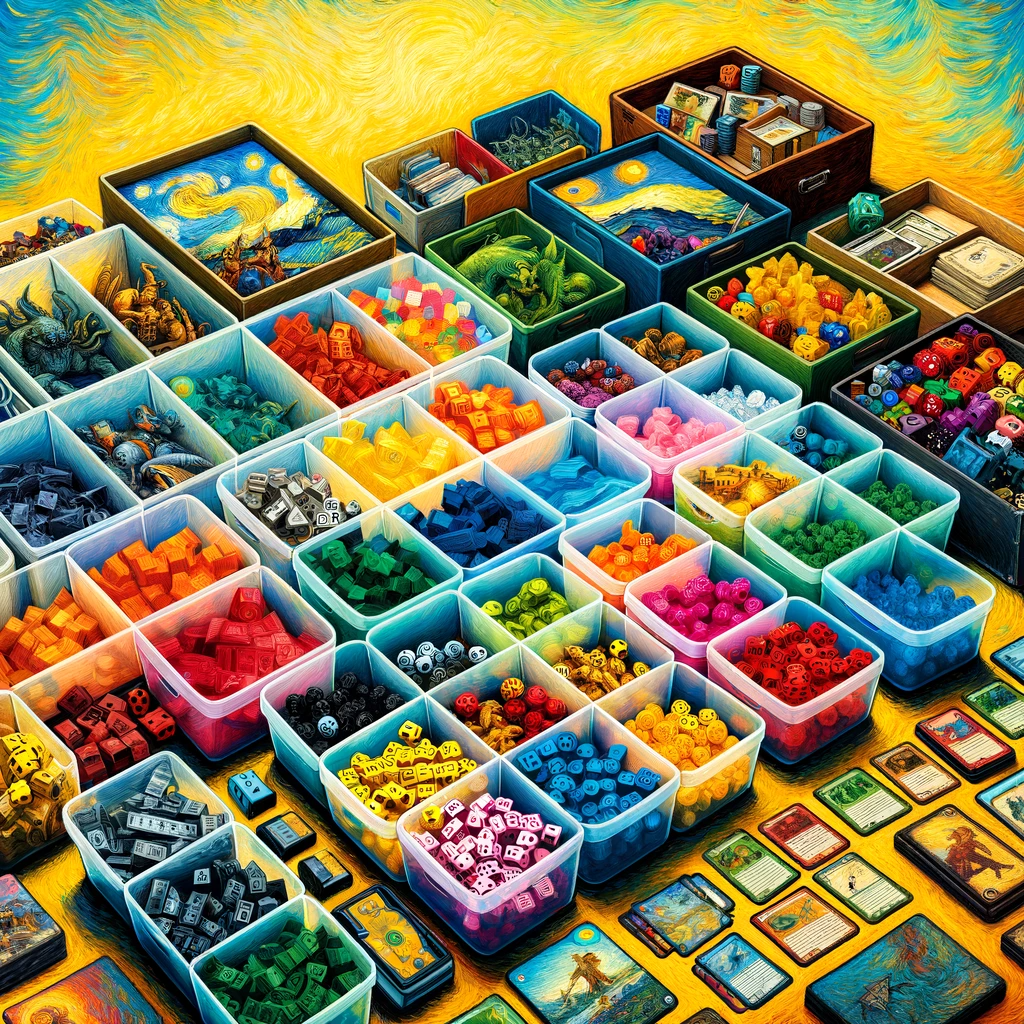
How Does Competition Affect Family Relationships?
How Does Competition Affect Family Relationships?
- Competition is a natural element of family life, influencing interactions from early childhood through adulthood.
- While competition can spur personal growth and motivation, it can also strain family relationships.
- Board games exemplify how competition can lead to both fun and tension among family members.
- Competition can reveal both positive traits like passion and negative traits such as insecurities and rivalries.
- To keep competition healthy, balance is essential, avoiding jealousy and resentment.
- Effective communication and setting boundaries can help prioritize enjoyment over simply winning.
- Discussions about competition can strengthen trust and relationships, fostering deeper family connections.

How Does Competition Affect Family Relationships?
Are You Prioritizing Victories Over Family Time?
In our relentless pursuit of success—be it in a high-stakes job, competitive sports, or even personal projects—it’s easy to lose sight of what truly matters. We chase victories, collecting accolades like badges of honor, but sometimes forget to take a step back and ask ourselves, “At what cost?” Many of us have fallen into the trap of equating our worth with our accomplishments, while the family waiting at home becomes an afterthought.
Imagine a chilly Saturday afternoon, the kind where the sun streams through the windows but the warmth isn’t just about the temperature—it’s about the laughter echoing in the air. That’s the perfect time for a family board game. Picture your kids gathered around the table, eyes sparkling with excitement, ready to unleash their competitive spirits. In that moment, the cards are dealt, the dice are rolled, and the only metric of success is laughter, not a ledger of accomplishments. Those victories don’t come with trophies but instead manifest in shared memories—an invisible trophy that lasts far longer than any physical prize.
We often say we are working hard for our family, but when was the last time you truly connected with them, away from your laptop and the ever-competing calls of deadlines? While building wealth and achieving professional milestones can feel noble, the fleeting nature of these victories pales in comparison to the legacy of love and connection we leave behind.
So let’s recalibrate. Make it a priority to trade a few late nights for a family game night. Embrace the chaos of laughter, small arguments over rules, and bonding that emerges from shared triumphs and tribulations. You’ll find joy in the simplicity of a board game and discover that these moments are the true essence of success.
Trust me—your future self will thank you. The accolades will fade, but those family bonds will stay solid through thick and thin. If you’re feeling pulled into the gravitational vortex of ambition, take a deep breath, grab a game, and remember what it feels like to win together. After all, the best victories are the ones we share.

Are You Prioritizing Victories Over Family Time?
Are You Prioritizing Victories Over Family Time?
- Success pursuits in jobs and sports can overshadow what truly matters.
- People often equate self-worth with accomplishments, neglecting family connections.
- Family game nights foster laughter and shared memories beyond material accolades.
- True success lies in the legacy of love and connection over professional achievements.
- Prioritize family time over work obligations to build lasting bonds.
- Engaging in simple pleasures like board games reveals the essence of success.
- Shared victories with family provide more fulfillment than fleeting accolades.

Are You Prioritizing Victories Over Family Time?
What Impact Does Winning Have On Family Bonding Experiences?
Family bonding experiences often come wrapped in the delightful chaos of laughter, competition, and the occasional friendly argument—much like a family game night around the dining room table. Picture this: the board game sprawled out before you, vivid colors and quirky pieces inviting everyone to dive in. It’s not just a game; it’s a rite of passage, a taste of victory, and sometimes, a lesson in humility.
When we gather to play a board game, there’s something magical in the air. The thrill of the game, the strategy involved, the subtle (or not so subtle) encouragements and critiques exchanged—these elements weave together the fabric of family memories. Winning, in this context, becomes more than just scoring points. It’s a spark that ignites camaraderie, shaping moments that extend beyond the game itself.
Think back to the last time your family faced off in a heated match of Monopoly or Scrabble. The stakes were not merely the game pieces you moved or letters you placed; they were about pride and connection. Winning brings a boost of confidence, but let’s not overlook the flip side—how losing can teach resilience and grace. It’s a dance, really, and each participant plays a part. When one person wins, the elation can elevate the entire room, creating a shared moment of joy that bonds everyone together, if only for that short-lived victory lap.
Now, let’s address the elephant in the room. If there’s one thing that can turn a joyful gathering into a tense standoff, it’s the desire to win at all costs. We’ve all seen it—family members morphing into hyper-competitive warriors, forgetting that the ultimate objective is not merely to win, but to connect. That’s where the real magic happens.
Winning can reinforce relationships when approached with a light heart. It’s about high fives, playful banter, and a collective sigh of relief when someone finally dares to beat the reigning champion. The bonds forged in the heat of competition can create generous reservoirs of trust, understanding, and respect, setting the foundation for family unity.
So next time you dust off that board game and gather your loved ones, remember: it’s not just about the prize—it’s about the shared experience, the laughter, and the memories that will last long after the pieces are packed away. Make winning a part of the journey, but let connection be your ultimate destination.

What Impact Does Winning Have On Family Bonding Experiences?
What Impact Does Winning Have On Family Bonding Experiences?
- Family game nights foster bonding through laughter, competition, and friendly arguments.
- Board games are not just games; they serve as rites of passage and lessons in both victory and humility.
- The thrill of the game creates magical moments filled with strategy, encouragement, and shared memories.
- Winning boosts confidence, while losing teaches resilience and grace, enhancing the family dynamic.
- Hyper-competitiveness can turn fun into tension, reminding players that the goal is connection, not just victory.
- Approaching winning with a light heart strengthens relationships through shared joy and playful banter.
- Ultimately, the focus should be on creating lasting memories and connections rather than solely pursuing victory.

What Impact Does Winning Have On Family Bonding Experiences?
Are You Losing Sight Of Family Values In Pursuit Of Success?
In the relentless hustle of modern life, it’s easy to get swept away by the tide of ambition. You wake up, tackle the day’s tasks, and before you know it, you’ve climbed a ladder that feels unending. But, while you’re busy stacking achievements and chasing success, have you paused to consider what you might be leaving behind? Are you losing sight of those essential family values that ground you?
Think about it like a board game. Each move you make can set you on a path toward victory, yet one misstep can lead to an unintended consequence. It’s not about marking off goals one by one but about having fun along the way. Family values are the tokens you hold close, the resources that help you navigate challenges, and the allies that cheer you on from the sidelines.
Picture a family game night. There’s laughter, competition, and perhaps a little friendly teasing. You gather around the table, not to discuss work deadlines, but to reconnect. The clatter of game pieces and the rustle of snack bags create a symphony that reminds you of the simple joys in life. You swap stories and experiences, sharing a moment that no amount of success can replace. These aren’t just fleeting interactions; they’re the very fabric of meaningful relationships.
In the pursuit of success, it can be tempting to sacrifice these moments for a few extra hours of work. Yet, it’s crucial to remember that your family forms your support system, your sounding board, and ultimately, your legacy. When you prioritize these connections, you foster an environment where everyone can thrive, including yourself.
So, consider this your gentle nudge. It’s time to self-reflect and determine what truly matters. Are your actions aligned with your values? Make room for family in your busy schedule. Create traditions that keep those bonds strong—game nights, shared meals, or brisk walks in the park. Embrace that balance and recognize that real success isn’t measured solely in accolades or bank accounts, but in the warmth of shared experiences that linger long after the game pieces are put away.
Reclaim your vision. Standing at the intersection of ambition and family values can lead to a richer, more fulfilling journey. The path to success isn’t a setback; it’s an opportunity to deepen connections and enrich lives. Choose to see it that way, and you might find that success tastes sweeter when shared with those you love.

Are You Losing Sight Of Family Values In Pursuit Of Success?
Are You Losing Sight Of Family Values In Pursuit Of Success?
- Modern life’s ambition can lead to neglecting essential family values.
- Success should be about enjoying the journey, not just marking off goals.
- Family values serve as support and encouragement in life’s challenges.
- Family game nights highlight the importance of reconnecting beyond work.
- Prioritizing family can enhance personal growth and create a strong legacy.
- Self-reflection is crucial to ensure actions align with personal values.
- True success is measured by shared experiences and relationships, not just accolades or wealth.

Are You Losing Sight Of Family Values In Pursuit Of Success?
How Can You Balance Competition And Family Connections?
How Can You Balance Competition and Family Connections?
In a world where competition seems to be the heartbeat of success, striking a balance with family connections can sometimes feel like juggling flaming torches while riding a unicycle. But here’s the secret: It doesn’t have to be a circus act. In fact, it can be downright fun. Picture this: the family gathered around a board game, laughter echoing off the walls, and friendly banter filling the air. It’s in those moments that competition can take on a new meaning—one that fosters connection rather than division.
We live in an age where accolades and triumphs are broadcasted across social media, where the desire to win can overshadow the importance of nurturing relationships. Yet, competition doesn’t have to exclude family; it can serve as a bridge that brings everyone closer together. Whether you’re battling it out over a classic board game or engaging in a mini Olympic event in the backyard, the key lies in the spirit of the competition itself.
Start by reimagining what winning means to your clan. Is it the adrenaline rush of steamrolling your opponents in a game of Monopoly, or the shared giggles of an unexpected twist in a trivia showdown? Use these moments not just to sharpen your strategic skills, but to build lasting memories. You’ll find that even the most competitive moments can become the foundation for deeper connections. Remember, it’s not just about scoring the most points; it’s about cherishing the time spent together.
To keep the balance, be mindful of how you communicate during these spirited challenges. Encourage each other, celebrate every small victory, and don’t shy away from light-hearted teasing. A little self-deprecation goes a long way, too—after all, there’s nothing like a good laugh when you accidentally land on the game piece of your teenage daughter, eliciting mock gasp and exaggerated drama.
Finally, take a moment after the game to reflect on what you’ve experienced together. Discuss strategies, share your thoughts, and most importantly, appreciate the shared journey. Competition can be an incredible teacher, but the most important lessons are about kindness, understanding, and connection. When you integrate that mindset, you’ll find that it’s possible to compete fiercely while keeping the bonds of family wonderfully intact. After all, winning might bring a temporary high, but it’s the heartfelt connections that last a lifetime.

How Can You Balance Competition And Family Connections?
How Can You Balance Competition And Family Connections?
- Balancing competition with family connections can be enjoyable rather than daunting.
- Family activities like board games can foster connection through friendly competition.
- Social media often emphasizes winning, which can overshadow nurturing relationships.
- Competition can serve as a bridge to bring family members closer rather than divide them.
- Redefine winning to focus on shared experiences and creating lasting memories.
- Encourage positive communication, celebrate small victories, and embrace light-hearted teasing.
- Reflect on experiences after games to emphasize kindness, understanding, and family connection.

How Can You Balance Competition And Family Connections?
What Role Does Sportsmanship Play In Family Interactions?
Gather ‘round, folks, because we need to talk about something that isn’t just for the athletes in sweat-wicking jerseys, but rather, impacts households everywhere: sportsmanship. You might be wondering what good ol’ playing fair has to do with family interactions. Well, sit down with your favorite board game, and you’ll find that the principles of sportsmanship emerge in the most unexpected ways.
Picture this: a rainy afternoon, and you’re spread out on the living room floor, an intense board game session about to unfold. Tension fills the air. Stakes are high—who will emerge victorious? What many don’t realize is that how you handle victory, or failure, in those moments reflects the core values of sportsmanship. Respect for your opponent, humility when you win, and grace when you lose can turn a simple game into a nurturing experience that strengthens family bonds.
Think back to those childhood days filled with laughter and feigned outrage as you played. What was that, if not the perfect training ground for real life? The strategic moves, the playful banter, maybe even the melodramatic “you will never defeat me!” displays all helped you learn to navigate relationships. After all, whether you’re rolling dice or drawing cards, the real game happens in the interactions—a lesson that can spill over into everyday life.
Here’s where the magic happens: when sportsmanship enters the chat, it cultivates trust and fosters deeper connections. Learning to celebrate each other’s successes and empathize with the occasional defeat helps family members to establish a safe space. It encourages open communication, where everyone feels valued, not just the “winner.” And let’s face it, life rarely hands out first-place ribbons, but it can teach us to appreciate the journey.
So, next time you pull out that board game and dust off the old Monopoly set, remind your family that sportsmanship is more than just a concept. It’s a mindset that encourages resilience, understanding, and stronger family ties. The next time someone flips the game board in disgust because they landed on Park Place, take a moment to model that sportsmanship, showing them that how we play the game matters just as much as the outcome. After all, whether it’s a game or life, it’s not just about winning; it’s about how you play. So, roll those dice and let the lessons unfold.

What Role Does Sportsmanship Play In Family Interactions?
What Role Does Sportsmanship Play In Family Interactions?
- The principles of sportsmanship extend beyond sports and influence family interactions.
- Playing board games can reveal how individuals handle victory and defeat.
- Respect, humility, and grace during games can strengthen family bonds.
- Childhood games provide valuable lessons in navigating relationships.
- Emphasizing sportsmanship fosters trust and deeper connections among family members.
- Celebrating successes and empathizing with failures creates a safe communication space.
- Ultimately, sportsmanship teaches that how you play is just as important as winning.

What Role Does Sportsmanship Play In Family Interactions?
Conclusion
Alright folks, gather ’round because it’s time for a little heart-to-heart about winning, family, and what it all really means. We’ve all been there—gathering around that board game, sipping on whatever caffeinated concoction fuels our competitive spirits, and suddenly, the laughter turns into the sound of rivalry. What starts as a wholesome family night can quickly morph into a cutthroat showdown, as the adrenaline of competition begins to overshadow the very reason we’re all sitting at that table in the first place.
You see, it’s easy to get wrapped up in that sweet taste of victory, fueled by the desire to claim bragging rights, but there’s a price we often overlook. The truth is, the keywords here aren’t points or scores—they’re connection and support. There’s nothing wrong with a little competition; it can teach us resilience and strategy. But if we fail to navigate that delicate balance, we risk pushing our loved ones away instead of drawing them closer.
So how do we flip the script? Instead of treating family game night as a battleground, let’s transform it into a shared journey. It starts with redefining what winning means; perhaps it’s not just about finishing first or racking up points, but also about relishing those unforgettable moments of laughter and joy. Embrace the little missteps—celebrate them! After all, it’s those slip-ups that often become the stuff of family legends.
Communication is key here. If someone gets a little too competitive, speak up—remind them that they’re not just playing against their cousin; they’re forging lifelong memories. Just one moment of carelessness can leave lingering echoes of harsh words long after the pieces are put away. So let’s make it a point to foster an atmosphere of understanding and support. Encourage self-deprecation, take turns letting others win, and focus on the shared experience rather than the final score.
In the relentless hustle of life, with schedules packed tighter than a can of sardines, we often overlook our true treasures—our families. So let’s prioritize those game nights, where laughter drowns out the noise of ambition. Before you dive back into the grindstone, pause, roll the dice, and remember: the real victory lies in the bonds we build beyond the scoreboard. When the dust settles and the games are closed, it’s the memories we carry forward that shape our identities. Winning isn’t everything, folks; it’s the connection we cultivate in the game of life that truly counts. Now, let’s get to playing, shall we?

Conclusion
Conclusion:
- Family game nights can quickly turn from fun to rivalry as competition intensifies.
- The pursuit of victory often overshadows the importance of connection and support.
- Competition can be beneficial, teaching resilience and strategy, but balance is crucial.
- Redefine winning to include shared laughter and memorable moments, not just points.
- Open communication is vital to maintain a supportive atmosphere during games.
- Encourage a spirit of understanding, self-deprecation, and allow others to win sometimes.
- True treasure lies in family connections, making game nights a priority over competition.

Conclusion
Other Resources

Other Resources
Here is a list of other resources you can review online to learn more:
- Android: Netrunner
- Cosmic Encounter
- DriveThruRPG
- North Star Games
- Poker
- Repos Production
- Santorini
- Boardgames.com
- Smash Up
Use This Prompt To Get More Resources With Your Favorite Online AI Tool: Please provide me with a list of online articles with their URLs in a bulleted list that I can read regarding Is The Excitement Of Winning Causing Your Family to Drift Apart?

Other Resources
Glossary Terms
Is The Excitement Of Winning Causing Your Family to Drift Apart? – Glossary Of Terms
1. Competition: The act of competing for a win or achieving a goal, which can strain relationships if not managed healthily.
2. Achievement: The accomplishment of a goal, which can create joy but may also foster jealousy and rivalry among family members.
3. Winsomeness: The quality of being attractive or appealing, often reflected in a family’s dynamics when one member is successful.
4. Ambition: A strong desire to succeed, which can drive family members apart if pursued at the expense of relationships.
5. Isolation: A feeling of being separated from others, which can occur when the focus on winning overshadows family connections.
6. Jealousy: An emotional response to perceived success of others, often leading to tension among family members.
7. Support System: The network of family and friends who provide emotional and practical assistance, crucial for maintaining healthy relationships.
8. Bonding: The process of forming close relationships, which can be hindered by an excessive focus on winning.
9. Communication: The exchange of information, essential for addressing feelings of resentment and preventing family drift.
10. Conflict: A serious disagreement or argument, often arising from differing views on success and priorities within the family.
11. Expectation: The belief that certain outcomes should occur, which can strain relationships if not aligned among family members.
12. Neglect: The failure to care for or nurture family relationships due to preoccupation with winning.
13. Comparison: Evaluating oneself against others, which can lead to feelings of inadequacy and distance among family members.
14. Sacrifice: Setting aside personal interests for the collective good of the family, essential for maintaining harmony amid competition.
15. Values: Core principles or beliefs that guide behavior, which can clash in a family focused on winning.
16. Motivation: The driving force behind actions, which can unify or divide family members based on their goals and aspirations.
17. Perspective: The way individuals view situations, which can impact their reactions to winning and losing within the family context.
18. Stress: Psychological pressure that arises from competition, potentially leading to family strain when not managed well.
19. Reconciliation: The process of restoring friendly relations, crucial when competition causes family rifts.
20. Unity: The state of being united or joined as a whole, often challenged by individual desires for success.
21. Resentment: Bitterness that develops over perceived unfairness in recognition or rewards, which can fracture family bonds.
22. Involvement: The degree to which family members participate in each other’s lives, which may decrease with excessive focus on winning.
23. Emotional Intelligence: The ability to understand and manage feelings, vital for navigating competition without harming relationships.
24. Prioritization: The act of arranging or dealing with matters based on their importance, essential for balancing family and personal success.
25. Disconnection: The loss of emotional ties among family members, which can occur when winning becomes the primary focus.
26. Legacy: What is handed down from one generation to the next, often revolving around shared experiences rather than individual wins.
27. Tolerance: The capacity to accept differences within the family, crucial for maintaining relationships amidst rivalry.
28. Growth Mindset: The belief that abilities can be developed through dedication and hard work, fostering a supportive family environment.
29. Inclusivity: Ensuring that all family members feel valued and included, which can be threatened by competition for wins.
30. Harmony: A state of peaceful coexistence, which can be disrupted by the pursuit of individual victories at the expense of family ties.

Glossary Of Terms
Other Questions
Is The Excitement Of Winning Causing Your Family to Drift Apart? – Other Questions
If you wish to explore and discover more, consider looking for answers to these questions:
- How can I create a more supportive environment during family game nights?
- What are some strategies to manage competitiveness in family activities?
- Can board games be utilized to strengthen family relationships?
- How do different family members react to competition, and how can I address these differences?
- What alternative activities can we engage in that foster collaboration instead of competition?
- How can we encourage healthy communication during and after competitive games?
- What role does empathy play in fostering family connections during competitions?
- How can we set boundaries around competition to avoid conflicts?
- Are there specific games that promote family bonding over rivalry?
- How can I help my family prioritize time spent together over winning games?
- What can families do to celebrate achievements collectively, regardless of who won?
- How can I enact sportsmanship principles in our family’s game nights?
- When should family members step away from a game to prevent conflicts?

Other Questions
Haiku
Is The Excitement Of Winning Causing Your Family to Drift Apart? – A Haiku
Winning brings us close,
Yet can tear our bonds apart—
Laughter leads us home.

Haiku
Poem
Is The Excitement Of Winning Causing Your Family to Drift Apart? – A Poem
The Game of Togetherness
In a room where laughter intertwines with cheer,
A board lies spread, a gathering so dear.
Voices rise, the dice spin with glee,
Yet beneath the thrill, could tensions be?
The joy of each turn, a swift heartbeat’s rush,
But competition clutches, giving thrill a harsh crush.
From playful banter to jibes turned sharp,
One roll too many can silence the spark.
Once united by fun, now adrift in a race,
The thrill of the win begins to erase,
The warmth of connection, the bonds we once knew,
Replaced by the strain of what’s me against you.
Is victory worth having our hearts twist apart?
When the sweetest of wins leave a pain in the heart?
Let’s pause before rolling, breathe in the air—
Refocus our aim on the love that’s laid bare.
Embrace laughter, let lightness root deep,
For the games that we play should be memories to keep.
Challenge the urge to just conquer and claim,
Instead, find the joy in the bonds and the game.
Celebrate moments, both big and oblique,
The lessons of losing—the humility we seek.
Instead of the finish line, let’s cherish the ride,
For the greatest of victories stem from being side by side.
In the chase for achievement, let’s not lose our way,
Make room for the laughter, let connection hold sway.
With each game we gather, let kindness take flight,
Knowing together, we’ll always be right.
So dust off those boxes, let the games reappear,
And choose bonding and joy—our true prize held dear.
For family, my friends, is the ultimate win,
A love that’s enduring, where every heart can spin.

Poem
Checklist
Is The Excitement Of Winning Causing Your Family to Drift Apart? – A Checklist
Checklist: Keeping Your Family Together While Enjoying Board Games
1. Set the Mood for Togetherness
_____ Gather everyone around and ensure there are no distractions (e. g. , phones away).
_____ Create a cozy atmosphere: snacks, drinks, and comfy seating.
2. Define the Purpose of Game Night
_____ Remind everyone that the goal is fun and connection, not just winning.
_____ Set an intention for family bonding before starting the game.
3. Encourage Positive Competition
_____ Celebrate creativity and strategic thinking, not only points scored.
_____ Discuss gameplay openly, turning competition into collaboration.
4. Practice Good Sportsmanship
_____ Model respect for opponents, showing humility in victory and grace in defeat.
_____ Encourage everyone to express positive feelings, regardless of the outcome.
5. Balance Competition with Connection
_____ Share laughs and engage in light-hearted banter.
_____ Allow for playful teasing, but set boundaries to avoid hurt feelings.
6. Reflect on the Experience
_____ After the game, discuss what everyone enjoyed and learned.
_____ Share favorite moments or funny mishaps from the game night.
7. Emphasize the Value of Family Time
_____ Plan regular family game nights to nurture relationships.
_____ Make room in your schedule for family time, prioritizing it over work obligations.
8. Create Game Night Traditions
_____ Establish fun rituals or rules for game nights (e. g. , themed snacks).
_____ Take turns selecting the game to foster excitement and anticipation.
9. Monitor Emotions During the Game
_____ Pay attention to signs of rising tension and intervene if necessary.
_____ Take breaks if the competitive spirit is getting too intense.
10. Celebrate All Wins
_____ Acknowledge small victories within the game and encourage cheering for others.
_____ Focus on building happy memories rather than solely on winning.
By using this checklist, families can ensure that game nights foster strong connections rather than competition-induced rifts. Enjoy the laughter and shared experiences that make family time truly rewarding!

Checklist
At BestBoardGameNews, we help people who love board games by collating information and news about board games.
Be sure to read our other related stories at BestBoardGameNews to learn more about board games.


