Uncovering The Ethical, Emotional, And Logical Implications Of AI In The Cheating Debate
By Tom Seest
At BestBoardGameNews, we help people who love board games by collating information and news about board games.
Be sure to read our other related stories at BestBoardGameNews to learn more about board games.
The Cheating Debate – When AI Tips the Dice
The joy of a family game night often hinges on the spirit of fair play. Picture this: a cold winter evening, the living room aglow with the soft light of a flickering fireplace. Everyone’s gathered around a table stacked with snacks, laughing and teasing as they set up their favorite board game. The stakes are lighthearted, but the camaraderie runs deep. It’s about connection, competition, and those undeniable moments of triumph or hilarious defeat. Yet, what happens when the very essence of this cherished tradition is upended by the whispers of technology?
As artificial intelligence sneaks into our lives, it raises a provocative question: are we tipping the dice in our favor, or are we simply losing the plot? On one hand, AI can analyze strategies, predict outcomes, and even provide advice to players striving for victory. It feels almost harmless—an extension of our intellect, an ally at the table. But if we start relying on these systems, we begin to erode the foundation of what makes our board games genuinely enjoyable.
Rationally speaking, employing AI during games might boost our chances of winning. It could even elevate our skills over time. However, the thrill of gaming is embedded not just in winning, but in the shared experience: the shouts of exultation, the moans of despair, and the candid banter that fills the air. When victory becomes a mere calculation, we risk losing those heart-pumping moments that bind us together. Have we traded trust and connection for an easy win?
Ethically, we must ask ourselves: what values are we teaching? By normalizing the use of AI in a space meant for genuine interaction, we may inadvertently convey that shortcuts are acceptable, that success need not come from effort or integrity. This can have repercussions beyond our board game nights, influencing how our children view competition and achievement in life itself.
Ultimately, the magic lies not just in the games we play, but in the laughter shared, the lessons learned, and the bonds forged around the table. Embrace the challenge that comes from human imperfection; it’s where the real victories—those that resonate deeply—are found. So, let’s gather, roll the dice, and keep the spirit of the game alive and well. In this world of AI and algorithmic competition, let’s not forget what truly counts: the joy of playing.

The Cheating Debate – When AI Tips the Dice
The Cheating Debate – When AI Tips the Dice
- Family game nights are enriched by a spirit of fair play, fostering connection and camaraderie.
- The introduction of AI raises questions about fair competition and the integrity of gameplay.
- AI can analyze strategies and predict outcomes, potentially boosting skills and winning chances.
- Reliance on AI may diminish the enjoyment derived from genuine interactions and shared experiences.
- Using AI might set a precedent that shortcuts in achievement are acceptable, impacting children’s values.
- The true essence of gaming lies in laughter, lessons learned, and bonds forged during play.
- Embracing human imperfection contributes to the memorable victories and joy of playing together.

The Cheating Debate – When AI Tips the Dice
Table Of Contents
- The Cheating Debate – When AI Tips the Dice
- What Does Cheating Mean In the Age Of Ai?
- Is AI Eroding Our Moral Values?
- How Can We Ensure Fairness In AI-Driven Decisions?
- Are We Trusting AI too Much with Important Choices?
- What Stories Illustrate the Dangers Of AI-Assisted Cheating?
- How Does AI Influence Our Understanding Of Honesty?
- Can AI Make Our Lives Easier Or Compromise Our Integrity?
- Conclusion
- Other Resources
- Glossary Of Terms
- Other Questions
- Haiku
- Poem
- Checklist
What Does Cheating Mean In the Age Of Ai?
What does cheating mean in the age of AI? It’s a question that only grows more complex as we dive deeper into a world where algorithms and human ingenuity intertwine. Picture this: you’re gathered around a table, playing a board game with family and friends, the air rich with laughter and the occasional light-hearted jab. The flick of a die, the shuffle of cards—innocent, right? Now, imagine if one player, armed with a powerful AI tool, gains an unfair advantage by predicting outcomes or calculating moves in milliseconds. That joyful game turns into something less wholesome; it edges into a gray area where the spirit of fair play gets lost.
At its core, cheating is about breaking trust—the foundation of any relationship, personal or social. Think about the friendships that forge over a shared experience; those moments are fragile. They thrive on sincerity and fair competition. When someone employs AI as a cheat code, it doesn’t just skewer the rules; it undermines the very bonds we cherish. It’s not just a play for victory; it’s akin to tearing pages out of the rulebook of life.
Now, let’s consider the ethical implications. Is it wrong to harness advanced tools, or is it merely a reflection of our evolving capabilities? The head knows that technology can enhance productivity and problem-solving; yet, the gut wrenches when we realize that same technology can also skew the playing field. A victory achieved through unfair means isn’t a triumph at all; it’s a hollow victory that leaves a long-lasting bitter taste.
It’s easy to get lost in the mechanics of AI, but don’t forget the heart of the issue lies in our human nature. Engaging with AI should elevate the game, not diminish our integrity. We owe it to ourselves to foster an environment where honesty thrives, where challenges are met with creativity and collaboration—where a board game played in the living room doesn’t turn into a battlefield of ones and zeros.
As we navigate this new frontier, let’s commit to defining our moral compass. Cheating in the age of AI ultimately isn’t just about rules or algorithms; it’s about us—the connections we build and the legacies we leave behind. It’s about reclaiming that table, that laughter, and that shared human experience, pun intended.

What Does Cheating Mean In the Age Of Ai?
What Does Cheating Mean In the Age Of Ai?
- Cheating in the age of AI complicates traditional definitions of fair play.
- Using AI in games gives players an unfair advantage, undermining trust among participants.
- Cheating breaks down the fragile bonds formed through shared experiences and sincere competition.
- The ethical implications of using advanced tools for advantage raise questions about integrity.
- A victory achieved through AI-driven cheating is hollow and diminishes the value of achievements.
- Engagement with AI should enhance creativity and collaboration, not degrade integrity.
- Defining our moral compass is essential as we navigate the implications of AI in social contexts.

What Does Cheating Mean In the Age Of Ai?
Is AI Eroding Our Moral Values?
Consider a quiet evening around the dining table, where laughter and friendly debate mix with the aroma of a home-cooked meal. Maybe you’re playing a board game, where the stakes are low but the interactions are high. It’s in these moments that we forge connections, laugh at our mistakes, and learn the delicate art of compromise. But as artificial intelligence infiltrates our lives—from chatbots that simulate conversation to algorithms that predict our preferences—is that human experience slipping through our fingers?
Let’s break it down. Take a moment to reflect: how many decisions do you make on your own versus those influenced by technology? Our smartphones buzz with notifications, enticing us to prioritize the quick and easy over the meaningful. When AI provides answers faster than we can think, do we become passive recipients, relying on machines to dictate our moral compass? Each time we choose to click rather than dialog, we risk edging away from the nuanced discussions that help us grow.
Consider this—what happens when society begins to trust an algorithm more than a neighbor? Ethics have always been cultivated through human interaction, the give-and-take of ideas, and the vulnerability that arises from sharing our truths. Suddenly, we find ourselves siding with faceless tech rather than engaging in the rich tapestry of human emotions. Each choice to interact with AI rather than with fellow humans can create a chasm that erodes our communal bonds.
We must ask ourselves: what legacy do we want to leave behind? A world where human empathy is overshadowed by cold calculations, or one where our moral values remain resilient, shaped by our shared experiences? Imagine a future where technology amplifies our ability to connect rather than diminishing it—a future where we teach our children the importance of that family board game, illustrating the values of cooperation, patience, and understanding.
The call to action is clear. We can’t merely surrender to convenience; we must hold firm to our humanity. By choosing to engage deeply with one another, feasting not just on food but on dialogue, we can ensure that moral values don’t erode but evolve. Let’s lift our heads, engage our hearts, and speak up. Together, we can create a world where technology enhances our moral journey rather than diminishes it. The choice is ours.

Is AI Eroding Our Moral Values?
Is AI Eroding Our Moral Values?
- Evening gatherings foster connections through shared meals, laughter, and friendly debates.
- As AI becomes more prevalent, we risk losing the depth of human experience and interaction.
- Smartphone notifications can distract us, leading to decisions influenced by technology instead of personal reflection.
- Relying on AI for answers may turn us into passive recipients, detaching us from meaningful discussions.
- Trusting algorithms over human interactions can erode our communal bonds and understanding.
- We must prioritize empathy and shared experiences over cold calculations in our future.
- Engaging deeply with one another can ensure our moral values are preserved and evolved.

Is AI Eroding Our Moral Values?
How Can We Ensure Fairness In AI-Driven Decisions?
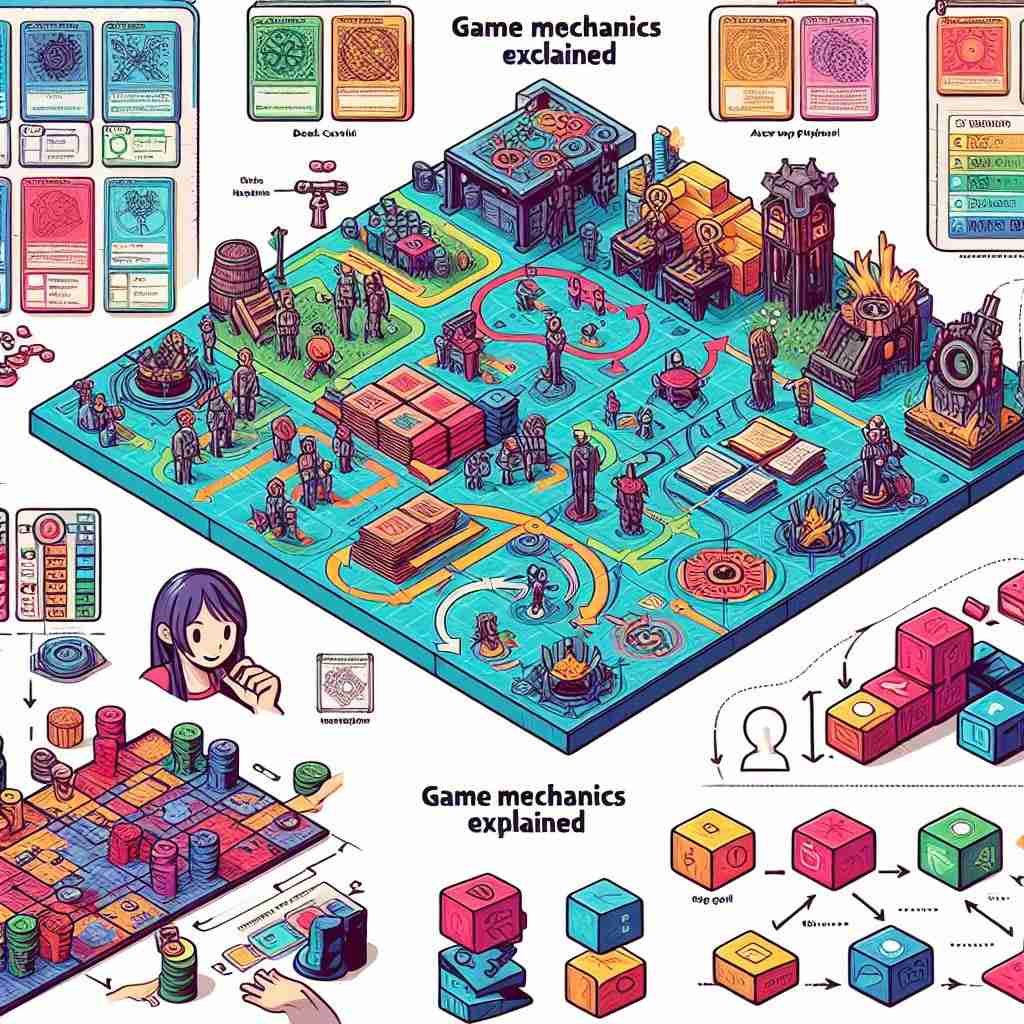
Imagine sitting around a table, immersed in a board game. Each player’s move carries weight, each decision ripples through the game. The stakes rise, laughter, and tension build, as you navigate with your friends the labyrinth of choices that can lead to victory or defeat. In many ways, AI-driven decisions are not so different from that. They are intricate games that involve strategy, foresight, and perhaps even a little luck. Just like in board games, we face the challenge of fairness at every turn.
When technology steps in to help us make decisions—from hiring to loan approvals—it feels like introducing a new player to the table. We hope this new player will play fair, but without the right measures in place, it might behave more like a mischievous trickster. Algorithms can betray the biases of their creators, tipping the scales against the very people they are meant to help. That’s why we have to act, to ensure that fairness is woven into the very fabric of these technologies.
First, we need to embrace transparency. Just like in our friendly board game, where everyone knows the rules, AI systems should be designed to be understandable. These algorithms need clarity so that we can question, challenge, and understand their decisions. Use accessible language and lay bare the logic, so no one feels left in the dark, grappling with the frustrations of uncertainty.
Next, engage diverse voices in the development process—stakeholders who represent a kaleidoscope of experiences and perspectives. By inviting everyone to the table, we guard against blind spots. Picture a board game where players have unique backgrounds each contributing to strategy. This diversity enriches decision-making, making outcomes more representative and just.
Moreover, accountability must be prioritized. Keeping a watchful eye on AI systems is akin to a referee in our game, ensuring fair play. Systems must have clear mechanisms for assessment, feedback, and if necessary, revision. When mistakes happen—and they will—a culture of learning should take precedence over blame.
Lastly, let’s remember the social contract that binds us. Our collective responsibility is to protect the vulnerable. If an AI-driven decision disproportionately disadvantages a group, we cannot stand idle, like spectators watching an unfair game unfold. We must champion fairness and equity, creating spaces for dialogue, critique, and proactive change.
By fostering an environment of trust and collaboration, we can navigate the complexities of AI-driven decisions together. After all, we’re not just players; we’re partners in this game of life, and fairness should be our ultimate victory.
How Can We Ensure Fairness In AI-Driven Decisions?
How Can We Ensure Fairness In AI-Driven Decisions?
- AI-driven decisions resemble board games, involving strategy, foresight, and luck.
- Technology can act as a new player in decision-making, with potential for fairness or bias.
- Transparency is crucial; AI algorithms should be designed to be understandable and clear.
- Diverse voices should be included in the AI development process to prevent blind spots.
- Accountability in AI systems must be prioritized, with mechanisms for assessment and learning.
- We must protect vulnerable groups from unfair AI-driven decisions, championing fairness and equity.
- Trust and collaboration are essential in navigating the complexities of AI decisions together.

How Can We Ensure Fairness In AI-Driven Decisions?
Are We Trusting AI too Much with Important Choices?
Imagine a family gathering around a board game, laughter bouncing off the walls, eyes wide with anticipation. Each player brings their own strategies, hopes, and a hint of competitiveness to the table. But what if, instead of friends and family, you had to rely on an AI algorithm to guide your decisions? The game shifts entirely. The stakes, once about points or pride, now extend into the very fabric of our lives—healthcare, finance, even personal relationships.
We’ve reached a juncture where AI wields a powerful influence, much like the game master who can change the rules at any moment. Take a moment to consider that: who do we want at the helm when critical decisions are at stake? It can be tempting to trust these digital minds, cloaked in data and designed to predict outcomes with impeccable precision. There’s a certain allure there, like the thrill of landing on a lucky draw in that board game—riding the high of unexpected fortune can lead us down a perilous path.
The beauty of the human experience lies in its messiness. We navigate through ambiguity, empathy, and intuition. AI lacks the capacity for moral judgment. When it crunches numbers, it does so devoid of context, relationships, or compassion. Think about your own life decisions, the moments forged in the crucible of choice, the evolution from mere data to deeply personal stories. Can we afford to replace this nuanced understanding with cold calculations that may overlook our core values?
Consider the narratives of lives changed by artificial intelligence—mistakes made on the basis of recommendations devoid of human sensitivity. Personal stories resonate with us; they remind us that behind every statistic is a heartbeat, a family, a life intertwined with hope and consequence.
As we march forward into this uncharted territory, let’s not abandon our intuition, our gut feelings that often guide us through murky waters. Rather than allowing technology to make our choices, we should strive for a partnership—a symbiosis where human insight complements AI capabilities. It’s about harnessing the best of both worlds, leveraging technology while anchoring our decisions in the heart and soul of what it means to be human. It’s not about trusting AI blindly; it’s about seeing it as a tool—not a replacement—and ensuring our humanity remains at the forefront of our most important choices.

Are We Trusting AI too Much with Important Choices?
Are We Trusting AI too Much with Important Choices?
- Family gatherings around board games illustrate human interaction, strategy, and competition.
- AI algorithms influence critical life decisions in areas like healthcare, finance, and relationships.
- AI acts like a game master, altering decision-making rules and raising questions about trust and control.
- While AI offers precise predictions, it lacks moral judgment, context, and compassion.
- Personal narratives highlight the importance of human sensitivity in decision-making over cold data.
- We should maintain our intuition and emotional insight in the face of technological advancement.
- Strive for a partnership between human insight and AI, using technology as a tool without losing our humanity.

Are We Trusting AI too Much with Important Choices?
What Stories Illustrate the Dangers Of AI-Assisted Cheating?
Cheating has always had its champions and its consequences, but when artificial intelligence steps onto the stage, the stakes rise dramatically. Imagine a young student, sitting at a desk, a board game of knowledge spread before them. Each move relies on a deeper understanding of the game’s strategy. But instead of grappling with the nuances of the material, they lean on an AI tool, feeding it questions and receiving instant answers that don’t require any real effort. It’s like playing a board game against someone who writes all the rules, tipping the scales in their favor without breaking a sweat. The thrill of the game fades, replaced by hollow victories and a false sense of accomplishment.
The real narrative here isn’t just about an individual student. It’s about a generation of learners whose sense of integrity and hard work may be twisted by the allure of easy shortcuts. The ethical implications run deep; when we rely on smart technology to outsmart the very essence of learning, we risk losing the core values that bind our society—honesty, accountability, and perseverance. Think about it for a moment. When we use AI to cheat, we’re not simply gaming the system; we’re cheating ourselves out of genuine growth and understanding.
This issue doesn’t just touch the mind—it strikes at the heart. Imagine the disappointment in a parent’s eyes when they discover their child isn’t developing grit, resilience, and the grit needed to tackle real-world challenges. Such traits aren’t just buzzwords; they’re the bedrock of trust in any community. When we bypass struggle, we bypass the chance to truly connect and grow, both as individuals and as a society.
Take a second to consider the authority figures—teachers, mentors, and parents. When they see AI stepping in as the crutch for learning, they’re left questioning their ability to guide and inspire. We must foster an environment that combines technology with tradition, enabling students to learn efficiently without losing their way through the fog of quick fixes.
As we stand at this crossroads, let’s choose to reclaim that board game of knowledge. Let’s inspire students to be the players in their own lives, embracing the hustle, the grind, and all the valuable lessons learned along the way. The challenge is steep, but perhaps the climb is exactly what we need.

What Stories Illustrate the Dangers Of AI-Assisted Cheating?
What Stories Illustrate the Dangers Of AI-Assisted Cheating?
- AI in education raises the stakes of cheating and undermines genuine learning.
- Students relying on AI for answers miss the opportunity to engage with material deeply.
- The allure of easy shortcuts can erode integrity and core values like honesty and perseverance.
- Using AI to cheat deprives students of personal growth and understanding.
- The impact of cheating extends to families, affecting traits like resilience and grit in children.
- Teachers and parents may feel their roles are compromised by AI tools in learning.
- We should blend technology with traditional learning methods to inspire students to embrace challenges.

What Stories Illustrate the Dangers Of AI-Assisted Cheating?
How Does AI Influence Our Understanding Of Honesty?
As we navigate the tangled web of digital interactions and social media, the lines between honesty and deception often blur with the help of artificial intelligence. Imagine sitting around a table playing a board game. Every move you make, every card you draw, hinges on trust. In that moment, your understanding of honesty is not just about rules; it’s about the bonds of shared experience, accountability, and the human spirit. This is much like our relationship with AI, which, on one hand, has the potential to nurture and enrich our understanding of truth, but on the other, can manipulate that very concept in unprecedented ways.
At its core, honesty is a pillar of society—an ethical standard that lets us build relationships with each other and with ourselves. But when AI chimes in, analyzing behaviors and generating content, we must ask ourselves: who is defining honesty? Is it the algorithms that feed off our data, aiming to predict our preferences and behaviors, or is it still rooted in our collective human experience? This question nudges us to consider the authority we grant these systems. Do we trust them to guide our values, or do we retain the responsibility to ensure that honesty remains a human-centric endeavor?
Picture the stories we tell to each other—banking on experiences of vulnerability and shared triumph. These narratives form the very tapestry of our understanding of each other, but what happens when an artificial intelligence becomes part of the storytelling? Can it genuinely feel the weight of honesty, or does it simply mimic what it has assimilated from us? This is where connection comes into play; we must recognize that honesty is not just a static definition but a living, breathing norm that evolves as we do.
We face a challenge: To cultivate a culture where AI enhances our understanding of honesty rather than distorting it. Let’s embrace the opportunity to hold conversations about ethics, data transparency, and the implications of AI-driven decisions. By doing so, we are not just navigating a digital landscape but, in many ways, participating in a grand social experiment that can redefine trust and authenticity.
So, take a step back and reflect. Consider how you engage with technology. Are you a passive player, or will you be an active participant in redefining honesty for a new age? The choice is yours, and the stakes couldn’t be higher. Embrace the conversation and let’s shape the future together.

How Does AI Influence Our Understanding Of Honesty?
How Does AI Influence Our Understanding Of Honesty?
- The interplay of digital interactions and social media blurs the lines between honesty and deception, influenced by artificial intelligence.
- Trust is foundational in relationships, similar to the dynamics in a board game, where honesty involves shared experience and accountability.
- AI can enhance our understanding of truth, yet it also poses a challenge by manipulating the concept of honesty.
- Honesty, as a societal pillar, raises questions about who defines it when AI generates content and analyzes behavior.
- Our stories and shared experiences are crucial to understanding honesty, but the role of AI in storytelling complicates this understanding.
- There is a challenge to foster a culture where AI contributes positively to our understanding of honesty and ethics.
- Engagement with technology is key; individuals must choose to actively participate in redefining honesty in the digital age.

How Does AI Influence Our Understanding Of Honesty?
Can AI Make Our Lives Easier Or Compromise Our Integrity?
Imagine sitting around the kitchen table with your family, engaging in a lively board game, each laugh echoing the warmth of connection. Now, imagine that same table, but instead of sharing stories and strategies with those you love, you’re glued to a screen, letting algorithms and artificial intelligence dictate your next move. That’s the dilemma we’re facing today. Can AI genuinely enhance our lives, or is it eroding the very fabric of our interactions?
At first glance, AI seems to be a modern marvel, a tool designed to make mundane tasks effortless and to free us from the shackles of time-consuming chores. But as we embrace this technology, we must pause and consider the potential cost. Does outsourcing our decisions and creativity compromise our integrity? Once we let machines step in, how do we ensure our human touch remains? Think about it like a board game. The rules might be clear, but the real joy comes from the unpredictability of human instinct and emotion, the anticipation in the air as you watch your loved ones strategize or celebrate a victory.
Yet, we are at a crossroads. The rise of AI presents us with choices that not only challenge our minds but also tug at our heartstrings. We live in an age where convenience often overshadows connection, and the ethical implications are becoming impossible to ignore. We hear stories of equipment taking the place of skilled workers, and it stirs something deep—an uncertainty about our value as human beings in a world increasingly ruled by algorithms.
As consumers, we must arm ourselves with knowledge and discernment. We need to cultivate relationships with the technology we choose to adopt. Ask questions, voice concerns, and demand transparency. Engage in conversations that matter, not just around the dinner table but in our communities. Bring back the human element that AI could easily overshadow. When we rally for ethical AI, we foster an environment that champions creativity, preserves our integrity, and ultimately, strengthens human connection.
Engage your mind, listen to your heart, and trust your gut. Make choices that reflect who you are and who you want to be. Embrace the advancements of AI, but let’s remember the essence of our humanity. After all, life’s most memorable moments happen not just through advancing technology but through the bonds we forge and the stories we share together.

Can AI Make Our Lives Easier Or Compromise Our Integrity?
Can AI Make Our Lives Easier Or Compromise Our Integrity?
Here’s a bulleted summary formatted as an HTML list:
- AI presents a dilemma: enhancing life or eroding human interaction.
- It appears as a modern tool for convenience but poses potential costs.
- Outsourcing decisions to AI may compromise our creativity and integrity.
- The unpredictability of human emotion and instinct is vital to experiences like board games.
- AI rises at a time when convenience often outweighs genuine connection.
- Consumers should be informed and demand ethical transparency from technology.
- Embrace AI advancements while prioritizing human relationships and shared experiences.

Can AI Make Our Lives Easier Or Compromise Our Integrity?
Conclusion
The family game night—a time for laughter, connection, and the thrill of competition—embodies our shared humanity. But as artificial intelligence weaves itself into the fabric of our everyday lives, we must confront a pivotal question: Are we sacrificing the integrity of these cherished moments for a fleeting advantage? It’s tempting to let AI tip the scales in our favor, boosting our decision-making and enhancing our skills during a friendly match. However, these so-called victories come at a cost, eroding the very essence of what makes our games worthwhile: the camaraderie, shared triumphs, and meaningful interactions that form the backbone of our relationships.
At the heart of this convo lies a crucial ethical dilemma. We ought to consider the values and lessons we’re imparting, particularly to younger generations who may view shortcuts as acceptable methods of achieving success. When we prioritize instant gratification and algorithmic assistance over effort and integrity, we risk imparting a hollow understanding of accomplishment. Cheating, facilitated by technology, shatters trust and builds a foundation of disconnection that ripples through our society.
Imagine a future where empathy and moral reasoning are overshadowed by cold algorithms—a world where relationships are measured in data points rather than raw human experience. With AI increasingly influencing decisions in matters of import, we must not hand over the reins entirely. We should engage with AI as a partner, utilizing its strengths while ensuring that our human instincts remain in control.
Fairness plays a pivotal role in this dialogue regarding technology and ethics. Just as rules govern our beloved board games, so must transparency and accountability govern AI systems. By embracing diversity and community voices in technology development, we can safeguard against biases that muddle the playing field.
Ultimately, the stakes are high. We must decide the legacy we want to forge. As technology rapidly evolves, we face an opportunity—not just to shape AI but to cultivate a culture that prioritizes human connection and moral integrity. We need to rally around the shared table of life, reinforcing the bonds of honesty, empathy, and understanding. Let’s embrace the challenges presented by AI, identifying ways to amplify our humanity rather than diminish it. After all, the true victory lies not in the score at the end of the game but in the moments we create and the bonds we strengthen along the way.

Conclusion
Conclusion:
- Family game night embodies laughter, connection, and competition, reflecting our shared humanity.
- The introduction of AI raises a critical question about sacrificing cherished moments for competitive advantages.
- Using AI in games may lead to hollow victories, jeopardizing camaraderie and meaningful interactions.
- An ethical dilemma emerges regarding the values imparted to younger generations about shortcuts and success.
- Cheating enabled by technology can erode trust and create disconnection in relationships.
- Fairness and accountability are essential in the development of AI, paralleling the rules of board games.
- We must shape technology to enhance human connection, prioritizing empathy and moral integrity over data-driven decisions.

Conclusion
Other Resources
Other Resources
Here is a list of other resources you can review online to learn more:
- Nemesis
- Puerto Rico (with two expansions)
- Bezier Games
- Small World
- EverythingBoardGames.com
- Cards Against Humanity
- Bridge
- Santorini
- The Board Game Family
- Asyncron
- Clank!: A Deck-Building Adventure
- AEG (Alderac Entertainment Group)
- Plaid Hat Games
- Uno
- deviantART
- Mansions of Madness: Second Edition
- Kosmos
- Dominion: Intrigue (Second Edition)
Use This Prompt To Get More Resources With Your Favorite Online AI Tool: Please provide me with a list of online articles with their URLs in a bulleted list that I can read regarding The Cheating Debate – When AI Tips the Dice

Other Resources
Glossary Terms
The Cheating Debate – When AI Tips the Dice – Glossary Of Terms
1. AI (Artificial Intelligence): Computer systems designed to perform tasks that typically require human intelligence, such as problem-solving and decision-making.
2. Cheating: The act of dishonestly gaining an advantage, often by breaking rules or obtaining unauthorized assistance.
3. Ethics: A set of moral principles that guide behavior and decision-making, especially regarding right and wrong in academic and professional contexts.
4. Integrity: Adherence to moral and ethical principles; honesty in conduct, particularly academic integrity in educational settings.
5. Plagiarism: The act of using someone else’s work or ideas without proper attribution, often considered a form of cheating in academia.
6. Automation: The use of technology, particularly AI, to perform tasks without human intervention, which can simplify processes but may lead to ethical dilemmas.
7. Integrity Violations: Actions that undermine trust or ethical standards, particularly in academic or professional environments.
8. Academic Dishonesty: Any form of cheating or unethical behavior that occurs in an educational setting, including plagiarism and cheating on exams.
9. Competency: The ability to perform tasks effectively, often seen in the context of assessing an individual’s skills and knowledge without external assistance.
10. Bias: A preference or inclination that affects judgment, which can influence how AI systems make decisions or analyze information.
11. Fairness: The quality of being free from bias or injustice, particularly important in ensuring equitable treatment in both education and AI applications.
12. Access: The ability to obtain or make use of resources, knowledge, or technology, which can impact learning opportunities in the context of AI use.
13. Disruption: The process of challenging or changing existing methods and practices, especially through innovative technologies like AI.
14. Responsibility: The obligation to act ethically and accountably, particularly when utilizing AI tools in education or professional settings.
15. Transparency: The quality of being open and clear, often necessary for understanding how AI operates and its implications on equity and ethics.
16. Data Privacy: The right to control personal information and keep it secure from unauthorized use, crucial when using AI technologies.
17. Validation: The process of checking or proving the accuracy and reliability of data or AI outputs, essential for maintaining trust in systems.
18. Critical Thinking: The ability to analyze and evaluate information logically and systematically, a skill potentially diminished by reliance on AI tools.
19. Assessment: The process of evaluating a learner’s knowledge or skills, which can be skewed by the use of AI in cheating scenarios.
20. Digital Divide: The gap between individuals who have access to modern information technologies and those who do not, impacting educational equity.
21. Intervention: Actions taken to improve a situation, often used in educational contexts to address issues like cheating facilitated by AI.
22. Collaboration: Working together to achieve shared goals, often disrupted by cheating, especially when AI tools are misused.
23. Engagement: The level of involvement and interest a student shows in their learning, which may wane if AI is over-relied upon for assignments.
24. Instructional Design: The practice of creating effective educational experiences, which can be challenged by the implications of AI in learning outcomes.
25. Authenticity: The quality of being genuine, particularly regarding student work and assessments, crucial for maintaining academic standards.
26. Accountability: The obligation to accept responsibility for actions, important in debates around the misuse of AI in cheating.
27. Examination Security: Measures taken to ensure the integrity of assessments, increasingly challenged by advanced AI technologies.
28. Learning Objectives: Goals established for what students should know or be able to do after completing a course or program, which could be compromised by cheating.
29. Technological Literacy: The ability to effectively use technology, which is essential for navigating the complex landscape influenced by AI.
30. Consequences: The outcomes or repercussions of actions, particularly related to cheating, impacting students, educators, and institutions.

Glossary Of Terms
Other Questions
The Cheating Debate – When AI Tips the Dice – Other Questions
If you wish to explore and discover more, consider looking for answers to these questions:
- What are the long-term effects of AI on family dynamics during game nights?
- How can players establish rules around the use of AI in games?
- What examples exist of AI-assisted cheating impacting education or sports?
- Are there any studies on the psychological effects of using AI in competitive scenarios?
- How can parents discuss the ethical implications of AI with their children?
- What steps are being taken to address biases in AI algorithms?
- How can humor and creativity be preserved in gaming as AI becomes more prevalent?
- What technologies exist to provide transparency in AI-driven decisions?
- How does culture influence perceptions of cheating and fairness in AI usage?
- What alternative approaches to AI might enhance decision-making while preserving human agency?

Other Questions
Haiku
The Cheating Debate – When AI Tips the Dice – A Haiku
AI whispers through games,
Tipping scales of trust and heart,
Fair play fades, we lose.

Haiku
Poem
The Cheating Debate – When AI Tips the Dice – A Poem
In a cozy room where laughter rings,
Games unfold with the joy that friendship brings.
Family gathered ’round, spirits high,
Yet shadows loom as tech whispers by.
AI sneaks in, a clever new friend,
Promising wins, but at what cost, in the end?
The thrill of fair play, slipping from sight,
As shortcuts emerge in the flickering light.
Victory sweet, yet hollow in taste,
Trust eroded, moments misplaced.
What lessons are learned when machines lead the way?
Integrity dims, and values decay.
Imagine a child, knowledge in reach,
But the struggle for wisdom, AI can breach.
With every answer that comes without fight,
The essence of growth fades, lost in the night.
Behind every data, a heartbeat once strong,
Trust in a neighbor, where we all belong.
As algorithms weave their intricate game,
We must stand firm, or risk bearing the shame.
Let’s unite at the table, hand in hand,
Where choices are heavy, and connections stand.
A future we forge needs our human touch,
Let compassion guide us; it matters so much.
So together, we ponder, reflect, and decide,
In this world of AI, let empathy be our guide.
For life’s richest moments occur when we share,
Trust, honesty, and love, in the breath of fresh air.

Poem
Checklist
The Cheating Debate – When AI Tips the Dice – A Checklist
AI and Cheating: A Heart, Head, and Gut Checklist
Emotional Appeals
_____ Reflect on the joy of shared experiences during game night. How can you prioritize genuine interaction over technological shortcuts?
_____ Consider the emotional impact of cheating on relationships. What values do you wish to instill in your children regarding honesty and integrity?
Rational Appeals
_____ Examine the effectiveness of AI in enhancing gameplay. Is this truly beneficial, or does it undermine the essence of friendly competition?
_____ Evaluate the consequences of AI decisions in your life. Are you comfortable with the potential biases that algorithms may carry?
Ethical Appeals
_____ Think about the moral implications of using AI for an unfair advantage. What message does this send about hard work and fair play?
_____ Reflect on your responsibility to protect the integrity of human connections in an increasingly digitized world.
Authority Appeals
_____ Seek insights from experts and leaders in technology and education about the role of AI. What are they saying about its ethical use?
_____ Follow credible sources that discuss the consequences of AI on moral values and personal discipline.
Narrative Appeals
_____ Share stories about how AI-assisted cheating can lead to a hollow sense of achievement. What lessons can be learned from these narratives?
_____ Explore personal anecdotes related to trust and honesty in your life. How can these stories encourage deeper conversations about technology’s impact?
Social Appeals
_____ Engage in discussions about the use of AI within your community. How can collective dialogue foster a sense of responsibility towards ethical technology?
_____ Collaborate with family and friends to create guidelines for using technology in ways that respect tradition and connection. What can these agreements look like?
Use this checklist to guide your reflections and decisions surrounding the ethical implications of AI in gaming and beyond, always prioritizing authenticity, connection, and integrity.

Checklist
At BestBoardGameNews, we help people who love board games by collating information and news about board games.
Be sure to read our other related stories at BestBoardGameNews to learn more about board games.