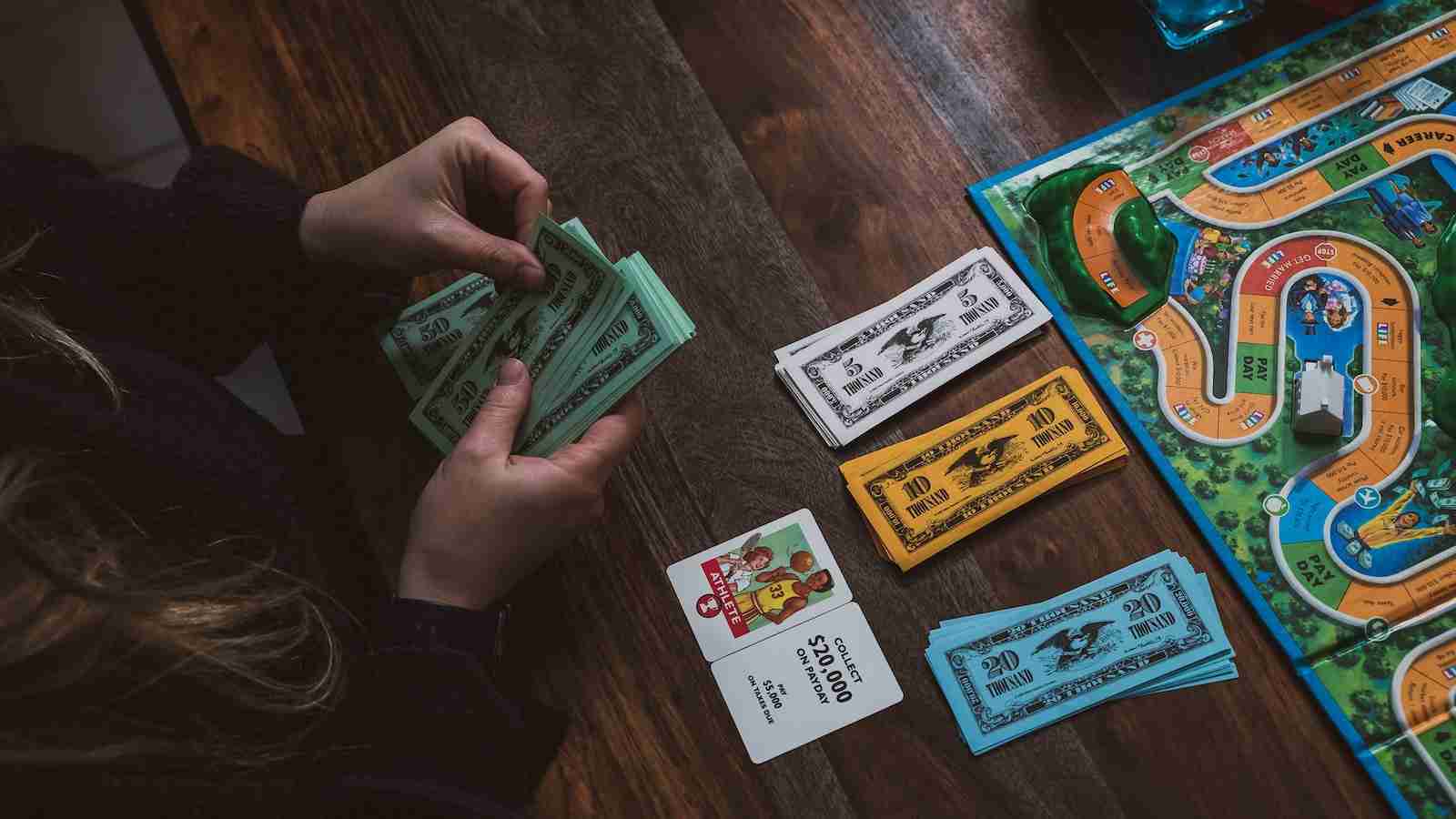
Unlocking Learning Potential Through Board Gaming
By Tom Seest
At BestBoardGameNews, we help people who love board games by collating information and news about board games.
Be sure to read our other related stories at BestBoardGameNews to learn more about board games.
What Makes Board Gaming a Revolutionary Educational Tool for Families?
So, let’s dive into the magical realm of the board game, where every player is an explorer navigating uncharted territory, and the family table transforms into a vibrant landscape of challenges and triumphs. You might think board games are just a way to pass the time, but they’re so much more—they’re a powerful educational tool that families can rally around.
Imagine sitting down together, the buzz of laughter in the air as pieces are shuffled, cards are drawn, and strategies are formulated. It’s not just about winning or losing; it’s about connection. Board games cultivate teamwork, teaching our kids to communicate and collaborate in a way that no classroom ever could. From negotiating in a game of diplomacy to formulating a plan in a cooperative adventure, these experiences build essential skills that your child will carry with them far beyond the dinner table.
Now, let’s talk about critical thinking and problem-solving. Give a child a problem to solve with a board game, and what do they do? They strategize, they hypothesize, and they learn to adapt in real time. It’s a live-action lesson in resilience. When the dice don’t roll in their favor, they learn that every setback is just a setup for a comeback. This dynamic teaches them that life doesn’t always go according to plan, but how they handle it makes all the difference.
Then, there’s the beautiful blend of creativity and storytelling that many games offer. Families can craft narratives together, breathing life into roles and adventures that inspire imagination. This isn’t just fun; it’s a gateway to developing literacy skills as they read rules, write down scores, or even create their own rules. Who knew that a simple board game could stimulate critical literacy development while bringing families closer together?
As we immerse ourselves in this shared experience, we foster an environment of trust and confidence. Kids learn that they can express ideas and thoughts freely, and parents can step back to let their little ones lead. It’s an incredible opportunity for both growth and bonding.
So, if you’re looking to revolutionize your family’s educational journey, look no further than the board game. It’s not just a game; it’s an adventure filled with lessons waiting to be explored. Grab a board game, gather your loved ones, and let the magic unfold. You’ll be amazed at what a little rolling of dice can teach!

What Makes Board Gaming a Revolutionary Educational Tool for Families?
What Makes Board Gaming a Revolutionary Educational Tool for Families?
- Board games transform family gatherings into vibrant landscapes of challenges and triumphs.
- They serve as powerful educational tools that promote connection and teamwork among family members.
- Games teach kids essential communication and collaboration skills through interactive play.
- Children engage in critical thinking and problem-solving, learning to adapt and strategize in real time.
- Board games foster creativity and storytelling, enhancing literacy skills through reading and writing activities.
- Playing together builds an environment of trust and confidence, allowing kids to express their ideas freely.
- Board games offer an adventure filled with lessons that can revolutionize family education and bonding.

What Makes Board Gaming a Revolutionary Educational Tool for Families?
Table Of Contents
- What Makes Board Gaming a Revolutionary Educational Tool for Families?
- What Benefits Do Board Games Offer For Family Bonding?
- How Can Board Games Enhance Critical Thinking Skills?
- What Role Does Board Gaming Play In Fostering Communication?
- Are There Specific Board Games That Promote Teamwork?
- How Do Board Games Help With Problem-Solving Skills?
- What Age Groups Benefit Most From Educational Board Games?
- How Can Parents Choose The Right Board Games For Learning?
- Conclusion
- Other Resources
- Glossary Of Terms
- Other Questions
- Haiku
- Poem
- Checklist
What Benefits Do Board Games Offer For Family Bonding?
When you gather around a table with your family and that trusty old board game graces the surface, something magical happens. It’s not just a nostalgic nod to simpler times; it’s a rich opportunity for connection, conversation, and a bit of friendly competition. Imagine this: the game pieces scattered around, the sound of laughter echoing off the walls, and the playful banter bridging gaps that life’s hectic pace can sometimes create. This isn’t just about rolling dice or moving tokens; it’s about building relationships that matter.
Board games take us back to an age where screens didn’t dictate our connection. They put us in the same room, relying on nothing but our wits, strategy, and the people we hold dear. In a world buzzing with digital distractions, those simple cardboard squares and wooden pieces become our lifeline. As you strategize your next move, you’re not just moving closer to victory; you’re deepening bonds that can grow fragile without this intentional time together.
Engaging in a board game sparks not only competitiveness but also cooperation. Many modern games encourage teamwork, making everyone feel like a crucial part of the action. This is where the magic really lies—families learn to work together, support one another, and celebrate shared victories. It’s a beautiful metaphor for life; you learn to navigate challenges as a team, face setbacks together, and savor the wins with your favorite people.
The stories that arise from game night are priceless. There’s laughter over that time Aunt Sue accidentally flipped the Monopoly board, and discussions evolve reminiscing about funny moments from previous games. These shared anecdotes are what families are built on. A board game creates new stories, while weaving together threads from the past.
And let’s not forget the valuable lessons tucked within each game. Problem-solving skills, negotiation tactics, patience, and even a bit of math emerge naturally as players vie for the win. These experiences enrich your family’s intellectual toolkit while enhancing emotional connections.
So gather your loved ones, dust off that board game, and let the challenges begin. These games aren’t just about competition; they’re about bonding, creating memories, and reminding us that sometimes the best moments come from sitting together—engaged, challenged, and connected.

What Benefits Do Board Games Offer For Family Bonding?
What Benefits Do Board Games Offer For Family Bonding?
- Board games foster connection, conversation, and friendly competition among family members.
- They bring families together in a screen-free environment, enhancing relationships.
- Engaging in board games encourages both competitiveness and cooperation, helping families work as a team.
- Game nights create priceless stories and shared memories that strengthen family bonds.
- Playing board games teaches valuable life skills such as problem-solving, negotiation, and patience.
- They serve as a reminder of the importance of intentional time spent together.
- Ultimately, board games are about bonding, creating memories, and enjoying each other’s company.

What Benefits Do Board Games Offer For Family Bonding?
How Can Board Games Enhance Critical Thinking Skills?
Let’s face it: we live in a fast-paced world where instant gratification reigns supreme. Phones buzz with notifications, social media distracts us at every turn, and quick fixes are the name of the game. But there’s something timeless about gathering around a table, dice in hand, ready to battle it out in a good ol’ board game. Not only do these games entertain, but they also foster a myriad of critical thinking skills that can spill over into everyday life.
When you sit down with friends or family to play a board game, you’re not just passing the time; you’re engaging your brain in a sophisticated dance of strategy and problem-solving. Take classics like Chess or Risk, for instance. Each move you make involves anticipating your opponent’s next steps, evaluating risks, and considering the long-term consequences of your actions. It’s like a mental workout, pushing you to think several moves ahead, honing your foresight and planning abilities. Think of it as a gym, but instead of lifting weights, you’re lifting your cognitive abilities.
But it’s not just the heavyweights that bring a boost to your critical thinking. Many multiplayer board games prompt you to negotiate, collaborate, or even outsmart your fellow players. In games such as Settlers of Catan or Werewolf, you’re constantly weighing options, assessing the motivations of others, and recalibrating your strategies based on new information. You might even find yourself becoming a human lie detector, tuning in to subtle cues and behaviors—key skills that extend far beyond the game board.
Let’s also talk about resilience. Not every game ends with your victory. Losing can sting, but it also offers valuable life lessons: reflection on what could have been done differently, adapting to setbacks, and developing grit in the face of adversity. In these moments, we grow not just as players but as people. It’s this combination of strategy, interaction, and emotional intelligence that makes board games a fertile ground for cultivating critical thinking skills.
So, next time you find yourself in front of a board game, remember: you’re not just having fun. You’re sharpening your mind, forging connections, and building a toolbox full of skills that will serve you well beyond game night. It’s an investment in your own mental agility—one move at a time. Now, who’s ready to roll the dice?

How Can Board Games Enhance Critical Thinking Skills?
How Can Board Games Enhance Critical Thinking Skills?
- Modern life is dominated by instant gratification and distractions, making traditional board games a refreshing alternative.
- Board games encourage critical thinking through strategy and problem-solving in a social setting.
- Games like Chess and Risk enhance foresight, planning, and risk evaluation with each move.
- Multiplayer games, such as Settlers of Catan and Werewolf, develop negotiation and collaborative skills.
- Playing board games sharpens skills like assessing motivations and reading subtle cues in others.
- Losing in games teaches resilience, reflection, and adaptability, fostering personal growth.
- Engaging in board games not only entertains but also enhances mental agility and builds valuable life skills.

How Can Board Games Enhance Critical Thinking Skills?
What Role Does Board Gaming Play In Fostering Communication?
Gather ‘round, folks, because the world of board gaming is more than just rolling dice and drawing cards. It’s a vibrant arena where communication takes center stage, and the lessons learned around the table can resonate far beyond the game itself. Picture this: a group of friends huddled together over a board game, the air thick with anticipation and laughter. In that space, ideas flow freely, strategies take shape, and connections deepen. But what’s really happening? Well, you’re witnessing the magic of communication in action.
When you engage in a board game, you’re not just a solo player; you’re part of an intricate dance of dialogue and decision-making. Whether you’re negotiating a trade or devising a plan to conquer the competition, every interaction is an opportunity to hone your communication skills. Think about it. You have to articulate your thoughts, actively listen to your opponents, and sometimes even read between the lines. It’s a lively back-and-forth that can strengthen bonds and encourage a richer understanding of each other’s perspectives.
In an era where face-to-face conversations can feel increasingly rare, board gaming provides a unique setting to bring people together. There’s something wonderfully ancient about gathering around a table, playing a board game, and simply enjoying one another’s company. It’s an immersive experience that fosters a sense of belonging. You can feel it when someone leans in, eyes sparkling with enthusiasm or uncertainty, as they share their next move. That simple act of speaking up creates a ripple effect; others chime in, offer advice, or even throw in a cheeky jab, all in the name of fun.
Moreover, board games are inclusive by nature. They invite players from diverse backgrounds into the same space, crafting opportunities for dialogues that might not happen in everyday life. It encourages empathy, as you can step into someone else’s shoes—even if just for a round or two. The lesson? Communication thrives when we step outside our comfort zones, and board gaming provides that platform with ease.
So, gather your friends, roll out that game board, and embark on an adventure that’s about more than just winning. Embrace the chance to connect, communicate, and perhaps even learn a thing or two about yourself and others along the way. Your next great conversation could be just a game night away.

What Role Does Board Gaming Play In Fostering Communication?
What Role Does Board Gaming Play In Fostering Communication?
- Board gaming emphasizes communication and teamwork beyond just gameplay mechanics.
- Playing a board game involves strategic dialogue, negotiation, and active listening.
- Games create a space for deepening friendships and understanding different perspectives.
- They serve as a rare opportunity for face-to-face interactions in today’s digital age.
- Board games cultivate a sense of belonging and community among players.
- They promote inclusivity, allowing players from various backgrounds to connect and engage.
- Game nights offer opportunities for self-discovery and meaningful conversations with friends.

What Role Does Board Gaming Play In Fostering Communication?
Are There Specific Board Games That Promote Teamwork?
When it comes to gathering friends or family around a table, there’s something timeless about the power of a Board Game. It’s a simple concept: a few pieces, some cards, a chance die, and a whole lot of camaraderie. But, not all games are created equal. Some are designed to test your strategy skills, others can turn friendships into furious rivalries. However, there are standout options specifically crafted to foster teamwork.
Imagine a room buzzing with laughter, the clatter of dice, and the thrill of shared victory. Games like “Pandemic” invite players to band together as a team on a mission to save humanity from infectious diseases. It calls for strategy and communication, drawing out strengths as players skillfully navigate through various challenges. Each decision made by one member can impact the whole group, creating a sense of connection that extends beyond the game board.
Then there’s “Forbidden Island,” where players work together to collect treasures while the island sinks beneath them. It’s not just about individual prowess; every move requires patience, planning, and open dialogue. You’ll find yourself earning a sense of kinship, sharing advice and cheers, building a bond over the rising tide and the race against time.
Of course, let’s not forget about “Escape: The Curse of the Temple.” In this real-time cooperative Board Game, you and your friends are frantically communicating, racing against the clock to escape the temple’s cunning traps. Sweat drips, hearts race, but amid the chaos, you share stories of narrow escapes and triumphant teamwork that will become cherished memories long after the game is over.
To truly experience the benefits of these games, don’t overthink it. Just dive in! Grab a few friends, pick a game, and let the laughter lead the way. Further, let’s face it: we live in a world that can feel overwhelmingly individualistic. Those moments around a Board Game—where everyone has a role, a voice, and a stake in the outcome—are a refreshing reminder that we’re all in this together.
So, whether it’s a rainy weekend or a cozy night in, dust off those Board Games that promote teamwork, and watch as great conversations unfold, unified effort flourishes, and trust is forged. After all, there’s something truly special about the magic of playing together.

Are There Specific Board Games That Promote Teamwork?
Are There Specific Board Games That Promote Teamwork?
- Board Games bring friends and family together through a simple yet engaging format.
- Different games cater to various play styles, from strategic challenges to friendly competitions.
- Games like “Pandemic” emphasize teamwork, strategy, and communication to overcome challenges.
- “Forbidden Island” encourages cooperation through treasure collection as the island sinks.
- “Escape: The Curse of the Temple” features real-time collaboration to escape from traps under time pressure.
- Playing these games fosters a sense of connection and kinship among participants.
- Board Games remind us of the importance of togetherness in an increasingly individualistic world.

Are There Specific Board Games That Promote Teamwork?
How Do Board Games Help With Problem-Solving Skills?
Let’s set the scene: a table, a few close friends, and a board game waiting to be unraveled. It’s not just a way to pass time; it’s the perfect laboratory for nurturing those essential problem-solving skills we all need. Picture this: each player takes their turn, not just rolling dice or moving pieces but engaging in a subtle dance of strategy and decision-making. Every choice can tip the scales, leading to success or utter defeat. It’s here—amidst laughter, groans, and the exhilarating tension of competition—that our minds get a workout.
Board games present challenges that mimic real-life obstacles. They require you to analyze information, think critically, and evaluate potential outcomes. When you’re forced to weigh the pros and cons of every move—whether to ally with a friend or sabotage a rival—you’re not just playing a game. You’re practicing a life skill that’s critical for personal and professional growth. And it’s not only about coming out on top; it’s about the journey of navigating through those twists and turns that cultivates resilience and adaptability.
Better yet, these games foster a rich environment for collaboration. In a world that often feels divided, sitting around a table can bring people together. As you confront challenges—in a game or in life—there’s an opportunity for open dialogue. Have you ever found yourself brainstorming with friends about the best way to tackle an obstacle? It’s a powerful reminder that two (or more) heads really are better than one. In sharing strategies and exploring different approaches, you learn to listen, negotiate, and adapt—all vital pieces of effective problem-solving.
Moreover, let’s not overlook the joy that comes with it. We live in an age where instant gratification reigns supreme, and often, the real rewards come from the grit of perseverance. Board games give you that sense of accomplishment, not just from winning but from overcoming challenges and working together with others. When you rise to the occasion, tackling unexpected hurdles, you build confidence. You start to realize that problem-solving isn’t some arcane art; it’s a skill that can be honed and refined, much like any other craft.
So next time you sit down for a game night, think beyond the entertainment. You’re engaging in a delightful exercise that sharpens your ability to solve problems while fostering connections. Who knew that a little cardboard and some dice could equip you with tools for life?

How Do Board Games Help With Problem-Solving Skills?
How Do Board Games Help With Problem-Solving Skills?
- Board games serve as a platform for developing essential problem-solving skills in a fun environment.
- Players engage in strategic decision-making, where each choice influences the game’s outcome.
- Challenges in board games mimic real-life obstacles, requiring critical thinking and analysis.
- Collaborating with friends during gameplay fosters open dialogue and enhances teamwork skills.
- Games teach valuable lessons in listening, negotiating, and adapting to different situations.
- Participating in board games leads to a sense of accomplishment and boosts confidence through problem-solving experiences.
- Game nights provide both entertainment and a unique opportunity to refine skills that are useful in life.

How Do Board Games Help With Problem-Solving Skills?
What Age Groups Benefit Most From Educational Board Games?
When we think of board games, we often picture families huddled around a table, laughter and friendly banter filling the air. But the truth is, the benefits of educational board games stretch far beyond mere fun; they are powerful tools for growth, discovery, and connection, regardless of age. So, who stands to gain the most from these delightful diversions? Let’s break it down.
Young Children (Ages 3-7)
At the youngest end of the spectrum, you’ll find the littlest learners. Board games designed for this age group often focus on basic skills like counting, color recognition, and problem-solving. These games turn abstract concepts into concrete experiences. Picture a bright, colorful game where kids race to the finish by identifying shapes or counting objects. It’s learning wrapped in an engaging package, and it lays a foundation that will foster a love for learning well into their school years. Plus, the social aspect teaches them about teamwork and patience—a critical skill for any future endeavor.
Tweens (Ages 8-12)
As kids enter their tween years, they’re not just trying to grasp concepts; they’re beginning to apply them. Here, educational board games often delve into strategy, critical thinking, and even creativity. Think about complex games that challenge players to solve puzzles or craft their own stories. These games are like a gym for the brain, giving tweens workouts in strategy, negotiation, and diplomacy—skills that are invaluable as they navigate the tumultuous waters of adolescence.
Teens (Ages 13-18)
Now, let’s not forget the teens. For this group, board games offer more than just a way to pass time; they can be rich learning experiences that reinforce academic content and foster social connections. Educational games focused on economics, history, or science can ignite passion and curiosity when traditional learning methods may fall flat. Engage them in a game that requires them to outwit their friends while tackling real-world concepts. It’s a lively arena for discussion and debate, where ideas are formulated, challenged, and defended.
Adults and Beyond
Lastly, it’s worth noting that the joy and benefits of educational board games aren’t limited to the young. Adults can engage in complex games that enhance cognitive skills and foster communication. Think of these gatherings as a brain-boosting retreat from our fast-paced digital lives, where laughter and learning weave together in a tapestry of shared experience.
So, whether you’re three or seventy-three, there’s a place for educational board games at the table, inviting you to learn, grow, and connect in a meaningful way. Grab a game and let the adventure begin!

What Age Groups Benefit Most From Educational Board Games?
What Age Groups Benefit Most From Educational Board Games?
- Educational board games offer benefits beyond fun, fostering growth and connection for all ages.
- For young children (ages 3-7), these games teach basic skills like counting, color recognition, and problem-solving.
- Tweens (ages 8-12) benefit from games that enhance strategy, critical thinking, and creativity, acting as a brain gym.
- Board games for teens (ages 13-18) reinforce academic content while fostering social connections and encouraging debate.
- Adults can also enjoy educational games, enhancing cognitive skills and communication in a fun environment.
- Board games create opportunities for learning and shared experiences, regardless of age.
- Everyone, from children to seniors, can engage in educational board games to learn, grow, and connect.

What Age Groups Benefit Most From Educational Board Games?
How Can Parents Choose The Right Board Games For Learning?
When it comes to nurturing a child’s love for learning, board games can be your secret weapon. But with the myriad of choices out there, how do you pick one that not only entertains but educates? Let’s embark on this journey together, armed with a few guiding principles to make the selection process as enjoyable as the game itself.
First off, think about the age range of your little ones. A board game for toddlers isn’t necessarily the right choice for a young teen. Look for games that are designed for their developmental stage. This helps ensure that the board game’s challenges spark curiosity without causing frustration. Remember, you want to engage young minds, not intimidate them!
Next, consider the skills you want to promote. Are you aiming for math skills, critical thinking, or maybe even creativity? Many modern board games come with educational themes woven into their fabric. For instance, a game challenging players to solve puzzles can sharpen problem-solving abilities, while those involving strategy may bolster critical thinking. As you browse through the options, ask yourself, “What do I want my child to gain from this experience?” The right board game will have clear educational benefits wrapped in fun.
Now, let’s face it, your child’s interest is crucial. Involve them in the selection process. Take them to the store, share stories about your favorite board games from your own childhood, and encourage them to explore what catches their eye. When kids have a say in their learning tools, they’re more likely to engage wholeheartedly. Plus, this offers a wonderful opportunity for bonding—remember those cherished moments when you sat around the table, laughter ringing through the air?
Don’t overlook the social aspect, either. Board games can be an incredible way to foster teamwork and communication. Seek out games that encourage collaboration, as these will teach valuable lessons about working together while still engaging their competitive instincts. Learning doesn’t have to be a solo venture. It can—and should—be a shared experience.
Lastly, don’t shy away from online reviews or community recommendations. Trust the wisdom of other parents navigating the same waters. Engage in forums, read blogs, and ask friends about their experiences with specific board games. It’s all about building a community around learning—and what better way than through the engaging world of board games?
So roll the dice, flip the card, and know that with each choice, you’re not just selecting a board game; you’re crafting a memorable learning adventure for your child. Happy gaming!

How Can Parents Choose The Right Board Games For Learning?
How Can Parents Choose The Right Board Games For Learning?
- Board games can effectively nurture a child’s love for learning.
- Choose games appropriate for the child’s age to avoid frustration and spark curiosity.
- Consider the skills you want to promote, such as math, critical thinking, or creativity.
- Involve your child in the selection process to enhance their interest and engagement.
- Look for games that foster teamwork and communication to teach collaborative lessons.
- Utilize online reviews and community recommendations to make informed choices.
- Each game chosen offers a unique and memorable learning adventure for your child.

How Can Parents Choose The Right Board Games For Learning?
Conclusion
So here’s the deal: board gaming isn’t just a way to kill time; it’s a bona fide treasure chest of educational gems waiting to be discovered. As families gather around the table, laughter fills the air and conversation flows like a well-timed punchline in a sitcom. In this vibrant atmosphere, those pieces and cards become tools for building connections that matter—a far cry from the solitary scrolling through screens that captivates our lives today.
When you dive into a board game, it’s not just dice rolling. You’re drafting kids who are navigating the maze of teamwork, communication, and collaboration. Think about it—through negotiation in a diplomacy game or strategizing in a co-op mission, those young minds are learning how to communicate effectively. That’s essential stuff they’ll carry with them long after the game pieces have been put away.
And let’s talk critical thinking. Board games teach kids to analyze, strategize, and problem-solve in real-time. When that dice roll doesn’t go their way, they learn resilience—the art of bouncing back and adapting when life serves up a curveball. Each setback isn’t just a loss; it’s a lesson in grit, an opportunity to build character.
Creativity thrives around the gaming table too. Picture crafting an epic story with family members, breathless in a world of imagination—turning an ordinary night into a whirlwind of literary inspiration. That’s right; it’s not just a game; it’s a stepping stone to literacy development—the art of reading and writing tucked neatly inside a fun framework.
Moreover, there’s something truly magical about the kind of trust that forms around the table. When kids can express their strategies and ideas, and parents take a step back, something beautiful unfolds. It’s profound growth sewn into the fabric of family bonding.
So, the next time you’re trying to figure out how to foster connections, celebrate teamwork, and bolster critical thinking skills, consider heading straight for the board game shelf. Each roll of the dice isn’t just a game move—it’s an exploration of life’s lessons that are waiting to unfold. Let the adventure begin!

Conclusion
Conclusion:
- Board gaming serves as an educational tool, fostering valuable skills beyond mere entertainment.
- Family gatherings around board games promote laughter, conversation, and meaningful connections.
- Games enhance teamwork, communication, and collaboration among players, especially kids.
- Board games facilitate critical thinking, teaching kids to analyze, strategize, and problem-solve.
- Players learn resilience by adapting to setbacks, viewing them as opportunities for growth.
- Board gaming nurtures creativity and literacy development through collaborative storytelling.
- Playing together strengthens family bonds and builds trust as kids share strategies and ideas.

Conclusion
Other Resources

Other Resources
Here is a list of other resources you can review online to learn more:
- Pandemic Legacy: Season 2
- Dominion: Seaside (Second Edition)
- Days of Wonder
- Watch It Played
- Pandemic Legacy: Season 1
- Wizards of the Coast
- Amigo Spiele
- Robinson Crusoe: Mystery Tales Expansion
- VK
- Spirit Island
Use This Prompt To Get More Resources With Your Favorite Online AI Tool: Please provide me with a list of online articles with their URLs in a bulleted list that I can read regarding What Makes Board Gaming a Revolutionary Educational Tool for Families?

Other Resources
Glossary Terms
What Makes Board Gaming a Revolutionary Educational Tool for Families? – Glossary Of Terms
1. Board Game: A tabletop game that involves pieces, cards, or a board with a defined path or strategy, usually requiring players to follow specific rules to reach a goal.
2. Cognitive Development: The process of acquiring intelligence and problem-solving abilities, often stimulated by activities like board gaming that involve critical thinking and strategy.
3. Social Skills: Abilities that facilitate interaction and communication with others, which can be enhanced through collaborative or competitive board games.
4. Family Bonding: The process of strengthening relationships among family members, which can be fostered through shared experiences in board gaming.
5. Problem Solving: The ability to analyze situations and find solutions, a skill that many board games encourage through challenges and obstacles.
6. Critical Thinking: The objective analysis and evaluation of an issue in order to form a judgment, often practiced in games that require strategic planning.
7. Empathy: The ability to understand and share the feelings of others, which can be developed in cooperative games that require teamwork and understanding different perspectives.
8. Communication Skills: The capacity to convey information effectively, which is essential for discussing strategies and making decisions in board games.
9. Turn-Taking: A game mechanism that promotes patience and respect among players, teaching children the importance of fairness and sharing.
10. Strategic Thinking: The ability to devise and implement a plan to achieve a goal, a key component of many board games that challenges players to think ahead.
11. Engagement: The act of participating actively in an activity, which board games can provide through immersive storytelling and interactive play.
12. Motivation: The drive to achieve or accomplish a goal, often spurred by the rewards and achievements found in board games.
13. Educational Value: The benefits gained from an activity that enhance learning outcomes, which can be realized through the diverse themes and mechanics of board games.
14. Critical Reflection: The process of thoughtfully considering the outcomes of decisions made during gameplay, fostering deeper learning.
15. Creativity: The ability to think outside the box, an essential skill that can be stimulated by games that require innovative strategies or storytelling.
16. Role-Playing: Taking on the persona of a character within a game, which can enhance empathy and social understanding among family members.
17. Cognitive Load: The amount of mental effort being used in the working memory, which can be managed and developed through engaging gameplay mechanics.
18. Conflict Resolution: The methods and processes involved in facilitating the peaceful ending of conflict, a skill practiced during competitive or cooperative board games.
19. Leadership Skills: Abilities that help individuals direct and guide others, often practiced in games that require one player to lead a team or group.
20. Inclusivity: The practice of including diverse participants in activities, which many board games promote by accommodating various skill levels and backgrounds.
21. Goal Setting: The process of identifying specific objectives and planning to reach them, commonly inherent in gameplay where players strive towards victory.
22. Numeracy Skills: The ability to understand and work with numbers, often integrated into board games that involve counting, probability, or scoring.
23. Time Management: The ability to use one’s time effectively, practiced in games that have time constraints or require players to prioritize actions.
24. Attention Span: The length of time a person can concentrate on a task, which can be improved through the immersive nature of well-designed board games.
25. Deduction: The process of reasoning from the general to the specific, often a critical skill in games that require players to infer information from clues.
26. Cultural Awareness: Understanding and being respectful of different cultures, which can be explored through themed games that celebrate diversity.
27. Emotional Regulation: The ability to manage emotions in various situations, which can be trained through the highs and lows of competitive gameplay.
28. Persistence: The ability to continue striving towards a goal despite challenges, encouraged through games that reward determination.
29. Memory Skills: Capabilities related to the storage and retrieval of information, often engaged through games that require players to remember information.
30. Interactive Learning: A hands-on approach to education that involves active participation, a key aspect of board gaming that facilitates engagement and retention of knowledge.

Glossary Of Terms
Other Questions
What Makes Board Gaming a Revolutionary Educational Tool for Families? – Other Questions
If you wish to explore and discover more, consider looking for answers to these questions:
- What are some specific board games that are recommended for young children?
- How do board games compare with other educational tools in terms of effectiveness?
- Can playing board games improve emotional intelligence in children?
- What age groups find board games most enjoyable?
- How do different types of board games impact learning outcomes differently?
- Are there board games designed specifically for special needs children?
- What are the best strategies for introducing board games to family game night?
- How can parents create a board game library for educational use?
- Are there any online resources for finding educational board games?
- What role do board games play in digital literacy compared to traditional literacy?
- How can board games be integrated into homeschooling curricula?
- Do board games encourage independent thinking in children?
- What are some tips for facilitating discussions about learning experiences after playing board games?

Other Questions
Haiku
What Makes Board Gaming a Revolutionary Educational Tool for Families? – A Haiku
Gathered at the table,
Laughter rolls like the dice—
Learning through our play.

Haiku
Poem
What Makes Board Gaming a Revolutionary Educational Tool for Families? – A Poem
A Game of Learning: A Family’s Delight
Gather ’round the table, a wondrous sight,
In the realm of board games, where minds take flight.
With each roll of the dice, connections arise,
Laughter fills the air, beneath the family skies.
Not just a pastime, but a lesson in disguise,
Teaching teamwork and language, as each player tries.
Through negotiation and strategy, skills start to grow,
In a world where relationships flourish, as kindness flows.
Critical thinking blooms in the midst of the game,
Resilience builds in losses; no two games are the same.
Imaginations ignite in stories shared anew,
Crafting narratives together, where creativity can brew.
From little ones learning, to teens finding their way,
Games become teachers, while they laugh and they play.
A bridge across ages, each piece with a role,
Fostering bonds that enrich the soul.
Problem-solving navigates through life’s tricky maze,
With every choice made, wisdom lights up the gaze.
Communal conversations spark amidst the fun,
Building empathy and trust, as old barriers are undone.
So dust off those games, let the magic unfold,
In a world so fast-paced, let the stories be told.
For in the heart of family, when playing together,
Board games are treasures, enriching forever.

Poem
Checklist
What Makes Board Gaming a Revolutionary Educational Tool for Families? – A Checklist
Checklist: Unlocking Learning Potential Through Board Gaming
This checklist will help you maximize the educational benefits of board gaming for your family. Use it to choose games wisely, enhance learning experiences, and foster family bonding!
Before Playing: Choosing the Right Board Game
1. Age Appropriateness:
_____ Ensure the game is suitable for the age range of your children.
2. Skills to Promote:
_____ Identify the specific skills or subjects you want to enhance (e. g. , math, critical thinking, creativity).
3. Child’s Interest:
_____ Involve your child in selecting the game. Let them choose based on what excites them.
4. Social Interaction:
_____ Look for games that encourage teamwork and communication among players.
5. Research Reviews:
_____ Check online reviews or ask friends about their experiences with specific games.
During Gameplay: Enhancing the Experience
6. Encourage Communication:
_____ Foster dialogue by asking questions and discussing strategies openly.
7. Promote Teamwork:
_____ If playing a cooperative game, emphasize collaboration and shared decision-making.
8. Set Learning Goals:
_____ Before starting, identify what you hope to learn or improve through the game.
9. Reflection:
_____ After the game, discuss what strategies worked well and what could be improved.
After Playing: Reinforcing Skills
10. Discuss Life Lessons:
_____ Relate experiences from the game to real-life scenarios (e. g. , resilience in losing).
11. Create Stories:
_____ Encourage family storytelling based on the adventures or outcomes from the game.
12. Frequent Game Nights:
_____ Schedule regular board game nights to build on skills and strengthen family bonds.
13. Explore New Games:
_____ Keep rotating different games to cover a variety of skills and keep the experience fresh.
Fun Additions: Game Night Enhancement
14. Establish Game Traditions:
_____ Create specific themes or rotations (e. g. , “History Game Night” or “Strategy Saturdays”).
15. Snacks and Treats:
_____ Make game nights special with themed snacks or treats to enhance the fun atmosphere.
16. Celebrate Small Wins:
_____ Acknowledge and celebrate everyone’s achievements during the game for positive reinforcement.
Final Thoughts: Making It Last
17. Continuous Learning:
_____ Encourage children to explain the rules or strategies of new games they learn.
18. Adaptive Approach:
_____ Be open to adjusting rules or game mechanics for different skill levels and discussions.
19. Emphasize Fun:
_____ Remember that the primary goal is bonding and enjoying each other’s company above all.
By utilizing this checklist, you can turn board game sessions into invaluable learning experiences that strengthen family ties while developing essential skills. Happy gaming!

Checklist
At BestBoardGameNews, we help people who love board games by collating information and news about board games.
Be sure to read our other related stories at BestBoardGameNews to learn more about board games.