

Level Up Your Family Game Nights
By Tom Seest
At BestBoardGameNews, we help people who love board games by collating information and news about board games.
Be sure to read our other related stories at BestBoardGameNews to learn more about board games.
What Strategies Make Family Game Nights More Fun?
Family game nights can feel like a weekly highlight, but they don’t just happen by accident. It takes a bit of intention and some clever strategies to keep the good times rolling and the laughs plentiful. So, grab your snacks and let’s dive into what makes a game night truly memorable.
First off, the choice of your Board Game can make or break the evening. It’s easy to default to the classics—Monopoly, anyone?—but variety is the spice of life! Mix it up by introducing new games that cater to all ages and skill levels. The goal is inclusivity, so whether you’re playing a strategy game or something light-hearted, everyone should have a chance to engage. Have all family members pitch in by selecting a game each week; this simple act not only fosters excitement but also assures that no one feels left out.
Next, set the stage for success. Create a warm and inviting atmosphere. Dim the lights, crank up some upbeat background music, and scatter snacks and drinks around the table. When the room feels cozy, you invite conversation and connection—two key ingredients in any great game night recipe. Don’t forget to let your creative side shine; if you have a theme night—like a taco Tuesday or a cozy winter wonderland—you’re doing more than just playing a game; you’re creating an experience that everyone can rally around.
But what about the elephant in the room? Losing. No one likes to lose, but how we handle it can shape the tone of the evening. Encourage lighthearted banter, and make sure everyone understands that the goal is to have fun—not just to win. Celebrate small victories and graceful defeats alike! Reinforce the idea that cheering each other on, regardless of the game outcome, is what makes you a family.
Lastly, don’t forget the power of tradition. Reinventing your game nights with new rules or challenges can add a layer of excitement. Maybe you introduce a time-limit on decision-making or add mini-challenges for extra points. The key is to make it dynamic. Remember, it’s not just about the game; it’s about the connections made around the table. So, gather your crew, pick a board game, and let the fun unfold!

What Strategies Make Family Game Nights More Fun?
What Strategies Make Family Game Nights More Fun?
- Family game nights require intention and clever strategies for success.
- Choose a variety of board games that cater to all ages and skill levels to ensure inclusivity.
- Involve all family members in selecting games each week to enhance excitement and engagement.
- Set a cozy atmosphere with dim lighting, upbeat music, and snacks to encourage conversation and connection.
- Handle losing with grace, promoting fun over competition and celebrating both victories and defeats.
- Incorporate traditions by reinventing game nights with new rules or mini-challenges for added excitement.
- Focus on the connections made around the table, as game nights are about family bonding and fun.

What Strategies Make Family Game Nights More Fun?
Table Of Contents
- What Strategies Make Family Game Nights More Fun?
- What Games Are Best For Family Game Nights?
- How Can I Include Everyone In Play?
- What Are Some Fun Snacks For Game Night?
- How Do I Set The Right Mood For Game Night?
- What Time Is Best To Start Family Game Nights?
- How Can We Encourage Friendly Competition?
- What Role Does Team Building Play In Games?
- Conclusion
- Other Resources
- Glossary Of Terms
- Other Questions
- Haiku
- Poem
- Checklist
What Games Are Best For Family Game Nights?
When it comes to family game nights, the real prize isn’t in winning; it’s in the laughter, connection, and a little healthy competition that ensues. Imagine a cozy living room, a gently flickering lamp casting warm shadows, and the lively chatter of family members sharing stories while the anticipation of the next roll of the dice hangs in the air. Choosing the right games is crucial to transforming a mundane evening into a memorable soirée. So, let’s dive into some inviting options that are sure to spark joy.
First on the list is the classic Board Game. There’s something timeless about gathering around a well-loved board, where each family member has their own quirky strategies and sneak attacks. Whether it’s Monopoly, Scrabble, or Clue, each game brings its unique flavor to the table. For those who love a bit of whimsy, you can’t go wrong with games like Ticket to Ride or Codenames. These games are like a warm hug from an old friend, with just the right amount of challenge to keep everyone engaged.
Now, let’s not forget about the cooperative games that encourage teamwork. Pandemic and Forbidden Island fit the bill perfectly. Here, players unite against the game itself, strategizing together for the common good. These games promote communication and collaboration, building camaraderie that lasts beyond the tabletop.
If you’re looking for something that fires up a bit of friendly rivalry, consider party games like Pictionary or Telestrations. These games break down barriers with bursts of creativity and laughter. Picture this: your aunt trying to draw a “cat” with all the artistic finesse of a toddler, while your cousin guesses, “an alien riding a bicycle.” Hilarity ensues, and before you know it, everyone is bonding over shared amusement.
For families with younger children, age-appropriate games are a must. Think about classics like Candy Land or Connect 4. They are easy to understand and provide a perfect launching pad for little ones to learn about taking turns and fair play without feeling overwhelmed.
Ultimately, the best games for family game nights are the ones that resonate with your family’s unique vibe. They should invite everyone to unwind, connect, and even argue a little—because isn’t that what family is all about? Dust off that old Board Game from the shelf or explore new titles, and take a chance to create lasting memories. After all, the best moments often unfold around a game board. So grab those snacks, roll the dice, and let the fun begin!

What Games Are Best For Family Game Nights?
What Games Are Best For Family Game Nights?
- Family game nights focus on laughter, connection, and healthy competition.
- Choosing the right games enhances the experience and transforms evenings into memorable occasions.
- Classic board games like Monopoly, Scrabble, and Clue offer timeless fun with personal strategies.
- Cooperative games such as Pandemic and Forbidden Island foster teamwork and collaboration.
- Party games like Pictionary and Telestrations encourage laughter and creativity among family members.
- Age-appropriate games like Candy Land and Connect 4 are ideal for younger children, promoting fair play.
- The best games resonate with the family’s vibe, creating lasting memories and connections.

What Games Are Best For Family Game Nights?
How Can I Include Everyone In Play?
Have you ever sat down for a game night and realized there’s someone in the room who’s sitting on the sidelines? It’s a familiar scene, one that can happen all too easily when the focus shifts to the loudest voices or the most experienced players. But here’s the kicker: play is for everyone, and including every single person can transform a typical game night into an experience filled with laughter, connection, and shared stories. So how do we make sure no one feels like an outsider?
Start by choosing a Board Game that caters to diverse interests and skill levels. There are plenty out there, from strategic masterpieces to light-hearted fun, and the right choice can be a game-changer. Look for games with simple rules and a short learning curve; something that encourages participation rather than intimidation. It’s the sweet spot where everyone can thrive, regardless of their prior experience.
Next, consider the players. Each person brings their own flavor to the table—different backgrounds, competitive spirits, and, yes, even varying comfort levels under pressure. Begin your game with a warm welcome, creating a space that invites questions and ideas. If someone seems hesitant, engage them in conversation about their favorite games or childhood experiences. It’s amazing how a shared memory or an inside joke can lay the groundwork for a stronger connection.
As the game progresses, actively involve everyone. This doesn’t mean bulldozing the quiet ones or letting the chatterboxes take the reins. Encourage teamwork by mixing up teams or assigning roles that allow quieter members to shine. Everyone should feel like they have a part to play—whether it’s strategizing the next move or cheering when someone lands a lucky roll.
Don’t forget the power of encouragement. A simple cheer or a playful jab can break the ice and make all the difference. When others see their efforts recognized, it fosters a sense of belonging. Remind everyone that winning isn’t everything; it’s the joy of being together, the shared laughter, and even the groans when someone makes a bold move that went spectacularly wrong.
So, as you gather around that table, remember this: the real victory lies not in who comes out on top, but in the connections forged and the smiles shared. Let’s make sure everyone gets in on the fun because, when it comes to play, there’s always room for one more.

How Can I Include Everyone In Play?
How Can I Include Everyone In Play?
- Game nights can often leave some participants feeling sidelined, especially if focus shifts to louder or more experienced players.
- Choosing inclusive board games that cater to varied interests and skill levels is essential for everyone to participate and enjoy.
- Look for games with simple rules and a short learning curve to promote participation and reduce intimidation.
- Create a welcoming environment by engaging all players and inviting conversations about their gaming experiences.
- Involve everyone during the game by mixing up teams and assigning roles to encourage teamwork and participation.
- Encouragement and recognition of players’ efforts foster a sense of belonging and enhance the overall experience.
- The true victory lies in the connections and shared experiences created during the game night, not just in winning.

How Can I Include Everyone In Play?
What Are Some Fun Snacks For Game Night?
What Are Some Fun Snacks for Game Night?
Ah, game night—the sacred ritual where strategy meets snack time. I don’t care if you’re a fan of board games, card games, or anything in between; one thing is certain: snacks are the unsung heroes of this nightly odyssey. We might be volleying insults or forming alliances over a table strewn with colorful game pieces, but let’s not kid ourselves—what keeps us going is that trusty bowl of goodies.
First up, let’s talk dips. Who doesn’t love a good dip? Think guacamole or a creamy spinach dip that beckons you in like a siren song. Lay out a spread of crunchy tortilla chips and fresh veggies so everyone can dive in. This isn’t just sustenance; it’s an invitation to loosen up, share a laugh, and, let’s be honest, fortify yourself for that fierce round of Monopoly where things can get a bit too “friendly.”
Then there are the classics: popcorn, pretzels, and nuts. Popcorn is versatile; you can dress it up with flavors like cheese, caramel, or even a dash of chili powder. With pretzels, there’s the salty crunch that always seems to draw everyone in, like moths to a flame. And let’s not forget the nut bowl—mix it up with almonds, cashews, and perhaps a few candy-coated gems for some sweetness.
For those who love to graze while keeping the game going, finger foods are a must. Mini sliders, stuffed mushrooms, or even a charcuterie board can elevate your game night to gourmet status without much fuss. These little bites will keep spirits high and bellies satisfied, allowing you to concentrate on who’s winning and who might just be bluffing.
And let’s not ignore the sweet side—it’s there to entice! Cookies, brownies, or a simple tray of fruit can provide a delightful distraction from your fierce competition. They can even be a game in themselves, like a bonus round for those brave enough to face off in a bake-off.
So, gather your friends, dust off those board games, and set the stage for a night of fun. Those snacks are more than just food; they’re the fuel that keeps the laughter—and the friendly rivalries—flowing. It’s all about bringing people together, creating memories, and making a little chaos along the way. Now go on, lay out the snacks, and let the games begin!

What Are Some Fun Snacks For Game Night?
What Are Some Fun Snacks For Game Night?
- Game night is a blend of strategy and snacks, essential for an enjoyable experience.
- Dips like guacamole and spinach dip are favorites, paired with tortilla chips and fresh veggies.
- Classic snacks include popcorn, pretzels, and a variety of nuts for easy munching.
- Finger foods like mini sliders, stuffed mushrooms, and charcuterie boards offer gourmet options.
- Sweet treats such as cookies, brownies, and fruit provide delightful distractions.
- Snacks are crucial in keeping the energy up and enhancing the competition’s spirit.
- Gather friends and snacks to create memorable and chaotic game night experiences.
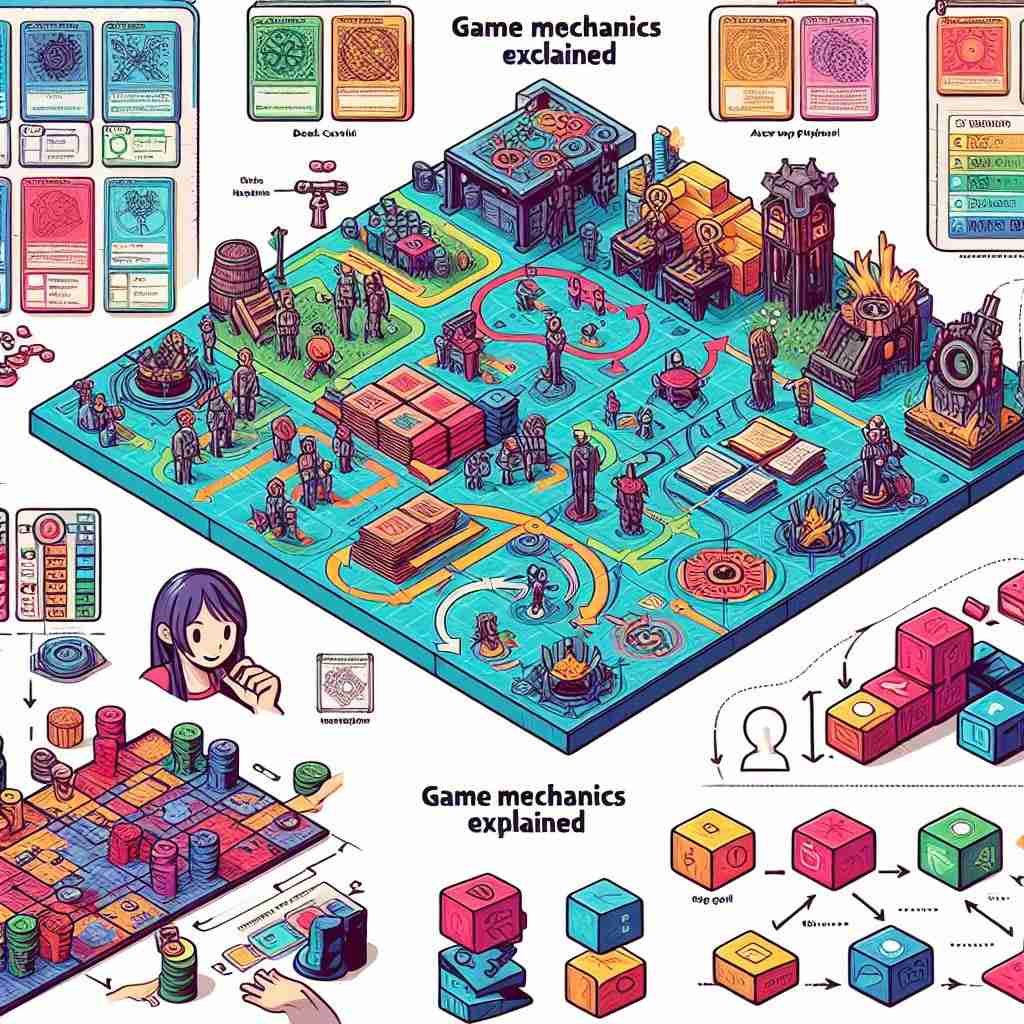
What Are Some Fun Snacks For Game Night?
How Do I Set The Right Mood For Game Night?
Alright, folks, let’s talk about game night—the one night of the week where adulting takes a backseat and fun takes the wheel. Whether you’re rolling dice in a multi-hour dungeon crawl or battling it out over a classic board game, setting the right mood can transform an ordinary evening into an unforgettable memory. So, let’s roll up our sleeves and dive into how you can create an atmosphere that delights and excites.
First things first: lighting. We all know how a well-placed dimmer switch can make the world feel more inviting. Don’t just flip on the overhead lights—opt for table lamps, fairy lights, or candles (if you’re feeling adventurous). Create a cozy, intimate space that draws everyone in, making them feel more like a team and less like an audience. Remember, this isn’t about putting on a show; it’s about building camaraderie.
Next, consider the ambiance through sound. A curated playlist can work wonders—think upbeat instrumentals or classics that energize the room without stealing attention from the game. You want that backdrop to enhance the fun, not drown it out. And if someone accidentally spills a drink during a particularly intense moment, you want seamless victory music, not silence to heighten the tension.
Now, let’s talk about the star of the show: the board game itself. Take a moment to choose a game that everyone can engage with—something that sparks friendly banter and invokes a bit of competitive spirit, but doesn’t drag on till midnight. After all, the goal isn’t just to play; it’s to laugh, share stories, and maybe even start a little friendly rivalry. Consider setting up a tournament structure if you have a few options lined up, so even the games that don’t win the spotlight still add to the magic of the night.
And snacks—oh, the glorious snacks! A thoughtful spread can elevate the entire evening. Think bite-sized wonders that people can grab between turns; something crunchy, something sweet, and, if you’re feeling generous, maybe a themed snack to tie into the game itself. Trust me, it’s the little touches in flavor that keep the spirit alive.
Finally, invite authenticity. Set the tone early on by letting everyone know that winning isn’t the end goal—it’s about enjoying each other’s company. When everyone can relax and be themselves, you’ll see laughter, quirkiness, and maybe even a few unexpected friendships blossom—a perfect recipe for an unforgettable game night.

How Do I Set The Right Mood For Game Night?
How Do I Set The Right Mood For Game Night?
- Game night allows adults to unwind and enjoy fun activities together.
- Create inviting lighting with table lamps, fairy lights, or candles for a cozy atmosphere.
- A curated playlist of upbeat instrumentals can enhance the ambiance without distracting from gameplay.
- Choose engaging board games that encourage friendly banter and competitive spirit.
- Prepare a selection of bite-sized snacks that are easy to enjoy during gameplay.
- Emphasize the importance of enjoyment over winning to foster relaxation and camaraderie among players.
- Encourage authenticity and connection to create lasting memories and friendships.

How Do I Set The Right Mood For Game Night?
What Time Is Best To Start Family Game Nights?
When it comes to family game nights, timing is everything. Picture this: the table is set, snacks are at the ready, and that new board game you’ve been eyeing sits expectantly in the center like a gleaming prize. But before you dive headfirst into a night of competitive fun, let’s chat about when the best time to kick this off really is.
First, consider the hectic routines that fill our everyday lives. Between work, school, and weekend activities, it can feel like family members are ships passing in the night. To cut through this chaos and set the stage for bonding, aim for a day and hour when everyone can be present and engaged. Sunday evenings can be a sweet spot—when the world is winding down and you’re holding onto the last vestiges of the weekend. But that’s just one option; find what works for your family. There’s no one-size-fits-all here.
Then, factor in energy levels. Starting too late can turn the most enthusiastic board game night into a sluggish affair. I mean, who wants to play Monopoly with half-closed eyelids? Aim for a time when everyone is perked up, ideally after dinner but before the comfortable embrace of couch-and-TV syndrome takes hold. Think about beginning around 7 PM—late enough to get everyone around the table but early enough to avoid getting trapped in a ‘let’s finish this game’ marathon that stretches into midnight.
While you’re at it, don’t overlook the power of planning and anticipation. Notify the family a day or two ahead, building excitement and letting everyone block off time. There’s something about knowing a game night is on the horizon that can turn mundane routines into high-energy activities. Plus, each family member can ponder strategies for that board game, dreaming up tactics to take down Dad’s legendary poker face or Mom’s championship Clue-solving skills.
Finally, allow for flexibility. Maybe Friday is pizza night and everyone is drained after a long week. In that case, shift your game night to Saturday—a little sleep, relaxation, and the freedom from the Monday morning blues can give everyone the boost needed to participate fully.
While game night feels like just a few hours, it becomes so much more; it’s an opportunity—a chance to create memories that you’ll recall with joy long after the winners have been crowned. So grab that board game, rally the troops, and get ready to roll the dice on a great family tradition!

What Time Is Best To Start Family Game Nights?
What Time Is Best To Start Family Game Nights?
- Timing is crucial for successful family game nights.
- Choose a day when all family members can be present, with Sunday evenings being a popular option.
- Consider energy levels; starting the game night too late can dampen enthusiasm.
- Aiming for a start time around 7 PM can balance engagement with avoiding late-night marathons.
- Notify family members in advance to build excitement and allow them to prepare strategies.
- Be flexible with the game night schedule, adjusting based on the family’s energy levels and commitments.
- Family game night is more than entertainment; it’s a chance to create lasting memories together.

What Time Is Best To Start Family Game Nights?
How Can We Encourage Friendly Competition?
Alright, let’s dive into a little corner of life where competition doesn’t have to mean conflict—think of it like a neighborhood barbecue where the main dish isn’t a rivalry but a hearty helping of fun! Whether it’s over a board game or a friendly sports match, building a spirit of camaraderie can turn competition from something intimidating into something exhilarating.
First things first, let’s talk about the power of context. When setting the stage for friendly competition, it’s all about creating an inviting atmosphere where everyone feels at home. Imagine gathering your pals for a game night. The table is set with snacks, the laughter is flowing, and a board game is at the center, waiting to be explored. The key here is to emphasize the shared experience over the outcome. Encourage everyone to play not just to win, but to enjoy each other’s company. When folks are more focused on the thrill of the game and the shared stories that unfold, the competition quickly takes on a lighter, more enjoyable tone.
Then there’s the power of encouragement. When the stakes are all in good fun, the more you cheer on your competition, the more you elevate the experience for everyone involved. Instead of throwing fits when someone makes a smart move in that board game, consider how rewarding it is to acknowledge their cleverness. “Wow, I didn’t see that coming!” can transform the mood from tension to camaraderie. This not only builds trust around the table, but it also elevates the competition itself into a celebration of talent and skill.
Next, try mixing it up. Different formats can foster a sense of inclusivity. Consider team-based competitions where groups blend different skills and personalities. This not only encourages collaboration but also strengthens bonds as individuals work together toward a common goal. Who doesn’t love a little friendly rivalry when it’s wrapped in teamwork?
Lastly, remember to keep it light-hearted. Whether it’s a fleeting moment of triumph or a laughably poor move in a board game, remind each other that it’s perfectly okay to stumble. The best memories often arise from the unexpected—like that time someone aimed for victory but ended up declaring themselves the “King of the Kitchen” after a particularly impressive recipe failed spectacularly.
So when it comes to encouraging friendly competition, remember: It’s not about the fear of losing; it’s about fostering connections, sharing laughs, and creating an environment where everyone feels like a winner, even when they’re not. After all, in the grand scheme of things, it’s those shared moments that truly make the experience worthwhile.

How Can We Encourage Friendly Competition?
How Can We Encourage Friendly Competition?
- Competition can be fun and build camaraderie rather than conflict.
- Creating an inviting atmosphere is key for friendly competition.
- Focus on shared experiences rather than the outcome of the game.
- Encouragement enhances the experience and builds trust among players.
- Team-based competitions promote collaboration and strengthen bonds.
- Maintain a light-hearted tone, and embrace the unexpected moments.
- Ultimately, it’s about fostering connections and creating lasting memories.

How Can We Encourage Friendly Competition?
What Role Does Team Building Play In Games?
Picture this: a circle of friends, laughter echoing off the walls, a colorful board game sprawled out before you. Each piece, each roll of the dice, isn’t just a game—it’s an opportunity to strengthen bonds that may be tested in the real world. That’s the beauty of team building in games. It brings people together in a setting that thrives on connection, strategy, and, let’s not forget, a healthy dose of competition.
When you sit down to play a board game, you’re not merely pushing pieces around a grid; you’re engaging in a dance of cooperation and camaraderie. Whether you’re forging alliances or outsmarting your opponent, every move encourages communication. Have you ever noticed how a little rivalry can ignite a passion for teamwork? Suddenly, navigating the complexities of a game becomes a metaphor for life itself—one where collaboration can lead to overcoming challenges that might seem insurmountable.
Think about it: in a board gaming scenario, players often find themselves in each other’s shoes, literally and metaphorically. Each strategic discussion, every shared laugh, lays the groundwork for trust. You’re not just counting points; you’re building relationships that can extend beyond the kitchen table. Those moments of triumph and defeat create shared experiences, prime for lasting memories that stick with you long after the last piece is packed away.
Let’s not overlook the teaching moments, either. From planning strategies to managing resources, you develop critical thinking skills and learn the art of negotiation. And when the stakes are high—when the pressure’s on—you see who shines in the spotlight and who thrives in a supportive role. You learn not only about others but also about yourself, cultivating self-awareness that bolsters your confidence in any group setting.
So, what role does team building play in games? It’s a powerhouse of personal and collective growth. It breaks down barriers, shatters misconceptions, and fosters a spirit of cooperation. The next time you place the pieces on the board, remember: you’re not just engaging in play; you’re partaking in a profound journey of connection, trust, and resilience. Don’t underestimate the power of a simple game to shape your relationships and, perhaps, your entire outlook on teamwork—both on and off the board.

What Role Does Team Building Play In Games?
What Role Does Team Building Play In Games?
- Board games provide a setting for strengthening friendships through connection and competition.
- Playing games encourages cooperation and communication, fostering teamwork and alliances.
- Rivalries in games can enhance teamwork, turning challenges into life metaphors.
- Shared experiences during gameplay build trust and create lasting memories.
- Games offer teaching moments that develop critical thinking and negotiation skills.
- Players learn about themselves and others, increasing self-awareness and confidence.
- Team building through games promotes personal growth and breaks down barriers.

What Role Does Team Building Play In Games?
Conclusion
As we wrap up our exploration of what makes family game nights not only fun but unforgettable, let’s take a minute to appreciate the magic that happens when we gather around that table. This isn’t just about rolling dice or counting points; it’s where laughter, a bit of healthy competition, and those warm fuzzy feelings come together to create something truly special.
First off, choices matter. Whether you’re dusting off the classic Monopoly or diving into a new game everyone is buzzing about, selection is your first step to a memorable night. The beauty of game night lies in variety. Everyone should pitch in, and by allowing each family member a turn to choose, you ensure that no one sits on the sidelines. Make it exciting—the stories behind the games and the anticipation of what’s to come only add to the thrill!
Now, let’s talk atmosphere. I’m talking less “overhead lights” and more “cozy, inviting haven.” Dim the lights, put on some catchy tunes, and scatter those snacks like confetti. Whether it’s popcorn, dips, or some finger foods, a thoughtful spread keeps everyone nourished while elevating the experience. Remember, these snacks aren’t just sides—they’re part of the game night ambiance, keeping spirits high and appetites sated as you embark on this nightly adventure.
Equally important is the tone of the night. Games often invite rivalry, but it’s crucial to emphasize that it’s not about winning or losing. Lighthearted banter, cheering each other on for a clever move, and embracing both triumphs and blunders create a nurturing environment. The laughter shared over a missed win or a surprising strategy builds memories that linger long after the games are over.
And don’t underestimate the power of teamwork. When you engage with others, share strategies, and strategize together, you’re cultivating more than just game skills; you’re deepening connections. It’s in those moments of collaboration where bonds are strengthened, trust is built, and sometimes, even self-discovery occurs.
In the end, family game nights are a celebration of togetherness. With a little planning, creativity, and encouragement, you can weave laughter and connection into the very fabric of your family traditions. So grab those snacks, embrace the chaos, and remember—it’s not just about the win; it’s about the journey, the stories you’ll carry, and the memories that will warm your hearts for years to come. Now, let the games begin!

Conclusion
Conclusion:
- Family game nights create unforgettable memories through laughter and healthy competition.
- Choice of games is essential; involve everyone in selecting options to keep interest high.
- Creating a cozy atmosphere enhances the experience—dim lights, music, and snacks set the mood.
- Thoughtful snacks contribute to the night’s ambiance and keep everyone energized.
- The tone of the night should focus on fun rather than competition, fostering a supportive environment.
- Teamwork enhances connections, promotes collaboration, and strengthens family bonds.
- Ultimately, game nights celebrate togetherness, weaving laughter and memories into family traditions.

Conclusion
Other Resources

Other Resources
Here is a list of other resources you can review online to learn more:
- Betrayal at Baldur’s Gate
- Rio Grande Games
- Twilight Imperium (Fourth Edition)
- Pandasaurus Games
- Stonemaier Games
- Polygon
- The Opinionated Gamers
- Plaid Hat Games
Use This Prompt To Get More Resources With Your Favorite Online AI Tool: Please provide me with a list of online articles with their URLs in a bulleted list that I can read regarding What Strategies Make Family Game Nights More Fun?

Other Resources
Glossary Terms
What Strategies Make Family Game Nights More Fun? – Glossary Of Terms
1. Accessibility: The ease with which all family members can understand and participate in a game, considering factors like age and skill level.
2. Adaptability: The ability to modify rules or gameplay to accommodate different skill levels or preferences, making the game enjoyable for everyone.
3. Cooperation: Working together as a team in cooperative games, fostering teamwork and communication among family members.
4. Engagement: The level of interest and involvement players feel during a game, which can be enhanced by interactive and dynamic gameplay.
5. Inclusivity: Ensuring that all family members feel welcomed and valued during game night, regardless of their gaming experience or abilities.
6. Competition: The friendly rivalry that can add excitement to games but should be managed to maintain a positive and enjoyable atmosphere.
7. Game Variety: Incorporating a range of different types of games (board games, card games, video games) to keep the experience fresh and engaging.
8. Theme Nights: Organizing game nights around specific themes (like retro games or favorite movie themes) to add a unique twist to traditional game nights.
9. Icebreakers: Quick activities or games designed to help family members relax and get to know each other better, particularly if some members are less familiar.
10. Turn-taking: The practice of structured turns to ensure everyone gets a chance to play, helping maintain fairness and engagement.
11. Gamification: Introducing game-like elements (points, levels, challenges) into family activities to enhance engagement and motivation.
12. Preparation: Planning ahead with required materials and selected games so the evening flows smoothly and avoids delays or confusion.
13. Collaboration: Encouraging players to work together towards a common goal, enhancing family bonds and improving communication.
14. Scoring System: Establishing clear rules for how points are earned or awarded in a game, which can add strategy and excitement.
15. House Rules: Customized rules created by the family for specific games to make them more enjoyable or appropriate for the group’s dynamics.
16. Storytelling: Incorporating narrative elements into games to enhance immersion and make the experience more memorable and engaging.
17. Interactive Elements: Adding gameplay features that require active participation from all players, increasing engagement and fun.
18. Scheduling: Setting a regular time for game nights to create anticipation and consistency, making it a family tradition.
19. Snacks: Providing delicious treats during game night to enhance the experience and create a relaxed, social atmosphere.
20. Feedback: Open communication after games, discussing what worked well and what could improve the future game nights.
21. Breaks: Scheduling short breaks during longer game sessions to keep energy levels high and allow for socializing.
22. Customization: Allowing players to personalize aspects of the game (like character selection or board design) to enhance individual investment.
23. Social Media Sharing: Capturing memorable moments from game nights and sharing them online to celebrate fun experiences together.
24. Friendly Banter: Encouraging light-hearted jokes and teasing during gameplay to enhance camaraderie and keep things fun.
25. Mystery Element: Introducing surprises or twists in the game dynamics to keep players on their toes and maintain excitement.
26. Multi-Generational Games: Selecting games that appeal to all age groups, ensuring that grandparents, parents, and kids can all participate.
27. Prizes: Offering fun incentives or small rewards for game achievements or participation, adding an extra layer of motivation.
28. Communication: Maintaining open dialogue during games to enhance understanding, resolve disputes, and create a supportive environment.
29. Skill-building Games: Choosing games that promote cognitive, strategic, or physical skills for learning while having fun.
30. Reflection: Taking time at the end of the night to reflect on favorite moments or improvements for future game nights, deepening family connections.

Glossary Of Terms
Other Questions
What Strategies Make Family Game Nights More Fun? – Other Questions
If you wish to explore and discover more, consider looking for answers to these questions:
- What are some recommendations for choosing family-friendly board games?
- How can I create a more inclusive atmosphere during game night?
- What type of snacks cater best to different age groups?
- How can I incorporate themes into our game nights?
- Are there specific games that work better for different family sizes?
- What should I do if someone feels left out during game night?
- How can we handle disputes or disagreements during a game?
- Are there games that focus specifically on teamwork rather than competition?
- How can we make game night a regular family tradition?
- What are some creative ways to announce game night and build anticipation?

Other Questions
Haiku
What Strategies Make Family Game Nights More Fun? – A Haiku
Board games unite us,
Laughter fills the cozy room,
Connection, pure joy.

Haiku
Poem
What Strategies Make Family Game Nights More Fun? – A Poem
Game Night’s Recipe for Joy
Gather round, where laughter flows,
In cozy spaces, friendship glows,
With snacks laid out and spirits bright,
A world of wonder, our game night delight.
Choose the games, both new and old,
From Monopoly’s tales to Codenames bold,
Each player includes their favored play,
A touch of heart in every way.
Dim the lights and play a tune,
Let warmth embrace like a summer’s noon,
A theme to stir the creative muse,
Like Taco Tuesday or winter’s blues.
In friendly contests, victories small,
We cheer each other, embracing it all,
Fair play is the name, joy the goal,
As giggles and banter make us whole.
When someone’s shy, lift them high,
A welcoming smile, a gentle try,
Each voice matters, so let them speak,
In togetherness, we find what we seek.
Dips and sliders, a tasty spread,
Popcorn crunching as tension’s shed,
With sweet desserts to share the cheer,
Every bite draws us ever near.
Timing’s key, find the right hour,
For high energy, let laughter empower,
On Sunday evenings or weekends free,
Create a tradition, let connection be.
So roll the dice, let the games begin,
Where losing’s just a way to grin,
In every session, memories grow,
On this game board of life, let love overflow.

Poem
Checklist
What Strategies Make Family Game Nights More Fun? – A Checklist
Family Game Night Fun Checklist
Creating a memorable and engaging family game night is all about planning and participation. Use this checklist to ensure everyone enjoys the evening!
Game Selection
_____ Choose a variety of games suitable for all ages and skill levels.
_____ Encourage each family member to pick a game for the night.
_____ Include both competitive and cooperative games to mix things up.
Atmosphere
_____ Set up a cozy environment with soft lighting (think table lamps or fairy lights).
_____ Create a fun playlist that complements the mood without drowning out conversation.
_____ Add themed decorations if you’re having a theme night.
Involvement
_____ Select games with simple rules that promote participation from everyone.
_____ Begin with a warm welcome and encourage questions about the rules.
_____ Assign roles or mix up teams to involve quieter family members.
Snacks
_____ Prepare a variety of easy-to-eat snacks (dips, popcorn, pretzels, finger foods).
_____ Include healthy options like veggies and fruit along with sweeter treats.
_____ Make sure there are snacks themed around the games being played.
Timing
_____ Choose a start time that works for everyone, ideally after dinner around 7 PM.
_____ Plan game nights on days where everyone can be present, like Sundays or Saturdays.
_____ Give a heads up a day or two in advance to build excitement.
Encouragement & Competition
_____ Foster a light-hearted atmosphere emphasizing fun over winning.
_____ Cheer for clever moves and encourage light banter to keep the energy high.
_____ Remind everyone that it’s the shared experience and memories that truly matter.
Team Building
_____ Utilize games that promote teamwork and communication.
_____ Share strategies and collaborate during gameplay.
_____ Reflect on the joy of shared victories and learning moments.
Tradition & Flexibility
_____ Reinvent family game nights by trying new games, rules, or challenges.
_____ Remain flexible with the schedule if energy levels are low; adjust as needed.
_____ Establish family traditions around game nights to create lasting memories.
Use this checklist to create a fun-filled, inclusive, and memorable family game night experience! Happy gaming!

Checklist
At BestBoardGameNews, we help people who love board games by collating information and news about board games.
Be sure to read our other related stories at BestBoardGameNews to learn more about board games.


