

Choosing The Best Educational Games Made Easy
By Tom Seest
At BestBoardGameNews, we help people who love board games by collating information and news about board games.
Be sure to read our other related stories at BestBoardGameNews to learn more about board games.
What Tools Help Guide Educational Game Selection?
When it comes to selecting the right educational games, the right tools can make all the difference. Imagine standing at a well-stocked hardware store, surveying a wall of tools. It’s easy to feel overwhelmed, right? But every tool has its purpose. In the same way, choosing educational games requires some thoughtfulness and the right approach to find what fits your needs best.
First off, let’s talk about the classics—board games. These timeless treasures not only provide value in entertainment but also serve as rich, interactive learning experiences. A well-designed board game can engage students in critical thinking and collaboration, without the weighty pressure of traditional assessments. Look for games that align with curriculum goals or address specific skills. Need to enhance math skills? Consider a game that puts players’ calculations to the test in a friendly competition. The thrill of a little friendly rivalry can be a great motivator!
Next up, digital resources! Websites and apps are springing up like spring flowers. Platforms offering curated lists filter games based on age, subject matter, and skill level. With just a few clicks, you can uncover games that align closely with your educational objectives. These digital tools provide user reviews and ratings too. Sometimes, all it takes is a few honest opinions from other educators to steer you toward a gem—or away from a flop!
Don’t forget the power of community. Connecting with fellow educators through social media groups or forums can yield invaluable insights. Imagine sipping your morning coffee while scrolling through a wealth of first-hand experiences—game successes, flops, and even recommendations that come straight from the classroom trenches. Remember, you’re not in this alone! Collaborating with fellow educators can provide both inspiration and reassurance that you’re on the right track.
Finally, ensuring accessibility is crucial. Ask yourself: can all students engage with this game? Look for options that cater to varied learning styles or levels. Whether it’s a simple board game that requires no tech at all or an interactive online platform, inclusivity widens the circle of participation and enhances the overall learning environment.
So, gear up, explore the tools at your disposal, and dive into the wide world of educational games. With the right resources and a little creativity, you’ll not only find games that educate but also ones that inspire connection, collaboration, and a lot of fun along the way!

What Tools Help Guide Educational Game Selection?
What Tools Help Guide Educational Game Selection?
- Choosing educational games requires thoughtful consideration similar to selecting tools in a hardware store.
- Classic board games offer entertainment while fostering critical thinking and collaboration among students.
- Look for board games that align with curriculum goals or target specific skills, such as math enhancement through friendly competition.
- Digital resources, including websites and apps, provide curated lists filtering games by age, subject matter, and skill level.
- User reviews and ratings on digital platforms can guide educators in finding effective games.
- Connecting with the community through social media can provide valuable insights and recommendations from fellow educators.
- Ensuring accessibility for all students is vital; choose games that accommodate diverse learning styles and levels.

What Tools Help Guide Educational Game Selection?
Table Of Contents
- What Tools Help Guide Educational Game Selection?
- What Criteria Should I Use For Selecting Educational Games?
- Are There Recommended Platforms For Finding Educational Games?
- What Role Do Reviews Play In Selecting Educational Games?
- How Can I Involve Students In The Game Selection Process?
- What Features Make A Game Effective For Learning?
- How Do I Evaluate The Alignment Of A Game With Curriculum Standards?
- Can I Find Free Resources For Educational Game Recommendations?
- Conclusion
- Other Resources
- Glossary Of Terms
- Other Questions
- Haiku
- Poem
- Checklist
What Criteria Should I Use For Selecting Educational Games?
Let’s face it: choosing the right educational game can feel like navigating a minefield of colorful boxes and buzzwords. You want something that doesn’t just entertain but actually educates, right? So, how do you sift through the glitter and hype to find that hidden gem? Well, let’s break it down into some solid criteria, shall we?
First off, consider the target age group. A game that’s a hit with your ten-year-old might not resonate with your five-year-old, and vice versa. Educational value often hinges on engagement; the last thing you want is for your little learners to feel like they’re doing homework disguised as a game. So, when picking, make sure it speaks their language.
Next, look for games that offer clear learning objectives. You know those little nuggets of wisdom that stick with you long after they’ve been presented? That’s what you should be after—a game that not only engages but also imparts knowledge in a fun way. Whether it’s basic math, critical thinking, or even social skills, the game should have a clear goal that’s easy to grasp.
And let’s not forget flexibility. Great educational games come with the bonus of adaptability. Can it be played in large groups or just between two pals? Can it be easily modified for different skill levels? A game that allows for adjustment can grow with your learners, giving them room to stretch their minds without getting frustrated.
Of course, you can’t ignore quality. Look for a well-designed board game that feels sturdy, straightforward, and inviting—something you’re not worried about falling apart after a few plays. Great components can elevate the experience and keep enthusiasm high. If the game looks cheap, it might just end up collecting dust on the shelf.
Lastly, consider social interaction. Learning doesn’t happen in a vacuum. Games that encourage teamwork, healthy competition, and communication can reinforce lessons while building social skills. After all, what good is knowledge if you can’t collaborate and share it with others?
So, there you have it—some criteria to help you pick the right educational game. Embrace the process, enjoy the laughter, and remember: an engaged learner is a happy learner! The only thing better than gaining knowledge is doing so while having a blast!

What Criteria Should I Use For Selecting Educational Games?
What Criteria Should I Use For Selecting Educational Games?
- Choosing the right educational game requires careful consideration beyond just entertainment.
- Consider the target age group; games should resonate with the specific age of the learners.
- Look for games with clear learning objectives that are easy to grasp and fun.
- Flexibility is important; games should be adaptable for different group sizes and skill levels.
- Quality matters; choose well-designed games that are sturdy and inviting to maintain interest.
- Encourage social interaction; games should promote teamwork and communication to reinforce lessons.
- Enjoy the process; engaged learners find happiness in gaining knowledge through play.

What Criteria Should I Use For Selecting Educational Games?
Are There Recommended Platforms For Finding Educational Games?
Let’s face it, the idea of turning learning into a game might sound a bit quirky at first, but revelry and education have been best buddies for centuries. If you’re on a quest to unearth those hidden gems—or perhaps some tried-and-true classics—there are platforms aplenty where you can find educational games suitable for every age and interest. Think of it as setting off on a treasure hunt, where every click could lead to a new adventure in learning!
First off, the digital world is overflowing with options. Websites dedicated to educational resources, like Teachers Pay Teachers, offer a plethora of board games designed specifically for classrooms and home learning alike. Dive in, and you’ll find everything from mathematics challenges to language puzzles—all crafted to engage curious minds. Many of these resources are created by educators themselves, ensuring they’re not only fun but also aligned with educational standards.
Another fantastic platform is Education.com, which boasts an extensive library of games that provide the perfect blend of learning and play. These aren’t just your run-of-the-mill exercises; they’re interactive experiences that invite kids to explore new concepts through puzzles and challenges. Every game you find is a step toward making those lightbulb moments happen.
Don’t overlook the power of social media and community-driven platforms, either. Join parenting or educator groups on Facebook or Reddit to get the lowdown on what works. Odds are, many savvy parents and teachers have stumbled upon educational games that have transformed reluctant learners into enthusiastic participants. Recommendations from those in the trenches are often more valuable than any professional endorsement.
And let’s talk local! Your friendly neighborhood game store is another treasure trove worth checking out. Many establishments have special sections for educational board games and can offer firsthand recommendations suited to your needs. The great thing about a physical store is you can often see the games in action—watching kids engaged and having fun speaks volumes!
Ultimately, whether you’re searching online or in-store, let your instincts be your guide. The world of educational games is as vast as it is inviting. After all, when learning becomes a game, it becomes an adventure that not only entertains but also enlightens. So gather your players, roll the dice, and watch as the magic unfolds!

Are There Recommended Platforms For Finding Educational Games?
Are There Recommended Platforms For Finding Educational Games?
- The concept of merging learning with gaming has historical roots and fosters engagement.
- Many online platforms, like Teachers Pay Teachers, offer a variety of educational board games for different subjects.
- Education.com provides interactive games that help children explore new concepts through fun challenges.
- Social media and community groups on platforms like Facebook and Reddit are great for discovering popular educational games.
- Local game stores often have dedicated sections for educational games and provide hands-on recommendations.
- Whether online or in-store, utilizing personal instincts can enhance the search for engaging educational games.
- Learning through games transforms the process into an enjoyable and enlightening adventure.

Are There Recommended Platforms For Finding Educational Games?
What Role Do Reviews Play In Selecting Educational Games?
When it comes to choosing the perfect educational game, reviews are your trusty compass—always pointing you in the right direction. Picture yourself standing at the crossroads of fun and learning, surrounded by countless board games, each boasting dazzling colors and intriguing themes. The excitement is palpable. But how can you sift through the noise to find the real gems?
You see, reviews are like little nuggets of wisdom dropped by those who have tread the same path. They offer genuine insights into what works, what doesn’t, and whether a game can truly deliver on its promise to educate while entertaining. Just think back to when you were a kid, flipping through a catalog for a new toy. The glossy pictures were eye-catching, but what really mattered were the words from other kids who’d already played with it. You wanted to know if it was as fun as it looked. The same principle applies to educational games.
When you’re standing in the aisle of your local game store—or scrolling through lists online—don’t underestimate the power of a well-thought-out review. A review can highlight how engaging the gameplay is or point out the delightfully clever ways a game sneaks in those all-important learning moments. It can share personal stories of families gathered around the table, laughter echoing off the walls as kids engage with math or science concepts without even realizing it. That’s where the magic happens!
Moreover, reviews create a sense of community. They give you a voice; they make your interests known. You’re not just a parent or educator wandering around aimlessly, hoping to find something that “seems like it might work.” You become part of a larger dialogue—sharing victories, that delightful moment when your child finally grasps a tough concept, and yes, even the occasional misfires. We’ve all been there, right? That game that seemed perfect but turned out to be a slog? It’s all part of the journey.
So, when you’re on the hunt for educational board games, don’t overlook the myriad of reviews out there. They’re more than just opinions; they’re lighthouses guiding you through the fog of choices, helping you select games that will not only entertain but also inspire a love for learning in future generations. Dive in, read up, and let those collective experiences pave the way to some unforgettable playtime.

What Role Do Reviews Play In Selecting Educational Games?
What Role Do Reviews Play In Selecting Educational Games?
- Reviews serve as a guide for choosing quality educational games, helping to navigate between fun and learning.
- They provide insights into a game’s effectiveness in educating while entertaining.
- Personal experiences shared in reviews highlight how engaging gameplay can incorporate learning seamlessly.
- Reviews foster a sense of community, allowing parents and educators to share experiences and tips.
- They empower parents and educators by giving them a voice in the dialogue about educational gaming.
- Reading reviews helps refine choices, making it easier to find games that inspire a love for learning.
- Collective experiences detailed in reviews can lead to memorable and enjoyable playtime for families.

What Role Do Reviews Play In Selecting Educational Games?
How Can I Involve Students In The Game Selection Process?
Imagine walking into a classroom buzzing with energy, where students are not just sitting in rows but are actively participating in shaping their learning experiences. Believe it or not, one of the keys to fostering that kind of engagement is by involving students in the game selection process. After all, who knows better what sparks the imagination of your students than the students themselves?
Start by facilitating an open discussion that feels a bit like a brainstorming session. It’s essential to create an atmosphere where all ideas are welcome, from the tried-and-true classics to the latest indie sensations. Think about introducing a wide range of board games that cater to diverse interests and skill levels. You can kick things off by supplying a shortlist of potential games or even organizing a mini-exhibit showcasing different board games. Let students take the reins and explore them. By doing this, you’re appealing to their sense of curiosity, sparking excitement, and igniting a hunt for what ticks their boxes.
Next, consider implementing a voting system or a simple show of hands. After a week of exploration, ask them to rank their top three picks. This democracy in action not only fosters a sense of ownership but also builds community. When they choose the games, they become personally invested in the outcome. That’s where the real magic happens! Their enthusiasm will echo through the classroom as they dive into the game you’ve decided as a collective group.
You can also empower students by creating small groups or committees responsible for researching specific board games. They can delve into its mechanics, objectives, and themes, ultimately presenting their findings to the class. Not only does this encourage teamwork, but it also hones their critical thinking skills and allows them to practice persuasive communication.
Finally, remember to celebrate the choices that emerge. Whether the final selection is a fan favorite or something entirely new, make it a point to recognize the contribution of each student. Highlighting their engagement helps build confidence and trust in both you and their peers.
So, open those doors of collaboration and watch your classroom transform into a thriving hub of excitement and understanding — one board game at a time!

How Can I Involve Students In The Game Selection Process?
How Can I Involve Students In The Game Selection Process?
- Engagement in the classroom increases by involving students in the game selection process.
- Create a brainstorming atmosphere where all ideas for games are welcome, catering to diverse interests.
- Introduce a variety of board games, potentially with a shortlist or mini-exhibit for exploration.
- Implement a voting system for students to rank their top game choices, fostering ownership and community.
- Empower small groups to research specific games, enhancing teamwork and critical thinking skills.
- Celebrate students’ choices to build confidence and recognition among peers.
- Encourage collaboration to transform the classroom into an engaging learning environment.

How Can I Involve Students In The Game Selection Process?
What Features Make A Game Effective For Learning?
When we think about learning, the chalkboard and textbooks might come to mind first. But let’s take a step back and consider another way: games. A well-crafted board game can be an educational treasure trove. Picture yourself gathering around a table, the anticipation buzzing in the air as you lift the lid and dive into a world of new ideas. It’s not just about rolling dice or moving pieces; it’s about connecting with others and tapping into your own mind’s potential.
One of the most important features of a learning game is engagement. A board game designed for education draws players in, making them eager to explore its mechanics. Think about it: who hasn’t gotten wrapped up in a game, losing track of time as they strategized, cooperated, or even competed? When learning feels like play, it removes some of the weight of the task at hand. Instead of a chore, it becomes an adventure—one that may just teach you a thing or two along the way.
Another critical aspect is challenge. A game that provides just the right level of difficulty—enough to keep you on your toes without overwhelming you—creates an environment ripe for growth. As players navigate through strategic choices and complex scenarios, they learn to adapt, think critically, and make decisions. That’s where the real learning happens. It’s like small doses of a difficult subject wrapped in a layer of fun.
And let’s not forget the power of feedback. In a well-designed board game, players receive immediate, clear feedback on their decisions. This real-time response helps to cement learning much more effectively than a standard quiz or test. Winning or losing can teach us about decision-making, risk assessment, and the value of persistence—all through the very act of playing.
Finally, the social aspect of board games cannot be overlooked. The interactions with fellow players foster collaboration, discussion, and often friendship. These connections can turn mundane lessons into shared experiences full of laughter, teamwork, and camaraderie. When we engage with others while learning, the knowledge becomes not just our own, but something we’ve built together.
In essence, a good board game does more than just entertain; it educates in an engaging and dynamic way. So, whether you’re a teacher, a parent, or just someone looking to spark curiosity, consider pulling out that board game next time you’re ready to learn something new. You might be surprised at the life lessons waiting on the other side of the game board!

What Features Make A Game Effective For Learning?
What Features Make A Game Effective For Learning?
- Board games can serve as effective educational tools beyond traditional methods like chalkboards and textbooks.
- The engagement factor in learning games makes players eager to explore mechanics, transforming learning into an adventure.
- Challenge levels are crucial; the right difficulty encourages growth without overwhelming players.
- Players develop critical thinking and decision-making skills by navigating strategic choices in games.
- Immediate feedback in board games reinforces learning more effectively than standard quizzes or tests.
- The social dynamics of playing foster collaboration, discussion, and friendship among participants.
- Board games can educate in a dynamic and engaging way, offering valuable life lessons along the way.

What Features Make A Game Effective For Learning?
How Do I Evaluate The Alignment Of A Game With Curriculum Standards?
Evaluating the alignment of a game with curriculum standards can feel a bit like trying to hit a moving target—especially when that target is buried under layers of educational jargon. But let’s simplify it. Whether it’s a digital game or a board game, finding that sweet spot where play meets learning can be incredibly rewarding and engaging for both teachers and students.
First, let’s talk about your goals. What do you want to achieve? Is it enhancing critical thinking skills, reinforcing math concepts, or perhaps delving into the nuances of history? Understanding the educational outcomes you’re aiming for will guide your evaluation. Once you have those objectives firmly in mind, it’s time to dive into the game itself.
Start by examining the game mechanics. What skills are required to play? Does it encourage teamwork, communication, and problem-solving? For a board game, consider how players interact with each other and the game itself. A well-crafted game often reflects the essence of the lessons it’s trying to teach. If you’re trying to reinforce a specific concept, you’ll want to ensure that gameplay aligns seamlessly with those principles.
Next, take a hard look at the content. For a game to be effective, it needs to incorporate relevant themes and knowledge that align with your curriculum standards. Don’t just take the game’s description at face value; play it yourself. See if the scenarios presented are directly tied to what your students are learning in class. If they weave educational material into the fabric of fun, you’re likely onto a winner.
But don’t stop there! Gather feedback. Invite colleagues and, if possible, students to play. Their perspectives can shine a light on aspects you might not consider. Is the game engaging? Do they find it relatable to what they’re learning? Their experiences can provide invaluable insight into whether the game will resonate and engage the class as a whole.
Lastly, remember that evaluating games isn’t just about checking boxes on a curriculum list; it’s about nurturing a richer learning experience. The more you can foster that sense of adventure and curiosity—where students are eager to learn through play—the more aligned your chosen game will be with your educational standards. So roll that dice or deal those cards; let exploration and education intertwine in a game that excites both you and your students!

How Do I Evaluate The Alignment Of A Game With Curriculum Standards?
How Do I Evaluate The Alignment Of A Game With Curriculum Standards?
- Evaluating game alignment with curriculum standards can be complex but rewarding for teachers and students.
- Define educational goals such as enhancing critical thinking or reinforcing specific subjects like math or history.
- Examine game mechanics for required skills and encourage teamwork, communication, and problem-solving.
- Ensure the game’s content and themes align with curriculum standards by playing it yourself.
- Gather feedback from colleagues and students to assess engagement and relevance to classroom learning.
- Focus on creating a richer learning experience rather than just fulfilling curriculum requirements.
- Emphasize fostering adventure and curiosity in learning through play to enhance game alignment with educational standards.

How Do I Evaluate The Alignment Of A Game With Curriculum Standards?
Can I Find Free Resources For Educational Game Recommendations?
Imagine it’s a chilly evening, and you’re around the dining table with your kids, laughter erupting with every roll of the dice. That’s the magic of board games—a simple, tangible way to weave learning into fun. But where do you turn when the shelves are bare of fresh ideas, and your budget is tighter than a drum? Well, grab a cup of coffee and let’s dive into the treasure trove of free resources available for educational game recommendations!
The beauty of the digital age is that you don’t have to navigate this journey alone—there’s a wealth of information right at your fingertips. A quick search online will reveal websites brimming with recommendations, reviews, and detailed guides tailored to your educational needs. Consider visiting educational forums or parenting blogs where fellow game enthusiasts share their favorites. You’ll find insights that you can trust, crafted by those who’ve been in the trenches of family game night just like you.
Don’t forget about social media groups! There’s something almost exhilarating about connecting with like-minded parents and educators, swapping war stories about board games that worked—and those that fell flatter than a pancake. These communities often have shared files full of resources or even direct links to where you can snag educational games for free or at a discount.
Another route to explore is local libraries or community centers. These places often host game nights or maintain a collection of board games focused on learning. Why not take a field trip? There’s a camaraderie that comes from discovering something new in a community-driven space, the kind of warmth that can elevate an ordinary evening into an unforgettable family experience.
Let’s not overlook websites dedicated to game reviews. Some sites even offer free downloadable versions of classic games, beautifully adapting them for educational purposes. So, whether you’re interested in math, history, or critical thinking, you’ll find a plethora of options right there online.
And remember, the beauty of educational board games lies not just in the learning but in the moments shared around the table. So, roll the dice, shuffle the cards, and breathe life into those learning opportunities. With a bit of research and community connection, educational game recommendations abound, ready to turn your Friday night into a masterclass of fun!

Can I Find Free Resources For Educational Game Recommendations?
Can I Find Free Resources For Educational Game Recommendations?
- Board games provide a fun, engaging way for families to learn together.
- There are numerous free resources available online for educational game recommendations.
- Online searches can lead to websites with recommendations, reviews, and detailed guides.
- Educational forums and parenting blogs offer insights from fellow game enthusiasts.
- Social media groups allow for connectivity and sharing of game experiences among parents and educators.
- Local libraries and community centers often host game nights and maintain collections of educational board games.
- Websites dedicated to game reviews may offer free downloadable versions of classic games for educational purposes.

Can I Find Free Resources For Educational Game Recommendations?
Conclusion
As we wrap up our exploration of selecting educational games, I can’t help but reflect on how critical the right tools and approaches are for making these choices. Much like choosing the right tools at a hardware store—there’s a world of variety out there, but it can be overwhelming—you have to approach your game selection methodically and with purpose. First, remember the classics like board games. They’re not just relics of the past; they’re dynamic learning experiences that foster teamwork, critical thinking, and a little healthy competition. And when you find a game that immerses students in playful learning, you’ve struck educational gold.
Digital resources are your best friends in this quest. Websites and apps now curate lists of games according to age, subject matter, and skill level. They cut through the noise and help you discover meaningful pursuits to align with your curriculum. Often, these platforms include reviews from other educators, which can guide you toward includes that are truly effective—or steer you clear of the duds. Inspirations from fellow educators can transform your game picks from ho-hum to head-turning. Engaging in conversations through social media groups or forums allows you to leverage the wisdom of the crowd; think of it as a treasure map leading you to pedagogical treasures.
Inclusivity is another important factor to consider. It’s not just about finding games that kids like; it’s about ensuring all students can participate, regardless of their learning styles. The broader the circle of participation, the richer the learning environment becomes. And last but not least, be willing to get your students involved in the selection process. When you empower them to weigh in on the games they’d like to play, it builds excitement and ownership, making the learning experience all the more meaningful.
Remember, choosing educational games doesn’t have to be a daunting task. By embracing these tools and strategies, you’ll find yourself creating connections, sparking curiosity, and—most importantly—having a ton of fun along the way. So, gather your tools, dive into the colorful world of educational games, and watch the magic of learning unfold before your eyes. Let’s get playing!

Conclusion
Conclusion:
- Selecting the right educational games is critical and should be approached methodically.
- Classic board games foster teamwork, critical thinking, and competition as dynamic learning experiences.
- Utilize digital resources like websites and apps that curate games by age, subject, and skill level.
- Read reviews from educators to identify effective games and avoid less impactful options.
- Engage with fellow educators via social media for inspiration and collaborative insights.
- Consider inclusivity to ensure all students can participate, enhancing the learning environment.
- Involve students in the selection process to boost excitement and ownership of their learning experience.

Conclusion
Other Resources
Other Resources
Here is a list of other resources you can review online to learn more:
- Viticulture Essential Edition
- Pandasaurus Games
- Alchemists
- AEG
- 7 Wonders Duel
- Tom Vasel’s The Dice Tower
- Tumblr
- Medium
Use This Prompt To Get More Resources With Your Favorite Online AI Tool: Please provide me with a list of online articles with their URLs in a bulleted list that I can read regarding What Tools Help Guide Educational Game Selection?

Other Resources
Glossary Terms
What Tools Help Guide Educational Game Selection? – Glossary Of Terms
1. Criteria Matrix: A tool used to evaluate and compare educational games based on predetermined criteria such as learning outcomes, engagement, and age appropriateness.
2. Learning Objectives: Specific goals that educators aim for students to achieve through gameplay, such as mastering a concept or developing a skill.
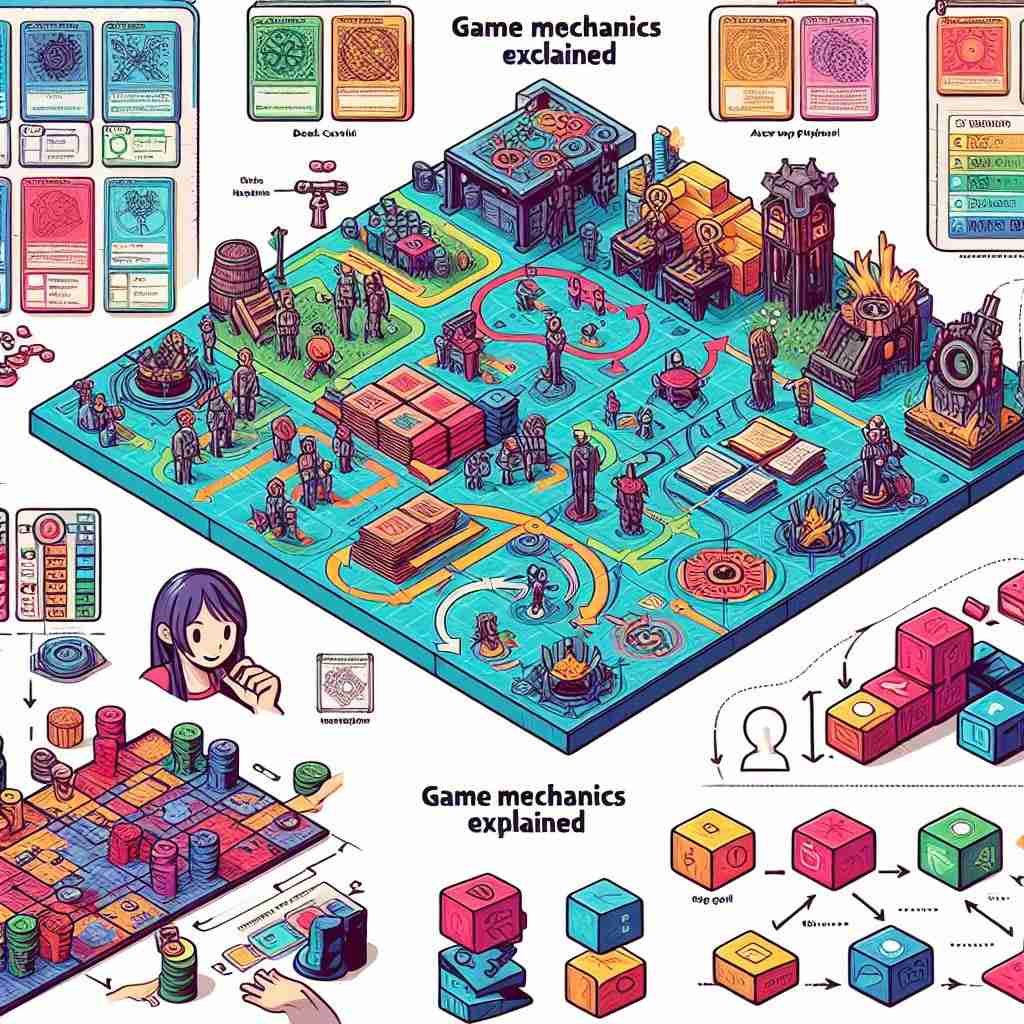
3. Game Mechanics: The rules, components, and interactive elements of a game that influence how players engage with the content and each other.
4. Pedagogical Alignment: The degree to which a game supports educational theories and practices, ensuring that gameplay leads to effective learning experiences.
5. User Reviews: Feedback and ratings provided by other educators or learners that can inform selection decisions by highlighting strengths and weaknesses of a game.
6. Playtesting: The process of trialing a game in a real classroom setting to gather insights on its effectiveness, engagement, and educational value.
7. Curricular Fit: An assessment of how well a game integrates with existing curriculum standards, topics, or themes taught in the classroom.
8. Age Appropriateness: Evaluating if the game’s content, difficulty level, and themes are suitable for the targeted age group of players.
9. Game Genre: The category of the game that defines its style and mechanics, such as simulation, role-playing, or strategy.
10. Accessibility: The features of a game that make it usable for learners with diverse needs, including those with disabilities.
11. Digital Literacy: The knowledge and skills necessary to effectively use digital tools, which can be assessed or enhanced through educational games.
12. Interactivity: A measure of how much players can actively engage with the game environment, influencing their involvement and learning.
13. Assessment Tools: Instruments or metrics used to evaluate player progress or learning outcomes as a result of playing an educational game.
14. Feedback Mechanisms: Features within a game that provide players with information on their performance, helping to guide their learning process.
15. Multimodal Learning: Incorporating multiple modes (visual, auditory, kinesthetic) in game design to address diverse learning styles and preferences.
16. Collaboration Features: Elements of a game that encourage teamwork and communication among players, fostering social learning opportunities.
17. Scalability: The ability of a game to be used effectively across different class sizes, educational contexts, or age ranges.
18. Engagement Metrics: Data points that measure how involved players are in a game, often indicating its effectiveness and popularity.
19. Platform Compatibility: The various devices or operating systems on which an educational game can be played, affecting accessibility for students.
20. Cost-Benefit Analysis: An evaluation of the game’s price relative to its educational value, helping educators make informed financial decisions.
21. Professional Development: Training and resources provided to educators to help them effectively implement and integrate educational games into their teaching.
22. Content Relevance: The degree to which a game’s subject matter is aligned with contemporary issues or interests relevant to learners’ lives.
23. Gamification: The application of game-like elements in non-game contexts to enhance motivation and engagement in educational activities.
24. Simulation Tools: Game platforms that replicate real-world scenarios for learners to explore and experiment within a safe environment.
25. Visual Aids: Graphics, animations, or other visual elements in games that support comprehension and retention of information.
26. Storytelling Elements: Narrative components that enhance the immersive experience of a game, making lessons relatable and engaging.
27. Diverse Representation: The inclusion of various cultures, perspectives, and identities in a game, promoting inclusivity and broadening worldviews.
28. Rubric: A scoring guide used to evaluate the effectiveness of educational games based on specific criteria and learning outcomes.
29. Real-World Application: How well a game connects learned concepts to practical situations that students may encounter outside the classroom.
30. Feedback Loops: Systems within games that allow players to revise their strategies based on outcomes, fostering continuous improvement and learning.

Glossary Of Terms
Other Questions
What Tools Help Guide Educational Game Selection? – Other Questions
If you wish to explore and discover more, consider looking for answers to these questions:
- What are some specific examples of educational games suitable for different age groups?
- How can I assess the effectiveness of a game after implementing it in my classroom?
- Are there any particular subjects or skills that are best supported by educational games?
- What are some common pitfalls to avoid when selecting educational games?
- How do I integrate educational games into my existing curriculum?
- What are the differences between analog (board) games and digital educational games?
- How can I measure the impact of educational games on student learning outcomes?
- Are there any specific sets of standards to consider when evaluating educational games?
- How can I find educational games that encourage teamwork and collaboration among students?
- What resources are available for training teachers on using educational games effectively?

Other Questions
Haiku
What Tools Help Guide Educational Game Selection? – A Haiku
Games that teach well,
Tools spark joy and inspire,
Learning through the fun.

Haiku
Poem
What Tools Help Guide Educational Game Selection? – A Poem
In a world where learning finds its play,
The quest for games to brighten the day,
Amidst the shelves of choices vast,
Tools guide the way to knowledge unsurpassed.
Classic board games, with wisdom to share,
Foster teamwork and thought, a joy we can bear.
Digital realms, with clicks just a few,
Open avenues of learning anew.
Community chatter, where teachers convene,
Words of experience paint learning’s serene,
Unlocking the secrets of what works and what’s not,
Inspiring connections that tie learning’s knot.
Engagement and challenge, the heart of the game,
With laughter and play, ignite passion’s flame.
Flexibility reigns as skill levels blend,
Letting each child’s bright potential transcend.
Involving the students, their voices are key,
To a classroom alive, full of spirit and glee.
Their choices and insights create a rich mix,
In a democracy of learning, where joy truly clicks.
Reviews and evaluations, guiding our quest,
Aligning lessons with game for the best.
Seek out the gems in resources galore,
With free recommendations, ignite minds to explore.
So gather ’round, let the games begin,
In the heart of every lesson, let the laughter spin.
For in playful pursuits, we discover the art,
Of learning together, with joy at the heart.

Poem
Checklist
What Tools Help Guide Educational Game Selection? – A Checklist
Educational Game Selection Checklist
Use this checklist to ensure you choose the best educational games for your classroom or home!
1. Identify Learning Objectives
_____ What specific skills or knowledge do you want the game to address?
_____ Are the learning objectives clear and measurable?
2. Consider the Target Age Group
_____ Is the game appropriate for the age group of the students?
_____ Will it engage both younger and older students equally?
3. Evaluate Game Design
_____ Does the game have clear rules and mechanics?
_____ Is the game visually appealing and well-crafted?
_____ Are the components sturdy and meant for repeated use?
4. Assess Engagement and Fun Factor
_____ Does the game encourage active participation?
_____ Will students enjoy playing it without feeling pressured?
5. Check for Flexibility and Adaptability
_____ Can the game be played in small or large groups?
_____ Can it be adapted for varying skill levels?
6. Look for Opportunities for Social Interaction
_____ Does the game promote teamwork and collaboration?
_____ Are there elements of healthy competition?
7. Utilize Digital Resources and Platforms
_____ Have you explored websites that curate educational games?
_____ Did you check user reviews and recommendations?
8. Involve Students in Selection
_____ Have you included students in the game selection process?
_____ Did you gather student preferences through discussions or voting?
9. Gather Feedback and Reviews
_____ Have you read reviews from other educators and parents?
_____ Did you incorporate feedback from playtesting the game?
10. Ensure Alignment with Curriculum Standards
_____ Does the game incorporate relevant educational content?
_____ Are the skills practiced in the game aligned with curriculum goals?
11. Explore Community Resources
_____ Have you checked local libraries or community centers for games?
_____ Are there social media groups or forums you can join for recommendations?
12. Seek Free Resources
_____ Have you utilized online forums, blogs, or websites that offer game suggestions for free?
_____ Did you check for any free downloadable educational games?
13. Plan for Inclusivity and Accessibility
_____ Can all students engage with this game regardless of their learning style?
_____ Does the game accommodate students with different needs and abilities?
14. Review Post-Game Outcomes
_____ After playing, did you assess what students learned?
_____ Could you gather student feedback on their experience?
Conclusion
Use this checklist to systematically evaluate educational games and ensure they meet your educational needs. Happy game selecting!

Checklist
At BestBoardGameNews, we help people who love board games by collating information and news about board games.
Be sure to read our other related stories at BestBoardGameNews to learn more about board games.


