Unlocking Genius: The Transformative Power Of AI Board Game Tutors
By Tom Seest
At BestBoardGameNews, we help people who love board games by collating information and news about board games.
Be sure to read our other related stories at BestBoardGameNews to learn more about board games.
AI Tutors Hiding Inside Board Games
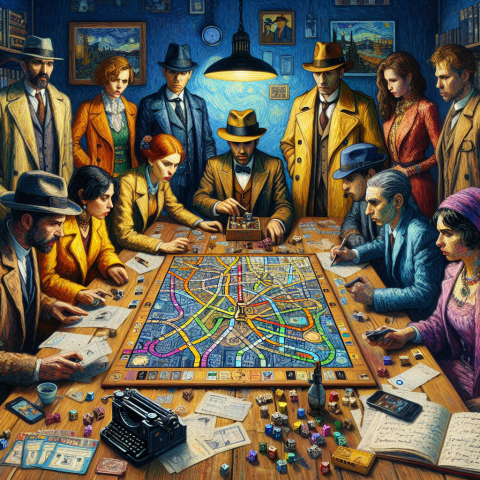
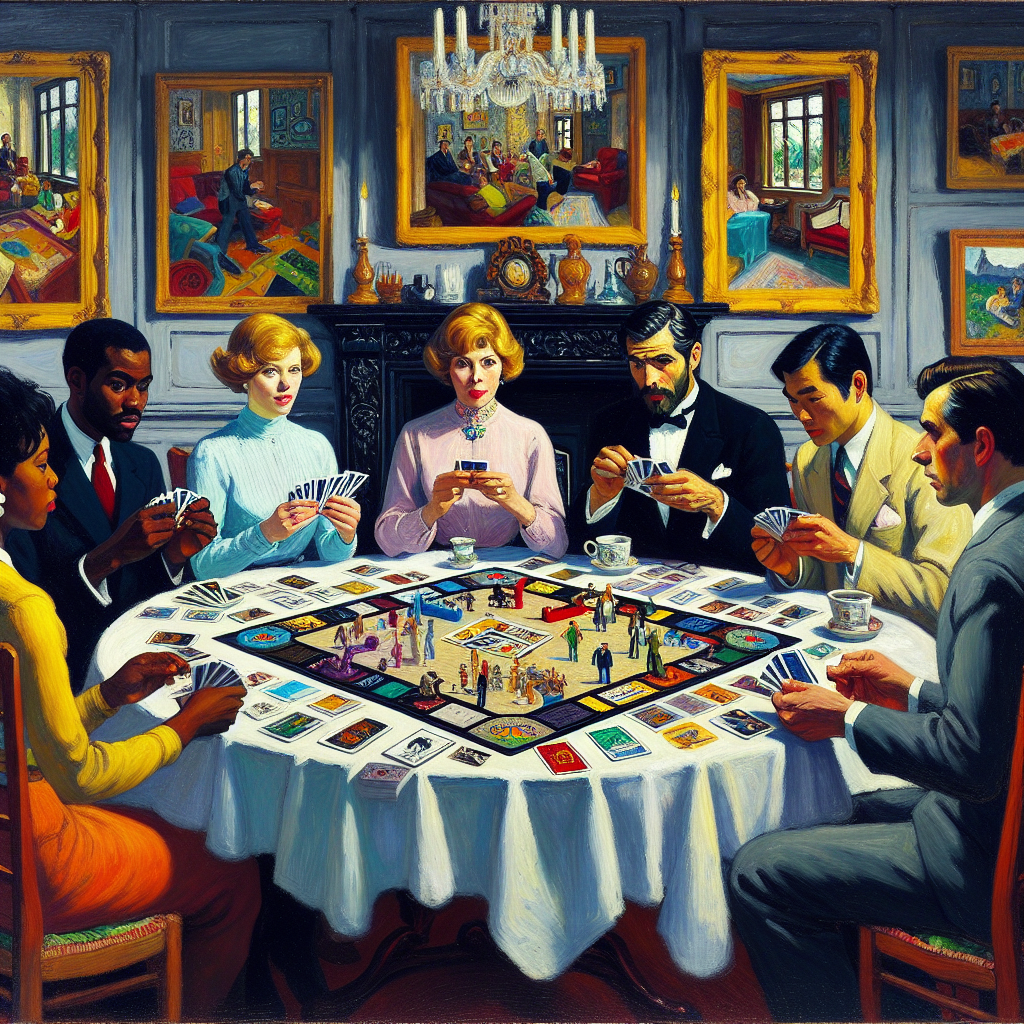
Picture this: a cozy living room, the kind of place where the floorboards creak like old friends and the scent of popcorn wafts through the air. The scene is set for laughter, friendly rivalry, and connection—all staples of a great board game night. But lurking under the surface of these treasured gatherings is a new kind of player: the AI tutor, an unseen guide that’s changing the way we engage with our favorite pastimes.
If you think artificial intelligence is just for the tech-savvy or corporate world, think again. These smart, interactive systems are subtly enhancing the board game experience, turning mere competition into profound learning opportunities. Just as a grandmother might teach her grandkids how to strategize over a game of chess, AI tutors offer advice, explain rules, or provide hints when the tension rises. The moment your daughter confidently makes a tough move in Settlers of Catan, guided by an AI whispering strategies, you realize this is no ordinary family game night—it’s an investment in her growth, wrapped in the joy of play.
Emotionally, the inclusion of AI tutors taps into our deepest instincts: the desire to nurture, to help one another succeed. Imagine the pride in a child’s eyes when they master a challenging concept through the playful interaction provided by these digital companions. That sense of accomplishment, buoyed by laughter and camaraderie, is priceless. The AI isn’t a competitor; it’s a collaborator, a support system that brings families together by fostering learning in a safe and entertaining environment.
On a rational level, consider the ethical implications: are we teaching our kids to rely solely on tech? Not at all. We’re preparing them for a future that’s intertwined with digital intelligence, providing them with a unique blend of traditional skills and modern insights. These AI tutors don’t replace human teachers; they complement them, expanding the horizons of how we learn and play.
And let’s not forget the social aspect. Board games have always served as a bridge, connecting generations. When an AI tutor enters the scene, it invites everyone to engage on a deeper level, promoting collaboration and healthy competition. So the next time you roll the dice or draw a card, remember that there’s an AI tutor hanging around, not just enhancing the game but enriching your family’s connection, one session at a time.
AI Tutors Hiding Inside Board Games
AI Tutors Hiding Inside Board Games
- A cozy living room sets the scene for memorable board game nights filled with laughter and friendly rivalry.
- AI tutors are emerging as unseen guides that transform traditional board games into learning experiences.
- These AI systems provide advice, explain rules, and offer hints, enhancing strategic gameplay.
- The emotional connection fostered by AI tutors helps nurture children’s learning through playful interactions.
- AI tutors complement human teachers by preparing children for a future intertwined with digital intelligence.
- The inclusion of AI promotes deeper engagement, collaboration, and healthy competition among players.
- AI tutors enrich family connections during board game sessions, enhancing both the educational and social aspects of play.

AI Tutors Hiding Inside Board Games
Table Of Contents
- AI Tutors Hiding Inside Board Games
- What If Playtime Could Also Be Learning Time?
- Can Board Games Bridge Educational Gaps?
- How Can We Make Learning Feel Less Like a Chore?
- Are Interactive Games the Future Of Personalized Education?
- What Stories Can Board Games Tell to Inspire Young Minds?
- How Can Ethical Game Design Transform Education?
- Can AI Enhance Creativity In Children Through Gameplay?
- Conclusion
- Other Resources
- Glossary Of Terms
- Other Questions
- Haiku
- Poem
- Checklist
What If Playtime Could Also Be Learning Time?
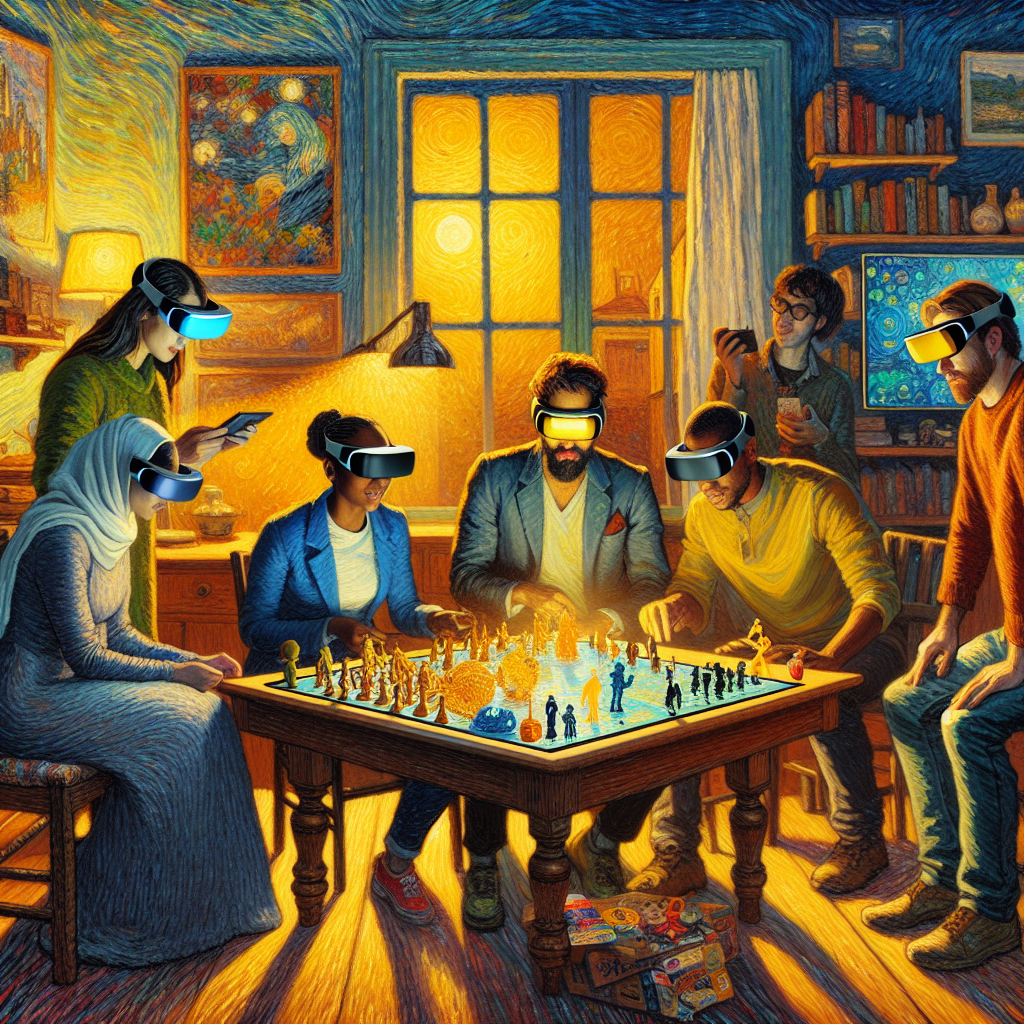
Imagine taking a simple board game off the shelf, one that’s gathered dust but holds the potential for transformation. What if this game could teach your child about critical thinking, strategy, and teamwork—all while laughing and competing against siblings or friends? It’s a remarkable idea, isn’t it? We often think of play as something separate from learning, but the truth is, they are two sides of the same coin.
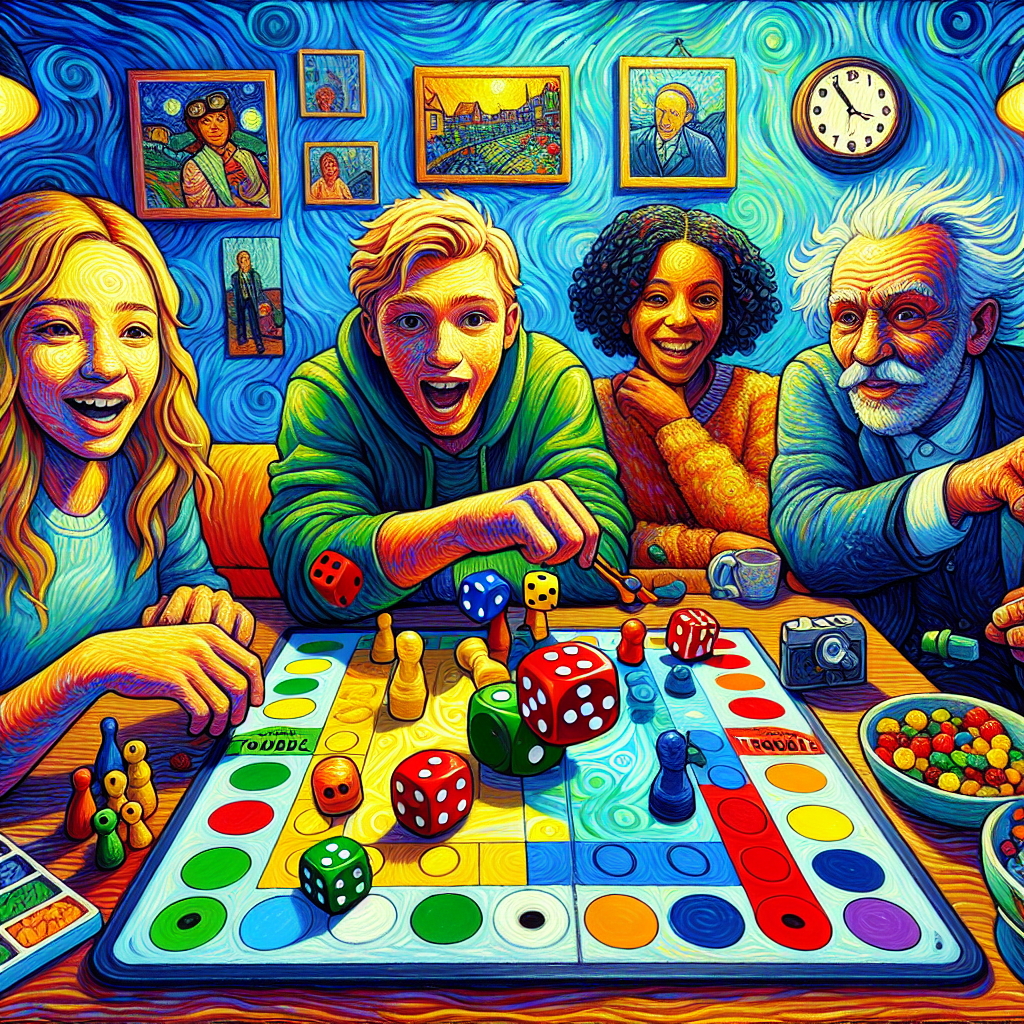
The heart knows playtime is essential. It’s where laughter comes alive, friendships deepen, and memories are made. Children crave connection, and what better way to foster that than through a lively board game? Picture the joy on their faces as they gather around the table, the clinking of tokens, the anticipation of a roll of the dice. In that moment, they learn not just the rules of the game, but the unspoken rules of life—patience, resilience, and the ability to lose gracefully. These aren’t just skills for a game; they’re lessons that will carry them through challenges in school, work, and beyond.
Now let’s put on our thinking caps. The rational side of our brains recognizes that incorporating educational elements into play is a smart move. Board games can teach math through counting, strategy through decision-making, and history through thematic storytelling. When a child realizes that they can accumulate knowledge while having fun, it shifts their perception of learning; it becomes an adventure rather than a chore.
Ethically, we ought to ask ourselves: How can we fill the time our children spend playing with something that offers more than fleeting entertainment? Encouraging games that develop critical skills can set them up for future success, creating well-rounded individuals ready to tackle whatever life throws their way.
Think of the authority we hold as parents and mentors. We have the power to choose what our children engage with during those precious hours of play. By selecting games that offer both fun and educational value, we send a message that learning can happen anywhere—in schools, in the living room, and yes, even around a board game.
Finally, let’s remember the social aspect. In a world increasingly dominated by screens, the act of coming together around a board game is a profound reminder of the connections we share. When play and learning converge, we foster not just smart children, but compassionate, collaborative, and capable individuals. So, let’s dust off that board game. Who knows? It could be the start of something extraordinary—both for the mind and the heart.
What If Playtime Could Also Be Learning Time?
What If Playtime Could Also Be Learning Time?
- Board games can teach children critical thinking, strategy, and teamwork while providing entertainment.
- Play is essential for children’s emotional development, fostering laughter, friendships, and lasting memories.
- Board games teach valuable life skills including patience, resilience, and graceful losing.
- Incorporating educational elements into play makes learning an enjoyable adventure rather than a chore.
- Choosing games with educational value helps fill children’s playtime with more than just fleeting entertainment.
- Parents and mentors can influence children’s playtime choices to promote learning in a fun environment.
- Playing board games encourages social connections in an increasingly screen-dominated world.
What If Playtime Could Also Be Learning Time?
Can Board Games Bridge Educational Gaps?
When we think about education, we often picture a classroom, textbooks, and the relentless ticking of a clock. But what if I told you that some of the most powerful learning happens not in sterile environments, but around the dining room table? Board games can serve as unconventional yet effective tools to bridge the educational gaps that separate students from their peers, often based solely on circumstance.
Imagine a family gathering where the stakes aren’t high, but the lessons are invaluable. A simple board game creates a rush of emotions—laughter, frustration, camaraderie. These moments transcend the confines of traditional learning, inviting children and adults alike to strategize, negotiate, and problem-solve. In those earnest interactions, kids who might struggle in a standard classroom find their voices, their confidence blossoming as they playfully engage with peers—what a remarkable sight!
Studies indicate that educational games can enhance critical thinking and social skills. This isn’t just anecdotal; it’s rooted in research. When players roll dice or draw cards, they’re not merely having fun; they’re engaging with concepts like probability, resource management, and even ethics. This immersion fosters analytical skills while also nurturing empathy and cooperation.
But the appeal extends beyond mere cognitive benefits. In an age where many children are glued to screens, board games reintroduce the power of interpersonal connection. Picture kids and parents emerging from their digital bubbles, sharing smiles, high-fives, and the occasional groan of defeat. This builds familial bonds and creates a sense of belonging, essential in a world often driven by competition and isolation.
Moreover, these gatherings help cultivate a culture of learning that respects and values every participant’s perspective. They signal that education isn’t just for the bookworms; it’s for everyone—every background and every ability. When played across diverse groups, board games also serve as a conduit for understanding different cultures and experiences. Each move made on the board becomes a conversation starter, nurturing respect and awareness.
The question we face is whether we’re willing to open our minds to these creative approaches that speak to our hearts, resonate with our minds, and ignite our spirits. So, let’s rise to the occasion. It’s time to dust off those board games and set the stage for learning that’s as dynamic as life itself. After all, the best lessons come not from lectures but from laughter and connection.
Can Board Games Bridge Educational Gaps?
Can Board Games Bridge Educational Gaps?
- Education often conjures images of classrooms, but powerful learning can also occur at home, particularly around the dining table.
- Board games serve as effective tools to bridge educational gaps, allowing playful engagement among students from diverse backgrounds.
- Family gatherings centered on board games encourage emotions like laughter and camaraderie while teaching important lessons in strategy and problem-solving.
- Research shows that educational games enhance critical thinking and social skills, immersing players in concepts such as probability and ethics.
- Board games foster interpersonal connections, helping families emerge from digital distractions and reinforcing bonds through shared experiences.
- These gatherings promote a culture of learning that values all perspectives, making education accessible to everyone, regardless of background or ability.
- Engaging with diverse groups through board games cultivates respect and awareness, inviting conversation and cultural understanding.
Can Board Games Bridge Educational Gaps?
How Can We Make Learning Feel Less Like a Chore?
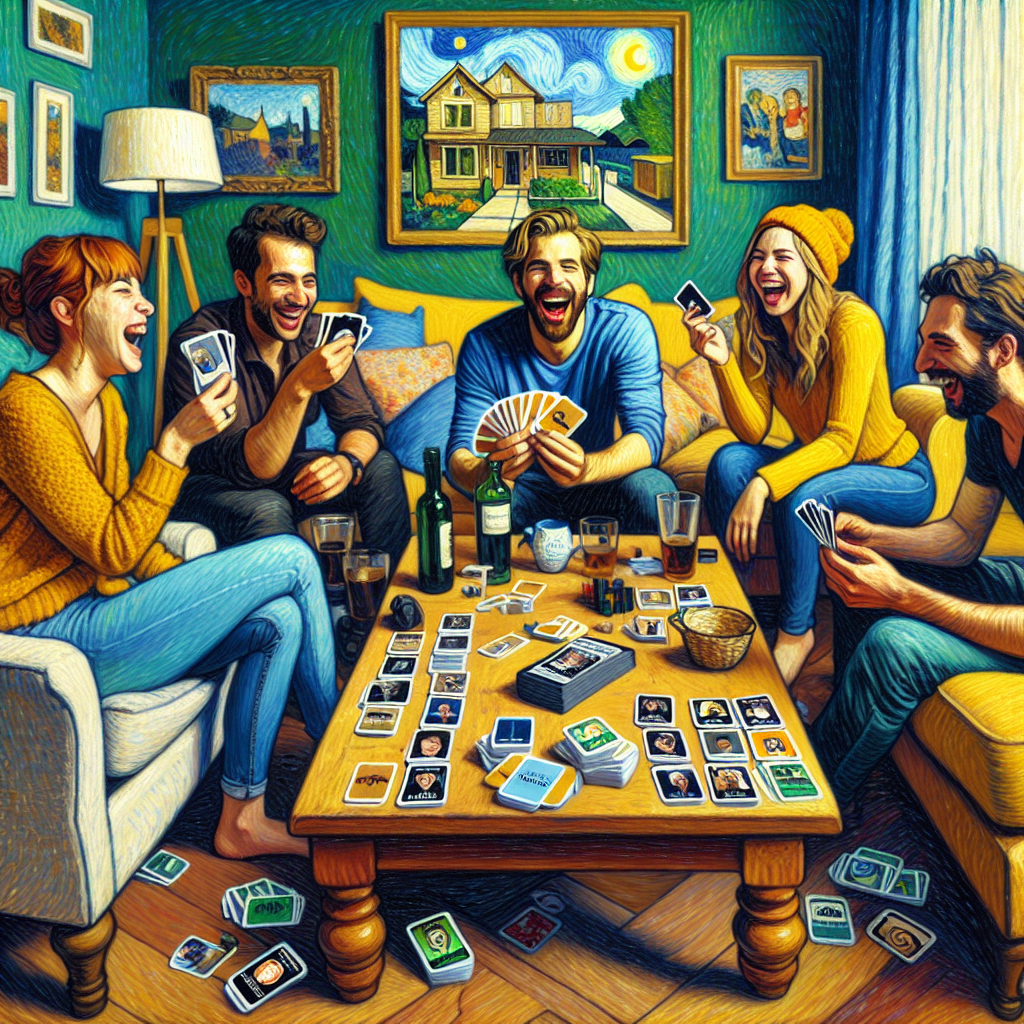
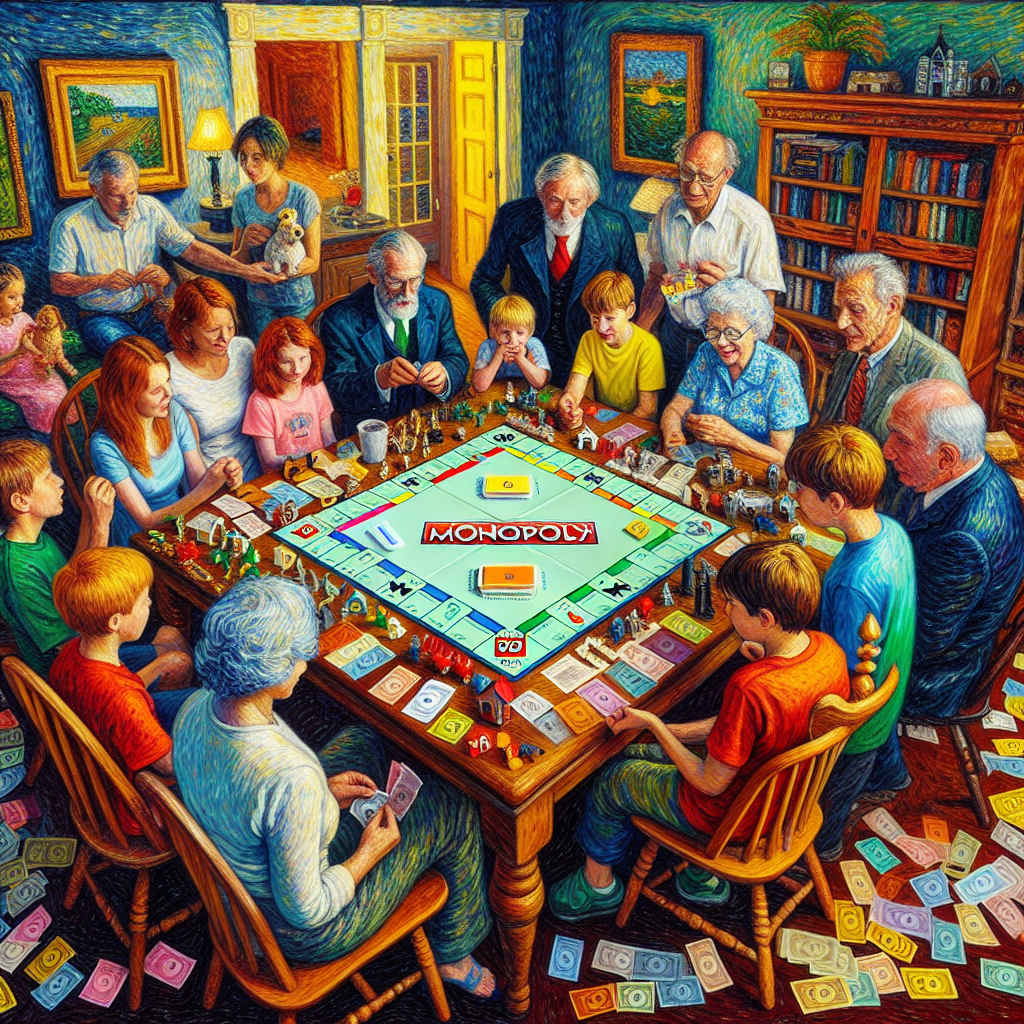
Learning can often feel like a tedious task, a mountain of obligations that looms over us. But what if we transformed this uphill battle into an exhilarating journey? Picture this: instead of monotonous textbooks and endless drills, we approach education like a lively board game—where every turn leads to new discoveries and unexpected surprises.
When we frame learning in this way, we tap into the joy of curiosity. Just like in a board game, where players strategize and adapt, learning can become an adventure. It stirs the heart, igniting that intrinsic motivation that often fades beneath the weight of academic pressure. The thrill of progressing to the next level in a game mirrors the euphoric feeling of mastering a new concept. We need that synergy—where our emotional connection to knowledge inspires us to push through the tough parts and celebrate the victories, no matter how small.
Let’s talk about the head—the analytical side that seeks rationality. It’s no secret: an engaged learner is a successful learner. Educational studies show that when we incorporate play, collaboration, and real-world applications into the learning process, we not only retain information better but also cultivate critical thinking skills. By presenting complex subjects as engaging challenges, we can make learning feel less like a chore and more like a pursuit of excellence.
But there’s also an ethical angle here. It’s about creating equitable pathways to knowledge, ensuring that every person, regardless of background, feels empowered to engage with learning. When we shift our approach, we foster inclusive environments where everyone can thrive. Education shouldn’t be a privilege—it should be a collective journey we embark upon together.
Finally, let’s not forget the power of narrative. Everyone loves a good story, and learning is no different. Sharing experiences, triumphs, and even failures in a relatable way can create a rich tapestry of inspiration. Through storytelling, we connect—transforming the isolated act of studying into a vibrant community effort.
In this light, learning ceases to be a solitary endeavor and instead becomes a shared adventure. So, next time you find yourself feeling overwhelmed by the weight of education, remember: it’s not just about what you learn, but how you learn it. Engage with it like you would a game. Embrace the journey. Celebrate every step, and watch as the chore transforms into an experience worth pursuing.
How Can We Make Learning Feel Less Like a Chore?
How Can We Make Learning Feel Less Like a Chore?
- Learning can feel burdensome, but it can be transformed into an enjoyable journey.
- Approaching education like a board game can spark curiosity and engagement.
- Emotional connections to knowledge can motivate learners to overcome challenges.
- Active learning enhances retention and cultivates critical thinking skills.
- Creating equitable pathways ensures that everyone feels empowered to learn.
- Storytelling connects learners, turning education into a community experience.
- Focusing on the journey of learning can transform it from a chore to an enriching pursuit.
How Can We Make Learning Feel Less Like a Chore?
Are Interactive Games the Future Of Personalized Education?
Imagine a classroom where the echoes of laughter blend seamlessly with the thrill of competition. Kids aren’t just sitting at their desks, tracing letters or solving equations on barren worksheets; they’re fully engaged in an epic quest, a challenging board game designed to teach them math and critical thinking skills in ways that feel effortless. This isn’t just play; it’s personalized education at its finest.
Interactive games are rapidly becoming the linchpin of modern learning, harnessing the innate human desire to connect, explore, and conquer. They breathe life into learning by transforming reluctant students into eager adventurers, ready to take on whatever challenges lie ahead. When children are taunted with the promise of victory, not only do they absorb content more effectively, but they cultivate skills life demands—problem-solving, teamwork, and perseverance.
Consider the emotional need for belonging. Games provide social spaces where relationships are fostered and collaboration is key. Students who would typically shun participation come alive in these interactive landscapes, cheering on their teammates, strategizing, failing, and trying again. Every roll of the dice or draw of the card isn’t just a measure of luck; it’s an opportunity for growth, a lesson in resilience wrapped in a veneer of fun.
Yet, beyond the thrills and spills, there lies a compelling ethical imperative. In a world increasingly defined by data and standardization, we owe our children more than mere rote memorization. Personalized education empowers them to be the architects of their own learning journeys, fostering agency and instilling a sense of responsibility over their education. With interactive games, we are not just preparing kids for tests; we are preparing them for life, where questions don’t always have clear answers, and collaboration is key to success.
And let’s not forget the authority these games wield in the educational landscape. Research shows that students retain information better when they’re actively participating—it’s science! As educators and parents, acknowledging this isn’t just academic rigor; it’s a nod to common sense.
So, why is this important? Because the world is changing at lightning speed, and those who can adapt, collaborate, and think critically will lead the charge into an uncertain future. We must rise to the occasion and embrace tools like interactive games, enriching the landscapes of learning and cultivating a generation poised to thrive in their personal quests. The future of education isn’t just a classroom—it’s an adventure waiting to unfold.

Are Interactive Games the Future Of Personalized Education?
Are Interactive Games the Future Of Personalized Education?
- Classroom experiences blend laughter and competition, enhancing engagement through board games that teach math and critical thinking.
- Interactive games are central to modern learning, transforming reluctant students into eager adventurers.
- These games help students develop essential life skills such as problem-solving, teamwork, and perseverance.
- Games create social spaces for collaboration, encouraging participation from previously disengaged students.
- Personalized education through games fosters agency and responsibility in students’ learning journeys.
- Research indicates that active participation leads to better information retention, validating the use of interactive tools.
- Embracing interactive games prepares students for the future, equipping them to adapt, collaborate, and think critically.

Are Interactive Games the Future Of Personalized Education?
What Stories Can Board Games Tell to Inspire Young Minds?
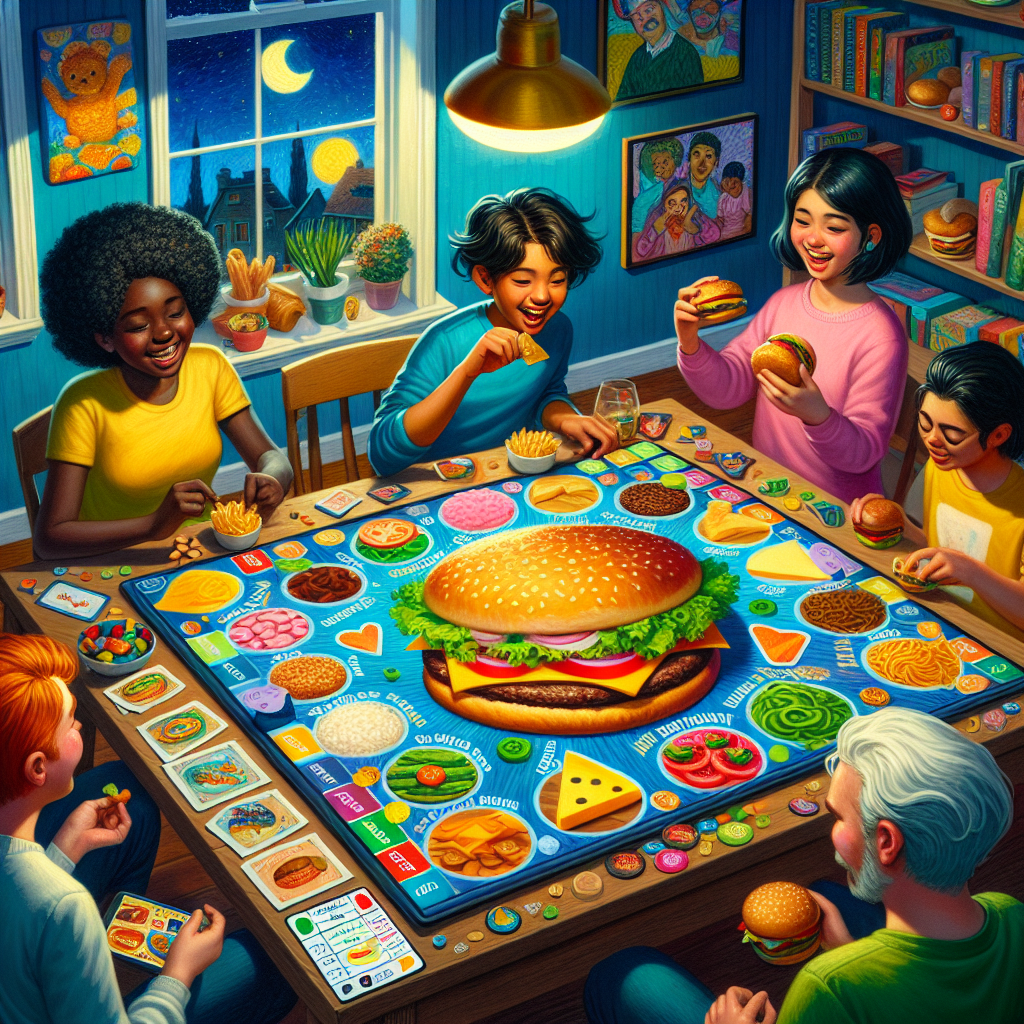
Picture this: a table scattered with colorful pieces, the air thick with laughter and the aroma of snacks. A simple board game transforms not just a room, but entire lives. These games serve as mirrors reflecting the world, offering players a lens through which they can navigate the complexities of life. Each roll of the dice, every strategic move, is a story waiting to be unearthed, inviting players to explore the themes of cooperation, competition, and creativity that are so vital in our shared human experience.
Board games are not merely a pastime; they are gateways to understanding values and ethics. Take a game like “Settlers of Catan.” While players vie for resources and territory, they learn about negotiation, the give-and-take of relationships, and the importance of community. The struggle for a little piece of land becomes relatable to real-world issues, teaching young minds the nuances of collaboration and the significance of building something lasting together. It’s a crash course in empathy and foresight, two qualities that will serve them well beyond the table.
At an age when uncertainties loom large, board games provide a safe space for young people to wrestle with their fears and aspirations. The thrill of victory and the sting of defeat resonate at a gut level, instilling resilience and the understanding that failure is simply a stepping stone. These experiences create narratives they can carry into their own lives, fostering connection through shared victories and losses.
Moreover, the social dimension of board games is undeniably powerful. As players gather around the table, they forge bonds, establishing a sense of belonging that is particularly essential in today’s fast-paced world. These gatherings can transform strangers into friends, creating a community woven together by stories of triumph, clever maneuvers, and even the occasional flap of disbelief when a simple dice roll changes everything. It underscores the ethical nature of teamwork and support that young people will need in their own endeavors.
When children engage in these narrative-rich experiences, they’re not just playing; they’re preparing. They’re gaining insights that will help them navigate life’s many challenges, equipped with understanding, patience, and the skills to forge their own paths. Seeing their choices matter and their actions have consequences reinforces the fundamental truth that they, too, have the power to tell their own stories. So, let’s gather around that table and share these tales—because the stories told through board games can inspire young minds to imagine a brighter future.

What Stories Can Board Games Tell to Inspire Young Minds?
What Stories Can Board Games Tell to Inspire Young Minds?
- Board games create a lively atmosphere filled with laughter and enjoyment.
- They reflect real-world complexities, offering players a lens to explore themes of cooperation, competition, and creativity.
- Games like “Settlers of Catan” teach negotiation, community, and the dynamics of relationships.
- Board games provide a safe space for young people to confront their fears and aspirations.
- Victory and defeat instill resilience and demonstrate that failure is part of growth.
- Players forge bonds and a sense of belonging, transforming strangers into friends.
- Engagement in board games equips children with skills to navigate life’s challenges and empowers them to tell their own stories.
What Stories Can Board Games Tell to Inspire Young Minds?
How Can Ethical Game Design Transform Education?
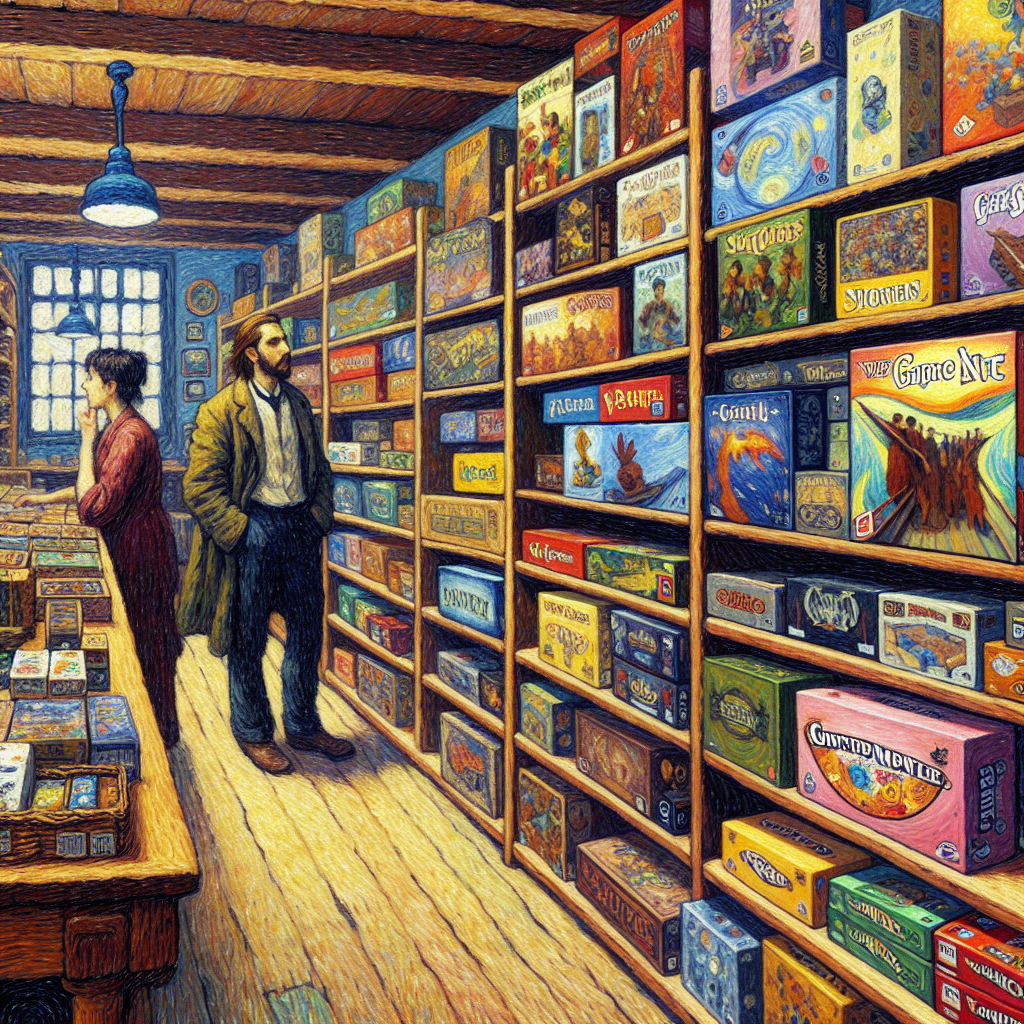
Imagine a classroom transformed into a vibrant marketplace of ideas, where students are not just passive listeners but active participants in their education. Picture a board game sprawled out across desks, each piece a catalyst for critical thinking and collaboration. As students dive into the complexities of strategy, negotiation, and problem-solving, they don’t just learn; they engage in a deeper exploration of their values and ethics. This is the power of ethical game design in education.
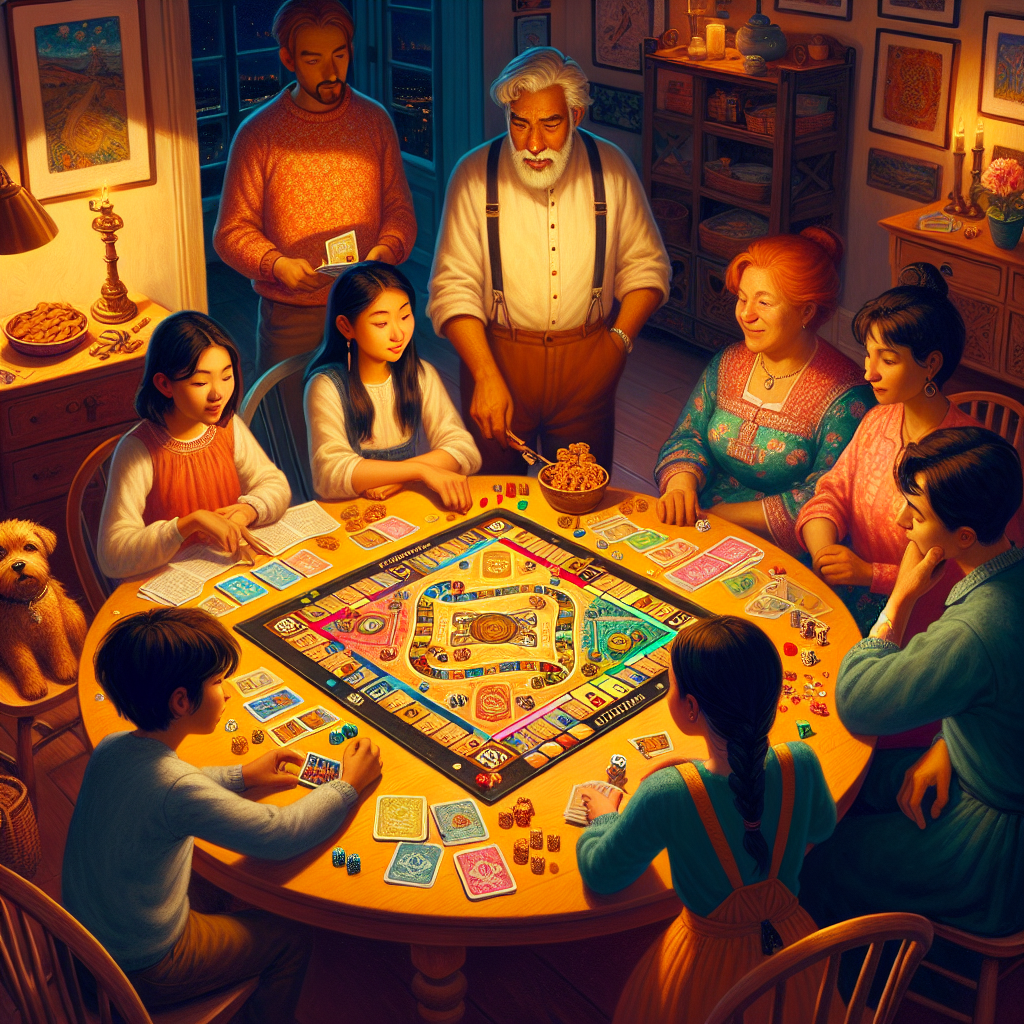
At the heart of this transformation is the ability to foster genuine connections. When students gather around a board game, they share narratives—not just about the game itself, but about their own experiences and beliefs. It’s a safe space where vulnerability meets curiosity, and as they discuss choices and consequences, they become more engaged citizens. This connection creates a classroom atmosphere rich in empathy and understanding, essential qualities for tackling the challenges of our world.
Let’s not ignore the brainpower at play here, either. Ethical game design taps into cognitive functions that promote critical analysis. Students assess risk, evaluate decisions, and learn from their mistakes—skills that extend well beyond the game board and into real life. They start to see ethics as a continuum rather than a set of rigid rules. They become equipped with the intellect to navigate complex moral landscapes, leading to more informed decisions in their everyday lives.
Yet there’s a visceral element at work as well. Games spark excitement and competition, but they also challenge players to think ethically. When students face dilemmas in the game, they experience real decision-making pressures, feeling the weight of their choices. This gut-level engagement fosters a sense of accountability and responsibility that is often missing in traditional learning models.
Moreover, the communal experience reshapes education into a social endeavor. Students learn from each other, drawing on diverse perspectives that enrich their understanding. When they see their peers grappling with similar questions and dilemmas, they realize they’re not alone in this journey of discovery. Trust builds among classmates, and the walls between individual learning experiences start to crumble.
So, the next time you’re searching for a way to make education more meaningful and impactful, consider the immense potential of ethical game design. It’s about more than just playing; it’s an invitation to explore, connect, and grow, both as students and as compassionate members of society. Embrace this transformation, and watch as education becomes not just a requirement, but a thrilling adventure.
How Can Ethical Game Design Transform Education?
How Can Ethical Game Design Transform Education?
- Classroom transformed into an active marketplace of ideas, encouraging participation.
- Board games serve as tools for critical thinking and collaborative learning.
- Students explore personal values and ethics through strategic gameplay.
- Fostering genuine connections enhances empathy and understanding among students.
- Ethical game design promotes cognitive skills like risk assessment and decision making.
- Games create visceral experiences, cultivating accountability and responsibility.
- Community learning promotes trust and shared understanding among peers.
How Can Ethical Game Design Transform Education?
Can AI Enhance Creativity In Children Through Gameplay?
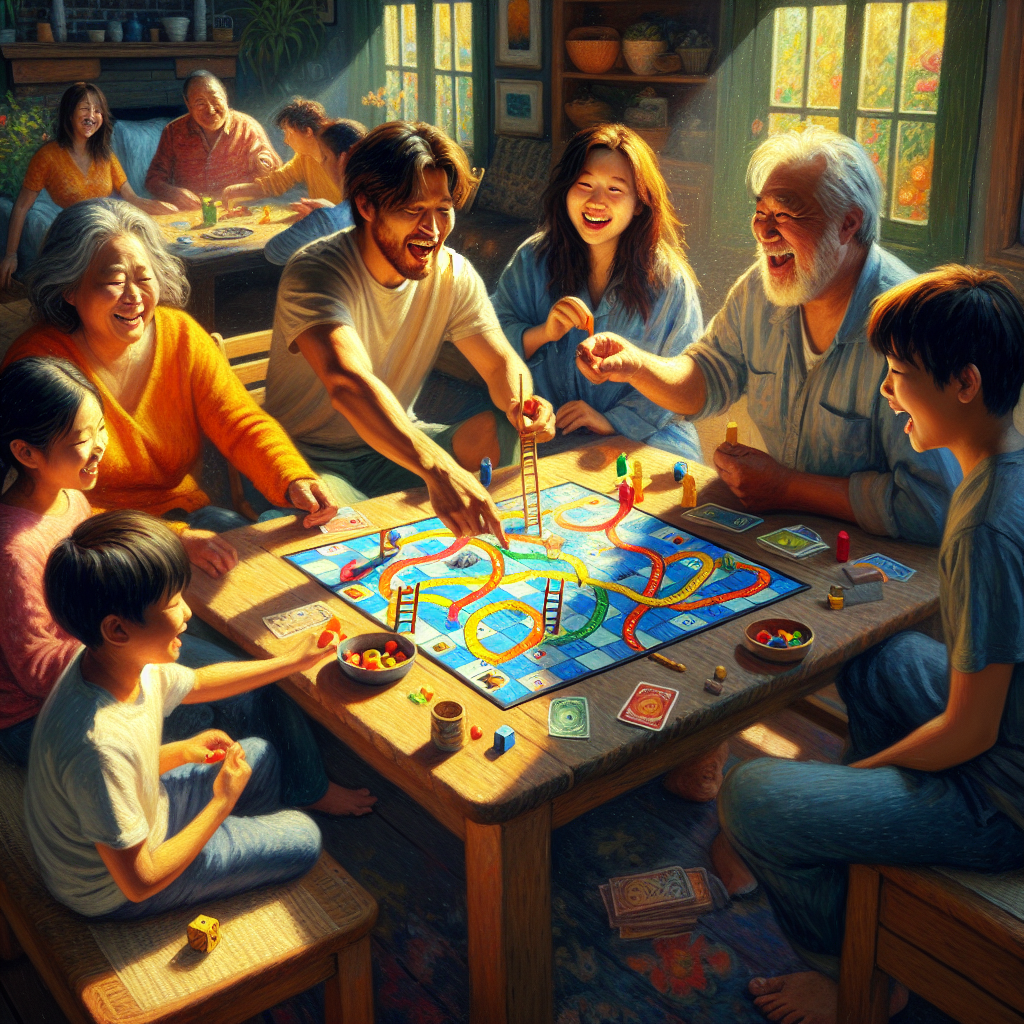
Imagine a child hunched over a colorful board game, a world of possibilities unfolding with each roll of the dice. There’s laughter, competition, and cooperation—a perfect concoction for the curious mind. Within this playful landscape, artificial intelligence is emerging as a partner, a co-creator if you will, ready to ignite that spark of imagination.
The marriage of AI and gameplay offers more than just digital distractions; it stands as a gateway to innovative thinking and creativity. As kids engage with intelligent systems that adapt to their thoughts and strategies, they are not merely playing; they are crafting solutions, exploring new ideas, and learning the significance of risk-taking in a supportive environment. This interaction nurtures a mindset that views challenges as stepping stones rather than barriers.
Picture this: a child grappling with the complexities of strategy in a board game, aided by an AI that provides real-time feedback and suggestions. This isn’t just play—it’s an ethical journey into the heart of problem-solving. At that moment, kids learn to trust their instincts, experiment with their choices, and develop resilience. They understand that mistakes are just as valuable as victories, each one a crucial part of their growth.
Parents and educators often seek reassurance when it comes to technology in a child’s life. The reality is, when wielded wisely, AI can be an ally rather than an adversary. Organizations creating AI-driven games often collaborate with child development experts, ensuring that these tools are designed to foster learning and creativity responsibly. The credibility behind these initiatives instills confidence in parents, who want the best for their children, blending the wisdom of tradition with the cutting-edge capabilities of modern technology.
The narrative is more than just technology; it’s about connection. As children engage in cooperative gameplay, they learn life skills—communication, negotiation, and empathy. The social interaction, augmented by AI, turns solitary sessions into shared experiences that bond families and friends. It’s a reinvention of playtime, where creativity flourishes in a community setting, an ever-evolving tapestry woven with ideas and imaginations.
In this fusion of creativity and technology, there lies potential—a realm where children can explore their creativity freely, with AI only amplifying their natural abilities. The world of gameplay beckons not just to entertain, but to inspire and nurture the dreamers of tomorrow.
Can AI Enhance Creativity In Children Through Gameplay?
Can AI Enhance Creativity In Children Through Gameplay?
- Children experience a world of possibilities while playing board games, fostering laughter, competition, and cooperation.
- AI serves as a partner in gameplay, encouraging innovative thinking and creativity beyond mere digital distractions.
- Engagement with adaptive AI systems allows kids to craft solutions, explore ideas, and embrace risk-taking in a supportive environment.
- Children learn trust in their instincts, resilience, and that mistakes are valuable in the process of problem-solving.
- AI-driven games, developed in collaboration with child development experts, promote responsible learning and creativity.
- Cooperative gameplay enhances communication, negotiation, and empathy, bonding families and friends through shared experiences.
- The fusion of creativity and technology amplifies children’s natural abilities, inspiring and nurturing future dreamers.

Can AI Enhance Creativity In Children Through Gameplay?
Conclusion
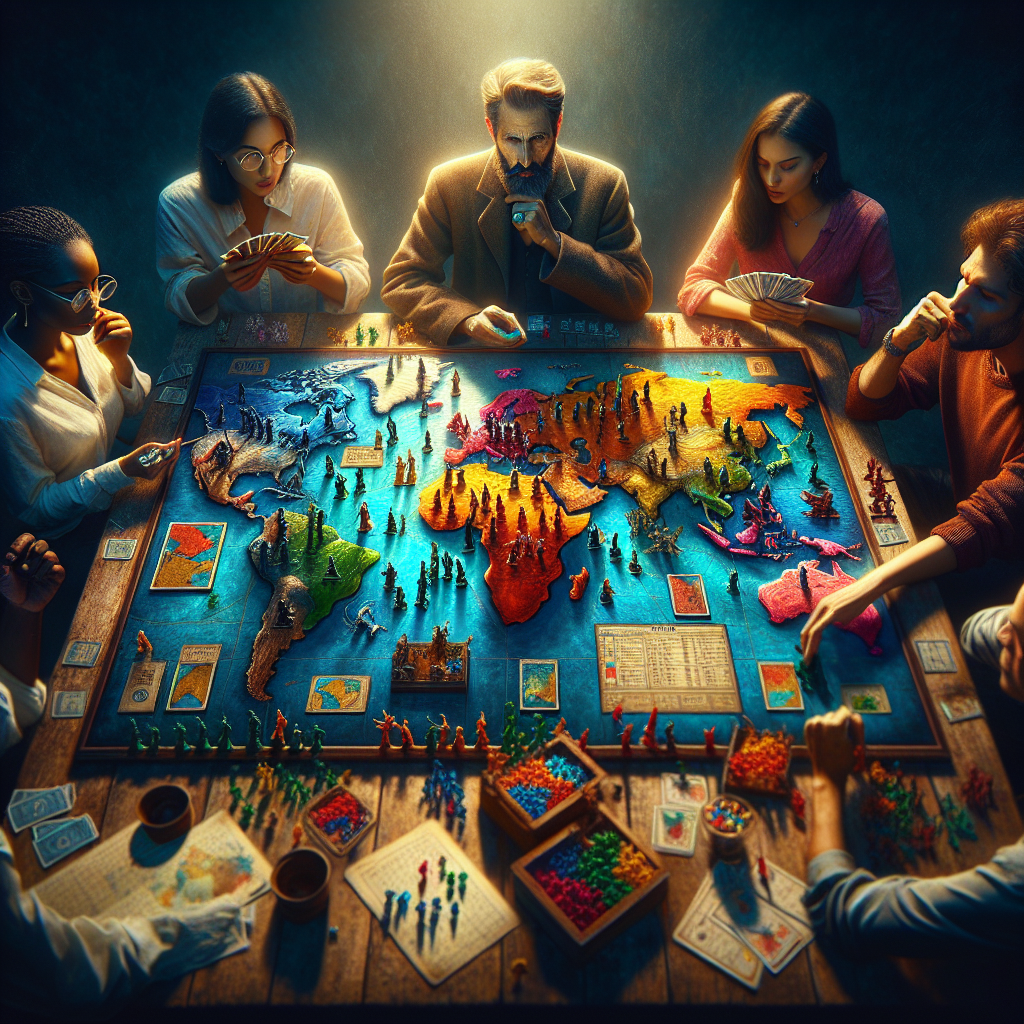
In the heart of a bustling family living room, nothing beats the warmth of laughter, the thrill of competition, and the joy of connection over a classic board game. Yet, beneath this joyful façade lies an innovative force reshaping playtime into potent learning experiences: AI tutors. Far from the cold machinations of corporate-grade technology, these unseen guides transform family game nights into opportunities for growth, collaboration, and education. Imagine your daughter mastering complex strategies in Settlers of Catan, not as a solo competitor against friends and family, but as part of a supportive learning environment enriched by clever AI whispers guiding her decisions. It’s a beautiful dance of nurturing spirit and competitive fun, fostering critical life skills like persuasion, patience, and resilience while creating cherished memories.
Let’s consider the emotional impact of this combination. Every victory and defeat at the table builds confidence and character, creating a shared tapestry of victories and lessons learned that are priceless. Educational insights became instinctual through play, bridging gaps left by traditional learning environments. Furthermore, this isn’t just about technology—it’s about humanity and ethics. Are we, as caregivers, guiding our children appropriately through the digital landscape? Yes. Through these games, we are instilling values and vital skills alongside problem-solving capabilities that will serve them long after the dice have stopped rolling.
Socially, interactive gaming sessions foster community in an era where true connections seem increasingly rare. Players from different generations can bond over a shared experience, while the stories that unfold during play cultivate understanding and empathy. In this day and age, creating those moments together is crucial.
Rationally, why wouldn’t we embrace this new frontier? Respected research shows that active engagement enhances learning retention and critical thinking. Children eager to explore complex concepts through gameplay will emerge resilient, equipped to navigate the challenges of life, armed with both traditional and modern skills.
So let’s embrace this exciting fusion of entertainment and education. Gather your loved ones, dust off those old board games, and let these AI tutors enhance your play. Every moment spent at that table offers not just games, but shared stories, collaborative learning, and the priceless joy of togetherness. The future of education is not confined to sterile classrooms; it awaits in that cozy living room, where learning becomes a thrilling adventure, and every session becomes a stepping stone toward greatness.
Conclusion
Conclusion:
- AI tutors transform family board game nights into learning opportunities.
- Games like Settlers of Catan promote critical life skills through supportive AI guidance.
- Each game session helps build confidence and character through shared victories and lessons.
- Educational insights gained through play bridge gaps left by traditional education.
- Interactive gaming fosters community and connection across generations.
- Active engagement in games enhances learning retention and critical thinking skills.
- Embrace the fusion of entertainment and education for a thrilling, collaborative learning experience.
Conclusion
Other Resources

Other Resources
Here is a list of other resources you can review online to learn more:
- Betrayal at Baldur’s Gate
- White Goblin Games
- Gamewright
- Beasts of War
- Kingdom Death: Monster
- Robinson Crusoe: Mystery Tales Expansion
- AEG
- Mage Knight Board Game
- GameNight!
- The Guardian
- 7 Wonders Duel
- Pandemic Legacy: Season 1
- Nürnberger-Spielkarten-Verlag (NSV)
- Twilight Imperium (Fourth Edition)
- The Crew: The Quest for Planet Nine
- The Castles of Burgundy
- VK
- Love Letter
- Tasty Minstrel Games
Use This Prompt To Get More Resources With Your Favorite Online AI Tool: Please provide me with a list of online articles with their URLs in a bulleted list that I can read regarding AI Tutors Hiding Inside Board Games

Other Resources
Glossary Terms
AI Tutors Hiding Inside Board Games – Glossary Of Terms
1. AI Tutor: A digital teaching assistant that uses artificial intelligence to enhance learning experiences.
2. Board Game: A tabletop game that utilizes pre-marked surfaces and pieces to facilitate gameplay.
3. Gamification: The application of game-design elements in non-game contexts to enhance engagement and motivation.
4. Adaptive Learning: An educational method that tailors learning experiences based on individual student needs and progress.
5. Interactive Learning: An engaging approach to education where learners actively participate in their learning process.
6. Algorithm: A set of rules or processes for solving a problem, commonly used in AI to analyze data and make decisions.
7. Natural Language Processing (NLP): A branch of AI focused on enabling computers to understand, interpret, and respond to human language.
8. User Interface (UI): The means by which users interact with a computer program or a game, including visual elements and controls.
9. Game Mechanics: The rules and systems that create the game’s structure, shaping how players interact with it.
10. Serious Games: Games designed for a purpose beyond mere entertainment, often used for training or educational purposes.
11. Feedback Loop: A system that provides users with information on their actions to help improve their performance.
12. Cognitive Load: The amount of mental effort being used in the working memory, which can affect learning and problem-solving.
13. Edutainment: A blend of education and entertainment aimed at making learning enjoyable and engaging.
14. Progress Tracking: A method of monitoring and recording a learner’s advancement through educational content.
15. Motivation Theory: The study of what motivates individuals to engage and persist in learning activities.
16. Scenario-Based Learning: An instructional strategy that immerses learners in real-world scenarios to facilitate understanding and application of knowledge.
17. Collaborative Learning: An educational approach where students work together to solve problems or complete tasks, fostering engagement and learning.
18. Learning Analytics: The measurement and analysis of data about learners and their contexts to improve learning outcomes.
19. Artificial Intelligence (AI): The simulation of human intelligence processes by computer systems, enabling machines to learn and make decisions.
20. Peer Learning: A process where students learn from each other, often through collaboration or group discussions.
21. Design Thinking: A problem-solving approach that includes empathy, ideation, and experimentation to develop innovative solutions.
22. Contextual Learning: An instructional strategy that connects knowledge to real-world situations to enhance relevance and retention.
23. Digital Narrative: A storytelling method that incorporates digital media to enhance engagement and convey information.
24. Simulation: A technique that creates a virtual model of real-world processes or systems for educational purposes.
25. Learning Environment: The physical or virtual space where learning takes place, influenced by the tools, resources, and social interactions involved.
26. Assessment: The process of evaluating a learner’s understanding and skills to gauge progress and inform instruction.
27. Role-Playing: An educational technique where learners take on roles to explore situations and practice skills in a safe environment.
28. Emotional Intelligence (EI): The ability to recognize and manage one’s own emotions and the emotions of others, crucial for effective interaction.
29. Content Creation: The development of educational resources, games, or materials that facilitate learning.
30. Game Theory: The study of mathematical models of strategic interaction among rational decision-makers, often applied in decision-making and strategic planning in education.
Glossary Of Terms
Other Questions
AI Tutors Hiding Inside Board Games – Other Questions
If you wish to explore and discover more, consider looking for answers to these questions:
- What are the key benefits of using AI tutors in board games for children?
- How do AI tutors enhance the learning experience during game nights?
- What ethical considerations should we keep in mind when integrating AI in educational tools?
- How can parents ensure their children don’t become overly reliant on technology for learning?
- What types of board games are most effective in bridging educational gaps?
- Can board games help improve social skills and emotional intelligence in children?
- How can we encourage families to choose educational board games over traditional entertainment options?
- Are there specific examples of board games that have successfully integrated educational content?
- What future trends can we expect in the landscape of educational board games?
- How can interactive games adapt to different learning styles and needs?
- What role does narrative play in enhancing the educational value of board games?
- How can educators implement ethical game design into their curricula effectively?
- What are the potential downsides of using AI in gameplay during learning?
- In what ways can board games teach values such as cooperation and negotiation?
- How do interactive games stimulate creativity in children, and what evidence supports this?
Other Questions
Haiku
AI Tutors Hiding Inside Board Games – A Haiku
Games unite us all,
AI whispers truths and guides,
Growth blooms in the fun.
Haiku
Poem
AI Tutors Hiding Inside Board Games – A Poem
In a cozy room where laughter thrives,
Old friends gather, as joy arrives,
Yet beneath the board and dice’s spin,
An unseen tutor helps each child begin.
AI whispers softly, guiding each choice,
Transforming playtime, igniting a voice,
Teaching the skills of patience and grace,
While memories flourish in this sacred space.
Imagine a game, mere dust on a shelf,
Revealing life’s lessons, enhancing self,
With every move, strategies unfold,
Critical thinking, a treasure to hold.
Through clinking tokens and shared delight,
Kids find connection, hearts shining bright,
As opponents become allies in friendly strife,
Learning to navigate the game of life.
In a world where screens often reign supreme,
Board games offer a chance to dream,
With diverse players, cultures entwined,
Empathy and respect, beautifully aligned.
Beyond mere fun, and fleeting play,
Ethical insights come into sway,
Each challenge met, a story to tell,
Building young minds where they can excel.
So gather ’round, let the games begin,
For in this arena, all can win,
As laughter mixes with thoughtful applause,
Board games unlock the heart’s hidden doors.
Embrace the connections, the lessons they hail,
For learning through play will always prevail,
In this vibrant world where imaginations blend,
Together we rise, as both players and friends.
Poem
Checklist
AI Tutors Hiding Inside Board Games – A Checklist
Checklist for Enhancing Learning and Connection Through Board Games
Emotional Appeals
_____ Create memory-boosting moments: Plan a board game night that emphasizes laughter and connection among family and friends.
_____ Celebrate accomplishments: Recognize and celebrate the small victories within the game to boost confidence and pride, especially for children.
Rational Appeals
_____ Identify educational games: Research and select games that promote critical thinking, strategy, and teamwork skills.
_____ Reflect on learning outcomes: After each game, discuss what strategies were effective and what skills players have learned or improved upon.
Ethical Appeals
_____ Ensure balanced tech use: Evaluate the role of AI in games, ensuring it’s a supplement to, not a replacement for, human interaction and mentorship.
_____ Advocate for inclusivity: Choose games that encourage participation from players of varying ages and abilities to foster an inclusive environment.
Authority Appeals
_____ Seek expert-reviewed games: Look for board games developed with input from educators or child development specialists to ensure educational value.
_____ Share success stories: Discuss examples from credible sources on how educational games have improved learning outcomes.
Narrative Appeals
_____ Create personal stories: Encourage players to share their own experiences related to the game, enhancing the connection and relatability of the lessons learned.
_____ Craft fictional scenarios: Integrate storytelling into gameplay to make lessons more memorable, allowing players to engage in dynamic, story-driven interactions.
Social Appeals
_____ Foster teamwork: Choose games that require collaboration and strategic alliance-building among players.
_____ Host diverse gatherings: Encourage games that can be played with different family members and friends to broaden perspectives and build community ties.
Gut Appeals
_____ Embrace risk-taking: Encourage players, especially children, to take risks in-game to foster resilience and adaptability.
_____ Promote emotional connections: Pay attention to the social and emotional reactions during the game, reinforcing the idea that both winning and losing are valuable learning experiences.
Use this checklist to maximize the board gaming experience, ensuring that playtime becomes a powerful vehicle for learning and connection.

Checklist
At BestBoardGameNews, we help people who love board games by collating information and news about board games.
Be sure to read our other related stories at BestBoardGameNews to learn more about board games.