Rediscovering Togetherness Through Board Games
By Tom Seest
At BestBoardGameNews, we help people who love board games by collating information and news about board games.
Be sure to read our other related stories at BestBoardGameNews to learn more about board games.
Are Board Games The Missing Link In Family Connections?
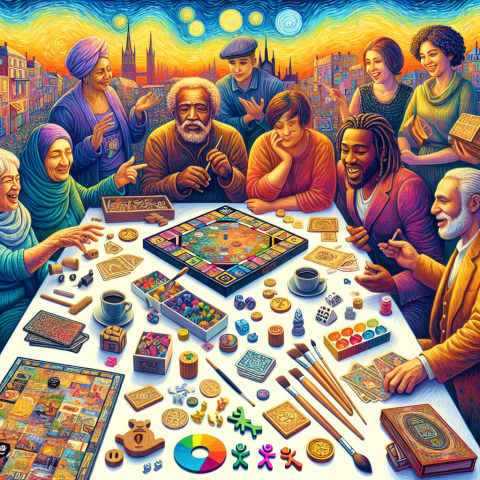
In a world dominated by screens and virtual interactions, the age-old tradition of gathering around a table to play a board game is a breath of fresh air. Imagine a scene where family members drift away from their devices, putting aside the digital noise that often drowns out meaningful communication. The clatter of dice rolling, the sound of pieces sliding across the board, and the shared laughter create an atmosphere that fosters genuine connections. It’s simple, really—a board game can be the catalyst that links family members together in a unique and memorable way.
At its core, a board game offers more than just a pastime; it invites collaboration, strategy, and playful competition. While each player engages their mind and embraces the thrill of victory (or the sting of defeat), something deeper begins to unfold: conversation. Gone are the days of staring at screens in silence, as players engage in banter, tease each other about poor moves, and share stories that might not come up over a typical family dinner. This kind of interaction doesn’t just break the ice—it melts it completely.
Take, for example, a classic like Monopoly. As players buy properties and try to outsmart one another, families begin to share their own experiences with money, investments, and life lessons wrapped in laughter. These moments become the stitchwork of their shared history. Whether you’re strategizing in Settlers of Catan or navigating the mysteries of Clue, each game builds a narrative,. Those board game nights are not merely about finishing a game; they’re about creating a tapestry of memories and connections that last well beyond the final turn.
Let’s not forget the lessons learned during gameplay. Patience, critical thinking, and teamwork are just a few of the invaluable skills that emerge as families maneuver their way through different scenarios on the board. These lessons aren’t confined to the game; they seep into real life, reminding us that cooperation and understanding are essential, whether you’re building a house, planning a vacation, or simply navigating daily chores.
In a culture that often prioritizes instant gratification, board games remind us that the journey matters as much as the destination. So, if you find yourself longing for deeper connections, consider dusting off those box sets gathering dust on the shelf. Who knows? A board game could be the missing link that brings your family together in ways you never imagined.

Are Board Games The Missing Link In Family Connections?
Are Board Games The Missing Link In Family Connections?
- Board games offer a refreshing escape from screen-dominated interactions.
- They create an environment for genuine connections through shared experiences.
- The process of playing fosters collaboration, strategy, and playful competition.
- Gameplay encourages engaging conversations and storytelling among family members.
- Classic games like Monopoly facilitate sharing personal experiences and life lessons.
- Board games promote essential skills such as patience, critical thinking, and teamwork.
- They remind us of the importance of the journey and the connections made along the way.

Are Board Games The Missing Link In Family Connections?
Table Of Contents
- Are Board Games The Missing Link In Family Connections?
- Are Board Games Effective In Strengthening Family Bonds?
- What Benefits Do Board Games Offer For Family Communication?
- How Can Board Games Encourage Teamwork Among Family Members?
- Are There Specific Board Games That Are Best For Family Engagement?
- What Age Groups Can Enjoy Board Games Together As A Family?
- How Do Board Games Reduce Screen Time For Families?
- Can Playing Board Games Help Resolve Family Conflicts?
- Conclusion
- Other Resources
- Glossary Of Terms
- Other Questions
- Haiku
- Poem
- Checklist
Are Board Games Effective In Strengthening Family Bonds?
When it comes to strengthening family bonds, few things can compete with the unassuming charm of a board game. Imagine a chilly evening, the aroma of freshly popped popcorn wafting through the air, and the warm glow of a lamp illuminating a table littered with colorful game pieces. In that setting, you can feel the layers of daily life peel away, revealing a space where laughter and friendly competition merge into something greater.
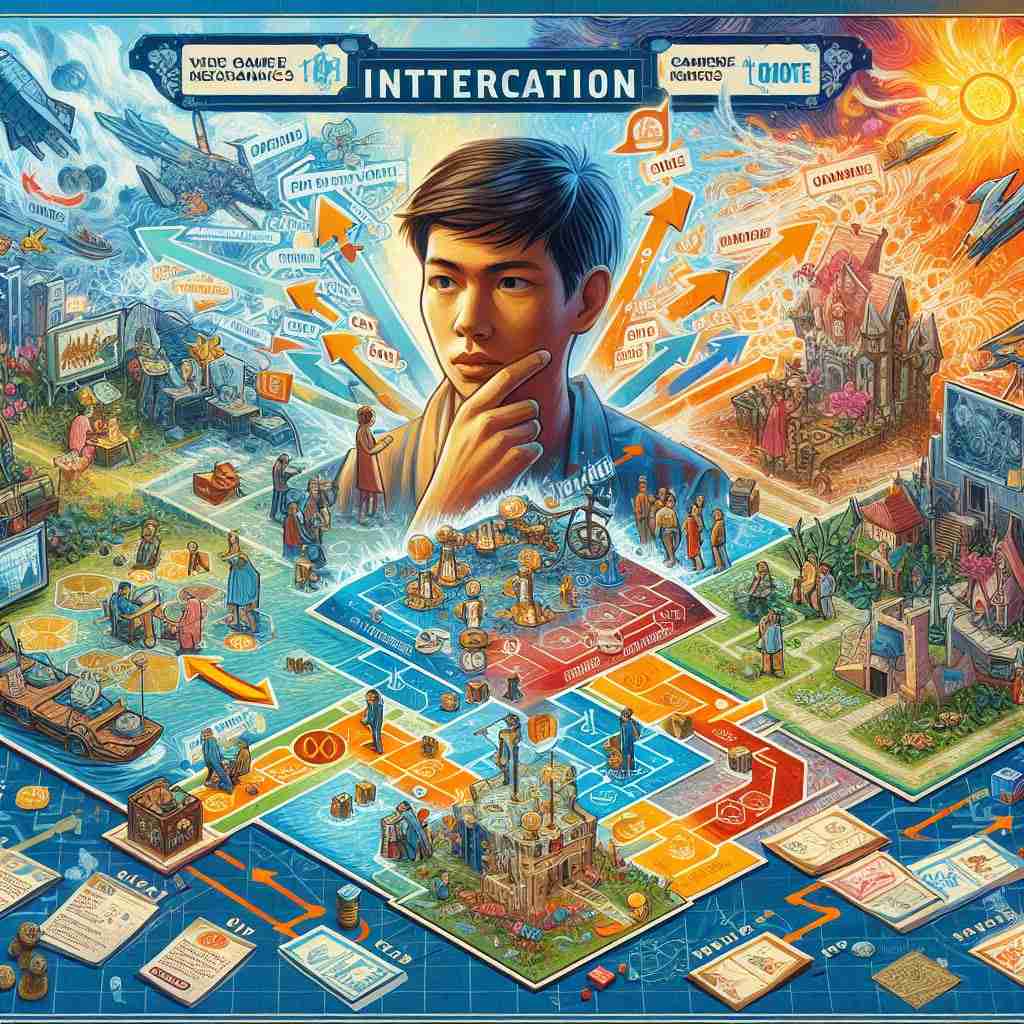
A board game is more than just a collection of cards, dice, and plastic figures; it’s a gateway to connection. Behind the friendly banter and playful rivalries lies an undeniable truth: these games foster communication. As players strategize, negotiate, and try to outwit one another, they engage in conversations that might never happen during the day-to-day hustle. You get to witness personalities emerge—some competitive, some laid-back, and others just plain silly—and that’s the beauty of it.
Let’s consider what happens when the kids are gathered around the table, filled with anticipation. Sure, some will groan when they lose, while others will break into spontaneous victory dances. But as those moments unfold, families create shared memories that strengthen their ties. Remembering who always plays the wrong move or who can’t stop talking smack when they’re ahead adds humor and history to family lore. It’s a tapestry of experiences woven together through the simple act of playing a game.
Perhaps the most valuable takeaway from these game nights is not just the victory or defeat but the collaborative effort that goes behind it. Working together to tackle a challenge in a cooperative board game brings out a sense of unity. It reminds everyone involved that they’re on the same team, even when tensions rise and tempers flare—because let’s face it, we’ve all seen a brother build a monopoly empire on the back of a confused sibling.
In a world where smartphones dominate attention and screens separate us more than they unite, don’t underestimate the power of a good old-fashioned board game. Each roll of the die and flip of a card is an invitation to engage, laugh, and savor moments together. It’s not just a game; it’s a vehicle for connection, and that, my friends, is something every family needs in their arsenal. So, gather around, make some popcorn, and let the game night tradition roll on.
Are Board Games Effective In Strengthening Family Bonds?
Are Board Games Effective In Strengthening Family Bonds?
- Board games enhance family bonds through shared experiences and interactions.
- They encourage communication and connection beyond everyday conversations.
- Game nights allow personalities to shine, revealing competitive and playful sides.
- Families create lasting memories filled with humor and shared stories from game nights.
- Cooperative board games promote unity and teamwork among family members.
- Board games provide an alternative to screen time, fostering engagement and laughter.
- The tradition of game night is a valuable way for families to connect and enjoy each other’s company.

Are Board Games Effective In Strengthening Family Bonds?
What Benefits Do Board Games Offer For Family Communication?
Board games have long represented more than just a collection of plastic pieces and card stock; they serve as a dynamic platform for families to engage in meaningful communication. In the noisy hustle of modern life, where screens often dominate our interactions, board games provide a rare opportunity to gather around a table and connect on a personal level.
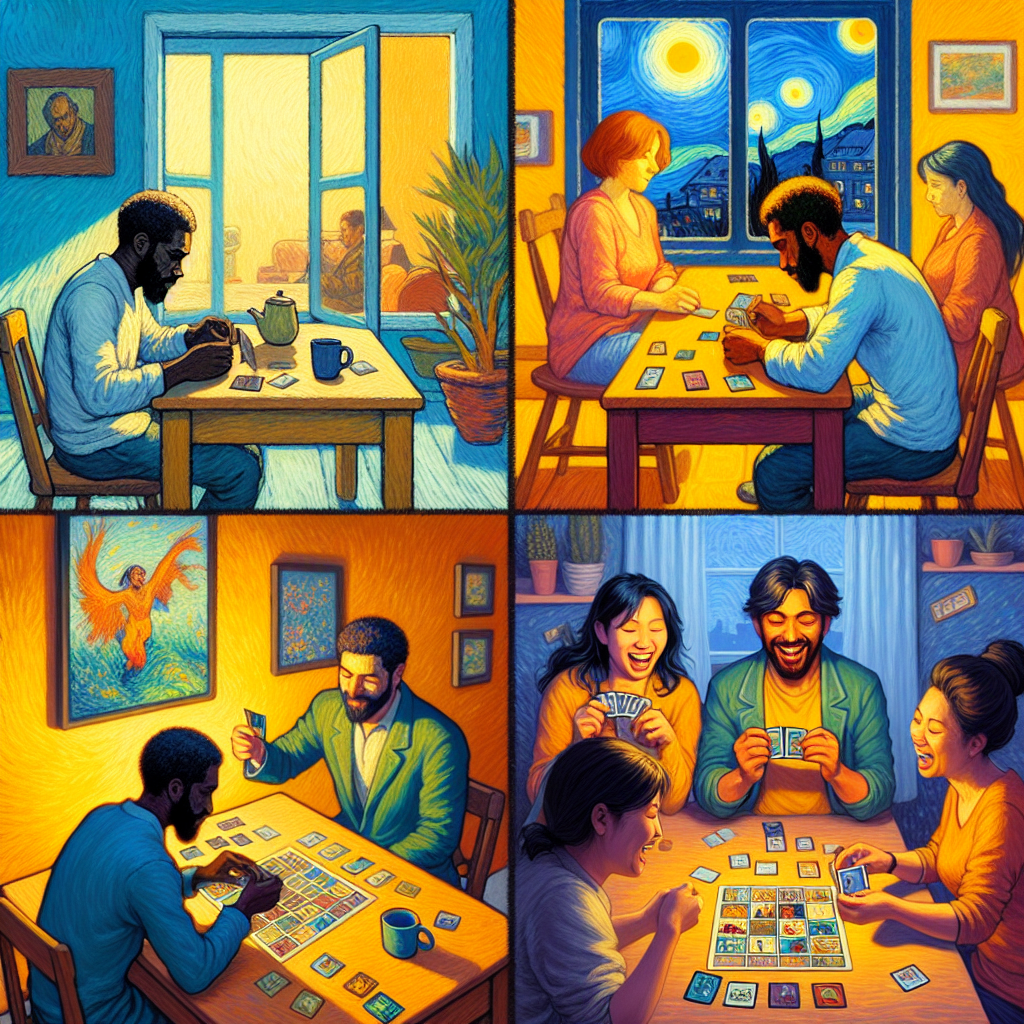
First and foremost, playing a board game encourages face-to-face interaction. When families come together to play, they create an environment free from the distractions of technology. This setup encourages conversations that might not happen otherwise. A simple game of Monopoly can unfold into discussions about budget management and future financial goals—or perhaps, that heated debate about who actually had it worse in their childhood when they landed on Boardwalk.
Moreover, the diversity of board games ensures that there’s something for everyone. Strategy games challenge our critical thinking, party games bolster our creativity, and cooperative games promote teamwork. Each style allows families to communicate in various ways. During a game of Settlers of Catan, for instance, players might negotiate resources, fostering negotiation skills and teaching the art of compromise—a vital lesson on communicating effectively and respectfully.
Then there’s the reality of laughter and shared experiences. Board games are often catalysts for light-hearted banter, jokes, and even (let’s be honest) some friendly trash talk. Remember that time Uncle Joe tried to pull a fast one in Scrabble and ended up playing “Q” on a triple word score? Those moments become cherished memories, solidifying family bonds and engendering a culture of openness. Such joy diffuses tension and creates an atmosphere where everyone feels comfortable sharing their thoughts and feelings.
Finally, board games often prompt discussions featuring life lessons, whether overt or subtle. Various game mechanics mirror real-life scenarios that require problem-solving skills, resilience, and decision-making—traits that are invaluable as we navigate familial relationships.
In summary, engaging in board games isn’t just about rolling dice or moving pieces; it’s about the shared experience and communication that naturally unfolds. Families who play together, learn together, laugh together, and yes, even bicker together, often find that their connections grow deeper—one game night at a time.
What Benefits Do Board Games Offer For Family Communication?
What Benefits Do Board Games Offer For Family Communication?
- Board games provide a dynamic platform for families to engage in meaningful communication amidst modern life’s distractions.
- They encourage face-to-face interaction, creating an environment free from technology that fosters conversations.
- Diverse board games ensure there’s something for everyone, promoting various forms of communication.
- Games like Settlers of Catan teach negotiation skills and the importance of compromise.
- Board games generate laughter and shared experiences, solidifying family bonds through memorable moments.
- They often prompt discussions about life lessons and mirror real-life scenarios that develop problem-solving and decision-making skills.
- Ultimately, board games help families deepen their connections through shared experiences and communication.

What Benefits Do Board Games Offer For Family Communication?
How Can Board Games Encourage Teamwork Among Family Members?
In a world bustling with digital distractions, it can be easy to overlook the simple joy of sharing a board game with family. But let’s pause for a moment; because when you crack open that box, you’re not just inviting a game to the table—you’re inviting laughter, conversation, and most importantly, teamwork. Board games offer a unique opportunity to strengthen family bonds, fostering collaboration and communication in a way that few other activities can.
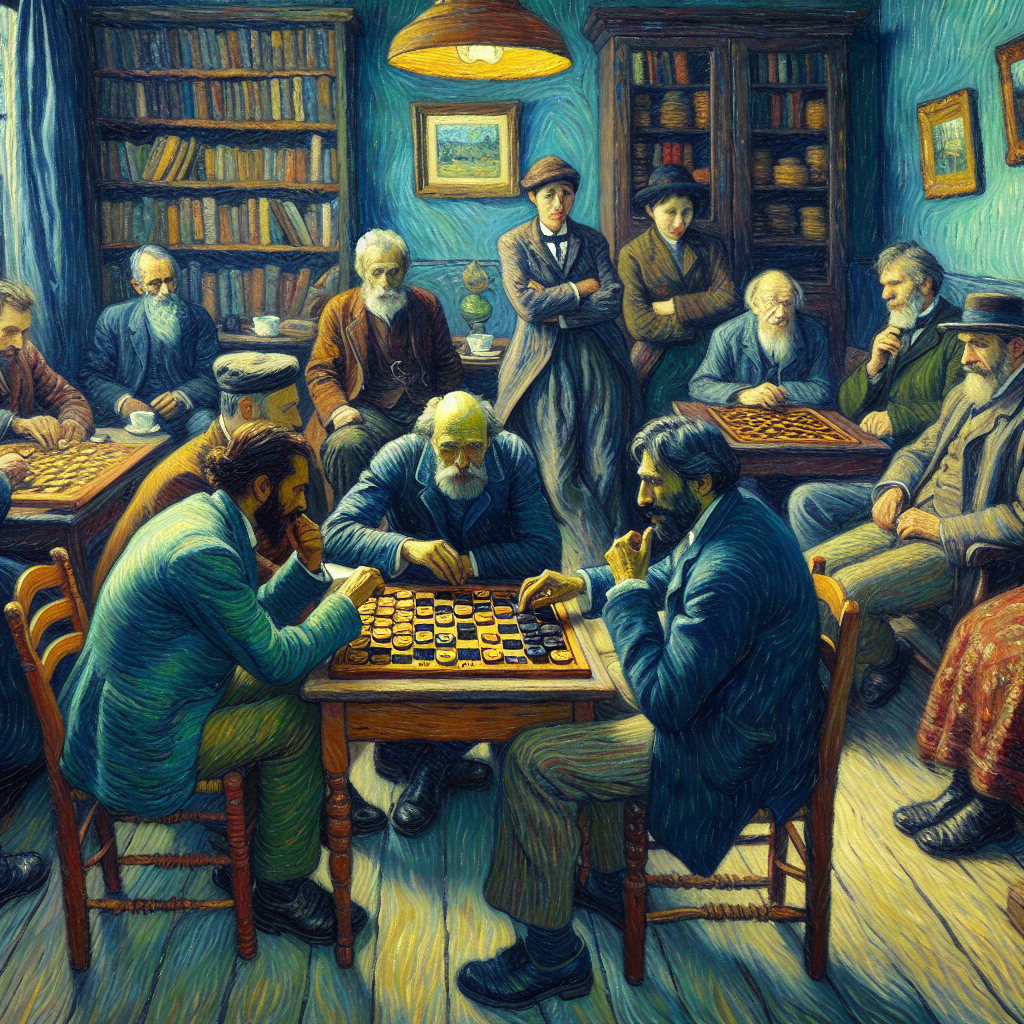
Think about it: when you gather around the kitchen table, rolling dice and placing pieces on a colorful board, you step into a shared experience that requires everyone to pitch in. Whether it’s strategizing together to conquer a challenging game or working through disputes over rules, these moments of interaction teach valuable lessons about compromise and cooperation. Remember, it’s not just about winning; it’s about how you play the game—and that principle translates beautifully into family dynamics.
Take that classic crowd-pleaser, for instance. Picture family members huddled around a table, scrutinizing game boards, throwing out suggestions, and cheering each other on. This is teamwork in action! When players must rely on one another’s strengths—be it math skills, critical thinking, or even just enthusiasm—everyone learns the importance of collaboration. Each turn taken becomes an opportunity to connect, support, and engage, breaking down silos that might otherwise keep family members isolated in their own worlds.
But here’s the kicker: board games aren’t just about getting it right; they’re about learning to navigate the unexpected twists and turns that arise. Sometimes you’ll find yourself on the losing side of a heated game, and how you handle that setback teaches resilience. Families come together to strategize an approach to win the next round, creating a team that is focused not solely on individual failures or successes.
Moreover, as each family member takes their turn, energy builds, and various perspectives emerge, highlighting diverse problem-solving approaches. This is a goldmine for teaching and learning—whether it’s about sharing the spotlight or recognizing that everyone has something unique to contribute.
So, as you gather around that game board for your next family night, remember: it’s more than just a way to pass the time. It’s a ripe opportunity to build teamwork, strengthen relationships, and nurture the spirit of collaboration among the people who matter most. With each roll of the dice, you’re not just playing a game; you’re creating memories that last a lifetime.
How Can Board Games Encourage Teamwork Among Family Members?
How Can Board Games Encourage Teamwork Among Family Members?
- Board games offer a unique opportunity to strengthen family bonds through teamwork and communication.
- Gathering around a game fosters shared experiences that teach valuable lessons about compromise and cooperation.
- Playing games requires collaboration, as family members rely on each other’s strengths, enhancing critical thinking and engagement.
- Board games teach resilience and how to navigate unexpected challenges, fostering a focus on collective success rather than individual failure.
- Each turn promotes the sharing of diverse perspectives, serving as an opportunity for teaching and learning.
- Family game nights are more than entertainment; they are opportunities to build relationships and strengthen ties.
- Every game played creates lasting memories and reinforces the spirit of collaboration among family members.

How Can Board Games Encourage Teamwork Among Family Members?
Are There Specific Board Games That Are Best For Family Engagement?
Gather ‘round the table, folks, because let’s talk about the magic of board games. These aren’t just stacks of cardboard and plastic bits; they’re gateways to laughter, strategy, and sometimes a little friendly rivalry. When it comes to family engagement, some board games shine brighter than the rest, acting like a beacon that draws everyone in. It’s not about an escape from reality; it’s about bonding over a shared adventure, and certain games have mastered this art.
First up, we have classics like Monopoly and Scrabble. These board games have been around long enough to earn their stripes. Monopoly teaches kids about money management, trading, and negotiation, even as family members plot to bankrupt one another. There’s nothing quite like seeing Grandma finally foreclose on Uncle Ed’s properties. And Scrabble? It’s a no-fail way to boost vocabulary skills while fueling a little friendly competition. Who doesn’t want to score those bonus points with an impressive “quizzical” on the board?
But if you’re looking for something a bit more modern, you can’t go wrong with Ticket to Ride or Catan. These board games provide the thrill of strategy mixed with a level of accessibility that makes them perfect for families. In Ticket to Ride, players race to claim train routes across a map, fostering teamwork and a bit of rivalry along the way. Meanwhile, Catan challenges players to collect resources and build settlements, all while fostering negotiations and even some sweet, sweet backstabbing under the guise of “trade.” These are not just games; they’re lessons in economics, resource management, and social dynamics, wrapped in layers of fun.
Now don’t overlook the importance of teamwork with games like Pandemic, which encourages family members to work together against a common enemy: disease! It’s a powerful bonding experience that flourishes better than any family vacation could. And speaking of bonding, let’s talk about how Pictionary takes the laughter quotient to new heights with its ridiculous sketches and frenzied guessing.
So, when choosing board games for family engagement, remember: the best games pull everyone in, spark conversations, and create memories. Whether you’re building empires or just trying to guess what Grandma was drawing, the key to a successful family game night is simple: it’s all about connection. Roll the dice and let the fun begin!

Are There Specific Board Games That Are Best For Family Engagement?
Are There Specific Board Games That Are Best For Family Engagement?
- Board games are more than just entertainment; they foster laughter, strategy, and friendly rivalry.
- Classics like Monopoly teach money management and negotiation, while Scrabble enhances vocabulary skills.
- Modern games such as Ticket to Ride and Catan offer strategic thrills and accessibility for family play.
- Ticket to Ride encourages teamwork and competition through claiming train routes.
- Catan involves resource collection and negotiations, providing lessons in economics and social dynamics.
- Teamwork is crucial in games like Pandemic, which fosters collaboration against a common challenge.
- The best family games spark conversation, create memories, and promote connection among players.

Are There Specific Board Games That Are Best For Family Engagement?
What Age Groups Can Enjoy Board Games Together As A Family?
Gather ‘round the table, folks, because when it comes to board games, the age gap isn’t a barricade; it’s more like the welcome mat at the door of fun. From toddlers to grandparents, there’s a spot for everyone in the family circle. So, let’s break it down, shall we?
First up, the little ones. You might think that board games are purely realm of the big kids, but fear not! Age-appropriate options exist that even preschoolers can grasp. Games like “Candy Land” or “Chutes and Ladders” provide the perfect entry point. These games teach kids not just how to play, but the spirit of competition and turn-taking, even if winning is often a matter of luck rather than skill. Plus, they’re colorful, engaging, and short enough that the little ones won’t lose interest halfway through!
Now, as those kids grow older, the complexity of board games can ramp up. Enter the elementary school age, where strategy becomes a part of the process. They can now tackle games like “Ticket to Ride” or “Catan,” which require a bit more thinking and foresight. It’s during this stage that board game night transforms into both learning and bonding time. Adults can teach kids the nuances of strategy, negotiation, and even a little about math—all disguised as fun. It’s a brilliant way to watch their brains expand right before your eyes.
Moving into the teenage years, it’s vital to keep the excitement going. Here, you might encounter a bit of eye-rolling at the mention of board games, but fear not! The right choice is key. Try games like “Dungeons & Dragons” or “Pandemic,” which emphasize teamwork and storytelling. Teens crave connection, and these games offer an opportunity to dive deep into collaboration and creativity, proving that board games are still relevant in a digital world.
Finally, don’t forget the grandparents! They bring a wealth of experience and wisdom to the table. Games like “Scrabble” or “Dominoes” can bridge generations, evoking nostalgia while allowing for some healthy competition. Board games become a canvas for storytelling, laughter, and shared memories.
So, whether you’re dealing out cards with the toddler or strategizing with a teen, board games have an uncanny ability to bring families together. With the right game choice, everyone—regardless of age—can find joy in this time-honored tradition.

What Age Groups Can Enjoy Board Games Together As A Family?
What Age Groups Can Enjoy Board Games Together As A Family?
- Board games serve as a fun family activity across all ages, from toddlers to grandparents.
- Preschool games like “Candy Land” and “Chutes and Ladders” help young children learn competition and turn-taking.
- As kids grow, they can enjoy more strategic games like “Ticket to Ride” and “Catan,” promoting learning and bonding with adults.
- Teenage players may initially resist board games, but options like “Dungeons & Dragons” and “Pandemic” foster teamwork and creativity.
- Grandparents add experience and nostalgia to family game nights with classics like “Scrabble” and “Dominoes.”.
- Board games provide a platform for storytelling, laughter, and shared memories among family members.
- The right game choice can ensure enjoyment for all ages, reinforcing the value of togetherness in family traditions.

What Age Groups Can Enjoy Board Games Together As A Family?
How Do Board Games Reduce Screen Time For Families?
In today’s fast-paced digital age, where screens dominate our daily lives, it’s becoming increasingly important for families to carve out time for meaningful, face-to-face interactions. Enter the humble board game, a timeless entity that has the unique ability to bring families together around a table, sharing laughter, excitement, and sometimes a little friendly rivalry. In this realm of brightly colored pieces and strategic thinking, families find a respite from the glow of screens that often distance us from each other.
Board games intrigue us in a way that a screen simply can’t. The act of gathering around a table with friends or family, rolling dice or moving pieces, creates an atmosphere of connection. While a video game might isolate players into individual experiences, a board game invites collaboration and communication. When you’re strategizing how to block your cousin from winning Scrabble or competing for territory in a game of Risk, you’re engaging directly with those around you. It’s a tactile experience that engages the senses, provides instant feedback, and requires players to think critically, all while fostering connection through shared experiences.
Moreover, the beauty of a board game is its simplicity in comparison to the overwhelming bombardment of screen time. When faced with a board game, families can slip away from the noise of notifications and incessant distractions. Instead of a mind-numbing scroll through social media or a binge-watching marathon, families have the chance to immerse themselves in a captivating world of imagination and strategy. Imagine swapping out hours spent staring at screens for hours spent navigating complicated game rules and celebrating small victories over a game of Monopoly or Catan. The benefits extend far beyond just reducing screen time.
Not only do board games cultivate a sense of togetherness, but they also often lead to improved communication skills among family members, particularly between parents and children. The discussions that arise during gameplay can surpass mere strategy and spill into lessons on sportsmanship, patience, and critical thinking. This interactive element serves as a bridge uniting different generations and perspectives, paving the way for deeper family bonds.
In essence, swapping screen time for board game time is not just about reducing digital distractions; it’s about rekindling connections and enriching family life. So grab that dusty box off the shelf, gather your family, and let the games begin! There’s a whole world waiting for you beyond the screen, full of laughter, challenges, and a touch of friendly competition.

How Do Board Games Reduce Screen Time For Families?
How Do Board Games Reduce Screen Time For Families?
- In today’s digital age, it’s important for families to prioritize face-to-face interactions.
- Board games provide a timeless way to unite families, creating moments of laughter and friendly rivalry.
- Unlike video games, board games foster collaboration, communication, and direct engagement among players.
- The tactile experience of board games offers critical thinking and immediate feedback in a shared environment.
- Board games serve as an escape from screen distractions, promoting imagination and strategic thinking.
- Playing board games can improve communication skills and introduce lessons on sportsmanship and patience.
- Swapping screen time for board game time enhances family connections and enriches overall family life.

How Do Board Games Reduce Screen Time For Families?
Can Playing Board Games Help Resolve Family Conflicts?
When we think about family gatherings, a picturesque scene often comes to mind: a well-loved coffee table, a spread of snacks, and a few family members gathered ’round, sharing laughter and the occasional eye-roll. But what if I told you that a simple thing—like a board game—could shake the dust off those stale family dynamics and smooth over the rough patches? That’s right; those little cardboard squares and plastic pieces just might be the grease your family engine needs.
Picture the scenario: spirited discussions turn into stone-cold silence at the dinner table. Tensions brew like a storm cloud overhead, and before you know it, a minor disagreement about whose turn it is to wash the dishes could escalate into a full-blown quarrel. This is where our friend, the board game, enters the scene, armed with a mission to disarm. With the right game, you can channel that heated energy into something a bit more constructive—like frantically strategizing over who to send to jail in Monopoly or negotiating trade agreements in Settlers of Catan.
Playing a board game is inherently engaging. It demands attention, cooperation, and a good dose of humor. When the stakes involve not just points but also pride, family members can find common ground and forge new relationships within the structure of the game. It’s the laughter and playful banter amidst the competing strategies that can help alleviate underlying tensions and remind everyone that they’re part of the same team, albeit a quirky one.
Moreover, a board game is a neutral territory, a safe zone where rules reign supreme, and everyone knows what to expect. It’s an opportunity to engage in healthy competition; the outcome isn’t about who’s right or wrong—but rather who rolled the dice just right. Winning a game may not solve deep-seated issues, but it can serve as a catalyst for open communication and understanding.
Family dynamics are as diverse as the board games themselves. Whether it’s the strategic maneuvers in chess or sheer luck in Snakes and Ladders, these shared experiences create space for growth and harmony. So, the next time the family tensions rise higher than the Thanksgiving turkey, consider breaking out the board games. You might just find that beneath all the competitive spirit, love and a sense of togetherness reign supreme.

Can Playing Board Games Help Resolve Family Conflicts?
Can Playing Board Games Help Resolve Family Conflicts?
- Family gatherings often involve shared moments, snacks, and laughter, but tensions can brew beneath the surface.
- A board game can change stale family dynamics and ease conflicts during gatherings.
- Playing games redirects heated energy into constructive activities, promoting teamwork and strategy.
- Board games foster attention, cooperation, and humor, allowing families to bond over shared experiences.
- They create a neutral space for healthy competition, focusing on fun rather than personal disagreements.
- Different games offer diverse experiences, contributing to growth and harmony within family dynamics.
- Engaging in board games can help alleviate family tensions, reminding everyone of their collective bond.

Can Playing Board Games Help Resolve Family Conflicts?
Conclusion
As we pull at the threads of this article, one thing becomes clear: in a world where we often find ourselves lost in the digital maze of screens and notifications, board games re-emerge as the unsung heroes of family bonding. Picture this: a living room filled with the sound of laughter, dice rolling, and spirited competition—all while electronic devices gather dust on the sidelines. It’s not just about entertainment; it’s about rekindling the exquisite art of sitting down together, engaging in authentic conversation, and sharing experiences that thread us closer together.
Tom Seest makes a compelling case for the board game as a vital tool in strengthening familial relationships. These games aren’t merely leisure activities; they foster communication and collaboration. Take Monopoly, for instance. It offers a not-so-subtle lesson in negotiating deals and managing resources, all while navigating familial banter that brings life lessons to the forefront. Meanwhile, games like Settlers of Catan encourage strategy and teamwork, reminding us that sometimes, the journey—to victory, to an unexpected twist, or to the ultimate defeat—holds immeasurable value.
More than just stress-busters, board games create dynamic environments where personalities emerge. They strip away the digital distractions that isolate us and invite rich conversations that are hard to conjure in the chaos of everyday life. Parents share wisdom, kids learn patience, and everyone can explore the delightful dance of competition—sometimes uplifting, often hilariously awkward.
Now let’s talk practicality: whether you’re six or sixty, there’s a game that fits right in. Board games cater to every age and ability; they serve both as entry points for the youngest players and as showcases for the competitive spirit of the elders. They can turn an ordinary evening into a cherished memory—can you hear Grandma’s laughter echoing from the kitchen as she unveils her surprising tact in Clue?
So here’s the bottom line: if you find your family drifting into the digital ether, consider reviving those dusty game boxes. They’re more than mere entertainment; they’re pathways to connection. In a time when the art of face-to-face interaction feels threatened, go ahead—roll those dice, gather your loved ones, and let the laughter unfold. The board game may just be the missing link that reweaves the fabric of your family, one game night at a time. It’s time to bring the game back home.
Conclusion
Conclusion:
- Board games serve as vital tools for family bonding amidst the digital distractions of modern life.
- They promote authentic conversations and shared experiences, fostering deeper connections.
- Games like Monopoly and Settlers of Catan teach valuable lessons in negotiation, strategy, and teamwork.
- Board games create dynamic environments that encourage personality expression and interpersonal skills.
- They cater to all ages, providing entry points for children and competitive showcases for adults.
- Playing board games transforms ordinary evenings into memorable family experiences.
- Reviving board games can help counteract digital isolation and reestablish face-to-face interactions.

Conclusion
Other Resources

Other Resources
Here is a list of other resources you can review online to learn more:
- Odnoklassniki
- Star Wars: Rebellion
- Blogger
- Robinson Crusoe: Mystery Tales Expansion
- Clans of Caledonia
- Istanbul
- Legendary: A Marvel Deck Building Game
- Google Business Profile
- Alchemists
- Battlestar Galactica: The Board Game
Use This Prompt To Get More Resources With Your Favorite Online AI Tool: Please provide me with a list of online articles with their URLs in a bulleted list that I can read regarding Are Board Games The Missing Link In Family Connections?

Other Resources
Glossary Terms
Are Board Games The Missing Link In Family Connections? – Glossary Of Terms
1. Board Game: A tabletop game that involves pieces or counters moved on a pre-marked surface according to a set of rules.
2. Family Bonding: The process of creating strong emotional ties among family members, often enhanced through shared activities.
3. Social Interaction: The way people communicate and engage with one another, which can be facilitated through gameplay.
4. Strategic Thinking: A cognitive process involving planning and decision-making, often encouraged by playing board games.
5. Cooperation: Working together towards a common goal, an essential component of many board games that fosters family teamwork.
6. Communication Skills: The ability to convey and share ideas or feelings effectively, often improved through discussion in gameplay.
7. Quality Time: Time spent with family members in a focused and meaningful way, which can be facilitated by engaging in board games.
8. Turn-taking: A game mechanic that teaches patience and respect for others, important lessons for family dynamics.
9. Conflict Resolution: The ability to resolve disagreements or disputes, often practiced during competitive gameplay.
10. Mindfulness: The practice of being present and engaged, which can be enhanced when families focus on playing board games together.
11. Inclusivity: The practice of ensuring all family members participate and feel valued, something that board games can promote through adaptable rules.
12. Cognitive Development: The growth of processes like memory and problem-solving, which can be stimulated through strategic board games.
13. Nostalgia: A sentimental longing for the past, often evoked by family board game traditions and memories.
14. Intergenerational Play: Games that encourage interaction between family members of different ages, fostering connections and shared experiences.
15. Emotional Intelligence: The ability to understand and manage emotions, which can be honed through interactions in board games.
16. Local Game Night: Regularly scheduled family gatherings centered around playing board games to strengthen connections.
17. Fun: A light-hearted and enjoyable experience that is often a primary benefit of family game nights.
18. Competition: The rivalry that can arise during gameplay, offering opportunities for family members to practice good sportsmanship.
19. Creativity: The ability to think outside the box, enhanced by games that encourage improvisation or unique solutions.
20. Teamwork: Collaborating with others to achieve a common goal, reinforced through team-based board games.
21. Attention Span: The length of time one can concentrate on a task, which board games can help improve through focused engagement.
22. Goal-oriented Play: Activities in games that require players to set and pursue objectives, promoting focus and determination.
23. Lexicon: The set of terms and vocabulary used within the context of board games that families learn together.
24. Family Tradition: Regular customs or rituals, such as game nights, that help strengthen family ties over time.
25. Replayability: The likelihood that a game can be played multiple times without becoming stale, encouraging ongoing family engagement.
26. Game Mechanics: The rules and methods that drive gameplay, which can dictate the level of engagement and learning.
27. Collaboration Games: Board games designed for players to work together, rather than compete, fostering a sense of community.
28. Storytelling: The art of narrating experiences, which many board games encourage, promoting creative thinking and connection.
29. Skill Development: The improvement of various abilities, such as logic and strategy, through regular board game play.
30. Emotional Resilience: The capacity to recover quickly from difficulties, which board games can help build through lessons in competition and teamwork.

Glossary Of Terms
Other Questions
Are Board Games The Missing Link In Family Connections? – Other Questions
If you wish to explore and discover more, consider looking for answers to these questions:
- What are some popular family board games to consider?
- How can board games help improve communication skills within the family?
- Are there specific strategies to make family game night more engaging?
- What are the best practices for introducing new board games to family members?
- How can families incorporate board games into their regular routines?
- What role do board games play in teaching children social skills?
- Are there educational benefits to playing board games as a family?
- How do different family dynamics affect board game experiences?
- What age-appropriate games are ideal for family bonding?
- Can board games help manage family stress and provide relaxation?
Other Questions
Haiku
Are Board Games The Missing Link In Family Connections? – A Haiku
Board games invite joy,
Nurturing bonds through laughter,
Screens fade, hearts connect.
Haiku
Poem
Are Board Games The Missing Link In Family Connections? – A Poem
In a world wrapped tight in screens,
Where silence reigns and distance leans,
There lies a joy both bright and bold—
The timeless charm of games retold.
Picture the table, a space so wide,
With laughter echoing, hearts open wide.
Dice are rolling, pieces slide,
In this cozy realm, our spirits collide.
Monopoly’s hustle, a lesson to share,
Or Clue’s wild mysteries, secrets laid bare.
From childhood whims to serious tales,
Each game spins stories, as laughter prevails.
Through strategy’s dance and friendly strife,
We learn about love, patience, and life.
Negotiations foster, while teamwork ignites,
As generations bond on these magical nights.
Away go the screens, distractions fall,
In this sacred circle, we open our all.
True communication blooms in the fray,
With jests and banter making our day.
So dust off the boxes, let the games start,
For each roll of the dice, each share of the heart,
Is a thread in the tapestry, vibrant and bright,
Binding us closer, in joy and delight.
Let games be the bridge, where laughter flows,
In a world that rushes, here time gently slows.
For when family gathers, be it young or old,
Around a board’s embrace, the real magic unfolds.
Poem
Checklist
Are Board Games The Missing Link In Family Connections? – A Checklist
1. Designate a Regular Game Night
_____ Choose a specific day and time each week/month to gather for board game night.
_____ Encourage all family members to participate and suggest games.
2. Curate a Diverse Game Collection
_____ Include a mix of classic and modern board games to cater to different interests:
_____ Classic Games: Monopoly, Scrabble, Clue
_____ Strategy Games: Settlers of Catan, Ticket to Ride
_____ Cooperative Games: Pandemic
_____ Party Games: Pictionary, Charades
3. Create a Comfortable Playing Environment
_____ Arrange a cozy space with comfortable seating and good lighting.
_____ Stock up on snacks and beverages to keep everyone energized.
4. Encourage Family Participation
_____ Invite every family member to select a game, ensuring everyone feels included.
_____ Allow younger kids to be on teams with adults for better engagement.
5. Limit Screen Time During Game Nights
_____ Keep phones and other electronics away from the game table to minimize distractions.
_____ Foster conversations and interactions only through the game.
6. Promote Communication and Sharing
_____ Encourage players to share thoughts, strategies, and friendly banter during the game.
_____ Use games as a springboard for deeper conversations about personal experiences and lessons learned.
7. Highlight Learning Opportunities
_____ Discuss life lessons learned from gameplay (e. g. , patience, teamwork, critical thinking).
_____ Reflect on any exciting or funny moments to reinforce family memories.
8. Celebrate Every Game’s Unique Contributions
_____ Acknowledge the different skills and dynamics that each game brings out (e. g. , negotiation in Catan, creativity in Pictionary).
_____ Share results and stories after each game; consider keeping a family game night journal.
9. Explore New Games Together
_____ Make a plan to discover and try at least one new board game each month.
_____ Discuss and vote on what games to incorporate into your next game night.
10. Reflect on Family Dynamics Post-Game
_____ Discuss what worked well and what didn’t during game night.
_____ Use feedback to evolve and improve future sessions, fostering open communication.
By following this checklist, families can foster deeper connections, laughter, and memorable experiences, all while embracing the joys of playing board games together.

Checklist
At BestBoardGameNews, we help people who love board games by collating information and news about board games.
Be sure to read our other related stories at BestBoardGameNews to learn more about board games.