Discover The Age-Defying Power Of Game Boards
By Tom Seest
At BestBoardGameNews, we help people who love board games by collating information and news about board games.
Be sure to read our other related stories at BestBoardGameNews to learn more about board games.
Are Game Boards The New Fountain Of Youth?
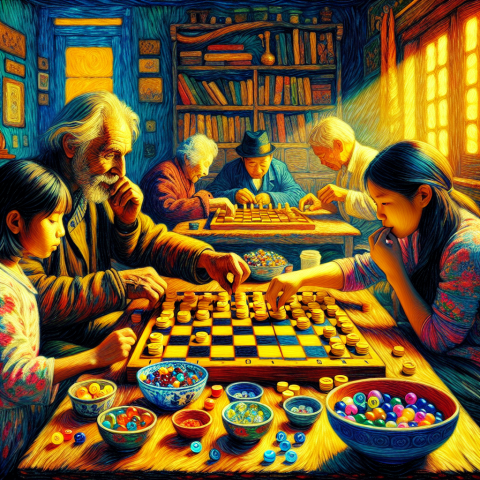
In a world that often celebrates youth as the pinnacle of vitality, a curious movement is emerging from the humble corners of our living rooms and coffee shops—board games. Yes, you heard me right. Those colorful, cardboard creations that once gathered dust on shelves have become a cultural phenomenon, sparking joy and maybe even a little nostalgia. With more adults dusting off boxes and gathering around tables, a compelling question arises: could board games be the new fountain of youth?
Let’s face it. As we age, our bodies may slow down, but our minds are seeking stimulation, connection, and a good chuckle. Enter the board game. Far from solo pursuits, these games are often a social affair. They encourage laughter, friendly competition, and, perhaps most importantly, interaction. In an age dominated by screens and social media, there’s something profoundly refreshing about face-to-face engagements—where the only emojis in play are the actual expressions on our faces.
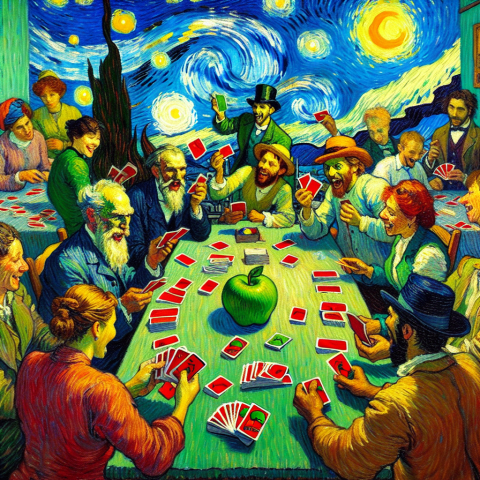
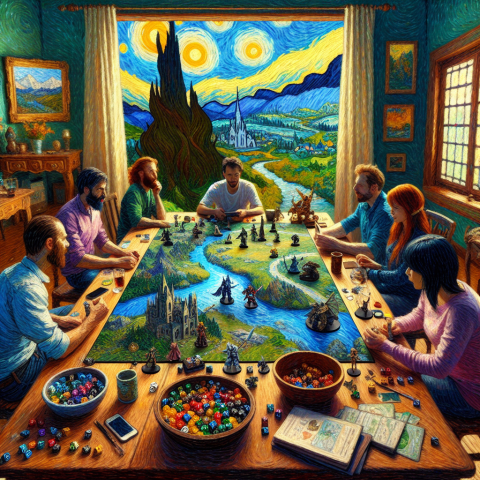
What makes board games particularly special is their incredible variety. From strategy-heavy epics to charmingly simple classics, there’s a game for every personality, every mood, and every group. Picture this: a table surrounded by friends, the chatter rising and falling like a lively symphony, each player strategizing and reacting, fully immersed in the moment. It’s invigorating, and in many ways, it mirrors the essence of youth—a spirit of play, curiosity, and companionship that we often leave behind in our hurried lives.
Research suggests that engaging in such cognitive challenges can also provide mental benefits. Board games demand critical thinking and problem-solving skills, keeping our minds sharp even as the years accumulate. In a playful setting, we might forget about the inevitable march of time, finding ourselves lost in the thrill of the game.
Moreover, for many, board games strike a nostalgic chord. They transport us back to simpler days, reminding us of childhood adventures with family and friends. This connection to our past can rejuvenate our spirits, offering a mental landscape that feels familiar and warm, much like the nostalgic tunes that spark fond memories.
So, is it too bold to claim that board games are a modern fountain of youth? Perhaps not. They spark connection, foster critical thinking, and just might be the antidote to an increasingly digital world. At the very least, they remind us that age is no barrier to fun and engagement. And who wouldn’t want to roll the dice on that?

Are Game Boards The New Fountain Of Youth?
Are Game Boards The New Fountain Of Youth?
- Board games are making a resurgence, transforming from neglected items to cultural phenomena.
- As people age, they seek mental stimulation and social connection, which board games provide.
- Engaging in board games fosters laughter, friendly competition, and interpersonal interactions.
- Board games come in various types, catering to different personalities and moods, enhancing social gatherings.
- Playing board games promotes critical thinking and problem-solving, helping keep minds sharp.
- They evoke nostalgia, recalling simpler times and childhood adventures with loved ones.
- Board games may serve as a modern “fountain of youth,” reminding us that age does not limit fun and engagement.
Are Game Boards The New Fountain Of Youth?
Table Of Contents
- Are Game Boards The New Fountain Of Youth?
- Are Game Boards Actually Boosting Cognitive Health?
- How Do Games Improve Social Connections?
- Can Board Games Reduce Stress And Anxiety Levels?
- What Age Groups Benefit Most From Playing Game Boards?
- Are There Specific Genres Of Games That Are More Effective?
- How Often Should One Play Games For Optimal Benefits?
- What Role Do Game Boards Play In Family Bonding?
- Conclusion
- Other Resources
- Glossary Of Terms
- Other Questions
- Haiku
- Poem
- Checklist
Are Game Boards Actually Boosting Cognitive Health?
In a world increasingly dominated by screens and digital distractions, the enduring charm of a good old-fashioned board game is like a breath of fresh air. These games, often gathering dust on a shelf, have recently been dusted off and celebrated for their potential role in boosting cognitive health. But do they really offer more than just an excuse to gather friends for a night of fun and competition?
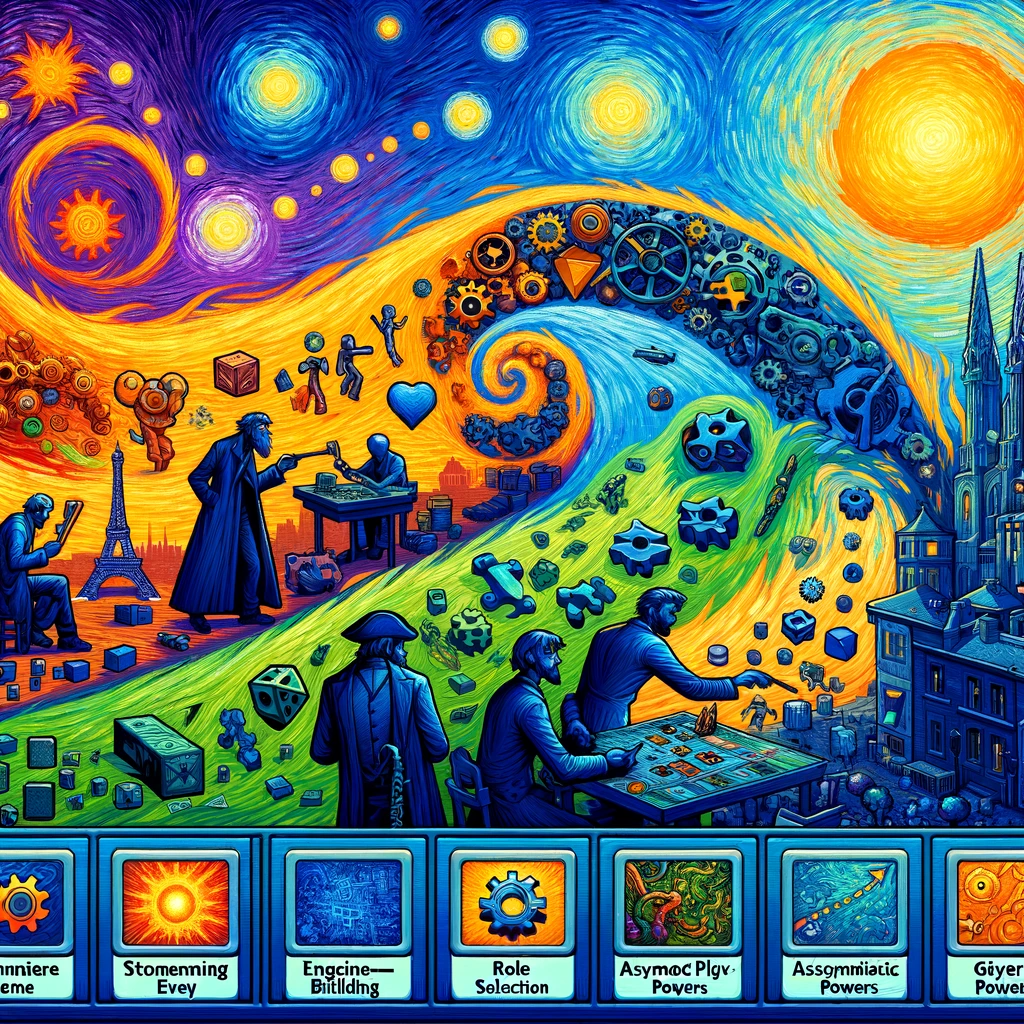
Imagine this: you and a group of friends huddled around a table, the tension thick enough to cut with a knife, each of you plotting and strategizing your way to victory in a board game. It’s not just about the thrill of winning; it’s a mental workout. These games demand critical thinking, strategic planning, and problem-solving skills. Every move you make requires weighing consequences, predicting opponents’ actions, and adapting to unfolding situations. This multifaceted mental engagement is where the cognitive benefits kick in.
Research suggests that engaging in activities that stimulate the brain, such as playing board games, can enhance cognitive functions like memory, attention, and reasoning. As we age, maintaining and challenging our cognitive abilities becomes essential. While nothing can prevent the inevitable march of time, keeping our brains active has the potential to slow down cognitive decline. A simple game of Scrabble or Settlers of Catan may not seem like a formidable foe, but these games push us to think critically and engage socially—two key components for a healthy mind.
But let’s not forget the social aspect of board gaming. The laughter, the banter, the friendly rivalries—these elements contribute significantly to our emotional health. Connections forged over dice rolls and card draws create a sense of community and belonging, which can be just as crucial for cognitive health as mental challenges. After all, a brain can only thrive in an environment that nurtures both its capacity to think and its need for social interaction.
So, is it time for us to break out those dusty boxes and dive headfirst into the world of board games? Well, if cognitive health is your game, the answer is an enthusiastic yes. It’s not just about having a good time; it’s an investment in your mental agility and emotional well-being. So gather your pals, roll the dice, and remember—every game played is a step toward a sharper mind.

Are Game Boards Actually Boosting Cognitive Health?
Are Game Boards Actually Boosting Cognitive Health?
- The appeal of traditional board games is gaining attention amidst digital distractions.
- Board games provide a mental workout through critical thinking, strategic planning, and problem-solving.
- Research indicates that playing board games can enhance cognitive functions such as memory, attention, and reasoning.
- Keeping the brain active through games can potentially slow cognitive decline as we age.
- Board gaming fosters social interaction, laughter, and a sense of community, which are essential for emotional health.
- Engaging in games is an investment in both mental agility and emotional well-being.
- Playing board games encourages a sharper mind and strengthens friendships.
Are Game Boards Actually Boosting Cognitive Health?
How Do Games Improve Social Connections?
In a world increasingly dominated by screens and solitary pursuits, it’s refreshing to recognize that games, particularly board games, have emerged as unexpected champions of social connection. When you break out a board game with friends or family, you’re not merely playing; you’re unwinding the threads of everyday life. It’s an opportunity for laughter, competition, and camaraderie.
Imagine the scene: you gather around a table loaded with cardboard pieces, dice, and maybe a snack or two. Nothing fancy—just good company and spirited gameplay. As players strategize their next moves, the room fills with a mix of laughter, playful banter, and the occasional groan of defeat. In these moments, relationships are forged and reinforced, creating connections that go beyond mere conversation.
Board games filter out the noise of the outside world. In a society where everyone seems glued to their devices, these tactile experiences offer a tangible alternative. They bring people together, face-to-face, where real conversations can unfold. The act of playing a game creates a shared experience—a story in which everyone has a part. It’s like gathering around a fire, spinning tales while engaged in light-hearted rivalry. Each round played deepens understanding and fosters trust.
The beauty of board games lies in their variety, appealing to different personalities and preferences. Some folks enjoy the strategic challenges of a complex game like Settlers of Catan, while others might prefer the sheer randomness and laughter that come with a game of Uno. No matter the choice, every game has a unique rhythm, and as players navigate those rhythms together, they build something invaluable: a sense of belonging.
Even outside the mechanics of the game itself, the shared time spent playing becomes a foundation upon which deeper friendships can grow. You learn things about your friends that you never would have discovered over a casual chat—how they handle pressure, what makes them laugh, and how competitive they truly are. You might witness a shy friend come out of their shell with a clever strategy, or watch someone else choke on a laugh right after they carelessly send their pawn to the bottom of the board.
In essence, board games do more than just entertain; they serve as a framework for understanding one another. They remind us that connection isn’t just about sharing space; it’s about creating moments that become the fabric of our relationships. So, dust off that old board game, gather your friends, and watch as social connections flourish over a shared experience that can seamlessly blend laughter, strategy, and genuine human interaction.

How Do Games Improve Social Connections?
How Do Games Improve Social Connections?
- Board games foster social connection in a screen-dominated world.
- They provide opportunities for laughter, competition, and camaraderie among friends and family.
- Playing board games creates a shared experience that strengthens relationships beyond casual conversation.
- Board games offer a tactile alternative to digital distractions, allowing for meaningful face-to-face interactions.
- The variety of games caters to different personalities and preferences, promoting a sense of belonging.
- Shared gameplay reveals deeper insights about friends, enhancing understanding and trust.
- Ultimately, board games create lasting moments that enrich relationships through genuine human interaction.

How Do Games Improve Social Connections?
Can Board Games Reduce Stress And Anxiety Levels?
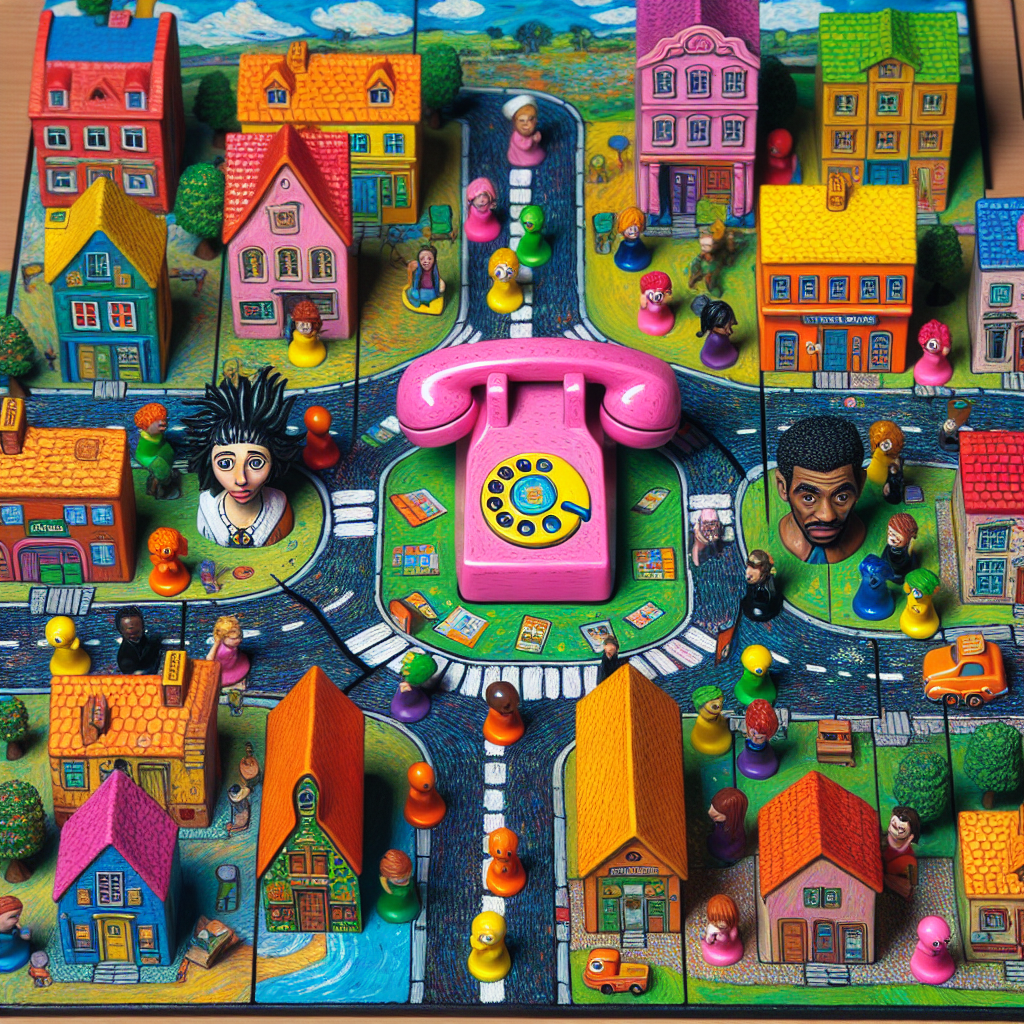
Ah, the timeless board game. Just the mention of it might conjure up images of family game nights, the unfamiliar yet inviting smell of cardboard, and the clatter of dice as they tumble across a table. But how can something so simple actually help lower stress and anxiety levels? Let’s roll the dice on this one.
For starters, board games offer a welcome reprieve from the incessant buzz of everyday life. In a world where our phones seem to be glued to our hands and the pace of information overload is relentless, sitting around a table with friends or family can feel like stepping onto a deserted island. You’re surrounded by laughter, competition, and a healthy dose of strategy. The act of focusing on a game requires mental engagement that can push aside the worries piling up in the back of your mind—turning your attention to winning that next round instead of what’s causing you stress.
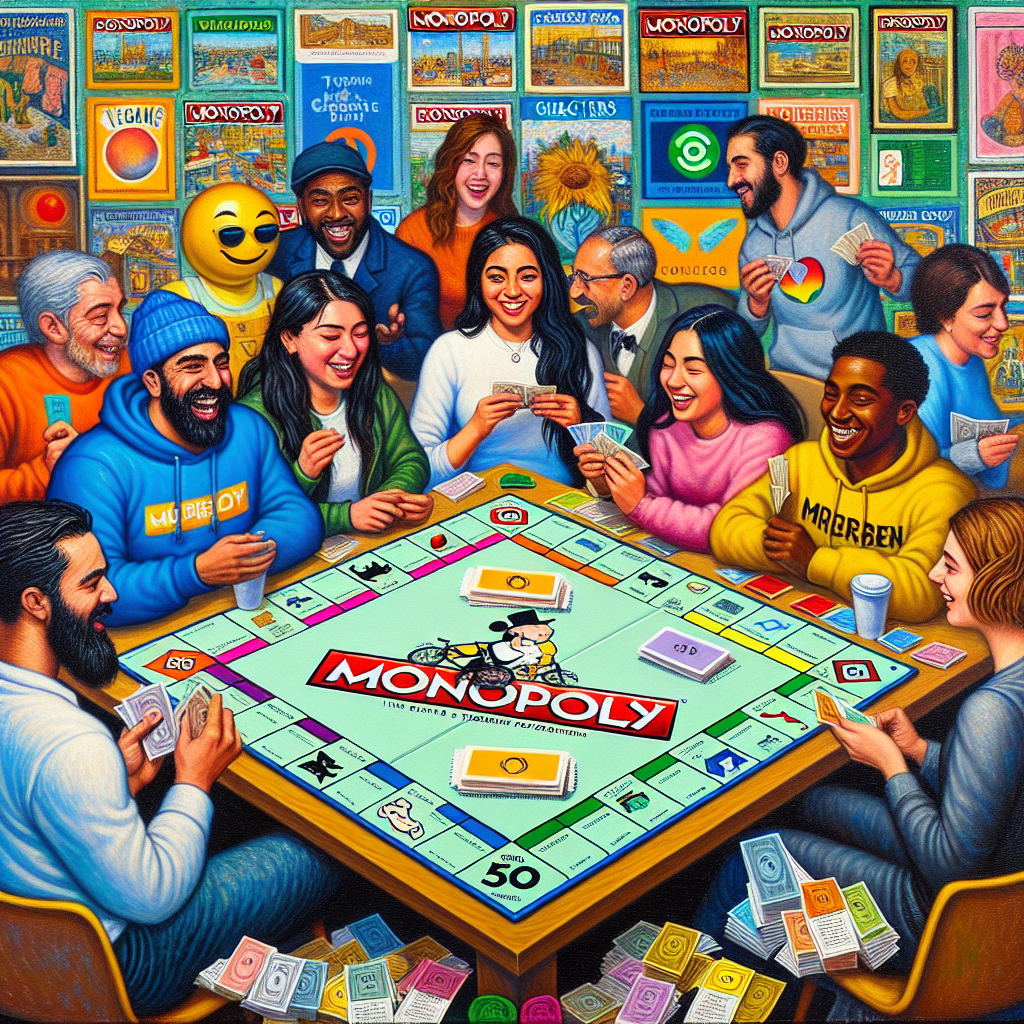
Another aspect that makes board games so effective in reducing anxiety is the social connection they foster. Think about it: there’s something about gathering people around a table, whether it’s for a classic game of Monopoly or a fast-paced round of Codenames. The environment encourages camaraderie and often leads to shared experiences, inside jokes, and maybe even a bit of light-hearted ribbing. These social interactions can boost your mood and create a sense of belonging. Studies indicate that socializing is a powerful antidote to stress, and what better way to do it than over a game that requires collaboration or friendly competition?
Moreover, board games can boost our problem-solving skills without the weight of reality pressing down on us. Players are thrust into various scenarios where strategy and critical thinking reign supreme. That’s no small feat when you consider that applying those skills in real life often comes with deadlines and high stakes. When you transfer that mindset to a game, you can practice those skills while keeping it lighthearted and fun.
So, if you’re feeling the weight of the world pressing in on you, consider rolling out a board game with friends or family. It could be the perfect blend of entertainment and therapy—an enjoyable distraction that packs a punch in terms of stress relief. Just make sure to save the competitive edge for the game, not the relationships.
Can Board Games Reduce Stress And Anxiety Levels?
Can Board Games Reduce Stress And Anxiety Levels?
- Board games provide a break from everyday life, creating a relaxing environment.
- They encourage mental engagement, distracting players from stress and anxiety.
- Social connection is fostered through shared experiences, boosting mood and belonging.
- Board games can improve problem-solving skills in a light-hearted, low-stakes setting.
- Playing games promotes camaraderie and often leads to inside jokes and friendly banter.
- They offer a fun alternative to cope with stress while enjoying time with loved ones.
- Maintaining friendly competition is crucial to preserve relationships during play.
Can Board Games Reduce Stress And Anxiety Levels?
What Age Groups Benefit Most From Playing Game Boards?
When it comes to board games, it’s easy to think of them as just nostalgic relics from our childhood. But let’s be real – these colorful boxes filled with pieces, cards, and dice offer a robust set of benefits that resonate across all ages. So, who really reaps the most rewards from diving into a good board game? Let’s break it down.
First up, let’s talk about the youngest players. Kids between the ages of 5 and 12 are in a prime developmental stage, and board games serve as more than just entertainment; they’re a powerful educational tool. Games that involve counting, simple strategy, or teamwork can enhance cognitive skills and critical thinking. Picture a group of kids huddled around a board, negotiating trades and plotting their next moves – not only are they having a blast, but they’re also honing social skills that will benefit them for a lifetime.
Now, let’s shift gears to the teenagers. For them, board games can offer a refreshing alternative to screens and social media. Engaging in a board game fosters communication and collaboration, skills that sometimes take a backseat in the digital world. Think about it – the strategic planning involved in a game can mirror the decision-making processes they’ll face in real life. They’re not just rolling dice; they’re learning how to work together to achieve a common goal.
But wait, we can’t forget about adults! In fact, this age group might be where the benefits of board games really flourish. Games that challenge players to think critically and plan ahead can act as a mental workout. Whether it’s managing resources in a game of Settlers of Catan or outsmarting opponents in a game of chess, board games stimulate cognitive functions, boost problem-solving skills, and offer a break from routine. Plus, they provide a golden opportunity to create meaningful connections with friends and family, strengthening bonds that can sometimes fray in our busy lives.
Finally, let’s not overlook seniors. Board games can play a crucial role in cognitive maintenance and social interaction during the golden years. Engaging in games can help keep memory skills sharp while also providing a way to connect with loved ones. The laughter, competition, and encouragement that arise from a good game can combat feelings of isolation, ensuring that the wisdom and stories of the past are shared over the rolling of dice and the shuffle of cards.
So, whether you’re young, old, or somewhere in between, the world of board games has something valuable to offer everyone.

What Age Groups Benefit Most From Playing Game Boards?
What Age Groups Benefit Most From Playing Game Boards?
- Board games are not just nostalgic; they provide numerous benefits for all ages.
- For children (ages 5-12), board games enhance cognitive skills and critical thinking while fostering social abilities.
- Teenagers can benefit from board games as a non-digital way to hone communication and collaboration skills.
- Board games encourage strategic planning, mirroring real-life decision-making processes for teens.
- Adults experience critical thinking and problem-solving challenges, making board games a mental workout.
- Playing board games fosters meaningful connections with friends and family, helping strengthen relationships.
- Seniors can maintain cognitive skills and combat feelings of isolation through social interaction in board games.
What Age Groups Benefit Most From Playing Game Boards?
Are There Specific Genres Of Games That Are More Effective?
When it comes to the bustling world of gaming, one could easily get swept away in a sea of digital landscapes and first-person shooters. But let’s take a step back and consider that not all games are created equal. Some genres seem to resonate more profoundly with players, serving as conduits for skills development, critical thinking, and even social interaction. So, are there specific genres of games that are more effective than others? Well, that’s the crux of the matter.
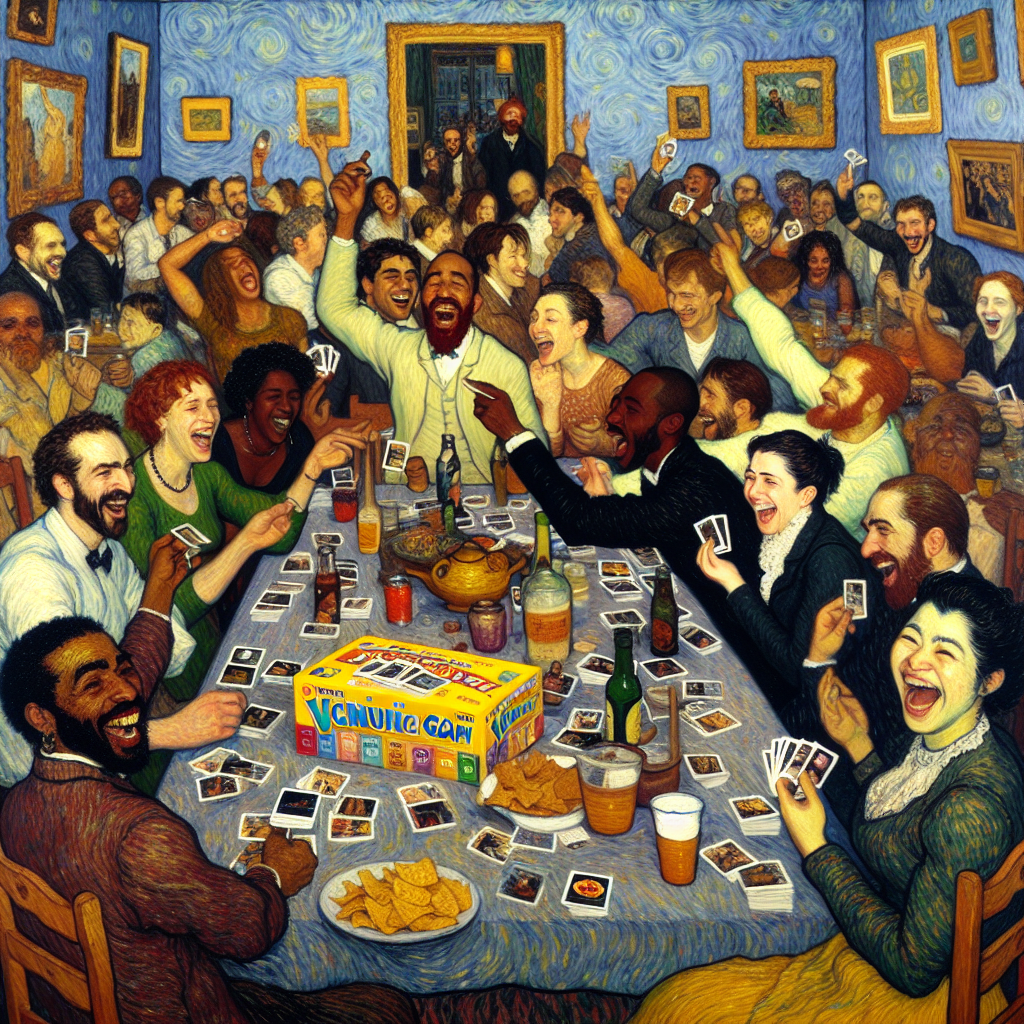
First up, we’ve got the unrelenting charm of board games. In this era of screens and swipes, it might surprise you to remember the elegance of gathering around a table, dice in hand, where strategy and luck collide. Board games excel at fostering face-to-face interaction. Imagine a room filled with laughter and camaraderie as players craft their strategies and negotiate their moves. These games not only hone critical thinking skills but also emphasize teamwork and negotiation—skills that are invaluable in the real world.
Then, let’s not forget about role-playing games (RPGs). Ah, there’s something magical about stepping into a different character’s shoes, isn’t there? Whether you’re battling dragons or navigating complex storylines, RPGs push players to solve problems creatively while collaborating with others. The effective immersiveness of these games encourages players to think on their feet, adapt, and make decisions that have genuine consequences within the story’s fabric. They become storytelling maestros, harnessing imagination alongside analytical skills.
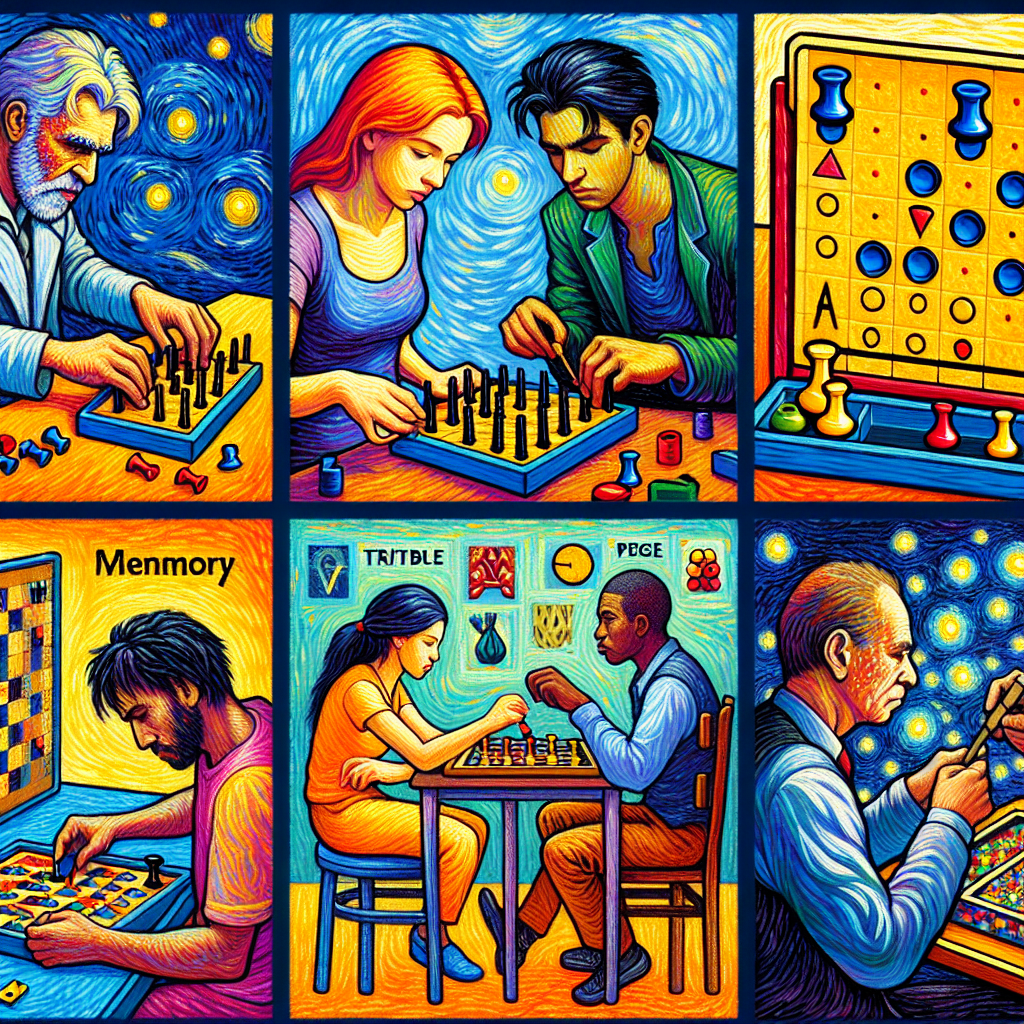
Now, while it’s easy to get lost in the vivid aesthetics of shooting games or complex simulation titles, let’s focus on those that cultivate cognitive prowess. Puzzle games, for example, offer platforms that nudge players towards critical thinking and perseverance. These games challenge your brain to see patterns, think several steps ahead, and sometimes even invoke a little bit of desperation when that last puzzle piece just won’t fit.
Even educational games have carved out their own niche, marrying fun with learning in a way that traditional classrooms struggle to match. They engage students in topics ranging from history to mathematics, providing interactive experiences that stick in a way that rote memorization just can’t compete with.
In essence, while every genre of game has its merits, board games, RPGs, puzzle games, and educational titles stand out as particularly effective tools for skill development and social connection. So, next time you’re contemplating your gaming choices, remember: sometimes the classics have a wisdom that modern technology simply can’t replicate.
Are There Specific Genres Of Games That Are More Effective?
Are There Specific Genres Of Games That Are More Effective?
- Not all games are equal; some genres resonate more profoundly with players.
- Board games foster face-to-face interaction, critical thinking, teamwork, and negotiation.
- Role-playing games (RPGs) encourage creative problem-solving and collaboration.
- RPGs immerse players in storytelling, enhancing imagination and analytical skills.
- Puzzle games promote critical thinking and perseverance through brain-challenging tasks.
- Educational games combine fun and learning, engaging students more effectively than traditional methods.
- Genres like board games, RPGs, puzzle games, and educational titles are particularly effective for skill development and social connection.
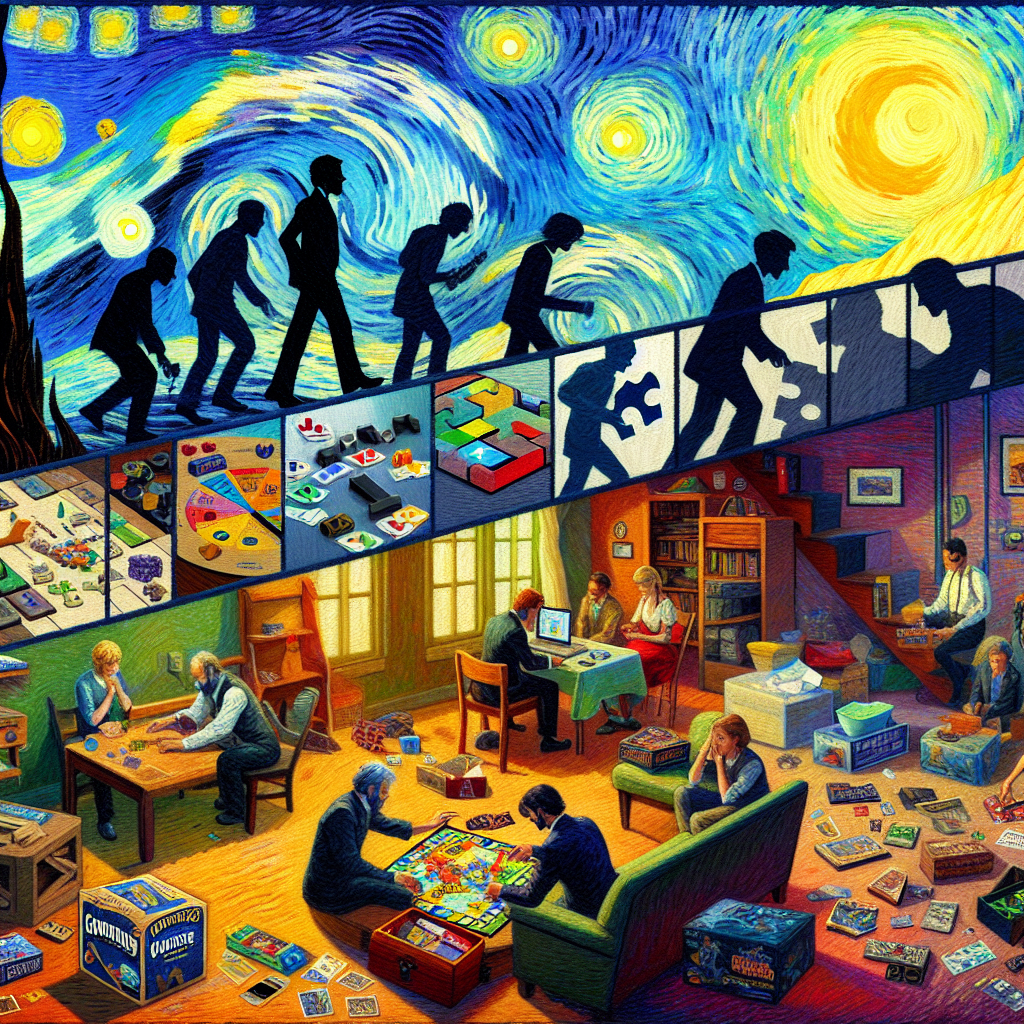
Are There Specific Genres Of Games That Are More Effective?
How Often Should One Play Games For Optimal Benefits?
When it comes to finding that sweet spot for playing games, the frequency with which you dive into them can make all the difference. Let’s unpack this notion in a way that even the most fervent skeptic might appreciate.
First up, we have board games. These analog delights sit squarely at the intersection of strategy, socialization, and tough choices. Think about it: when was the last time you gathered around a table with friends, dice clattering, pieces moving, and the thrill of competition hanging in the air? Playing board games a couple of times a week can boost your cognitive skills and sharpen your ability to think on your feet. Moreover, they foster a sense of community that’s hard to replicate in our hyper-digital world.
Now, let’s not get ahead of ourselves. Too much of anything can lead to burnout, and games are no exception. If you’re playing multiple hours every day, you run the risk of it feeling more like an obligation than an escape. Balance is key. Aim for a few well-timed game nights, allowing your mind to recharge and giving yourself some breathing room to reflect on the strategies that worked—or didn’t.
In addition to board games, consider mixing in video games. These often provide a quicker hit of engagement and can even be a solo endeavor. However, they come with their own set of guidelines. Playing them for an hour or so each day can help improve hand-eye coordination and problem-solving skills without throwing off your entire day.
Perhaps you’re a casual gamer or someone who dives into a new title for a weekend binge. The magic lies in knowing what you enjoy and what energizes you. The key is to listen to your body and mind—if playing games feels invigorating, great! But if it starts to feel like another chore on your to-do list, it might be time to step back.
So how often should one play games for optimal benefits? In essence, moderation is your ally. Striking a balance among various types of games, be it board games or video games, can unlock a world of cognitive and social benefits while ensuring that when you do sit down to play, you’re truly ready to enjoy the experience. Set a schedule, mix up the types of games, and keep it refreshing. Your future self will thank you.
How Often Should One Play Games For Optimal Benefits?
How Often Should One Play Games For Optimal Benefits?
- Frequency of gaming impacts the overall experience and benefits.
- Board games promote strategy, socialization, and cognitive skills through regular play.
- Too much gaming can lead to burnout; finding balance is essential.
- Video games offer quick engagement and can enhance hand-eye coordination and problem-solving skills.
- Know your gaming preferences and listen to your mental and physical state while playing.
- Moderation and variety in game types maximize cognitive and social benefits.
- Establish a balanced gaming schedule for an enjoyable experience.
How Often Should One Play Games For Optimal Benefits?
What Role Do Game Boards Play In Family Bonding?
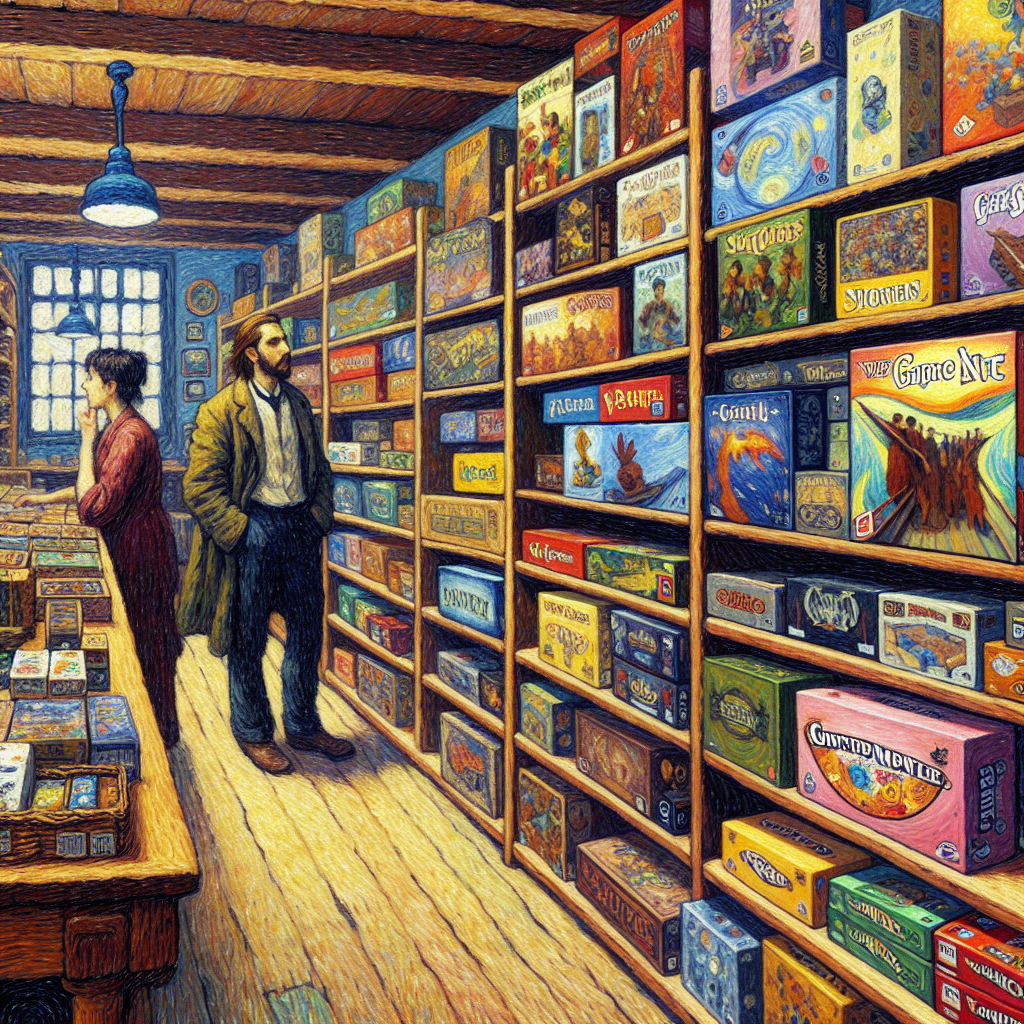
Picture this: a cool evening, a cozy living room, and the faint sound of laughter mingling with the rustle of cards and the clatter of dice. The centerpiece of this warmth is often a humble board game, an unassuming artifact that wields the power to pull families together in ways few other activities can.
At its core, a board game is more than just a collection of pieces and rules. It acts as a catalyst for communication, interaction, and good-natured rivalry. When families come together around a game board, they’re not just engaging in a pastime; they’re weaving memories, fostering connections, and often discovering something new about each other. Each roll of the dice or flip of a card can lead to stories, strategies, or even playful taunts that encourage laughter and a sense of togetherness.
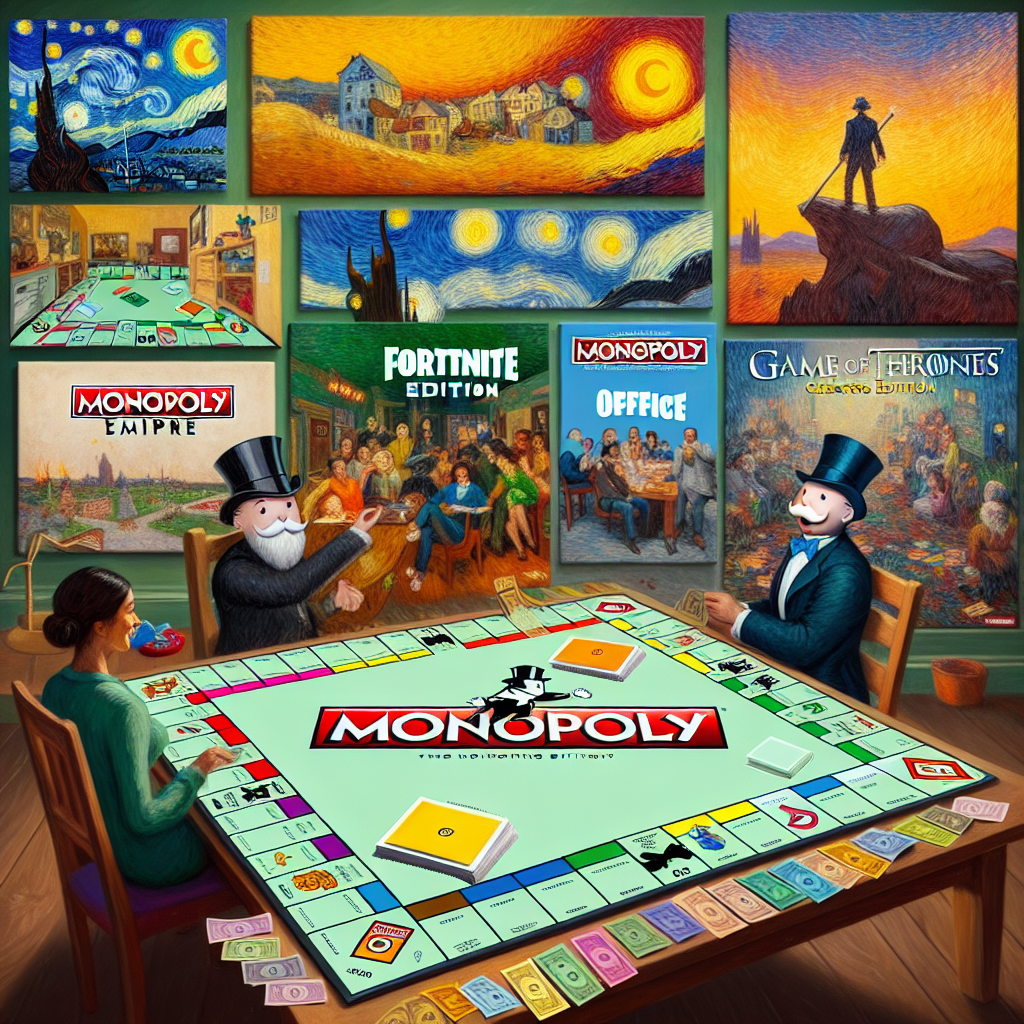
Consider that classic game night staple, Monopoly. What seems like simple property trading can quickly evolve into an evening filled with laughter and decent-sized rivalries. Suddenly, Uncle Bob is the real estate mogul, and Aunt Sue is eyeing Park Place with a vengeance. Children learn valuable lessons about negotiation, strategy, and even a bit of healthy competition, all while their parents watch, sometimes hilariously, as old family dynamics come back to the surface. A game board offers the perfect platform for these exchanges, bridging generational gaps with each strategic decision made.
But it doesn’t have to stop at Monopoly. Whether it’s the cooperative play of Pandemic or the light-hearted chaos of Pictionary, the variety of board games available today caters to all tastes and ages. Customizing the game night experience can become a family ritual, filled with everyone’s favorites and new discoveries alike. Each family creates its own traditions around game boards, shaping unique stories that can be recounted with fondness during future gatherings.
Moreover, in an age dominated by screens and fleeting digital interactions, board games remind us of the joy of face-to-face connection. The tactile feel of moving a piece across the board, the anticipation building as everyone waits for a decisive roll, these moments are the bread and butter of genuine interaction.
Ultimately, the role of game boards in family bonding is crystal clear: they bring us together in ways that few other activities can, nurturing relationships and carving out those shared experiences that last a lifetime. So, the next time you pull a game board off the shelf, know that you’re not just setting up a game—you’re crafting memories.
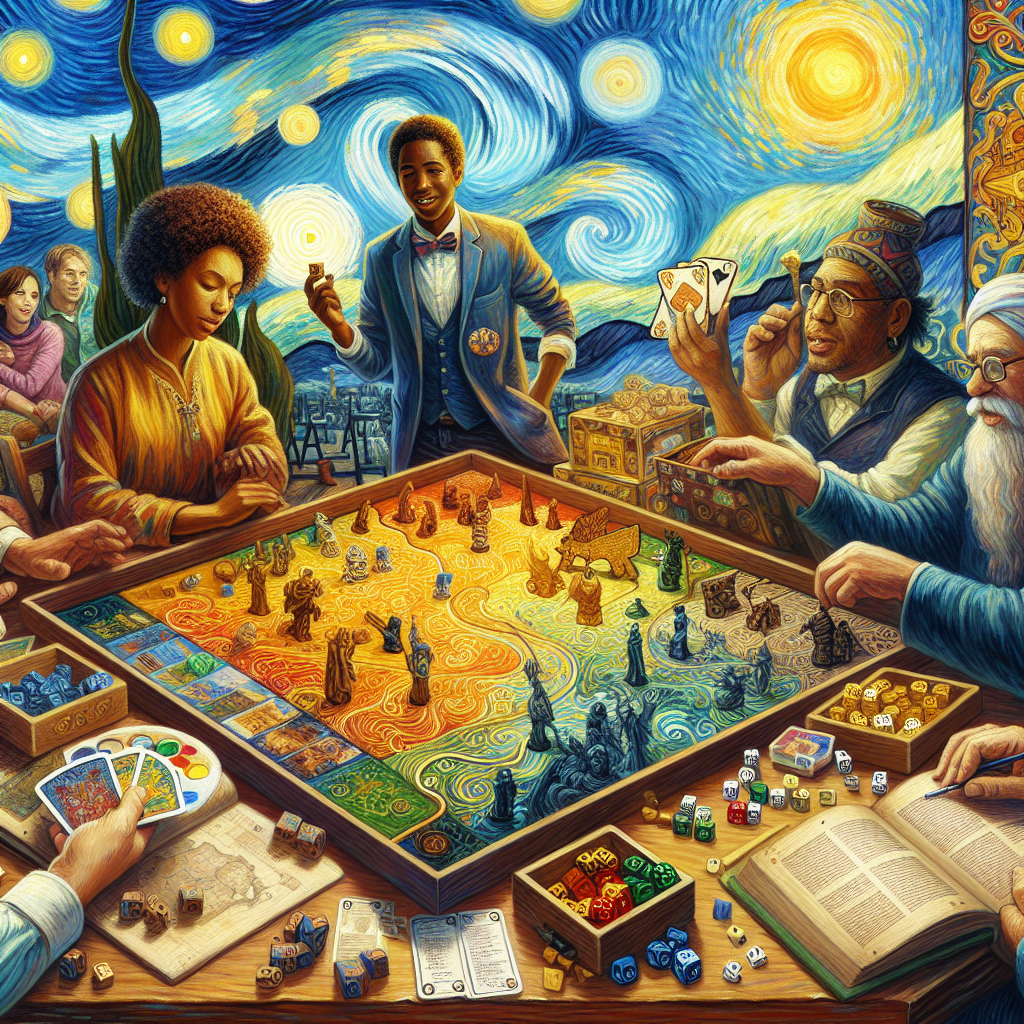
What Role Do Game Boards Play In Family Bonding?
What Role Do Game Boards Play In Family Bonding?
- Board games create a warm, inviting atmosphere for family gatherings.
- They serve as catalysts for communication, interaction, and friendly rivalry.
- Game nights foster connections and allow family members to learn more about each other.
- Classic games like Monopoly illustrate valuable lessons on negotiation and strategy.
- Variety in board games caters to diverse tastes and ages, making game nights more enjoyable.
- Board games promote face-to-face interactions in a digital age, enhancing genuine connections.
- Playing board games helps craft lasting memories and unique family traditions.
What Role Do Game Boards Play In Family Bonding?
Conclusion
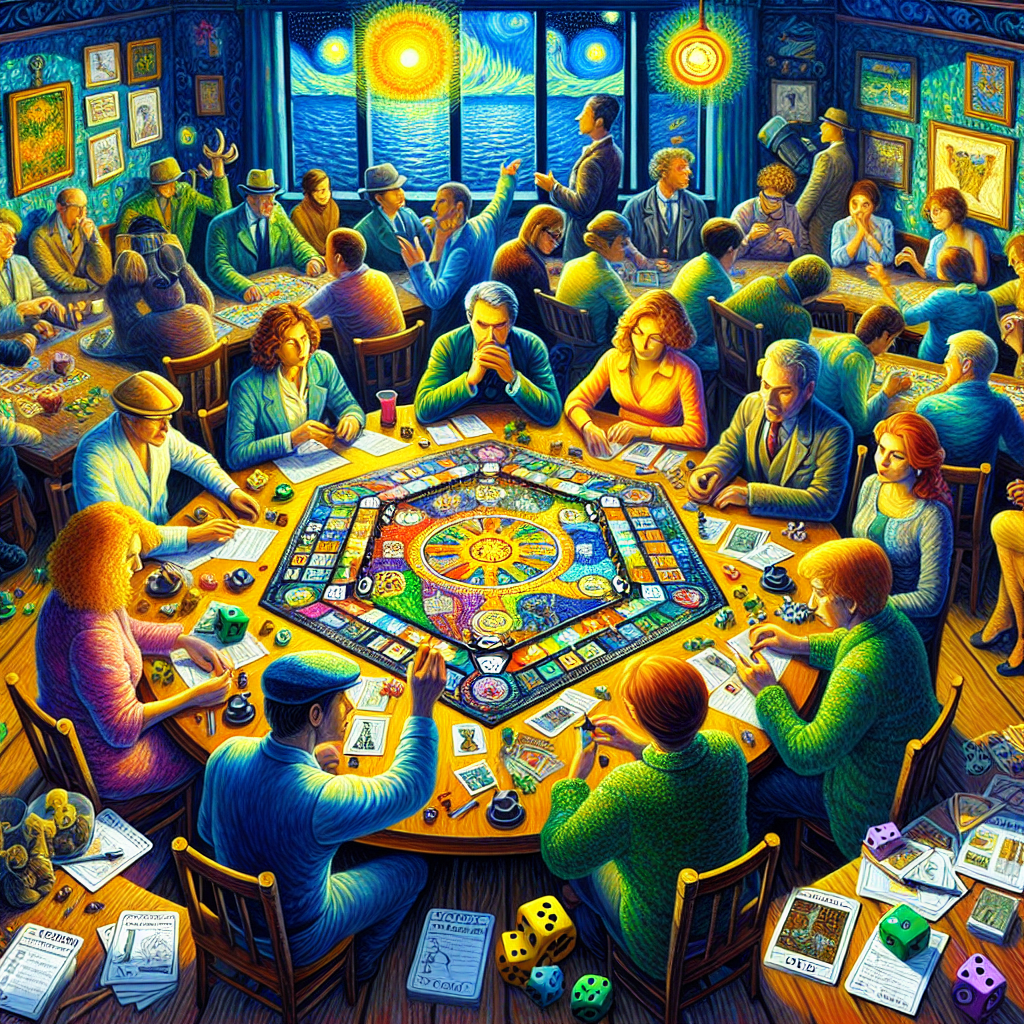
Well, folks, if you’ve stayed with me this far, you’ve embarked on a journey that reveals the transformative power of the humble board game. In an age where technology and screens often monopolize our attention, there’s something truly magical about gathering around a table, rolling dice, and watching strategies unfold. Board games aren’t just relics of our childhood—no, they are much more than that. They are catalysts for connection, tools of cognitive engagement, and surprisingly effective remedies for the stress that life can hurl our way.
Let’s think about this: as we age, our bodies may slow, but our minds can remain sharp and vibrant. Games require us to think critically, adapt to changing dynamics, and engage socially. Whether you’re drawing cards in a game of Uno or plotting victory in Settlers of Catan, you’re giving your brain a solid workout and indulging in the joys of human interaction. For many of us, these games are gateways to the past—a bridge linking us to simpler days filled with laughter and camaraderie. They not only spark nostalgia but also forge new relationships, creating bonds that can endure beyond the table.
It’s essential to acknowledge that every age group benefits from the game board revolution. From children honing mathematical skills to seniors keeping their minds sharp and engaged, the benefits ripple across generations. And let’s face it, the social connections encouraged by board games offer a reprieve from our often isolated, digital lives, reminding us of what it means to truly engage with one another. When you gather around a game, you’re diving into a shared experience that transcends screens and text.
So, are board games the new fountain of youth? In a way, yes. They ignite the spirit of playfulness, foster creativity, and elevate our collective emotional health. They remind us that regardless of age, we can embrace fun, challenge ourselves, and, most importantly, connect. So whether it’s a family game night or a casual gathering with friends, dust off those boxes, roll those dice, and dive into the revelry of the game. After all, who wouldn’t want to roll the dice on a little more joy, laughter, and engagement in life?
Conclusion
Conclusion:
- Board games serve as a transformative tool for social connection in a tech-dominated age.
- Engaging in board games stimulates cognitive function, keeping minds sharp and vibrant as we age.
- They provide a nostalgic bridge to childhood experiences filled with laughter and camaraderie.
- Board games benefit all age groups, aiding in skill development for children and mental engagement for seniors.
- The shared experiences fostered by board games create enduring social bonds beyond the gameplay.
- Participating in board games promotes fun, creativity, and emotional well-being across generations.
- Whether for family nights or casual gatherings, board games encourage joy, laughter, and genuine connection.

Conclusion
Other Resources

Other Resources
Here is a list of other resources you can review online to learn more:
- Cosmic Encounter
- Dead of Winter: The Long Night
- Cryptozoic Entertainment
- Concordia
- Tzolk’in: The Mayan Calendar
- Keyforge
- Mechs vs. Minions
- Twilight Struggle
- Planly
Use This Prompt To Get More Resources With Your Favorite Online AI Tool: Please provide me with a list of online articles with their URLs in a bulleted list that I can read regarding Are Game Boards The New Fountain Of Youth?
Other Resources
Glossary Terms
Are Game Boards The New Fountain Of Youth? – Glossary Of Terms
1. Aging: The process of becoming older, often associated with physical decline but also with opportunities for growth and learning.
2. Board Games: Structured games played on a flat surface, usually involving pieces or cards, that encourage social interaction and strategic thinking.
3. Cognitive Function: The mental processes involved in gaining knowledge and comprehension, including thinking, knowing, remembering, and problem-solving.
4. Dopamine: A neurotransmitter that plays a role in reward, motivation, and pleasure; often released during enjoyable activities, such as playing games.
5. Endorphins: Chemicals in the brain that act as natural painkillers and mood elevators, often released during physical activities and joyful experiences.
6. Engagement: The level of involvement and interest in an activity; high engagement in board games can lead to social bonding and brain stimulation.
7. Longevity: The length of time that an organism lives; often used to reference healthy aging and the pursuit of life-extending practices.
8. Mental Well-being: A state in which an individual realizes their own potential, can cope with the normal stresses of life, and can contribute to their community.
9. Neuroplasticity: The brain’s ability to reorganize itself by forming new neural connections throughout life, which can be stimulated through cognitive challenges like games.
10. Recreation: Activities done for enjoyment and relaxation during one’s free time, which can include board games as a key social and mental exercise.
11. Social Interaction: Engaging with others in social settings; board games often facilitate communication, cooperation, and competition among players.
12. Stress Relief: Activities or practices that reduce tension, anxiety, and mental strain, with board games providing a distraction and joy in group settings.
13. Strategy: A plan of action designed to achieve a long-term goal; many board games require strategic thinking, which can improve cognitive skills.
14. Team Building: Activities designed to enhance social relations and define roles within teams, often utilized in workplace settings through collaborative games.
15. Therapeutic Play: Using games as a tool in therapy to promote healing and cognitive development; board games can serve as effective therapeutic tools.
16. Time Management: The process of organizing and prioritizing tasks, which can be enhanced through gameplay as players learn to better allocate their focus.
17. Turn-taking: The play mechanism in games where players alternate turns, promoting patience and social skills, contributing to social development.
18. Wellness: The state of being in good health, often achieved through lifestyle choices, and can be enhanced by engaging in board games for mental fitness.
19. Emotional Connection: The bond formed between individuals based on shared experiences; board games often create memories and strengthen relationships.
20. Game Theory: The study of mathematical models of conflict and cooperation between intelligent rational decision-makers; relevant for strategy in board games.
21. Cognitive Aging: The progression of cognitive decline that may occur as individuals age; stimulating brain activities like board games can help mitigate these effects.
22. Mindfulness: The practice of being aware and present in the moment, which can be cultivated through the focused nature of strategic board games.
23. Skill Development: The process of acquiring new abilities or improving existing ones; board games can teach various skills including negotiation and critical thinking.
24. Social Cohesion: The bonds that bring people together in a community; board games can foster social ties and enhance community participation.
25. Community Building: Activities that bring people together to create relationships and a sense of belonging; board games can play a key role in this process.
26. Interpersonal Skills: Skills used to interact effectively with others; playing board games can enhance communication, empathy, and conflict resolution skills.
27. Camaraderie: A spirit of friendship and community that can be nurtured through shared experiences in gameplay.
28. Active Aging: A concept that promotes the importance of continuing to engage in social, mental, and physical activities throughout the lifespan.
29. Mind Games: A genre of games that emphasize mental challenges and thought processes; often used synonymously with board games that focus on strategy.
30. Innovation in Gaming: The introduction of new ideas, methods, or products in the board game industry, which can lead to more engaging and thoughtful gameplay experiences.

Glossary Of Terms
Other Questions
Are Game Boards The New Fountain Of Youth? – Other Questions
If you wish to explore and discover more, consider looking for answers to these questions:
- What are the historical origins of board games?
- What types of board games are best for cognitive development?
- How do board games compare to digital games in terms of benefits?
- Can board games be used in therapeutic settings?
- What specific cognitive skills do board games enhance?
- Are there any studies that quantify the health benefits of board games?
- What is the best way to introduce children to board games?
- How can board games be integrated into educational settings?
- What are some popular modern board games that appeal to all ages?
- Are there board games specifically designed for seniors?
- How do cultural differences affect the types of board games played?
- What role do cooperative board games play in social skills development?
- How can you effectively host a board game night?
- Do competitive board games encourage positive family interactions?
- What are the potential downsides of playing board games too frequently?

Other Questions
Haiku
Are Game Boards The New Fountain Of Youth? – A Haiku
Game boards unite us,
Laughter, strategy, and play—
Youth in every roll.
Haiku
Poem
Are Game Boards The New Fountain Of Youth? – A Poem
In a world where screens hold sway,
A gathering of friends finds play,
Around a table, laughter rings,
As dice are cast and joy takes wings.
Once dusty boxes come alive,
With cards and pieces, spirits thrive,
In every move, a story spun,
From strategy to banter, the games are fun.
A fountain of youth in cardboard guise,
Fostering bonds that never die,
Cognitive workouts wrapped in delight,
As minds engage and hearts ignite.
From the laughter of youth to elders’ cheer,
Each game a bridge, each roll sincere,
Ties strengthened over friendly strife,
Creating memories that pulse with life.
Let the days be brightened by this art,
Of rolling dice and playing smart,
For in these moments shared anew,
We find the secret: joy is the cue.
So dust off the games, let your spirits soar,
As friendships deepen, we laugh and explore,
In the world of boards, our worries set free,
Game nights remind us how joyful life can be.

Poem
Checklist
Are Game Boards The New Fountain Of Youth? – A Checklist
Before Game Night
_____ Gather Your Group:
_____ Invite friends, family, or new acquaintances.
_____ Ensure a comfortable and inviting setting for everyone.
_____ Choose the Right Game:
_____ Select a game that suits the group’s interests and skill levels.
_____ Consider a mix of strategy games for critical thinking and light-hearted games for fun.
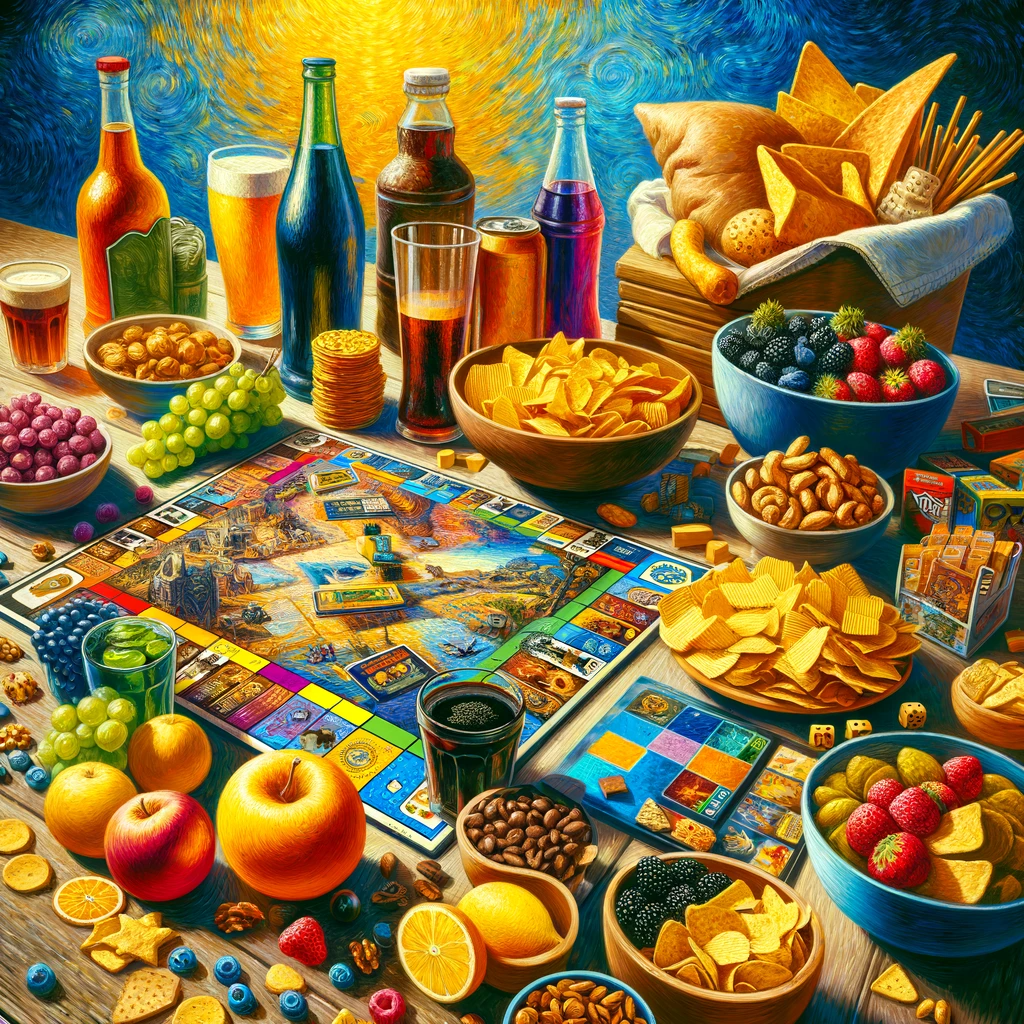
_____ Create a Snack Station:
_____ Prepare some finger foods or snacks to keep the energy up.
_____ Offer drinks to keep everyone refreshed.
During Game Night
_____ Set the Atmosphere:
_____ Dim the lights or play some background music to create a cozy environment.
_____ Keep the playing area free of digital distractions (phones, tablets, etc. ).
_____ Embrace Competition and Camaraderie:
_____ Encourage friendly competition but keep the atmosphere lighthearted.
_____ Make room for laughter and playful banter as part of the experience.
_____ Engage in Conversation:
_____ Use the game as a springboard for deeper conversations.
_____ Share personal stories and experiences related to the game or its themes.
After Game Night
_____ Reflect on the Experience:
_____ Discuss what everyone enjoyed or learned from the game.
_____ Share memorable moments that made you laugh or surprised you.
_____ Plan the Next Game Night:
_____ Use the positive momentum to schedule another gaming session.
_____ Rotate who picks the game for diversity in experiences.
_____ Follow Up with Your Group:
_____ Send a message to share highlights from the night or suggest new games to try next time.
For Optimal Benefits
_____ Play Regularly:
_____ Aim for a few game nights each month to keep the benefits flowing.
_____ Mix in different types of games (board games, role-playing games, puzzle games) for variety.
_____ Incorporate Learning:
_____ Look for educational games that can help develop new skills or reinforce knowledge.
_____ Encourage children and teens to play games that enhance their critical thinking and social skills.
Additional Tips
_____ Explore New Genres:
_____ Don’t hesitate to branch out into new genres, such as cooperative games or role-playing games, to break the routine.
_____ Foster Inclusion:
_____ Choose games that allow for varying player counts so everyone feels included, regardless of how many people show up.
_____ Monitor Time:
_____ Ensure game sessions are balanced; avoid marathon sessions that can lead to fatigue or burnout.
By utilizing this checklist, you can make the most out of your board game experiences, fostering better cognitive health, strengthening social bonds, and reducing stress in enjoyable, meaningful ways. Happy gaming!
Checklist
At BestBoardGameNews, we help people who love board games by collating information and news about board games.
Be sure to read our other related stories at BestBoardGameNews to learn more about board games.