Discover Fun and Educational Board Games for 6-Year-Olds
By Tom Seest
At BestBoardGameNews, we help people who love board games by collating information and news about board games.
Be sure to read our other related stories at BestBoardGameNews to learn more about board games.
Are There Board Games for Players Age 6?
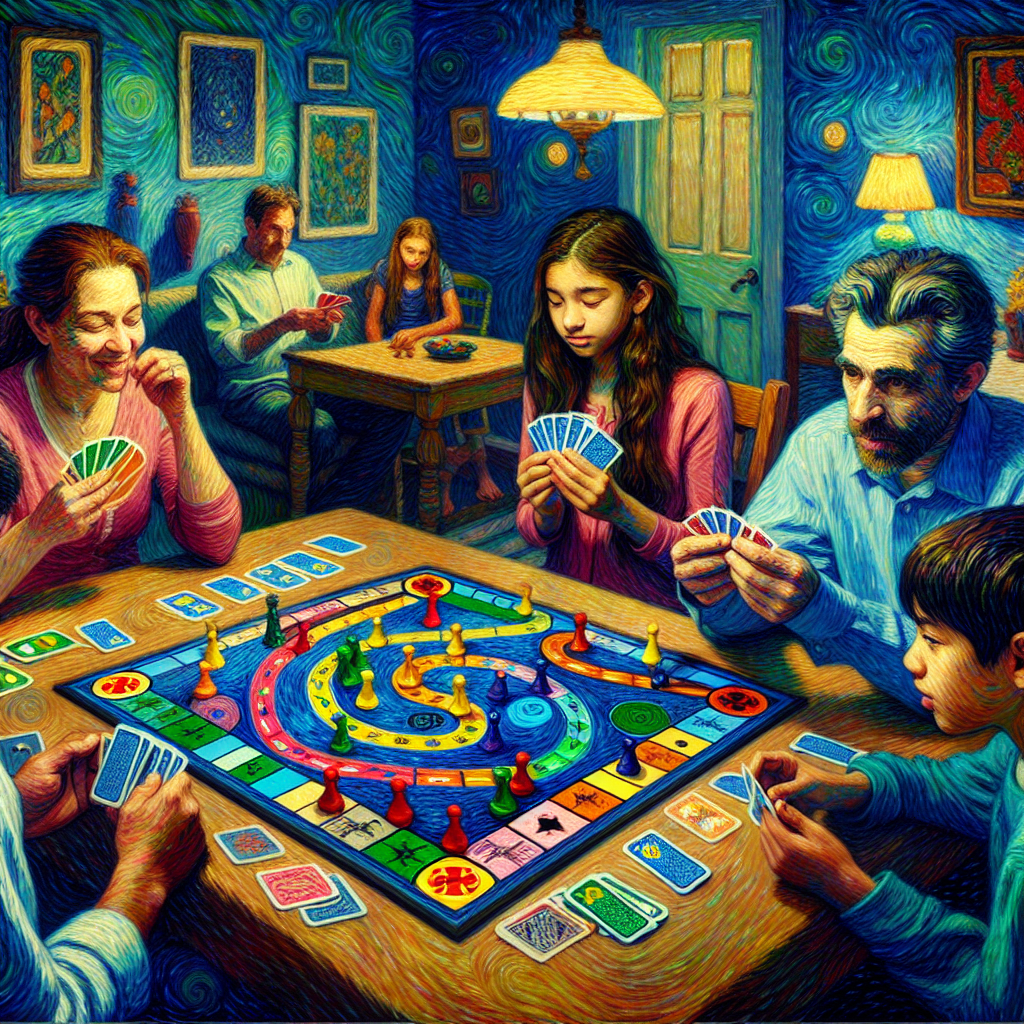
Are there board games for players age 6? Absolutely! In fact, there are a plethora of options available that are perfect for young children to enjoy. The exciting world of board games offers a variety of options that cater to the curiosity and energy of 6-year-olds.
One popular game for this age group is Candy Land. This classic game is colorful, fun, and easy to play, making it a perfect choice for young children. With its simple rules and vibrant design, Candy Land provides hours of entertainment for kids while also helping them develop important skills such as color recognition and counting.
Another great option for 6-year-olds is Chutes and Ladders. This game is not only entertaining but also educational, as it helps children practice counting and recognize number patterns. The exciting twist of sliding down chutes and climbing up ladders adds an element of surprise that keeps players engaged and wanting to play again and again.
For kids who enjoy a bit of friendly competition, Sorry! is a fantastic choice. This game involves strategic thinking and planning, as players race to move their pawns around the board while also trying to send their opponents back to the start. Sorry! is a great way for children to learn about taking turns, following rules, and good sportsmanship.
If your child loves animals and nature, they may enjoy the game Wildcraft! This cooperative board game takes players on a journey through the wilderness as they work together to collect herbs and navigate challenges. Wildcraft! encourages teamwork, critical thinking, and problem-solving skills, making it a fun and educational choice for young players.
Lastly, for young puzzle enthusiasts, the game Labyrinth provides a unique and engaging experience. Players must navigate a shifting maze to collect treasures while strategically blocking their opponents’ paths. This game challenges children to think ahead, plan their moves, and adapt to changing conditions, all while having a blast.
There is no shortage of board games designed specifically for players age 6. From classic favorites like Candy Land and Chutes and Ladders to newer options like Sorry! and Wildcraft!, there are plenty of choices to keep young children entertained and engaged. Whether you’re looking for a game that is educational, strategic, cooperative, or just plain fun, there is something out there for every 6-year-old to enjoy. So gather the family, grab a board game, and get ready for hours of laughter and excitement!
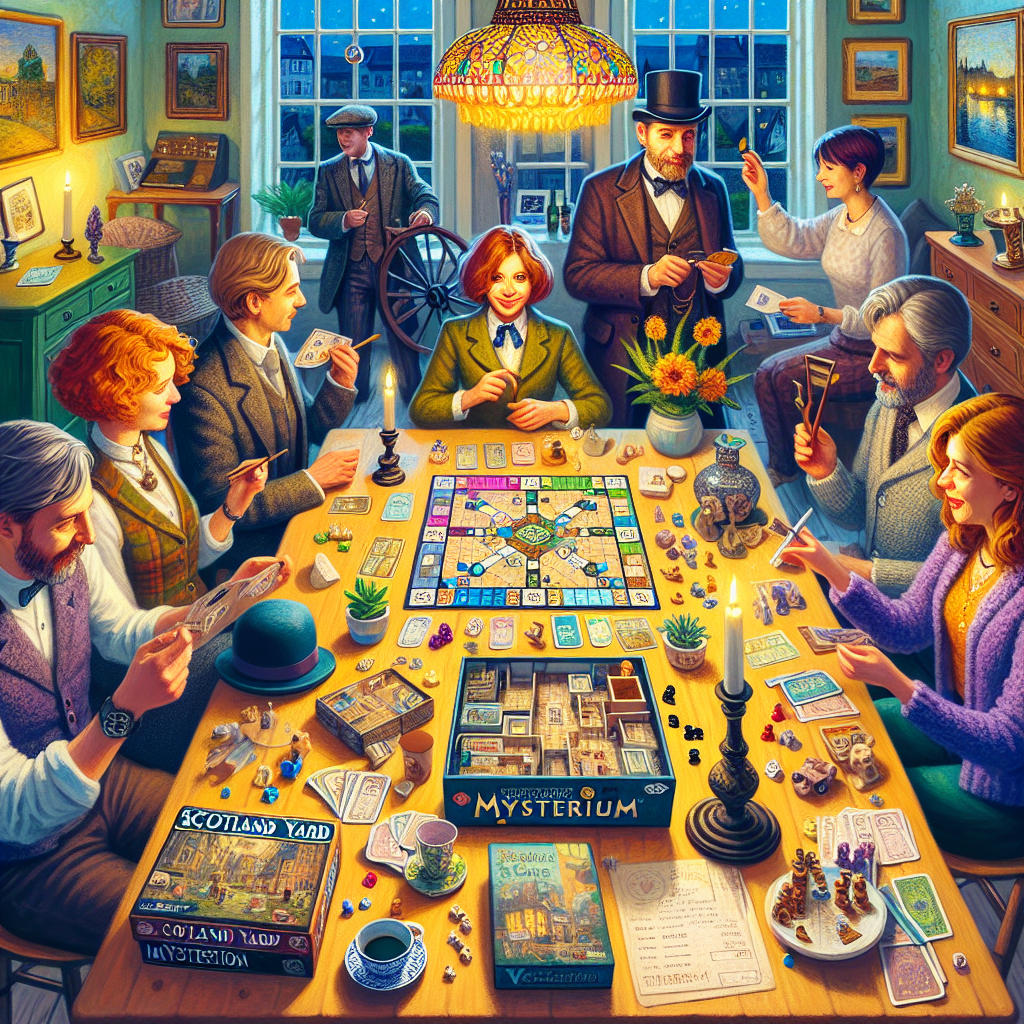
Are There Board Games for Players Age 6?
Are There Board Games for Players Age 6?
- Board games for players age 6 are plentiful and perfect for young children.
- Candy Land is a popular choice with simple rules and vibrant design.
- Chutes and Ladders offers entertainment and education with counting and number recognition.
- Sorry! provides strategic thinking and teaches good sportsmanship.
- Wildcraft! is a cooperative game that encourages teamwork and problem-solving skills.
- Labyrinth challenges children to think ahead and adapt to changing conditions.
- There are board games for every 6-year-old, whether they prefer educational, strategic, cooperative, or fun games.

Are There Board Games for Players Age 6?
Table Of Contents
- Are There Board Games for Players Age 6?
- What Are The Best Board Games For 6-Year-Olds?
- How Can Parents Choose Age-Appropriate Board Games?
- Are There Educational Board Games For Young Children?
- What Are The Benefits Of Playing Board Games At A Young Age?
- Where Can Families Find Board Games Suitable For 6-Year-Olds?
- What Are The Best Board Games For 6-Year-Olds?
- How Can I Find Age-Appropriate Games For Young Players?
- Are There Educational Board Games For 6-Year-Olds?
- How Do I Know If a Board Game Is too Advanced for a 6-Year-Old?
- Where Can I Buy Board Games Suitable for Kids Aged 6?
- Conclusion
- Other Resources
- Glossary Of Terms
- Other Questions
- Haiku
- Poem
- Checklist
What Are The Best Board Games For 6-Year-Olds?
Hey there, fellow game enthusiasts! Are you looking for some exciting and engaging board games to play with your 6-year-old? Well, you’ve come to the right place. I’ve rounded up a list of some of the best board games that are perfect for young kids who are itching for some fun and friendly competition.
First up, we have the classic game of Candy Land. This colorful and whimsical game is a favorite among young children, as they navigate their way through a sweet and sugary world to reach the Candy Castle. With its simple rules and bright visuals, Candy Land is sure to keep your little one entertained for hours on end.
Next on the list is Chutes and Ladders. This timeless game is not only a blast to play, but it also teaches kids important counting and number recognition skills. The thrill of climbing up ladders and sliding down chutes will have your child begging for just one more round.
Another great option for 6-year-olds is the game of Sorry! This classic board game is all about strategy and luck, as players race to get all of their pieces back to home base. With its easy-to-learn rules and fast-paced gameplay, Sorry! is sure to be a hit with your little one.
Looking for a game that will challenge your child’s memory and matching skills? Look no further than Memory. This simple yet addictive game is perfect for young kids, as they flip over cards to find matching pairs. With colorful and engaging pictures, Memory is a great way to keep your child’s brain sharp while having a ton of fun.
Last but not least, we have the game of Connect 4. This classic game of strategy and skill is perfect for 6-year-olds who are looking for a challenge. With its simple rules and competitive gameplay, Connect 4 is a great way to teach your child about tactics and forward thinking.
So there you have it, folks. These are just a few of the best board games for 6-year-olds that are sure to provide hours of entertainment and learning. Whether your child loves candy, climbing ladders, or strategic thinking, there’s a game on this list that is sure to be a hit. So gather around the table, roll the dice, and let the fun begin!

What Are The Best Board Games For 6-Year-Olds?
What Are The Best Board Games For 6-Year-Olds?
- Candy Land: colorful and whimsical game perfect for young children.
- Chutes and Ladders: teaches counting and number recognition skills.
- Sorry!: classic game of strategy and luck.
- Memory: challenges memory and matching skills.
- Connect 4: classic game of strategy and skill.

What Are The Best Board Games For 6-Year-Olds?
How Can Parents Choose Age-Appropriate Board Games?
So, you’re in the market for a new board game for your little ones. With so many options out there, it can be overwhelming to choose the right one. How do you know what’s age-appropriate for your child? Well, fear not, dear parent, for I’m here to help you navigate the murky waters of board game selection.
First and foremost, consider the age range listed on the game. Most board games come with a recommended age range right on the box. This can give you a good starting point in determining if the game is suitable for your child. Keep in mind that this is just a guideline and every child is different, so use your best judgment based on your child’s individual abilities and interests.
Next, take a look at the complexity of the game. Games that involve intricate rules and strategic thinking may be too challenging for younger children. Look for games that are easy to understand and play, with simple rules that can be grasped by little minds. Remember, the goal is to have fun and spend quality time together, so don’t stress about finding the most advanced game out there.
Consider your child’s interests when selecting a game. If your child loves animals, look for a game that involves animals in some way. If they enjoy puzzles, try a game that involves problem-solving skills. By choosing a game that aligns with your child’s interests, you can increase their engagement and enjoyment.
Think about the length of the game. Young children may have a limited attention span, so it’s important to choose a game that can be completed in a reasonable amount of time. Shorter games that can be played in 30 minutes or less are often a good choice for kids.
Lastly, think about the number of players required for the game. If your child has siblings or friends that they frequently play with, look for a game that can accommodate multiple players. On the other hand, if your child prefers solo play, choose a game that can be played alone or with just one other person.
Selecting an age-appropriate board game for your child doesn’t have to be a daunting task. By considering the recommended age range, complexity, interests, length, and number of players, you can choose a game that is sure to provide hours of fun and entertainment for your little ones. Happy gaming!

How Can Parents Choose Age-Appropriate Board Games?
How Can Parents Choose Age-Appropriate Board Games?
- Consider the age range listed on the game.
- Look at the complexity of the game.
- Consider your child’s interests.
- Think about the length of the game.
- Consider the number of players required.
- Choose a game that aligns with your child’s interests.
- Keep in mind the goal is to have fun and spend quality time together.

How Can Parents Choose Age-Appropriate Board Games?
Are There Educational Board Games For Young Children?
Many parents today are increasingly looking for opportunities to engage and educate their young children in a fun and interactive way. One great option that often gets overlooked is the world of educational board games. These games offer a valuable mix of entertainment and learning, making them a valuable addition to any child’s playtime routine.
Educational board games come in all shapes and sizes, and are designed to appeal to a wide range of ages and skill levels. For young children, there are a variety of options that can help build important skills such as counting, letter recognition, and problem-solving. These games are not only entertaining, but they also provide a hands-on learning experience that can be more engaging and effective than traditional worksheets or flashcards.
One popular example of an educational board game for young children is “The Sneaky, Snacky Squirrel Game.” In this game, players take turns spinning a spinner and collecting acorns to fill their squirrel’s tree trunk. Along the way, they must use fine motor skills to pick up the acorns with special squirrel-shaped tweezers. This game helps children practice colors, matching, and counting, all while having a blast with their friends and family.
Another fantastic option for young children is “Zingo.” This fast-paced game combines the excitement of bingo with the challenge of matching pictures and words. Players race to fill their Zingo cards with matching tiles, helping to improve their visual recognition and language skills in a fun and engaging way.
For children who are a bit older and ready for more complex challenges, games like “Catan Junior” offer an opportunity to develop critical thinking and strategy skills. In this game, players compete to build settlements and gather resources on a fictional island, learning valuable lessons about negotiation, resource management, and planning ahead.
Overall, educational board games are a fantastic way to supplement your child’s learning and provide them with a fun and interactive outlet for developing important skills. By incorporating these games into your child’s playtime routine, you can help them build a strong foundation for future academic success while also fostering a love of learning that will serve them well throughout their lives. So next time you’re looking for a way to engage your young child in a productive and enjoyable activity, consider giving educational board games a try. Your child will thank you!
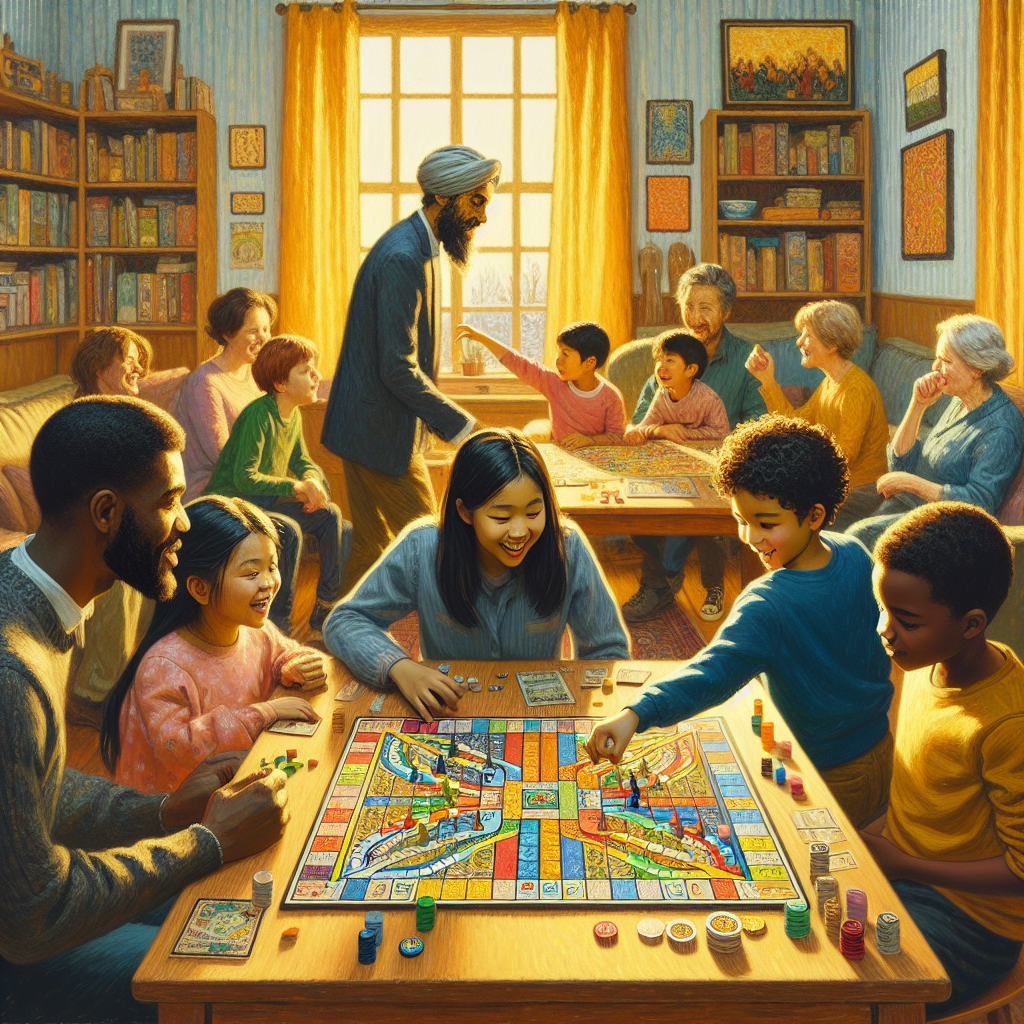
Are There Educational Board Games For Young Children?
Are There Educational Board Games For Young Children?
- Educational board games offer a valuable mix of entertainment and learning for young children.
- These games help build important skills such as counting, letter recognition, and problem-solving.
- One popular example is “The Sneaky, Snacky Squirrel Game” which helps children practice colors, matching, and counting.
- “Zingo” combines bingo with matching pictures and words to improve visual recognition and language skills.
- Games like “Catan Junior” offer older children a chance to develop critical thinking and strategy skills.
- Board games provide a fun and interactive way for children to learn and develop skills.
- By incorporating educational board games into playtime, parents can help children build a strong foundation for academic success.

Are There Educational Board Games For Young Children?
What Are The Benefits Of Playing Board Games At A Young Age?
When it comes to the benefits of playing board games at a young age, it’s clear that there’s more to it than just passing the time.
For starters, board games are a great way to help kids develop essential skills that they’ll use throughout their lives. From critical thinking and problem-solving to communication and social skills, playing board games can provide a fun and engaging way for children to hone these abilities. Take a game like Chess, for example. This classic strategy game requires players to think several moves ahead, anticipate their opponent’s next move, and adjust their strategy accordingly. It’s like a mental workout that can help kids build resilience, patience, and adaptability.
In addition to helping kids develop important skills, playing board games at a young age can also foster a sense of teamwork and healthy competition. Many board games require players to work together towards a common goal, learning how to communicate effectively, collaborate, and make decisions as a group. On the flip side, board games can also teach kids how to be good sports, how to handle both victory and defeat graciously, and how to play fair.
But perhaps one of the biggest benefits of playing board games at a young age is the opportunity for quality time spent with friends and family. In today’s fast-paced world, it can be tough to find moments to connect and bond with loved ones. Board games offer a chance for parents, siblings, and friends to come together, have fun, and create lasting memories. Whether it’s laughing over a silly round of charades or strategizing together in a game of Risk, these shared experiences can strengthen relationships and build a sense of belonging.
And let’s not forget the cognitive benefits of playing board games. Research has shown that engaging in games that require memory, focus, and attention can help improve cognitive function and even stave off cognitive decline in older age. By starting young and making board games a regular part of their routine, kids can lay the groundwork for a sharp mind and quick thinking in the future.
So next time you’re looking for a fun and educational activity for the young ones in your life, consider breaking out a board game. The benefits go far beyond just entertainment – they can help kids build skills, develop relationships, and keep their minds sharp. And who knows, you might even discover a new family favorite in the process.

What Are The Benefits Of Playing Board Games At A Young Age?
What Are The Benefits Of Playing Board Games At A Young Age?
- Board games help kids develop essential skills such as critical thinking, problem-solving, communication, and social skills.
- Games like Chess can help kids build resilience, patience, and adaptability through strategic thinking.
- Playing board games fosters teamwork, healthy competition, and teaches kids how to be good sports.
- Board games offer quality time spent with friends and family, strengthening relationships and creating lasting memories.
- Engaging in board games can improve cognitive function and help stave off cognitive decline in older age.
- Board games go beyond entertainment, helping kids build skills, develop relationships, and keep their minds sharp.
- Consider breaking out a board game for a fun and educational activity with the young ones in your life.

What Are The Benefits Of Playing Board Games At A Young Age?
Where Can Families Find Board Games Suitable For 6-Year-Olds?
If you’re on the lookout for board games that are just right for your 6-year-old, fear not – there are plenty of options out there to keep the whole family entertained. Whether you’re shopping online or browsing the shelves at your local game store, there’s no shortage of choices when it comes to finding age-appropriate games that will engage your little one’s mind and keep them entertained for hours on end.
One great place to start your search is your nearest toy store, where you’ll likely find a wide selection of games tailored specifically for young children. Look for popular options like Candy Land, Chutes and Ladders, or Hi Ho! Cherry-O, all of which are beloved classics that have been entertaining kids for generations. These games are not only fun, but they also help teach important skills like counting, taking turns, and following rules – all valuable lessons for your budding game enthusiast.
If you prefer to shop online, there are a number of websites that specialize in selling board games for children of all ages. Amazon, Target, and Walmart all have extensive selections of games for 6-year-olds, ranging from educational options like Sequence for Kids to silly, laugh-out-loud games like Shark Bite. And don’t forget to check out websites like BoardGameGeek, where you can read reviews and recommendations from other parents to help you find the perfect game for your little one.
For those who are looking to add a bit of educational value to their game nights, consider seeking out games that focus on skills like literacy, math, or problem-solving. Games like Zingo, Sight Word Swat, and Math Animal Flash Cards are all great options for helping your 6-year-old practice important skills in a fun and engaging way. And don’t be afraid to get creative – there are plenty of DIY options out there for making your own educational board games at home.
No matter where you choose to shop, the key is to find games that are not only age-appropriate but also ones that your child will enjoy playing. Pay attention to their interests and preferences, and don’t be afraid to take a chance on a game that might be a bit outside the box. After all, the most important thing is to create lasting memories with your family and have fun together, and there’s no better way to do that than with a good old-fashioned board game night. So get out there and start exploring – the perfect game for your 6-year-old is waiting to be discovered!

Where Can Families Find Board Games Suitable For 6-Year-Olds?
Where Can Families Find Board Games Suitable For 6-Year-Olds?
- Wide selection of board games for 6-year-olds available at toy stores.
- Popular classic games like Candy Land, Chutes and Ladders, and Hi Ho! Cherry-O.
- Online options from retailers like Amazon, Target, and Walmart.
- Consider educational games focused on literacy, math, or problem-solving.
- DIY options for creating educational board games at home.
- Choose games based on your child’s interests and preferences.
- Create lasting memories with family game nights.
Where Can Families Find Board Games Suitable For 6-Year-Olds?
What Are The Best Board Games For 6-Year-Olds?
Alright, parents and caregivers of six-year-olds, listen up. When it comes to finding the best board games for your little ones, it’s all about striking the right balance between fun and educational. After all, you want games that will keep them entertained while also helping them develop important skills like critical thinking, decision-making, and even social skills.
One classic game that’s always a hit with this age group is “Candy Land.” This colorful, sweet-themed game is not only easy for young kids to understand and play, but it also helps them practice their color recognition and counting skills. Plus, who doesn’t love a game that involves racing to the finish line to reach King Kandy’s castle?
If you’re looking for a more strategic game that will challenge your six-year-old’s mind, consider “Sequence for Kids.” This game combines elements of card games and board games, requiring players to place tokens on a board in a sequence to win. It’s a great way to introduce your little one to strategy and planning ahead while also honing their matching skills.
For a game that will get the whole family involved and encourage some friendly competition, try “Uno.” This fast-paced card game is a great way to work on your child’s number and color recognition while also teaching them about taking turns and following rules. Plus, watching them gleefully shout “Uno!” when they have one card left is always a fun moment.
If your six-year-old is a fan of animals, consider introducing them to “Zingo.” This bingo-style game is not only entertaining but also helps improve their vocabulary and matching skills. With its engaging animal-themed tiles and fast-paced gameplay, it’s sure to keep your little one entertained for hours.
Lastly, don’t forget about the classic game of “Chutes and Ladders.” This timeless board game is not only a fun way to pass the time but also teaches important lessons about taking turns, following rules, and dealing with both success and setbacks. Plus, who doesn’t love sliding down a chute or climbing up a ladder to victory?
So there you have it, folks. The best board games for six-year-olds are the ones that strike the perfect balance between fun and educational. Whether you choose Candy Land, Sequence for Kids, Uno, Zingo, or Chutes and Ladders, you can’t go wrong with these timeless favorites. So gather the family, break out the game board, and prepare for hours of fun and learning with your six-year-old. Happy gaming!

What Are The Best Board Games For 6-Year-Olds?
What Are The Best Board Games For 6-Year-Olds?
- One classic game that’s always a hit with six-year-olds is “Candy Land,” which helps them practice color recognition and counting skills.
- “Sequence for Kids” is a more strategic game that challenges their mind with elements of card and board games, teaching strategy, planning, and matching skills.
- “Uno” is a fast-paced card game that improves number and color recognition, teaches taking turns, and following rules.
- If your child loves animals, “Zingo” is a bingo-style game that enhances vocabulary and matching skills with engaging animal-themed tiles.
- “Chutes and Ladders” is a classic game that teaches important lessons about taking turns, following rules, and dealing with success and setbacks.
- When choosing board games for six-year-olds, look for ones that strike a balance between fun and educational to keep them entertained while developing important skills.
- Whether you choose Candy Land, Sequence for Kids, Uno, Zingo, or Chutes and Ladders, these timeless favorites are sure to provide hours of fun and learning for the whole family.

What Are The Best Board Games For 6-Year-Olds?
How Can I Find Age-Appropriate Games For Young Players?
If you’re a parent or caregiver looking for age-appropriate games for young players, fear not – the task doesn’t have to be a Herculean feat. With a little know-how and some guidance, you can easily navigate the vast world of gaming to find the perfect options for the little ones in your life.
One of the first steps in finding age-appropriate games is to consider the age and maturity of the player. Many games come with age recommendations on their packaging, giving you a good starting point for selecting games that are suitable for your child. It’s important to pay attention to these recommendations, as they are typically based on the game’s content and complexity, and can help steer you in the right direction.
Another helpful tip is to do some research before making a purchase. There are plenty of websites and online forums dedicated to reviewing and recommending games for kids of all ages. These resources can provide valuable insight into the content, difficulty level, and overall appropriateness of a game for young players. Reading reviews and seeking out recommendations from other parents can help you make an informed decision and ensure that the game you choose is a good fit for your child.
When searching for age-appropriate games, it’s also important to consider your child’s interests and preferences. Just like adults, kids have their own unique tastes and preferences when it comes to gaming. Whether they’re into sports, adventure, puzzles, or storytelling, there are games out there to suit every interest. By taking your child’s preferences into account, you can ensure that they’ll be engaged and excited to play the games you choose for them.
Lastly, don’t be afraid to ask for recommendations from friends, family members, or even gaming store employees. People who are familiar with your child’s age and interests can offer valuable insight and suggestions for age-appropriate games that your child will love. Plus, getting recommendations from others can help you discover new and exciting games that you might not have come across on your own.
Finding age-appropriate games for young players doesn’t have to be a daunting task. By considering age recommendations, doing some research, taking your child’s interests into account, and seeking out recommendations from others, you can easily find games that are perfect for your child’s age and skill level. So go forth and game on, young players!

How Can I Find Age-Appropriate Games For Young Players?
How Can I Find Age-Appropriate Games For Young Players?
- Consider the age and maturity of the player when selecting games.
- Read reviews and seek recommendations from other parents.
- Take your child’s interests and preferences into account.
- Ask for recommendations from friends, family, or gaming store employees.
- Find age-appropriate games based on recommendations and research.
- Ensure the games are engaging and exciting for your child.
- Finding age-appropriate games for young players can be a fun and rewarding experience.
How Can I Find Age-Appropriate Games For Young Players?
Are There Educational Board Games For 6-Year-Olds?
Are there educational board games for 6-year-olds? You bet there are. In fact, the world of board games is a treasure trove of learning opportunities for kids of all ages, including those pint-sized learners who are just starting their academic journey.
One popular game that kids love is “Count Your Chickens.” This cooperative game is a great way for 6-year-olds to practice their counting skills while working together with their friends or family members. By collecting all the chicks and placing them back in the coop before the hen reaches the farmhouse, kids learn how to work as a team and practice their basic math skills in a fun and engaging way.
For kids who are more visually inclined, “Zingo” is a fantastic option. This fast-paced game combines the excitement of bingo with the educational benefits of letter and word recognition. By matching pictures and words on their Zingo cards, kids can improve their vocabulary and literacy skills while having a blast with their friends.
If your 6-year-old is a budding scientist, “Robot Turtles” might be the perfect game for them. This board game introduces kids to the fundamentals of computer programming in a fun and accessible way. By programming their turtle to move around the board and collect gems, kids can develop critical thinking and problem-solving skills that will serve them well in both school and life.
For future historians and geography buffs, “The Scrambled States of America Game” is a must-have. This game challenges kids to match states with their capitals, helping them learn US geography in an interactive and entertaining way. By racing against the clock to find the right matches, kids can improve their memory, concentration, and knowledge of the world around them.
Educational board games for 6-year-olds are a fantastic way to make learning fun and engaging for kids at this crucial stage of their development. By playing these games, kids can improve their math, language, science, and social skills while having a great time with their friends and family. So why wait? Grab a board game today and watch your 6-year-old’s love of learning grow by leaps and bounds.
Are There Educational Board Games For 6-Year-Olds?
Are There Educational Board Games For 6-Year-Olds?
- “Count Your Chickens” is a cooperative game for practicing counting skills and teamwork.
- “Zingo” combines bingo excitement with letter and word recognition for improved vocabulary and literacy skills.
- “Robot Turtles” introduces kids to computer programming basics with critical thinking and problem-solving.
- “The Scrambled States of America Game” challenges kids to match states with their capitals for US geography knowledge.
- Educational board games for 6-year-olds make learning fun and engaging.
- Playing these games can improve math, language, science, and social skills.
- Grab a board game today to watch your 6-year-old’s love of learning grow.

Are There Educational Board Games For 6-Year-Olds?
How Do I Know If a Board Game Is Too Advanced for a 6-Year-Old?
So, you’ve been eyeing that new board game on the shelf, thinking it might be a fun way to spend some quality time with your 6-year-old. But before you break out the dice and game pieces, it’s important to consider whether the game is a good fit for your little one’s age and abilities.
One of the first things to look at is the recommended age range on the box. While this can be a helpful guideline, it’s not always foolproof. Some 6-year-olds may be ready for more complex games, while others may struggle with anything beyond a basic matching game. It’s important to consider your child’s individual interests and abilities when choosing a game.
Next, take a look at the game’s rules and objectives. Is it a straightforward game with simple rules, or does it involve complex strategies and multiple steps? Games that require strategic thinking, planning ahead, or advanced reading and math skills may be too challenging for a 6-year-old. It’s important to choose a game that your child can understand and enjoy without feeling overwhelmed.
Another factor to consider is the length of the game. Young children may have a shorter attention span and may become bored or frustrated if a game lasts too long. Look for games that can be played in short, manageable rounds or have a quick playtime to keep your child engaged and interested.
Additionally, consider the game’s theme and content. Some games may be too mature or intense for a young child, with themes that are too complex or scary. Make sure to choose a game that is age-appropriate and aligns with your child’s interests and comfort level.
If you’re still unsure whether a board game is too advanced for your 6-year-old, one option is to try playing the game yourself first. This can give you a sense of the game’s complexity and difficulty level, as well as whether it will be a good fit for your child.
Ultimately, the best way to know if a board game is too advanced for your 6-year-old is to trust your instincts and take your child’s individual abilities and interests into account. Finding a game that is challenging yet enjoyable for your child can help create lasting memories and foster a love of games and learning. So go ahead, grab that board game, and get ready for some quality family fun!
How Do I Know If a Board Game Is Too Advanced for a 6-Year-Old?
How Do I Know If a Board Game Is Too Advanced for a 6-Year-Old?
- Consider the recommended age range on the box.
- Look at the game’s rules and objectives.
- Check the length of the game.
- Consider the game’s theme and content.
- Try playing the game yourself first.
- Trust your instincts and consider your child’s abilities and interests.
- Find a game that is challenging yet enjoyable for your child.
How Do I Know If a Board Game Is too Advanced for a 6-Year-Old?
Where Can I Buy Board Games Suitable for Kids Aged 6?
So you’ve got a group of kids around six years old who are itching to play some board games, huh? Well, lucky for you, there are plenty of options out there to keep those little rascals entertained and engaged.
One of the best places to start your search for board games suitable for kids aged 6 is your local toy store. These days, most toy stores have a wide selection of games designed specifically for younger children. You’ll find classics like Candy Land, Chutes and Ladders, and Guess Who, as well as newer games that cater to a younger audience.
If you’re looking to expand your options beyond what’s available at your local toy store, the internet is a treasure trove of resources for finding board games suitable for kids aged 6. Websites like Amazon and Walmart offer a vast selection of games that can be delivered right to your doorstep with just a few clicks.
You can also check out specialty game stores or even your local bookstore for a unique selection of board games that will appeal to kids in this age group. Don’t be afraid to ask the staff for recommendations, as they often have great insights into which games are the most popular with younger children.
When choosing a board game for kids aged 6, there are a few things to keep in mind. First and foremost, make sure the game is age-appropriate and easy enough for young children to understand. Look for games with simple rules and instructions, colorful and engaging artwork, and themes that will capture a child’s imagination.
It’s also important to consider the number of players the game is designed for. Most games suitable for kids aged 6 can be played with two or more players, but some are best enjoyed with a larger group. Think about how many children will be playing the game and choose accordingly.
Finally, don’t forget to take into account the interests and preferences of the children you’re buying the game for. Whether they love animals, space, or princesses, there’s a board game out there that will cater to their specific tastes and keep them entertained for hours on end.
Finding board games suitable for kids aged 6 is easier than ever thanks to the wide range of options available both in-store and online. With a little research and some thoughtful consideration, you’re sure to find the perfect game that will keep those little ones entertained and engaged for hours on end. Happy gaming!
Where Can I Buy Board Games Suitable for Kids Aged 6?
Where Can I Buy Board Games Suitable for Kids Aged 6?
- Local toy stores are a great place to find board games suitable for kids aged 6.
- Online resources like Amazon and Walmart offer a wide selection of games for this age group.
- Specialty game stores and bookstores also have unique options for kids in this age range.
- When choosing a game for kids aged 6, consider age-appropriateness, number of players, and child’s interests.
- Look for games with simple rules, engaging artwork, and themes that capture a child’s imagination.
- Most games for kids aged 6 can be played with two or more players.
- By researching and considering the child’s interests, you can find the perfect game to keep them entertained.
Where Can I Buy Board Games Suitable for Kids Aged 6?
Conclusion
In conclusion, board games for players age 6 are not only abundant, but they also offer a wide range of opportunities for fun and learning. From classic favorites like Candy Land and Chutes and Ladders to educational options like Count Your Chickens and Robot Turtles, there is something out there for every young player to enjoy. These games provide valuable opportunities for children to develop important skills such as counting, color recognition, critical thinking, and problem-solving, all while having a great time with friends and family. By choosing age-appropriate games that align with your child’s interests and abilities, you can create lasting memories and foster a love of learning that will benefit them for years to come. So whether you’re shopping at a local toy store, browsing online retailers, or seeking out recommendations from friends and family, there are plenty of ways to find the perfect board game for your 6-year-old. So go ahead, gather the family, roll the dice, and get ready for hours of laughter, excitement, and valuable learning experiences. Happy gaming!

Conclusion
Conclusion:
- Board games for players age 6 offer a wide range of opportunities for fun and learning.
- Classic favorites like Candy Land and Chutes and Ladders are available for young players.
- Educational options like Count Your Chickens and Robot Turtles help children develop important skills.
- Games help with counting, color recognition, critical thinking, and problem-solving.
- Choosing age-appropriate games aligning with a child’s interests fosters a love of learning.
- There are plenty of ways to find the perfect board game for a 6-year-old, whether shopping locally or online.
- Gathering the family for board games can lead to hours of laughter, excitement, and valuable learning experiences.

Conclusion
Other Resources

Other Resources
Here is a list of other resources you can review online to learn more:
- The Best 6-Player Board Games in 2024 – IGN: This article discusses the best six-player board games around, ranging from various age recommendations and levels of difficulty.
- 15 Awesome Board Games for 6-Year-Olds (and up!) – Not Just a SAHM: This article provides a list of 15 awesome board games for 6-year-olds that are perfect for the whole family.
- The 26 Best Board Games for 6-Year-Olds – Experienced Mommy: This article provides a vetted list of age-appropriate family board games to offer hours of entertainment for your six-year-old.
- The Best Board Games for 6 Year Olds, Parent-Recommended: This article lists the best board games for 6 year olds, all recommended by parents.
- Great Games for 6 Year Olds – The Tabletop Family: This article rounds up some of the favorite board games to play with 6 year olds.
I hope you find these articles helpful and enjoyable! 😊
Other Resources
Glossary Terms
Are There Board Games for Players Age 6? – Glossary Of Terms
1. Age Range: The recommended age group for which a board game is appropriate, in this case focusing on 6-year-olds.
2. Components: The physical items included in a game, such as cards, dice, tokens, and boards.
3. Educational Games: Board games that aim to teach children while they play, often focusing on skills like math, reading, or problem-solving.
4. Player Count: Indicates the number of players a game can accommodate, typically found on the game box.
5. Cooperative Games: Games where players work together towards a common goal rather than competing against each other.
6. Game Mechanics: The rules and procedures that guide the game, including how players interact with the game and each other.
7. Family Games: Games designed to be enjoyed by all members of a family, including young children.
8. Replayability: A measure of how often a game can be played before it feels repetitive or uninteresting.
9. Portable Games: Board games that are small and easy to transport, making them convenient for travel.
10. Thematic Games: Games that revolve around a specific theme or story, often engaging children through their favorite topics.
11. Dexterity Games: Games that require physical skill, such as hand-eye coordination and dexterity.
12. Abstract Games: Games that do not have a specific theme and often focus on strategy or logic.
13. Social Interaction: The level of verbal or physical interaction required between players during a game.
14. Turn-Based: A game format where players take turns one after another to perform their actions.
15. Resource Management: Strategy games where players manage resources such as tokens or cards to achieve goals.
16. Rule Book: The manual or booklet that explains all the rules, objectives, and procedures of a game.
17. Cognitive Development: The process of improving thinking, learning, and memory skills; often a key benefit of board games for children.
18. Problem-Solving: A skill involving the process of finding solutions to difficult or complex issues, often enhanced through gameplay.
19. Pattern Recognition: Identifying and understanding patterns, a common skill exercised in many children’s board games.
20. Strategy Games: Games that require careful planning and thinking ahead to achieve objectives.
21. Storytelling: The method of narrating the game’s theme or plot, often engaging children more deeply.
22. Color-Coding: Use of colors to differentiate between various elements in a game, helping young children navigate the game more easily.
23. Multiplayer Dynamics: How multiple players interact and affect each other’s actions during a game.
24. Skills Development: The improvement of various abilities such as teamwork, logic, and communication through playing games.
25. Quick Setup: Indicates games that do not take long to set up and start playing, important for maintaining a child’s attention.
26. Short Play Time: Games designed to be played in a shorter duration, suitable for the limited attention spans of young children.
27. Game Variants: Different versions or rulesets of a base game, providing alternative ways to play.
28. Collaborative Play: An approach in board games where the primary focus is on players working together rather than competing.
29. Game Pieces: The individual items used during a game such as pawns, figurines, or tiles.
30. Victory Conditions: The criteria that define what a player or team must achieve to win the game.
This glossary should offer a comprehensive starting point for understanding board games suitable for players age 6.

Glossary Of Terms
Other Questions
Are There Board Games for Players Age 6? – Other Questions
If you wish to explore and discover more, consider looking for answers to these questions:
- What skills do board games help develop in 6-year-olds?
- Are there any new board games recommended for 6-year-olds?
- What factors should parents consider when selecting a board game?
- How do cooperative board games benefit young children?
- What are some budget-friendly board games for young children?
- Are there board games that promote teamwork for 6-year-olds?
- Can board games help improve a child’s math skills?
- What are the differences between educational and purely entertaining board games?
- How can parents get their children interested in playing board games?
- Are there board games based on popular children’s TV shows or characters?
- What are some of the best two-player board games for young children?
- How can parents ensure that board games are challenging but not frustrating for their 6-year-olds?
- What are the signs that a board game might be too advanced for a child?
- Can playing board games with family improve a child’s social skills?
- Are there digital versions of classic board games suitable for 6-year-olds?
- What homemade board games can parents create easily?
- How do board games compare to educational apps for children?
- Are any board games designed specifically for children with learning disabilities?
- Where can families find diverse and inclusive board games?
- What are the benefits of playing traditional vs. modern board games?

Other Questions
Haiku
Are There Board Games for Players Age 6? – A Haiku
Candy Land’s bright trek,
Chutes and Ladders’ twists and turns,
Learning masked as play.
Haiku
Poem
Are There Board Games for Players Age 6? – A Poem
For six-year-olds with vibrant minds,
A world of games to seek and find.
From Candy Land’s sweet, sugary quest,
To Chutes and Ladders, counting at its best.
The classic moves of Sorry! teach,
Strategic thoughts within their reach.
Wildcraft! through nature’s scenic paths,
Shows teamwork’s power in its aftermath.
In Labyrinth, they twist and turn,
Plotting moves where mazes churn.
Memory’s cards, each pair to flip,
With sharpened minds, quick-witted grip.
Enjoy the journey, learning blends,
Creating bonds with family and friends.
Count Your Chickens, in one accord,
Togetherness is the reward.
Low complexity, high in fun,
Educational tasks are done.
From Zingo’s bingo with vocab flair,
To sneaky squirrels gathering with care.
Six-year-olds explore and grow,
Through the joy of board games flow.
Finding fun at toy stores wide,
Or online browsing, far and wide.
Games that mix learning with play,
Cherished moments day by day.
Select with heart, watch joy ignite,
Board games bring delight tonight.

Poem
Checklist
Are There Board Games for Players Age 6? – A Checklist
1. Age Recommendation
_____ Check the recommended age range on the game box.
_____ Ensure the game is suitable for your child’s maturity level.
2. Complexity
_____ Look for games with simple rules and easy-to-understand instructions.
_____ Avoid games that require advanced strategic thinking or complex reading/math skills.
3. Game Length
_____ Opt for games that can be played in 30 minutes or less to match young attention spans.
_____ Choose games with quick rounds or the ability to pause and resume.
4. Educational Value
_____ Select games that teach basic skills like counting, color recognition, or memory.
_____ Consider games that develop critical thinking, teamwork, and problem-solving.
5. Themes and Interests
_____ Pick games that match your child’s interests (e. g. , animals, fantasy, adventures).
_____ Ensure the themes are age-appropriate and engaging.
6. Player Count
_____ Ensure the game accommodates the number of children who will be playing.
_____ Consider if the game supports solo play or requires multiple players.
7. Reviews and Recommendations
_____ Read online reviews and recommendations from other parents.
_____ Ask friends, family, or store employees for their suggestions.
8. Hands-On Learning
_____ Look for games with a tactile component or physical movement (e. g. , using tweezers in The Sneaky, Snacky Squirrel Game).
9. Cooperative vs. Competitive
_____ Decide if your child prefers cooperative games (working together) or competitive games (friendly competition).
10. Educational Board Games to Consider:
_____ Candy Land: Color recognition, counting
_____ Chutes and Ladders: Counting, number patterns
_____ Sorry!: Strategic thinking, planning
_____ Wildcraft!: Teamwork, critical thinking
_____ Labyrinth: Strategy, adapting to changing conditions
_____ Sequence for Kids: Strategy, matching
_____ Uno: Number and color recognition, rules following
11. Where to Buy:
_____ Local toy stores
_____ Online marketplaces like Amazon, Target, and Walmart
_____ Specialty game stores
_____ Recommendations from BoardGameGeek or educational toy websites

Checklist
At BestBoardGameNews, we help people who love board games by collating information and news about board games.
Be sure to read our other related stories at BestBoardGameNews to learn more about board games.