Connecting Generations Through Board Games
By Tom Seest
At BestBoardGameNews, we help people who love board games by collating information and news about board games.
Be sure to read our other related stories at BestBoardGameNews to learn more about board games.
Are These Board Games Ideal for Senior-Youth Interactions?
When you think of interactions between seniors and youth, what usually comes to mind? Maybe you picture afternoons spent in the backyard, or post-dinner chats over cookies and milk. But what if I told you that some board games might just be the secret sauce to building bridges between generations? Yes, you read that right—board games!
Now, let’s not skirt around the details. The beauty of a good board game lies not just in its rules but in the conversations that spring from them. Picture a classic like Scrabble being played on a worn-out table. Each word placed brings laughter, stories, and a chance to reminisce about days gone by. The youth might struggle with a handful of letters that don’t seem to form anything meaningful, while the senior across the table is tapping into a mental vault filled with obscure words that seem to spring forth like a fountain of knowledge. That’s not just a game; that’s an intergenerational teachable moment!
Or how about a game of Uno? The vibrant colors and straightforward rules can easily draw in younger players while providing a platform for seniors to show off their competitive edge. It’s deceptively simple at first glance, but we all know that those strategic skips and reverses can spark some good-natured rivalry. An evening spent amidst friendly banter and spirited gameplay can dissolve barriers that often exist between age groups. When the youth tease grandpa about his “unorthodox” strategy, you can almost see the years melt away as laughter fills the room.
Then there’s the cooperative gameplay of Pandemic or Forbidden Island. Suddenly, it’s not just about winning or losing, but about working together, relying on each other’s strengths, and fostering that sense of teamwork. Through these shared victories and defeats, seniors can impart wisdom on patience and collaboration, while youth bring in fresh ideas and energy.
So, back to the original question: are these board games ideal for senior-youth interactions? The answer is a resounding yes! They create an environment where learning happens naturally. They turn dull afternoons into sessions of joy, laughter, and connection. And in a world where everyone seems to be rushing around, taking a moment to engage with a board game can forge bonds that last long after the game is over. So, grab that board game, set the table, and watch the magic unfold. You might just discover that age is just a number when you’re gathered around a game!

Are These Board Games Ideal for Senior-Youth Interactions?
Are These Board Games Ideal for Senior-Youth Interactions?
- Interactions between seniors and youth can be enriched by playing board games.
- Board games facilitate conversations that promote bonding and nostalgia.
- Classic games like Scrabble allow seniors to share knowledge and stories with younger players.
- Popular games like Uno can foster friendly competition and laughter among different generations.
- Cooperative games such as Pandemic or Forbidden Island encourage teamwork and reliance on each other’s strengths.
- Board games create natural learning environments, turning ordinary moments into joyful connections.
- Engaging in board games can help bridge generational gaps and strengthen relationships.

Are These Board Games Ideal for Senior-Youth Interactions?
Table Of Contents
- Are These Board Games Ideal for Senior-Youth Interactions?
- How Can Board Games Enhance Communication Between Generations?
- Which Board Games Are Most Suitable For Seniors And Youth?
- Are There Specific Rules To Modify For Senior Players?
- How Can Board Games Help Bridge The Generational Gap?
- What Factors Should Be Considered When Choosing A Game?
- Can Board Games Improve Cognitive Function In Seniors?
- How Do Board Games Promote Teamwork Among Different Ages?
- Conclusion
- Other Resources
- Glossary Of Terms
- Other Questions
- Haiku
- Poem
- Checklist
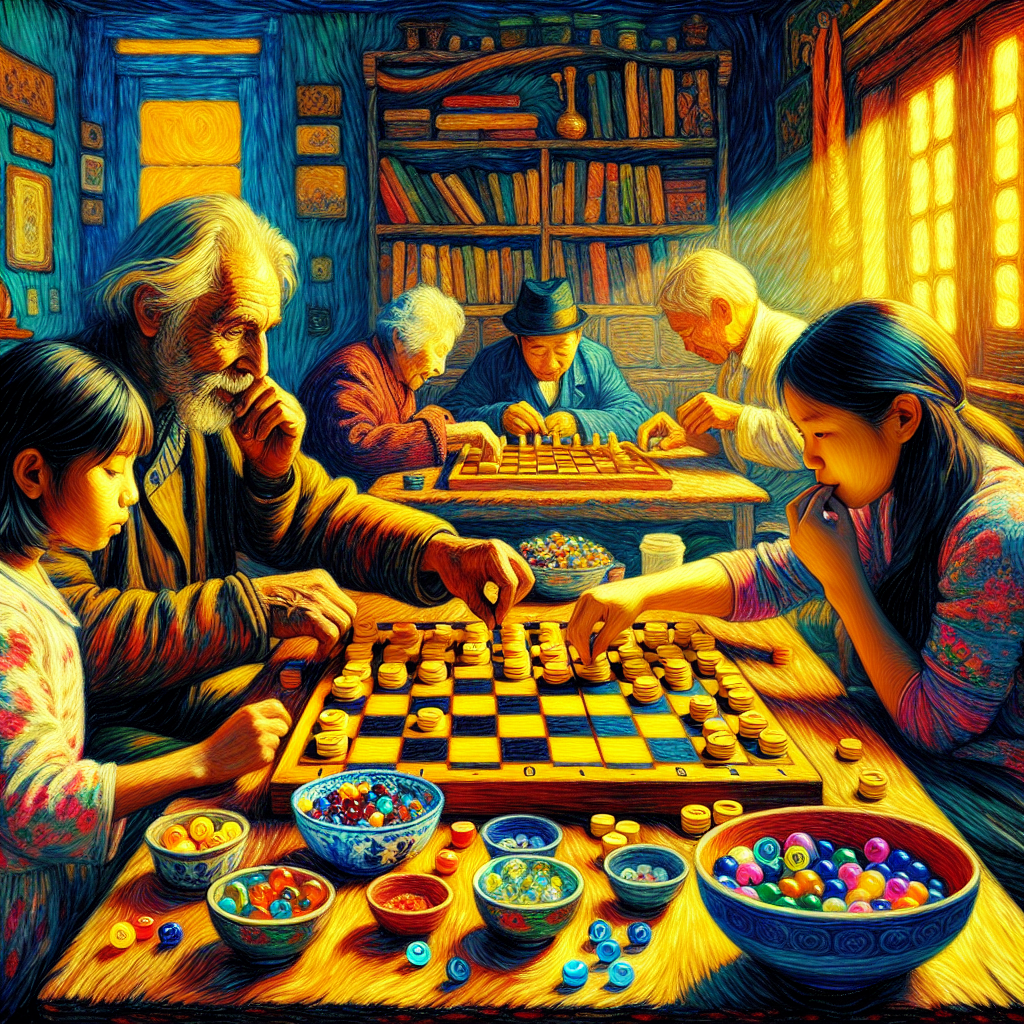
How Can Board Games Enhance Communication Between Generations?
When you think about a board game, it often conjures up images of family gatherings, laughter tumbling over spilled popcorn, and the unmistakable sound of dice clattering across a table. But beyond entertainment, board games possess an incredible power to bridge the ever-widening communication gap between generations.
Let’s face it: technology, while revolutionary, can sometimes create barriers instead of breaking them down. Grandparents, with their treasure troves of wisdom, might find themselves scratching their heads at the latest app or social media trend. Likewise, kids today often view their elders’ nostalgic tales as relics of a bygone era—something almost unrelatable. Enter the board game, that unassuming hero of the game night.
Board games provide a tactile and visual experience that screens simply can’t match. When you roll the dice or move a piece across the board, everyone is engaged in something tangible. This physical presence encourages eye contact and conversation. Suddenly, that five-hour car trip filled with awkward silences transforms into a lively exchange of stories about old-school strategies, personal victories, and even the occasional ridiculous blunder.
Moreover, there’s something inherently democratic about a board game. Whether you’re an octogenarian or a pre-teen, everyone starts with the same chance at victory. The rules are established upfront, and everyone is expected to play fair. This dynamic levels the playing field and establishes a shared purpose. In the fierce competition for the best move or strategy, kids can glean valuable lessons in patience, resilience, and even sportsmanship, all while their elders get to relive their glory days, perhaps with a tad more patience than they did back in the day.
But the real magic happens in the moments in between the turns—those spontaneous conversations and the laughter that brings people closer together. The quirks of the older generation might shine in little insights about the game or recollections of past experiences, sparking questions from the younger players. Kids can ask about life before cellphones, while grandparents can impart wisdom peppered with humor. The board game acts as a catalyst, making way for deeper discussions about life, values, and everything in between.
Board games don’t just entertain; they create bridges. They remind us all that we’re more alike than we think, and that sometimes, the best communication starts with a simple roll of the dice.

How Can Board Games Enhance Communication Between Generations?
How Can Board Games Enhance Communication Between Generations?
- Board games evoke images of family gatherings filled with laughter and fun.
- They help bridge communication gaps between generations, countering barriers created by technology.
- Board games provide a tactile and visual experience, fostering engagement and conversation.
- Everyone starts with an equal chance at victory, promoting fairness and shared purpose.
- Games teach valuable lessons in patience, resilience, and sportsmanship across age groups.
- Spontaneous conversations during games spark deeper connections and understanding between players.
- Ultimately, board games show that we share more similarities than differences, facilitating communication.
How Can Board Games Enhance Communication Between Generations?
Which Board Games Are Most Suitable For Seniors And Youth?
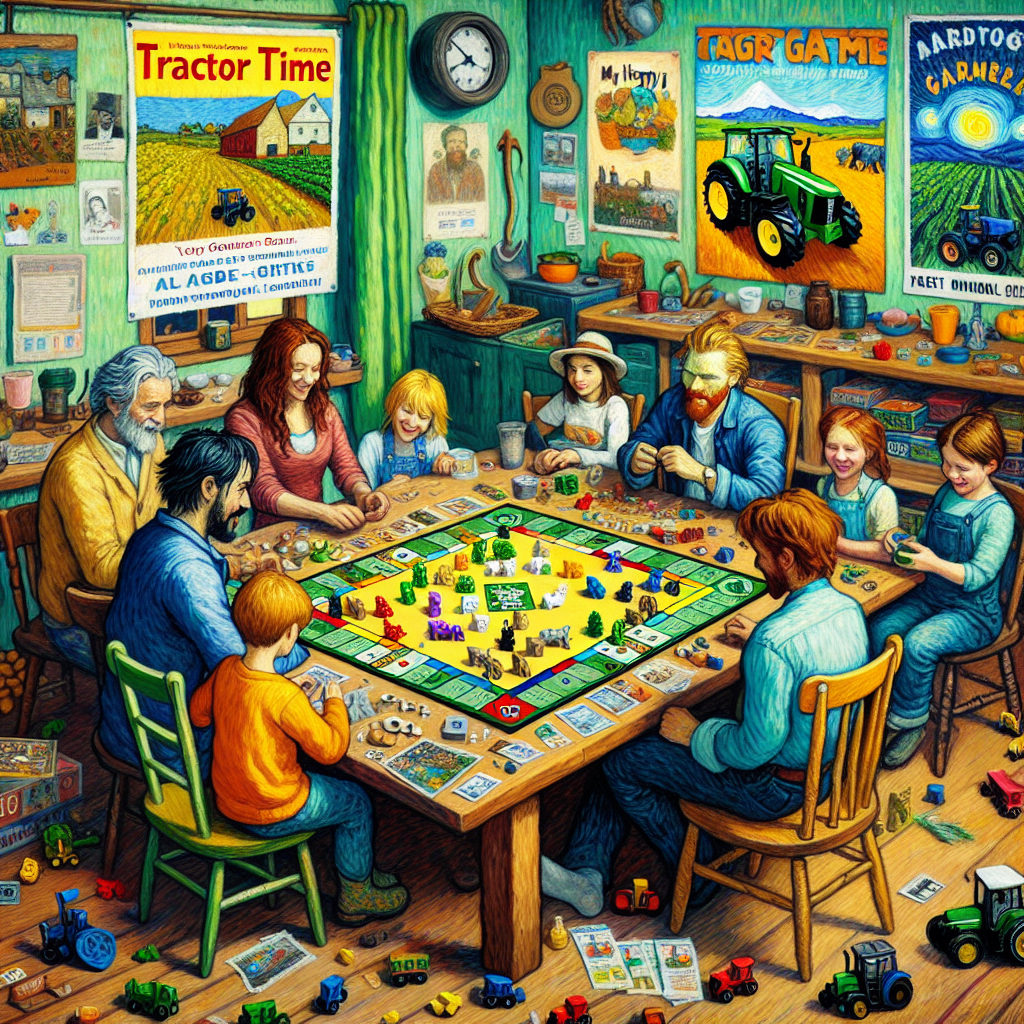
When it comes to the world of board games, there’s a certain magic that captivates both seniors and the youthful sprit. Choosing the right board game can bridge age gaps, spark joy, and even stimulate the mind. It’s about finding that delightful intersection where strategy meets simplicity—games that level the playing field while keeping camaraderie in the air.
First on our list is Settlers of Catan. This game is perfect for seniors who appreciate a good strategy while introducing younger players to resource management. Players negotiate, trade, and outthink one another while building settlements. The gentle tension of competition makes it suitable for all ages, utilizing players’ social skills and strategic thinking, which can be invigorating for everyone involved.
Next up is Ticket to Ride. Picture this: a colorful map sprawled across the board, where players race to connect cities via train routes. It’s not just fun; it’s a mental workout that’s straightforward enough for the younger crowd yet still challenging for seniors. The strategic element lies in planning routes while keeping an eye on opponents—a clever combination of simplicity and depth.
Uno is another classic that transcends age. This card game’s rules are as clean as a whistle, but the joy comes from the bluffs, laughs, and unexpected reversals. It’s the perfect icebreaker, benefiting both generations as they collaborate or compete. Plus, there’s nothing quite like the look of shock on a grandparent’s face when their grandchild plays a wild card!
Let’s not forget Scrabble. It’s a game rich with language and creativity, engaging players in a mental dance of words. Seniors can flex their verbal muscles, while youths learn spelling and vocabulary in a competitive yet relaxed environment. The best part? It’s a chance for storytelling—creating words can spark conversations that stitch generations together.
Lastly, we can’t overlook cooperative games like Pandemic. In this game, players work side by side, strategizing to save the world from outbreaks. This cooperative spirit fosters teamwork and strengthens bonds, proving that sometimes, the best competition is against the game itself.
Choosing board games for seniors and youth is about more than just the mechanics; it’s about connection. These games invite laughter, require critical thinking, and provide countless memories, making them suitable for anyone willing to roll the dice and enjoy the ride.
Which Board Games Are Most Suitable For Seniors And Youth?
Which Board Games Are Most Suitable For Seniors And Youth?
- Board games provide a magical experience that connects seniors and the youthful spirit.
- Settlers of Catan encourages strategy, negotiation, and resource management suitable for all ages.
- Ticket to Ride offers a fun yet challenging way to connect cities through train routes, appealing to both young and senior players.
- Uno is a classic card game that promotes laughter and competition, making it an excellent icebreaker across generations.
- Scrabble engages players in word creation, enhancing vocabulary while fostering storytelling and conversation.
- Cooperative games like Pandemic encourage teamwork and bond-building as players strategize to overcome challenges together.
- Choosing board games focuses on connection, laughter, critical thinking, and creating lasting memories across generations.
Which Board Games Are Most Suitable For Seniors And Youth?
Are There Specific Rules To Modify For Senior Players?
When it comes down to the nitty-gritty of board games, there’s something to be said about playing with seniors. They bring a wealth of experience, strategy, and a plethora of stories to the table. However, let’s be honest: some of us might need to consider modifying the rules a smidge to ensure everyone has a wailing good time. After all, it’s all about having fun, right?
First off, let’s talk about accessibility. If the game involves small pieces or cards, you might want to provide magnifying glasses or larger components for delicate hands and faltering eyesight. Maybe switch out those tiny tokens for something a little more substantial. No one wants to lose a piece in the deep abyss of the carpet, especially when a knee can no longer spring back in its glory days.
Another point to ponder is the pace of play. Many board games have a relentless tempo that can be exhausting. Why not introduce a timer where players can take a breather when their turn comes around? Allowing for extended thinking time per turn might lead to better strategies and a chance to reminisce about the good old days of the game. Add in a “let’s talk” phase before each turn. Who knows what wisdom will spill out as players take this time to engage in conversation?
Now, let’s discuss the competitive edge. It’s not about winning; it’s about enjoying the experience. Why not implement a house rule where players can share tips and strategies, turning competitive gameplay into a collaborative experience? This modification creates an environment that encourages sharing wisdom rather than biting nails over who will claim victory.
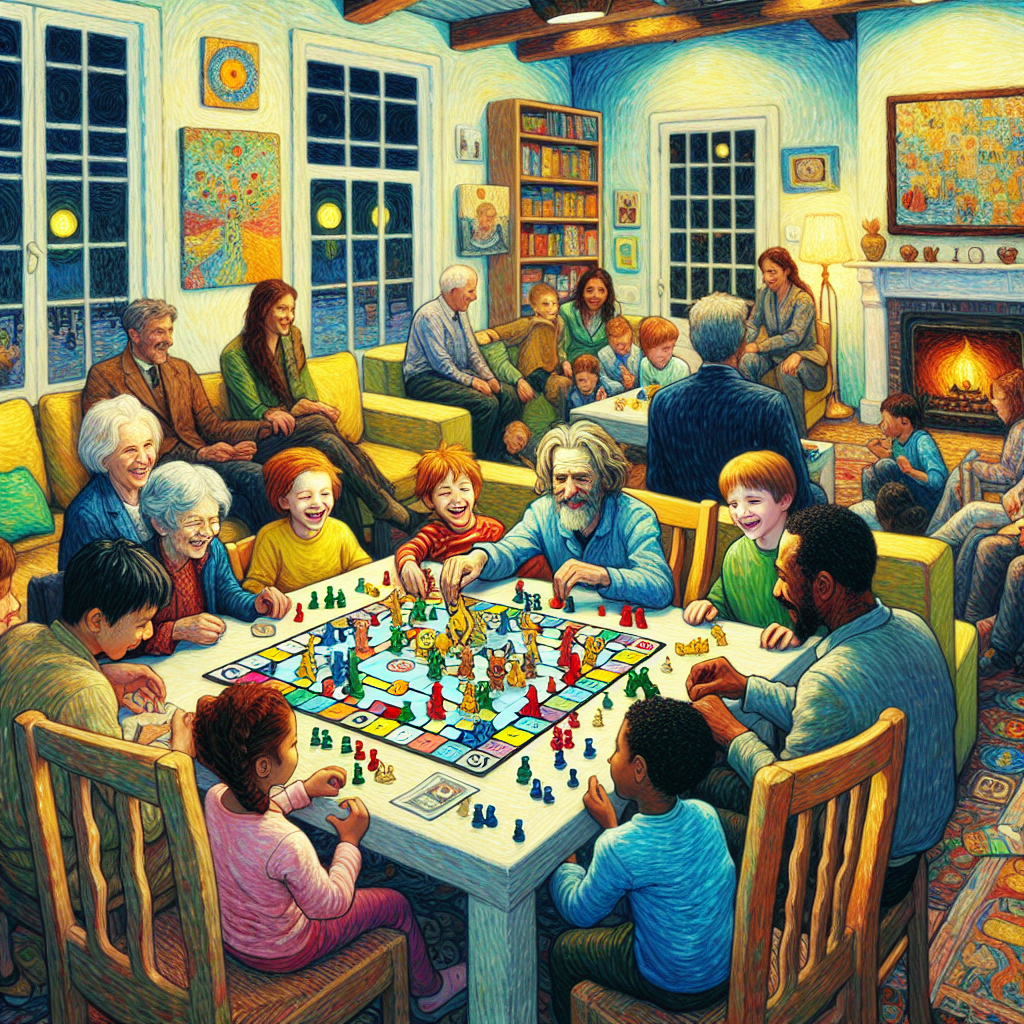
Don’t forget about team play! Pairing senior players with younger partners can foster camaraderie and a chance to share different perspectives on strategy. The fresh ideas of a younger player combined with the seasoned insights of a senior can lead to some unexpected and, dare I say it, entertaining outcomes.
And finally, let’s not shy away from a good ol’ game modification: gather around the table and establish a set of house rules that cater to your group. Whether it’s altering win conditions or introducing alternate scoring, choose changes that keep everyone engaged and feeling valued.
So, as you crack open your favorite board game for a delightful evening, remember: it’s not just about the rules—it’s about the stories shared, laughter echoed, and the memories that brightened those moments.
Are There Specific Rules To Modify For Senior Players?
Are There Specific Rules To Modify For Senior Players?
- Seniors bring a wealth of experience, strategy, and stories to board games.
- Consider modifying rules for accessibility, such as using larger components and providing magnifying glasses.
- Introduce a timer to allow players to take breaks and think strategically during their turns.
- Create a “let’s talk” phase before each turn for engaging conversations and sharing wisdom.
- Encourage a collaborative experience by implementing house rules that allow sharing of tips and strategies.
- Pair senior players with younger partners to foster camaraderie and mix perspectives on strategy.
- Establish customized house rules with your group to keep everyone engaged and valued during the game.
Are There Specific Rules To Modify For Senior Players?
How Can Board Games Help Bridge The Generational Gap?
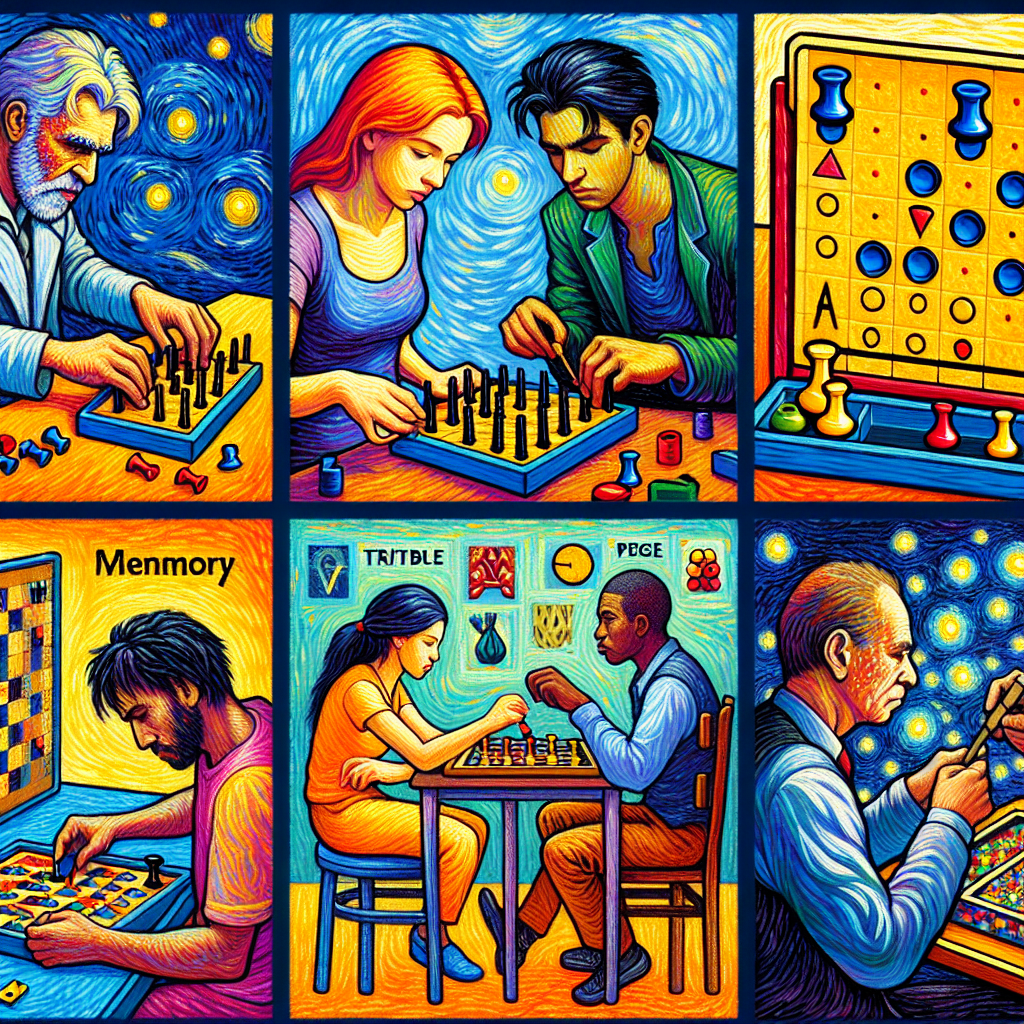
In an era increasingly defined by digital distractions, the humble board game stands as a bridge—a sturdy, wooden, and sometimes colorful construct that connects generations. Picture this: a dining room table, cluttered with snacks and laughter, where the only screen present is a glimpse of the outside world through a nearby window. Here, time slips away as young and old unite over the clattering of dice and the shuffle of cards. Board games, in their tactile wonder, offer an opportunity for bonding that transcends age gaps and technological divides.
Why are board games so effective at fostering intergenerational connections? It’s simple. They embody a shared experience, encouraging face-to-face interaction rather than the isolating glow of a smartphone. As grandparents, parents, and children gather around the table, the game serves as both a catalyst for conversation and a framework for learning. In a time when generational narratives can be fraught with misunderstandings, a board game can provide a common ground where stories of triumphs and losses can be exchanged over friendly competition.
Moreover, board games often come with rules that require strategy, cooperation, and sometimes a little bit of luck, making them a fun way to tackle real-life challenges in a low-stakes environment. Imagine a teenager sharing a laugh with their grandparent as they battle for dominance in a game of Risk or engage in a cutthroat session of Monopoly. These moments create lasting memories, crafting a rich tapestry of shared experiences forged through laughter, occasional frustration, and the simple pleasure of spending time together.
But it’s not just about the games themselves; it’s about what happens in those fleeting hours. While the younger generation might teach their elders the nuances of modern game mechanics, older players share wisdom and life lessons, effectively weaving a narrative that enriches the understanding of both parties. Each roll of the dice and each strategic decision is loaded with the opportunity for insight, nostalgia, and connection.
So, next time you find yourself with a curious grandchild or a parent searching for connection, consider dusting off that old board game buried in the closet. Trust me, it’s not just a game; it’s a pathway to understanding, a bridge that spans the chasm of time and technology. And what could be better than that?
How Can Board Games Help Bridge The Generational Gap?
How Can Board Games Help Bridge The Generational Gap?
- Board games serve as a bridge connecting generations in a world filled with digital distractions.
- They enable bonding through shared experiences, facilitating face-to-face interactions.
- Games create common ground for exchanging generational narratives, fostering communication.
- Board games require strategy and cooperation, offering a fun way to navigate real-life challenges.
- They provide opportunities for laughter and memorable moments between young and old.
- Interactions during gameplay allow younger generations to teach modern mechanics while older players share wisdom.
- Playing board games promotes understanding and connection across age and technological divides.
How Can Board Games Help Bridge The Generational Gap?
What Factors Should Be Considered When Choosing A Game?
When it comes to selecting a game, whether it’s a classic board game gathering dust on the shelf or a hot new title making waves online, you’ve got quite a bit of digging to do. Choosing the right game can turn a simple evening into a memorable experience, or it can leave you wondering why you wasted your time and money. So, what should you consider? Let’s break it down.
First and foremost, think about the group you’re playing with. Are they seasoned veterans of board games? Or are they casual players just looking to pass the time? If you’re dealing with hardcore enthusiasts, you’ll want something with strategy, perhaps. If it’s a mixed crew, perhaps something a bit lighter and faster will suit everyone. Knowing your audience is key in transforming a night of clashing personalities into a cohesive experience.
Next on the list is complexity. Some board games come with a 40-page rulebook, and while that might sound enticing to some, others may end up staring blankly at the table, lost in the instructions. Look for games that match the comfort level of your group. If someone needs a degree just to understand how to roll dice, you might want to reconsider and find something more approachable.
Budget is another crucial factor. Quality board games can range from budget-friendly to exorbitantly priced. While it can be tempting to splurge on the latest eye-catching title, you’ll want to assess the value. Is it a limited edition, or is it bound to be in print for years to come? Sometimes, picking up a second-hand classic can yield more joy than the pricier trends filling the shelves.
Also, think about the amount of time you’re willing to invest. Some board games might seem appealing, but if they last for hours on end, it could wear out your welcome. A good rule of thumb is to find something that fits comfortably within your group’s attention span. Trust me, there’s a sweet spot between a fast-paced game and one that takes all night to complete.
Lastly, don’t underestimate the power of thematic elements. Whether you’re conquering kingdoms, building empires, or solving mysteries, the theme can either pull players in or push them away. Select a game with a theme that resonates with your group’s interests to enhance engagement and make for a more enjoyable experience.
The perfect game is out there waiting for you. It just takes a little thought and consideration to find the right fit. Happy gaming!
What Factors Should Be Considered When Choosing A Game?
What Factors Should Be Considered When Choosing A Game?
- Consider the group’s experience level: seasoned veterans vs. casual players.
- Match game complexity to the comfort level of your group to avoid confusion.
- Assess your budget: high-quality games range from affordable to expensive.
- Evaluate the time investment required; aim for a game that fits your group’s attention span.
- Choose games with thematic elements that resonate with your group’s interests.
- Finding the right game can transform an evening into a memorable experience.
- Thoughtful consideration in game selection leads to a better gaming experience.
What Factors Should Be Considered When Choosing A Game?
Can Board Games Improve Cognitive Function In Seniors?
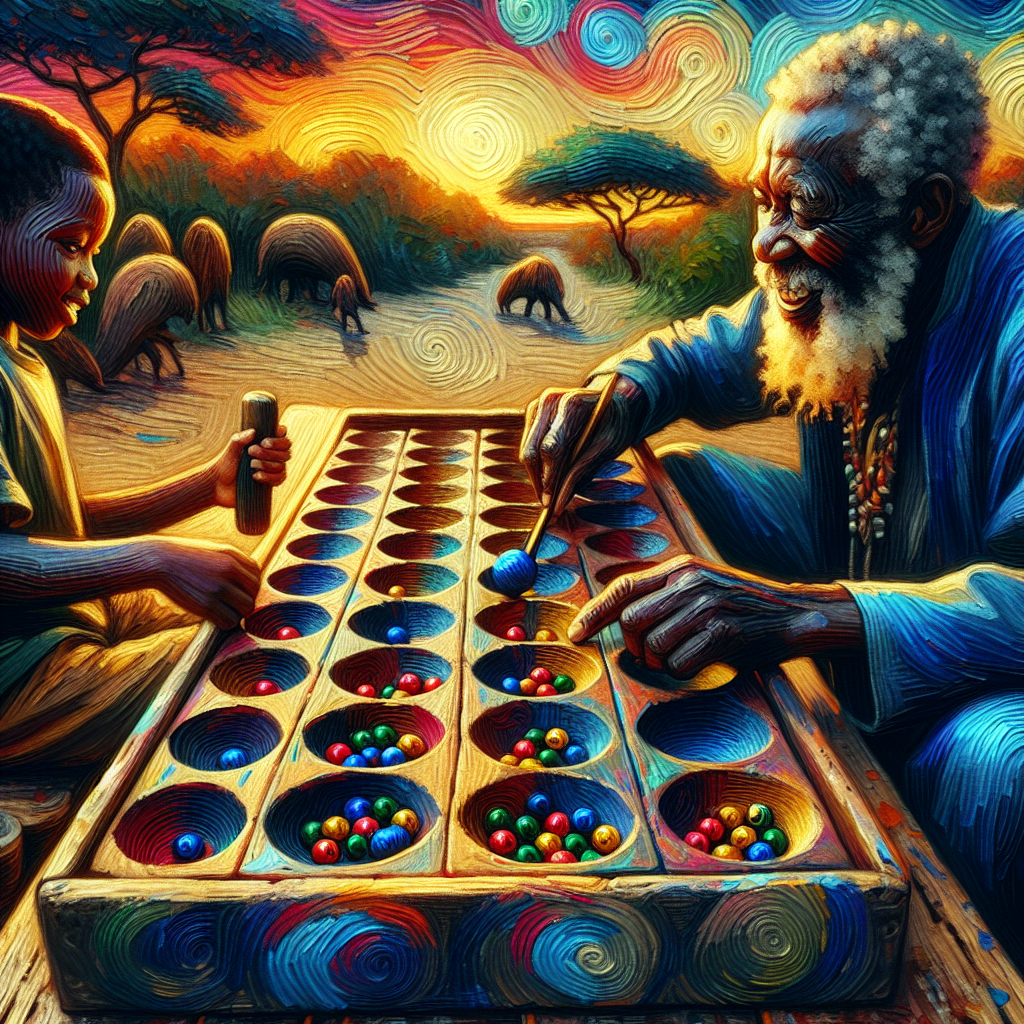
Picture this: a cozy living room, the aroma of freshly brewed coffee, and a group of seniors gathered around a table, peering intently at a colorful board game. It’s not just any game; it’s a portal to better brain health. The truth may be surprising, but playing board games could be a powerful tool for keeping our cognitive functions sharp as we age.
Engaging with a board game offers more than just a friendly competition; it’s a workout for the mind. When seniors sit down to play, they are forced to strategize, calculate probabilities, and think critically—skills that tend to decline over time if they aren’t regularly exercised. Each move requires concentration and foresight, prompting players to engage with the game and, by extension, each other. Social interaction is an essential ingredient in maintaining cognitive acuity, and what better way to foster connection than over a round of Settlers of Catan or a good ol’ game of Scrabble?
But let’s be clear: it’s not merely about the game itself; it’s about the mental gymnastics that come with it. As players navigate complex rules and devise tactics, they draw upon a reservoir of knowledge and experience. Each dice roll or card flip encourages memory recall and decision-making, stimulating the brain’s pathways like a well-oiled machine. Research suggests that this kind of cognitive engagement can help stave off issues like memory loss and confusion.
The beauty of board games is their variety—there’s something for everyone. Whether it’s an intricate strategy game or a light-hearted trivia challenge, these pastimes are easily adaptable to suit interests and abilities. They promote teamwork and collaboration, fostering a sense of community among players while giving them a solid dose of mental exercise. And let’s face it, the joyful banter and laughter that often accompany these gatherings are just as beneficial for emotional health as they are for cognitive function.
So, the next time you spot a pack of cards or a well-loved board game collecting dust, think twice before passing it by. It might just hold the key to a sharper, more vibrant mind. In this age of screens and isolation, it’s time to dust off those board games, pull up a chair, and challenge a friend—because this old-fashioned pastime has the potential to generate some serious brain benefits.

Can Board Games Improve Cognitive Function In Seniors?
Can Board Games Improve Cognitive Function In Seniors?
- Board games provide a fun and engaging way to enhance cognitive health for seniors.
- Playing games requires strategizing, calculating probabilities, and critical thinking, which can help maintain cognitive functions.
- Board games encourage social interaction, essential for maintaining cognitive acuity.
- Engaging with games promotes memory recall and decision-making, stimulating brain pathways.
- There is a wide variety of board games available, catering to different interests and abilities.
- Games foster teamwork and collaboration, building a sense of community among players.
- Playing board games not only benefits cognitive function but also enhances emotional health through laughter and connection.

Can Board Games Improve Cognitive Function In Seniors?
How Do Board Games Promote Teamwork Among Different Ages?
In a world increasingly filled with digital distractions, nothing replaces the good old-fashioned charm of a board game. Whether it’s a heated battle in Monopoly, a strategic endeavor in Risk, or a cooperative mission in Pandemic, these tabletop experiences do more than just entertain—they build bridges between generations, promoting teamwork among different ages.
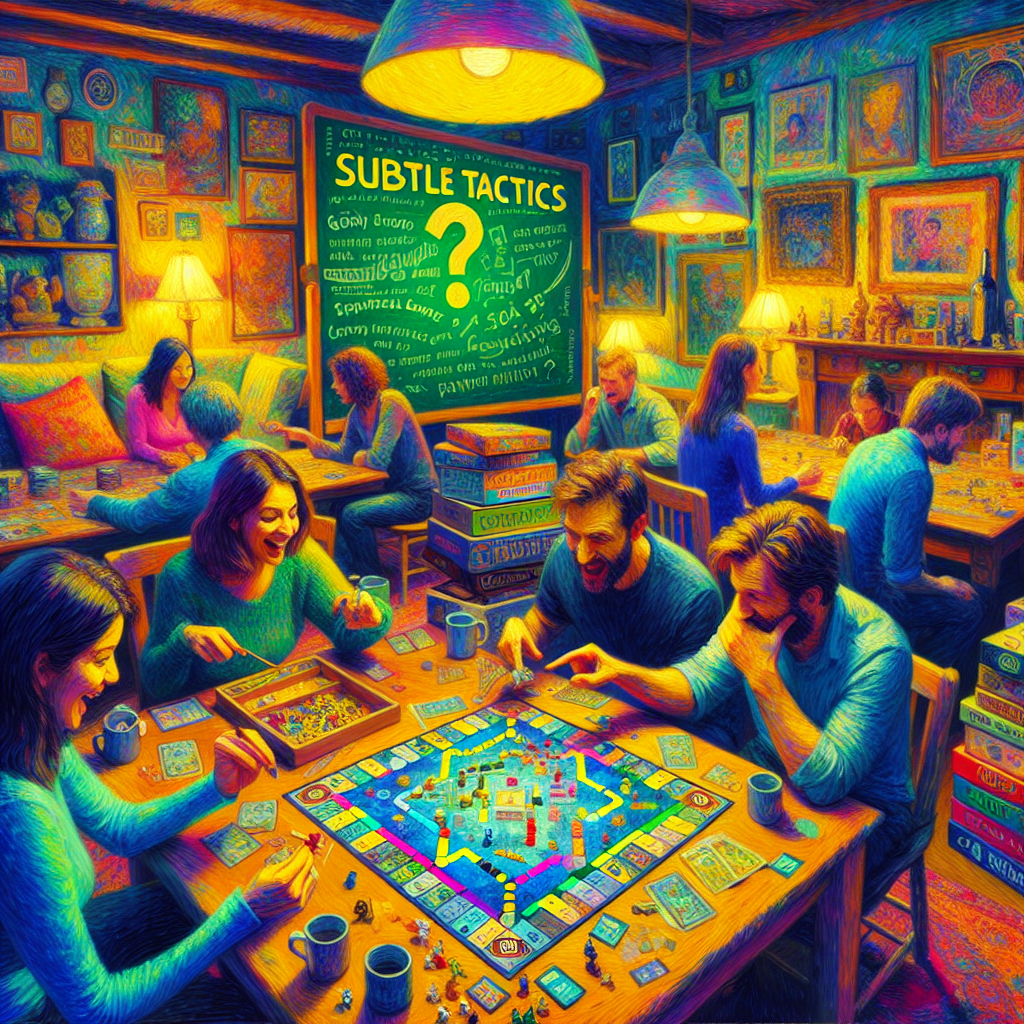
When you sit down for a board game, it’s more than rolling dice and moving pieces. It’s an invitation to collaborate, communicate, and sometimes, compromise. Think about it: a group ranging in age from the exuberance of youth to the wisdom of age can gather around a table, united by the shared goal of victory. This camaraderie fosters relationships that go beyond mere bloodlines or friendships; it creates a patchwork of insights that each player brings to the table, contributing to a deeper understanding of one another.
The beauty of board games lies in their ability to level the playing field. A ten-year-old and a sixty-year-old can find common ground through strategies and shared laughter. With each bluff called in Poker or alliance formed in Settlers of Catan, barriers fade away, allowing unique perspectives to shine. Younger players often bring creativity and quick thinking, while older players offer patience and wisdom. This mix leads to enriching interactions—where young minds soak up life lessons and older individuals rediscover the joy of youthful optimism.
Moreover, many board games require players to work in teams, pushing participants to communicate effectively. Take team-based games like Escape Room challenges, for instance. Here, mixed-age groups must discuss clues, devise plans, and execute strategies under time pressure. Such collective urgency enhances problem-solving skills and builds trust. The sense of accomplishment when a team emerges victorious? Priceless. It’s an exhilarating reminder that collaboration trumps individualism—something that transcends age and societal norms.
Let’s not forget the sheer fun and laughter that come with board games. They evoke nostalgia, spark conversations, and can turn ordinary nights into extraordinary memories. Nothing quite compares to the sound of dice clattering, cards shuffling, and the sound of everyone gasping in surprise.
Board games serve as a vital tool for promoting teamwork among different ages. They eliminate barriers, foster communication, and create bonds that strengthen familial and social ties. So, the next time you pull a game off the shelf, remember—you’re not just playing; you’re building connections that might last a lifetime.

How Do Board Games Promote Teamwork Among Different Ages?
How Do Board Games Promote Teamwork Among Different Ages?
- Board games offer a timeless charm amidst digital distractions.
- They promote teamwork and bridge generational gaps through shared gameplay.
- Playing board games encourages collaboration, communication, and compromise.
- Different ages can unite around a common goal, enriching relationships.
- They level the playing field, allowing unique perspectives to shine.
- Many games enhance problem-solving skills and build trust through teamwork.
- Board games create lasting memories filled with fun, laughter, and connection.
How Do Board Games Promote Teamwork Among Different Ages?
Conclusion
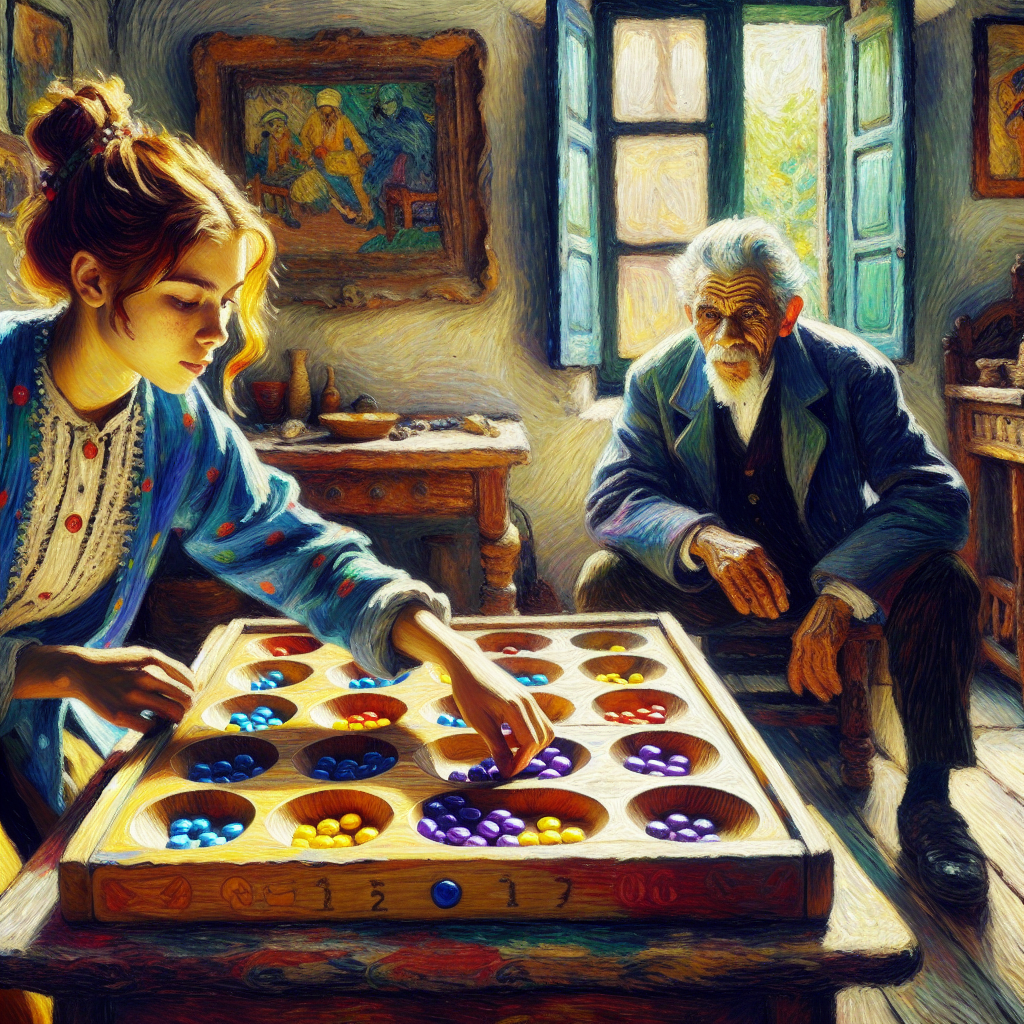
In conclusion, the experience of gathering around a board game is a timeless ritual that transcends generations, bridging the gap between youth and seniors in a uniquely enriching way. When we think about intergenerational interactions, the image of playful competition or cooperative strategy unfolds, illuminating a path for shared laughter and learning. Board games do more than just fill an afternoon; they drum up stories, cultivate friendships, and teach invaluable life lessons—all while bringing a tactile, engaging experience that screens just can’t replicate.
Take a classic like Scrabble, where each letter placed is not just a word, but a doorway to nostalgia. The young might fumble over unfamiliar words, while the old may regale tales of language long past, creating a shared history that weaves across generations. Or consider the colorful chaos of Uno, which draws in younger players while challenging seniors’ strategic minds. There’s something about taunting grandpa over an “unexpected” wild card that dissipates the years in an instant, replacing them with joyful banter.
And let’s not overlook teamwork games like Pandemic, where the stakes aren’t just about winning; they’re about collaboration and camaraderie. These sessions teach patience, communication, and foster a sense of unity that can only be achieved face-to-face. Each roll of the dice or shuffle of cards represents an opportunity for wisdom to flow both ways, with the younger generation passing on contemporary insights while the older players provide a treasure trove of knowledge and experience.
It’s important to acknowledge that the right game choice can elevate these interactions, taking into account budget, complexity, and most importantly, the interests of the players involved. Modifications can also be made to accommodate seniors, ensuring everyone can engage fully and enjoy the game.
At the end of the day, board games aren’t just pieces of cardboard and plastic; they’re a means to connect our diverse lives in meaningful ways. They promote communication, teamwork, and foster priceless memories—reminding us all that joy transcends age. So, let’s dust off those game boxes, gather around the table, and roll the dice. After all, nothing beats the magic that happens when generations unite in laughter and playful competition.
Conclusion
Conclusion:
- Board games create timeless intergenerational connections and enrich relationships between youth and seniors.
- They promote playful competition and cooperative strategies, facilitating shared laughter and learning.
- Games like Scrabble foster nostalgia while bridging generations through language and storytelling.
- Uno encourages playful banter, drawing younger players in and engaging seniors’ strategic thinking.
- Teamwork games like Pandemic highlight collaboration, patience, and communication in face-to-face settings.
- Selecting the right game while considering budget and player interests enhances the experience for everyone.
- Ultimately, board games foster communication and create lasting memories, illustrating that joy transcends age.
Conclusion
Other Resources
Other Resources
Here is a list of other resources you can review online to learn more:
- Eclipse
- North Star Games
- Mayfair Games
- 2F-Spiele
- Google My Business
- Ravensburger
- Looney Labs
- Pandemic Legacy: Season 1
- Gamewright
Use This Prompt To Get More Resources With Your Favorite Online AI Tool: Please provide me with a list of online articles with their URLs in a bulleted list that I can read regarding Are These Board Games Ideal for Senior-Youth Interactions?

Other Resources
Glossary Terms
Are These Board Games Ideal for Senior-Youth Interactions? – Glossary Of Terms
1. Board Game: A tabletop game that involves counters or pieces moved or placed on a pre-marked surface according to a set of rules.
2. Intergenerational: Involving or relating to different generations, particularly the interaction between seniors and youth.
3. Social Interaction: The process by which individuals act and react in relation to others, important in building relationships and communication.
4. Cognitive Skills: Mental abilities involving thought processes, such as memory, reasoning, and problem-solving, often engaged in by playing board games.
5. Cooperative Play: A form of gameplay where participants work together towards a common goal, fostering teamwork between different age groups.
6. Communication: The exchange of information or ideas, critical in board games; involves listening, speaking, and interpreting non-verbal cues.
7. Strategy: Planning and decision-making skills essential in many board games; helps players predict opponents’ moves and optimize their own.
8. Critical Thinking: The ability to analyze facts to form a judgment; a skill refined through gameplay, encouraging deeper discussions.
9. Empathy: The capacity to understand and share feelings; playing games can help bridge the emotional gap between generations.
10. Engagement: The level of interest and involvement in an activity; fun board games can enhance engagement among seniors and youth.
11. Nostalgia: A sentimental longing for the past, often evoked by classic board games that seniors may have played in their youth.
12. Competition: The rivalry between players in a game; healthy competition can encourage sportsmanship and respect for opponents.
13. Inclusivity: The practice of ensuring that games are accessible and enjoyable for players of all abilities and ages.
14. Adaptability: The ability to adjust to new conditions, particularly important in tailoring game rules to accommodate different skill levels.
15. Mediation: The process by which a neutral party helps resolve disputes that may arise during gameplay.
16. Attention Span: The length of time an individual can concentrate on a task; some board games are designed to hold the attention of players for varying durations.
17. Turn-taking: A system in games where players take sequential turns, teaching patience and consideration for others.
18. Memory Games: A category of board games specifically designed to improve players’ memory and recall abilities.
19. Team Dynamics: The psychological and interpersonal factors that influence a group’s performance and bonding, often highlighted in team-based board games.
20. Facilitation: The act of guiding a game session or discussion to ensure everyone participates and enjoys the experience.
21. Ruleset: The official guidelines that dictate how a board game is played; understanding rules is essential for favorable interactions.
22. Positivity: A mindset characterized by optimism and encouragement; essential for crafting a friendly gaming atmosphere.
23. Laugh Therapy: The concept that humor during play can have therapeutic effects, reducing stress and building bonds.
24. Cultural Exchange: Sharing and learning about different cultural backgrounds through themed board games, enriching interactions.
25. Reflection: The consideration and evaluation of one’s actions or experiences; aspects encouraged by discussions post-game.
26. Sociability: The willingness to engage with others; board games can promote sociability among diverse age groups.
27. Fine Motor Skills: The coordination of small muscles, often utilized in handling game pieces, beneficial for seniors’ dexterity.
28. Conflict Resolution: Strategies to settle disagreements amicably, often needed in competitive gameplay.
29. Skill Development: The process through which players enhance personal abilities through the challenges posed by games.
30. Joy of Play: The inherent pleasure derived from engaging in games, which can significantly strengthen relationships across generations.
Glossary Of Terms
Other Questions
Are These Board Games Ideal for Senior-Youth Interactions? – Other Questions
If you wish to explore and discover more, consider looking for answers to these questions:
- What are the best board games for seniors and youth interactions?
- How can board games be modified to better suit seniors?
- What benefits do board games offer to cognitive function in seniors?
- What are some examples of cooperative board games suitable for all ages?
- How can board games be used as educational tools for different age groups?
- What are creative ways to introduce board games to seniors who may be resistant?
- How do board games compare to digital games in promoting interaction between generations?
- Are there board games specifically designed for seniors?
- What role does social interaction play in the effectiveness of board games for connection?
- How can family members participate in game selection and create a positive experience?

Other Questions
Haiku
Are These Board Games Ideal for Senior-Youth Interactions? – A Haiku
Bridging age with joy,
Laughter rolls like dice at night—
Games weave hearts as one.
Haiku
Poem
Are These Board Games Ideal for Senior-Youth Interactions? – A Poem
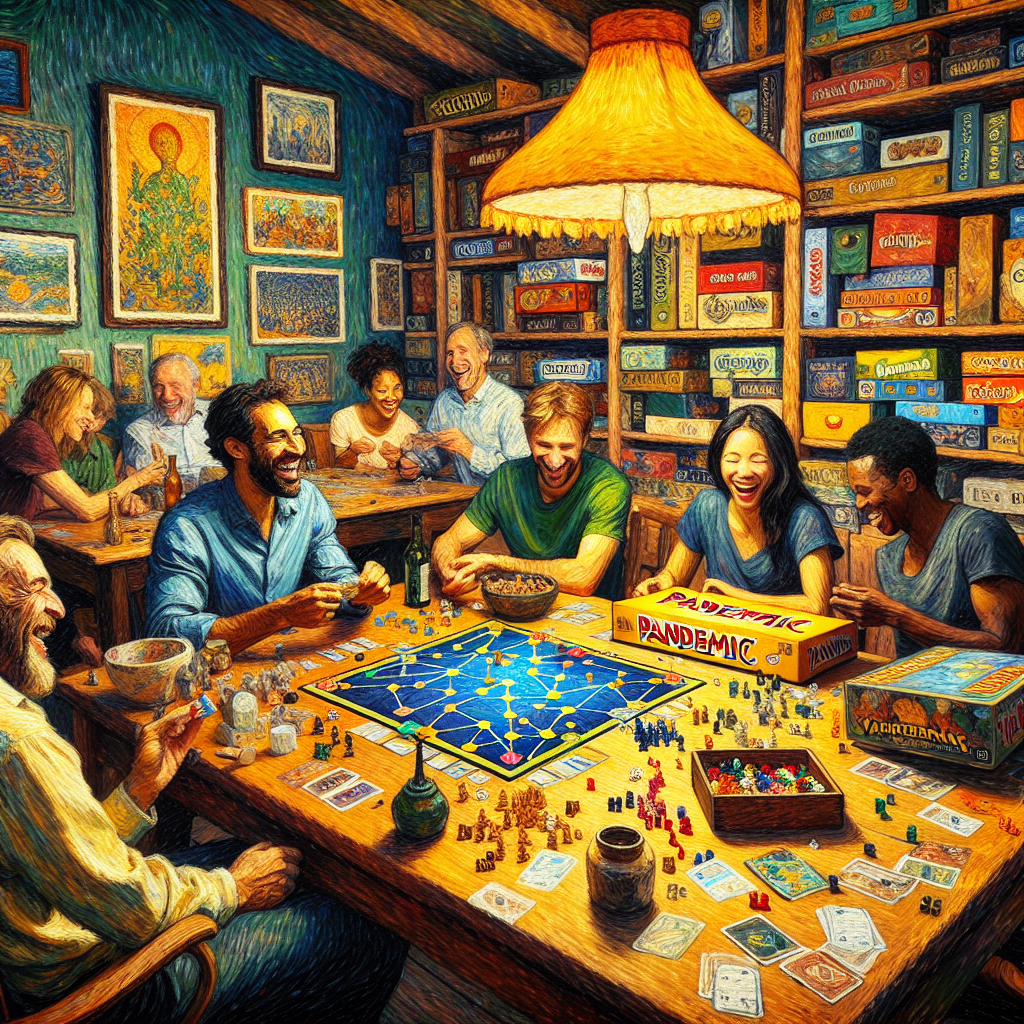
Gather ‘round the table, a scene to behold,
Where stories and laughter in whispers unfold.
From young hearts exuberant to wisdom of age,
Through the roll of the dice, we turn a new page.
The board games await, a bridge built with care,
In moments of joy, we all gather there.
With Scrabble’s sweet letters or Uno’s bright hue,
Connections are woven as old meets the new.
The youth may bring vigor, the elders their lore,
Each turn a reminder that life’s an encore.
Strategy dances on painted pathways bright,
As laughter and banter ignite the twilight.
From Catan’s rich settlements to trains we shall ride,
In teamwork, there’s magic, with no need to hide.
For winning is fleeting, but friendships sustain,
In games, we discover the bonds that remain.
Let’s modify rules, make all feel at home,
With laughter as currency, together we roam.
We’ll share tales of yesteryears, wisdom bestowed,
While an afternoon’s clash turns to sweet episodes.
A game is more than mere buttons and boards,
In these moments together, our connection restores.
So dust off those boxes, let the fun now commence,
In the joy of the game lies timeless existence.
So here’s to the laughter, to strategy’s dance,
In every shared moment, we seize our chance.
Through games, we’ll connect; through games, we’ll unite,
Across the table, age dims, and love finds its light.
Poem
Checklist
Are These Board Games Ideal for Senior-Youth Interactions? – A Checklist
1. Consider the Group Dynamics
_____ Are the participants mostly seniors, youth, or a mix?
_____ Do players have any prior experience with board games?
_____ Assess the comfort level with different game genres.
2. Evaluate Game Complexity
_____ Prefer games with simple, clear rules for easier learning.
_____ Choose games that match the cognitive skills of seniors and youth (consider age-appropriate themes).
3. Check Accessibility Features
_____ Ensure game pieces are large enough for easy handling.
_____ Provide magnifying glasses for reading cards or text.
4. Focus on Interaction Style
_____ Look for games that encourage communication and cooperation.
_____ Select games that foster teamwork rather than just competition.
5. Consider Time Commitment
_____ Choose games that fit within the attention span and available time.
_____ Look for a balance between fast-paced and longer, strategic games.
6. Incorporate Team Play
_____ Pair seniors with youth for collaborative gameplay.
_____ Implement house rules that emphasize teamwork and sharing strategies.
7. Adapt Rules for Enjoyment
_____ Modify rules to slow down the pace, allowing time for reflection and conversation.
_____ Introduce relaxed win conditions to prioritize enjoyment over competition.
8. Select Age-Appropriate Games
_____ Recommended games:
_____ Settlers of Catan: Strategic yet approachable.
_____ Ticket to Ride: Simple mechanics with strategic depth.
_____ Uno: An easy-to-learn classic for all ages.
_____ Scrabble: Encourages vocabulary and storytelling.
_____ Pandemic: Focuses on cooperation and teamwork.
9. Assess Budget and Value
_____ Determine budget range for purchasing new or second-hand games.
_____ Consider the longevity and replayability of the game.
10. Encourage Friendly Competition
_____ Emphasize games with a light-hearted spirit to enhance fun.
_____ Create opportunities for storytelling and sharing personal experiences during gameplay.
Remember, the goal is to create a joyful atmosphere that promotes connection between seniors and youth, making each gaming session a cherished memory. Happy gaming!

Checklist
At BestBoardGameNews, we help people who love board games by collating information and news about board games.
Be sure to read our other related stories at BestBoardGameNews to learn more about board games.