Finding The Perfect Game For Every Player
By Tom Seest
At BestBoardGameNews, we help people who love board games by collating information and news about board games.
Be sure to read our other related stories at BestBoardGameNews to learn more about board games.
Are These Games Suitable for All Ages and Abilities?
When it comes to finding games that everyone can enjoy, many of us are faced with an age-old question: Are these games suitable for all ages and abilities? It’s a loaded inquiry, like asking if a one-size-fits-all approach is the best way to cover your bases in life. So let’s untangle this web a bit, using the trusty board game as our focal point.
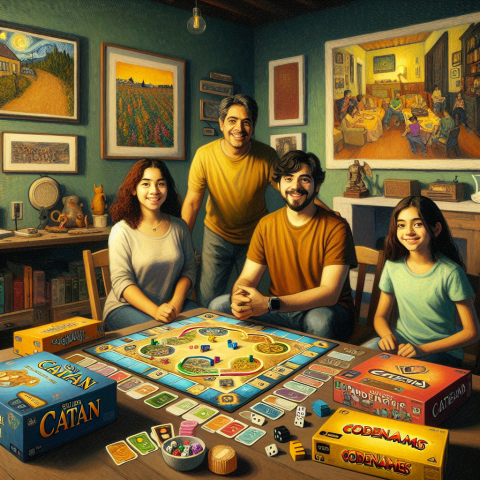
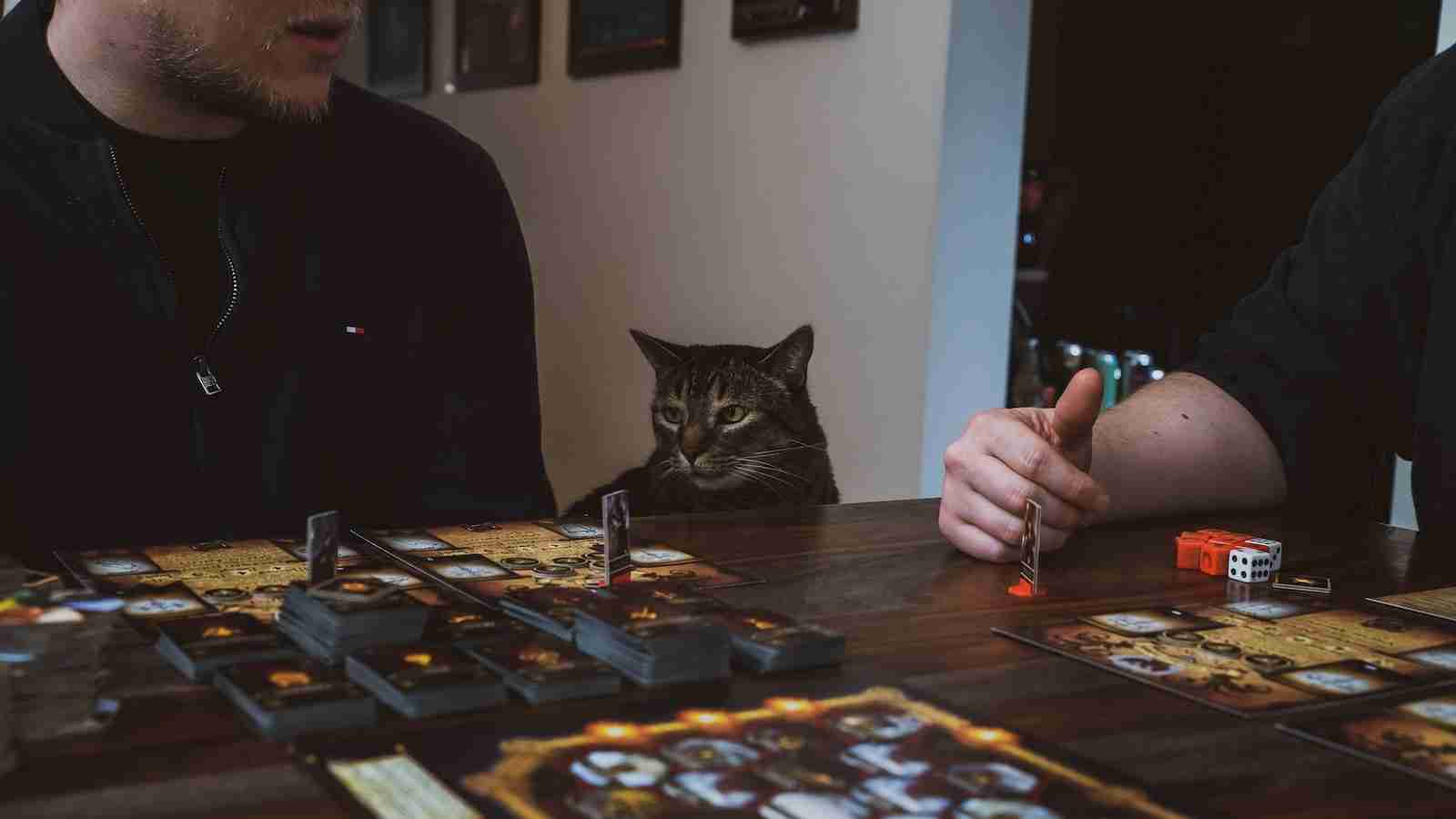
Picture this: a lively gathering around a table where laughter and friendly competition are in the air. The board game is a staple of such gatherings, but not all board games are created equal. Some are complex strategical labyrinths, while others are straightforward and easy to learn. The right choice can make or break your evening, especially when you’ve got a mixed crowd that spans various ages and abilities.
Now, if your group is all seasoned veterans of board game night, then by all means, whip out that intricate strategy game that requires calculating moves four steps ahead. However, if the lineup includes young ones, grandparents, or anyone who might prefer a less mental workout, you’ll want to dial it down a notch. Games designed for younger children often include simpler mechanics, vibrant visuals, and themes that spark imagination, making them accessible and enjoyable for a broader audience.
Let’s not forget about those who might have abilities that don’t align with traditional gaming. Some board games leverage elements that could be a barrier for certain players. Games that require intricate setup or dexterity might leave participants feeling left out, while others with abstract concepts can confuse. Choosing a game that is inclusive means considering its adaptability—can it be adjusted on the fly so everyone can play? Games that provide alternate roles or allow for team play can bridge gaps between different age groups and abilities, fostering an environment where everyone can contribute.
The key takeaway here is that the world of board games is as diverse as the players themselves. Choosing a game that appeals to a wide age range and accommodates varying abilities often calls for a bit of homework, but the payoff is incredible. It transforms an ordinary evening into a memorable experience where everyone feels included. So, ask yourself: what game will bring the most joy to the table? The answer may just lie in the simplicity and accessibility of a well-chosen board game.
Are These Games Suitable for All Ages and Abilities?
Are These Games Suitable for All Ages and Abilities?
- Finding suitable games for all ages and abilities is a complex challenge.
- Board games are a central part of social gatherings, but their complexity varies.
- Choose games based on the experience level of participants; simple games work better for mixed-age groups.
- Games for younger children feature easier mechanics, colorful visuals, and imaginative themes.
- Consider the accessibility of games for participants with different abilities, as some elements may create barriers.
- Inclusive games should offer adaptability, allowing adjustments for all players.
- The right choice of board game can turn a regular evening into a memorable and inclusive experience.

Are These Games Suitable for All Ages and Abilities?
Table Of Contents
- Are These Games Suitable for All Ages and Abilities?
- Is This Game Appropriate For Younger Children?
- What Age Group Is Best Suited For This Game?
- Are The Game Rules Easy To Understand For Beginners?
- Do These Games Include Adjustable Difficulty Levels?
- Are There Any Violent Themes In This Game?
- Can This Game Be Played By Individuals With Disabilities?
- What Skills Do Players Need To Enjoy This Game?
- Conclusion
- Other Resources
- Glossary Of Terms
- Other Questions
- Haiku
- Poem
- Checklist
Is This Game Appropriate For Younger Children?
When it comes to determining whether a game is appropriate for younger children, we find ourselves at a crossroads of fun and responsibility—a balancing act that requires keen observation. Take, for instance, the simplicity of a board game. At first glance, board games can appear harmless, colorful avenues for kids to unleash their imaginations and cultivate their social skills. However, it’s imperative to take a deeper look beneath the surface.
First off, let’s examine the mechanics of the game. Certain board games may involve strategy or competition, inviting players to engage in critical thinking and teamwork. While this can be enriching for children, it can also incite feelings of frustration and defeat, especially for the younger crowd who may not yet grapple with the emotional roller coaster of winning and losing. A board game designed for older players might present complicated rules that a young child could easily misunderstand, turning what should be an enjoyable family experience into a confusing struggle.
Furthermore, consider the themes that underlie the game. Not all board games pass the kid-friendly test when it comes to their content. Some incorporate elements of strategy that may touch upon concepts like conflict, competition, or even failure. These themes can run the risk of overshadowing the wholesome laughs and giggles parents hope for on family game night. Always scan the box for age recommendations—they’re there for a reason.
Let’s not forget the social dynamics at play. Board games often require a certain degree of cooperation and interaction. When a game calls for players to negotiate or strategize against one another, it can lead to tension and disagreements, emotions that younger children may not yet be equipped to handle gracefully. How does one distinguish between playful rivalry and hurt feelings? That’s a daunting task for any adult supervising a table full of kids.
In summary, while board games can be an excellent way for younger children to learn and laugh, it’s essential to choose wisely. Assess not only the ratings but also the game’s theme, complexity, and the social interactions it encourages. A thoughtful approach will ensure that game night remains fun, engaging, and appropriate for the entire family. After all, the goal is to foster connection, not chaos. So, roll the dice wisely!
Is This Game Appropriate For Younger Children?
Is This Game Appropriate For Younger Children?
- Assessing game appropriateness for younger children requires observation and balance between fun and responsibility.
- While seemingly harmless, board games can involve complex mechanics that might frustrate younger players.
- Games aimed at older children may have complicated rules that could confuse younger players.
- Themes of board games may include conflict or competition, which might overshadow the intended fun.
- Always check age recommendations on game boxes, as they provide crucial insights.
- Social dynamics in board games can lead to tension and disagreements among players, complicating the experience for young children.
- Choosing the right game thoughtfully can ensure a positive, engaging family game night, fostering connection over chaos.

Is This Game Appropriate For Younger Children?
What Age Group Is Best Suited For This Game?
When considering the best age group suited for a particular board game, one might think this is a straightforward task. After all, you just read the box, right? Think again. The world of board games is as diverse as the people who play them, and finding the sweet spot for players can be a bit of an adventure in itself.
First off, let’s talk about the little ones. Generally speaking, games that cater to children—let’s say, ages 5 to 8—tend to emphasize simplicity. Whether it’s matching colors or counting spaces, these games help develop fundamental cognitive skills. But don’t be fooled! Just because the rules are simple doesn’t mean the fun is limited. These board games often encourage social interaction and teamwork, teaching kids vital communication skills. Grab a few friends, and you’ll hear laughter echoing around as they giggle over silly mishaps.
Now, as children grow into the preteen and teenage years, say ages 9 to 15, their appetites for strategy and complexity start to bloom. This is where board games can really step up their game. Titles that involve deeper mechanics, resource management, or even some cunning deception become more appealing. Imagine a group of teens plotting their next move, using language and wit to outsmart one another. Not just fun—it’s a developmental goldmine! These games introduce negotiation skills and emotional intelligence when players navigate alliances or rivalries.
But here’s the kicker: don’t sleep on adults. While a board game might initially seem geared toward a younger audience, there’s absolutely a thriving community of mature players out there. Age 16 and up can dive headfirst into more intricate board games without batting an eyelash. Whether it’s gathering around the kitchen table with old friends for a night of nostalgia or finding new camaraderie with strangers at a game café, the boundaries of age blur. It’s a reminder that the joy of play knows no limits.
Of course, some board games are designed with specific ages in mind, ensuring that the complexity matches the cognitive development of its players. But the most important lesson here? It’s all about the spirit of the game and the connections forged around that board. So grab your favorite game, round up a few participants, and remember that what matters most is not just the age of the players, but the laughter and good times they create together.

What Age Group Is Best Suited For This Game?
What Age Group Is Best Suited For This Game?
- The age group suited for board games varies widely, reflecting the diversity of players.
- Games for children (ages 5 to 8) focus on simplicity and fundamental cognitive skill development.
- Child-friendly games promote social interaction, teamwork, and vital communication skills.
- As players transition to preteens and teens (ages 9 to 15), they prefer strategy and complexity in games.
- Teens engage in games that involve resource management and social deception, enhancing negotiation skills and emotional intelligence.
- Adults (ages 16 and up) also enjoy intricate board games, fostering nostalgia and new friendships.
- Ultimately, the joy of board games transcends age, focusing on the connections and laughter shared among players.

What Age Group Is Best Suited For This Game?
Are The Game Rules Easy To Understand For Beginners?
When it comes to diving into the world of board games, the question that looms large for newcomers is straightforward: Are the game rules easy to understand for beginners? Let’s unpack this one piece at a time, like assembling a new toy on Christmas morning, with all the excitement and maybe a little confusion thrown in.
First off, we have to acknowledge that not all board games are created equal. Some are designed with the absolute novice in mind, while others might as well come with a degree in rocket science. A simple game might feature a handful of basic rules and components, while more complex ones could resemble a legal treaty with their extensive rulebooks. It’s the job of game designers to strike that delicate balance between depth and accessibility.
Consider games that cater specifically to beginners. They often make use of intuitive mechanics. For instance, many will leverage familiar concepts, such as moving pieces around a board or collecting certain items, which makes it easier for someone fresh to the scene. If the game involves dice rolling or card drawing, those are concepts that anyone can wrap their heads around fairly quickly.
Now, let’s talk about clarity. Nothing will turn a beginner off faster than a rulebook that reads like it was translated from another language. A well-structured rulebook features clear explanations and examples, perhaps even illustrations that walk players through setup and gameplay. Some games take it a step further with quick-start guides or online tutorials, which can be a godsend for fledgling gamers who don’t want to feel like they’re drowning in unfamiliar terminology.
For many first-timers, the social aspect of board gaming is just as important as the game’s mechanics. Games that encourage interaction and collaboration among players can be incredibly engaging, making even the more complex rules seem manageable. When everyone is actively involved in the experience, the learning curve feels less steep.
Ultimately, if you’re keen to jump into the board game universe, there are plenty of gems that cater to beginners. Finding a game that suits your group’s experience level can lead to evenings filled with laughter, strategy, and the occasional jaw-drop at an unexpected twist of fate. So, roll the dice, deal the cards, and don’t be afraid to make a few mistakes along the way—after all, that’s where the fun begins!

Are The Game Rules Easy To Understand For Beginners?
Are The Game Rules Easy To Understand For Beginners?
- The key question for newcomers to board games is whether the rules are easy to understand.
- Board games vary in complexity; some are beginner-friendly while others are highly intricate.
- Beginner-friendly games often utilize intuitive mechanics and familiar concepts.
- A clear and well-structured rulebook is crucial for helping beginners understand gameplay.
- Visual aids like illustrations, examples, and quick-start guides enhance rule comprehension.
- Social interaction in games can make learning more enjoyable and less daunting.
- Choosing the right game for your group can lead to enjoyable and memorable gaming experiences.

Are The Game Rules Easy To Understand For Beginners?
Do These Games Include Adjustable Difficulty Levels?
When diving into the world of board games, one question often bubbles to the surface—do these games include adjustable difficulty levels? This inquiry sparks debates among seasoned aficionados and casual players alike. It’s a bit like wandering into a lively tavern where tune and talent are as varied as the folk who frequent it.
Many board games today are designed with versatility in mind, catering to a broad spectrum of skill levels. This is fantastic news if you’ve got friends or family who range from strategic geniuses to those who are just getting their feet wet in the realm of tabletop gaming. Games that offer adjustable difficulty levels create an inclusive environment, allowing everyone to engage with the game on their terms. It’s all about balance; make the game challenging enough to keep the brain gears turning without throwing the newcomers into the deep end, gasping for air.
Take, for example, a well-crafted cooperative game where players band together against a common foe. Typically, these gems come equipped with scalable challenges. The rulebook will often provide nuances such as altering the starting resources or adjusting the enemy’s strength based on the players’ experience. The great advantage here is the ability to turn a timid foray into an epic quest, where each victory feels earned and each defeat is a lesson learned rather than a deterrent.
Similarly, competitive board games might feature adjustable difficulty levels in the form of variant rules or alternate setups. This allows players to tailor the game experience to suit their group. Some might prefer a more casual encounter with friendly rivals, while others may crave a cutthroat competition where every move counts. In such cases, it’s akin to fine-tuning a musical instrument—adjusting the complexity can enhance the overall harmony of the gaming experience.
Let’s not forget the compelling role of expansions and add-ons. Many games, like a fine wine, get even better with age. Expansions often introduce new mechanics that can alter the difficulty considerably, bringing seasoned players back for another round while keeping the game fresh and engaging for newbies.
So, whether you’re strategizing amidst the clatter of dice or plotting under the watchful gaze of a game board, adjustable difficulty levels can make all the difference. It’s about creating a shared experience, one that stands the test of time and brings everyone to the table, ready to play.
Do These Games Include Adjustable Difficulty Levels?
Do These Games Include Adjustable Difficulty Levels?
- The inclusion of adjustable difficulty levels in board games is a common topic of discussion among players.
- Many modern board games are designed to accommodate various skill levels, catering to both seasoned gamers and newcomers.
- Adjustable difficulty fosters an inclusive environment, enabling all players to engage with the game comfortably.
- Cooperative games often feature scalable challenges, allowing players to modify resources or enemy strength based on experience.
- Competitive games may provide variant rules or alternate setups, allowing groups to customize their gaming experience.
- Game expansions can introduce new mechanics that significantly alter difficulty, enhancing replayability for experienced players.
- Ultimately, adjustable difficulty levels enhance shared gaming experiences, bringing players together in a meaningful way.
Do These Games Include Adjustable Difficulty Levels?
Are There Any Violent Themes In This Game?
When it comes to board games, the excitement often lies in the strategies, interactions, and the occasional twist of fate that can change the course of play. However, as players gather around the table, a common concern arises: Are there any violent themes in this game? For some, the idea of a board game conjures images of friendly competition and lighthearted fun, while others might be wary of the darker undertones that certain titles can present.
Let’s take a moment to unpack what we mean by “violent themes.” Quite simply, they can range from overt acts of aggression and conflict to more subtle scenarios where the stakes involve betrayal or survival. A quick glance at popular games reveals that the spectrum is vast. Some celebrate combat and warfare, depicting mighty battles between factions, while others may weave in elements of treachery and intrigue. Players take on roles that frequently involve moral dilemmas, and that raises an important question: Is this merely part of the game, or does it reflect something deeper in the narrative?
For instance, there are board games where you’re not just competing to win; you might be taking out opponents through strategic sabotage. In this kind of game, the thrill isn’t just about how well you roll the dice. It’s also about leveraging the weaknesses of others—a theme that, while not outright violent, can evoke a sense of aggression or ruthlessness.
Now, before you rush to judgment, it is worth noting that many board games deal with conflict in a whimsical or fantastical way. Think of games that involve fantastical realms like dragons or wizards; the violence there may be more akin to a Saturday morning cartoon than something truly sinister. Not every clash of armies needs to evoke real-world repercussions; instead, they can serve as a means to provoke laughter or camaraderie.
Whether a board game has violent themes often depends on player perspective and the context in which it’s played. Some folks are more sensitive to themes of aggression, especially in family settings, while others embrace the conflict as part of the entertainment. Ultimately, it’s about finding the right balance for your gaming group. So, gather your friends, set the board, and let the games begin—just keep an eye out for any surprising twists that might come from unexpected rivalries!
Are There Any Violent Themes In This Game?
Are There Any Violent Themes In This Game?
- Board games often involve strategies, interactions, and twists of fate.
- Concerns about violent themes in games vary among players; some prefer lighthearted competition while others are cautious of darker undertones.
- Violent themes can range from overt aggression and conflict to subtle scenarios involving betrayal or survival.
- Popular games showcase a spectrum of themes, from warfare and combat to treachery and moral dilemmas.
- Some games involve strategic sabotage, evoking a sense of aggression without being overtly violent.
- Many games present conflict in a whimsical or fantastical manner, making them more entertaining than sinister.
- Perceptions of violence depend on player sensitivity and the gaming context, emphasizing the need for balance in group dynamics.
Are There Any Violent Themes In This Game?
Can This Game Be Played By Individuals With Disabilities?
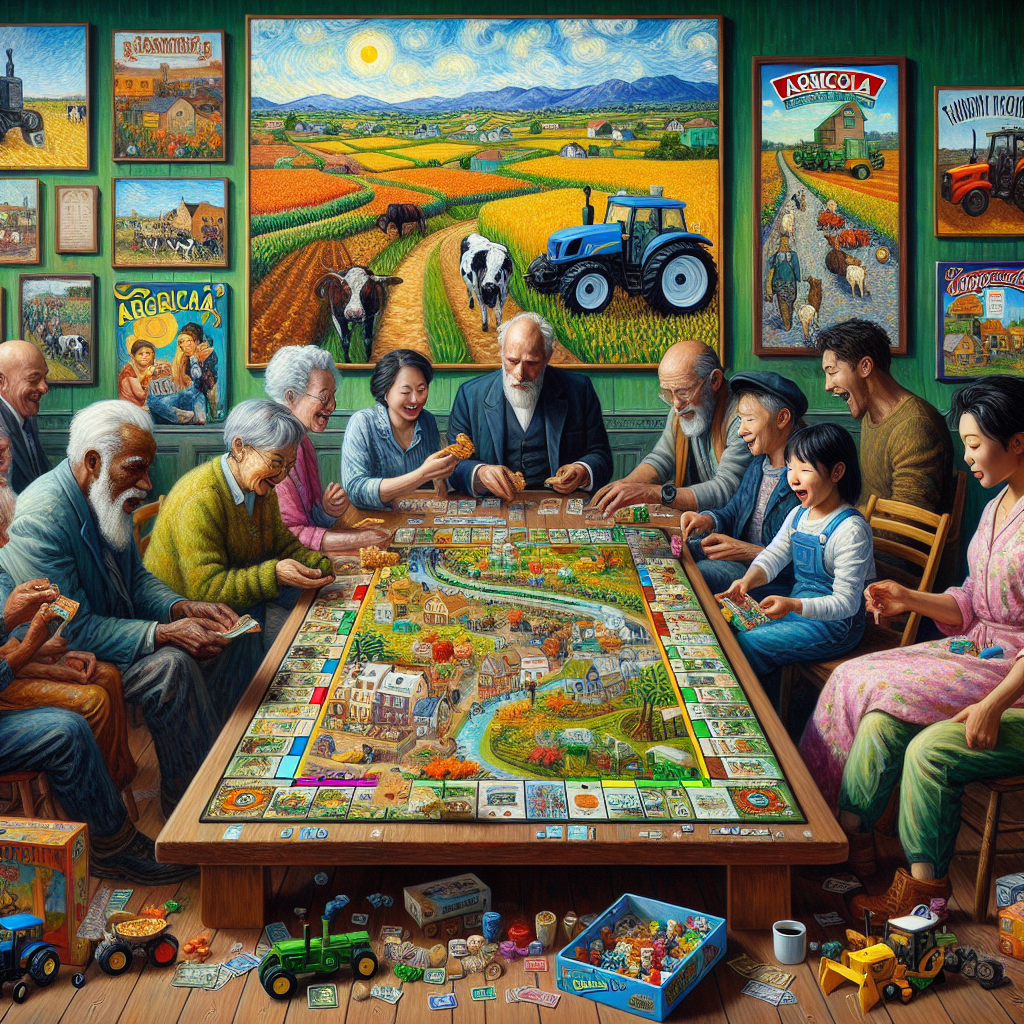
When it comes to board games, inclusivity is a crucial consideration. After all, nothing brings people together quite like gathering around a table, rolling dice, and strategizing beneath the glow of fluorescent lights—or perhaps in the cozy glow of a living room lamp. The beauty of board games lies in their ability to transcend differences, creating shared experiences, laughter, and competition. But the real question we need to tackle is this: can this game be enjoyed by individuals with disabilities?
Let’s break it down. At first glance, some games seem to cater to a very specific audience, often neglecting those with unique needs. However, many modern board games take great strides towards inclusivity. They often come equipped with components that can be adapted, rules that can be adjusted, and gameplay mechanisms that cater to diverse abilities. From large print materials to tactile game pieces, many companies are waking up to the importance of designing with ALL players in mind.
Consider the aspect of visual impairment. There are games that incorporate braille or high-contrast colors to ensure everyone can participate. Similarly, for those with limited mobility, there are options with larger pieces or easier-to-grasp tokens. The evolution of design doesn’t stop at physical adaptations; it’s also about the gameplay experience. Games that rely less on speed and more on strategy tend to level the playing field, allowing all players to engage thoughtfully without the pressure of rapid-fire actions that can exclude some individuals.
Moreover, many enthusiasts in this space are advocating for diverse representation in gaming. This means not just making a game accessible, but incorporating themes and stories that resonate with a broader range of experiences and backgrounds. Inclusivity goes hand in hand with empathy, and this is a principle that can resonate deeply with everyone around the table.
In essence, the promise of board games is their potential to unite. The key is to recognize the importance of modifications and creative solutions that can transform a game night into an event that’s accessible and enjoyable for everyone, regardless of ability. So next time you pull out that box, take a closer look. Can this game be played by individuals with disabilities? With a little imagination and willingness to adapt, the answer is a resounding yes. Let the games begin!
Can This Game Be Played By Individuals With Disabilities?
Can This Game Be Played By Individuals With Disabilities?
- Inclusivity in board games is vital for creating shared experiences among players.
- Modern board games are increasingly designed with adaptations for individuals with disabilities.
- Games may include features like braille, high-contrast colors, and larger pieces for better accessibility.
- Gameplay can focus on strategy rather than speed, allowing all players to participate thoughtfully.
- Advocacy for diverse representation in games involves incorporating relatable themes and stories.
- Inclusivity in gaming fosters empathy among players, enhancing the overall experience.
- With creativity and modifications, board games can be enjoyable for everyone, regardless of ability.

Can This Game Be Played By Individuals With Disabilities?
What Skills Do Players Need To Enjoy This Game?
When it comes to diving into the world of board games, you might think it’s all about luck and chance. Sure, a roll of the dice can send you soaring or crashing down, but let’s be honest: there’s far more to it than that. To truly enjoy and excel in this realm, players need a unique blend of skills that can turn a simple game night into a memorable experience.
First and foremost, strategic thinking is crucial. A well-crafted board game often requires players to devise plans, anticipate opponents’ moves, and adjust their strategies accordingly. It’s essential to ponder not just your own position but how your actions impact others. Leaving your opponents in the dust isn’t about luck; it’s about foresight and a certain ruthlessness when the game calls for it.
Then there’s teamwork, an often-overlooked aspect in many games. Some board games are designed for collaboration, compelling you and your fellow players to work together against a common foe. Here, the ability to communicate effectively can mean the difference between victory and defeat. Players must align their strategies, delegate roles, and navigate through various challenges as a unified force. A great game night often hinges on the ability of participants to not just listen but truly hear one another.
Don’t forget about adaptability. Board games can take unexpected turns, and a plan that worked beautifully in one round might fall flat in the next. Players need to carry an open mind and a readiness to pivot. This could mean altering your strategy in a flash or even embracing whimsical game mechanics that throw a curveball in your well-laid plans. The best players are the ones who can look at setbacks as opportunities for creative solutions.
Finally, a sense of humor and an adventurous spirit can elevate the experience. Not every game will go as planned, and every player must be able to embrace the ups and downs with a chuckle. Whether you find yourself the unluckiest player at the table or the architect of a brilliant strategy, the ability to laugh at the chaos can enhance the enjoyment tenfold.
In short, if you’re aiming to dive into the world of board games, dust off those strategic skills, sharpen your communication, and keep an adaptable mindset. Embrace the fun and camaraderie, and you’ll find that the enjoyment of the game often exceeds the victory itself.

What Skills Do Players Need To Enjoy This Game?
What Skills Do Players Need To Enjoy This Game?
- Board games involve more than just luck; strategic skills are essential for enjoyment and success.
- Strategic thinking is crucial, requiring players to plan, anticipate opponents’ moves, and adjust strategies.
- Teamwork is important, especially in collaborative games where effective communication can determine victory.
- Players must adapt to unexpected changes in the game and have a readiness to pivot their strategies.
- Embracing setbacks as opportunities for creative solutions is key for the best players.
- A sense of humor and an adventurous spirit enhance the gaming experience, allowing players to enjoy both wins and losses.
- To fully enjoy board games, focus on strategy, communication, adaptability, and the fun of the experience rather than just winning.

What Skills Do Players Need To Enjoy This Game?
Conclusion
Alright, folks, let’s wrap things up and distill this journey through the world of board games into a pint-sized summary. You know, navigating the vast landscape of games can be a bit like standing at a buffet; there’s a little something for everyone, but you need to choose wisely to avoid serving up disappointment. When considering whether a game is suitable for all ages and abilities, we’ve learned that it’s far from a one-size-fits-all endeavor. The key is knowing your audience. If you’re gathered around the dining table with a mixed bag of ages and skills—from little ones still navigating their emotions around winning and losing, to seasoned veterans itching for strategic combat—you’re going to want to strike that balance. Choosing a game with simple rules, adaptable mechanics, and engaging visuals can smooth out the potential bumps in the road.
And let’s not kid ourselves—board games can be complex labyrinths of strategy and emotion. It’s vital to consider not just the age range of your group but their individual abilities and preferences. As you evaluate each game’s nuances, think beyond just the surface mechanics. Does the theme resonate with everyone? Are the mechanics inclusive enough to ensure no one feels left out? After all, what’s the point of gathering if someone’s going to feel sidelined? Including those with disabilities, whether through tactile pieces or clearer instructions, promotes a sense of unity that’s central to the real spirit of gaming.
Now, let’s talk about themes—sometimes the lines can get blurry, especially when it involves conflict or competitive play. While some players thrive on the drama and excitement of rivalries, others might shy away from themes that involve violence or betrayal. It’s a delicate dance, and what you pick can either enhance the joy of play or throw a wet blanket on your game night.
Ultimately, it all boils down to intent. You want to foster connection and fun while maximizing participation and enjoyment for everyone at the table. So take a beat, roll those dice, deal that deck, and remember: it’s the laughter, camaraderie, and shared stories that turn a game night into something truly memorable. Now that’s a victory worth celebrating!

Conclusion
Conclusion:
- Navigating the board game landscape is akin to choosing wisely at a buffet, with something for everyone.
- Understanding the audience is crucial, especially with a mix of ages and skills at the table.
- Select games with simple rules, adaptable mechanics, and engaging visuals to accommodate everyone.
- Consider individual abilities and preferences beyond just the age range of the group.
- Themes should resonate with all players; mechanics must be inclusive to ensure no one feels left out.
- Be mindful of potentially sensitive themes, as they can enhance or detract from the game experience.
- Focus on fostering connection and enjoyment, as shared laughter and stories make game nights memorable.

Conclusion
Other Resources

Other Resources
Here is a list of other resources you can review online to learn more:
Use This Prompt To Get More Resources With Your Favorite Online AI Tool: Please provide me with a list of online articles with their URLs in a bulleted list that I can read regarding Are These Games Suitable for All Ages and Abilities?

Other Resources
Glossary Terms
Are These Games Suitable for All Ages and Abilities? – Glossary Of Terms
1. Accessibility: The design of games to ensure they can be enjoyed by people of various abilities, including those with disabilities.
2. Age Rating: A classification assigned to games that indicates the recommended minimum age of players based on content and complexity.
3. Gameplay: The mechanics and interaction players experience while playing a game, including challenges and objectives.
4. Inclusivity: Refers to the practice of making games welcoming and suitable for players from diverse backgrounds and abilities.
5. Cognitive Skills: Abilities related to thinking, reasoning, memory, and problem-solving, which can vary significantly among individuals.
6. Fine Motor Skills: The coordination of small muscles in actions such as writing or manipulating objects, which some games may require.
7. Game Mechanics: The rules and systems that govern how a game operates, which can impact its suitability for different ages.
8. Multiplayer: A mode of play allowing multiple players to participate simultaneously, fostering social interaction and teamwork.
9. Narrative: The storyline or plot within a game, which may appeal more to older audiences or those with an interest in storytelling.
10. Puzzles: Challenges within a game that require thought, often testing problem-solving skills and critical thinking.
11. Sensory Input: Information received through the senses that can enrich gameplay experience but may overwhelm some players or those with sensory sensitivities.
12. Social Skills: Abilities used in interaction with others, which can be developed or challenged through multiplayer gaming experiences.
13. Strategy: The planning and decisions made by players to achieve goals in a game, which can vary in complexity across age groups.
14. Turn-Based: A type of gameplay where players take turns making decisions or actions, often suitable for players of varying speeds and abilities.
15. Virtual Reality (VR): Immersive gaming experiences that may require physical movement, making them potentially challenging for some players.
16. Crossover Games: Titles designed to appeal to various demographics, often blending genres and accessibility features.
17. Feedback Mechanisms: Systems in games that provide players with responses to their actions, critical for learning and development.
18. Difficulty Level: The challenge presented to players, which can often be adjusted to accommodate different skills and ages.
19. Educational Value: The potential of a game to provide learning opportunities regarding specific subjects or skills, making it suitable for younger audiences.
20. Fantasy Elements: Imaginative aspects of games that may captivate children, but may also confuse players unfamiliar with the genre.
21. Health Considerations: Factors that may affect a player’s ability to engage with a game, such as physical limitations or mental health issues.
22. Interactivity: The degree to which players can influence the game environment, which can shape engagement for various age groups.
23. Game Design: The process of creating a game, from concept to execution, with attention to player experience and accessibility.
24. Player Agency: The ability of players to make choices that impact the game’s outcome, fostering engagement and investment in the experience.
25. Skill Development: The opportunities within games for players to improve specific abilities, which can be targeted to various age groups.
26. Story Modes: Gameplay formats that emphasize narrative progression, which may appeal differently based on age and interest levels.
27. Replayability: The extent to which a game remains enjoyable after multiple plays, which can depend on its design and complexity.
28. Visual Design: The appearance of a game, which can impact its attractiveness and comprehensibility to players of different ages.
29. User Interface (UI): The means by which a player interacts with a game, which should be intuitive to accommodate varying abilities.
30. Character Customization: The ability for players to personalize their in-game avatars, which can enhance engagement for players of all ages.
Glossary Of Terms
Other Questions
Are These Games Suitable for All Ages and Abilities? – Other Questions
If you wish to explore and discover more, consider looking for answers to these questions:
- What types of board games are best for family gatherings?
- How can I determine if a game is age-appropriate for my child?
- What are some recommended board games for different age groups?
- Are there specific board games designed for players with disabilities?
- What strategies can help kids manage frustration during games?
- What are some tips for explaining complex game rules to beginners?
- How do I identify games with adjustable difficulty levels?
- What are examples of board games that incorporate non-violent themes?
- Can cooperative board games help improve social skills in children?
- What are some fun themes in board games for all ages?
- Do board games usually have explicit content warnings on the box?
- How can I find board games that promote inclusivity?
- What skills can board games help develop in children and adults?
- How do expansions affect the difficulty and enjoyment of a game?
- What resources exist for teaching kids how to play board games?
Other Questions
Haiku
Are These Games Suitable for All Ages and Abilities? – A Haiku
Games for all ages,
Skills and themes intertwine,
Joy in every turn.

Haiku
Poem
Are These Games Suitable for All Ages and Abilities? – A Poem
In halls of laughter where friends convene,
The quest for games both bright and keen,
A tapestry woven with joy and strife,
The perfect board game adds spice to life.
But some are tangled in complex schemes,
While others ignite the young’s wild dreams.
From simple fun for young hearts to share,
To strategies deep as the night’s cool air.
With eyes that sparkle, they learn as they play,
Yet must we consider what games might convey?
Themes of conquest or lessons in grace,
For every young player, find the right space.
With age comes wisdom, but games hold no bounds,
From childhood glee to adult game sounds.
Each roll of dice can connect us anew,
Across age and skill, an inclusive view.
Adjustable challenges will guide us all,
Co-op missions or duels on the hall,
Navigating rules that twist and that turn,
Together we play, in triumph we learn.
Yet dark themes may linger like shadows at dusk,
In games where betrayal mixes with trust.
As we gather round, with hearts open wide,
Let kindness and laughter be our game guide.
For those with disabilities, brave and bold,
Games can adapt, include young and old.
Tactile, bright, and lovingly designed,
A shared joyous moment, truly aligned.
So let us unearth both the skills and the laughs,
With strategy, teamwork, and clever drafts.
Embrace the adventure, the trials, the fun,
In the game of our lives, we’re all players, each one.
So roll the dice and deal the cards right,
Gather your friends for an evening of light.
For in every game, we discover anew,
The beauty of play—connecting me and you.

Poem
Checklist
Are These Games Suitable for All Ages and Abilities? – A Checklist
Before Choosing a Game:
1. Consider the Age Range of Players:
_____ Are there children, teens, and/or adults in the group?
_____ Does the game include age recommendations?
2. Assess Complexity:
_____ Is the game simple enough for younger players and newcomers?
_____ Are the rules easy to understand, or do they require a lot of time to explain?
3. Evaluate Themes:
_____ Does the game contain any themes that might be considered violent or too mature for younger audiences?
_____ Is the game content appropriate for all players?
4. Check for Inclusivity:
_____ Can the game be enjoyed by individuals with disabilities?
_____ Does it offer components that can be adapted for different abilities?
During Game Selection:
5. Look for Adjustable Difficulty Levels:
_____ Does the game offer different levels of difficulty to cater to both experienced and novice players?
_____ Are there variant rules that can accommodate everyone’s skill level?
6. Interactive Elements:
_____ Does the game encourage social interaction and teamwork?
_____ Are there opportunities for cooperative gameplay?
7. Component Accessibility:
_____ Are the game pieces suitable for players with mobility or visual impairments?
_____ Is the rulebook clear and well-structured, ideally with illustrations or quick-start guides?
Evaluating Experience:
8. Test for Engagement:
_____ Does the game provide opportunities for strategic thinking and teamwork?
_____ Are players likely to remain engaged and entertained throughout the game?
9. Provide an Opportunity for Fun:
_____ Does the game allow for humor and light-hearted moments?
_____ Can unexpected twists and turns be embraced, fostering a positive atmosphere?
10. Be Open to Reflection:
_____ Are players willing to discuss their experiences and suggestions for improvement afterwards?
_____ Is there a sense of camaraderie and connection among players, regardless of victory or defeat?
By considering this checklist when selecting a board game, you can more easily find a game that is suitable and enjoyable for players of all ages and abilities, ensuring a memorable game night!

Checklist
At BestBoardGameNews, we help people who love board games by collating information and news about board games.
Be sure to read our other related stories at BestBoardGameNews to learn more about board games.