

Join The Fun: Embracing Board Games For Seniors
By Tom Seest
At BestBoardGameNews, we help people who love board games by collating information and news about board games.
Be sure to read our other related stories at BestBoardGameNews to learn more about board games.
Are You Missing Out on The Board Game Revolution for Seniors?
Are you sitting at home, scratching your head, wondering if you’ve stumbled into the twilight zone of entertainment options? Well, let me introduce you to a world that’s bursting with joy, laughter, and a touch of friendly competition—the board game revolution for seniors!
Now, I know what you’re thinking. Board games? Aren’t those just relics of childhood? Well, let me tell you, the humble board game has undergone a renaissance—transforming from dusty boxes in the attic into vibrant, strategic experiences that can engage your mind and connect you with friends and family. Whether you’re a seasoned player or haven’t touched a game since your grandkids were toddlers, there’s something for you in this fantastic universe.
Let’s start with the basics: what is a board game? It’s more than just rolling dice and moving pieces around a cardboard landscape; it’s a portal to adventure. It’s where rules create a structure, but creativity and strategy run wild. From highly engaging co-op games where teams tackle challenges together to brain-teasing puzzles requiring cunning and foresight, today’s board games are like a buffet of intellectual delicacies.
Why is this renaissance especially beneficial for seniors? Well, we all know that keeping the mind sharp is crucial as we age. Board games provide a delightful way to combat cognitive decline, enhance problem-solving skills, and promote social interaction—all essential elements of healthy aging. Plus, they’re a fantastic excuse to gather your pals for some light-hearted rivalry. Remember, laughter is the best medicine, and nothing brings about a good belly laugh like an epic game night showdown!
And let’s not forget the sense of accomplishment that comes from strategically outmaneuvering your opponents or successfully working as a team to overcome a challenge. There’s nothing quite like the feeling of victory sitting across the board from a friend, both of you bursting with the thrill of the game.
So, if you find yourself reminiscing about simpler times, it might be time to dust off those old board game boxes or dive into the exciting new world of tabletop experiences. Whether you prefer classic games that have stood the test of time or innovative designs that spark your imagination, there’s a seat waiting for you at the gaming table. Don’t miss out on this splendid opportunity to engage, enrich, and enjoy!

Are You Missing Out on The Board Game Revolution for Seniors?
Are You Missing Out on The Board Game Revolution for Seniors?
- Welcome to the board game revolution for seniors, a joyful and competitive entertainment option.
- Board games have evolved from childhood relics to strategic experiences that engage minds and foster connections.
- A board game is more than just a pastime; it offers adventure through creativity and strategy.
- Today’s games include co-op challenges and brain-teasing puzzles that stimulate problem-solving skills.
- Board games help combat cognitive decline and encourage social interaction, essential for healthy aging.
- Experiencing victory with friends adds a sense of accomplishment and fun to game nights.
- Whether revisiting classic games or exploring new designs, there’s a place for everyone at the gaming table.

Are You Missing Out on The Board Game Revolution for Seniors?
Table Of Contents
- Are You Missing Out on The Board Game Revolution for Seniors?
- How Can Board Games Improve Mental Health?
- Which Board Games Are Best For Seniors?
- Are There Board Games That Can Be Played Alone?
- How Do Board Games Foster Social Connections?
- What Are The Accessibility Features In Modern Board Games?
- How Can Family Members Introduce Games To Seniors?
- What Themes Do Seniors Prefer In Board Games?
- Conclusion
- Other Resources
- Glossary Of Terms
- Other Questions
- Haiku
- Poem
- Checklist
How Can Board Games Improve Mental Health?
In a world that often feels chaotic and overwhelming, the simple act of gathering around a table to play a board game can offer a refuge. Board games serve as a bridge connecting us to friends, family, and even ourselves in ways that technology and screens often cannot. They bring back the kind of genuine interaction that’s becoming increasingly rare in our fast-paced society.
First off, let’s consider the social aspect. When you sit down for a game, you’re not just playing—you’re engaging in a dance of conversation and laughter. Whether it’s a classic like Monopoly or a strategy game like Settlers of Catan, the shared experiences foster a sense of community and belonging. This camaraderie can be a powerful antidote to feelings of isolation and loneliness. In today’s world, where mental health struggles are on the rise, this connection can provide a much-needed emotional boost.
Then there’s the cognitive element. Board games challenge your brain in a fun, interactive way. You’re not just sitting idly; you’re planning strategies, calculating probabilities, and making decisions on the fly. This mental juggling act can fortify your critical thinking skills and improve decision-making, both of which can have a positive impact on your everyday life. Engaging in such cognitive challenges also stimulates the production of neurotransmitters, which can improve mood and overall mental well-being.
Not to forget, there’s something inherently therapeutic about play. Many adults often forget the value of play in their lives. Board games can help bring that sense of joy and creativity back to the forefront. Just like children lose themselves in imagination, adults can too. Whether you’re building empires, solving mysteries, or outwitting opponents, that playful state of mind can decrease stress and anxiety, allowing your worries to melt away for a few blissful hours.
Also, let’s not overlook the sense of achievement that comes from playing board games. Winning or even simply mastering a new game can provide a burst of confidence and self-esteem. This accomplishment, whether derived from a clever move or an unexpected comeback, reinforces a positive self-image and cultivates resilience, which is vital for mental health.
So next time you’re looking for a way to enhance your mental health, consider dusting off those board games. You’ll be surprised at how rolling the dice can lead to rolling back the burdens of everyday life.

How Can Board Games Improve Mental Health?
How Can Board Games Improve Mental Health?
- Board games provide a refuge from the chaos of modern life, fostering genuine connections.
- The social interaction involved in board games combats feelings of isolation and loneliness.
- Board games encourage cognitive engagement through strategy, decision-making, and planning.
- Playing board games can positively influence mood and overall mental well-being.
- Engaging in play allows adults to recapture joy and creativity, reducing stress and anxiety.
- Winning or mastering games boosts confidence and reinforces a positive self-image.
- Playing board games can enhance mental health and provide a delightful escape from everyday burdens.

How Can Board Games Improve Mental Health?
Which Board Games Are Best For Seniors?
When it comes to finding the right board game for seniors, one must consider more than just the fun factor. Think of it as choosing the right tool for a job—the right board game can sharpen minds, boost social interaction, and bring a little joy to an afternoon. So, which board games reign supreme in this realm?
Let’s first delve into strategy games. Here, classics like Scrabble and Ticket to Ride come to mind. Scrabble has been a staple for years, offering not only a gentle challenge but also a delightful opportunity to flex those vocabulary muscles. You can feel the gears turning as players ponder over their tiles, aiming for that elusive triple-word score. Ticket to Ride, on the other hand, provides a different kind of strategic thrill. It combines planning and a bit of friendly competition as players race to connect cities across the map. Both games encourage critical thinking while accommodating players of varying skill levels, making them ideal for family gatherings.
Next, we should talk about word and trivia games. Taboo and Trivial Pursuit are excellent choices for those who thrive on knowledge and communication. Taboo is all about describing words without using a set of forbidden terms, generating moments of laughter and creativity. Trivial Pursuit offers a more classic trivia experience, drawing on a range of topics to test your smarts. These games can spark lively debates and reminiscence, connecting generations through shared memories.
Then we have the importance of cooperative games. Titles like Pandemic and Forbidden Island place players on the same team, working together toward a common goal. This aspect can diminish competition-induced stress and foster a sense of camaraderie. Cooperative games encourage teamwork—an essential social skill that keeps minds engaged and spirits high.
Lastly, let’s not overlook the charm of timeless classics. Monopoly and Chess hold a special place in the hearts of many. Monopoly, while often lengthy, offers thrills of strategy and trading, while Chess gently nudges players to think several moves ahead. Both provide an opportunity to reminisce and engage, bridging the gap between generations.
In summary, when you’re scouring the shelves for an engaging board game, consider options that stimulate the mind, spark laughter, and promote social interaction. The best board games for seniors not only entertain but also create lasting memories, making them invaluable companions for those golden years. Remember, whether it’s a fierce match of Chess or a light-hearted round of Scrabble, it’s about enjoying each moment together.
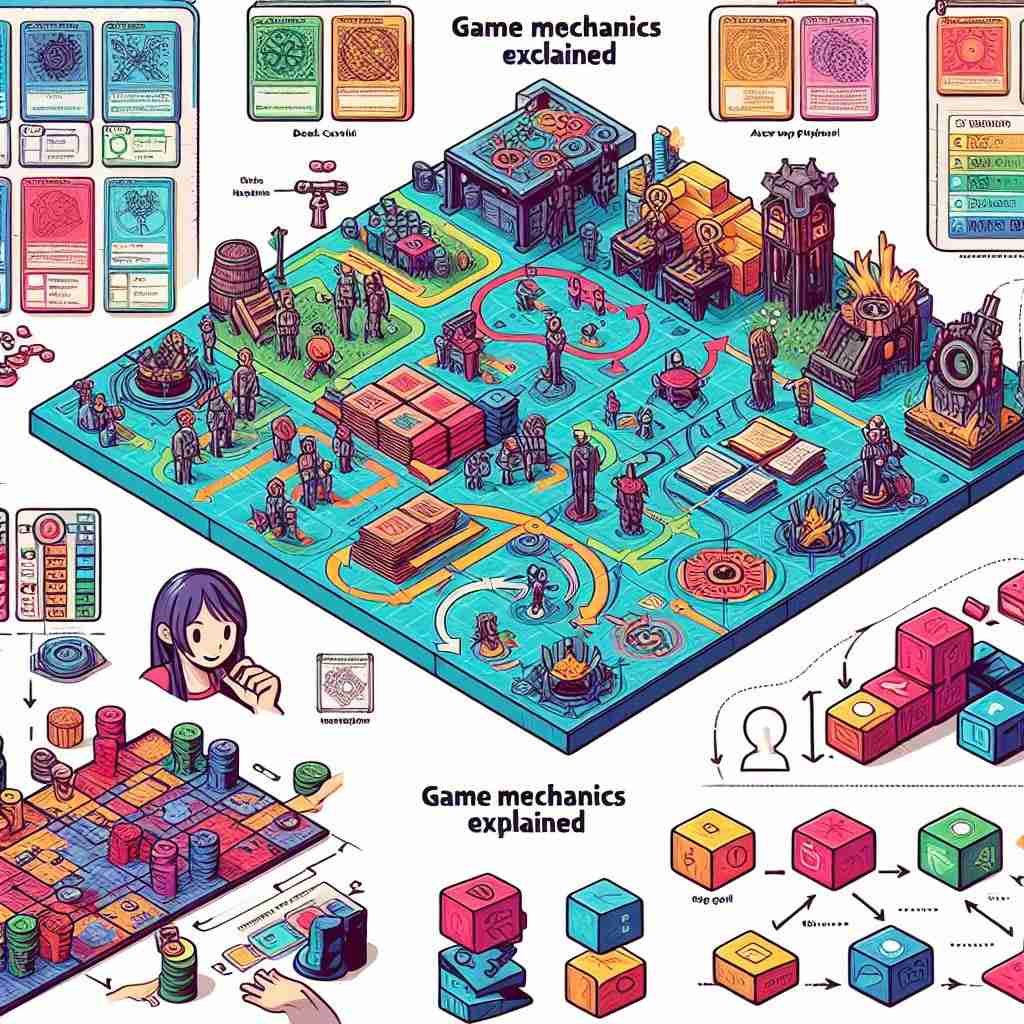
Which Board Games Are Best For Seniors?
Which Board Games Are Best For Seniors?
- Choosing the right board game for seniors enhances mental sharpness, social interaction, and joy.
- Strategy games like Scrabble and Ticket to Ride promote critical thinking and accommodate various skill levels.
- Scrabble encourages vocabulary use, while Ticket to Ride involves planning and friendly competition.
- Word and trivia games such as Taboo and Trivial Pursuit foster knowledge, communication, and generational connections.
- Cooperative games like Pandemic and Forbidden Island focus on teamwork, reducing stress and enhancing camaraderie.
- Timeless classics such as Monopoly and Chess offer strategic depth and nostalgic experiences.
- Overall, engaging board games for seniors create lasting memories and enhance shared experiences.

Which Board Games Are Best For Seniors?
Are There Board Games That Can Be Played Alone?
When you think of board games, the first image that might pop into your head is a lively gathering of friends or family, laughter intermingling with friendly banter as dice hit the tabletop. But let’s take a moment to explore a different side of this delightful pastime—the world of solo board gaming. Yes, you heard me right! There are board games that can be played alone, and they open a whole new avenue of strategic adventure and personal challenge.
At first glance, the concept of a solo board game might seem strange. After all, these games are traditionally designed for multiple players, fostering interaction and friendly competition. However, in an era where people lead busy lives and crave some time for reflection or solo enjoyment, game designers have answered the call. Picture this: you, the lone strategist, seated at your table, ready to embark on a journey that requires as much skill and ingenuity as any social game.
One of the most popular genres in solo board gaming is cooperative gameplay, where you can tackle challenges and quests on your own terms. Titles like “Spirit Island” or “Gloomhaven” allow players to dive deep into immersive worlds, crafting rich narratives while navigating through various obstacle-laden scenarios. The beauty of these games lies in their complexity; even playing solo, you’ll be engaged for hours as you devise new strategies to overcome increasingly challenging foes.
Then there are the delightful skill-based puzzle games. A game like “Onirim” plays beautifully when you’re the only player, its mechanics designed to test your own wits against the clock. Here, you’re not just playing against set rules; you’re playing against yourself, measuring growth in your own decision-making prowess. Victory feels all the sweeter when it comes from mastering a challenge purely through your own resourcefulness.
If you’re scoping out a healthy dose of adventure without the need for a crowd, solo board gaming might just fit the bill. Whether it’s cultivating a galaxy, surviving a post-apocalyptic landscape, or solving intricate puzzles, these board games provide all the thrills, strategy, and satisfaction of their multiplayer counterparts—but without needing to schedule a game night. So grab your favorite game, set up the pieces, and enjoy that journey all on your own.

Are There Board Games That Can Be Played Alone?
Are There Board Games That Can Be Played Alone?
- Solo board gaming offers a different experience from traditional multiplayer games.
- Designed for individual players, these games cater to those seeking reflection or solo enjoyment.
- Cooperative gameplay is popular in solo board games, allowing for personal challenges and narrative depth.
- Games like “Spirit Island” and “Gloomhaven” immerse players in engaging worlds with complex strategies.
- Skill-based puzzle games, such as “Onirim,” focus on testing players’ wits against themselves.
- Solo board games provide adventure, strategy, and satisfaction without the need for a group.
- These games allow players to enjoy solo journeys, mastering challenges through their own resourcefulness.

Are There Board Games That Can Be Played Alone?
How Do Board Games Foster Social Connections?
Board games have an uncanny ability to draw people together, weaving a tapestry of connections and camaraderie that few other activities can replicate. When you gather around a table, the world outside fades, and what’s left is an intimate space, ripe for laughter, friendly competition, and sometimes, even betrayal—at least until the game ends. This is where the magic happens.
A board game serves as a social lubricant, breaking the ice for those who might otherwise struggle to find common ground. Whether it’s a classic like Monopoly or a modern masterpiece like Catan, these games encourage interaction that transcends mere chit-chat. You’re not just exchanging pleasantries; you’re strategizing and collaborating. Sharing a laugh over a particularly unfortunate roll of the dice or an unexpected game-changing move fosters a sense of togetherness that couldn’t easily occur in more typical settings.
Furthermore, the diverse nature of board games means there’s something out there for everyone. Want to test your wits in a trivia showdown? Try your hand at a word game? Or maybe you’re in the mood for an epic cooperative quest? Each experience offers a different flavor of interaction, from intellectual sparring matches to team-based adventures. These varied interactions provide the channels for people to bond over shared interests, creating a foundation for friendships, or at least some memorable stories.
Let’s not forget about the power of storytelling that accompanies these games. Each player brings their narrative to the table—experiences, anecdotes, and reactions that lend depth to the gameplay. A decisive move or a clever tactic often comes with a backstory, igniting tales of past games or personal triumphs and defeats. This provides a platform to share, listen, and truly engage with one another. Observations and reflections exchanged during gameplay can foster deeper connections, encouraging players to learn about different perspectives and experiences.
Moreover, the act of playing itself can be a transformative experience. It levels the playing field and celebrates vulnerability in a safe space. There’s something humbling about realizing that you just can’t seem to beat Aunt Mary at Scrabble, no matter how hard you try. Throughout the ups and downs, friends and family create shared memories, strengthening ties that endure long after the last piece has been put away.
So, the next time you pull out a board game, remember: it’s more than just a stack of cards and plastic pieces—it’s an avenue for connection, laughter, and ultimately, the delightfully messy experience of being human together.

How Do Board Games Foster Social Connections?
How Do Board Games Foster Social Connections?
- Board games create connections and camaraderie amongst players.
- They serve as a social lubricant, facilitating interaction beyond ordinary small talk.
- The diverse range of games caters to various interests, from trivia to cooperative quests.
- Playing board games encourages storytelling, allowing players to share personal anecdotes.
- The gameplay fosters deeper connections and an understanding of different perspectives.
- Playing together creates lasting memories and strengthens relationships.
- Ultimately, board games provide a unique avenue for shared human experiences and laughter.

How Do Board Games Foster Social Connections?
What Are The Accessibility Features In Modern Board Games?
In the vibrant world of tabletop adventures, modern board games have evolved far beyond the classic designs of yesteryears. Like a well-crafted puzzle, they now incorporate a variety of accessibility features that open doors for players from all walks of life. These enhancements reflect a commitment to inclusivity, ensuring that everyone can experience the joy of gameplay. So, what does that look like in practical terms? Well, let’s take a closer look.
First off, let’s talk about game components. Many modern board games come with larger, tactile tokens and cards that cater to those with visual impairments. You might find braille labels or raised symbols that allow players to navigate the board with confidence. Now picture a community gathered around a table, laughter echoing as a visually impaired player skillfully maneuvers through a complex game, thanks to thoughtfully designed components.
Then there’s the importance of rulebooks. Gone are the days of complicated, jargon-heavy instructions. Nowadays, game designers focus on accessibility by providing clear, concise rulebooks that often include illustrated guides. Some even go a step further, incorporating video tutorials or audio instructions. For many, it’s not just about playing a board game; it’s about feeling empowered to dive into new experiences without getting lost in the rules.
Speaking of immersion, let’s not overlook the power of inclusive themes. A game that reflects diverse characters not only broadens the narrative but resonates on a deeper level with players who might not typically see themselves represented. This added layer of engagement can spark meaningful conversations and connections around the table.
Next up is the social aspect of gaming. Modern board games often incorporate flexible player counts and collaborative mechanics, allowing for a more adaptable playing experience. This flexibility means that groups can engage without the pressure to fit a specific mold or number. After all, isn’t the essence of the board game experience about bringing folks together regardless of ability?
Lastly, let’s celebrate the rise of modular game designs that allow for customization. Players can adjust difficulty levels, change rule sets, or even swap out components to suit their needs. This adaptability fosters an environment where everyone, from novice to seasoned strategist, can enjoy the thrill of competition and camaraderie, making every game night a unique adventure.
In short, modern board games have embraced accessibility features that transform the table into a true gathering place for all. And isn’t that what we really want? A chance to share laughter, strategy, and a bit of friendly rivalry, no matter our individual challenges. Now that sounds like a winning hand!

What Are The Accessibility Features In Modern Board Games?
What Are The Accessibility Features In Modern Board Games?
- Modern tabletop games have evolved to incorporate a variety of accessibility features, promoting inclusivity.
- Game components include larger tokens and cards with braille or raised symbols for players with visual impairments.
- Rulebooks are designed to be clear and concise, often featuring illustrated guides, video, or audio instructions.
- Inclusive themes broaden narratives and resonate with diverse players, fostering meaningful conversations.
- Flexible player counts and collaborative mechanics adapt the gaming experience to various group dynamics.
- Modular game designs allow customization of difficulty levels and rule sets, catering to all skill levels.
- Overall, modern board games create a gathering place for shared laughter, strategy, and friendly rivalry.

What Are The Accessibility Features In Modern Board Games?
How Can Family Members Introduce Games To Seniors?
Introducing games to seniors can be a rewarding experience for both family members and the seniors themselves. It’s like opening a window to a world full of joy, laughter, and healthy competition, all the while fostering connections that can bridge generational gaps. So, how does one go about this? Let’s dive into the art of introducing games, particularly board games, to our beloved seniors.
First and foremost, start with familiarity. Many seniors grew up playing board games that provided an escape from the everyday routine. Take a moment to ask them about their favorite games from their youth. Was it Monopoly, Scrabble, or maybe a classic like Clue? Reintroducing these time-tested favorites can spark nostalgia and create an immediate connection.
Next, it’s vital to consider their preferences and interests. If they love strategy, games like Settlers of Catan might just be the ticket. For those who enjoy wordplay, you can’t go wrong with Boggle or a game of trivia that challenges their knowledge while keeping them engaged. The options are as varied as the people who play them—so choose wisely!
Now, let’s get to the nitty-gritty: the setup. The physical act of setting up a board game can sometimes be a chore, especially if mobility is an issue. Offer your assistance in arranging the game pieces and laying out the board. This not only shows that you’re invested in the experience but also makes it easier for them to focus on the fun instead of the logistics.
As you play, keep the atmosphere light and encouraging. Remember, the goal isn’t merely to win but to enjoy each other’s company. Celebrate small victories, share amusing stories, and keep the banter flowing. Laughter is vital at any age, but it’s especially beneficial for seniors—providing not just amusement but also promoting mental agility.
Lastly, make it a regular affair. Weekly game nights can become a cherished tradition, a guaranteed opportunity for bonding, and a key to keeping those mental gears turning. Invite other family members or friends to join in, further enriching the experience.
Introducing games to seniors isn’t just about playing; it’s about connection, joy, and shared experiences. With a thoughtful approach, you can breathe life into family gatherings and provide your loved ones with enjoyable moments that will linger long after the last dice has been rolled. So roll up those sleeves and get ready to have some fun!

How Can Family Members Introduce Games To Seniors?
How Can Family Members Introduce Games To Seniors?
- Introducing games to seniors fosters joy, laughter, and connections across generations.
- Start with familiar games from their youth to spark nostalgia and connection.
- Consider seniors’ preferences when choosing games, such as strategy or wordplay options.
- Assist with game setup to alleviate any mobility challenges and show your investment.
- Maintain a light and encouraging atmosphere while playing, focusing on enjoyment over winning.
- Establish regular game nights to create cherished family traditions and strengthen bonds.
- Emphasize that introducing games is about connection and shared experiences, enhancing family gatherings.

How Can Family Members Introduce Games To Seniors?
What Themes Do Seniors Prefer In Board Games?
When it comes to board games, it can be tempting to think that what appeals to older adults is the same as what tickles the fancy of the younger generation. But scratch the surface, and you’ll find a treasure trove of insights about what themes really resonate with our senior citizens. The world of seniors is rich in experiences, and those experiences often guide their preferences in how they like to engage during game nights.
First off, nostalgia is a powerful force. Many seniors gravitate toward board games that harken back to their childhood. Think classic themes — rolling the dice in a game of Monopoly can transport them back to simpler times when Saturday nights were dedicated to tabletop fun. Whether it’s a throwback to the golden age of television, maybe some trivia about old movies, or a game centered around the music of their formative years, themes that evoke happy memories tend to resonate best.
Next on the agenda is simplicity. Seniors often prefer board games that feature straightforward mechanics and easy-to-understand themes. Complex rules can be a disincentive, so games with a clear premise, whether it’s building a farm or navigating through a city, tend to attract interest. They want enjoyment without having to decode an owner’s manual that reads like the tax code. Adding a touch of light-heartedness can keep the atmosphere relaxed and the focus on camaraderie.
Not to be overlooked is the theme of strategy. Many seniors appreciate games that get those gears turning. Whether it’s light strategy games that require a bit of planning or something a bit weightier, a good balance is key. Games that encourage social interaction while demanding a dash of cunning can be quite appealing. For instance, a game that revolves around trading resources can yield both laughter and a friendly sense of competition.
Lastly, let’s not forget the theme of connection. Games that highlight cooperation or community often shine brightly on game night. There’s something timeless about gathering around a game that encourages partnership or teamwork. Whether they are working together to save the universe or simply share stories over a game of cards, seniors value games that bring people closer together.
In summary, seniors lean towards themes that are nostalgic, simple, strategic, and centered around connection. Next time you gather around that tabletop, consider these insights — you’ll find the perfect board game for your loved ones while creating lasting memories together.

What Themes Do Seniors Prefer In Board Games?
What Themes Do Seniors Prefer In Board Games?
- Seniors are often drawn to board games that evoke nostalgia and childhood memories.
- Classic themes, such as Monopoly or trivia about older media, resonate well with seniors.
- Simplicity is key; straightforward mechanics and easy-to-understand themes are preferred.
- Games with clear premises are more attractive than those with complex rules.
- Seniors enjoy strategic games that require planning but also encourage social interaction.
- Cooperative games that emphasize connection and teamwork are highly valued during game nights.
- Understanding these preferences can lead to finding the perfect board game for seniors and fostering shared experiences.

What Themes Do Seniors Prefer In Board Games?
Conclusion
Alright, folks, let’s wrap this up—I’m talking about the good ol’ board game revolution for seniors. If you’ve been hanging around the house wondering where the joy went, it’s time to grab a dice, a few card sleeves, and shake things up a little. Board games have shed their dusty, moth-eaten images and transformed into dynamic tools that can bring laughter, strategy, and deep connections into your life.
Now, don’t roll your eyes when someone mentions board games, thinking they’re just for kids or the sporadic family reunion. These aren’t your grandma’s scattergories; today’s offerings are a smorgasbord of thrilling adventures and clever puzzles, designed not just to entertain, but also to boost your brainpower. And let’s be honest—the shared laughs and light-hearted rivalries are like rocket fuel for the spirit.
But it’s more than just a fun night in; it’s about keeping that noggin sharp. Engaging in board games has proven benefits for mental health, from sharpening decision-making skills to bonding over cooperative challenges. Simply put, gathering around the table with friends and family can chase away feelings of isolation that many seniors face today. It’s a fantastic antidote to the loneliness monster, as you share stories, ignite conversations, and even work together towards a common goal.
And don’t sweat the details—there’s a board game for everyone. Whether you want a classic like Scrabble that taps into your vocabulary prowess or something more strategic like Pandemic that demands teamwork, there’s a niche waiting for you. Plus, with modern accessibility features, gaming can be fun and inclusive, ensuring no one is left behind.
So, here’s the challenge: don’t just sit on the sidelines watching life pass you by. Dive head-first into this vibrant world of playful engagement. Dust off those board game boxes, or better yet, hit the stores for something new and inventive. Make weekly game nights a tradition where laughter echoes through the halls, where minds engage, and hearts grow closer.
Life is meant to be enjoyed, and board games are the perfect vehicle for transporting you there. Join this revolution, and let’s play on! You might find, as I have, that the best memories are created not with pixels on a screen, but with wooden pieces on a tabletop.

Conclusion
Conclusion:
- Board games are undergoing a renaissance, showcasing modern designs that enhance enjoyment and social interaction for seniors.
- These games offer more than just fun; they promote mental health by improving decision-making and fostering connections.
- Playing board games can alleviate feelings of isolation and loneliness often experienced by seniors.
- There are board games available for everyone, from classic games like Scrabble to strategic team games like Pandemic.
- Modern accessibility features in board games ensure that everyone can participate and enjoy the experience.
- Engaging in regular game nights can create lasting memories and strengthen relationships with friends and family.
- Join the board game revolution to experience joy, laughter, and connection through tabletop gaming.

Conclusion
Other Resources

Other Resources
Here is a list of other resources you can review online to learn more:
- White Wizard Games
- Renegade Game Studios
- Splendor: Cities of Splendor Expansion
- Alderac Entertainment Group
- Santorini
- Tasty Minstrel Games
- Forbidden Stars
- Canasta
- Huch!
Use This Prompt To Get More Resources With Your Favorite Online AI Tool: Please provide me with a list of online articles with their URLs in a bulleted list that I can read regarding Are You Missing Out on The Board Game Revolution for Seniors?

Other Resources
Glossary Terms
Are You Missing Out on The Board Game Revolution for Seniors? – Glossary Of Terms
1. Board Game: A game played on a specially designed board, often involving pieces, cards, or dice, typically intended for multiple players.
2. Cooperative Game: A game where players work together to achieve a common goal rather than competing against each other.
3. Strategy Game: A type of game that emphasizes careful planning and tactical maneuvers, often requiring players to think several moves ahead.
4. Social Interaction: The engagement and communication between players during a game, which can enhance enjoyment and cognitive stimulation.
5. Cognitive Skills: Mental capabilities that include memory, reasoning, and problem-solving, all of which can be exercised through board games.
6. Game Mechanics: The rules and systems that govern how a game operates, including player actions, scoring, and winning conditions.
7. Replayability: The ability of a game to be played multiple times while still maintaining player interest, often due to varying outcomes or strategies.
8. Accessibility: The design features of a game that make it easy for seniors to understand and enjoy, including clear instructions and accommodating components.
9. Gentle Games: Board games designed with simpler rules and less competitive pressure, making them ideal for seniors or those with cognitive challenges.
10. Memory Games: Games specifically aimed at exercising and improving memory, often featuring matching or recall elements.
11. Party Games: Casual and entertaining games intended for a larger group, promoting socializing and laughter among players.
12. Thematic Games: Games centered around a particular theme or story, enhancing immersion and engagement for players.
13. Turn-based Play: A style of gameplay where players take turns making moves or taking actions, allowing for thoughtful decision-making.
14. Game Night: A social gathering where friends or family come together to play board games, fostering connection and shared experiences.
15. Dice Rolling: The action of throwing dice as a game mechanic, often used to determine outcomes or moves within certain games.
16. Player Elimination: A game mechanic where players are eliminated from the game until one remains, which may not be ideal for all seniors.
17. Drafting: A game mechanic where players select cards or pieces from a shared pool, creating strategic choices in building their game state.
18. Visual Impairments: Considerations in game design regarding accessibility for seniors with reduced vision, requiring larger print or contrasting colors.
19. Group Dynamics: The interactions and relationships between players during a game, affecting communication, teamwork, and competitiveness.
20. Skill Development: The growth of abilities such as critical thinking, social skills, and fine motor coordination that can be enhanced through board games.
21. Sit-and-Play: A term used for games that require minimal setup and can be played while seated comfortably, ideal for seniors.
22. Puzzle Games: Games that require players to solve problems or complete challenges, often focusing on analytical thinking and logic.
23. Component Quality: The quality of game pieces, boards, and materials used in board games, important for durability and ease of use for seniors.
24. Time Commitment: The length of time required to play a game, which can influence seniors’ choices, favoring shorter, more engaging options.
25. Learning Curve: The level of difficulty in learning how to play a game, with a preference for games that are easy to grasp but have depth.
26. Theme Immersion: The depth of engagement players feel with the game’s story or setting, which can enhance enjoyment and experience.
27. Companionship: The sense of friendship and community that board games foster, beneficial for seniors in combating loneliness.
28. Digital Board Games: Online adaptations of traditional board games that can be played remotely, offering flexibility and accessibility.
29. Game Reviews: Assessments or critiques provided by players or experts about a game’s qualities, helpful for seniors choosing what to play.
30. Community Resources: Local groups, clubs, or libraries that provide access to board games and gaming events for seniors, enhancing social opportunities.

Glossary Of Terms
Other Questions
Are You Missing Out on The Board Game Revolution for Seniors? – Other Questions
If you wish to explore and discover more, consider looking for answers to these questions:
- What are the benefits of playing board games for seniors?
- How do I choose the right board game for a senior?
- What strategies can I use to make board games more enjoyable for seniors?
- Are there specific board games designed with seniors in mind?
- How can board games enhance social skills in seniors?
- What are some popular board games among seniors currently?
- How do I introduce a new board game to seniors who may be resistant to change?
- What resources are available for learning about new board games?
- How can I find local board game groups or events for seniors?
- What adaptations can be made for seniors with mobility issues when playing board games?

Other Questions
Haiku
Are You Missing Out on The Board Game Revolution for Seniors? – A Haiku
Board games revive joy,
Friendship grows with laughter shared,
Mind and heart engage.

Haiku
Poem
Are You Missing Out on The Board Game Revolution for Seniors? – A Poem
In a world where laughter reigns,
Join elders around the table’s plains,
Dust off those boxes, ignite the glow,
For a board game revolution is ready to flow.
With pieces and dice, the stories unfold,
A tapestry woven with memories of old,
From Scrabble’s words to Catan’s delight,
Each roll of the dice sparks joy in the night.
No longer relics of childhood past,
These games engage minds, unsurpassed.
They sharpen the wit, promote social ties,
In the dance of competition, watch spirits rise.
As friendships bloom over a friendly game,
Isolation wanes; we’re never the same.
For within these moments, connection thrives,
Through laughter and stories, our passion survives.
Accessibility blooms in thoughtful designs,
With tactile tokens and rules that align,
For every player, a seat at the board,
Inclusivity cherished, in laughter explored.
So gather the family, let the fun begin,
With nostalgia’s sweet echo, let the games spin,
For in every encounter, where friendship finds grace,
We share not just a game, but the warmth of embrace.
From trivial pursuits to strategic schemes,
In the heart of the game lie our hopes and our dreams.
In this joyous arena, together we’ll play,
Welcoming joy on a bright game night’s display.

Poem
Checklist
Are You Missing Out on The Board Game Revolution for Seniors? – A Checklist
1. Explore Nostalgic Games
_____ Ask seniors about their favorite childhood games.
_____ Introduce classic games like Monopoly, Scrabble, and Clue.
2. Consider Preferences and Interests
_____ Identify if they enjoy strategy, wordplay, or trivia.
_____ Choose games aligned with their interests (e. g. , Settlers of Catan for strategists, Trivial Pursuit for trivia lovers).
3. Provide Assistance with Setup
_____ Help arrange game pieces and set up the board.
_____ Ensure the playing space is accessible and comfortable.
4. Create a Positive Atmosphere
_____ Keep the mood light and encouraging.
_____ Celebrate small victories and share stories during play.
5. Establish Regular Game Nights
_____ Schedule weekly or monthly games to create a routine.
_____ Invite family members or friends to join for added fun.
6. Choose Games with Accessible Features
_____ Look for larger tokens and clear, concise rulebooks.
_____ Consider games with braille or raised symbols for visually impaired players.
7. Select Games with Engaging Themes
_____ Opt for simple mechanics to enhance enjoyment.
_____ Include themes like nostalgia, cooperation, and light-heartedness.
8. Introduce Cooperative Games
_____ Explore games like Pandemic or Forbidden Island that encourage teamwork.
_____ Foster a sense of connection and reduce competition-induced stress.
9. Incorporate Solo Gaming Options
_____ Present solo board games for independent play.
_____ Suggest games like Onirim for a pleasurable solo experience.
10. Encourage Storytelling Through Gameplay
_____ Share personal anecdotes and memories related to the games.
_____ Enjoy meaningful conversations that deepen connections.
By following this checklist, you can help seniors dive into the board game revolution, fostering enjoyment, social connections, and mental engagement!

Checklist
At BestBoardGameNews, we help people who love board games by collating information and news about board games.
Be sure to read our other related stories at BestBoardGameNews to learn more about board games.


