Battle The Retirement Blues With Board Games
By Tom Seest
At BestBoardGameNews, we help people who love board games by collating information and news about board games.
Be sure to read our other related stories at BestBoardGameNews to learn more about board games.
Can Board Games Combat Loneliness In Retirement Communities?
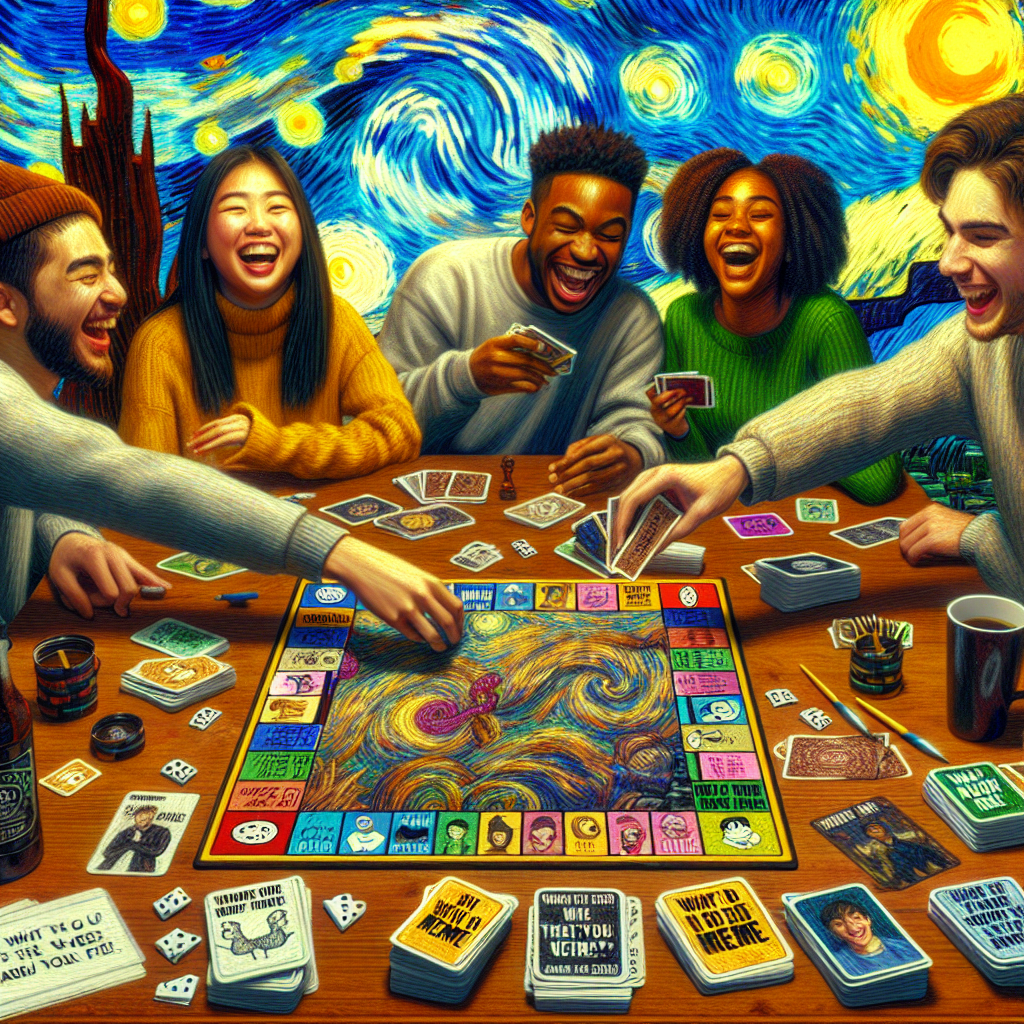
As the sun sets on a typical day in a retirement community, you might find the shuffleboard courts empty and the garden paths tranquil. But there’s a different scene unfolding in another corner of the complex: laughter and strategic banter over a table scattered with colorful bits and pieces. Board games—those time-honored tools for connection and competition—are taking center stage in the fight against loneliness in these communities.
Now, you might wonder, what’s the appeal of a simple cardboard box filled with cards and tokens? The answer lies beyond mere entertainment. Board games, in their many forms, serve as gateways to connection. They draw people out of their shells and invite camaraderie. Whether it’s a classic like Monopoly or a newer staple like Catan, the opportunity for interaction is built right into the rules. No one sits out in silence when they’re deciding whether to trade wheat for sheep. Every roll of the dice is a chance to engage, share a laugh, or even spark a little friendly rivalry.
Consider the dynamics that unfold around the table. Players gather, some for the first time, others who may have known each other for years in passing. The stakes are high—what’s a few points in the grand scheme of life? The real win comes in those moments of connection. Sharing stories, exchanging strategies, and maybe even revisiting memories from earlier days. Each game presents a chance to reminisce about long-lost friends or the “good old days” while creating new memories in the process.
And let’s not forget the endless variety available today. From cooperative games that emphasize teamwork to competitive ones that bring out our inner strategist, there’s something for everyone. Board games allow participants to express different aspects of their personalities while learning about each other. A quiet retiree might surprise you with a cunning move, while the life of the party could shy away from the game entirely. That unpredictability can spark deeper relationships, breaking down barriers that loneliness often erects.
In retirement communities where isolation can become the norm, board games are not just entertainment; they’re a powerful tool for enhancing social interaction. They fill the silence with laughter and dialogue, bridging gaps and forging friendships. So the next time you see a group huddled around a table, rolling dice or drawing cards, remember that they’re doing more than just playing a game. They’re building connections, one turn at a time, battling loneliness with every move. And that’s a game worth playing.

Can Board Games Combat Loneliness In Retirement Communities?
Can Board Games Combat Loneliness In Retirement Communities?
- Evenings in retirement communities often showcase quiet activities like shuffleboard and gardening.
- Board games serve as a lively counterpoint, fostering laughter and strategic interaction.
- They provide opportunities for social connection, encouraging interaction among players.
- Games like Monopoly and Catan facilitate engagement through their rules and dynamics.
- Playing board games allows for the sharing of stories and reminiscing about the past.
- The variety of games available caters to different personalities and promotes teamwork and strategy.
- Board games act as a vital tool against loneliness, encouraging dialogue and forming friendships.
Can Board Games Combat Loneliness In Retirement Communities?
Table Of Contents
- Can Board Games Combat Loneliness In Retirement Communities?
- What Benefits Do Board Games Provide In Social Settings?
- How Can Board Games Encourage Interaction Among Residents?
- What Types Of Board Games Are Best For Seniors?
- How Do Board Games Foster Teamwork And Collaboration?
- In What Ways Can Board Games Help With Cognitive Decline?
- What Role Do Board Games Play In Building Friendships?
- How Can Staff Facilitate Board Game Nights For Residents?
- Conclusion
- Other Resources
- Glossary Of Terms
- Other Questions
- Haiku
- Poem
- Checklist
What Benefits Do Board Games Provide In Social Settings?
Gather ’round the table, my friends; it’s time to talk about that noble pastime—the board game. You know the scene: a group of folks, laughter echoing off the walls, snack bowls overflowing, and a classic board game set up, ready to ignite some friendly competition. But what exactly do board games offer in social settings? Buckle up; we’re diving in.
First off, there’s the opportunity for genuine connection. A board game creates a shared experience, giving everyone a common goal. When players rally around the game board, they’re not just tossing dice or moving pawns; they’re building camaraderie. Each roll of the dice, each strategic play offers a chance to bond over the thrill of competition or the agony of defeat. You learn about each other’s quirks, strengths, and weaknesses, which is a foundational aspect of any solid relationship. Plus, nothing breaks the ice quite like a little friendly rivalry!
Let’s not forget the critical thinking and problem-solving skills that arise during gameplay. Sure, you might just be trying to outwit your friends in a heated round of Monopoly, but that creative thought process translates to a deeper understanding of teamwork and strategy. You learn to navigate challenges, work with others, and even negotiate when necessary. Those lessons? They apply far beyond the game board and seep into everyday life, whether at work or in more casual settings.
Now, we wouldn’t be doing our duty if we didn’t mention the spectacular stress relief that comes with board gaming. In a world buzzing with obligations and responsibilities, taking a break for a board game can provide a much-needed reprieve. When you’re focusing on your next move or chuckling at your friend’s absurd strategy, those external pressures tend to fade into the background. It’s a slice of joy in an otherwise hectic day.
Lastly, let’s talk about nostalgia. There’s something heartwarming about sharing your favorite board games with friends and family. Whether it’s teaching the younger generation how to play a classic like Clue or dusting off that old game of Scrabble, every session revives memories and stories. It’s a beautiful way to connect the past with the present, weaving together experiences around shared laughter.
So, the next time you pull out a board game, remember: you’re not just passing time. You’re fostering relationships, sharpening your mind, alleviating stress, and creating memories that will last a lifetime. Pull up a chair and enjoy the benefits that come with the perfect combination of strategy, laughter, and connection!

What Benefits Do Board Games Provide In Social Settings?
What Benefits Do Board Games Provide In Social Settings?
- Board games foster genuine connection and shared experiences, enhancing camaraderie among players.
- They encourage learning about each other’s quirks, strengths, and weaknesses, which builds solid relationships.
- Gameplay hones critical thinking and problem-solving skills, translating to teamwork and strategy in daily life.
- Board games provide a spectacular stress relief, offering a break from daily obligations and responsibilities.
- Engaging in board games allows players to focus on fun, reducing external pressures and promoting joy.
- Nostalgia plays a key role in board gaming, reviving memories and stories from the past with friends and family.
- Playing board games not only passes time but also fosters relationships, sharpens minds, alleviates stress, and creates lasting memories.

What Benefits Do Board Games Provide In Social Settings?
How Can Board Games Encourage Interaction Among Residents?
In a world buzzing with digital distractions, the charm of a simple board game shines brightly as a beacon of human connection. Board games are often found tucked away in closets, gathering dust, waiting patiently for the right moment to bring people together. When they finally emerge, they serve not just as a pastime, but as a catalyst for interaction among residents—be it in retirement communities, apartment complexes, or even in family gatherings.
Imagine a group of neighbors—some familiar faces, others mere acquaintances—gathering around a table, ready to dive into the competitive chaos of Monopoly or the strategic depths of Settlers of Catan. The first roll of the dice or draw of a card breaks the ice, eliciting laughter and light banter. Each move becomes an opportunity for storytelling; it’s where the mundane transforms into the extraordinary. Residents share anecdotes of past experiences related to the game or funny moments that happened during previous sessions. It’s a brilliant weave of shared history and personality that hooks everyone into the experience.
Moreover, the camaraderie found within a board game can be transformational. As players strategize their next move or negotiate trades, they’re engaging in a form of communication that’s not only social but also intellectually stimulating. Board games create a space where competition and cooperation coalesce, encouraging residents to work together—whether forming alliances or plotting to thwart the frontrunner’s winning streak. These interactions foster a sense of belonging and strengthen the community fabric, especially vital in settings where newcomers might feel out of place.
Games also play a role in breaking down barriers. Age, background, and personality fade into the background as residents find common ground in friendly rivalry or shared laughter over a well-timed joke. The diverse mix of players enriches the experience, allowing for the exchange of ideas and perspectives that one might not encounter in day-to-day life.
In essence, board games are more than just entertainment; they’re an invitation to connect. They offer a space to engage with one another, to forge alliances, and to share laughter. So, why not dust off that board game nestled in the corner? It could be the key to sparking joy and interaction among residents—one roll of the dice at a time.

How Can Board Games Encourage Interaction Among Residents?
How Can Board Games Encourage Interaction Among Residents?
- Board games provide a refreshing contrast to digital distractions, fostering human connection.
- Often stored away, these games await a moment to bring people together in various settings like retirement communities and family gatherings.
- Playing games like Monopoly or Settlers of Catan encourages laughter, storytelling, and shared experiences among participants.
- Engagement in board games promotes communication that is both social and intellectually stimulating, blending competition and cooperation.
- They help strengthen community ties, particularly benefiting newcomers who may feel out of place.
- Board games break down barriers related to age, background, and personality, creating a space for shared enjoyment and laughter.
- Ultimately, they serve as an invitation to connect, offering joy and interaction one game at a time.

How Can Board Games Encourage Interaction Among Residents?
What Types Of Board Games Are Best For Seniors?
When it comes to board games, not all are created equal—especially when we’re talking about a demographic that’s earned a lifetime of wisdom and experience. Seniors bring a wealth of knowledge and strategic depth to the table, but they also have unique preferences and needs that make certain types of games more appealing. So, let’s take a closer look at what makes a board game just right for our seasoned players.
First off, Board Games that are easy to set up and understand are often the top picks. Clarity is key. Games that come with overly complicated rules or lengthy instructions can easily turn the excitement of game night into a headache. Instead, go for games where the objective is straightforward, and the mechanics are simple enough that everyone can join in without feeling excluded. Titles like “Rummikub” or “Sequence” fit the bill, as they provide engaging gameplay without the need for an advanced strategies manual.
Next, consider the social aspect of the game. Many seniors thrive on connection and camaraderie. Games that encourage interaction among players can elevate any gathering. Think of classics like “Pictionary” or “Apples to Apples,” where laughter flows as freely as the conversation. These games not only stimulate the mind but also nurture social bonds—a crucial ingredient for a fulfilling life.
Then there’s the question of cognitive stimulation. Board games can help keep the mind sharp, and games that require some level of strategy or pattern recognition can be particularly effective. “Scrabble,” for instance, is a fantastic way to exercise vocabulary and critical thinking, while games like “Chess” can challenge even the sharpest minds to think several moves ahead. These kinds of games provide a mental workout, and let’s face it, who doesn’t appreciate a workout that can be done from the comfort of a chair?
Finally, let’s not overlook accessibility. Seniors might face mobility or dexterity challenges, so games that don’t require high levels of finesse can be more enjoyable. Look for pieces that are larger and easier to handle, like those found in “Connect Four” or “Jenga.” The tactile satisfaction of moving the pieces can add to the experience, making the game more enjoyable for everyone involved.
When selecting board games for seniors, it’s all about simplicity, social interaction, mental engagement, and accessibility. The right game can create cherished memories and foster connections that last far beyond the tabletop. After all, at the end of the day, it’s not just about winning; it’s about the laughter, the stories, and the moments shared.

What Types Of Board Games Are Best For Seniors?
What Types Of Board Games Are Best For Seniors?
- Seniors have unique preferences and needs in board games, valuing lifetime wisdom and experience.
- Easy-to-set-up and easy-to-understand games are preferred, minimizing complex rules that can hinder enjoyment.
- Games that foster social interaction, like “Pictionary” and “Apples to Apples,” enhance connection and camaraderie.
- Cognitive stimulation is important; strategy games like “Scrabble” and “Chess” provide mental challenges.
- Accessibility is key, with larger and easier-to-handle game pieces preferred for those facing mobility issues.
- Focus on simplicity, social engagement, mental stimulation, and accessibility to enhance enjoyment for seniors.
- The right board game creates cherished memories and fosters lasting connections, emphasizing shared experiences over competition.

What Types Of Board Games Are Best For Seniors?
How Do Board Games Foster Teamwork And Collaboration?
In a world increasingly dominated by screens and solitary pursuits, board games bring people together in a way that few other activities can. That rectangular cardboard universe, littered with colorful pieces and dice, serves as a tactile reminder of the importance of teamwork and collaboration. When you sit down for a game with friends or family, you step into an arena where communication, strategy, and negotiation become critical components of fun and success.
One of the most remarkable features of board games is the way they create a shared goal. Imagine a group gathered around a table, each player representing a different character on a grand adventure. In these moments, individual interests often take a backseat to the collective objective. Whether forming alliances or plotting the downfall of a common foe, players must navigate their desires while keeping the overall mission in mind. It’s a delicate balance—one that mirrors real-life teamwork.
Games like “Pandemic” or “Forbidden Island” thrust players into high-stakes scenarios where collaboration is not just encouraged, but necessary. In these cooperative board games, the stakes are raised with every turn, requiring participants to strategize together, analyze risks, and vocalize their thoughts effectively. Here, failure is not just the result of one player’s misstep; it’s a group loss. This understanding fosters a sense of responsibility and enhances relationships. After all, when you share a victory or defeat, the emotional investment in each other deepens.
Additionally, board games teach conflict resolution in a safe environment. As players strategize or compete, disagreements may arise over rules, moves, or tactics. Learning to address these conflicts respectfully cultivates skills that extend beyond the game and into everyday life. The ability to listen, compromise, and argue constructively is invaluable. The negotiation around the table helps sharpen these skills and solidifies bonds among players.
And let’s not forget the laughter and camaraderie that fill the air during these game nights. Board games are all about interaction—they require players to engage not just with the game itself, but with one another. Whether it’s a clever move that surprises everyone or a shared moment of defeat, those experiences create a tapestry of memories woven tightly by teamwork. So next time you gather around that tabletop, embrace the challenges and triumphs that come your way. After all, in the world of board games, success is a team sport.
How Do Board Games Foster Teamwork And Collaboration?
How Do Board Games Foster Teamwork And Collaboration?
- Board games foster social interaction in an increasingly screen-dominated world.
- They emphasize teamwork and collaboration through shared goals and communication.
- Players navigate individual interests while focusing on collective objectives.
- Cooperative games like “Pandemic” and “Forbidden Island” require strategic collaboration and risk assessment.
- Failures in cooperative games are group losses, enhancing responsibility and emotional investment among players.
- Board games promote conflict resolution skills in a safe environment, teaching listening, compromise, and constructive argument.
- Game nights create laughter and memories, reinforcing bonds through shared experiences and teamwork.

How Do Board Games Foster Teamwork And Collaboration?
In What Ways Can Board Games Help With Cognitive Decline?
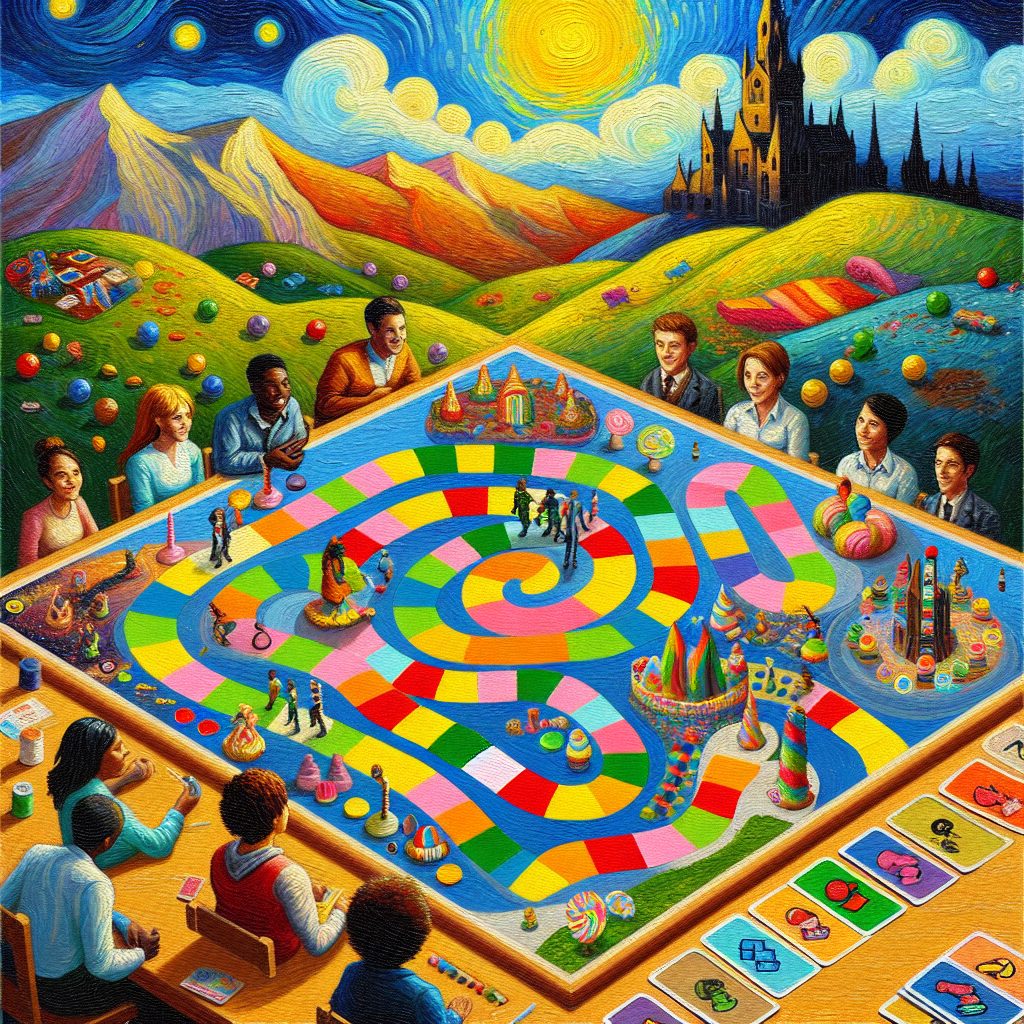
Board games have been around for centuries, and they’re often viewed as simple pastimes—fun for a rainy day or a social gathering. However, their benefits extend far beyond just a good way to pass the time, especially when we talk about cognitive decline. Engaging in a board game can be like giving your brain a workout, and the results can be substantial.
Firstly, let’s consider the mental exercise involved. Most board games require you to strategize, think critically, and adapt to ever-changing situations. Games like chess or Scrabble challenge players to not just think ahead, but to anticipate their opponents’ moves. This kind of cognitive engagement stimulates various parts of the brain, promoting neural connections that are crucial for memory and problem-solving. It’s akin to lifting weights for your gray matter; the more you train it, the stronger and more resilient it becomes.
Another crucial aspect is social interaction. Many board games are designed for multiple players, which encourages communication and teamwork. Engaging with others stimulates the brain’s social circuits, which is particularly important as we age. Isolation can lead to cognitive decline, and what better antidote to isolation than a lively game night? Whether you’re sharing laughs over a game of Monopoly or negotiating trades in Settlers of Catan, these interactions can create emotional bonds that nourish mental health.
Moreover, board games often require players to remember rules, track scores, and strategize across turns. This multi-tasking exercise is invaluable. Tasks that require memory recall and attention can help counteract the effects of aging on cognitive function. Simple counting in games or recalling the last player’s actions can create a mental gym of sorts. Each time a player engages with these challenges, they’re building mental flexibility, which is vital in staving off memory loss.
Finally, let’s not forget the importance of having fun. The sheer enjoyment of playing is not to be underestimated. Positive emotions trigger the release of brain-boosting chemicals like dopamine, which are essential for learning and retention. When you’re having a good time, your brain is in the zone, ready to absorb new strategies, ideas, and interactions.
Board games are much more than just entertainment. They are a powerful tool in combating cognitive decline, providing mental stimulation, social interaction, and sheer enjoyment. So the next time you pull a board game off the shelf, remember—you’re not just playing; you’re investing in your brain.

In What Ways Can Board Games Help With Cognitive Decline?
In What Ways Can Board Games Help With Cognitive Decline?
- Board games have been enjoyed for centuries, offering benefits beyond simple entertainment.
- They provide mental exercise through strategies, critical thinking, and adapting to challenges.
- Engaging in games stimulates brain areas critical for memory and problem-solving.
- Social interaction from multiplayer games enhances communication and teamwork, combating isolation.
- Games require players to remember rules and track scores, promoting memory recall and attention.
- Positive emotions from playing trigger the release of dopamine, improving learning and retention.
- Board games are a valuable way to invest in cognitive health while having fun.
In What Ways Can Board Games Help With Cognitive Decline?
What Role Do Board Games Play In Building Friendships?
When you think about the foundation of a good friendship, what usually comes to mind? Trust, laughter, shared experiences—the things that bond people together. Now, let me tell you where one of the most underrated heroes in the realm of friendship lies: the board game. These simple cardboard creations, often adorned with colorful artwork and cleverly designed mechanics, act as the perfect stage for connection and camaraderie.
Picture this: a group of friends gathered around a table, fists full of dice, and anticipation hanging thick in the air. The board game sprawls before them, each piece a tiny ambassador of excitement and tension. It’s in the rolling of those dice that you can see the thrill of chance blending in with the hope of victory. When a friend has a stroke of luck or a crushing defeat, that shared experience creates a memory that is etched in the minds and hearts of all involved. You’re not just playing a game; you’re living a moment together.
But it goes deeper than just chance and competition. Board games often require communication, cooperation, and strategy, fostering an environment that encourages genuine interaction among players. As players plot their next moves or bluff their way through a negotiation, they reveal bits of their personalities—cleverness, humor, perhaps a competitive edge. These glimpses into someone’s character can reveal common interests and spark conversations that might not happen otherwise.
Moreover, the beauty of board games is their adaptability. There’s a perfect game for every occasion—whether it’s a light-hearted family gathering or an intense strategy night with seasoned gamers. This diversity appeals to various social circles, allowing friendships to flourish across different backgrounds and interests. A board game can bridge the gap between introverts and extroverts, inviting everyone to the table and leveling the playing field.
Let’s not forget the role of laughter. Nothing breaks down barriers quite like shared laughter over a major blunder—whether it’s a miscalculated move or a friendly betrayal. That joyous energy resonates with everyone, creating bonds that last long after the game ends.
In the ever-competitive world we live in, board games remind us of the simple joy of human connection. So, the next time you’re seeking fellowship, don’t underestimate the power of a well-chosen board game. After all, friendships aren’t just built; they’re often nurtured over a game of chance, strategy, and a whole lot of fun.

What Role Do Board Games Play In Building Friendships?
What Role Do Board Games Play In Building Friendships?
- Friendship foundations include trust, laughter, and shared experiences.
- Board games provide a unique platform for connection and camaraderie.
- Rolling dice during a game creates thrill and shared memories among friends.
- Board games foster communication, cooperation, and reveal players’ personalities.
- There’s a suitable board game for every occasion, appealing to diverse social circles.
- Shared laughter during games strengthens bonds and creates lasting memories.
- Board games highlight the joy of human connection, essential for nurturing friendships.

What Role Do Board Games Play In Building Friendships?
How Can Staff Facilitate Board Game Nights For Residents?
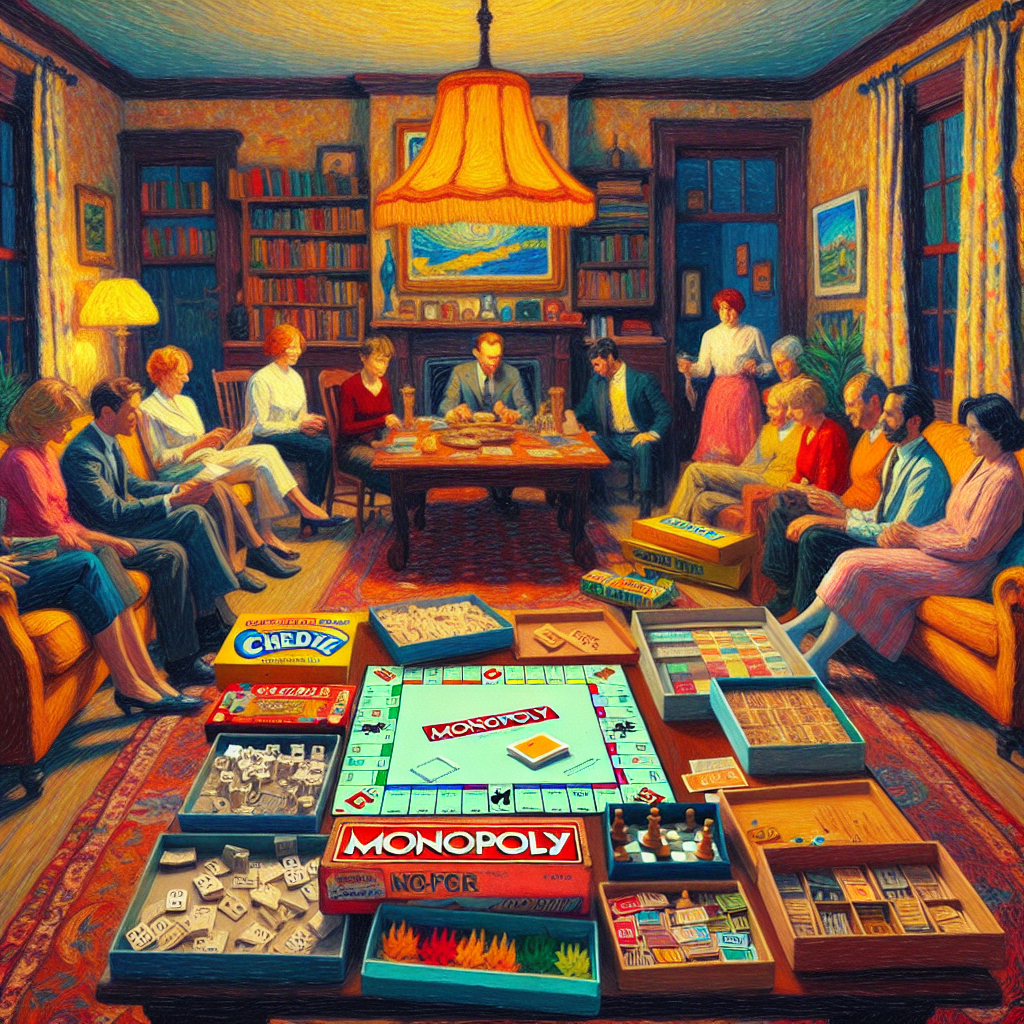
When it comes to fostering community spirit among residents, few activities can rival the timeless joy of a board game. Picture this: a group of neighbors gathered around a table, laughter echoing around the room, as they strategize and negotiate their way through a lively game night. But how can staff play a pivotal role in making these board game gatherings a smashing success? Let’s break it down.
First and foremost, it’s essential to curate a diverse selection of board games. Not everyone is a risk-taker ready to plunge into a three-hour game of strategy, and not everyone knows the rules to classics like Monopoly. Staff should aim to include a variety of both lightweight and heavy games to ensure that every resident can find something that appeals to them. Games that accommodate multiple players or can be played in teams work best, allowing for interaction and collaboration, which is the heart of any good board game night.
Next up is the environment. Think about it: an inviting, comfortable setting can make all the difference. Staff should arrange tables to create an inclusive atmosphere, perhaps even setting up cozy nooks for those who want a quieter space. Good lighting and appropriate seating can also enhance the experience. Not too bright to turn it into a fluorescent nightmare but bright enough to read the fine print on those game cards. You want the residents to feel at home, excited to come back for more.
Promotion is key, too. Staff should take charge of spreading the word about the event. Use newsletters, bulletin boards, or social media channels to create buzz before game night. A good ol’ fashioned invitation can spark interest, especially if you tease what games will be featured. It’s not just about showing up; it’s about making it feel special.
On the night itself, staff can take on the role of facilitators. They should be prepared to explain the rules of various board games and help with setup. This makes the experience less daunting for those unfamiliar with certain games. A staff member who knows the ropes can help ensure the night flows smoothly, leaving everyone free to engage and enjoy.
Lastly, don’t underestimate the power of snacks and refreshments. A plate of cookies or a pitcher of lemonade can elevate board games from just another option to a full-fledged social event. So roll up those sleeves, gather those games, and let’s create a night where both laughter and camaraderie thrive at the table.

How Can Staff Facilitate Board Game Nights For Residents?
How Can Staff Facilitate Board Game Nights For Residents?
- Board games foster community spirit and create a lively atmosphere among residents.
- Staff should curate a diverse selection of board games to cater to different preferences, including both lightweight and heavy games.
- An inviting and comfortable environment is essential; staff should arrange tables and seating to promote inclusivity.
- Effective promotion of the event through newsletters, bulletin boards, and social media helps generate interest.
- During the event, staff can facilitate by explaining rules and assisting with game setup for a smoother experience.
- Snacks and refreshments enhance the social aspect of game night, making it feel special.
- The goal is to create a joyful evening filled with laughter and camaraderie among residents.
How Can Staff Facilitate Board Game Nights For Residents?
Conclusion
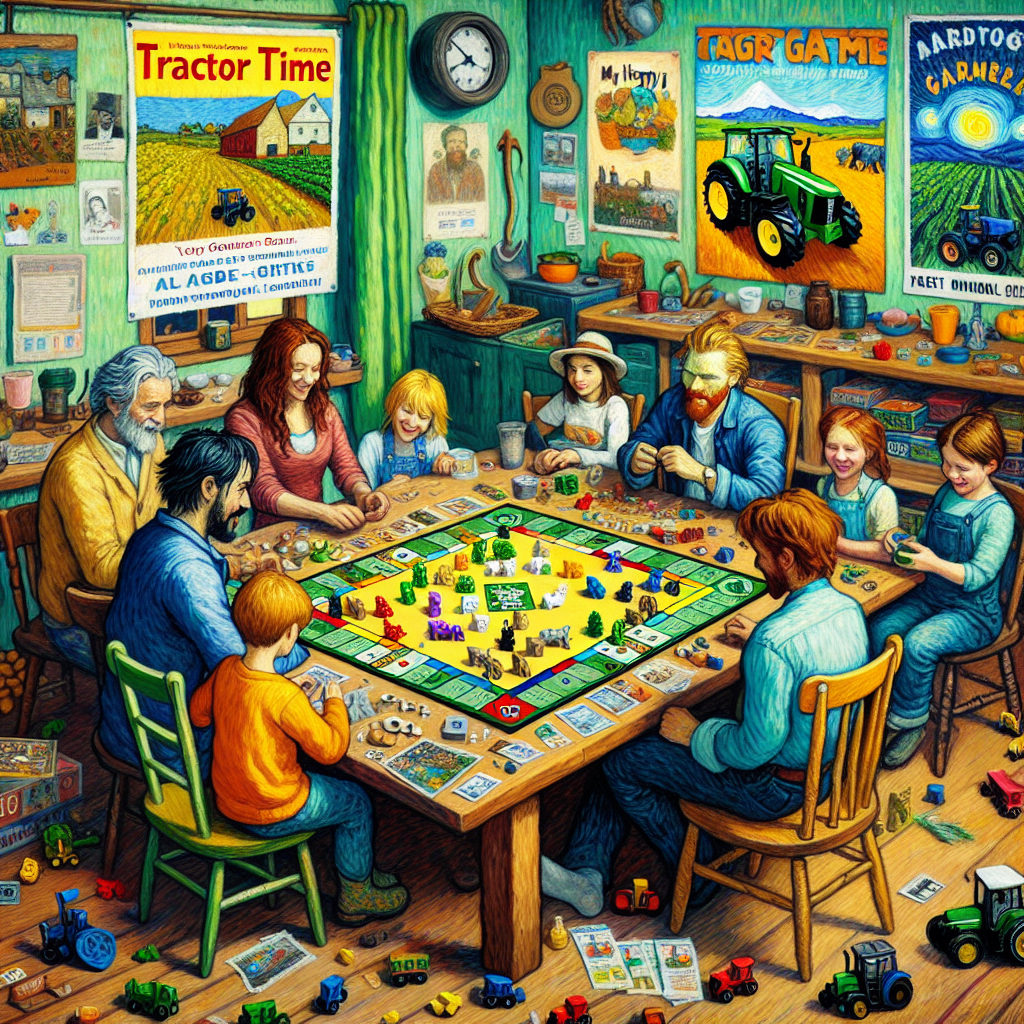
As we wrap up this discussion on board games and their incredible potential to combat loneliness in retirement communities, let’s take a moment to appreciate these seemingly simple pieces of cardboard and plastic. You see, board games aren’t just vehicles for competition; they’re lifelines, connecting individuals in a world that can sometimes feel all too isolating. Picture this: you’ve got a table full of seniors rolling dice, trading resources, and erupting into laughter over a misplayed move or a cunning strategy. This is where the real magic happens.
In these lively settings, board games do more than fill the silence; they create a shared experience, turning casual acquaintances into friends. Whether it’s a buoyant game of “Apples to Apples” or a classic like “Scrabble,” you see the dynamics change as players jockey for position, form alliances, and even revisit fond memories. Every roll of the dice or draw of a card is an invitation to engage—a chance to share a laugh or a personal story that transcends the game itself.
Beyond social connection, let’s not overlook the cognitive benefits. Board games foster critical thinking, problem-solving skills, and even a touch of nostalgia, stimulating the brain and giving those mental muscles a workout. Plus, they promote teamwork and communication, teaching valuable life skills in a fun, engaging environment. It’s a win-win all around.
Now, for those looking to facilitate this delightful interaction, the role of staff should not be understated. By curating a diverse selection of games, creating an inviting atmosphere, and promoting these gatherings, staff members can transform a common area into a thriving social hub where laughter and camaraderie reign supreme. When you add a plate of cookies or refreshments into the mix, you’ve got the recipe for a truly special occasion.
So, the next time you spot a group huddled around a table, don’t just see a game in progress; recognize that they’re battling loneliness, forging friendships, and creating memories—one turn at a time. That’s the beauty of board games; they’re so much more than simple entertainment. They’re bridges over isolation, connecting generations and weaving the fabric of community, proving that sometimes, the best way to connect is through a good old-fashioned game. Now, get out there and roll those dice—you just might change a life.

Conclusion
Conclusion:
- Board games serve as lifelines for connecting individuals in retirement communities, combating loneliness.
- They transform casual acquaintances into friends through shared experiences and laughter.
- Games like “Apples to Apples” and “Scrabble” foster competition and collaboration among players.
- Board games enhance cognitive abilities, promoting critical thinking, problem-solving, and nostalgia.
- They teach teamwork and communication skills in a fun and engaging environment.
- Staff play a crucial role in facilitating interactions by providing a diverse selection of games and creating an inviting atmosphere.
- Board games are more than entertainment; they build community, bridge isolation, and create lasting memories.
Conclusion
Other Resources
Other Resources
Here is a list of other resources you can review online to learn more:
- Capstone Games
- Diigo
- Geek and Sundry
- Eldritch Horror
- Roll for the Galaxy
- Spades
- Hearts
- IGN
- The Castles of Burgundy
- Blogger
Use This Prompt To Get More Resources With Your Favorite Online AI Tool: Please provide me with a list of online articles with their URLs in a bulleted list that I can read regarding Can Board Games Combat Loneliness In Retirement Communities?
Other Resources
Glossary Terms
Can Board Games Combat Loneliness In Retirement Communities? – Glossary Of Terms
1. Board Games: Physical tabletop games that involve strategy, skill, Chance, or a combination of these, typically played by two or more players.
2. Loneliness: A subjective feeling of isolation or lack of companionship, which can be heightened in retirement communities.
3. Social Interaction: Engaging with others in conversation or activities, which is crucial for mental and emotional well-being.
4. Retirement Community: A residential community designed specifically for older adults, offering various amenities and services tailored to their needs.
5. Isolation: A state of being separated from others, often leading to feelings of loneliness, especially in older adults.
6. Cognitive Engagement: Activities that stimulate mental processes, such as problem-solving, memory, and decision-making, which board games often encourage.
7. Well-being: A multi-dimensional state of health that includes physical, emotional, and social aspects, significantly impacted by social connections.
8. Interpersonal Relationships: Connections or associations with others that can be nurtured through shared activities, like playing board games.
9. Community Building: The process of creating a sense of belonging and inclusion among residents, often enhanced through group activities.
10. Strategy Games: Board games that require planning and critical thinking, such as chess or Settlers of Catan, often promoting collaboration.
11. Social Anxiety: Feelings of uneasiness or tension when interacting with others, which can be mitigated through structured activities like board games.
12. Memory Recall: The process of retrieving information, which can be exercised through games that involve remembering rules, cards, or moves.
13. Group Dynamics: How individuals behave and interact in a group setting, which can influence the enjoyment and effectiveness of board games in fostering friendships.
14. Coordination: The ability to work together efficiently within a group, which can improve through collaborative board game play.
15. Inclusivity: Ensuring that all individuals, regardless of ability or background, can participate in activities, including games.
16. Therapeutic Recreation: Activities designed to improve physical, emotional, and social well-being, where board games can play a significant role.
17. Emotional Support: Assistance and understanding received from others, which can be fostered through shared gaming experiences.
18. Game Nights: Scheduled evenings in communities dedicated to playing board games, providing regular opportunities for socializing.
19. Peer Connection: Bonds formed with contemporaries, important for reducing feelings of loneliness in retirement.
20. Facilitator: A person who organizes and leads activities, ensuring that residents feel included and engaged during game sessions.
21. Communication Skills: The ability to express thoughts and feelings effectively, often improved through cooperative gaming.
22. Adaptability: The capability to adjust to different games and participants, promoting flexibility in social interactions.
23. Intergenerational Interaction: Opportunities for older and younger individuals to interact, sometimes facilitated by board games.
24. Resilience: The ability to bounce back from challenges or feelings of loneliness, potentially improved through social activities like gaming.
25. Playfulness: Engaging in fun and entertaining activities that can promote a positive social atmosphere among seniors.
26. Engagement: Active participation in activities that fosters a sense of presence and involvement within a community.
27. Friendship: A mutual bond between individuals that provides emotional support, enhanced through collaborative board gaming experiences.
28. Social Inclusion: Efforts to ensure all individuals feel accepted and valued within a community, such as through inviting everyone to join games.
29. Fun Factor: The enjoyment derived from playing games, a crucial element in motivating residents to participate and connect.
30. Life Skills: Skills learned through gameplay, such as strategic thinking, teamwork, and communication, applicable in everyday life.

Glossary Of Terms
Other Questions
Can Board Games Combat Loneliness In Retirement Communities? – Other Questions
If you wish to explore and discover more, consider looking for answers to these questions:
- What types of board games are most popular in retirement communities?
- How can board games be introduced to residents who are hesitant to participate?
- What role do staff play in promoting board game activities?
- Are there any studies or statistics on the benefits of board games for seniors?
- How do board games compare to other activities in terms of fostering social interaction?
- What are some specific examples of board games that promote storytelling?
- Can board games help with improving memory and cognitive skills in seniors?
- If so, how?
- What are common challenges faced in board game nights at retirement communities?
- How frequently should board game nights be held to maintain engagement?
- Are there adaptations for board games to accommodate seniors with disabilities?
- How do intergenerational board game sessions impact relationships among participants?
- What are the best ways to encourage residents to teach one another games?
- How can board games be used as a tool for conflict resolution among residents?
- What types of snacks are best suited for a board game night?
Other Questions
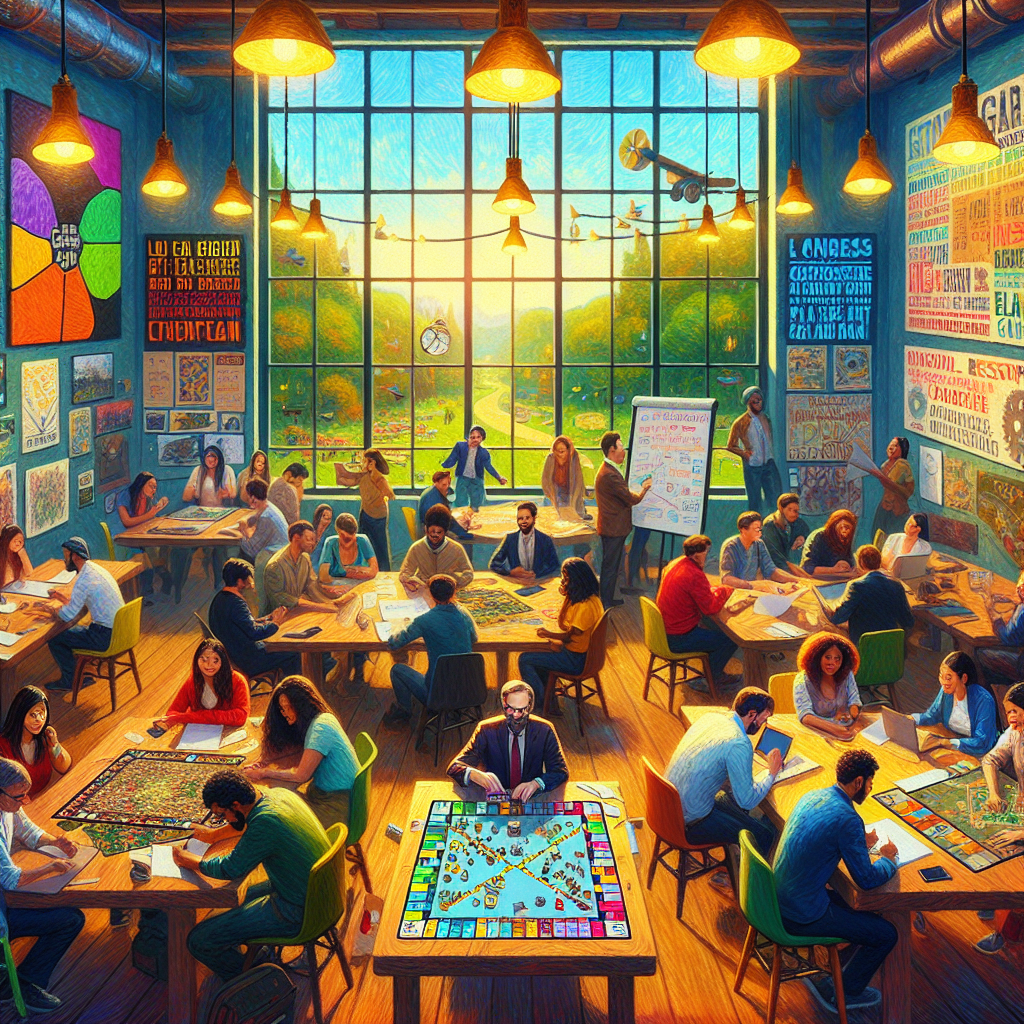
Haiku
Can Board Games Combat Loneliness In Retirement Communities? – A Haiku
Board games unite us,
Laughter fills the silence,
Friendship grows each roll.
Haiku
Poem
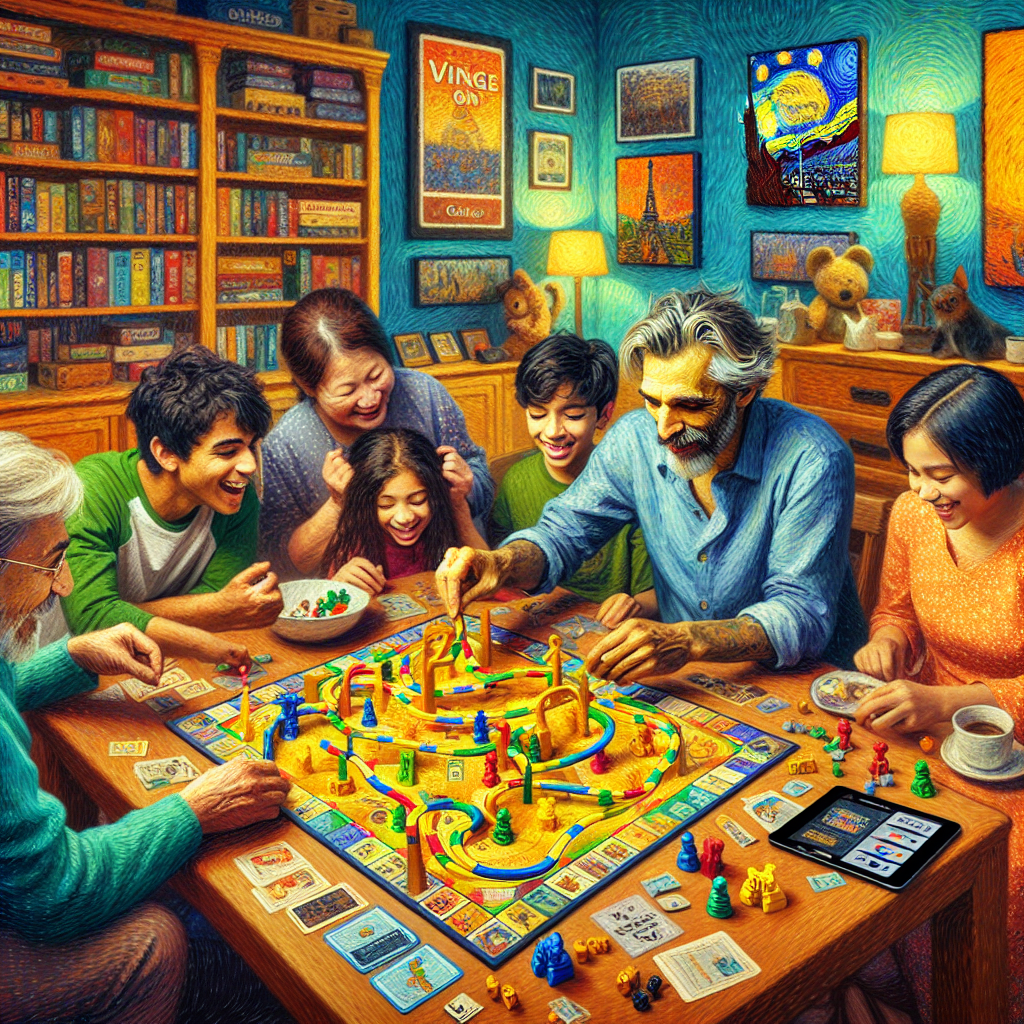
Can Board Games Combat Loneliness In Retirement Communities? – A Poem
In the gentle glow of evening light,
In quiet corners, shadows take flight,
Yet where the shuffleboard lays still and bare,
Laughter rises high, filling the air.
In retirement’s realm, where time can stretch,
Board games emerge, their magic etched—
Cards and tokens, a colorful bridge,
Connecting souls across laughter’s ridge.
From Monopoly’s trades to Catan’s wise plans,
Each roll of the dice sparks friendships’ dance,
With every move, tales from the past,
Moments shared, memories that last.
Quiet hearts reveal their hidden flair,
As friendships bloom in moments rare,
A laugh, a strategy, a sly little jest,
In the game of connection, we all play our best.
Together we navigate life’s playful schemes,
With teamwork and trust, we build our dreams,
Battling isolation, a quest we face,
In every turn taken, we find our place.
Each game a canvas where lives intertwine,
With laughter and stories, and a glass of wine,
Let the pieces scatter, let the fun ignite,
In the warmth of companionship, our spirits take flight.
So gather your friends, let the games begin,
For in shared moments, we all can win,
Not just in points, but in bonds that we share,
In the vibrant world of board games, love fills the air.
Poem
Checklist
Can Board Games Combat Loneliness In Retirement Communities? – A Checklist
1. Curate a Diverse Selection of Games
_____ Include a mix of light and heavy games.
_____ Choose games that accommodate multiple players.
_____ Incorporate cooperative games that encourage teamwork.
_____ Select games with easy-to-understand rules (e. g. , Rummikub, Sequence).
2. Create a Comfortable Atmosphere
_____ Arrange tables to foster inclusivity.
_____ Provide comfortable seating and good lighting.
_____ Set up cozy nooks for quieter gameplay.
3. Promote the Event
_____ Use newsletters, bulletin boards, and social media for announcements.
_____ Send out invitations highlighting featured games.
_____ Generate excitement in the community leading up to the event.
4. Facilitate the Game Experience
_____ Prepare to explain game rules and assist with setup.
_____ Ensure staff are knowledgeable about the games being played.
_____ Keep the energy positive and encourage participation.
5. Provide Snacks and Refreshments
_____ Offer light snacks (e. g. , cookies, fruits) to enhance the experience.
_____ Consider providing beverages (e. g. , lemonade, coffee) for social interaction.
_____ Create a welcoming environment that encourages mingling.
6. Foster Interaction and Engagement
_____ Encourage storytelling and sharing experiences related to games.
_____ Allow time for social interaction before and after gameplay.
_____ Promote a culture of friendly rivalry and fun.
7. Monitor Feedback and Adapt
_____ Gather feedback from residents after each game night.
_____ Adjust game selections and arrangements based on resident preferences.
_____ Be open to trying new games and formats to keep the events fresh.
8. Celebrate Achievements
_____ Recognize winners with fun awards or certificates.
_____ Share memorable moments on community boards to encourage future participation.
_____ Highlight resident interactions to build a stronger community connection.
By using this checklist, you can create an engaging and enjoyable board game night that combats loneliness and strengthens social bonds within your community!

Checklist
At BestBoardGameNews, we help people who love board games by collating information and news about board games.
Be sure to read our other related stories at BestBoardGameNews to learn more about board games.