Unleashing The Power Of Board Games For Senior Mental Agility
By Tom Seest
At BestBoardGameNews, we help people who love board games by collating information and news about board games.
Be sure to read our other related stories at BestBoardGameNews to learn more about board games.
Can Board Games Help Seniors Stay Mentally Sharp?
Picture this: a group of seasoned pros gathered around a table, dice rattling, cards shuffling, and laughter filling the air. That’s right, I’m talking about board games. These seemingly simple pastimes hold a treasure trove of benefits, especially for our older friends. Let’s dig in and unravel how engaging in board games can help seniors stay mentally sharp.
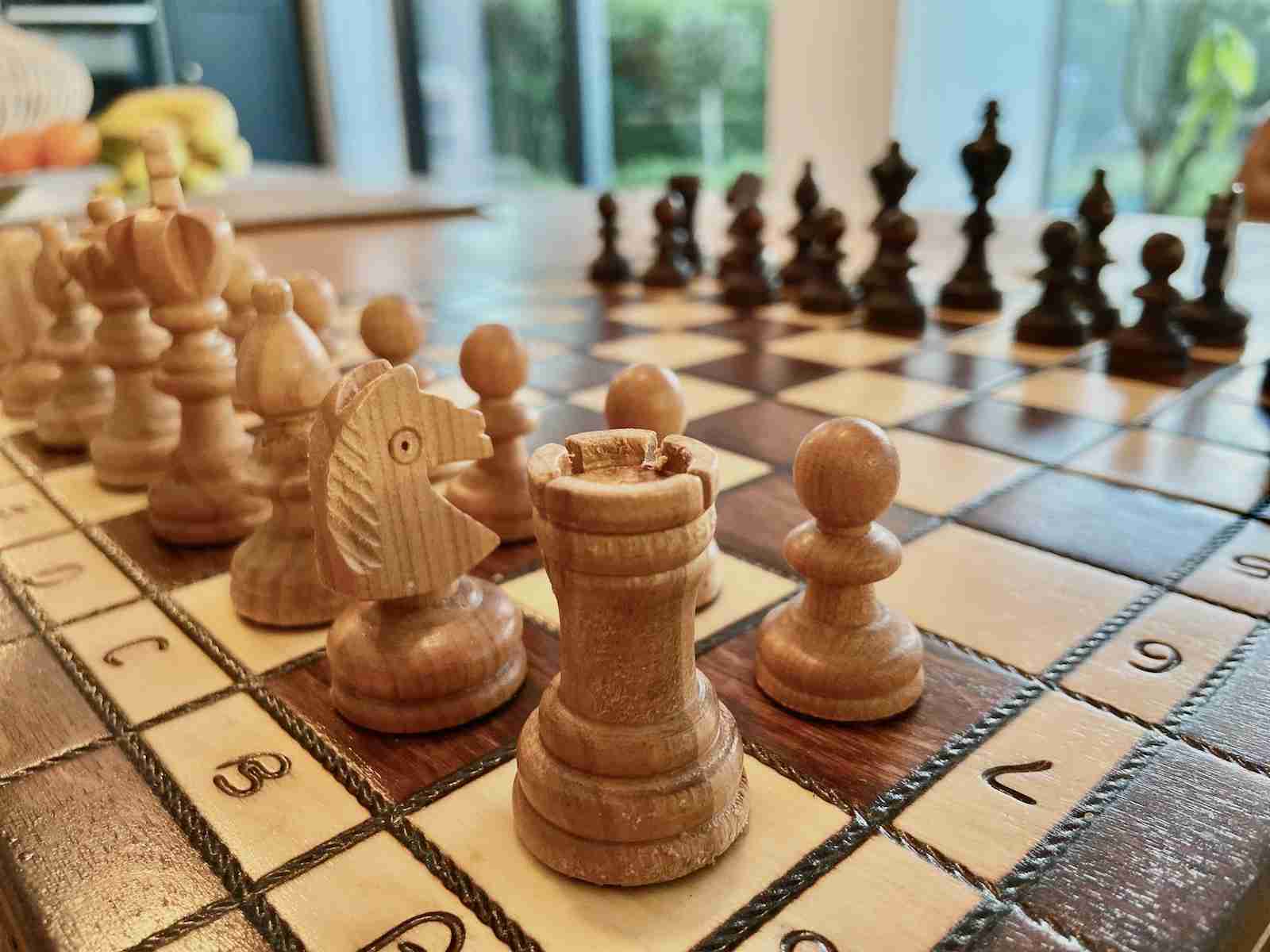
First off, board games are more than just a way to pass time; they’re a workout for the brain. Each game requires players to think critically, strategize, and adapt their plans to outsmart opponents. Think chess, where every move involves a careful consideration of potential consequences. These mental gymnastics stimulate the brain, promoting neural connections that can fend off cognitive decline.
Now, let’s not gloss over one of the most underrated elements of board games: social interaction. For many seniors, loneliness can be a significant hurdle. When folks gather to play a board game, they’re not just flipping cards or rolling dice; they’re forging connections, reminiscing about past games, and sharing their lives. This interaction can elevate mood, combat depression, and enhance overall mental well-being. It’s like therapy, but without the couch.
And let’s face it, the variety of board games available today is astonishing. From classic titles like Monopoly and Scrabble to modern marvels like Settlers of Catan, there’s something for everyone. Each game presents unique challenges, whether it’s managing resources or navigating a funky game board. Engaging with different game mechanics keeps the brain on its toes and can even spark creativity. After all, who doesn’t love a little friendly competition?
Moreover, the beauty of board games is their accessibility. You don’t need a gym membership or fancy equipment—just a table and some good company. Many seniors can play them at home, in community centers, or even in assisted living facilities. This makes it easy to incorporate into routine activities.
Board games are more than just entertainment; they’re a tool for sharpness, connection, and joy. The benefits of gathering around a tabletop—brain exercise, social engagement, and a dash of luck—make these games a fantastic choice for seniors wanting to stay mentally sharp. So why not dust off those boxes and shuffle those cards? It’s time to trade in some screen time for some good old-fashioned, face-to-face fun.

Can Board Games Help Seniors Stay Mentally Sharp?
Can Board Games Help Seniors Stay Mentally Sharp?
- Board games serve as a workout for the brain, requiring critical thinking, strategizing, and adaptability.
- Engaging in board games promotes neural connections that help fend off cognitive decline.
- Playing board games facilitates social interaction, combating loneliness and enhancing overall mental well-being.
- Games provide opportunities for reminiscing and forging connections, acting as a form of therapy.
- The variety of board games available caters to all interests, offering unique challenges and sparking creativity.
- Board games are accessible to seniors, requiring only a table and good company to play.
- These games offer brain exercise, social engagement, and enjoyment, making them an excellent choice for seniors.

Can Board Games Help Seniors Stay Mentally Sharp?
Table Of Contents
- Can Board Games Help Seniors Stay Mentally Sharp?
- What Types Of Board Games Are Best For Cognitive Engagement?
- How Often Should Seniors Play Board Games For Mental Benefits?
- Can Board Games Improve Memory And Cognitive Skills In Seniors?
- Are Social Interactions During Board Games Important For Seniors?
- What Are Some Recommended Board Games For Older Adults?
- How Do Board Games Compare To Other Mental Exercises For Seniors?
- What Psychological Benefits Can Seniors Gain From Board Games?
- Conclusion
- Other Resources
- Glossary Of Terms
- Other Questions
- Haiku
- Poem
- Checklist
What Types Of Board Games Are Best For Cognitive Engagement?
In a world buzzing with technology, the allure of board games has stood the test of time, not just for family fun but as tools for sharpening our brains. The right board game can serve as a workout for the mind, promoting cognitive engagement while offering an occasional dose of friendly competition. But not all board games are created equal—some are better suited for mental stimulation than others.
First up are strategy board games. Think of titles like “Settlers of Catan” or “Risk.” These games demand foresight and planning, challenging players to develop strategies that outsmart their opponents. Engaging with these games requires players to think several steps ahead, weighing risks against potential rewards. The combination of resource management and tactical decision-making not only keeps your brain buzzing, but also sharpens skills in critical thinking and problem-solving.
Next, let’s talk about word games. Games such as “Scrabble” or “Boggle” are more than just a test of vocabulary; they’re invitations to exercise those cognitive muscles. They require players to retrieve words from their memory, think creatively about letter placement, and maintain concentration—all of which enhance verbal skills and mental agility. These games can light up your synapses as you scramble to form that perfect 7-letter word or outsmart your friends with unlikely combinations.
Then we have puzzle games, a whole category dedicated to engaging the brain in different ways. Whether it’s assembling pieces in “Catan: Puzzle Edition” or solving complex riddles in “Exit: The Game,” these games stimulate analytical thinking and spatial reasoning. They often involve a race against time, demanding quick thinking and adaptability—attributes that serve one well in any dynamic environment.
Finally, cooperative board games like “Pandemic” or “Forbidden Island” bring a unique twist to cognitive engagement. These games shift the focus from competition to collaboration. Players work as a team to solve problems and strategize collectively, enhancing not just individual mental acuity but social and emotional intelligence as well. Engaging in discourse and negotiation with teammates further deepens cognitive engagement.
So, whether you’re rolling dice, placing tiles, or strategizing with friends, remember that every game played is a chance to flex those mental muscles. The right board game can be like a gym for the brain, providing challenges that enhance cognitive skills while delivering a hefty dose of joy.
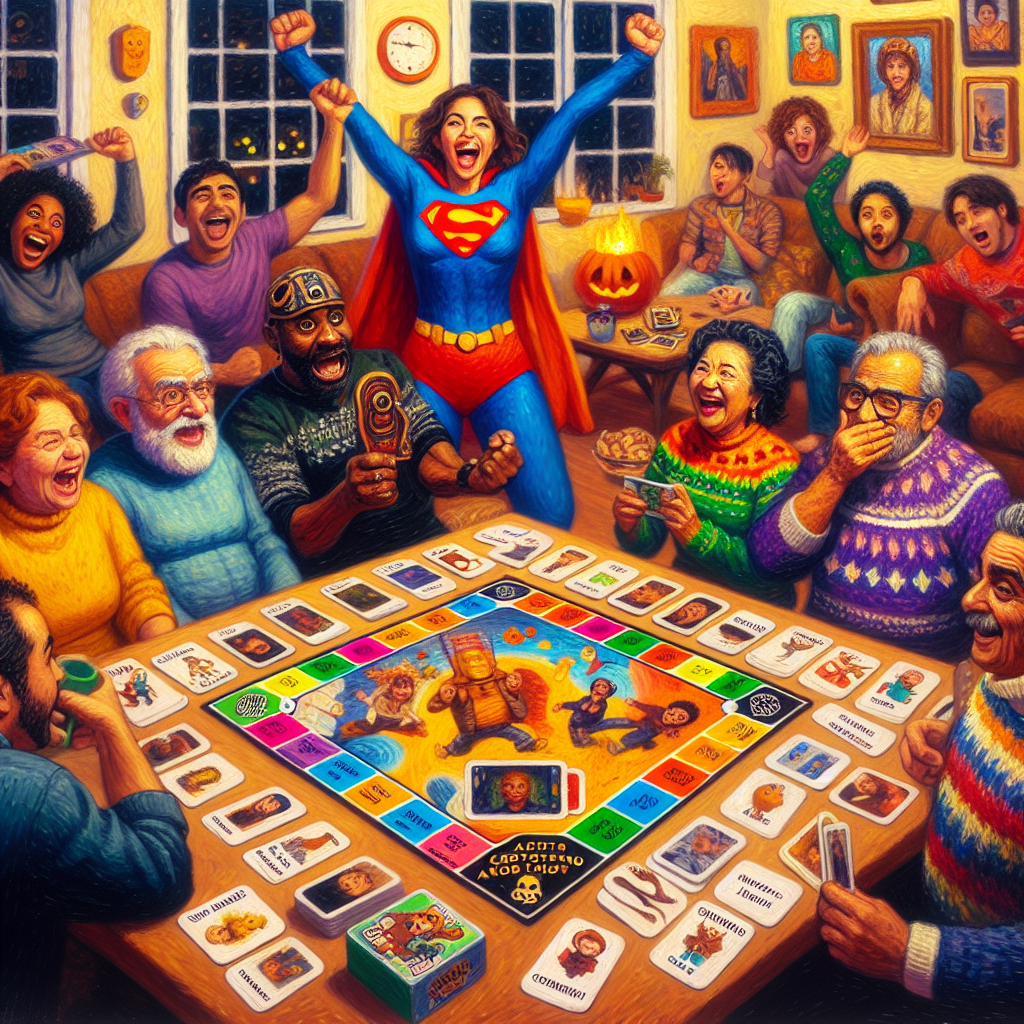
What Types Of Board Games Are Best For Cognitive Engagement?
What Types Of Board Games Are Best For Cognitive Engagement?
- Board games remain popular for family fun and cognitive enhancement.
- Strategy games like “Settlers of Catan” and “Risk” promote foresight, planning, and critical thinking.
- Word games such as “Scrabble” and “Boggle” enhance verbal skills and mental agility through creative thinking.
- Puzzle games engage analytical thinking and spatial reasoning, often involving quick decision-making.
- Cooperative games like “Pandemic” and “Forbidden Island” foster teamwork and enhance social intelligence.
- Playing board games provides opportunities to exercise mental skills in enjoyable ways.
- The right board game acts as a “gym for the brain,” offering challenges that boost cognitive abilities.

What Types Of Board Games Are Best For Cognitive Engagement?
How Often Should Seniors Play Board Games For Mental Benefits?
When it comes to the golden years, staying sharp is more than just a pie-in-the-sky notion — it’s a necessity. Playing board games isn’t just about rolling dice and moving tokens; it’s about engaging the mind and keeping that mental engine humming. So, how often should seniors roll out the board game setup for maximum brain benefits? Well, let’s dive into the delightful world of strategic play.
First off, let’s get one thing straight. Board games are not exclusively for the young and spry. They’re a treasure trove of cognitive workout materials for seniors, too. Whether it’s a game of chess that demands critical thinking or a lighthearted round of Scrabble that gets the vocabulary flowing, the choices are as varied as the folks at the table. Studies have shown that engaging in cognitively stimulating activities like these can help maintain mental agility and reduce the risk of cognitive decline as we age.
So, how often should seniors play these delightful tabletop diversions? The short answer is: aim for at least once a week. This frequency strikes a nice balance, allowing participants to hone their skills and socialize without overwhelming themselves. Board games provide an opportunity to laugh, strategize, and even bicker a bit with friends or family, all of which sharpens the mind and promotes emotional well-being.
Now, if you want to kick it up a notch, consider organizing a monthly game night. Rotate between different games to keep things fresh and engaging. The beauty of a diverse hodgepodge of board games is that they cater to various interests—whether it’s the intense brain workout of an abstract strategy game or the light-hearted fun of a trivia contest, there’s something for everyone.
And let’s not forget the social benefits! Playing games fosters connections. It’s a chance to reminisce, share stories, and forge new friendships. Incorporating board games into routine gatherings can create a friendly atmosphere that nourishes not just the mind but also the heart.
Carving out time to engage in board games is not just a leisurely activity; it’s an investment in mental fitness and social well-being. So, dust off those boxes, gather a few friends, and make it a point to play. After all, keeping that mind sharp while having a blast? That’s a double win!

How Often Should Seniors Play Board Games For Mental Benefits?
How Often Should Seniors Play Board Games For Mental Benefits?
- Engaging in board games is essential for seniors to maintain mental sharpness and cognitive health.
- Board games provide a variety of cognitive challenges, from strategy-based games like chess to vocabulary-building games like Scrabble.
- Regular engagement in cognitively stimulating activities can help reduce the risk of cognitive decline in seniors.
- Seniors should aim to play board games at least once a week for optimal brain benefits and social interaction.
- Organizing a monthly game night can keep the experience fresh and cater to diverse interests.
- Playing board games fosters connections, reminiscing, storytelling, and can create new friendships.
- Participating in board games is a fun investment in both mental fitness and social well-being.

How Often Should Seniors Play Board Games For Mental Benefits?
Can Board Games Improve Memory And Cognitive Skills In Seniors?
In the lively world of leisure activities, few pastimes have managed to stand the test of time quite like board games. As we wander through the golden years, one question often emerges: Can these engaging relics of our youth improve memory and cognitive skills in seniors? The answer is a resounding yes, but let’s dig a little deeper to understand how this works.
Picture this: a group of seniors gathered around a table, laughter ringing out as dice clatter against a colorful game board. While it may seem like sheer entertainment, there’s much more taking place beneath the surface. Board games engage brain function in a way that typical solitary activities, like watching TV or scrolling through social media, simply can’t match. They require players to think critically, strategize, and remain socially engaged—all key components to keeping the gears of the mind well-oiled.
Memory is a cornerstone of cognitive ability, and playing board games can be a delightful workout for this very muscle. From remembering the rules of the game to keeping track of their opponent’s moves, seniors are essentially training their brains to process information, make connections, and recall details—all vital skills that can sharpen over time with regular practice. The more complex the game, the greater the cognitive challenge. Classics like Scrabble and chess not only encourage players to think ahead but also to evaluate and adjust their strategies, which creates a dynamic mental environment.
Moreover, socializing while playing can have exponential benefits. The sheer act of engaging with peers stimulates conversation, evoking past experiences and memories. This communal spirit can nurture emotional well-being, while also fighting the potential loneliness that many seniors may feel. In essence, while participants may be rolling dice or placing tokens, they are simultaneously rolling back the metaphorical clock on memory loss.
Then there’s the element of fun, an often-overlooked component in cognitive health. Enjoying oneself boosts mood and increases motivation, which in turn fosters a willingness to participate in more brain-healthy activities.
So, the question is not just whether board games can improve memory and cognitive skills in seniors but how. The answer is clear: they create a vibrant blend of mental exercise and social engagement, making them a formidable ally in the pursuit of cognitive health and happiness in our later years. So, gather around that board, roll those dice, and let the games begin!
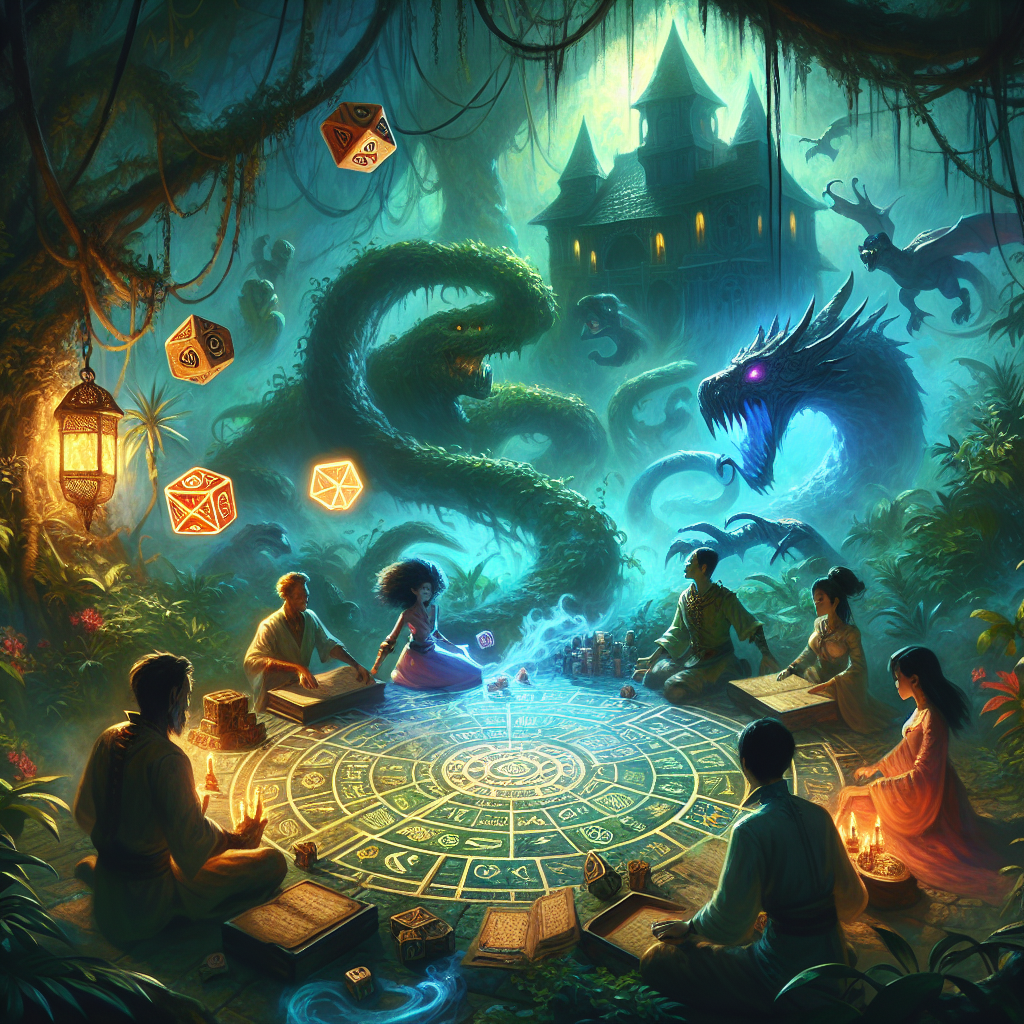
Can Board Games Improve Memory And Cognitive Skills In Seniors?
Can Board Games Improve Memory And Cognitive Skills In Seniors?
- Board games have stood the test of time as popular leisure activities for seniors.
- They enhance memory and cognitive skills by engaging critical thinking and strategy.
- Playing board games offers more mental stimulation than solitary activities like watching TV.
- Seniors exercise their memory by remembering rules and tracking opponents’ moves.
- Complex games like Scrabble and chess challenge players to think ahead and adapt strategies.
- Social interaction during games fosters conversation and emotional well-being, combating loneliness.
- Overall, board games provide a fun way to promote cognitive health and social engagement in later years.
Can Board Games Improve Memory And Cognitive Skills In Seniors?
Are Social Interactions During Board Games Important For Seniors?
Now, let’s talk about board games. Yes, those colorful squares of cardboard and plastic that come packed into a box and usually lead to hours of competitive fun—and sometimes a little friendly drama. But what if I told you these seemingly simple activities are more vital than they might appear, especially for seniors?
For many older adults, social interaction can start to dwindle. Friends may move, family ties can stretch thin, and the bustling life that once filled their calendar can quiet down. Enter the board game: a humble sidekick in the quest for connection. Picture a group of seniors gathered around a table—dice are rolling, pieces are moving, and laughter is echoing off the walls. In that moment, it’s not just a game of strategy or luck; it’s a lifeline to the social world.
Let’s explore why social interactions during board games are worth more than the price tag on that box. First off, they give seniors an opportunity to engage with their peers. The interactive nature of board games fosters communication—whether forming alliances, exchanging playful jabs, or simply reminiscing about past experiences while rolling dice. These exchanges stir up the brain, keeping it active and engaged.
Furthermore, the act of playing a board game promotes cognitive skills. Research suggests that seniors who engage in regular interactive activities like games experience improved memory and mental agility. The brain thrives on stimulation, and games provide a fun way to challenge oneself intellectually without the pressure of formal learning.
But let’s not forget the sheer joy that a good board game can bring. Victory dances, groans of defeat, and the ever-familiar banter that rings out as a player lands on a particularly taxing square are all part of the experience. These interactions foster friendships, create memories, and inject a hearty dose of joy into daily life.
In a larger sense, board games serve as a reminder that play isn’t just for kids. For seniors, it can be an essential avenue for maintaining social connections and battling isolation. So, the next time you find yourself reaching for a board game, remember: you’re not just playing a game; you’re engaging with a world that embraces laughter, strategy, and the warm comfort of camaraderie. In the grand scheme of things, that is what truly counts.

Are Social Interactions During Board Games Important For Seniors?
Are Social Interactions During Board Games Important For Seniors?
- Board games provide seniors with opportunities for social interaction, countering loneliness.
- They encourage communication through playful exchanges and shared experiences.
- Playing board games helps keep seniors’ brains active and engaged.
- Research indicates that regular participation improves memory and mental agility.
- Board games bring joy through shared victories and playful banter.
- These games foster friendships and create lasting memories.
- Board games remind us that play is important for all ages, especially for seniors.
Are Social Interactions During Board Games Important For Seniors?
What Are Some Recommended Board Games For Older Adults?
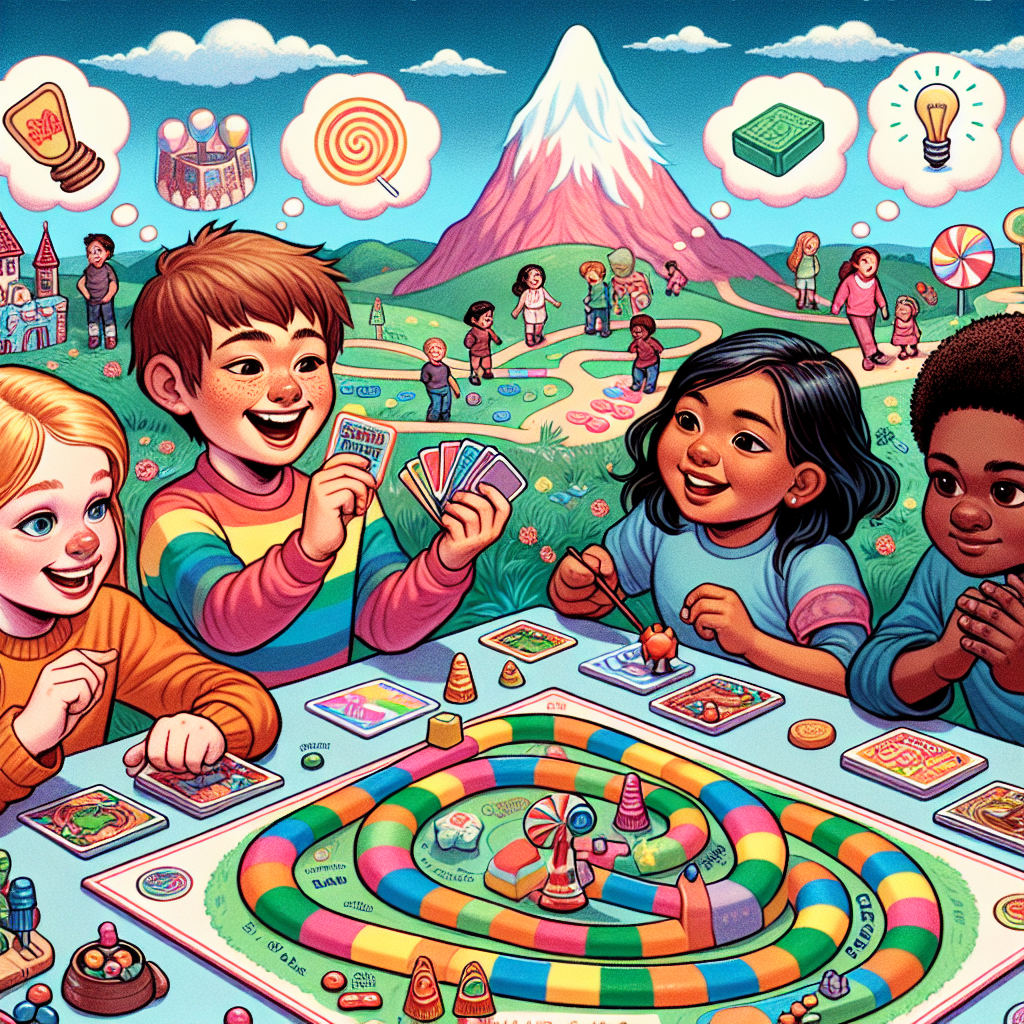
When it comes to the world of leisure and recreation, few pursuits can rival the joy of gathering around a table with family and friends, armed with a selection of entertaining board games. For older adults, these games offer more than just entertainment; they provide an opportunity to spark meaningful conversations, stimulate the mind, and enjoy quality time together. So grab a seat and a snack, and let’s dive into some recommended board games that can light up the evening and bring vintage fun back to the forefront!
First on the list is Ticket to Ride. This game isn’t just about building train routes; it’s about strategy, planning, and a good dose of friendly competition. Players collect cards to claim railway routes across a map, all while keeping an eye on their opponents. It’s simple to learn but offers various paths to victory—ideal for sparking conversations and reminiscing about past travels.
Next, let’s talk about Catan (formerly The Settlers of Catan). This game is perfect for those who thrive on strategy and negotiation. As players gather resources, build settlements, and trade with one another, the level of interaction increases. It’s a great way to foster camaraderie and a little light-hearted scheming. Just be prepared for a few dramatic trade negotiations—after all, nothing says fun like a friendly rivalry!
For those who enjoy a challenge without the complexity, Qwirkle fits the bill nicely. This colorful game involves matching tiles based on shapes and colors, encouraging both creativity and strategic thinking. With no reading required, it’s accessible to everyone, ensuring that everyone can join in and feel part of the action.
Let’s not forget Scrabble—a classic that never goes out of style. This word game is ideal for keeping minds sharp and vocabulary robust. Each turn presents an opportunity to expand one’s lexicon while engaging in a bit of competitive banter. And if you happen to play with a dictionary nearby, the debates over valid words can lead to some hilariously heated exchanges!
Lastly, consider Patchwork for a quieter evening. This charming game revolves around quilting, requiring players to fit together pieces on a board to create the most aesthetically pleasing (and high-scoring) quilt. It’s often seen as a peaceful, yet competitive game that’s perfect for those who appreciate a little artistry and strategy.
So there you have it—a handful of board games that not only entertain but also enhance companionship, cognitive skills, and a healthy dose of laughter! Whether you prefer strategy, language, or simply a good old-fashioned rivalry, there’s a board game out there just waiting to be played, bringing joy to older adults and their loved ones alike.
What Are Some Recommended Board Games For Older Adults?
What Are Some Recommended Board Games For Older Adults?
- Gathering around a table with family and friends for board games offers joy and meaningful connections.
- Board games stimulate the mind and enhance quality time together, especially for older adults.
- Ticket to Ride encourages strategy and planning through competitive railway building.
- Catan promotes negotiation and resource management, fostering camaraderie and friendly rivalries.
- Qwirkle allows for creativity and strategic thinking with tile-matching, accessible for all ages.
- Scrabble keeps minds sharp while expanding vocabulary, accompanied by competitive banter.
- Patchwork provides a peaceful yet strategic quilting experience, appealing to those who enjoy artistry.

What Are Some Recommended Board Games For Older Adults?
How Do Board Games Compare To Other Mental Exercises For Seniors?
When it comes to keeping our minds sharp as we age, the question on many lips is: how do board games stack up against other mental exercises out there? Let’s dive into this world of strategy, luck, and a splash of friendly competition.
Now, you might think board games are just a nostalgic way to pass the time with friends and family. Sure, they can be a source of laughter and fun over a cup of coffee, but they pack a punch when it comes to cognitive engagement. Picture this: as we maneuver our game pieces and strategize our next moves, we’re not just playing; we’re actively exercising our brains, much like lifting weights builds muscle.
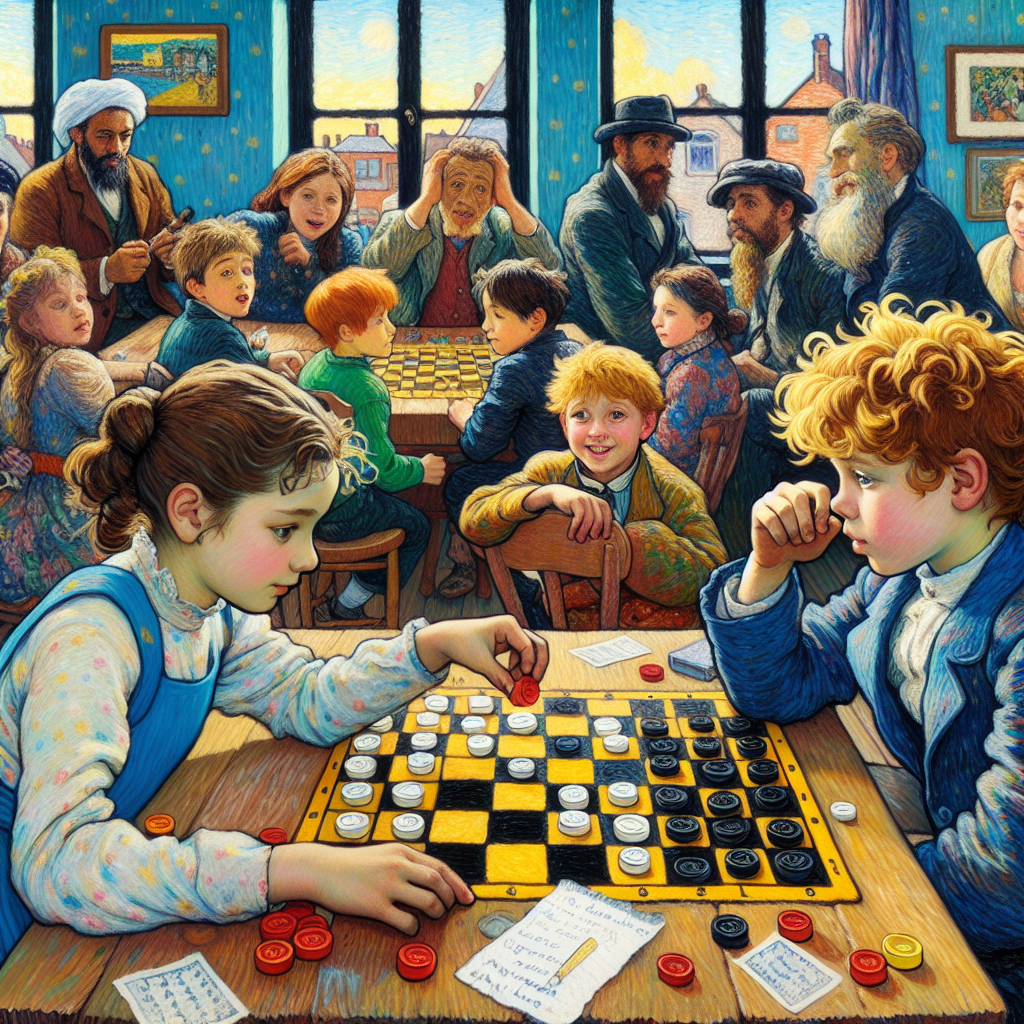
Consider the classic choices, be it chess, Scrabble, or Settlers of Catan. Each game demands attention, critical thinking, and memory. Chess players must forecast several moves ahead, weighing potential consequences, while Scrabble enthusiasts juggle vocabulary and strategy, always on the lookout for that elusive bingo. This mental juggling act can stave off cognitive decline, offering a workout that some may overlook in favor of more solitary activities like reading or doing puzzles.
Speaking of puzzles, let’s not throw them under the bus just yet. They’re another delightful way to keep that gray matter firing on all cylinders. However, they often don’t require the same social interaction that board games do. And that’s where the magic happens. Engaging with others while playing a board game can enhance emotional well-being. The laughter, the banter, the occasional good-natured ribbing—all of this promotes a sense of community. When seniors gather around a table, they’re not just pushing game pieces; they’re strengthening bonds, sharing stories, and boosting their happiness levels, all essential components for a healthy mind and spirit.
Another contender in this arena is technology-based mental exercises, such as brain-training apps. They might be flashy and convenient, but they can lack the personal touch you find in a classic board game. There’s something irreplaceable about the tactile feel of game pieces and the joy of a shared victory or a good-natured defeat that no digital format can replicate.
While various mental exercises have their merits, board games provide a unique blend of cognitive challenge and social engagement. They invite friendly competition, keep the mind active, and nourish relationships—qualities that can genuinely enrich the golden years. So gather your loved ones, set up the board, and embrace the captivating world of board gaming. Your brain will thank you for it!

How Do Board Games Compare To Other Mental Exercises For Seniors?
How Do Board Games Compare To Other Mental Exercises For Seniors?
- Board games are not just nostalgic; they provide significant cognitive engagement.
- Games like chess, Scrabble, and Settlers of Catan require critical thinking, memory, and strategic planning.
- Playing board games can help stave off cognitive decline by keeping the brain active.
- Puzzles are beneficial but lack the social interaction that board games offer.
- Engaging in board games enhances emotional well-being through laughter and community building.
- Technology-based mental exercises may lack the personal connection of classic board games.
- Board games combine cognitive challenges and social interaction, enriching overall mental health and relationships.
How Do Board Games Compare To Other Mental Exercises For Seniors?
What Psychological Benefits Can Seniors Gain From Board Games?
When you think of board games, you might picture families gathered around a table, pieces scattered, laughter echoing through the room. But for seniors, the benefits of engaging in board games stretch far beyond just good times; they delve deep into the cognitive and emotional realms. Let’s talk about some of the psychological perks these games offer that often go unnoticed.
First off, there’s the mental exercise. Engaging in activities like chess, checkers, or even newer, more strategic board games requires players to think critically and plan their moves ahead of time. This mental engagement can help sharpen memory and enhance problem-solving skills. Just like a well-oiled machine, the brain thrives when continually challenged, and board games offer a fantastic way to do just that.
Alongside cognitive benefits, board games provide a significant boost in social interaction. For many seniors, loneliness can creep in, leading to feelings of isolation. By gathering friends or family around a table to play a beloved board game, they create a lively atmosphere that fosters connection. The shared experiences, along with the banter and competition, can lift spirits and instill a sense of belonging. After all, it’s hard to feel alone when you’re in the thick of a game night.
Moreover, there’s an undeniable element of nostalgia tied to board games. Many seniors grew up playing these games, and participating in them can evoke warm memories. This reminiscence can trigger positive emotions and serve as a bridge to the past, fostering a greater sense of identity and continuity. With each roll of the dice or shuffle of the cards, they’re not just playing; they’re reviving cherished moments.
Let’s not forget the stress relief that comes with laughter and lighthearted competition. A good board game can shift focus away from worries and daily stresses, making room for joy and entertainment. Laughter is, after all, a universally recognized mood booster. Engaging in friendly rivalry can evoke cathartic releases, dissolving tension and fostering overall well-being.
In summary, the humble board game offers a treasure trove of psychological benefits for seniors. From mental acuity and social engagement to stress relief and nostalgia, these games provide a well-rounded approach to enhancing the mental and emotional lives of our older generations. So, the next time you roll out a game, remember: it’s not just about the points; it’s about the mental, emotional, and social health of those who play.

What Psychological Benefits Can Seniors Gain From Board Games?
What Psychological Benefits Can Seniors Gain From Board Games?
- Board games offer cognitive and emotional benefits for seniors beyond simple entertainment.
- Engaging in strategic games like chess and checkers enhances critical thinking, memory, and problem-solving skills.
- Board games encourage social interaction, helping to combat feelings of loneliness and isolation among seniors.
- Playing familiar games evokes nostalgia, triggering positive emotions and reinforcing a sense of identity.
- Laughter and lighthearted competition in board games contribute to stress relief and overall well-being.
- These games foster connections through shared experiences and banter, enhancing social bonds.
- In essence, board games promote mental, emotional, and social health for older adults.

What Psychological Benefits Can Seniors Gain From Board Games?
Conclusion
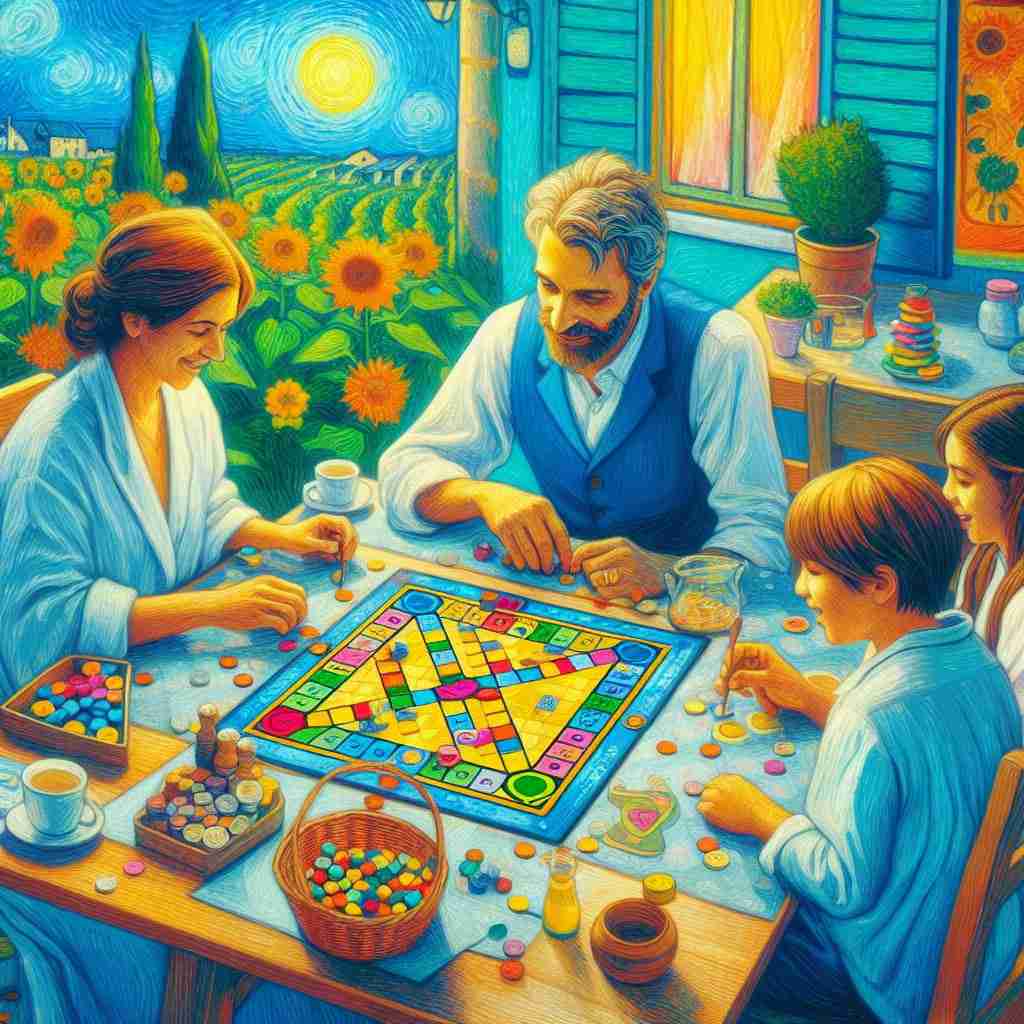
Alright folks, let’s pull this together and shine a light on the undeniable magic that board games can bring to our senior friends. In a world that sometimes feels dominated by screens and solitude, gathering around a table with a few board games offers a refreshing break—one that ingeniously combines mental workout with heartfelt connection, just like a well-crafted toolbox that every senior ought to have within arm’s reach.
First, let’s talk about exercise—no, not the kind that requires a gym membership or sweating bullets. I’m referring to the mental gymnastics that board games provide. Every roll of the dice, every card drawn, every strategic move on that game board flexes the brain’s muscles, sharpening critical thinking and problem-solving skills. Games like chess and Scrabble not only keep those gears turning but also promote neural connections that can stave off cognitive decline. It’s like personal training for the mind, and let’s be honest, who doesn’t want to keep their mental faculties intact as they age?
But wait, there’s more! Board games deliver a double whammy with their social benefits. Loneliness can be a sneaky foe for many seniors, but a table filled with laughter and competition stands as a formidable fortress. Engaging in friendly rivalry or collaborating on a game fosters a sense of community, encouraging seniors to reminisce, share experiences, and nurture relationships. The joy of interaction often breeds emotional well-being, reminding us all that aging doesn’t have to mean isolating.
And let’s not forget the sheer delight of it all—playing a game can evoke nostalgia, recalling simpler times where the biggest stakes were whether you could outsmart your buddy at Monopoly or outwit your family at Scrabble. This connection to the past isn’t just a trip down memory lane; it can also enhance one’s identity and sense of continuity in life.
So, why not take the plunge? Dust off those old board games, gather the family, or find a community group that shares your love for a little tabletop fun. Engage in a game or two, trade in some screen time for some good old-fashioned silliness and strategy, and bask in the camaraderie. Keeping that mind sharp while having a blast? That’s a win-win combination right there. Dive into the world of board games—your brain, heart, and even your friends will thank you!
Conclusion
Conclusion:
- Board games provide a refreshing break from screen time and promote mental workouts and social connections for seniors.
- Playing board games exercises the brain, sharpening critical thinking and problem-solving skills.
- Games like chess and Scrabble help maintain cognitive health by promoting neural connections.
- Board games combat loneliness by fostering community, enabling reminiscence, and nurturing relationships.
- Engaging in games evokes nostalgia and strengthens a sense of identity and continuity in life.
- Seniors are encouraged to gather family or community groups for board games to enhance social interaction.
- Participating in board games offers a joyful way to combine mental sharpness with fun and camaraderie.
Conclusion
Other Resources
Other Resources
Here is a list of other resources you can review online to learn more:
- Repos Production
- Cards Against Humanity
- Hanabi
- Google My Business
- Puerto Rico (with two expansions)
- Keyflower: The Farmers Expansion
- Wizards of the Coast
- Gaming Rules!
Use This Prompt To Get More Resources With Your Favorite Online AI Tool: Please provide me with a list of online articles with their URLs in a bulleted list that I can read regarding Can Board Games Help Seniors Stay Mentally Sharp?
Other Resources
Glossary Terms
Can Board Games Help Seniors Stay Mentally Sharp? – Glossary Of Terms
1. Cognition: The mental processes involved in gaining knowledge and comprehension, such as thinking, knowing, memory, and judgment.
2. Neuroplasticity: The brain’s ability to reorganize itself by forming new neural connections throughout life, which can contribute to learning and memory.
3. Executive Function: A set of cognitive processes that include working memory, flexible thinking, and self-control, essential for planning and decision-making.
4. Cognitive Decline: The gradual loss of cognitive functions, including memory and reasoning skills, often associated with aging.
5. Social Interaction: Engagement and communication with others, which can enhance mental stimulation and overall well-being in seniors.
6. Problem Solving: The process of finding solutions to difficult or complex issues, which can be exercised through strategic board games.
7. Memory Enhancement: Activities or exercises aimed at improving memory performance, which can include playing games that require recall.
8. Strategy Games: Board games that require players to plan and make calculated decisions to achieve specific objectives, enhancing critical thinking skills.
9. Cognitive Stimulation: Activities that engage the brain in challenging ways, promoting mental acuity and potentially slowing cognitive decline.
10. Multiplayer Interaction: The dynamic involving multiple players in a game, fostering communication, cooperation, and competitiveness.
11. Hand-eye Coordination: The ability to coordinate visual input with hand movement, which can be improved through interactive board games.
12. Rule Comprehension: Understanding the rules and objectives of a game, which requires cognitive processing and memory retention.
13. Mental Agility: The ability to think quickly and make decisions efficiently, often enhanced through regular gameplay.
14. Turn-Based Play: A game format where players take turns to make moves, promoting patience and strategic thinking.
15. Engagement: The level of interest or involvement in an activity, essential for maintaining mental focus during gameplay.
16. Focus: The ability to concentrate on a task or activity, which can be cultivated through challenging games that require attention.
17. Fine Motor Skills: The small muscle movements in the hands and fingers, which can be exercised by manipulating game pieces.
18. Visual-Spatial Skills: The capabilities involving understanding and reasoning about spatial relationships, which board games often require.
19. Emotional Well-being: The overall mental health state characterized by feelings of happiness, fulfillment, and social connection.
20. Team Strategy: Collaborative planning and tactics among players, which can enhance social bonds and cooperative problem solving.
21. Impulse Control: The ability to resist temptation or urges, which can be improved through taking turns and strategic planning in games.
22. Lucidity: The quality of being easily understood or clear, often associated with mental clarity that can result from mental exercises.
23. Game Design: The process of creating the structure, rules, and components of a game, which can impact cognitive and social experiences.
24. Lifelong Learning: The ongoing, voluntary, and self-motivated pursuit of knowledge, which can be fostered through playing new games.
25. Dementia: A general term for a decline in mental ability severe enough to interfere with daily life, where engaging in games might provide benefits.
26. Community Building: Developing supportive relationships and connections within a group, often enhanced through shared gaming experiences.
27. Stress Relief: The reduction of tension and anxiety, which can result from engaging in enjoyable and social board game activities.
28. Creative Thinking: The ability to think in new and imaginative ways, often stimulated by strategic gameplay that requires innovative solutions.
29. Game Theory: The study of mathematical models of conflict and cooperation between intelligent rational decision-makers, applicable in complex board games.
30. Recreational Activities: Enjoyable, leisure-oriented pursuits that can provide mental, emotional, and social benefits, including playing board games.

Glossary Of Terms
Other Questions
Can Board Games Help Seniors Stay Mentally Sharp? – Other Questions
If you wish to explore and discover more, consider looking for answers to these questions:
- What specific cognitive skills do board games improve in seniors?
- Are there particular board games that have been scientifically proven to be beneficial for seniors?
- How can caregivers encourage seniors to play board games?
- What are the potential challenges seniors might face when playing board games?
- How can board games be adapted for seniors with physical limitations?
- What role does nostalgia play in a senior’s enjoyment of board games?
- Are there community programs that facilitate board game nights for seniors?
- What age group truly benefits the most from playing board games?
- How do personal preferences in types of games affect their benefits for seniors?
- Can playing board games help reduce anxiety and depression in seniors?
- What strategies can seniors use to remember game rules and design strategies?
- Are there online platforms for seniors to play board games virtually?
Other Questions
Haiku
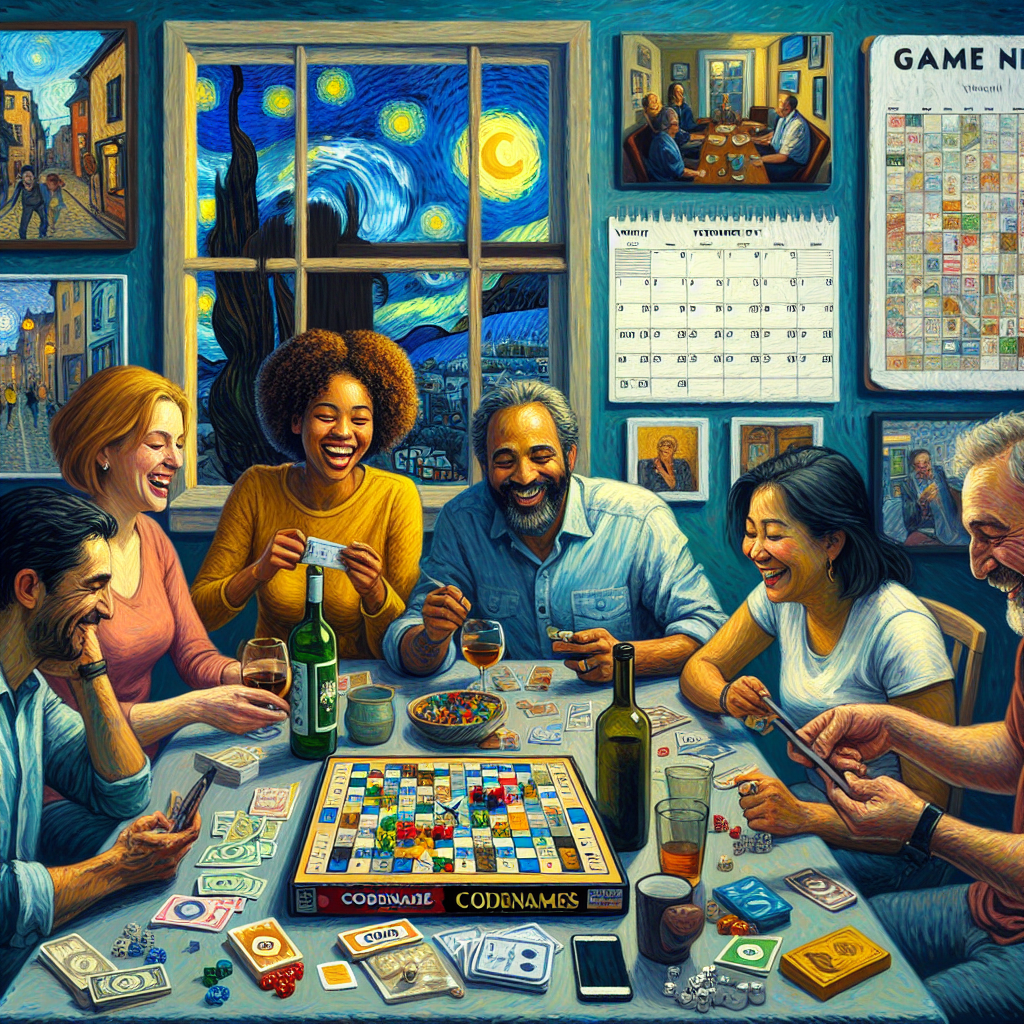
Can Board Games Help Seniors Stay Mentally Sharp? – A Haiku
Gathered ’round the board,
Laughter sparks the mind’s bright fire—
Games keep hearts and thoughts.
Haiku
Poem
Can Board Games Help Seniors Stay Mentally Sharp? – A Poem
Gather ’round the table bright,
Where laughter dances, hearts take flight,
With dice that rattle, cards that shuffle,
In each roll, life’s joys we shuffle.
For seniors wise, with stories deep,
Board games awaken thoughts from sleep.
A chessboard’s move, a Scrabble word,
In every play, new memories stirred.
These games, they’re not just passing time,
They flex the mind, they spark, they rhyme.
Strategize and think ahead,
As friends unite, no one feels dread.
Loneliness fades with each shared turn,
In laughter’s glow, their spirits burn.
A touch of nostalgia, warming the heart,
Every game played is a fresh start.
Memory blooms as rules are recalled,
In friendly combat, no one feels small.
Connections forged with every play,
In the timeless dance of joy’s ballet.
So dust off those boxes, let’s make it a night,
Gather friends, let’s play till the light.
With every chance we take the stage,
Board games—a key to wisdom’s age.
In joy’s embrace, we find our way,
A vibrant life, come what may.
Let’s roll the dice, let our laughter ring,
For in this game of life, we all are king.
Poem
Checklist
Can Board Games Help Seniors Stay Mentally Sharp? – A Checklist
1. Types of Board Games to Consider:
_____ Strategy Games:
_____ Play titles like *Settlers of Catan* or *Risk* to enhance critical thinking.
_____ Word Games:
_____ Try *Scrabble* or *Boggle* for vocabulary and mental agility.
_____ Puzzle Games:
_____ Engage with games like *Catan: Puzzle Edition* or *Exit: The Game* for analytical skills.
_____ Cooperative Games:
_____ Enjoy *Pandemic* or *Forbidden Island* to build teamwork and social engagement.
2. Frequency of Play:
_____ Aim to play board games at least once a week for optimal cognitive benefits.
_____ Consider monthly game nights to maintain variety and excitement.
3. Benefits of Playing Board Games:
_____ Cognitive Engagement: Enhances memory, critical thinking, and problem-solving skills.
_____ Social Interaction: Helps combat loneliness, elevates mood, and fosters connections.
_____ Access to Variety: Choose games that cater to various interests and skill levels.
4. Recommended Board Games for Seniors:
_____ *Ticket to Ride* _____ Strategic and easy to learn.
_____ *Catan* _____ Encourages trading and negotiation.
_____ *Qwirkle* _____ Accessible and creative matching game.
_____ *Scrabble* _____ Classic word-building for language skills.
_____ *Patchwork* _____ A peaceful game centered around quilting.
5. Promoting Memory and Cognitive Skills:
_____ Focus on games that require remembering rules and strategies.
_____ Utilize games that involve keeping track of opponent moves and previous rounds.
6. Engaging Socially and Emotionally:
_____ Invite friends or family to join for a friendly atmosphere.
_____ Share stories or reminisce during gameplay for emotional connection.
_____ Laugh and enjoy the lighthearted banter to relieve stress.
7. Adapting Board Games to Needs:
_____ Choose games with simple rules for easier understanding.
_____ Select games that can accommodate physical limitations (e. g. , larger pieces, less complex setups).
8. Experimenting with New Games:
_____ Don’t hesitate to explore new games that pique interest.
_____ Rotate between different game types to keep the experience fresh.
9. Tracking Progress:
_____ Keep note of improvements in cognitive skills or social connections over time.
_____ Reflect on experiences of joy and connection after each game night.
10. Enjoyment is Key:
_____ Remember that the main goal is to have fun.
_____ Focus on the enjoyment of gameplay rather than competition.
Feel free to customize this checklist as needed. Happy gaming!
Checklist
At BestBoardGameNews, we help people who love board games by collating information and news about board games.
Be sure to read our other related stories at BestBoardGameNews to learn more about board games.