Boosting Social Connection Through Board Games.
By Tom Seest
At BestBoardGameNews, we help people who love board games by collating information and news about board games.
Be sure to read our other related stories at BestBoardGameNews to learn more about board games.
Can Board Games Really Fight Loneliness In The Elderly?
In a world increasingly defined by screens and social media interactions, one simple pastime has risen from the shadows to tackle a growing concern: loneliness among the elderly. The good old board game, often relegated to the dusty corners of closets, has proven to be more than just a source of entertainment; it’s a lifeline, helping to create connections that are desperately needed in today’s society.
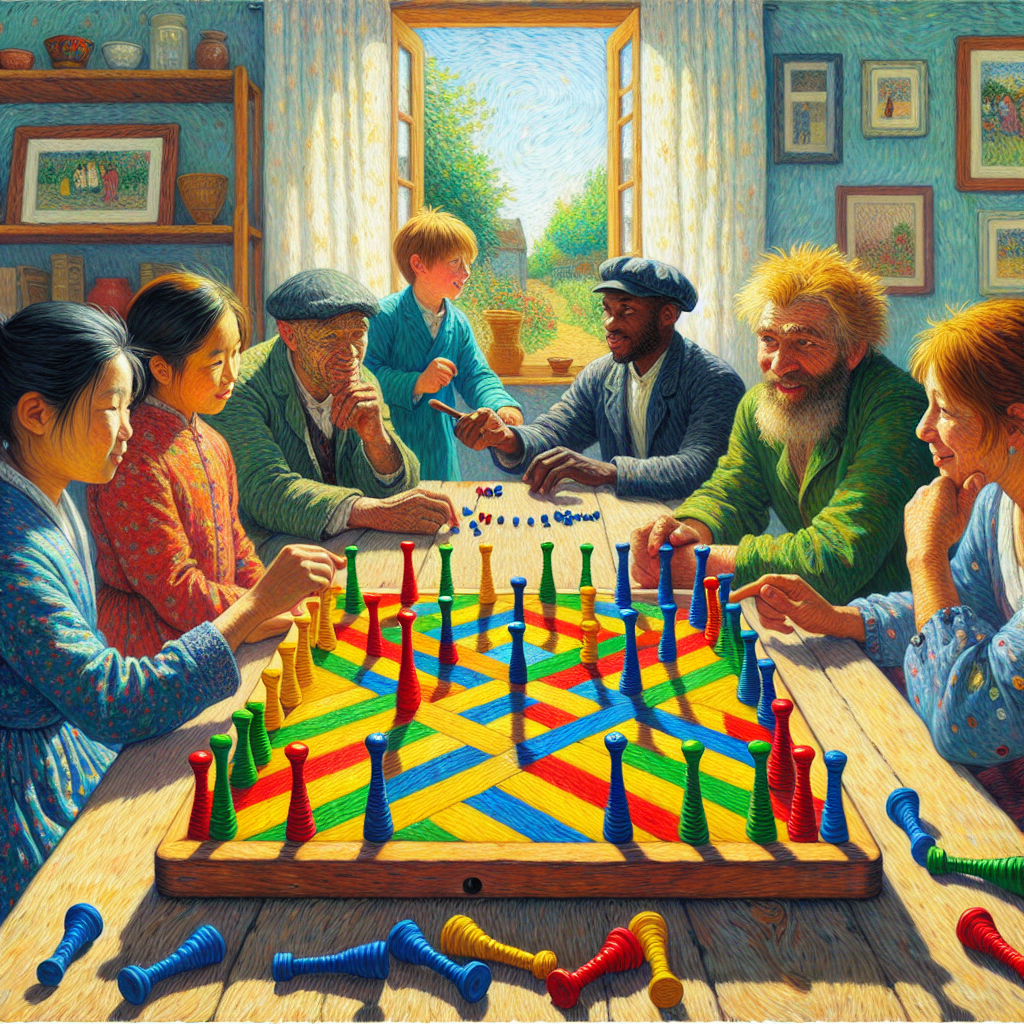
Consider this: a retired couple sitting across from each other, the familiar click of dice rolling across the table, rather than the silence that often fills the room. They’re engaged in a game of Scrabble or perhaps a spirited round of Monopoly. It’s easy to overlook the significance of these moments. Board games do not merely provide fun; they foster socialization and interaction, which can be monumental for mental well-being. Loneliness, defined not just by being alone but by a lack of meaningful interactions, can lead to significant health decline. Research has shown that the simple act of playing a board game can combat this isolation, stimulating both the mind and the spirit.
Engagement is critical. A board game demands focus, requires communication, and invites laughter. Each turn taken can spark a conversation, a story shared from days gone by. “Remember when we used to play this every Sunday?” Those words can open doors to nostalgia, letting memories flood in. In this way, board games serve as a bridge to the past, creating a tapestry of shared experiences that breathe life into otherwise quiet days.
Moreover, the act of playing can be particularly beneficial for seniors facing cognitive decline. Board games often require strategic thinking, problem-solving, and even a bit of healthy competition—all vital skills that can sharpen the mind. It turns out that the benefits stretch beyond mere entertainment; they offer mental exercises that can bolster cognitive function. It’s a win-win: fun and fitness for the mind.
In community centers, nursing homes, and even in homes where friends gather, the board game exists as a tool for connection. It’s an antidote to isolation, a piece of cardboard that transforms a solitary existence into one filled with joy, laughter, and camaraderie. So the next time you see an elderly neighbor or loved one, consider dusting off that board game. You might just change their world—or yours—in the process.
Can Board Games Really Fight Loneliness In The Elderly?
Can Board Games Really Fight Loneliness In The Elderly?
- Board games are emerging as a solution to loneliness among the elderly.
- They provide not only entertainment but also foster socialization and interaction.
- Meaningful interactions through games can significantly improve mental well-being.
- The act of playing can spark conversations and memories, enhancing emotional connections.
- Board games are beneficial for seniors facing cognitive decline, promoting strategic thinking and problem-solving.
- They serve as tools for connection in community centers, nursing homes, and among friends.
- Playing board games can transform isolation into joy, laughter, and camaraderie.
Can Board Games Really Fight Loneliness In The Elderly?
Table Of Contents
- Can Board Games Really Fight Loneliness In The Elderly?
- Can Board Games Improve Social Interactions In The Elderly?
- What Types Of Board Games Are Best For Seniors?
- How Do Board Games Promote Mental Stimulation Among Seniors?
- Can Playing Board Games Reduce Feelings Of Isolation In The Elderly?
- What Are The Benefits Of Group Play In Board Games For Seniors?
- How Can Caregivers Facilitate Board Game Sessions For The Elderly?
- Are There Specific Board Games Designed For Individuals With Dementia?
- Conclusion
- Other Resources
- Glossary Of Terms
- Other Questions
- Haiku
- Poem
- Checklist
Can Board Games Improve Social Interactions In The Elderly?
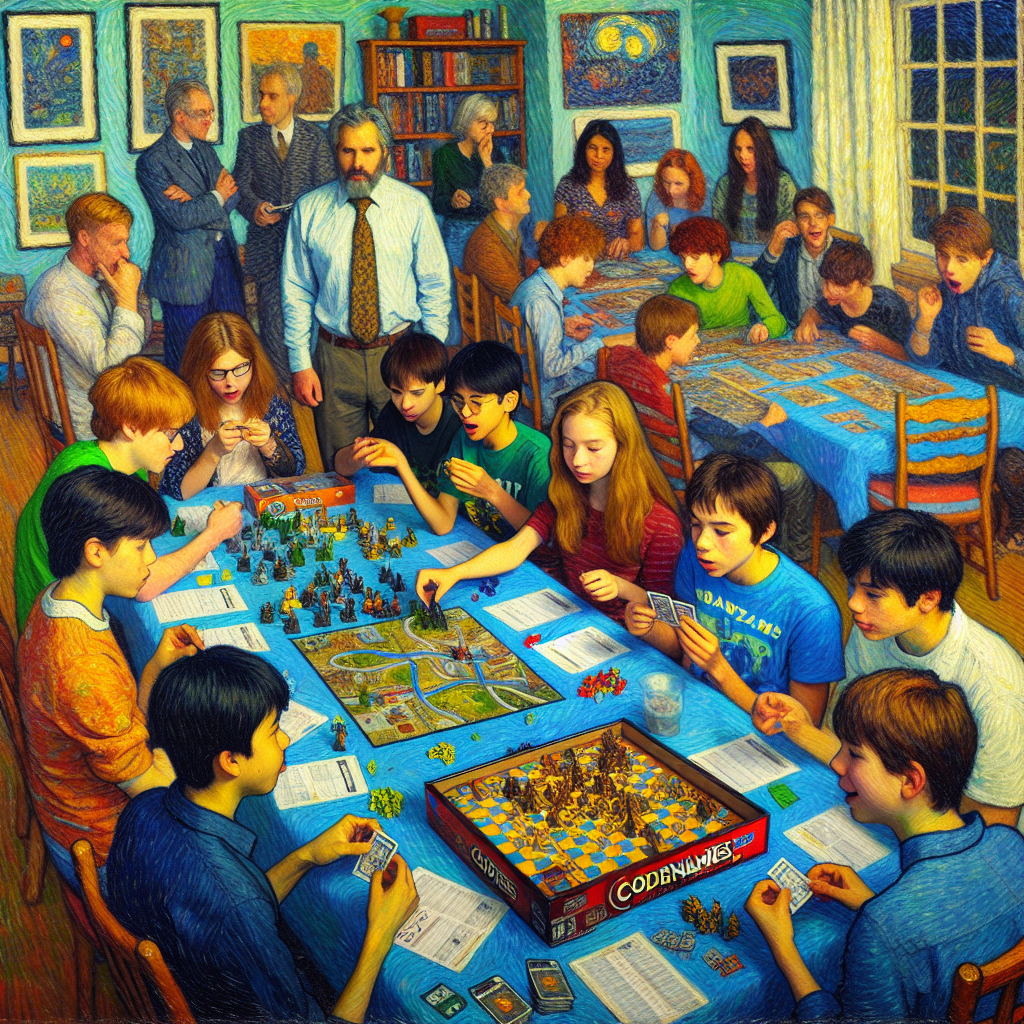
In an age where technology often separates us more than it connects us, board games stand as a timeless bridge across generations. Picture a group of seniors gathered around a table, the air buzzing with laughter and conversation, as colorful game pieces dance across a familiar cardboard landscape. It’s a sight that doesn’t just warm the heart but also invigorates the mind and spirit. So, let’s dive into why board games might just be the unsung heroes of social interaction for the elderly.
First off, board games provide a structured opportunity for interaction. Many elderly individuals grapple with social isolation, whether due to physical limitations, loss of loved ones, or simply a diminishing social circle. A lively game of Scrabble or a strategic round of Chess can encourage meaningful conversation and foster a sense of belonging. These games invite players to share stories, reminisce about their youth, and engage in friendly banter—elements that are pivotal for social bonding.
Furthermore, the cognitive benefits of board games should not be overlooked. Engaging the mind with these strategic puzzles can help improve memory, critical thinking, and problem-solving skills. This mental workout can enhance confidence in social situations. The very act of making a move or taking a turn can empower seniors, reinforcing their sense of agency in a world that sometimes feels like it’s slipping away.
Then there’s the unique way board games can break the ice. For those who may struggle with direct conversation, the game itself serves as a natural topic of dialogue, allowing players to interact without the pressure that often accompanies more personal discussions. “Did you see that move?” or “You nearly had me there!” are low-stakes starters that keep the conversation flowing, easing the tension and inviting deeper connections.
Importantly, games cultivate a spirit of teamwork and cooperation. Collaborating on a team game fosters a sense of community; whether it’s putting together a strategy in Settlers of Catan or carving out a victory in Uno, the group experience can solidify friendships. These moments not only combat loneliness but also remind older adults of the joys of camaraderie and collective achievement.
Board games are much more than simple pastimes; they are potent tools for enhancing social interactions among the elderly. They hold the power to connect hearts and minds, one strategic move at a time. So, dust off that old game closet; it might just be the key to rekindling social joy among our treasured seniors.
Can Board Games Improve Social Interactions In The Elderly?
Can Board Games Improve Social Interactions In The Elderly?
- Board games serve as a timeless bridge for social interaction across generations.
- They provide structured opportunities for interaction, helping reduce feelings of social isolation among the elderly.
- Engagement with board games can enhance cognitive skills, including memory and problem-solving.
- Games serve as natural conversation starters, allowing players to interact without pressure.
- Board games promote teamwork and collaboration, fostering a sense of community and friendship.
- They combat loneliness and remind older adults of the joys of camaraderie and collective achievement.
- Overall, board games enhance social interactions, connecting hearts and minds among seniors.
Can Board Games Improve Social Interactions In The Elderly?
What Types Of Board Games Are Best For Seniors?
When it comes to selecting board games for seniors, the choices available are as diverse as the individuals who play them. Board games offer more than just entertainment; they provide social interaction, cognitive stimulation, and sometimes, a little bit of friendly competition. But let’s consider what types resonate best with the golden generation.
First, we have classic board games that stand the test of time. Think of Monopoly or Scrabble. These games not only tap into nostalgia but also challenge mental acuity. Scrabble, for example, engages the mind in a way that can enhance vocabulary and improve memory—a bit of a brain workout, if you will. They’re straightforward enough to grasp quickly but can still provide hours of fun.
Next up are cooperative board games. Titles like Pandemic or Forbidden Island encourage players to work together to achieve a common goal. This teamwork aspect can foster camaraderie, making them ideal for senior groups or family gatherings. It’s not about beating each other but joining forces against a common challenge, which can be gratifying and promote social bonds.
Let’s not forget about light strategy games. These balance accessibility with engaging gameplay. Games like Ticket to Ride or Carcassonne offer enough complexity to stimulate the mind without overwhelming players. They promote strategic thinking and planning, allowing seniors to engage without feeling bogged down. The beauty of such board games is that they can be played casually or with a bit more seriousness, depending on the players’ mood.
Puzzle-type board games also deserve a mention. Games like Qwirkle or Azul involve tile-placement mechanics that can be both relaxing and mentally engaging. These are often easy to learn, and the tactile manipulation of pieces can keep the game engaging for those who may enjoy a sensory experience.
Finally, it’s worth considering thematic games that resonate on a deeper level. Whether they’re based on historical events, beloved movies, or fantasy adventures, these games can rekindle old passions or spark new interests, providing a rich context for conversations and memories.
In summary, the best board games for seniors are those that promote social engagement, stimulate the mind, and are easy to grasp. By tapping into nostalgia and fostering collaboration, these games can light up a room, create lasting bonds, and even contribute to better mental health. So gather around the table, shuffle the cards, and dive into a world of fun—after all, a good game awaits!
What Types Of Board Games Are Best For Seniors?
What Types Of Board Games Are Best For Seniors?
- Board games for seniors provide social interaction, cognitive stimulation, and friendly competition.
- Classic games like Monopoly and Scrabble offer nostalgia and mental challenges, enhancing vocabulary and memory.
- Cooperative games such as Pandemic and Forbidden Island foster teamwork and camaraderie among players.
- Light strategy games like Ticket to Ride and Carcassonne balance accessibility with engaging gameplay.
- Puzzle-type games, such as Qwirkle and Azul, offer relaxing yet mentally engaging tile-placement mechanics.
- Thematic games that feature historical events or beloved stories can spark conversations and rekindle old interests.
- The best board games for seniors promote social engagement, mental stimulation, and are easy to learn, contributing to overall well-being.
What Types Of Board Games Are Best For Seniors?
How Do Board Games Promote Mental Stimulation Among Seniors?
Title:
When it comes to keeping the mind sharp and agile, nothing quite does the trick like the humble board game. Imagine a lively gathering where laughter mingles with strategy, and maybe just a hint of friendly competition. At the heart of this vibrant scene lies a remarkable tool for mental stimulation: the board game. It’s no secret that engaging in activities that require thought and focus can be tremendously beneficial, especially for seniors navigating the golden years of life.
Board games, in their many forms, offer players a chance to explore complex strategies while navigating the winding paths of chance. Whether it’s strategy-oriented games like chess or luck-based ones like dice games, each game becomes a canvas for creativity and critical thinking. For seniors, these games not only promote cognitive engagement but also encourage social interaction, which is crucial for both mental health and emotional well-being.
When seniors sit down for a board game session, they’re not merely passing time. They’re exercising their brains. Each turn presents an opportunity to plan, anticipate, and react. Such mental exercises can enhance memory retention and improve problem-solving skills. The dual nature of competition and camaraderie prompts players to think on their feet, processing information and making decisions quickly—skills that can easily wane without regular practice.
Moreover, board games cultivate a sense of community. Picture a group of friends sharing stories and laughter while working through a Ludo board. This social aspect adds another layer of mental stimulation, as interactions can spark new ideas and perspectives. The act of socializing itself is a powerful cognitive enhancer, reducing feelings of isolation and boosting mood. Studies have shown that participating in group activities can stave off cognitive decline in seniors, and board games have the unique ability to blend mental exercise with social connection seamlessly.
Additionally, many board games are designed to challenge players at various levels, ensuring that everyone—regardless of their mental acuity—can participate and contribute. This inclusivity not only fosters a supportive environment but also instills a sense of achievement and purpose. Each game becomes a battle of wits, a chance to learn something new, and a way to forge deeper connections with others.
At the end of the day, board games are much more than just entertainment. They’re a bridge to maintaining mental acuity and social bonds, proving that fun and function can go hand in hand. So grab a board, gather some friends, and get to strategizing—it’s time to flex those mental muscles!
How Do Board Games Promote Mental Stimulation Among Seniors?
How Do Board Games Promote Mental Stimulation Among Seniors?
- Board games serve as a valuable tool for mental stimulation, particularly beneficial for seniors.
- They promote cognitive engagement and social interaction, which is vital for mental health and emotional well-being.
- Playing board games helps enhance memory retention, problem-solving skills, and quick decision-making.
- The social aspect of board games encourages community building and reduces feelings of isolation.
- Engaging in group activities, like board games, has been shown to combat cognitive decline in seniors.
- Many board games cater to various skill levels, fostering an inclusive and supportive environment.
- Board games combine fun with cognitive exercise, promoting both mental acuity and social connections.
How Do Board Games Promote Mental Stimulation Among Seniors?
Can Playing Board Games Reduce Feelings Of Isolation In The Elderly?
In a world that seems to move faster every day, where digital connections often overshadow face-to-face interactions, the simple act of gathering around a table with a board game could be a lifeline for the elderly. Picture this: a group of seniors, laughter filling the room as they shuffle cards, roll dice, and engage in good-natured competition. It’s not just about the game; it’s about the connections that unfold over that shared experience.
Research has consistently shown that social interaction plays a crucial role in mental health, especially for our aging population. Isolation can be a lurking shadow in the lives of seniors, often exacerbated by mobility issues or the loss of loved ones. A board game can serve as a bridge, inviting participants to interact, reminisce, and laugh together. Whether it’s a classic like Monopoly or a strategic challenge like Settlers of Catan, each game they play offers an opportunity for engagement and connection.
The beauty of board games lies in their accessibility. They provide a structured way to engage that doesn’t rely on the rapid pace or complexity of modern technology. The tactile nature of moving pieces or drawing cards can evoke nostalgia, bringing back memories of family gatherings and simpler times. This familiarity can spark conversations that lead to bonding, preventing feelings of loneliness that often cloud the lives of the elderly.
Moreover, playing a board game encourages cognitive engagement. Each roll of the dice or carefully considered move can challenge the mind, keeping it sharp and alert. The strategy involved in many games requires players to think critically, which can help stave off cognitive decline—an important factor in reducing feelings of helplessness or disconnection.
For caregivers and family members, facilitating board game nights can be a powerful tool. Dedicating a few hours each week to gather around the table can do wonders for emotional well-being. It’s a beautiful reminder that life doesn’t need to be lived in isolation; it can, and should, be celebrated in company.
It’s about more than just winning or losing; it’s about shared moments, laughter, and the sense that one is part of a community. So, the next time you find yourself pondering how to uplift a loved one, consider dusting off that old board game. You might just find it’s the key to unlocking joy and connection, one roll at a time.
Can Playing Board Games Reduce Feelings Of Isolation In The Elderly?
Can Playing Board Games Reduce Feelings Of Isolation In The Elderly?
- Gathering around a table for board games can be a lifeline for the elderly, fostering social interaction and connection.
- Social interaction is essential for mental health, particularly for seniors experiencing isolation due to mobility issues or loss of loved ones.
- Board games, like Monopoly or Settlers of Catan, provide opportunities for engagement, reminiscence, and laughter.
- The accessibility of board games allows for structured interaction without the complexity of modern technology.
- Playing board games can encourage cognitive engagement and help stave off cognitive decline, enhancing mental sharpness.
- Family members and caregivers can enhance emotional well-being by dedicating time to board game nights.
- Board games foster shared moments and community, emphasizing connection over competition.

Can Playing Board Games Reduce Feelings Of Isolation In The Elderly?
What Are The Benefits Of Group Play In Board Games For Seniors?
When it comes to keeping our minds and bodies spry in our golden years, few activities pack as much punch as gathering around a table for some good old-fashioned board games. Now, before you roll your eyes and think of dusty boxes and mindless games of Monopoly, let’s dive into the robust benefits that group play offers seniors.
First and foremost, board games provide a chance for social interaction. Loneliness can be a lurking shadow for many older folks, but bringing together family and friends for a game night can help banish that feeling. The laughter, lighthearted banter, and moments of camaraderie that come with playing board games create connections that are more vital than ever. These interactions combat social isolation, giving a lifeline of support and rapport.
Cognitive function, now there’s a buzzword! Engaging in board games is a fantastic way to give our brains a workout. Games require strategy, memory, and problem-solving skills. While it can be easy to dismiss the activity as just fun, the truth is that engaging in complex thinking and remembering game rules stimulates mental processes. Senior players often find themselves sharpening their cognitive functions while enjoying a great time with others.
Don’t forget the simple pleasures of traditional board games! They can improve hand-eye coordination and fine motor skills as players shuffle cards, move pieces, and roll dice. These repetitive actions, paired with enjoyment, contribute positively to maintaining dexterity.
And here’s where it gets really interesting: life lessons. Many board games offer scenarios of competition and teamwork, teaching players about winning and losing with grace. This valuable experience translates to living life more fully, showing that every roll of the dice or play of the card comes with its own set of consequences—a fantastic metaphor for the ups and downs we encounter in life.
Let’s also talk about the tactile joy of physical interaction with game pieces. In a digital age dominated by screens, the simple act of sitting down with a board game can help seniors engage their senses in a wholesome way. The sound of the dice, the feel of the cards, and the collective excitement around the table are elements that create an atmosphere of warmth and joy.
So, the next time you think about a quiet evening in, consider the vibrant world of group play in board games. It’s not just about the games themselves; it’s about fostering community, challenging the mind, and reveling in the beauty of togetherness. Now that’s what living life is all about!
What Are The Benefits Of Group Play In Board Games For Seniors?
What Are The Benefits Of Group Play In Board Games For Seniors?
- Board games offer significant social interaction, combating loneliness among seniors.
- Games create camaraderie through laughter and lighthearted banter.
- Engaging in board games stimulates cognitive function, enhancing memory and problem-solving skills.
- Playing traditional board games helps improve hand-eye coordination and fine motor skills.
- Board games teach valuable life lessons about competition and teamwork.
- The tactile experience of handling game pieces engages seniors’ senses in a meaningful way.
- Group play fosters community, challenges the mind, and promotes togetherness.
What Are The Benefits Of Group Play In Board Games For Seniors?
How Can Caregivers Facilitate Board Game Sessions For The Elderly?
When it comes to engaging the elderly in meaningful activities, board games offer more than just a way to pass the time—they’re a gateway to connection, cognitive exercise, and a whole lot of fun. However, facilitating these sessions can be an artful endeavor requiring a bit of preparation, understanding, and a hearty dose of patience. So, let’s roll the dice, shall we?
First and foremost, it’s essential to choose the right board game. Not all games are created equal, and some may be too complex for seniors to grasp or too lengthy to hold their attention. Selecting games that are simple yet stimulating can make all the difference. Look for titles that promote social interaction and laughter, like Scrabble or Uno—games where the rules are straightforward and the moments shared can spark joy. Keep in mind the preferences and abilities of the participants; it’s their game night, after all.
Next, create a comfortable environment. Set up the playing area with good lighting, accessible seating, and minimal distractions. Remove clutter and noise that can be overwhelming. Make sure everyone can see the board clearly and that they can reach the pieces without straining. A good setup can turn an okay game night into a fantastic one.
As the facilitator, you’ll play a pivotal role in keeping spirits high. Be enthusiastic and encouraging, but also attuned to the mood of the group. Some players may need assistance with rules or remembering turns—be ready to offer gentle reminders without disrupting the flow of the game.
It’s also important to encourage social interaction during the session. Board games naturally foster conversation, so make an effort to keep the chatter light and inclusive. Share stories from your own life that relate to the game’s theme, ask open-ended questions, and encourage players to reminisce about their past experiences. This not only stimulates cognitive function but also deepens the bonds between everyone at the table.
Lastly, consider the pace of the game. Be flexible and willing to adapt as necessary. If a player is struggling, slow it down a bit. Emphasize enjoyment rather than competition. The primary goal is for everyone to have fun, so celebrate the little victories, laugh at the missteps, and cherish the time spent together.
In short, facilitating board game sessions for the elderly isn’t just about the game itself; it’s about creating an experience filled with connection, laughter, and memory-making. So dust off those boxes and get ready to shatter the stereotype that games are just for kids. Together, you’re not just playing a board game; you’re weaving a tapestry of joyful moments.
How Can Caregivers Facilitate Board Game Sessions For The Elderly?
How Can Caregivers Facilitate Board Game Sessions For The Elderly?
- Board games provide connection, cognitive exercise, and enjoyment for the elderly.
- Select simple yet stimulating games like Scrabble or Uno to promote social interaction.
- Create a comfortable playing environment with good lighting and accessible seating.
- As a facilitator, maintain enthusiasm while being attuned to the group’s mood.
- Encourage light conversation and sharing of personal stories to deepen connections.
- Be flexible with the game’s pace to ensure everyone is comfortable and enjoying themselves.
- Facilitating board games is about fostering memorable experiences and joyful moments.
How Can Caregivers Facilitate Board Game Sessions For The Elderly?
Are There Specific Board Games Designed For Individuals With Dementia?
When it comes to engaging individuals with dementia, finding the right board game can be like searching for a needle in a haystack. While some may think traditional games are the go-to, these can often leave players feeling frustrated or overwhelmed. Fortunately, the world of board games has stepped up, producing options specifically designed to enhance cognitive function and provide joy for those navigating the complexities of dementia.
Imagine a board game that not only entertains but also sparks memories. The best games in this category focus on simple mechanics, colorful visuals, and familiar themes. They’re often tailored to the individual’s life experiences and preferences, tapping into that goldmine of nostalgia buried deep within. Games that incorporate pictures from the past, reminiscent of family gatherings or beloved hobbies, serve as more than just a pastime; they become bridges to fond memories and meaningful conversations.
Think of games that encourage conversation, such as picture bingo, where players can mark images that evoke memories from different eras. These games foster a sense of accomplishment and connection, making players feel valued and understood. Another fabulous option is a storytelling board game, where each player shares anecdotes tied to different prompts or images on the board. It’s a wonderful way to nurture communication and allow personal narratives to shine through.
Now, let’s not overlook games that promote fine motor skills. Many board games designed for individuals with dementia use larger pieces and simplified rules to keep frustration at bay. Big, colorful tokens are not only easy to grasp but also add an element of fun. The tactile engagement nurtures a sense of achievement, leading to smiles all around while promoting cognitive engagement.
Moreover, it’s essential to consider the atmosphere in which these games are played. A cozy, familiar setting can make the whole experience even more enriching. Gather some family or friends, set the mood, and watch as laughter mixes with the soft rustle of game pieces. It’s this intimate interaction that turns a simple board game into a meaningful event, uplifting spirits and forging connections.
There are indeed board games designed specifically for individuals with dementia. They’re not just games; they’re tools that enrich lives, encourage interaction, and promote joy. With the right choices, a game night can become a treasured family tradition, creating moments that matter long after the pieces are put away. So, why not explore the options and see what resonates? You might just discover a new favorite pastime along the way.
Are There Specific Board Games Designed For Individuals With Dementia?
Are There Specific Board Games Designed For Individuals With Dementia?
- Finding suitable board games for individuals with dementia can be challenging, as traditional games may lead to frustration.
- New board games specifically designed for dementia enhance cognitive function and provide joy.
- The best games focus on simple mechanics, colorful visuals, and familiar themes related to personal life experiences.
- Games like picture bingo encourage conversation and help evoke nostalgic memories.
- Storytelling board games promote communication, allowing players to share personal anecdotes.
- Games promoting fine motor skills use larger pieces and simplified rules, making engagement easier and more enjoyable.
- Creating a cozy atmosphere with family and friends enhances the gaming experience, turning it into a treasured tradition.
Are There Specific Board Games Designed For Individuals With Dementia?
Conclusion
As we wrap up this exploration of board games as a remedy for loneliness in the elderly, let’s take a moment to reflect on the undeniable power of these seemingly simple pastimes. In a world where everything seems to whirl around screens and technology, board games invite us back to the physical table—the gathering of people, the shared laughter, and the spirited competition that ignites connections across generations.
Imagine a group of seniors around a game board, where every roll of the die sends ripples of nostalgia across the room. We’re talking about more than just a game of Scrabble or Monopoly; we’re witnessing the formation of bonds, the sharing of stories, and the creation of memories that can rival the best moments in life. Each turn taken isn’t just a move on the board; it’s a bridge over the chasm of isolation that can often feel insurmountable for our older friends and family. Research supports what we’ve long suspected: playing games boosts mental fortitude and elevates mood. It allows players to engage in social interaction and encourages them to spark conversations— “Remember that summer we spent playing this?” Each memory exchanged fortifies community ties, reminding everyone at the table of the vibrancy of life.
Furthermore, board games provide mental stimulation and challenge, urging our elders to think strategically and remain engaged. Whether strategizing in a game of Chess or collaborating in Pandemic, we witness not just the exercise of the mind but also the empowerment that comes from making decisions and influencing outcomes. It’s about rekindling agency in a narrative that, for many, can sometimes feel dictated by circumstances beyond their control.
So, if you’ve got a dusty game closet or a stack of boxes hidden away, it’s time to unearth them. Consider facilitating an inviting game night for your elderly loved ones or community members, transforming solitude into a celebratory gathering. You’ll find that board games are more than just entertainment; they’re social connectors, cognitive enhancers, and joy spreaders. Each game played turns a quiet evening into a canvas of laughter, sharing, and community spirit. In a world keen on progress, let’s not forget that sometimes the simplest pleasures—like gathering around a board to play—can help craft a richer, more connected existence. So, roll those dice, shuffle those cards, and let the magic of board games work its wonders. After all, life is far too beautiful to spend alone.
Conclusion
Conclusion:
- Board games serve as a remedy for loneliness in the elderly, fostering connections across generations.
- They encourage laughter and spirited competition while creating memories and sharing stories.
- Playing board games can combat isolation, facilitating social interaction and boosting mental health.
- Games stimulate mental activity, urging strategic thinking and engagement for older players.
- Board games empower seniors by reviving their sense of agency and decision-making.
- Hosting game nights can transform solitude into joyful gatherings and strengthen community ties.
- Ultimately, board games offer a reminder of life’s simple pleasures and the importance of connection.
Conclusion
Other Resources
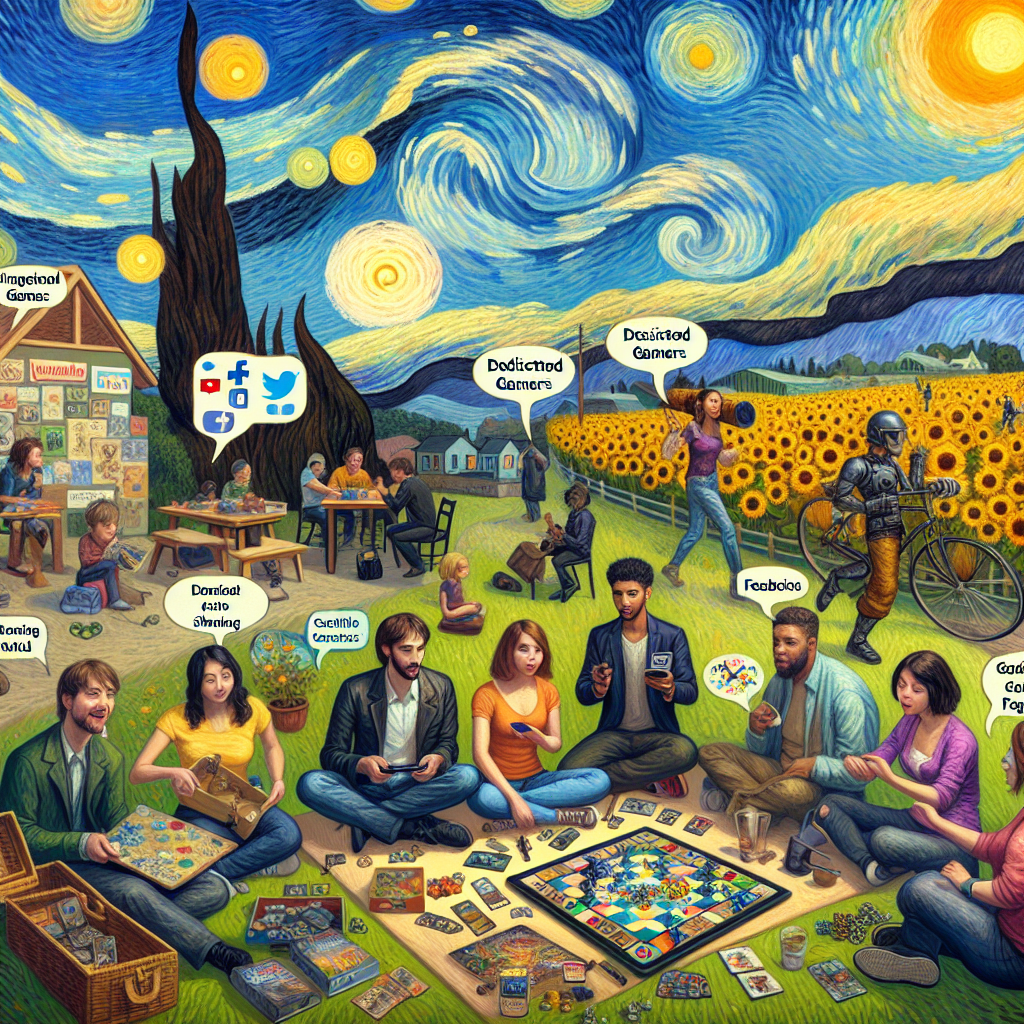
Other Resources
Here is a list of other resources you can review online to learn more:
- VK
- Rising Sun
- Exploding Kittens
- Caverna: The Cave Farmers
- Hearts
- Cephalofair Games
- The Board Game Family
- Days of Wonder
- Cool Mini or Not (CMON)
- Arkham Horror: The Card Game
Use This Prompt To Get More Resources With Your Favorite Online AI Tool: Please provide me with a list of online articles with their URLs in a bulleted list that I can read regarding Can Board Games Really Fight Loneliness In The Elderly?
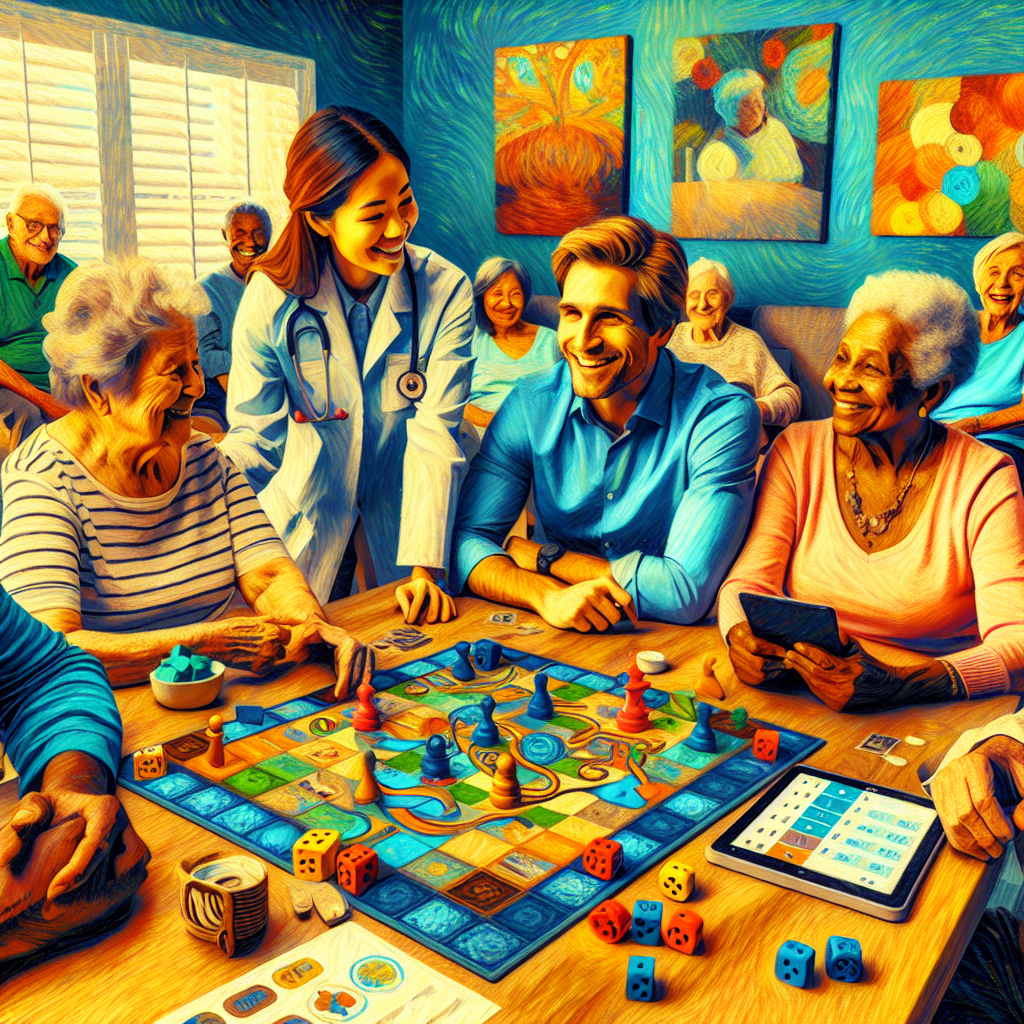
Other Resources
Glossary Terms
Can Board Games Really Fight Loneliness In The Elderly? – Glossary Of Terms
1. Alleviation: The act of reducing or making something less severe; in this context, how board games can lessen feelings of loneliness.
2. Cognition: The mental action or process of acquiring knowledge and understanding; board games can stimulate cognitive function in elderly players.
3. Connection: The relationship between individuals; board games can foster social connections among elderly players.
4. Companionship: The company of others; engaging in board games provides companionship and reduces isolation.
5. Engagement: The act of participating or being involved; board games can keep elderly individuals mentally and socially engaged.
6. Facilitation: The act of making something easier; board games can facilitate social interactions among seniors.
7. Gamesmanship: The art of winning games with skill; promoting healthy competition can enhance interaction and enjoyment.
8. Interactivity: The quality of involving active participation; board games are inherently interactive and encourage communication.
9. Isolation: A state of being separated from others; board games can combat social isolation in the elderly.
10. Loneliness: A feeling of sadness due to lack of companionship; board games provide a means to connect and alleviate loneliness.
11. Memory: The faculty by which the mind stores and remembers information; many board games can enhance memory recall.
12. Mental Health: A person’s emotional, psychological, and social well-being; board games can improve mental health by increasing happiness.
13. Nostalgia: A sentimental longing for the past; familiar board games can evoke nostalgic feelings among seniors.
14. Participation: The action of taking part in something; board games encourage participation, enhancing community feelings among elderly players.
15. Resilience: The capacity to recover quickly from difficulties; socializing through games can enhance resilience in coping with loneliness.
16. Socialization: The process of interacting with others; board games provide a structured way to socialize.
17. Strategy: A plan of action designed to achieve a particular goal; many board games involve strategic thinking, promoting mental agility.
18. Team Building: The process of creating teamwork; cooperative board games foster team spirit among players.
19. Therapeutic: Having a healing effect; board games can serve a therapeutic role in improving emotional well-being for the elderly.
20. Turn-taking: A fundamental aspect of many games where players alternate; turn-taking encourages patience and attentiveness in social settings.
21. Well-being: A state of comfort, health, and happiness; board games contribute to overall well-being in elderly individuals.
22. Social Bonding: The process of forming lasting interpersonal connections; playing board games can strengthen social bonds among seniors.
23. Inclusivity: The practice of including people in activities; board games can be designed to be inclusive for all elderly individuals.
24. Communication Skills: The ability to convey or share ideas with others; board gaming often promotes verbal and non-verbal communication skills.
25. Altruism: The selfless concern for the well-being of others; board gaming in groups often fosters altruistic behaviors.
26. Facetime: Quality time spent with others; playing board games offers valuable face-to-face interaction.
27. Accessibility: The ease of accessing or participating in something; board games can be designed to be accessible for elderly players.
28. Routine: A sequence of actions regularly followed; incorporating board games into daily routines can provide structure and joy.
29. Empathy: The ability to understand and share the feelings of another; board games often develop empathy through shared experiences.
30. Enjoyment: A state of pleasure or satisfaction; playing board games can lead to joy and fulfillment, reducing feelings of loneliness.
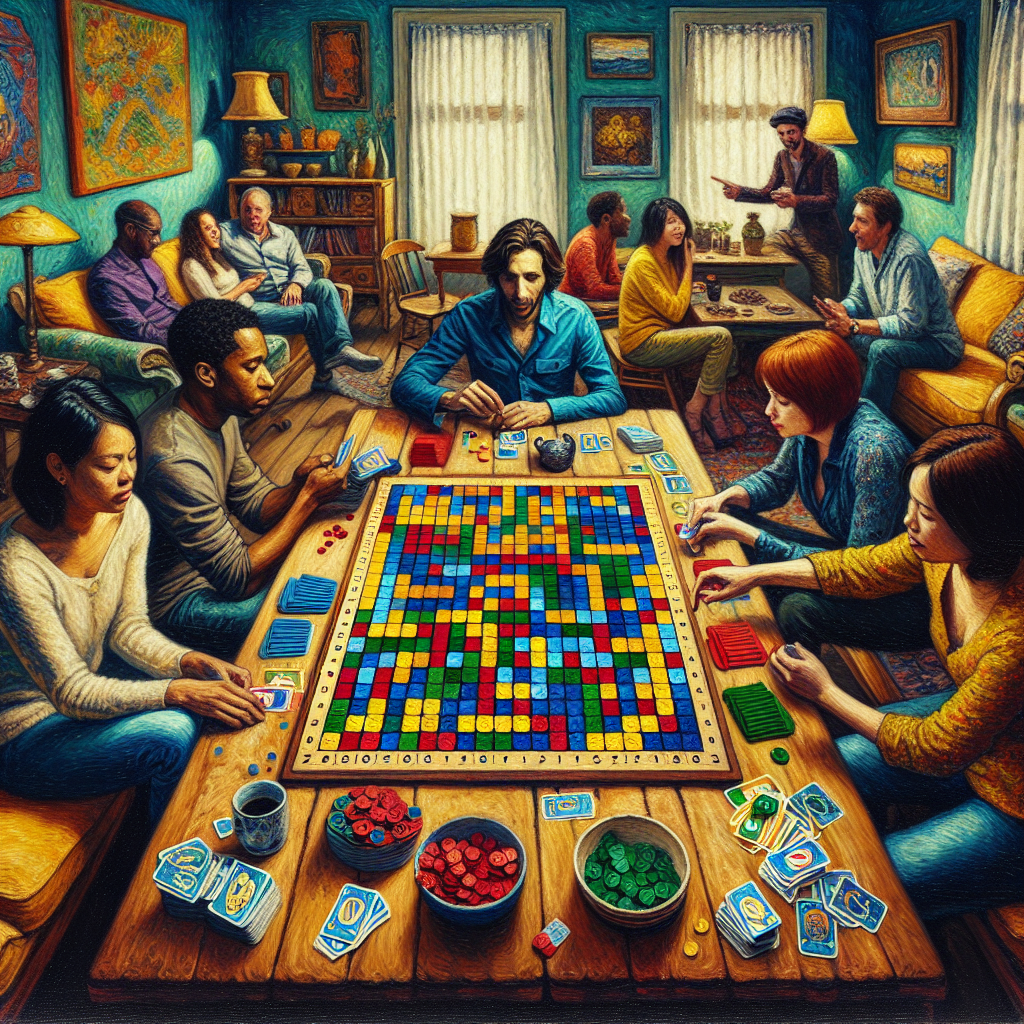
Glossary Of Terms
Other Questions
Can Board Games Really Fight Loneliness In The Elderly? – Other Questions
If you wish to explore and discover more, consider looking for answers to these questions:
- What are the signs of loneliness in the elderly?
- How often should board games be played to maximize their benefits?
- Are there specific types of board games that are particularly effective for combating loneliness?
- What strategies can caregivers use to encourage seniors to participate in board games?
- How do board games compare to other activities in reducing loneliness among seniors?
- Can board games be played virtually, and if so, how can that benefit seniors?
- What should families consider when introducing board games to seniors?
- Are there any studies or research findings that support the benefits of board games for seniors?
- How can board games help seniors maintain cognitive function over time?
- What are some popular board games that are well-suited for individuals with limited mobility?

Other Questions
Haiku
Can Board Games Really Fight Loneliness In The Elderly? – A Haiku
Laughter fills the air,
Board games bridge the silent gap,
Joy in shared moments.
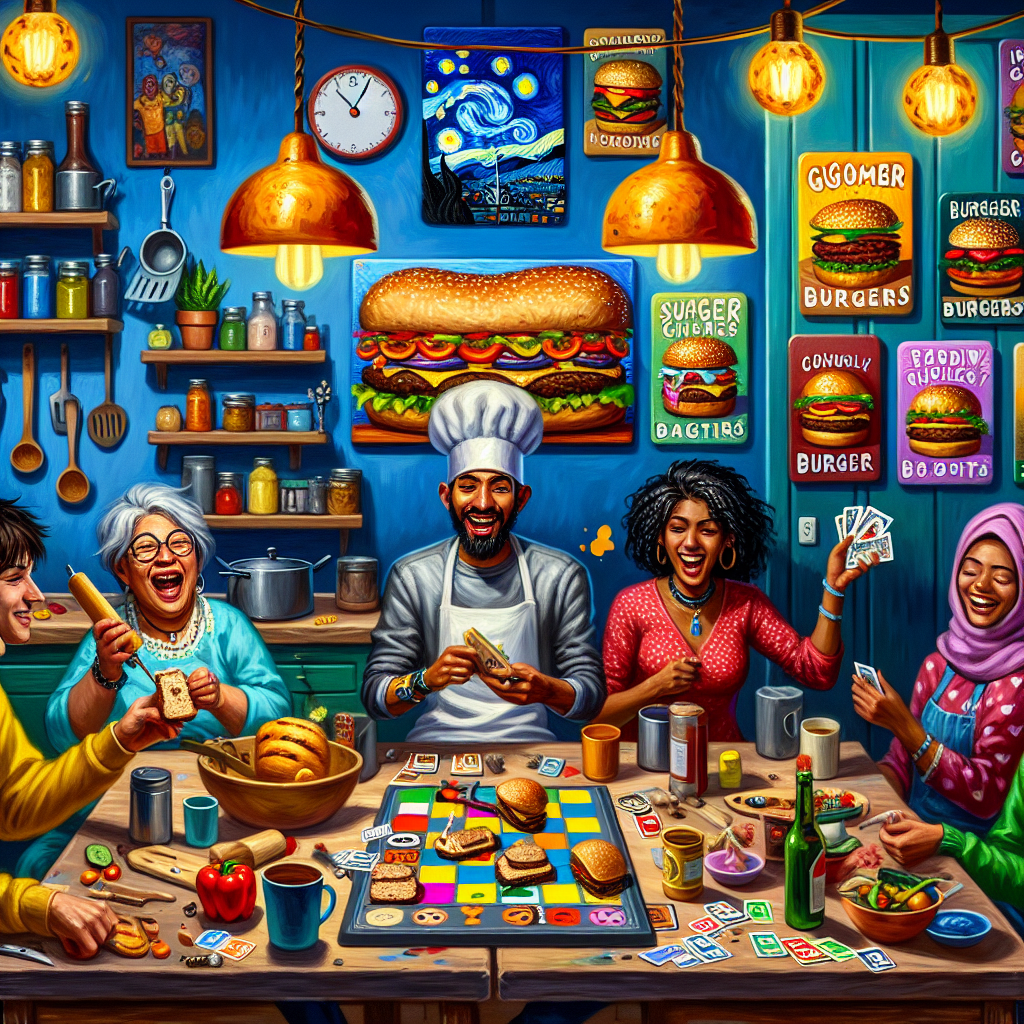
Haiku
Poem
Can Board Games Really Fight Loneliness In The Elderly? – A Poem
In a world where screens reign,
And solitude can cause such pain,
A timeless bond, the board game lies,
A lifeline wrapped in joyful ties.
Amidst the dust of forgotten days,
The dice roll forth in gentle ways,
With laughter echoing in the air,
Loneliness fades in the warmth we share.
Two retired souls across the board,
In Scrabble’s embrace, their spirits soared,
“Remember when?” sparks a bright reply,
A tapestry of memories woven nigh.
Each turn a chance for minds to engage,
Stirring up thoughts from the past’s own page,
Cognitive games keep the mind aglow,
While friendships flourish, together they grow.
From Chess to Uno, choices abound,
Games of strategy and stories found,
Cooperative play brings hearts to align,
In shared victory, the joy will shine.
For seniors, a refuge from silent despair,
In these friendly games, love is laid bare,
The tactile feel of cards and pieces,
A banquet of connection, as laughter increases.
Caregivers gather, the stage is set,
With kindness, they guide without a regret,
The pace is gentle, the atmosphere bright,
In every role, they spread pure delight.
So dust off that game from the ol’ closet shelf,
Embrace the magic, bring joy to oneself,
Transform isolation into joyous retreat,
Through board games, life’s moments repeat.
In each playful flick, a bond is found,
A timeless escape from life’s battleground,
With every laugh, a new chapter starts,
Board games—our bridge that connects our hearts.
Poem
Checklist
Can Board Games Really Fight Loneliness In The Elderly? – A Checklist
1. Choose Appropriate Board Games
_____ Select games that are easy to understand.
_____ Focus on classics like Scrabble, Monopoly, or light strategy games like Ticket to Ride.
_____ Consider cooperative games such as Pandemic or Forbidden Island to promote teamwork.
_____ Incorporate puzzle-type games like Qwirkle or Azul for sensory engagement.
2. Create a Comfortable Environment
_____ Set up in a well-lit area with comfortable seating.
_____ Minimize distractions and clutter to maintain focus.
_____ Ensure everyone can easily reach the game pieces.
3. Facilitate Interaction
_____ Encourage friendly conversation and storytelling during gameplay.
_____ Share personal anecdotes related to the game to spark discussions.
_____ Use game moments to share laughter and create a relaxed atmosphere.
4. Engage Cognitive Skills
_____ Foster critical thinking and problem-solving during play.
_____ Adapt game rounds to various ability levels to ensure everyone can participate.
_____ Gently remind players of rules and turns to keep gameplay flowing.
5. Promote Inclusivity and Participation
_____ Choose games that allow everyone to contribute and feel valued.
_____ Support players who may need assistance while ensuring they feel empowered.
_____ Celebrate small victories and engage in laughter over missteps.
6. Establish a Game Night Routine
_____ Dedicate specific nights for regular game sessions with family or friends.
_____ Create a social event around game nights, complete with snacks and drinks!
_____ Invite neighbors or other seniors to join, broadening social circles.
7. Explore Games Designed for Dementia
_____ Utilize games that include recognizable visuals and simple mechanics.
_____ Consider story-driven games that prompt sharing of personal memories.
_____ Look for tactile games with larger pieces for easier handling.
8. Reflect on Benefits
_____ Encourage participants to express their feelings about shared experiences and connections made during game play.
_____ Discuss how the games help in combatting loneliness and stimulating cognitive functions.
9. Follow Up After Game Time
_____ Talk about which games were favorites and why.
_____ Assess which aspects of the game were most enjoyable or engaging.
_____ Plan future game nights and consider new games based on feedback.
10. Encourage Feedback and Adaptation
_____ Regularly check in with players about their preferences and comfort levels.
_____ Be flexible and willing to change games if something isn’t resonating well.
_____ Aim to create a joyful and tailored experience for all participants.
Using board games as a tool for fostering connections among the elderly provides opportunities for fun, laughter, and meaningful interactions. This checklist serves as a guide for caregivers and families looking to combat loneliness and promote mental engagement through the joy of board games. Happy gaming!
Checklist
At BestBoardGameNews, we help people who love board games by collating information and news about board games.
Be sure to read our other related stories at BestBoardGameNews to learn more about board games.