Unleashing Ai Creativity: ChatGPT’s Role In Board Game Design
By Tom Seest
At BestBoardGameNews, we help people who love board games by collating information and news about board games.
Be sure to read our other related stories at BestBoardGameNews to learn more about board games.
Can ChatGPT Help Design a Board Game?
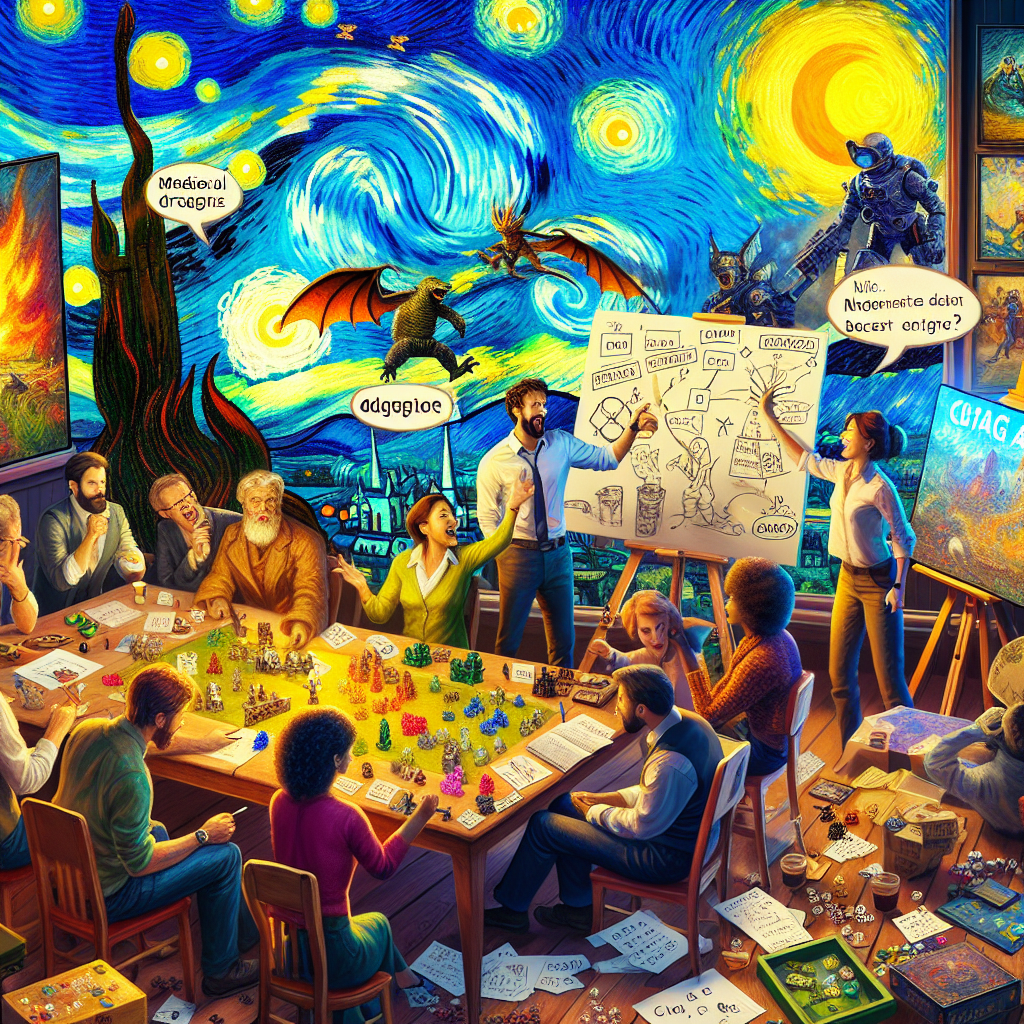
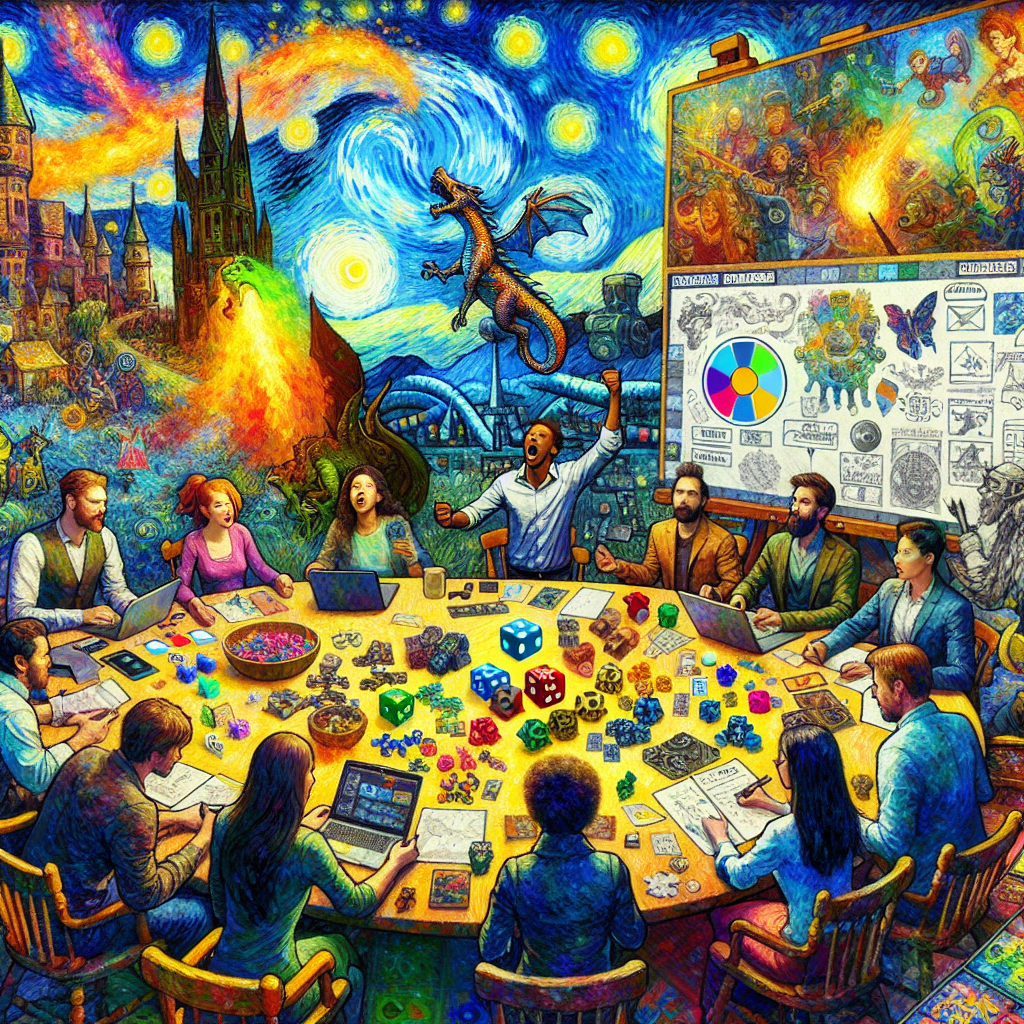
Now, let’s get one thing straight: designing a board game is no walk in the park. It involves a curious mix of creativity, strategy, and, let’s be honest, a dash of insanity. Think of it like concocting a recipe—just sprinkle in some great ideas, pour in a few rules, and hope that something edible pops out at the end. But what if I told you there’s a virtual assistant out there that’s more than willing to lend a hand in this delightful chaos?
Enter ChatGPT, a digital brain that processes language with the finesse of a seasoned board game designer. Sure, it doesn’t have a physical presence or a penchant for crunchy snacks, but it does possess an endless reservoir of ideas. You can toss it a theme—say, medieval dragons or space exploration—and, in mere moments, it can churn out a treasure trove of game mechanics, character options, and even winning strategies. Think of it as your brainstorming buddy, only this one won’t raid your fridge at 2 a.m.
The beauty of involving ChatGPT in your board game design lies in the exploration of ideas. Let’s face it: sometimes our brains get stuck in a rut, drifting around familiar territory like a lost spaceship. ChatGPT can inject fresh perspective, helping to broaden the creative horizons. Want to mix genres? It can mash up fantasy with strategy, sprinkle in cooperative elements, and suggest mechanics that keep players engaged while turning the whole enterprise on its head.
But wait, there’s more! Feedback is the lifeblood of any creative process. As you hash out mechanics and narratives, you can run your ideas through the ChatGPT machine for insights that challenge your assumptions. Is the scoring too complicated? Are there too many rules? It can provide constructive criticism that helps fine-tune your masterpiece—or alert you when a game might be more tedious than fun.
Of course, keep in mind that ChatGPT is like a sous-chef. It can assist with the heavy lifting, but the final dish needs your unique touch. Integrating its suggestions with your creative vision is where the magic truly lies. It can’t roll the dice for you, but it can certainly offer a wealth of inspiration that transforms those rough sketches and brainstorms into a fully-fledged gaming experience. So, the next time you find yourself pondering the next great board game, consider letting this digital ally be part of the journey. Who knows? Your next gaming triumph may just be a conversation away.
Can ChatGPT Help Design a Board Game?
Can ChatGPT Help Design a Board Game?
- Designing a board game requires creativity, strategy, and a bit of insanity.
- ChatGPT acts as a virtual assistant that can help generate ideas for game mechanics and themes.
- It can provide a fresh perspective, helping to overcome creative blocks and expand on concepts.
- ChatGPT allows for mixing genres and integrating different gameplay elements seamlessly.
- It offers constructive feedback to refine ideas and address potential issues in the game’s design.
- While ChatGPT aids in the creative process, it is important for designers to add their own unique touch.
- Using ChatGPT can transform initial ideas into a cohesive and engaging gaming experience.
Can ChatGPT Help Design a Board Game?
Table Of Contents
- Can ChatGPT Help Design a Board Game?
- Can ChatGPT Generate Unique Board Game Themes and Concepts?
- How Can ChatGPT Assist In Creating Board Game Mechanics?
- What Tips Can ChatGPT Provide for Balancing a Board Game?
- Can ChatGPT Help Develop Engaging Board Game Character Roles?
- How Can ChatGPT Aid In Writing Compelling Board Game Narratives?
- Can ChatGPT Suggest Captivating Names for a Board Game?
- How Does ChatGPT Support Board Game Feedback Analysis?
- Can ChatGPT Help Design Board Game Visual and Graphic Elements?
- What Suggestions Can ChatGPT Offer for Designing Board Game Rules?
- How Can ChatGPT Find Inspiration From Existing Board Games?
- How Does ChatGPT Support Board Game Playtesting?
- Conclusion
- Other Resources
- Glossary Of Terms
- Other Questions
- Haiku
- Poem
- Checklist
Can ChatGPT Generate Unique Board Game Themes and Concepts?
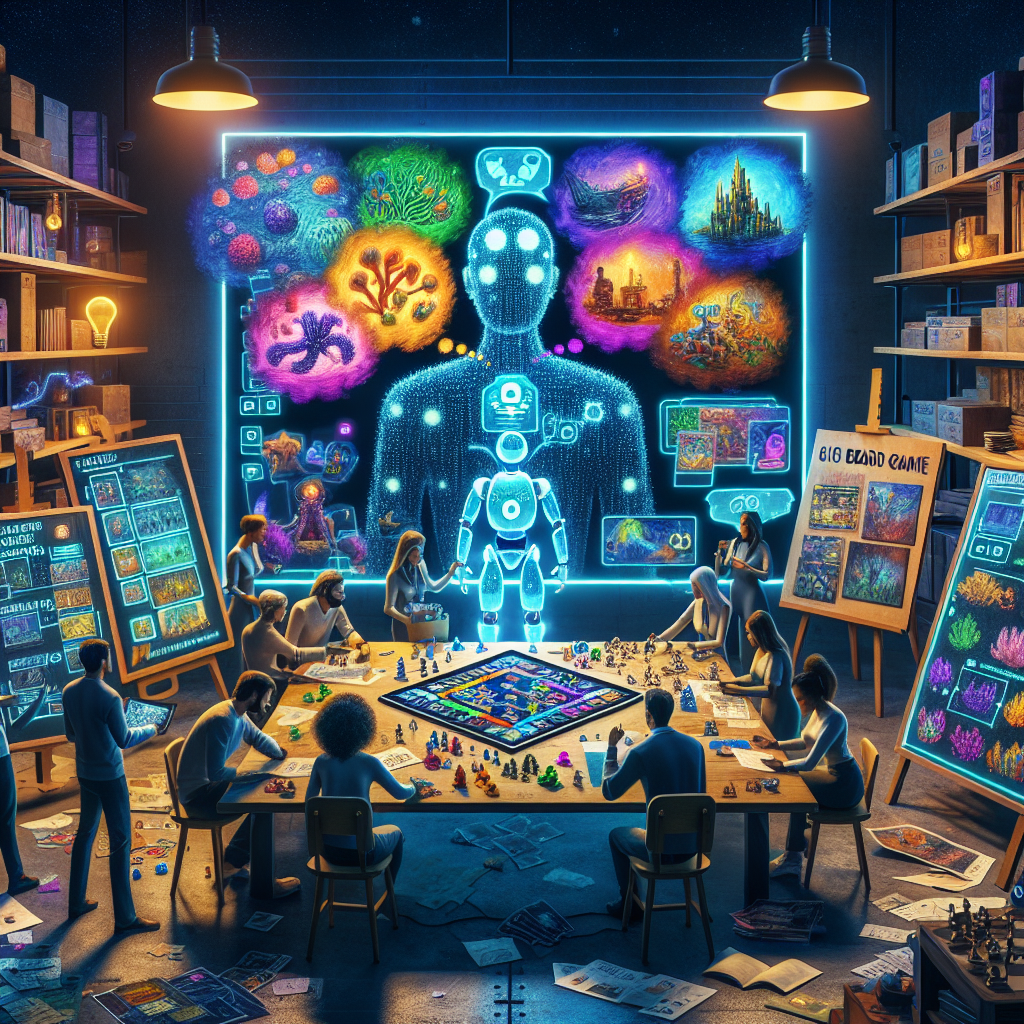
In a world bursting at the seams with creativity, the idea of designing a board game might seem daunting. With thousands of games already gracing the shelves—each with its own blend of themes, mechanics, and storylines—the pressure to innovate can feel overwhelming. But what if I told you there’s a partner ready to brainstorm unique board game concepts with you? Enter ChatGPT, an AI that thrives on ideas.
At first glance, it might seem absurd to turn to a machine for inspiration on something as human as a board game. After all, games are about connection, laughter, and that spark of competition that gets the adrenaline pumping. But consider this: ChatGPT can process vast amounts of information and generate ideas that draw from genres and mechanics that might not even cross your mind.
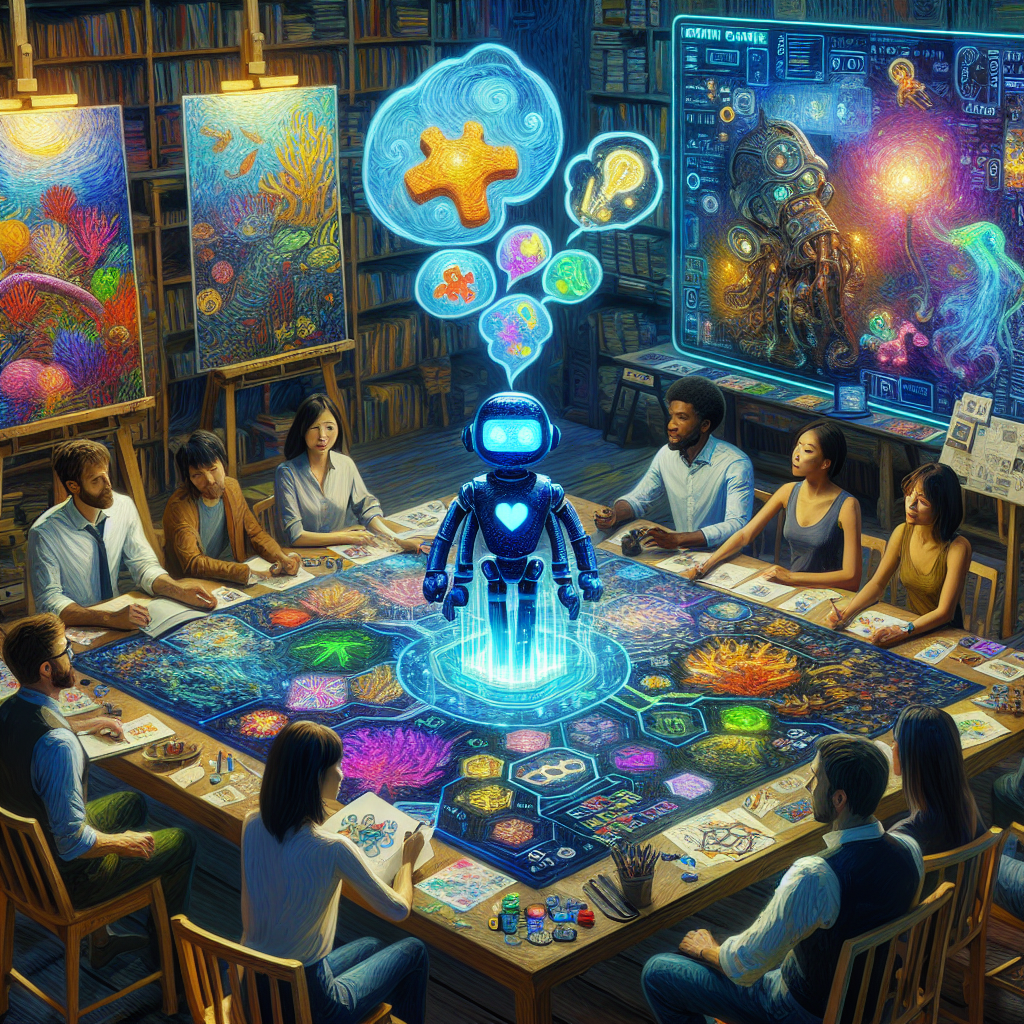
Imagine you want to create a board game set in an underwater realm where players build their own coral kingdoms. You could provide ChatGPT with a few basic parameters—like location, player roles, and some core mechanics. With those, the AI could churn out a plethora of ideas ranging from cooperative gameplay focused on resource management to cutthroat competition where players sabotage each other’s colorful creations. Suddenly, you’re swimming in possibilities!
What sets ChatGPT apart is its ability to mix and match themes, creating unexpected juxtapositions that can lead to unique gameplay experiences. Why not combine elements of old-school detective noir with an alien invasion? Picture a game where players are 1950s gumshoes trying to solve a mystery while fending off extraterrestrial hunters. Such ergodic creativity might plant the seed for an intriguing storyline, gripping art direction, or even innovative mechanics that adjust to the whims of time travel!
Moreover, ChatGPT can aid in fleshing out the details—the mechanics, the objectives, the art style—suggesting twists you might never have considered. Need to decide the perfect player powers for that mythical creature-based game? Just ask, and voila! You could get tailored suggestions that stack well with your vision.
Now, let’s keep it real. Using AI isn’t a replacement for the human touch; it’s a catalyst. The magic of board games lies in playtesting and tuning the rules based on human interactions and experiences. Nevertheless, in the initial phases of concept generation, ChatGPT can serve as an invaluable partner, bridging the gap between imagination and tangible creation. So, if you’re feeling stuck or uninspired, give it a whirl—who knows what incredible game concepts might emerge.
Can ChatGPT Generate Unique Board Game Themes and Concepts?
Can ChatGPT Generate Unique Board Game Themes and Concepts?
- Designing a board game can be daunting due to the vast number of existing games.
- ChatGPT is an AI tool that helps generate unique board game concepts and themes.
- Despite seeming unconventional, AI can provide creative inspiration for human-centric games.
- ChatGPT can produce diverse ideas by combining different genres and game mechanics.
- The AI can assist in fleshing out gameplay details, objectives, and art styles, providing tailored suggestions.
- Using AI is not a replacement for human creativity but a catalyst for idea generation.
- ChatGPT can be a valuable partner in the initial concept phases, helping to spark innovative game ideas.
Can ChatGPT Generate Unique Board Game Themes and Concepts?
How Can ChatGPT Assist In Creating Board Game Mechanics?
Creating board game mechanics is akin to crafting a fine tune in a symphony; each note must harmonize with the others to create a resonant experience. Just as a skilled craftsman hones their tools, you can harness the power of ChatGPT to refine and enrich your game ideas. Let’s roll up our sleeves and explore how this AI can become your trusty partner in the creative trenches.
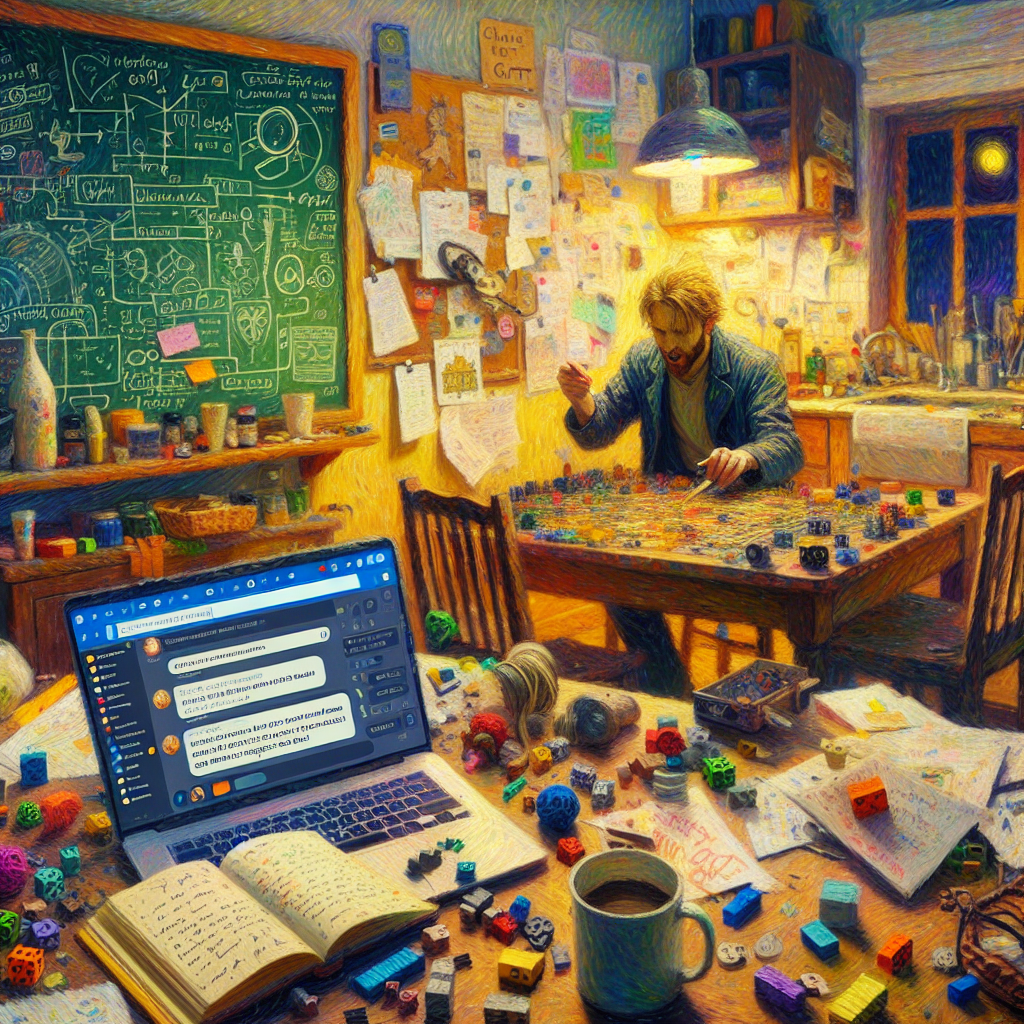
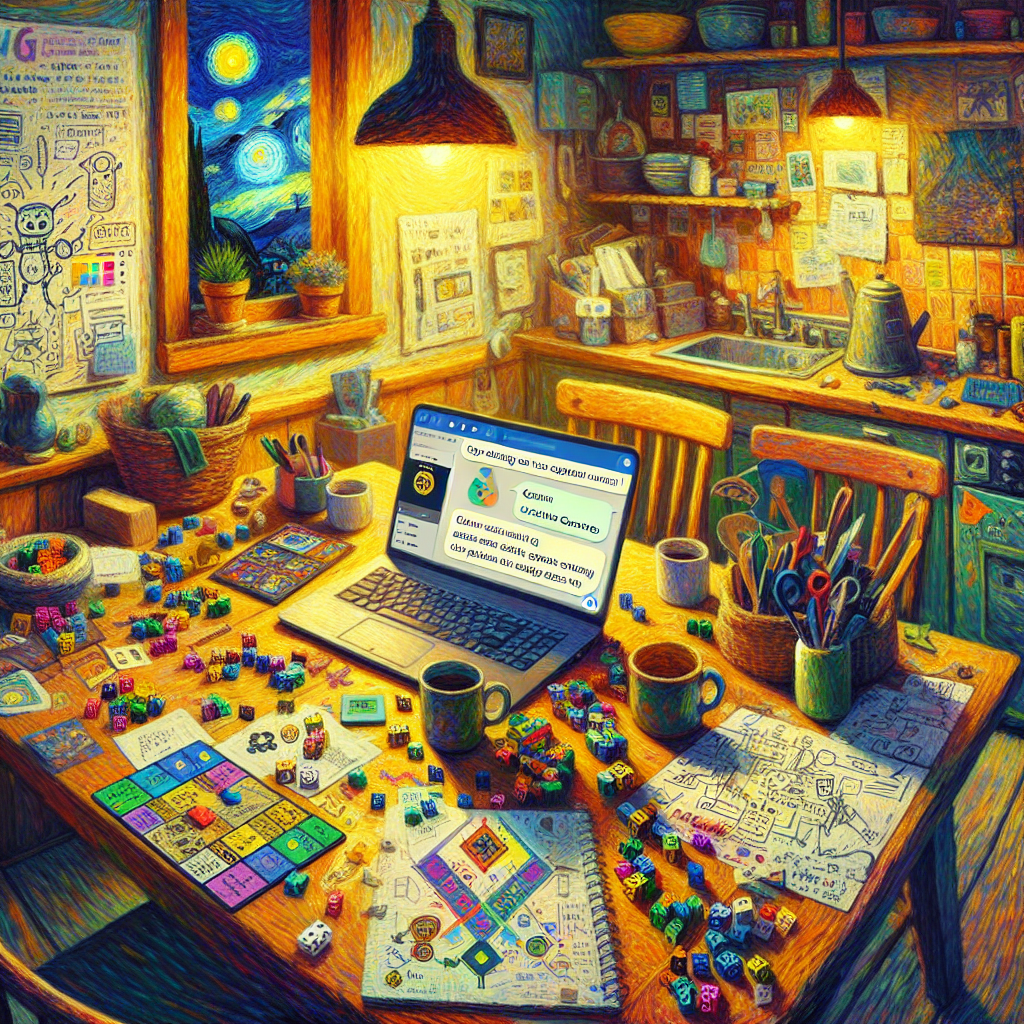
Imagine you’re sitting at your kitchen table, notes scattered around like confetti after a celebration. You’ve got a budding idea for a game that could revolutionize Friday nights. But there’s a catch—it lacks the spark. Here’s where ChatGPT steps in. By bouncing your initial concept off the AI, you can distill your thoughts into a focused brainstorming session. Type in variables like themes, player interactions, or desired outcomes, and watch as the AI conjures up fresh angles and mechanics you might not have considered. Suddenly, your game that was once a flicker of an idea now blazes with potential.
But it doesn’t stop there. One of the hardest parts of game design is balancing the mechanics. You want your players to feel both challenged and empowered, but nailing that equilibrium can feel like walking a tightrope. With ChatGPT, you can lay out the mechanics you’ve designed and ask for feedback. It can help you think through scenarios and even suggest adjustments based on common game design principles. For instance, if the combat system feels too punishing or if resource management seems confusing, the AI can offer alternative structures that could enhance gameplay.
Furthermore, let’s talk about prototyping. This phase can be messy, involving trial and error that tests the very fibers of your patience. Enter ChatGPT once more—this time as a sounding board. Describe your playtest results, and the AI can assist you in analyzing player feedback, identifying trends, and highlighting areas that might need reworking. It’s like having an extra set of eyes that can sift through data more efficiently, helping you prioritize changes that will have the most significant impact.
Lastly, the world of board games thrives on creativity, and ChatGPT is the spark that can light the fire of your imagination. Whether you’re designing a sprawling epic or a quick party game, let the AI help inspire thematic elements or unique mechanics that will make your game stand out. In this collaborative spirit, you’ll find not just an assistant but a dynamic resource fueling your journey toward crafting an engaging and memorable board game.
How Can ChatGPT Assist In Creating Board Game Mechanics?
How Can ChatGPT Assist In Creating Board Game Mechanics?
- ChatGPT aids in refining board game mechanics by providing focused brainstorming sessions.
- You can input various game elements like themes and player interactions for fresh ideas.
- It assists in balancing game mechanics to ensure a challenging yet empowering player experience.
- Feedback from ChatGPT can help address issues in combat systems or resource management.
- During prototyping, the AI analyzes player feedback and identifies trends for better game development.
- ChatGPT serves as a dynamic resource for inspiration, offering thematic elements and unique mechanics.
- The collaboration with ChatGPT enriches the creative process for crafting engaging and memorable board games.
How Can ChatGPT Assist In Creating Board Game Mechanics?
What Tips Can ChatGPT Provide for Balancing a Board Game?
When it comes to board games, the balancing act resembles a high-wire performance rather than a leisurely toss of dice on a kitchen table. The thrill lies in crafting a game where strategy and luck dance in harmony, leaving all players feeling like they had a fair shot at victory. So, let’s dig into some practical tips that can help achieve that elusive balance in your next gaming session.
1. Know Your Audience: Not every player has the same experience or comfort level with games. Assess the skill levels and preferences of your players before choosing a game or introducing custom rules. A seasoned strategist might scoff at a simple kids’ game, while newcomers could feel overwhelmed by intricate mechanics. The magic happens when everyone feels like an equal participant.
2. Adjust for Experience: Once you’ve got your players in place, consider adjusting the rules based on their familiarity with the game. Newbies might benefit from a few house rules that simplify their choices or keep them engaged longer, while veterans could embrace additional complexities to keep their minds sharp. Remember, it’s all about keeping the fun alive.
3. Keep Scoring Transparent: Nothing throws a wrench into a game faster than muddled scoring systems. Make sure every player knows precisely how points are earned and what actions yield benefits. Transparency breeds trust, and trust leads to enjoyment. If players feel the scoring system is skewed or overly complicated, they might just throw up their hands and leave the game.
4. Flexibility with Components: Every board game is a canvas waiting for your artistic touch. Customize the components—think about the cards, pieces, or even the board itself! A little tweak here and there can level the playing field and tailor the game to your group’s vibe.
5. Test and Iterate: Just as scientists don’t introduce a new theory without testing it rigorously, neither should you introduce a new game rule without trials. Gather your crew for a few test runs and observe how the dynamics shift. Are there strategies that overpower others? Playtest until you’ve knocked the rough edges off and achieved that sweet balance.
Ultimately, the goal is to ensure everyone leaves the table with a grin, a story to tell, and a desire to return for a rematch. So gather your friends, roll the dice, and remember: balance isn’t just about equal chance; it’s about crafting an experience everyone can share and enjoy.
What Tips Can ChatGPT Provide for Balancing a Board Game?
What Tips Can ChatGPT Provide for Balancing a Board Game?
- Balancing Act: Crafting a board game requires balancing strategy and luck, ensuring all players feel they have a fair opportunity for victory.
- Know Your Audience: Assess players’ skill levels and preferences before selecting games or custom rules to ensure everyone feels included.
- Adjust for Experience: Modify rules based on players’ familiarity, simplifying for newcomers while adding complexity for veterans to enhance engagement.
- Keep Scoring Transparent: Ensure all players understand the scoring system to promote transparency and trust, which enhances enjoyment.
- Flexibility with Components: Customize game components to better suit your group, leveling the playing field and enhancing the gaming experience.
- Test and Iterate: Conduct test runs of new rules to observe dynamics and make adjustments before the final game session.
- Overall Goal: Ensure everyone leaves with satisfaction and a desire for future games by crafting a shared and enjoyable experience.
What Tips Can ChatGPT Provide for Balancing a Board Game?
Can ChatGPT Help Develop Engaging Board Game Character Roles?
When it comes to board games, the strength of your characters can make or break the experience. Those cardboard soldiers, wizards, or quirky aliens need to come alive, transforming from mere pieces on a board into dynamic entities imbued with personality and purpose. Enter AI, specifically ChatGPT, into the equation—your creative co-conspirator in character development.
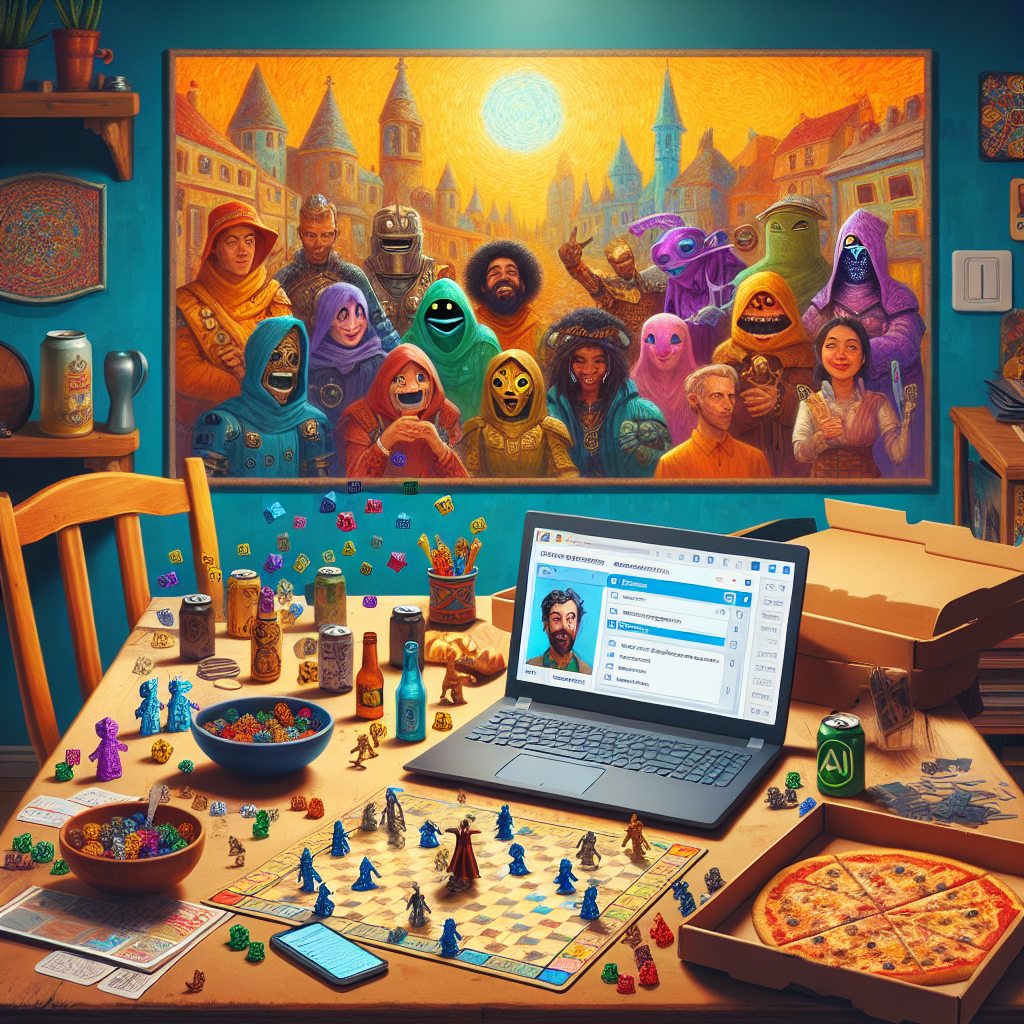
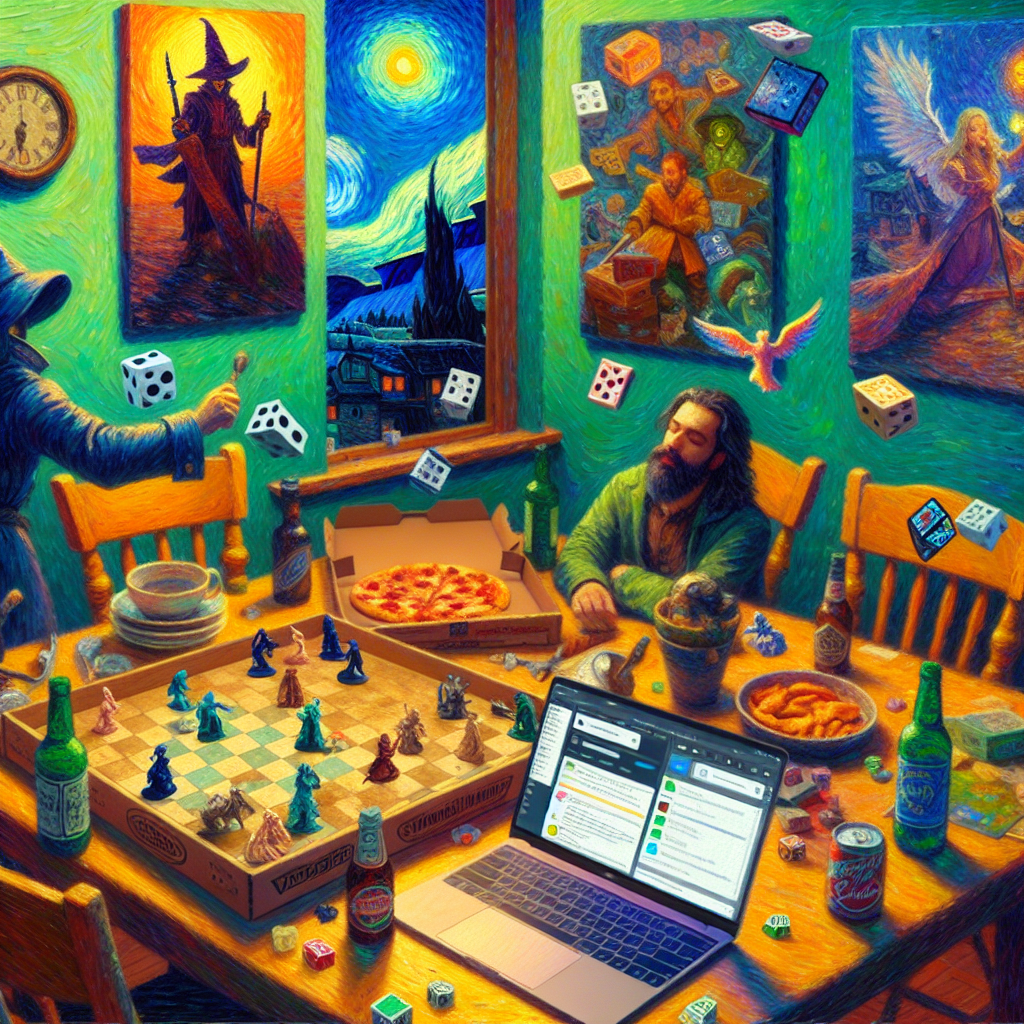
Imagine sitting at your kitchen table, the remnants of last night’s pizza still lingering in the room, your board game sprawled out before you. You’re trying to breathe life into your characters, but inspiration feels as distant as last season’s board game boom. Fear not! With the right prompts and a bit of imagination, ChatGPT can help you sculpt characters that could engage even the most hard-to-please players.
Start by laying down the foundation: character archetypes, basic backgrounds, and goals. Perhaps you want a rogue thief with a heart of gold or a powerful sorceress driven by vengeance. You feed these ideas into the AI, and watch as it spins them into narratives that bring depth and dimension to your cast. “What are her motivations?” you might ask, and before you can finish your next slice of cold pizza, the AI presents a rich backstory, peppered with relatable flaws and aspirations.
One distinctive feature of ChatGPT is its ability to think outside the box—or, in this case, outside the game box. Want a character who’s not just guarding treasure but is also secretly protecting a lost civilization? Or perhaps a cosmic jester whose pranks embroil the galaxy in chaos? ChatGPT can throw in twists and quirks that add layers, keeping players on their toes.
Collaboration does not end there. Once you’ve fleshed out your initial characters, leverage the AI’s capabilities for dialogue. Need to devise snappy one-liners or memorable catchphrases? Toss your concepts into the mix and let it churn out phrases that could become the stuff of legend around your game night table.
Moreover, AI doesn’t act in a vacuum. By iterating on your feedback, it can refine character roles until they resonate with your vision. Whether your aim is to build epic story arcs, create tension, or inject humor into the game, let technology be your ally. The bottom line? With the help of an AI like ChatGPT, crafting engaging, multifaceted characters becomes less of a chore and more of a creative adventure, allowing players to invest in their roles like never before. So, roll those dice and let your imagination run wild!
Can ChatGPT Help Develop Engaging Board Game Character Roles?
Can ChatGPT Help Develop Engaging Board Game Character Roles?
- The strength of characters in board games significantly enhances the overall experience.
- AI, particularly ChatGPT, serves as a creative partner in character development.
- Players can use prompts to generate engaging character narratives with depth and personality.
- ChatGPT can introduce unique twists and quirks to characters, keeping gameplay dynamic.
- The AI can assist in creating catchphrases and memorable dialogue for characters.
- Feedback integration allows for the refinement of character roles to better match player vision.
- Utilizing AI transforms character creation into a creative adventure for more immersive gameplay.
Can ChatGPT Help Develop Engaging Board Game Character Roles?
How Can ChatGPT Aid In Writing Compelling Board Game Narratives?
When it comes to crafting compelling narratives for board games, you might think you need to channel your inner Shakespeare or at least someone who’s had their fair share of creative writing classes. But let’s face it, not everyone has the time or patience to pour over scripts or novels. Enter our digital companion—an AI, ready to help you spin a yarn that keeps players on the edge of their seats. Here’s how this nifty tool can be your secret weapon in narrative development.
First off, one of the biggest hurdles in writing a board game narrative is creating an immersive world. You want players not just to play a game, but to feel like they’ve stepped into another universe. With AI, you can brainstorm thematic elements and unique settings in a matter of minutes. Need a dystopian future where tech has run amok? Just ask. Want a whimsical realm populated by mischievous faeries? You got it. It generates an endless stream of ideas that you can refine and build upon, saving you from hours of staring at a blank page.
Now, let’s tackle character development. Every good narrative needs relatable, engaging characters that players can root for or against. Providing parameters like personality types or backstory snippets to AI can result in colorful characters, each with their quirks and ambitions. Maybe one character is on a relentless quest for revenge, while another is just trying to save the day with their wits. By using AI to generate these personas, you can flesh them out, weaving complex backstories and intertwining plots that enhance the gameplay.
Conflict is at the heart of any engaging narrative, and what better way to engineer tension than through cleverly crafted scenarios? The right AI can help you build intriguing dilemmas or challenges that players must navigate. Whether it’s a race against time to avert disaster or a moral choice that impacts the game’s outcome, these layers of conflict add depth and excitement.
Lastly, playtesting is where the rubber meets the road. After developing your narrative, AI can assist in refining dialogue and pacing by analyzing feedback from players. It can sift through comments and reactions to help you tweak your story, ensuring that it resonates with both casual gamers and die-hard enthusiasts alike.
So, next time you sit down to create a board game narrative, remember that a little digital assistance can go a long way in turning your ideas into an unforgettable adventure that players will come back to time and time again.
How Can ChatGPT Aid In Writing Compelling Board Game Narratives?
How Can ChatGPT Aid In Writing Compelling Board Game Narratives?
- Crafting narratives for board games doesn’t require Shakespearean skill; AI can assist in this process.
- AI helps create immersive worlds quickly, generating thematic elements and unique settings in minutes.
- Character development is enhanced by AI, providing relatable, engaging characters with distinct personalities and backstories.
- AI can generate conflict scenarios, adding tension and excitement to the narrative through dilemmas and challenges.
- Playtesting benefits from AI by analyzing player feedback to refine dialogue and pacing.
- AI helps ensure that the narrative resonates with both casual and hardcore gamers by fine-tuning the story based on player reactions.
- Utilizing digital tools can transform your board game narrative into a memorable adventure for players.
How Can ChatGPT Aid In Writing Compelling Board Game Narratives?
Can ChatGPT Suggest Captivating Names for a Board Game?
When it comes to naming a board game, the process is delightfully messy. It’s not just about slapping a label on a box; it’s about encapsulating the essence of an experience, the thrill of competition, or the camaraderie of family game night. With every roll of the dice and shuffle of the cards, a name has the power to set the stage, evoke excitement, and lure players into your imaginative realm. So, can an AI like ChatGPT help conjure up some captivating names for your beloved board game? You betcha—and here’s why that’s not only reasonable but downright intriguing.
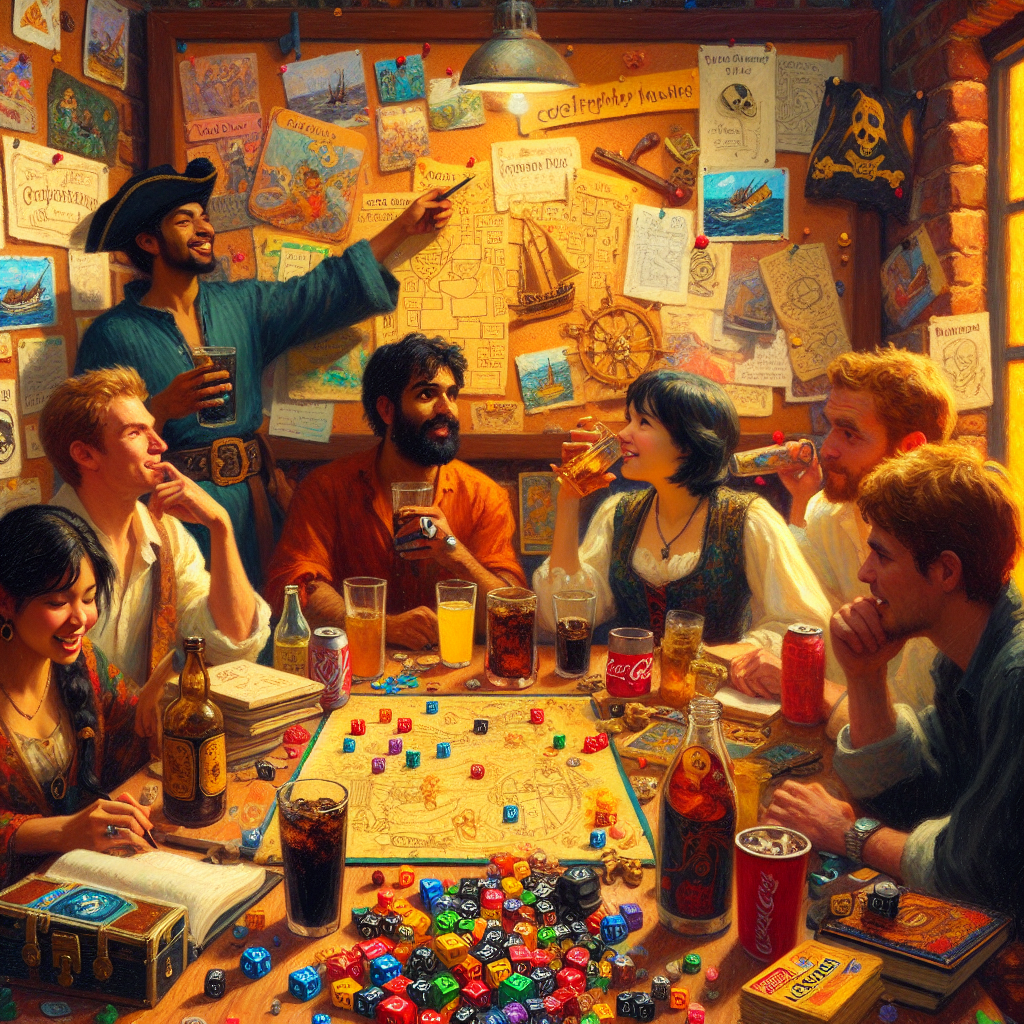
Imagine you enjoy building a community of crafty pirates, competing to gather treasure, but the name “Pirate Treasure Hunt” just doesn’t cut it. It feels as bland as day-old bread in a loaf shop. You could turn to ChatGPT, inform it of your game’s theme, mechanics, and target audience, and watch the magic—or rather, the algorithm—unfold. It will conjure a list of potential names that could shine brighter than a freshly polished doubloon.
Using this wealth of suggestions, you might stumble upon a name like “Corsair Conquest” or even “Buccaneer’s Bounty.” These titles have a rhythm and a punch, beckoning players to delve into your seafaring saga. The key here isn’t just about throwing out ideas; it’s about tapping into the AI’s capacity for creativity while guiding it with your insights into what makes your game unique.
But let’s be clear: AI is not your one-stop shop for genius. It’s a tool, and like any tool, its effectiveness hinges on how well you wield it. Proficiency with ChatGPT entails crafting the right prompts. You want to provide context, details, and maybe even throw in a few keywords that capture the spirit of your game. With a little finesse, you can provoke its creativity and refine the suggestions it churns out.
Is ChatGPT going to replace the brainstorming retreat with your pals, a stack of pizza boxes and empty soda cans strewn about? Not exactly. There’s something irreplaceable about sitting around a table, bouncing ideas off of one another, and laughing until your sides ache. But as a brainstorming partner, a digital ally, it can spark inspiration you never knew you needed. So fire up that AI and let it help you pull names out of thin air—or the vast cosmos of pixels. It just might lead you down a path to the next big thing in board games!
Can ChatGPT Suggest Captivating Names for a Board Game?
Can ChatGPT Suggest Captivating Names for a Board Game?
- Naming a board game is a complex process that involves capturing the essence of the game experience.
- Great game names evoke excitement and draw players into the adventure.
- AI tools like ChatGPT can assist in generating captivating names based on a game’s theme and mechanics.
- Unique titles, such as “Corsair Conquest” or “Buccaneer’s Bounty,” can enhance the appeal of a game.
- Using AI effectively requires crafting precise prompts that provide context and details about the game.
- While AI can inspire creativity, it cannot replace the collaborative brainstorming experience with friends.
- Leveraging AI can open up new avenues for innovative and engaging board game names.
Can ChatGPT Suggest Captivating Names for a Board Game?
How Does ChatGPT Support Board Game Feedback Analysis?
When it comes to analyzing feedback for board games, the process can be as convoluted as a rulebook written by a committee that’s lost in the woods. A cacophony of voices—some praising the thrilling mechanics, others lamenting that the game felt like watching paint dry—can make it tough to sift through the noise and discern what’s truly valuable. Enter ChatGPT, your digital sidekick in this chaotic universe of player feedback.
Imagine you’ve just playtested a brand-new board game with a group of friends. Everyone’s excited, but as the game winds down, they start to voice their opinions. Some loved the strategy, while another couldn’t figure out how to play because of a poorly-worded rule. Gathering all that input is like trying to herd cats; they might be adorable, but they certainly won’t line up for an orderly discussion. That’s where ChatGPT struts in, ready to lend a hand.
First off, ChatGPT can help you organize the feedback. You feed in the comments—both the glowing reviews and the veiled critiques. The AI then categorizes those snippets into themes. Liked the game? That goes here. Found a rule confusing? Pop that into the must-fix pile. Suddenly, what was once a chaotic jumble transforms into a neat little package of insights.
But let’s say you’ve got mountains of feedback from multiple playtests, and you’re feeling a little overwhelmed. ChatGPT can help identify patterns across different groups. Are certain mechanics consistently bringing the game to a standstill? Are players tired of your overly convoluted scoring system? The AI doesn’t just crunch numbers; it reveals trends and themes that might not be apparent at first glance.
And then there’s the beauty of conversation. Think of ChatGPT as a sounding board where you can bounce around ideas. “What if I tweaked this mechanic?” you ponder. The AI can analyze how similar changes affected other games, providing you with historical context. It’s like having a seasoned game designer whisper strategies into your ear, all while you enjoy your coffee and reflect on those keystone moments of gameplay.
CChatGPT doesn’t eliminate the need for human insight, but it certainly streamlines the feedback analysis process. It’s not about replacing the visceral experience of getting your game on the table; it’s about enhancing it—allowing you to focus more on creativity and less on confusion. With a flick of the digital switch, you can transform player feedback into a treasure map, guiding you toward the ultimate gaming experience.
How Does ChatGPT Support Board Game Feedback Analysis?
How Does ChatGPT Support Board Game Feedback Analysis?
- Analyzing board game feedback can be chaotic due to mixed reviews from players.
- ChatGPT assists in organizing feedback by categorizing comments into themes.
- The AI can identify patterns across multiple playtests, highlighting consistent issues or trends.
- ChatGPT serves as a sounding board to brainstorm potential game mechanics changes.
- The tool provides historical context on how similar changes impacted other games.
- While it doesn’t replace human insight, ChatGPT streamlines the feedback analysis process.
- Using ChatGPT allows creators to focus more on creativity and less on the confusion of feedback.
How Does ChatGPT Support Board Game Feedback Analysis?
Can ChatGPT Help Design Board Game Visual and Graphic Elements?
Let’s get one thing straight: the world of board games is a peculiar blend of creativity, strategy, and a dash of whimsy. It’s an expedition powered not just by the mechanics of the game, but by the visuals that envelop it—the artwork that captures your imagination, the design that tells a story before the first piece is even moved. And while the greats of the trade often roam the hills of artistry and design, they might just find a digital companion along the way: ChatGPT.
Now, some might scoff at the notion of a machine lending its “hand” to design. After all, can a series of algorithms truly capture the flair required to craft the enchanting visuals of a board game? Well, the answer may surprise you. While it might not replace the seasoned designer, ChatGPT serves as an invaluable assistant, seamlessly blending the lines between brainstorming and executing a vision.
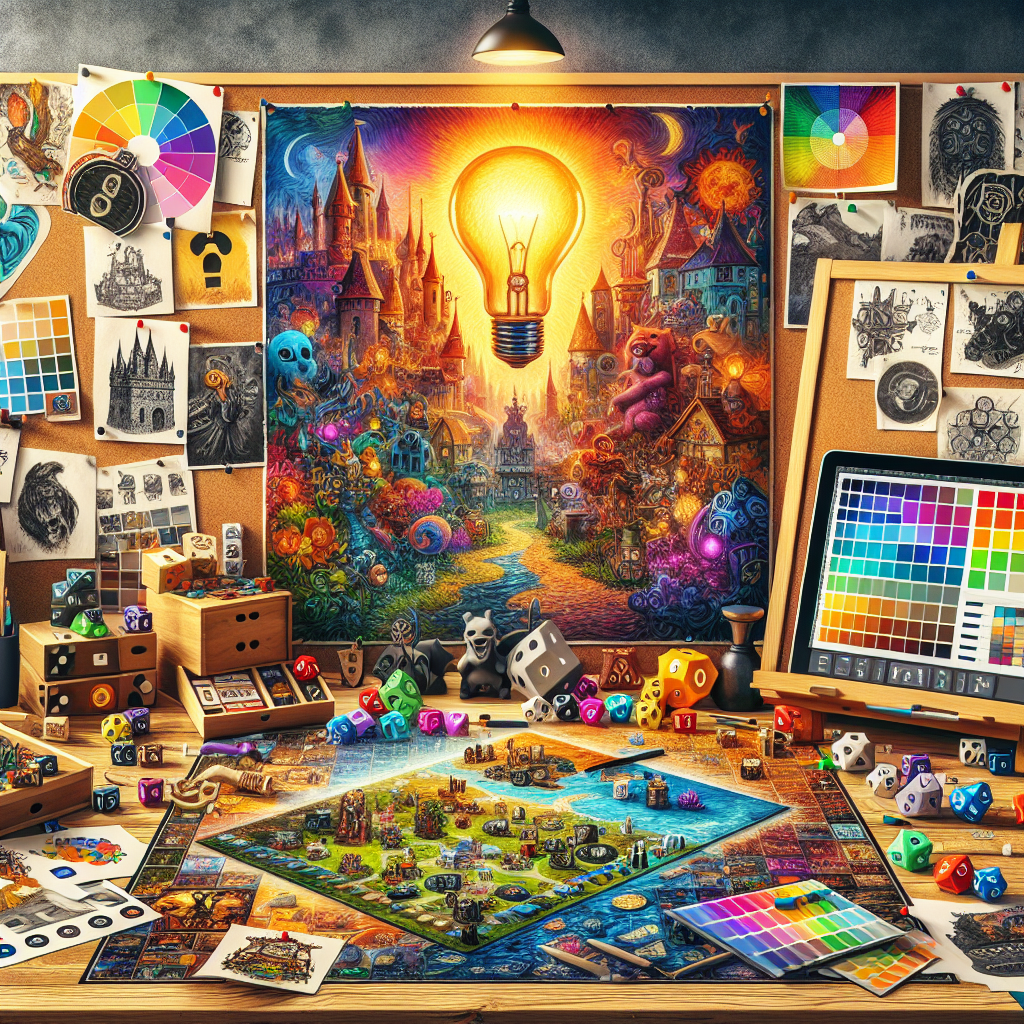
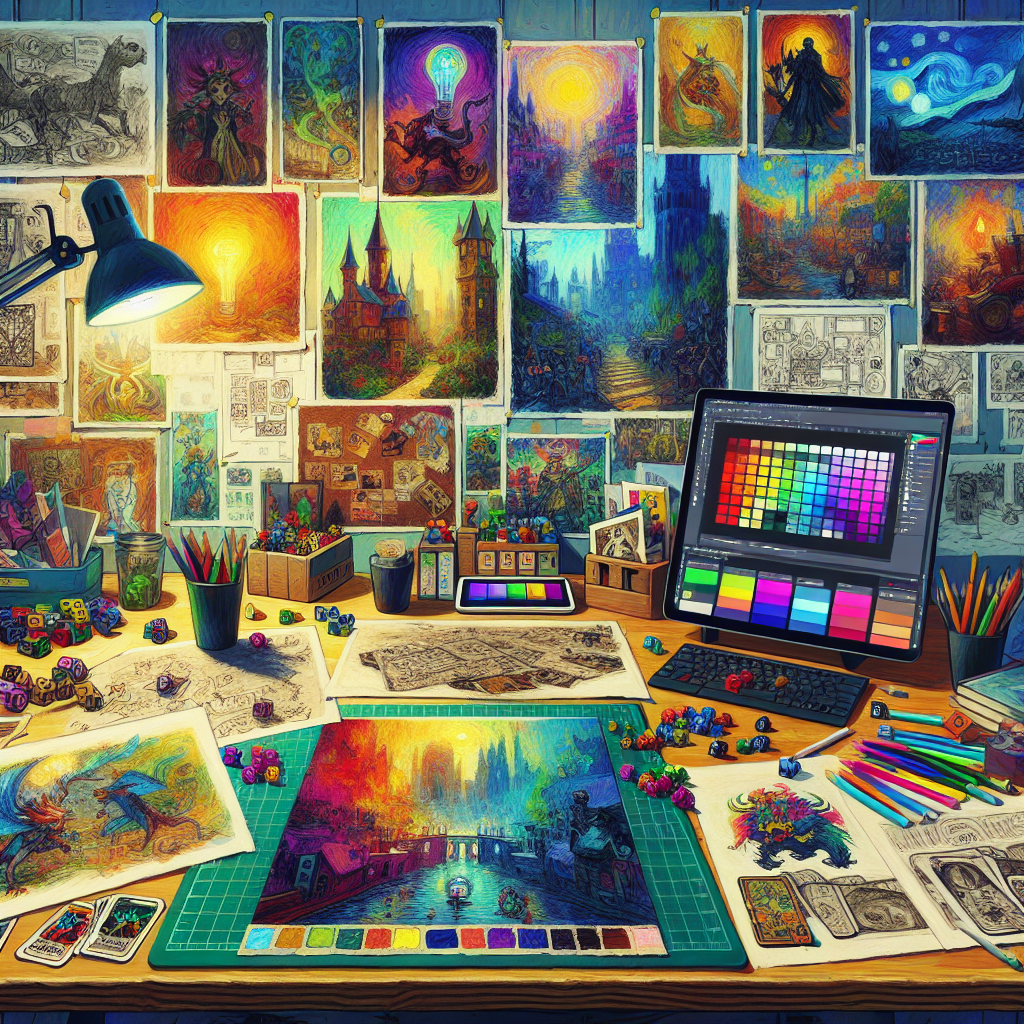
Picture this: you’re grappling with the core concept of your board game. Maybe it’s an epic fantasy, a nail-biting mystery, or a zany romp through a vibrant cityscape. ChatGPT can help spitball ideas faster than a game night with friends. Want a suitable color palette that screams ‘adventure’? Or looking for symbols that evoke the right feelings? This AI can churn out suggestions in mere moments, sparking those synapses in ways you might not expect.
Moreover, want to refine that initial sketch? The AI can assist in outlining your configurations with tips on layout, size, and typography—get the fonts just right to make your player cards pop. And while it won’t whip up the graphics on its own, it can guide you on the do’s and don’ts of design elements, walking you through the intricacies of balance and theme that can be vital to ensuring your board game stands out on a crowded shelf.
It’s not just about creating; it’s about elevating. Whether it’s crafting immersive storytelling through imagery or designing user-friendly components that make gameplay smooth and engaging, this digital ally can free up time for those magical “Aha!” moments that arise when you least expect them.
So, while no one is going to hand over their paintbrush or pencils just yet, leveraging the talents of ChatGPT could very well light a fire under that creative endeavor. With a little guidance from this digital helper, your next board game might just become the piece that pulls friends and family around the table, giddy with anticipation.
Can ChatGPT Help Design Board Game Visual and Graphic Elements?
Can ChatGPT Help Design Board Game Visual and Graphic Elements?
- Board game design combines creativity, strategy, and attractive visuals that engage players.
- ChatGPT can assist designers by brainstorming ideas and offering suggestions quickly.
- The AI can help refine concepts, providing tips on layout, size, and typography.
- While not a substitute for experienced designers, ChatGPT enhances the creative process.
- It provides guidance on design elements to ensure a visually appealing board game.
- ChatGPT helps create immersive storytelling through imagery and user-friendly components.
- Collaborating with ChatGPT can inspire and elevate the overall design of board games.
Can ChatGPT Help Design Board Game Visual and Graphic Elements?
What Suggestions Can ChatGPT Offer for Designing Board Game Rules?
Designing board game rules can feel like a tall order—especially when you’re staring down the blank pages of a rulebook, wondering how to distill a complex game into something that players can easily understand. But fear not, because there are some time-honored suggestions that can guide you on your journey to rulebook greatness, and harnessing a little tech can make all the difference.
First off, simplicity is key. It’s tempting to dive head-first into the nitty-gritty of your game, but remember that not every player is an experienced strategist or a board game aficionado. Break down your rules into bite-sized pieces, using clear, concise language. Think of it this way: if your grandma can’t grasp it over a cup of coffee, you might want to rethink how you’re presenting it. Clarity is your best friend—so keep jargon to a minimum and define any terms that might trip up newcomers.
Next, consider the all-important player experience. You’re not just laying out the rules; you’re crafting an adventure. Anticipate what your players will need to know at various points in the game. An effective structure might have a brief overview of the game’s objective upfront, followed by detailed sections on setup, gameplay, and winning conditions. This not only sets the stage but also provides a roadmap that players can easily follow, even when the action heats up.
Playtesting is where the real magic happens. Assemble your group of enthusiastic friends—or even better, those who’ve never crossed paths with your game—and let them loose. Observe how they navigate the rules and take notes of where confusion arises. Sometimes a fresh pair of eyes reveals issues you’d never notice after being so close to the project. Embrace feedback, even when it stings. A rule might seem genius in your mind, but if it stumbles on the tabletop, it’s better to tweak it now than to hear complaints later.
Lastly, incorporate visual aids. A well-placed diagram or illustration can save you pages of text and clarify intricate mechanics. People are visual creatures; a simple image often conveys meaning more effectively than words ever could.
Designing board game rules isn’t just about laying down laws; it’s about inviting players into a world where they can imagine, strategize, and enjoy. With a little thoughtfulness and the right approach, your rulebook can be the gateway to countless hours of fun.
What Suggestions Can ChatGPT Offer for Designing Board Game Rules?
What Suggestions Can ChatGPT Offer for Designing Board Game Rules?
- Simplicity is crucial when drafting board game rules to ensure understanding for all players.
- Use clear and concise language; avoid jargon and define complex terms.
- Focus on player experience by anticipating their needs throughout the game.
- Organize the rulebook with sections on the game’s objective, setup, gameplay, and winning conditions.
- Playtesting with diverse groups helps identify confusing rules and gather valuable feedback.
- Incorporate visual aids like diagrams or illustrations to complement textual explanations.
- Designing rules invites players into an enjoyable game experience; a thoughtful rulebook enhances this experience.
What Suggestions Can ChatGPT Offer for Designing Board Game Rules?
How Can ChatGPT Find Inspiration From Existing Board Games?
When it comes to understanding the world of board games, one could say it’s like standing at the intersection of creativity and strategy. As an AI, ChatGPT doesn’t have hands to shuffle cards or move game pieces, but it does have a keen eye for the mechanics that make these games tick. Just as a skilled artisan studies the greats before creating their masterpiece, ChatGPT can draw inspiration from existing board games to spark new ideas.
Every board game tells a story, whether it’s a journey through a medieval kingdom or a frantic race across a modern metropolis. The themes, the narratives, and the player interactions are carefully woven together to create an engaging experience. For instance, consider the ingenious design of “Settlers of Catan,” a game that emphasizes resource management and trading. ChatGPT can dissect the interplay of strategy and negotiation to understand how to create a captivating narrative or design a competition that encourages cooperation, even as players vie for victory. It’s about recognizing those nuances—the thrill of forming alliances, the tension of betrayal, and the joy of outsmarting opponents.
Moreover, the variety of mechanics deployed in board games serves as a buffet of inspiration. Take the “Roll and Write” genre, where players take turns rolling dice to fill in their game boards. This format thrives on simplicity and accessibility, concepts ChatGPT can incorporate into new game frameworks. The element of chance combined with strategic planning opens up paths for creativity, prompting the development of ideas that balance ease of play with depth.
However, let’s not overlook the sheer visual and tactile aspect of board games. The artwork, the shapes, the sound of pieces clattering on the board—this sensory information is rich and varied. Understanding how aesthetics play a role in players’ emotions offers valuable lessons. An AI might not feel the excitement of unboxing a new game, but it can appreciate how colors and designs evoke moods, guiding it toward creating engaging content that resonates with users.
Ultimately, the key for ChatGPT lies in mimicking the thought processes of game designers. By analyzing existing games through the lenses of mechanics, themes, player psychology, and aesthetics, the AI can develop original concepts that honor the traditions of the past while looking boldly toward the future. After all, in the game of creativity, there are no losing moves, only opportunities to learn and innovate.
How Can ChatGPT Find Inspiration From Existing Board Games?
How Can ChatGPT Find Inspiration From Existing Board Games?
- ChatGPT can draw inspiration from existing board games to enhance creativity and strategy.
- Every board game tells a unique story, intertwining themes, narratives, and player interactions.
- Games like “Settlers of Catan” highlight strategic elements such as resource management and negotiation.
- The “Roll and Write” genre exemplifies how simplicity and accessibility can inspire new game designs.
- Board games’ visual and tactile experiences offer insights into how aesthetics influence player emotions.
- ChatGPT can mimic game designers’ thought processes by analyzing game mechanics, themes, and player psychology.
- By reflecting on past games, ChatGPT can create innovative concepts that honor tradition while exploring new ideas.
How Can ChatGPT Find Inspiration From Existing Board Games?
How Does ChatGPT Support Board Game Playtesting?
Let’s face it: playtesting a board game is a bit like taking a fine-tuned machine out for a spin. You need the right fuel, a smooth engine, and a team of players who know how to handle its quirks. But what happens when that machine has a glitch? Well, that’s where a savvy co-pilot like ChatGPT comes into play. This digital companion brings a toolbox of insights and support that can transform good gameplay into phenomenal fun.
Imagine you’re gathered around the table, surrounded by cardboard and counters, with excitement hanging in the air. You roll the dice, draw a card, and… Wait a second. After a few rounds, things don’t feel quite right. Maybe the pacing is off, or players are scratching their heads over convoluted rules. This is where ChatGPT rolls up its virtual sleeves. You can feed the bot your game mechanics, tell it about the players involved and your overall vision, and suddenly, you’ve got yourself a brainstorming partner. Its algorithms process your queries and spit out ideas quicker than your opponents can hoard resources.
Need to tweak a poorly designed mechanic? No problem! ChatGPT can suggest alternative approaches or even propose entirely new elements that align with your game’s theme. It can help simplify rules that players might find baffling, ensuring that everyone at the table is on the same page, ready to enjoy the playtest instead of rowing through confusion.
But wait, there’s more. Playtesting involves feedback — not just from you, but from those eager players, too. Gathering opinions can sometimes be like herding cats, especially when everyone has something to say. Enter ChatGPT again, stepping in as an unbiased mediator. Pose it the question: “What did you enjoy most about the game?” or “What needs tweaking?” It can help you craft questionnaires that tease out valuable insights for refinement, whether players are whispering their thoughts or shouting them across the table.
In the world of board gaming, success often hinges upon collaboration and iteration. With ChatGPT at your side, you’re not just a designer; you’re part of a collective effort to create something extraordinary. So, whether you’re crafting the next cooperative puzzle or an epic strategy experience, let ChatGPT elevate your playtesting journey into a thorough, insightful, and fun-filled adventure.
How Does ChatGPT Support Board Game Playtesting?
How Does ChatGPT Support Board Game Playtesting?
- ChatGPT acts as a supportive co-pilot during board game playtesting, enhancing the experience.
- It helps identify and address glitches in game mechanics or pacing that may disrupt gameplay.
- Players can share game mechanics and visions with ChatGPT, receiving rapid brainstorming support.
- ChatGPT offers suggestions for improving game mechanics and simplifying convoluted rules.
- It assists in gathering unbiased feedback from players, making it easier to refine the game.
- ChatGPT can help craft effective questionnaires to elicit valuable player insights.
- Utilizing ChatGPT fosters a collaborative environment, turning playtesting into a fun and insightful journey.

How Does ChatGPT Support Board Game Playtesting?
Conclusion
As we wrap up this exploration of board game design and the role ChatGPT can play, let’s take a moment to reflect. Creating a board game isn’t just about slapping together some pieces and rules—it’s a journey. It’s a balancing act combining creativity, strategy, and a sprinkle of chaos. Imagine embarking on a quest with your trusty sidekick, and for many, that sidekick can now be ChatGPT. Sure, it can’t roll the dice or pull a game night prank, but it’s armed with an arsenal of ideas, mechanics, and thematic suggestions that’ll surprise you.
So, how does this digital advisor function, you ask? Well, it starts by helping you break free from the monotony of your own ideas. Say you’re mired in medieval clichés; a prompt to ChatGPT about space exploration could catapult you into a galaxy of fresh concepts. Need to craft rules that make sense without overwhelming new players? This AI can lend clarity, transforming intricate game mechanics into understandable, engaging guidelines.
Feedback is critical in game design, and ChatGPT operates like a pro at a focus group. It synthesizes your playtester’s comments into actionable insights, pinpointing which components need tweaking and which elements spark joy. Think of ChatGPT as your tireless intern who sorts through the chaos, pulling out the golden nuggets of information to guide your improvements. And with its ability to churn out suggestions for everything from character development to captivating game titles, it’s like having an entire brainstorming team at your disposal, 24/7.
But let’s keep our feet on the ground; AI is a tool, not a replacement for your creative instincts. Your unique vision and touch are irreplaceable. So, combine your ideas with ChatGPT’s capabilities, and you’ll find yourself not just crafting a game, but potentially ushering in the next favorite around the table.
In essence, as you embark on this adventure of board game design, remember that collaboration—human and AI alike—can lead to groundbreaking creations. Whether refining a complex theme, balancing game mechanics, or bringing captivating characters to life, ChatGPT stands ready as a digital ally. So, gather those snacks, fire up your imagination, and let this modern tool help you design the next big hit at game night. After all, your board game masterpiece might just be a conversation away!
Conclusion
Conclusion:
- Board game design is a creative journey that combines strategy and chaos.
- ChatGPT serves as a digital sidekick, providing ideas, mechanics, and thematic suggestions.
- It helps break free from repetitive ideas by offering fresh concepts, like space exploration instead of medieval themes.
- ChatGPT clarifies and simplifies complex game rules for engaging gameplay without overwhelming new players.
- It synthesizes playtester feedback into actionable insights, highlighting areas for improvement.
- While AI can enhance creativity, it should complement, rather than replace, your unique vision as a designer.
- Leveraging collaboration between human creativity and AI can lead to innovative game designs and engaging experiences.
Conclusion
Other Resources
Other Resources
Here is a list of other resources you can review online to learn more:
- “🧪 Using ChatGPT in the innovation process – by Azeem …”
- “I taught ChatGPT to teach me board games. Here’s how I …”
- “I assigned my game design students to brainstorm with Chat …”
- “ChatGPT makes a Board Game.”
- “Bower & Chat GPT Make a Boardgame Part 1: The Gist of the …”
Other Resources
Glossary Terms
Can ChatGPT Help Design a Board Game? – Glossary Of Terms
1. Board Game: A tabletop game that involves players moving pieces or tokens on a premarked surface in accordance with a set of rules.
2. Mechanics: The rules and methods that guide how players interact with the game, including movement, scoring, and actions.
3. Theme: The overarching narrative or setting of the game, which influences its visual style, components, and player experience.
4. Prototype: An early model of the game created to test mechanics, rules, and overall gameplay before final production.
5. Playtesting: The process of testing the game with players to gather feedback on gameplay, balance, and enjoyment.
6. Components: The physical items used in a board game, including pieces, cards, dice, and boards.
7. Ruleset: The detailed instructions outlining how to play the game, including setup, gameplay, and victory conditions.
8. Victory Conditions: The requirements players must meet to win the game, such as accumulating points or completing objectives.
9. Card Design: The process of creating cards used in a game, which includes the artwork, text, and layout.
10. Mechanism: Another term for game mechanics; this refers to specific actions or interactions that occur during gameplay.
11. Game Balance: The degree to which the game provides a fair and even playing field for all participants, often achieved through careful tuning of mechanics.
12. Thematic Elements: Aspects of the game that reinforce its theme, such as artwork, storylines, and game components.
13. User Feedback: Insights or opinions gathered from players during playtesting, which help improve game design.
14. Player Interaction: The ways in which players affect one another’s gameplay, whether collaboratively, competitively, or antagonistically.
15. Game Dynamics: The patterns of behavior and interactions that emerge during gameplay, influenced by mechanics and player choices.
16. Design Iteration: The process of revising and improving the game design based on feedback and testing results.
17. Chiptune: A style of music often used in games, characterized by the use of synthesized sounds from vintage computer hardware.
18. Game Narrative: The storyline or background framework that drives the game’s events and player motivations.
19. Scalability: The ability of a game to accommodate different numbers of players while remaining enjoyable and balanced.
20. Diversity: The inclusion of a variety of themes, mechanics, and player interactions to appeal to a broad audience.
21. Engagement: The extent to which players feel invested in the game and its outcome.
22. Target Audience: The specific demographic or group of players for whom the game is designed.
23. Art Direction: The visual style and aesthetic choices made in the design of game components and overall presentation.
24. Concept Art: Initial visual sketches and designs that help convey ideas for characters, settings, and game components.
25. Gameplay Loop: The sequence of actions players follow repeatedly throughout the game, driving engagement and progression.
26. Accessibility: The measure of how easy it is for new or diverse players to understand and enter the game.
27. Session Length: The estimated duration of game play, which can influence design choices and target audience.
28. Victory Point: A common scoring method in board games where players earn points through various actions toward the goal of winning.
29. Designer Portfolio: A collection of previous designs and projects from a game designer, showcasing their style and experience.
30. Game Publishing: The process of producing and distributing the board game, including marketing, production, and retail strategies.
Glossary Of Terms
Other Questions
Can ChatGPT Help Design a Board Game? – Other Questions
If you wish to explore and discover more, consider looking for answers to these questions:
- What specific features does ChatGPT have that make it useful for board game design?
- Are there limitations to using ChatGPT in the board game design process?
- How can first-time game designers effectively use ChatGPT?
- What are some examples of successful board games that were influenced by AI creativity?
- Can ChatGPT assist in visual design and artwork suggestions for board games?
- How does ChatGPT compare to human brainstorming in board game design?
- What are the ethical considerations when using AI in creative processes like game design?
- Can ChatGPT help with marketing strategies for board games?
- How does ChatGPT handle multiple iterations of a game concept?
- What kind of feedback can ChatGPT provide during playtesting sessions?
Other Questions
Haiku
Can ChatGPT Help Design a Board Game? – A Haiku
AI joins the game,
Ideas flow like rolling dice,
Creativity blooms.
Haiku
Poem
Can ChatGPT Help Design a Board Game? – A Poem
In the chaotic sphere of board game creation,
With rules and themes, a tricky foundation,
A spark of brilliance, a dash of delight,
Enter ChatGPT, your partner in the fight.
No simple stroll it takes to design—
It’s a blend of madness, art, and the divine.
You toss it a theme, perhaps dragons or space,
And watch as it conjures ideas with grace.
A digital ally in creative pursuit,
With fresh perspectives, it helps to compute.
Mix genres, intertwine fate and chance,
Crafting mechanics that make players dance.
Feedback’s the lifeblood, as makers do know,
ChatGPT critiques your game’s ebb and flow.
From balancing points to enhancing the fun,
It’s there to assist till the last dice is run.
Dive into narratives where characters thrive,
In stories of wonder, their essence comes alive.
With snappy dialogue and backstories profound,
Each piece finds its voice, each role fully sound.
From visuals that shimmer to rules that are clear,
It aids in the crafting of components sincere.
With diagrams, prompts, and witty names galore,
Your game goes from draft to a world to explore.
Through playtesting chaos, insights will bloom,
In sifting through feedback, it clears out the gloom.
Charting trends and themes, it maps the unknown,
A guiding companion as creativity’s grown.
So here’s to the journey, both daunting and thrilling,
With ChatGPT by your side, it’s a vision fulfilling.
From conception to launch, let the adventure unfold,
In the realm of game-making, be daring and bold!
Poem
Checklist
Can ChatGPT Help Design a Board Game? – A Checklist
1. Define Your Concept
_____ Identify the core theme or genre (e. g. , fantasy, mystery, strategy).
_____ Determine the target audience (casual gamers, families, hardcore strategy enthusiasts).
_____ Outline primary objectives and goals for the game.
2. Generate Unique Themes and Concepts
_____ Use ChatGPT to brainstorm various themes based on initial ideas.
_____ Experiment with genre mash-ups (e. g. , detective noir meets alien invasion).
_____ Explore unconventional settings for your game.
3. Develop Engaging Game Mechanics
_____ Describe your initial mechanics to ChatGPT and seek fresh alternatives.
_____ Discuss balancing strategies to ensure fair and enjoyable gameplay.
_____ Ask for suggestions on player interactions and mechanics that enhance engagement.
4. Create Character Roles
_____ Utilize ChatGPT to develop character archetypes and backstories.
_____ Request ideas for unique character abilities that contribute to game strategy.
_____ Iterate on character details based on the feedback from ChatGPT.
5. Craft Compelling Narratives
_____ Brainstorm thematic elements and potential storylines with ChatGPT.
_____ Develop dynamic characters with clear motivations and goals.
_____ Create conflict scenarios that enhance gameplay drama and excitement.
6. Write Clear and Concise Rules
_____ Draft rules using straightforward language; ensure clarity and simplicity.
_____ Organize the rulebook logically (overview, setup, gameplay, winning conditions).
_____ Incorporate visual aids for complex mechanics to aid understanding.
7. Conduct Playtesting
_____ Gather diverse groups for playtesting sessions.
_____ Collect and analyze feedback on mechanics, rules, and player experience.
_____ Utilize ChatGPT to synthesize feedback and suggest improvements.
8. Design Visual and Graphic Elements
_____ Discuss visual themes and art styles suitable for your game.
_____ Query ChatGPT for suggestions on color palettes and iconography.
_____ Create a cohesive aesthetic that aligns with the gameplay experience.
9. Analyze Player Feedback
_____ Categorize feedback into positives and areas for improvement using ChatGPT.
_____ Identify patterns in player responses to refine the game further.
_____ Use the AI to brainstorm solutions to commonly cited problems or criticisms.
10. Finalize and Name Your Game
_____ Generate a list of potential names with ChatGPT that resonate with your game theme.
_____ Choose a name that encapsulates the essence of the gaming experience.
_____ Ensure the name is memorable and appealing to your target audience.
Keep this checklist handy as you embark on your board game design journey with ChatGPT to enhance your creativity and streamline the process. Happy designing!
Checklist
At BestBoardGameNews, we help people who love board games by collating information and news about board games.
Be sure to read our other related stories at BestBoardGameNews to learn more about board games.