Protect Your Brain: The Chess Solution
By Tom Seest
At BestBoardGameNews, we help people who love board games by collating information and news about board games.
Be sure to read our other related stories at BestBoardGameNews to learn more about board games.
Can Chess Checkmate Age-Related Cognitive Decline?
In the heart of every small town, tucked away in community centers, libraries, and the occasional dimly lit café, you’ll find an unassuming tableau of black and white squares—the chess board. This iconic board game, steeped in history and strategy, invites players to engage in a battle of wits and intellect. It’s not just a pastime; it’s a mental gym that could serve as a lifeline in the face of age-related cognitive decline.
Picture this: elderly men and women, seated across from one another, their brows furrowed in concentration, hands poised over pieces that have been moved a thousand times before. Each move is a dance, a calculated decision, a testament to the difficult balance of strategy and foresight. What some might see as a leisurely challenge is, in fact, a remarkable exercise for the mind.
Recent studies hint at what many in the chess community have long whispered regarding the game’s benefits. Engaging in chess has been shown to enhance cognitive functions such as problem-solving, memory, and critical thinking. For the aging population, this is not just about winning or losing; it’s about preserving mental sharpness, keeping the gears of the mind in motion. Like a well-maintained piece of machinery, the brain thrives on challenge and stimulation—two things chess readily provides.
Consider the chess pieces themselves. They embody a rich tapestry of strategy and potential. Each move alters the board in unforeseen ways—just like life. And for seniors, navigating those intricate dynamics can sharpen their attention span, encouraging them to think ahead and anticipate their opponent’s next strategic offensive. This practice doesn’t just apply on the board; it seeps into everyday decision-making too.
Moreover, the social aspect of the board game cannot go unnoticed. It brings together diverse generations under the guise of competition and camaraderie. The simple act of engaging with others stimulates emotional well-being, ensuring that participants remain socially active—an essential ingredient in the fight against cognitive decline.
So, when you wonder if chess can truly checkmate age-related cognitive decline, consider the aging population: armed not just with pieces but with purpose, forging connections and honing their minds one match at a time. In this unassuming battle of intellect, the heavy burden of age simply falls away, giving way to the clarity and joy found in every thoughtful move.

Can Chess Checkmate Age-Related Cognitive Decline?
Can Chess Checkmate Age-Related Cognitive Decline?
- The chess board, common in small towns, serves as a platform for mental engagement and strategy.
- Playing chess is not just a pastime; it acts as a mental exercise that can combat age-related cognitive decline.
- Recent studies show that chess enhances cognitive functions such as problem-solving, memory, and critical thinking.
- For seniors, chess is valuable for preserving mental sharpness and keeping the brain active.
- The dynamics of the game improve attention span and encourage strategic thinking that translates into daily life.
- Chess fosters social interaction across generations, promoting emotional well-being and community connection.
- Engaging in chess empowers older adults to maintain purpose and joy while navigating the challenges of aging.
Can Chess Checkmate Age-Related Cognitive Decline?
Table Of Contents
- Can Chess Checkmate Age-Related Cognitive Decline?
- Can Chess Enhance Problem-Solving Skills In Seniors?
- How Does Chess Stimulate Cognitive Function In Older Adults?
- What Are The Benefits Of Chess For Mental Health In Seniors?
- How Does Regular Chess Play Impact Brain Plasticity?
- Are There Studies Linking Chess With Cognitive Improvement?
- What Other Games Can Aid Cognitive Health Like Chess?
- How Can Seniors Start Playing Chess Easily?
- Conclusion
- Other Resources
- Glossary Of Terms
- Other Questions
- Haiku
- Poem
- Checklist
Can Chess Enhance Problem-Solving Skills In Seniors?
When you think about ways to keep the mind sharp as we age, chess might not be the first thing that pops into your head. But here’s the deal: this classic board game isn’t just for the young prodigies or competitive types—it’s a profound mental workout that can stimulate cognitive function and enhance problem-solving skills in seniors.
Imagine setting up a chessboard, the pieces lined up like soldiers ready for battle. As the game unfolds, each move acts like a piece of a puzzle. You confront decisions, weigh your options, and think several steps ahead. It’s like navigating life’s challenges with a strategic approach. For seniors, this mental exercise can translate directly into improved problem-solving capabilities.
Research shows that engaging in complex activities like chess can strengthen neural connections, much like lifting weights builds muscle. And what’s more encouraging is that the cognitive benefits aren’t just about memory; they span attention, reasoning, and even creativity. With every game, seniors grapple with real-world situations represented on the board. Check, checkmate, or perhaps a dull draw—each outcome teaches a lesson about planning, foresight, and the importance of thinking on your feet.
Additionally, seniors often face what feels like an endless array of daily dilemmas. Whether it’s managing finances, addressing health concerns, or finding new social activities, problem-solving is crucial. Chess sharpens this skill with every game. It encourages players to assess risk, evaluate alternatives, and make critical decisions under pressure. It’s almost poetic: the tactical maneuvers required in chess mirror the strategic thinking needed in everyday life.
Beyond just honing cognitive abilities, playing chess can foster social connections, creating an inviting environment where seniors can engage with friends and family. The communal aspect of a board game encourages interaction, laughter, and the sharing of experiences, which are just as vital for mental health as the game itself.
So, if you’re thinking about ways for seniors to stay mentally fit, don’t underestimate the power of this ancient game. Grab a board, set it up, and dive into the wonderful world of chess. It’s not just about kings and queens—it’s about strengthening minds and enhancing those crucial problem-solving skills, one move at a time.
Can Chess Enhance Problem-Solving Skills In Seniors?
Can Chess Enhance Problem-Solving Skills In Seniors?
- Chess is a profound mental workout that stimulates cognitive function for seniors.
- The game challenges players to confront decisions, weigh options, and think strategically.
- Complex activities like chess strengthen neural connections, enhancing memory, attention, reasoning, and creativity.
- Seniors learn valuable lessons about planning and foresight through the game.
- Chess helps seniors improve problem-solving skills essential for managing daily dilemmas.
- Playing chess fosters social connections and encourages interaction among seniors.
- Engaging in chess is an effective way for seniors to stay mentally fit and active.

Can Chess Enhance Problem-Solving Skills In Seniors?
How Does Chess Stimulate Cognitive Function In Older Adults?
When we dive into the world of chess, we’re not just talking about a board game played in the quiet corners of a park. It’s a mental battleground where each piece holds potential, and every move unfolds a plethora of possibilities. For older adults, this classic game offers more than just a way to pass the time; it acts as a cerebral workout that keeps the mind agile and engaged.
Chess challenges the player to think several steps ahead, akin to a mental chess match against time itself. In each match, older adults are faced with the necessity to evaluate their own strategies while anticipating the opponent’s moves. This kind of strategic planning stimulates synapses in the brain, enhancing cognitive flexibility and overall mental acuity. You see, every time you contemplate a position on the board, you’re not just playing a game; you’re engaging in a complex dance of logic and foresight.
The beauty of chess lies in its timelessness. It has remained a beloved pastime because it nurtures skills that are crucial for day-to-day life. For those in their golden years, engaging in such mentally stimulating activities can significantly reduce the risk of cognitive decline, including disorders like dementia and Alzheimer’s. It’s as if each game slices away at the fog of forgetfulness, sharpening the mind like a well-honed blade.
Moreover, the social aspect of chess cannot be understated. Chess clubs and friendly games boost social interaction, which itself is a vital component in maintaining cognitive health. Engaging with others in this high-stakes arena brings a sense of community and belonging, reinforcing emotional wellness. This interaction is a perfect blend of competition and camaraderie, proving that mental challenges do not have to be done in isolation.
The strategic depth of chess also offers the opportunity for learning. Each match is an opportunity to reflect, analyze, and improve. Mistakes made today can lead to triumphs tomorrow. This growth mindset not only benefits the game but extends into life, encouraging older adults to remain curious, adapt, and continue learning even as the years roll on.
So, whether it’s the thrill of a checkmate or the satisfaction of a clever pawn promotion, chess serves as a beacon of cognitive engagement for older adults. It’s not just a board game; it’s a path to mental vitality, social connection, and lifelong learning. In every move, there’s a chance to reignite the sparks of creativity and critical thinking that age can sometimes dull.
How Does Chess Stimulate Cognitive Function In Older Adults?
How Does Chess Stimulate Cognitive Function In Older Adults?
- Chess is more than a board game; it’s a mental battleground that offers cognitive benefits.
- Playing chess encourages strategic planning and the ability to think several steps ahead.
- Engagement in chess stimulates brain synapses, enhancing cognitive flexibility and mental acuity.
- Chess helps reduce the risk of cognitive decline and disorders like dementia and Alzheimer’s.
- The social aspect of chess promotes interaction, community, and emotional wellness.
- Each match provides opportunities for reflection, analysis, and continuous personal improvement.
- Chess fosters mental vitality, social connection, and lifelong learning in older adults.

How Does Chess Stimulate Cognitive Function In Older Adults?
What Are The Benefits Of Chess For Mental Health In Seniors?
When you think of a board game, what probably comes to mind is a rainy afternoon spent with friends, a few friendly rivalries, and a chance to let your competitive spirit shine. But for seniors, chess isn’t just a pastime; it’s a cognitive workout wrapped in the guise of a board game that can greatly enhance mental health. It’s a bit like picking up a dumbbell for your brain, and the benefits aren’t just about skill or strategy; they run much deeper.
First up, consider the aspect of social interaction. Chess might seem solitary at first glance, but those matches across the board can forge new friendships or revive old ones. For seniors, engaging in social activities is crucial. The simple act of sitting down to play chess can combat feelings of isolation and loneliness—two frequent foes for seniors.
Now, let’s talk about cognitive function. Chess involves an intricate dance of tactics, strategy, and memory. Every game forces players to think several moves ahead, analyzing potential outcomes and adjusting plans accordingly. This kind of mental gymnastics is fantastic for strengthening neural connections and keeping the mind sharp. For seniors, this means a lower risk of cognitive decline and conditions like Alzheimer’s disease. It’s like giving your brain the tuning it needs to function at its best.
Moreover, chess promotes patience and discipline. Players learn to wait for the right opportunity and resist the impulse to make rash decisions. This skill doesn’t just apply to the chessboard; it translates into real-life patience, helping seniors navigate various situations with a clearer mind and a steadier hand.
Let’s not forget about stress relief. Engaging in a game where the focus is solely on strategy and tactics can provide a welcome distraction from life’s daily worries. The immersive nature of a chess match gives seniors a mental break, allowing them to clear their heads and channel their energies into something productive and enjoyable.
Lastly, chess can boost self-esteem. Winning a match or mastering a new strategy brings a sense of accomplishment, reinforcing a senior’s sense of purpose and capabilities. That confidence can bleed into other areas of life, fostering a positive outlook.
In a world that often overlooks the mental health of seniors, a good board game like chess can be a powerful ally. It’s more than just a game; it’s a resource for connection, a mental gymnasium, and a triumph of the human spirit. So, whether you’re a seasoned strategist or a novice just starting to learn the ropes, pick up that chess piece—your mind will thank you.

What Are The Benefits Of Chess For Mental Health In Seniors?
What Are The Benefits Of Chess For Mental Health In Seniors?
- Chess offers seniors a cognitive workout, enhancing mental health beyond mere entertainment.
- Games foster social interaction, combating isolation and loneliness among seniors.
- Chess improves cognitive function by enhancing memory, strategy, and foresight, reducing risks of cognitive decline.
- Players develop patience and discipline, skills that are applicable in real-life situations.
- The game provides stress relief, allowing seniors to focus and escape daily worries.
- Winning and mastering strategies boosts self-esteem, reinforcing a sense of purpose.
- Chess serves as a vital resource for mental health, connection, and personal growth for seniors.

What Are The Benefits Of Chess For Mental Health In Seniors?
How Does Regular Chess Play Impact Brain Plasticity?
When we talk about regular chess play, we’re not merely discussing a board game that has stood the test of time; we’re diving into a realm where strategy meets neuroplasticity. This intricate dance on an 8×8 grid does more than just ignite our competitive spirits—it can reshape our brains in astonishing ways.
Now, imagine the clang of pieces being set in motion, the whir of thought processes whirling, and the calculating gaze that locks onto your opponent’s every move. Each calculated decision you make is a workout for your brain. It’s like lifting weights for your mental muscles. Regularly engaging in chess encourages the formation of new neural pathways, which is essentially the brain’s way of adapting and learning. In this context, every move counts—not just on the board, but also in, quite literally, expanding our cognitive capacities.
Research shows that challenging activities, such as chess, stimulate the production of brain-derived neurotrophic factor (BDNF). This little hero is responsible for the health and survival of neurons and is a key player in plasticity—our brain’s ability to rewire itself in response to new experiences. So, as you make that strategic capture or devise elaborate traps for your opponent, your brain is hard at work, making connections that strengthen mental agility and sharpen critical thinking skills.
Furthermore, consider memory. In chess, you’re not just recalling rules and sequences; you’re memorizing openings, tactics, and historical games of grandmasters. This kind of cognitive engagement serves as a mental gymnasium. The multitasking involved in strategizing, anticipating your opponent’s moves, and planning several moves ahead fires up various areas of the brain. It’s akin to running a cognitive marathon—one that requires endurance, concentration, and a high degree of focus.
But it doesn’t stop there. Regular chess play can also help delay cognitive decline as we age. Studies suggest that maintaining an active mind can ward off diseases like dementia and Alzheimer’s. By engaging in this timeless board game, players may just be fortifying their minds against the onslaught of aging.
So, whether you’re a seasoned grandmaster or a curious newcomer, remember that every chess match is more than just a game. It’s a powerful catalyst for brain plasticity, reshaping the way we think, remember, and strategize—one move at a time.

How Does Regular Chess Play Impact Brain Plasticity?
How Does Regular Chess Play Impact Brain Plasticity?
- Chess is not just a game; it combines strategy and neuroplasticity.
- Every move in chess enhances brain function, likened to a workout for mental muscles.
- Engaging in chess helps form new neural pathways, expanding cognitive capacities.
- Chess stimulates the production of brain-derived neurotrophic factor (BDNF), crucial for neuron health and plasticity.
- Players memorize openings and tactics, utilizing various areas of the brain and improving memory.
- Regular chess play may delay cognitive decline, protecting against diseases like dementia and Alzheimer’s.
- Each chess match acts as a catalyst for brain plasticity, affecting thinking, memory, and strategy development.
How Does Regular Chess Play Impact Brain Plasticity?
Are There Studies Linking Chess With Cognitive Improvement?
When we dive into the world of board games, there’s one that stands out not just for its strategic depth, but also for its potential cognitive benefits: chess. You might think of chess as just another board game, perhaps one played by old men in parks under the shade of trees, but research has increasingly suggested that it goes far beyond mere entertainment.
Numerous studies have sought to uncover whether this ancient game can truly improve cognitive function. Chess is a battle of wits, requiring players to visualize complex scenarios, calculate potential moves several steps ahead, and think critically under pressure. With those mental gymnastics, it’s no wonder researchers have been curious about the game’s impact on cognitive development, especially in children.
One major area of research focuses on chess and its influence on problem-solving skills. A study conducted with children in various academic settings showed remarkable improvements in their ability to think critically and solve complex problems after participating in a chess program. These kids weren’t just learning to move knights and pawns; they were sharpening their minds to approach challenges in various aspects of life. The logic required in chess translates into better mathematical reasoning, which is a crucial skill in school and beyond.
Additionally, there’s a fascinating connection between chess and memory enhancement. Playing chess requires remembering a series of strategies and past games, which can help train the brain to retain information more effectively. Some studies suggest that regular chess players may even have better memories than non-players. It’s like mental aerobics; the more you engage, the more you build up your cognitive muscle.
However, it’s essential to approach these findings with a healthy dose of skepticism. While there are promising results, researchers emphasize that chess should not be viewed as a one-size-fits-all solution for cognitive improvement. Like any board game or sport, the benefits often depend on engagement level and the quality of instruction. It’s not enough to sit at the board; one must genuinely strive to understand the game.
So, while chess may not be the magical key to cognitive prowess, it certainly offers an array of benefits that can enhance mental acuity. Whether you’re a seasoned player or a curious newcomer, picking up that chessboard may just be a smart move for your brain.

Are There Studies Linking Chess With Cognitive Improvement?
Are There Studies Linking Chess With Cognitive Improvement?
- Chess is recognized for its strategic depth and potential cognitive benefits.
- Research indicates chess can improve cognitive function beyond just entertainment.
- Players must visualize scenarios and think critically, which aids cognitive development, especially in children.
- Studies show that chess enhances problem-solving skills in children, improving their critical thinking abilities.
- Playing chess also strengthens memory by requiring the recall of strategies and past games.
- Regular chess players may have better memories compared to non-players, akin to mental aerobics.
- Benefits of chess depend on engagement and quality of instruction, and it is not a guaranteed solution for cognitive improvement.
Are There Studies Linking Chess With Cognitive Improvement?
What Other Games Can Aid Cognitive Health Like Chess?
When we think about games that exercise our minds like chess, a treasure trove of options comes to the forefront. Let’s take a dive into some of these cerebral contenders, where strategic thinking and cognitive agility are the names of the game.
First up, we have Go, a board game that hails from ancient China. With its simple rules but infinite complexity, Go is like chess on steroids. It’s all about territory and control, demanding an astute ability to anticipate your opponent’s moves. While this board game may seem straightforward at first glance, mastering Go can take a lifetime—keeping your mind sharp and nimble well into old age.
Next on the list is Bridge, a card game that requires a blend of strategy, skill, and teamwork. This game is not just about the cards in your hand; it’s about reading your partner and opponents, communicating silently, and devising clever tactics. As players navigate through the intricate world of bids and tricks, the mental workout is nothing short of exhilarating. You’ll find yourself calculating odds and weighing risks, honing your social cognitive skills in the process.
Let’s not overlook the classic game of Scrabble. This board game is a fantastic way to enhance vocabulary while giving your brain a rigorous workout. As you scramble to create words from a hodgepodge of letters, you’re not just playing with words; you’re also engaging in critical thinking. The strategy of placing tiles for maximum points encourages mental flexibility and, frankly, a touch of competitive spirit. Plus, those bonuses for utilizing all your letters? Talk about a reason to stretch your mind.
Sudoku might go unnoticed among its more interactive counterparts, but don’t underestimate the power of these number puzzles. Engaging in Sudoku sharpens problem-solving skills, boosts logical reasoning, and improves concentration—an impressive trifecta to maintain cognitive health.
Lastly, we have Memory Games, often played with a simple deck of cards. These games challenge players to recall where cards were and test their ability to focus.
So whether you prefer the tactical nuances of a board game like chess, the strategic depth of Go, or the word wizardry of Scrabble, these games are more than just pastimes. They’re intellectual workouts, each with their own flavor and finesse, all contributing to a sharper, healthier brain. After all, keeping the mind engaged is just as important as keeping the body fit.

What Other Games Can Aid Cognitive Health Like Chess?
What Other Games Can Aid Cognitive Health Like Chess?
- Games like chess stimulate the mind and promote strategic thinking.
- Go is an ancient Chinese board game that requires skill in territory control and anticipating opponents’ moves.
- Bridge combines strategy, skill, and teamwork, emphasizing communication and clever tactics among players.
- Scrabble enhances vocabulary and critical thinking while promoting strategic placement of tiles for maximum points.
- Sudoku improves problem-solving skills, logical reasoning, and concentration through number puzzles.
- Memory games, often played with cards, challenge recall and focus, contributing to cognitive health.
- These games serve as intellectual workouts, vital for maintaining a sharp and healthy brain.

What Other Games Can Aid Cognitive Health Like Chess?
How Can Seniors Start Playing Chess Easily?
If you’ve ever found yourself staring wistfully at that dusty old board game sitting in your closet—yes, the one with the checkered board and those funny little pieces—then you’re halfway to diving into the world of chess. It doesn’t matter if you’ve never picked up a pawn or can’t tell a knight from a bishop; getting started is as easy as pie. And who doesn’t love pie?
First things first: You don’t need to be a grandmaster or have a PhD in strategy to enjoy chess. The beauty of this board game lies in its simplicity wrapped in complexity. Grab a chessboard or download an app on your tablet. Existing tutorials can guide you over the basics, but let’s keep it straightforward. Start by learning how each piece moves. Focus on just a few pieces at first, and let your understanding grow from there.
Next, find a chess buddy. It could be a grandchild, a friend, or even a neighbor. Set up the board game in your living room, and just play. The key here is practice—it’s as much about having fun as it is about winning. Play without any pressure; make goofy moves, chuckle at blunders, and savor the camaraderie.
Watch out for overthinking. It’s easy to get tied up in whether you should move the queen now or make a sneaky advance with your rook. Take it slow—remember that it can take years to master, but only a few days to learn the basics. Enjoy the challenge rather than getting hung up on strategy. Trust me, the joy of simply moving those pieces around the board is worth far more than the need to dominate every match.
If you’re looking to spice things up, check out some chess puzzles online. They’re like brain teasers for your chess-loving soul. They can help you enhance your critical thinking while keeping your game sharp. Plus, many websites have dedicated sections for beginners, so you won’t feel like a fish out of water.
In summary, chess is for everyone—seniors included. With a bit of patience, a sense of humor, and a willingness to dive in, you can tap into this rich world. So grab that board game, set up some pieces, and get ready for endless possibilities, one move at a time.
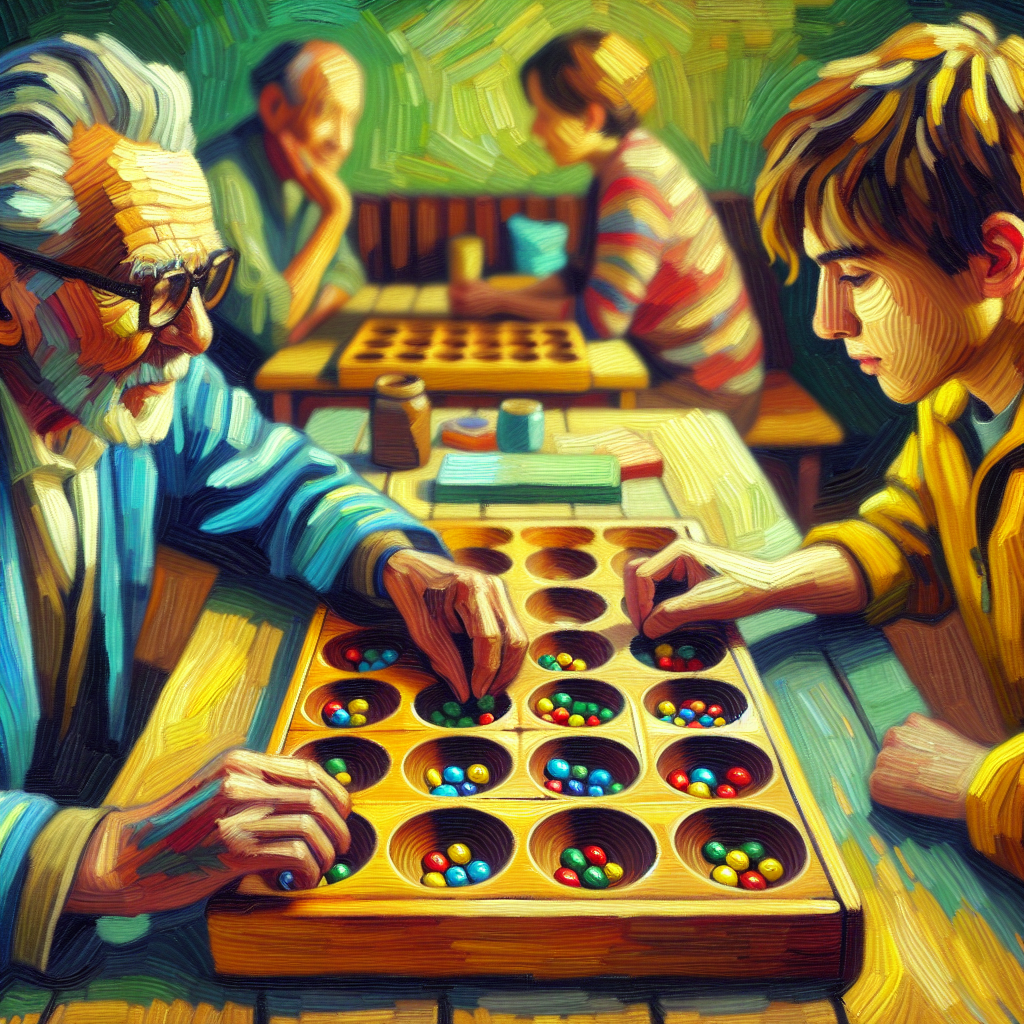
How Can Seniors Start Playing Chess Easily?
How Can Seniors Start Playing Chess Easily?
- Chess is accessible for everyone, regardless of experience level.
- Start by learning how each piece moves, focusing on a few at a time.
- Find a chess buddy to play with and enjoy the experience.
- Practice is essential; prioritize fun over winning.
- Avoid overthinking and enjoy the learning process.
- Explore online chess puzzles to enhance critical thinking and skills.
- With patience and humor, anyone can enjoy the game of chess.
How Can Seniors Start Playing Chess Easily?
Conclusion
When we peel back the layers of this timeless game, we discover that chess is more than just a clash of kings and queens on an 8×8 board; it’s a secret weapon in the battle against age-related cognitive decline. In the quiet corners of community centers and libraries around this great nation, seniors are gathering around chessboards, engaging in a match that doubles as a mental workout. Each piece moved—whether it’s a knight hopping over others or a rook gliding across ranks—bears the weight of strategy, patience, and, most importantly, mental stimulation.
Scientific studies bolster what seasoned players have long insinuated: chess enriches cognitive function in remarkable ways. As our seasoned warriors engage in this ancient battle of wits, they’re not only pushing pieces; they’re activating synapses and forging new neural pathways, making regular gameplay akin to lifting weights for the brain. This isn’t just fun and games; it’s an essential exercise for keeping cognitive decline at bay.
Let’s talk about benefits. Chess sharpens problem-solving skills, enhances memory, and cultivates critical thinking. Imagine navigating the complexities of a chess match as an elderly player weighs their next move, drawing on years of experience yet still partaking in the thrill of thinking ahead. Each calculated advance or retreat mirrors the life choices they face outside the game—managing health, finances, or even socializing.
But it doesn’t stop there. The communal aspect of chess is equally critical. In a world where isolation can creep in, these encounters foster connections—inviting laughter, strategy discussions, and friendships that ward off the dangers of loneliness. Engagement with others boosts emotional well-being, an irreplaceable component of maintaining cognitive fitness.
In the end, if you find a chessboard lying dormant somewhere—dust it off, clear some space, and invite a friend or family member to join. You don’t need to be a grandmaster; just the willingness to explore this world can unlock a treasure trove of cognitive benefits. So as you ponder whether chess can truly checkmate age-related cognitive decline, remember this: It’s not just about the victory; it’s about keeping the mind alive and the spirit engaged through the joy of every move, one match at a time. That’s the beauty of chess—a game that reinforces the idea that we’re only as old as our last exciting challenge.

Conclusion
Conclusion:
- Chess serves as a strategic tool in combating age-related cognitive decline.
- Playing chess engages seniors in mental workouts, providing valuable mental stimulation.
- Scientific studies support the claim that chess enhances cognitive functions such as problem-solving and memory.
- Regular gameplay activates synapses and forms new neural pathways, akin to exercising the brain.
- The game encourages critical thinking, reflecting real-life decision-making challenges.
- Chess promotes social interaction, helping to prevent loneliness and boost emotional well-being.
- Engaging with chess can be a rewarding activity promoting cognitive health at any age.
Conclusion
Other Resources
Other Resources
Here is a list of other resources you can review online to learn more:
- Gamelyn Games
- Blood Rage
- Instapaper
- Kosmos
- The Opinionated Gamers
- Roll Player
- Spirit Island: Branch & Claw Expansion
- Miniature Market
- Dominion (Second Edition)
Use This Prompt To Get More Resources With Your Favorite Online AI Tool: Please provide me with a list of online articles with their URLs in a bulleted list that I can read regarding Can Chess Checkmate Age-Related Cognitive Decline?

Other Resources
Glossary Terms
Can Chess Checkmate Age-Related Cognitive Decline? – Glossary Of Terms
1. Cognitive Decline: The gradual loss of cognitive abilities, such as memory, reasoning, and language, often associated with aging.
2. Neuroplasticity: The brain’s ability to reorganize itself by forming new neural connections throughout life, which can be stimulated through activities like chess.
3. Dementia: A general term for a decline in cognitive function severe enough to interfere with daily life, which can result from various diseases, including Alzheimer’s.
4. Alzheimer’s Disease: A progressive neurological disorder that causes memory loss and cognitive decline, often seen in older adults.
5. Executive Function: A set of cognitive processes that include working memory, flexible thinking, and self-control, which can facilitate problem-solving in chess.
6. Cognitive Reserve: The brain’s resilience to neuropathological damage, which can be enhanced by engaging in mentally stimulating activities like playing chess.
7. Strategic Thinking: The ability to plan, analyze, and make decisions based on the situation, a crucial skill in both chess and daily problem-solving.
8. Memory Enhancement: The improvement of memory abilities, which can be supported through activities that involve memory demands, such as chess.
9. Social Interaction: Engagement with others that can contribute to mental health; playing chess often involves social components that may stave off cognitive decline.
10. Mental Stimulation: Activities that challenge the brain and encourage neuroplasticity, such as puzzles, reading, and strategy games like chess.
11. Problem-Solving Skills: The cognitive abilities used to find solutions to complex issues, honed through strategic games like chess.
12. Cognitive Training: Activities designed to improve cognitive functioning; chess can serve as a form of cognitive training.
13. Attention Span: The amount of time a person can concentrate on a task, which can be developed through focused play in chess.
14. Pattern Recognition: The ability to identify trends and patterns, crucial for anticipating an opponent’s move in chess.
15. Learning Styles: Individual preferences and methods of acquiring new knowledge; chess can appeal to various learning styles through visual and analytical strategies.
16. Mindfulness: The practice of being aware and present, which can be enhanced through the focused nature of chess gameplay.
17. Bilingualism: The ability to speak two languages, which has been shown to support cognitive function and may be strengthened through strategic thinking in chess.
18. Well-being: A state of being comfortable, healthy, or happy that can be improved through engaging activities such as chess.
19. Socialization: The process of interacting with others, which can benefit mental health and cognitive abilities through games like chess.
20. Aging: The process of becoming older, which is often associated with changes in cognitive abilities.
21. Meditation: A mindfulness practice that can improve mental clarity and focus, benefiting cognitive skills relevant in chess.
22. Brain Games: A category of games designed to boost cognitive functions, with chess being a prominent example.
23. Stress Relief: The reduction of mental pressure; engaging in games like chess can provide an outlet for stress management.
24. Focus: The ability to concentrate on a task; essential for both playing chess and maintaining cognitive health.
25. Intellectual Engagement: The involvement in intellectually stimulating activities, which chess promotes through its strategic depth.
26. Memory Training: Exercises aimed at improving memory, which can be practiced through memorizing chess positions or strategies.
27. Geriatric Psychology: A subfield of psychology focused on the mental health and cognitive functioning of older adults, including the impact of activities like chess.
28. Short-Term Memory: A type of memory that temporarily holds information; chess can enhance the capacity and functioning of short-term memory.
29. Chronic Conditions: Long-term health issues that can affect cognitive abilities; engagement in mentally stimulating activities may mitigate some impacts.
30. Wellness Programs: Initiatives that promote health and well-being, often integrating cognitive activities like chess to improve the quality of life for older adults.
These terms and descriptions should help provide a clearer understanding of the relationship between chess and age-related cognitive decline.
Glossary Of Terms
Other Questions
Can Chess Checkmate Age-Related Cognitive Decline? – Other Questions
If you wish to explore and discover more, consider looking for answers to these questions:
- What are the specific cognitive functions that chess improves in seniors?
- Are there age restrictions for benefits derived from playing chess?
- How often should seniors play chess to see cognitive benefits?
- What other activities complement the cognitive benefits of chess?
- Can online chess platforms provide similar benefits as in-person play?
- How does the social aspect of chess influence mental health in seniors?
- What resources are available for seniors to learn chess?
- Are there particular chess strategies that are better for cognitive improvement?
- How does chess compare to other games in terms of cognitive benefits?
- What studies specifically highlight the link between chess and cognitive function?
- Can competitive chess play potentially lead to stress instead of cognitive enhancement?
- Are there any courses for seniors to learn chess in community centers?
Other Questions
Haiku
Can Chess Checkmate Age-Related Cognitive Decline? – A Haiku
Mind sharpened by moves,
Elder thoughts intertwined,
Chess combats decline.

Haiku
Poem
Can Chess Checkmate Age-Related Cognitive Decline? – A Poem
In a town where memories fade,
Upon a board of black and white,
Seniors gather, decisions laid,
Chess transforms their minds into light.
Each piece a muscle, thinking’s gym,
Moves calculated, strategies unfold,
Through layers of doubt, their chances slim,
Yet wisdom weaves a tale retold.
A mental dance, a social embrace,
Battling decline with every match,
Refining skills, life’s intricate lace,
The joy of connection in every catch.
Critical thinking, sharper each day,
Solving the puzzles life may deploy,
From check to checkmate, come what may,
Chess offers solace, strategy, and joy.
Every game a lesson, a chance to grow,
Resilience springs from tactical play,
Memory sharpened, with time’s steady flow,
In the playful fight, they find their way.
So gather your pieces, let the games ignite,
With laughter and challenge, let the battles begin,
In this timeless arena under soft candlelight,
Age may bend, but the spirit of chess will win.

Poem
Checklist
Can Chess Checkmate Age-Related Cognitive Decline? – A Checklist
Getting Started with Chess
_____ Obtain a Chess Board: Find a physical board or download a chess app.
_____ Learn Piece Movement: Familiarize yourself with how each chess piece moves.
_____ Start Simple: Focus on a few pieces before mastering the entire game.
_____ Find a Play Partner: Invite a friend, grandchild, or neighbor to practice with.
Enhancing Cognitive Function
_____ Engage Regularly: Play chess consistently to boost mental agility and cognitive flexibility.
_____ Participate in Chess Puzzles: Use online resources to solve chess puzzles and enhance critical thinking.
_____ Reflect on Games: After each match, take time to analyze your moves and strategies for improvement.
Social Engagement
_____ Join a Local Chess Club: Look for community centers or libraries offering chess groups to meet new people.
_____ Organize Chess Matches: Host friendly matches at home to encourage social interaction.
_____ Encourage Family Games: Play chess with family members to strengthen connections and share experiences.
Mental Health Benefits
_____ Focus on Enjoyment: Remember to prioritize fun over competition; don’t overthink your moves.
_____ Practice Patience: Use chess as a tool to develop patience and discipline in decision-making.
_____ Celebrate Small Wins: Acknowledge improvements in your game to boost self-esteem and confidence.
Additional Cognitive Activities
_____ Explore Similar Games: Try games like Go, Bridge, Scrabble, and Sudoku for varied mental stimulation.
_____ Incorporate Memory Games: Play card matching games to further enhance memory and cognitive skills.
Continuous Learning
_____ Watch Chess Tutorials: Utilize online videos to learn new strategies and concepts.
_____ Read Chess Literature: Explore books or articles about famous chess games and strategies.
Mindfulness and Relaxation
_____ Enjoy the Process: Treat each game as a mental workout and a way to unwind.
_____ Recognize Stress Relief: Use chess as a distraction from daily worries, finding joy in strategic thinking.
By following this checklist, you can harness the cognitive benefits of chess, promote mental health, and foster social connections as you navigate age-related cognitive decline. Happy playing!

Checklist
At BestBoardGameNews, we help people who love board games by collating information and news about board games.
Be sure to read our other related stories at BestBoardGameNews to learn more about board games.