Uniting Generations Through Fun Games
By Tom Seest
At BestBoardGameNews, we help people who love board games by collating information and news about board games.
Be sure to read our other related stories at BestBoardGameNews to learn more about board games.
Can Easy-To-Learn Games Bridge The Generation Gap?
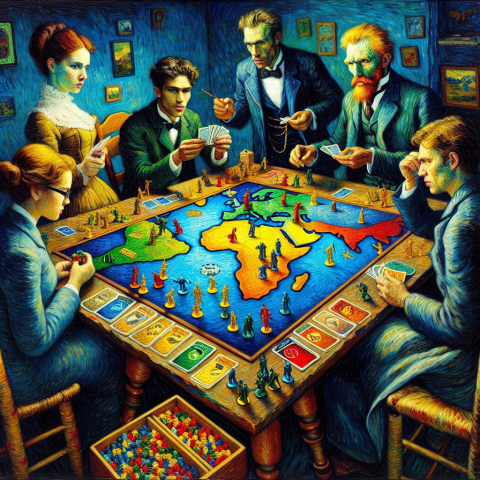
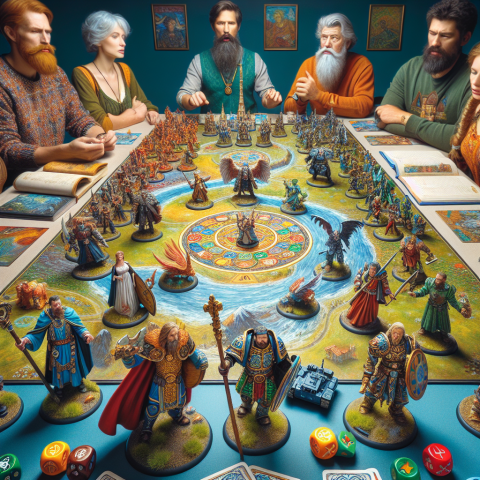
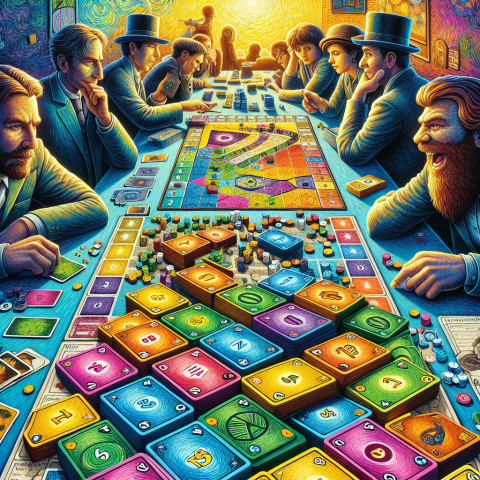
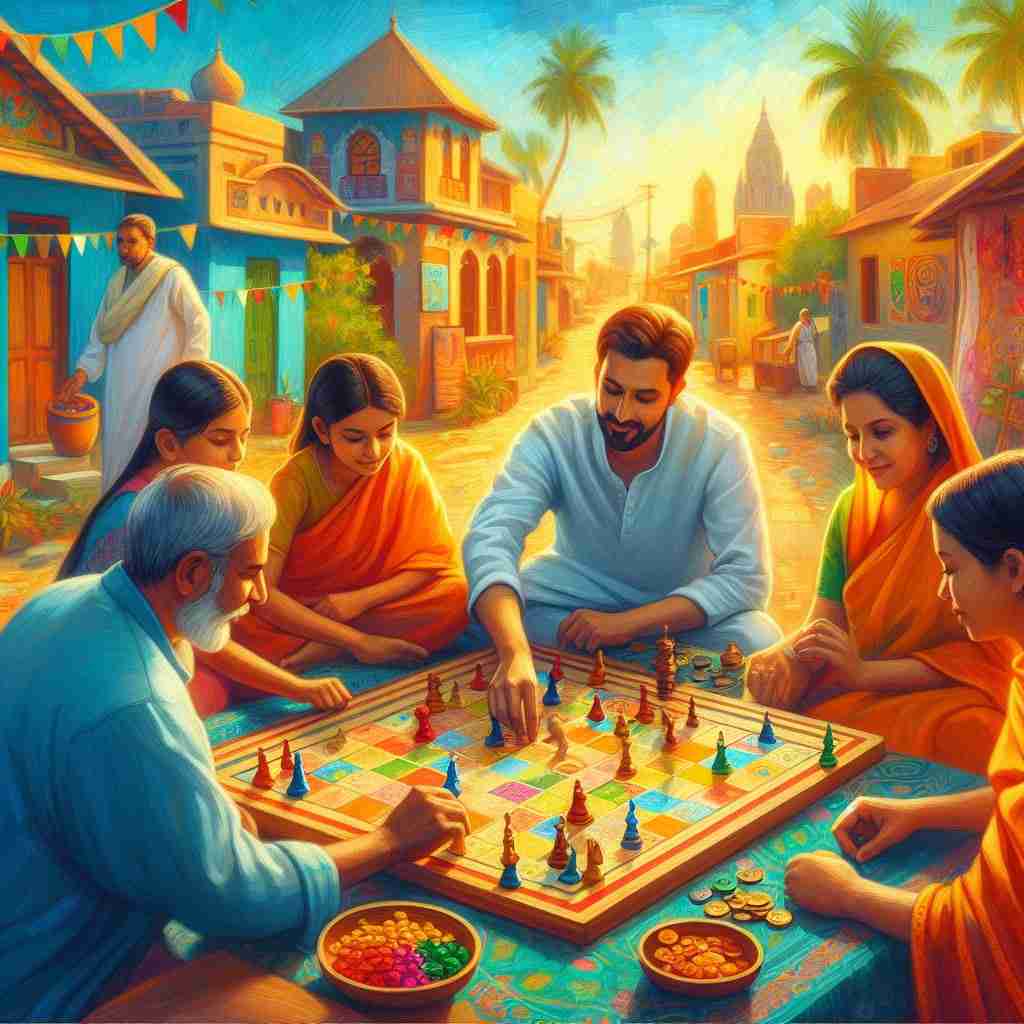
There’s something profoundly rewarding about a gathering of friends or family huddled around a table, immersed in the thrill of competition — especially when that competition is tempered by joy and laughter. If you dive into the world of board games, you’ll find an odd but fascinating phenomenon: an extensive exploration of common ground among different generations. In an age where screens dominate interaction, easy-to-learn games have emerged as potent tools for bridging the generation gap, reviving the warmth of face-to-face connection.
Now, let’s be honest: the modern family dynamic is often a diverse one. Baby boomers, Gen Xers, millennials, and Gen Z all share the same space yet often have disparate interests. One might be scrolling through social media while the other brings up fond memories of Saturday nights spent playing board games. But, what if we could turn that nostalgia into a shared experience? Enter the realm of accessible board games.
Imagine a rainy afternoon where the sun isn’t the only thing that shines — laughter and camaraderie fill the house as various generations come together for a spirited match. Easy-to-learn games are particularly suited for this purpose. They cater not just to seasoned strategists but also to those who might be exploring the art of play for the first time. It’s a level playing field where everyone can dive in without the fear of getting left behind.
Take a classic like Uno or a modern twist such as Exploding Kittens. The rules are straightforward enough to pick up in just a few minutes, but the strategies unfold like layers of an onion, inviting both young and old to express themselves and share their unique styles of gameplay. In this shared space, the focus shifts from competitive intensity to creative collaboration, fostering an environment ripe for storytelling and bonding.
What’s even more beautiful is the way these games can spark conversations. Grandparents can share tales from their youth, while grandchildren reveal their latest memes, and between turns, connections are forged that go beyond mere gameplay. These easy-to-learn board games break down barriers, point out commonalities, and create a tapestry of shared experiences that echoes through generations.
So, the next time you find yourself in a room full of different ages, consider pulling out a board game. It’s not just about rolling dice or drawing cards; it’s about rolling back the years and reminding us all that, at the end of the day, we’re all just kids at heart.

Can Easy-To-Learn Games Bridge The Generation Gap?
Can Easy-To-Learn Games Bridge The Generation Gap?
- Gathering with friends and family around board games fosters joy and laughter amidst competition.
- Board games serve as effective tools for bridging generational gaps in an increasingly digital age.
- Modern family dynamics often include diverse generations, each with differing interests and nostalgia.
- Accessible board games allow everyone, regardless of experience, to participate and enjoy play together.
- Games like Uno and Exploding Kittens are easy to learn, encouraging both young and old to express their gameplay styles.
- These games spark conversations, facilitating storytelling and bonding across generations.
- Playing board games reminds us that, regardless of age, we all retain a sense of childlike spirit.
Can Easy-To-Learn Games Bridge The Generation Gap?
Table Of Contents
- Can Easy-To-Learn Games Bridge The Generation Gap?
- How Do Games Promote Intergenerational Bonding?
- Can Games Help Improve Communication Across Generations?
- What Benefits Do Easy Games Offer To Older Adults?
- How Can Technology Enhance The Gaming Experience For Seniors?
- Are There Any Specific Game Genres That Bridge Generations Best?
- What Role Do Family Game Nights Play In Closing The Generation Gap?
- How Do Cultural Differences Impact Game Preferences?
- Conclusion
- Other Resources
- Glossary Of Terms
- Other Questions
- Haiku
- Poem
- Checklist
How Do Games Promote Intergenerational Bonding?
In an age where screens dominate our lives, it’s refreshing to see something as tangible as a board game making a comeback. These delightful pieces of cardboard and plastic not only evoke nostalgia but serve as a bridge between generations. Imagine a family gathered around a table—grandparents, parents, and kids—all focused on the same game, sharing laughter and stories, while the outside world fades into the background. That’s intergenerational bonding at its finest.
Board games can transform a living room into a vibrant arena of competition and collaboration. Whether it’s the strategic planning in a game of Settlers of Catan or the unpredictable twists of Monopoly, each roll of the dice is an opportunity for connection. Kids may learn from their grandparents’ tried and true strategies while grandparents relish the youthful exuberance that comes with every move. As strategies are discussed and experiences are shared, a rich tapestry of learning is woven, creating lasting memories.
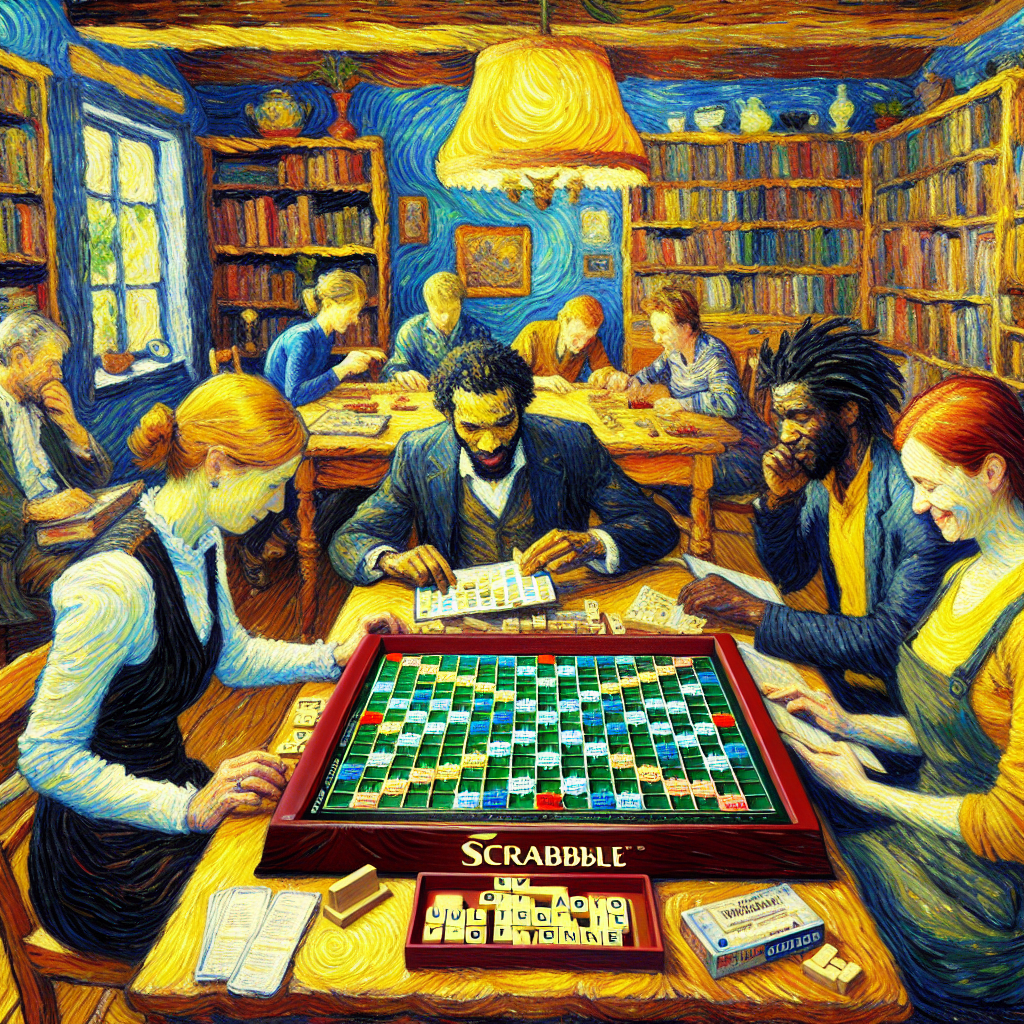
Moreover, board games often require teamwork and negotiation—skills that are invaluable in navigating life. A round of Scrabble, for instance, invites not just language skills but a chance for older generations to impart wisdom about vocabulary and wordplay. These interactions encourage open communication, sparking conversations that might not occur in hurried day-to-day life. A game night isn’t just about winning; it’s an avenue for laughter, debate, and shared triumphs.
Let’s not forget the role of friendly competition. Nothing bonds people quite like a bit of rivalry. As families gather around the game board, they dive into a whirlwind of playful banter and spirited challenges. Losing a game might sting for a moment, but it’s often the laughter and jokes that linger long after. These moments become the stories that families recount for years to come—stories that own a piece of the family lore.
In a world that can sometimes feel fragmented, board games serve as an anchor, empowering families to reconnect. They dissolve barriers of age and experience, reminding us of what it means to have fun together and to appreciate the different perspectives that each family member brings to the table. So, the next time you think of ways to strengthen your family ties, consider gathering around a board game. You might find that the best connections come from the simplest of activities, where laughter resonates and bonds deepen over the roll of the dice.
How Do Games Promote Intergenerational Bonding?
How Do Games Promote Intergenerational Bonding?
- Board games are making a comeback, providing a tangible alternative to screen-centric activities.
- They facilitate intergenerational bonding, with families enjoying games together, sharing laughter and stories.
- Games like Settlers of Catan and Monopoly create opportunities for connection and learning among different generations.
- Board games promote teamwork and negotiation skills, enhancing communication across age groups.
- Friendly competition fosters bonding through playful banter and shared experiences, creating lasting family stories.
- Board games act as an anchor for families, helping to reconnect and appreciate diverse perspectives.
- Engaging in board games can strengthen family ties through simple yet meaningful interactions.
How Do Games Promote Intergenerational Bonding?
Can Games Help Improve Communication Across Generations?
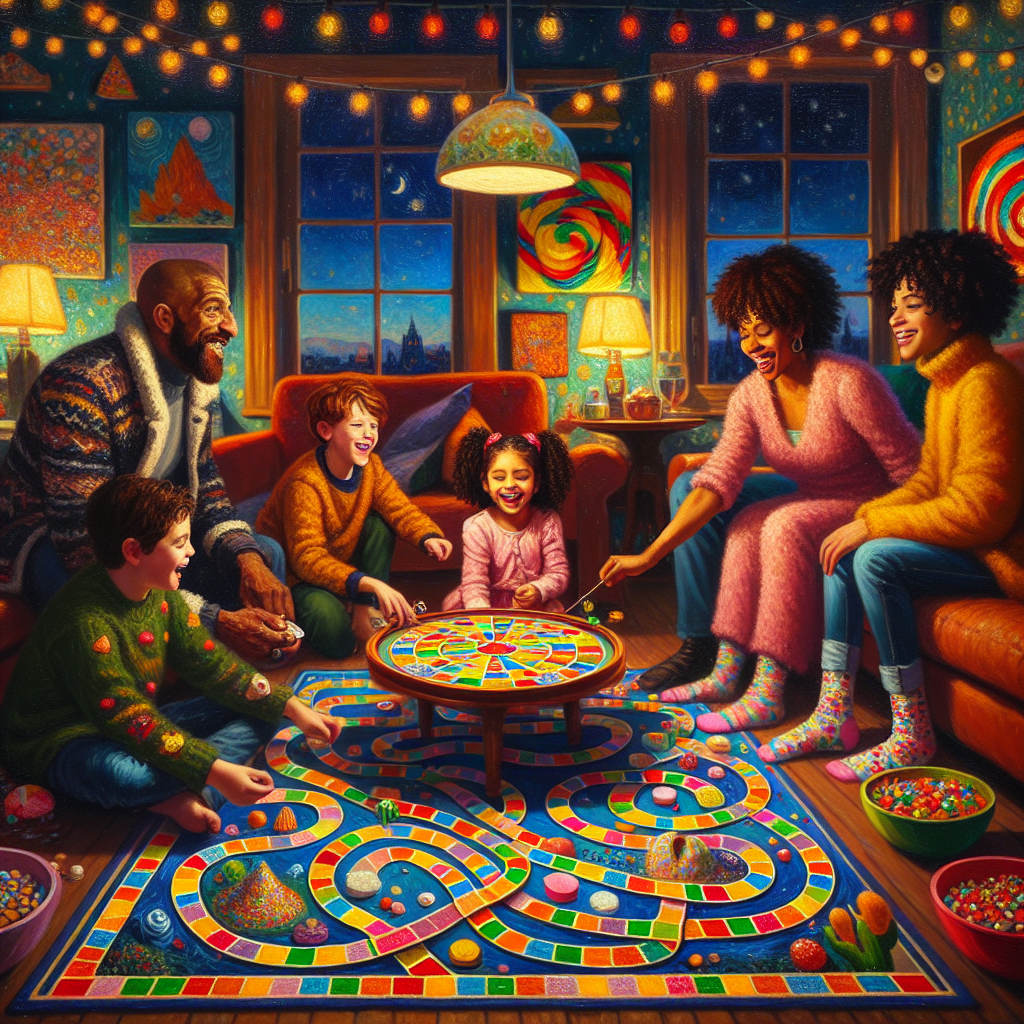
When it comes to bridging the generational gap, there’s something about the simplicity of a board game that can transform the atmosphere in a matter of minutes. Picture this: a living room filled with family members of different ages, some glued to their screens while others sit reminiscing about times gone by. Then, someone pulls out a classic board game. That’s when the real magic begins.
Why is it that a board game can create a bridge across time? First off, it strips down the complexities of modern communication. Too often, conversations between generations are clouded by jargon, cultural references, and the latest slang. But sit a grandparent and grandchild across from each other at a table with a game like Scrabble or Monopoly, and suddenly everyone is speaking the same language. The rules are clear, the objectives are set, and the competition brings everyone to a common ground.
Board games also foster teamwork and strategic thinking, and more importantly, they demand eye contact, turn-taking, and real-time communication—all of which can be lost in a world dominated by texts and tweets. When players lean across the table to share their strategies or react to an unexpected move, those moments nurture understanding and connection. Whether it’s a playful jab or a wave of nostalgia about old family stories, that interaction can crack the toughest of generational communication barriers.
Moreover, many board games have become cultural artifacts in their own right. The nostalgia of a game can spark recollections and stories, allowing older generations to share their experiences while younger ones absorb wisdom in a relatable format. This exchange can be enlightening. By simply rolling dice and moving pieces, members of different generations can dive into discussions that might feel awkward or forced in a more traditional conversational setting.
Let’s not forget the fun factor! Laughter tends to flow freely when a game is at stake. Moments of triumph or defeat create memorable experiences, and before you know it, barriers fade away. Those peculiar differences that once seemed insurmountable can become shared jokes or playful banter, and that’s where real communication begins to flourish.
So, next time you’re trying to strike up a conversation across generations, consider reaching for that dusty board game. What starts as a simple game night can turn into a profound bonding experience, one roll at a time.
Can Games Help Improve Communication Across Generations?
Can Games Help Improve Communication Across Generations?
- Board games can quickly transform family atmospheres and bridge generational gaps.
- They simplify communication by eliminating jargon and modern slang, bringing everyone to a common understanding.
- Games foster teamwork and strategic thinking while encouraging face-to-face interaction.
- Eye contact and real-time communication are enhanced during gameplay, nurturing connection and understanding.
- Board games evoke nostalgia, allowing older generations to share stories and wisdom in a relatable manner.
- The fun and laughter during games can create memorable experiences and shared jokes, fostering deeper communication.
- Incorporating a board game into family time can lead to meaningful bonding experiences across generations.

Can Games Help Improve Communication Across Generations?
What Benefits Do Easy Games Offer To Older Adults?
When it comes to leisure activities for older adults, easy games, especially board games, become not just a source of entertainment but a treasure trove of benefits that resonate on multiple levels. First off, let’s acknowledge the obvious: engaging in simple, enjoyable games allows older adults to reconnect with the joy of play. Picture a group gathered around a table, laughter echoing as they strategize their next moves or share stories that spark nostalgia. This social interaction is crucial, combating the isolation that can often creep in as friends and family scatter.
These easy games also bolster cognitive function. While we often think of complex puzzles or brain teasers as the go-to for mental exercises, the reality is that board games offer a surprisingly effective workout for the mind. As players navigate the rules, assess their options, and interact with others, they’re engaged in problem-solving and critical thinking. In addition, the recurrent patterns and strategies found within many easy board games can bolster memory retention, enhancing cognitive agility.
Then there’s the emotional boost that comes from winning or even just participating. The thrill of a well-played hand or a clever move can shine a bright light on an otherwise ordinary day. Celebrating small victories—no matter how trivial they may seem—can contribute to an overall sense of well-being, fostering self-esteem and a positive outlook.
Moreover, the tactile experience of handling game pieces and cards can also provide sensory stimulation. For older adult players, touching and manipulating game elements can help maintain fine motor skills. Whether it’s the click of tokens on a board or the smooth shuffle of cards, these actions can evoke familiarity and comfort.
Lastly, let’s not forget about the direct social benefits. Easy games help maintain social connections, invite new friendships, and encourage teamwork. They create a safe space for older adults to express themselves and share experiences, while also inviting younger generations into the mix, fostering bonds across ages.
So, if you happen upon a group of older adults huddled around a game board, know that they’re not just playing a game; they’re engaging in a rich tapestry of social, cognitive, and emotional benefits. And all of this from a little cardboard and some well-loved pieces. Who knew that something so simple could offer so much?

What Benefits Do Easy Games Offer To Older Adults?
What Benefits Do Easy Games Offer To Older Adults?
- Easy games, especially board games, provide a source of entertainment and numerous benefits for older adults.
- Engagement in games allows older adults to reconnect with the joy of play, fostering social interactions and combating isolation.
- Board games enhance cognitive function through problem-solving, critical thinking, and memory retention.
- Participating in games boosts emotional well-being, elevating self-esteem and promoting a positive outlook through small victories.
- The tactile experience of handling game pieces aids in maintaining fine motor skills and provides sensory stimulation.
- Easy games foster social connections, invite friendships, and encourage teamwork while bridging generational gaps.
- Playing board games offers a rich tapestry of social, cognitive, and emotional benefits to older adults.
What Benefits Do Easy Games Offer To Older Adults?
How Can Technology Enhance The Gaming Experience For Seniors?
In the ever-evolving world of gaming, there’s an overlooked demographic that thrives on the intersection of technology and traditional entertainment: seniors. While one might picture a retiree nestled comfortably with a classic board game, there’s a compelling case for how technology can not only enhance their gaming experience but also open new doors to social interaction and cognitive engagement.
Imagine the humble board game being transformed into a virtual realm where features like adaptive difficulty levels cater to the player’s skills. With the aid of tablets or computers, seniors can enjoy their favorite classics—think Monopoly, Scrabble, or Clue—right in the comfort of their living rooms, free from the physical limitations that come with time and age. There’s something about rolling dice and moving pieces that elicits nostalgia, and digital versions ensure that these experiences remain available, even as mobility wanes.
But let’s not stop at board games. Online gaming platforms have taken the world by storm, and many cater specifically to older adults. Picture a lively game of bridge or bingo played with friends scattered across the country, all connected through video calls and interactive apps. This isn’t just about playing; it’s about building connections, rekindling friendships, and reducing feelings of isolation that often accompany aging. The incredible part is that technology facilitates these gatherings in ways that were unimaginable just a few decades ago.
Cognitive games, too, have emerged as a substantial tool in this equation. They’re like the modern-day crossword puzzle, designed to stimulate the mind and sharpen reflexes. With everything from memory games to brain teasers available at their fingertips, seniors can challenge themselves, all while enjoying a healthy dose of competition. These digital offerings play a significant role in keeping the brain active, which is just as crucial as physical activity in maintaining overall health.
And let’s not forget the simplicity and intuitiveness of user-friendly interfaces. Today’s technology is designed to be accessible. Larger text options, simpler controls, and customer support options ensure that whether it’s Grandma learning Candy Crush or Grandpa strategizing in an online chess match, they can do so without the steep learning curve that once alienated many from the digital world.
In short, technology can enhance the gaming experience for seniors by bridging the gap between classic and modern, promoting social interaction, and providing cognitive challenges—all while keeping the essence of play alive. The future is looking bright, and for seniors, it’s game on!
How Can Technology Enhance The Gaming Experience For Seniors?
How Can Technology Enhance The Gaming Experience For Seniors?
- Seniors are an overlooked demographic in the gaming world, benefiting from technology and traditional entertainment.
- Digital versions of beloved board games allow seniors to enjoy them comfortably at home without physical limitations.
- Online gaming platforms facilitate social interactions among seniors, helping to reduce feelings of isolation.
- Cognitive games provide mental stimulation, aiding in brain health alongside physical activity.
- User-friendly technology features like larger text and simpler controls make gaming accessible for seniors.
- Technology bridges the gap between classic and modern gaming while promoting social connection and cognitive engagement.
- The future of gaming for seniors is promising, providing opportunities for play and interaction.
How Can Technology Enhance The Gaming Experience For Seniors?
Are There Any Specific Game Genres That Bridge Generations Best?
When it comes to bridging generations, few mediums are as effective as games. They bring people together, spark conversation, and foster connections that can last a lifetime. But let’s get into the nitty-gritty of which game genres create the best intergenerational bonds. The answer, as it turns out, may lie in the simplicity and adaptability of certain formats—like board games.
Let’s take a moment to appreciate board games. These fine pieces of cardboard, wood, and plastic have endured through generations, changing as they go, yet retaining that intrinsic connective tissue. Whether it’s the excitement of rolling dice, the tactical maneuvering of pieces on a colorful board, or the collective groans and laughs from misfortunes and victories alike, board games naturally facilitate interaction. They invite nostalgia while simultaneously offering fresh experiences, making for a perfect blend for different age groups.
Now, think about classic titles like Monopoly, Scrabble, or Clue. These games have evolved over decades, seeping into our culture while also adapting to current sensibilities. A grandparent might delight in teaching their grandson how to play checkers, while a father and daughter strategize together in a game of Catan. Each turn and decision becomes an opportunity for storytelling, encouraging laughter, competition, and even a bit of friendly banter—ingredients that are essential for any meaningful connection.
Another genre worth mentioning is cooperative games, where players unite to achieve a common goal rather than compete against each other. Games like Pandemic demonstrate how teamwork transcends age barriers. Kids may not fully grasp complex strategies yet, but their enthusiasm can invigorate older players who are deeply invested in winning. This unity fosters a sense of camaraderie, and before you know it, generations are collaborating, strategizing, and, most importantly, having fun.
Digital games also play a crucial role, especially with the rise of accessible gaming platforms. Titles that draw on classic gameplay mechanics, such as platformers or puzzle games, can pull everyone together in a virtual setting. This virtual connection can help bridge any gaps between generations while still maintaining the essence of friendly competition and teamwork.
So, as we dive deeper into the world of games, it becomes clear that genres like board games and cooperative digital experiences do more than just entertain; they act as vessels that transport us across generational divides, creating memories that last well beyond the final roll of the dice.

Are There Any Specific Game Genres That Bridge Generations Best?
Are There Any Specific Game Genres That Bridge Generations Best?
- Games are effective mediums for bridging generations, fostering connections and conversations.
- Board games are particularly notable for their simplicity and adaptability across age groups.
- Classic board games like Monopoly, Scrabble, and Clue encourage storytelling and interaction.
- Intergenerational play allows for shared experiences, laughter, and friendly competition.
- Cooperative games, such as Pandemic, promote teamwork and camaraderie among different ages.
- Digital games also play a significant role, utilizing accessible platforms to unite players.
- Overall, both board games and cooperative digital experiences create lasting memories across generations.
Are There Any Specific Game Genres That Bridge Generations Best?
What Role Do Family Game Nights Play In Closing The Generation Gap?
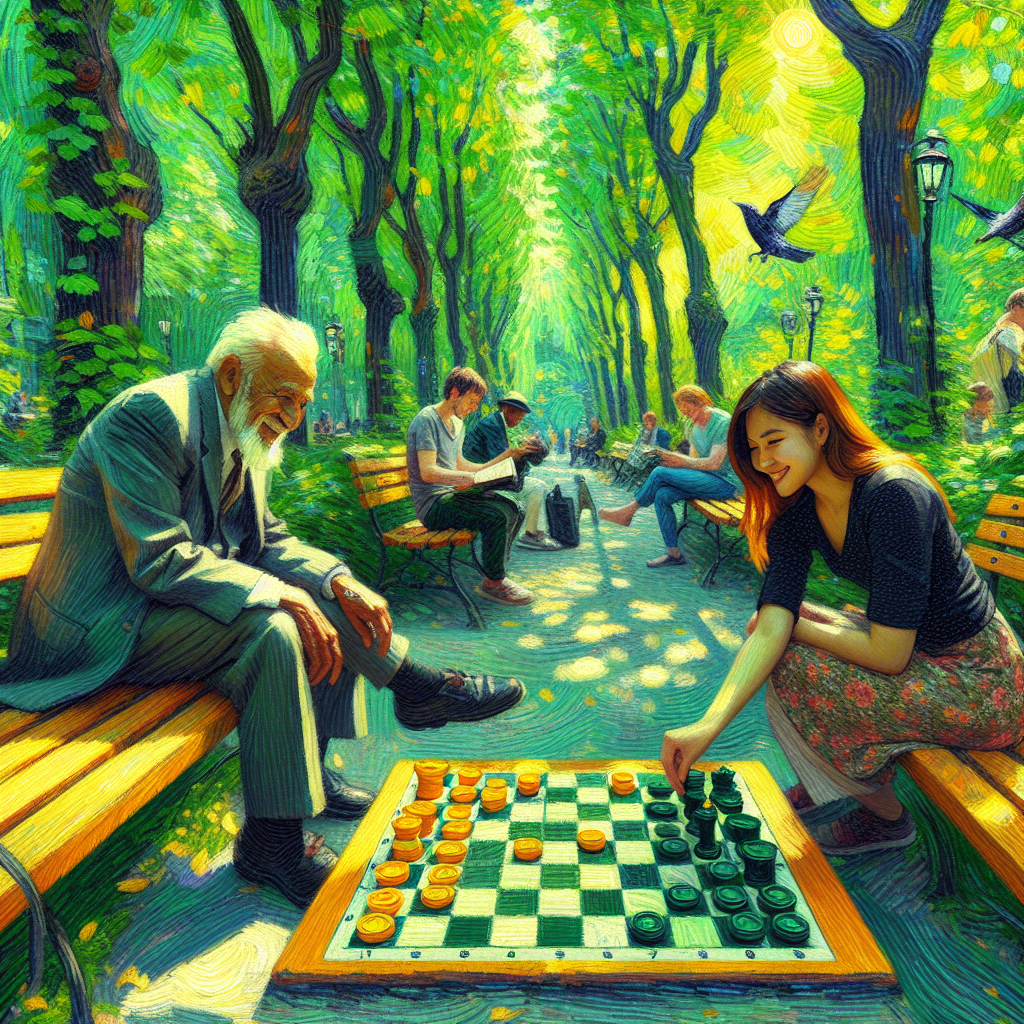
In a world dominated by smartphones, social media, and streaming services, the simple act of gathering around a table for a board game is a surprisingly effective antidote to the widening generation gap. When families—be they parents, children, or grandparents—come together to engage in a good old-fashioned game night, something magical happens. It’s not just about rolling dice or moving pieces; it’s about connection, competition, and, let’s be honest, a fair bit of friendly rivalry.
Picture this: young Jimmy, glued to his tablet, hardly glances up to answer his parents, who are desperately trying to extract a few syllables from him. Now, enter a colorful board game with a catchy theme. Suddenly, that same child is animated, leaning forward in his seat, brimming with enthusiasm as he crafts a strategy to outsmart Dad—or at least figure out how to avoid being sent back to the starting line. That shift in energy? It’s the bridge over that generational chasm, and it’s built with cardboard and plastic.
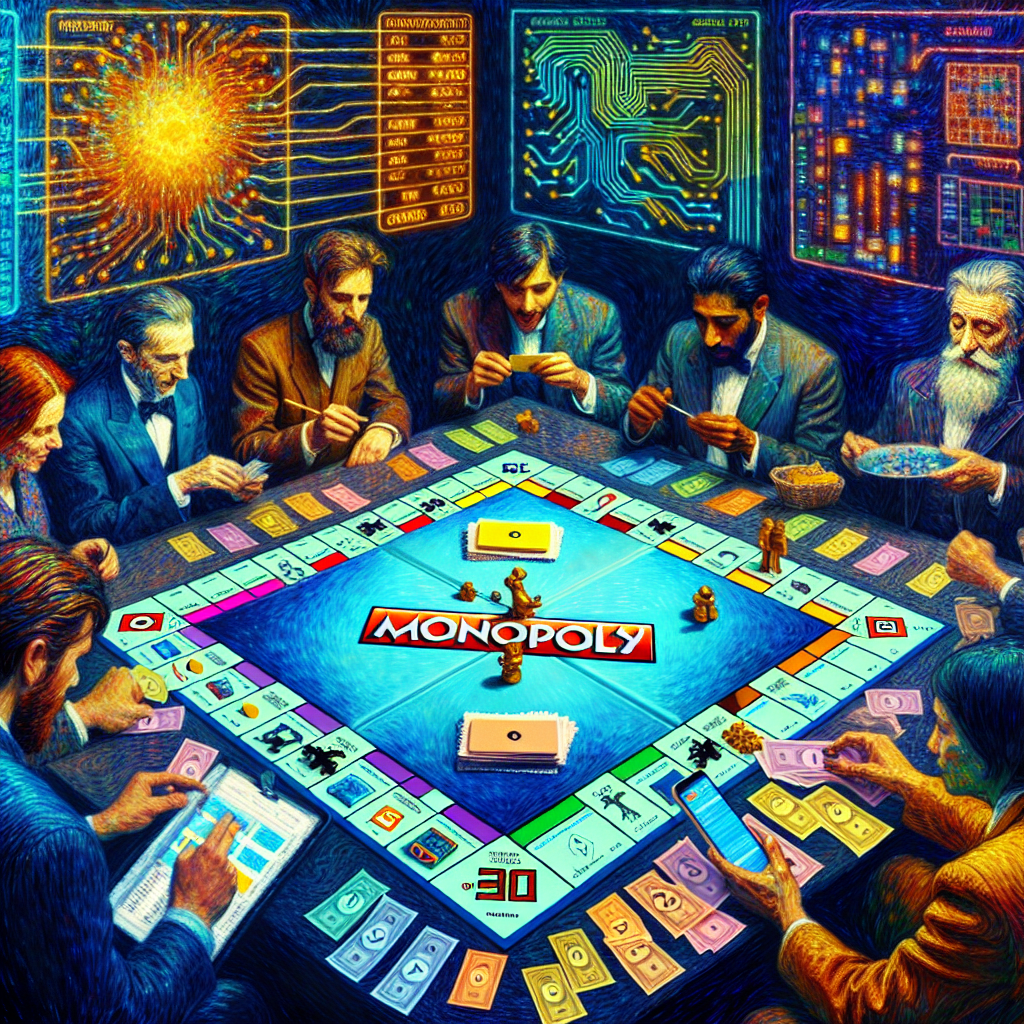
The beauty of board games is that they level the playing field. No one is staring at their screens, and everyone has something meaningful to contribute, regardless of age. A simple game like Monopoly can ignite conversations about finances, investment, and the value of money—topics that might seem far removed during the daily grind of school or work. Meanwhile, classic games like Scrabble not only foster language skills but also highlight varying vocabularies that can lead to laughs and lessons in etymology, all while reinforcing bonds that can often feel fragile in the fast-paced world we inhabit.
Moreover, these gatherings often spark stories from the past, rekindling tales of “the good old days,” which serve to educate younger family members about their heritage. Grandma’s stories about how she conquered the board game scene in her youth not only provide a window into her life but also offer insights into the values and experiences that shaped her character.
So, the next time you find yourself pondering how to bridge that daunting generation gap, consider dusting off those board games lying forgotten in the closet. Grab your family, roll the dice, and create a mosaic of shared memories and laughter. In a time when connections can feel fleeting, a simple board game night just might be the glue that holds generations together.
What Role Do Family Game Nights Play In Closing The Generation Gap?
What Role Do Family Game Nights Play In Closing The Generation Gap?
- Board games serve as an effective antidote to the growing generation gap in a tech-driven world.
- Family game nights foster connection, competition, and friendly rivalry among all ages.
- Immersing in a board game can engage children, shifting their focus from screens to interaction.
- Games like Monopoly can prompt discussions about finances and the value of money.
- Classic games such as Scrabble enhance language skills and encourage learning in a fun way.
- Game nights often inspire storytelling that connects younger generations to their heritage.
- Board games can create lasting memories and strengthen family bonds in a simple, enjoyable manner.
What Role Do Family Game Nights Play In Closing The Generation Gap?
How Do Cultural Differences Impact Game Preferences?
When it comes to the world of games, whether they’re slapped down on a table or displayed on a digital screen, the cultural flavor can make all the difference. Cultural differences shape not just the way we play, but the kinds of games we choose to devote our time to and even the strategies we employ. This is particularly evident with something as timeless as a board game.
In Western cultures, a board game might evoke a sense of competition, bringing to mind cutthroat matches of Monopoly or the strategic maneuvering of Settlers of Catan. The goal often seems to be winning—amassing wealth or outsmarting your opponents as quickly as possible. Here, games are seen as a test of skill and intellect, and players might immerse themselves fully, scrutinizing every move in the hopes of outmaneuvering their rivals.
Shift your gaze to Asia, though, and you’ll discover a whole different ballgame. Many Asian cultures prioritize community and connection over the fiercely competitive spirit often found in the West. Consider the game of Go, which doesn’t merely challenge a player to win; it fosters a deep appreciation for the beauty of the game itself and the relationships that develop over hours spent planning strategies. In these contexts, the act of playing a board game becomes a meditation on patience and reflection rather than a rush to the finish line.
Cultural narratives also weave themselves into game preferences. In societies where storytelling holds significant weight, board games that incorporate a rich narrative tend to resonate more strongly. Dungeons & Dragons, with its dynamic storytelling potential, enjoys a robust following in cultures that cherish imaginative experiences. Meanwhile, in places where history plays a key role, games that simulate historical events become more popular—educating players while also entertaining them.
Then there’s the age factor. Cultures that emphasize family ties often favor intergenerational games, ones that can be enjoyed by everyone from grandpa to a five-year-old sibling. Contrast that with cultures more focused on youth, where cutting-edge digital games reign supreme, captivating the younger set while leaving traditional board games in the dust.
Ultimately, understanding how cultural differences impact game preferences allows us to appreciate not just the games themselves but also the people who play them. It’s a delightful intersection of tradition, innovation, competition, and community. Each game becomes not just a way to pass the time but a gateway into the essence of cultural identity and shared experience.

How Do Cultural Differences Impact Game Preferences?
How Do Cultural Differences Impact Game Preferences?
- Cultural differences significantly influence the types of games people choose and their playing strategies.
- In Western cultures, board games often emphasize competition and skill, with players focused on winning.
- Asian cultures prioritize community and connections, with games like Go encouraging patience and reflection.
- Game preferences are often shaped by cultural narratives, with storytelling-based games popular in imaginative societies.
- Intergenerational games are favored in cultures that value family ties, while youth-oriented cultures lean towards digital games.
- Understanding cultural impacts on game preferences enhances appreciation for both the games and their players.
- Games serve as gateways into cultural identity and shared experiences, blending tradition with innovation.

How Do Cultural Differences Impact Game Preferences?
Conclusion
Now, here’s the takeaway: we live in a world full of screens, notifications, and endless scrolling, and in the midst of all that, there’s a powerful antidote sitting right in your living room: a good old-fashioned board game. I mean, let’s face it; it’s not just a bunch of cardboard and plastic. It’s a secret weapon for closing that pesky generation gap. Picture the scene: grandparents sharing stories from their youth while kids strategize over their next move. That’s not just nostalgic; that’s magic!
Easy-to-learn games like Uno or Scrabble do more than entertain; they create a level playing field where ages blend seamlessly, and competition is laced with laughter. The beauty is in how these games break down barriers. A roll of the dice or the pull of a card sparks conversations that might never happen over a smartphone screen. Suddenly, grandma is sharing her greatest game-time triumphs while kids groove to the pulse of today’s culture—a perfect blend of past and present.
And here’s the kicker: these interactions don’t just fill time; they nurture relationships that can sometimes feel fragile. They teach valuable lessons in communication, teamwork, and the importance of patience. Who knew that a round of Monopoly could deliver lessons on financial savvy, or that Scrabble could spark a vocabulary showdown that’s way more exciting than any quiz app?
What’s truly remarkable is how these games tap into our innate need to connect. They invite creativity and collaboration, turning game night into a celebration of shared experiences. Each banter-filled strategy session or playful jab becomes part of a family’s collective memory, a colorful thread in the tapestry of generations.
So the next time you feel that generation gap widening, consider gathering everyone around a game board. Dust off that old box from the closet, roll those dice, and let the fun begin. In a world that often feels chaotic and disconnected, remember: at the end of the day, we’re all just kids at heart, eager to play. It’s more than just a game; it’s a pathway to understanding, a bridge between ages, and a reminder that laughter is timeless. Game on, folks!

Conclusion
Conclusion:
- Board games serve as a powerful antidote to the generation gap in today’s screen-filled environment.
- Games like Uno and Scrabble provide an easy way for different ages to engage in play and create shared experiences.
- These games foster communication and laughter, enabling meaningful connections across generations.
- Board games offer valuable life lessons in teamwork, patience, and financial savvy through enjoyable play.
- They encourage creativity and collaboration, transforming game night into a celebration of family bonding.
- Playing together helps create collective memories that strengthen family ties and promote understanding.
- Consider gathering your family around a game board to bridge generational divides; it’s a fun way to connect and share joy.

Conclusion
Other Resources

Other Resources
Here is a list of other resources you can review online to learn more:
- Atlas Games
- Canasta
- Pandemic Legacy: Season 2
- Terraforming Mars
- Meeple Mountain
- Boardgames.com
- Ticket to Ride
- Blue Orange Games
- Board Game Atlas
- Pegasus Spiele
Use This Prompt To Get More Resources With Your Favorite Online AI Tool: Please provide me with a list of online articles with their URLs in a bulleted list that I can read regarding Can Easy-To-Learn Games Bridge The Generation Gap?

Other Resources
Glossary Terms
Can Easy-To-Learn Games Bridge The Generation Gap? – Glossary Of Terms
1. Generational Gap: The differences in attitudes, values, and behaviors between different age groups, often leading to misunderstandings.
2. Intergenerational: Relating to or involving multiple generations, particularly in interactions or relationships.
3. Easy-to-Learn Games: Games designed with simple rules that can be quickly grasped, encouraging participation across various skill levels and ages.
4. Social Connectivity: The ability of individuals to connect and communicate with others, which can be enhanced through shared activities like gaming.
5. Cognitive Engagement: The involvement of mental processes in the act of playing, including problem-solving, strategy, and memory.
6. Playability: The ease and accessibility of a game for players, influencing their willingness to engage with it.
7. Nostalgia: A sentimental longing for the past, often invoked by games that remind older players of their youth.
8. Inclusivity: The practice of ensuring that games are accessible to individuals of all ages and backgrounds, fostering participation.
9. Communication: The exchange of messages or ideas, which can improve through collaborative gaming experiences.
10. Teamwork: A collaborative effort by multiple individuals to achieve a common goal, often seen in multiplayer games.
11. Cooperative Gameplay: A gaming approach where players work together towards a shared objective instead of competing against each other.
12. Cultural Relevance: The significance of a game or activity in relating to the experiences or values of a specific age group.
13. Skill Development: The enhancement of various abilities, such as strategic thinking and coordination, that can arise from playing games.
14. Emotional Bonding: The development of a close relationship or emotional connection between individuals through shared experiences.
15. Gamification: The incorporation of game-like elements into non-game contexts, which can enhance engagement and motivation.
16. Diversity: The inclusion of various age groups, backgrounds, and perspectives in gaming experiences.
17. Adaptability: The ability of games to adjust to different skill levels or preferences, making them suitable for a wider audience.
18. Digital Literacy: The skills required to navigate and participate effectively in digital environments, important for engaging older generations.
19. Feedback Mechanics: Systems within games that provide players with responses about their actions, which can aid learning and improvement.
20. Family Bonding: Strengthening relationships among family members through collective activities, such as playing games.
21. Engagement Strategies: Techniques used in game design to attract and retain players’ interest across generations.
22. Narrative: The storytelling aspect of games, which can resonate with players of different ages and enhance their immersive experience.
23. Turn-taking: A gameplay mechanic that involves players alternating their actions, which can foster patience and communication.
24. Conflict Resolution: The process of resolving disagreements or disputes that may arise during gameplay, teaching valuable social skills.
25. Physical Space: The environment in which games are played, which can impact the dynamics of interaction among players of different ages.
26. Accessibility Features: Adjustments or options in games that make them easier for individuals with varying needs and abilities to play.
27. Engagement Levels: The degree of participation and involvement that players exhibit while playing games, which can vary by age group.
28. Competitive Spirit: The desire to win or excel in gaming, which can either enhance or hinder intergenerational interactions based on context.
29. Peer Interaction: The interpersonal communication and relationships formed through gameplay, vital for building connections.
30. Technology: The tools and platforms used for gaming, which can serve as a bridge or barrier between different generations.

Glossary Of Terms
Other Questions
Can Easy-To-Learn Games Bridge The Generation Gap? – Other Questions
If you wish to explore and discover more, consider looking for answers to these questions:
- What are some examples of easy-to-learn games that can appeal to all generations?
- How can families create a routine for regular game nights?
- What strategies can be employed to encourage reluctant family members to join in on game nights?
- Are there research studies supporting the benefits of gaming for intergenerational bonding?
- What specific skills do games help develop in children and older adults?
- How do different cultures approach game nights and board gaming in general?
- What are some adaptations that can be made for older adults with mobility issues during game nights?
- How can parents choose appropriate games that will keep both their kids and parents engaged?
- What role do game design and mechanics play in fostering positive interactions among different age groups?
- Are there online platforms that offer virtual board games suitable for all generations?
- How can storytelling be integrated into the gaming experience to enhance bonding?
- What common challenges arise during intergenerational game play, and how can they be resolved?

Other Questions
Haiku
Can Easy-To-Learn Games Bridge The Generation Gap? – A Haiku
Laughter fills the room,
Generations come alive,
Games bridge hearts and minds.
Haiku
Poem
Can Easy-To-Learn Games Bridge The Generation Gap? – A Poem
In a world where screens often reign,
A table brings families back again.
Around it, generations gather near,
With laughter, stories, and joy to share here.
From Baby Boomers to Gen Z,
Board games bridge gaps, setting spirits free.
Classic Uno or modern Exploding Kittens,
Simple rules invite all; competition, not for smitten.
The roll of dice, the shuffle of cards,
Brings old tales alive and new friendships hard.
With every move, connections unfold,
As bonds are forged, both warm and bold.
In Scrabble’s scramble, wisdom is shared,
While Monopoly teaches the value of care.
Cooperative games lift spirits high,
Encouraging teams to strategize and try.
Digital realms offer a modern twist,
Where old friends gather, no one is missed.
Adaptive plays keep the game alive,
Engaging minds where memories thrive.
Oh, the beauty of family game nights,
As a mundane world fades, and laughter ignites!
In a dance of competitive spirit and cheer,
Generational love becomes crystal clear.
So gather your family, dust off that game,
Let love and connection be the ultimate aim.
For in each simple game, a truth we find:
At heart, we’re all just kids—united, intertwined.

Poem
Checklist
Can Easy-To-Learn Games Bridge The Generation Gap? – A Checklist
Preparing for Game Night
_____ Identify a suitable day and time for your family gathering.
_____ Gather a selection of easy-to-learn board games (e. g. , Uno, Exploding Kittens, Scrabble, Monopoly).
_____ Create a cozy and inviting atmosphere for all ages (comfortable seating, snacks, drinks).
Choosing the Right Games
_____ Consider the age range of participants and select games that appeal to everyone.
_____ Include a mix of classic and modern games to spark nostalgia and curiosity.
_____ Test a few games beforehand for ease of understanding and fun factor.
Encouraging Participation
_____ Explain the rules simply and clearly to all players.
_____ Encourage grandparents to share their experiences and stories related to games.
_____ Remind everyone that the focus is on connection, not competition.
Creating Conversation Starters
_____ Plan a few topics or questions to discuss during games to promote intergenerational bonding (e. g. , “What was your favorite game as a child?”).
_____ Provide opportunities for players to share personal stories or memories connected to the games.
Enhancing the Experience
_____ Organize snacks and drinks to keep energy levels up and maintain the fun atmosphere.
_____ Use friendly banter and playful rivalry to enhance the enjoyment of the games.
_____ Incorporate technology if needed (e. g. , digital versions of games) to accommodate players’ preferences.
Reflecting on the Experience
_____ After the game session, invite family members to share their thoughts on the experience.
_____ Document memorable moments (e. g. , through photos or short anecdotes) to cherish the shared experience.
_____ Discuss which games everyone enjoyed the most for future game nights.
Continuing the Bond Beyond Game Night
_____ Schedule regular family game nights to maintain and strengthen connections.
_____ Introduce new games periodically to keep the experience fresh and engaging.
_____ Create a family game night tradition that everyone looks forward to.
By using this checklist, families can strengthen their bonds across generations while enjoying the simplicity and fun of easy-to-learn games, fostering meaningful connections that go beyond just competition.

Checklist
At BestBoardGameNews, we help people who love board games by collating information and news about board games.
Be sure to read our other related stories at BestBoardGameNews to learn more about board games.