Unscrambling The Link Between Scrabble And Cognitive Wellness
By Tom Seest
At BestBoardGameNews, we help people who love board games by collating information and news about board games.
Be sure to read our other related stories at BestBoardGameNews to learn more about board games.
Can Scrabble Spell Out a New Path to Brain Health?
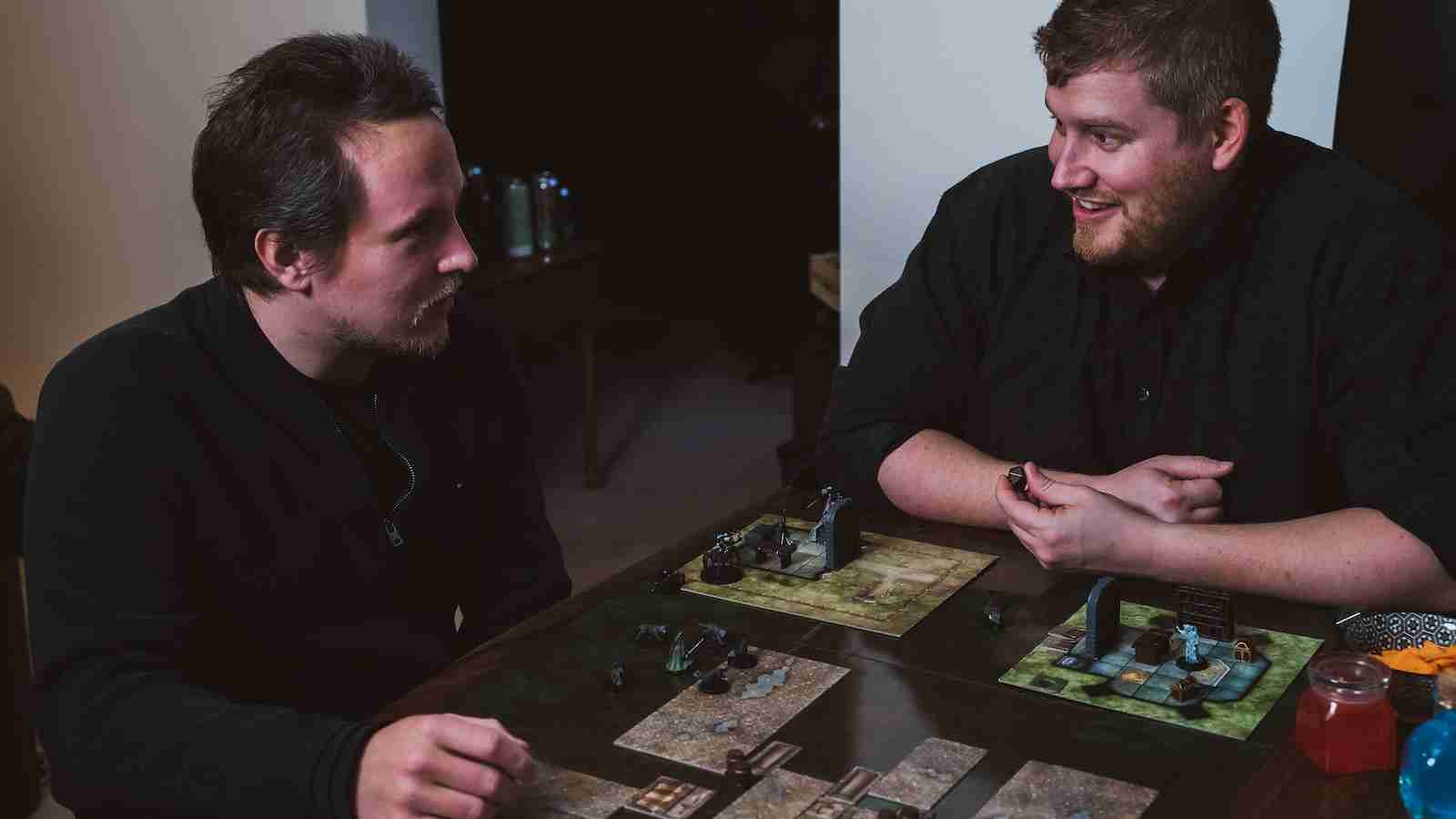
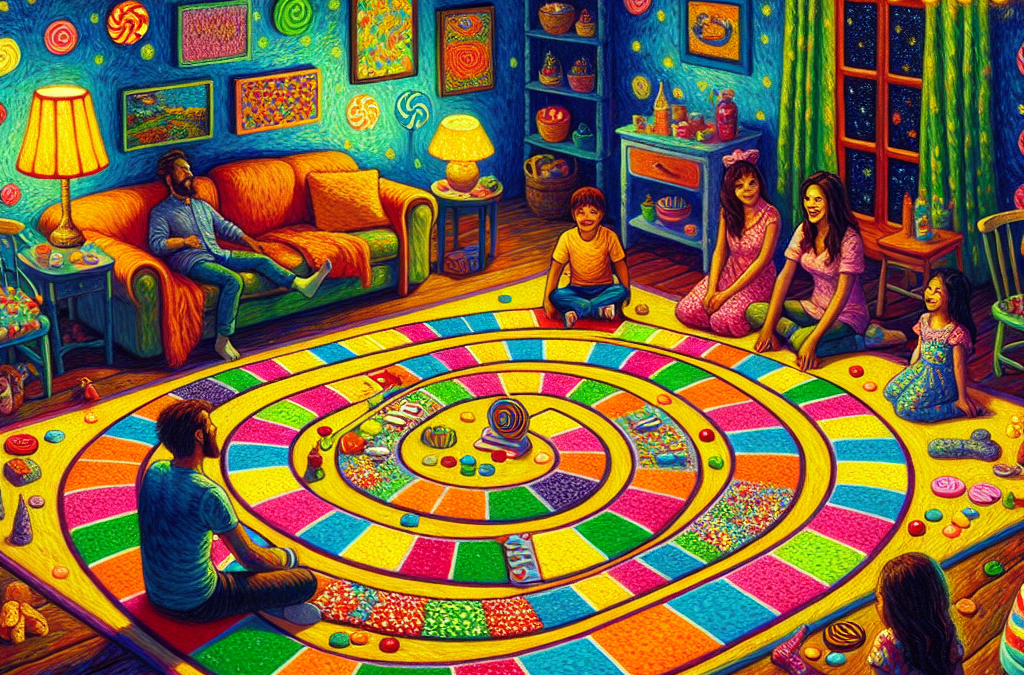
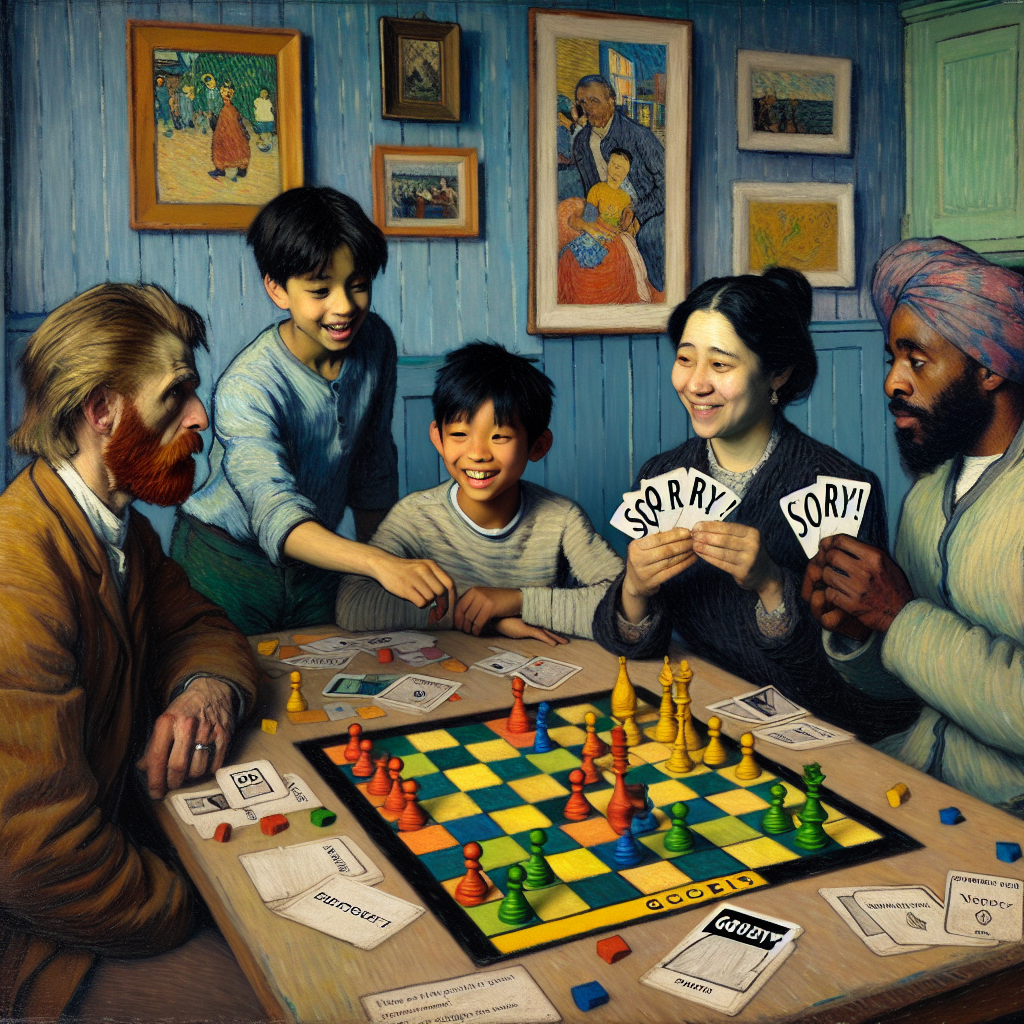
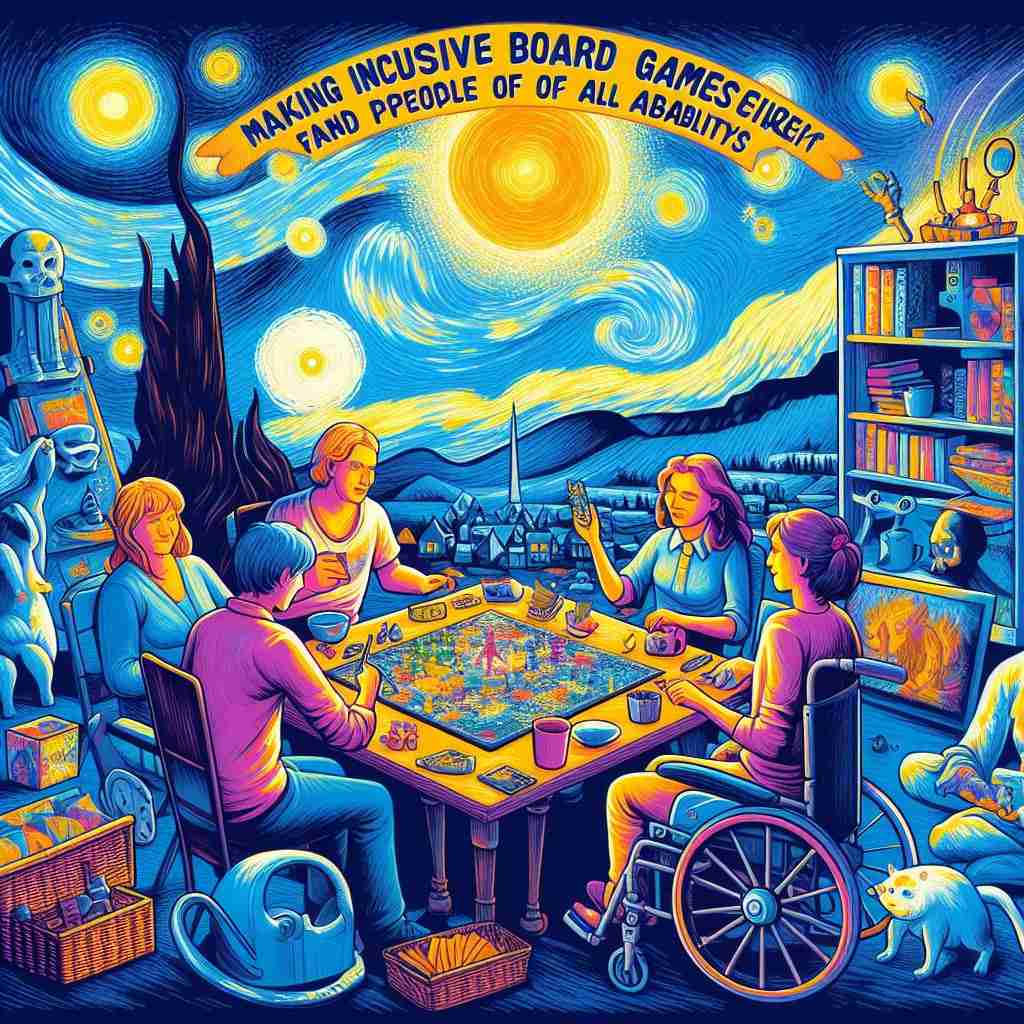
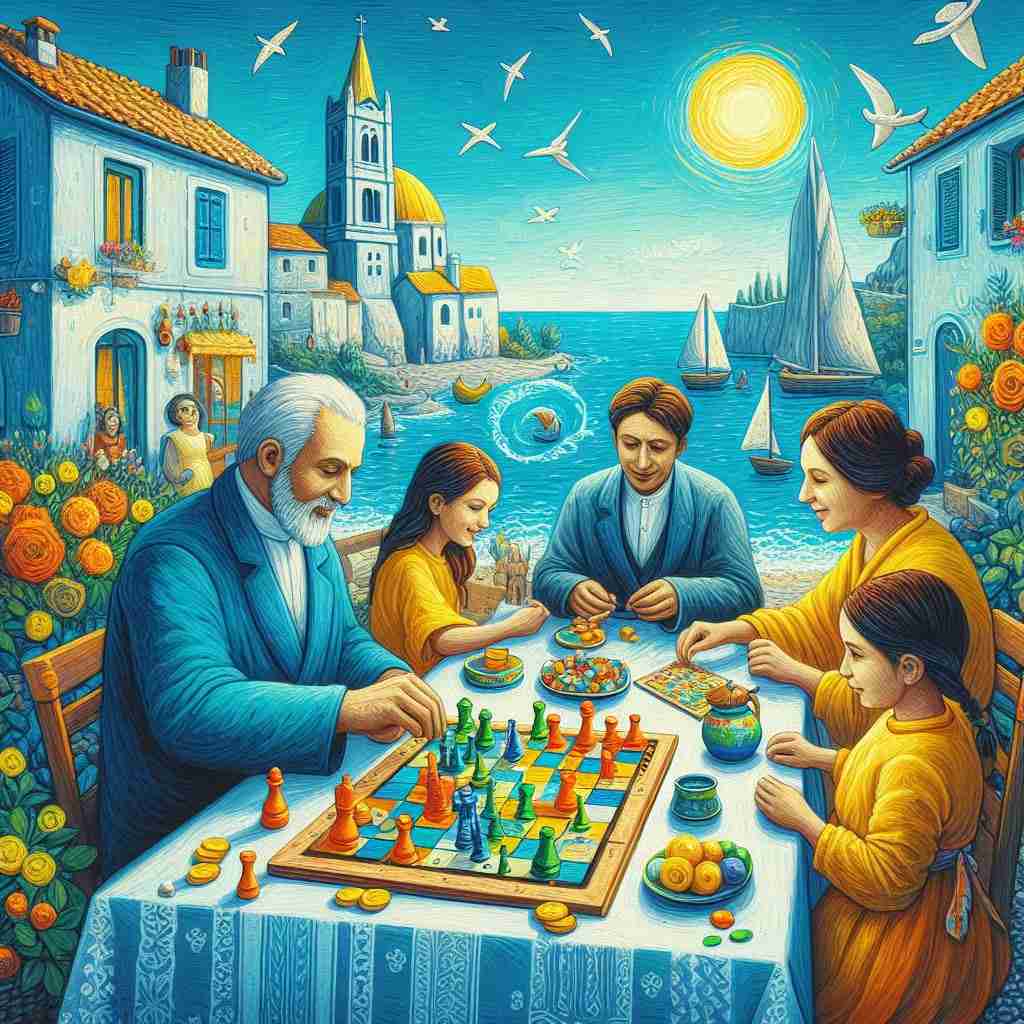
Picture this: a cozy living room, a couple of friends sitting on either side of a well-loved board game, eyes glued to the letter tiles. As they shuffle through their racks, laughter and friendly banter fill the air. It’s not just a game of words; it’s an opportunity for mental gymnastics that can pave the way to better brain health. Let’s face it—a simple board game can be a vessel for sharp intellect, social bonding, and a whole lot of fun.
Scrabble, the classic word-crafting battleground, goes beyond the mere act of placing letters on a grid. Every time you take a turn, you’re not just racking up points—you’re engaging in cognitive gymnastics. Research suggests that regular engagement in mentally stimulating hobbies, like Scrabble, can help stave off age-related cognitive decline. That’s right: while you’re contemplating whether to throw down the word “juxtapose” or settle for a safer “cat,” your brain is firing on all cylinders, creating new neural pathways.
But let’s not forget that this is more than just about flexing your mental muscle. The social interaction that these game nights encourage can be just as important. Engaging with others, strategizing over a triple-word score, and even the friendly rivalries that emerge from a competitive game can ignite emotional connections and boost mental well-being. It fosters a sense of community, a vital element in maintaining overall health, particularly as we age.
However, it’s worth noting that not all board games will do the trick. While Monopoly might test your financial acumen and Candy Crush can eat up your time, Scrabble stands tall as a contender for sharpening your vocabulary and improving memory. The beauty lies in its simplicity, coupled with deep strategy and endless possibilities. No two games are ever the same, and every match brings with it a new opportunity to learn something, whether it’s a new word or even a little about your fellow players’ quirks.
So, the next time you’re looking for a way to put the brain through its paces, gather some friends, pull out the tiles, and get ready to spell out a new path to brain health. Scrabble isn’t just a game; it’s your ticket to a sharper, healthier mind. Now, who’s ready for a rematch?

Can Scrabble Spell Out a New Path to Brain Health?
Can Scrabble Spell Out a New Path to Brain Health?
- Scrabble offers a cozy atmosphere for social interaction and mental engagement among friends.
- Playing Scrabble fosters cognitive skills and may help prevent age-related cognitive decline.
- Engaging in wordplay activates brain functions, creating new neural pathways.
- Social elements of game nights enhance emotional connections and promote mental well-being.
- Unlike other games, Scrabble sharpens vocabulary and memory through strategic play.
- The game’s simplicity combined with strategic depth ensures unique experiences each time.
- Scrabble serves as a fun and effective way to maintain brain health while socializing.
Can Scrabble Spell Out a New Path to Brain Health?
Table Of Contents
- Can Scrabble Spell Out a New Path to Brain Health?
- Can Scrabble Enhance Cognitive Skills For Brain Health?
- How Does Scrabble Challenge Memory And Recall Abilities?
- Can Playing Scrabble Reduce The Risk Of Dementia?
- What Are The Neurological Benefits Of Word Games Like Scrabble?
- How Can Scrabble Improve Vocabulary And Language Skills?
- Does Regular Scrabble Play Boost Mental Agility?
- Can Scrabble Help With Stress Relief And Mental Well-Being?
- Conclusion
- Other Resources
- Glossary Of Terms
- Other Questions
- Haiku
- Poem
- Checklist
Can Scrabble Enhance Cognitive Skills For Brain Health?
Ah, Scrabble. That timeless board game that invites players to unleash their inner wordsmith while hunched over a well-worn game board adorned with letters, strategy, and a sprinkling of intense concentration. In our fast-paced, tech-driven world, it’s easy to overlook the power of a simple board game. But let me tell you, beyond the friendly competition and the occasional heated exchange over whether “qi” is a legitimate word, there lies a treasure chest of cognitive benefits just waiting to be unearthed.
Engaging in Scrabble primarily involves using your noodle to shuffle letters around and form high-scoring words. While that might sound like just a fun way to pass the time, the reality is much deeper. This board game encourages critical thinking and problem-solving. Players must assess their letter tiles strategically, considering potential moves not just for the current round but forecasting plays to come. This exercise engages various parts of the brain, leading to improved mental flexibility and creativity.
But it doesn’t stop there. Scrabble also promotes vocabulary expansion. Whether you’re a seasoned player or just starting, every game is an opportunity to learn new words and their meanings. Flipping through a dictionary—or even just pondering over those seemingly random combinations of letters—can enhance linguistic skills and make you a bit more articulate in daily life. You may find your morning conversations sprinkled with new lexicon, and who doesn’t appreciate a little extra flair when discussing their coffee?
Moreover, let’s not forget the social aspect. Playing Scrabble is an excellent way to connect with family and friends. These interactions can help stave off feelings of loneliness and isolation, two major threats to brain health as we age. Socializing fires up the brain, igniting pathways that may otherwise go dormant. When you mix cognitive exercise with companionship, you’re not just playing a board game; you’re cultivating a supportive community that fosters overall well-being.
Now, some may wonder, “Is this just a fun way to waste time?” Not at all. Engaging with Scrabble regularly creates an environment where cognitive skills can thrive. It’s not merely about placing letters on a board; it’s about sharpening minds, expanding social circles, and having a little fun along the way. So grab your tiles, challenge your loved ones, and let’s see just how far one little board game can take each of us!
Can Scrabble Enhance Cognitive Skills For Brain Health?
Can Scrabble Enhance Cognitive Skills For Brain Health?
- Scrabble is a classic board game that promotes friendly competition and cognitive engagement.
- The game encourages critical thinking and problem-solving by requiring players to strategize letter placements and anticipate future moves.
- Playing Scrabble enhances mental flexibility and creativity by activating various parts of the brain.
- It aids in vocabulary expansion, allowing players to learn new words and improve their linguistic skills.
- Scrabble fosters social connections, helping to combat loneliness and isolation, especially as we age.
- Engaging in Scrabble regularly promotes cognitive skill development and community building.
- The game is a fun way to sharpen minds while enjoying the company of friends and family.
Can Scrabble Enhance Cognitive Skills For Brain Health?
How Does Scrabble Challenge Memory And Recall Abilities?
Ah, the classic Board Game that has taken the world by storm—a triumph of language, math, and strategy wrapped up in a little cardboard box. If you’ve ever found yourself at a table surrounded by friends and family, poised with letter tiles and a smirk, you know that Scrabble isn’t just about forming words. It’s a battlefield of the mind, a cerebral gauntlet where memory and recall abilities are put on display, and here’s why that’s the case.
When you sit down to play Scrabble, you’re stepping into a world that requires both immediate and long-term memory. You need to remember the words you’ve previously played, the tiles that have already hit the board, and the combinations that are likely still left in the bag. Each letter—be it a high-scoring Z or a humble E—carries its own statistical weight. The game demands you to recall the words you’ve committed to memory over the years and to pull them from that mental library, often under pressure. It’s a real workout for those neural pathways.
Now, let’s talk strategy. The best players are not merely good at spelling; they have developed an exceptional ability to visualize the board in their minds. They can anticipate where their opponent might go, while simultaneously recalling the myriad of words they can form with their current tiles. This calls for a mental juggling act that would leave most folks dizzy. The longer you play, the sharper your brain becomes at not just remembering words, but also assessing their value based on placement and potential bonuses. Suddenly, you’re not just playing a game; you’re on a quest to expand your vocabulary and sharpen your critical thinking skills.
Social dynamics also come into play. You’re not just challenging yourself; you’re engaging with other players, getting inside their heads, and making educated guesses about what words they might know and which ones they can’t recall. Every round is a chance to flex your memory muscles while simultaneously testing those of your opponents.
In essence, Scrabble is more than a Board Game; it’s a brain-boosting extravaganza that engages memory and recall in ways most people don’t consciously recognize. Each tile dropped is a push against the boundaries of your cognitive abilities, an opportunity to grow a little sharper than you were the last time you played. And let’s be honest, there’s something immensely satisfying about besting a friend with a well-placed “Q” on a triple word score, all while strengthening your mental prowess. So, grab those tiles, gather your fellow wordsmiths, and get ready to transform memory challenges into triumphant moments of personal victory.
How Does Scrabble Challenge Memory And Recall Abilities?
How Does Scrabble Challenge Memory And Recall Abilities?
- Scrabble is a classic board game that combines language, math, and strategy.
- Players use immediate and long-term memory to recall previous words, board positions, and possible combinations.
- Each letter has its own statistical weight, pushing players to recall words under pressure.
- Successful players can visualize the board and anticipate opponents’ moves while considering word placement and scoring.
- The game enhances vocabulary and critical thinking skills through strategic play.
- Social dynamics are integral, as players engage with and assess their opponents’ word knowledge.
- Scrabble serves as a brain-boosting experience, offering opportunities for cognitive growth and satisfying competitive moments.

How Does Scrabble Challenge Memory And Recall Abilities?
Can Playing Scrabble Reduce The Risk Of Dementia?
When you think of ways to keep your mind sharp as a tack, you might picture folks diving into a pile of textbooks or submerging themselves in Sudoku puzzles. But here’s a little twist: what if I told you that something as simple as a board game could wield significant benefits for your brain health? That’s right. Take Scrabble, for example. This good old-fashioned pastime isn’t just a night of friendly competition; it could be a clandestine ally against the onset of dementia.
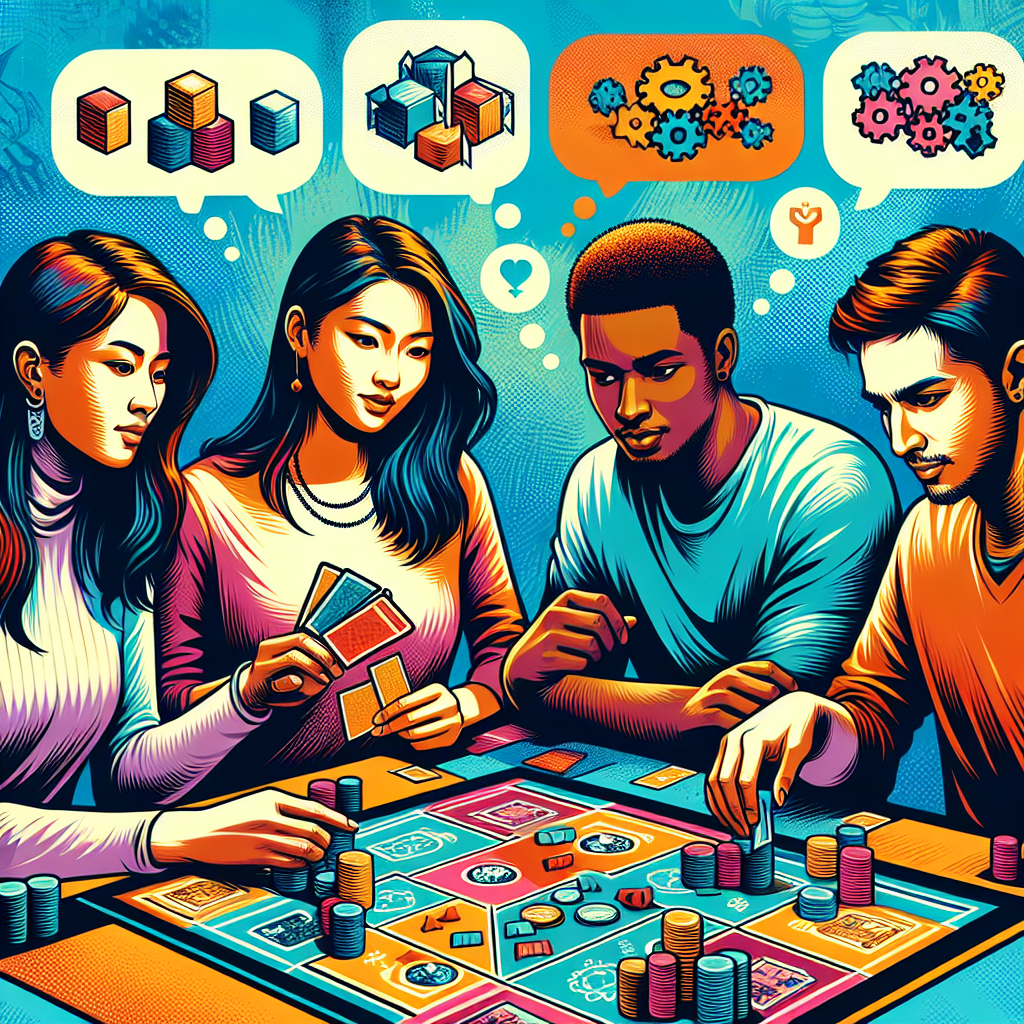
Now, don’t get me wrong. There’s more to Scrabble than just racking up points with obscure words like “qat” or “jiz.” Each match is a mental workout, engaging various cognitive skills. You’re not just spelling; you’re strategizing, calculating, and recalling. This trifecta of brain activities can stimulate neural pathways, keeping your mind agile. Studies suggest that regular involvement in intellectually challenging activities — such as playing board games like Scrabble — may slow down cognitive decline. So, the next time you’re hurling words across the board, remember, you might just be extending your mental toolbox.
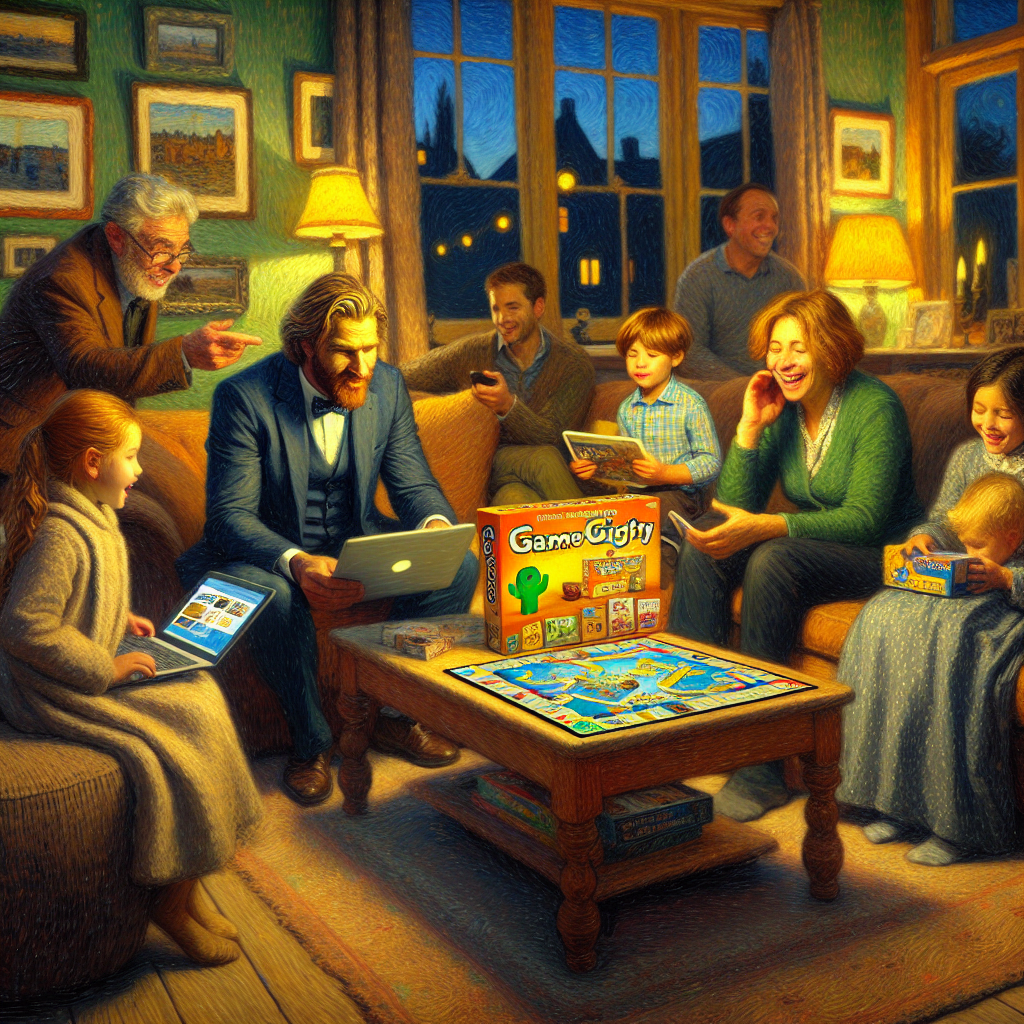
But let’s take a closer look at why Scrabble checks all the right boxes. It offers a social interface that many other solo hobbies don’t. Engaging with friends or family around the table, debating word placements, and navigating the inevitable disputes over accepted word usage promotes emotional well-being. This interplay can reduce feelings of isolation, which, let’s face it, can exacerbate cognitive decline. A hearty laugh over a well-placed “z” might not seem like rehabilitation, but it’s the kind of connection we need.
Furthermore, the game challenges not only your vocabulary but also your memory. You’re constantly recalling previously used words, assessing letter distributions, and envisioning potential placements. Each session of Scrabble equates to physical training for the brain, where repetition and practice are key players in honing your skills. This kind of mental flexibility is vital in combating diseases such as Alzheimer’s.
So, if you’re looking for a fun way to engage your noggin, dust off that old Scrabble set hiding in the corner. It might just be the most enjoyable insurance policy you can secure against the risk of dementia. So grab a friend, some tiles, and get ready to battle it out on that colorful board, because playing Scrabble isn’t just a game; it’s a clever way to keep your mind fit and ready for whatever life throws at you.
Can Playing Scrabble Reduce The Risk Of Dementia?
Can Playing Scrabble Reduce The Risk Of Dementia?
- Board games, like Scrabble, can significantly benefit brain health.
- Playing Scrabble engages various cognitive skills beyond just spelling, including strategizing, calculating, and recalling.
- Regular involvement in intellectually challenging activities may slow down cognitive decline.
- Scrabble promotes social interaction, which can enhance emotional well-being and reduce feelings of isolation.
- The game challenges vocabulary and memory, improving mental flexibility essential for combating diseases like Alzheimer’s.
- Engaging in Scrabble acts like physical training for the brain, reinforcing skills through repetition and practice.
- Playing Scrabble is a fun way to protect against dementia while enjoying time with friends.
Can Playing Scrabble Reduce The Risk Of Dementia?
What Are The Neurological Benefits Of Word Games Like Scrabble?
Ah, the classic board game of Scrabble! It’s not just a battleground for linguistic prowess; it’s a treasure trove of neurological benefits waiting to be unearthed. Whether you’re battling it out with family on a rainy Sunday or engaging in a heated online competition, word games like these pack a hefty punch when it comes to cognitive health.
First off, let’s talk about that marvelous thing we refer to as the brain’s plasticity. As we age, our brains can become rusty if we don’t work them out. Engaging in a board game like Scrabble forces our gray matter into action. Players are constantly challenged to think on their feet, scramble their brain cells, and form connections between words, all while racing against the clock. This dynamic process promotes neurogenesis, which is just a fancy term for the brain producing new neurons. Who wouldn’t want that!
Next, consider the verbal dexterity that comes with playing Scrabble. When you’re rifling through your letter tiles, you’re not just playing a game; you’re enhancing your vocabulary and language skills. Each move prompts you to recall, analyze, and deploy words you may not have used in years—if ever. This relentless mental exercise keeps your language centers firing on all cylinders and can even aid in memory retention.
Now, let’s not overlook the social aspect of it all. Scrabble is more than just a solo chess match of words; it’s a communal experience. Every time you challenge someone to a match, you’re engaging in social interaction that stimulates emotional well-being and cognitive growth. Feeling connected is an underrated aspect of keeping your brain sharp, and nothing brings people together quite like a game where strategy, wit, and a good dose of competitive spirit collide.
And what about critical thinking? Every turn brings a new puzzle to solve—where to place that tricky ’Q’ for maximum points? Do I sacrifice the opportunity for a double word score to block my opponent? These split-second decisions sharpen analytical skills and reinforce our ability to think strategically both at the board and in everyday life.
Word games like Scrabble do more than just entertain; they enrich our minds, foster social bonds, and keep our neurological pathways buzzing. So, grab your tiles, find a worthy opponent, and remember—every game is a chance to give those neurons a real workout!
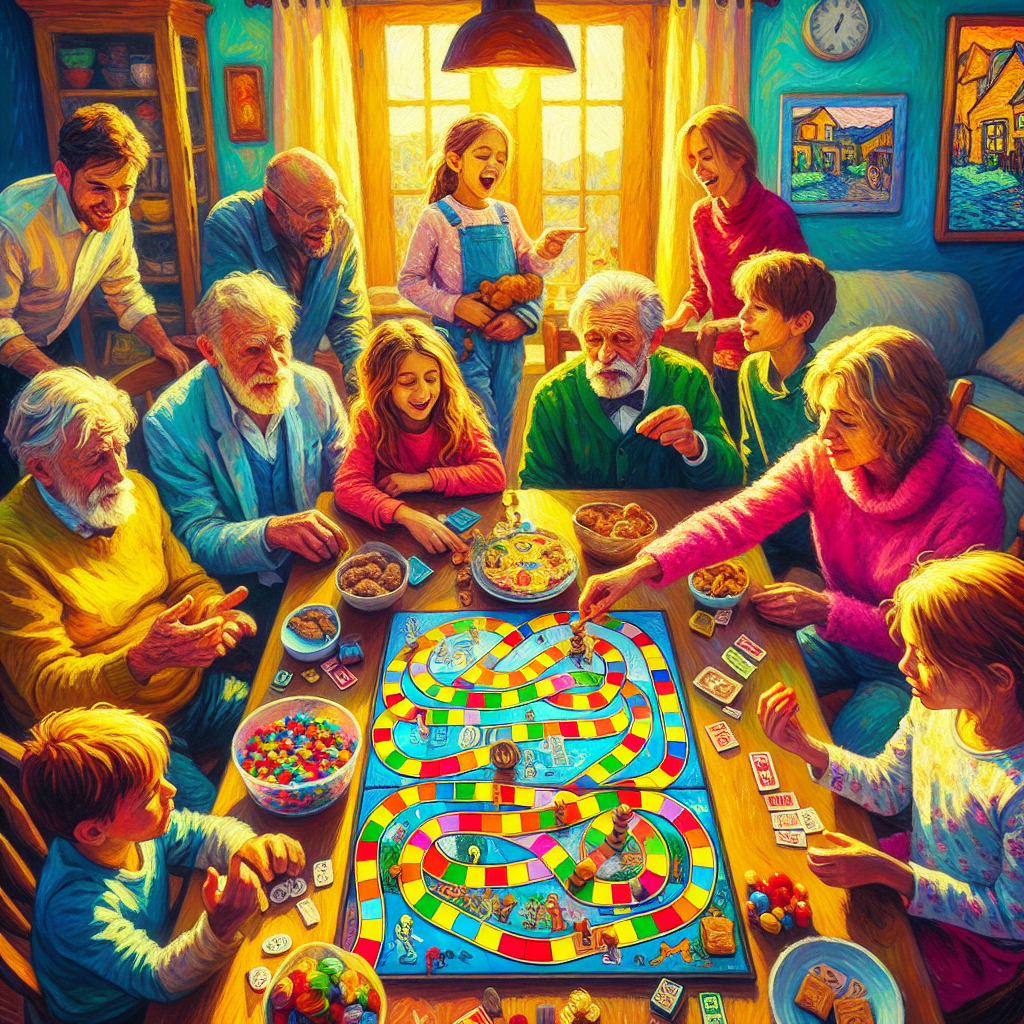
What Are The Neurological Benefits Of Word Games Like Scrabble?
What Are The Neurological Benefits Of Word Games Like Scrabble?
- Scrabble is not only a fun board game but also beneficial for cognitive health.
- Playing Scrabble promotes brain plasticity, stimulating the creation of new neurons.
- The game enhances vocabulary and language skills through intense mental engagement.
- Engaging in Scrabble fosters social interaction and emotional well-being.
- It encourages critical thinking and strategic decision-making with each turn.
- Scrabble serves as an entertaining way to enrich the mind and build social bonds.
- Every game is an opportunity to provide your brain with a stimulating workout.
What Are The Neurological Benefits Of Word Games Like Scrabble?
How Can Scrabble Improve Vocabulary And Language Skills?
Scrabble, that classic board game where a handful of wooden tiles become the battleground for vocabulary warfare, isn’t just a fun way to spend an evening—it’s a powerhouse for improving language skills. Picture this: you and your friends or family gathered around a table, the air thick with the scent of competition and maybe a little bit of popcorn. Each player’s brow furrows in concentration as they strategize their next move, trying to outsmart their opponents while constructing the highest-scoring word. It’s more than just a game; it’s a mental workout.
In a world dominated by emojis and abbreviations, Scrabble offers an oasis of spelling and strategy. When you plop down a word on that board, you’re not just placing letters; you’re chasing after the thrill of language itself. You’re pushed to dig into your mental vocabulary reservoir, conjuring up words you might not have used since the last time you rifled through a dictionary—or even set foot in a library. The lovely thing about this game is the way it encourages experimentation. Have you ever found yourself sitting there, looking at a jumble of letters, suddenly struck by a flash of inspiration? Bingo! Suddenly, you feel like a linguistic wizard.
Scrabble plays referee to our natural instincts, prompting us to challenge ourselves and our knowledge. It fosters an environment of learning where a friendly rivalry drives innovation. Each turn is a mini-lesson, a chance to pick up a new word and add it to your arsenal. Whether it’s a six-letter gem you never knew existed or an obscure two-letter word that just might tilt the score in your favor, each game is a curriculum on its own.
The beauty of Scrabble is not just in its rules, but in its ability to bring people together while sharpening minds. As friends guffaw over an outrageous play and partners exchange playful jibes, vocabulary becomes a communal experience. Learning through play is perhaps the most effective method of all, transforming the sometimes mundane process of education into a lively exchange that makes you crave more.
So the next time you pull out that worn Scrabble board, remember: you’re not just collecting points; you’re building bridges in language, enhancing your vocabulary, and having a good time doing it. Who knew a stack of tiles could be your ticket to becoming the wordsmith you always wanted to be?
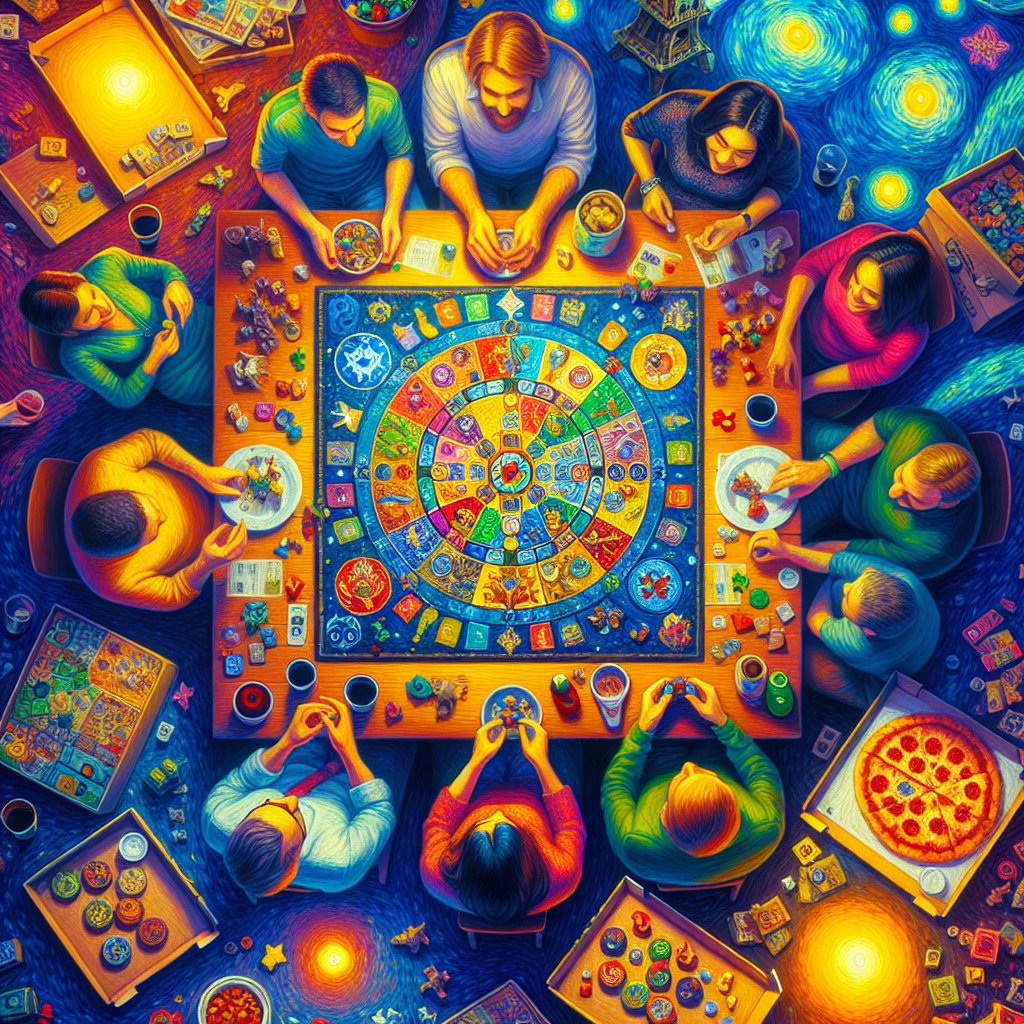
How Can Scrabble Improve Vocabulary And Language Skills?
How Can Scrabble Improve Vocabulary And Language Skills?
- Scrabble is not just a game; it serves as a powerful tool for improving language skills.
- Players engage in strategic competition, enhancing cognitive abilities while having fun.
- The game encourages players to explore and expand their vocabulary, leading to mental workouts.
- Scrabble promotes experimentation with language, allowing players to discover new words.
- Every turn provides a learning opportunity, making each game a curriculum of its own.
- The communal aspect of play fosters friendly rivalry, making vocabulary learning a shared experience.
- Playing Scrabble transforms education into an enjoyable activity, building language bridges while having a good time.
How Can Scrabble Improve Vocabulary And Language Skills?
Does Regular Scrabble Play Boost Mental Agility?
When you think about classic board games, Scrabble has earned its place at the table, and not just because it helps settle the age-old debate of who knows the most words. Let’s take a deeper dive into whether regular play of this beloved game can truly boost mental agility.
Picture this: a group of friends huddled around a wooden board, each player with their tiles scattered like a mini crossword of potential. As the game unfolds, something special happens. It’s not just about forming words; it’s a battle of wits, a mental workout that gets the neurons firing. Each turn is a test of strategy, vocabulary, and foresight. Players build off each other’s words, often leading to unexpected connections and the occasional epiphany about the power of language.
Recent studies have unveiled insights that align perfectly with what Scrabble enthusiasts have known all along — engaging in word games like this one can enhance cognitive function. Just as lifting weights builds muscle, regularly playing Scrabble can strengthen your mental prowess. Your brain is like a muscle, and every time you strategize your next move, you’re flexing those cognitive skills, boosting memory, and sharpening your mental agility.
Moreover, it’s not just about vocabulary. Scrabble engages spatial awareness, as players must visualize potential placements and optimize their scores. It encourages critical thinking as players evaluate the risk versus reward of challenging high-scoring opponents. These components act as a mini boot camp for the mind, preparing it to tackle everyday challenges with greater efficiency and creativity.
And let’s not forget the social aspect. Gather your friends or family for a game night, and you’ll notice the dynamic shift. Laughter, friendly rivalries, and the inevitable groans over someone’s challenge of a questionable word all contribute to a lively atmosphere that further amplifies cognitive engagement. Our brains thrive on social interaction, and board games like Scrabble create an environment where collaboration and competition meet, sparking creativity and enhancing mental agility.
So, the next time you pull out that Scrabble board, remember: every word you place is not just scoring points, but also sharpening your mind. Whether it’s the thrill of spelling out “quizzing” on a triple word score or simply enjoying the camaraderie, regular play with your friends isn’t just a game; it’s a pathway to a sharper, more agile brain. Game on!

Does Regular Scrabble Play Boost Mental Agility?
Does Regular Scrabble Play Boost Mental Agility?
- Scrabble is a classic board game that enhances mental agility beyond just vocabulary.
- The game serves as a mental workout, testing players’ strategy, vocabulary, and foresight.
- Regular play of Scrabble can strengthen cognitive functions akin to how lifting weights builds muscle.
- Players develop spatial awareness by visualizing word placements and optimizing scores.
- Scrabble encourages critical thinking through assessing risks versus rewards in gameplay.
- The social aspect of playing Scrabble fosters creativity and cognitive engagement among friends and family.
- Engaging regularly in Scrabble contributes to not just scoring points but also sharpening mental abilities.
Does Regular Scrabble Play Boost Mental Agility?
Can Scrabble Help With Stress Relief And Mental Well-Being?
In a world that often feels like it’s spinning a little out of control, we find ourselves seeking refuge in the simplest of pleasures. Take, for instance, a good old-fashioned board game like Scrabble. At first glance, it may seem just like a collection of wooden tiles and a square board, but look closer, and you’ll see it’s a treasure trove of benefits for our mental well-being.
Engaging in a game of Scrabble is not just about competing for the highest score or boasting about your vocabulary; it’s a masterclass in mindfulness. In the heat of gameplay, you focus solely on the board, tuning out the stresses of the day. You’re immersed in a world where every letter matters, every word counts. This level of concentration pulls you away from nagging thoughts and worries, grounding you in the present moment. Think of it as a mental reset button, allowing you to step back into a realm of creativity and strategy.
But the benefits don’t stop there. Scrabble is also socially enriching. When you gather around that board, you’re not just moving pieces; you’re forging connections. The laughter, friendly banter, and even the playful rivalries can soothe the soul. These interactions can foster a sense of belonging, lifting your spirits and enhancing your mood. It’s a simple yet effective way to cultivate relationships, something that often takes a backseat in our busy lives.
Let’s not overlook the cognitive workout that Scrabble provides. As you ponder your moves, you’re engaging in critical thinking, problem-solving, and linguistic skills, all of which keep your mind sharp. Research has shown that stimulating your brain in this way can ward off cognitive decline, helping to maintain mental acuity as you age. Plus, the process of discovering new words and strategies can reignite a love for learning, sparking curiosity that often gets overshadowed by daily routines.
So, the next time you find yourself weighted down by the world, consider breaking out that Scrabble board. It’s more than just a game; it’s a holistic approach to managing stress and promoting mental well-being. In a time when taking care of ourselves is paramount, sometimes all it takes is a game of letters and a little friendly competition to remind us of the joy that comes from connecting with others—and with our own minds.

Can Scrabble Help With Stress Relief And Mental Well-Being?
Can Scrabble Help With Stress Relief And Mental Well-Being?
- Scrabble serves as a refuge, offering simple pleasures amidst a chaotic world.
- The game promotes mindfulness by immersing players in focused gameplay, allowing them to escape daily stresses.
- Scrabble fosters social connections through laughter and friendly competition, enhancing mood and sense of belonging.
- It provides a cognitive workout, encouraging critical thinking, problem-solving, and linguistic skills.
- Engaging with Scrabble can help prevent cognitive decline and maintain mental sharpness as we age.
- Playing Scrabble reignites curiosity and a love for learning, often lost in daily routines.
- Overall, Scrabble is a holistic way to manage stress and promote mental well-being through connection and competition.
Can Scrabble Help With Stress Relief And Mental Well-Being?
Conclusion
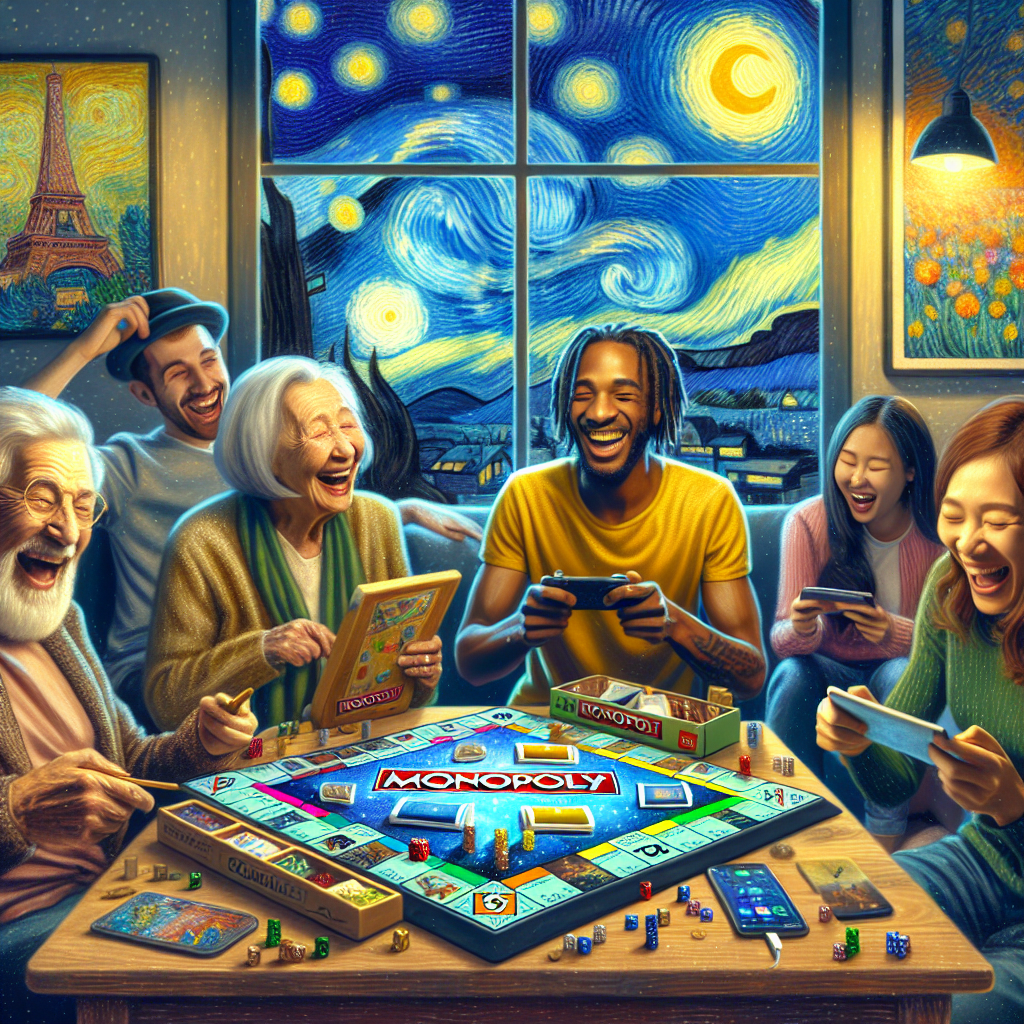
Well folks, if there’s ever been a case for the humble board game, Scrabble has thrown down a gauntlet you can’t ignore. This isn’t just a pastime for the word-obsessed; it’s a mental heavyweight, and it’s packing some serious benefits for our brain health. Picture it: you’re gathered with friends, a board full of letters, laughter erupting with every clever wordplay. Behind the friendly competition lurks something much more profound—a workout for your brain that could very well stave off cognitive decline.
We live in a world racing toward digital quick-fixes, and it’s easy to brush aside the power of good, old-fashioned fun. But here’s the kicker: engaging regularly with Scrabble doesn’t just help you rack up points; it fosters creativity, boosts memory, and sharpens critical thinking skills. Each word you play isn’t merely a score on the board; it’s a building block for maintaining mental agility, a gentle nudge against the erosion of brain function that comes with age.
But let’s not forget the social aspect. In an age where loneliness looms like a heavy cloud, gathering around that Scrabble board fosters connections that matter. We chat, we laugh, we strategize, and, let’s be honest, sometimes we bicker over the validity of “qi” or “za.” Each interaction nurtures our emotional well-being—an essential ingredient in the recipe for a thriving mental state. Beyond the tiles, we’re building a community.
Now, if you’re rolling your eyes and thinking, “Is this really just another fun distraction?” think again. Studies suggest that firing up our neural pathways through activities like Scrabble can lead to neurogenesis—that’s a fancy term for your brain making new neurons. So, you’re effectively rewiring your gray matter while also having a blast. Not too shabby for a game night!
Next time you’re contemplating how to fill an evening, dust off that old Scrabble box. It’s more than just a collection of tiles; it’s your ticket to not only enhancing your vocabulary but helping maintain brain health, building connections, and adding a bit of joy to your life. So gather your pals, shuffle those letters, and remember: every turn you take is a step toward a sharper, healthier mind. Now who’s ready for a rematch? Game on!
Conclusion
Conclusion:
- Scrabble is more than just a game; it offers significant brain health benefits.
- Playing Scrabble can help stave off cognitive decline by acting as a mental workout.
- The game fosters creativity, boosts memory, and sharpens critical thinking skills.
- Engaging in Scrabble promotes social connections and combats loneliness.
- Each game nurtures emotional well-being, which is vital for a thriving mental state.
- Playing Scrabble stimulates neurogenesis, effectively rewiring the brain.
- Scrabble can enhance vocabulary while adding joy to social interactions.
Conclusion
Other Resources
Other Resources
Here is a list of other resources you can review online to learn more:
- LiveJournal
- Spirit Island: Branch & Claw Expansion
- Robinson Crusoe: Adventures on the Cursed Island
- Roll Player
- Pandemic Legacy: Season 1
- 7 Wonders Duel
- GameNight!
- Capstone Games
- Champions of Midgard
- Cardboard Republic
Use This Prompt To Get More Resources With Your Favorite Online AI Tool: Please provide me with a list of online articles with their URLs in a bulleted list that I can read regarding Can Scrabble Spell Out a New Path to Brain Health?

Other Resources
Glossary Terms
Can Scrabble Spell Out a New Path to Brain Health? – Glossary Of Terms
1. Cognition: The mental process of acquiring knowledge and understanding through thought, experiences, and the senses.
2. Neuroplasticity: The brain’s ability to reorganize itself by forming new neural connections throughout life, important for learning and recovery from injury.
3. Dementia: A general term for a decline in mental ability severe enough to interfere with daily life, often affecting memory and cognitive function.
4. Vocabulary: The set of words known and used by a person or group, critical for language development and communication.
5. Gamesmanship: The art of using strategy, skill, and tactics to win in competitive games, which can enhance cognitive skills.
6. Memory: The faculty by which the mind stores and remembers information, essential for learning and reasoning.
7. Stress Relief: Techniques or activities that help to reduce mental and emotional stress, promoting overall brain health.
8. Strategic Thinking: The ability to plan effectively to achieve a goal, which is practiced in games like Scrabble.
9. Neuroscience: The scientific study of the nervous system, including the brain, and its impact on cognitive functions.
10. Word Formation: The process of creating words through the combination of letters, crucial in games like Scrabble.
11. Engagement: The state of being actively involved or committed, which can improve mental health and cognitive functions.
12. Social Interaction: Communication and interaction with others, valuable for cognitive stimulation and emotional support.
13. Critical Thinking: The ability to think clearly and rationally, making reasoned judgments, often exercised while playing strategy games.
14. Wordsmithing: The skill of creating, using, or manipulating words effectively, enhancing verbal skills through play.
15. Exercise: Physical activity that can improve overall brain function and health as well as reduce the risk of cognitive decline.
16. Focus: The ability to concentrate attention on a task, which is enhanced through mentally stimulating activities.
17. Syllables: Units of pronunciation that contribute to word formation; understanding syllables aids in language skills.
18. Pattern Recognition: The ability to recognize and interpret patterns, important for strategic play in games like Scrabble.
19. Language Development: The process by which people acquire the ability to perceive and comprehend language, significantly supported by word games.
20. Cognitive Games: Games designed to improve mental processes such as memory, attention, and problem-solving abilities.
21. Brain Training: Activities specifically designed to enhance cognitive function and improve brain health, including word games.
22. Lexicon: The vocabulary of a person, language, or branch of knowledge; a rich lexicon is beneficial for playing Scrabble.
23. Word Analysis: The process of examining and understanding the components and meanings of words, crucial for gameplay strategy.
24. Socialization: The process of interacting with others, which can alleviate feelings of loneliness and improve mental well-being.
25. Nourishment: In a brain health context, it refers to the mental and emotional benefits obtained from activities like playing Scrabble.
26. Multitasking: The ability to handle more than one task at a time, which can be encouraged during gameplay.
27. Mental Stimulation: Engaging activities that keep the mind active and healthy, important for cognitive longevity.
28. Communication Skills: The ability to effectively convey information, which is enhanced through word games and social interactions.
29. Rhythm: The patterned timing in language and speech; understanding rhythm can enhance fluency in vocabulary use.
30. Creativity: The ability to produce original ideas or solutions, which can be fostered through games that require word play and strategy.
Glossary Of Terms
Other Questions
Can Scrabble Spell Out a New Path to Brain Health? – Other Questions
If you wish to explore and discover more, consider looking for answers to these questions:
- What research supports the cognitive benefits of playing Scrabble?
- Are there specific age groups that benefit more from playing Scrabble?
- How does Scrabble compare to other board games in terms of cognitive health benefits?
- What other activities can help improve brain health alongside playing Scrabble?
- Can Scrabble be used as a therapeutic tool for cognitive rehabilitation?
- What strategies can enhance one’s performance in Scrabble?
- How often should one play Scrabble to see cognitive benefits?
- What are some common mistakes players make that could hinder their cognitive benefits?
- Can online versions of Scrabble provide the same benefits as the traditional board game?
- What tips can be provided to beginners wanting to improve their Scrabble skills?
- How does family involvement in Scrabble affect social connections and well-being?
- What are the potential downsides of competitive Scrabble play?
- Are there specific language skills or areas of vocabulary that Scrabble targets?
- How do different playing styles (aggressive vs. conservative) impact cognitive engagement?
- What should players do if they experience frustration or stress during games?
Other Questions
Haiku
Can Scrabble Spell Out a New Path to Brain Health? – A Haiku
Scrabble tiles align,
Words weave mind and heart anew—
Health in every play.
Haiku
Poem
Can Scrabble Spell Out a New Path to Brain Health? – A Poem
In cozy rooms where laughter swells,
With timber tiles and crafted spells,
A board game waits, inviting minds,
To play with words, where joy unwinds.
Not just a game of points and pride,
But mental club where we confide,
With each new turn, the neurons dance,
Developing skills, igniting chance.
To strategize and seek the word,
In friendly spat or rival’s bird,
Connections forged, no time to pine,
The bond of play, a lifeline line.
Memory sharpens with every play,
A puzzle to solve amidst the fray,
Discovering terms long left unsaid,
Bringing color to what once was thread.
Reducing stress, it calms the mind,
In tiles we find a love entwined,
Through laughter shared and words we weave,
Scrabble teaches us how to believe.
So gather friends, let boards unfold,
In every move, new stories told,
For in this game, we find the clue,
It’s not just words; it’s wellness too.

Poem
Checklist
Can Scrabble Spell Out a New Path to Brain Health? – A Checklist
1. Gather Your Group:
_____ Invite friends or family for a game night.
_____ Create a comfortable, distraction-free environment.
2. Set Up the Game:
_____ Find a well-loved Scrabble board or download a Scrabble app for online gameplay.
_____ Ensure everyone has a clear understanding of the rules, including acceptable words.
3. Mindfulness Focus:
_____ Encourage players to immerse themselves in the game, leaving stress behind.
_____ Promote conversations about strategy, enhancing social interaction.
4. Challenge Your Vocabulary:
_____ Aim to learn at least one new word per game.
_____ Use a dictionary or online resource if there’s a dispute over word legitimacy.
5. Engage Cognitive Skills:
_____ Practice critical thinking by strategizing moves based on current tiles.
_____ Visualize potential placements before your turn to enhance forward-thinking.
6. Foster Friendly Rivalry:
_____ Embrace the competitive spirit of the game.
_____ Encourage playful banter to create a fun atmosphere.
7. Take Breaks:
_____ If a game runs long, consider taking short breaks for stretching and casual conversation.
8. Celebrate Learning:
_____ After each game, discuss any new words discovered and their meanings.
_____ Encourage players to share fun or interesting words they have learned.
9. Reflect on the Experience:
_____ Talk about how playing Scrabble made everyone feel—emotionally and mentally.
_____ Discuss the social connections and enjoyment experienced during gameplay.
10. Plan Regular Game Nights:
_____ Schedule Scrabble sessions regularly to maintain mental agility and social bonds.
_____ Experiment with different groups or styles of play to keep it fresh and engaging.
11. Stay Positive:
_____ Always promote a positive gaming atmosphere, regardless of who wins or loses.
_____ Recognize that the main goal is to have fun and boost mental health together.
By following this checklist, you can unlock the cognitive and social benefits of playing Scrabble while enhancing your brain health and having fun!
Checklist
At BestBoardGameNews, we help people who love board games by collating information and news about board games.
Be sure to read our other related stories at BestBoardGameNews to learn more about board games.