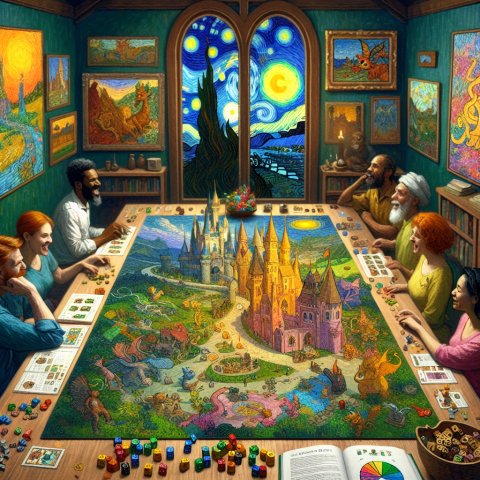
Boosting Senior Brain Health Through Strategy Gaming
By Tom Seest
At BestBoardGameNews, we help people who love board games by collating information and news about board games.
Be sure to read our other related stories at BestBoardGameNews to learn more about board games.
Can Strategy Games Delay Cognitive Decline In Seniors?
When it comes to staying sharp in the golden years, one might not immediately think of the good old board game. But as it turns out, these seemingly simple pastimes pack a punch when it comes to brainpower. You see, cognitive decline isn’t just a buzzword thrown around at family gatherings; it’s a genuine concern for many seniors. As the years go by, those neurons don’t quite fire like they used to. But why sit back and let nature take its course when a little strategic thinking can change the game?
Enter the age-old board game. Whether it’s a classic like Chess—where every move demands foresight and strategy—or a modern cooperative game that requires teamwork and communication, these activities engage the mind in ways that other pastimes simply can’t. While the world is knee-deep in digital distractions, flipping a few physical game pieces and rolling some dice can provide a tactile experience with cognitive benefits that can’t be understated.
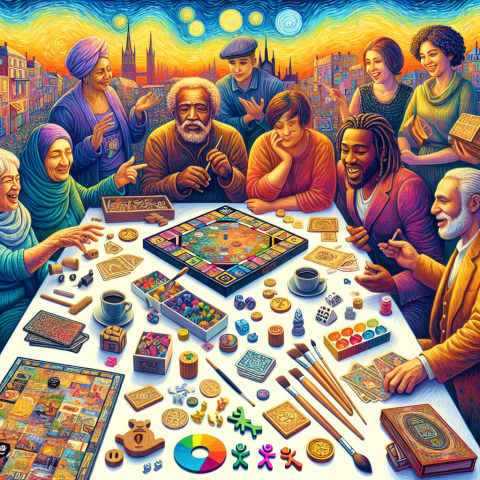
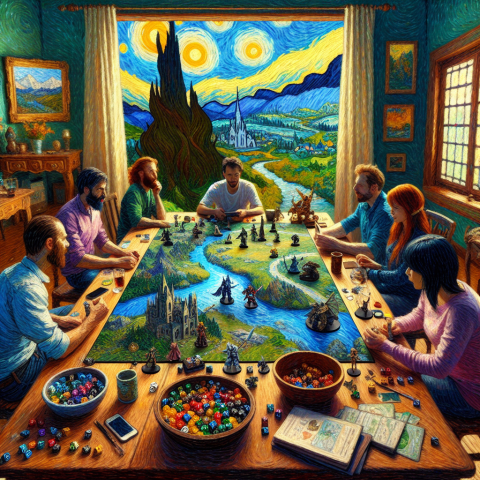
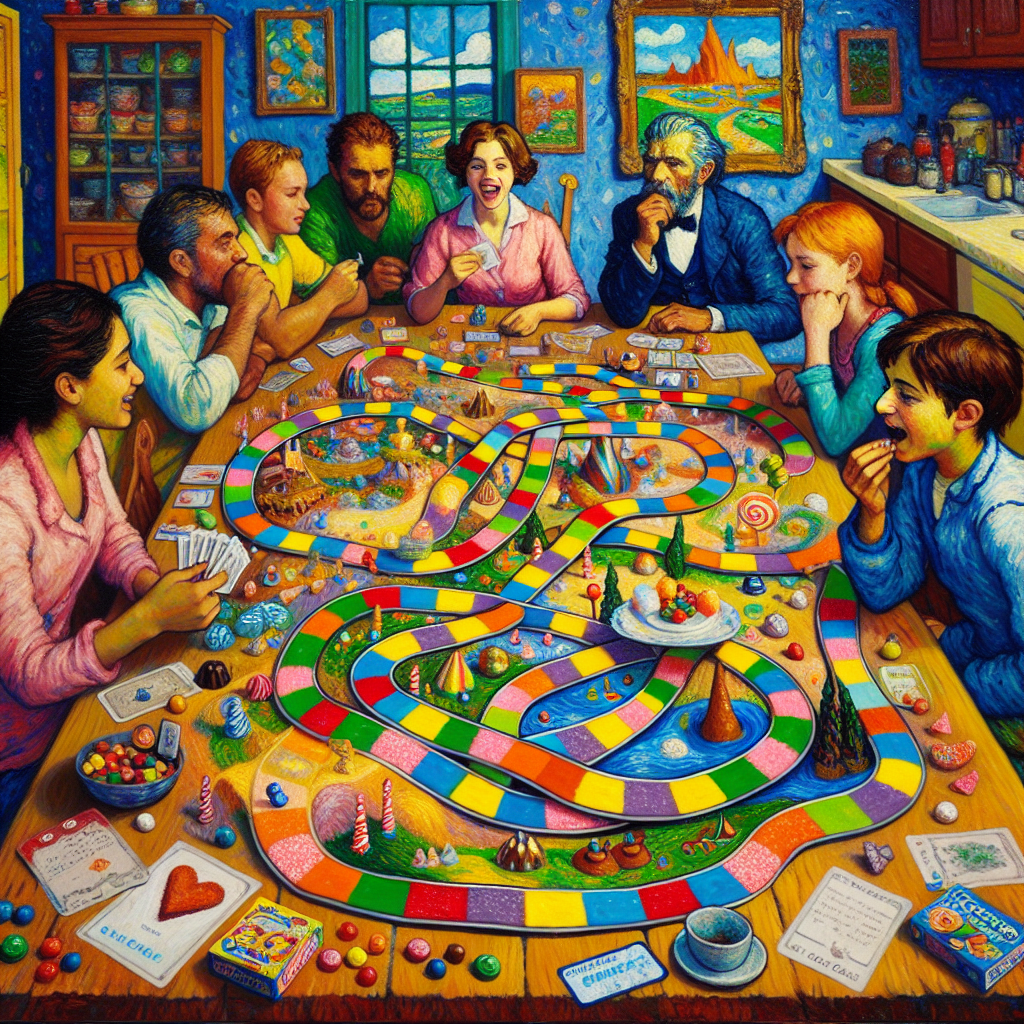
Imagine gathering around the table with family or friends, tossing ideas back and forth as you contemplate your next move. Each roll of the dice or card drawn is an opportunity to strategize, adapt, and think critically. It’s one part competition, two parts mental gymnastics, and a whole lot of fun. And let’s not forget that social interaction! Engaging in these games not only stimulates the mind; it also combats feelings of isolation and loneliness that often accompany aging.
Studies suggest that regular participation in strategy games can bolster memory and problem-solving skills. But what does that mean for seniors fighting against cognitive decline? It means there’s a fighting chance. It’s not just about winning or losing; it’s about nurturing neural pathways that might otherwise weaken. Think of a board game as a workout for your brain, one that flexes those mental muscles while bringing laughter and joy to the table.
So, if you’re on a quest to keep your mind sharp as a tack, toss those digital devices aside for a couple of hours. Pull out a board game, gather your loved ones, and discover the delightful benefits of strategic play. Remember, your brain deserves a workout just as much as your body does, and there’s no better way to do it than with a little friendly competition.

Can Strategy Games Delay Cognitive Decline In Seniors?
Can Strategy Games Delay Cognitive Decline In Seniors?
- Board games can enhance brainpower and combat cognitive decline in seniors.
- Games like Chess require strategic thinking and foresight, engaging the mind effectively.
- Physical board games offer a tactile experience, countering digital distractions.
- Playing games fosters social interaction, reducing feelings of isolation and loneliness.
- Regular participation in strategy games can improve memory and problem-solving skills.
- Board games serve as a mental workout, strengthening neural pathways while providing enjoyment.
- Engaging in friendly competition is a fun way to keep the brain sharp and healthy.
Can Strategy Games Delay Cognitive Decline In Seniors?
Table Of Contents
- Can Strategy Games Delay Cognitive Decline In Seniors?
- What Are The Effects Of Strategy Games On Cognitive Function?
- How Do Strategy Games Engage Different Areas Of The Brain?
- Can Playing Strategy Games Improve Memory In Older Adults?
- What Types Of Strategy Games Are Most Beneficial For Seniors?
- How Often Should Seniors Play Games For Cognitive Benefits?
- Are There Any Risks Associated With Playing Strategy Games?
- Do Strategy Games Provide Social Interaction For Seniors?
- Conclusion
- Other Resources
- Glossary Of Terms
- Other Questions
- Haiku
- Poem
- Checklist
What Are The Effects Of Strategy Games On Cognitive Function?
When it comes to engaging our minds, few activities rival the strategic rigors of a good board game. These tabletop classics, often filled with intricate rules and complex decisions, do more than entertain; they can actually enhance cognitive function in ways that are both fascinating and beneficial. So, let’s take a closer look at what happens in that noggin of yours when you dive into a session of competitive strategy.
First off, consider the sheer mental workout involved in a board game. It’s like a gym for your brain, where each move you make is akin to lifting weights. You’re not just casually playing; you’re analyzing, predicting, and adjusting to your opponents. This process hones critical thinking skills and improves your ability to make sound decisions under pressure. This mental agility is a key benefit of strategy gaming, and research has shown that consistent engagement with these games can lead to lasting improvements in cognitive flexibility— the ability to adapt to new situations and think creatively.
Moreover, the social component of board games shouldn’t be overlooked. Gather a group of friends around a table, and you’re not only strategizing but also communicating. These interactions bolster your social cognition, enhancing skills like empathy, negotiation, and conflict resolution. In essence, every time you call someone out on a sneaky maneuver, you’re practicing interpersonal dynamics that translate into real-world scenarios.
Let’s not forget about memory. In many strategy games, remembering past moves, recognizing patterns, and recalling rules becomes part of the challenge. This constant need to keep track of information activates various memory systems, nudging your brain to stay sharp. Even more interesting is how these board games can stave off cognitive decline. Engaging in complex mental tasks has been linked to a lower risk of dementia in older adults.
So, if you haven’t pulled out that dusty board game in a while, it might be time to dust it off. Invite some friends over, roll the dice, and let the strategizing begin. You might just find that while you’re having fun, you’re also giving your brain a real boost. Strategy games are not just leisure activities; they’re tools for mental enhancement that challenge and invigorate the mind. So, gather around the table, and get ready to play—a sharper mind awaits!
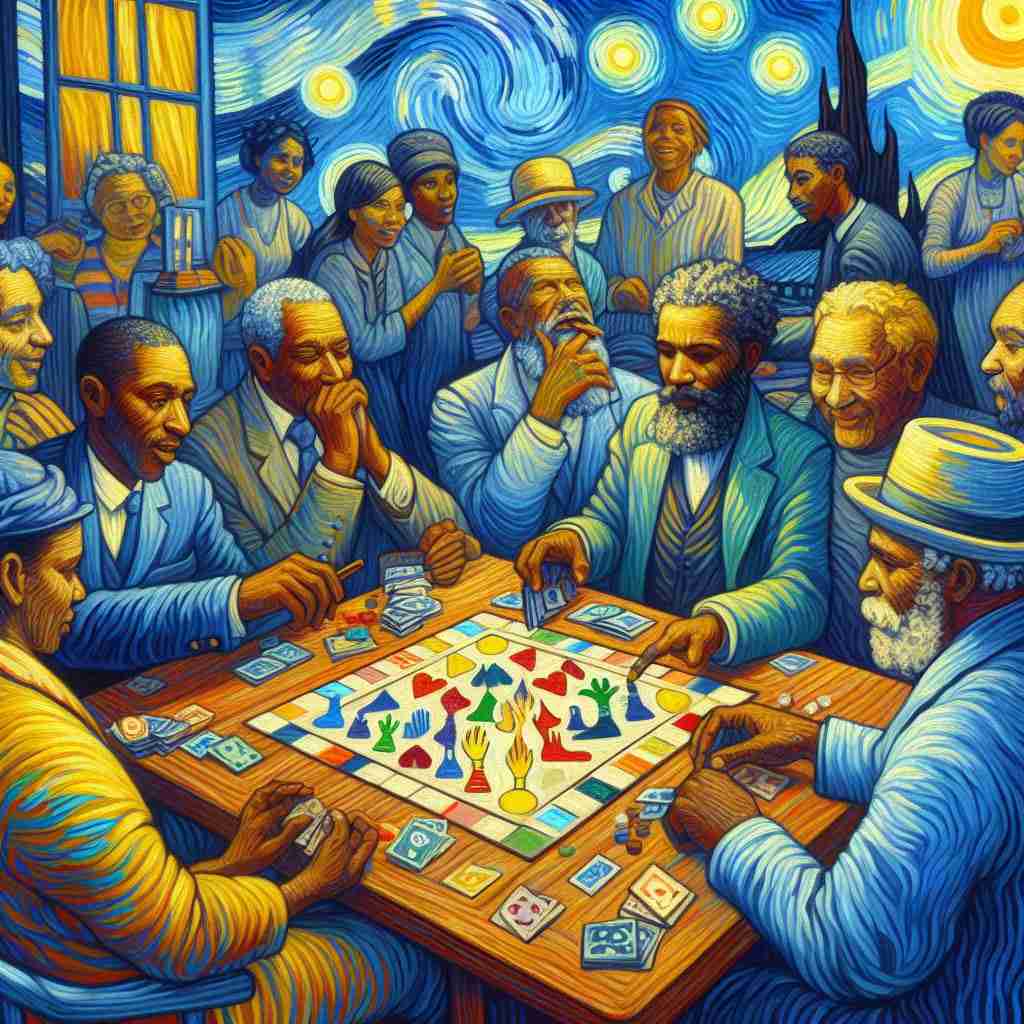
What Are The Effects Of Strategy Games On Cognitive Function?
What Are The Effects Of Strategy Games On Cognitive Function?
- Board games provide a strategic mental workout, improving cognitive function.
- Engagement in strategy gaming enhances critical thinking and decision-making skills.
- Consistent play can lead to lasting improvements in cognitive flexibility.
- Social interactions during games enhance social cognition and interpersonal skills.
- Remembering rules and past moves activates memory systems, keeping the brain sharp.
- Playing complex games is linked to a lower risk of dementia in older adults.
- Strategy games serve as effective tools for mental enhancement while having fun.
What Are The Effects Of Strategy Games On Cognitive Function?
How Do Strategy Games Engage Different Areas Of The Brain?
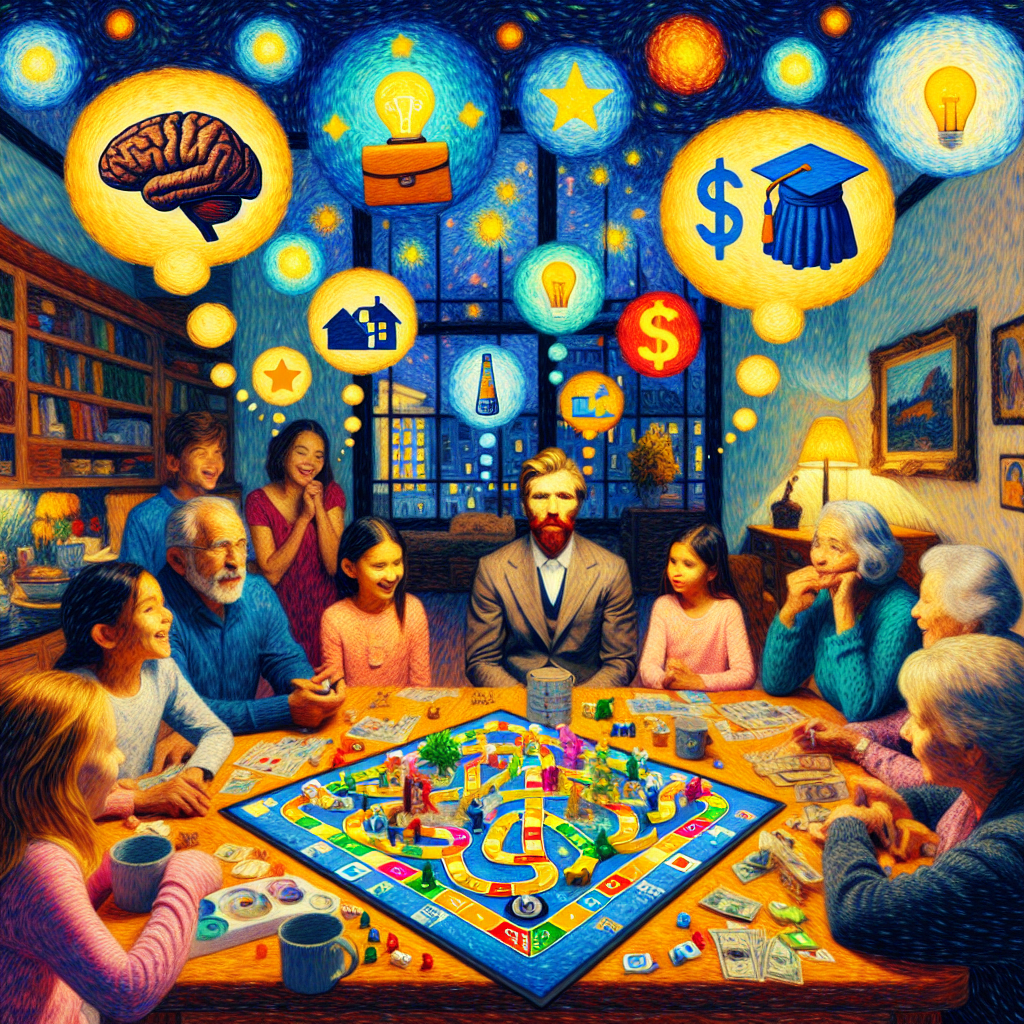
When you sit down to indulge in a round of your favorite board game, you might expect a few hours of fun and friendly competition. But what you might not realize is that you’re lacing up your mental sneakers, preparing for a rigorous workout that engages different regions of your brain. Strategy games, whether they’re set on a colorful cardboard battlefield or projected on a screen, are cognitive powerhouses that demand much more than mere luck.
First off, let’s talk about the prefrontal cortex, the part of your brain that’s responsible for decision-making and planning. In a strategy game, every move counts, and you find yourself weighing the risks and rewards. Maybe you’re eyeing that opponent eyeing your resources, and you have to strategize your next move. Each calculation sends signals firing in your prefrontal cortex, as you assess variables and potential outcomes. This isn’t just about winning or losing; this is brain training at its finest.
Now, let’s not forget the parietal lobe, which plays a critical role in spatial reasoning. If you’ve ever taken a moment to study the layout of a board game, calculating your path while keeping an eye on your opponents, you’ve experienced this firsthand. These games encourage you to visualize movements and strategize spatial relationships, sharpening your ability to navigate physical spaces—not just on the board but in everyday life.
And then we have the amygdala, responsible for your emotional responses. Competition in strategy games can provoke a range of feelings, from triumph to despair. Your heart might race as you pull off a masterful deception while planning your next move. Engaging the amygdala through the high stakes of a board game adds an element of excitement that’s hard to replicate elsewhere.
Finally, let’s talk about teamwork and social interaction. Many strategy board games require collaboration, nurturing your ability to communicate and work with others. This social engagement stimulates the brain’s reward centers and encourages the release of dopamine—the feel-good neurotransmitter. It’s a potent cocktail of camaraderie and competition that can strengthen bonds while stimulating brain activity.
So, next time you crack open your favorite board game, remember that you’re not just playing; you’re engaging in a multifaceted workout for your brain, sharpening skills that enrich your everyday life. Who knew that a simple game night could be such a powerful boost for your noggin? Time to roll those dice and get to work!
How Do Strategy Games Engage Different Areas Of The Brain?
How Do Strategy Games Engage Different Areas Of The Brain?
- Playing board games, especially strategy games, is a rigorous workout for the brain.
- The prefrontal cortex is engaged in decision-making and planning, as each move involves weighing risks and rewards.
- Strategy games enhance spatial reasoning skills by requiring players to visualize movements and strategize relationships on the board.
- The amygdala is activated by the emotional highs and lows of competition, adding excitement to the game experience.
- Teamwork and social interaction in strategy games improve communication skills and foster collaboration.
- Social engagement during game night stimulates the brain’s reward centers and releases dopamine, enhancing enjoyment.
- Engaging in board games sharpens cognitive skills that are beneficial in everyday life.

How Do Strategy Games Engage Different Areas Of The Brain?
Can Playing Strategy Games Improve Memory In Older Adults?
Can Playing Strategy Games Improve Memory in Older Adults?
Memory, that capricious companion we all rely on, plays a vital role in our everyday lives. For older adults navigating the golden years, maintaining cognitive prowess can be as important as remembering where they left their glasses—or the name of that charming neighbor down the street. Enter the world of strategy games, those ingenious creations designed to challenge our wits, keep our minds sharp, and perhaps, just perhaps, improve memory in older adults.
Imagine gathering around a table, board game set out before you, pieces in place like warriors ready for battle. There’s something almost magical about the ritual of a board game. With each turn, players must strategize, plan their moves, and recall previous decisions. This mental gymnastics can be a powerful workout for memory. Studies suggest that engaging in such games may stimulate neural connections and enhance cognitive flexibility—traits increasingly important as we age.
Now, consider the variety of games on the market today, from classics like chess to modern wonders like Catan. Each game presents unique challenges that require players to think critically and adapt their strategies as circumstances evolve. The beauty doesn’t end there; the social interaction that accompanies board games is equally beneficial. Engaging with others not only fosters emotional bonds and reduces feelings of isolation but also prompts discussions and debates that fortify memory recall. When older adults connect over a game of strategy, they’re not just having fun—they’re simultaneously exercising crucial cognitive functions.
Think about the memory sequences involved. Whether it’s recalling past moves in checkers or remembering the resources needed to build a city in Catan, each game encourages the brain to work in ways that are fundamentally beneficial. The same goes for card games, which add the layer of probability and risk management to the mix.
All this brings us back to the original question: can playing strategy games truly improve memory in older adults? While it’s not a silver bullet, many experts in cognitive health would argue that the benefits are multifaceted. By incorporating strategy games into their routine, older adults may not only have a blast revisiting their competitive instincts but also embark on a journey toward better memory retention. So gather your friends, dust off those board games, and let the fun begin—your memory might just thank you for it!

Can Playing Strategy Games Improve Memory In Older Adults?
Can Playing Strategy Games Improve Memory In Older Adults?
- Memory plays a crucial role in everyday life, especially for older adults.
- Strategy games challenge players’ wits and may improve memory through mental exercise.
- Playing these games can stimulate neural connections and enhance cognitive flexibility.
- Various games, from chess to Catan, provide unique challenges requiring critical thinking.
- Social interaction during games fosters emotional bonds and reduces feelings of isolation.
- Engaging in strategy and card games encourages memory recall through recalling past moves and resources.
- Incorporating strategy games into routines can enhance memory retention while being enjoyable.

Can Playing Strategy Games Improve Memory In Older Adults?
What Types Of Strategy Games Are Most Beneficial For Seniors?
When it comes to keeping the mind sharp and the spirit engaged, strategy games are a fantastic avenue for seniors. Not just a way to pass the time, these games can bolster cognitive functions, enhance social interaction, and offer a delightful sense of accomplishment. So, what types of strategy games are most beneficial for seniors? There are several worthy contenders, but let’s break down a few that truly shine.
First on the list is the classic Board Game. Whether it’s chess, checkers, or a modern twist like Ticket to Ride, board games offer a tactile experience that screen-based games simply can’t match. They encourage players to think critically, plan ahead, and make strategic decisions. Plus, they provide a social environment that fosters communication, laughter, and even a bit of healthy competition. Playing with friends or family adds another layer of complexity and joy, turning a simple game night into a bonding session.
Next up are card games. Games like rummy, bridge, and pinochle not only require strategic thinking but also involve a degree of memory work. As players flip between hands and heads, they’re engaging different parts of the brain, keeping those mental muscles flexed. Furthermore, some card games can accommodate various skill levels, so everyone can join in the fun, making them ideal for family gatherings or community center meet-ups.
Then we have puzzles, which take a slightly different approach but are equally beneficial. Picture yourself at a table, piecing together the latest 1,000-piece marvel. Puzzles promote problem-solving skills and spatial awareness and can often be a solitary yet satisfying activity. You’ll find that with each piece fitting snugly into place, there’s a sense of calm amidst the chaos that life can sometimes bring.
Don’t overlook the rise of digital games designed specifically for seniors. These can range from simple puzzle apps to more complex strategy games that mimic traditional board game mechanics. They offer not just entertainment but also an easy way to connect with tech-savvy family members. Plus, they’re available anytime you need a mental workout.
Embracing a variety of strategy games—whether they’re polished Board Game classics, engaging card games, brain-teasing puzzles, or innovative digital options—can lead to improved cognitive function, social engagement, and a bit of joy in the everyday. So gather your friends, crack open a game, and watch as laughter and strategy swirl around the table. It’s a win-win, and the best part is, everyone enjoys the ride.

What Types Of Strategy Games Are Most Beneficial For Seniors?
What Types Of Strategy Games Are Most Beneficial For Seniors?
- Strategy games are excellent for seniors, enhancing cognitive functions and social interaction.
- Classic board games like chess and Ticket to Ride encourage critical thinking and strategic decisions.
- Board games foster social environments, promoting communication and bonding with friends and family.
- Card games such as rummy and bridge enhance strategic thinking and memory skills.
- Puzzles promote problem-solving and spatial awareness, offering a calming solitary activity.
- Digital games designed for seniors provide accessible entertainment and connection with tech-savvy family members.
- Engaging in various strategy games leads to improved cognitive function and joy in everyday life.
What Types Of Strategy Games Are Most Beneficial For Seniors?
How Often Should Seniors Play Games For Cognitive Benefits?
When it comes to keeping those mental gears well-oiled in our golden years, games aren’t just a pastime—they’re a workout for the brain. So, just how often should seniors dive into this world of fun and strategy for those oh-so-important cognitive benefits? Let’s unpack that.
First off, let’s talk variety. A good mix of activities is key. Whether it’s a rousing round of a classic board game on a rainy afternoon or a spirited session of trivia with friends, maintaining cognitive sharpness is about more than frequency—it’s about the diversity of challenges you take on. You wouldn’t go to the gym and only lift weights, right? The same principle applies here. Try interspersing different types of games throughout the week to engage various parts of the brain.
Now, you might be wondering if there’s a magic number when it comes to how often to engage in these brainpower-boosting activities. While quantity matters, quality is king. Research suggests that dedicating about 30 minutes a day, a few times a week, can lead to noticeable benefits. Whether you’re unraveling the strategy of a complex board game or chasing after the right answer in a friendly trivia duel, the brain thrives on regular, stimulating challenges. Aim for two to three sessions a week, and you may find that your cognitive faculties flourish over time.
It’s also important to consider social interaction. Many seniors enjoy games not just for the mental engagement, but for the camaraderie that comes along with them. Playing games with friends or family members at least once a week can turn an ordinary game night into a brain-boosting extravaganza. Social connections have been shown to keep our minds engaged, with the added bonus of laughter and lighthearted competition. After all, what’s a game without a little friendly rivalry?
Moreover, for those who are just starting on this journey, remember this isn’t about becoming a master strategist overnight. It’s about growth, fun, and mental upkeep. So, say yes to those board game invitations, and indulge in the thrill of the challenge. Engage regularly, mix it up, and don’t shy away from a little friendly competition. Your brain will thank you. So, grab those dice, shuffle those cards, and enjoy the ride—cognitive benefits await!

How Often Should Seniors Play Games For Cognitive Benefits?
How Often Should Seniors Play Games For Cognitive Benefits?
- Games serve as a mental workout for seniors, crucial for cognitive health.
- A diverse range of activities is essential; different games engage various brain areas.
- Regular engagement is important; aim for about 30 minutes of play a few times a week.
- Quality of play is more impactful than quantity for cognitive benefits.
- Incorporating social interaction through games enhances both fun and mental engagement.
- Playing games with friends or family at least once a week promotes social connections.
- Playing games is about enjoyment and growth, not just mastering strategies.

How Often Should Seniors Play Games For Cognitive Benefits?
Are There Any Risks Associated With Playing Strategy Games?
Let’s face it: when you pull a board game off the shelf and lay it out on the table, you’re not just flinging dice and moving pawns. No, what you’re doing is diving into a cerebral battlefield where every decision counts and every move might just tilt the scales of victory. But like anything that engages the mind, strategy games come with their own set of risks worth considering.
One of the most common issues is the potential for addiction. You sit down to play just one game, and before you know it, the clock has crept into the wee hours. That one quick play can morph into a marathon session, fueled by the thrill of competition. While it’s all in good fun, losing track of time can lead to neglecting responsibilities or cutting into your sleep. An overindulgence can result in fatigue and even irritability—it’s not so good for family life when you’re grumpy because you stayed up late plotting your next conquests in some complex board game.
Then there’s the risk of strained relationships. Friendly competition can quickly turn into unfriendly rivalry if you’re not careful. There’s an art to maintaining camaraderie around the board, but when stakes are high, and tempers flare, you might find yourself on the receiving end of an icy glare from your best friend or partner. Debates about game strategy can lead to arguments, diminishing the very joy that brought everyone together in the first place. You must tread lightly when navigating the fine line between healthy competition and scorched earth.
Let’s not forget the mental toll. Strategy games are designed to challenge your cognitive abilities, and while that can be an exhilarating mental workout, it has its downsides. Spending hours on end concentrating intensely can leave you mentally drained, dulling your enthusiasm for other activities. You might become so engrossed in the tactical maneuvering that you forget to appreciate life outside the game.
Finally, there’s the risk of neglecting physical activity. Too often, game night becomes an excuse to plop down on the couch, snacks in hand, while ignoring that nagging need to stretch those legs. Remember, balance is key; enjoying a board game shouldn’t mean forfeiting the healthy habits that keep you sharp and energized.
So, while strategy games can be a delightful escape, it’s essential to keep an eye on the clock, remain level-headed with your co-players, watch your mental stamina, and not let that couch become your second home. After all, it’s about having fun and challenging each other—without leaving everything else behind.
Are There Any Risks Associated With Playing Strategy Games?
Are There Any Risks Associated With Playing Strategy Games?
- Engaging in board games involves strategic thinking and decision-making, often referred to as a “cerebral battlefield.”.
- Potential for addiction is a common issue, where a single game can turn into a marathon session, disrupting responsibilities and sleep.
- Overindulgence in gaming can lead to fatigue and irritability, negatively affecting family life.
- Strained relationships may arise from friendly competition turning into rivalry, leading to arguments over strategy and gameplay.
- Strategy games provide a mental workout but can also result in mental fatigue, diminishing enthusiasm for other activities.
- Game nights often lead to neglecting physical activity, emphasizing the importance of maintaining a balance between gaming and health.
- Enjoying board games should involve monitoring time, staying fair with co-players, and maintaining an overall healthy lifestyle.
Are There Any Risks Associated With Playing Strategy Games?
Do Strategy Games Provide Social Interaction For Seniors?
When we think about social interaction for seniors, many picture bingo nights at the community center or leisurely strolls in the park. But there’s another avenue worth exploring, one that combines thought-provoking strategy with camaraderie and, dare I say, a touch of competition. Enter the world of board games.
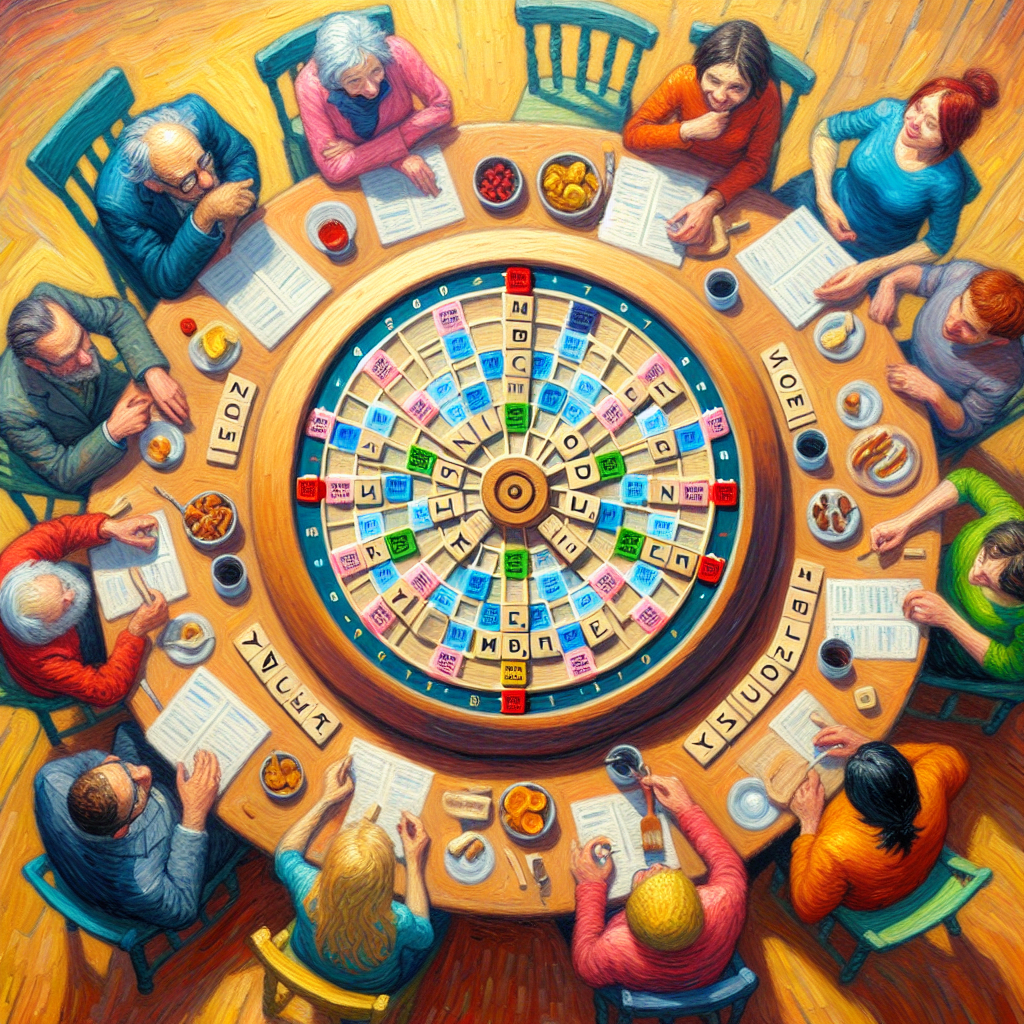
Now, let’s talk board games. You know, those colorful squares and quirky game pieces that have been gathering dust in the closets of every grandmother across the country? The truth is that these games are more than just a nostalgic trip down memory lane; they are vehicles for social interaction, creative thinking, and even emotional connection among seniors. When seniors gather around a table to play a board game, they are not merely shuffling cards or rolling dice; they are engaging in a social tapestry woven with laughter, strategy, and healthy competition.
Consider games like chess or Settlers of Catan. These strategy-heavy games demand focus, patience, and a bit of cunning. They challenge players to think several moves ahead while also engaging with fellow players. This interaction fosters meaningful discussions, hones critical thinking skills, and keeps minds sharp— an important aspect for our aging population. And let’s be honest, there’s nothing quite like a good-natured rivalry over who can outsmart whom. The banter and laughter that flows in these moments are golden; they build relationships and create memories that can last long after the game has ended.
Moreover, board games can create an inviting atmosphere for seniors who may otherwise feel isolated. With the world increasingly shifting to screens and virtual interactions, a physical board game can bridge the gap between generations. Family members visiting for the weekend can join in on a game, engaging with their parents or grandparents in a way that’s not only entertaining but also enlightening. Stories, laughter, and perhaps a few playful jabs at lost moves become the fabric of family gatherings.
So, the next time you’re looking to connect with a senior in your life, consider dusting off that old board game. It’s not just about rolling the dice or playing your cards right; it’s about fostering connections, stimulating minds, and enjoying the priceless moments that come from sharing a laugh or a triumphant victory. Strategy games are, without a doubt, a powerful tool for social interaction among seniors.

Do Strategy Games Provide Social Interaction For Seniors?
Do Strategy Games Provide Social Interaction For Seniors?
- Board games offer an engaging alternative to traditional social activities for seniors.
- They promote social interaction, creative thinking, and emotional connections.
- Games like chess and Settlers of Catan foster focus, patience, and strategic thinking.
- Playing board games encourages meaningful discussions and hones critical thinking skills.
- They help build relationships and create lasting memories through laughter and rivalry.
- Board games can reduce feelings of isolation and connect generations through shared experiences.
- Engaging in board games with seniors promotes mental stimulation and enjoyable bonding moments.
Do Strategy Games Provide Social Interaction For Seniors?
Conclusion
When it comes to keeping our minds sharp as we gracefully age, we’ve stumbled upon a powerful ally that might just be sitting in your living room drawer: strategy games. Yep, you heard it right! These humble board games and card games aren’t just relics of the past; they’re your secret weapon against cognitive decline. Think about it—what better way to flex those mental muscles than by diving into a friendly competition? Whether you’re strategizing your next move in Chess or calling someone’s bluff in Poker, every moment spent engaged in these games is a workout for your brain.
Let’s break it down. Research shows that regularly engaging with strategy games can enhance cognitive functions like memory, critical thinking, and even problem-solving. Every time you play a game, you activate different parts of your brain. The prefrontal cortex lights up as you plan and strategize, while the parietal lobe kicks into gear as you navigate game boards and think spatially. And that emotional rollercoaster? Well, it’s all in a day’s work for your amygdala—learning to handle those highs and lows builds resilience.
But hold on, there’s more! It’s not just about the brain gains; there’s a heavy social component, too. Playing games fosters connections and combats loneliness. Some of the best moments in life happen over a game board—a laugh here, a playful jab there, and voila! You’re thriving socially while keeping your mind engaged. For seniors, who often face isolation, these gatherings can reignite a sense of purpose and belonging.
Now, don’t let the allure of strategy games pull you into the abyss of obsession. Yes, they can be addicting—suddenly it’s 3 a.m., and you’re still rolling those dice. But moderation is key. Aim for a regular schedule, mixing in a variety of games, and don’t forget to balance your mental training with some good old-fashioned physical activity.
In the grand scheme of things, strategy games aren’t just mere fun and games—they are a vital tool for cognitive health. So dust off those old boxes, call up your friends or family, and relish in the joy of strategic play. Your brain and your relationships will both thank you. Let’s play our way to better brain health, one move at a time!

Conclusion
Conclusion:
- Strategy games serve as a powerful ally for maintaining cognitive sharpness as we age.
- Engaging in games like Chess and Poker challenges and stimulates various cognitive functions.
- Research indicates that playing these games enhances memory, critical thinking, and problem-solving skills.
- The brain regions activated during gameplay include the prefrontal cortex and parietal lobe.
- Playing games fosters social connections, combats loneliness, and improves emotional resilience.
- Moderation is essential; it’s important to balance gaming with physical activity to avoid obsession.
- Overall, strategy games are a vital tool for cognitive health and social engagement.
Conclusion
Other Resources

Other Resources
Here is a list of other resources you can review online to learn more:
- Jumbo
- Pandemic
- White Goblin Games
- Horrible Games
- Scoop.It
- Ravensburger
- Keyforge
- Istanbul
- Rising Sun
- Sherlock Holmes Consulting Detective: The Thames Murders & Other Cases
Use This Prompt To Get More Resources With Your Favorite Online AI Tool: Please provide me with a list of online articles with their URLs in a bulleted list that I can read regarding Can Strategy Games Delay Cognitive Decline In Seniors?
Other Resources
Glossary Terms
Can Strategy Games Delay Cognitive Decline In Seniors? – Glossary Of Terms
1. Cognitive Decline: The gradual decrease in cognitive abilities, including memory, attention, and problem-solving skills, often associated with aging.
2. Neuroplasticity: The brain’s ability to reorganize itself by forming new neural connections throughout life, which may help compensate for age-related decline.
3. Strategy Games: Games that require planning, critical thinking, and problem-solving skills, often involving competition or resource management.
4. Cognitive Reserve: The brain’s resilience to damage, often enhanced by factors like education, occupation, and engaging in mentally stimulating activities.
5. Mental Stimulation: Activities that engage and challenge the brain, promoting cognitive function and potentially delaying decline.
6. Executive Function: A set of cognitive processes that include planning, decision-making, and multitasking, which may be enhanced by playing strategy games.
7. Memory Improvement: The enhancement of short- or long-term memory, which can be a potential benefit of regular engagement in cognitive activities.
8. Aging: The process of becoming older, which can lead to various physical and cognitive changes, including possible decline in function.
9. Social Interaction: Engagement with others that can have cognitive and emotional benefits, particularly in competitive or cooperative gaming environments.
10. Alzheimer’s Disease: A progressive neurological disorder that leads to severe memory loss and cognitive decline, affecting many seniors.
11. Dementia: An umbrella term for a range of conditions characterized by cognitive impairment severe enough to interfere with daily life.
12. Brain Training: Activities aimed at improving specific cognitive functions, often suggested as a preventive measure against cognitive decline.
13. Engagement: The act of participating in activities that capture one’s interest and attention, which is beneficial for mental health.
14. Companionship: The relationship with others that provides emotional support, which can be enhanced through games that encourage social interaction.
15. Skill Development: The process of improving specific cognitive or physical skills through practice and experience, often accelerated by practice in games.
16. Attention Span: The length of time a person can concentrate on a task; prolonged engagement in challenging activities may help improve this.
17. Cognitive Functions: Various mental capabilities, including memory, attention, perception, and reasoning, which may be supported through strategic play.
18. Physical Health: Overall wellness that can influence cognitive function; regular physical activity is often associated with better cognitive health in seniors.
19. Quality of Life: The general well-being of individuals, taking into account health, comfort, and happiness, which may be positively influenced by gaming.
20. Challenge: A task that requires effort and skill to accomplish, often found in strategy games that promote cognitive engagement.
21. Research Studies: Scientific investigations aimed at understanding the effects of activities like gaming on cognitive health in elderly populations.
22. Active Lifestyle: A lifestyle that includes regular mental and physical activity, often associated with better health outcomes in seniors.
23. Dopamine: A neurotransmitter linked to pleasure and reward, which can be stimulated by engaging in enjoyable cognitive activities.
24. Virtual Reality (VR): Immersive technology that can create engaging cognitive environments, potentially beneficial for cognitive training in seniors.
25. Problem Solving: The process of finding solutions to difficult or complex issues, a skill often practiced in strategy games.
26. Mindfulness: A mental state achieved by focusing one’s awareness on the present moment, which can enhance cognitive engagement.
27. Playfulness: The quality of being lighthearted and fun, which can make strategy games more engaging and beneficial for seniors.
28. Seniors: Individuals generally considered to be in the latter stages of life, often defined by a specific age threshold (usually 65 years and older).
29. Community Engagement: Involvement in social and recreational activities within a community, which can mitigate feelings of isolation among seniors.
30. Lifelong Learning: The ongoing, voluntary, and self-motivated pursuit of knowledge for personal or professional development, which can include gaming as a learning tool.

Glossary Of Terms
Other Questions
Can Strategy Games Delay Cognitive Decline In Seniors? – Other Questions
If you wish to explore and discover more, consider looking for answers to these questions:
- What types of strategy games are best for cognitive health in seniors?
- How do strategy games compare to other activities for cognitive engagement?
- How can I introduce strategy games to a senior who has never played before?
- What studies exist that support the benefits of strategy games for seniors?
- Are there particular strategy games that are more effective than others in improving memory?
- How can caregivers incorporate strategy games into their routines?
- What are some recommendations for multiplayer strategy games for seniors?
- Do online strategy games provide similar benefits as physical board games?
- What precautions should be taken when seniors play strategy games?
- Can playing strategy games influence mental well-being or emotional health in seniors?
- How can seniors balance gaming with physical activity?
- What age-related challenges might seniors face when playing strategy games?
- Are there any testimonials or success stories related to seniors and strategy games?

Other Questions
Haiku
Can Strategy Games Delay Cognitive Decline In Seniors? – A Haiku
Mind’s workout awaits,
Strategy games unite souls—
Laughter sharpens thought.

Haiku
Poem
Can Strategy Games Delay Cognitive Decline In Seniors? – A Poem
In golden years, where shadows cast,
A vibrant spark can still hold fast;
With every roll of dice and piece,
A cherished chance for mind’s release.
Old boards and cards, a tale in hand,
Inviting all to take a stand;
Chess and checkers, strategy unfold,
In the realm of thought, pure joy is told.
Gather ‘round, the laughter flows,
Through calculated moves, connection grows;
Each decision weighs, each memory fights,
Lighting paths in cognitive nights.
With friendly faces, so dear and near,
Every competition diminishes fear;
For loneliness fades in this joyous delight,
As thoughts intertwine beneath soft light.
Complexity blooms like flowers in spring,
From strategy sessions, the sharp minds sing;
A workout for neurons, a dance of the brain,
Exercise of wit, joy without strain.
Yet caution whispers, “Balance is key,”
For time slips away or grows heavy as we see;
Neglect of the world can make spirits wane,
So cherish the laughter, not just the game.
Strategy games, a treasure untold,
A recipe for memory, both warm and bold;
With every play, a chance to thrive,
In friendly rivalry, seniors come alive.
So dust off those games, assemble your crew,
With each friendly match, nurture what’s true;
For as clocks tick on and memories blend,
It’s in shared moments, our hearts mend.
Poem
Checklist
Can Strategy Games Delay Cognitive Decline In Seniors? – A Checklist
1. Select the Right Games
_____ Choose classic board games (e. g. , Chess, Checkers).
_____ Explore modern strategy games (e. g. , Settlers of Catan, Ticket to Ride).
_____ Include card games (e. g. , Bridge, Rummy, Pinochle).
_____ Try puzzles for problem-solving and cognitive challenge.
_____ Consider digital strategy games designed for seniors.
2. Set a Regular Gaming Schedule
_____ Aim for 2-3 gaming sessions per week.
_____ Dedicate 30 minutes each session to engage mentally.
_____ Mix different types of games to challenge various cognitive skills.
3. Create a Social Experience
_____ Organize game nights with family or friends at least once a week.
_____ Encourage open communication and banter during games.
_____ Ensure everyone has a chance to participate and enjoy the competition.
4. Monitor Game Time
_____ Set a time limit for gaming to prevent overindulgence (e. g. , 1-2 hours max).
_____ Schedule breaks during long sessions to avoid mental fatigue.
_____ Balance gaming with physical activities or other social events.
5. Engage Cognitive Skills
_____ Focus on memory recall by discussing past moves or strategies.
_____ Encourage players to analyze game situations and think critically.
_____ Foster discussions about game strategies to enhance social cognition.
6. Build Emotional Connections
_____ Celebrate victories and acknowledge losses with good sportsmanship.
_____ Share stories or experiences related to the games being played.
_____ Use games as a platform for laughter and building relationships.
7. Be Aware of Risks
_____ Monitor for potential signs of game addiction (e. g. , neglecting responsibilities).
_____ Mediate any competitive tension to maintain friendly interactions.
_____ Ensure gaming doesn’t replace essential physical activity or outdoor time.
8. Evaluate Game Impact
_____ Reflect on cognitive improvements in memory, problem-solving, and flexibility.
_____ Share success stories of improved social interactions through gaming.
_____ Adjust game types and frequency based on personal enjoyment and benefits.
9. Enjoy the Experience
_____ Approach each game with a positive attitude and a sense of fun.
_____ Remember that the ultimate goal is enjoyment and connection.
_____ Engage fully and savor each strategic move and laugh shared with others.
Conclusion
_____ Embrace the joy of strategy gaming to enhance brain health!
_____ Remember to adapt this checklist to fit your unique preferences and community.
Feel free to print or share this checklist with others to promote the benefits of strategy gaming for seniors!
Checklist
At BestBoardGameNews, we help people who love board games by collating information and news about board games.
Be sure to read our other related stories at BestBoardGameNews to learn more about board games.