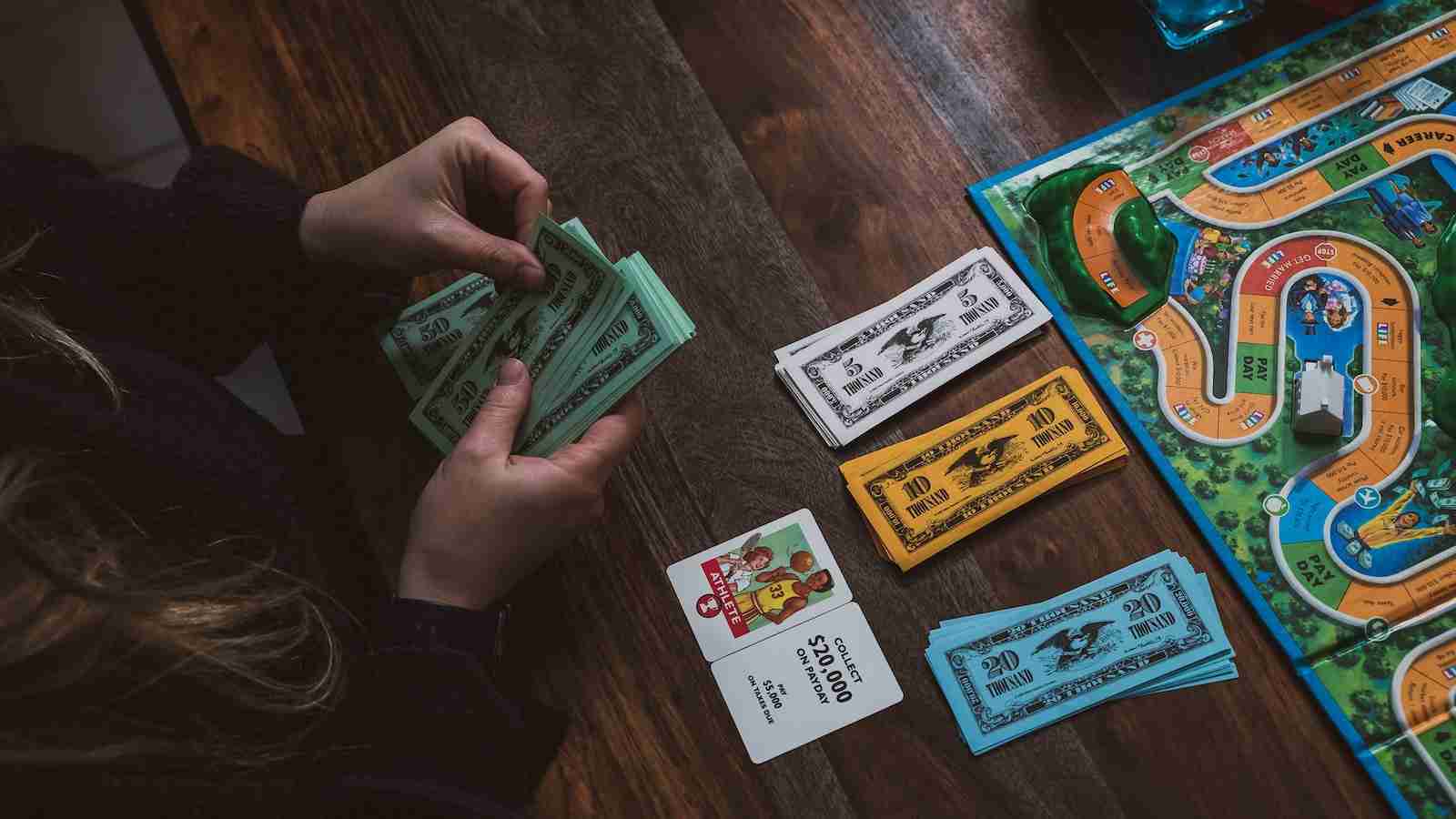
Bridging Generations Through Board Games
By Tom Seest
At BestBoardGameNews, we help people who love board games by collating information and news about board games.
Be sure to read our other related stories at BestBoardGameNews to learn more about board games.
Could Board Games Be The Key to Intergenerational Bonding?
In a world dominated by screens, it’s easy to forget the simple pleasure of gathering around a table, shuffling cards, rolling dice, and sharing stories. Enter the board game—a humble yet powerful tool with the potential to foster connections across generations. This is not just about rolling the dice; it’s a way to bridge the age gap, all while having a bit of fun.
Imagine this: Grandma’s laughter blending with the giggles of her grandkids as they navigate the ups and downs of Monopoly or strategize their way to victory in Settlers of Catan. Those little moments—filled with playful competition and earnest negotiation—are where bonds form and memories are made. Unlike technology, which can often isolate us within individual screens, board games pull everyone into the shared experience. They require communication, cooperation, and sometimes a little friendly rivalry—essential ingredients for any meaningful relationship.
Let’s face it: board games don’t just belong to one generation. They range from classic titles to modern designs, offering something for everyone. The unfurling of a game board signals a departure from the distractions of daily life. Adults and children alike can appreciate the thrill of a roll and the tension that builds as the game progresses. These moments pave the way for conversations that might not happen anywhere else.
Moreover, a board game can be an excellent educational tool. While children learn strategy, patience, and critical thinking, older generations can revel in teaching those same skills. It allows for a unique exchange of knowledge, where the young can learn about the past, and the seasoned players can catch a glimpse of the future.
And let’s not overlook the aesthetic pleasure of a beautifully crafted board game. The colorful pieces, the intricate designs, and the tactile nature of game components ignite curiosity and intrigue in all ages. In this tactile engagement, board games become more than just entertainment; they emerge as artifacts of bonding—pieces of history shared among family members.
So, the next time you find yourself wondering how to connect with your loved ones, consider setting aside an evening for a good old-fashioned board game night. The cards may shuffle, the pieces may move, but the laughter and love shared in those hours will undoubtedly leave a lasting imprint— one that transcends time and generations.

Could Board Games Be The Key to Intergenerational Bonding?
Could Board Games Be The Key to Intergenerational Bonding?
- Board games foster connections across generations, providing a shared experience away from individual screens.
- They facilitate interactions such as laughter and playful competition, helping build bonds and create memories.
- Board games encompass classic and modern titles, ensuring there is something for everyone to enjoy.
- The experience of playing games encourages communication, cooperation, and friendly rivalry, essential for meaningful relationships.
- They serve as educational tools, teaching strategy, patience, and critical thinking across different age groups.
- The aesthetic appeal of board games, with colorful pieces and intricate designs, captivates and engages players of all ages.
- Hosting a board game night is a valuable way to strengthen connections and create lasting memories together.

Could Board Games Be The Key to Intergenerational Bonding?
Table Of Contents
- Could Board Games Be The Key to Intergenerational Bonding?
- What Are The Benefits Of Board Games For Different Generations?
- How Can Board Games Facilitate Communication Between Age Groups?
- What Types Of Board Games Are Best For Intergenerational Play?
- How Do Board Games Help In Building Empathy And Understanding?
- Can Board Games Bridge The Technology Gap Between Generations?
- What Role Do Storytelling And Teamwork Play In Board Games?
- How Can Families Choose The Right Games For Everyone To Enjoy?
- Conclusion
- Other Resources
- Glossary Of Terms
- Other Questions
- Haiku
- Poem
- Checklist
What Are The Benefits Of Board Games For Different Generations?
When it comes to gathering around a table and rolling the dice, board games aren’t just relics of youthful afternoons spent in dimly lit dens. They’re vibrant tools that bridge generations, offering a treasure trove of benefits for everyone involved. Let’s take a closer look at the unique advantages board games provide for varying age groups, combining strategy, laughter, and a splash of nostalgia.
Children find themselves at the forefront of board game benefits. These games serve as an engaging way to develop critical skills. As they strategize and navigate obstacles, kids enhance their problem-solving abilities while sharpening their creativity. Toss in the fact that many games encourage teamwork, and you’ve got a fantastic framework for teaching vital social skills. Plus, sitting down for a game allows young players to experience taking turns and handling winning and losing—hard life lessons that inventively prepare them for the real world.
Teenagers benefit from board games in ways that extend beyond mere enjoyment. In a whirlwind age of smartphones and social media, these analog pastimes offer a refreshing escape from digital screens. Board games foster face-to-face interaction, which is essential for developing communication skills and establishing relationships. They also promote strategic thinking, as teens learn to weigh their options and think ahead. This skill set can even translate to improved academic performance, particularly in critical-thinking-heavy subjects like math and science.
For the Young Adults, board games often transform into a social lifeline. Gathering friends for a board game night can foster camaraderie and strengthen bonds in an age where relationships can feel fleeting or superficial. Moreover, many modern board games are designed with complex themes that challenge players intellectually, catering to a demographic that craves engagement and excitement. They also serve as excellent icebreakers, leading to conversations that might not arise in more traditional social settings.
Finally, the Older Generations find their own set of rewards in board games. Beyond the fun, these games are invaluable for keeping minds sharp and engaged. They challenge cognitive function and may even assist in staving off age-related declines in mental agility. Additionally, board games provide a nostalgic experience for older adults, reviving memories and creating a joyful atmosphere across different generations.
So whether you’re a parent introducing your child to classics, a teen hosting an epic game night, or a grandparent reliving cherished moments, board games pack a punch of benefits that resonate across age barriers. They remind us, quite simply, that sometimes the best way to connect with each other is to sit down, roll the dice, and engage in a little friendly competition.

What Are The Benefits Of Board Games For Different Generations?
What Are The Benefits Of Board Games For Different Generations?
- Board games provide vibrant intergenerational connections, offering numerous benefits for players of all ages.
- Children enhance critical skills such as problem-solving, creativity, and teamwork while learning valuable social lessons through gameplay.
- Teenagers enjoy face-to-face interactions that foster communication skills and relationships, along with improved strategic thinking beneficial for academic performance.
- For young adults, board games serve as social lifelines that foster camaraderie and intellectual engagement through modern, complex themes.
- Older generations benefit from board games by keeping their minds sharp, challenging cognitive functions, and reviving cherished memories.
- Board games promote important life lessons such as handling winning and losing and taking turns.
- Engaging in board games across different ages highlights the importance of connection and friendly competition.

What Are The Benefits Of Board Games For Different Generations?
How Can Board Games Facilitate Communication Between Age Groups?
In today’s fast-paced world, where screens dominate our attention, the power of a simple Board Game can often go unnoticed. Yet these tangible, interactive experiences serve as a bridge across generational divides, facilitating communication between age groups in ways that go beyond mere gameplay.
Imagine gathering around a table with a group of family members—perhaps a grandparent, a parent, and a couple of kids. Each person brings their own life experience and perspective, but how do you spark a meaningful exchange? Enter the Board Game. These games provide a shared activity that encourages participation, strategy, and most importantly, conversation. While players strategize or make their next move, they inevitably engage in dialogue. “Why did you pick that card?” or “What’s your strategy here?” These questions aren’t just about winning or losing; they open the door to stories and lessons from different eras.
Consider classic games like Monopoly or Scrabble. For many older players, these games evoke memories of childhood, a time when life felt simpler. As they teach younger players the rules and nuances, they also share anecdotes that could easily spark laughter or provoke deep thoughts. In this way, a Board Game transforms into a storytelling vehicle, creating a rich tapestry of shared family history.
Moreover, the nature of cooperative Board Games promotes teamwork over competition, allowing players of different ages to unite towards a common goal. This genre particularly fosters communication, as players must discuss tactics and share ideas to navigate challenges together. A younger child might say, “What if we try this?” eliciting responses from older players that not only validate their input but also strengthen interpersonal bonds through constructive collaboration.
Yet, it’s not just about the games themselves; it’s about the environment they create. The casual setting of a game night can break down barriers and diminish the generational gap. Laughter floats through the air while playful teasing and good-natured competition breed camaraderie. The result? A more open exchange of ideas and experiences, fostering mutual respect and understanding.
BBoard Games do more than just entertain. They facilitate conversations across different age groups that matter, offering a platform to exchange wisdom, instill values, and create cherished memories. So next time you’re looking for a way to ignite dialogue across generations, grab a Board Game, gather around the table, and let the conversation flow.

How Can Board Games Facilitate Communication Between Age Groups?
How Can Board Games Facilitate Communication Between Age Groups?
- Board Games serve as a bridge across generational divides, facilitating communication beyond just gameplay.
- They encourage meaningful exchanges and dialogue among family members with varying life experiences.
- Classic games like Monopoly and Scrabble evoke memories for older players while providing younger generations with lessons.
- Board Games act as storytelling vehicles, enriching family history through shared anecdotes and laughter.
- Cooperative Board Games promote teamwork and communication, fostering collaboration among players of different ages.
- The casual setting of game night diminishes generational gaps, allowing for open exchanges of ideas and experiences.
- Board Games create cherished memories and instill values, making them a valuable tool for igniting dialogue across generations.

How Can Board Games Facilitate Communication Between Age Groups?
What Types Of Board Games Are Best For Intergenerational Play?
When it comes to board game night, you might think it’s all about strategy or sheer luck. But let’s cut to the chase: the real magic happens when generations collide over that colorful game board. So, what types of board games are best for intergenerational play? Buckle up, because we’re diving into this like a kid racing down a slide!
First off, let’s talk about classic board games. These timeless wonders have stood the test of time and are often the bread and butter for family gatherings. Think Monopoly, Scrabble, or Clue. These games not only spark friendly banter but also lay down a foundation built on shared experiences. Picture Grandma hoarding properties while Grandpa cunningly accuses her of foul play—it’s a beautiful disaster! Classic board games are inviting, allowing players of all ages to connect and relish in the nostalgia of their formative years.
Then we have the co-op games that bring everyone together against a common foe. Titles like Pandemic and Forbidden Island are fab for bridging that age gap. These games encourage teamwork, and guess what? Everyone—from the sprightly youngsters to the seasoned veterans—has a role to play. Communication becomes the backbone of these games, fostering unity rather than competition. Let’s face it, there’s something incredibly rewarding about working together to defeat a virtual zombie apocalypse while munching on popcorn!
Now, don’t overlook party games. If you’re looking to crank up the laughter meter, consider games like Apples to Apples or Telestrations. These offerings are less about strategy and more about creativity and humor. They invite players to unleash their wild sides and offer a lighter approach to fun. Plus, who doesn’t love watching Grandma throw down a zinger that leaves everyone rolling on the floor?
Finally, for the more modern twist, engage with hobby board games that feature simple mechanics and captivating themes. Games like Ticket to Ride or Codenames fit the bill perfectly. They’re engaging without being overly complicated, managing to keep the adrenaline high and the frustration low.
The best board games for intergenerational play strike a balance between accessibility, interaction, and a pinch of nostalgia. Whether it’s classics, co-op challenges, party fun, or modern masterpieces, the right board game can bring everyone to the table—literally and figuratively. So grab that game box, rally the troops, and let the good times roll!

What Types Of Board Games Are Best For Intergenerational Play?
What Types Of Board Games Are Best For Intergenerational Play?
- Generation gaps are bridged through board games at family gatherings.
- Classic board games like Monopoly, Scrabble, and Clue foster shared experiences and nostalgia.
- Cooperative games such as Pandemic and Forbidden Island promote teamwork among all ages.
- Party games like Apples to Apples and Telestrations emphasize creativity and humor, enhancing fun.
- Modern hobby games such as Ticket to Ride and Codenames offer engaging themes with simple mechanics.
- The ideal intergenerational board games balance accessibility, interaction, and nostalgia.
- Gathering family around a game can create memorable and enjoyable experiences.

What Types Of Board Games Are Best For Intergenerational Play?
How Do Board Games Help In Building Empathy And Understanding?
Board games have been around for centuries, and it’s easy to see why. They’re not just fun ways to pass the time; they offer something deeper that can spark connections between people. When you sit down to play a board game, you’re entering a world where each player brings their unique perspective, personality, and approach to the table. It’s during these moments that empathy begins to blossom.
First off, board games create an environment that encourages conversation. Imagine a group of friends huddled around a table, laughter mingling with the occasional playful banter. The rules of the game set the stage, but it’s the interactions between players that bring it to life. As players navigate the challenges of the game, they’re not only learning about strategy and competition but also about each other’s values, triggers, and thought processes. This awareness fosters understanding, as participants realize that a missed opportunity or a clever maneuver can stem from different motivations or experiences.
Additionally, many board games require players to adopt roles that they don’t typically inhabit in real life. By stepping into someone else’s shoes—whether as a cunning trader in “Catan” or a mysterious figure in “Clue”—players get a taste of perspectives they may not encounter outside their usual circles. This role-playing aspect can be eye-opening, allowing players to grapple with the challenges and considerations that others face. It encourages critical thinking about situations outside of the game, cultivating a deeper appreciation for each individual’s story.
Moreover, board games often present moral dilemmas and the need for cooperation. Games like “Pandemic” necessitate teamwork and collaboration; players must communicate openly to strategize against a common enemy. Such experiences highlight the importance of compromise and collective decision-making. In a world often characterized by division, these shared victories and defeats remind us that understanding and empathy can be pivotal in overcoming obstacles, whether in a game or in the broader tapestry of life.
Finally, when players celebrate each other’s successes or offer support during setbacks, they’re building a foundation of empathy that transcends the game itself. It’s these shared moments that turn casual acquaintances into lifelong friends. So, the next time you gather around a board game, remember: you’re not just rolling dice or moving pieces—you’re forging connections and fostering understanding, one turn at a time.

How Do Board Games Help In Building Empathy And Understanding?
How Do Board Games Help In Building Empathy And Understanding?
- Board games have existed for centuries and facilitate deeper connections between players.
- They create an environment that encourages conversation and interaction among players.
- Players learn about each other’s values and thought processes during gameplay.
- Board games often require players to adopt different roles, enhancing empathy and perspective-taking.
- Games like “Pandemic” emphasize teamwork and collaboration to overcome challenges.
- Shared experiences in gameplay foster empathy and understanding among participants.
- Playing board games can transform casual acquaintances into lifelong friendships.

How Do Board Games Help In Building Empathy And Understanding?
Can Board Games Bridge The Technology Gap Between Generations?
In a world where the latest smartphone updates can feel like a foreign language to some, the timeless appeal of the board game emerges as a bridge over the chasm of generational divides. Board games, those simple yet profound collections of cardboard, plastic, and strategy, have a unique ability to draw people together, no matter their age. Seems counterintuitive, doesn’t it? In an age of augmented realities and instant gratification, you’d think we’d find more common ground in our high-tech gadgets. Yet, here we are, rediscovering connection through the tactile engagement of a board game.
Think about it. Picture a living room filled with laughter, friendly banter, and a healthy dose of competition. The only screens around are those blinking in the background, muted in the face of the roaring success that is a good old-fashioned board game night. You have the younger folks calling out rules, while the more seasoned players bring their own flair—from elaborate strategies to tales of past victories. Here’s the magic: those shared moments are richer than any app could ever replicate.
Now, why is that? Part of it lies in the immediacy of the experience. When you’re sitting around a table fighting for territory in “Risk” or collaborating to save the world in “Pandemic,” every move is felt, every victory shared, and every loss groaned about together. It strips away the screens that often isolate us, replacing them with real, human interaction that fosters understanding and empathy. Younger generations learn the value of patience and strategy, while older generations might find themselves laughing at the new twists brought to the table by the youth.
Moreover, board games often reveal shared interests and values that might not otherwise surface. A quick play of “Scrabble” can lead to conversations about favorite words, regional dialects, and even childhood stories. These moments serve as bridges, connecting lives in ways technology often fails to achieve.
In a society increasingly driven by virtual connections, board games stand as a testament to the principle that sometimes, the best way to come together is to sit down, roll some dice, and enjoy a little friendly competition. So, the next time you’re looking to narrow that generational gap, consider pulling out a board game. It might just spark conversations and connections that are more meaningful than a hundred tweets.

Can Board Games Bridge The Technology Gap Between Generations?
Can Board Games Bridge The Technology Gap Between Generations?
- Board games serve as a bridge across generational divides despite advances in technology.
- They offer a unique ability to foster connection through tactile engagement and shared experiences.
- Board game nights create a lively atmosphere filled with laughter and friendly competition.
- Younger players often introduce new rules while older players share strategies and stories.
- The immediacy of board games encourages real human interaction, fostering understanding and empathy.
- Playing games can reveal shared interests and values, sparking meaningful conversations.
- Board games highlight the importance of face-to-face interaction in an increasingly virtual world.

Can Board Games Bridge The Technology Gap Between Generations?
What Role Do Storytelling And Teamwork Play In Board Games?
Board games have a peculiar knack for bringing people together, creating spaces where tales are spun and partnerships are forged. At first glance, you might think it’s all about the competition or the mechanics of the game itself—strategy, skill, and maybe just a touch of luck. But when you peel back the layers, you discover that storytelling and teamwork are often the real undercurrents that make these experiences memorable.
Imagine sitting around a table with friends or family, the tension palpable as the game progresses. Each turn doesn’t merely advance a token on a board; it propels a narrative forward—an epic adventure crafted by you and your companions. Whether it’s embarking on a quest, navigating treacherous landscapes, or establishing a kingdom, each player has the opportunity to contribute to the story. This is where the magic lies: in the moments of shared laughter, unexpected alliances, and, yes, even rivalries that emerge as the plot deepens, evolving based on the choices made during play.
Teamwork enters the fray when these tales need more than just one hero. Many board games require players to collaborate, pooling their resources and strategies to overcome obstacles, outsmart opponents, or solve complex puzzles. It’s not just about who can roll the best dice or draw the right cards; it’s about forming a game plan, communicating, and genuinely investing in one another’s success. The bonds formed in these moments can lead to connections that stretch beyond the game itself, expanding into friendships and perhaps even a deeper understanding of one another.
As you engage in this collaborative storytelling, something profound occurs: players begin to empathize with their characters and teammates. They learn to read one another, to understand strengths and weaknesses, and to appreciate diverse perspectives. In this way, board games become not just a pastime, but a microcosm of the human experience.
So, the next time you crack open a box filled with a myriad of pieces and rules, remember that it’s more than just a board game; it’s an invitation to create stories and work together in ways that reflect the intricacies of life itself. Each roll of the dice could lead not only to victory or defeat but to lasting memories forged in the fires of collaboration and imagination.

What Role Do Storytelling And Teamwork Play In Board Games?
What Role Do Storytelling And Teamwork Play In Board Games?
- Board games create spaces for storytelling and teamwork, fostering connections among players.
- Each game session progresses a narrative crafted by the players, enhancing the experience beyond mere competition.
- Shared moments of laughter, alliances, and rivalries add depth to the game’s storyline.
- Many board games require collaboration, encouraging players to pool resources and strategize together.
- Teamwork in games fosters communication and investment in the success of others, strengthening bonds between players.
- Players develop empathy for characters and teammates, learning to appreciate diverse perspectives.
- Board games serve as a microcosm of the human experience, offering opportunities for collaborative storytelling and meaningful connections.

What Role Do Storytelling And Teamwork Play In Board Games?
How Can Families Choose The Right Games For Everyone To Enjoy?
Selecting the right games for family fun can feel like trying to navigate a labyrinth while blindfolded—an overwhelming endeavor laden with the weight of everyone’s diverse tastes. But don’t despair! With a little insight, you can unearth a selection of games that’ll keep the whole family engaged and entertained.
First, let’s talk about the unmistakable charm of the traditional board game. There’s something special about gathering around a table, rolling dice, and strategically plotting against your fellow family members. Board games come in countless varieties—from cooperative games that teach teamwork to competitive ones that spark healthy rivalry. It’s essential to decide what type of experience you want: Are you looking to foster collaboration, or to see who can take the crown as the ultimate strategist?
Next on the list is age appropriateness. Remember, not every game is suitable for every age group. A game that captivates an adult may bewilder a child, and vice versa. It’s important to consider the cognitive and emotional readiness of each family member. When you’re choosing games, do your homework—read reviews, and check age recommendations to ensure everyone can dive right in without feeling overwhelmed or bored.
Speaking of boredom, variety is key. Be sure to have a mix of different styles of games in your arsenal. You might enjoy a good strategy board game one night, but the next could call for a light-hearted party game filled with laughter and silliness. Keeping a diverse selection ensures that no one game overstays its welcome, and encourages exploration among family members.
Inclusivity is another critical aspect to consider. Engaging everyone in gameplay can be a delicate balancing act. Pay attention to the skill levels and interests of each family member. It might take some trial and error—don’t be afraid to put a few games on the shelf for a bit, and pull out something new every now and then.
Finally, establish a family game night. Making it a regular fixture can create excitement that transcends the games themselves—a tradition of laughter, strategy, and connection. After all, the aim is not just to win, but to enjoy each other’s company. With a bit of effort and thought, you’ll discover that the right game can transform your living room into a vibrant epicenter of fun.

How Can Families Choose The Right Games For Everyone To Enjoy?
How Can Families Choose The Right Games For Everyone To Enjoy?
- Selecting games for family fun can be challenging due to diverse tastes.
- Traditional board games promote engagement and feature various types, including cooperative and competitive games.
- Consider age appropriateness; not every game is suitable for all family members.
- Diversify your game selection to keep things fresh and encourage exploration.
- Focus on inclusivity by considering the skill levels and interests of family members.
- Establish a regular family game night to foster connection and excitement.
- The right game can turn family time into an enjoyable and memorable experience.

How Can Families Choose The Right Games For Everyone To Enjoy?
Conclusion
So here we are, sitting on the cusp of something beautiful—a moment where the sound of dice rolling can ring louder than any smartphone notification, and where laughter can drown out the white noise of our digital lives. The humble board game is more than a mere pastime; it’s a powerful tool for intergenerational bonding that brings together the youngest and oldest among us in a way that feels right and real.
Imagine this: a family gathered around a table, a colorful game board sprawled out before them. The air is thick with anticipation, friendly rivalry, and a shared sense of purpose. In this environment, the barriers of age and experience seem to fade, replaced by teamwork, laughter, and the thrill of strategizing against a common foe or teaming up to tackle a collective challenge. Board games invite us to engage in storytelling together, weaving narratives that reflect our lives and aspirations, blending youthful exuberance with the wisdom of experience.
Now, let’s be honest—a lot of us think of game night as an opportunity to dust off old favorites like Monopoly or Scrabble. But the best part? There’s a whole world of board games out there, spanning classics to modern masterpieces. They cater to every age and interest, offering various avenues for connection. Whether it’s the strategic depth of Catan or the cooperative play of Pandemic, there’s something for every family dynamic.
But it doesn’t stop there. Board games also teach us valuable lessons, helping kids develop skills like patience and strategic thinking, while promoting communication among players of all ages. They serve as bridges connecting generations, transforming mundane evenings into a tapestry of shared experiences, filled with laughter and the occasional heartfelt lesson. And let’s not underestimate the importance of shared victories and defeats in building empathy and understanding. Those moments where we cheer for each other or console one another are the bedrock of deeper relationships.
So, as we close this conversation, remember that the next time you’re scratching your head about how to connect with family, you don’t need to rely on technology’s flashing screen. Set up a game night. Dust off that old Monopoly box. Gather your loved ones. Because at the end of the day, it’s not about winning or losing; it’s about the connections made and memories forged across that game board—moments that will last long after the pieces are packed away. Let the games begin!

Conclusion
Conclusion:
- Board games create a moment where laughter and connection overshadow digital distractions.
- They serve as a powerful tool for intergenerational bonding between the youngest and oldest family members.
- A family gathered around a game board fosters teamwork, friendly rivalry, and shared storytelling.
- There is a wide variety of board games available that cater to different ages and interests.
- Board games teach valuable skills such as patience, strategic thinking, and communication.
- Playing together helps build empathy and understanding through shared victories and defeats.
- Game nights are an opportunity to create lasting memories and strengthen family connections beyond technology.

Conclusion
Other Resources

Other Resources
Here is a list of other resources you can review online to learn more:
- Board Game Quest
- Android: Netrunner
- Arcane Wonders
- Eagle-Gryphon Games
- The Game Boy Geek
- Pandemic Legacy: Season 2
- Betrayal at Baldur’s Gate
- Munchkin
- Exploding Kittens
- GeekDad
Use This Prompt To Get More Resources With Your Favorite Online AI Tool: Please provide me with a list of online articles with their URLs in a bulleted list that I can read regarding Could Board Games Be The Key to Intergenerational Bonding?

Other Resources
Glossary Terms
Could Board Games Be The Key to Intergenerational Bonding? – Glossary Of Terms
1. Board Game: A tabletop game that involves pieces or tokens moved on a pre-marked surface according to a set of rules, often encouraging strategic thinking and social interaction.
2. Intergenerational: Relating to or between different generations, often highlighting interactions and relationships among them.
3. Bonding: The process of developing a close relationship through shared experiences, communication, and mutual understanding.
4. Familial Relationships: Connections among family members that can include parents, children, grandparents, and extended relatives.
5. Social Interaction: The process by which people act and react in relation to others, crucial for building relationships and community.
6. Game Mechanics: The rules and techniques that dictate how a game is played, influencing player engagement and experience.
7. Communication Skills: The ability to convey information clearly and effectively, essential for interaction during board games.
8. Cognitive Skills: Mental capabilities that include thinking, reasoning, problem-solving, and understanding, often exercised through strategic gameplay.
9. Nostalgia: A sentimental longing for the past, which can be triggered by playing games that evoke memories from earlier life stages.
10. Teamwork: The collaborative effort of a group to achieve a common goal, often seen in cooperative board games.
11. Conflict Resolution: The process of resolving a disagreement or conflict, which can be practiced and improved through gameplay scenarios.
12. Emotional Intelligence: The ability to understand and manage one’s emotions and the emotions of others, important in fostering connections.
13. Cultural Transmission: The way cultural elements like values, beliefs, and practices are passed down from one generation to another; playing board games can facilitate this process.
14. Inclusivity: The practice of including people of diverse backgrounds, skills, and ages in activities like board gaming, promoting accessibility and social cohesion.
15. Strategy Games: A subgenre of board games that require players to use strategical thinking to achieve victory, often stimulating cognitive development.
16. Memory Games: Board games designed to enhance and test memory skills, often excellent for engaging players of all ages.
17. Social Norms: The accepted behavior and rules that govern interactions among individuals, including those established during gameplay.
18. Turn-Taking: A key element in many board games where players take turns, fostering patience and respect among participants.
19. Role-Playing: A gameplay technique where players assume characters and personas, enhancing empathy and relational dynamics.
20. Feedback Loop: The process of giving and receiving feedback during gameplay, which can improve communication skills and strengthen bonds.
21. Trust Building: Establishing reliability and safety in relationships, which can be nurtured through cooperative gaming experiences.
22. Emotional Connection: The bond formed through shared feelings and experiences, often deepened through collaborative activities like playing board games.
23. Lifelong Learning: The ongoing, voluntary, and self-motivated pursuit of knowledge, which can be supported through the challenge and fun of board games.
24. Problem-Solving: The process of finding solutions to difficult or complex issues, a common element in many board games.
25. Cooperative Play: A type of gameplay where players work together towards a common goal, promoting teamwork and relationship building.
26. Engagement: The level of interest and participation that individuals show during an activity like board gaming.
27. Generational Gap: The differences in values, beliefs, and practices between different generations, which can be bridged through shared activities like board games.
28. Social Isolation: The state of being separated from others, which board games can help mitigate by bringing people together.
29. Experience Sharing: The act of discussing and reflecting upon shared experiences, enhancing relational depth during and after gameplay sessions.
30. Fun Factor: The enjoyment and entertainment value of games, which is essential in motivating people of all ages to participate and bond.

Glossary Of Terms
Other Questions
Could Board Games Be The Key to Intergenerational Bonding? – Other Questions
If you wish to explore and discover more, consider looking for answers to these questions:
- What types of board games are most popular among different generations?
- How can board games improve family communication?
- What are some examples of educational board games for children?
- How do you introduce board games to older generations who may be unfamiliar?
- What are common misconceptions about board games and their difficulty levels?
- How often should families hold board game nights for maximum benefit?
- What are some creative ways to make board game nights special?
- Can board games be used in therapeutic settings to enhance emotional connections?
- Are there board games specifically designed for mixed-age play?
- How do cultural differences affect the choice of board games in families?

Other Questions
Haiku
Could Board Games Be The Key to Intergenerational Bonding? – A Haiku
Generations collide,
Dice rolled, laughter fills the air—
Bonding over games.

Haiku
Poem
Could Board Games Be The Key to Intergenerational Bonding? – A Poem
In the glow of twilight, a table’s set,
With laughter and stories, no need to fret.
Cards shuffle and dice click, the night comes alive,
In a world of screens, this is where we thrive.
Grandma and grandkids share giggles and glee,
Navigating Monopoly, where it’s all about the spree.
In each playful challenge, connections are born,
A tapestry woven, through joy and through scorn.
Lessons of patience wrapped in strategy’s cloak,
As young ones learn wisdom, the old ones invoke.
Each turn ignites stories—some tender, some bold,
Classic and modern, as memories unfold.
In cooperative battles against foes they unite,
With teamwork as currency, they rise to new heights.
From childhood’s fairytale to adulthood’s quest,
Board games empower, revealing each voice’s best.
In this sacred space, barriers melt away,
For in shared conversations, we all find a way.
To step in each other’s shoes, to feel the joy and pain,
As sides are selected, the wisdom we gain.
So gather your loved ones, let the games commence,
A bridge through the ages, in every glance.
For in the rolling of dice and the drawing of cards,
We find that love flourishes, sweeping across the yard.
Let laughter be the soundtrack, as generations bond,
In a simple board game—here, we all respond.
With each grateful moment, understanding will grow,
In family’s embrace, let the good times flow.

Poem
Checklist
Could Board Games Be The Key to Intergenerational Bonding? – A Checklist
1. Game Selection:
_____ Choose a mix of classic board games (e. g. , Monopoly, Scrabble, Clue).
_____ Include cooperative games (e. g. , Pandemic, Forbidden Island) for teamwork.
_____ Select party games (e. g. , Apples to Apples, Telestrations) for humor and creativity.
_____ Opt for modern games with simple mechanics (e. g. , Ticket to Ride, Codenames).
2. Age Appropriateness:
_____ Verify that the chosen games are suitable for all age groups involved.
_____ Read game reviews for insights into complexity and engagement.
3. Setting the Atmosphere:
_____ Create a comfortable and inviting space for gameplay.
_____ Gather snacks and drinks that everyone will enjoy to enhance the experience.
_____ Remove distractions (e. g. , turn off TVs and limit phone use).
4. Establishing Game Night Rituals:
_____ Set a regular schedule for game nights (e. g. , weekly or monthly).
_____ Encourage family members to suggest games for future evenings.
5. Encouraging Participation:
_____ Brief everyone on game rules before starting to ensure everyone understands.
_____ Rotate who gets to choose the game each week to give everyone a voice.
6. Facilitating Communication:
_____ Prompt conversations during gameplay (e. g. , “What’s your strategy?”).
_____ Share personal stories related to the games being played to foster connection.
7. Fostering Teamwork and Empathy:
_____ Encourage cooperative play by working together in teamwork games.
_____ Remind players that the goal is to have fun and enjoy each other’s company, not just win.
8. Mixing It Up:
_____ Rotate game types to include strategy, party, and cooperative games to keep it fresh.
_____ Be open to trying new games that might come up in conversation.
9. Reflecting on the Experience:
_____ After the game, discuss what everyone liked about the night—games, stories, laughs.
_____ Consider including a “highlight” moment from each game to reinforce bonds.
10. Other Considerations:
_____ Respect different skill levels and preferences; adapt gameplay as needed.
_____ Be mindful of time; plan sessions that work for everyone’s schedule.
By following these steps, you can create a delightful board game night that will not only entertain but also bridge the generational gap, fostering deeper connections and cherished memories. Enjoy the laughter and camaraderie that each game brings!

Checklist
At BestBoardGameNews, we help people who love board games by collating information and news about board games.
Be sure to read our other related stories at BestBoardGameNews to learn more about board games.