Empowering Designers With Ai: Uncovering Rule Breakers
By Tom Seest
At BestBoardGameNews, we help people who love board games by collating information and news about board games.
Be sure to read our other related stories at BestBoardGameNews to learn more about board games.
Designers? Secret Weapon – AI That Spots Rule Breakers Before You Do
The art of design is not just about your eye for aesthetics; it’s about the intricate dance of form and function, a board game of ideas where one misstep can lead to chaos. Imagine pouring your energy into a project, only to have it disrupted by a minor rule breaker—be it a color clash, an off-key font, or a design that just doesn’t speak to the user. This is where AI steps up as your silent guardian.
Think of AI as a trustworthy friend who’s skilled at spotting weaknesses in your plans. It doesn’t judge; it simply watches and learns, scanning through the landscape of your design with an unwavering focus. By using advanced algorithms to analyze user behavior and design trends, this technology can identify potential pitfalls before they spiral out of control. It’s like having a seasoned mentor whispering advice into your ear, steering you clear of disasters that could tarnish your vision.
But let’s get real—this isn’t just about avoiding a design faux pas. It’s about responsibility. In an age where every pixel counts, ethical design holds weight beyond your immediate audience. What if your project unintentionally alienates individuals or creates accessibility issues? With AI backing your decisions, you’re not just creating appealing visuals; you’re making thoughtful choices that resonate on a deeper level. This tool empowers you to be a champion of inclusivity, helping bridge gaps and fostering connections among diverse users.
Emotionally, it’s like having a safety net that allows you to push boundaries without fear. Picture this: instead of second-guessing every decision, you can lean into your creativity with confidence, knowing AI is ready to flag any design inconsistency that could derail your efforts. Your gut can be your guide, but AI sharpens that instinct into something more precise.
Socially, collaborating with AI creates a culture of innovation. This technology invites you to engage with fellow creators, ensuring that your work not only flourishes but actively inspires others. Now, the very rules that once constrained you can be adapted and transformed, allowing for fresh ideas to blossom. When you embrace AI as your trusted counterpart, you’re not just enhancing your design process; you’re joining a movement that celebrates creativity with purpose. Together, we can redefine what it means to design responsibly and beautifully.
Designers? Secret Weapon – AI That Spots Rule Breakers Before You Do
Designers? Secret Weapon – AI That Spots Rule Breakers Before You Do
- The art of design involves balancing aesthetics with function, where minor missteps can lead to major issues.
- AI acts as a supportive ally, identifying weaknesses in design plans without judgment.
- Advanced algorithms in AI analyze user behavior and design trends, helping predict and avoid pitfalls.
- Ethical design is crucial; AI aids in making thoughtful choices that promote inclusivity and accessibility.
- AI enables designers to push boundaries confidently, acting as a safety net for creativity.
- Collaboration with AI fosters a culture of innovation, encouraging engagement among creators.
- Embracing AI in design redefines the creative process, blending responsibility with artistic expression.
Designers? Secret Weapon – AI That Spots Rule Breakers Before You Do
Table Of Contents
- Designers? Secret Weapon – AI That Spots Rule Breakers Before You Do
- What If You Could Predict Design Flaws Before They Happen?
- How Can AI Transform Your Design Process for the Better?
- Is It Ethical to Rely on AI for Creative Decisions?
- Can AI Really Understand the Emotions Behind Design Choices?
- How Do Designers Feel About AI Influencing Their Work?
- What Role Does Authority Play In Trusting AI Judgment?
- Can Stories From Successful Designers Inspire AI Integration?
- Conclusion
- Other Resources
- Glossary Of Terms
- Other Questions
- Haiku
- Poem
- Checklist
What If You Could Predict Design Flaws Before They Happen?
Imagine for a moment that design was like a board game. Every choice you make, every tool you reach for, and every decision that crosses your mind is a potential move on that board. Now, imagine having the ability to see not just the here and now, but also the paths that lie ahead—flaws waiting in the shadows, like the sneaky pieces your opponents cleverly hide. What if you could predict design flaws before they happen?
The idea isn’t just fanciful; it’s rooted in a deep desire for purpose and quality in our creations. Every designer, engineer, and innovator leads with a driving passion. They yearn to make a difference, to craft products that serve everyone’s needs. Yet, despite their best intentions, the road to greatness is often littered with mistakes that could have been avoided. Imagine the heartache of launching a product, only to see it falter due to preventable oversights. But what if there was a way to illuminate those issues before they turned into catastrophes?
Picture it: a world where the stress of correcting glaring errors becomes a faint memory. This isn’t just about efficiency; it cuts deeper. It’s about trust. When we can anticipate flaws and avert disasters, we create an atmosphere where our colleagues, our teams, and our clients feel valued. Think of the bond forged in a culture that emphasizes responsibility and foresight. We transform the relationship between creator and consumer from one of skepticism to one of confidence.
On a practical level, such predictive abilities resonate with our rational minds. It’s not just a lofty dream; it’s a tangible possibility fueled by innovative technology and a culture of collaboration. We now have the tools to model scenarios and learn from the failures of the past without enduring them ourselves. We stand on the shoulders of giants who paved the way for today’s methods and analytics.
Ethically, think about the impact we have on our communities. Every product is an extension of us—the creators. When we preemptively address design flaws, we contribute to a safer, more conscientious world. Imagine standing together, a collective force not just focused on profit, but on responsibility. When we recognize our power to change the narrative, we not only foster connection but inspire action, creating a legacy we can all be proud of. The game is on, and we hold the winning cards.
What If You Could Predict Design Flaws Before They Happen?
What If You Could Predict Design Flaws Before They Happen?
- Design is likened to a board game, where each choice and tool is a potential move.
- Imagining the ability to foresee design flaws akin to predicting hidden moves from opponents.
- Designers and innovators are driven by a passion to create purposeful and quality products.
- Avoidable mistakes can lead to product failures, causing heartache for creators.
- Predictive abilities can reduce stress, enhance trust, and foster better relationships within teams.
- Innovative technology allows for scenario modeling and learning from past failures.
- Addressing design flaws ethically contributes to safer communities and a legacy focused on responsibility.
What If You Could Predict Design Flaws Before They Happen?
How Can AI Transform Your Design Process for the Better?
Imagine sitting around a table on a rainy afternoon, playing a board game with family or friends. Each move is more than a strategy; it is a shared memory, a connection, a spark of joy. Now envision this experience applied to your design process, where AI becomes your trusted partner rather than a competitor. It’s an exhilarating idea, isn’t it?
At its core, AI can transform your design journey from mere mechanics to an emotional odyssey. Imagine your sketching: a blank canvas begging for creativity. Now think of AI, not as an algorithm but as another player in your design board game, enhancing your ideas and elevating your vision. It can analyze trends faster than any human brain, processing data at rates that would leave us dizzy. Picture the hours saved through automating repetitive tasks, allowing you to focus on what really matters: the heartbeat of your project—your creative intuition.
The head nods in agreement—it’s rational. We want efficiency, speed, and scalability in a world that races ahead with each tick of the clock. But what about the heart? The essence of design is deeply human, entangled with emotions and connections. AI can refine our workflows, but it also has the potential to enrich the experience, enabling us to engage with our passions more profoundly. It opens doors to collaboration, bringing diverse voices to the table. No longer are ideas confined to one perspective; they can bloom through an iterative dialogue with intelligent systems.
Consider the ethical implications. Do we allow technology to diminish our craft, or do we harness it to amplify our abilities? With responsible frameworks in place, AI can become a force for good in design, ensuring diverse representation and innovative solutions to complex problems.
The authority that comes from embracing AI reflects a deep understanding of its role in our future. Those who adapt will not just survive but thrive, capturing the essence of creativity that is fundamentally human.
So, let’s level up this design board game together. Let’s foster connections and inspire movements. Join the revolution where art meets algorithm, and let AI transform not just your work but your worldview—emboldening creativity, driving innovation, and cultivating deeper bonds in your design process. Your next masterpiece awaits, just a decision away.
How Can AI Transform Your Design Process for the Better?
How Can AI Transform Your Design Process for the Better?
- AI can transform the design process from a mechanical task to an emotional journey.
- Envision AI as a partner in the design process, enhancing creativity rather than competing against it.
- AI can analyze trends and process data faster than humans, saving time on repetitive tasks.
- The essence of design is human, intertwined with emotions and connections, which AI can enhance.
- AI facilitates collaboration and diverse perspectives, enriching the ideation process.
- Embracing AI responsibly can amplify creative abilities and ensure diverse representation in design.
- The future of design relies on adapting to AI, which can help thrive in a rapidly evolving landscape.
How Can AI Transform Your Design Process for the Better?
Is It Ethical to Rely on AI for Creative Decisions?
Every time we turn on the news or spool up our favorite streaming service, we wrestle with a new question: is it ethical to hand over our creative decisions to artificial intelligence? The idea stirs a pot full of emotions, doesn’t it? Imagine sitting around a table with friends, playing a board game. Every move is a playful negotiation, a battle of wits that reflect your joy, your spontaneity, your essence. Now envision a computer program making those decisions for you—charting your course without a heartbeat, a laugh, or a shared glance.
That’s the paradox we face. On one hand, relying on AI can lead us to insights and ideas we might never stumble upon ourselves. Think of the incredible possibilities! Innovations that surprise, inspire, and challenge the status quo. But on the other hand, that sterile efficiency robs us of our humanity, of the beautifully chaotic dance that makes us creative beings. It feels a bit like trading in the thrill of a game night for the cold crunch of algorithms.
Let’s engage our minds here. Think critically: who is ultimately responsible for the decisions made by these machines? Is it the coder behind the curtain, the user pushing the buttons, or is it society at large? A living mosaic of talent, values, and shared experiences shapes our creative landscapes much like a game board comes alive with each roll of the dice. When we shift the narrative from individual agency to a faceless algorithm, we risk losing our authentication in the creative process.
Ethically, we have to ask ourselves: at what point does convenience trump personal connection? Do we want the spark of raw creativity to become yet another service on a subscription model? Not everything can—or should—be measured by efficiency. There’s a reason we gather to share stories, to marvel at the human experience, and to create art. The stories we tell and the decisions we make collectively strengthen our bonds and inspire action within communities.
The conversation isn’t about whether AI can aid creativity; it’s about finding balance. Embrace the tool, but don’t let it be the storyteller. After all, the heart of creativity lies in those connections, those imperfections that make us beautifully human. Are we ready to let someone—or something—play the lead role in this intricate dance of creation? Choose wisely, for the future of our stories hangs in the balance, and it’s one worth fighting for.
Is It Ethical to Rely on AI for Creative Decisions?
Is It Ethical to Rely on AI for Creative Decisions?
- The ethical implications of allowing AI to make creative decisions raise significant questions.
- AI can provide insights and innovations that might be missed by humans, offering exciting possibilities.
- However, relying too heavily on AI can strip away the humanity and spontaneity in the creative process.
- Responsibility for AI decisions raises questions about who is accountable: the programmer, the user, or society as a whole.
- There’s a risk of losing authentic connection in creativity when favoring algorithms over personal agency.
- Convenience should not surpass personal connection; creativity should not become a mere service or subscription.
- Maintaining a balance between using AI as a tool and preserving human storytelling is crucial for the future of creativity.
Is It Ethical to Rely on AI for Creative Decisions?
Can AI Really Understand the Emotions Behind Design Choices?
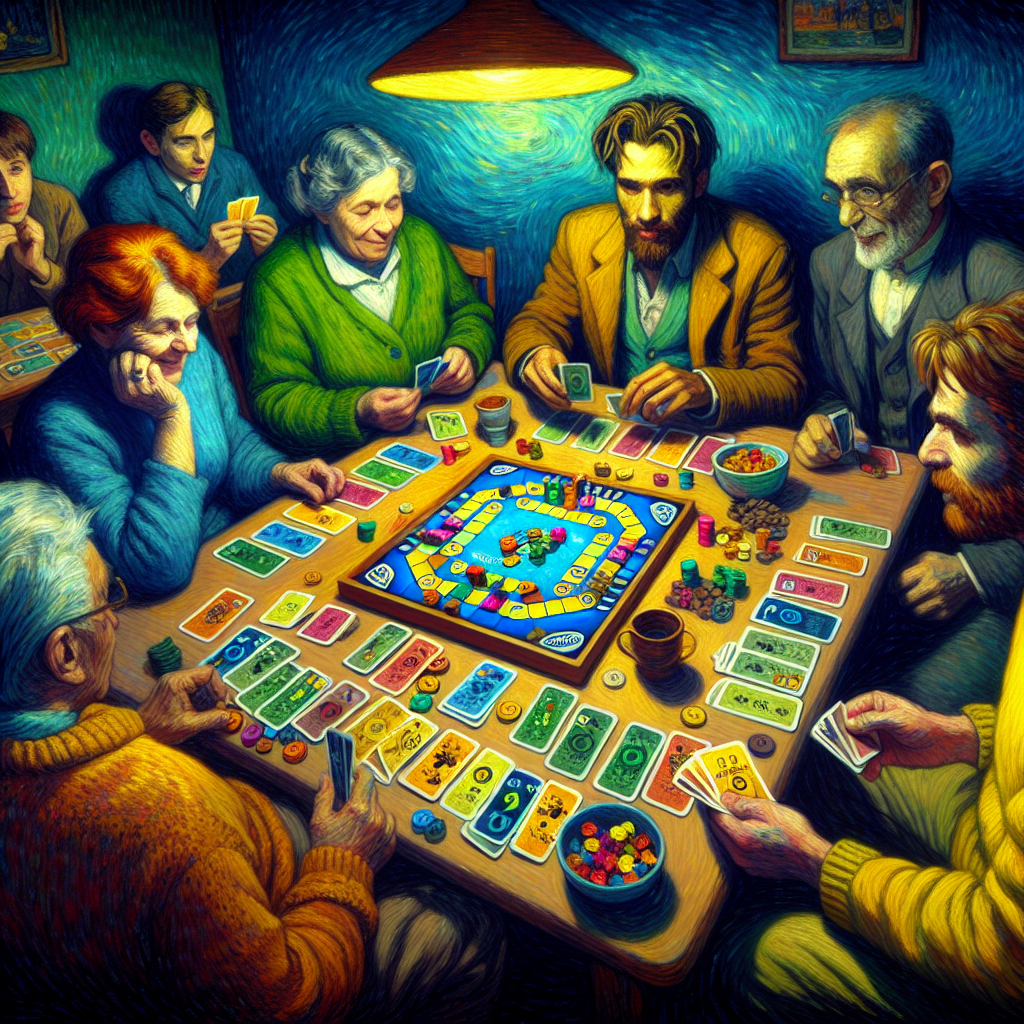
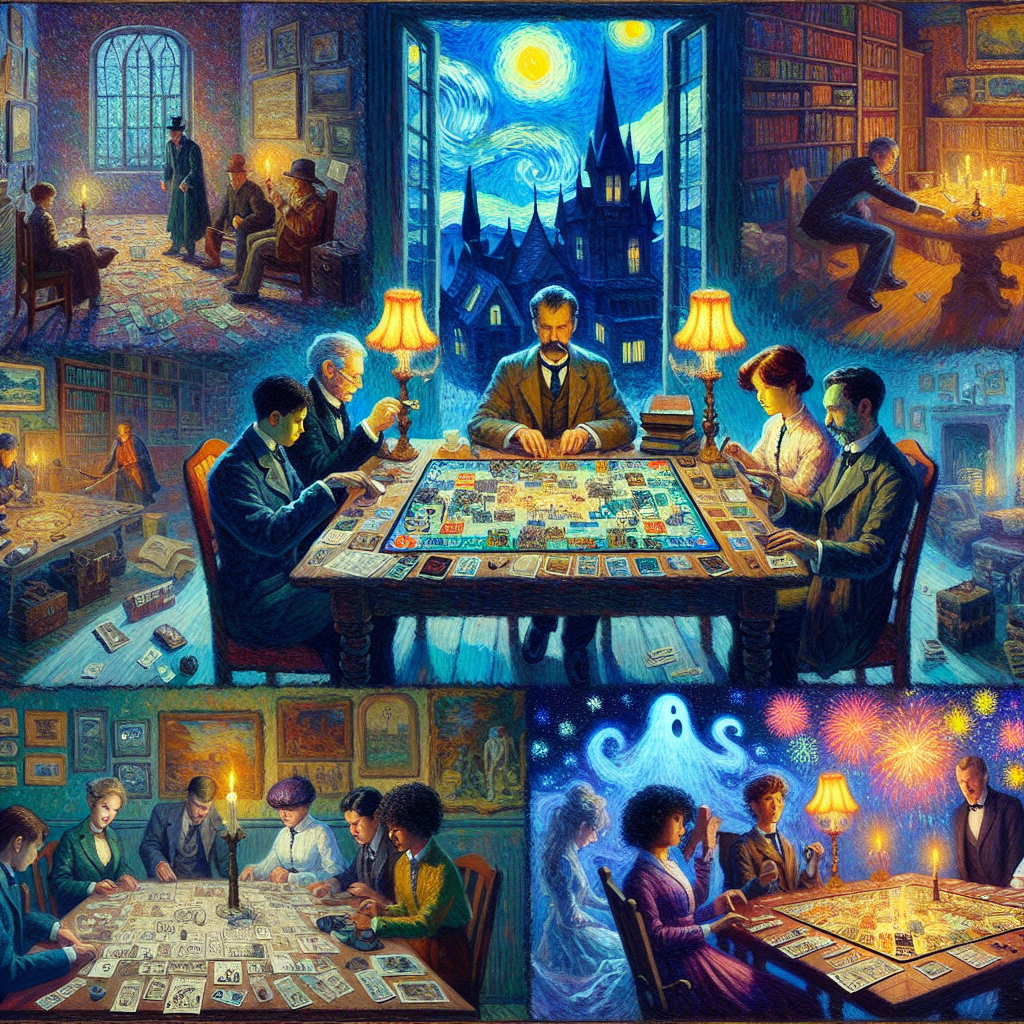
When you sit down to play a board game with friends, the atmosphere crackles with anticipation. It’s more than just a test of strategy or luck; it’s an intricate dance of emotions. Who will take the lead? Who will stumble? Each choice on the game board is a reflection of not just a plan but a passion, a subtle nod to the thrill of competition and camaraderie. So, can AI—the circuits and codes of ones and zeros—understand this emotional labyrinth that defines our design choices?
Let’s break it down. First, there’s the head: AI can analyze patterns and trends in game design through layers of data unseen to the human eye. It can predict what pieces will resonate, which visuals will captivate, and how mechanics will flow. Yet, can it feel the pulse of excitement when someone lands on that vital square, a mere visual cue transformed into a flood of triumph or despair? That’s the heart. We’re not just playing a game; we’re forging connections, sharing laughter, and sometimes, a bit of heartache over a miscalculation.
Think of it like this: every game, every design choice carries an ethical weight. Designers often grapple with how their creations impact players—will it foster teamwork or create frustration? In a world driven by algorithms, it’s essential that we nurture the very essence of human emotion. While AI might excel at optimizing choices, it’s crucial that the artistic intention—crafted with sweat and tears—remains at the forefront. We shouldn’t let cold, calculating logic overshadow the warm glow of shared experiences.
Now, picture a bustling living room filled with friends, laughter floating amidst the strategy. These social interactions are what imbue the game with meaning. While AI can crunch numbers, it can’t replicate that sense of connection. It doesn’t hear the stories shared over a cup of coffee or the laughter that erupts from a clever move.
Wthe question isn’t just whether AI can understand emotions; it’s about what it means for our choices. As we embrace technology, let’s ensure that the humanity behind design—those feelings, connections, and narratives—remains front and center. Our choices are not just data points; they echo the human experience. So, let’s nurture that. Together, on and off the board, we can inspire a creative endeavor that merges the best of both worlds, enriching our shared experiences.
Can AI Really Understand the Emotions Behind Design Choices?
Can AI Really Understand the Emotions Behind Design Choices?
- Playing board games creates an emotional and anticipatory atmosphere among friends.
- AI can analyze data patterns in game design but lacks the ability to feel human emotions.
- Game choices reflect personal passion, strategy, and the thrill of competition.
- Each design decision carries ethical weight, influencing player experiences of cooperation or frustration.
- AI excels at optimization but should not overshadow the emotional intent behind game design.
- Social interactions during games add meaningful connections that AI cannot replicate.
- As technology advances, it’s vital to keep human emotions and narratives central in game design.
Can AI Really Understand the Emotions Behind Design Choices?
How Do Designers Feel About AI Influencing Their Work?
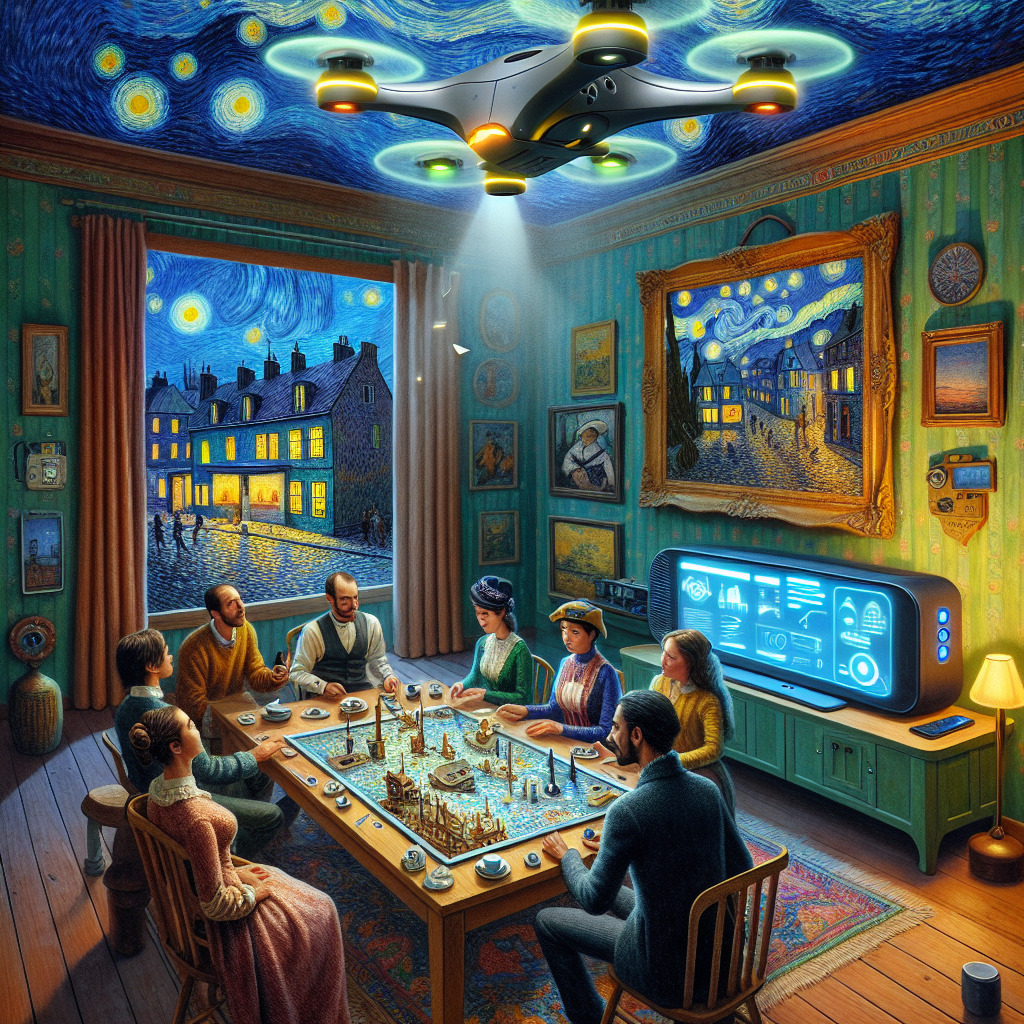
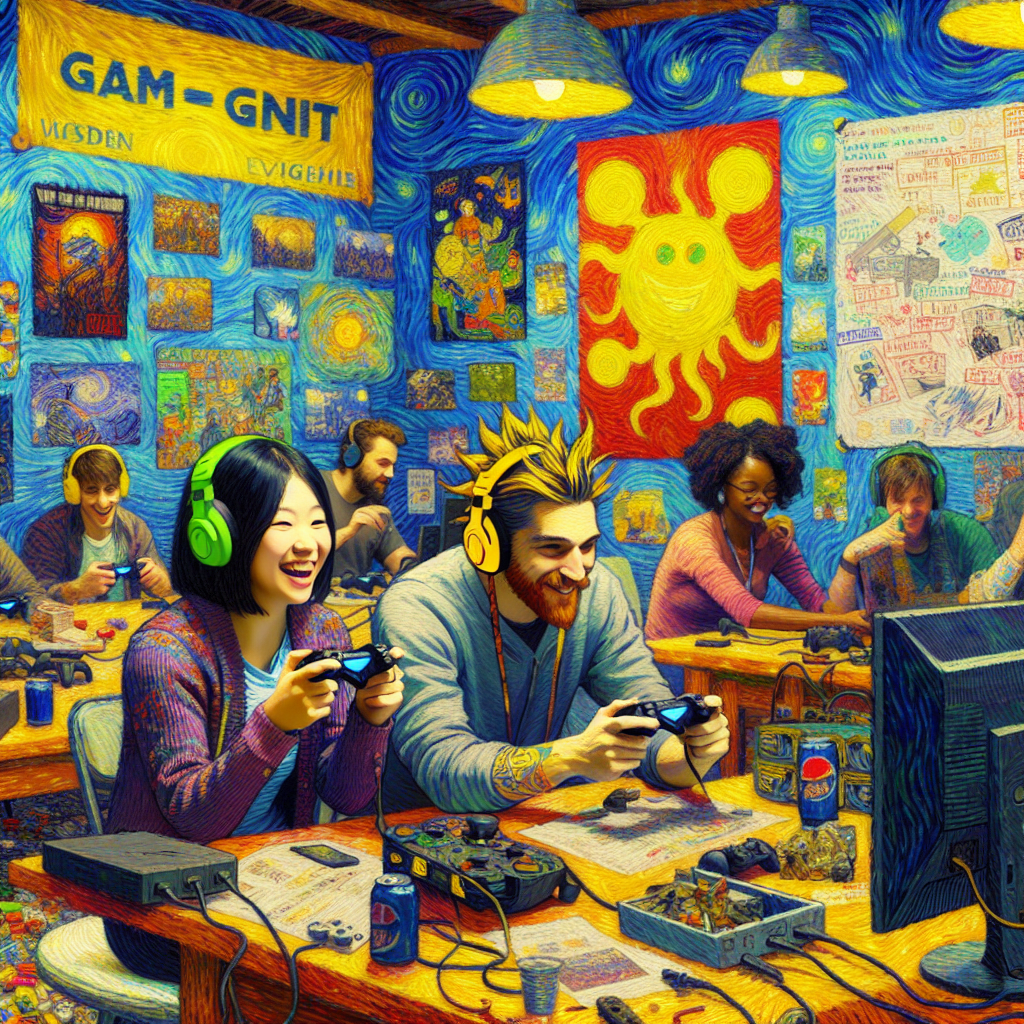
When you think of a designer, what springs to mind? A person huddled over sketches, or perhaps someone immersed in vibrant colors, tirelessly working to bring concepts to life? Now imagine that same designer wrestling with the thought of AI stepping into that creative arena. It’s a classic board game scenario: the player and the pawn, each vying for control. And while technology has been a trusty ally in amplifying creativity, there’s a nagging feeling that can’t be ignored.
AI, in its calculated efficiency, brings a breadth of knowledge and speed that can feel like a double-edged sword. Designers often find themselves at the crossroads of excitement and trepidation. On one hand, it’s exhilarating to have tools that can generate ideas and refine concepts in a heartbeat. On the other, the essence of human touch—the raw grit and emotion that come from personal experience—can feel threatened. It’s like playing a game with rules that suddenly shift, throwing everyone off balance.
Consider the weight of this challenge. Designers pour their hearts into their craft, drawing from a wellspring of inspiration, stories, and lived experiences. Each brushstroke or keystroke tells a story. When an algorithm begins to paint or sculpt, it raises questions that tap into our very humanity. The ethical dilemma looms large: Are we willing to relinquish parts of our creative identity to algorithms? Isn’t creativity more than mere patterns and data?
Then there’s a deeper concern of what this means for the community of creators. Imagine a room filled with passionate designers sharing ideas, each born from individual experiences and cultural backgrounds, forming connections that spark innovation. An AI may be programmed to mimic this process, but can it truly foster authentic collaboration? Our craft thrives on shared experiences, and as much as technology can help us, the heart of creativity lies in those human connections that can’t be replicated.
In this evolving landscape, designers are called to define their roles anew, embracing AI as a collaborator rather than a competitor. The challenge is to harness this technology while preserving the deeply emotional and social aspects of creativity that bind us. Let’s not allow fear to eclipse potential; instead, let’s venture boldly into this new game, using each piece—whether human or machine—to create something that transcends the ordinary, something that resonates and inspires. Together, we can shape a future where innovation and artistry coexist, forging pathways that lead us to a brighter, more connected world.
How Do Designers Feel About AI Influencing Their Work?
How Do Designers Feel About AI Influencing Their Work?
- The perception of designers is evolving with the introduction of AI in the creative process.
- AI offers efficiency and speed but poses a threat to the emotional and personal elements of creativity.
- Designers struggle between excitement for AI tools and protecting their unique human touch in their work.
- The ethical dilemma arises about relinquishing creative identity to algorithms.
- AI cannot replicate the authentic collaboration and shared experiences that drive innovation in the designer community.
- Designers are encouraged to view AI as a collaborator to enhance their creativity rather than as a competitor.
- Embracing this relationship can lead to a future where innovation and artistry coexist, fostering connection and inspiration.
How Do Designers Feel About AI Influencing Their Work?
What Role Does Authority Play In Trusting AI Judgment?
Picture this: a family gathered around a table for a board game night. Everyone is invested, hoping to outsmart one another. As the dice roll and pieces move, there’s an unspoken agreement that everyone not only understands the rules but trusts the person leading the game. That’s the essence of authority—we look to those with experience and credibility to guide us, whether in a game or in more serious matters of life, like trusting AI.
Authority isn’t just about ranks or titles; it’s about the credibility that comes from expertise and shared understanding. When you’re using an AI to make important decisions, you’d want that digital assistant to come from a source you recognize and can respect. The more a trusted voice—be it a seasoned expert or a reputable institution—endorses a particular AI, the more likely you are to embrace its judgment. Your gut already knows this: when a trusted authority backs up the capabilities of an AI, that endorsement can ease the collective anxiety we feel about relinquishing control to a machine.
However, we can’t overlook the heart of the matter, the ethical landscape surrounding AI development. We want the technologies we embrace to reflect our values, to be programmed with integrity and fairness—otherwise, we might as well be playing a board game where the rules are skewed to favor one player. Encounters surrounding AI go beyond efficiency; they intersect with the moral dimensions of trust. We have a right to question not just the AI’s outputs but the motives behind its algorithms.
Social connection plays a key role, too. The conversations we have as a society about AI’s place in our lives breathe life into our understanding of its judgment. When families, friends, and colleagues engage in discussions about what they expect from AI—with a shared commitment to ethics and transparency—we bolster a culture that encourages trustworthy innovations.
So, as we navigate this new landscape armed with digital companions, let’s keep the essence of authority close to our hearts. By valuing informed expertise, holding our technologies to ethical standards, and fostering open dialogue, we can ensure that the AI we trust isn’t just smart but wise. After all, trust isn’t just given; it’s earned, and it requires collective effort and conviction.
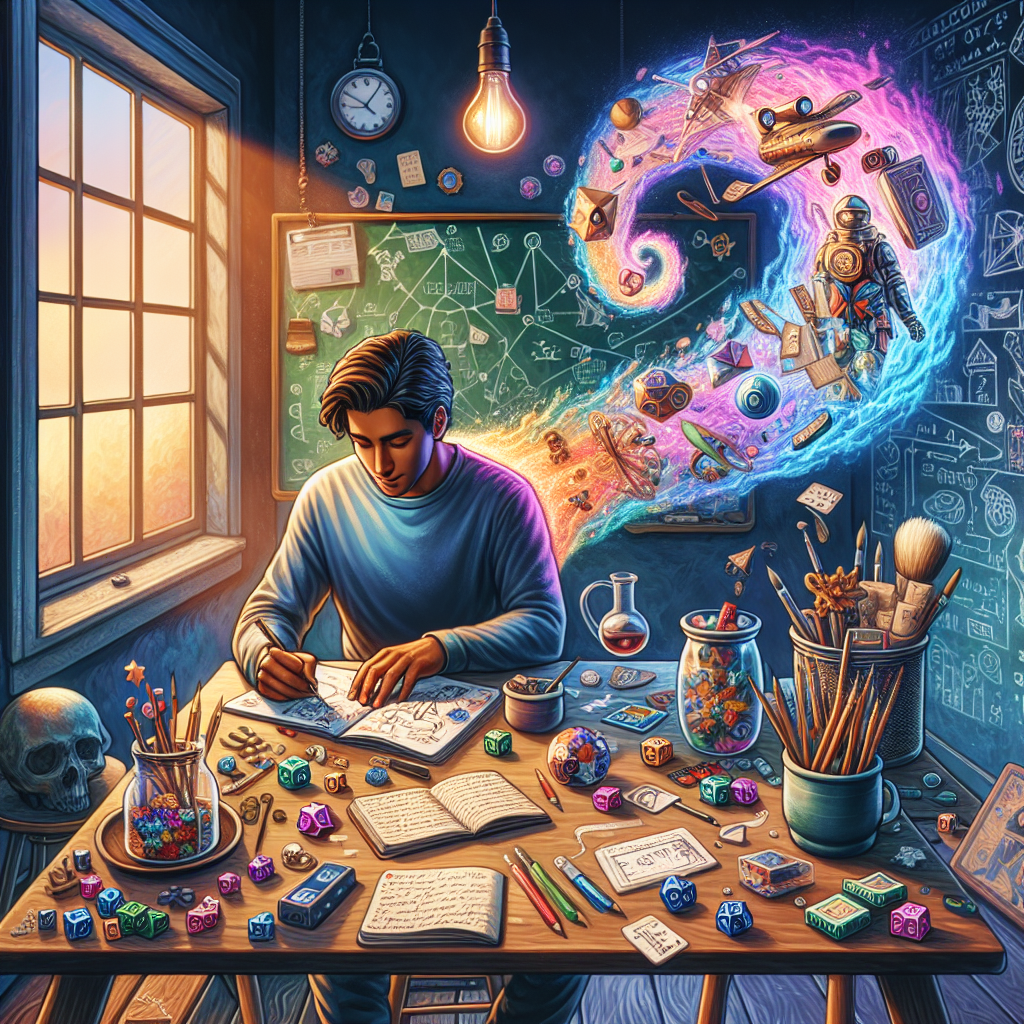
What Role Does Authority Play In Trusting AI Judgment?
What Role Does Authority Play In Trusting AI Judgment?
- Family board game nights illustrate the importance of trust and understanding in authority.
- Authority is based on expertise and shared knowledge, not just titles or ranks.
- Trusted endorsements from credible sources increase acceptance of AI-driven decisions.
- Ethics in AI development is crucial; technologies should reflect integrity and fairness.
- Social discussions about AI strengthen understanding and expectations around its use.
- Valuing informed expertise and ethical standards fosters a culture of trustworthy innovations.
- Trust in AI is earned through collective effort and requires ongoing dialogue and commitment.
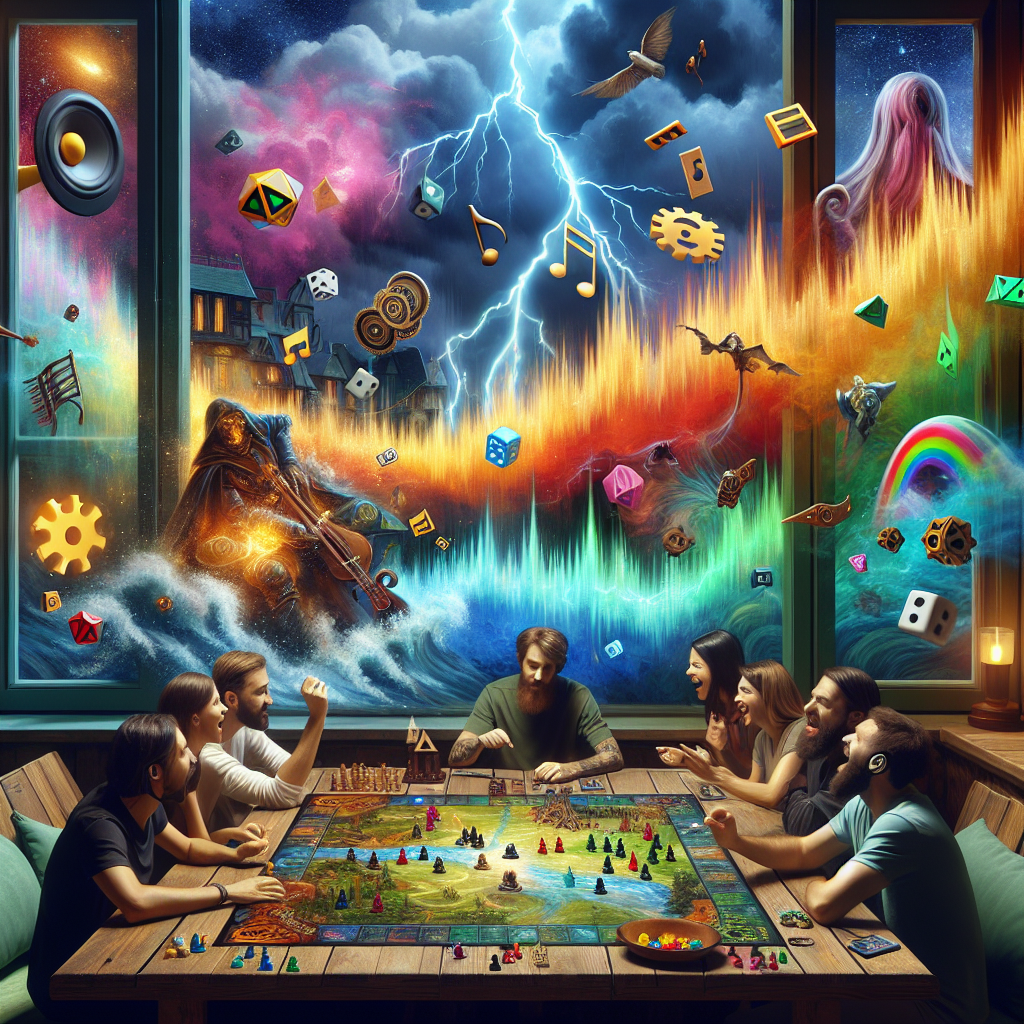
What Role Does Authority Play In Trusting AI Judgment?
Can Stories From Successful Designers Inspire AI Integration?
In a world swirling with change and innovation, it’s the stories of those who dared to dream that serve as our guiding stars. Think about a designer who took a simple idea—a board game, perhaps—and transformed it into a cultural phenomenon. Their journey wasn’t just about creativity; it was a testament to grit, perseverance, and the audacity to blend old with new, human with machine.
Imagine the initial hurdles they faced, pitching concepts to audiences who simply weren’t ready to play along. The rejection letters piled up, but like a well-crafted game that brings players together, their vision persuaded even the most skeptical critics. What if we could take that same spirit of storytelling and frame it around AI integration? What if, like that designer, we could evoke emotion through intelligence, combining instinct with algorithm and human touch with digital depth?
When you think of successful designers, their impact goes beyond aesthetics; it roars through our hearts and minds, challenging us to see the world differently. These pioneers do more than just tell stories; they instill a sense of purpose. They teach us that every innovation has roots in real-life experiences and ethical considerations. After all, a board game thrives on interaction, rules, and sometimes, the pain of losing. Designers understand that the value lies not just in the highest score but in community built around shared narratives.
Let’s take that inspiration and apply it: What if we harnessed AI to enhance creativity—encouraging collaboration instead of competition, enhancing design processes without sacrificing the human touch? It’s an invitation to a new kind of game where designers and AI co-create, a symbiotic relationship that fuels imagination while upholding our core values.
You see, successful designers didn’t wait for permission to innovate; they acted on their vision. They understood that every setback was a stepping stone, a chance to refine their game—literally and figuratively. They positioned themselves as authorities by proving that while technology is a useful tool, it’s the storytelling behind it that resonates.
So, as we stand on the brink of this digital transformation, let’s lean into the stories of those who’ve walked the path before us. Embrace the challenge. Let their experiences inspire a movement where creativity and AI work hand in hand, not to replace the artist, but to elevate their voice. Together, we can create a future that’s not just automated, but alive—rich with stories, and full of potential.
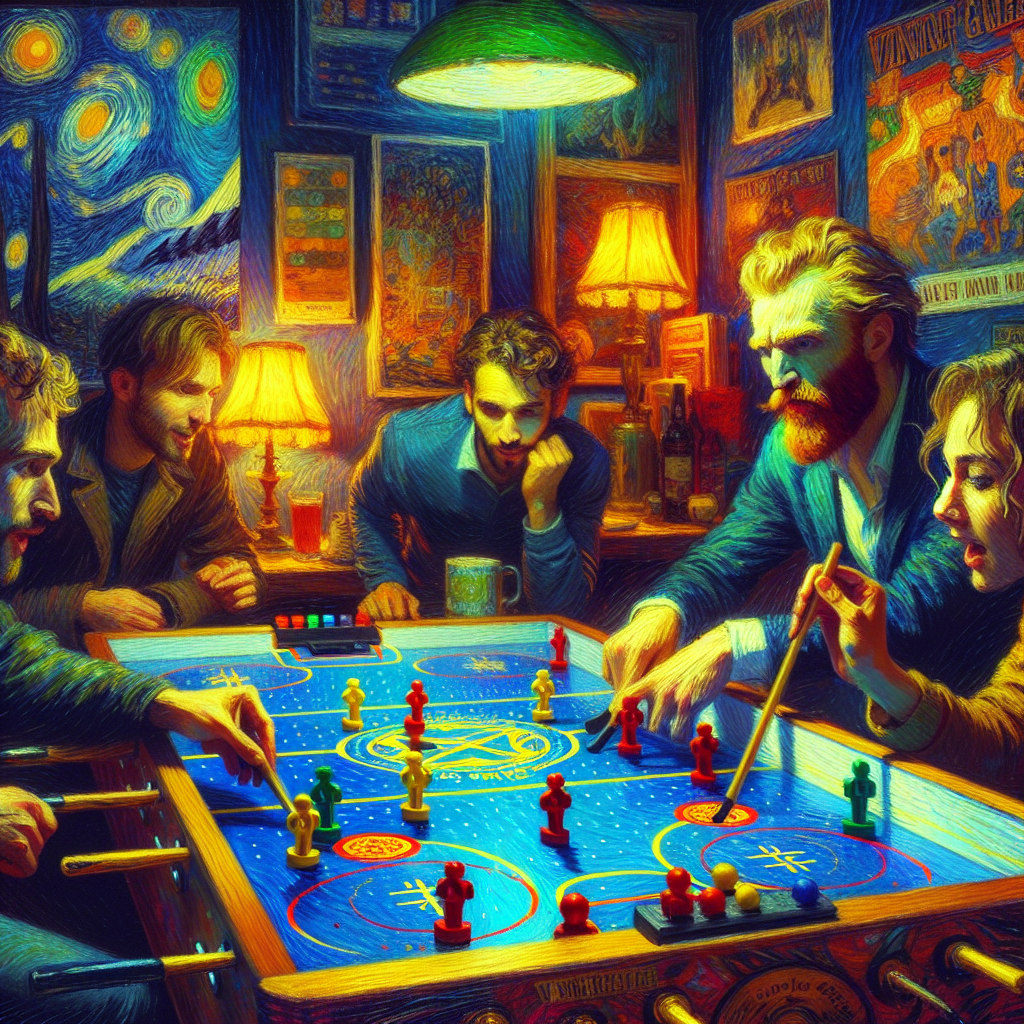
Can Stories From Successful Designers Inspire AI Integration?
Can Stories From Successful Designers Inspire AI Integration?
- The stories of innovators serve as guiding stars amidst change and innovation.
- Designers face initial hurdles, but perseverance leads to transformative ideas.
- Emotional storytelling through AI integration combines human instinct with technology.
- Successful designers impact hearts and minds, challenging perceptions of the world.
- Innovation stems from real-life experiences and ethical considerations in design.
- AI has the potential to enhance creativity and collaboration in design processes.
- Embracing the stories of pioneers can inspire a future where creativity and AI coexist harmoniously.
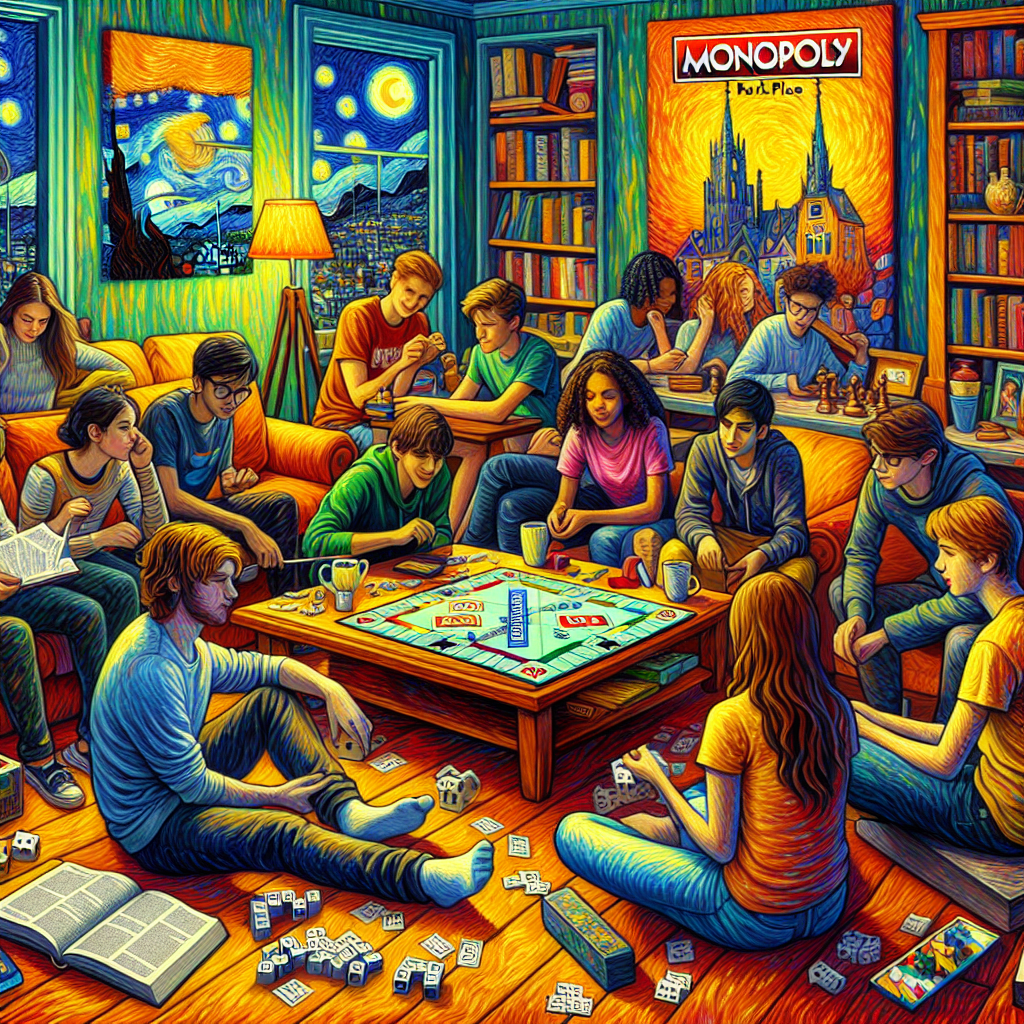
Can Stories From Successful Designers Inspire AI Integration?
Conclusion
Designing in today’s world is like navigating an intricate board game, where each choice carries the weight of potential pitfalls and striking innovations. Designers pour their hearts into their work, seeking to create not only visually appealing products but also meaningful experiences. Enter AI—your new trusted ally in this journey. Imagine having an intelligent partner that watches over your creative landscape, equipped with the capability to spot rule breakers and potential issues before they derail your vision. AI operates silently, tirelessly, analyzing trends and user behaviors, allowing you to focus on your craft without the fear of oversight.
But this is more than just a technological enhancement; it’s a transformative opportunity to redefine what it means to design ethically. The stakes are high, as designs can inadvertently alienate users or create accessibility barriers. Embracing AI empowers you to become a champion of inclusivity, making thoughtful decisions that resonate deeply with diverse audiences. Picture this safety net that enables you to explore your creativity without constant second-guessing. Instead of being shackled by doubt, you can lean into your passions, backed by the confidence that AI will flag any inconsistencies.
The emotional and social aspects of design cannot be overlooked. Collaborating with AI creates a culture of innovation where the exchange of ideas flourishes. This partnership encourages the breaking down of traditional boundaries, fostering communication among creators. With AI aiding your design process, you elevate the potential for collaboration, allowing for richer contributions from various perspectives.
Rationally, integrating AI into your workflow speaks to efficiency and scalability. The ability to predict and address design flaws before they manifest saves time and resources, allowing for a smoother development process. Trust plays a pivotal role here—embracing AI is a choice that requires faith in its ethical foundations and the authority behind its algorithms. You’re not just relying on a machine; you’re entering into a relationship that demands transparency and instinct.
Reflect on the stories of designers past who turned visions into reality against all odds. These narratives illuminate the path forward for merging human creativity with AI. They remind us that while technology is a tool, it’s the human touch that breathes life into our work. As we forge ahead into this new era of design, let’s embrace AI not as a competitor but as a collaborator, amplifying our voices and enriching our stories. The future of design is bright and filled with potential—let’s navigate it together, blending innovation with the timeless essence of human creativity.
Conclusion
Conclusion:
- Designing today involves navigating an intricate landscape of choices, with both potential pitfalls and innovations.
- AI serves as a trusted ally for designers, helping to identify issues and trends, thus enabling a focus on creativity.
- The integration of AI creates a transformative opportunity to design more ethically and inclusively.
- With AI’s support, designers can explore their creativity confidently, backed by real-time feedback on consistency.
- AI fosters a culture of innovation by enhancing collaboration and communication among creators.
- Using AI in design improves efficiency by predicting and addressing design flaws early, saving time and resources.
- The partnership with AI emphasizes a relationship built on trust, transparency, and the synergy of human creativity and technology.
Conclusion
Other Resources
Other Resources
Here is a list of other resources you can review online to learn more:
- Board to Death TV
- Paizo Publishing
- Huch!
- Lookout Games
- Gaming Rules!
- Euchre
- Fantasy Flight Games
- Flickr
- Cryptozoic Entertainment
- YouTube
- Mage Knight Board Game
- PC Gamer
- 7 Wonders Duel
- Roll for the Galaxy
- Pearl Games
Use This Prompt To Get More Resources With Your Favorite Online AI Tool: Please provide me with a list of online articles with their URLs in a bulleted list that I can read regarding Designers? Secret Weapon – AI That Spots Rule Breakers Before You Do

Other Resources
Glossary Terms
Designers? Secret Weapon – AI That Spots Rule Breakers Before You Do – Glossary Of Terms
1. AI (Artificial Intelligence): Computer systems designed to perform tasks that typically require human intelligence, like visual perception and decision-making.
2. Rule Breakers: Elements or aspects of design that deviate from established guidelines or best practices, potentially leading to poor user experiences.
3. Machine Learning: A subset of AI that enables systems to learn from data and improve their performance over time without explicit programming.
4. Design Guidelines: A set of principles that guide the creation of effective and user-friendly designs.
5. User Experience (UX): The overall experience a person has when interacting with a product, focusing on usability and accessibility.
6. Visual Hierarchy: The arrangement of design elements to show their importance through size, color, and placement.
7. Data Analysis: The process of inspecting and interpreting data to extract useful information, often used to inform design decisions.
8. Algorithm: A step-by-step procedure or formula for solving a problem, utilized by AI to identify patterns in design.
9. Predictive Analysis: Techniques that use statistical algorithms and machine learning to identify the likelihood of future outcomes based on historical data.
10. Feedback Loop: A process in which information about the output of a system is used to adjust its operation, improving performance over time.
11. Automated Insights: AI-generated observations about design elements that can help identify potential issues or rule violations.
12. Design Patterns: Reusable solution templates for commonly occurring design problems that enhance usability.
13. Human-Centered Design: A design philosophy that prioritizes the needs, preferences, and limitations of the end user.
14. Prototyping: The process of creating a preliminary model of a product to test concepts and functionalities before full-scale production.
15. A/B Testing: A method where two versions of a design are compared to determine which one performs better with users.
16. Cognitive Load: The mental effort required to process information, which can be reduced through effective design.
17. Bias: Systematic favoritism that can skew AI outputs, leading to unfair or inaccurate assessments.
18. Interactivity: The capacity for users to engage actively with a design through actions or inputs, enhancing user experience.
19. Usability Testing: Evaluating a product by testing it with actual users to uncover any issues with functionality and design.
20. Content Strategy: Planning and managing content effectively to enhance user engagement and information delivery in design.
21. Color Theory: The study of how colors interact and their psychological effects, crucial for effective design.
22. Accessibility: The design principle ensuring that products are usable for people of all abilities and disabilities.
23. Responsive Design: An approach to web design that ensures content adapts smoothly to different screen sizes and devices.
24. Error Prevention: Design strategies aimed at minimizing user mistakes by providing clear instructions and guidance.
25. Visual Consistency: Maintaining uniformity in design elements such as colors, fonts, and layout throughout a product.
26. Interface Design: The process of designing user interfaces for software or machines, focusing on maximizing usability.
27. Empathy Mapping: A collaborative visualization used to articulate what a user thinks, feels, says, and does, informing design decisions.
28. Engagement Metrics: Data points that measure user interaction levels with a design, providing insight into its effectiveness.
29. Feedback Mechanisms: Systems within a design that allow users to provide responses, helping to refine and improve the product.
30. Contextual Inquiry: A research method that involves observing users in their natural environment to understand their behaviors and needs better.
Glossary Of Terms
Other Questions
Designers? Secret Weapon – AI That Spots Rule Breakers Before You Do – Other Questions
If you wish to explore and discover more, consider looking for answers to these questions:
- What specific design flaws can AI identify before they occur?
- How does AI improve the efficiency of the design process?
- What ethical guidelines should designers follow when using AI?
- How can designers maintain their creative identity while using AI tools?
- What are the limitations of AI in understanding human emotions related to design?
- How can designers effectively collaborate with AI rather than compete against it?
- What fears do designers have about AI impacting their roles in the creative process?
- Are there successful case studies of designers effectively integrating AI into their workflow?
- What role do social dynamics play in trusting AI-generated designs?
- How can AI enhance inclusivity in design practices?
Other Questions
Haiku
Designers? Secret Weapon – AI That Spots Rule Breakers Before You Do – A Haiku
AI as a beacon,
Design’s silent ally reigns—
Uniting our hearts.
Haiku
Poem
Designers? Secret Weapon – AI That Spots Rule Breakers Before You Do – A Poem
In the realm where visions bloom and fade,
Designers craft with heart, a dance they’ve made.
Yet lurking shadows whisper of the flaws,
A clash of colors, misaligned, with no applause.
Imagine a friend, silent and wise,
AI stands vigilant, with watchful eyes.
It learns the paths where errors might dwell,
Guiding with algorithms, like a mentor’s spell.
Creativity, a delicate thread,
Intertwined with ethics, where intentions are led.
Every stroke, a story; every choice, a chance,
To bridge divides, inviting all to dance.
Empowered by data, yet human in core,
A gut feeling sharpened, opens wide a door.
Collaboration emerges, a symphony thrives,
Voices unite, where innovation arrives.
But wait—can machines know the beats of the heart?
In the delicate game of creation, play their part?
Ethics demand reflection, not just speed,
To honor the essence, the emotional need.
Authority guides trust, a compass in hand,
Endorsed by the wise, through connections we stand.
Conversations weave bonds, a collective embrace,
To ensure that technology holds its rightful place.
Let us draw from the tales of those who have soared,
Turning visions to legacies, their passion adored.
Together with AI, let’s redefine the game,
Where art and the algorithm find balance in name.
In a world full of choices, let’s honor the spark,
For creativity’s fire must never grow dark.
With each brush of the future, hand in digital hand,
We forge a bright path, where imagination expands.
Poem
Checklist
Designers? Secret Weapon – AI That Spots Rule Breakers Before You Do – A Checklist
Designer Empowerment Through AI: Checklist
Emotional Appeals
_____ Reflect on how AI can enhance your creativity without stifling your unique voice.
_____ Visualize the freedom to explore new design ideas with AI as a supportive partner.
_____ Consider the emotional safety net that AI provides in your design process.
Rational Appeals
_____ Identify practical ways AI can enhance your efficiency (e. g. , automating repetitive tasks).
_____ Analyze how AI can help predict design flaws, saving time and resources.
_____ Research success stories of designers who effectively integrated AI into their workflows.
Ethical Appeals
_____ Assess the ethical implications of using AI in your designs—how can it promote accessibility and inclusivity?
_____ Reflect on the importance of maintaining human oversight in AI-generated decisions.
_____ Ensure that your use of AI aligns with your personal and professional values.
Authority Appeals
_____ Seek advice from industry leaders who advocate for responsible AI integration in design.
_____ Attend workshops or webinars hosted by experts on the intersection of AI and creativity.
_____ Follow case studies or publications from reputable sources about successful AI applications in design.
Narrative Appeals
_____ Share your own design story—how would AI have transformed or improved your past projects?
_____ Collect narratives from other designers about their experiences with AI—what lessons have they learned?
_____ Develop a personal mission statement on how you envision combining human creativity with AI capabilities.
Social Appeals
_____ Engage with peers to discuss the challenges and benefits of incorporating AI into design.
_____ Create a community or group focused on exploring and sharing AI design tools and experiences.
_____ Initiate collaborative projects that blend AI tools with human creativity, fostering broader discussions on innovation in design.
This checklist will aid you in optimizing your design process with AI while remaining grounded in creativity, ethics, and community engagement.
Checklist
At BestBoardGameNews, we help people who love board games by collating information and news about board games.
Be sure to read our other related stories at BestBoardGameNews to learn more about board games.