Reviving Family Bonding Through Classic Games
By Tom Seest
At BestBoardGameNews, we help people who love board games by collating information and news about board games.
Be sure to read our other related stories at BestBoardGameNews to learn more about board games.
Do Traditional Games Still Appeal to Modern Families?
In an age where screens dominate our living rooms and social interactions often happen through a keyboard, one might wonder if traditional games still have a place in the hearts and homes of modern families. The truth is, while technology has given us endless entertainment options, board games—those tactile relics of yesteryear—continue to carve a niche in our frenzied lifestyles.
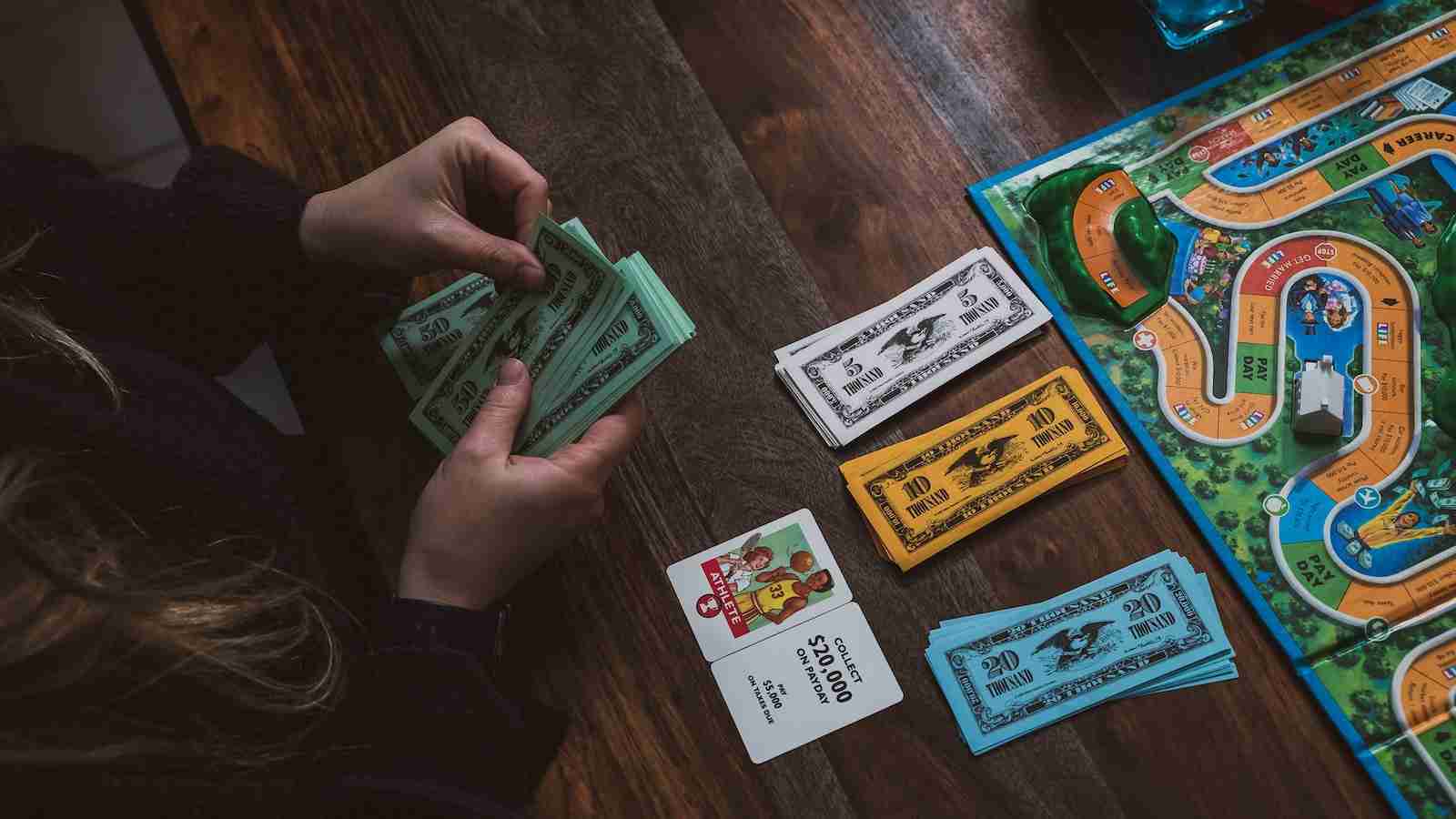
Picture a family gathering: laughter echoes through the halls, and the sound of dice clattering on a table fills the air. A board game sits at the center, a colorful mosaic of strategy, chance, and sometimes a healthy dose of friendly competition. There’s something undeniably appealing about gathering around a table, setting aside the hustle and bustle of daily life, and immersing oneself in a play experience that fosters connection. Whether it’s a classic like Monopoly or a more contemporary favorite, these games serve as a vehicle for bonding.
Now, let’s face it—many families are juggling careers, homework, and the pesky interruptions of technology. The allure of a smartphone or streaming service is hard to resist; however, it’s often the simple act of coming together over a board game that yields memories worth cherishing. In fact, the tactile nature of board games encourages face-to-face interaction—a rarity in our digital age. It’s in the strategy discussions, the playful banter, and the shared moments of joy or frustration that relationships deepen.
For young kids, the lessons are manifold. These games teach not just turn-taking and teamwork, but also critical thinking and problem-solving skills. As families engage in a board game, children are learning, growing, and, dare I say, thriving in an environment that fosters both education and entertainment.
Moreover, traditional games provide an escape, a chance to unplug. With the world buzzing around us, there’s something beautifully grounding about gathering together, passing cards, and rolling dice. Parents have the unique opportunity to guide their children through the nuances of games, imparting not only strategies but also values like patience, resilience, and sportsmanship.
So, do traditional games still appeal to modern families? Absolutely. They offer a shared experience that transcends the digital distractions, weaving connections that stand the test of time. In a world that often feels rushed, it’s these simple, old-school pleasures that remind us what it means to truly connect. So, when it’s all said and done, gather the family, choose a board game, and roll those dice. You might just rediscover the joy of being together.

Do Traditional Games Still Appeal to Modern Families?
Do Traditional Games Still Appeal to Modern Families?
- Traditional board games maintain relevance in modern families despite increasing screen time.
- Family gatherings around board games promote laughter, bonding, and friendly competition.
- Playing board games helps families create lasting memories amidst busy lifestyles.
- These games encourage face-to-face interaction, countering the prevalence of digital communication.
- Board games foster critical thinking, teamwork, and problem-solving skills in children.
- They provide a chance to unplug and reconnect, allowing parents to teach values like patience and resilience.
- Ultimately, traditional games offer meaningful experiences that enhance family connections in a fast-paced world.

Do Traditional Games Still Appeal to Modern Families?
Table Of Contents
- Do Traditional Games Still Appeal to Modern Families?
- Do Traditional Games Enrich Family Bonding Experiences?
- What Are The Benefits Of Playing Traditional Games Together?
- Are There Generational Differences In Game Preferences?
- How Do Digital Distractions Affect Traditional Game Play?
- What Traditional Games Are Most Popular Among Modern Families?
- How Can Traditional Games Be Adapted For Today’s Kids?
- What Role Do Parents Play In Introducing Traditional Games?
- Conclusion
- Other Resources
- Glossary Of Terms
- Other Questions
- Haiku
- Poem
- Checklist
Do Traditional Games Enrich Family Bonding Experiences?
In a world constantly buzzing with digital distractions, the power of a traditional board game might just be the antidote we all need. Picture this: a rainy Saturday afternoon where the kids are disconnected from their screens, and the glow of technology has been replaced by the warm laughter that echoes around the living room. It’s a scene as timeless as the games themselves, and therein lies a simple yet profound truth about togetherness.
Board games have a unique magic. They don’t just occupy time; they create space for connection. Think about it—sitting around a table, everyone’s eyes are glued to that colorful game board, anticipating their next move. Whether it’s the launch of a daring strategy in Monopoly or the thrill of building a kingdom in Settlers of Catan, these games foster a spirit of competition that’s friendly, engaging, and more importantly, human.
When families engage in a good old-fashioned board game, something remarkable happens. Conversations flow more freely. Stories are shared, ranging from silly childhood mishaps to long-lost family legends. Children learn the value of patience not just in waiting their turn but also in the delicate art of losing gracefully. Adults, for all their life experience, often find themselves reminded of what it feels like to engage in playful rivalry, far removed from the pressures of work and responsibility. Those turns of phrase, accidental blunders, and shared victories carve out lasting memories that linger long after the game pieces have been put away.
Now, it’s not just about winning or losing; it’s about delighting in shared experiences, the playful banter, and the challenges that arise. Each rolled die or drawn card can lead to hysterical moments that become cherished family lore. Plus, nothing bonds people quite like a little friendly rivalry. Sure, there might be a few raised voices and sticky moments, but what better way to practice conflict resolution than through a ruled, time-honored method—yes, using a board game?
Ultimately, when traditional games are embraced, they transform into vessels of kinship, ensuring every family member, from the youngest to the oldest, feels like they belong. In this age of relentless connectivity, let’s not forget to prioritize the important connections that happen right in our own homes. So, gather around, roll the dice, and let the boards inspire a richer tapestry of family life that’s worth its weight in laughter and love.

Do Traditional Games Enrich Family Bonding Experiences?
Do Traditional Games Enrich Family Bonding Experiences?
- Board games provide an antidote to digital distractions, fostering togetherness.
- They create opportunities for connection as families gather around the game board.
- Engaging in board games encourages conversation and sharing of personal stories.
- Children learn patience and sportsmanship while adults rediscover playful rivalry.
- Each game offers memorable moments, contributing to cherished family lore.
- Friendly competition and conflict resolution arise naturally during gameplay.
- Embracing traditional games strengthens family bonds and enhances connections.

Do Traditional Games Enrich Family Bonding Experiences?
What Are The Benefits Of Playing Traditional Games Together?
In an age where screens dominate our leisure time, it’s easy to forget the uncomplicated joy that comes from gathering around a table with friends and family to engage in traditional games. From classic board games to card games that have been passed down through generations, these activities offer a wealth of benefits that go beyond mere entertainment.
First off, traditional games foster connection. In a world where people often interact solely through digital means, sitting down to play a board game requires face-to-face interaction. This is the kind of human connection that can strengthen relationships and build bonds. It’s remarkable how a simple game can spark laughter and spirited conversation, drawing players together in a way that texting or social media never could.
Furthermore, playing traditional games encourages teamwork and collaboration. Many board games require players to work together, strategize, and navigate challenges as a unit. This collaborative spirit can spill over into everyday life, teaching valuable lessons about communication, problem-solving, and compromise. Where else can a family learn to work as a cohesive team while having a blast? Whether it’s debating the best move in a game of chess or cheering each other on in a lively round of Monopoly, the teamwork honed around the game table can translate to stronger family dynamics.
On top of that, traditional games promote mental agility. Engaging in strategy-based games challenges the brain, boosting cognitive functions such as critical thinking and memory retention. It’s a far cry from mindless scrolling through social media feeds. Instead, these games allow us to flex our mental muscles, keeping our minds sharp while providing a necessary reprieve from our busy lives.
And let’s not forget the nostalgic charm of playing traditional games. The tactile feel of the game pieces, the sound of laughter, the thrill of competition—there’s something irreplaceable about these experiences. They remind us of simpler times, evoking a sense of nostalgia that can’t be replicated online.
Traditional games offer a unique blend of benefits that are too good to overlook. From enhancing relationships to boosting cognitive skills, the value of coming together to play a good old-fashioned board game is profound. So, next time you’re considering how to spend an evening, think about dusting off those old games from the closet. Gather your loved ones, and dive into the world of traditional games; you might just rediscover the art of connection in the process.

What Are The Benefits Of Playing Traditional Games Together?
What Are The Benefits Of Playing Traditional Games Together?
- Traditional games provide uncomplicated joy through gathering around a table with friends and family.
- They foster human connection, promoting face-to-face interactions that strengthen relationships.
- Playing these games encourages teamwork and collaboration, enhancing communication and problem-solving skills.
- Traditional games promote mental agility, boosting cognitive functions like critical thinking and memory retention.
- They evoke nostalgia through tactile experiences and the thrill of competition, reminiscent of simpler times.
- Engaging in traditional games enhances relationships and boosts cognitive abilities, offering profound value.
- Consider dusting off old games, gathering loved ones, and rediscovering the art of connection.

What Are The Benefits Of Playing Traditional Games Together?
Are There Generational Differences In Game Preferences?
When we dive into the world of gaming, one might wonder if the fondness for board games is etched into the DNA of various generations or simply a product of their times. Picture this: Baby Boomers gathered around a table, clacking dice, filling the room with laughter over a classic game of Monopoly. For them, board games were a staple—a way to connect, communicate, and challenge each other during long winter evenings. It was less about competition and more about camaraderie, a physical manifestation of family bonding.
Fast forward to Generation X, who took the foundation laid by their parents and expanded the horizons a bit. Generation Xers not only enjoyed board games, but they also embraced the rise of video games. They blended the analog tick-tock of a traditional game with the digital age, introducing their kids to both the nostalgia of Clue and the pixelated adventures of Mario. For them, it was all about variety—seeking balance between the tactile pleasures of the board game and the exhilarating rush of technology.
Then, we come to Millennials, often described as the ‘digital natives.’ As children of the internet, they grew up amidst a rising tide of gaming innovations. For many Millennials, board games are experiencing a revival, ironically feeding off the very technology that once seemed to threaten their existence. They appreciate the strategy in complex modern board games, gatherings centered around games like Settlers of Catan or Ticket to Ride. It’s a social experience wrapped in tactile engagement, punctuated by a need for instant gratification that came from their cherished screen time.
Now, we observe Generation Z. Raised in a hyper-connected world, this cohort takes the communal aspects of gaming to the next level. They thrive on online multiplayer environments but also revel in the nostalgia of the past. Here’s where things get interesting: they bring a fresh perspective to traditional board games, seeking inclusivity and representation. They may not gravitate toward Monopoly, but they’ll champion games that emphasize cooperative play or progressive storytelling.
So, do generational differences influence game preferences? Absolutely. Each generation has navigated their own cultural waters, shaping not just how they play but what they choose to play. Whether it’s the steadfastness of a board game or the allure of the digital realm, these preferences tell a story—one that intertwines nostalgia with innovation, showing us that gaming truly is a reflection of its time.

Are There Generational Differences In Game Preferences?
Are There Generational Differences In Game Preferences?
- Board games have played a significant role in connecting Baby Boomers and fostering family bonding.
- Generation X expanded the gaming landscape, blending traditional board games with the rise of video games.
- Millennials, as digital natives, are experiencing a board game revival while appreciating modern strategic games.
- Gatherings around popular games like Settlers of Catan highlight the social aspect valued by Millennials.
- Generation Z thrives in hyper-connected environments, embracing both online and traditional gaming.
- This generation seeks inclusivity and representation in games, favoring cooperative play and progressive storytelling.
- Generational differences significantly influence game preferences, intertwining nostalgia with innovation in gaming.

Are There Generational Differences In Game Preferences?
How Do Digital Distractions Affect Traditional Game Play?
In the world of play, where strategy meets chance, the classic board game holds a venerable spot in the hearts of many— whether it’s a battle of wits over a game of chess or a leisurely evening of Monopoly. But there’s a new player in the game room, one that’s been making waves and stealing focus: digital distractions.
Picture this: a family gathered around a table, the warm light illuminating the cardboard pieces, the sound of dice clattering, and the anticipation of the next move hanging in the air. It’s a scene steeped in tradition, a tactile experience rich with social interaction. Yet, lurking in pockets and handbags are devices that buzz, blink, and beckon. With notifications popping up faster than you can strategize your next move, the essence of the board game begins to shift.
These distractions come in many forms—social media, texts, and countless apps compete for our attention, transforming a friendly game night into a chaotic symphony of half-hearted interactions. Instead of focusing on the tactics of your opponent or engaging in light-hearted banter, players may find themselves glancing at screens, missing the nuances that make traditional games so rewarding. When you’re only half in, you lose not just the game—but the joy of connection.
Yet, it isn’t solely a matter of distraction; it’s about context too. With every call from the digital realm, there’s a shift in priorities. Those little rectangles of glass and plastic can diminish the richness of the experience, making the act of moving a token feel less significant when compared to the whirlwind of online activity. Sure, you might still roll the dice, but how much of that roll is done in the spirit of friendly competition, and how much is lost to the siren call of a viral video?
While technology undoubtedly offers a trove of entertainment possibilities, it may also detract from the genuine experiences that board games offer. The next time you gather with friends, consider putting the devices away for a night of unfiltered fun. Return to those engaging conversations, strategic moves, and shared laughter— because that’s where the joy truly lies. It’s not just about moving pieces on a board; it’s about making connections, and that’s something no app can replicate. Embrace the game, and let the digital distractions fade into the background for a while.

How Do Digital Distractions Affect Traditional Game Play?
How Do Digital Distractions Affect Traditional Game Play?
- The classic board game remains beloved despite the rise of digital distractions.
- Family game nights evoke a rich tradition centered around social interaction and tactile experiences.
- Digital devices, with their notifications, detract attention from board games, leading to fragmented interactions.
- Players may miss out on the nuances of games due to distractions from social media and texts.
- Priorities can shift under the influence of digital distractions, affecting the significance of the game experience.
- While technology offers entertainment, it can detract from genuine experiences associated with board games.
- Encouragement to disconnect from devices to fully engage in meaningful interactions during game nights.

How Do Digital Distractions Affect Traditional Game Play?
What Traditional Games Are Most Popular Among Modern Families?
In today’s fast-paced world, where screens dominate our daily lives, it’s refreshing to see a resurgence in traditional games that bring families together. The allure of sitting around a table, engaging in friendly competition, and sharing laughter is something that resonates deeply with many. When you think about it, the simplicity of a board game can create cherished memories that last a lifetime.
One of the standout classics in the realm of board games is Monopoly. You would be hard-pressed to find a family gathering where someone isn’t ready to broker deals and crush their opponents’ hopes of financial dominance. It’s all about strategy, negotiation, and a bit of luck—and let’s not forget the inevitable squabbles over who gets to be the thimble this time. Monopoly teaches a valuable lesson: while the game may end, those family dynamics last forever.
Then there’s Scrabble. This timeless classic is more than just a game; it’s a brain workout that challenges the vocabulary of players young and old. You can practically feel the collective energy of the family as everyone tries to squeeze every point possible from the letters they have. It’s equal parts strategic planning and creative wordplay, often sparking debates over the validity of obscure terms. After all, if you didn’t earn that triple word score, did you really win?
Don’t overlook Pictionary—a game where your artistic prowess is put to the ultimate test. Families gather around, armed with whiteboards and markers, communicating through sketches that range from a true work of art to, let’s be honest, something resembling a toddler’s scribble. Laughter rings through the room as everyone tries to guess a simple word or phrase, often leading to hilarious interpretations that only make sense in the heat of the moment.
And let’s not forget the timeless appeal of card games. From family favorites like Uno to more intricate games like Rummy, these unsung heroes of the game world offer a perfect mix of strategy, chance, and a bit of good humor. Cards don’t take up much space, and they can easily travel from the dining room to the living room, which makes them adaptable for any family gathering.
So, whether it’s the thrill of a board game or the strategic gameplay that comes with cards, traditional games are more than just a nostalgic nod to days gone by. They are a valuable part of family tradition, a source of connection in our increasingly digital world, and a reminder that sometimes the best things in life are best shared around a table.

What Traditional Games Are Most Popular Among Modern Families?
What Traditional Games Are Most Popular Among Modern Families?
- Traditional games are making a comeback, offering families a break from screen time.
- Board games like Monopoly foster friendly competition and create lasting family memories.
- Monopoly emphasizes strategy, negotiation, and the dynamics of family interactions.
- Scrabble serves as a vocabulary challenge for players of all ages, combining strategy and wordplay.
- Pictionary tests artistic skills and leads to humorous interpretations through family collaboration.
- Card games like Uno and Rummy provide strategic fun and are easily transportable for gatherings.
- Traditional games strengthen family bonds, highlighting the importance of connection in a digital age.

What Traditional Games Are Most Popular Among Modern Families?
How Can Traditional Games Be Adapted For Today’s Kids?
Tradition can sometimes feel like a relic of the past, gathering dust while the latest gadget or app steals the spotlight. But what if we told you that traditional games have a treasure chest of lessons and fun just waiting to be cracked open? With a little creativity and a dash of adaptability, these time-honored games can once again capture the hearts and minds of today’s kids. One of the simplest ways to achieve this is through board games.
Now, when you think of a board game, it’s easy to let your mind wander to dusty boxes stored away on a shelf. However, board games can be transformed into dynamic experiences. Imagine a classic like Monopoly or Clue, but with themes and characters that resonate with today’s youth. Incorporating popular culture references, real-world events, or beloved franchises can spark interest and get kids excited about gameplay. A horror-themed Clue, set in a world reminiscent of their favorite video game, can capture attention better than a simple game of chance.
Technology is another avenue where traditional games can find new life. Consider developing an app that acts as an interactive companion to a classic board game. Picture a virtual assistant that helps kids navigate the rules, offers trivia questions, and even sparks discussions about the history and strategies behind the game. This blend of physical and digital interaction can make the experience engaging while teaching essential skills such as critical thinking and teamwork.
You can also expand the idea of board games beyond the living room. Take them outside. Picture a giant Snakes and Ladders set played on a grassy field where kids can physically climb up and slide down. Incorporating elements of physical activity encourages children to engage with both the game and each other, making it a winning combination for fun and fitness.
Finally, involving the kids in the adaptation process can foster ownership and creativity. Let them help design rules or create their own variations. This collaborative effort not only keeps them invested but also encourages problem-solving and negotiation skills.
In this era of screens and virtual interactions, traditional games offer a tangible way to connect, engage, and learn. With the right infusion of creativity and modern flair, we can ensure that the joy of board games and other traditional pastimes are passed down to our kids—not just as relics of yesteryear, but as vibrant experiences they cherish today.

How Can Traditional Games Be Adapted For Today’s Kids?
How Can Traditional Games Be Adapted For Today’s Kids?
- Traditional games hold valuable lessons and fun, waiting to be rediscovered.
- Board games can be revitalized with contemporary themes and references to capture kids’ interest.
- Technology can enhance traditional games through interactive apps that offer support and engagement.
- Outdoor adaptations of board games promote physical activity and social interaction among children.
- Involving kids in the adaptation process fosters creativity and ownership over the games.
- Encouraging collaboration in game design helps develop problem-solving and negotiation skills.
- Revitalizing traditional games provides a tangible way for children to connect, engage, and learn.

How Can Traditional Games Be Adapted For Today’s Kids?
What Role Do Parents Play In Introducing Traditional Games?
In a world where tablets and smartphones dominate playtime, the role of parents as ambassadors of traditional games has never been more crucial. Think about it: what better way to bond with your kids than through the tried-and-true method of a good old-fashioned board game? This is more than just passing the time; it’s about tapping into a rich tapestry of culture and history that many of us grew up with and squeezing some quality family time into our busy schedules.
When parents dust off that old Scrabble or Monopoly set tucked away in the attic, they’re not just introducing a game; they’re opening a window to nostalgia. Imagine the conversations that can flow over rolling the dice or trading properties. It’s a chance for parents to share their own stories, their victories, and even their defeats, allowing children to learn not only the rules of the game but the life lessons that often come hand-in-hand. Reinforcing problem-solving skills, strategic thinking, and the importance of sportsmanship are just a few of the side benefits that unfold during a spirited family game night.
But it goes deeper than that. Traditional games serve as a bridge between generations. Parents can connect with their kids in a way that feels authentic and meaningful. Whether it’s teaching them the intricacies of chess or the simple joy of playing checkers, this is an opportunity to pass down wisdom and create lasting memories. Kids today are often so immersed in digital interactions that they might not realize the joy found in a tactile experience – a click of a pawn or the shuffle of cards.
Moreover, the inclusion of these games in family rituals fosters a sense of continuity and tradition. When parents deliberately set aside time for a board game, it signals to their children that this time together is valuable—almost sacred. And let’s be honest, with world events pulling everyone in different directions, it’s a relief to have a designated time to come together without distractions.
So, the question becomes: what games will you introduce to your children? Will it be the classic battles of strategy and chance, or something more obscure? Whatever you choose, remember that you’re not just playing a game; you’re building connections, memories, and perhaps even a love for traditional games that will carry through generations. A simple board game can become a cornerstone for family bonding—one roll of the dice at a time.

What Role Do Parents Play In Introducing Traditional Games?
What Role Do Parents Play In Introducing Traditional Games?
- Parents act as ambassadors of traditional games in a digital-dominant world.
- Board games provide an opportunity for bonding and quality family time.
- Playing traditional games opens avenues for nostalgia and storytelling.
- Benefits include the reinforcement of problem-solving skills, strategic thinking, and sportsmanship.
- Games create authentic connections between generations, passing down wisdom and experiences.
- Inclusion of board games in family rituals fosters a sense of continuity and value in family time.
- Choosing games builds connections and memories that can instill a love for traditional games across generations.

What Role Do Parents Play In Introducing Traditional Games?
Conclusion
In the hustle and bustle of modern life, where screens flicker incessantly and distractions abound, one might think traditional games are merely relics of a bygone era. But let me tell you, folks, they’ve still got a seat at the table—and it’s a big table where family bonding happens over dice rolls and card shuffles. Imagine the warm glow of a living room filled with laughter, the clickety-clack of game pieces, and the kind of friendly rivalry that can only be born from gathering around a board. It’s in these moments that we find something truly special.
Now, I’m not saying tossing a few cardboard pieces onto a table is a magic potion for connection—far from it. But when families engage in a good old-fashioned game night, the benefits sprout like weeds in a garden. Parents share their stories while teaching kids about strategy and patience. The youth soak up life lessons, learning to navigate wins and losses, and developing critical thinking skills that will serve them well beyond that game of Monopoly.
But why does this matter amid the onslaught of digital distractions? Simple: traditional games pull us away from the chaos and reconnect us with what really matters—each other. When families choose to unplug, they aren’t just playing games; they are crafting memories. Those hilarious blunders and triumphant victories become the stuff of family legends, passed down through generations like cherished heirlooms.
Consider the spectrum of game preferences across generations. Each cohort—be it the Baby Boomers, Generation X, Millennials, or Gen Z—adds flavor to the traditional game mix. From Monopoly wars to cooperative storytelling in modern games, everyone finds their niche. And it’s this intergenerational exchange that enriches the experience.
So, do traditional games still appeal to modern families? You bet! They offer an antidote to the digital freneticism that surrounds us, fostering face-to-face interactions that are both joyful and valuable. The next time you’re tempted to reach for that remote or scroll through your phone, consider this: why not gather everyone around the table instead? Choose a game, roll the dice, and embrace those moments of laughter and connection. When the dust settles and the pieces are put away, you may just find that the true victory comes not from winning the game, but in the bonds you’ve strengthened. In the end, it’s those connections that last a lifetime. So, dust off those old games and rediscover the joy of what it means to truly connect.

Conclusion
Conclusion:
- Traditional games remain relevant in modern life and facilitate family bonding.
- Game nights encourage storytelling, strategy, patience, and critical thinking skills for all ages.
- Playing games helps families unplug from digital distractions and reconnect with each other.
- Shared gaming experiences create lasting memories and family legends.
- Different generations bring diverse game preferences, enriching the gaming experience.
- Traditional games offer a joyful antidote to the fast-paced digital world.
- Gathering for games strengthens family bonds, emphasizing that connection is the true victory.

Conclusion
Other Resources

Other Resources
Here is a list of other resources you can review online to learn more:
- White Goblin Games
- Ars Technica
- Tasty Minstrel Games
- Kingdom Death: Monster
- Cyclades
- Tzolk’in: The Mayan Calendar
- Keyflower
- Instapaper
- The Crew: The Quest for Planet Nine
- Repos Production
Use This Prompt To Get More Resources With Your Favorite Online AI Tool: Please provide me with a list of online articles with their URLs in a bulleted list that I can read regarding Do Traditional Games Still Appeal to Modern Families?

Other Resources
Glossary Terms
Do Traditional Games Still Appeal to Modern Families? – Glossary Of Terms
1. Traditional Games: Activities or pastimes passed down through generations, often played without electronic devices, such as tag, marbles, or hopscotch.
2. Modern Families: Family units that exist today, often characterized by diverse structures including single-parent households, blended families, and culturally varied backgrounds.
3. Cultural Heritage: The legacy of physical artifacts, traditions, and practices that define a community and its history, often influencing the types of traditional games played.
4. Family Bonding: The process of building and strengthening relationships among family members, often facilitated through shared activities like games.
5. Intergenerational Play: Interaction and games played among different generations, such as grandparents, parents, and children, to share experiences and knowledge.
6. Digital Distraction: The prevalence of electronic devices and screens that can detract from face-to-face interactions and traditional playtime.
7. Outdoor Activities: Games and sports played outside, which can include traditional games like tag or capture the flag, promoting physical activity and social interaction.
8. Nostalgia: A sentimental longing for the past, which can influence adults to introduce traditional games to their children.
9. Educational Value: The skills and lessons that children can learn from traditional games, including teamwork, strategy, and problem-solving.
10. Social Interaction: The engagement among players during games, fostering communication skills and friendships.
11. Inclusivity: The idea that games should be accessible and enjoyable for all family members, regardless of age or ability.
12. Physical Activity: The effort exerted in playing games, which can contribute to improved health and fitness for all ages.
13. Creativity: The use of imagination to create new rules or adaptations for traditional games, making them more appealing to modern children.
14. Game Mechanics: The rules and structures that define how traditional games are played, often varying by region and culture.
15. Cognitive Development: The mental skills developed through playing games, such as critical thinking and decision-making.
16. Community Engagement: The involvement of families in community-based events or gatherings that include traditional games.
17. Sustainability: The effort to maintain and promote traditional games in a modern context, ensuring they are not lost to future generations.
18. Play Culture: The social norms and practices surrounding play within a community, including acceptance and practices of traditional games.
19. Family Traditions: Rituals or practices that families pass down over generations, which may include playing specific games during holidays or celebrations.
20. Accessibility: The ease of obtaining and participating in traditional games, which can influence their continued popularity.
21. Technology Integration: The blending of traditional games with modern technology, such as apps or augmented reality, to attract a new audience.
22. Unstructured Play: Freeform play that is not bound by strict rules, often found in traditional games which can lead to creativity and innovation.
23. Emphasis on Skill: The focus on developing specific abilities or talents through gameplay, which traditional games often require.
24. Therapeutic Play: Use of games to promote mental health and emotional well-being, especially valuable in family dynamics.
25. Competition: The drive to win or outperform others in games, which can enhance engagement but also create pressure.
26. Adaptation: The process of modifying traditional games to suit modern preferences, ensuring their longevity and relevance.
27. Play Workshops: Organized events where families can learn and participate in traditional games, fostering a deeper understanding and appreciation.
28. Globalization: The influence of interconnected cultures on the popularity and adaptation of traditional games across different societies.
29. Viral Trends: The phenomenon of traditional games gaining renewed interest through social media and online platforms.
30. Well-Being: The overall health and happiness of family members, which can be positively influenced by engaging in traditional games together.

Glossary Of Terms
Other Questions
Do Traditional Games Still Appeal to Modern Families? – Other Questions
If you wish to explore and discover more, consider looking for answers to these questions:
- What specific traditional games are most popular among modern families?
- How can parents effectively introduce traditional games to their children?
- What benefits do traditional games offer compared to digital games?
- Are there age-appropriate traditional games for different family members?
- What are some strategies for making game night more engaging for kids?
- How can traditional games be modified to include digital elements?
- What impact do traditional games have on children’s social skills?
- Are there traditional games that promote educational development?
- How do cultural differences influence the popularity of certain traditional games?
- What are some challenges families face when trying to play traditional games?
- How do you balance traditional games with modern technology during playtime?
- What resources are available for families looking to explore new traditional games?
- How can families create their own traditional games or variations?
- What role do grandparents play in passing down traditional games?

Other Questions
Haiku
Do Traditional Games Still Appeal to Modern Families? – A Haiku
Family gathers close,
Laughter echoes through the rooms—
Old games forge new bonds.

Haiku
Poem
Do Traditional Games Still Appeal to Modern Families? – A Poem
In a world where screens brightly gleam,
Where pixels flicker and often reign supreme,
Lies a treasure of laughter, a bond so divine,
In traditional games, where families align.
Gather around, seek the comfort of old,
With Monopoly battles, and stories retold;
The roll of the dice, the shuffle of cards,
In moments of play, we drop our guards.
Beneath the table, the noise of a game,
Strategic moves igniting the flame;
Parents and children, side by side,
In this gentle contest, all worries subside.
For learning unfolds in this joyous exchange,
Patience and teamwork, from the easy to strange;
Each turn a lesson, on kindness and grace,
In friendly rivalry, we find our place.
When laughter erupts, and emotions run high,
In the heat of a game, we soar and we sigh;
The past meets the present, in tactile delight,
As we share these moments, stars shimmer bright.
So dust off those boxes, embrace the delight,
For joy comes alive in a family night;
With the warmth of connection, old games will soar,
Reviving our spirits, forever to explore.
For in each simple game lies a path to renew,
The art of connection, for me and for you.
So set screens aside, let your voices resound,
In the heart of our homes, true bonds can be found.

Poem
Checklist
Do Traditional Games Still Appeal to Modern Families? – A Checklist
Creating a Family Game Night:
1. Select a Regular Game Night:
_____ Choose a specific day and time of the week for family game night to create a routine.
2. Gather Traditional Games:
_____ Collect classic board games and card games from your collection.
_____ Consider introducing one or two new games to keep it fresh.
3. Designate a Game Area:
_____ Set up a comfortable space in your home dedicated to playing games, free from digital distractions.
4. Set a Device-Free Rule:
_____ Agree to put away smartphones, tablets, and computers during game time to enhance focus and connection.
Preparing for Game Night:
5. Involve the Family in Game Selection:
_____ Have each family member pick a game they want to play and rotate choices weekly.
6. Create a Game Night Snack Menu:
_____ Prepare some fun snacks or treats that everyone can enjoy while playing.
7. Customize Game Rules:
_____ Consider adapting or creating house rules to make the games more engaging for everyone.
Engaging with the Games:
8. Encourage Interaction:
_____ Foster communication by encouraging players to share their thoughts and strategies during the game.
9. Balance Competition and Cooperation:
_____ Choose games that incorporate both competitive and cooperative elements to promote teamwork.
10. Celebrate Success and Laugh Off Losses:
_____ Emphasize the fun of playing over winning, creating an environment where losing is just a part of the experience.
Learning and Growing Together:
11. Discuss Game Strategies:
_____ Encourage discussions on strategies and lessons learned from each game after playing, focusing on critical thinking and problem-solving.
12. Share Family Traditions:
_____ Use game nights to share stories and traditions associated with the games, making the experience more meaningful.
13. Encourage Creativity:
_____ Let children help invent new games or variants of classic games to keep them engaged and innovative.
Reviewing and Adjusting:
14. Gather Feedback:
_____ After each game night, ask family members what they enjoyed and what could be improved for next time.
15. Evaluate Game Choices:
_____ Assess the family’s interest in the games played and be open to introducing new ones to maintain excitement.
Making It a Family Tradition:
16. Create a Game Night Journal:
_____ Keep a record of game nights, including favorite games, funny moments, and any family stories shared.
17. Build on Traditions:
_____ Once the family game night is established, consider adding themed nights, such as ’90s games or strategy night.
18. Invite Extended Family or Friends:
_____ When comfortable, invite other family members or friends to join the game nights to create a larger community experience.
Final Thoughts:
19. Enjoy the Process:
_____ Remember that the primary purpose is to bond, have fun, and create lasting memories together as a family.
20. Stay Flexible:
_____ Be open to modifying the checklist and approaches based on family dynamics and changing interests.
Use this checklist to bring joy and connection back into your family’s evenings through traditional games!

Checklist
At BestBoardGameNews, we help people who love board games by collating information and news about board games.
Be sure to read our other related stories at BestBoardGameNews to learn more about board games.