Empowering Minds: A Game-Changing Approach To Ethical Learning
By Tom Seest
At BestBoardGameNews, we help people who love board games by collating information and news about board games.
Be sure to read our other related stories at BestBoardGameNews to learn more about board games.
Ethics By Gameplay – Teaching Through Design
When you sit down with a board game, what you’re really engaging with is a microcosm of life itself. Each move you make, each decision you face, echoes the ethical dilemmas we navigate daily. Whether you’re negotiating with a rival for resources or strategizing the best way to build your empire, you’re not just playing a game—you’re learning the intricate dance of morality, collaboration, and consequence.
Consider the heart. As players, we forge connections, feeling the pulse of excitement and tension. There’s that shared laughter over a well-placed card, the collective groans when plans crumble unexpectedly, and the triumphant cheers that follow a hard-fought victory. We invest ourselves emotionally in these moments, understanding that the choices we make on that game board reflect something deeper. They tap into our values, our beliefs, and shape the way we view competition and camaraderie. It’s not just about winning; it’s about how we play the game and what that teaches us about ourselves and those around us.
Now, let’s engage the head. Every board game is designed with intention. The mechanics create a framework for ethical contemplation. Players must weigh their actions against potential outcomes, embracing the complexity of human interaction. The rational mind thrives in these scenarios, assessing risks and rewards. This learning extends beyond the tabletop, equipping us to tackle ethical quandaries in our lives. We learn negotiation skills, ethical reasoning, and the art of compromise—all vital tools in today’s interconnected world.
And what about the gut? Our instincts often surface during gameplay, guiding our choices in those decisive moments. We may feel the pull of ambition, the urge to help a friend, or the temptation to take advantage of an opponent. These visceral reactions prompt important reflections about our core values. They ask the tough questions: What kind of player do I want to be? What principles will guide my decisions, both in the game and in life?
These experiences resonate within communities. Board games bring people together, fostering a space where stories unfold and perspectives merge. They invite us into conversations about integrity and ethics, urging us to not just play, but to reflect on the implications of our actions. So gather your friends, roll the dice, and remember: in every game, there’s a lesson waiting to be learned. The way we play can shape not just the game, but the very world we inhabit.

Ethics By Gameplay – Teaching Through Design
Ethics By Gameplay – Teaching Through Design
- Board games reflect a microcosm of life, presenting ethical dilemmas and decision-making challenges.
- Gameplay fosters emotional connections, with shared moments of excitement, disappointment, and victory.
- Choices made in games reveal personal values and beliefs, shaping our views on competition and camaraderie.
- Game mechanics encourage ethical contemplation, inviting players to weigh actions against potential outcomes.
- Playing board games cultivates negotiation skills, ethical reasoning, and the art of compromise for real-life situations.
- Instincts during gameplay elicit reflections on core values and the kind of player one wishes to be.
- Board games create community spaces for conversations about integrity and ethics, teaching lessons beyond the game.
Ethics By Gameplay – Teaching Through Design
Table Of Contents
- Ethics By Gameplay – Teaching Through Design
- What Values Do We Instill Through the Games We Design?
- How Can Gameplay Shape Our Ethical Beliefs?
- What Stories Can We Tell to Inspire Moral Decisions?
- How Does Competition Affect Our Understanding Of Fairness?
- Are We Promoting Inclusivity In Our Game Mechanics?
- What Role Should Authority Play In Ethical Gameplay?
- How Can We Measure the Impact Of Games on Moral Reasoning?
- Conclusion
- Other Resources
- Glossary Of Terms
- Other Questions
- Haiku
- Poem
- Checklist
What Values Do We Instill Through the Games We Design?
In the vibrant world of a board game, we find more than just colorful pieces and strategized plays; we uncover values that shape our character and influence our choices. Each roll of the dice or turn of a card presents an opportunity—much like life itself—to confront challenges head-on. When we gather around the table, we cultivate relationships forged in laughter, competition, and sometimes even frustration. These moments demand empathy, patience, and resilience.
Think about it. Every time you engage in a board game, you’re not just playing; you’re participating in a narrative that reflects life’s unpredictability. A seemingly innocuous decision, like trading a resource or choosing a path, mirrors real-world dilemmas where outcomes hinge on our ability to weigh options and consider the ramifications. These mechanics force us to tap into our rational side, to think critically before acting. In that instant, we learn that our choices matter—not only to ourselves but also to those around us.
Moreover, board games are a microcosm of society. They teach us about teamwork and collaboration, values that echo in our workplaces and communities. When you’re strategizing with friends, you’re not only honing your skills; you’re also nurturing the essence of collaboration. Those crucial moments of compromise and communication solidify the understanding that cooperation often yields better results than isolation. This is a reminder that success is rarely a solo act; it requires a community.
Beyond the mechanics and strategy lies an ethical compass. Board games often challenge us to confront our biases, question our morals, and re-evaluate our strategies. They create scenarios that compel us to choose between self-interest and communal welfare, gently nudging us toward a more thoughtful consideration of our real-world decisions. In teaching accountability and ethical behavior, these games become more than just entertainment; they are incubators for responsible citizens.
When we embrace the values embedded in the games we design, we open ourselves up to a deeper connection with others and, ultimately, ourselves. We are reminded that play is not a frivolity but a pathway to learning, growth, and understanding. So the next time you shuffle those cards or place those pawns, recognize the profound impact these moments can have—not just on the game, but on our lives. Challenge yourself to harness the lessons learned at that table and carry them into the world outside, spreading trust, compassion, and camaraderie along the way.
What Values Do We Instill Through the Games We Design?
What Values Do We Instill Through the Games We Design?
- Board games embody values that shape character and influence choices.
- Each turn presents opportunities to confront challenges, reflecting life’s unpredictability.
- Playing board games fosters relationships built on laughter, competition, and empathy.
- Game mechanics highlight the importance of critical thinking and considering the ramifications of choices.
- Board games emphasize teamwork and collaboration, mirroring societal values.
- They challenge players to confront biases, question morals, and practice accountability.
- Embracing game values leads to personal growth and a deeper connection with others.

What Values Do We Instill Through the Games We Design?
How Can Gameplay Shape Our Ethical Beliefs?
When you sit down to play a board game, it’s not just about rolling dice or moving tokens; it’s an unwritten contract between you and your fellow players, a dance of decisions and ethics unfolding in real-time. Every move you make on that board has the potential to shape not just the outcome of the game, but also the very fabric of your beliefs about right and wrong.
Take a moment to consider the choices you face in your favorite board game. Are you cooperative, helping others to succeed, or do you seize power for yourself, climbing the ladder of victory over your friends? These aren’t merely strategic decisions; they’re reflective of your attitudes toward community, fairness, and competition. When the game’s stakes are high, and emotions run thick, each choice echoes in the chambers of your heart. Perhaps you decide to help a struggling player, knowing it could cost you the win. In that moment, you aren’t just a player; you are a humanitarian, exercising empathy in a world that often overlooks it.
This leads us to the rational. Research shows that engaging in cooperative gameplay fosters pro-social behaviors. You might walk away from a game not just with a victory tally, but with a reinforced belief in the collective good. Conversely, if the game rewards ruthless self-interest, it can hone the darker aspects of human nature, making you question where you stand on the ethical spectrum.
Imagine sharing a board game with your kids. What life lessons are you imparting? Turn-based conflict resolution? Trust? The importance of honoring commitments? The values you champion in your game night can seep into their lives, shaping their moral compass long after the last piece has been tucked away.
Games have a unique power to foster social connection. They build bridges, forge friendships, and challenge what we deem acceptable behavior. In an age where digital interactions dominate, nothing quite compares to the laughter, cheers, and sometimes heated debates that stem from a simple game.
So, the next time you gather around a table for a board game, remember: you’re not just playing; you’re engaging in a profound exploration of ethics, community, and self-discovery. There’s more at stake than merely winning or losing; it’s about how you choose to navigate life’s challenges, one roll of the dice at a time.
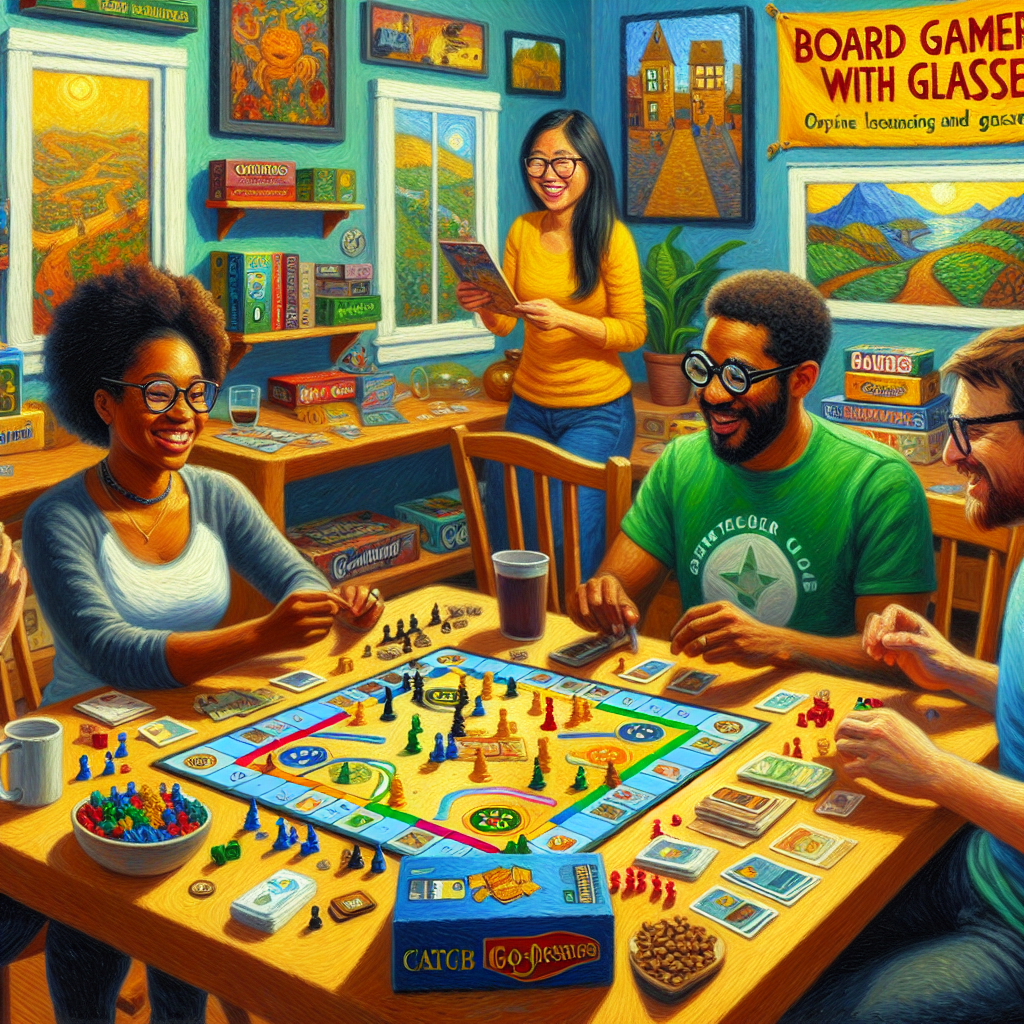
How Can Gameplay Shape Our Ethical Beliefs?
How Can Gameplay Shape Our Ethical Beliefs?
- Playing board games involves an unwritten contract between players, highlighting a dance of decisions and ethics.
- Choices in games can reflect personal beliefs about community, fairness, and competition.
- Engaging in cooperative gameplay promotes pro-social behaviors and reinforces belief in the collective good.
- Ruthless self-interest in games can bring out darker aspects of human nature, raising ethical questions.
- Board games can teach children valuable life lessons, such as conflict resolution, trust, and commitment.
- Games foster social connections, building friendships and challenging acceptable behavior amidst digital interactions.
- Board gaming is an exploration of ethics, community, and self-discovery, impacting how players navigate life’s challenges.

How Can Gameplay Shape Our Ethical Beliefs?
What Stories Can We Tell to Inspire Moral Decisions?
What if I told you that the stories we tell each other have the power to shape not just our lives but the very fabric of our society? Picture a board game, one where every decision you make reverberates through the lives of those around you. Each move, each choice, builds connections, echoes through generations, or sends ripples far beyond our immediate surroundings. These narratives shape us, inspire us, and sometimes challenge us to dig deep into our moral reservoirs.
Think about the classic tales we grew up with—those of bravery, sacrifice, and triumph over adversity. They tug at our heartstrings, making us feel alive with empathy and excitement. But the real magic happens when these stories feed our rational minds, making us weigh the pros and cons of our choices. We learn that every action has consequences, teaching us responsibility not just for ourselves but for our communities.
In an era where every voice competes for attention, ethical storytelling offers a noble endeavor. We turn to stories that elevate the best in us, fostering integrity and inspiring trust. When we recount tales of the unsung heroes—those everyday warriors who stand up for what’s right, who champion their neighbors—something stirs within us. We find ourselves rooting for these protagonists, believing that we too can embody their virtues.
The authority of these narratives rests on their ability to weave real-life examples into our listening fabric. When we hear about someone risking comfort for a cause, or standing bold against unfairness, we’re confronted with our own choices. It’s an invitation to reflect on our values, rooting us in a shared humanity that transcends the mundane.
And what of the social connections these stories create? When a friend shares a powerful experience or inspires us through their actions, we feel that pull towards community. The warmth of connection fosters collaborative efforts toward bettering our world. We realize that we’re not alone in our struggles or aspirations; each moral decision becomes a thread in the much larger tapestry of life.
The stories we engage with teach us not just what to think, but how to feel and act. So, as you navigate your board game of life, choose your stories wisely. Embrace the ones that ignite passion, spur you to action, and encourage you to lift others along the way. After all, every choice we make can inspire a narrative worth telling—one that resonates with the heart, the head, and the gut.

What Stories Can We Tell to Inspire Moral Decisions?
What Stories Can We Tell to Inspire Moral Decisions?
- The stories we tell shape our lives and society, influencing connections and decisions.
- Classic tales of bravery and sacrifice invoke empathy and challenge us to reflect on our morals.
- Stories teach responsibility for our actions and their impact on our communities.
- Ethical storytelling fosters integrity and trust, highlighting the virtues of unsung heroes.
- Narratives encourage self-reflection on personal values and shared humanity.
- Powerful experiences shared among friends create social connections and collaborative efforts.
- Engaging with meaningful stories can inspire action and encourage the upliftment of others.

What Stories Can We Tell to Inspire Moral Decisions?
How Does Competition Affect Our Understanding Of Fairness?
Competition is a fundamental part of our lives, woven into the fabric of who we are as individuals and as a society. From playground games to the corporate ladder, the intense desire to win shapes not just our ambitions but our very understanding of fairness. Picture a group of friends gathered around a board game, excitement crackling in the air. As the dice roll, and cards are dealt, how we respond to victories and defeats illuminates our relationship with fair play. Are we gracious winners, mindful of our friend’s feelings? Or are we tempted to gloat, inadvertently rubbing salt in the wounds of someone else’s loss?
Competition can inspire us to reach heights we never thought possible. It teaches us resilience, pushes us to improve, and sharpens our instincts. But in the fervor of striving to outdo each other, we sometimes lose sight of what fairness truly means. Fairness is not simply about playing by the rules; it’s about cultivating an environment where every participant feels valued and recognized. When we leverage competition with a spirit of camaraderie, we experience a powerful shift—the game transforms from a ruthless battle to a collective journey toward excellence, one that everyone can partake in.
Your gut tells you fairness is vital in creating a healthy competitive atmosphere. You can see it in the faces of teammates and rivals alike, each fueled by a sense of shared purpose. But rationally, we must also ask ourselves: where does the line between competition and fairness blur? Is the thirst for victory overshadowing the ethical responsibilities we owe to one another? Acknowledging this reality opens the door to a deeper understanding of human interaction.
Take a moment to reflect on your own experiences of competition. Have you been the winner who celebrated too loudly, or the loser who walked away feeling small? By embracing our shared narratives, we realize that competition doesn’t only test our limits; it also showcases our humanity. The stories we share, the cheers from the sidelines, and yes, even the moments of disappointment bring us closer. They remind us that whether you’re rolling dice or climbing ladders, the essence of competition can ultimately foster stronger bonds of trust and empathy if navigated with respect for fairness. So, let the competition begin, but let it be grounded in the understanding that each of us is more than a mere player in the game—we are part of a community that thrives on our shared sense of fairness.
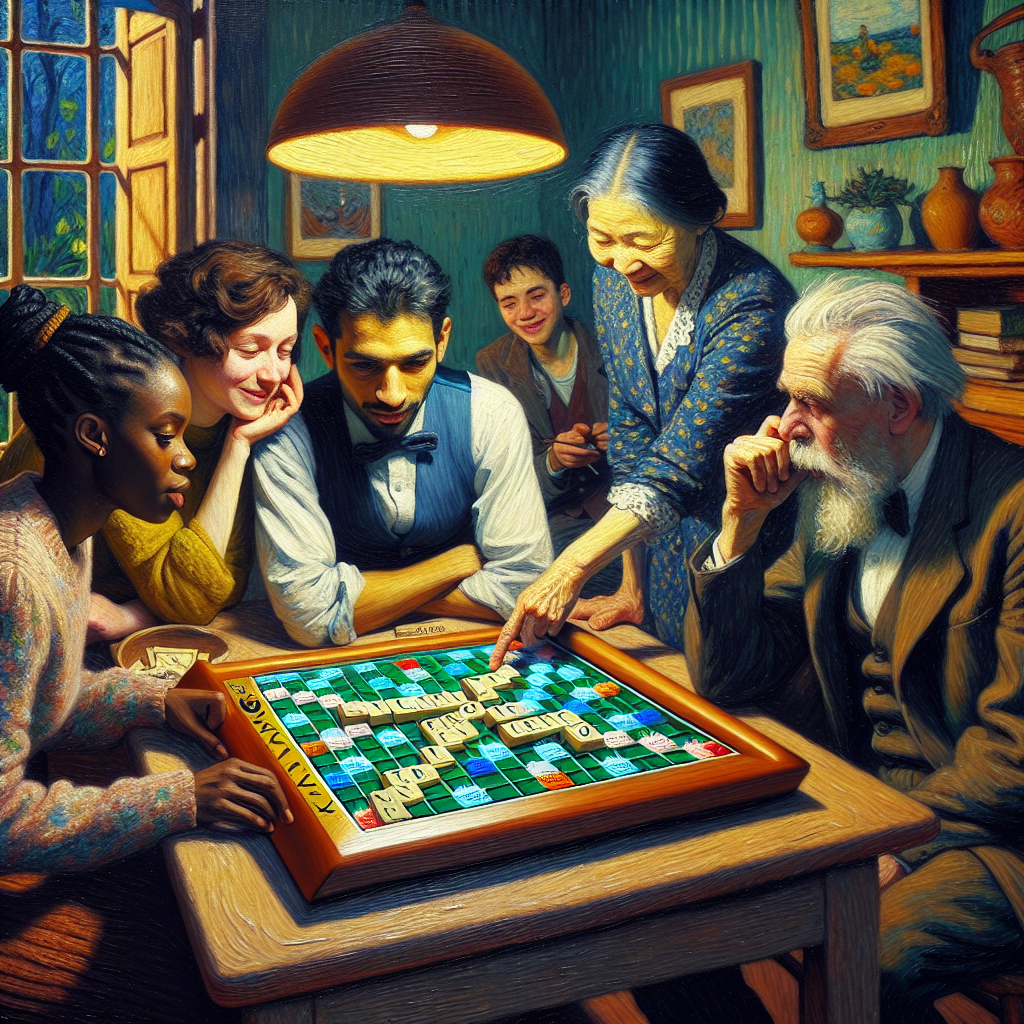
How Does Competition Affect Our Understanding Of Fairness?
How Does Competition Affect Our Understanding Of Fairness?
- Competition is integral to individual identity and societal structure, influencing our ambitions and perceptions of fairness.
- Our reactions to wins and losses in games highlight our attitude toward fair play and the feelings of others.
- Competition drives personal growth, resilience, and improvement, but can obscure the true meaning of fairness.
- Fairness goes beyond rules; it involves creating an environment where all participants feel valued.
- When competition is approached with camaraderie, it fosters a collective journey toward excellence rather than a ruthless battle.
- Acknowledge the fine line between competition and fairness, considering ethical responsibilities towards others.
- Shared experiences in competition enhance our humanity, fostering trust and empathy within the community.

How Does Competition Affect Our Understanding Of Fairness?
Are We Promoting Inclusivity In Our Game Mechanics?
The world of board games is a fascinating tapestry, woven with threads of strategy, competition, and camaraderie. It’s not just about rolling dice and moving pieces; it’s about who gets to play and how they feel included in the story that unfolds. When we ponder the question of inclusivity in our game mechanics, it becomes a reflection of our values, our ethics, and frankly, our humanity.
Imagine sitting around a table, laughter and friendly banter filling the air. Now, let’s pull back the curtain on what that gathering might look like. Who’s at the table? Are there voices that are being drowned out? Are perspectives being overlooked simply because the game design favors a certain type of player—the seasoned strategist, the quick thinker, or the extrovert? As creators and enthusiasts, we have an ethical responsibility to ensure every individual, regardless of background or experience, finds their rightful place in the game.
Think about it: when a game incorporates mechanics that account for diverse skill levels and personal experiences, it invites participation rather than exclusion. For instance, consider a board game that features cooperative elements. This isn’t just a fun twist; it actively engages those who might feel intimidated by competition. It fosters a sense of belonging—a vital component for anyone looking to connect with others over a shared love of gaming.
A narrative unfolds in every game, and it’s essential to ensure that narrative is one of inclusivity. Players should see themselves reflected in the roles they can take on. Maybe there’s a character that speaks directly to their background or a situation that mirrors their experiences. By weaving diverse stories into our game mechanics, we not only enrich gameplay but also champion empathy.
Let’s also talk about social dynamics. In a world that often pulls us apart, board games can be a bridge. They can foster connections that transcend differences, promoting understanding and dialogue. This is where inclusive mechanics shine, allowing players from various walks of life to come together and learn from one another.
Ultimately, fostering inclusivity in board game mechanics isn’t just a lofty goal; it’s an attainable reality. By embracing and implementing these principles, we can create a vibrant gaming community that champions trust, confidence, and joy in every roll of the dice. So, let’s roll up our sleeves and make sure everyone’s invited to the table.
Are We Promoting Inclusivity In Our Game Mechanics?
Are We Promoting Inclusivity In Our Game Mechanics?
- The board game world emphasizes strategy, competition, and camaraderie, reflecting our values and humanity.
- Inclusivity in game mechanics raises questions about who is represented and whose voices may be silenced.
- Game designers have a responsibility to ensure that all individuals, regardless of background, feel included.
- Games that accommodate diverse skill levels encourage participation and create a welcoming atmosphere.
- Diverse narratives in games allow players to see themselves, fostering empathy and enhancing gameplay.
- Board games can bridge social divides, encouraging understanding and dialogue among players from different backgrounds.
- Promoting inclusivity in board games is essential for building a vibrant community rooted in trust and joy.
Are We Promoting Inclusivity In Our Game Mechanics?
What Role Should Authority Play In Ethical Gameplay?
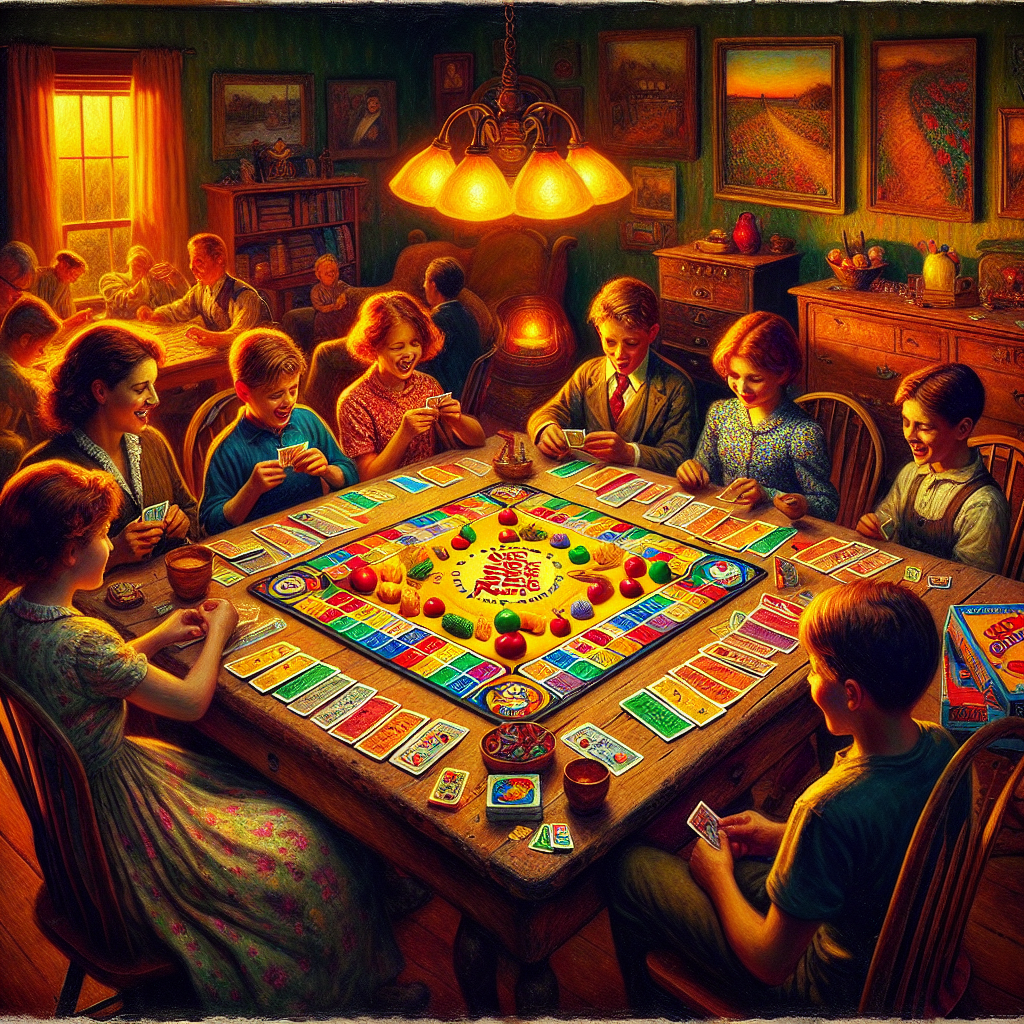
What role should authority play in ethical gameplay? That’s a question that, when pondered, can stir up a whirlwind of emotion and thought. Consider a crowded game night, the clatter of dice and the rustle of cards echoing in the room. Friends gather around a board game, laughter mixed with the occasional flair of competitive spirit. Yet, amidst the fun, a crucial element exists: authority.
It’s easy to overlook authority when the stakes are low, but that authority acts as a compass guiding players through the murky waters of fairness and integrity. Each player brings their own motivations to the table, driven by the thrill of victory or the desire for camaraderie. But what happens when the competitive spirit overshadows the ethical principles that should guide us? Here, authority walks in like the trusted neighbor who’s seen it all and knows what’s fair.
Picture this: a disagreement over a rule interpretation. It’s more than just a matter of winning or losing; it’s about maintaining the trust that underpins the entire game. Authority doesn’t just lay down the law; it creates space for conversations that bridge misunderstandings. It becomes a safety net, prompting players to engage their heads and hearts, ensuring that every decision respects both the letter and the spirit of the game.
Moreover, there’s a growing recognition in the social fabric of gaming: we all want to belong. Ethical gameplay fosters an inclusive environment where everyone feels valued. Authority should promote this ethos, not drape it in bureaucratic chains. Guiding players to realize that winning at any cost often leads to an empty victory, authority can inspire a deeper connection among participants, weaving a narrative of respect and integrity into every roll of the die.
People yearn for authenticity and assurance in their interactions, even in the playful chaos of board games. If authority serves as a bridge to ethical gameplay, it cultivates an experience that transcends competition. It transforms the evening into a tapestry of shared experiences, laughter, and trust. Ultimately, it calls us to action: to embrace our roles not just as players but as stewards of a noble tradition. So, the next time the dice roll in your favor, ask yourself: are you playing just to win, or are you playing to lift everyone around you? In that moment, you might discover that true authority shines brightest when it champions the heart of the game.
What Role Should Authority Play In Ethical Gameplay?
What Role Should Authority Play In Ethical Gameplay?
- Authority in gaming serves as a guiding force to ensure fairness and integrity.
- Players’ motivations may clash with ethical principles, highlighting the need for authority.
- Authority helps resolve disputes over rules, maintaining trust within the game.
- Ethical gameplay fosters inclusivity and values every player’s contributions.
- Winning at any cost can detract from the joy of the game; authority can inspire a deeper connection.
- Authority promotes authentic interactions that enhance the gaming experience.
- Players should embrace their roles as stewards of a noble tradition in gaming.

What Role Should Authority Play In Ethical Gameplay?
How Can We Measure the Impact Of Games on Moral Reasoning?
When pondering the impact of games on our moral reasoning, we often find ourselves at a crossroads, much like the characters in our favorite stories unfolding on a board game. Picture this: you’re sitting around a table with friends, laughter echoing off the walls as you strategically navigate a world built from cardboard and dice. Each choice you make, every card you draw, isn’t just about winning or losing; it’s about understanding the consequences of those actions. The moral dilemmas faced in these moments resonate deeply within us, sparking conversations that go beyond the game itself.
To measure this impact, we need to go beyond traditional metrics. Let’s take a step back and engage our heads, hearts, and guts. We can analyze gameplay statistics, but let’s also collect stories—the anecdotes that reflect shifts in perspectives and decision-making both within and outside the game. The true reflection of these experiences lies in the personal transformations that arise when we confront ethical challenges on the game board. Did a player choose to take a risk that benefitted others rather than themselves? That’s a rich moment to capture.
Moreover, our approach must also relay the broader social implications of these games. Engaging with various groups, particularly those who share different backgrounds or viewpoints, can foster an enriching dialogue. Discussions around a board game’s moral scenarios allow players to share their beliefs and reflect on the values that shape their decisions. Not everyone will play the same way, and therein lies the potential for understanding.
In the wisdom of experience, we must also look to thought leaders and researchers who study the intersections of play and morality. Their findings can act as guiding stars, shining light on the psychological effects games can have on our moral compasses. We’re not merely playing games; we’re exploring philosophies, beliefs, and the complex nature of humanity itself.
Let’s ignite curiosity. By encouraging individuals to engage in open conversations about the experiences gleaned from games, we invite players to consider their principles in a safe, interactive environment. It’s not just a game night; it’s a collective exploration of morality. We measure impact not just by scoring points, but by the connections we forge and the insights we gain about ourselves and others.

How Can We Measure the Impact Of Games on Moral Reasoning?
How Can We Measure the Impact Of Games on Moral Reasoning?
- Games serve as a platform for exploring moral reasoning and ethical dilemmas.
- Choices made during gameplay encourage players to reflect on the consequences of their actions.
- Measuring the impact of games requires both statistical analysis and personal narratives.
- Engaging with diverse groups fosters dialogue about values and decision-making.
- Research on the relationship between play and morality offers valuable insights.
- Discussions around games enable a collective exploration of personal principles and beliefs.
- The true impact of gaming lies in the connections made and insights gained rather than just winning.

How Can We Measure the Impact Of Games on Moral Reasoning?
Conclusion
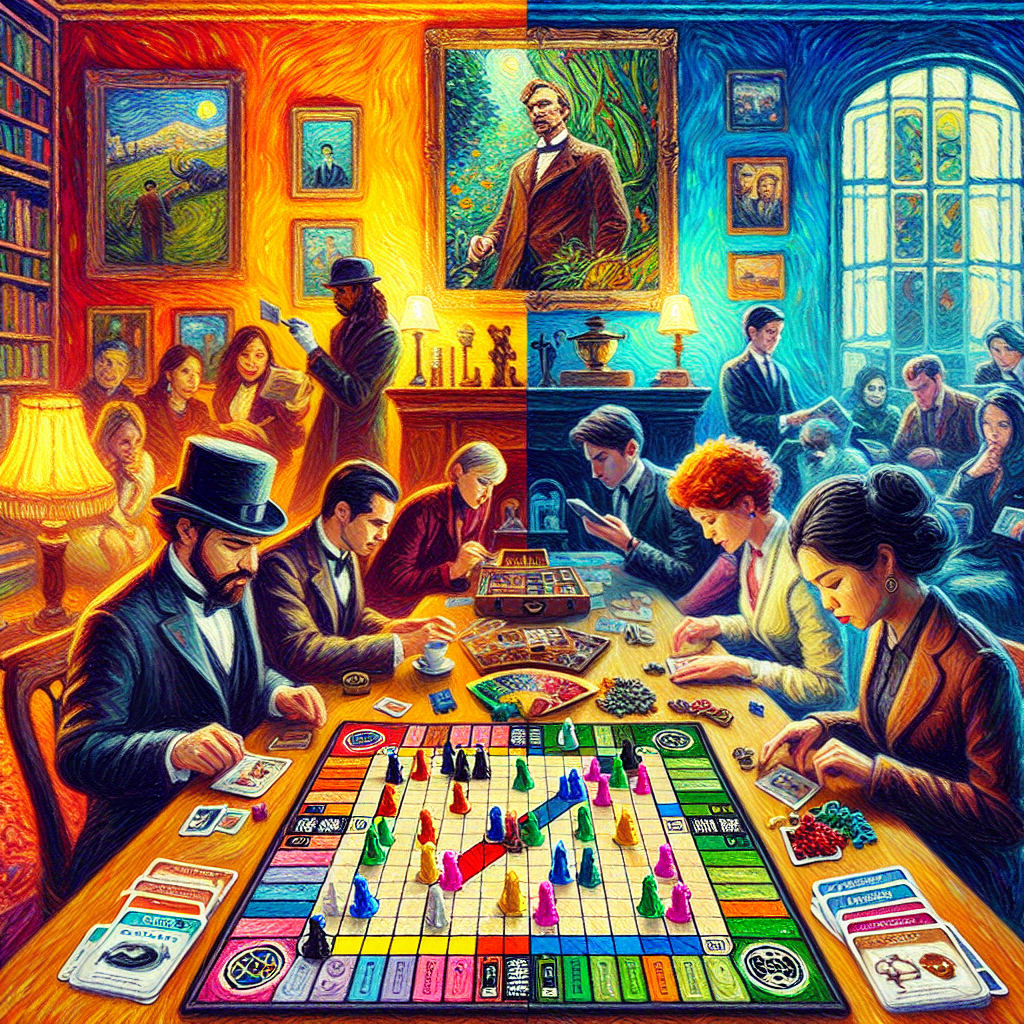
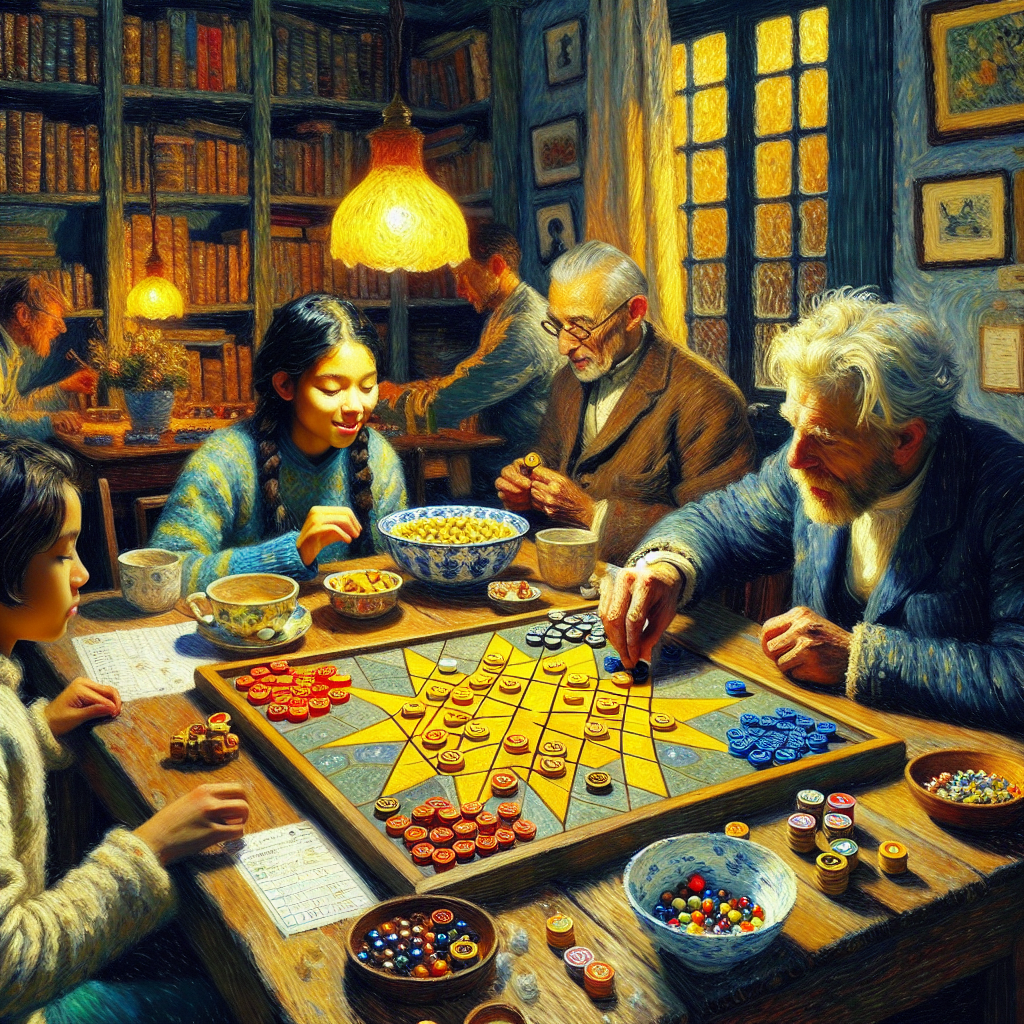
Games are more than mere distractions from our daily grind; they are the crucibles in which our ethics are forged. Every time we sit around a table with friends, the laughter and the tension in the air serve as the backdrop for lessons on moral reflection. Think of it: a board game is a miniature universe where decisions have the power to shape not just the outcome of play, but also our understanding of integrity, fairness, and community. Every roll of the dice invites introspection about the kind of player—or person—we want to be.
At that table, amidst the clattering pieces and whispers of strategy, something beautiful happens. We forge connections; we practice empathy. Are you the ruthless competitor leaping over foes to claim victory, or do you hand a lifeline to a struggling friend, weighing the cost of that altruism against the pursuit of winning? This interplay between heart, head, and gut illustrates our deepest values. The raw emotions we experience during play remind us of our shared humanity, pushing us to reflect on the kind of impact we want to have on others’ lives—not only in our games, but in the world outside them.
Equally important is what these games teach us about teamwork and community. They show us that success isn’t just about individual glory; it often hinges on collaboration and compromise. When designed thoughtfully, games promote inclusivity, ensuring every player feels represented and respected. This fosters a community where diverse perspectives can coexist, creating rich narratives that deepen the gaming experience and enhance our moral decision-making.
Moreover, authority in gameplay is crucial. Rules and fair play act as guardians of our ethical championships. They frame our interactions and help us maintain trust, enabling us to navigate the complexities of competition while ensuring everyone’s dignity is upheld. That sense of fairness is not just an afterthought; it’s an integral part of the human condition.
As we roll the dice and draw cards, let’s be mindful that these moments extend beyond the gaming table. Each choice we make can inspire others, ripple through our communities, and resonate in ways we may not immediately recognize. The true challenge lies in taking those lessons learned into the world beyond, fostering trust, compassion, and camaraderie wherever we go. So let’s remember: while we may play to win on the board, the ultimate victory lies in the connections we build and the ethical paths we choose to walk. After all, it’s not just a game; it’s an opportunity to figure out who we are as individuals and as leaders in our communities.
Conclusion
Conclusion:
- Games serve as tools for moral reflection and ethical development beyond mere distractions.
- They create a miniature universe where decisions impact both game outcomes and personal integrity.
- Gameplay fosters connections and empathy, prompting reflections on our values and impact on others.
- They emphasize teamwork and community, highlighting success through collaboration over individual glory.
- Inclusion in game design promotes diverse perspectives, enriching narrative and moral decision-making.
- Rules and fairness are essential for maintaining trust and respect in competition and interactions.
- Lessons learned from games should extend into the real world, encouraging trust, compassion, and camaraderie.
Conclusion
Other Resources

Other Resources
Here is a list of other resources you can review online to learn more:
- Rising Sun
- What’s Your Game?
- Canasta
- Amigo
- The Crew: The Quest for Planet Nine
- War of the Ring (Second Edition)
- Board Game Atlas
- Portal Games
- The Dice Tower
- Fields of Arle
- GeekDad
- Osprey Games
- Spades
- Mastodon
- Tabletop Gaming News
- Puerto Rico (with two expansions)
- Munchkin
Use This Prompt To Get More Resources With Your Favorite Online AI Tool: Please provide me with a list of online articles with their URLs in a bulleted list that I can read regarding Ethics By Gameplay – Teaching Through Design
Other Resources
Glossary Terms
Ethics By Gameplay – Teaching Through Design – Glossary Of Terms
1. Ethics: Principles that govern behavior, outlining what is considered right and wrong in decision-making.
2. Gameplay: The specific way in which players interact with a game, influencing their experience and learning.
3. Design Thinking: A problem-solving approach that utilizes a user-centered perspective to innovate and improve ideas.
4. Gamification: The incorporation of game elements into non-game contexts to enhance engagement and motivation.
5. Simulation: An artificial representation of real-world processes or situations to teach decision-making and ethics.
6. Serious Games: Games designed for purposes other than pure entertainment, often used for education or training.
7. Moral Dilemma: A situation in which a choice must be made between conflicting ethical principles, often explored in gameplay.
8. Feedback Loop: A process in which outputs of a system are circled back as inputs, essential for improving player decisions and learning.
9. Narrative: The storyline or plot of a game, which can convey ethical themes and enhance player engagement.
10. Character Development: The process through which characters evolve in a game, often reflecting ethical choices and their consequences.
11. Role-Playing: A gameplay mechanic where players assume the roles of characters, fostering empathy and understanding of ethical issues.
12. Consequence: The outcome of a player’s decisions in a game, illustrating the impact of ethical choices.
13. Collaboration: Working together with other players to solve problems or accomplish tasks, promoting teamwork and ethical considerations.
14. Critical Thinking: The objective analysis of facts to form a judgment, encouraged through gameplay scenarios.
15. Player Agency: The degree of control a player has over choices and actions in a game, affecting their ethical learning experience.
16. Scenario-Based Learning: An educational approach using realistic situations to teach decision-making and ethics through gameplay.
17. Transmedia Storytelling: A narrative that unfolds across multiple media platforms, enhancing engagement with ethical themes.
18. Ethical Framework: A structured set of guidelines used to evaluate moral decisions within gameplay and design.
19. Empathy: The ability to understand and share the feelings of others, developed through character-driven storytelling.
20. Digital Literacy: The skills required to effectively navigate and critically assess information in digital environments, including games.
21. Interactivity: The degree to which players can influence the game, fostering active engagement with ethical dilemmas.
22. Constructivist Learning: An educational theory emphasizing the role of learners in constructing their own understanding through experiences.
23. Behavior Modification: The use of various techniques, often through game mechanics, to encourage desired ethical behaviors.
24. Cultural Relevance: Ensuring that game content resonates with players’ backgrounds, promoting inclusivity and ethical considerations.
25. Incentives: Rewards or penalties that motivate players to make certain choices, influencing ethical decision-making.
26. Diversity: The inclusion of varied perspectives and backgrounds in gameplay design to enhance ethical discussions and learning.
27. Conflict Resolution: Strategies employed within gameplay to address disputes, teaching players about ethical negotiation.
28. Adaptability: The ability of players to alter strategies in response to evolving gameplay situations, often involving ethical decisions.
29. Reflection: Encouraging players to think critically about their choices and experiences in the game, promoting ethical awareness.
30. Community Engagement: Involving players in discussions about ethical issues raised in gameplay, fostering a broader understanding of ethics.

Glossary Of Terms
Other Questions
Ethics By Gameplay – Teaching Through Design – Other Questions
If you wish to explore and discover more, consider looking for answers to these questions:
- How can board games be designed to encourage ethical behavior?
- What specific skills can players develop through gameplay that translate to real-life situations?
- What types of board games are most effective for teaching ethics?
- How do different age groups respond to ethical dilemmas presented in games?
- Can board games be used as therapeutic tools for discussing ethical challenges?
- How do cultural differences impact the way people approach ethics in gameplay?
- What are some examples of board games that successfully incorporate ethical themes?
- How can feedback from players improve the ethical dimensions of a game?
- What challenges do designers face when trying to create inclusive game mechanics?
- How do the mechanics of a game influence the players’ ethical decisions?
- What role do facilitators or game masters play in promoting ethical gameplay?
- How can players ensure that ethical conversations during gameplay are constructive?
- What research exists on the long-term effects of board game play on moral reasoning?
- How can competitive elements in games be balanced with a spirit of cooperation?
- What methods can be applied to evaluate the success of ethical teaching through games?

Other Questions
Haiku
Ethics By Gameplay – Teaching Through Design – A Haiku
Life’s game unfolds slow,
Choices weave heart into play,
Values shape our way.

Haiku
Poem
Ethics By Gameplay – Teaching Through Design – A Poem
In the realm where dice do sing,
A canvas of choices, a moral spring,
Each turn reveals a world so vast,
A dance of ethics, futures cast.
With laughter bright and hearts entwined,
We learn of empathy, leaving no one behind.
The thrill of chance, a shared refrain,
In every victory, lessons remain.
What does it mean to help or to seize,
To bridge the gap, or sow dis-ease?
In games we face the flicker of light,
Choosing between wrong and the right.
From board to life, the echoes resound,
A tapestry woven where values abound.
Through competition, we measure our grace,
Gracious in winning, kind in our place.
With every card played, each strategy spun,
Minds sharpened, as players become one.
The pulse of community, stories retold,
In this playful space, true motives unfold.
As we gather to roll, to trade and to scheme,
We cultivate trust within the team.
For the dice, they whisper, the pieces reveal,
Our journey of ethics, an unending wheel.
So let’s embrace the lessons we share,
In laughter and strategy, show that we care.
Whether winning or losing, let’s cherish the fun,
For every game played, is a life just begun.

Poem
Checklist
Ethics By Gameplay – Teaching Through Design – A Checklist
Checklist for Ethical Learning Through Gameplay
Heart
_____ Reflect on Emotions: After each game, take a moment to discuss how particular decisions made you feel. What emotions surfaced during moments of triumph or defeat?
_____ Cultivate Empathy: When playing, actively consider the perspectives and feelings of other players. How did your actions affect them?
_____ Celebrate Stories: Share personal stories or experiences that resonate with the game’s themes, fostering deeper emotional connections.
Head
_____ Analyze Choices: Post-game, evaluate the strategic decisions made. What were the potential ethical implications of different choices?
_____ Understand Game Mechanics: Study how game rules promote cooperation versus competition. Are they designed to encourage ethical behavior?
_____ Discuss Outcomes: Engage in conversations about how gameplay scenarios relate to real-life ethical dilemmas. What lessons can be applied?
Gut
_____ Trust Your Instincts: Pay attention to gut feelings during gameplay. Did any decision evoke a strong sense of right or wrong? Reflect on why that is.
_____ Evaluate Fairness: After playing, consider whether the game’s structure promoted fairness and inclusivity. Were there moments when competition overshadowed ethics?
_____ Consider Motivations: Ask yourself whether your competitive drive affected your choices. Did you prioritize winning over maintaining camaraderie?
Ethical Appeals
_____ Promote Inclusion: Ensure that your game nights are welcoming. Are diverse perspectives represented? How can you make everyone feel included?
_____ Encourage Collaborative Play: Choose games that require teamwork and collaboration. Discuss how working together enhances moral values.
_____ Foster Trust and Integrity: Analyze moments when authority (game rules) played a role in maintaining fairness. How did it impact the game atmosphere?
Narrative Appeals
_____ Engage with Themes: Explore themes of morality presented in the game. How do they reflect societal values, and what narratives resonate with you?
_____ Share Outcomes: Discuss how choices led to narratives within the game. How did these stories shape your understanding of right and wrong?
Social Appeals
_____ Create Community Conversations: After gameplay, facilitate discussions on ethical lessons learned. How can these conversations strengthen community bonds?
_____ Encourage Reflection Among Peers: Invite players to express their thoughts on ethical behavior in games versus real life. How do shared experiences enhance understanding?
Using this checklist, reinforce the ethical lessons learned through gameplay and encourage meaningful discussions that align with values important to both individuals and communities.

Checklist
At BestBoardGameNews, we help people who love board games by collating information and news about board games.
Be sure to read our other related stories at BestBoardGameNews to learn more about board games.