
Optimizing Crowdfunding Production With AI
By Tom Seest
At BestBoardGameNews, we help people who love board games by collating information and news about board games.
Be sure to read our other related stories at BestBoardGameNews to learn more about board games.
How AI Helps Reduce Waste In Crowdfunding Production
When you think about crowdfunding production, what often springs to mind? A flurry of excitement? A treasure trove of innovative ideas? Yet, behind the glimmer of creative projects lies a daunting truth: the risk of waste. Hundreds of brilliant ideas for everything from board games to high-tech gadgets often fizzle out due to overproduction or misjudgment of demand. This is where artificial intelligence steps onto the stage, not as a nameless entity but as a partner in our quest for sustainability and efficiency.
Imagine a small game studio dreaming of releasing a whimsical board game designed to bring families closer together. They’re fueled by passion but are toe-deep in uncertainty—how do they gauge whether their idea will resonate with potential players? Here’s where AI shines. Through meticulous data crunching and predictive analytics, AI helps creators tap into real-time insights about market trends and consumer preferences. This isn’t just your run-of-the-mill market research; it’s intelligent foresight, guiding creators toward informed decisions that drastically reduce waste.
Now, let’s consider the impact on the community. Every board game produced represents countless choices—from the resources needed to create it, to the shipping methods used to get it into players’ hands. AI not only streamlines production but encourages ethical practices. By optimizing manufacturing processes, it significantly diminishes excess inventory, meaning fewer materials end up in landfills. This responsibility resonates with consumers, creating a stronger bond between creators and supporters. When backers see that their contributions are instrumental in minimizing environmental impact, it fosters trust.
Think about it: each crowdfunding project has the potential to create waves of social change. With AI-driven insights, creators can launch their ideas with confidence, knowing they are minimizing waste and maximizing outreach. These partnerships between technology and creativity make it easier for hobbyists and entrepreneurs alike to delve into their passions without the fear of waste choking their dreams.
When you back a project that utilizes AI to guide production, you’re not just supporting an idea. You’re joining a movement toward a more sustainable future, where every board game, gadget, and gizmo is built on data-driven principles of efficiency and conscientious creativity. This isn’t just about reducing waste; it’s about crafting a better tomorrow, one informed decision at a time.
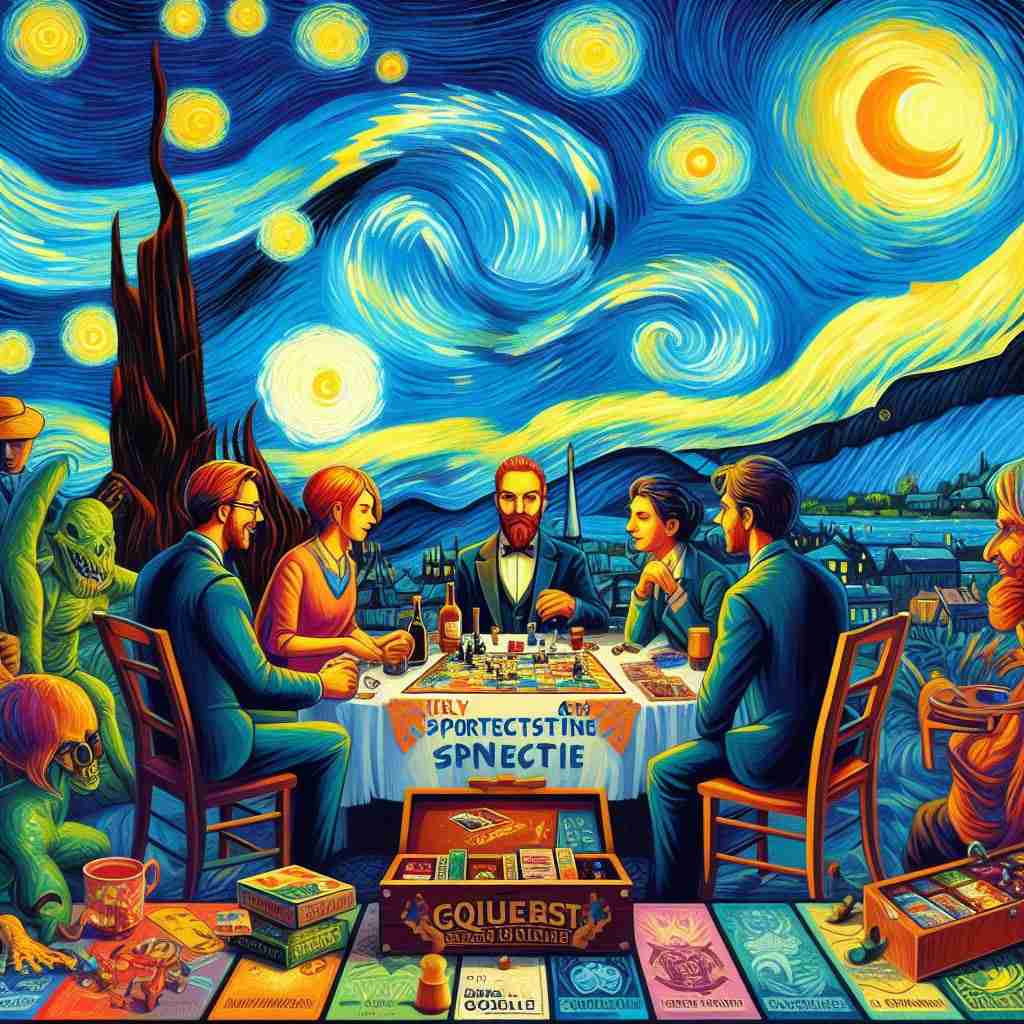
How AI Helps Reduce Waste In Crowdfunding Production
How AI Helps Reduce Waste In Crowdfunding Production
- Crowdfunding is often associated with excitement and innovative ideas, but there is a significant risk of waste.
- Many concepts fail due to overproduction or misjudged demand, highlighting the need for better decision-making.
- Artificial intelligence can serve as a partner in achieving sustainability and efficiency in production.
- AI provides creators with predictive analytics and real-time insights into market trends and consumer preferences.
- Using AI streamlines production processes and encourages ethical practices, greatly reducing excess inventory.
- Backers are more likely to trust and support projects that demonstrate a commitment to minimizing environmental impact.
- Backing AI-guided crowdfunding projects contributes to a movement towards a sustainable future with efficient and conscientious production. .

How AI Helps Reduce Waste In Crowdfunding Production
Table Of Contents
- How AI Helps Reduce Waste In Crowdfunding Production
- Is It Ethical to Overlook Waste Reduction In Crowdfunding Campaigns?
- What Social Responsibilities Do We Have to Minimize Production Waste?
- Can Technology Empower Creators to Make More Sustainable Choices?
- What Collaborative Efforts Can Amplify the Message Of Waste Reduction?
- What Emotional Connections Drive You To Support Sustainable Projects?
- What Ethical Responsibility Do We Have In Reducing Production Waste?
- Who Are The Industry Leaders Leveraging Ai For A Greener Future?
- Conclusion
- Other Resources
- Glossary Of Terms
- Other Questions
- Haiku
- Poem
- Checklist
Is It Ethical to Overlook Waste Reduction In Crowdfunding Campaigns?
When a new board game hits the crowdfunding scene, excitement fills the air. You can almost hear the clatter of dice and the buzz of players strategizing, each with dreams of epic battles and unbreakable friendships forged over a feast of cardboard and colored tokens. But lurking behind this joyous pursuit is a sobering truth: waste reduction is often sidelined in the race to bring these imaginative worlds to life.
Imagine for a moment the journey of that game. The creators share their dreams, and backers rally around them, pouring in their hard-earned cash to make those dreams a reality. Yet as the boxes pile up in warehouses—crafted from woods, plastics, and papers that took a toll on our planet—the true cost of excitement becomes painfully clear. It’s easy to overlook these environmental impacts when our hearts are swept away by the allure of new gameplay mechanics and stunning artwork. But is it right to drown ourselves in joy while ignoring our responsibility to the earth?
Let’s get logical for a second. Think about the resources that went into producing every game. The trees harvested for the cards, the energy spent to transport them, and the waste generated when a game flops or sits unplayed on a shelf. In a world where sustainability should reign supreme, we—creators and consumers alike—must hold ourselves accountable. If we don’t make waste reduction part of the conversation, we risk creating a culture that values passion over responsibility.
Then there’s the lingering question of ethics. Are we prepared to endorse a crowdfunding model that fuels this waste rather than addresses it? Each campaign represents not just a product but a promise to consumers—an agreement built on trust. When we ignore waste reduction, we shatter that trust, placing profit over principle. Simply put, we jeopardize our communal sense of right and wrong.
Narratives shape us. Let’s reimagine the crowdfunding journey as one marked not just by financial support, but by collective commitment. We can unite as consumers and creators to demand sustainable practices, paving the way for a gaming culture that cherishes our planet as much as it treasures gameplay. Together, let’s tap into that sense of purpose—and build a world of board games that balances thrill with responsibility, excitement with ethics. The choice is ours. Who’s in?

Is It Ethical to Overlook Waste Reduction In Crowdfunding Campaigns?
Is It Ethical to Overlook Waste Reduction In Crowdfunding Campaigns?
- Excitement surrounds new board games in crowdfunding, but waste reduction is often neglected.
- The creation process involves environmental impacts due to materials and resources used, such as wood, plastic, and paper.
- There is a need to balance the joy of gaming with the responsibility toward sustainable practices.
- Producing games results in resource depletion and waste, especially if games go unplayed or fail.
- Ignoring waste reduction undermines trust in the crowdfunding model, prioritizing profit over ethical considerations.
- Collectively, consumers and creators can advocate for sustainability in gaming to foster responsibility.
- Ultimately, there is a call to build a gaming culture that harmonizes excitement with ethical practices.

Is It Ethical to Overlook Waste Reduction In Crowdfunding Campaigns?
What Social Responsibilities Do We Have to Minimize Production Waste?
When we think about production waste, many of us see it as a numbers game—a mountain of statistics piled high on a spreadsheet. But let’s shift from data to dollars and dimes, from charts to choices. Imagine for a moment that your life’s decisions lie before you like pieces on a giant board game, each move carrying weight not just for you, but for countless others. What moves will you make to reduce production waste?
We each hold a piece of the puzzle. From manufacturers to consumers, every hand impacts what goes in the landfill and what gets reused. It’s a sobering thought: our everyday choices affect entire communities, ecosystems, and future generations. When you choose to support brands that prioritize sustainable practices, you make a statement. Your dollar isn’t just a currency—it’s a vote for a future where waste isn’t the default setting.
Emotionally, think about the repercussions of inaction. Picture a child ten years from now, wrestling with a future choked by waste. This is not just a hypothetical scenario; it’s a reality we risk if we sit idly by. The ethical obligation to minimize production waste transcends business etiquette—it’s a moral imperative. If we don’t act, who will?
Rationally, the process is simple: Reduce. Reuse. Recycle. Yet, the complexities of the supply chain often muddy these straightforward principles as companies juggle profit margins. But we’re smarter than that. We know that long-term sustainability can lead to healthier bottom lines. It’s not just about cost-cutting; it’s about creating value in an age that increasingly demands accountability.
Remember the last time you walked into a warehouse and saw mountains of unused material? It sends chills down your spine, doesn’t it? That’s the gut check we need: A wake-up call reminding us that every piece of waste is a resource wasted. We can do better—and we must.
So, let’s forge connections that last beyond this moment. Let’s foster conversations in our communities about how to lift each other up while minimizing our footprint. Whether through local initiatives, personal commitments, or simply engaging with our neighbors about sustainable practices, every action counts. Together, we can navigate this board game of life in a way that prioritizes people and the planet. After all, the legacy we leave shouldn’t just be a game—we should aim for a victory that shapes a better world for everyone.

What Social Responsibilities Do We Have to Minimize Production Waste?
What Social Responsibilities Do We Have to Minimize Production Waste?
- Production waste should be viewed through the lens of its financial impact rather than just statistics.
- Every individual, from manufacturers to consumers, plays a crucial role in reducing landfill waste and promoting reuse.
- Supporting sustainable brands is not just a purchase; it’s a vote for an eco-friendly future.
- Inaction on waste reduction could lead to a bleak future for the next generation.
- The principles of Reduce, Reuse, Recycle are often complicated by corporate profit motives.
- High levels of waste in warehouses serve as a stark reminder of resources being squandered.
- Building community connections and conversations around sustainability is vital for collective progress.

What Social Responsibilities Do We Have to Minimize Production Waste?
Can Technology Empower Creators to Make More Sustainable Choices?
In an era where our choices echo through the fabric of our planet, technology emerges as a transformative ally for creators seeking to tread more lightly. Imagine a budding artist, desperately trying to cultivate their craft while grappling with the impact of their art supplies on the environment. With the right technological tools at their fingertips, they could find innovative, sustainable materials that not only serve their creative vision but also align with their values of stewardship. This is where empowerment begins—not just in the creation of art, but in fostering a deeper connection to our planet and each other.
Consider the realm of sustainable design, where artisans are leveraging apps and platforms to access a wealth of recyclable materials and eco-friendly alternatives that would otherwise remain hidden. Picture a passionate creator, inspired by a desire to leave behind not just a portfolio, but a legacy of responsibility, discovering a network of like-minded individuals through online communities. This virtual camaraderie can encourage collaboration, spark new ideas, and ultimately redefine what it means to be both an artist and a guardian of our shared Earth.
The gut feeling that many of us experience—the nagging worry about the planet’s future—can be alleviated by embracing these options technology affords us. It’s there, resonating within us when we see a world where creators tackle not just aesthetic challenges but moral ones as well. Imagine a world where your board game design does more than entertain—it educates players on sustainability through gameplay, influencing how future generations regard their own choices.
This isn’t merely a trend; it’s a shift in how we perceive our roles as creators and consumers. Ethical responsibility has never been more crucial. The authority of technology equips us with knowledge, statistics, and innovative solutions, allowing conscious decision-making to take center stage. When creators harness the power of technology for sustainability, they become part of a movement—a collective soul echoing the urgency of our times.
The invitation to join this journey is open; it’s not just a call to change but a chance to connect, to inspire, and most importantly, to act. Embrace the tools at your disposal and change the narrative—your creative choices can uplift others while nurturing the environment. The future is not buried in uncertainty; it can be forged in the hands of empowered creators like you, ready to make a tangible difference.

Can Technology Empower Creators to Make More Sustainable Choices?
Can Technology Empower Creators to Make More Sustainable Choices?
- Technology acts as a transformative ally for creators focused on sustainability.
- Artists can utilize innovative, eco-friendly materials that align with their values.
- Sustainable design enables artisans to access recyclable materials through apps and platforms.
- Online communities foster collaboration and inspire responsible legacies among creators.
- Creators can address both aesthetic and moral challenges in their work, promoting sustainability.
- Harnessing technology equips creators with knowledge and allows ethical decision-making.
- The call to action encourages creators to embrace sustainability and inspire positive change.

Can Technology Empower Creators to Make More Sustainable Choices?
What Collaborative Efforts Can Amplify the Message Of Waste Reduction?
When it comes to waste reduction, collaboration isn’t just a buzzword; it’s our best shot at making a difference. Imagine a community coming together like a well-played board game, where every piece matters and each player has a role to fulfill. This partnership is essential for transforming how we approach waste and creating a culture of sustainability.
Let’s consider the emotional pull of our shared environment. Picture a child walking through a trash-strewn park, their innocent gaze clouded by litter when it should be sparkling with wonder. Now imagine that same child exploring a vibrant, clean space where trees extend their branches like welcoming arms, and nature thrives. This shift isn’t just a visual delight; it’s a moral imperative for us—an ethical responsibility to leave the planet better for generations to come. Together, we hold the power to change that narrative.
Rationally speaking, collaborative efforts lead to efficiencies that individual actors can’t achieve alone. Local businesses can partner with schools, leveraging their resources to host recycling workshops or composting initiatives. Think of how a unified strategy can amplify results—a small community organization rallying folks to recycle can connect with local waste management companies, resulting in better services and more impact. This isn’t just about saving the planet; it’s about being smarter with our collective resources and creating a purposeful, symbiotic relationship.
Then, there’s the gut feeling—trusting the expertise of those around us. When local governments engage citizens in dialogues about waste reduction, they’re not just checking boxes; they’re tapping into the authority of lived experiences. Each discussion brings voices to the table, weaving a tapestry of solutions that resonate with everyone involved. Communities can rally around shared goals, pushing beyond mere awareness to inspire action that reflects their values.
And let’s not forget the power of social appeal. It doesn’t take much; often, it only requires a single dedicated voice—an individual initiating a cleanup day in their neighborhood, inspiring others to join. With boots on the ground and hearts in the cause, groups break bread over their desires for a cleaner world and share success stories, reinforcing a communal bond that drives change.
When we work together, we’re not just making noise; we’re crafting a symphony of purpose. Let’s embrace the larger role we can play, creating connections that push boundaries, inspire action, and, ultimately, reinforce our place as caretakers of the Earth. So roll the dice—let’s play this game together, and transform what could be into an inspiring reality.

What Collaborative Efforts Can Amplify the Message Of Waste Reduction?
What Collaborative Efforts Can Amplify the Message Of Waste Reduction?
- Collaboration is vital for waste reduction and building a sustainable culture.
- A shared environment has emotional significance, impacting future generations.
- Collaborative efforts yield efficiencies that individuals cannot achieve alone.
- Local businesses can partner with schools for initiatives like recycling workshops.
- Engaging citizens in discussions about waste reduction taps into their lived experiences.
- A single individual’s initiative can inspire community action towards cleanliness.
- Working together creates a powerful movement, reinforcing our role as caretakers of the Earth.

What Collaborative Efforts Can Amplify the Message Of Waste Reduction?
What Emotional Connections Drive You To Support Sustainable Projects?
When we talk about sustainable projects, there’s something inherently powerful about the connections that tug at our heartstrings. Picture yourself as a player moving pieces around a board game—each square you land on represents a community, a family, or even a piece of nature in need of your support. Now, that’s the emotional backdrop we need to understand why we rally behind sustainability initiatives.
At the heart of it, we’re wired for connection. Think of the stories that draw you in—the tales of families whose lives dramatically shifted because someone stood up for clean water or accessible education. Those narratives are more than just personal; they ripple outward, igniting a sense of purpose within us. This is where we connect the dots between empathy and action. Remember that feeling in your gut when you hear about a project that promises a better future? It’s a visceral reminder that we’re all in this together.
But it’s not just about emotion. Rationally, sustainable projects lay out a compelling case for why they deserve our support. They’re about changing the trajectory of our planet. Did you know that the return on investment for greener practices can be substantial? It’s smart—financially, socially, and environmentally. When we invest in these initiatives, we’re not only securing a better tomorrow; we’re also backing movements that have been validated by experts, thought leaders, and grassroots organizers. It’s about aligning your values with verified outcomes.
Ethically, consider the weight of our collective responsibility. We share this planet with millions, and the choices we make today have consequences for generations down the line. Supporting sustainable projects isn’t just about the here and now; it’s a promise to future generations that we won’t forget them. When you advocate for sustainability, you announce to the world that you care—about your neighbors, about the trees that provide shade, and about climate measures that keep our air crisp.
Finally, let’s think about community. Nothing sparks connection quite like knowing you’re part of something larger than yourself. Sustainable projects are the glue that binds us, not only creating spaces for conversation and collaboration but also inspiring movements that can reshape local and global landscapes. It’s a social contract that unites us, urging us to stand shoulder to shoulder, ready to make a difference—one piece of the board game at a time.

What Emotional Connections Drive You To Support Sustainable Projects?
What Emotional Connections Drive You To Support Sustainable Projects?
- Sustainable projects trigger emotional connections, similar to moving pieces in a board game representing communities and nature needing support.
- Personal stories of transformation, such as those related to clean water and education, inspire empathy and encourage action towards sustainability.
- Rationally, sustainable initiatives provide compelling arguments for support, highlighting substantial returns on investment for greener practices.
- Investing in sustainability secures a better future and aligns individual values with proven outcomes backed by experts and grassroots movements.
- Ethically, supporting sustainable projects reflects a shared responsibility for the planet and promises a better legacy for future generations.
- Advocating for sustainability demonstrates care for communities, the environment, and the importance of clean air and climate measures.
- Community involvement in sustainable projects fosters connection, collaboration, and movements that reshape local and global landscapes.

What Emotional Connections Drive You To Support Sustainable Projects?
What Ethical Responsibility Do We Have In Reducing Production Waste?
Imagine for a moment that you’re sitting around a table with family and friends, engrossed in an intense game of strategy and chance—like a board game where every move counts. Each player has to think critically about their actions and their implications, not just for themselves, but for the entire group. In the game of life, we’re all players, sharing the same resources, competing for the same outcomes, and making decisions that ripple through time.
Now, consider production waste: it’s like a foregone move that leaves an entire board scattered with pieces nobody wants. The materials used in producing goods don’t simply vanish; they linger in landfills, choke rivers, and contribute to a world that’s becoming increasingly hard to inhabit. The ethical responsibility we bear in reducing this waste is not just a matter of principle; it’s a moral challenge that calls upon our better selves to act.
Rationally speaking, reducing waste isn’t just beneficial for the environment; it’s crucial for the economy. Fewer resources tossed aside mean more savings, increased efficiency, and a path to sustainable growth. It’s a pragmatic choice that makes good sense whether you’re a business leader or a concerned citizen.
Yet, the heart of the matter lies in our collective conscience. Every discarded product is laden with the unseen labor of individuals, the exploitation of ecosystems, and the potential for a cleaner future. How do we reconcile our choices with the knowledge that we are part of a larger community? It’s about fostering connections—between what we consume and the impact we have on others, both now and for the generations yet to come.
Let’s be inspired by those who’ve taken up the torch—businesses pivoting to circular economies, communities banding together to cut waste, individuals choosing sustainability over convenience. This is where our social responsibility comes into play. We need to redefine success: it’s not about wealth amassed, but about a legacy built.
So, as you engage in this game of life, consider each decision carefully. We’re not just passively playing; we’re writing the rules as we go. When we discard waste, we’re not just losing pieces—we’re losing part of our humanity. Let’s rally our courage and creativity to change the game, creating a future where waste is the exception, not the rule.

What Ethical Responsibility Do We Have In Reducing Production Waste?
What Ethical Responsibility Do We Have In Reducing Production Waste?
- Life is likened to a strategic board game where every decision affects the collective.
- Production waste symbolizes actions that negatively impact the environment and society.
- The persistence of waste in landfills harms ecosystems and contributes to a deteriorating world.
- Reducing waste leads to economic benefits, including savings and increased efficiency.
- Every discarded item reflects labor exploitation and impacts future generations.
- Success should be redefined as the legacy we build, rather than merely accumulating wealth.
- Individuals and communities must act together to create a future where waste is minimized.

What Ethical Responsibility Do We Have In Reducing Production Waste?
Who Are The Industry Leaders Leveraging Ai For A Greener Future?
When you think about the leaders shaping a greener future with AI, it’s easy to get lost in the big names—companies with massive budgets and tech-savvy teams—but the true magic happens when innovation meets heart. Meet the unsung heroes who are harnessing artificial intelligence not just to make a profit, but to restore balance to our planet. These organizations look beyond the board game of corporate success and understand the stakes at hand. Their pursuit isn’t just about the bottom line; it’s about leaving a better world behind for future generations.
Take a look at a company like Siemens, dedicated to making buildings smart and energy-efficient. They use AI to optimize energy consumption, reducing both carbon footprints and utility bills. This is a tangible way they’re not just talking the talk; they’re walking the walk. The research shows that intelligent systems can save up to 30% of energy costs—numbers that appeal to the rational mind and illustrate a real return on investment fans of spreadsheets might appreciate.
Then there’s a pioneering startup like Ecovation, which deploys AI to provide farmers with actionable insights. Imagine a farmer, once isolated in decisions about water usage and crop management, now empowered to cultivate smarter and greener. This is about revitalizing the land, feeding communities, and replenishing resources. When farmers thrive, we all benefit. That connection taps into a community-driven narrative, reminding us that sustainability is a shared responsibility.
However, it’s not just about cutting-edge technology. Ethical practices loom large. Companies like Google are committing to running their data centers on renewable energy. It’s a promise that resonates with all of us concerned about the ethical implications of technology. Their actions say, “We are more than code and algorithms; we are stewards of the environment.”
Finally, let’s not forget about the social aspect. By collaborating with local communities and environmental organizations, these leaders infuse their missions with purpose, inviting us to join them in a meaningful journey. They’re not just creating products but weaving together a tapestry of hope and responsibility.
These industry leaders aren’t just playing a game; they’re rewriting the rules to foster a sustainable future. It’s a call to arms—to trust in innovation that cares, to rally around businesses that put the planet first, and to take action, however small, in our own lives. In this shared endeavor, we can all be part of something greater, something that touches the heart and ignites a movement toward a greener tomorrow.

Who Are The Industry Leaders Leveraging Ai For A Greener Future?
Who Are The Industry Leaders Leveraging Ai For A Greener Future?
- The true impact of AI on the environment comes from organizations prioritizing sustainability over profit.
- Siemens is optimizing energy consumption in buildings, resulting in potential savings of up to 30% in energy costs.
- Ecovation empowers farmers with AI insights for sustainable water and crop management, benefiting communities and resources.
- Google is committed to utilizing renewable energy for its data centers, highlighting the ethical responsibilities of technology.
- Collaboration with local communities and environmental organizations enhances the purpose-driven missions of these companies.
- These leaders are rewriting business norms to emphasize sustainability and invite collective action.
- The movement towards a greener future encourages individual participation and innovation that cares for the planet.

Who Are The Industry Leaders Leveraging Ai For A Greener Future?
Conclusion
Crowdfunding production is a vibrant landscape where dreams of innovation collide with the stark reality of waste. While the excitement of launching a new project fills the air, lurking beneath it is a consequential dilemma: the potential for overproduction and misalignment with actual demand. Enter artificial intelligence—our unsung partner in this endeavor. Imagine the passionate creator of a board game, standing at the precipice of success but overwhelmed by uncertainty. AI steps in, turning complex data into actionable insights, helping them predict market trends and avoid the trap of excess inventory. This isn’t mere guesswork; it’s empowered decision-making that not only fosters creativity but also embraces sustainability.
By optimizing production pathways, AI champions ethical practices, leading to significant reductions in waste and the environmental toll tied to it. The ripple effect on our communities is profound. Each game created symbolizes countless choices—from sourcing materials to determining shipping methods. When backers understand that their contributions are instrumental in minimizing waste, it fosters trust and a deeper bond between creators and supporters. This isn’t just about playing a game; it’s about participating in a movement dedicated to a more sustainable future.
Yet, with great excitement comes responsibility. The joyful clamor surrounding new releases often blinds us to the ecological consequences of our enthusiasm. Waste isn’t simply an abstract concern; it leaves a tangible mark on the planet. The ethics of our purchasing patterns demand scrutiny, urging us to consider the true impact of what we support. Are we prepared to fuel a model that sidelines sustainability for short-term gains? The answer should resonate in the very choices we make. Each crowdfunding project is a promise, a commitment to values that ought to transcend profit.
This isn’t a solo endeavor; it’s communal. We all have a part to play in navigating the complexities of waste reduction, whether by rallying support for brands committed to eco-friendly practices or by actively engaging in local sustainability initiatives. The emotional ties we have to our shared environment must drive us towards action, as we envision a world where our children inherit a cleaner, healthier planet. Every small choice matters—together, let’s craft a future where waste is the exception, not the rule, and transform the narrative around creativity and respect for the Earth. It’s time to play this game together, making informed choices that echo with purpose, crafting a greener tomorrow one decision at a time.

Conclusion
Conclusion:
- Crowdfunding production merges innovative dreams with the reality of potential waste.
- Artificial intelligence assists creators in predicting market trends and aligning production with actual demand.
- AI optimizes production pathways, promoting ethical practices and reducing environmental impact.
- Each crowdfunding project reflects countless choices, emphasizing transparency and sustainability.
- Recognizing the ecological consequences of enthusiasm is crucial in making responsible purchasing decisions.
- Community involvement is essential for supporting eco-friendly brands and local sustainability initiatives.
- Collective action toward waste reduction ensures a cleaner, healthier planet for future generations.

Conclusion
Other Resources

Other Resources
Here is a list of other resources you can review online to learn more:
- Brass: Birmingham
- Board to Death TV
- Arkham Horror (Third Edition)
- Amigo Spiele
- Keyforge
- Magic: The Gathering
- Instapaper
- Eldritch Horror
- The Resistance: Avalon
- PC Gamer
- Discord
- Robinson Crusoe: Adventures on the Cursed Island
- Hans im Glück
- Dominion (Second Edition)
- Plurk
- Horrible Games
- Ars Technica
- Nemesis
- AEG (Alderac Entertainment Group)
Use This Prompt To Get More Resources With Your Favorite Online AI Tool: Please provide me with a list of online articles with their URLs in a bulleted list that I can read regarding How AI Helps Reduce Waste In Crowdfunding Production

Other Resources
Glossary Terms
How AI Helps Reduce Waste In Crowdfunding Production – Glossary Of Terms
1. AI (Artificial Intelligence): Technology that simulates human intelligence processes, enabling machines to learn from data, make decisions, and improve performance over time.
2. Crowdfunding: A method of raising funds from a large number of people, typically through online platforms, to support a project or venture.
3. Waste Reduction: The process of minimizing the amount of waste generated, often through efficient resource usage and management strategies.
4. Predictive Analytics: Analyzing historical data to predict future trends, helping project creators anticipate resource needs and avoid overproduction.
5. Data Mining: The computational process of discovering patterns in large sets of data, used to gather insights for optimizing production.
6. Resource Allocation: The distribution of resources such as time, money, and materials efficiently across a crowdfunding project.
7. Sustainability: Meeting current needs without compromising the ability of future generations to meet theirs, often a goal of crowdfunding projects.
8. Prototyping: The initial stage of creating a model for a product, where AI can optimize designs to reduce material waste.
9. Feedback Loop: A system where outputs of a process are circled back as inputs, aiding continuous improvement through real-time assessment.
10. Supply Chain Management: The oversight of materials, information, and finances involved in the production process, enhanced by AI for efficiency.
11. Quality Assurance: Processes designed to ensure the quality of products and services, with AI helping to identify defects early in production.
12. Environmental Impact Assessment: Evaluating the potential environmental effects of a project, supported by AI models for more accurate predictions.
13. Life Cycle Assessment (LCA): A technique to assess the environmental impacts of a product throughout its life cycle, from production to disposal.
14. Digital Twins: Virtual replicas of physical entities or processes, allowing for simulation and optimization without physical resource use.
15. Blockchain: A secure, decentralized ledger technology that enhances transparency and trust in crowdfunding ecosystems and resource tracking.
16. Smart Contracts: Self-executing contracts with terms directly written into code, used in crowdfunding to automate fund release based on project milestones.
17. Consumer Behavior Analytics: The study of how consumers interact with products, helping creators tailor offerings to reduce unsold inventory.
18. Crowd Intelligence: The collective knowledge and decision-making power of a crowd, utilized through AI to enhance project strategies.
19. Waste Diversion: Strategies employed to redirect waste from landfills to more beneficial uses, integrated into production planning with AI insights.
20. User Engagement: The interaction between creators and backers, where AI can help personalize communication and foster community.
21. 3D Printing: An additive manufacturing technique that creates objects layer by layer, often reducing material waste compared to traditional methods.
22. Batch Production: The process of producing goods in groups or batches, where AI can optimize order sizes to minimize excess.
23. Inventory Management: The supervision of non-capitalized assets, where AI forecasts demand to reduce leftover products.
24. Carbon Footprint: The total greenhouse gas emissions caused directly or indirectly by an individual, organization, or product, often reduced through smarter production choices.
25. Ethical Sourcing: Obtaining materials from responsible suppliers, supported by AI tools that assess and verify supply chain practices.
26. On-Demand Production: Creating goods as they are ordered, significantly overlapping with AI to predict and fulfill immediate demands.
27. Material Efficiency: Utilizing the least amount of materials possible to achieve the desired result, enhanced through AI optimization techniques.
28. Refurbishing: The process of restoring used products for resale, where AI can assist in assessing condition and project viability.
29. Scenario Simulation: Using AI-driven models to visualize potential outcomes of different production strategies to identify the most efficient approach.
30. Circular Economy: An economic system aimed at eliminating waste and continual use of resources, often incorporated into crowdfunding initiatives through AI strategies.

Glossary Of Terms
Other Questions
How AI Helps Reduce Waste In Crowdfunding Production – Other Questions
If you wish to explore and discover more, consider looking for answers to these questions:
- What specific AI technologies are being used in crowdfunding production?
- How can crowdfunding projects measure the effectiveness of AI in reducing waste?
- What are the potential downsides or limitations of using AI in crowdfunding?
- How can creators ensure ethical practices when utilizing AI?
- What examples exist of successful crowdfunding projects that implemented AI for sustainability?
- How does consumer behavior change when they know AI is involved in reducing waste?
- What partnerships between technology companies and crowdfunding platforms are emerging?
- Are there regulations governing the use of AI in crowdfunding?
- How can backers support projects that prioritize sustainability?
- What role do consumer education and awareness play in the success of sustainable crowdfunding?
- How can smaller creators access AI tools commonly used by larger companies?
- What impact does waste reduction have on the pricing of crowdfunding projects?
- How can the broader community support sustainable practices in crowdfunding?
- What metrics should be used to evaluate the success of waste reduction initiatives in crowdfunding?
- How can storytelling enhance the appeal of sustainable crowdfunding projects?

Other Questions
Haiku
How AI Helps Reduce Waste In Crowdfunding Production – A Haiku
AI guides our hands,
Crafting futures, waste reduced—
Hope in every game.

Haiku
Poem
How AI Helps Reduce Waste In Crowdfunding Production – A Poem
In a world of dreams, where creators dare,
Crowdfunding blooms with promise in the air.
Yet beneath the surface, a truth we must face:
For every bright vision, there lingers waste.
AI steps in, a partner so wise,
Turning data to guidance, and guesswork to ties.
With insights revealed, creators now see,
The path to production, both smart and debris-free.
Imagine the laughter of families at play,
Each board game crafted in a thoughtful way.
No mountains of waste, just joy before dawn,
For every decision, a future reborn.
Communities thrive when we all take a stand,
With choices that matter, extending our hand.
Our wallets are votes, shaping the earth,
In the game of sustainability, we find our worth.
Yet, ethics remind us, in joy’s sweet embrace,
We must not forget our responsibility’s trace.
For every game made, a cost we must bear,
The stories of nature deserving our care.
Let’s harness technology, let it light the night,
For artists and makers, let’s share in the fight.
Together we rise, connected and bold,
Crafting a future — a vision retold.
So gather your courage, stand for what’s right,
For every small act is a beacon of light.
In this game we are playing, let’s aim for the best,
Crafting a legacy, where we all can find rest.

Poem
Checklist
How AI Helps Reduce Waste In Crowdfunding Production – A Checklist
Checklist for Supporting Sustainable Crowdfunding Production
Emotional Appeals:
_____ Reflect on how supporting sustainable projects positively impacts your community and future generations.
_____ Identify a project that resonates with you personally. What stories or values draw you to it?
_____ Consider how your support can contribute to a cleaner, more responsible world.
Rational Appeals:
_____ Evaluate the potential environmental and economic benefits of the project. How does it propose to reduce waste?
_____ Analyze data or testimonials showcasing the effectiveness of AI in enhancing sustainability in crowdfunding.
_____ Research the return on investment for practices that prioritize sustainability—are there financial benefits?
Ethical Appeals:
_____ Think about your ethical responsibility as a consumer: What commitments are you willing to make to reduce waste?
_____ Define the moral implications of supporting or ignoring waste reduction in crowdfunding campaigns.
_____ Consider the long-term consequences of production waste on the environment and society.
Authority Appeals:
_____ Investigate the leaders in the industry who advocate for sustainable practices, such as AI innovators. Who is setting the standard?
_____ Follow experts or organizations that focus on waste reduction and sustainability to stay informed.
_____ Participate in community forums or workshops led by sustainability professionals to deepen your understanding.
Narrative Appeals:
_____ Share your personal connection to sustainability. How did your journey lead you to care about waste reduction?
_____ Gather success stories from sustainable projects that have made a significant impact. What can you learn from them?
_____ Create or join discussions in your community about sustainable initiatives and their positive narratives.
Social Appeals:
_____ Build connections with others who prioritize sustainability. How can you form partnerships to amplify your message?
_____ Engage in local initiatives or crowdfunding campaigns that focus on waste reduction. What role can you play?
_____ Share your experiences and insights on social media to inspire others to take action toward sustainability.
Actionable Steps:
_____ Support at least one crowdfunding project that utilizes AI for minimizing waste.
_____ Commit to discussing sustainability and waste reduction with friends, family, or peers regularly.
_____ Identify and implement one new sustainable practice in your daily life or business operations.

Checklist
At BestBoardGameNews, we help people who love board games by collating information and news about board games.
Be sure to read our other related stories at BestBoardGameNews to learn more about board games.