Mastering The Art Of Board Game Coaching: Spotting Skill Gaps
By Tom Seest
At BestBoardGameNews, we help people who love board games by collating information and news about board games.
Be sure to read our other related stories at BestBoardGameNews to learn more about board games.
How To Find Gaps In Board Game Coaching Skills?
When it comes to coaching board games, identifying gaps in skills can be like finding hidden treasure. It requires a keen eye, careful observation, and a willingness to dig deep. So, how do you uncover these hidden gaps?
First and foremost, it’s important to have a solid understanding of the game you’re coaching. You need to know the rules inside and out, as well as the strategies that can lead to victory. This knowledge will serve as your map, guiding you to the areas where players may be lacking.
Next, pay close attention to how players are executing their moves. Are they making strategic decisions, or are they simply reacting to the board? Are they utilizing all of the resources at their disposal, or are they missing out on key opportunities? By observing their gameplay closely, you can start to pinpoint where their skill set may be lacking.
Another key indicator of gaps in coaching skills is how players respond to challenges. Are they adaptable and able to think on their feet, or do they become flustered when faced with adversity? Are they able to adjust their strategy when necessary, or do they stick to a rigid game plan regardless of the circumstances? These reactions can reveal a lot about a player’s overall abilities and potential areas for improvement.
Furthermore, pay attention to how players interact with each other during the game. Are they able to communicate effectively, work together as a team, and support each other’s efforts? Or do they struggle to collaborate, prioritize their own objectives, and compete against one another instead of working towards a common goal? These social dynamics can also shed light on where players may need coaching on their teamwork and communication skills.
Ultimately, identifying gaps in board game coaching skills is a bit like solving a puzzle. It requires a combination of knowledge, observation, and intuition to uncover where players may be falling short. By taking the time to assess their gameplay, responses to challenges, and interactions with others, you can start to piece together a picture of their strengths and weaknesses. And once you’ve identified these gaps, you can tailor your coaching approach to help them level up their skills and become more strategic, adaptable players.

How To Find Gaps In Board Game Coaching Skills?
How To Find Gaps In Board Game Coaching Skills?
- Identifying gaps in board game coaching skills is like finding hidden treasure.
- Have a solid understanding of the game rules and strategies.
- Observe how players execute moves and utilize resources.
- Pay attention to how players respond to challenges and adaptability.
- Observe how players interact with each other during the game.
- Identifying gaps requires knowledge, observation, and intuition.
- Tailor coaching approach to help players level up their skills.
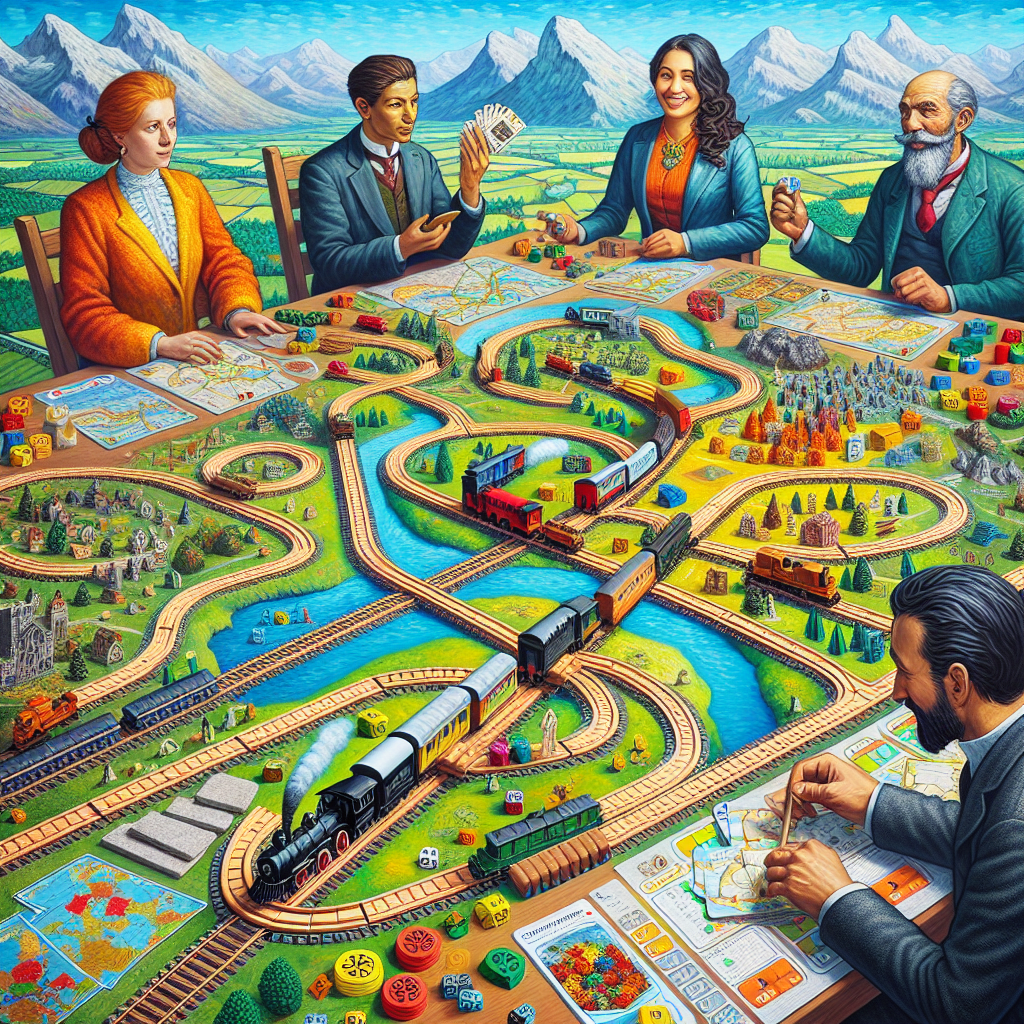
How To Find Gaps In Board Game Coaching Skills?
Table Of Contents
- How To Find Gaps In Board Game Coaching Skills?
- What Are Key Indicators Of Effective Board Game Coaching?
- What Skills Are Essential For Effective Board Game Coaching?
- How Can One Assess Their Own Board Game Coaching Abilities?
- Are There Common Pitfalls To Avoid In Board Game Coaching?
- How Do You Provide Constructive Feedback to Board Game Players?
- What Resources Are Available to Improve Board Game Coaching Skills?
- How Do You Adapt Coaching Strategies for Different Board Games?
- How Can Board Game Coaches Encourage Teamwork and Sportsmanship?
- Conclusion
- Other Resources
- Glossary Of Terms
- Other Questions
- Haiku
- Poem
- Checklist
What Are Key Indicators Of Effective Board Game Coaching?
When it comes to board game coaching, there are a few key indicators that can separate the amateurs from the pros. A good coach doesn’t just sit back and watch the game unfold – they are actively engaged, offering guidance and advice to help players make the best moves possible.
One indicator of effective board game coaching is the ability to communicate clearly and concisely. A good coach should be able to explain game rules and strategies in a way that is easy for players to understand. They should also be able to offer feedback and guidance in a way that is encouraging and constructive, rather than overly critical or negative.
Another key indicator of effective board game coaching is the ability to adapt to different players and personalities. Not every player learns in the same way, so a good coach should be able to tailor their coaching style to the individual needs of each player. Some players may respond well to a more hands-on approach, while others may prefer a more hands-off approach.
Furthermore, a good coach should be able to think strategically and anticipate the moves of their opponents. By understanding the game mechanics and having a good grasp of strategy, a coach can help players make better decisions and ultimately win more games.
Lastly, a good coach should be able to provide a positive and supportive atmosphere for players. Board games can be competitive and intense, but a good coach should be able to keep the mood light and fun. Encouraging players to have a good time and enjoy themselves can go a long way in improving their gameplay.
Effective board game coaching requires a combination of clear communication, adaptability, strategic thinking, and a positive attitude. By focusing on these key indicators, coaches can help players improve their skills, learn new strategies, and ultimately have more fun playing games. So whether you’re a seasoned pro or a casual player, working with a good coach can help take your gaming experience to the next level.

What Are Key Indicators Of Effective Board Game Coaching?
What Are Key Indicators Of Effective Board Game Coaching?
- A good coach actively engages and offers guidance to help players make the best moves.
- Effective communication is key, explaining rules and strategies clearly and offering constructive feedback.
- Adapting the coaching style to different players and personalities is important for success.
- Thinking strategically and anticipating opponent moves can help players make better decisions.
- Creating a positive and supportive atmosphere for players is crucial for success.
- Effective coaching requires clear communication, adaptability, strategic thinking, and positivity.
- Working with a good coach can improve skills, learn new strategies, and make gaming more enjoyable.
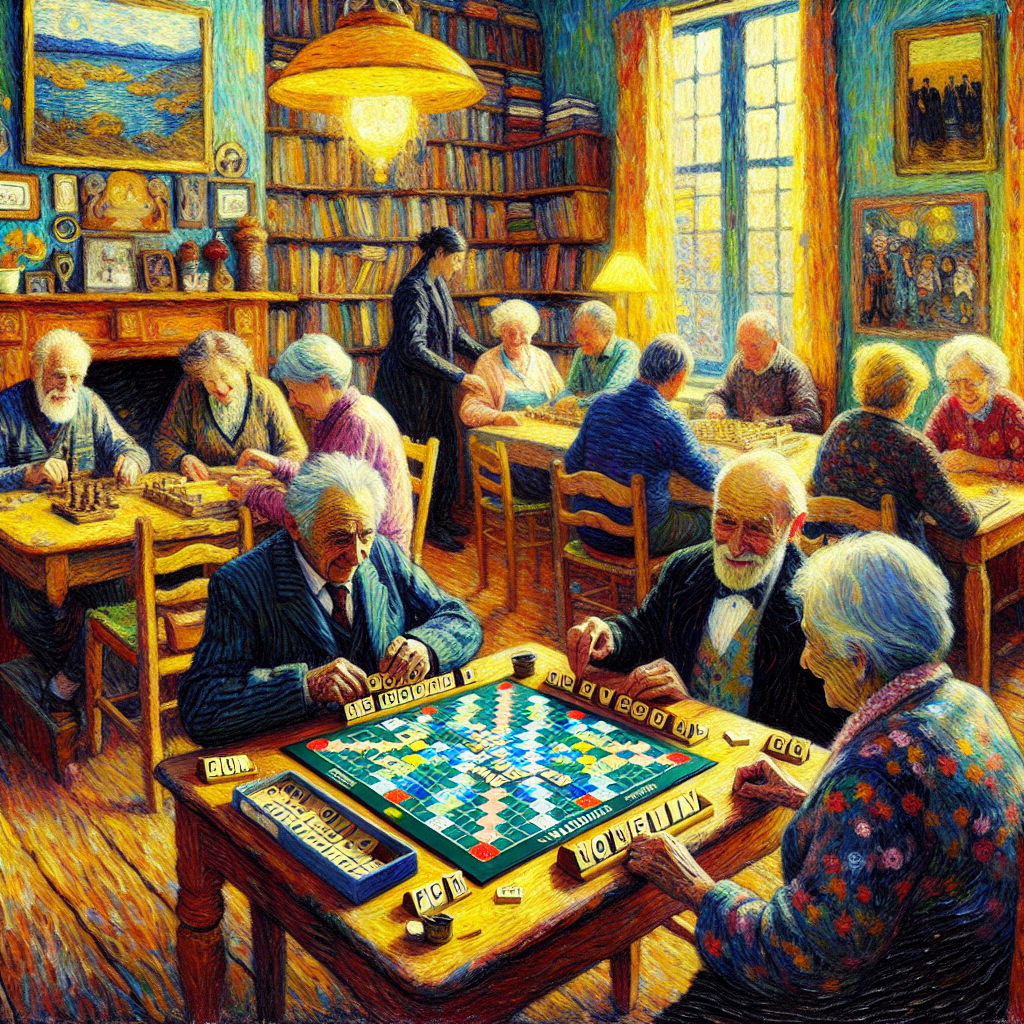
What Are Key Indicators Of Effective Board Game Coaching?
What Skills Are Essential For Effective Board Game Coaching?
When it comes to coaching board games, there are a few key skills that are essential for success. To be an effective board game coach, it’s important to have a deep understanding of the game you are teaching. This means not only knowing the rules inside and out, but also understanding the strategies and tactics that can lead to victory.
In addition to a strong grasp of the game itself, good communication skills are crucial for a board game coach. Being able to explain complex rules and strategies in a clear and concise manner is key to helping players understand and enjoy the game. Patience is also important when coaching board games, as players may need time to digest and process new information.
Another essential skill for board game coaching is the ability to adapt to different learning styles. Some players may learn best through verbal explanations, while others may prefer hands-on demonstrations. A good coach will be able to assess each player’s learning style and adjust their teaching approach accordingly.
Flexibility is also key when coaching board games, as games can often take unexpected turns. A good coach will be able to roll with the punches and help players navigate through unforeseen challenges and obstacles.
Finally, it’s important for a board game coach to be passionate about the game they are teaching. Enthusiasm is contagious, and a coach who is genuinely excited about the game will inspire their players to engage more fully and enjoy the experience.
Effective board game coaching requires a combination of game knowledge, communication skills, patience, adaptability, and passion. By honing these skills, a coach can create a positive and engaging experience for their players, helping them to improve their skills and have more fun with the game.

What Skills Are Essential For Effective Board Game Coaching?
What Skills Are Essential For Effective Board Game Coaching?
- To be an effective board game coach, deep understanding of the game is essential.
- Good communication skills are crucial for explaining rules and strategies.
- Patience is important for players to process new information.
- Adapting to different learning styles is essential for effective coaching.
- Flexibility is key for navigating unexpected challenges during games.
- Passion for the game being taught is important for inspiring players.
- Effective coaching requires game knowledge, communication skills, patience, adaptability, and passion.

What Skills Are Essential For Effective Board Game Coaching?
How Can One Assess Their Own Board Game Coaching Abilities?
Assessing your own board game coaching abilities can be a valuable exercise in self-improvement. Just like any skill, coaching requires practice, self-reflection, and a willingness to learn and grow. So, how can you evaluate your own abilities in this area?
First, consider your communication skills. Are you able to clearly explain game rules and strategies to others in a way that is easy to understand? Do you listen actively to players’ questions and concerns, and provide helpful guidance and feedback? Being able to effectively communicate and teach others is a key aspect of being a successful board game coach.
Next, think about your level of patience and empathy. Coaching others in board games can be a challenging task, especially when dealing with beginners or players who may be struggling to grasp certain concepts. Are you able to remain calm and patient when explaining rules or strategies repeatedly, and do you show empathy towards players who may be feeling frustrated or overwhelmed? Developing these qualities can go a long way in helping others improve their game-playing skills.
Additionally, consider your level of strategic thinking and problem-solving abilities. As a board game coach, you may need to think on your feet and adapt your teaching approach based on the needs and skill levels of the players you are working with. Are you able to analyze game situations and provide strategic advice that is tailored to each player’s individual strengths and weaknesses? Developing these skills can make you a valuable resource for those looking to improve their gameplay.
Lastly, take stock of your ability to create a positive and supportive gaming environment. Do you foster a sense of camaraderie and sportsmanship among players, and do you encourage a spirit of friendly competition and collaboration? Being able to create a welcoming and inclusive atmosphere can enhance the gaming experience for everyone involved and make learning and playing board games more enjoyable for all.
Assessing your own board game coaching abilities involves evaluating your communication skills, patience and empathy, strategic thinking and problem-solving abilities, and your ability to create a positive gaming environment. By reflecting on these qualities and seeking feedback from others, you can continue to improve and grow as a board game coach. Happy gaming!

How Can One Assess Their Own Board Game Coaching Abilities?
How Can One Assess Their Own Board Game Coaching Abilities?
- Consider your communication skills.
- Think about your level of patience and empathy.
- Reflect on your strategic thinking and problem-solving abilities.
- Evaluate your ability to create a positive and supportive gaming environment.
- Assess and seek feedback on your coaching abilities.
- Practice self-reflection and continue to improve as a board game coach.
- Encourage a spirit of friendly competition and collaboration among players.

How Can One Assess Their Own Board Game Coaching Abilities?
Are There Common Pitfalls To Avoid In Board Game Coaching?
So, you’ve decided to take on the role of a board game coach. Congratulations! You’re about to embark on a journey filled with strategy, camaraderie, and hopefully lots of fun. But before you dive in headfirst, it’s important to be aware of some common pitfalls that can trip up even the most experienced coaches.
One of the biggest mistakes that new coaches make is being too controlling. It’s easy to fall into the trap of dictating every move and decision to your players, but this can quickly turn a friendly game night into a tense standoff. Remember, the goal of coaching is to guide and support, not dominate. Give your players the freedom to make their own choices and learn from their mistakes.
Another common pitfall is focusing too much on winning at all costs. Yes, winning is nice, but it shouldn’t be the sole motivation for coaching. Your job is to help your players improve their skills, have a good time, and build lasting friendships. If you’re constantly pushing for victory at the expense of fun and sportsmanship, you may find yourself with a group of disgruntled players who would rather take their chances playing solo.
It’s also important to avoid being too critical or negative with your feedback. Encouraging constructive criticism is one thing, but constantly pointing out flaws and mistakes can quickly deflate the morale of your players. Remember, everyone starts somewhere, and part of the fun of board games is learning and improving together. Offer praise and encouragement when it’s deserved, and don’t be afraid to laugh off the occasional blunder.
Lastly, don’t forget to have a sense of humor. Board games are meant to be enjoyable, so try not to take things too seriously. Embrace the chaos, celebrate the victories, and laugh off the defeats. A little laughter can go a long way in building a positive and welcoming gaming environment.
Being a board game coach can be a rewarding and fulfilling experience, but it’s important to navigate around some common pitfalls. Keep your coaching style supportive, encourage growth and teamwork, maintain a positive attitude, and don’t forget to have fun. With the right mindset and approach, you’ll be well on your way to creating memorable game nights that everyone will enjoy.

Are There Common Pitfalls To Avoid In Board Game Coaching?
Are There Common Pitfalls To Avoid In Board Game Coaching?
- Be aware of common pitfalls when coaching board games.
- Avoid being too controlling with players.
- Avoid focusing solely on winning.
- Give constructive feedback without being overly critical.
- Have a sense of humor and don’t take things too seriously.
- Encourage growth, teamwork, and positivity.
- Create a fun and welcoming gaming environment.

Are There Common Pitfalls To Avoid In Board Game Coaching?
How Do You Provide Constructive Feedback to Board Game Players?
In the world of board games, providing constructive feedback to players is a critical component of helping them improve their skills and enjoy the game to its fullest potential. As someone who has spent countless hours playing and learning from experienced gamers, I have developed a few tips and tricks for delivering feedback in a positive and effective way.
First and foremost, it’s important to approach feedback with a mindset of encouragement and support rather than criticism or judgment. Remember, everyone starts off as a novice at a game, and the best way to help them grow is by offering guidance and suggestions for improvement. Instead of pointing out their mistakes or shortcomings, focus on highlighting their strengths and offering gentle recommendations for how they can enhance their gameplay.
When providing feedback, be specific and actionable. Rather than simply saying “you’re not playing well,” try to pinpoint areas where they can improve, such as strategy, decision-making, or rule comprehension. Offer concrete examples of how they can make adjustments, whether it’s considering different tactics, planning ahead, or seeking out resources to better understand the rules of the game.
Additionally, it’s crucial to remember that feedback is a two-way street. Encourage players to ask questions, seek clarification, and engage in a dialogue about their performance. By fostering open communication and creating a collaborative environment, you can help players feel more comfortable receiving feedback and more motivated to implement constructive criticism.
Another important aspect of providing feedback is timing. While it’s important to address issues as they arise, try to wait until a natural break in the game to offer feedback to avoid disrupting the flow of play. Whether it’s during a break between rounds or after the game has ended, find an appropriate moment to discuss their performance and offer suggestions for improvement.
Finally, don’t forget to offer positive reinforcement alongside constructive feedback. Celebrate players’ successes, no matter how small, and acknowledge their efforts to improve. By highlighting their achievements and progress, you can help boost their confidence and encourage them to continue honing their skills.
Delivering constructive feedback to board game players is a delicate art that requires patience, empathy, and a genuine desire to help others succeed. By approaching feedback with positivity, specificity, and collaboration, you can create a supportive environment that fosters growth and enjoyment for all players involved. So the next time you find yourself in a position to offer feedback, remember to do so with kindness and consideration, and watch as your fellow gamers flourish and thrive.

How Do You Provide Constructive Feedback to Board Game Players?
How Do You Provide Constructive Feedback to Board Game Players?
- Approach feedback with encouragement and support.
- Focus on highlighting strengths and offering gentle recommendations.
- Be specific and actionable in feedback.
- Encourage players to ask questions and engage in dialogue.
- Offer feedback at natural breaks in the game.
- Provide positive reinforcement alongside constructive feedback.
- Create a supportive environment for growth and enjoyment.
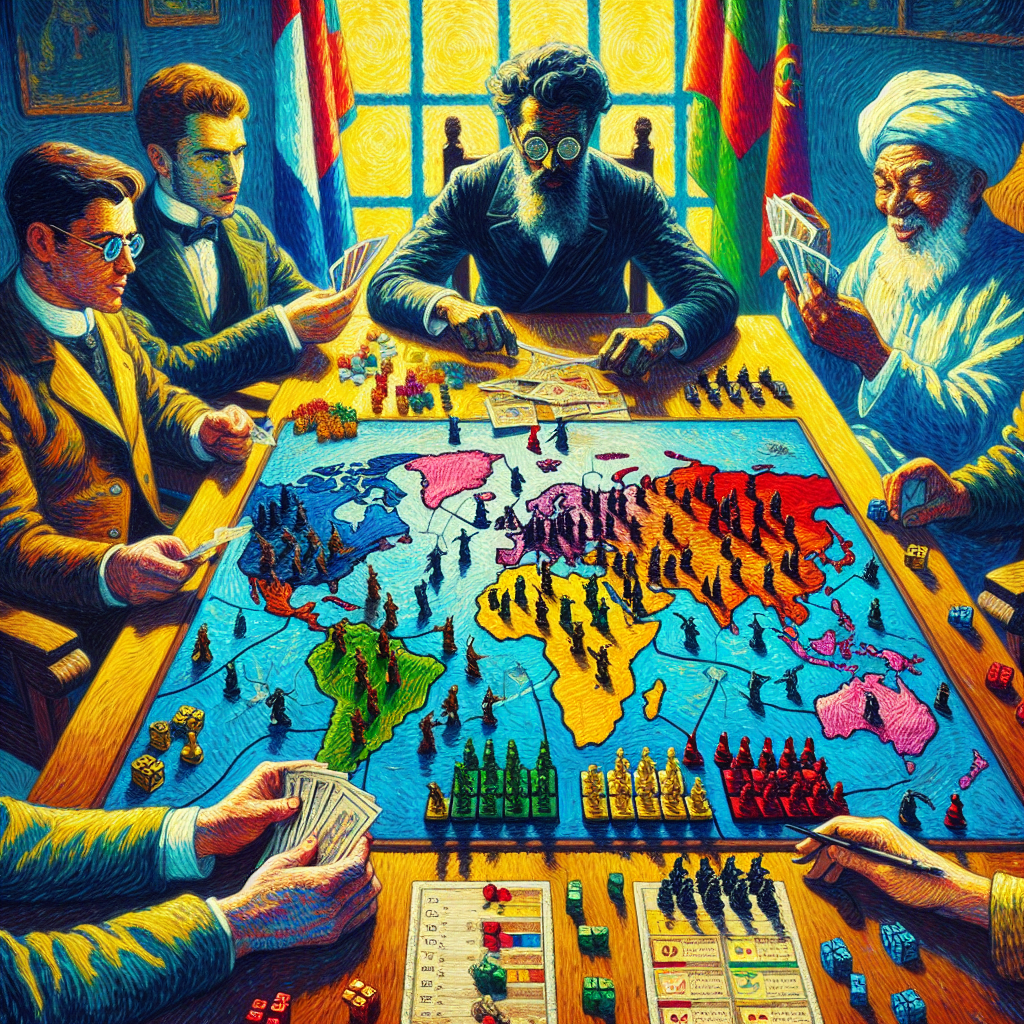
How Do You Provide Constructive Feedback to Board Game Players?
What Resources Are Available to Improve Board Game Coaching Skills?
When it comes to improving board game coaching skills, there are plenty of resources available for those willing to put in the effort. From books and online forums to in-person workshops and practice groups, there are endless opportunities to sharpen your abilities and become a better coach.
One great resource for honing your coaching skills is books. There are countless books out there that offer tips, strategies, and techniques for improving your board game coaching abilities. Whether you’re looking for advice on how to communicate effectively with players, manage challenging game situations, or simply become a more confident and knowledgeable coach, there’s a book out there for you.
Online forums are another valuable resource for those looking to improve their board game coaching skills. These forums provide a platform for coaches to connect with others in the field, share advice and experiences, and learn from one another. Whether you’re seeking feedback on a specific coaching technique or simply looking for new ideas to try with your players, online forums can be a great place to turn.
In-person workshops and training sessions are also great resources for board game coaches looking to improve their skills. These opportunities allow coaches to learn from experienced professionals, practice their techniques in a controlled environment, and receive feedback on their performance. Whether you’re a seasoned coach looking to refine your skills or a newcomer looking to build a solid foundation, in-person workshops can be a valuable tool for growth and development.
Practice groups are another effective resource for those looking to improve their board game coaching skills. These groups provide a safe and supportive environment for coaches to practice their techniques, receive feedback from peers, and experiment with new strategies. By participating in a practice group, coaches can gain valuable experience, build confidence, and refine their skills in a low-pressure setting.
There are plenty of resources available to help board game coaches improve their skills and become more effective in their roles. Whether you prefer books, online forums, in-person workshops, or practice groups, there’s a resource out there that can help you take your coaching abilities to the next level. By taking advantage of these opportunities and investing time and effort into your development as a coach, you can become a more competent, confident, and successful board game coach.

What Resources Are Available to Improve Board Game Coaching Skills?
What Resources Are Available to Improve Board Game Coaching Skills?
- Books: Countless resources offer tips, strategies, and techniques for improving coaching abilities.
- Online forums: Platforms for coaches to connect, share advice, and learn from others in the field.
- In-person workshops: Opportunities to learn from professionals, practice techniques, and receive feedback.
- Practice groups: Safe environments for coaches to practice, receive feedback, and experiment with strategies.
- Various resources available to help coaches improve skills and become more effective in their roles.
- By investing time and effort in development, coaches can become more competent, confident, and successful.

What Resources Are Available to Improve Board Game Coaching Skills?
How Do You Adapt Coaching Strategies for Different Board Games?
We all know that coaching is a crucial aspect of any board game. Whether you’re guiding a new player through the rules or helping a seasoned veteran up their game, a good coach can make a world of difference. But just like every game is different, so too should your coaching strategies be tailored to fit the specific game at hand.
First and foremost, it’s important to familiarize yourself with the ins and outs of the game you’re coaching. Understanding the rules, mechanics, and overall strategy of the game will not only help you provide more targeted guidance, but it will also lend credibility to your coaching. Players are more likely to trust and listen to a coach who knows what they’re talking about.
Next, consider the skill level of the players you’re coaching. Are they beginners who need explanations of basic concepts and rules? Are they intermediate players looking to improve their strategy? Or are they advanced players looking to hone their tactical skills? Tailoring your coaching to the skill level of your players will ensure that your advice is both relevant and effective.
When coaching beginners, focus on the fundamentals. Break down complex rules and strategies into bite-sized pieces that are easy to understand. Provide clear and concise explanations, and be patient as they learn the ropes. Encourage them to ask questions and offer plenty of positive reinforcement to boost their confidence.
For intermediate players, shift your focus to more advanced strategies and tactics. Help them identify areas where they can improve, and challenge them to think creatively about their decisions. Offer constructive criticism and encourage them to think critically about their choices. Provide opportunities for them to practice new skills and strategies in a low-pressure environment.
Advanced players, on the other hand, may benefit from a more hands-off coaching approach. Instead of telling them what to do, challenge them to think for themselves and come up with their own solutions. Offer feedback and guidance when needed, but trust in their ability to make informed decisions. Encourage them to experiment with new strategies and tactics, and provide opportunities for them to test their skills against strong opponents.
Adapting your coaching strategies to fit the specific needs of the players and the game is key to success. By tailoring your approach to the skill level of your players and focusing on the fundamentals, strategies, and tactics of the game, you can help them reach their full potential and achieve success on the board.
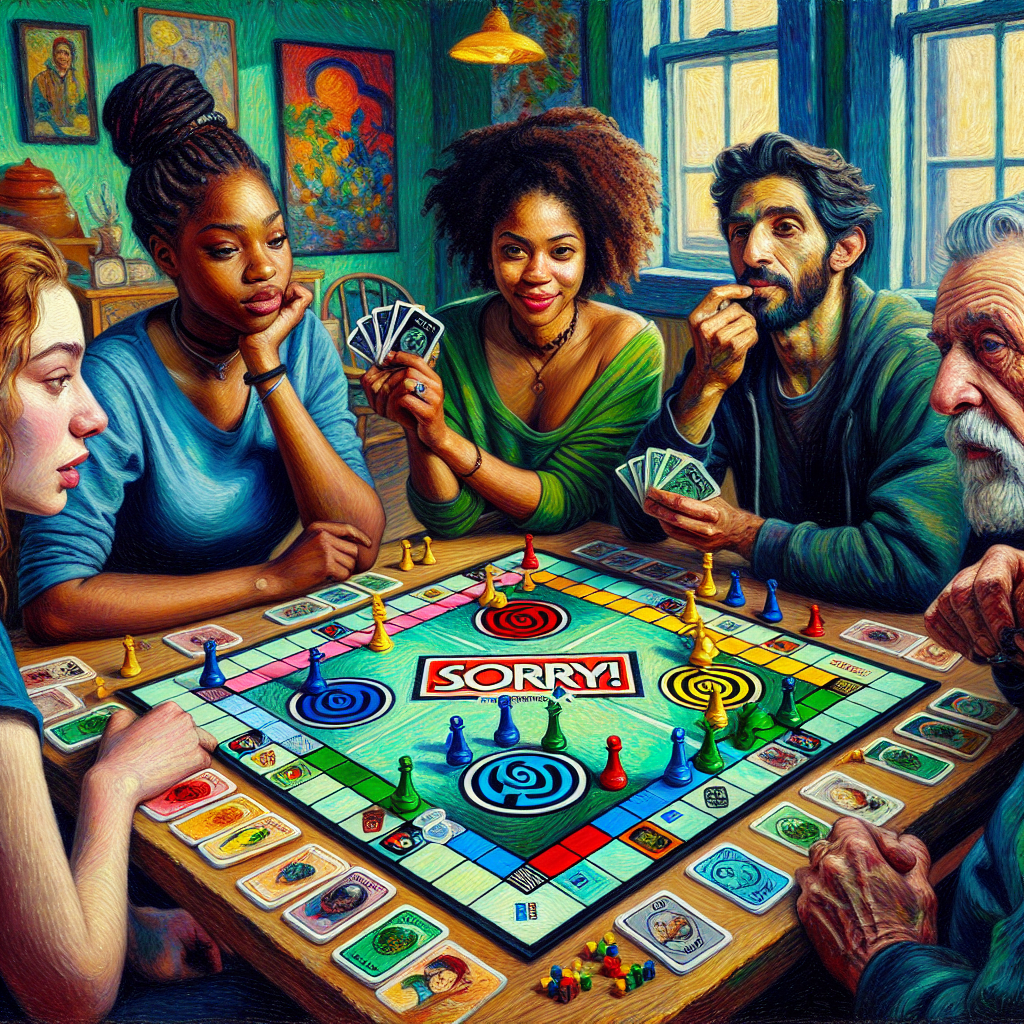
How Do You Adapt Coaching Strategies for Different Board Games?
How Do You Adapt Coaching Strategies for Different Board Games?
- Coaching is crucial in any board game, tailored to fit the specific game at hand.
- Familiarize yourself with the game’s rules, mechanics, and strategy for credibility.
- Consider the skill level of the players you’re coaching to provide relevant guidance.
- Focus on fundamentals for beginners, breaking down rules and offering positive reinforcement.
- For intermediate players, focus on advanced strategies, constructive criticism, and practice.
- Advanced players may benefit from a hands-off approach, encouraging independent thinking.
- Adapt coaching strategies to fit players’ needs, focusing on fundamentals, strategies, and tactics.

How Do You Adapt Coaching Strategies for Different Board Games?
How Can Board Game Coaches Encourage Teamwork and Sportsmanship?
So you’re a board game coach, huh? You’ve taken on the responsibility of guiding a group of eager players through the ups and downs of game night. But as any seasoned coach knows, it’s not just about winning. It’s about fostering teamwork and sportsmanship that will not only make the games more enjoyable, but also help the players grow into better individuals.
One of the first things a board game coach can do to encourage teamwork is to emphasize the importance of communication. Just like in any team sport, effective communication is key to success in board games. Encourage your players to speak up, share their thoughts and ideas, and work together to come up with strategies that benefit the entire team. By creating an open and inclusive atmosphere, you’ll help foster a sense of unity and collaboration among your players.
Another way to promote teamwork is by creating opportunities for players to work together towards a common goal. Whether it’s forming alliances, teaming up to take down a common enemy, or working together to solve a challenging puzzle, team-based objectives can help your players learn how to cooperate and support each other. By emphasizing the importance of collective effort, you’ll help instill a sense of camaraderie and unity among your players.
And let’s not forget about sportsmanship. In the heat of competition, it’s easy for players to get caught up in the desire to win at all costs. But a good board game coach knows that sportsmanship is just as important as victory. Encourage your players to respect their opponents, play fair, and handle both wins and losses with grace and humility. Remind them that at the end of the day, it’s all just a game – and the real prize is the fun and camaraderie they experience along the way.
Ultimately, as a board game coach, your role is not just to teach your players how to win, but how to play with integrity and respect for their fellow competitors. By promoting teamwork and sportsmanship, you’ll not only make game night more enjoyable for everyone involved, but you’ll also help your players develop important life skills that will serve them well both on and off the game board. So lace up your coaching shoes, grab your rulebook, and get ready to help your players become the best team they can be.
How Can Board Game Coaches Encourage Teamwork and Sportsmanship?
How Can Board Game Coaches Encourage Teamwork and Sportsmanship?
- Emphasize the importance of communication.
- Create opportunities for players to work together towards a common goal.
- Promote teamwork through alliances and cooperation.
- Encourage respect, fair play, and sportsmanship.
- Teach players how to play with integrity and respect for opponents.
- Help players develop important life skills through teamwork and sportsmanship.
- Make game night more enjoyable and help players become the best team they can be.
How Can Board Game Coaches Encourage Teamwork and Sportsmanship?
Conclusion
In the world of board game coaching, identifying skill gaps is a bit like finding hidden treasure. It takes a keen eye, careful observation, and a willingness to dig deep. To uncover these hidden gaps, coaches must have a solid understanding of the game they are coaching, know the rules inside and out, and understand the strategies that can lead to victory. By closely observing how players execute their moves, coaches can pinpoint areas where their skill set may be lacking. Paying attention to how players respond to challenges, how they interact with each other during the game, and whether they are adaptable and able to think on their feet can reveal a lot about their overall abilities.
Effective board game coaching requires clear communication, adaptability, strategic thinking, and fostering a positive and supportive environment for players. Coaches should be able to tailor their coaching style to the individual needs of each player, provide guidance and advice, and anticipate opponents’ moves. The ability to create a welcoming and inclusive atmosphere, focus on constructive feedback and avoid common pitfalls such as being too controlling or focused on winning at all costs are essential for effective coaching.
Assessing one’s own board game coaching abilities involves evaluating communication skills, patience, empathy, strategic thinking, problem-solving abilities, and the ability to create a positive gaming environment. By reflecting on these qualities and seeking feedback from others, coaches can continue to improve and grow in their coaching role. Utilizing resources such as books, online forums, in-person workshops, and practice groups can also help coaches enhance their skills and become more effective in their coaching role.
Adapting coaching strategies for different board games involves tailoring the approach to the skill level of the players, focusing on fundamentals, strategies, and tactics, and challenging players to think creatively and make informed decisions. Encouraging teamwork and sportsmanship is crucial for creating a positive and enjoyable gaming experience. Emphasizing communication, creating opportunities for players to work together towards a common goal, and promoting respect, fair play, and humility are key aspects of fostering teamwork and sportsmanship among players. By focusing on these areas, board game coaches can help their players develop important skills and have a fun and rewarding gaming experience.
Conclusion
Conclusion:
- In the world of board game coaching, identifying skill gaps is crucial.
- Coaches must have a solid understanding of the game, know the rules inside and out, and understand strategies.
- Observing players’ moves and responses can help pinpoint areas of improvement.
- Effective coaching requires clear communication, adaptability, and creating a positive environment.
- Assessing coaching abilities involves evaluating communication skills, empathy, and strategic thinking.
- Adapting coaching strategies for different board games involves tailoring approaches to player skill levels.
- Encouraging teamwork, sportsmanship, and communication is crucial for a positive gaming experience.

Conclusion
Other Resources
Other Resources
Here is a list of other resources you can review online to learn more:
- “Strategy Games”
- “Collaborative games: Lessons learned from board games”
- “14 Board games that encourage team-building in the …”
- “The Ultimate Guide to the Best Strategy Board Games”
- “Strategic Thinking Games”
- “The Power of a Board Game for AI Education & Strategy …”
- “11-strategies-of-a-world-class-cybersecurity-operations- …”
- “What we can learn about strategy from boardgames”
- “12 Board Games for Developing Thinking Abilities and Life …”
- “Board Games as Educational Tools”
Other Resources
Glossary Terms
How To Find Gaps In Board Game Coaching Skills? – Glossary Of Terms
1. Assessment: The process of evaluating the skills, knowledge, and abilities of a board game coach to determine areas needing improvement.
2. Benchmarking: Comparing a coach’s performance against industry standards or best practices to identify deficiencies.
3. Board Game Mechanics: The rules and procedures that govern how a game is played, which a coach must master to teach players effectively.
4. Communication Skills: Essential abilities for conveying rules, strategies, and feedback clearly and effectively.
5. Competency Model: A framework that defines the necessary skills, knowledge, and behaviors for successful board game coaching.
6. Critical Thinking: The ability to analyze and evaluate an issue in order to form a judgment, crucial for resolving in-game conflicts and teaching strategy.
7. Feedback Loop: A system for providing constructive criticism to players and coaches, essential for continuous improvement.
8. Game Dynamics: The flow and pace of a game which a coach must manage to maintain engagement and learning.
9. Knowledge Gap: A deficiency in understanding specific game rules, strategies, or mechanics that needs to be filled.
10. Learning Curve: The rate at which a player or coach can acquire knowledge or skill; identifying where this curve flattens can highlight coaching gaps.
11. Observation: Watching how coaches interact with players to identify areas where their skills may be lacking.
12. Pedagogy: The methods and practices of teaching, crucial for an effective board game coach to understand and employ.
13. Performance Metrics: Quantifiable measures used to assess the effectiveness of a coach’s teaching methods.
14. Player Development: The process of improving a player’s skills and knowledge, which reflects the coach’s effectiveness.
15. Problem-Solving Skills: The ability to handle unexpected situations and challenging scenarios during gameplay.
16. Role-Playing: A technique where coaches might simulate game scenarios to practice and refine their coaching methods.
17. Scenario Analysis: Reviewing specific game situations to evaluate decision-making and strategic advice provided by the coach.
18. Self-Assessment: A coach’s evaluation of their own skills and identifying areas for improvement.
19. Skill Matrix: A visual tool to map out the necessary skills and present proficiencies of a coach to pinpoint gaps.
20. Strategy: Long-term planning and tactics that a coach must be adept at teaching to their players.
21. Teaching Aids: Tools and resources used to enhance the learning process, such as visual aids, handouts, and game simulations.
22. Technical Proficiency: Mastery of the specific rules and mechanics of the board game being taught.
23. Training Modules: Structured programs designed to develop specific coaching skills and address identified gaps.
24. Variability: An aspect of games where random elements or player decisions influence outcomes, crucial for coaches to handle.
25. Visualization: Using diagrams or other visual tools to explain complex game strategies and mechanics.
26. Workshop: Interactive training sessions aimed at improving specific coaching skills through hands-on practice.
27. Scenario Planning: Preparing for various in-game situations to better coach players through different outcomes.
28. Feedback Analysis: Reviewing and interpreting feedback from players or peers to identify and act on coaching weaknesses.
29. Continuous Improvement: An ongoing effort to enhance coaching skills and effectiveness through regular training and review.
30. Engagement Techniques: Methods used to keep players interested and invested in the learning process during coaching sessions.
Understanding and utilizing these terms will help in identifying and addressing gaps in board game coaching skills effectively.
Glossary Of Terms
Other Questions
How To Find Gaps In Board Game Coaching Skills? – Other Questions
If you wish to explore and discover more, consider looking for answers to these questions:
- What are some specific methods for observing and identifying gaps in players’ board game skills?
- How can a coach effectively balance the need for guidance with allowing players to learn from their own mistakes?
- What are common signs that indicate a player is struggling with strategic thinking or adaptability?
- How can coaches improve their own knowledge and understanding of board games they coach?
- What are some techniques for fostering effective communication and teamwork during gameplay?
- How can a coach maintain a positive atmosphere while giving constructive feedback?
- What are some common mistakes new coaches make and how can they be avoided?
- How should a coach adapt their strategies and teaching methods for different types of board games?
- What online and offline resources are recommended for improving board game coaching skills?
- How can a board game coach assess their own strengths and weaknesses objectively?
- Are there specific exercises or drills that can help players improve their board game skills?
- What role does empathy play in effective board game coaching?
- How can coaches encourage sportsmanship and deal with overly competitive behavior among players?
- What are some ways to measure the effectiveness of coaching strategies?
- How can feedback be tailored to suit different learning styles and personalities?
- What strategies can be used to help players who are resistant to coaching feedback?
- How do factors like age or experience level of players influence coaching methods?
- How can coaches help players focus on enjoyment and learning rather than just winning?
- What are the benefits of involving players in setting goals for their improvement?
- How can a coach create a safe and inclusive environment for all players?
Other Questions
Haiku
How To Find Gaps In Board Game Coaching Skills? – A Haiku
Strategy unfolds,
Eyes keen, adapt, observe well—
Teach, don’t dominate.

Haiku
Poem
How To Find Gaps In Board Game Coaching Skills? – A Poem
Hidden Gaps Upon the Board
In games of old, the board lies bare,
Where wisdom’s sought, and skill is rare.
A coach must learn with keen insight,
To spot where players lose their fight.
Rules and strategies, they must know,
A map to guide where gaps will show.
Watch closely how each move’s made,
Is it luck, or planned cascade?
Do players think, adapt with speed,
Or flounder when they’re in the lead?
Can they adjust to what’s at hand,
Or stick to one pre-formed plan?
Observe the bonds among the team,
Are they united, or at odds it seems?
Communication is the key,
To unlock true victory.
To be a coach that truly breeds,
A master of both rules and deeds,
They guide with clarity and cheer,
And cultivate a space sincere.
Adapt to each player’s style,
Encourage thought, yet let them trial.
Strategic minds must grow and learn,
With every move, respect they earn.
Never strives the joy to win,
If fun and fairness grow too thin.
Critiques should lift, and not just sting,
Praise the effort, every swing.
Humor in defeats, and grace,
Builds arenas, a glorious place.
Foster teamwork, sportsmanship,
Where camaraderie takes grip.
Books and forums, rich with lore,
Workshops, practice, and much more,
A world of resources found,
To elevate from green to crowned.
From game to game, the tactics mold,
To suit the young, the brave, the bold.
Coaches serve to light the path,
Through victories and heartfelt laughs.
Hidden gaps upon the board,
Unseen treasures to be stored.
With every piece, a lesson learned,
And with each turn, a player’s earned.

Poem
Checklist
How To Find Gaps In Board Game Coaching Skills? – A Checklist
Understanding the Game:
_____ Ensure you know the rules of the game inside and out.
_____ Familiarize yourself with the strategies that lead to victory.
_____ Stay updated with any new editions or rule changes.
Observing Gameplay:
_____ Watch how players execute their moves and strategies.
_____ Identify if they are making decisions or merely reacting to the board.
_____ Assess whether players are utilizing all available resources.
Evaluating Responses to Challenges:
_____ Note if players are adaptable and can think on their feet.
_____ Check if players can adjust their strategies when needed.
_____ Observe how players handle adversity and unexpected game changes.
Monitoring Social Dynamics:
_____ Evaluate how effectively players communicate with each other.
_____ Observe teamwork – are they supporting each other or prioritizing their own objectives?
_____ Note any competitive behavior that disrupts collaboration.
Coaching Techniques:
_____ Communicate clearly and concisely about rules and strategies.
_____ Offer guidance that is encouraging and constructive rather than negative.
_____ Adapt your coaching style to different players’ personalities and needs.
_____ Maintain a positive and supportive atmosphere.
Developing Essential Skills:
_____ Cultivate a deep understanding of the game, including rules and strategic nuances.
_____ Enhance your communication skills for clear and effective explanations.
_____ Develop patience and empathy to deal with players of varying skill levels.
_____ Be flexible and adapt to different learning styles and game situations.
_____ Show passion and enthusiasm for the game to inspire players.
Self-Assessment:
_____ Reflect on your communication skills and seek feedback from others.
_____ Assess your patience and empathy in handling players’ frustrations.
_____ Evaluate your strategic thinking and ability to provide tailored advice.
_____ Ensure you are creating a positive and supportive gaming environment.
Avoiding Common Pitfalls:
_____ Avoid being overly controlling – let players make their own decisions.
_____ Don’t focus solely on winning; emphasize skill improvement and fun.
_____ Give constructive feedback without being overly critical.
_____ Maintain a sense of humor and keep the atmosphere enjoyable.
Providing Constructive Feedback:
_____ Approach feedback with encouragement and support.
_____ Be specific and actionable with your advice.
_____ Foster open communication and dialogue.
_____ Offer feedback at appropriate moments, without disrupting the game flow.
_____ Provide positive reinforcement to boost confidence.
Resources for Improvement:
_____ Read books on board game strategies and coaching techniques.
_____ Participate in online forums to connect with other coaches.
_____ Attend in-person workshops and training sessions.
_____ Join or form practice groups for real-time coaching practice.
Adapting Coaching Strategies:
_____ Understand the rules and mechanics of each specific game.
_____ Tailor your approach to the skill level of the players.
_____ Focus on fundamentals for beginners and advanced strategies for more experienced players.
_____ Challenge advanced players to think independently and creatively.
Encouraging Teamwork and Sportsmanship:
_____ Emphasize the importance of communication among players.
_____ Create team-based objectives to foster cooperation.
_____ Promote respect for opponents and fair play.
_____ Encourage handling wins and losses with grace and humility.
By following this checklist, you can effectively identify and address gaps in your board game coaching skills, fostering an environment where players can improve, have fun, and build lasting camaraderie.
Checklist
At BestBoardGameNews, we help people who love board games by collating information and news about board games.
Be sure to read our other related stories at BestBoardGameNews to learn more about board games.