Maximizing Social Media For Board Game Marketing
By Tom Seest
At BestBoardGameNews, we help people who love board games by collating information and news about board games.
Be sure to read our other related stories at BestBoardGameNews to learn more about board games.
How to Leverage Social Media to Market Board Games?
Navigating the world of board game marketing can feel a bit like attempting to assemble a complex game with your friends after a few too many—a lot of pieces, plenty of opinions, and potentially a whole heap of confusion. But fear not! Social media can be your trusty manual in this chaotic game assembly, guiding you step by step through the marketing labyrinth.
First off, pick your platforms wisely. You wouldn’t bring a rubber chicken to a serious poker night, so don’t choose a social channel that doesn’t match your game’s vibe. For the grizzled strategic game that requires careful planning, LinkedIn might be your best bet. For the more whimsical, family-friendly games, Instagram and Facebook are where the fun flourishes. Picture it: vibrant photos of game nights, engaging stories highlighting fun family memories, and reels showcasing the sheer joy of a random dice roll leading to a victory!
Now, engaging content is your golden ticket. Create a buzz with eye-catching graphics, animation, or short videos that bring your game to life. Show the components, explain the strategy, and get the heart racing. Don’t shy away from behind-the-scenes peeks, either. Share the design process, your inspiration, or even the hiccups you faced along the way. People don’t just want to see your finished product; they want to connect with the story behind it. That’s how you transform casual browsers into loyal fans.
Let’s not forget the magic of collaboration. Join forces with influencers who share your passion. Think about builders and creators in your niche, people who genuinely love board games and have established trust with their audience. A well-placed endorsement can amplify your reach and, trust me, that’s worth its weight in gold.
Then there’s community engagement—a real game changer. Dive headfirst into relevant groups and forums. Answer questions, share insights, and join discussions with authenticity. Offer sneak peeks, call for feedback, and most importantly, listen! They’ll appreciate your commitment, and you’ll refine your game even more in the process.
Finally, consider using paid advertising to hone in on your target audience. With the right metrics, you can amplify your reach considerably. Just remember to keep your ads fun, engaging, and in line with the overall ethos of your game.
In this digital age, leveraging social media isn’t just an option; it’s essential. Approach it like you would your favorite strategy game—thoughtfully, adaptively, and with a good dose of enthusiasm. Happy playing!
How to Leverage Social Media to Market Board Games?
How to Leverage Social Media to Market Board Games?
- Choose social media platforms that align with your game’s theme (e.g., LinkedIn for strategic games, Instagram/Facebook for family-friendly games).
- Create engaging content using eye-catching graphics, animations, and short videos to showcase your game.
- Share behind-the-scenes stories about the design process and challenges to connect with your audience.
- Collaborate with influencers in the board game niche to boost your reach and credibility.
- Engage with community groups and forums by answering questions and participating in discussions.
- Utilize paid advertising strategically to target your desired audience effectively.
- Approach social media marketing like a strategy game: thoughtfully, adaptively, and enthusiastically.
How to Leverage Social Media to Market Board Games?
Table Of Contents
- How to Leverage Social Media to Market Board Games?
- What Social Media Platforms Are Best For Board Games?
- How To Create Engaging Content For Board Games?
- What Hashtags Should I Use For Board Game Marketing?
- How Can I Build A Community Around My Board Game Online?
- What Types Of Posts Work Best For Promoting Board Games?
- How To Collaborate With Influencers To Promote Games?
- What Budget Should I Allocate For Social Media Marketing?
- How To Measure The Success Of My Board Game Marketing?
- What Are The Common Mistakes To Avoid In Social Media Marketing?
- How Can I Effectively Use Visuals To Promote My Board Game?
- What Role Do Giveaways And Contests Play In Marketing?
- How Often Should I Post About My Board Game?
- How To Handle Negative Comments About My Game Online?
- What Analytics Tools Can Help Track My Social Media Performance?
- How To Create A Social Media Schedule For My Board Game?
- Conclusion
- Other Resources
- Glossary Of Terms
- Other Questions
- Haiku
- Poem
- Checklist
What Social Media Platforms Are Best For Board Games?
In the sprawling digital playground of social media, not all platforms are created equal when it comes to celebrating the joy of board games. As enthusiasts, collectors, and the utterly fascinated gather in various online spaces, some platforms stand out as superior arenas for discourse, play, and connection. Let’s dive into the best social media platforms for board games.
First up: Facebook. It’s a behemoth of connectivity and a haven for board game communities. Thanks to countless groups dedicated to this beloved pastime, you can easily find forums for everything from strategic discussions on the latest Eurogames to heated debates over the merits of Catan versus Ticket to Ride. With Facebook’s events feature, you can not only discover local game nights but also organize your own with friends and family. The ability to share photos from game nights, swap strategies, or ask for recommendations from a sea of avid gamers? That’s the kind of communal spirit we all crave.
Next, we’ve got Instagram. While it might seem simply a visual platform, it’s much more than just filtered selfies and brunch shots. The #boardgames and #tabletopgames hashtags reveal a wealth of creativity—from beautifully captured game setups to artistic illustrations of game pieces that can inspire your next big purchase. Gamers share “shelfies” of their collections, crafting an aesthetic that turns a simple game into a trophy of pride. Engaging with fellow enthusiasts through likes and comments brings a community feel that is both motivating and fun.
Then there’s Twitter, a whirlwind of thoughts condensed into bite-sized nuggets. If you’d rather consume swift updates from game designers, publishers, and fellow gamers, Twitter is your speedway. It’s here that announcements about Kickstarter campaigns, previews of upcoming releases, or simply discussions about favorite games unfold at lightning speed. The platform’s trending hashtags make it easy to jump into current conversations and stay updated on the latest buzz in the board game world.
You can’t overlook Reddit, either. With dedicated subreddits for virtually every aspect of board gaming, from strategy advice to reviews and recommendations, it’s an encyclopedia for both novice and seasoned gamers alike. And let’s not forget the engaging AMAs with game designers that provide insights into the creative process behind your favorite titles.
In the ever-evolving landscape of social media, these platforms offer unique and vibrant spaces for board game enthusiasts to connect, share, and enjoy the rich tapestry of gaming culture. So gather your friends, snap a photo of that game board, and dive headfirst into the community that awaits you online.

What Social Media Platforms Are Best For Board Games?
What Social Media Platforms Are Best For Board Games?
- Social media platforms vary in their effectiveness for board game discussions and communities.
- Facebook hosts numerous groups for board game enthusiasts, facilitating discussions and event organization.
- Instagram serves as a visual platform for showcasing game setups and collections, fostering community engagement.
- Twitter offers quick updates from game designers and developers through bite-sized content and trending hashtags.
- Reddit features dedicated subreddits for strategy advice, reviews, and AMAs with game designers.
- Each platform contributes to the rich tapestry of gaming culture and connects enthusiasts globally.
- Join the online community by sharing game experiences and connecting with fellow gamers.

What Social Media Platforms Are Best For Board Games?
How To Create Engaging Content For Board Games?
Creating engaging content for board games isn’t just about words on a page; it’s about crafting a narrative that dives deep into the essence of the game while igniting the imagination of potential players. Let’s break it down:
1. Know Your Audience: Before you grab the nearest pen and paper—or typing device, for that matter—take a moment to reflect. Who are you creating for? Are they hardcore strategists, casual weekend warriors, or families looking for a bit of fun? Understanding your audience helps tailor your content in a way that resonates with them. Use language, tones, and themes that reflect their interests and preferences.
2. Get Into the Game’s Details: Digging into the game mechanics and lore adds texture to your content. It’s tempting to gloss over the nitty-gritty, but players love the details that make their gaming experience richer. Whether it’s diving into character backstories or explaining the convoluted rules of your latest Eurogame, be thorough. People appreciate when you take the time to delve into what makes that game special.
3. Use Visuals to Your Advantage: A picture may not always be worth a thousand words, but in the realm of board games, visuals can communicate intricacies better than text alone. High-quality photos of components, board layouts, and gameplay in action draw in readers faster than a player flipping the table in defeat. Infographics can simplify complex rules, while videos can showcase gameplay and strategic tips. Remember, you’re painting a picture that invites viewers into the world of your game.
4. Craft a Compelling Narrative: Good storytelling isn’t just for novels and films; it’s central to engaging board game content, too. Share anecdotes from playtesting sessions, highlight memorable moments, or even explore the inspiration behind the game’s creation. Personal stories resonate with audiences and create a connection that encourages them to dive deeper into the game. When players see the heart behind the mechanics, they’re much more likely to engage.
5. Engage with the Community: The world of board games thrives on community. Don’t shy away from interacting with players online, on social media platforms, and at gaming conventions. Ask for feedback, encourage discussions, and be open to suggestions. Engaging with your audience creates a sense of belonging and excitement that can turn casual readers into devoted fans.
Creating compelling content for board games is about bridging the gap between the game and its players. When you can weave a rich tapestry of information, personal anecdotes, and community involvement, you’re not just selling a game; you’re inviting players into an experience they won’t forget. Now roll those dice and get to work—your game’s story awaits!

How To Create Engaging Content For Board Games?
How To Create Engaging Content For Board Games?
- Know Your Audience: Understand the demographics and preferences of your players to tailor content effectively, using appropriate language and themes.
- Get Into the Game’s Details: Provide thorough insights into game mechanics and lore to enrich the players’ experience and highlight what makes the game special.
- Use Visuals to Your Advantage: Incorporate high-quality images, infographics, and videos to communicate complexities and attract readers visually.
- Craft a Compelling Narrative: Share personal anecdotes and stories from playtesting to create a connection with potential players, enhancing their interest.
- Engage with the Community: Foster interaction with players through social media and events to build a loyal fanbase and encourage feedback.
- Bridge the Gap: Aim to connect players with the game through rich narratives, community involvement, and detailed information.
- Invite Players into an Experience: Focus on creating an engaging backdrop that makes the game memorable and encourages players to participate.
How To Create Engaging Content For Board Games?
What Hashtags Should I Use For Board Game Marketing?
In the bustling world of board game marketing, hashtags are like that friendly barista who always remembers your name and your go-to order. They help you stand out in a crowded café, or in this case, a crowded social media feed. The right hashtag can connect you with the perfect audience and build a community around your game faster than you can flip the Monopoly board. But which hashtags should you be using to ensure your game gets the attention it deserves? Let’s break it down.
First, think about your target audience. Are you aiming for hardcore tabletop enthusiasts who live for tournaments and strategy discussions? Consider hashtags like #BoardGameGeek, #TabletopGames, or #StrategicGaming. These tags will help you tap into a community that thrives on deep engagement and discussion. If your game leans more toward casual family fun, hashtags like #FamilyGameNight, #BoardGamesForKids, or #FunWithFriends can help attract the right crowd.
Next, don’t forget those genre-specific hashtags. Every game has its flavor—be it fantasy, deck-building, or party style. Use tags that reflect your game’s unique elements. For example, if you’ve crafted the next great co-op adventure, throw in #CooperativeGames or #CoopGameNight to grab the attention of players looking to unite against a common foe, rather than just competing against one another.
Trendy hashtags can also give your marketing efforts a little kick. Pay attention to whatever gaming events or conventions are happening, and use those tags as a jumping-off point. If you’re gearing up for a launch at Gen Con, break out the #GenCon and #TabletopDay tags. It’s a way of saying, “Hey, I’m part of the conversation happening right now,” and it gets your message in front of eyeballs that are already excited about games.
Finally, don’t underestimate the power of humor and creativity. A little whimsy can go a long way in a space that values both fun and connection. Hashtags like #DiceAndDrama, #GamingGoneWild, or even a seasonal twist like #SpookyGameNight for Halloween can resonate deeply with your audience and encourage shares and reposts.
Remember, the key isn’t to overwhelm your posts with hashtags, but to select a few that resonate with your message and community. Trim the fat, focus on quality, and your board game marketing efforts will likely soar higher than a double six on a craps table. Happy hashtagging!
What Hashtags Should I Use For Board Game Marketing?
What Hashtags Should I Use For Board Game Marketing?
- Hashtags enhance visibility and foster community in board game marketing.
- Identify your target audience to choose relevant hashtags.
- For hardcore gamers, use tags like #BoardGameGeek and #StrategicGaming.
- For casual games, opt for family-friendly tags such as #FamilyGameNight.
- Incorporate genre-specific hashtags to highlight your game’s unique elements.
- Utilize trendy hashtags during gaming events to join current conversations.
- Focus on quality over quantity in hashtag selection to maximize engagement.

What Hashtags Should I Use For Board Game Marketing?
How Can I Build A Community Around My Board Game Online?
Building a community around your board game online isn’t just about slapping a few posts on social media and hoping for the best. It requires a dash of strategic planning, a sprinkle of creativity, and a hearty spoonful of genuine passion for what you’re creating. So, strap in, because we’re about to roll the dice on some practical steps to foster an engaged community around your board game.
First things first, know your audience. What types of games do they play? What do they value in a gaming experience? Are they competitive strategists or casual storytellers? Join online forums, Facebook groups, or Reddit threads related to board gaming to immerse yourself in conversations. Listen to the enthusiasts talk shop, and soak up their feedback. This is not just market research; it’s about understanding the heartbeat of the community.
Next, create a home base. This could be a dedicated website, a blog, or a social media page—somewhere that reflects your game’s theme and ethos. Regularly update this hub with development progress, behind-the-scenes looks, game mechanics, and even quirky anecdotes from your journey. Authenticity resonates with people, so don’t be afraid to share your highs and lows. Let them see the sweat and tears behind the artwork and rulebooks.
Engagement is key. Host weekly or monthly game nights online. Use platforms like Tabletop Simulator or even simple video calls to get players involved. Encourage them to share their experiences. Set up challenges or tournaments where they can showcase their skills. The more they feel involved in playtesting and contributing to your project, the more invested they’ll become.
Then there’s the power of visuals. In a digital landscape flooded with text, striking images or videos can grab attention. Share gameplay videos, character art, or illustrations that showcase your game’s uniqueness. A well-edited gameplay video with enthusiastic commentary can create a buzz that static images simply can’t match.
Lastly, never underestimate the power of collaboration. Partner with influencers, bloggers, or fellow game designers. This cross-pollination can expose your creation to fresh audiences. Plus, it’s a chance to learn from their experiences and bring new ideas to your community.
In the grand scheme of things, building an online community around your board game is about creating connections—authentic, vibrant connections. When people feel a part of something bigger than themselves, that’s when your game truly comes alive. Remember, at the end of the day, it’s not just about the game; it’s about the people who play it.
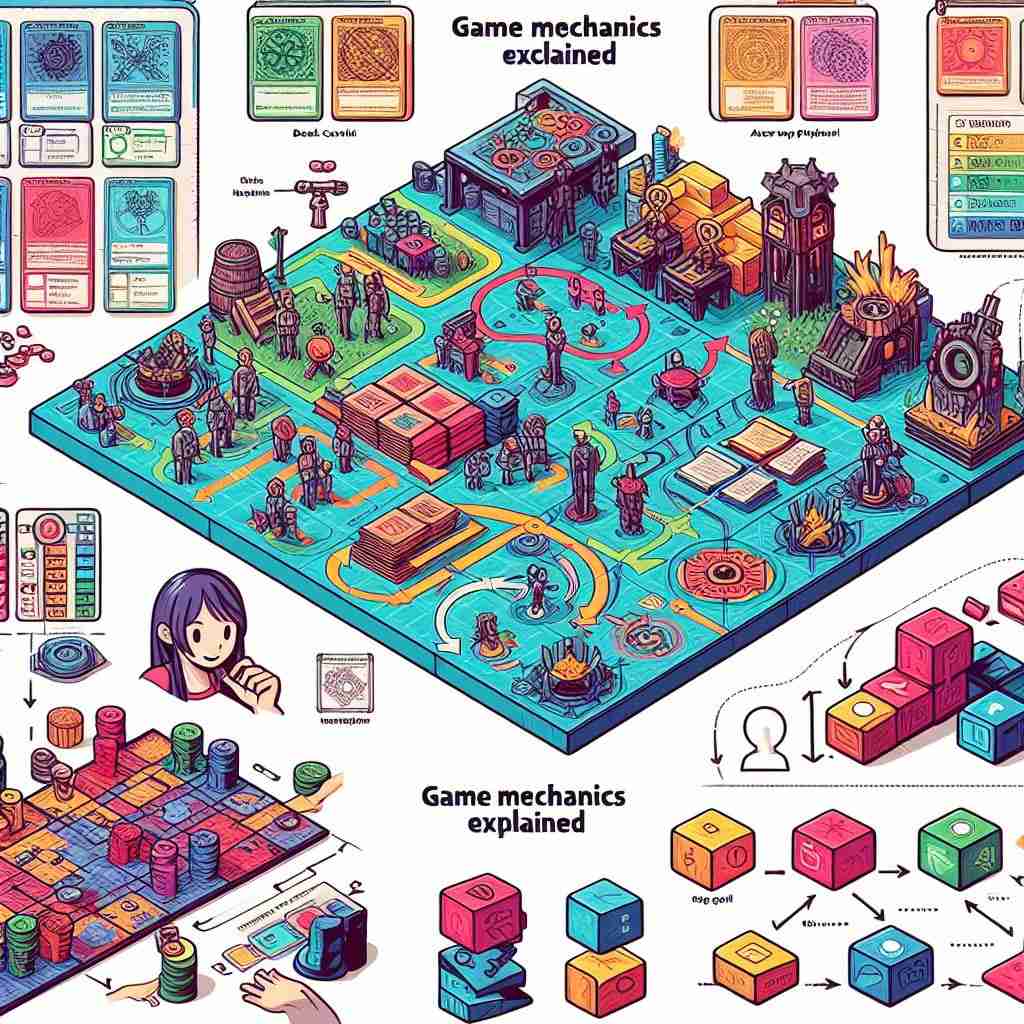
How Can I Build A Community Around My Board Game Online?
How Can I Build A Community Around My Board Game Online?
- Building an online community for your board game requires strategic planning, creativity, and genuine passion.
- Understand your audience by joining forums and discussions to learn about their gaming preferences and values.
- Create a dedicated home base (website, blog, or social media page) that reflects your game’s theme and shares development updates.
- Engage your community by hosting online game nights, challenges, and tournaments to encourage player involvement.
- Utilize striking visuals, such as gameplay videos and character art, to attract attention in a text-heavy digital landscape.
- Collaborate with influencers, bloggers, and other game designers to broaden your audience and gain new insights.
- Focus on creating authentic connections within your community, as the relationships formed are just as important as the game itself.

How Can I Build A Community Around My Board Game Online?
What Types Of Posts Work Best For Promoting Board Games?
When it comes to promoting board games in the vast, sprawling expanse of social media and online platforms, not all posts are created equal. Some hit the sweet spot, while others? Well, they fall flatter than a pancake dropped from a great height. Getting it right requires understanding your audience and knowing what fuels their passion for tabletop adventures.
First up, visuals are your best friend. High-quality images of your game in action can stir excitement like a sizzling steak on a grill. Picture this: a beautifully arranged game setup, vibrant art calling to be explored, players deeply engrossed in the action—this kind of imagery draws people in. It’s not just about making everything look pretty; it’s about capturing the essence of what makes your game unique. Special components, detailed artwork, and engaging gameplay moments should take center stage. Just one dynamic shot can ignite curiosity and paint a vivid picture in the minds of potential players.
Next, let’s talk storytelling. People love a good tale, and weaving a narrative around your game can create a compelling context that sticks. Whether it’s sharing the inspiration behind the game, the design journey, or testimonials from enthusiastic players, storytelling builds a connection between potential customers and your board game. Use anecdotes or quotes that highlight the fun and camaraderie players experience during game nights. Sharing player stories or anecdotes from your own gaming experiences can humanize your product, transforming it from a mere product into a potential adventure.
Engagement is another crucial ingredient. Don’t just post and ghost! Create opportunities for interaction. Poll your audience about their game preferences, ask open-ended questions, or initiate discussions that get gamers talking and sharing their thoughts. People love to feel heard and valued. Consider hosting giveaways or contests that encourage sharing, amplifying your reach while simultaneously piquing interest.
Lastly, video content can give your promotional efforts a major boost. Short gameplay demonstrations, unboxings, or tutorials can effectively showcase exactly what makes your game tick. Use live streams for Q&A sessions or game nights, where people can see and experience the excitement first-hand. These interactive sessions provide an authentic glimpse into what potential players can expect, increasing their investment in your brand.
In essence, the best posts for promoting board games mix visually stunning content with rich storytelling, engagement, and interactive elements. When you blend these ingredients properly, you not only promote your game—you invite people into the adventure waiting to unfold around the table. Happy gaming!
What Types Of Posts Work Best For Promoting Board Games?
What Types Of Posts Work Best For Promoting Board Games?
- Not all social media posts for board games are equally effective; understanding your audience is key.
- High-quality visuals are essential; dynamic images of gameplay can generate excitement and curiosity.
- Storytelling creates a connection; sharing the game’s inspiration and player experiences can humanize the product.
- Engagement is crucial; involve your audience with polls, discussions, and contests to foster interaction.
- Video content enhances promotion; use gameplay demos, unboxings, and live streams for authentic engagement.
- The best posts combine stunning visuals, rich storytelling, engagement, and interactive elements.
- Effective promotion invites potential players into the adventure of your board game.

What Types Of Posts Work Best For Promoting Board Games?
How To Collaborate With Influencers To Promote Games?
In the world of gaming, building a brand is about as easy as herding cats. You can pour your heart and soul into a game, but if nobody knows it exists, well, that’s a real kicker. Enter stage left: influencers. These modern-day troubadours have the power to amplify your message, but collaborating with them isn’t as simple as sending a quick email and hoping for the best. It’s an art and a science that takes a bit of finesse.
First off, do your homework. Not all influencers are created equal. You want to partner with someone whose audience overlaps with your target demographic. If your game is a family-friendly adventure but your selected influencer specializes in gritty horror games, you might be barking up the wrong tree. You’re not just looking for followers; you’re seeking a connection—an alignment of values and interests that makes sense.
Once you’ve found your suitable influencer, it’s time to plant the seeds of collaboration. Personalize your outreach. Instead of a generic pitch that screams “copy and paste,” take a moment to genuinely engage with their content. Reference specific videos, comments, or posts. Flattery may just get you everywhere, but sincerity is the name of the game. Let them know why you think their audience would be excited about your title.
Now, here’s where it gets interesting: approach the collaboration as a partnership. Give influencers the freedom to express their creativity. It’s tempting to hand them a script and say, “Hey, read this verbatim!” But remember, they know their audience better than anyone else. When influencers deliver your message in their own voice, the result is a more authentic experience for their followers, which translates to higher engagement.
Next, set clear expectations. Discuss what success looks like. Are you aiming for a certain number of views, shares, or downloads? Establishing metrics helps track effectiveness and keeps everyone on the same page. But let’s not forget the importance of flexibility—sometimes, the unexpected can yield the best results.
Finally, don’t overlook the importance of nurturing the relationship after the collaboration ends. Engage with their content, show appreciation for their work, and keep the lines of communication open. This is not just a transaction; think of it as planting seeds for future collaborations.
By weaving together these elements, you can create a winning team that propels your game into the spotlight. Collaborating with influencers is not just an option; it’s a must in an ever-evolving digital landscape.
How To Collaborate With Influencers To Promote Games?
How To Collaborate With Influencers To Promote Games?
- Influencers play a crucial role in promoting games and amplifying brand messages.
- Identify influencers whose audience aligns with your game’s target demographic for effective collaboration.
- Personalize outreach by referencing specific content from influencers, avoiding generic pitches.
- Encourage influencers to express their creativity rather than following a scripted message.
- Set clear expectations and metrics for success, but remain flexible to adapt to unexpected outcomes.
- Nurture relationships post-collaboration by engaging with influencers’ content and keeping communication open.
- Effective influencer collaboration is essential in today’s digital landscape for game visibility.

How To Collaborate With Influencers To Promote Games?
What Budget Should I Allocate For Social Media Marketing?
When it comes to budgeting for social media marketing, there isn’t a one-size-fits-all answer. You may be tempted to dive in with a vague idea, but let’s treat this like any smart investment: you wouldn’t wire cash to a stranger in a dark alley, so why would you throw money at social media without a plan?
First, assess your overall marketing budget. Usually, businesses allocate around 6-10% of their total revenue to marketing, but if you’re a small startup or a nimble operation, you might want to ramp that up to 15-20% in the beginning. As you gain traction, you can moderate that percentage based on your return on investment (ROI). Remember, just because you’re spending money doesn’t mean you’re going to see immediate results; patience is key.
Once you have that percentage down, break it into the nitty-gritty: how much do you plan to spend on each platform? Each social media channel has its own quirks and audience demographics, which means your budget allocation might look different from a TikTok influencer to a LinkedIn B2B campaign. You can’t ignore the fact that Facebook is still a powerhouse, but don’t count out emerging platforms. Find the sweet spot where your target audience hangs out and focus your efforts there.
Now, consider the tactical elements: don’t just throw dollars at ads and hope for the best. Invest in quality content—whether that’s compelling visuals, engaging copy, or time spent on video production. Great content can have a longer shelf life than a paid ad, so prioritize creating material that resonates with your audience. Don’t skimp on tools and software either. Analytics programs, scheduling apps, and design tools can streamline your process and maximize your reach.
Lastly, factor in the human element. If you have the skills in-house, great—but if not, budget for hiring freelancers or agencies that specialize in social media marketing. Their expertise can be the difference between a mediocre campaign and one that hits it out of the park.
So, what should you budget for social media marketing? It’s a blend of strategy, research, and a sprinkle of creativity. Allocate wisely, keep your ear to the ground, and stay flexible in a world that never stops changing. Remember, it’s an investment—not a gamble.
What Budget Should I Allocate For Social Media Marketing?
What Budget Should I Allocate For Social Media Marketing?
- Budgeting for social media marketing requires a strategic approach rather than a vague estimate.
- Businesses typically allocate 6-10% of total revenue to marketing; startups may consider 15-20% initially.
- Break down your budget by social media platform, acknowledging different audience demographics and engagement levels.
- Invest in creating quality content over simply spending on ads, as great content has longer-lasting impact.
- Utilize tools and software for analytics, scheduling, and design to improve your social media efficiency.
- Consider the human element by hiring freelancers or agencies if you lack in-house expertise in social media marketing.
- Successful budgeting for social media marketing involves strategy, research, creativity, and flexibility.
What Budget Should I Allocate For Social Media Marketing?
How To Measure The Success Of My Board Game Marketing?
So, you’ve put your heart and soul into creating a board game — the design, the art, the mechanics — and now it’s time to spread the word. But how do you know if your marketing efforts are actually hitting the mark? Let’s break it down, step by step.
First and foremost, get your eyes on the metrics. Numbers might seem bland, but they’re a vital tool in your toolbox. Start tracking key performance indicators (KPIs) like website traffic, social media engagement, and email open rates. When you push a post on social media or launch a new ad, check to see how many people are clicking through to your page. Are they engaging with your content? If the numbers aren’t what you hoped for, take stock and adjust accordingly.
Next up, consider your sales figures. Sounds obvious, right? But beyond just looking at the total sales, dig deeper. Analyze the sales data by channels — online, local game stores, or conventions. If you notice a spike in one area, perhaps that’s a sign to double down on your efforts there. If a particular retailer loves your game and sells ten copies, it might be worth enticing them to host a demo night or promote it in-store.
Engagement isn’t just a number; it’s about conversations, too. Keep an ear to the ground for feedback from players. Are they enthusiastically sharing their game experiences online? Are there positive reviews cropping up on board game forums? Responses on platforms like BoardGameGeek can tell you if your marketing message is resonating with the community. A few glowing reviews can spread like wildfire, drawing even more interest to your game.
Don’t ignore the power of surveys and direct feedback. They might not be the flashiest tool, but they give you priceless insight straight from your audience. Ask players what drew them to your game, what they liked about your marketing, and what could be improved. You might discover something unexpected that could transform your strategy for the better.
Lastly, keep an eye on your return on investment (ROI). It’s useful to know whether your marketing efforts are paying off or just burning a hole in your pocket. Compare the cost of your campaigns to the revenue they generate. If the math isn’t working, it may be time to reassess your approach.
On this journey of marketing your board game, remember: success isn’t just about the initial metrics. It’s about building a community and a fanbase that enthusiastically rallies behind your creation. Measure, adapt, and above all, stay engaged with your audience. That’s the true mark of success.

How To Measure The Success Of My Board Game Marketing?
How To Measure The Success Of My Board Game Marketing?
- Track key performance indicators (KPIs) such as website traffic, social media engagement, and email open rates.
- Analyze sales figures by channels, including online platforms, local game stores, and conventions.
- Listen to player feedback and monitor conversations on platforms like BoardGameGeek for insights.
- Utilize surveys and direct feedback to gain valuable insights from your audience.
- Evaluate your return on investment (ROI) to determine the effectiveness of your marketing efforts.
- Focus on building a community and fanbase around your board game beyond initial metrics.
- Continuously measure, adapt, and engage with your audience for long-term success.
How To Measure The Success Of My Board Game Marketing?
What Are The Common Mistakes To Avoid In Social Media Marketing?
Navigating the world of social media marketing can feel like trying to steer a ship through a storm without a compass. You’ve got all these tools at your disposal—photos, videos, graphics, and more—but if you’re not using them wisely, you might just end up capsizing. Let’s take a closer look at some common missteps that can sink your social media strategy faster than a lead balloon.
First off, there’s the infamous “set it and forget it” mentality. Many folks launch their social media profiles and then disappear, expecting the likes and followers to rain down like confetti. Well, here’s a reality check: social media is a two-way street. If you’re not engaging with your audience, responding to comments, or sharing user-generated content, you might as well be shouting into the void. Consistent interaction not only builds relationships but also creates a sense of community around your brand.
Another oversight? Neglecting analytics. With all the data at your fingertips, ignoring performance metrics is like going on a fishing trip without a fishing pole. You need to track what’s working, what’s not, and adjust your sails accordingly. Was a post a hit? Dive deeper into why that was the case. Was it a flop? Learn from it. The numbers don’t lie; use them to steer your future content.
Let’s not forget the perils of trying to be everything to everyone. Spreading yourself too thin on multiple platforms can leave you feeling like a jack-of-all-trades, master of none. Instead, pick a few platforms that align with your audience and focus your efforts there. Tailor your message to fit the voice and culture of each platform. A one-size-fits-all approach may seem convenient, but it dilutes your brand’s impact.
Equally important is the mistake of chasing trends without authenticity. Sure, hopping on the latest meme can bring quick attention, but if it’s not true to your brand, it can come off as disingenuous. Audiences are savvy; they can sniff out insincerity faster than a hound on a scent. Authenticity builds trust, and trust is paramount in today’s digital landscape.
Lastly, don’t overlook the power of storytelling. If you’re just pushing products without giving a glimpse behind the curtain, you risk losing interest. Share your journey, your challenges, and your wins. People connect with stories, not just sales pitches.
Avoiding these common mistakes can mean the difference between sinking or swimming in the vast ocean of social media. Keep your eyes on the horizon, adjust your course as needed, and you just might find that elusive treasure waiting for you.

What Are The Common Mistakes To Avoid In Social Media Marketing?
What Are The Common Mistakes To Avoid In Social Media Marketing?
- Navigating social media marketing requires careful engagement; otherwise, efforts may fail.
- The “set it and forget it” mentality can lead to missed opportunities; consistent interaction is crucial.
- Neglecting analytics is a major misstep; tracking performance metrics helps refine strategies.
- Avoid spreading efforts too thin across multiple platforms; focus on a few where your audience is present.
- Chasing trends without authenticity can harm your brand; genuine engagement builds trust.
- Storytelling is essential; share your journey to connect meaningfully with your audience.
- Avoiding these pitfalls can enhance your social media strategy and drive better results.

What Are The Common Mistakes To Avoid In Social Media Marketing?
How Can I Effectively Use Visuals To Promote My Board Game?
Picture this: a table covered in colorful game pieces, vibrant boards, and intricate artwork that beckons players like a siren’s song. When it comes to promoting your board game, visuals aren’t just an accessory—they’re your best ally. In the crowded marketplace of tabletop gaming, these visuals jump off the shelves and into the minds of your potential players. So how do you wield the power of visuals effectively? Let’s break it down.
First, remember that a picture is worth a thousand words, especially in the board game world. The artwork on your box, cards, and other components should not only reflect the theme and tone of your game but engage potential players’ imaginations. Invest in quality graphic design and artwork that captures the essence of your game. This could mean hiring a professional artist or illustrator who understands the nuances of the genre. A well-designed game cover can make a critical first impression, so think of it as your game’s handshake. If it’s weak, potential players might just walk away.
Next, put those visuals to work on social media platforms. Websites like Instagram and Pinterest are treasure troves for gamers seeking their next obsession. Post stunning photographs of the game in action—people immersed in gameplay, close-ups of intricate components, and artistically staged shots that highlight what makes your game unique. Use engaging captions and hashtags to broaden your reach. Remember, the online gaming community thrives on vivid visuals, so don’t hold back.
In addition to standard social media, consider creating a short video. This doesn’t have to become a cinematic masterpiece; think of it as a personal invitation to experience your game. Show the components, demonstrate how the gameplay unfolds, and encourage viewers to visualize themselves as part of the action. Videos can be a game changer—pun absolutely intended—when it comes to fostering excitement.
Lastly, harness the power of user-generated content. Encourage your early backers or playtesters to share their experiences with your game, complete with photos and videos. This not only builds community but provides authentic endorsements that can shape perceptions far more effectively than standard marketing.
To sum it up, compelling visuals aren’t just about appealing to the eye; they’re a strategic tool that can capture attention, generate interest, and ultimately get your board game into the hands of eager players. So invest wisely, create captivating content, and let those visuals do the talking!

How Can I Effectively Use Visuals To Promote My Board Game?
How Can I Effectively Use Visuals To Promote My Board Game?
- High-quality visuals are essential for promoting your board game in a crowded market.
- Artwork on boxes, cards, and components should reflect the game’s theme and engage imaginations.
- A professional graphic designer or illustrator can enhance your game’s visual appeal.
- Utilize social media platforms like Instagram and Pinterest to showcase vivid photographs of gameplay and components.
- Create short videos to provide a personal invitation to experience your game and demonstrate gameplay.
- Encourage user-generated content from playtesters and early backers to build community and authentic endorsements.
- Compelling visuals are a strategic tool to attract attention, generate interest, and drive game sales.
How Can I Effectively Use Visuals To Promote My Board Game?
What Role Do Giveaways And Contests Play In Marketing?
Giveaways and contests serve as powerful tools in the marketing toolbox, often wielded with a level of savvy that showcases the creativity and resourcefulness inherent in some of the best campaigns. When we strip away the gloss of marketing jargon, what we’re left with is a straightforward formula: folks love the thrill of winning, and brands thrive on engagement.
At the heart of every successful giveaway or contest is the notion of connection. These initiatives create a spark, instantly bridging the gap between companies and consumers. Think about it: when a brand invites potential customers to take a shot at winning something—be it a high-end gadget, an exclusive experience, or even a hefty gift card—it’s not just about the prize. It’s about the chance to engage, to interact, and to become part of a community of like-minded enthusiasts. Everyone loves a little competition, and brands cleverly tap into that primal desire.
Moreover, giveaways and contests are the ultimate icebreakers. For many small businesses just starting to carve out their niche, the landscape can feel like a crowded fairground, rife with noise and competition. A well-placed contest can cut through that noise. It grabs attention, stirs up curiosity, and generates conversations. The effectiveness lies in the art of drawing people in—not through hard selling, but by offering them something enticing in return for their time or engagement.
Let’s not forget about the word-of-mouth potential. When someone wins a contest, they’re more likely to share the news, and not just among friends and family but across various social media platforms. That’s free advertising, pure and simple. A well-planned giveaway can spread like wildfire—amplifying brand awareness and driving traffic to your site without the hefty price tag of traditional advertising.
Of course, there’s strategy behind the spectacles. Brands often carefully design their giveaways, tailoring prizes to resonate with their target audience, and requiring participants to take specific actions such as liking a page, tagging friends, or submitting their email addresses. This not only boosts engagement but also helps brands build valuable databases of potential customers.
In a world where consumers are bombarded with choices, giveaways and contests cut through the clutter. They engage, inspire, and invite participation. So, whether you’re a scrappy startup or an established name, consider how you might roll out your next big idea. Who knows? There might just be a winner waiting to share your brand story with the world.

What Role Do Giveaways And Contests Play In Marketing?
What Role Do Giveaways And Contests Play In Marketing?
- Giveaways and contests are effective marketing tools that highlight creativity and resourcefulness.
- They focus on the thrill of winning, fostering engagement between brands and consumers.
- These initiatives help bridge connections and create communities among consumers.
- Contests serve as icebreakers for small businesses, attracting attention in a crowded marketplace.
- Winners often share their experiences, generating word-of-mouth promotion and free advertising.
- Strategically crafted giveaways can enhance engagement and build valuable customer databases.
- Ultimately, giveaways and contests inspire participation and can amplify brand awareness.

What Role Do Giveaways And Contests Play In Marketing?
How Often Should I Post About My Board Game?
When it comes to promoting your board game, finding the right rhythm for posting can be as intricate as the gameplay itself. You want to engage your audience without overwhelming them. It’s like tuning a guitar; too many strings pulled, and it goes out of tune. But how often should you pluck those strings in the world of social media?
First off, consistency is key. Think of your posts as regular episodes in a beloved series. If you drop a new chapter every now and then, your audience might forget about you. But if you maintain a schedule—let’s say a couple of times a week—you keep the buzz alive without flooding their feeds. Monday Madness and Friday Fun, perhaps? It doesn’t have to be rocket science, but establishing a rhythm helps fans know when to expect content.
Now, let’s talk quality over quantity. It’s easy to get caught up in the numbers—“more posts equal more exposure,” right? Not necessarily. A half-hearted post can drown out a fantastic piece of content. When you post, make it count! Share behind-the-scenes insights, gameplay tips, or stories about the design process. Give your audience something to chew on, and they’ll keep coming back hungry for more.
Timing matters too. Keep an eye on your analytics. Are your followers most active on weekends? Or perhaps they prefer scrolling after dinner during the week? Tailoring your posting schedule to fit their habits can transform your outreach from a whisper into a shout.
Don’t forget to engage with your community! Respond to comments, share user-generated content, and be a real person. If you strike up conversations, your followers will feel more invested in your game. Aim for an interactive approach, rather than a one-way street of information. It’s like a good board game—everyone should feel included and heard.
Finally, experiment with different types of content. Mix it up! Polls, gameplay videos, sneak peeks, and artwork can all keep your audience hooked. Use the insights you gather from these experiments to refine your strategy continuously. After all, if you don’t assess how things are going, you’ll end up wandering in the dark, lost in a board game of your own making.
In short, find your posting sweet spot, strike a balance between consistency and quality, and make sure to keep those valuable lines of communication open. Your game deserves the spotlight—just don’t let it blind you as you navigate the vibrant world of board gaming.
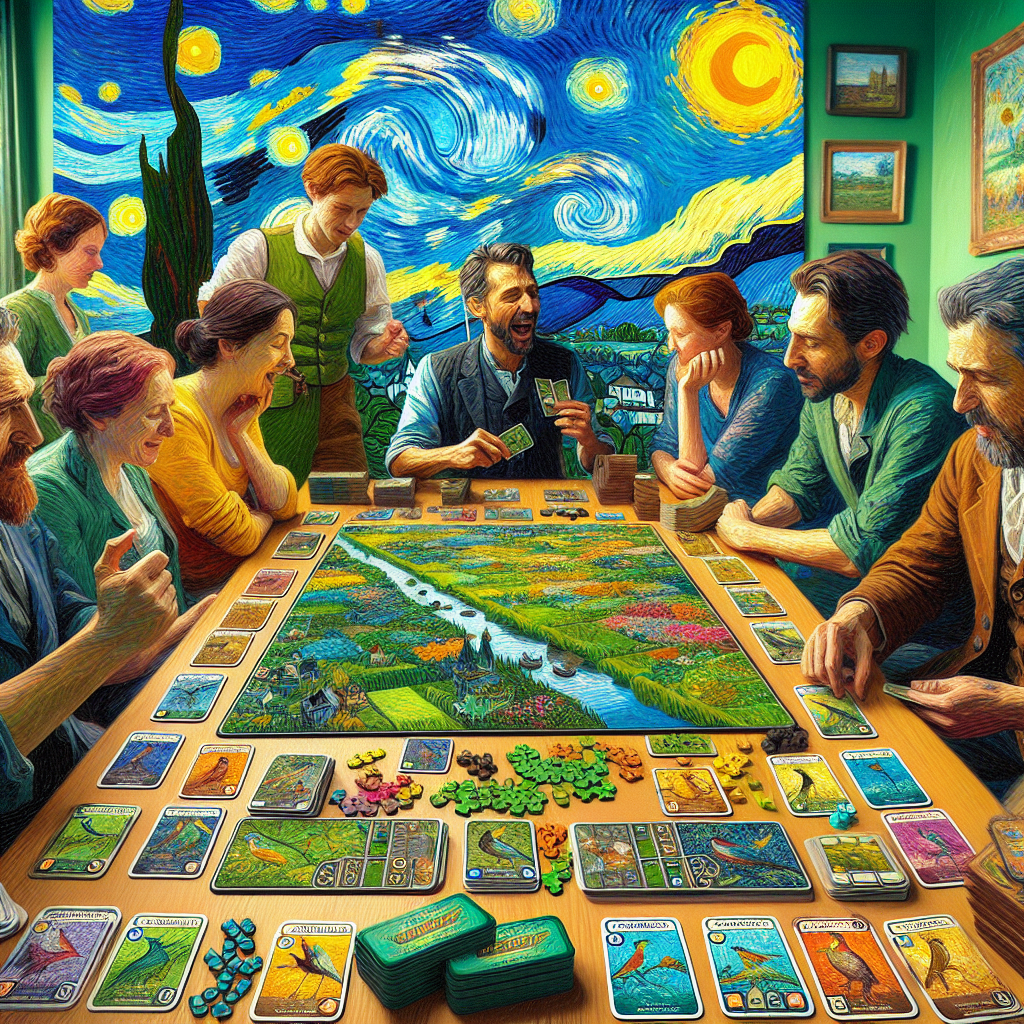
How Often Should I Post About My Board Game?
How Often Should I Post About My Board Game?
- Finding the right posting rhythm for board game promotion is essential to engage without overwhelming your audience.
- Consistency in posting is key; maintain a schedule (e.g., a few times a week) to keep audience interest alive.
- Focus on quality over quantity; valuable content will engage more than numerous low-quality posts.
- Monitor timing and audience activity through analytics to tailor your posting schedule effectively.
- Engage with your community by responding to comments and sharing user-generated content, fostering a two-way communication.
- Experiment with various content types (polls, gameplay videos, sneak peeks) and use feedback to refine your strategy.
- Balance consistency and quality while keeping communication channels open to elevate your game’s visibility in the board gaming world.

How Often Should I Post About My Board Game?
How To Handle Negative Comments About My Game Online?
Let’s face it: internet comments can be brutal. When you put your heart and soul into creating a game, seeing negative feedback can feel like a punch to the gut. But before you retreat to a dark corner with a tub of ice cream, let’s take a moment to explore how to handle those harsh words with grace and resilience.
First and foremost, remember that criticism is often a part of the artist’s journey. Just as a chef might face a food critic who despises his signature dish, game developers have to contend with folks who might not vibe with their creation. Accepting that not everyone will love what you’ve poured your passion into can be freeing. It’s essential to develop a thick skin and recognize that every critique is an opportunity for growth—if you choose to view it that way.
When you encounter negative comments, take a step back. Resist the urge to engage in a knee-jerk reaction. A quick reply fueled by emotion is rarely the path to productive conversation. Instead, consider the source. Is this feedback coming from a player who genuinely wants to see your game improve, or is it just a troll looking for a reaction? Parsing through the noise helps you focus on constructive criticism while ignoring underwhelming snark.
Next, don’t be afraid to seek clarity. If someone has taken the time to share their thoughts, why not ask them to elaborate? “What specifically didn’t work for you?” or “How would you have approached that differently?” can open an intriguing dialogue. Most importantly, it shows that you value your audience’s opinions and are genuinely interested in improvement.
Embrace the constructive feedback that comes your way. Treat negative comments as insights into your audience’s expectations and experiences. Take a few notes, sit down with your team, and brainstorm ways to address those concerns. This shows that you’re not just another distant developer; you’re a leader willing to evolve based on your community’s input.
Lastly, remember to celebrate the positive feedback. They’re reminders that no matter how harsh the negativity might be, your game touches people’s lives and creates a shared experience. Hold onto those affirmations when the going gets tough.
So, the next time you find yourself facing a barrage of negative comments, take a deep breath, take a step back, and tackle it with poise. After all, in the grand scheme of things, it’s all part of the game.

How To Handle Negative Comments About My Game Online?
How To Handle Negative Comments About My Game Online?
- Online comments can be harsh and challenging for game developers.
- Criticism is a natural part of the creative process; not everyone will love your work.
- Take time to assess negative comments instead of reacting impulsively.
- Identify the source of feedback; distinguish between constructive criticism and trolling.
- Seek clarification from commenters to foster constructive dialogue and show appreciation for their input.
- Use constructive feedback to understand your audience better and improve your game.
- Celebrate positive feedback as a reminder of the impact your game has on players’ lives.

How To Handle Negative Comments About My Game Online?
What Analytics Tools Can Help Track My Social Media Performance?
In the ever-evolving landscape of social media, monitoring your brand’s performance is akin to keeping your toolbox well-stocked for a home improvement project. You want the right tools to get the job done efficiently and effectively. Luckily, a plethora of analytics tools has been crafted to help you sift through the digital noise and focus on what really matters: understanding your audience and refining your strategy.
First up is Google Analytics. Now, I know what you’re thinking—why would a social media sleuth need a website analytics tool? The answer lies in its ability to track user interactions from social media platforms to your website. By tapping into Google Analytics, you can glean crucial insights about traffic sources, conversion rates, and user behavior. You can see which posts lead to click-throughs and what kind of content keeps your visitors engaged once they land on your site. It’s like having a crystal ball that shows you what works and what doesn’t.
Next, let’s chat about Hootsuite. This isn’t just a scheduling tool; it’s a command center for your social media strategy. Hootsuite provides comprehensive analytics that track engagement across various platforms. You can see which posts resonate with your audience and which fall flat. It even breaks down the demographics of your followers, allowing you to tailor your content more effectively. With Hootsuite, you can consolidate your social media efforts and maintain a pulse on your performance without jumping from platform to platform like a squirrel on a sugar high.
Another key player is Sprout Social. Think of it as a Swiss Army knife for social media management. Sprout Social offers robust reporting features, including sentiment analysis—a crucial tool for understanding how your audience feels about your brand. By digging into this data, you can adjust your messaging to better connect with your community, fostering a more loyal following.
Lastly, let’s not forget about Buffer. This tool allows you to plan, publish, and analyze all in one space. Its intuitive interface makes it easy to track engagement metrics, giving you a clear view of which posts are driving discussions and which ones are destined for the digital abyss.
Choosing the right analytics tool can make all the difference between a chaotic online presence and a well-oiled content machine. With the right resources at your fingertips, you’re setting yourself up not just to participate in the social media conversation but to lead it.

What Analytics Tools Can Help Track My Social Media Performance?
What Analytics Tools Can Help Track My Social Media Performance?
- Monitoring your brand’s performance on social media is essential, akin to having a well-stocked toolbox.
- Many analytics tools are available to help understand your audience and refine your strategy effectively.
- Google Analytics tracks user interactions from social media to your website, providing insights on traffic sources and user behavior.
- Hootsuite serves as a command center, offering comprehensive analytics on engagement and demographics of followers.
- Sprout Social provides robust reporting and sentiment analysis for understanding audience feelings about your brand.
- Buffer allows planning, publishing, and analyzing posts in one platform with an intuitive interface to track engagement metrics.
- Choosing the right analytics tools can transform a chaotic online presence into an effective content strategy.
What Analytics Tools Can Help Track My Social Media Performance?
How To Create A Social Media Schedule For My Board Game?
Creating a social media schedule for your board game might feel like trying to strategically place a dozen pieces on a game board that’s constantly shifting beneath your feet. But fear not! With a little organization and a splash of creativity, you can map out a plan that not only builds excitement for your game but also engages the community that’s vital to its success.
First things first, you need to figure out your game’s objectives. What do you want to achieve with your social media presence? Whether it’s raising awareness, driving pre-orders, or building a loyal fanbase, your goals will shape your entire strategy. Once you have that in mind, start crafting your content. Remember, engaging your audience is key. Share updates about your game’s development, sneak peeks of artwork, or amusing anecdotes from playtesting sessions. People love a good story, so don’t shy away from the human element behind your game.
Next comes the meat and potatoes: the actual schedule. Grab your calendar—digital or paper, whatever floats your boat—and start plotting out your posts. Ideally, you want to aim for consistency. A good rhythm keeps your audience coming back for more. Consider creating a content calendar that lays out what you’ll post and when. This could range from game mechanics and design updates on Mondays, to teaser images on Wednesdays, and playthrough videos on Fridays. Following this routine not only keeps your messaging on point but also helps alleviate the last-minute scramble for content.
Don’t forget to include the important “social” part of social media. Engage with your audience! Set aside time each week to respond to comments, participate in discussions, and ask for feedback. This two-way street helps build community and fosters enthusiasm—a critical component in the board game world.
Finally, remember to analyze your performance. Platforms like Facebook and Instagram offer insights into how your posts are faring. Are people engaging with your content? Are there certain types of posts that resonate better? Use this data to adjust your strategy as you go along.
Creating a social media schedule is about crafting a consistent narrative around your board game and inviting others on the journey with you. With preparation, engagement, and a little bit of heart, you’ll be ready to bring your game to life online. Now, roll the dice and let the fun begin!

How To Create A Social Media Schedule For My Board Game?
How To Create A Social Media Schedule For My Board Game?
- Create a social media schedule to engage your community and build excitement for your board game.
- Define your game’s objectives, such as raising awareness, driving pre-orders, or building a loyal fanbase.
- Craft engaging content that includes development updates, artwork sneak peeks, and amusing anecdotes.
- Establish a posting schedule with consistency to maintain audience interest, using a content calendar.
- Engage with your audience by responding to comments, participating in discussions, and seeking feedback.
- Analyze performance using social media insights to adjust your strategy based on audience engagement.
- Maintain a consistent narrative to invite others on the journey of bringing your game to life online.
How To Create A Social Media Schedule For My Board Game?
Conclusion
In conclusion, leveraging social media for board game marketing is an adventure in itself—one that can lead you to success if you approach it with strategy, creativity, and authentic connection. Think of it as crafting the ultimate game; every piece needs to fit just right to create an experience that resonates. So grab your game pieces and let’s break it down.
First off, be selective about your platforms. Like choosing the right setting for game night, different social media channels suit different types of games. Facebook is your community hub, ideal for discussions and event planning; Instagram is the vibrant art gallery showcasing eye-catching images; while Twitter serves up quick updates and conversations. Each platform needs to be approached with a tailored strategy, engaging the audience in ways that feel genuine and reflect the essence of your game.
Content is king! Invest in creating visually stunning, high-quality posts that tell a compelling story—whether it’s through dazzling graphics or behind-the-scenes glimpses of your design process. Share the highs and lows of your journey, and don’t shy away from inviting your community along for the ride. Authenticity catches eyes and builds trust faster than any marketing gimmick.
And while you’re at it, don’t forget the power of collaboration. Partnering with influencers who share your passion amplifies your message and connects you to their dedicated followers. Just like in a great board game where teamwork often triumphs, these relationships can pave the way to new audiences and increased engagement.
Community engagement is essential. Dive into forums, answer questions, and participate in discussions. This investment in communication builds loyalty and transforms curious browsers into devoted fans. Plus, organizing giveaways or contests adds excitement and creates buzz around your game—everyone loves a chance to win!
Finally, always keep an eye on the metrics. Analyze your performance regularly to understand what resonates with your audience. Adapt your strategy based on real data, keeping your marketing efforts agile and responsive.
So, roll the dice, keep your strategy adaptable, and remember that successful social media marketing for board games isn’t just about selling a product; it’s about cultivating a lively community around shared experiences. With passion, patience, and planning, you’ll level up your marketing game and enjoy the journey ahead.
Conclusion
Conclusion:
- Leverage social media for board game marketing with strategy and creativity.
- Select the right platforms: Facebook for community discussions, Instagram for visuals, and Twitter for quick updates.
- Invest in high-quality, visually stunning content that tells a compelling story.
- Collaborate with influencers to amplify your message and connect with new audiences.
- Engage actively with your community through forums, discussions, and contests to build loyalty.
- Regularly analyze metrics to adapt your strategy based on audience feedback.
- Focus on building a community around shared experiences, not just selling a product.
Conclusion
Other Resources

Other Resources
Here is a list of other resources you can review online to learn more:
- Board Game Rules And Strategies for Classic Games – The Spruce Crafts: This article provides a comprehensive guide on the rules and strategies for classic board games.
- Mastering the Board Game Learning Curve: Strategies for Success – Boardgamery: This article provides a plethora of responses from fellow gamers whose methods range from meticulous to chaotic.
- Learning Board Games: Tips & Strategies for Beginners and Pros – Game Night Gods: This article suggests reading the rulebook in advance and understanding the game’s mechanics, objectives, and special rules or exceptions.
- How To Play Guides – Board Game Halv: This article provides a step-by-step rules guide on how to play your favorite board games.
I hope you find these resources helpful!
Other Resources
Glossary Terms
How to Leverage Social Media to Market Board Games? – Glossary Of Terms
1. Engagement: The interaction between users and content on social media. High engagement often indicates that users are interested in the content being shared.
2. Content Marketing: The practice of creating and sharing valuable, relevant content to attract and engage an audience, which can be applied to board game promotion.
3. Influencer Marketing: Collaborating with individuals who have a significant following or authority on social media to promote board games to their audience.
4. Hashtags: Words or phrases preceded by a “#” that categorize content and make it easier to find on platforms like Twitter and Instagram; essential for targeting specific audiences.
5. User-Generated Content: Content created by fans or players of a game, such as reviews, photos, and videos, which can be repurposed by brands to enhance credibility and reach.
6. Giveaway: A promotional activity where games or related merchandise are offered for free in exchange for social media shares or engagement, increasing visibility.
7. Target Audience: The specific group of people who are most likely to be interested in a board game, including demographics such as age, gender, and interests.
8. Visual Content: Any content that is primarily visual, such as images, infographics, and videos; crucial for grabbing attention in a crowded social media environment.
9. Brand Identity: The unique combination of visual elements and messaging that establishes how a board game is perceived by consumers, including logos, colors, and tone of voice.
10. Social Media Strategy: A plan that outlines how to use social media to achieve marketing goals, including objectives, target audience, and content types.
11. Social Proof: Evidence that a product is valuable based on other people’s experiences, often showcased through testimonials, reviews, and social media interactions.
12. Platform Optimization: The process of tailoring content to fit the specific requirements and best practices of each social media platform to maximize visibility and engagement.
13. Call to Action (CTA): A prompt that encourages viewers to take a specific action, such as “Visit our site to learn more!” or “Share your gaming experience!” which drives engagement and sales.
14. Live Streaming: Broadcasting live video content on platforms like Twitch or Facebook Live, allowing for real-time interaction with the audience, often used for demos or Q&A sessions.
15. Cross-Promotion: Collaborating with other brands or individuals to promote each other’s content, potentially expanding reach and attracting new audiences.
16. Analytics: The measurement of social media data to evaluate the performance of marketing efforts, helping to refine strategies and understand audience behavior.
17. Community Building: The process of creating a loyal group of followers who share a passion for board games, often facilitated through dedicated social media groups or forums.
18. Micro-Influencer: An influencer with a smaller but highly engaged following, often considered more relatable and trusted by their audience, making them effective for niche marketing.
19. Content Calendar: A scheduling tool that outlines when and what content will be posted on social media, ensuring consistent engagement with the audience.
20. Social Media Ads: Paid promotional content on social media platforms designed to reach a targeted audience faster and more effectively than organic posts.
21. Crowdfunding: Using platforms like Kickstarter to raise funds for board game development while simultaneously building an audience and generating buzz.
22. Feedback Loop: The ongoing process of gathering and analyzing audience feedback from social media interactions to improve products and marketing strategies.
23. Brand Ambassador: An individual who is hired or voluntarily promotes a brand, representing it positively to their network, creating authentic connections.
24. Trend Analysis: The study of popular topics, conversations, and hashtags on social media to identify opportunities for timely and relevant content creation.
25. Storytelling: The art of conveying engaging narratives about board games, such as their themes, design journeys, or player experiences, to create emotional connections.
26. Viral Content: Content that spreads rapidly across social media due to its appeal, often leading to significant exposure and engagement.
27. SEO (Search Engine Optimization): The practice of optimizing online content so that it ranks higher in search engine results, which can drive traffic to social media profiles or websites.
28. Challenge Campaign: A social media initiative that encourages users to participate in a fun challenge related to the board game, usually involving sharing their experiences or creations.
29. Sponsorship: A partnership where companies provide financial support or products in exchange for promotion on social media platforms, helping to raise brand awareness.
30. Email List Building: The process of gathering email addresses from interested users via social media to create a direct line of communication for marketing future board game launches or events.

Glossary Of Terms
Other Questions
How to Leverage Social Media to Market Board Games? – Other Questions
If you wish to explore and discover more, consider looking for answers to these questions:
- What are the essential steps to start marketing my board game on social media?
- How can I measure my social media marketing effectiveness for my board game?
- What kind of content should I post to engage my audience effectively?
- Are there specific times that are best for posting about board games on social media?
- How can I use story-telling in my board game marketing?
- What role do visuals play in my marketing strategy for board games?
- Can you provide examples of successful board game marketing campaigns on social media?
- How can I organically grow my followers on social media platforms?
- What legal considerations should I keep in mind when marketing my board game online?
- How should I handle promotional partnerships with other brands?
- What are the best practices for engaging with customers who provide feedback on social media?
- How can I create a sense of urgency in my marketing efforts for a board game launch?
- Which social media tools can help streamline my marketing efforts?
- What role do blogs and podcasts play in board game marketing?
- How do I stay updated on trends in social media marketing for board games?
Other Questions
Haiku
How to Leverage Social Media to Market Board Games? – A Haiku
Social media holds key,
Engage, connect, and create—
Board games’ joy shared wide.
Haiku
Poem
How to Leverage Social Media to Market Board Games? – A Poem
In the world where strategists dwell,
Social media weaves its potent spell,
To market boards with vibrant glee,
A labyrinth of thoughts, excitement, and spree.
Choose your platform, let it align,
With your game’s essence—so they intertwine.
LinkedIn for tactics, Facebook for fun,
Instagram glows with memories spun.
Engage the crowd with visuals bright,
Capturing moments, igniting delight.
A peek behind the scenes, share your quest,
Stories and laughter, make it your best.
Collaborate with those who inspire,
Influencers ignite interest and fire.
Join the community, engage and connect,
Listen, adapt, gain mutual respect.
Hashtags like beacons in the night,
Guide players to discover your light.
Craft a narrative, let players engage,
In contests and giveaways, turn the page.
Post with rhythm, don’t flood the stream,
Quality content fuels the dream.
Handle critiques with grace, learn anew,
In the game of feedback, grow and accrue.
Tools and metrics, the gardener’s way,
Nurture your reach—keep doubts at bay.
With passion and care, your brand will ascend,
In the tapestry of gaming, let excitement never end.
So roll those dice and let them fly,
In the digital playground, let your ambitions soar high.
With every post, every share, you’ll find your way,
To market your board games in a bright new array.

Poem
Checklist
How to Leverage Social Media to Market Board Games? – A Checklist
Pre-Marketing Phase
1. Identify Your Target Audience
_____ Define who your ideal players are (e. g. , families, hardcore gamers).
_____ Research their preferences and habits.
2. Choose the Right Platforms
_____ Select social media platforms that align with your game’s vibe (e. g. , Facebook for communities, Instagram for visuals).
_____ Create accounts on these platforms.
Content Creation
3. Develop Engaging Content
_____ Produce high-quality graphics and images of your game in action.
_____ Create engaging videos showcasing gameplay, tips, and strategic insights.
_____ Share behind-the-scenes content, including design stories and challenges faced.
4. Craft Compelling Narratives
_____ Tell stories related to the game’s creation and playtesting experiences.
_____ Share player testimonials and memorable moments.
Community Engagement
5. Engage with Your Audience
_____ Regularly interact with followers—reply to comments and messages.
_____ Encourage discussions around gaming preferences and experiences.
6. Build and Participate in Online Communities
_____ Join relevant groups and forums (e. g. , on Facebook or Reddit).
_____ Share insights and engage authentically with the gaming community.
Influencer Collaboration
7. Identify & Reach Out to Influencers
_____ Research influencers in the board game niche whose audience aligns with your target market.
_____ Personalize outreach and propose creative collaboration ideas.
Marketing Strategies
8. Utilize Hashtags Effectively
_____ Research and compile a list of relevant hashtags based on your target audience and game genre.
_____ Use a mix of generic and trendy hashtags to increase visibility.
9. Plan Giveaways and Contests
_____ Develop engaging giveaways that require interaction (likes, shares, tagging friends).
_____ Promote these contests on your platforms for increased engagement.
Posting Schedule
10. Create a Social Media Posting Schedule
_____ Outline a content calendar specifying what to post and when (e. g. , developer updates, game nights).
_____ Track the timing and frequency of posts to optimize engagement.
Performance Measurement
11. Monitor and Track Engagement Metrics
_____ Use analytics tools (e. g. , Google Analytics, Hootsuite) to track KPIs like engagement, clicks, and shares.
_____ Adjust strategy based on performance data and feedback.
Responding to Feedback
12. Handle Negative Comments Gracefully
_____ Respond to criticism with professionalism and seek clarity.
_____ Use constructive feedback as an opportunity to improve.
Continuous Improvement
13. Review and Revise Your Strategy Regularly
_____ Assess which types of posts perform best and refine your approach accordingly.
_____ Remain flexible and willing to adapt to the evolving social media landscape.
By following this checklist, you can effectively leverage social media to market your board games and build a vibrant community around your creations. Happy marketing!
Checklist
At BestBoardGameNews, we help people who love board games by collating information and news about board games.
Be sure to read our other related stories at BestBoardGameNews to learn more about board games.