Discover The Exciting World Of Eurogames
By Tom Seest
At BestBoardGameNews, we help people who love board games by collating information and news about board games.
Be sure to read our other related stories at BestBoardGameNews to learn more about board games.
What Are Eurogames Board Games?
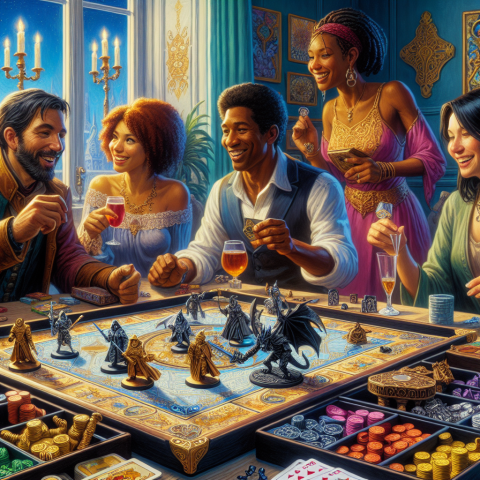
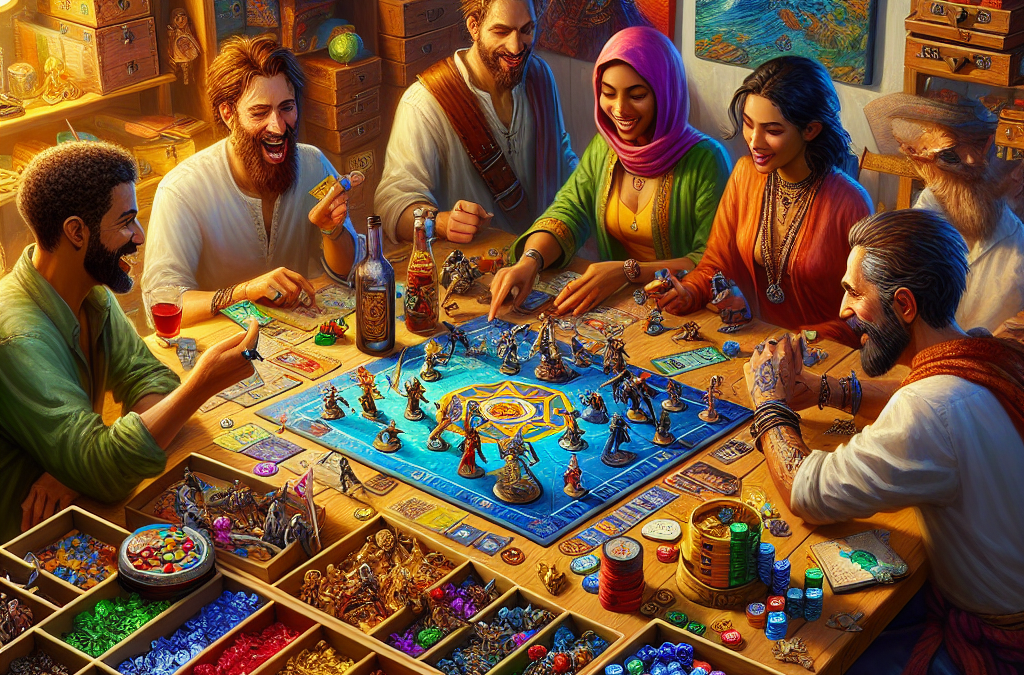
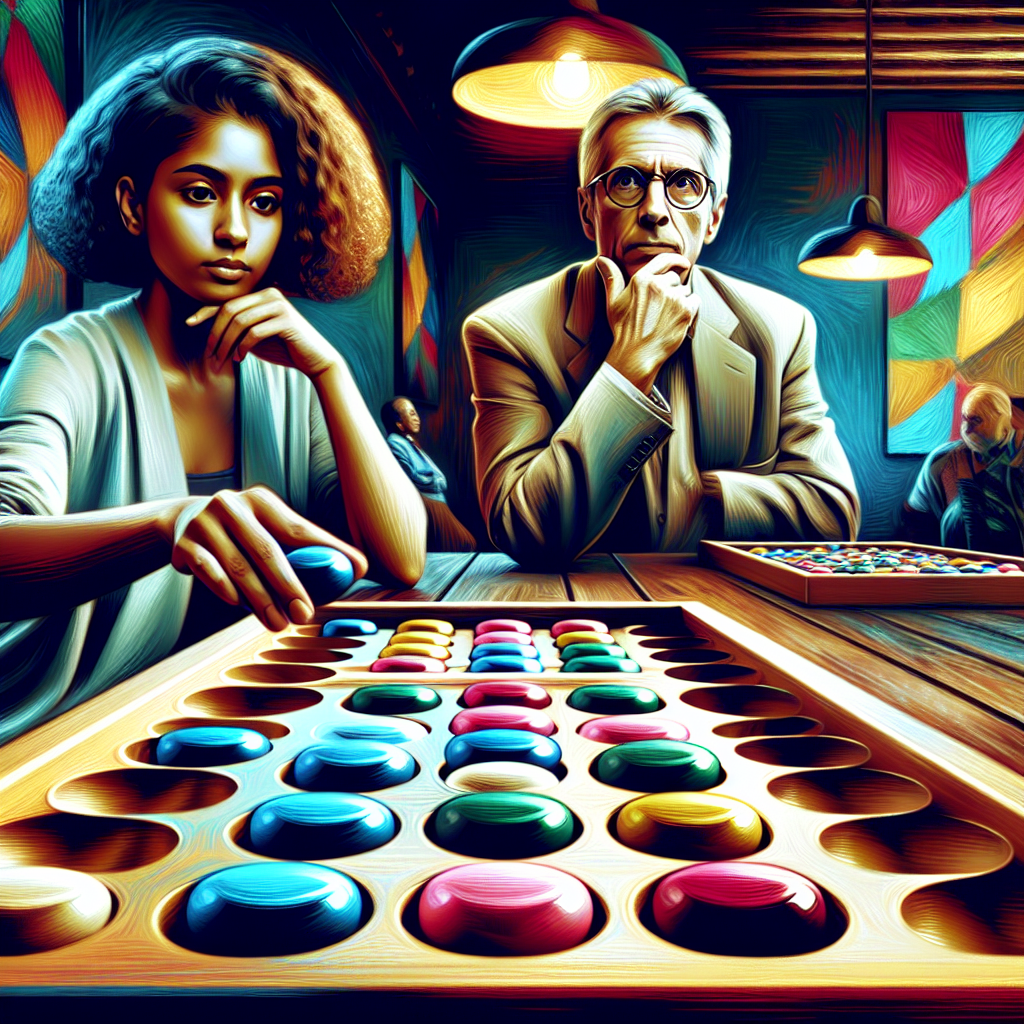
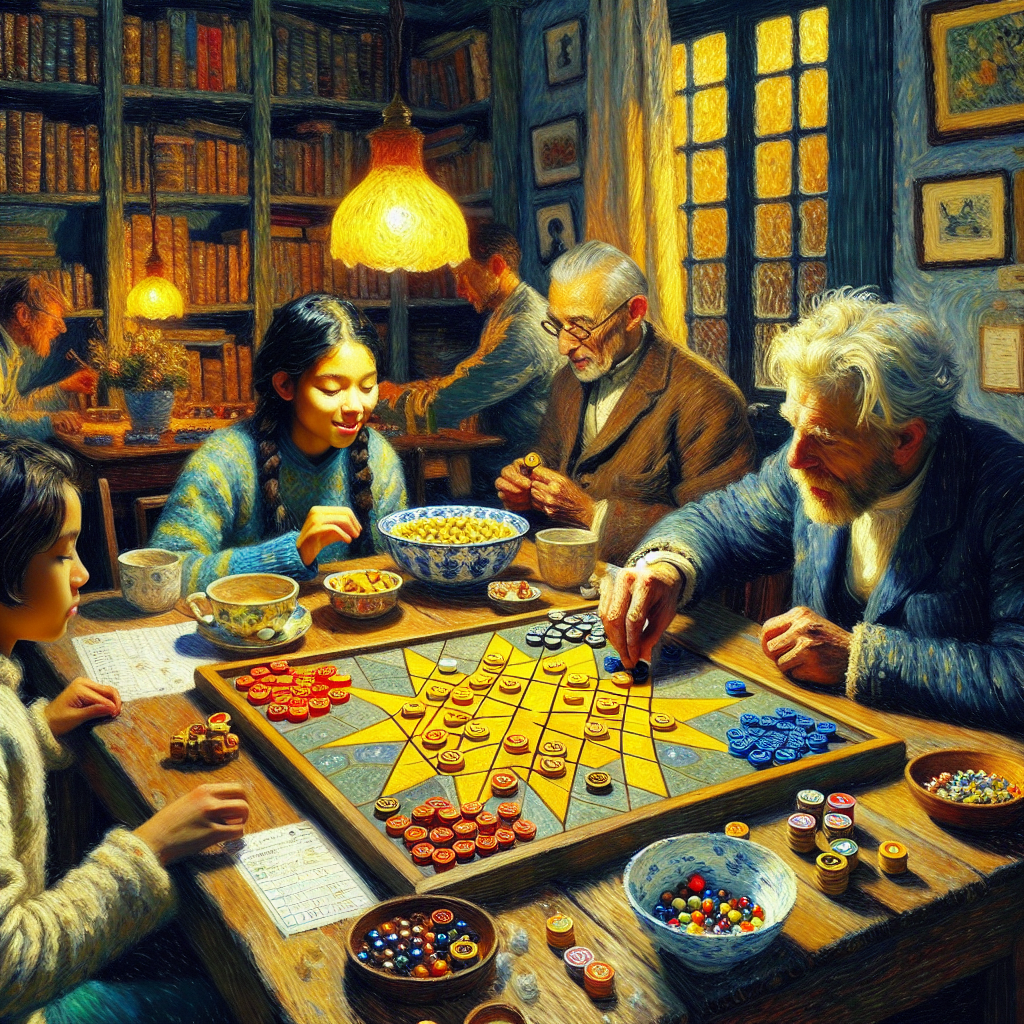
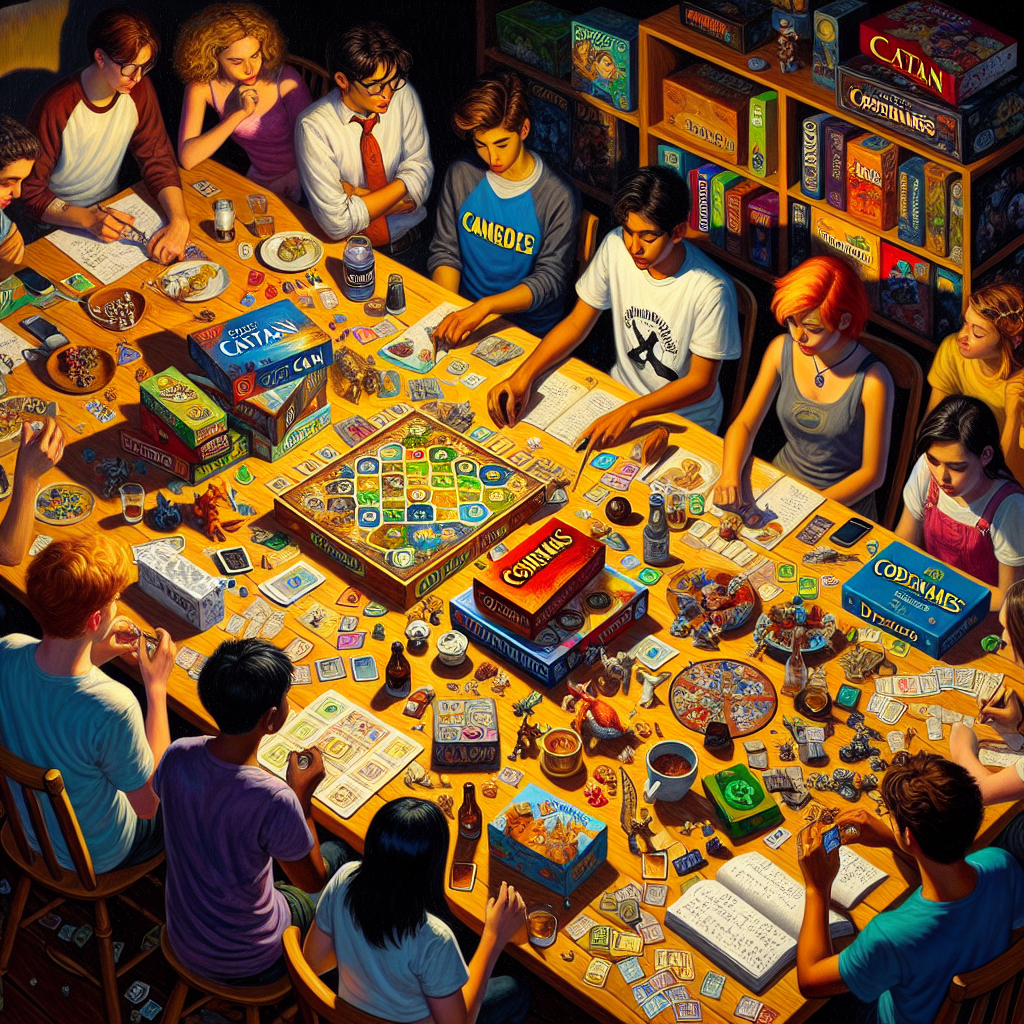
When the sun sets and the kitchen table transforms into a battlefield of strategy and cunning, you’ll find the world of Eurogames awaiting your eager participation. Picture this: friends gathered around, sipping their favorite drinks, ready to embark on a journey where victory is measured not by luck, but by a well-laid plan and a keen mind. Eurogames, often referred to as “German-style games,” are the sophisticated little gems of the board gaming world that emphasize strategy over luck, and cooperation over conflict.
The origins of Eurogames can be traced back to Europe in the 1980s, with pioneers like Klaus Teuber, who introduced us to “The Settlers of Catan.” This was not just a game; it was the beginning of a movement that challenged the status quo of board games. Gone were the days of rolling dice and praying for a good number. Instead, Eurogames elegantly weave complexity into their mechanics, with players engaging in resource management, economic development, and intricate decision-making. You won’t find “take that” gameplay here, where players gleefully knock each other down. No, these games invite you to outsmart your opponents through innovation and strategic foresight.
Game mechanics in Eurogames are as varied as the players who enjoy them. From worker placement in games like “Agricola,” where you must carefully decide how to allocate your limited resources, to engine-building in “Terraforming Mars,” where each decision helps construct a vibrant new world. Add to that the soothing absence of direct player elimination, and you’ve got a recipe for an environment where learning and improving become the name of the game.
What sets Eurogames apart is their universal appeal. With rules that are typically straightforward and scalable in complexity, they can engage players of all ages and skill levels. Whether you’re a seasoned gaming veteran or a curious newcomer, Eurogames offer an accessible way to dive into rich strategy. Plus, they often come adorned with stunning artwork and thematic elements that whisk you away to distant lands or fantasy realms, elevating the entire experience.
So, if you find yourself longing for cerebral challenges, genuine camaraderie, and the thrill of outsmarting your fellow players without the rancor of high-stakes drama, take a seat at the table of Eurogames. Your mind will be sharpened, your friendships fortified, and you might just find that winning becomes a satisfying side effect rather than the main dish. Prepare for a delightful evening of strategic thinking, laughter, and just the right amount of competition.
What Are Eurogames Board Games?
What Are Eurogames Board Games?
- Eurogames, or “German-style games,” prioritize strategy over luck and foster cooperation instead of competition.
- The genre’s origins date back to the 1980s in Europe, with influential games like “The Settlers of Catan” leading the movement.
- Players engage in resource management, economic development, and complex decision-making without relying on chance.
- Game mechanics vary, featuring popular styles such as worker placement in “Agricola” and engine-building in “Terraforming Mars.”.
- Eurogames maintain a non-elimination approach, encouraging a focus on learning and improvement.
- With straightforward rules and scalable complexity, they appeal to players of all ages and skill levels.
- Visually appealing artwork and thematic elements enhance the immersive experience of Eurogaming.
What Are Eurogames Board Games?
Table Of Contents
- What Are Eurogames Board Games?
- What Defines A Eurogame Board Game?
- What Are The Key Features Of Eurogames?
- How Do Eurogames Differ From American Board Games?
- What Is The History Of Eurogames?
- What Types Of Themes Are Common In Eurogames?
- What Are Some Popular Eurogames To Try?
- How Can I Choose The Right Eurogame For My Group?
- What Age Groups Are Eurogames Suitable For?
- What Strategies Are Effective In Eurogames?
- How Do Game Mechanics Influence Eurogames?
- What Role Do Player Interaction And Competition Play?
- What Are The Components Typically Found In Eurogames?
- How Can Eurogames Be Adapted For Non-Gamers?
- What Are Expansions And How Do They Enhance Eurogames?
- Are There Solo Variants Available For Eurogames?
- Conclusion
- Other Resources
- Glossary Of Terms
- Other Questions
- Haiku
- Poem
- Checklist
What Defines A Eurogame Board Game?
When you dive into the world of board games, you might bump into terms like “Eurogame” tossed around as casually as a popcorn kernel at the movies. But what exactly makes a game a Eurogame? Well, put on your thinking cap, because we’re about to embark on a journey through the charming, strategic landscape of this beloved genre.
At the heart of Eurogames lies a delightfully complex web of strategy. These are not your grandpa’s board games where you roll dice and hope for the best. No, indeed! Eurogames typically emphasize clever decision-making over pure luck. You’ll find that players are often strategizing several moves ahead, contemplating how their choices will ripple through the game and impact others. It’s like playing chess—but without the intimidating reputation that comes with it.
Mechanics are another hallmark of Eurogames. They tend to feature economic themes, resource management, and intricate point systems that reward you for your cunning. You might be building a civilization, managing a vineyard, or navigating trade routes—all in a quest to optimize your actions and score victory points. It’s all about efficiency, my friends. You’ll need to think of each move as a cog in a larger machine, calculating how best to fit your pieces together.
Another key ingredient in the Eurogame recipe is player interaction. While you might not be directly battling it out on the board, rest assured that your fellow players are always in the mix. The impact of someone snatching up the last resource you need—or choosing not to trade—can send shockwaves through your carefully laid plans. It creates a lovely tension that, while not confrontational, keeps everyone on their toes.
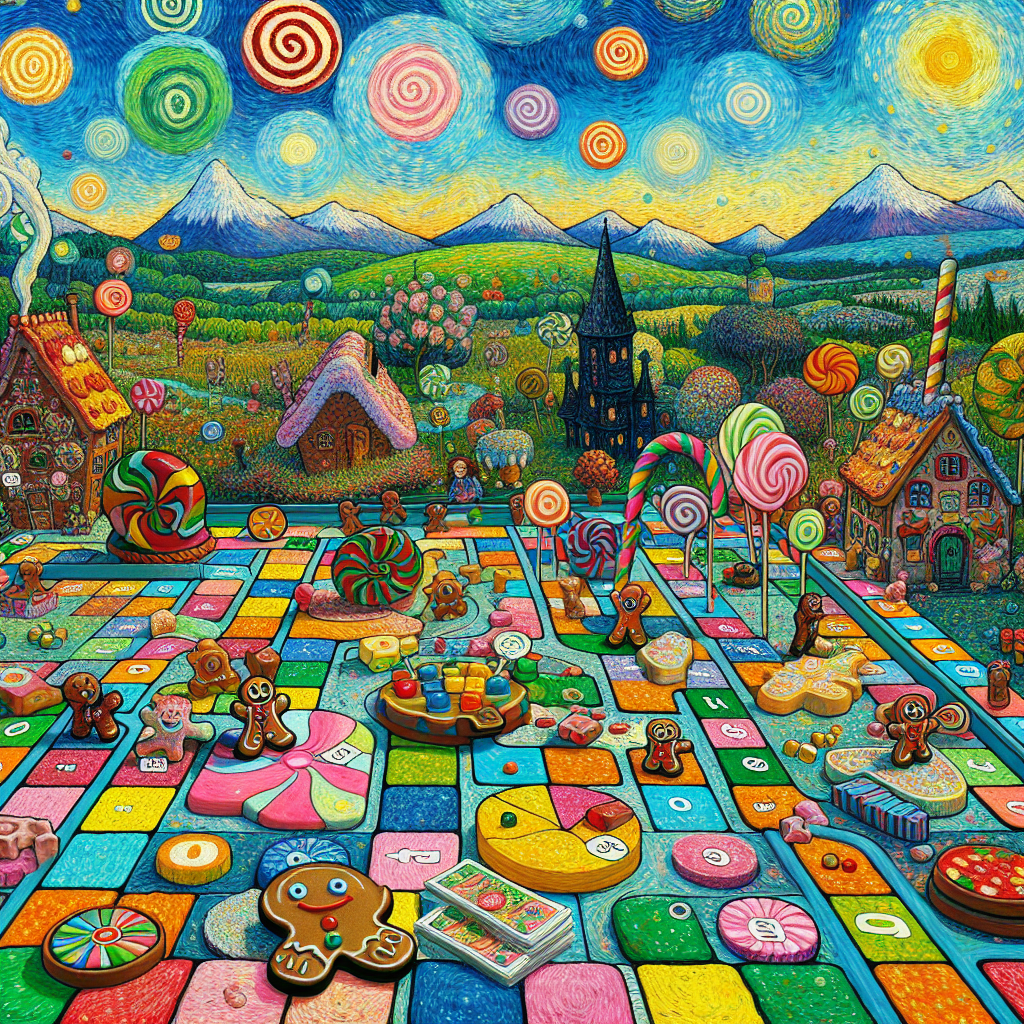
And let’s not overlook the aesthetic. Eurogames often feature beautiful, colorful boards and components, immersing players in a thematic world that invites you to stick around for another round. Visual appeal can enhance the experience, turning a simple game into a captivating journey.
Finally, Eurogames are generally more accessible than your average tabletop experience. With clearer rules and less downtime, they cater to both seasoned gamers and those new to the hobby. So whether you’re strategizing to build the most prosperous town or racing to conquer new territories, the genre thrives on collaboration, intricacy, and, yes, a bit of friendly competition.
So, next time you hear the term, remember: Eurogames are not just about winning; they’re a celebration of strategy, creativity, and social interaction. Dust off that game shelf—you might have a Eurogame adventure waiting to unfold!
What Defines A Eurogame Board Game?
What Defines A Eurogame Board Game?
- Eurogames emphasize strategic decision-making over luck, encouraging players to plan multiple moves ahead.
- They often feature mechanics related to economic themes, resource management, and intricate point systems.
- Players engage in optimizing their actions to score victory points, treating each move as part of a larger strategy.
- Although direct confrontation is minimal, player interaction is crucial and can significantly influence game outcomes.
- Eurogames are known for their beautiful, thematic boards and components that enhance the gameplay experience.
- The genre tends to be more accessible, with clearer rules and less downtime, appealing to both new and seasoned players.
- Overall, Eurogames celebrate strategy, creativity, and social interaction rather than solely focusing on winning.
What Defines A Eurogame Board Game?
What Are The Key Features Of Eurogames?
When you dive into the world of Eurogames, you’re stepping into a realm where strategy reigns supreme, and luck takes a back seat. Now, don’t get me wrong; a little chance can spice things up, but in a Eurogame, your wits and tactics rule the day. Let’s break down some key features that make these games a beloved choice for many.
First off, you’ll notice the theme and mechanics work hand in hand. Whether it’s building sprawling cities or cultivating fields, Eurogames often draw players into detailed worlds. But here’s the kicker: these games thrive on simplicity in design. The rules might be straightforward, but the strategic depth emerges as players engage with each other, crafting cunning plans and anticipating opponents’ moves.
Speaking of player interaction, Eurogames excel at fostering thoughtful engagement. You’re not just competing solo; you’re negotiating, trading, or even competing indirectly, which adds layers to the experience. Unlike some games where you might eliminate a rival, here you take a more communal approach. It’s about how you position yourself in relation to your fellow players, and that creates a unique dynamic that keeps everyone at the table invested.
Now, let’s not skip over the scoring systems. In Eurogames, victory often hinges on earned points, which you can accumulate through various actions throughout the game. This point-driven approach means there’s no single path to glory. Whether you’re a builder, a trader, or an explorer, your strategy is always subject to personal style, allowing for creativity and diverse gameplay.
The artwork in Eurogames deserves a shout-out, too. These games frequently feature stunning visuals that enhance the storytelling aspect. Instead of stark, aggressive graphics, you’ll often find beautifully illustrated components that invite players into a vibrant, thematic experience. It’s almost like stepping into a work of art where the gameplay itself is the brushstroke.
Lastly, one of the most remarkable characteristics of Eurogames is their accessibility. They often appeal to a broad audience, providing both seasoned gamers and newcomers a chance to engage on a level playing field. Once you understand the basics, the strategic possibilities are endless, creating a welcoming environment that keeps players coming back for more.
So there you have it: the key features of Eurogames. With their strategic depth, engaging interactions, and artistic flair, they offer a gaming experience that challenges, entertains, and ultimately draws players into a shared adventure.
What Are The Key Features Of Eurogames?
What Are The Key Features Of Eurogames?
- Eurogames prioritize strategy over luck, emphasizing player skills and tactics.
- Themes and mechanics are closely integrated, immersing players in detailed worlds.
- Simple game designs facilitate strategic depth as players interact and plan.
- Player interaction involves negotiation and trading, fostering thoughtful engagement.
- Scoring systems based on earned points provide multiple paths to victory.
- Stunning artwork enhances the immersive storytelling experience of Eurogames.
- Eurogames are accessible to both seasoned players and newcomers, creating a welcoming environment.
What Are The Key Features Of Eurogames?
How Do Eurogames Differ From American Board Games?
When it comes to board games, a tale as old as time unfolds: the distinct clash of Eurogames versus American-style games. You could say it’s like comparing fine wine to a hearty barbecue—both have their merits, but each offers a vastly different experience. Let’s dig into how these two realms diverge, and why that takes us on quite the adventure.
First off, let’s talk about the themes. Eurogames often pride themselves on a subdued atmosphere, where the mechanics dominate the storytelling. You’re typically building cities in medieval Europe, farming fertile lands, or trading goods. There’s an elegance to this simplicity, a kind of cerebral elegance that invites strategic thinking. You’re less likely to encounter wizards or trolls. Instead, you may find yourself meticulously placing workers or developing your economic engine, focused on the mastery of a system.
Now, slide over to American board games, and the scenery shifts dramatically. Here, it’s all about immersion and adventure. You’ve got your epic quests, your resource-heavy conquests, and narratives that rival blockbuster movies. Who doesn’t love a good treasure hunt or a showdown with a zombie horde? American games tend to revolve around strong themes and a narrative drive that draws players into the story itself.
Next, let’s get to the social interaction. In Eurogames, players often find themselves in a more indirect type of competition. It’s not about crushing your opponent but rather about efficiently managing your own resources while keeping a watchful eye on others. The game is more about finesse and subtlety. Meanwhile, American games usually ramp up the tension with direct player conflict. Think of classic titles where you can block others, wage war, or knock your friends straight out of the game. It’s intense, and the rivalry is palpable, with alliances forming and falling apart at every turn.
Finally, let’s examine playtime and complexity. Eurogames tend to favor a streamlined experience that can often be played in under two hours. You get to the heart of the strategy without it dragging on interminably. American games, on the other hand, often dive into the deep end with complex rules and extended gameplay. For some, nothing beats a night of moving miniatures across a sprawling board—while others would prefer the crisp efficiency of a well-timed turn in a Eurogame.
So there you have it—a tale of two gaming cultures, each offering a unique lens on strategy and camaraderie. Whether you’re planting crops in the Old World or battling monsters in your living room, the heart of the game remains the same: connecting with others through shared challenges, laughter, and maybe just a little bit of friendly rivalry.
How Do Eurogames Differ From American Board Games?
How Do Eurogames Differ From American Board Games?
- Eurogames focus on strategy and mechanics, often featuring subdued themes like city-building and resource management.
- American-style games highlight immersive narratives and themes, offering epic quests and adventures with a cinematic feel.
- Social interaction in Eurogames is characterized by indirect competition and resource management, emphasizing finesse.
- American games promote direct player conflict, enhancing tension through competitive elements like blocking and warfare.
- Eurogames typically have a streamlined experience, often playable in under two hours, focusing on efficient gameplay.
- American games frequently involve complex rules and longer playtime, appealing to players who enjoy elaborate scenarios.
- Both styles of games foster camaraderie and connection through shared challenges and enjoyable rivalry.
How Do Eurogames Differ From American Board Games?
What Is The History Of Eurogames?
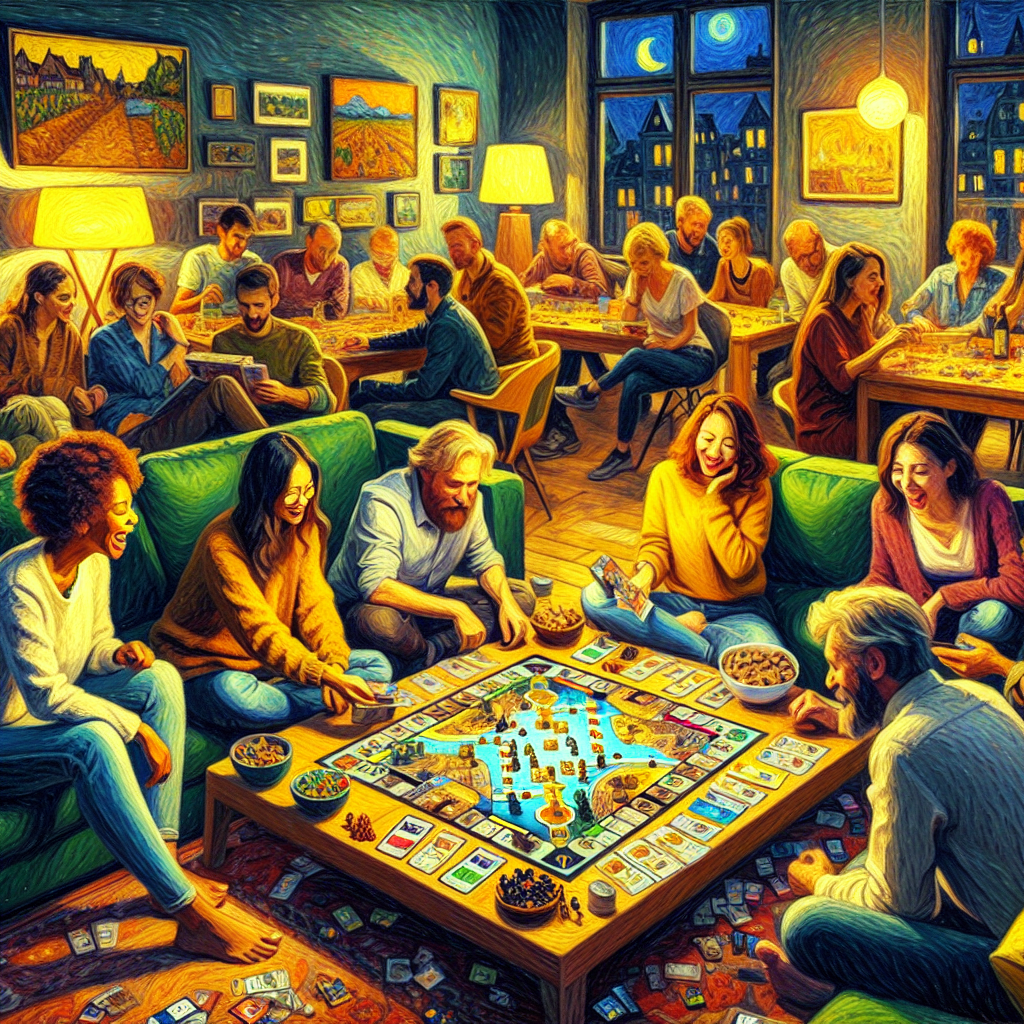
When you take a look at the colorful world of board games today, it’s hard not to notice the undeniable influence of Eurogames. These strategy-heavy, player-focused games have come a long way since their infancy in the mid-20th century, evolving into some of the most beloved pastimes in homes across the globe.
The story of Eurogames begins in the 1960s in Germany, a time when traditional games like Monopoly and Scrabble were household staples. Enter a group of innovators, visionaries who sought to create experiences that were more about strategy and less about luck. They wanted games where player decisions mattered and where victory wasn’t just about who rolled the highest number on the dice.
The term “Eurogame” itself is often attributed to the popularity of games like “Settlers of Catan,” released in 1995. This game captured the imagination of players worldwide with its resource management and trading mechanics, and before long, it was at the forefront of a movement. What set these games apart? A relentless focus on player interaction, elegant mechanics, and an emphasis on theme over conflict. Unlike American games that often pit players against each other in a competitive free-for-all, Eurogames encourage collaboration and negotiation, creating an atmosphere that can be as friendly as it is competitive.
The ‘90s and early 2000s were pivotal in the proliferation of these games, with designers like Klaus Teuber and Reiner Knizia creating classics that showcased the genre’s potential. They offered a gentler alternative to the “take-that” mechanics prevalent in many American games, emphasizing thoughtful strategy. This shift caught the attention of board game enthusiasts, leading to burgeoning communities and conventions dedicated to everything from worker placement to economic simulation.
As the 21st century rolled around, the internet revolutionized the way people discovered and shared Eurogames. Online platforms made it easier for enthusiasts to learn about and acquire games from overseas. Suddenly, it was possible for a player in Ohio to fine-tune their strategy for “Power Grid” while chatting with someone across the ocean who had just finished a round of “Carcassonne.
Today, Eurogames aren’t just a niche hobby. They’ve solidified their place in the mainstream gaming culture, boasting diverse themes and engaging mechanics that keep players coming back for more. Whether you’re managing a medieval city or exploring new worlds, the evolution of Eurogames is a testament to the timeless appeal of connection and strategy at the table.
What Is The History Of Eurogames?
What Is The History Of Eurogames?
- Eurogames have significantly influenced the board game landscape since their inception in the mid-20th century.
- The origins of Eurogames can be traced back to the 1960s in Germany, aiming to shift focus from luck to strategy.
- “Eurogame” gained popularity with the release of “Settlers of Catan” in 1995, emphasizing resource management and trading.
- Eurogames prioritize player interaction, elegant mechanics, and themes over conflict, promoting collaboration.
- The 1990s and early 2000s saw a rise in famous creators like Klaus Teuber and Reiner Knizia, who highlighted strategic gameplay.
- The internet has played a crucial role in promoting and sharing Eurogames, linking enthusiasts worldwide.
- Today, Eurogames are mainstream, featuring a variety of themes and mechanics that enhance player engagement.
What Is The History Of Eurogames?
What Types Of Themes Are Common In Eurogames?
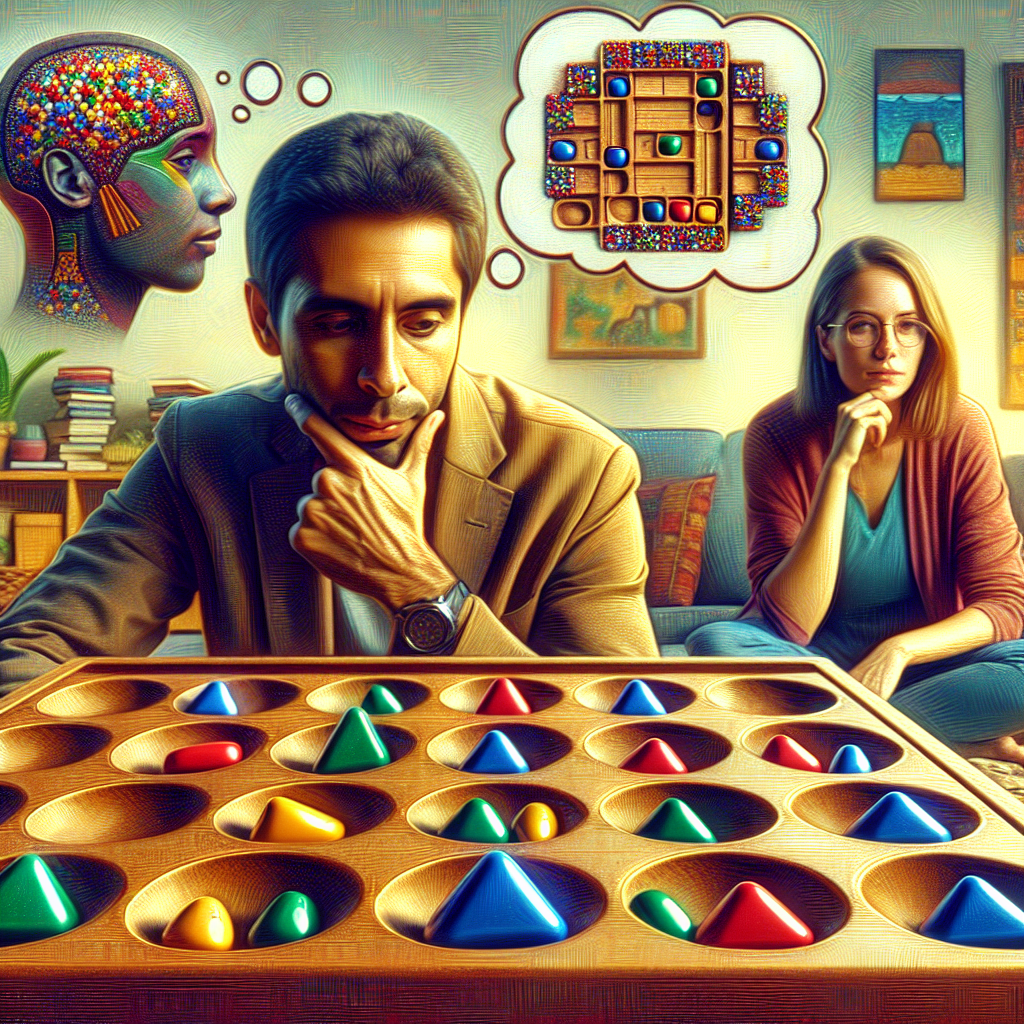
When we dive into the world of Eurogames, we’re not just rolling dice and moving pieces; we’re stepping into a vibrant tapestry of themes that often reflect the very essence of life, culture, and history in Europe. These games have a unique flavor that sets them apart, and it’s their themes that really highlight what makes them tick.
First up, we have the classic economic engine-building theme. Picture this: you’re the mayor of a burgeoning town, grappling with resources and trade routes. Eurogames often focus on managing goods, ensuring supply meets demand, and navigating market dynamics without the threat of overt conflict. Games like “Brass” and “Food Chain Magnate” showcase intricate systems where players must optimize their operations to achieve success. It’s a cerebral dance, requiring foresight and strategy more than acts of aggression.
Next, there’s the medieval and historical exploration theme. Many Eurogames invite us into the annals of history, from the grand explorations of the Age of Discovery to the complex interactions of medieval societies. Titles such as “The Voyages of Marco Polo” and ” Coimbra” immerse players in rich narratives set against a backdrop of trade, culture, and diplomacy. The thrill of exploration and the strategic management of your resources create a palpable tension that is as entertaining as it is educational.
And let’s not overlook the agricultural and rural themes that many games embrace. These titles often turn players into hardworking farmers or village creators, cultivating fields and nurturing their land. ” agricola” and “Stone Age” are prime examples where you plant, harvest, and build your way to prosperity. These games tap into a nostalgic connection to the land, reminding us of simpler times while challenging us to make the most of nature’s bounty.
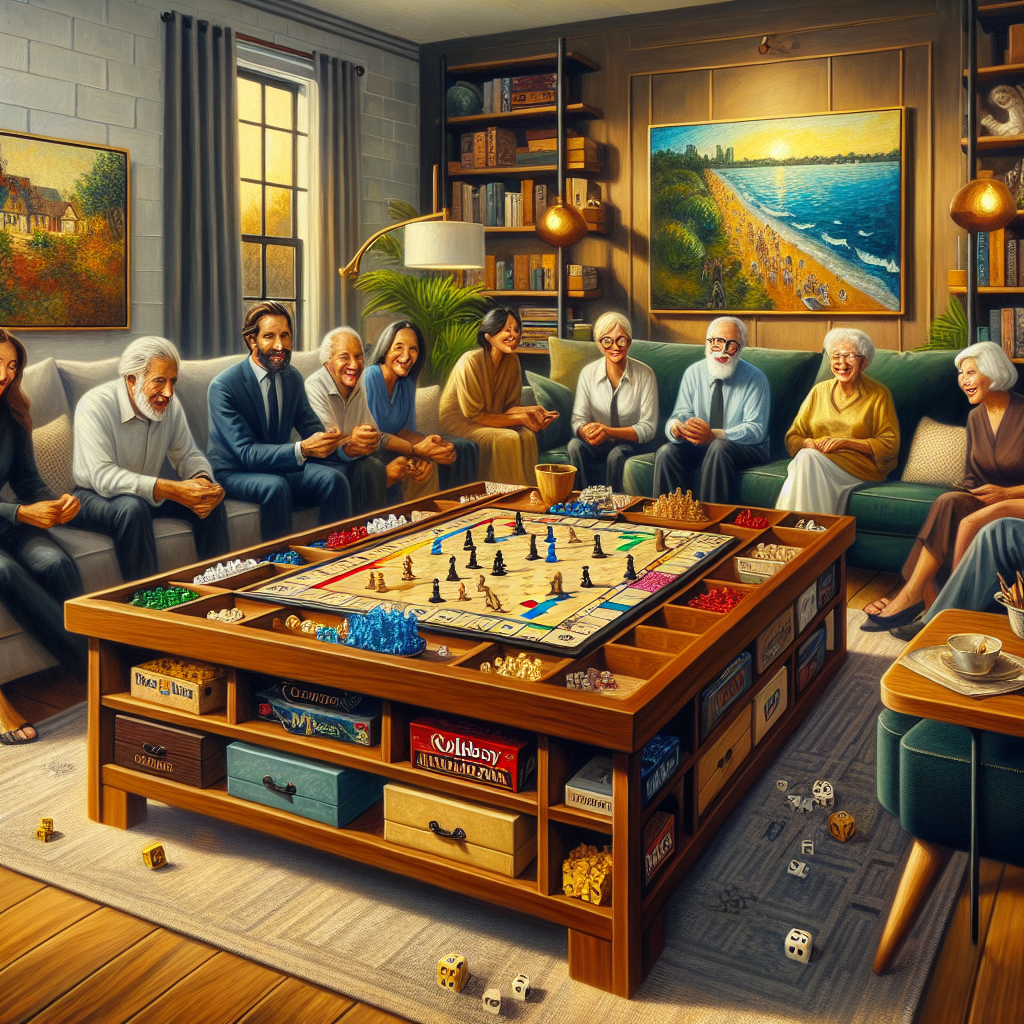
Another common avenue is the cooperative experience. These games promote teamwork over competition, focusing on solving problems together. Titles like “Pandemic” and “Forbidden Island” put players on the same side, battling against an ever-encroaching threat. The camaraderie built within these challenges serves to illustrate that sometimes, the joy lies not just in victory but in the shared struggle.
In essence, the themes present in Eurogames are as diverse as the players who enjoy them. They offer more than just a game; they provide a glimpse into cultures, histories, and philosophies that have shaped Europe. Whether you’re a shrewd negotiator, a strategic planner, or a collaborative player, there’s a Eurogame theme that speaks to every aspect of human experience. With a deck full of cards that span the ages and adventures, you’re bound to find something that really resonates. Happy gaming!
What Types Of Themes Are Common In Eurogames?
What Types Of Themes Are Common In Eurogames?
- Eurogames showcase a rich variety of themes reflecting life, culture, and history in Europe.
- The economic engine-building theme emphasizes resource management and trade without conflict.
- Classic games like “Brass” and “Food Chain Magnate” require strategic thinking and foresight.
- Medieval and historical exploration themes immerse players in narratives of trade, culture, and diplomacy.
- Titles such as “The Voyages of Marco Polo” and “Coimbra” highlight exploration and resource management.
- Agricultural themes turn players into farmers, with games like “Agricola” and “Stone Age” focusing on land cultivation.
- Cooperative games like “Pandemic” encourage teamwork and problem-solving against common threats.
What Types Of Themes Are Common In Eurogames?
What Are Some Popular Eurogames To Try?
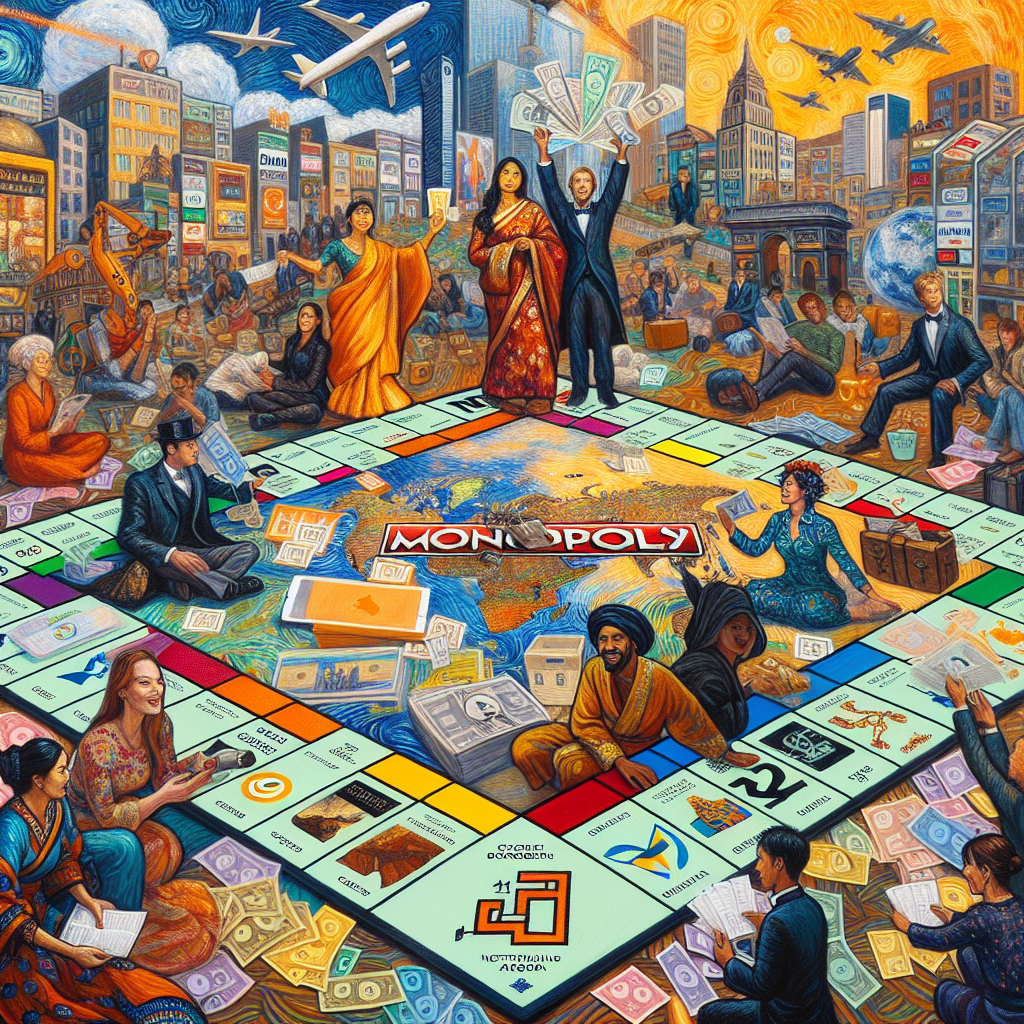
When it comes to stepping into the world of Eurogames, you’re treading on some richly crafted ground filled with strategic intrigue, economic management, and the occasional dose of backstabbing—minus the dice rolling frenzy you might associate with other types of games. These are the games that embrace the art of decision-making and encourage players to think ahead like a chess master plotting their next move. So, here are a few popular Eurogames that are a must-try for anyone looking to spice up their game nights.
First up, let’s dive into “Catan.” This iconic game is the poster child of Eurogaming, known for its infectious resource management and trade mechanics. Gather your friends and settle your colonies on the island of Catan, while furiously negotiating for grain, lumber, and bricks. Think you can outsmart your pals? Just wait until the robber makes an appearance to ruin your plans. This game will teach you the fine art of diplomacy—because nothing says “friendship” quite like stealing someone’s wheat.
Next, we’ve got “Carcassonne.” It’s a beautiful tile-laying game that invites players to build the French countryside. It’s all about crafting cities, roads, and fields, and placing your followers strategically to claim the most points. Its elegant simplicity makes it approachable for newcomers, while the depth of strategy ensures it stays fresh even after numerous plays. Plus, you get to become a medieval lord without the hassle of a kingdom—just tiles and meeples, my friend.
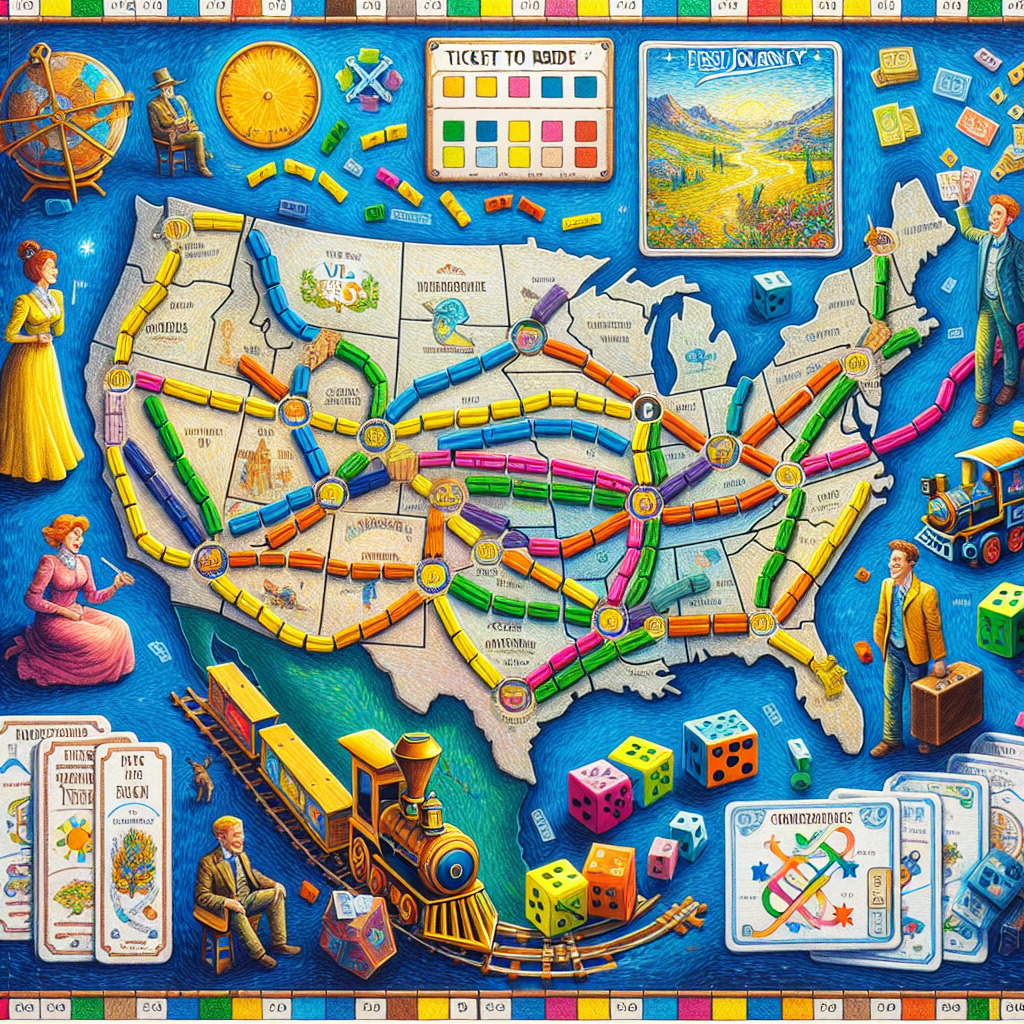
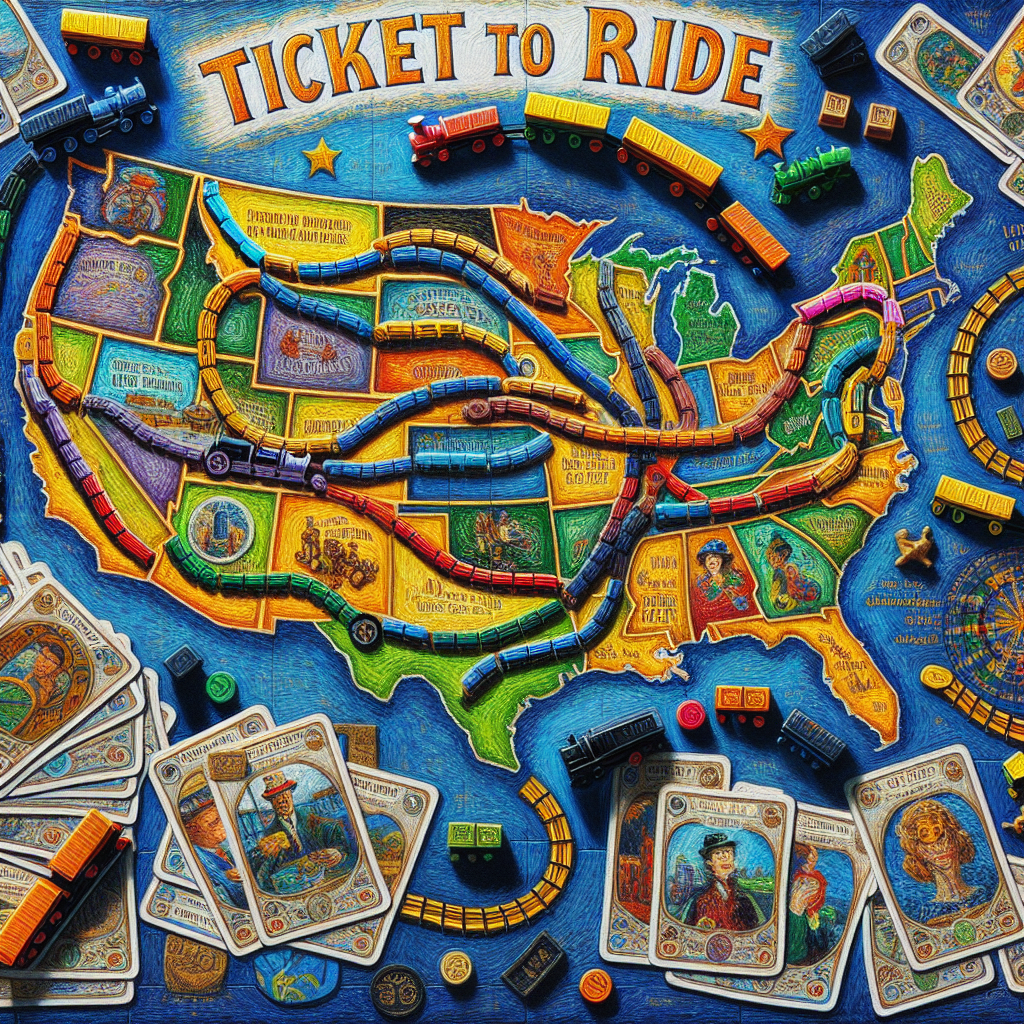
Then we have “Ticket to Ride.” Hop aboard the train to adventure as you collect cards to build your railway network across countries and continents. It strikes a brilliant balance between luck and strategy; sometimes you’ll need to actively block your opponents while expanding your own routes. It’s fun, dynamic, and perfect for both casual gamers and seasoned strategists.
The world of Eurogames wouldn’t be complete without “Agricola.” This one challenges players to build and manage their own farms in a race against time and resources. It requires serious planning and prioritization, with the added pressure of feeding your family—talk about a high-stakes farming simulation! It’s engaging and rewards foresight and clever resource management.
So, there you have it. Each of these games brings unique mechanics and experiences to the table, making them standouts in the Eurogame community. Whether you’re a seasoned gamer or a newbie looking for an engaging introduction, these titles will transport you into a realm where strategic decisions reign supreme. So gather your friends, pick a game, and prepare for an evening of clever maneuvering and friendly competition.
What Are Some Popular Eurogames To Try?
What Are Some Popular Eurogames To Try?
- Eurogames are characterized by strategic intrigue, economic management, and decision-making without heavy reliance on dice.
- The iconic game “Catan” emphasizes resource management and trade, requiring players to negotiate while competing for resources.
- “Carcassonne” is a tile-laying game focused on building the French countryside, combining simplicity with deep strategic elements.
- In “Ticket to Ride,” players collect cards to build railway networks, balancing luck and strategy to block opponents.
- “Agricola” challenges players to build and manage farms, emphasizing careful planning and resource allocation under pressure.
- Each game offers unique mechanics, making them popular choices in the Eurogame community for all experience levels.
- These games promise evenings filled with strategic decisions, clever maneuvering, and friendly competition.
What Are Some Popular Eurogames To Try?
How Can I Choose The Right Eurogame For My Group?
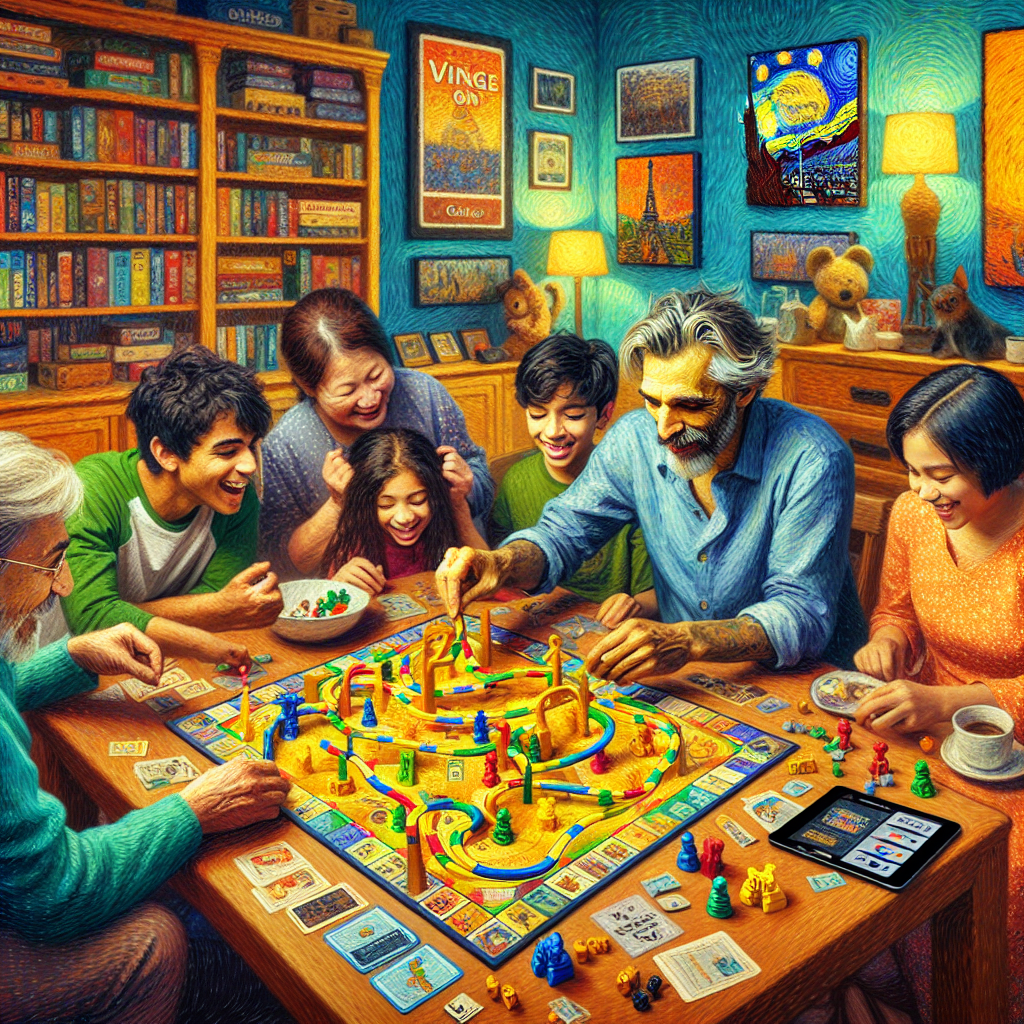
Choosing the right Eurogame for your group is much like picking the right tool for a job—it’s all about understanding your environment and the people you’re working with. Eurogames, known for their strategic gameplay and minimal luck, attract a wide variety of players, from casual gamers to hardcore enthusiasts, and knowing what appeals to your crew can make all the difference.
First and foremost, consider the experience level of your group. Are they seasoned players who revel in a deep, engaging experience, or are they newcomers still trying to wrap their heads around the concept of a game night? For the veterans among you, think about games like “Terraforming Mars” or “Agricola,” which offer intricate strategies and replayability. On the other hand, if your friends are dipping their toes into the Eurogame pool for the first time, start with something more accessible, like “Carcassonne” or “Kingdomino.” These titles provide enough complexity to be interesting without becoming overwhelming.
Next up, assess the mood of your gathering. Is it a lively evening filled with laughter and banter, or a quiet and more reflective night? Some games thrive on interaction and competition, keeping players on their toes—think “Catan” or “Dixit.” In contrast, if you’re in the mood for collaboration and friendship-building, consider cooperative games like “Pandemic” or “Spirit Island.” These can foster teamwork and communication, making for a refreshing twist on the typical gaming experience.
Another crucial factor is playtime. Eurogames can range from quick 30-minute escapades to marathon sessions lasting several hours. Gauge how much time you have to spare—if it’s a short evening, go for something with a bite-sized duration. If you’re all committed to a longer session, pick a game that will dive deeper into strategy and story.
Finally, consider the theme, because, let’s face it, an engaging theme can be the cherry on top of an already delicious game. Whether it’s building a civilization, managing a farm, or exploring mysterious lands, the thematic element can draw players in and make the experience memorable.
Ultimately, the right Eurogame should bring your group together to enjoy a shared adventure. So the next time you’re staring at a shelf of games, remember: it’s not just about picking a winner; it’s about building connections and creating stories worth retelling. Happy gaming!
How Can I Choose The Right Eurogame For My Group?
How Can I Choose The Right Eurogame For My Group?
- Choosing the right Eurogame depends on understanding your group and the environment.
- Consider the experience level of your group; choose complex games for veterans and accessible ones for newcomers.
- For seasoned players, recommend games like “Terraforming Mars” or “Agricola.”.
- For new players, start with simpler games like “Carcassonne” or “Kingdomino.”.
- Assess the mood of the gathering; opt for competitive games for lively evenings and cooperative games for reflective nights.
- Consider playtime; some Eurogames are quick, while others can last several hours.
- The theme of the game can enhance the experience and make it memorable.
How Can I Choose The Right Eurogame For My Group?
What Age Groups Are Eurogames Suitable For?
When it comes to Eurogames, there’s a real beauty in their accessibility. These intricately designed board games have carved out a niche not just for their strategic depth, but for their ability to engage players across a wide spectrum of ages. From the youthful spark of curiosity in kids to the seasoned strategy of older adults, there’s something here for everyone who’s willing to roll the dice or shuffle the cards.
Let’s start with the young ones. Many Eurogames come equipped with mechanics that cater to children aged 8 and up. These games often feature vibrant artwork and straightforward rules to ease young players into the world of strategy. Titles like “Carcassonne” and “Ticket to Ride” are perfect for this age group, encouraging critical thinking while still keeping the atmosphere light and fun. Kids can grasp the fundamental concepts of planning and resource management while developing patience and teamwork skills. Plus, playing together can foster family bonding, teaching kids that sometimes it’s not just about winning but enjoying the shared experience.
Now, steer your gaze to the adolescent crowd—those ages 12 to 18. Here, the Eurogames shine even brighter, as they offer a perfect blend of challenge and teamwork that resonates with teens seeking deeper engagement. Games like “Catan” and “7 Wonders” introduce more complexity, often requiring negotiation and a bit of cunning. This age group thrives on interaction, and Eurogames can kick those social skills into high gear, teaching them the value of strategy and compromise without the harsh reality of competition seen in other formats.
As we transition into adulthood, the allure of Eurogames doesn’t wane but evolves. Young adults relish games like “Terraforming Mars” or “Agricola,” where the strategies get intricate and the investment of time can be substantial. Here, it’s all about the thrill of outsmarting opponents and formulating complex plans. The bonus? These games can serve as wonderful mixers for casual gatherings, offering a platform for friends to connect and engage over a shared passion.
Finally, let’s not overlook the seasoned players. Older adults—retirees, veterans of game nights—tend to find joy in Eurogames too. Many of these titles offer a chance for critical thinking and mental engagement without demanding the split-second reflexes that younger players might possess. Games cater to cognitive resilience, giving everyone a chance to flex those mental muscles while staying social.
In summary, Eurogames cater to a broad spectrum of age groups, making them a fitting choice for family gatherings, youth events, adult get-togethers, and everything in between. They build connections, sharpen minds, and bring people together—one roll of the dice at a time. So whether you are young, old, or just young at heart, there’s a Eurogame waiting for you.
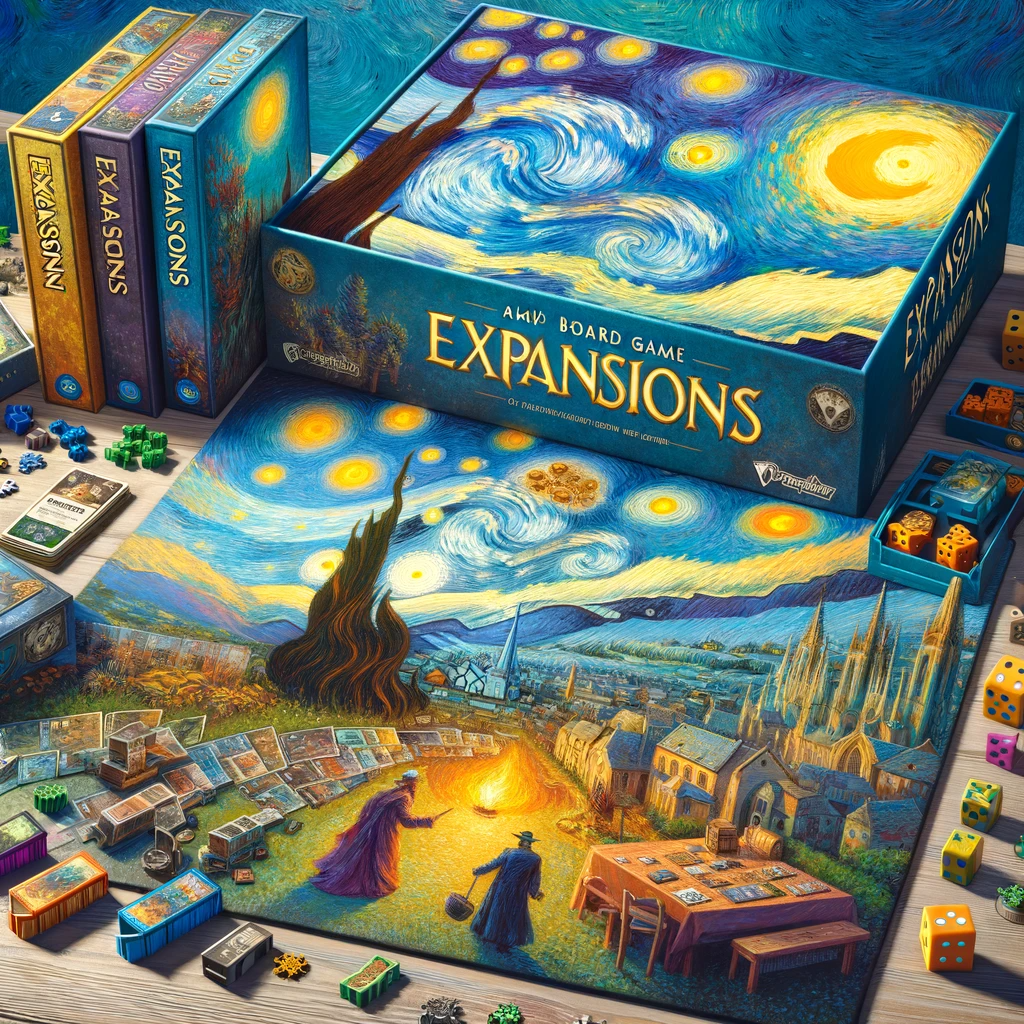
What Age Groups Are Eurogames Suitable For?
What Age Groups Are Eurogames Suitable For?
- Eurogames are designed for accessibility, engaging players of all ages.
- Many Eurogames feature straightforward rules and vibrant artwork suitable for children aged 8 and up.
- Games like “Carcassonne” and “Ticket to Ride” help kids develop critical thinking, patience, and teamwork skills.
- Adolescents (ages 12 to 18) enjoy the deeper engagement provided by games like “Catan” and “7 Wonders,” which require negotiation and strategy.
- Young adults appreciate complex strategies in games such as “Terraforming Mars” and “Agricola,” often used as social mixers.
- Older adults value the mental engagement of Eurogames, which promote social interaction without fast-paced competition.
- Overall, Eurogames foster connections, sharpen minds, and bring people together, appealing to a wide range of players.
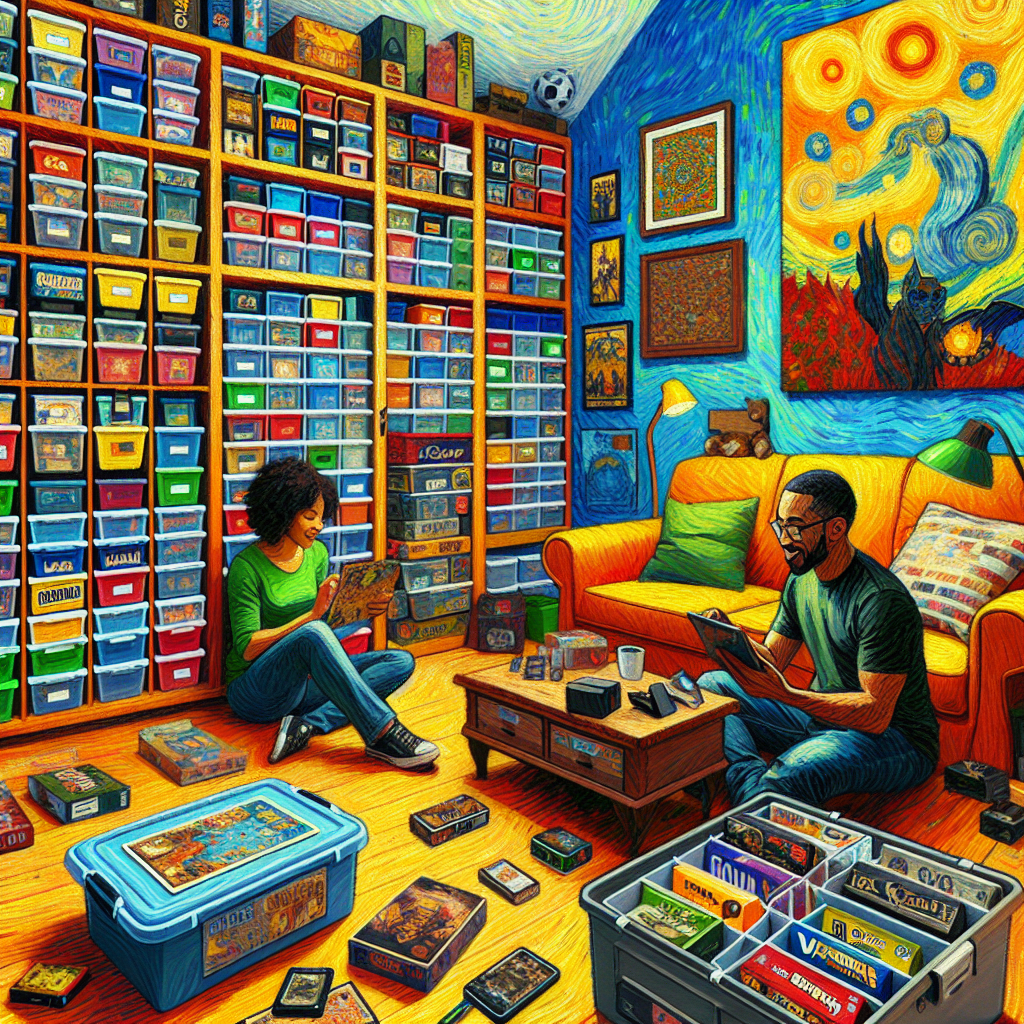
What Age Groups Are Eurogames Suitable For?
What Strategies Are Effective In Eurogames?
What Strategies Are Effective in Eurogames?
When you sit down at the table for a Eurogame, you’re not just playing a game; you’re engaging in a dance of strategy, where every move matters and every decision counts. It’s not just about rolling dice or drawing cards; it’s a careful battle of wits, often requiring a mix of foresight, flexibility, and an uncanny ability to read the room. So, what makes for effective strategies in these often intricate games? Let’s break it down.
First and foremost, understanding the mechanics is crucial. Every Eurogame brings its own flavor, whether it’s resource management, worker placement, or point-to-point movement. Familiarize yourself with the rules and nuances. Missing even a small detail can cost you dearly when the points are tallied. So, take the time upfront—study the board, check the scoring systems, and grasp how actions flow. This knowledge isn’t just power; it’s your toolbox for success.
Next up is anticipating your opponents’ moves. Eurogames often reward players who can think one step ahead—or even better, two or three. Keep your eyes on your competitors; a well-timed intervention can disrupt their plans and clear a path for your victory. This isn’t just about stopping them from scoring; it’s about understanding their intentions and countering them effectively. It’s a game of chess, but with resources instead of pieces.
Equally important is the art of resource management. Whether it’s collecting cards, building structures, or amassing points, the ability to manage what you have—and acquire what you need—can make or break your chances. Many Eurogames require a balance between investing in immediate gains versus long-term strategy. Do you build that route now, or save your resources for the game-changer later? This requires not just deliberation, but a little gut feeling too, one you can refine as you play.
Lastly, don’t underestimate the power of collaboration and negotiation. Often, Eurogames allow for a level of interaction that paves the way for alliances. Whether it’s trading resources or forming temporary pacts, building rapport can sometimes yield the biggest rewards. Just remember, in the world of Eurogames, every friend can also be a fierce competitor.
In summary, successful play isn’t just about luck; it’s skill, strategy, and a bit of savvy. Stay focused, pay attention, and remember—each pawns’ move can lead to a king’s victory.
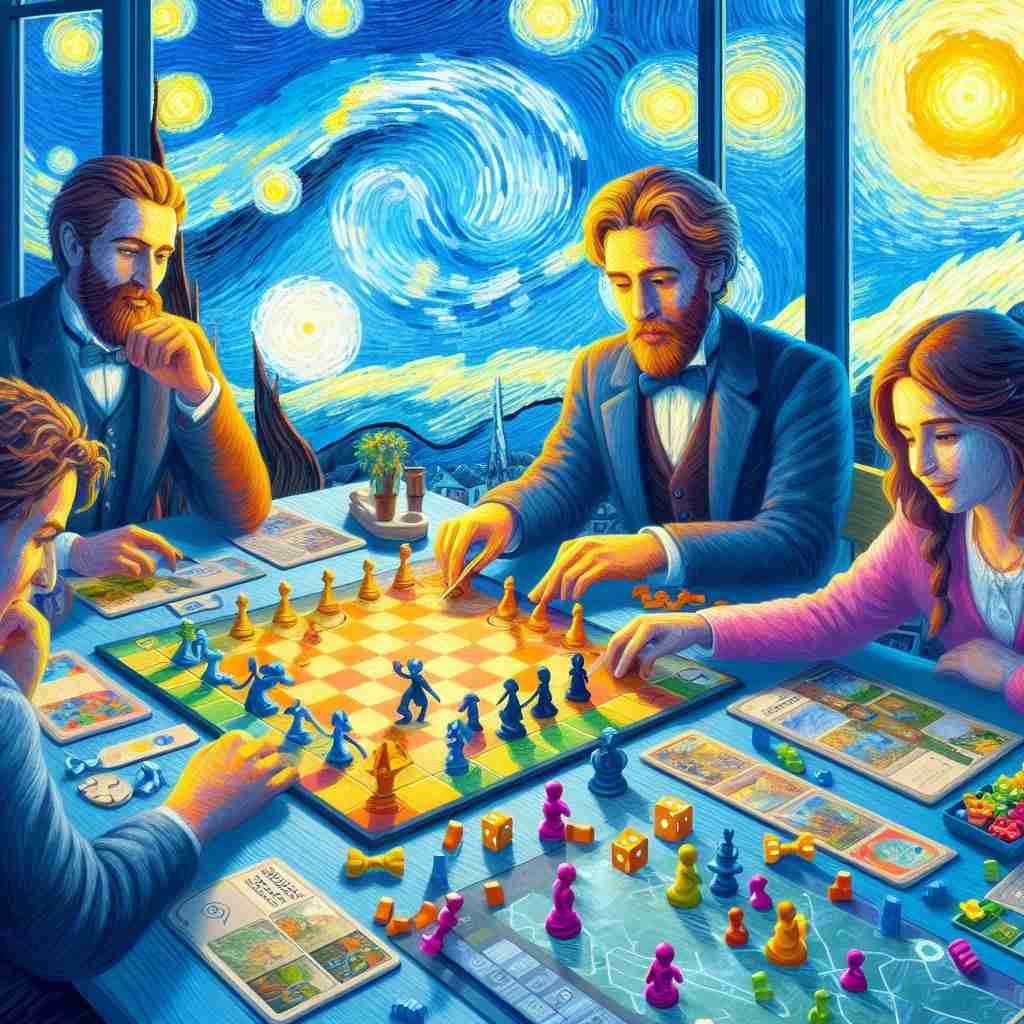
What Strategies Are Effective In Eurogames?
What Strategies Are Effective In Eurogames?
- Understanding the mechanics of each Eurogame is crucial for success.
- Familiarize yourself with the rules, scoring systems, and action flow to harness your strategic toolbox.
- Anticipate opponents’ moves and think multiple steps ahead to disrupt their plans effectively.
- Effective resource management is key; balance immediate gains with long-term strategies.
- Deliberation and intuition play roles in deciding when to invest resources.
- Collaboration and negotiation can lead to strategic alliances and greater rewards.
- Successful play relies on skill, strategy, and awareness of opponents’ intentions.
What Strategies Are Effective In Eurogames?
How Do Game Mechanics Influence Eurogames?
##
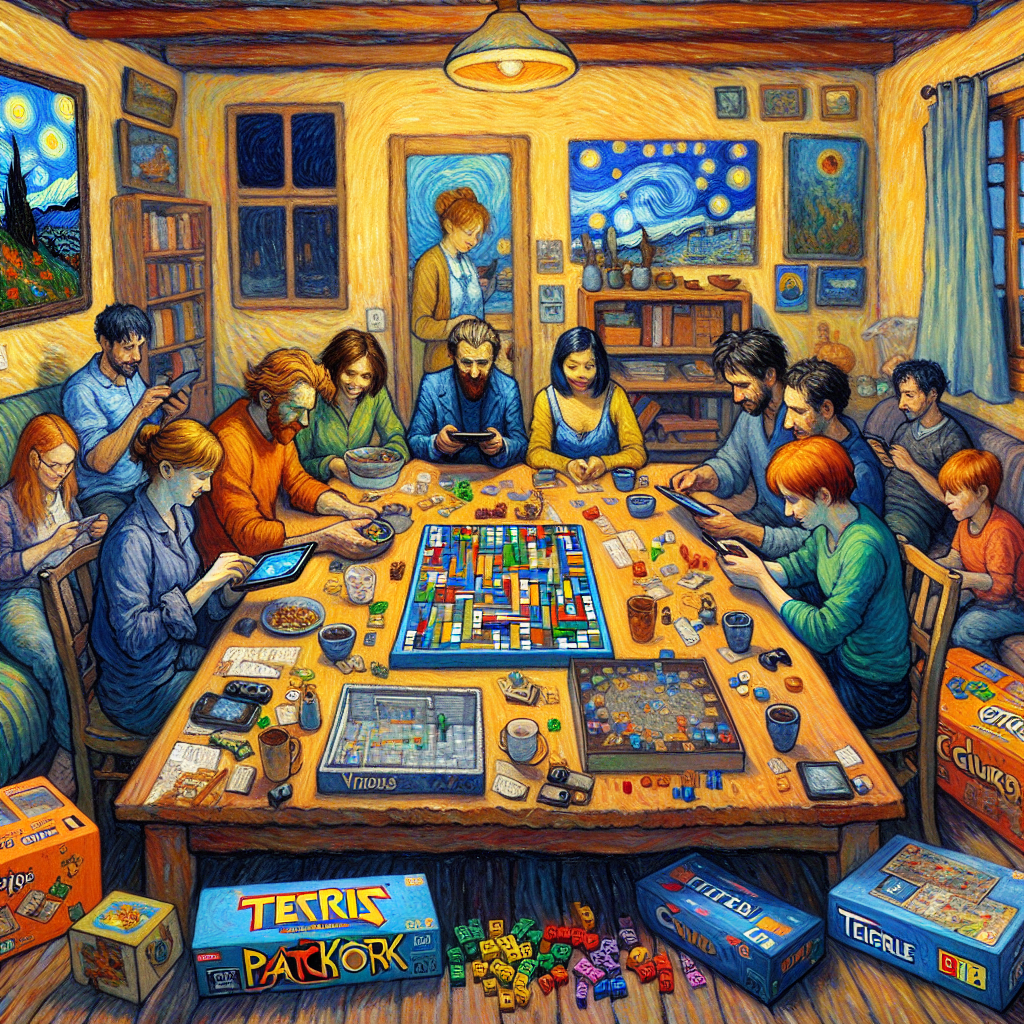
When you delve into the world of Eurogames, you quickly realize that it’s not just about rolling dice or moving pieces around a board; it’s about crafting an experience that engages the mind while offering the satisfaction of strategy and problem-solving. At the heart of these games lies the intricate dance of game mechanics—those fundamental building blocks that shape how players interact within the world created by the designers.
Imagine the mechanics as the gears in a finely-tuned engine. Each one plays a specific role, turning and clicking to produce a harmonious experience. Unlike many mainstream games that rely heavily on luck or confrontation, Eurogames lean into mechanics that promote resource management, worker placement, and economic development. This subtle complexity encourages players to think critically about their moves, weighing consequences and strategies that extend several turns into the future.
Take resource management, for instance. In games like *Agricola* or *Catan*, players are tasked with gathering and allocating resources—wood, sheep, or grain—creating a balancing act that feels both rewarding and challenging. The ability to trade resources with others or monopolize a particular commodity adds layers of interaction and tension, transforming what could be a straightforward process into a rich, strategic endeavor. Each decision ripples outward, impacting not just your own strategy but your opponents’ as well.
Then there’s worker placement. Games such as *Lords of Waterdeep* showcase how placing a limited number of workers into various locations can create a cascading effect on the game. Each player must decide not only where to assign their workers but also predict where their opponents might choose to send theirs. This heightened level of interactivity creates a dynamic game board, where the strategic deployment of workers can lead to unexpected alliances—or fierce rivalries.
Eurogames also excel at offering multiple paths to victory, a mechanic that invites diverse play styles. Do you focus on building your economy, expanding your territory, or cultivating diplomatic relationships? Each choice presents a different flavor of gameplay, engaging a broad spectrum of player preferences. This flexibility boosts replayability—after all, no two games feel the same when you can venture down a different strategic path each time you play.
In essence, game mechanics in Eurogames are not just rules; they’re the very framework that helps players navigate an intricate web of strategy, resource allocation, and social interaction. This combination not only enhances player engagement but cultivates a community where seasoned strategists and newcomers alike can gather around the table, united by a common goal: outsmarting the competition while having a good time.
How Do Game Mechanics Influence Eurogames?
How Do Game Mechanics Influence Eurogames?
- Eurogames focus on strategic thinking, problem-solving, and engaging mechanics rather than simple luck or confrontation.
- Game mechanics are essential building blocks, comparable to gears in an engine, shaping player interactions.
- Resource management in games like *Agricola* and *Catan* challenges players to gather, allocate, and trade resources strategically.
- Worker placement in games such as *Lords of Waterdeep* requires players to consider both their own actions and those of opponents.
- Eurogames offer multiple paths to victory, accommodating diverse play styles and enhancing replayability.
- The mechanics create a rich tapestry of strategy, resource allocation, and social interaction among players.
- Eurogames foster a community where both experienced strategists and newcomers can enjoy the challenge of outsmarting each other.
How Do Game Mechanics Influence Eurogames?
What Role Do Player Interaction And Competition Play?
What Role Do Player Interaction and Competition Play?
In the vast arena of gaming, whether it’s online or in a living room, player interaction and competition weave together to form the very tapestry from which memorable experiences are spun. There’s something profound about watching a group of friends gather around a video console or seeing a bustling chat room filled with avatars and user names. Here, the magic begins, driven by the pulse of interaction and the thrill of competition.
At its core, competition offers clarity and motivation. It’s the spark that ignites the flames of ambition within players—pushing them to hone their skills, strategize, and outsmart their opponents. In a well-crafted game, every match is a chance to test not just your mettle, but also your understanding of your teammates and adversaries. Imagine a team of players on a battlefield, each with unique roles and abilities, navigating through challenges where every decision can shift the balance. This interplay creates an exhilarating environment where victories are savored and defeats turn into lessons.
But it’s not just about the thrill of winning or the agony of defeat; it’s how these experiences bring people together. Think of it as the digital equivalent of a backyard barbecue, where friendly rivalries simmer and laughter flows alongside the competition. Whether you’re on the winning side or licking your wounds, the shared experience bonds players in a way that transcends the game itself. You’re not just racking up points; you’re cultivating relationships, building camaraderie, and often sharing stories that will echo in future gaming sessions.
Further, player interaction—a cocktail of cooperation, negotiation, and sometimes confrontation—adds layers of complexity. In cooperative games, collaboration becomes the backbone of success, requiring players to communicate effectively and trust one another. It’s a dance, a rhythm that can only be perfected through practice and patience. Conversely, in competitive scenarios, the psychological battlefield expands. Players read their opponents, attempt to outwit, and create drama out of strategy, turning a simple play into a high-stakes chess match where the outcome is uncertain until the very end.
In the grand tapestry of gaming, player interaction and competition do more than just drive gameplay; they transform solitary pastimes into vibrant social experiences. They remind us that, at the end of the day, we’re all in this together—sharing laughs, woes, triumphs, and defeats, one game at a time.
What Role Do Player Interaction And Competition Play?
What Role Do Player Interaction And Competition Play?
- Player interaction and competition enhance the gaming experience, whether online or offline.
- Competition motivates players to improve their skills and develop strategies.
- Teams in games require collaboration, understanding roles, and making critical decisions during play.
- Shared experiences during games foster friendships and create memorable moments.
- Player interaction involves cooperation, negotiation, and sometimes confrontation.
- Cooperative games rely on effective communication and trust among players.
- Overall, interaction and competition transform gaming into a vibrant social activity.
What Role Do Player Interaction And Competition Play?
What Are The Components Typically Found In Eurogames?
When you crack open a Eurogame box, you’re greeted with a treasure trove of components that can make any board game enthusiast feel like a kid in a candy store. Let’s dive into the fundamental elements that define these strategic gems.
First up, you’ll often find a hefty game board. Unlike the sprawling, chaotic boards of many American-style games, Eurogame boards tend to be clean, organized, and multifunctional. You’ll see paths, spaces, and carefully designed areas that guide player interactions with an underlying strategic purpose. The layout is usually filled with beautiful, thematic art that immerses players in a world where decisions matter, and points are earned—not just through luck, but through clever planning.
Next, you can’t have a Eurogame without its resource management components. Tokens, cards, or cubes, usually represent various resources like wood, grain, or stone. These resources are the backbone of gameplay, encouraging players to think ahead and optimize their actions. Collecting resources is often a balancing act, where managing scarcity becomes just as vital as planning your next move. This intricate dance keeps players engaged and forces them to adapt to the ever-changing game landscape.
Of course, player interaction is a staple in these games, typically conveyed through worker placement pieces or action selection tokens. You’ll often see colorful little figures, representing workers or agents, placed on specific actions on the board. Each strategic move can impact the game’s flow, allowing players to block, collaborate, or outmaneuver each other while still keeping the competitive spirit friendly.
Then, there’s the cards. Ah, yes, the cards! They come in a variety of forms: action cards, event cards, and even scoring cards. These pieces often inject an element of chance and strategy, allowing players to enhance their plans or shake things up when least expected. Players will intertwine their strategies with the ever-present threat of surprise, adding a layer of depth typical of Eurogame design.
Don’t forget the scoring tracks too. These elegant little markers elegantly track each player’s progresses amid the cozy competition. Players continuously monitor their standings, reminding everyone that while the gameplay is light-hearted, the chase for victory is anything but.
So whether you’re building your kingdom, trading resources, or carefully plotting your next move, the array of components found in Eurogames blends together to create a rich tapestry of strategy, creativity, and fun. It’s all about the game and the friendships fostered along the playing surface that keep drawing us back for more!
What Are The Components Typically Found In Eurogames?
What Are The Components Typically Found In Eurogames?
- Eurogames feature a treasure trove of components that appeal to board game enthusiasts.
- Hefty, clean, and multifunctional game boards guide player interactions with strategic purpose.
- Resource management components like tokens, cards, or cubes encourage players to think ahead and optimize actions.
- Player interaction is key, often conveyed through worker placement and action selection tokens.
- Cards in various forms add elements of chance and strategy, enhancing gameplay depth.
- Scoring tracks elegantly monitor each player’s progress amid competitive spirit.
- Eurogames combine components that foster strategy, creativity, and fun while building friendships.
What Are The Components Typically Found In Eurogames?
How Can Eurogames Be Adapted For Non-Gamers?
When you think of the word “game,” what pops into your head? Monopoly, maybe? Or perhaps a free-for-all with friends over a round of Cards Against Humanity? For many, the world of tabletop gaming is stuck in a rut of familiar titles and frenzied dice rolls. But scratch beneath the surface, and you’ll find a treasure chest of Eurogames—strategic, often resource-management-heavy board games that can feel daunting to anyone not steeped in the culture. The question then becomes: how do you introduce these gems to the non-gamer crowd?
First off, it’s time to strip away the intimidating rulebooks full of convoluted jargon. At their core, Eurogames are built around strategy and decision-making, not the sensory overload of chaos and luck that often defines traditional games. Simplifying the rules into bite-sized, digestible pieces can help newcomers grasp the underlying mechanics without feeling overwhelmed. Start with a short explanation of the game’s objective—what players are really trying to achieve.
Incorporating familiar themes can also help bridge the gap between hardcore gamers and those who might shy away from more complex systems. Many Eurogames feature engaging narratives: building a city, managing a farm, or trading goods across a fictional landscape. Picking a game with a relatable theme can spark interest and invite people into the experience. Everyone loves a good story, after all.
Another key is to find the right way to introduce the game. You don’t want to throw people into the deep end right off the bat. Opt for lighter games that feature similar mechanics but are less complex. Games like “Carcassonne” or “Ticket to Ride” serve as excellent entry points. They ease players into the genre while keeping the competitive spirit alive. You can think of them as the training wheels of the Eurogaming world.
Ultimately, patience is crucial. Allow players to explore and make mistakes—that’s where the real learning and engagement happen. Use humor to defuse any frustrations. Remember, it’s more about the process and the shared experience than winning or losing.
By thoughtfully adapting Eurogames for non-gamers, we can foster a new generation of enthusiasts. So, roll up your sleeves, gather your friends or family around the table, and watch as they dive into the world of strategic gaming, one turn at a time.
How Can Eurogames Be Adapted For Non-Gamers?
How Can Eurogames Be Adapted For Non-Gamers?
- Tabletop gaming often revolves around familiar titles and chaotic gameplay.
- Eurogames are strategic board games focused on resource management, potentially intimidating for newcomers.
- Simplifying the rules and explaining objectives in digestible ways can help newcomers acclimate.
- Choosing games with relatable themes (like city-building or farming) can pique interest.
- Start with lighter Eurogames, such as “Carcassonne” or “Ticket to Ride,” to introduce mechanics gradually.
- Patience is vital; encourage exploration and accept mistakes as part of the learning process.
- Adapting Eurogames for non-gamers promotes growth in the gaming community and shared experiences.
How Can Eurogames Be Adapted For Non-Gamers?
What Are Expansions And How Do They Enhance Eurogames?
Picture this: you’ve settled down with friends for a weekend of strategy, decision-making, and friendly competition—Eurogame night! You’ve got your basic game set up, the rules are clear, and everyone is ready to dive in. But then someone suggests adding an expansion. Suddenly, the air is charged with possibilities. What are expansions, you ask? Well, think of them as the secret sauce that can take a great meal from good to gourmet!
Expansions to Eurogames breathe new life into beloved titles. They expand the scope of the game, introducing fresh mechanics, additional components, or even entirely new gameplay modes. Whether it’s new characters with unique abilities or additional resources that shake up the game’s economy, expansions inject variety and complexity into the experience. This is particularly valuable in Eurogames, which often thrive on strategy and player choice.
Imagine a classic game of *Catan* where you’ve mastered the best settlements. A new expansion might open up a new island, introduce sea trading, or even bring in pirates! It’s not just about more content; it’s about deepening the strategic layers. Players get the chance to explore new tactics, negotiate different pathways to victory, and often, face unforeseen challenges that might just throw a wrench in their carefully laid plans.
Another major advantage of expansions is community engagement. They can reignite interest in a game that might have grown a bit stale. Players who have spent countless hours mastering the base game can feel a spark of excitement with the introduction of a fresh set of rules. Communities thrive on these expansions, with forums buzzing with strategies and tactics tailored around the new elements.
Now, let’s not forget the social component. Expansions often lead to longer game nights, bringing players together for more engrossing sessions. The player dynamics shift, friendships evolve, and those moments of joy—or frustration—are only magnified with the introduction of new elements.
In essence, expansions transform Eurogames from a singular experience into a dynamic journey of endless possibilities. They keep players coming back to the table, excited to explore the unknown while building on the foundations they’ve already mastered. So, if you haven’t yet dipped your toes into the world of expansions, you might be missing out on the most thrilling aspect of modern tabletop gaming. Turn the page, because a whole new adventure awaits!
What Are Expansions And How Do They Enhance Eurogames?
What Are Expansions And How Do They Enhance Eurogames?
- Expansions enhance Eurogames by introducing fresh mechanics and components.
- They deepen strategy and player choice, increasing the complexity of gameplay.
- New expansions can open new environments and gameplay modes, like trade routes or pirate challenges.
- Expansions reignite interest and excitement in games that players have mastered.
- They foster community engagement, with players discussing strategies around new elements.
- Expansions lead to longer, more immersive game nights, enhancing player interactions.
- Overall, expansions transform the gaming experience into a dynamic journey filled with possibilities.
What Are Expansions And How Do They Enhance Eurogames?
Are There Solo Variants Available For Eurogames?
In the bustling world of Eurogames, where strategy, resource management, and a touch of luck collide, the communal joy of game night is a cherished tradition. However, what if the stars don’t align for that much-anticipated gathering with friends? Fear not, for the realm of solo gaming has emerged, providing an outlet for those who wish to dive into these intricate worlds without the need for a full table of players.
Many Eurogames come equipped with solo variants or fan-made adaptations that allow you to experience the thrill of strategizing and building civilizations on your own. Take “Terraforming Mars,” for example. This beloved title has a solo mode that allows players to tackle the daunting task of making the Red Planet habitable. Not only do you get to immerse yourself in the rich themes of science and exploration, but the solo variant also challenges you to beat your previous scores, adding layers of competition against yourself.
Then there’s “Agricola,” that delightful farming simulator where players manage crops and livestock. Its solo variant facilitates a race against the clock, testing your resource management skills as you strive to build the most prosperous farm possible in a limited number of rounds. This not only keeps the gameplay engaging but offers a unique twist that you won’t find in multiplayer formats.
The trend has escalated rapidly, with more and more designers taking notice of the demand for solo play. There are even some games designed explicitly for solo enjoyment, such as “Friday” or “The Lost Ruins of Arnak,” which incorporate elements that resonate well with single-player strategists. These games often feature evolving challenges, adaptive mechanics, and even AI opponents, keeping players on their toes without the social aspect of multiplayer interactions.
Moreover, the internet is awash with communities dedicated to adapting popular Eurogames into solo experiences. Fans creatively modify gameplay rules, generating fan-made content that expands options for solo gamers. Resources such as BGG (BoardGameGeek) provide platforms for players to share their modifications, allowing for a collaborative spirit that mirrors the camaraderie found in multiplayer settings.
So whether you’re an avid strategist looking to enhance your skills or someone seeking a quiet evening of cognitive effort, the solo variant landscape in Eurogames is indeed flourishing. It’s a personal journey through competition and creativity, where you can embrace the challenge solo and revel in the satisfaction of a well-played game, all while enjoying your own company.
Are There Solo Variants Available For Eurogames?
Are There Solo Variants Available For Eurogames?
- Eurogames combine strategy, resource management, and luck, making game nights a cherished tradition.
- Solo gaming has emerged as a viable alternative for players unable to gather with friends.
- Many Eurogames, like “Terraforming Mars,” offer solo variants to enjoy intricate gameplay independently.
- “Agricola” features a solo mode that tests resource management skills against the clock.
- There is a growing demand for solo play, prompting designers to create games specifically for single-player enjoyment.
- Online communities exist to adapt popular Eurogames into solo variants, fostering collaboration and creativity among fans.
- The solo gaming landscape in Eurogames provides an opportunity for personal growth and enjoyment through strategic challenges.
Are There Solo Variants Available For Eurogames?
Conclusion
So, you’re curious about the world of Eurogames? Well, grab a seat and a drink, because you’re in for a treat. Eurogames, often referred to as German-style board games, have revolutionized the tabletop experience by emphasizing strategy, resource management, and player interaction—quite unlike the classic roll-and-move games of the past. Picture this: a gathering of friends huddled around a kitchen table, immersed in a world where opportunities emerge from smart planning and tactical decisions, not mere luck.
Let’s take a moment to appreciate the charm these games bring. They kick-started a movement in the 1980s, with pioneers like Klaus Teuber leading the charge. Remember The Settlers of Catan? That’s just a taste of the rich tapestry Eurogames offer. They thrive on complexity but keep the rules accessible, allowing players of all ages and skill levels to join in on the fun. You’re not out for blood here; instead, you’re using your noggin to outmaneuver opponents and maximize resources. It’s an exhilarating dance where everyone stays engaged.
What’s striking about Eurogames is their thematic diversity. Whether you’re cultivating crops in *Agricola*, building cities in *Carcassonne*, or exploring foreign lands in *Ticket to Ride*, each game tells a story. The beautiful artwork and design sweep you into these alternate worlds, making every session feel like an adventure. You’ll discover treasure troves of richly woven strategies, and with features like multiple paths to victory and minimal player elimination, the social dynamics are refreshingly positive.
And here’s the kicker: Eurogames foster genuine camaraderie. They transform typical competition into heartfelt engagement, bringing players together in a unique way. Whether you’re strategizing to build the most prosperous town or navigating complex alliances, there’s a sense of shared joy that permeates the table. It’s not just about winning; it’s about the journey—an experience filled with laughter, tense negotiations, and the thrill of human connection.
So, if you find yourself yearning for a cerebral challenge combined with fun and friendship, it’s time to dive into the colorful world of Eurogames. Whether you’re seasoned or just stepping into the arena, remember this: it’s a celebration of strategy, creativity, and social interaction. Gather your pals, grab some snacks, and get ready for an evening that sharpens your mind and strengthens your bonds. Because the real victory lies in the moments shared around the game board, long after the last point has been scored. Happy gaming!
Conclusion
Conclusion:
- Eurogames, also known as German-style board games, emphasize strategy, resource management, and player interaction.
- They emerged in the 1980s, with pioneers like Klaus Teuber and games such as The Settlers of Catan leading the movement.
- Eurogames feature accessible rules, allowing players of all ages and skill levels to participate and engage.
- Thematic diversity is a hallmark, with games like Agricola, Carcassonne, and Ticket to Ride offering unique stories and experiences.
- They promote positive social dynamics through minimal player elimination and multiple paths to victory.
- Eurogames foster camaraderie, transforming competition into heartfelt engagement among players.
- These games celebrate strategy, creativity, and social interaction, creating memorable moments long after playing.
Conclusion
Other Resources
Other Resources
Here is a list of other resources you can review online to learn more:
- “TIL the board game “”Settlers of Catan”” was created by a …”
- “The Man Who Built Catan”
- “Catan”
- “Euro Games — What Are They Actually?”
- “About the CATAN GmbH”
- “CATAN: Klaus Teuber’s Pioneering Board Game”
- “Catan: Playing with Pieces of History”
- “Board Game Book Vol 1 – Spreads HIGH QUALITY PDF”
- “Tabletop Gaming #012 (Oct – Nov 2017)”
- “Tabletop Gaming #014 (Jan 2018)”
Bing Copilot Prompt: Please provide me with a list of online articles with their URLS in a bulleted list that I can read regarding What Are Eurogames Board Games?
Other Resources
Glossary Terms
What Are Eurogames Board Games? – Glossary Of Terms
1. Eurogame: A board game that focuses on strategy and player interaction with minimal luck elements, often featuring resource management and indirect competition.
2. Strategy: A plan of action designed to achieve a specific goal, often involving the long-term planning of moves and resources in Eurogames.
3. Mechanics: The rules and systems that govern how a game is played, including turns, actions, and interactions between players.
4. Components: The physical elements of a board game, including the game board, cards, tokens, dice, and player pieces.
5. Resource Management: A gameplay mechanic where players must collect, allocate, and use resources effectively to achieve objectives.
6. Victory Points: A scoring system used in many Eurogames to determine the winner, usually accumulated through various actions taken during the game.
7. Thematic Game: A game that is centered around a specific theme (e. g. , building a civilization, farming), where the gameplay is influenced by the narrative.
8. Abstract Game: A game that focuses on strategy over theme, where mechanics are more important than a narrative context.
9. Player Interaction: The ways in which players affect one another’s game state, such as through competition for resources or trading.
10. Direct Conflict: A gameplay mechanic where players can directly hinder or eliminate each other’s progress, often less common in Eurogames.
11. Tile Placement: A mechanic where players place tiles to create areas, patterns, or routes, commonly seen in games like “Carcassonne. ”
12. Worker Placement: A mechanic where players allocate worker tokens to perform actions or gather resources, seen in games like “Agricola. ”
13. Auction: A bidding mechanic where players compete for resources, actions, or benefits, typically requiring strategy to outsmart opponents.
14. Hand Management: A strategy involving the careful control and use of cards in a player’s hand to maximize effectiveness in gameplay.
15. Bidding: A system where players propose offers in order to claim a resource or action, often leading to competition among players.
16. Turn Order: The sequence in which players take their actions in a game, which can significantly influence strategy.
17. Game Board: The physical playing surface that presents the game’s layout, rules, and areas for players to interact with.
18. Card Drafting: A mechanic where players select cards from a shared pool, leading to strategic hand-building as the game progresses.
19. Scoring Track: A board or mechanism that tracks players’ scores, helping to keep the gameplay organized and competitive.
20. Replayability: The potential for a game to be enjoyable and engaging after multiple plays, often due to variable setups or multiple strategies.
21. Expansion: Additional content released for a board game that adds new rules, components, or gameplay elements, often enhancing the base game.
22. Scalability: The ability of a game to accommodate different numbers of players while maintaining balance and enjoyable gameplay.
23. Component Quality: Refers to the craftsmanship and durability of game pieces and materials, affecting the overall game experience.
24. Setup Time: The amount of time it takes to prepare a game for play, which can influence player engagement and choice.
25. Community: A network of players and fans who engage with Eurogames, often sharing strategies, experiences, and recommendations.
26. Publisher: The company or organization that produces and distributes the board game, often influential in its design and marketing.
27. Designer: The individual or team responsible for creating the game’s concept, mechanics, and rules.
28. Thematic Integration: The extent to which a game’s elements work together to create a cohesive theme that enhances gameplay.
29. Game Length: The average time it takes to complete a game, which can vary widely among different Eurogames.
30. Playtesting: The process of testing a game with various players to identify balance issues, clarify rules, and enhance overall enjoyment before publication.
Glossary Of Terms
Other Questions
What Are Eurogames Board Games? – Other Questions
If you wish to explore and discover more, consider looking for answers to these questions:
- What are some classic Eurogames that beginners should start with?
- How do you determine the complexity level of a Eurogame?
- What are the most popular Eurogame genres or subcategories?
- Can Eurogames be played online or in digital formats?
- What are the benefits of playing Eurogames compared to other board games?
- How can I enhance my strategy in Eurogames?
- What are some common mistakes to avoid when playing Eurogames?
- How do expansions impact the gameplay of Eurogames?
- What types of player interactions exist in Eurogames?
- Are there any Eurogames specifically designed for large groups?
Other Questions
Haiku
What Are Eurogames Board Games? – A Haiku
Clever minds engage,
Strategy weaves friends closer,
Victory by plan.
Haiku
Poem
What Are Eurogames Board Games? – A Poem
In the Realm of Eurogames
As shadows stretch and tables glow,
A world unfolds, where minds will flow.
With friends assembled, drinks in hand,
They gather ’round, a strategic band.
In Eurogames, strategy’s the king,
Where clever choices make the heart sing.
No luck of dice, nor reckless chance,
Just wits entwined in a skillful dance.
From Catan’s fields to Carcassonne’s towns,
In vibrant art, creativity abounds.
Resource management, engines refined,
A tapestry of decisions, intricately designed.
In worker placement, players engage,
Each turn brings tension, each move a stage.
A blend of cooperation, subtle and wise,
While eyeing rivals, with calculating eyes.
Accessible dreams for ages young and old,
From vibrant youth to the wise and bold.
Games that spark laughter, learning, and cheer,
Fostering bonds that grow year by year.
So gather your friends, let the strategies bloom,
In this realm of Eurogames, there’s always room.
A journey awaits with each card you draw,
Where joy isn’t just victory, but the games we saw.
Poem
Checklist
What Are Eurogames Board Games? – A Checklist
Introduction to Eurogames
_____ Understand the Concept: Familiarize yourself with what Eurogames are and how they differ from other board games.
_____ Identify Key Features: Recognize common characteristics of Eurogames, including strategy focus, player interaction, and resource management.
Choosing a Eurogame
_____ Consider Experience Level: Assess whether your group consists of seasoned gamers or newcomers to determine the complexity of the game.
_____ Assess Group Dynamics: Think about the mood of the gathering—competitive, collaborative, or a mix of both.
_____ Check Playtime: Select a game based on the time available; quick games versus longer sessions.
_____ Explore Themes: Choose games with themes that resonate with your group (historical, economic, cooperative) for a more engaging experience.
Engaging in Gameplay
_____ Learn the Rules: Read simplified rule summaries or watch tutorial videos for a quick understanding before playing.
_____ Foster Interaction: Encourage discussion and negotiation among players to enhance the social aspect.
_____ Focus on Goal Strategy: Discuss common strategies such as resource management, anticipating opponents’ moves, and collaboration.
Exploring Popular Titles
_____ Try Iconic Games: Start with popular Eurogames like “Catan,” “Carcassonne,” “Ticket to Ride,” and “Agricola” to get a feel for the genre.
_____ Attend Game Nights: Join local boards or classes to experience different games with guided instruction.
Adapting Eurogames
_____ Simplify for New Players: Introduce lighter Eurogames first to ease newcomers into the mechanics.
_____ Use Expansions Strategically: Consider using expansions for additional complexity once base games are mastered.
_____ Encourage Solo Play: Explore games with solo variants or adaptations for individual play, such as “Terraforming Mars” or fan-made rules.
Enhancing the Experience
_____ Emphasize Aesthetics: Utilize visually appealing game components to immerse players in thematic elements.
_____ Build Community: Engage with online forums or local gaming groups to share experiences and strategies.
Final Thoughts
_____ Review and Reflect: After your game night, discuss what worked and what didn’t to improve the experience for next time.
_____ Stay Flexible: Recognize the need for adaptability during gameplay for a smoother experience, especially with mixed-experience levels.
Bonus
_____ Stay Updated: Follow board game news and communities to discover new Eurogames and trends in the genre.

Checklist
At BestBoardGameNews, we help people who love board games by collating information and news about board games.
Be sure to read our other related stories at BestBoardGameNews to learn more about board games.