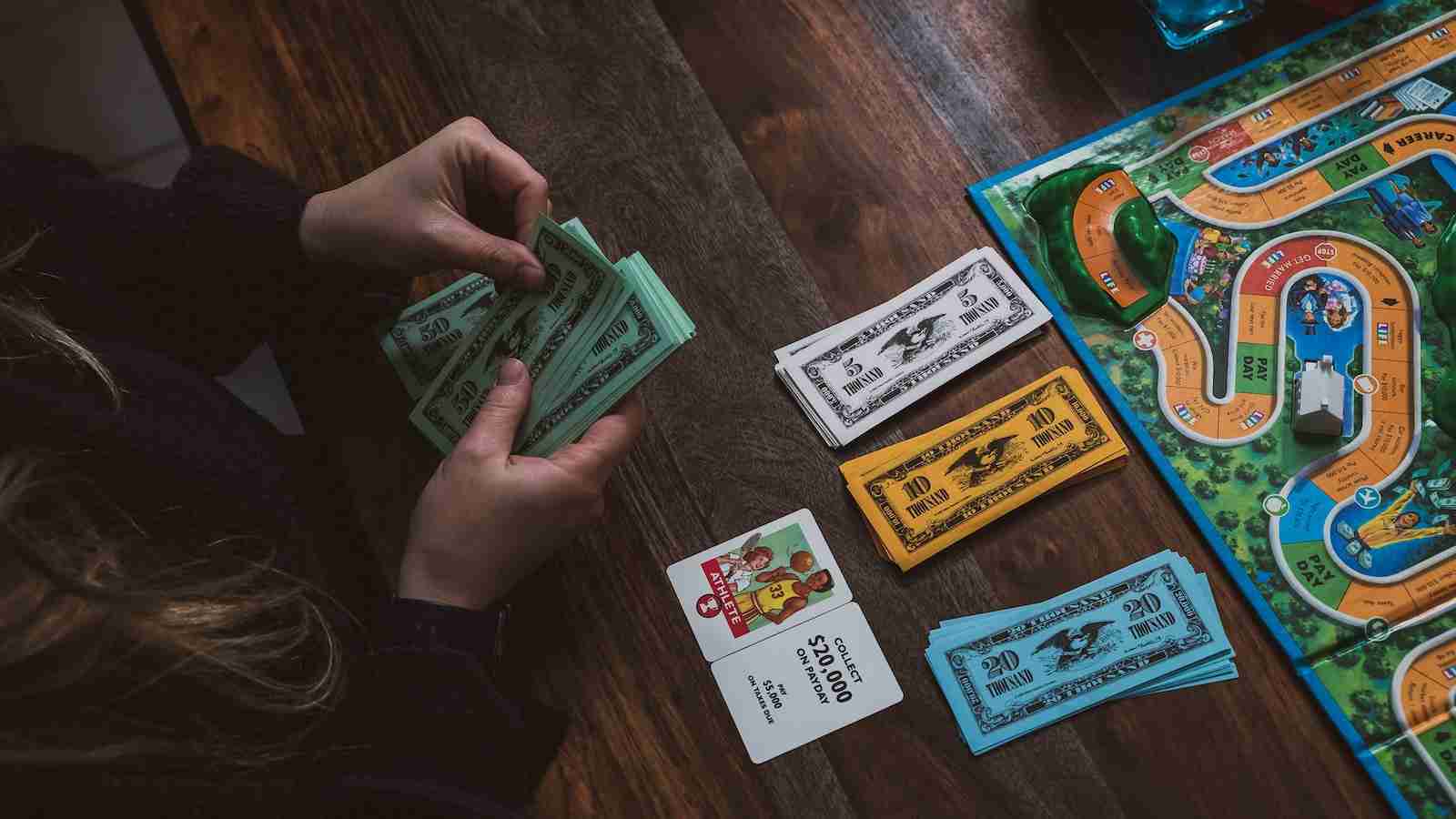
Unleashing Your Brain Power With Memory Board Games
By Tom Seest
At BestBoardGameNews, we help people who love board games by collating information and news about board games.
Be sure to read our other related stories at BestBoardGameNews to learn more about board games.
What Are Memory Board Games?
Memory board games are a delightfully engaging category of games that challenge players to flex their mental muscles while enjoying some good old-fashioned competition. At their core, these games are designed to test and improve one’s memory through fun and often visually stimulating gameplay. Picture a colorful board laden with cards, tiles, or tokens, all waiting to be flipped, matched, and strategically manipulated.
In a world where screens dominate our leisure time, memory board games offer an inviting escape into tactile experiences that encourage face-to-face interactions. They arrive in various shapes and sizes, from classic matching games that harken back to childhood nostalgia to intricate strategy-based challenges that keep even the most astute adult thinkers scratching their heads.
The common thread running through memory board games is their focus on memorization and recall. Players are often tasked with remembering the locations of various symbols, colors, or images as they flip over cards or place tokens on the board. It’s not just about having a good memory; it’s about employing tactics that allow you to outsmart your opponents while sharpening your own cognitive skills. Whether it’s a quick game of Concentration or a more elaborate adventure like memory-based Trivia, these games demand alertness and focus, making them as mentally invigorating as they are fun.
What really sets memory board games apart is their accessibility. They cater to a wide audience—perfect for families looking to bond over a game night, or competitive friends wanting to test each other’s wits. They create an environment where laughter and strategic thinking can collide, whether you’re a seasoned player or a newbie just testing the waters.
Furthermore, memory board games aren’t just about competition; they foster social interaction in a unique manner. Players engage in playful banter, share moments of triumph when they make a successful match, or experience the shared frustration of forgetting where that elusive tile was hiding. This interaction cultivates camaraderie in a way that few other gaming formats can.
In an age where multitasking often diverts our attention, memory board games serve as a reminder of the importance of focus and active engagement. They take us back to a simpler time, inviting us to gather around a table, enjoy each other’s company, and recapture the joy of the game—all while giving our brains a good workout. So, if you’re looking for a way to sharpen your mind while enjoying quality time with others, consider diving into the world of memory board games. You might just find that the real treasure lies not just in winning, but in the memories created along the way.

What Are Memory Board Games?
What Are Memory Board Games?
- Memory board games are engaging and challenge players’ cognitive skills through fun competition.
- These games involve memorization and recall, often using cards, tiles, or tokens in visually stimulating designs.
- They provide a break from screen time, promoting face-to-face interactions and tactile experiences.
- Suitable for all ages, they range from classic matching games to intricate strategy challenges.
- Memory board games encourage not only competition but also social interaction and camaraderie among players.
- They highlight the importance of focus and active engagement in a multitasking world.
- Playing these games fosters memorable experiences and joy, emphasizing that the journey is as valuable as the outcome.

What Are Memory Board Games?
Table Of Contents
- What Are Memory Board Games?
- What Are Memory Board Games?
- How Do Memory Board Games Work?
- What Are The Benefits Of Playing Memory Board Games?
- Which Age Groups Can Enjoy Memory Board Games?
- How Do Memory Board Games Differ From Traditional Board Games?
- What Skills Do Memory Board Games Help Develop?
- Are There Different Types Of Memory Board Games?
- How Can You Choose The Best Memory Board Game For Your Family?
- What Are Some Popular Memory Board Games Available Today?
- How Can Memory Board Games Be Used In Educational Settings?
- What Are Tips For Improving Your Memory In These Games?
- Can Memory Board Games Be Played Solo Or Are They Multiplayer?
- How Do Memory Board Games Enhance Cognitive Function?
- Are There Any Online Versions Of Memory Board Games?
- What Should Players Consider For Optimal Gameplay Experience?
- Conclusion
- Other Resources
- Glossary Of Terms
- Other Questions
- Haiku
- Poem
- Checklist
What Are Memory Board Games?
Ah, memory board games—those unassuming little boxes that often get tossed aside in the age of video games and handheld electronics. But don’t let their simple appearance fool you. At their core, memory board games are a brilliant concoction of strategy, recall, and good old-fashioned fun. They challenge players to tap into their cognitive faculties while promoting social interaction and perhaps a little competitive spirit.
So, what exactly constitutes a memory board game? Well, think of it as a workout for your brain—one that requires concentration, focus, and a dash of strategy. Typically, these games require players to remember the locations of various items on the board, which could range from vibrant, illustrated cards to quirky-shaped tokens. The objective? To match pairs, score points, or simply outwit your opponents by demonstrating your superior memory skills.
Consider the classic game of “Memory,” where players flip cards over, attempting to find matching pairs. There’s a tactile satisfaction in flipping those cards, placing them back if they don’t match, and gleefully shouting when you do. It’s like a mini celebration each time your memory serves you well! Games like these don’t just sharpen your brain; they also teach patience and the art of failing forward—because, let’s face it, there will be plenty of flips that yield nothing but a shrug and a “better luck next time.”
Memory board games also come in a variety of themes and complexities, catering to young children, seasoned strategists, and everyone in between. From colorful animal pairs to intricate puzzles with storylines, they engage different age groups and interests. They are a wonderful way for families and friends to gather around a table, engage in light-hearted competition, and share a laugh or two—all while unknowingly giving their memory a solid workout.
But perhaps the real charm of memory board games lies in their simplicity. No high-tech gadgets, no complicated rules—just pure gameplay that encourages interaction and connection. In a world that often feels rushed and fragmented, diving into a memory board game can be a refreshing reminder of how enjoyable slow, deliberate play can be. So next time you find yourself browsing the game aisle, give these memory marvels a second look; they just might do wonders for your brain while bringing joy to your next game night.

What Are Memory Board Games?
What Are Memory Board Games?
- Memory board games combine strategy, recall, and fun, emphasizing cognitive challenges.
- These games require concentration and focus, typically involving players remembering the locations of items on the board.
- The goal often includes matching pairs or outsmarting opponents to showcase memory skills.
- Classic games like “Memory” offer tactile satisfaction and promote patience through trial and error.
- They come in various themes and complexities, appealing to diverse age groups and interests.
- Memory games provide a social experience, encouraging family and friends to play together and share laughter.
- The simplicity of memory board games allows for pure gameplay without the distraction of technology or complex rules.

What Are Memory Board Games?
How Do Memory Board Games Work?
Imagine you’re standing at the cusp of a challenge that taps deep into the recesses of your mind—something that not only entertains but also sharpens your cognitive skills in a way that’s as rewarding as it is engaging. Welcome to the world of memory board games. On the surface, they appear deceptively simple: colorful cards, a board, maybe a few tokens, and the promise of fun. But beneath this veneer lies a complex interplay of psychology, strategy, and cognitive function that makes these games a goldmine for mental stimulation.
Memory board games operate on the principle of recognizing and recalling patterns and information. The basic premise is straightforward—match pairs of cards, remember their locations, and outsmart your opponents. But that simplicity belies the underlying mechanics that come into play. Each flip of the card isn’t just a chance to make a match; it’s an exercise in memory, concentration, and sometimes, strategy. Players must navigate not only their own recollections but also the potential maneuvers of their rivals.
Now, let’s break down how memory and cognition are marshaled during gameplay. When players flip a card, they engage the part of their brain responsible for visual memory—essentially, it’s a workout for your gray matter. Each card’s placement becomes a mental marker, a component of a larger puzzle that you’re solving in real time. This requires active engagement, making you think critically about where each card might be hiding. As the game progresses, players start to draw connections, turning random placements into strategic insights.
Additionally, memory board games aren’t merely exercises in recall; they also foster social interaction. Players share laughter, suspense, and the occasional groan of frustration—elements that transform memory exercises into a vibrant social experience. This camaraderie not only strengthens your overall enjoyment of the game but also enhances the cognitive benefits. Engaging with others stimulates your mind in unique ways, as you read their reactions, anticipate their moves, and adapt your strategy accordingly.
In a world where technology often dominates our leisure time, memory board games stand out as a refreshing return to the basics. They invite you to unplug, engage with friends or family, and challenge your mental faculties. Whether you’re a seasoned strategist or a casual player, these games remind us that the path to fun often winds through the labyrinth of our very own minds. So gather your friends, shuffle those cards, and prepare to exercise those memory muscles—because the game is afoot!

How Do Memory Board Games Work?
How Do Memory Board Games Work?
- Memory board games combine entertainment with cognitive skill enhancement.
- They involve recognizing and recalling patterns through simple tasks, such as matching pairs of cards.
- Gameplay engages visual memory, requiring players to remember card locations and strategize.
- Flipping cards serves as a workout for the brain, encouraging critical thinking and active engagement.
- Memory games foster social interaction, enhancing enjoyment through shared experiences and reactions.
- They present a refreshing alternative to technology-dominated leisure activities, promoting face-to-face engagement.
- Ideal for both seasoned strategists and casual players, these games provide a fun mental challenge.

How Do Memory Board Games Work?
What Are The Benefits Of Playing Memory Board Games?
When it comes to the appeal of memory board games, we can uncover a treasure trove of benefits that go far beyond just a fun evening with friends or family. These games might seem simple on the surface, involving little more than matching pairs or memorizing card locations, but they pack a punch when it comes to cognitive health and social interaction.
First and foremost, let’s talk about the brain boosters. Imagine your neurons sparking to life like a well-tuned engine. Memory games challenge your cognitive abilities, enhancing mental agility and concentration. As you attempt to remember the positions of cards or the details of your opponent’s last move, you’re engaging in a full-body workout for your mind. This not only strengthens memory recall but also aids in the development of crucial skills such as problem-solving and strategic thinking. Studies suggest that regular engagement in such activities can even help stave off cognitive decline as we age, keeping our minds sharp and alert like a finely-crafted tool.
Now, don’t overlook the social dimension of these games. In our increasingly digital world, it’s easy to lose track of face-to-face interactions. Memory board games create a space where laughter, conversation, and lighthearted competition thrive. They serve as excellent icebreakers, setting the stage for connection and camaraderie. Whether it’s a friendly family gathering or a game night with pals, the shared experience can foster lasting relationships, creating memories just as enjoyable as the game itself.
Additionally, let’s not forget the emotional benefits. In the throes of a fierce memory match, players are whisked away from the ordinary stresses of daily life. The engaging nature of these games encourages mindfulness, helping players focus on the present and mitigate feelings of anxiety. Plus, winning—though not the ultimate goal—is a satisfying reward for a well-played hand, boosting self-esteem and engendering a sense of accomplishment.
Finally, there’s the versatility factor. A wealth of memory board games caters to various ages and skill levels, making them accessible to just about anyone. From young children sharpening their mental faculties to seniors enjoying a leisurely afternoon, these games unite people from all walks of life under one common goal: to remember and match.
So, whether you’re looking to challenge your mind, connect with others, or simply kick back and have a good time, memory board games offer a unique blend of fun and enrichment you won’t want to miss. Consider setting some time aside, gathering your favorite people, and turning off the screens. Engage in a game that not only entertains but enriches every player’s experience.

What Are The Benefits Of Playing Memory Board Games?
What Are The Benefits Of Playing Memory Board Games?
- Memory board games offer numerous benefits beyond just entertainment.
- They enhance cognitive abilities, improving mental agility and concentration.
- Regular play can strengthen memory recall and develop problem-solving and strategic thinking skills.
- These games foster social interaction, providing a space for laughter and camaraderie.
- They help alleviate daily stress, encouraging mindfulness among players.
- Memory board games cater to various ages and skill levels, making them accessible to all.
- Overall, they combine fun and enrichment, promoting a shared experience with loved ones.

What Are The Benefits Of Playing Memory Board Games?
Which Age Groups Can Enjoy Memory Board Games?
Memory board games aren’t just a pastime for kids; they’re a vibrant cross-generational activity that anyone can dive into. If you think these games are limited to the little ones, let me tell you, you’re in for a surprise. Memory games, at their core, hinge on the idea of recollection and recognition, making them a perfect fit for a range of age groups.
Let’s start with the younger crowd. Children aged 3 to 8 years are the most obvious target group. Their developing brains are like sponges, soaking up everything, and memory board games are engaging tools that help enhance their cognitive skills. They foster memory retention, attention span, and critical thinking—all under the guise of fun! Whether it’s matching pairs of colorful cards or finding hidden objects, these games offer a productive way to learn while playing.
Now, move up the ladder a bit, and you’ll find tweens and teens in the mix. Remember those awkward family gatherings or sleepovers when boredom sets in? Enter memory games. They can transform those quiet lulls into a lively, engaging competition. Plus, for teenagers, they promote essential social skills. The laughter, strategizing, and sometimes outrageous antics can create lasting memories and strengthen friendships. Who knew sharpening your memory could be so entertaining?
Let’s not forget the adults. While some might dismiss memory games as “child’s play,” many forget that they can be a fantastic way for adults to unwind and engage their minds. In an age when mental health is paramount, participating in memory games can be a method of stress relief, all while providing brain-boosting benefits. Plus, they’re perfect for couples or game nights with friends, encouraging conversation and camaraderie in a pressure-free environment.
Finally, we can’t overlook the golden years. Seniors can greatly benefit from these games, keeping the mind agile and engaged. Memory games stimulate cognitive function and can even serve as a brilliant bridge between generations. When grandparents and grandchildren sit down to play, they’re not just matching cards; they’re sharing stories, laughter, and creating momentary connections that transcend age barriers.
So, whether you’re a sprightly toddler or a wise elder, memory board games offer something for everyone. They’re not just games—they’re tools of connection, learning, and laughter, regardless of age. So gather your family, shuffle those cards, and let the fun unfold!

Which Age Groups Can Enjoy Memory Board Games?
Which Age Groups Can Enjoy Memory Board Games?
- Memory board games are a cross-generational activity suitable for all ages.
- They enhance cognitive skills in children aged 3 to 8, improving memory retention and critical thinking.
- For tweens and teens, memory games foster social skills and can transform boredom into engaging competition.
- Adults can use memory games to unwind, relieve stress, and enjoy brain-boosting benefits in social settings.
- Seniors benefit from memory games by keeping their minds agile and engaged, strengthening cognitive function.
- Memory games promote bonding between generations, creating connections through shared play experiences.
- Overall, memory board games are versatile tools for learning, connection, and laughter for everyone.

Which Age Groups Can Enjoy Memory Board Games?
How Do Memory Board Games Differ From Traditional Board Games?
When you sit down at a table packed with dice, cards, and colorful plastic pieces, you might think you’re in for a conventional game night. But wait—before you roll that die or shuffle those cards, let’s pause for a moment and appreciate the unique flavor of memory board games. Unlike their traditional counterparts, which often focus on strategy, luck, or chance, memory games serve up a banquet of cognitive challenges that flex your mental muscles in ways you might not expect.
Now, let’s break it down. Traditional board games are often driven by some combination of strategy and chance. Whether you’re building your empire in a game of Monopoly or crossing a finish line in a fast-paced race, there’s usually a clear objective, and the rules often revolve around accumulation—of property, points, or resources. Victory is snatched by the most cunning strategist, or sometimes, just the one who rolls the luckiest dice.
Memory board games, on the other hand, step off the well-worn path. Their main course is memory itself, with players tasked to recall locations, pairs, or sequences to succeed. Think of classics like Matching or Memory, where the goal is razor-sharp focus and recollection. The thrill doesn’t always come from a carefully plotted strategy, but more from the challenge of the mind—a mental workout, if you will. The excitement lies not in what you can acquire but in what you can remember.
Another distinction worth noting is the atmosphere these games cultivate. Traditional board games can often lead to heated debates and discussions over strategies and blunders, a bit like a high-stakes poker game. Memory games, however, often evoke a sense of camaraderie and shared laughter as players stumble and fumble through their recollections. The stakes are not about who’s the best planner; they’re about who can channel their inner Sherlock Holmes and decipher patterns or recall where that clever little red card is hidden.
Moreover, memory board games tend to be more accessible for younger audiences and those who may not have the patience for longer, more complex games. This ability to engage players across various ages makes them a staple at family gatherings, fostering connections while shaking up those old, dusty neural pathways.
In a nutshell, while traditional board games may test your strategic mettle, memory games challenge the very essence of your recall, providing endless enjoyment in a uniquely stimulating way. So next time you’re sitting around the table, remember to give your gray matter some exercise; it just might turn into the highlight of the evening.

How Do Memory Board Games Differ From Traditional Board Games?
How Do Memory Board Games Differ From Traditional Board Games?
- Memory board games offer unique cognitive challenges that differ from traditional games focused on strategy and luck.
- Traditional board games, like Monopoly, emphasize clear objectives and resource accumulation for winning.
- Memory games revolve around recalling locations, pairs, or sequences, making them a mental workout.
- The excitement in memory games comes from the challenge of remembering, rather than accumulating resources.
- Memory games promote camaraderie and laughter, contrasting with the heated debates often found in traditional games.
- These games are accessible for younger players and those who prefer simpler gameplay, making them ideal for family gatherings.
- Memory games provide endless enjoyment while stimulating mental recall, ensuring a fun evening around the table.

How Do Memory Board Games Differ From Traditional Board Games?
What Skills Do Memory Board Games Help Develop?
There’s something uniquely engaging about sitting down with a group of friends or family to play a memory board game. It’s not just about stacking pieces or rolling dice; it’s about sharpening your mental faculties in a fun and interactive way. So what skills do these games cultivate? Let’s dive into the smorgasbord of benefits that come from exercising that magnificent three-pound organ nestled in your skull.
First off, let’s talk about concentration. Memory board games are the ultimate tests of focus. You’ve got to keep your eyes peeled, your ears open, and your brain firing on all cylinders. Every turn is a memory challenge. You can’t afford to daydream or let your mind wander to what’s for dinner. By playing these games, players learn to channel their attention and filter out distractions. This skill doesn’t just apply to games; it translates into everyday life, enhancing our ability to concentrate at work, tackle projects, or even listen during conversations.
Next up is cognitive flexibility. As players strategize, they must frequently adjust their game plans based on their opponents’ moves and the state of play. This kind of mental agility is crucial not only for winning games, but also for navigating real-world situations where adaptability is essential. Whether it’s switching gears when a work project doesn’t go as planned or finding new solutions in a tough spot, the ability to pivot is an invaluable skill.
Then there’s memory itself—no kidding, right? These games are practically boot camps for your brain. They challenge your short-term and long-term memory by requiring you to remember card placements, patterns, and the moves of your fellow players. Strengthening your memory isn’t just about improving your game; it has profound implications for your daily life, from remembering names and faces to recalling important dates.
Let’s not forget about social skills! Board games bring people together, fostering communication and teamwork. Players engage in banter, negotiate, and sometimes, they might even disagree. Learning to articulate your thoughts, resolve conflicts, and collaborate with others are skills that extend far beyond the game table. They build relationships and enhance overall community engagement.
In summary, memory board games are like gym workouts for the mind. They polish skills that benefit our lives in countless ways—concentration, cognitive flexibility, memory enhancement, and social interaction. So, the next time you gather around that game board, remember: you’re not just playing; you’re building your brain. And trust me, there’s no better investment you can make.

What Skills Do Memory Board Games Help Develop?
What Skills Do Memory Board Games Help Develop?
- Engaging group activity that enhances memory and mental faculties.
- Improves concentration by requiring players to focus and filter distractions.
- Cultivates cognitive flexibility, allowing players to adjust strategies based on opponents’ moves.
- Strengthens both short-term and long-term memory through gameplay challenges.
- Enhances social skills through communication, negotiation, and teamwork.
- Benefits extend beyond gaming to everyday life, improving work and personal interactions.
- Playing memory board games is a valuable investment in mental health and skill development.

What Skills Do Memory Board Games Help Develop?
Are There Different Types Of Memory Board Games?
Are There Different Types of Memory Board Games?
Memory board games have been a staple in family game nights and educational settings for decades, but not all memory games are created equal. They come in a variety of styles, each targeting different age groups, skills, and preferences. Let’s take a closer look at the diverse landscape of memory board games, where repetition meets strategy and fun is the common denominator.
First up, we have the classic memory games, often designed for young children. These games typically feature pairs of matching cards that players flip over, trying to remember the locations of each card to make successful matches. The beauty of these games lies in their simplicity, helping kids develop critical thinking, observation, and memory skills without overwhelming them with complexity. You might find these games adorned with vibrant illustrations of animals, cartoon characters, or everyday objects, making them visually appealing and engaging for little ones.
Then, we move into more elaborate frameworks where memory becomes entwined with strategy. Think games where players must remember not only the locations of items but also how to leverage their moves to outsmart opponents. These games often incorporate additional rules, power-ups, and challenges that elevate the mental exercise to new heights. You may be familiar with titles that opt for a combination of memory, deduction, and even a bit of luck. Here, players aren’t just matching cards; they are making calculated decisions based on what they perceive as their rivals’ weak spots.
On the more sophisticated end of the spectrum, we have memory games designed for adults and older children. These often introduce thematic elements and complex narratives, calling for not only memory but also strategy and social interaction. Picture an engaging game set in a mystical land where players need to remember spells, artifacts, or alliances while achieving specific objectives. These games can stimulate cognitive functions in ways that are both intellectually challenging and ludicrously entertaining.
Lastly, we can’t overlook digital adaptations of memory games. In our tech-savvy era, many traditional games have made the leap onto tablets and other devices, offering a fresh twist on familiar concepts. These digital versions often incorporate sounds, animations, and interactive elements that bring a new layer of immersion to the age-old battle of memory.
Whether you’re flipping cards with preschoolers or strategizing against friends, the world of memory board games has something for everyone—proving that when it comes to remembering, the game is just as vital as the players.

Are There Different Types Of Memory Board Games?
Are There Different Types Of Memory Board Games?
- Memory board games vary in style, targeting different age groups and skill levels.
- Classic memory games for young children feature matching card pairs to develop critical thinking and memory skills.
- More complex memory games incorporate strategy, requiring players to remember locations and outsmart opponents.
- Sophisticated memory games for adults introduce thematic elements, narratives, and social interaction.
- These games challenge cognitive functions while providing entertainment.
- Digital adaptations of traditional memory games enhance experiences with sounds and animations.
- The diverse landscape of memory board games offers something for everyone, from preschoolers to adults.

Are There Different Types Of Memory Board Games?
How Can You Choose The Best Memory Board Game For Your Family?
When it comes to choosing the right memory board game for your family, it’s a bit like picking a perfect tool for a job. You need to consider the task at hand, the skill levels of your family members, and of course, the level of fun you’re aiming for. The world of board games is vast, and wading through the crowded aisles can feel like navigating a minefield of options. But fear not, because finding that perfect memory game is not only possible, it can be enjoyable too!
First off, take stock of your family members. Are you dealing with seasoned strategists or a younger crowd just starting to explore the wonders of memory games? If you’ve got kids, you might want to steer towards games that have colorful designs and engaging themes. These games should entice the little ones and keep them focused long enough to actually enjoy the game rather than just turning it into a chaotic free-for-all. Look for options that have large cards and simple mechanics — kids thrive on clarity.
Next, it’s essential to consider the length of the game. Some memory games drag on longer than a winter’s night, while others are quick, getting you right back to family chaos within a reasonable timeframe. You want a game that keeps everyone engaged and that can ideally fit into the windows you have for playtime. The last thing you want is a lengthy game that leaves you feeling like you’ve just run a marathon when all you’re after is a good time together.
Another essential consideration is the theme of the game. Does your family have a passion for animals, space, or perhaps an adventurous journey through a mythical land? Choose a game that resonates with your family’s interests. Themed games not only bolster excitement but can make even the simplest memory game feel fresh and thrilling every time you play.
Lastly, don’t underestimate the power of reviews. You wouldn’t buy a power drill without checking if it’s going to last through a weekend project, would you? The same applies to board games. Check out reviews online from other families or see if your local game shop has any recommendations.
In essence, selecting the ideal memory board game for your family comes down to understanding your audience, knowing how to pace the fun, engaging with themes they love, and tapping into the wisdom of others. With these tips in mind, you’ll be well on your way to creating memorable game nights that spark laughter, competition, and maybe just a bit of family rivalry!

How Can You Choose The Best Memory Board Game For Your Family?
How Can You Choose The Best Memory Board Game For Your Family?
- Consider family members’ skill levels when selecting a memory board game.
- Look for games with colorful designs and engaging themes for kids.
- Choose games with large cards and simple mechanics for clarity.
- Take into account the duration of the game to maintain engagement.
- Select themes that resonate with your family’s interests for added excitement.
- Check online reviews or seek recommendations from local game shops.
- Understanding your audience and pacing the fun leads to memorable game nights.

How Can You Choose The Best Memory Board Game For Your Family?
What Are Some Popular Memory Board Games Available Today?
When it comes to memory board games, the landscape is as vibrant and diverse as a farmer’s market on a sunny Saturday morning. These games are designed not just to challenge your brain but also to create connections and foster laughter among friends and family. Let’s dive into some of the most popular offerings that are making their way onto dining tables and game nights across the country.
First up, we have “Memory” itself—a classic that has stood the test of time. It’s simple: a grid of cards is laid face down, and players take turns flipping two at a time, trying to find matching pairs. This game is perfect for kids and can be surprisingly competitive among adults. Its charm lies in its accessibility; anyone can pick it up and start playing within minutes, making it an enduring favorite for family game nights.
Moving into slightly deeper waters, we have “Dixit.” Now, this isn’t your average memory game. With beautifully illustrated cards, players use their creativity to tell a story while others try to guess which card belongs to the storyteller. It’s like an art gallery and a memory challenge rolled into one, encouraging players to tap into their imaginative sides. Plus, you never know what whimsical fantasy will unfold each round—a sure recipe for some memorable moments.
Then there’s “Pictionary,” a wild card of sorts. It combines drawing and guessing with a twist of memory components. Players must remember both their teammates’ drawings and what’s already been guessed, all while racing against the clock. The result? Hilarity ensues as teammates try to decipher their own abstract masterpieces, and sometimes, you’ll find that memory isn’t as reliable as we’d like to think.
Let’s not forget the delightful “Spot It!” This card game features a series of illustrations, and players must quickly find the one matching image on their card. Speed and memory mingle beautifully here, turning each round into a heart-pounding race. It’s an excellent choice for gatherings, igniting a competitive spark and leaving everyone grinning.
Lastly, there’s “Memoria,” which takes you on an expedition of memory training through a series of mini-games that sharpen your cognitive skills. This game marries fun with a bit of education, allowing players to flex their memory muscles while having a ball.
So there you have it—a sampling of contemporary memory board games that are bringing joy, laughter, and a good bit of friendly rivalry to game nights everywhere. Whether you’re a casual player or a seasoned pro, the world of memory games has something for everyone. Grab your friends, set the table, and prepare for an evening of memories—both new and old!

What Are Some Popular Memory Board Games Available Today?
What Are Some Popular Memory Board Games Available Today?
- Memory board games foster connections and laughter among friends and family.
- “Memory” is a classic game where players flip cards to find matching pairs, suitable for all ages.
- “Dixit” combines creativity and storytelling, encouraging players to guess the storyteller’s illustrated card.
- “Pictionary” adds a memory component to drawing and guessing, leading to hilarity as teammates interpret abstract art.
- “Spot It!” challenges players to quickly find matching images, creating a fast-paced and competitive atmosphere.
- “Memoria” offers a series of mini-games to sharpen cognitive skills while having fun.
- Contemporary memory games cater to both casual players and seasoned pros, promising enjoyable game nights.

What Are Some Popular Memory Board Games Available Today?
How Can Memory Board Games Be Used In Educational Settings?
Memory board games might seem like mere pastimes, designed to fill the hours on a rainy day, but when it comes to education, these games can pack a punch. They have a knack for transforming the mundane into something exciting and engaging. Picture a classroom setting, where instead of staring blankly at a textbook or a chrome-laden screen, students are huddled around a table, laughing and strategizing, all while perfecting their critical thinking skills.
Just as with any dependable tool in a teacher’s toolkit, memory games can foster cognitive development. They encourage kids to sharpen their memory and recall skills in a fun, low-pressure environment. These games often rely on pattern recognition and quick thinking—ingredients that can significantly boost cognitive agility. When students engage with such games, they practice attention to detail, enhance their ability to concentrate, and learn to absorb information more effectively.
Moreover, memory board games shine when it comes to collaboration. In a world that often emphasizes competition, these games encourage teamwork. Students might strategize together, sharing insights and playing off each other’s strengths. This collaborative spirit not only makes learning more enjoyable but also teaches key social skills. Communicating thoughts, respecting differing opinions, and working toward a common goal are all part of the package.
In an educational context, memory games can also be tailored to various subjects. Picture a science-themed memory game featuring terms and definitions, or a historical version that pairs significant events with their corresponding dates. By integrating curriculum content into these games, educators can deepen understanding while making the learning experience memorable. Instead of merely memorizing facts for the next test, students are actively engaging with the material in a holistic way.
Implementing these games is straightforward too. They can fit seamlessly into existing lesson plans, serve as a warm-up activity, or be used to reinforce concepts at the end of a unit. Teachers can even introduce a bit of healthy competition with tournaments, incentivizing continued learning and engagement.
In the grand mosaic of education, memory board games are a vibrant piece that can spark curiosity, build camaraderie, and facilitate learning in a way that rote memorization simply cannot. And while gaming may be a break from the norm, sometimes stepping away from the desk is the best way to bring learning to life.

How Can Memory Board Games Be Used In Educational Settings?
How Can Memory Board Games Be Used In Educational Settings?
- Memory board games enhance education by making learning exciting and engaging.
- These games foster cognitive development by sharpening memory and recall skills in a low-pressure environment.
- They promote attention to detail, concentration, and effective information absorption through pattern recognition and quick thinking.
- Memory games encourage teamwork and collaboration among students, teaching key social skills like communication and respect for differing opinions.
- They can be tailored to various subjects, integrating curriculum content for deeper understanding and more memorable learning experiences.
- Easy to implement, these games can fit into lesson plans, serve as warm-ups, or conclude units while fostering healthy competition.
- Memory board games add vibrancy to education, sparking curiosity and making learning a dynamic experience beyond rote memorization.

How Can Memory Board Games Be Used In Educational Settings?
What Are Tips For Improving Your Memory In These Games?
When it comes to enhancing your memory in games, whether they’re brain-busters or digital adventures, there are a few tried-and-true strategies that can pull you from the depths of forgetfulness and propel you into strategic supremacy. Think of these tips as tools in your mental toolbox, just waiting to help you tackle those pesky memory challenges like a pro.
First off, let’s talk about laying the groundwork: visualization. Imagine a particularly daunting level in your favorite game. Instead of just staring at pixels and patterns, try crafting a mental map in your mind. Picture where key items and foes are located. Imagine them in a real-world setting. This trick cues your brain into associating game details with physical spaces, making those fleeting bits of information easier to recall later. After all, your brain loves a good story, even if that story involves rescuing princesses or farming virtual crops.
Next up, repetition is your friend. Dive into the game regularly. The more you engage with the material, the better you’ll remember it. This doesn’t mean grinding endlessly—no one wants to end up in an existential crisis after playing for six hours straight—but revisiting levels or certain tasks can solidify details. Treat your brain like a muscle; it requires regular workouts to stay in top shape.
Another handy tip is to pair memorization with physical activity. Try pacing back and forth or even doing some light stretches while you review strategy guides or engage with game lore. This combination of movement and thought can enhance cognitive function and memory retention. It’s like giving your brain a workout while you’re at it—talk about multitasking!
And let’s not forget about the power of associations. Try linking game facts with something you already know. Maybe you remember that tricky boss because they remind you of the math teacher who always wore a bowler hat. Silly, right? But that ridiculous mental connection may be what keeps those important details from slipping through the cracks.
Lastly, keep it fun! Gamifying your memory practice—turning studying into a game—can transform the mundane into the memorable. Set small challenges, reward yourself for milestones, or even involve friends in memory-based games. When joy is part of the equation, you’ll likely find that what you’ve learned sticks with you much longer.
So, gear up, get creative, and put these tips to the test. With a little effort, you’ll soon navigate your favorite games like a memory master, and maybe even leave your friends scratching their heads in awe.

What Are Tips For Improving Your Memory In These Games?
What Are Tips For Improving Your Memory In These Games?
- Utilize visualization techniques to create mental maps of game levels, enhancing recall of key items and enemies.
- Engage regularly with the game to reinforce memory, treating your brain like a muscle that requires workouts.
- Incorporate physical activity while reviewing game material to boost cognitive function and memory retention.
- Use associations to link game facts with familiar concepts, making details easier to remember.
- Gamify memory practice by turning studying into a fun and rewarding experience, setting small challenges and involving friends.
- Emphasize enjoyment in learning so that information becomes more memorable.
- Apply these strategies to navigate games effectively and impress your friends with your memory skills.

What Are Tips For Improving Your Memory In These Games?
Can Memory Board Games Be Played Solo Or Are They Multiplayer?
When you think of memory board games, the image that often springs to mind is a lively gathering of friends and family, each player’s competitive spirit ignited as they flip cards and try to outwit one another. It’s the perfect blend of strategy, recall, and a dash of luck that turns a simple game into an engaging evening. But can these games stand the test of solo play, or are they strictly meant for multiplayer action?
Let’s dive into the dynamic world of memory games and unpack this conundrum. Yes, memory board games are typically designed with a multiplayer angle in mind. After all, what’s more exhilarating than matching a pair of cards while reveling in the camaraderie of friendly competition? The thrill of someone else’s surprise victory and the joy of shared laughter over misplayed cards truly enhances the experience.
But before you toss those memory cards aside in disappointment because you find yourself flying solo, fear not! Many games can indeed be played alone if you get a bit creative. Take the classic memory match game, for instance. You can easily tweak the rules to build a solo variation. Instead of battling against others, challenge yourself to match all the pairs within a set time limit—or perhaps try to beat your own record. This way, you’re still engaging that critical part of your brain responsible for memory and recall, yielding both mental exercise and a sense of accomplishment.
Creating your own variations also opens the door to fresh possibilities. Imagine laying out the cards, but instead of competing against an opponent, you invent stories for each pair, delving into a world of imagination while strengthening your memory. Whether you recount old tales or create new ones, you elevate the game from mere memorization to a creative adventure.
Moreover, many modern board games have unique solo modes as part of their design, catering to players seeking a solitary challenge. These games present complex puzzles or scenarios you need to solve, allowing for rich gameplay without needing other players.
So, while memory board games often shine in a multiplayer setting, don’t underestimate their potential for solo enjoyment. Adjust, adapt, and make them your own. Because in the end, whether you’re gathering around a table or enjoying some quiet time alone, engaging in a good game is all about what you make of it.

Can Memory Board Games Be Played Solo Or Are They Multiplayer?
Can Memory Board Games Be Played Solo Or Are They Multiplayer?
- Memory board games are often associated with lively multiplayer gatherings among friends and family.
- These games blend strategy, recall, and luck, making for an engaging experience.
- While typically designed for multiplayer action, many memory games can be adapted for solo play.
- Players can modify classic memory games to challenge themselves, such as matching pairs within a time limit.
- Creating personal variations of the game can enhance creativity and strengthen memory through storytelling.
- Modern board games frequently feature unique solo modes, offering complex puzzles for solitary play.
- Ultimately, memory games can provide enjoyment whether played alone or with others, depending on personal adaptation.

Can Memory Board Games Be Played Solo Or Are They Multiplayer?
How Do Memory Board Games Enhance Cognitive Function?
When you think about memory board games, images of family game nights, competitive laughter, and a table strewn with cards and tokens probably come to mind. But beneath the surface of this casual fun lies a treasure trove of cognitive benefits that can sharpen the mind and reinforce memory in ways that go far beyond mere entertainment.
At their core, memory board games are engaging exercises for your brain—super fun workouts without the sweat. They often require players to remember the location of cards, track the movements of pieces, or anticipate opponents’ moves, which stimulates neural pathways and encourages mental flexibility. This, folks, is where the magic happens. When you challenge your brain to recall information, prioritize strategies, and make quick decisions, you’re not just playing a game; you’re actively enhancing your cognitive function.
Memory board games can be particularly beneficial for people of all ages. For children, they serve as a playful introduction to critical thinking and problem-solving. Every time a child flips over a card, they’re engaged in an exercise that bolsters short-term memory and spatial awareness, skills that will serve them well in their academic lives and beyond. On the flip side, for seniors, these games encourage social interaction and mental stimulation, which are crucial ingredients for fighting cognitive decline. Bringing together family members, young and old, creates an inclusive environment that celebrates learning through laughter as everyone hones their mental faculties.
Moreover, concentration is a critical element in any memory game. The act of focusing your attention on remembering where that elusive “match” might be isn’t just about winning; it’s a deliberate exercise that fosters mindfulness and slows down the mental chatter. This sharpens not only immediate recall but can improve long-term memory as well. The more you play, the more you challenge your brain to make those all-important connections.
So, the next time you’re around a table with a handful of players and a deck of cards, remember: you’re not just having a good time. You’re engaging in a brain-boosting bonanza that can sharpen memory, enhance strategic thinking, and provide a sense of accomplishment—all while having a blast with those around you. The beauty of games is that they can unlock potential hidden deep within the gray matter, and let’s be honest, who doesn’t want to keep their mind sharp? When the chips are down, memory board games prove to be much more than child’s play; they are, in fact, a subtle yet profound way to enhance cognitive function.

How Do Memory Board Games Enhance Cognitive Function?
How Do Memory Board Games Enhance Cognitive Function?
- Memory board games offer cognitive benefits beyond just entertainment.
- They stimulate neural pathways through activities like recalling card locations and anticipating opponents’ moves.
- These games are beneficial for all ages; they introduce children to critical thinking and problem-solving.
- For seniors, memory games encourage social interaction and mental stimulation, helping to combat cognitive decline.
- Concentration during these games fosters mindfulness and enhances both immediate recall and long-term memory.
- Playing memory games helps connect different parts of the brain, reinforcing mental flexibility and strategic thinking.
- Overall, memory board games provide a fun way to sharpen the mind and boost cognitive function while enjoying time with others.

How Do Memory Board Games Enhance Cognitive Function?
Are There Any Online Versions Of Memory Board Games?
Are There Any Online Versions of Memory Board Games?
In the digital age, the allure of classic board games finds new life online. Particularly when it comes to memory board games, the adaptation to virtual formats offers players a chance to engage their cognitive faculties from the comfort of their homes. Gone are the days of being limited to dusty game boxes lurking in the closet—now, with just a few clicks, the nostalgia of flipping cards and matching pairs can be cranked up in the realm of pixels.
Online platforms have embraced this genre with open arms. Websites like Tabletopia and Board Game Arena feature a plethora of memory games that simulate that relaxed, tactile feel of traditional gameplay. They provide virtual tables where friends can gather, no matter where they are in the world. You can challenge a buddy to a game after work, joining together in an online space that feels just a bit more modern but evokes the same spirit of camaraderie.
Moreover, dedicated mobile apps showcase usability and accessibility. Popular titles, ranging from variations of “Concentration” to custom-themed memory games, can be easily downloaded. Carrying them in your pocket allows players to squeeze in a few matches during lunch breaks or while waiting for a coffee order. Imagine flipping cards with characters from your favorite TV show or uncovering hidden treasures in a sprawling fantasy world while on a bus ride—now, that’s a game-changer.
Not to mention, online versions often enhance the original experience with references and unique digital twists that wouldn’t be possible on a physical board. Bright graphics and engaging sound effects make the game come alive, breathing new life into the simple act of matching images. Plus, many platforms include scoring systems and even leaderboards, giving players that little competitive edge and motivation to improve their skills.
While the tactile sensation of physical pieces can never fully be replaced, the charm of gathering around with friends is not lost in the virtual realm. With easy access, innovative designs, and global connectivity, online memory games offer a fresh way to engage those critical thinking and memory-boosting skills. Whether you’re looking for a quick solo challenge or an engaging group battle, there’s an online version of a memory board game ready to welcome you into a digital world of fun. So, dust off that competitive spirit and get ready to train your brain, one click at a time!

Are There Any Online Versions Of Memory Board Games?
Are There Any Online Versions Of Memory Board Games?
- Digital adaptation of classic memory board games allows players to engage cognitively from home.
- Online platforms like Tabletopia and Board Game Arena offer various memory games simulating traditional gameplay.
- Players can connect with friends globally, creating a modern yet familiar gaming experience.
- Mobile apps provide easy access to memory games, allowing for quick matches anytime, anywhere.
- Online versions enhance gameplay with unique digital features, bright graphics, and engaging sound effects.
- Scoring systems and leaderboards add a competitive element, motivating players to improve their skills.
- While physical interaction is irreplaceable, online memory games provide innovative and accessible ways to boost memory and critical thinking.

Are There Any Online Versions Of Memory Board Games?
What Should Players Consider For Optimal Gameplay Experience?
When it comes to maximizing your gameplay experience, there are a few key factors to ponder that can make all the difference between a run-of-the-mill session and one that leaves you truly exhilarated. Picture this: you’re cradling your controller, the world around you fades, and every click and swipe feels like a step toward glory. But how do you get there? Let’s break it down.
First, environment matters. Think of your gaming setup like a craftsman’s workshop. The tools are there, but the surrounding conditions can affect the end result. Ensure you’re in a comfortable chair, with adequate lighting and minimal distractions. A killer game can lose its luster if you’re squinting into dim light or if your noisy roommates are interrupting the epic boss battle. Make your space work for you, not against you.
Next up, consider your mindset. Approaching a game with an open mind can be a game-changer—literally and figuratively. It’s easy to get caught up in competition or the need to win, but embracing the journey, learning mechanics, and exploring the story can bring a deeper appreciation for the craft behind the game. Enjoy the process, and let the outcome be secondary. After all, every great adventure has its ups and downs; it’s the ride that truly matters.
Then there’s community. Tap into the pulse of fellow gamers by seeking out forums, discussion groups, or co-op modes. Sharing tips, strategies, and experiences can turn isolated play into a communal experience that enhances your enjoyment. Connect with others who share your passion; you’ll find that camaraderie adds another layer of delight to your sessions.
Don’t overlook the importance of breaks. It may sound counterintuitive, but stepping away can recharge your enthusiasm and give you a fresh perspective. Just like a well-earned sip of water on a long hike, pausing can rejuvenate your focus and skill when you return. Stretch those muscles, hydrate, and let your brain reset.
Lastly, make it personal. Customize your experience to fit your style. Whether it’s tweaking settings or changing character skins, embracing the individuality of your gameplay can turn a generic session into a personalized adventure that resonates with you.
Be intentional about what you want from your gaming experience. With the right environment, mindset, community, breaks, and personalization, you’ll unlock a world of opportunities. So gear up, get comfortable, and dive into the adventure—both the wins and the learning moments await!

What Should Players Consider For Optimal Gameplay Experience?
What Should Players Consider For Optimal Gameplay Experience?
- Environment Matters: Create a comfortable gaming setup with proper lighting and minimal distractions.
- Mindset: Approach gaming with an open mind, focusing on the journey rather than just the outcome.
- Community: Engage with fellow gamers through forums and co-op modes to enhance the gaming experience.
- Importance of Breaks: Take regular breaks to recharge and rejuvenate focus and skills.
- Personalization: Customize your gaming experience by tweaking settings and changing character skins.
- Intentionality: Be clear about your gaming goals to unlock new opportunities.
- Embrace the Adventure: Enjoy both victories and learning moments as part of the gaming journey.

What Should Players Consider For Optimal Gameplay Experience?
Conclusion
Alright folks, here we are at the finish line, and what an exciting journey it’s been into the wonderfully quirky world of memory board games! If you’ve ever wondered how these colorful collections of cards and tiles can twist your brain into knots while simultaneously pulling friends and family together, you’re in good company. Memory board games are more than just a few pieces tossed haphazardly around a table—they’re like mental boot camps, challenging players to recall, strategize, and engage in some good old-fashioned competition.
Picture this: you and your favorite crew gathered around the table, laughter and playful banter filling the air as you all dive into a game designed to keep your cognitive gears churning. These games challenge your ability to remember card placements, match pairs, or even wield strategy against your friends’ cunning ploys—all while keeping it fun and social. It’s an experience that harkens back to a time before screens hijacked our attention spans, offering an opportunity to connect on a human level, face-to-face, even while you’re busy channeling your inner memory master.
And let’s not forget the numerous benefits! Memory board games work hard for their keep, enhancing mental agility and concentration, not to mention improving social skills and nurturing those vital connections. They’re the kind of activities that make minds sharper and friendships stronger—a true win-win. You see, these games are accessible to everyone, from toddlers to seniors, bridging generational gaps and fostering light-hearted competition that often leads to cherished memories.
But don’t just take my word for it—give memory board games a shot during your next family gathering or game night with friends. Make the effort to disconnect from those screens, shuffle those cards, and dive into the joy of playful engagement. You might discover that the real reward isn’t in winning, but rather in the laughter, the strategizing, or that glorious “Eureka!” moment when you finally remember where that elusive tile has been hiding. So gear up, gather your loved ones, and embark on a game night adventure that’ll tickle both your memory and your soul. Who knows? You may just find that the most unforgettable moments arise from the simplest of games, where connections are as important as cognition.

Conclusion
Conclusion:
- Memory board games enhance cognitive skills, engaging players in recalling, strategizing, and competing.
- They foster social interaction and connection in a face-to-face setting, creating an alternative to screen time.
- The games challenge players to remember card placements and match pairs while having fun.
- They are beneficial for all ages, bridging generational gaps and strengthening friendships.
- Playing these games improves mental agility, concentration, and social skills.
- Memory board games provide joyful engagement, often leading to memorable experiences and laughter.
- Embrace the fun of memory games during gatherings and enjoy the connections they help foster.

Conclusion
Other Resources

Other Resources
Here is a list of other resources you can review online to learn more:
- “Memory Game”
- “Memory • Classic on the App Store – Apple”
- “Electronic Memory Handheld Game with Lights …”
- “Matching & Memory Games”
- “Memory Game Concentration”
- “What simple games can hone brain skills and memory?”
- “Concentration Games”
- “Does playing memory games and concentration …”
- “Cognitive Psychology. Second Edition”
- “Wii Like to Play Too: Computer Gaming Habits of Older …”
- “Co-Study Art Education: A Study of Integrated Curriculum”
- “A Card Game Designed to Teach English Pragmatic Markers”
- “The Gamification of Learning and Instruction [1 ”
Bing Copilot Prompt: Please provide me with a list of online articles with their URLS in a bulleted list that I can read regarding What Are Memory Board Games?

 Other Resources
Glossary Terms
What Are Memory Board Games? – Glossary Of Terms
1. Memory Game: A game designed to test and enhance memory skills by requiring players to recall the locations of matching pairs of items or cards.
2. Cognitive Skills: Mental processes that include attention, memory, perception, and decision-making that are developed through activities like memory games.
3. Matching Pairs: Two identical cards or items that players attempt to find and pair together in memory games.
4. Turn-Based: A style of gameplay where players take turns, often used in many board games, including memory games.
5. Game Board: The physical surface or layout on which a board game is played, sometimes featuring a grid or spaces for placing items.
6. Tiles: Flat pieces used in memory games that typically have images or patterns on them. Players turn over tiles to find matches.
7. Visual Memory: The ability to remember or recall visual elements, such as shapes, colors, and images, which is a fundamental skill used in memory games.
8. Concentration: A specific type of memory card game where players must concentrate to find pairs of matching cards.
9. Attention Span: The length of time a player can focus on a particular activity, important for effectively engaging in memory board games.
10. Strategic Thinking The mental process of forming plans based on the game’s elements and opponents’ moves, enhancing the gaming experience.
11. Pattern Recognition: The ability to identify familiar patterns or sequences within a game, crucial for success in memory games.
12. Face Down: The position of cards laid out in a memory game where the images are hidden from view until players take their turn.
13. Game Objective: The main goal of the game, such as collecting the most pairs or achieving a specific score.
14. Player Interaction: The way players engage with each other during gameplay, which can include competition, cooperation, or communication.
15. Age Appropriateness: The suitability of a game for different age groups, considering complexity and content.
16. Instruction Manual: A guide that explains how to play the game, including rules, setup, and objectives.
17. Game Components: The physical elements used in a game, such as cards, board pieces, and markers.
18. Skills Development: The enhancement of cognitive and social skills through engaging gameplay, fostering learning in a fun environment.
19. Replayability: The likelihood that a game will be played repeatedly, often due to variability in gameplay or outcomes.
20. Short-Term Memory: The ability to temporarily hold and manipulate information, which is heavily utilized in memory games.
21. Gameplay Mechanics: The specific rules and systems that govern how players interact with the game and each other.
22. Points System: A scoring method used to determine winners in games, often based on successfully finding pairs or completing objectives.
23. Game Duration: The average length of time a game takes to play, which can vary based on the number of players and their familiarity with the game.
24. Social Interaction: The engagement among players that can enhance the enjoyment and strategic depth of memory games.
25. Theme: The central concept or story of the game that might influence the images on the cards or the design of the gameplay.
26. Variations: Different versions or adaptations of a basic game that introduce new rules or change the dynamics of play.
27. Sensory Input: The visual and tactile elements of a game that stimulate players’ senses, aiding in immersion and enjoyment.
28. Competitive Play: A style of gameplay where players compete against each other to achieve the highest score or most matches.
29. Game Setup: The process of preparing a game for play, involving arrangements of components and initial configurations.
30. Puzzle Elements: Features in a game that challenge players’ problem-solving abilities, often found in more complex memory board games.

Glossary Of Terms
Other Questions
What Are Memory Board Games? – Other Questions
If you wish to explore and discover more, consider looking for answers to these questions:
- What are the different types of memory board games available?
- How do memory board games enhance family bonding?
- Can memory board games improve educational outcomes for children?
- What strategies can players use to improve their memory skills in these games?
- Are there specific memory board games recommended for seniors?
- How do you set up a memory board game night effectively?
- What are some tips for teaching kids how to play memory board games?
- How long do memory board games typically last?
- Can you combine different memory games for a unique experience?
- What are some advanced strategies for seasoned players of memory board games?
- Are there any cultural variations of memory board games around the world?
- How do memory board games compare to digital memory games?
- What are the historical origins of memory board games?
- Are memory board games suitable for team play?
- How do memory board games support cognitive development in adults?
- What are some common challenges players face when playing memory board games?
- How can memory board games be adapted for players with disabilities?
- What resources are available for parents looking to integrate memory board games in education?

Other Questions
Haiku
What Are Memory Board Games? – A Haiku
Memory games await,
Challenge your mind, bond with friends,
Joy in each recall.

Haiku
Poem
What Are Memory Board Games? – A Poem
In the Realm of Memory Games
In colorful boxes, both simple and grand,
Memory board games beckon, come take a stand.
With cards laid face down, a challenge appears,
To jog our memories, ignite joyful cheers.
A workout for minds, where wits intertwine,
They sharpen our focus, like a glimmering line.
From toddlers to elders, all gather anew,
In laughter and warmth, connections ring true.
Each flip of a card is a dance with our brains,
As patterns emerge, delight over strains.
In circles of friends and family near,
Triumphs and blunders create bonds sincere.
No screens to distract, just faces aglow,
As strategies bloom and rivalries grow.
A canvas for stories, a chance to engage,
In the tapestry woven, we all share the stage.
From classics like “Memory” to games filled with flair,
Each holds a key to a world we can share.
The joy isn’t just winning; it’s moments we make,
In the heart of the game, memories wake.
Schoolrooms embrace them, as minds learn to play,
Critical thinking blooms in a spirited way.
So gather your loved ones, let cards paint the night,
In the realm of memory games, all feels just right.
So next time you ponder in the game aisle so bright,
Choose a memory game, let it spark pure delight.
For it’s not just a game, but a bond we defend—
The treasure we cherish, the moments we spend.

Poem
Checklist
What Are Memory Board Games? – A Checklist
1. Gather Your Group:
_____ Invite family or friends of all ages.
_____ Ensure everyone understands the game rules.
2. Choose the Right Game:
_____ Select a game suited for the age range and experience level of your group.
_____ Opt for themes that resonate with everyone (e. g. , animals, fantasy).
3. Set Up Your Environment:
_____ Find a comfortable, well-lit space free from distractions.
_____ Ensure ample room on the table for all game components.
4. Prepare Your Mind:
_____ Approach the game with an open, competitive spirit.
_____ Embrace the fun aspect over the winning aspect.
5. Practice Visualization Techniques:
_____ Encourage players to visualize card placements and patterns.
_____ Use mental mapping strategies to recall positions.
6. Implement Repetition:
_____ Play the game regularly to reinforce memory skills.
_____ Consider revisiting previously played games to improve understanding.
7. Encourage Bulk Memory Techniques:
_____ Suggest linking cards or images with familiar concepts or stories.
8. Engage in Team Play:
_____ Foster collaboration by playing in pairs or teams.
_____ Discuss strategies, share successes, and reinforce social skills.
9. Pace the Game:
_____ Monitor the game length to keep engagement high.
_____ Opt for quick rounds or shorter games if attention wanes.
10. Utilize Online Versions:
_____ Explore digital versions of memory games for variety and solo play opportunities.
_____ Play games on platforms like Tabletopia or apps available on mobile devices.
11. Create Your Variations:
_____ Consider altering rules or invent new challenges to keep the game fresh.
_____ Develop themed storytelling aspects for added engagement.
12. Reflect Post-Game:
_____ Discuss what strategies worked well.
_____ Share memorable moments and experiences that occurred during the game.
13. Use Reviews and Recommendations:
_____ Check online for popular memory games and family recommendations.
_____ Personal experiences can guide future game selections.
14. Keep it Fun:
_____ Celebrate all accomplishments, whether big or small.
_____ Include playful banter and laughter to enhance enjoyment.
15. Take Breaks:
_____ Encourage breaks between rounds to maintain focus and excitement.
_____ Use this time to reconnect or strategize.
Enjoy Your Game Night!
This checklist can help you and your loved ones fully enjoy the cognitive and social benefits of playing memory board games!

Checklist
At BestBoardGameNews, we help people who love board games by collating information and news about board games.
Be sure to read our other related stories at BestBoardGameNews to learn more about board games.