Speed Through The World Of Racing Board Games
By Tom Seest
At BestBoardGameNews, we help people who love board games by collating information and news about board games.
Be sure to read our other related stories at BestBoardGameNews to learn more about board games.
What Are Racing Board Games?
Racing board games—well, they’re not just about moving pieces around a board. No, sir! Picture this: a medley of excitement, strategy, and a dash of luck all rolled into one. These games invite players to engage in a thrilling race to the finish, whether it’s a winding track through a medieval forest, a high-stakes urban rally, or even an intergalactic chase through the cosmos.
At their core, racing board games evoke nostalgia. They transport players back to simpler days, when a roll of the dice—or a clever card play—could determine the difference between triumph and defeat. The mechanics are often straightforward: players navigate a shared track with the goal of reaching the finish line first. But don’t let their simplicity fool you. Underneath that fun exterior lies a rich tapestry of strategy, decision-making, and, yes, a fair amount of good fortune.
Take, for instance, the fan-favorite “Formula D,” where players choose their racing cars and must make critical decisions about gear shifts, all while managing the risks that come with high speeds. Imagine the tension as someone inches ahead, fuelled by a well-timed die roll. Or consider the chaos of “Camel Up,” where players bet on camels racing through the desert, knowing that both good fortune and misfortune can flip the outcome in seconds. In these games, every turn is an opportunity, every setback a chance to recalibrate your strategy.
The beauty of racing board games lies in their versatility. They can cater to families looking for a light-hearted activity, or to serious gamers seeking depth and competition. The joy of racing isn’t just in the chase; it’s in the myriad ways players can interact. Trading cards, forming alliances, and even hindering opponents—each adds another layer of excitement to the race.
And let’s not forget the setting. Racing games can whisk you away to fantastical worlds or gritty urban landscapes. They ignite your imagination while challenging your strategic prowess. Players find themselves not just racing their tokens, but racing against time, strategy, and sometimes even each other’s wits.
So, whether you’re plunging into a high-speed race or pacing through a whimsical board, racing games offer an immersive experience. With each roll, flip, and shuffle, you’re not just competing; you’re creating memories, one exhilarating lap at a time. Dive in, fasten your seatbelt, and get ready for the ride!
What Are Racing Board Games?
What Are Racing Board Games?
- Racing board games combine excitement, strategy, and luck in thrilling competition.
- They evoke nostalgia by taking players back to simpler times of chance and decision-making.
- Games like “Formula D” require players to make critical choices about gear shifts and speed management.
- “Camel Up” introduces betting mechanics that can dramatically change race outcomes in an instant.
- The versatility of these games appeals to both families seeking fun and serious gamers looking for depth.
- Racing games immerse players in imaginative settings, challenging their strategic skills and adaptability.
- Each game offers opportunities for interaction, alliances, and rivalries, enhancing the overall experience.
What Are Racing Board Games?
Table Of Contents
- What Are Racing Board Games?
- What Is A Racing Board Game?
- How Do Racing Board Games Work?
- What Are The Most Popular Racing Board Games?
- What Themes Are Common In Racing Board Games?
- How Do Player Interactions Influence Racing Board Games?
- What Age Groups Enjoy Racing Board Games?
- How Long Do Racing Board Games Typically Last?
- Are There Any Strategy Elements In Racing Board Games?
- What Components Are Usually Included In Racing Board Games?
- How Can You Choose The Right Racing Board Game For Your Group?
- Conclusion
- Other Resources
- Glossary Of Terms
- Other Questions
- Haiku
- Poem
- Checklist
What Is A Racing Board Game?
When you think of board games, images of strategy-laden battles or imaginative stories may spring to mind. But hover over to a different corner of the game shelf, and you’ll find a vibrant category that revs the engines and fuels the competitive spirit: racing board games. These games encapsulate the thrill of speed, the tension of competition, and the joy of a well-timed decision, all while keeping players seated around a table.
At its core, a racing board game is designed around the idea of competing to reach a finish line faster than your opponents. Players flick, roll, or spin their way toward victory, navigating obstacles, utilizing power-ups, and often engaging in tactical maneuvers. These games can take many forms, from straightforward races featuring cars or horses urging players to go fast, to fantastical circuits that transport participants through mystical lands where the race stretches toward the impossible.
The beauty of a racing board game lies not only in the race itself but also in the interactions that arise. Competitors must strategize, plotting their courses while keeping an eye on their rivals. Will you take the shortcut that might lead to victory, or play it safe to maintain your current lead? These decisions add layers of excitement and engagement, making every game feel fresh.
Racing board games can be as light-hearted or as complex as you like. There are delightful entries perfect for family game nights, featuring adorable characters and whimsical themes, while others delve into serious strategy, demanding a deeper understanding of game mechanics and probabilities. Classics like “Formula D” and “Camel Up” showcase varied gameplay styles, ensuring that both casual players and hardcore strategists find something to love.
Visuals play an essential role in these games, too. Think of vibrant game boards depicting scenic landscapes, detailed miniatures, or clever use of components that simulate the feel of real racing. Each twist and turn becomes a new adventure, as players unleash creative tactics and celebrate triumphant finishes.
So, whether you crave the exhilaration of a close race or prefer to outsmart your opponents on a tactical level, there’s likely a racing board game to satisfy your needs. It’s about camaraderie, competition, and chasing that exhilarating finish line—all while enjoying the company of friends and family. In a world where everything can feel pretty serious, racing board games remind us that sometimes, the best way to engage is to put the pedal to the metal and let the fun unfold.
What Is A Racing Board Game?
What Is A Racing Board Game?
- Racing board games offer a thrilling alternative to traditional strategy games, focusing on speed and competition.
- They involve players competing to reach a finish line faster than their opponents through various mechanics like flicking, rolling, or spinning.
- Players navigate obstacles, utilize power-ups, and engage in tactical decision-making, adding layers of excitement to each game.
- These games vary in complexity, accommodating both light-hearted family fun and serious strategic challenges.
- Popular titles such as “Formula D” and “Camel Up” highlight diverse gameplay styles appealing to casual and hardcore gamers alike.
- Visual aesthetics are crucial, featuring vibrant boards, detailed miniatures, and components that enhance the racing experience.
- Racing board games promote camaraderie and competition, making them a great choice for fun social gatherings with friends and family.
What Is A Racing Board Game?
How Do Racing Board Games Work?
When you imagine a racing board game, the first thought might drift towards a racetrack, shiny cars, and the thrill of victory. But dig a little deeper, and you’ll find that these games are a fascinating blend of strategy, luck, and social interaction that come together like a well-oiled machine—one that can’t run just on horsepower alone.
At its core, a racing board game pits players against each other in a competition to cross the finish line first. Is it all speed, you ask? Well, not exactly. Sure, you’ve got your die or cards that determine how far you move, but the real race happens in your noggin. Players must navigate obstacles, strategize their moves, and sometimes play a bit of dirty pool—yes, a well-placed card can slow down your opponent, while you advantageously zoom ahead.
Take, for instance, the mechanics of movement. In many racing games, each turn represents a crucial decision point. Do you sprint ahead, risking it all with a high-stakes roll, or do you take a more conservative approach, inching your way forward while plotting your opponent’s downfall? That’s where the fun begins. Players must weigh the odds, assess their position, and sometimes make alliances or feuds that can turn the tide of the race.
Additionally, many racing board games feature unique elements that keep the gameplay fresh. Specific cards allow players to change the weather (hello, rain!), throw up roadblocks, or implement power-ups that give them an unexpected edge. These twists not only add layers of complexity, but they also keep everyone engaged, as no one can ever truly claim a dominant position until they’ve crossed that finish line.
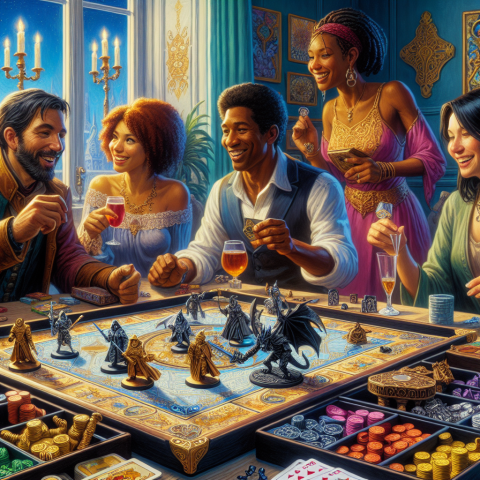
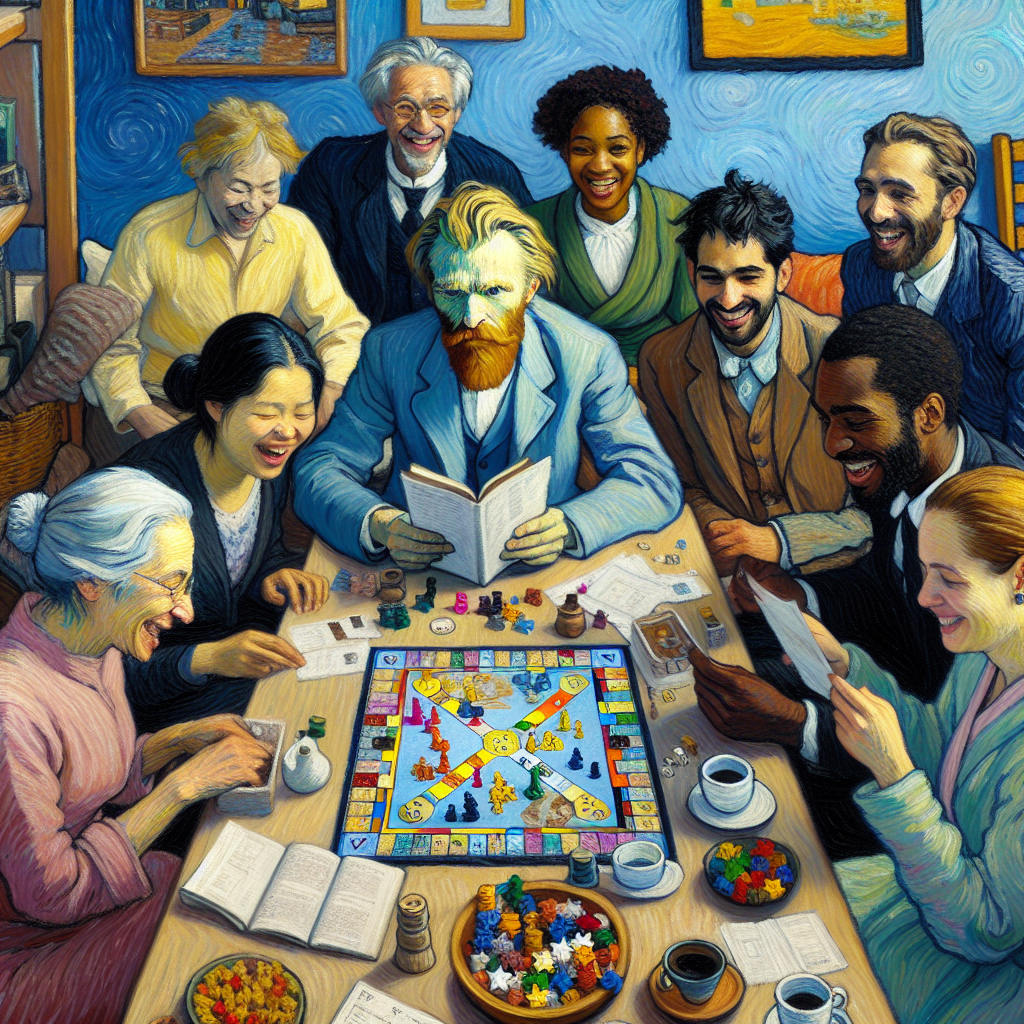
The social aspect can’t be ignored either. Picture a group of friends gathered around a table, snacks in hand, laughter erupting as they share stories of their greatest victories—or most embarrassing blunders. Each play is interlaced with banter and camaraderie, and as tempers flare over an unfortunate card draw or a bad roll of the die, the racing board game becomes less about the path to victory and more about the journey you share together.
So, whether you’re racing to the finish or strategically blocking your opponents, these games offer more than just a quick dash to the end. They deliver a full-throttle experience that combines chance, decision-making, and community, ensuring that no two races are ever the same. Indeed, in the world of board games, the real victory may just lie in the stories spun around the table long after the game is over.
How Do Racing Board Games Work?
How Do Racing Board Games Work?
- Racing board games combine elements of strategy, luck, and social interaction.
- Players compete to cross the finish line first, but decision-making is crucial.
- Movement is determined by rolling dice or using cards, but strategy plays a larger role.
- Players navigate obstacles and can play offensively by hindering opponents.
- Unique gameplay elements, such as weather changes and power-ups, keep the game dynamic.
- The social aspect enhances the experience, fostering camaraderie and storytelling.
- Ultimately, the journey and shared experiences may outweigh the end goal of winning.
How Do Racing Board Games Work?
What Are The Most Popular Racing Board Games?
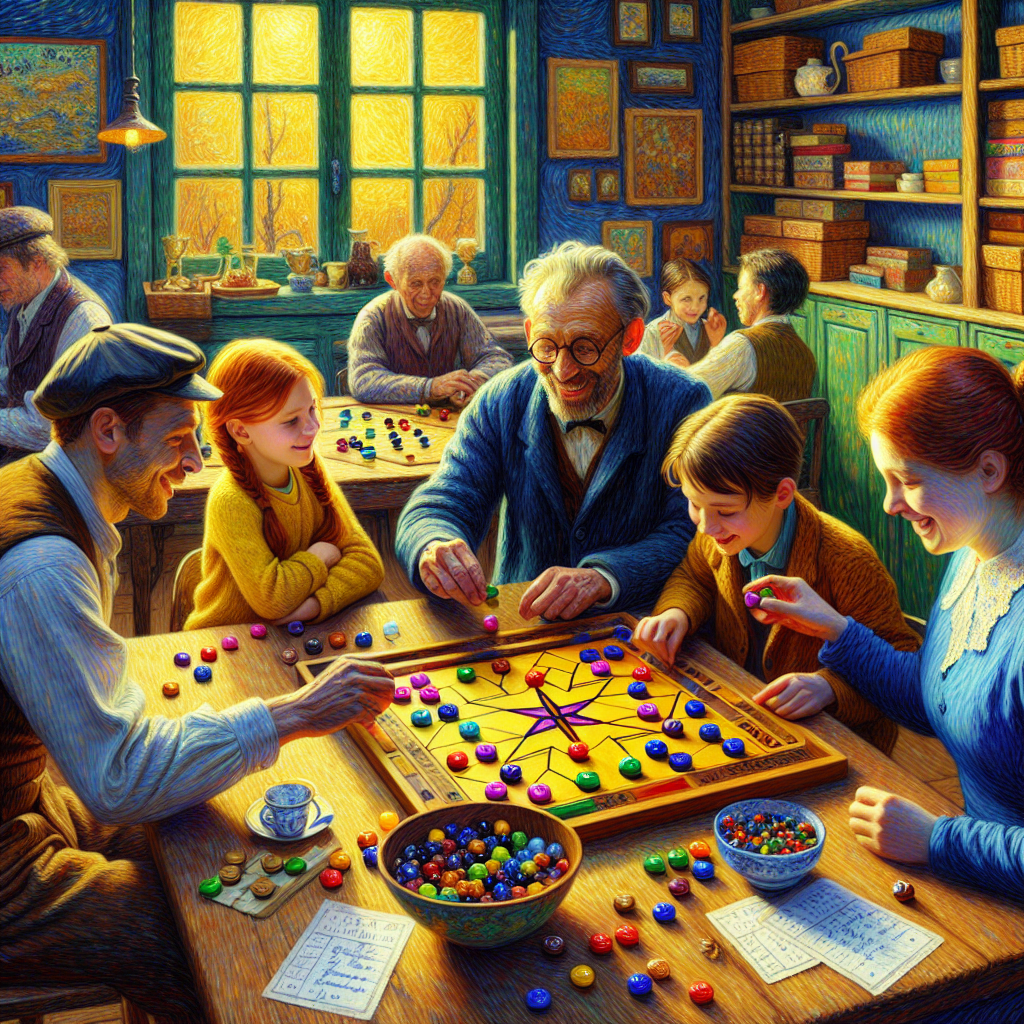
When it comes to racing board games, we’re diving headfirst into a world where strategy, luck, and adrenaline collide on a tabletop. These games aren’t just about moving pieces from point A to point B—they’re a thrilling mixture of competitive spirit and clever tactics. Here’s a look at some of the most popular racing board games that will have you and your friends on the edge of your seats.
Formula D is often regarded as the flagship of racing games. It’s like a high-octane Formula One experience distilled onto a board. Players customize their cars and race around tracks that vary in complexity from city circuits to iconic racing venues. The game incorporates the stark reality of racing—with gear changes and terrain shifts influencing speed and strategy. Players must balance risk and reward as they navigate tight corners at breakneck speeds and take advantage of power-ups. The depth of strategy involved makes it a top choice for those who enjoy a cerebral race.
Next up is Downforce, a delightful blend of betting and racing. Players take on the role of team owners, wagering on which car they believe will cross the finish line first. It’s all about managing your bets while navigating the unpredictable twists and turns of the track. The twist? You play your cards to propel your cars forward, creating a chaotic but engaging experience where you’re cheering for not just one, but several racers. Strategy and a bit of luck come into play, making it a perfect pick for groups looking for something lively and interactive.
Then there’s Thunder Alley, which captures the spirit of NASCAR racing. This game is a little more complex, delighting gearheads with the excitement of drafting and teamwork. Players can work together to pull off stunning maneuvers, or they can throw caution to the wind and battle it out for individual glory. It’s a game of high stakes and even higher speeds, with tracks that evolve and surprise at every turn, keeping players on their toes.
Lastly, we can’t overlook Rallyman, which immerses you in the world of rally racing. It’s all about making the right moves at the right time, with a unique mechanic that allows players to plan their actions in advance but then let fate decide the outcome. The blend of strategy and chance leads to nail-biting moments that keep players hooked until the end.
Whether you’re zipping through the streets of Monaco or tearing around a dirt track, these racing board games bring the rush of adrenaline to your game nights. So, gather your friends, roll the dice, and let the race begin!
What Are The Most Popular Racing Board Games?
What Are The Most Popular Racing Board Games?
- Racing board games combine strategy, luck, and excitement on a tabletop.
- Formula D offers a Formula One experience with vehicle customization, complex tracks, and risk-reward strategies.
- Downforce blends betting with racing, where players wager on cars and use cards to advance multiple racers.
- Thunder Alley captures NASCAR’s essence, featuring teamwork and drafting with surprise changing tracks.
- Rallyman focuses on rally racing with a unique planning mechanic that mixes strategy and chance.
- These games provide thrilling adrenaline rushes for game nights.
- Gather friends to experience dynamic racing challenges on various tracks.
What Are The Most Popular Racing Board Games?
What Themes Are Common In Racing Board Games?
Racing board games, much like the thrilling events they depict, are an exhilarating blend of strategy, competition, and chaos. They whisk players into a world of speed and strategy, often structured around a few recurring themes that keep participants coming back for more. One of the prevailing themes is the element of competition. Whether you’re racing cars, animals, or even fantastical creatures, the core objective remains the same: outpace your opponents. This competitive spirit adds a layer of intensity, urging players to engage in not just their own strategies but also to keenly observe and counter their competitors’ tactics.
Another common theme is the incorporation of chance versus skill. Many racing games feature dice rolls, card draws, or spin mechanisms that inject unpredictability into the mix. This duality creates a fascinating tension—players must harness their strategic prowess and adapt to the whims of fate. This aspect of unpredictability can elevate a simple race into an unpredictable clash of wits. It serves as a reminder that while planning is crucial, sometimes, luck plays the leading role in determining who crosses the finish line first.
Then there’s the element of setting, which often serves as a backdrop for the racing theme. From the excitement of Formula One circuits to whimsical fantasy landscapes, the environments players race through add flavor and character. These settings not only make the journey visually engaging but also intertwine with the mechanics of the game. For example, varying terrain can influence movement rules, while unique environmental challenges can impact player strategies.
Additionally, many racing games embrace the concept of progression. Participants often have the opportunity to upgrade their vehicles, improve their abilities, or unlock unique powers as they advance through the race. This theme appeals to the innate human desire for growth and development, allowing players to feel a tangible sense of achievement as they overcome obstacles and refine their skills.
Lastly, camaraderie and rivalry frequently emerge as central themes. Friends or family duking it out over a game board can forge memorable moments filled with laughter, frustration, and excitement alike. These shared experiences can deepen relationships, as players root for each other or unleash friendly taunts along the way.
In essence, the themes woven into racing board games create a vibrant tapestry of competition, chance, growth, and social interaction, ensuring that each race is as unique as the players who partake in it. Fasten your seatbelts; it’s bound to be a wild ride!
What Themes Are Common In Racing Board Games?
What Themes Are Common In Racing Board Games?
- Racing board games blend strategy, competition, and chaos.
- Competition is a core theme, driving players to outpace opponents.
- Many games incorporate chance versus skill, balancing strategy and unpredictability.
- Game settings range from realistic circuits to whimsical landscapes, enhancing player experience.
- Progression is featured, allowing players to upgrade vehicles and refine skills.
- Camaraderie and rivalry create memorable moments during gameplay.
- Themes of competition, chance, growth, and social interaction ensure unique experiences in each race.
What Themes Are Common In Racing Board Games?
How Do Player Interactions Influence Racing Board Games?
In the world of racing board games, where the dice roll like thunder and the track is alive with the spirit of competition, player interactions can make the difference between a thrilling finish and a demoralizing defeat. These games aren’t merely about moving pieces from start to finish; they are a veritable battleground of strategy, negotiation, and sometimes, deception. And let’s face it, it’s these interactions that turn a simple race into a full-blown spectacle.
At the heart of racing board games lies the ever-present tension between cooperation and rivalry. Players often find themselves straddling the line; today’s ally may just as easily become tomorrow’s nemesis. Think about it: You’re barreling down the track, and there’s a fellow competitor right on your tail. Do you team up to block a ruthless player ahead, or do you make a risky move to leapfrog them both? This kind of decision-making adds a layer of complexity that elevates the game’s emotional stakes.
Then, there are the unexpected alliances forged in the heat of competition. Players may find themselves coordinating moves, sharing resources, or even passing cards to help each other navigate hazards or speed past barriers. These moments not only create a camaraderie that feels rewarding but also keep everyone on their toes. You can never truly predict when a friendly gesture will turn into a tactical maneuver aimed at claiming victory for one party, leaving others eating dust.
And let’s not forget the psychological aspect of player interactions. Experienced gamers know that bluffing and deception can be just as potent as speed and skill. A subtle glance, a poorly timed sigh, or an overzealous cheer can all be cues that lead opponents to second-guess their strategies. It’s a game of minds as much as it is a game of pieces on a board. The ability to read the intentions of your rivals can give you that adrenaline-pumping edge that propels you toward the finish line.
Ultimately, the richness of player interactions in racing board games is akin to the roar of an engine at full throttle—a symphony of chaos, strategy, and heart-pounding excitement. These moments of connection, competition, and sometimes betrayal transform a simple race into a narrative filled with memorable moments, making every game a unique ride. So, the next time you gather around the board, remember: it’s more than just a chase; it’s a story crafted one move at a time.
How Do Player Interactions Influence Racing Board Games?
How Do Player Interactions Influence Racing Board Games?
- Player interactions elevate racing board games from simple races to complex battlegrounds of strategy and negotiation.
- Competition involves a delicate balance between cooperation and rivalry, where allies can quickly become adversaries.
- Decision-making is crucial, as players must choose between teaming up or making risky moves for individual gain.
- Unexpected alliances can arise, with players collaborating to navigate hazards and advance their positions.
- Psychological elements, such as bluffing and deception, play a significant role in influencing opponents’ strategies.
- The chaotic and strategic nature of interactions creates unforgettable moments and narratives within the game.
- Ultimately, racing board games offer a unique blend of excitement, competition, and storytelling through each move.
How Do Player Interactions Influence Racing Board Games?
What Age Groups Enjoy Racing Board Games?
Racing board games bring a thrill and excitement that can captivate players from diverse backgrounds and age groups. This fast-paced genre typically draws everyone in, but let’s dig a little deeper to uncover which age groups are particularly fond of the adrenaline rush that comes from competition and strategy.
Starting with the younger crowd—children aged 5 to 10 years—racing games serve as not only a form of entertainment but also a gateway to learning. At this age, it’s all about bright colors, quirky characters, and simple mechanics that encourage a sense of achievement. Games like “Super Alligator Racing” or “Race to the Treasure!” engage kids through thematic fun while subtly introducing them to concepts like turn-taking, basic counting, and strategic thinking. There’s something inherently magical about the way they leap into the gameplay, practically bursting with enthusiasm as they discuss their racing strategies and rooting for their favorite characters.
As we push into the tweens, ages 11 to 14, racing games take on a new flavor. At this stage, kids are transitioning into adolescence and crave something a bit more complex. Titles such as “Formula D” or “Thunder Alley” provide an enriched experience, packed with strategic depth and multifaceted rules that keep these young players on their toes. They revel in the challenge, drawing maps of potential outcomes and negotiating complex rules. It’s no longer just about the finish line; it’s about the nuances of the journey, making decisions that could propel them ahead or throw them into chaos.
Fast-forward to the ages of 15 and beyond, and racing board games can still charm the older crowd. Whether it’s a group of friends reliving their glory days over “Racetrack” or family members bonding over a good-natured “Mario Kart”-style competition, the engagement continues. Young adults appreciate the nostalgia of their childhood favorites while also seeking out new titles that offer competitive and strategic layers. It’s not just about winning; it’s about the camaraderie, the trash talk, and the stories that emerge around the table.
In short, racing board games blur the lines of age. From the giddy laughter of the preschoolers to the contemplative strategy of older teens and adults, there’s a universal appeal within this genre. It’s about connection, engagement, and most importantly, the joy of speeding toward victory—no matter how old you are!
What Age Groups Enjoy Racing Board Games?
What Age Groups Enjoy Racing Board Games?
- Racing board games engage players of various backgrounds and age groups with their excitement and thrill.
- For children aged 5 to 10, these games provide entertainment and learning through bright colors and simple mechanics.
- Games like “Super Alligator Racing” foster skills in turn-taking, counting, and strategic thinking among younger players.
- Tweens aged 11 to 14 enjoy more complex racing games such as “Formula D” and “Thunder Alley,” which offer strategic depth.
- Teenagers appreciate the nuances of gameplay, where their decisions impact the race outcomes significantly.
- Adults aged 15 and older find enjoyment in nostalgia and camaraderie through games like “Racetrack” and “Mario Kart.”.
- Racing board games promote connection and engagement, appealing to everyone from preschoolers to adults across various situations.
What Age Groups Enjoy Racing Board Games?
How Long Do Racing Board Games Typically Last?
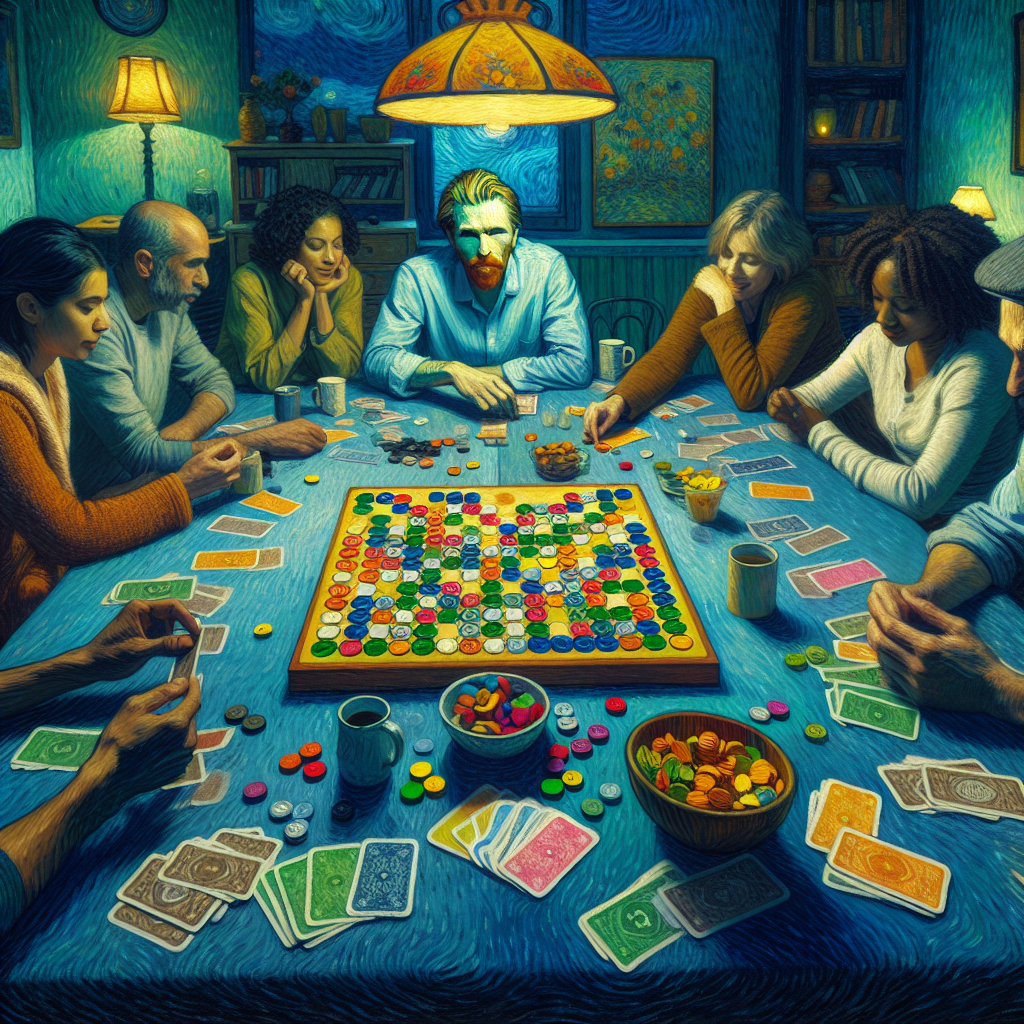
When it comes to racing board games, how long they last can vary significantly depending on a few factors, not unlike the unpredictable nature of a thrilling race itself. Let’s pull up to the starting line and take a look at what influences the duration of these adrenaline-fueled tabletop competitions.
First off, the type of racing game you’re dealing with makes a big difference. Some games, like the classic “Formula D,” can be wrapped up in under an hour, especially if players are seasoned pros who know when to push the gas and when to slam on the brakes. On the other hand, some of the more intricate racing games, such as “Flamme Rouge” or “Rallyman,” might stretch out to an hour or more, particularly with a larger group where decision-making becomes a bit of a traffic jam.
Player experience is also a key player in the race against the clock. Newcomers might need extra time to grasp the rules and formulate a strategy, adding precious minutes to the overall gameplay. But don’t let that discourage you! Watching a newcomer learn the ropes is akin to watching a rookie driver navigate the twists and turns of their first lap—messy, entertaining, and crowd-pleasing in its own right.
The number of players is another variable that can throw a wrench into your timing. Some games are designed for head-to-head action, while others accommodate larger groups. If you’re racing with four or five people, you can expect a longer playtime as everyone takes their turn. Conversely, a two-player race might zoom by in record time, especially if the competitors are laser-focused and willing to engage in high-stakes strategy.
Lastly, the game mechanics themselves can change the landscape of playtime. A light, fast-paced racing game with simple rules will often have a quicker finish than one that incorporates deep strategy or numerous components. Games that require you to analyze track positions, manage resources, or navigate obstacles can slow down the pace as players carefully plot their moves.
So, in the exhilarating world of racing board games, you’re looking at a typical playtime ranging from 30 minutes to about two hours. Grab your friends, fire up the competitive spirit, and remember: whether it’s a quick race to the finish or a drawn-out battle of wits, the journey is what makes the ride worthwhile.
How Long Do Racing Board Games Typically Last?
How Long Do Racing Board Games Typically Last?
- The duration of racing board games can vary significantly based on various factors.
- Type of game influences playtime; simpler games like “Formula D” can last under an hour, while intricate games like “Flamme Rouge” can exceed an hour.
- Player experience matters; newcomers typically require additional time to understand rules and strategies.
- The number of players affects timing; head-to-head games finish faster compared to larger groups.
- Game mechanics can impact speed; simpler games tend to conclude quicker than those with deep strategy and multiple components.
- Playtime for racing board games generally ranges from 30 minutes to about two hours.
- Ultimately, the enjoyment comes from the experience, regardless of the game’s duration.
How Long Do Racing Board Games Typically Last?
Are There Any Strategy Elements In Racing Board Games?
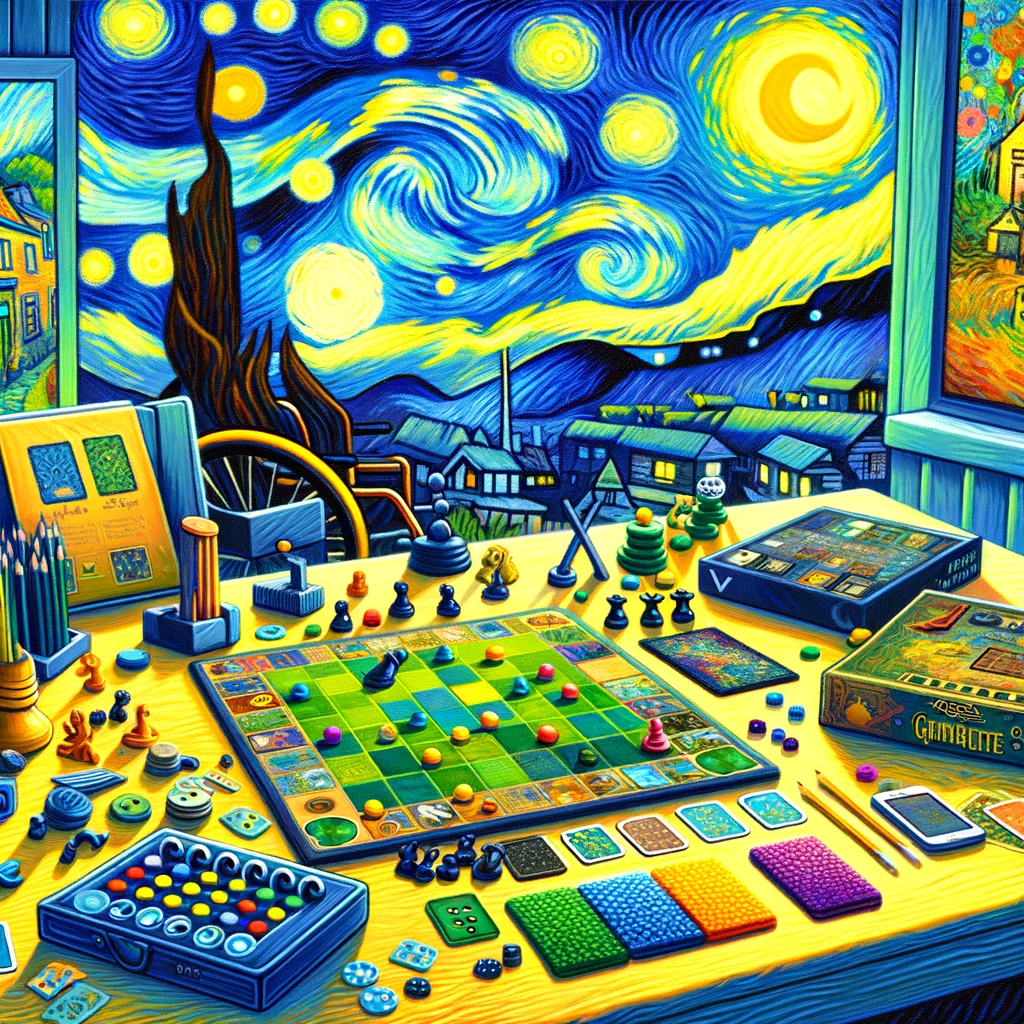
When you think of racing board games, you might envision a vibrant tabletop filled with colorful cars zipping around a track, the tense anticipation of players leaning in as the dice roll, and the thrill of reaching that finish line first. But beneath that surface of speed and adrenaline lies a complex web of strategy elements that gives these games their depth—much like a race itself.
At the heart of any great racing board game is the balance between luck and skill. Sure, the roll of the dice or the draw of the cards can change the tide in an instant, but savvy players know that strategy is the engine that really drives the gameplay. Consider “Formula D,” where players must not only think about their own moves but also anticipate the decisions of their opponents. Selecting the right gear at the right moment can mean the difference between soaring ahead or stalling out in the dust.
Positioning is another critical component. In many racing games, the track often offers various terrains or features—sharp turns, straightaways, and hazardous zones. Understanding how to navigate these obstacles with finesse can provide a significant advantage. For instance, deploying a well-timed speed boost when entering a straightaway can catapult you ahead of the pack, while a poorly judged move could send you crashing into a wall of lost opportunity. In this way, strategy becomes an ever-evolving tapestry that players must weave throughout the race.
Then there’s the importance of resource management. Titles like “Camel Up” introduce a betting mechanism that adds layers of complexity, requiring players to read the field and make calculated risks. Do you play it safe, or do you throw caution to the wind and back an underdog? Each decision reverberates through the game, shaping outcomes based on a mix of foresight and boldness.
Let’s not forget teamwork either. In games where alliances can shift with the roll of a die, strategizing not only your path but also your relationships with other players can be crucial for success. In races, just like in life, the art of negotiation, bluffing, and compromise can determine results that are far more significant than the finish line itself.
In essence, racing board games are a hybrid of chance and strategy, where the thrill meets the cerebral. So next time you catch yourself on the edge of your seat, remember—it’s not just a race; it’s a fine dance of strategy and skill, all twisting and turning at breakneck speed.

Are There Any Strategy Elements In Racing Board Games?
Are There Any Strategy Elements In Racing Board Games?
- Racing board games combine speed and adrenaline with deep strategic elements.
- The balance between luck (dice rolls, card draws) and skill is crucial for gameplay.
- Games like “Formula D” require players to anticipate opponents’ moves and make strategic choices.
- Positioning and navigating different track terrains can provide significant advantages.
- Resource management, illustrated by games like “Camel Up,” adds complexity and requires calculated risks.
- Teamwork and negotiation play important roles, with alliances impacting game outcomes.
- Racing board games offer a blend of chance and strategy, creating an engaging and dynamic experience.
Are There Any Strategy Elements In Racing Board Games?
What Components Are Usually Included In Racing Board Games?
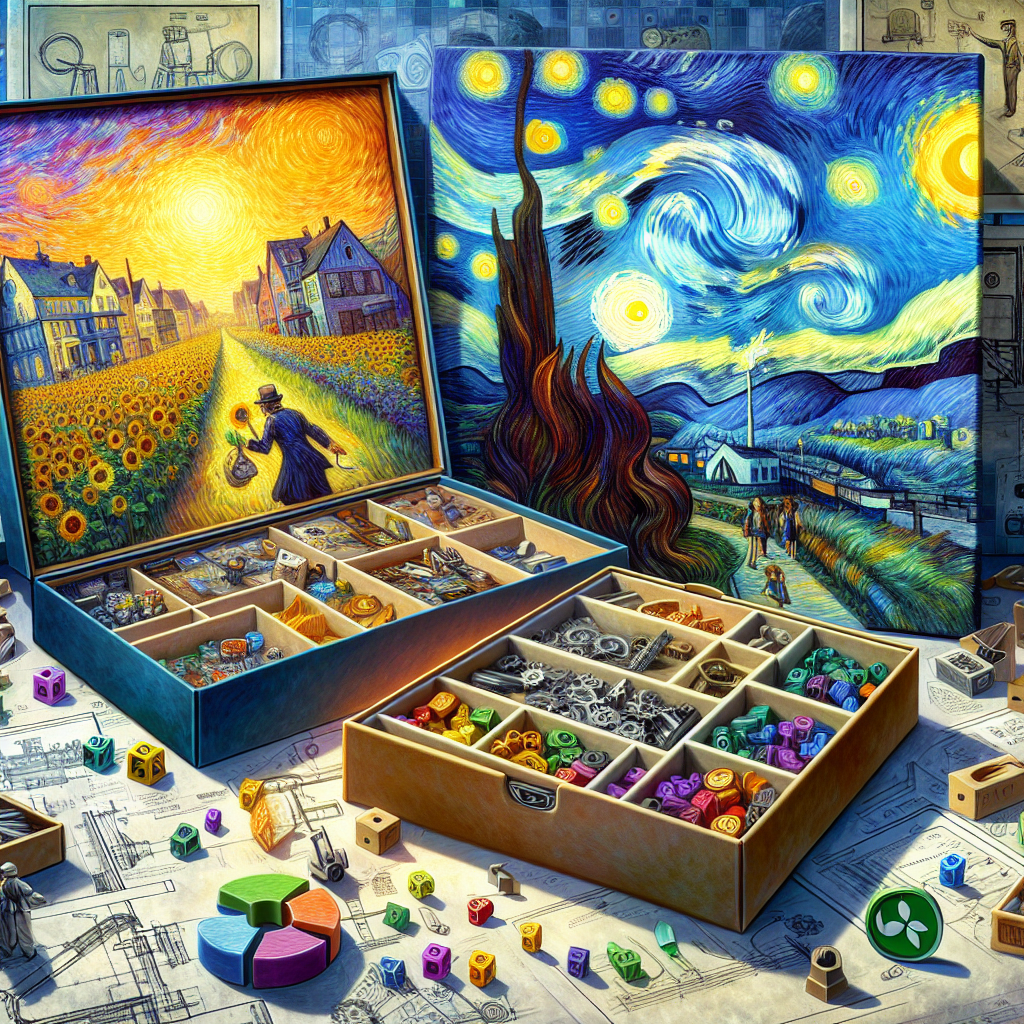
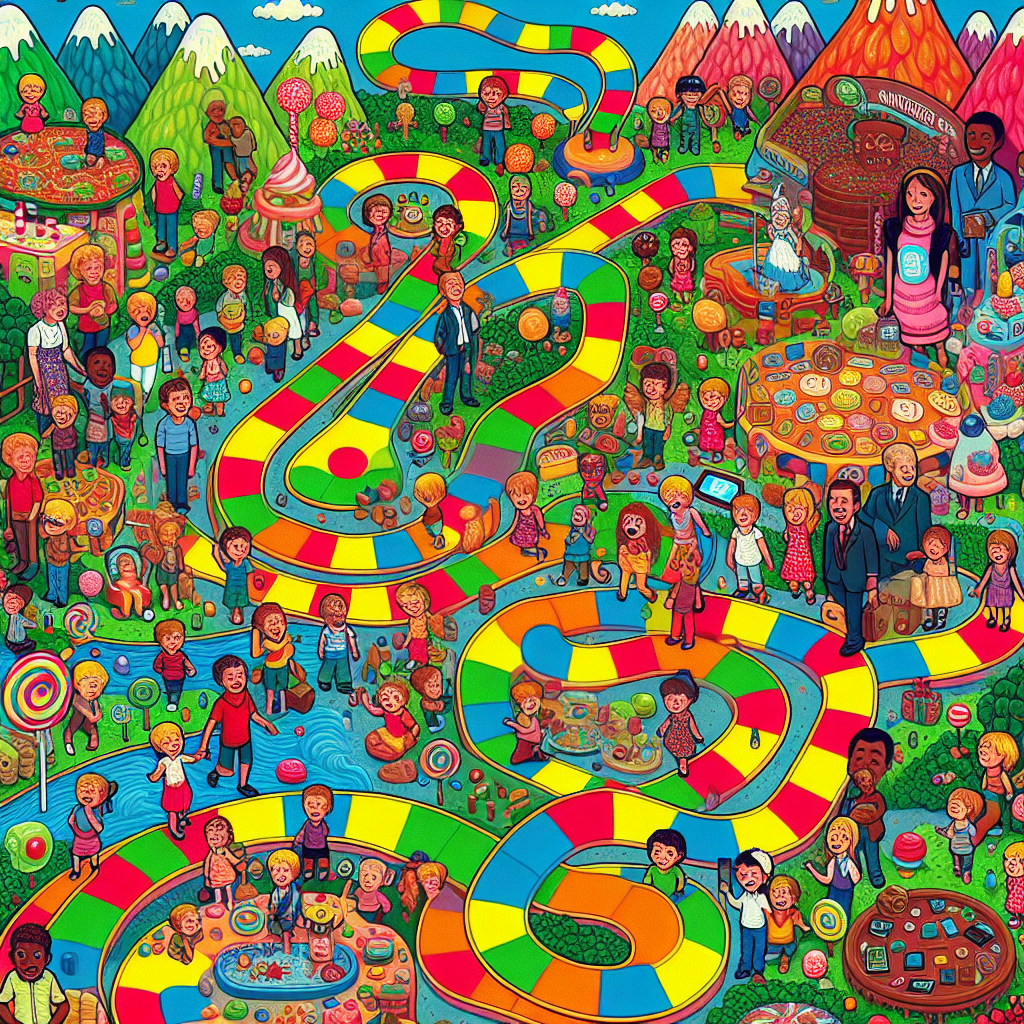
When you crack open a box labeled “Racing Board Game,” you’re not just diving into a pile of cardboard and plastic. You’re stepping into a world where speed, strategy, and sometimes, a sprinkle of luck converge to create an adrenaline-pumping experience right from the comfort of your kitchen table. But what exactly can you expect to find nestled in that box? Let’s unpack the essential components that usually rev up the fun in racing board games.
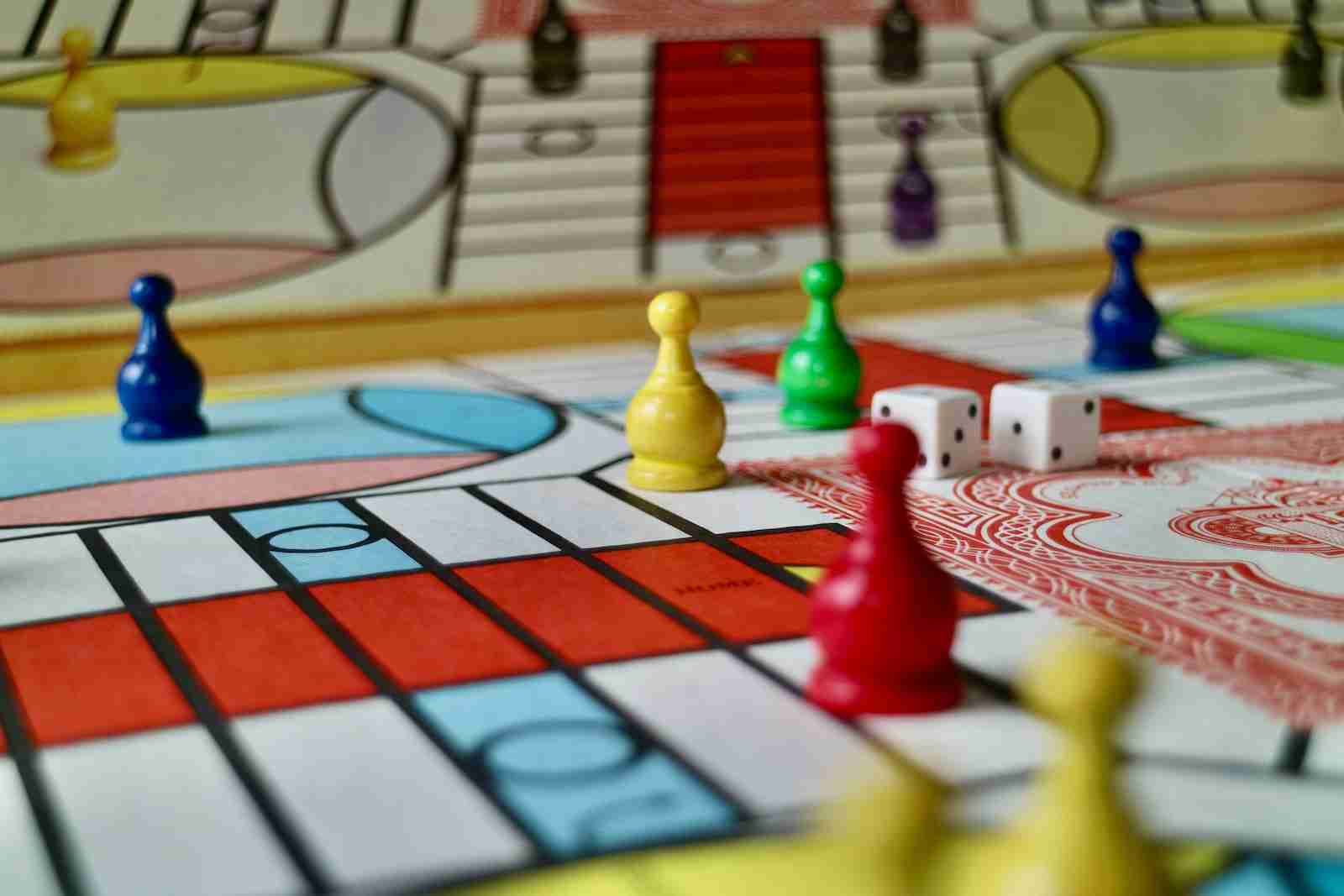
First off, the game board often takes center stage. It’s not just a flat piece of cardboard; it’s a meticulously designed track that sets the tone for your high-speed adventure. Whether it’s a circuit reminiscent of Monaco’s Grand Prix or a fantasy racetrack that defies the laws of physics, this board is often adorned with color-coded paths, unique terrains, and sometimes even shortcuts that savvy players can exploit.
Next up, we have the player pieces—the vehicles or avatars that represent you on the track. These can come in countless shapes and sizes. From sleek, miniature race cars to quirky, customized characters, the player pieces inject personality into the game. They often come with their own unique abilities or attributes that can influence how they navigate the track. In some games, players might even be able to upgrade their vehicles as the race unfolds, adding a layer of strategy that keeps competitors on their toes.
And what’s a race without some dice or a spinner? These randomizers introduce an element of chance into the race, making every turn of the wheel a potential game-changer. Will you dart ahead with a lucky roll or get stuck in a traffic jam because you drew the wrong card? The suspense is palpable.
Don’t forget the action cards or event cards that may accompany your game. These little beauties can turn the tide of play in an instant, allowing players to unleash power-ups or hindrances that shake up the race. Imagine zooming past opponents with a speed boost, only to have someone slip an oil slick under your wheels just a moment later.
Last but not least, you can expect some sort of scoring system or track influence mechanism. How do you know who’s leading? Points, laps completed, or even a countdown timer creates urgency and drive, keeping players invested until the finish line.
In this whirlwind of components, the thrilling competition of racing board games emerges, proving that you don’t need a revved-up engine to feel the rush of the racetrack. With a well-constructed mix of strategy, luck, and a dash of chaos, these games turn any ordinary gathering into an extraordinary race day.
What Components Are Usually Included In Racing Board Games?
What Components Are Usually Included In Racing Board Games?
- Racing board games merge speed, strategy, and luck for an exciting experience at home.
- The game board is a detailed track featuring color-coded paths, unique terrains, and shortcuts.
- Player pieces can vary widely, from race cars to customized avatars with unique abilities.
- Dice or spinners introduce random elements, affecting the outcome of each turn.
- Action or event cards can change game dynamics, providing power-ups and obstacles.
- A scoring system or track influence mechanism keeps players engaged and competitive.
- These games transform gatherings into thrilling race days without the need for real engines.
What Components Are Usually Included In Racing Board Games?
How Can You Choose The Right Racing Board Game For Your Group?
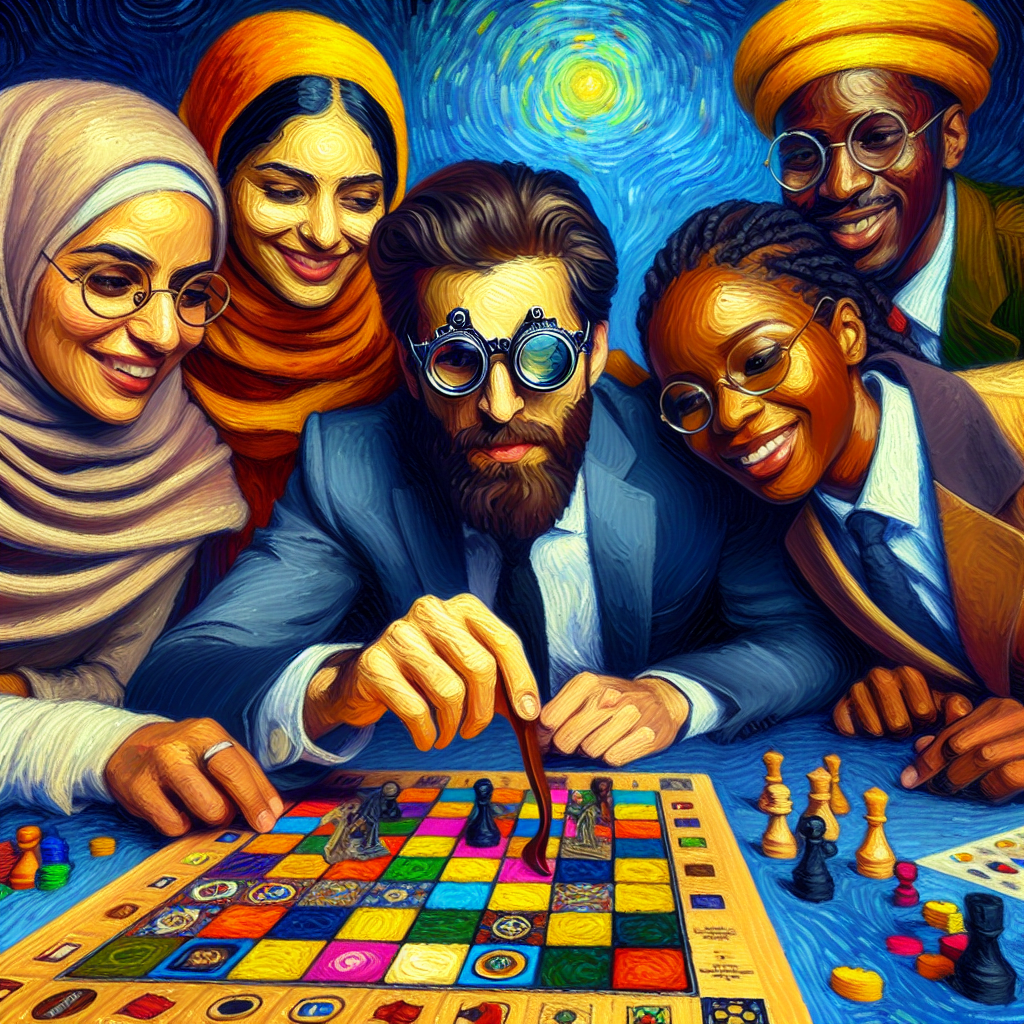
When it comes to racing board games, picking the perfect one for your group can be as tricky as a tight turn on a dirt track. With a multitude of options available, you want something that not only fits your taste but also revs up the fun meters for everyone involved. So, let’s take a pit stop and break this down.
First off, consider the size of your crew. A game that accommodates just two players can quickly stall when you’ve got a full house. Conversely, a game designed for large groups may feel too stretched with only a couple of participants. Look for games that can flex depending on your group size. Some games include mechanics that scale well, keeping everyone engaged no matter how many are in the race.
Next, think about the ages and experience levels of those in your pit crew. If you’ve got kids or newcomers, a streamlined game with straightforward rules is the way to go. You want something that won’t cause frustration or boredom before the first lap is complete. On the other hand, if you’re playing with seasoned gamers who crave strategy and depth, consider a racing game that spices things up with complex mechanics and strategic elements.
The theme and visuals matter too. A game with exciting artwork and an engaging theme can turbocharge the experience. Whether it’s classic car racing or futuristic hovercrafts, a game that resonates with your group’s interests will create excitement and motivation. Spending time rotating through various themes may lead to new favorites and a more dynamic game night.
Don’t forget to look into game length and pace. If you’re short on time, opt for a quick racing game that can be played in under an hour. A longer game might work better for dedicated board game nights. Just know that sometimes, the thrill isn’t only in the destination but also in the journey. A game that drags can lose steam, while one that takes off will leave everyone wanting more.
Finally, let’s not forget the all-important “fun factor.” Read reviews, or even better, try before you buy. If possible, take the game for a test drive at your local game shop or community board game night. A little trial and error can go a long way in ensuring your racing game is a hit—and a guaranteed winner for your game nights to come. So gear up, choose wisely, and get ready to race!
How Can You Choose The Right Racing Board Game For Your Group?
How Can You Choose The Right Racing Board Game For Your Group?
- Choosing a racing board game should fit your group’s preferences and maximize fun.
- Consider the size of your group; look for games that scale well for different player counts.
- Account for the ages and experience levels of players; simpler games for kids/newcomers, and more complex games for seasoned players.
- Engaging themes and appealing artwork can enhance the gaming experience and create excitement.
- Evaluate game length and pace; shorter games are ideal for quick play, while longer games suit dedicated board game nights.
- Prioritize the fun factor; read reviews and test games before purchasing to ensure they fit your group’s vibe.
- Engage in trial and error to find the best racing game for memorable game nights.
How Can You Choose The Right Racing Board Game For Your Group?
Conclusion
Alright, folks, let’s wrap this up with a jolt of speed! Racing board games—those thrilling contests of strategy and luck—aren’t just ordinary games where pieces shuffle from one end of the board to another. No, sir! They’re an exhilarating race that transports us from our living rooms to treacherous racetracks, winding trails, and fantastical realms. When you toss in a couple of dice or shuffle those cards, you’re not just rolling with chance; you’re tapping into a rich blend of interaction and competition that keeps everyone on their toes.
What’s great about these games is their ability to cater to a wide audience. You’ve got the little ones learning the ropes and developing skills through colorful, enchanting themes, while the older crowd craves that cerebral challenge of games like “Formula D” and “Thunder Alley.” Everybody has a seat at the table, and regardless of age, we’re all unified by that shared thrill of racing toward victory. Each game is a unique experience, filled not just with the joy of reaching the finish line, but with the camaraderie forged through competitive spirit and strategic thinking.
Think about it: racing board games are where the mingling of luck and skill takes place in harmonies of excitement. The element of player interaction is what really stirs the pot; today’s friend might turn into tomorrow’s cunning rival. You strategize, negotiate, or even throw some playful shade at each other, transforming a simple race into a story of conflict, alliances, and, ultimately, triumph. You find yourself not just seeking victory but creating memorable moments that linger long after the last card is played.
As we dive headfirst into the world of racing board games, remember that it’s about more than just high-speed dashes; it’s about connecting with friends, family, and even your own sense of competitiveness. Finding the right game hinges on understanding your group’s dynamic, experience levels, and what really gets everyone’s motor running. Whether you’re in it for the strategy, the laughs, or the sheer unpredictability, there’s a racing game out there revving its engine just for you.
So, gather your crew, unleash those competitive spirits, and get ready to hit the racetrack—because with racing board games, each play is a rollercoaster ride of excitement. Buckle up, because the fun is just getting started!
Conclusion
Conclusion:
- Racing board games offer thrilling contests of strategy and luck, transporting players to various exciting locations.
- These games cater to a wide audience, from children learning skills to adults seeking intellectual challenges.
- Every game experience fosters camaraderie through competition and strategic thinking.
- Player interaction enhances the experience, creating stories of conflict and alliances among friends.
- The objective involves not only winning but also making memorable moments together.
- Choosing the right game depends on understanding the group’s dynamics and preferences.
- Racing board games provide a rollercoaster of excitement, promising fun and connection with others.
Conclusion
Other Resources
Other Resources
Here is a list of other resources you can review online to learn more:
- 10 Best Racing Board Games – Board Game Halv
- 10 Best Racing Board Games, Ranked – CBR
- Racing | Board Game Category – BoardGameGeek
- 15 Best Racing Board Games (2024) – Meeple Herald
- 7 Best Auto Racing Board Games for 2023 – Victory Conditions
I hope you find these articles helpful!
Other Resources
Glossary Terms
What Are Racing Board Games? – Glossary Of Terms
1. Racing Board Games: A genre of tabletop games where players compete to be the first to complete a race, often involving strategy, luck, and skill.
2. Game Board: The flat surface on which the racing game takes place, usually including a path, track, or route that players navigate.
3. Race Track: The specific design or layout on the game board where players move their pieces or characters in a racing format.
4. Player Pieces: Individual tokens, figurines, or markers that represent each player in the race, moved along the track according to game rules.
5. Dice Roll: A common mechanic in racing games where players roll dice to determine the number of spaces they can move.
6. Card Deck: A set of cards used in the game that may provide players with actions, bonuses, or event triggers impacting the race.
7. Action Cards: Special cards that allow players to perform specific actions, such as moving extra spaces or hindering opponents.
8. Speed Mechanic: A gameplay element that determines how fast a player can move, often influenced by card plays or die rolls.
9. Obstacles: Challenges or hindrances placed on the race track that players must navigate around, which can affect their progress.
10. Power-ups: Special items or bonuses obtained during the game that can give players advantages, such as extra movement or protection from setbacks.
11. Checkpoints: Designated spots on the track where players must stop or complete a task before continuing.
12. Lap: A complete circuit around the track; many racing games involve multiple laps to determine the winner.
13. Winner: The player who crosses the finish line first, achieving the primary objective of the game.
14. Turn Order: The sequence in which players take their turns, influencing strategy and competition dynamics.
15. Drafting: A technique where players position their pieces behind others to gain speed advantages, mimicking real-life racing tactics.
16. Variable Player Powers: Special abilities unique to each player or character that can affect gameplay and strategy.
17. Game Balance: The fairness of a game, ensuring that no player has an insurmountable advantage over others.
18. Event Cards: Cards that introduce random conditions or challenges, shaking up the gameplay experience and often requiring players to adapt their strategies.
19. Circuit Racing: A type of racing game that involves completing laps on a closed loop track, as opposed to point-to-point races.
20. Thematic Elements: Storylines, art, and components that enhance the game’s immersive experience, often tailored to fit specific racing themes (e. g. , cars, animals, etc. ).
21. Race Conditions: Specific rules or environmental factors that can change throughout the game, affecting how players strategize.
22. Hand Management: A mechanic where players must carefully decide when to play or hold onto their cards to maximize their strategic advantage.
23. Challenger: A player competing directly against others, often aiming to outperform them to win the race.
24. Finish Line: The endpoint of the race where players complete the game and determine the winner.
25. Player Elimination: A game mechanic where players are removed from the race if they fall behind or fail to meet certain objectives.
26. Final Lap: The last lap in a multiple-lap race, often marked by heightened tension and competitive maneuvering.
27. Strategic Play: Decisions made by players that consider long-term outcomes and positioning rather than immediate gains.
28. Ruleset: A collection of guidelines that govern the gameplay, including how to set up, play, and win the game.
29. Replayability: The likelihood that players will want to play the game multiple times, often due to varied outcomes, strategies, or player interactions.
30. Social Interaction: The engagement between players that can include competition, alliances, or rivalry, enriching the overall gaming experience.
These terms help illustrate the elements and features that define racing board games, offering insights into gameplay mechanics and strategies.
Glossary Of Terms
Other Questions
What Are Racing Board Games? – Other Questions
If you wish to explore and discover more, consider looking for answers to these questions:
- What are the benefits of playing racing board games?
- How do racing board games compare to other types of board games?
- What skills do players develop by playing racing board games?
- Are there racing board games suited for younger children?
- What should I look for when buying a racing board game?
- Can racing board games be played solo?
- What are some variations in the rules of popular racing board games?
- How do expansions or add-ons enhance racing board games?
- What is the role of luck in racing board games?
- Are there digital versions of racing board games available?
- How can player strategies differ between experience levels?
- What are some common misconceptions about racing board games?
- What components might be missing from a racing board game?
- How often do new racing board games get released?
- What are the best ways to introduce new players to racing board games?
Other Questions
Haiku
What Are Racing Board Games? – A Haiku
Wheels spin on the track,
Luck and strategy collide;
Chase the thrill of speed.
Haiku
Poem
What Are Racing Board Games? – A Poem
In the realm of nimble dreams and dice,
Where speed and skill converge, a roll suffices,
Racing board games stand, a vibrant spree,
A dance of chance and strategy, wild and free.
With tracks that twist through forests profound,
Or deserts where hopeful camels bound,
These games evoke nostalgia’s sweet call,
A shared journey, laughter, and rivalry for all.
From classic cars in “Formula D,”
To “Camel Up” where fortunes twist with glee,
Each player plots their course with care,
Strategizing moves, catching rivals unaware.
In this tapestry woven with decision and luck,
What lies ahead could change with a pluck—
For every turn brings a choice grand and bold,
In a contest for glory, with stories retold.
With colorful pieces that hint at delight,
They evoke a spirit, igniting the night,
A blend of young hearts and wise tales entwined,
As friendships are forged in the heat of the grind.
Whether racing for title or betting on fate,
Each adrenaline rush adds to the weight;
With power-ups ready to surge you ahead,
And roadblocks that challenge where others have tread.
So gather your friends, let the games commence,
With each roll of the die and tactical defense,
Through highs and lows, as excitement ignites,
Racing board games echo the thrill of the heights!
Poem
Checklist
What Are Racing Board Games? – A Checklist
1. Assess Group Size
_____ Determine how many players will be participating.
_____ Look for games that accommodate your group’s size (2 _____ 8+ players).
2. Consider Age and Experience Levels
_____ Identify the age range of your players (children, teens, adults).
_____ Choose games with appropriate complexity for your group’s experience level.
3. Explore Game Themes and Visuals
_____ Check the game’s theme (realistic racing, fantasy, animals, etc. ).
_____ Look for games with engaging artwork that fits your group’s interests.
4. Evaluate the Game Length
_____ Consider how much time you have for gameplay.
_____ Opt for shorter games (30 _____ 60 minutes) for quick sessions; longer games (1 _____ 2 hours) for more dedicated game nights.
5. Analyze Game Mechanics
_____ Review the core mechanics: luck-based (dice rolls/cards) vs. strategy-based.
_____ Assess how much decision-making is involved and if it fits your group’s preference.
6. Check for Player Interaction
_____ Determine how much player interaction occurs (cooperation vs. competition).
_____ Consider games that encourage alliances or rivalry depending on the mood you want to create.
7. Read Reviews and Ratings
_____ Look at online reviews for insights on the game’s playability and enjoyment.
_____ Watch gameplay videos or attend local game nights to test the game before purchasing.
8. Trial Runs
_____ If possible, participate in a trial run of the game to gauge interest and enjoyment.
_____ Bring it to a group gathering to see if it resonates with everyone.
9. Look for Replayability
_____ Choose games that offer varied gameplay experiences to keep interest over multiple sessions.
10. Focus on the Fun Factor
_____ Ensure the game promotes a fun and engaging atmosphere for players.
_____ Go with what excites your group, whether it’s laughter, competition, or strategy.
Use this checklist to select the perfect racing board game for your next game night, ensuring an exhilarating experience that everyone will enjoy!
Checklist
At BestBoardGameNews, we help people who love board games by collating information and news about board games.
Be sure to read our other related stories at BestBoardGameNews to learn more about board games.