Unleashing The Excitement: Exploring Real-Time Board Games
By Tom Seest
At BestBoardGameNews, we help people who love board games by collating information and news about board games.
Be sure to read our other related stories at BestBoardGameNews to learn more about board games.
What Are Real-Time Board Games?
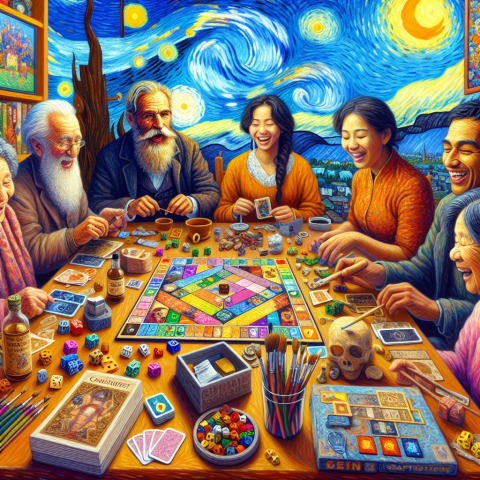
Imagine you’re at a gathering, surrounded by family and friends, and suddenly, the air buzzes with an electrifying energy. It’s not just chatter or the clinking of glasses; it’s the sound of excitement as players dive headfirst into a world where every second counts. That’s the essence of real-time board games—a genre that turns the traditional, often leisurely board game experience on its head.
In typical board games, you might find yourself pondering your next move, analyzing the landscape ahead, and letting the rhythm of the game dictate your pace. Not so in the realm of real-time board games! In this wild and frantic gaming landscape, time is the enemy. Players race against the clock, and every tick of the timer brings both a surge of adrenaline and an even greater opportunity for chaos.
So, what’s the draw? For starters, real-time board games tap into our primal instincts. The fast pace invokes a fight-or-flight response, with players often finding themselves wrapped up in a whirlwind of decisions, teamwork, and pure instinct. Whether you’re frantically trying to assemble a puzzle, gather ingredients for a concoction, or fend off monsters escalating in real time, every player is thrust into the thick of it. Cooperation becomes the lifeblood of the game as teammates shout strategies and encouragement, creating a symphony of chaos.
These games come in many flavors—some prioritize speed over strategy, while others require quick thinking and problem-solving under pressure. Titles like “Escape: The Curse of the Temple” challenge you to navigate traps and treasures as the clock runs down, while “Kitchen Rush” has players running a restaurant where you dodge imaginary patrons and cook up a storm. The immersive experience draws players of all ages to the table, inviting them to set aside their phones and engage in live, face-to-face competition.
Real-time board games appeal to a specific kind of gamer. They thrive on intensity and the thrill of the clock ticking down, creating an atmosphere that often leads to laughter, frantic gestures, and even a few friendly arguments. If you’ve ever wanted to throw caution to the wind, unleash your competitive spirit, and enjoy a good dose of absurdity with friends, then dive into the unpredictable world of real-time board games. Just remember to keep your wits about you—because in this realm, every second matters!

What Are Real-Time Board Games?
What Are Real-Time Board Games?
- Real-time board games create an electrifying atmosphere at gatherings with family and friends.
- This genre contrasts traditional board games by emphasizing speed and time pressure.
- Players experience heightened adrenaline and chaos as they race against the clock.
- These games evoke primal instincts, encouraging teamwork and rapid decision-making.
- Titles like “Escape: The Curse of the Temple” and “Kitchen Rush” exemplify the genre’s fast-paced challenges.
- Real-time board games appeal to those who enjoy intensity, laughter, and friendly competition.
- Players are reminded that every second counts in the unpredictable world of real-time gaming.
What Are Real-Time Board Games?
Table Of Contents
- What Are Real-Time Board Games?
- What Defines A Real-Time Board Game?
- What Are The Most Popular Real-Time Board Games?
- How Do Real-Time Board Games Differ From Traditional Ones?
- What Skills Do Real-Time Board Games Enhance?
- Can Real-Time Board Games Be Played Online?
- What Age Groups Enjoy Real-Time Board Games?
- How Long Do Real-Time Board Games Typically Last?
- Are There Cooperative Real-Time Board Games?
- What Themes Are Common In Real-Time Board Games?
- How Should Beginners Approach Real-Time Board Games?
- What Are The Best Strategies For Winning Real-Time Board Games?
- Can Real-Time Board Games Be Enjoyed Solo?
- What Components Are Often Found In Real-Time Board Games?
- How Can You Create Your Own Real-Time Board Game?
- What Future Trends Are Emerging In Real-Time Board Games?
- Conclusion
- Other Resources
- Glossary Of Terms
- Other Questions
- Haiku
- Poem
- Checklist
What Defines A Real-Time Board Game?
When you think of a traditional board game, your mind might conjure up images of peaceful nights spent taking turns, carefully plotting your next move, and perhaps enjoying a snack in between. It’s all very structured, calm, and almost meditative. But then there’s the world of real-time board games, and let me tell you, the difference is like comparing a leisurely stroll in the park to a high-octane sprint through an obstacle course.
A real-time board game is all about that adrenaline rush, that immediate decision-making, and the relentless ticking of the clock that makes every second feel like an eternity. These games throw you headfirst into the action, demanding quick thinking, sharp reflexes, and a willingness to embrace chaos. From frantic card shuffling to rapid dice rolling, the clock is not just a suggestion; it’s a relentless overseer, pushing players to act on impulse rather than plan their grand strategies.
One may wonder, what exactly sets these games apart? For starters, the mechanics are designed to keep players on their toes. There’s no waiting for your turn, no leisurely analysis of the board. In real-time board games, everyone is involved at once. You might race against your friends to collect resources, complete tasks, or even “survive” a series of increasingly challenging scenarios—all while the timer ticks down ominously. It’s a collective scramble, and there’s nothing quite like the sound of people shouting instructions, cursing their luck, or celebrating victories in a cacophony of enthusiasm.
Now, let’s talk about that timer. In many real-time games, it’s both a blessing and a curse. It fuels the urgency, but it can also lead to chaos—critical choices made in the heat of the moment, which can ultimately lead to hilarious blunders or glorious victories. This intensity is what draws players in, igniting a camaraderie that’s born from shared moments of joy, frustration, and laughter.
What defines a real-time board game is its ability to break down barriers and foster an interactive experience that transcends the norms of traditional gaming. It’s about the rush of competition, the thrill of spontaneity, and the unpredictable nature of human interaction. You’ll laugh, you’ll groan, but most importantly, you’ll engage with your fellow players in a way that’s electrifying, exhilarating, and completely unforgettable.
What Defines A Real-Time Board Game?
What Defines A Real-Time Board Game?
- Traditional board games are calm and structured, emphasizing turn-taking and strategy.
- Real-time board games offer an adrenaline-pumping environment that demands quick decision-making.
- Mechanics keep players engaged simultaneously, eliminating the wait for turns.
- The timer adds urgency and chaos, encouraging impulse over long-term strategy.
- Players scramble together to collect resources or complete tasks as the clock counts down.
- The intensity of real-time games fosters camaraderie through shared experiences of joy and frustration.
- These games break down barriers and create an electrifying and memorable interactive experience.
What Defines A Real-Time Board Game?
What Are The Most Popular Real-Time Board Games?
In a world brimming with apps and digital distractions, there’s nothing quite like the crackling energy of a real-time board game to bring friends and family together. These games deliver an exhilarating adrenaline shot, combining strategy, speed, and a hefty dose of good old-fashioned competition. So, what are the most popular real-time board games that have captured the hearts (and maybe a few friendly rivalries) of players around the globe?
Starting off the list is the timeless classic, Galaxy Trucker. This game combines the thrill of space travel with the chaos of building your own ship from scratch. Players must hustle to assemble their spacecraft, gather cargo, and navigate treacherous cosmic paths—all in real-time. With each round, it’s a race against the clock as players scramble to make split-second decisions that could lead to their ultimate victory or a catastrophic shipwreck.
Next up, we have Escape: The Curse of the Temple. Picture a crew of intrepid adventurers darting through a cursed temple, racing against a relentless timer. This cooperative game demands that players communicate and strategize on the fly, gathering treasures while avoiding traps and pitfalls. The urgency is palpable—every second counts, and when the soundtrack kicks in, the heart starts to race. There’s no room for hesitation here; it’s all about quick thinking and teamwork.
Another fan favorite is Space Alert. This game plunges players into the role of space cadets defending their ship from external threats. What sets it apart is the real-time element: players must manage resources, engage in combat, and fend off dangers—all while trying to keep their cool. The challenge lies in the blaring sound effects and frantic pace, which can turn a simple resource management exercise into a nail-biting showdown.
For those who thrive on shorter bursts of action, Wizards Unite: The Duel provides a thrilling mix of fantasy and skill. Players take on the persona of spellcasters battling each other in a mad dash to outwit their opponents. The planning and precision required ensure that no two games are ever the same, making it a standout choice for those hungry for a quick, yet intense experience.
Lastly, let’s not overlook Burgle Bros., where players work together to pull off a heist in a high-security building. Time is of the essence as players navigate through along building grids, dodging security measures in a race against that ticking clock.
Real-time board games offer an unmatched combination of excitement and engagement, making them a must-have for any game night. And whether you’re blasting off into space or navigating through a treacherous temple, there’s a thrill in every frantic moment. So gather your crew, and let the games begin!
What Are The Most Popular Real-Time Board Games?
What Are The Most Popular Real-Time Board Games?
- Real-time board games create excitement and competition among friends and family.
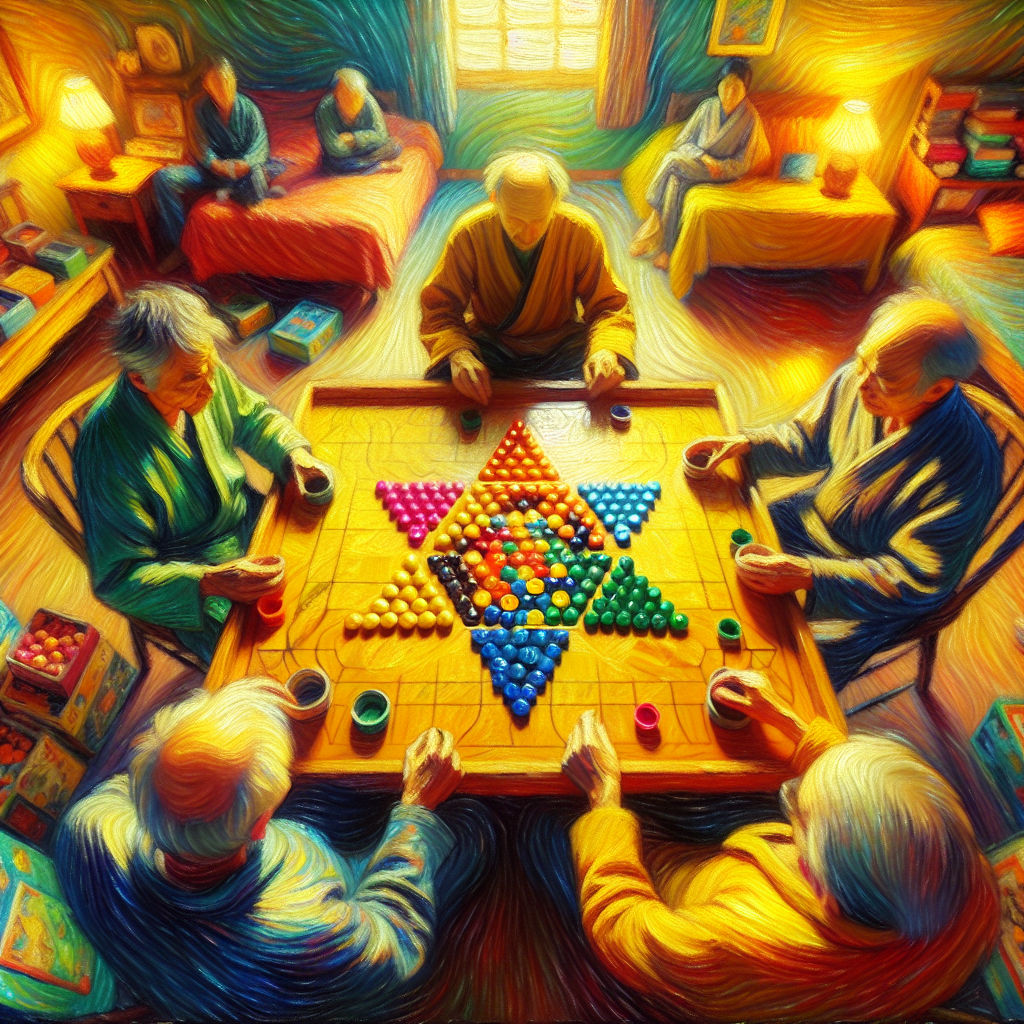
- Galaxy Trucker allows players to build and navigate spacecraft in a race against the clock.
- Escape: The Curse of the Temple is a cooperative game where players strategize and communicate under time pressure.
- Space Alert challenges players to defend their ship while managing resources amid frantic action.
- Wizards Unite: The Duel offers quick fantasy battles with a focus on skill and strategy.
- Burgle Bros. involves players executing a heist while avoiding security measures within a timed structure.
- Real-time board games provide unique and thrilling experiences, making them ideal for game nights.
What Are The Most Popular Real-Time Board Games?
How Do Real-Time Board Games Differ From Traditional Ones?
When it comes to board games, the landscape has evolved dramatically over the years, giving rise to a new breed known as real-time board games. These games, unlike their traditional counterparts, usher in a frenetic pace and a level of energy that demands players to think and act on their feet. They redefine the tabletop experience, turning leisurely strategy sessions into adrenaline-infused battles of wit and coordination.
Picture this: in a traditional board game, you might find yourself sitting around a table, tokens neatly aligned, dice waiting patiently to roll, and a rulebook that dictates the tempo of the evening. Players take turns, strategizing while enjoying a casual chat, reinforcing friendships as they vie for victory over the course of an evening. There’s a charm to this style; it’s deliberate, purposeful, and often includes lengthy discussions over rules and tactics. Sure, you can savor the savoriness of your snacks and engage in witty banter; it’s almost meditative in its own way. But step into the realm of real-time board games, and you’ll soon find that the world transforms into a whirlwind of action where every second counts.
In real-time games, the clock is not only ticking but shouting at you to make decisions fast. Gone are the leisurely turns; instead, play commences simultaneously, each player racing against the clock and each other. Take the popular game “Escape: The Curse of the Temple,” for instance. Players scramble to gather treasures and escape a collapsing temple, all while a relentless timer ticks down. The sense of urgency heightens the experience — your heart races, adrenaline surges, and suddenly everyone is frantically strategizing, yelling, and collaborating all at once. The result? A cacophony of excitement that can either unite a group or create a battle of chaos.
But it’s not just about speed; real-time board games often introduce a layer of unpredictability. Players must adapt on the fly to changing circumstances and competing needs, reflecting the chaotic nature of real life itself. They foster teamwork, quick thinking, and acute communication skills. So, if you find the slower-paced games have lost some of their luster, delve into the world of real-time gaming. It’s where the thrill of the chase meets the camaraderie of comrades, and every shuffle of cards or roll of dice can bring a pulse-racing moment that transcends the ordinary. Welcome to the new age of board games — it might just be the adrenaline shot you never knew you needed.
How Do Real-Time Board Games Differ From Traditional Ones?
How Do Real-Time Board Games Differ From Traditional Ones?
- Board games have evolved with the introduction of real-time board games, creating a faster-paced gaming experience.
- Real-time games shift the focus from leisurely strategy to intense, energetic gameplay that requires quick thinking and action.
- Traditional board games feature turn-taking and relaxed discussions, promoting a more social and strategic environment.
- In real-time formats, players compete simultaneously against each other and a timer, increasing urgency and excitement.
- Games like “Escape: The Curse of the Temple” exemplify this style, combining frantic treasure collection with a collapsing environment.
- Real-time games enhance teamwork, adaptability, and communication, providing a reflection of real-life chaos and unpredictability.
- These games offer a thrilling alternative for those seeking fast-paced interaction and camaraderie, revitalizing the board game experience.

How Do Real-Time Board Games Differ From Traditional Ones?
What Skills Do Real-Time Board Games Enhance?
In a world where the clock seems to tick louder than ever, real-time board games offer a unique arena where players can flex a variety of muscles—both mental and physical. Games like “Escape: The Curse of the Temple” or “Keep Talking and Nobody Explodes” thrust players into frenetic situations that demand far more than mere luck. They require teamwork, quick thinking, and a healthy dose of endurance.
First and foremost, real-time board games sharpen your decision-making skills. In the heat of the moment, with a timer counting down, you often have mere seconds to evaluate your options. Should you risk taking that final treasure, or should you regroup with your team? This immediate assessment cultivates a kind of mental agility that can translate well beyond the game table. Players learn to weigh risks against rewards swiftly, preparing them for high-pressure scenarios in everyday life—whether that’s making quick decisions in a busy workplace or navigating tight schedules.
Another vital skill that players cultivate is communication. The nature of these games demands constant dialogue. Everyone must be on the same page to succeed. Amid the chaos, the ability to articulate thoughts clearly and listen actively becomes paramount. Some players may find themselves shouting out suggestions, while others might calmly relay crucial information. This interaction fosters a collective mindset, teaching individuals how to convey their ideas effectively while also appreciating the input of their teammates. In environments where collaboration reigns supreme, these abilities can become invaluable.
Then, there’s the sheer importance of adaptability. No plan survives contact with the enemy, and that’s especially true in real-time games where the stakes are constantly changing. Players must frequently discard their carefully laid strategies in favor of new ones, all while keeping their cool and remaining focused. Such adaptability translates not only into improved game performance but also into better coping strategies for life’s unpredictable twists and turns.
Lastly, let’s not underestimate the stamina required to engage fully in these high-energy experiences. Real-time board games mirror the hustle and bustle of modern life, where multitasking and sustained engagement aren’t just beneficial—they’re essential. Players must maintain energy levels, stay alert, and engage actively, sharpening both mental and physical endurance.
In short, the skills honed through real-time board games extend far beyond mere entertainment. They prepare players for real-world challenges, sharpening minds, strengthening teamwork, and reinforcing the ability to adapt. So, whether you’re racing against a timer or strategizing with friends, you’re not just playing a game; you’re building a toolkit for life.
What Skills Do Real-Time Board Games Enhance?
What Skills Do Real-Time Board Games Enhance?
- Real-time board games provide a dynamic platform for developing various skills, both mental and physical.
- Games like “Escape: The Curse of the Temple” require teamwork, quick thinking, and endurance.
- They enhance decision-making skills by forcing players to evaluate options quickly under pressure.
- Real-time games promote effective communication through constant dialogue among players.
- Players learn to be adaptable as they must frequently adjust their strategies in response to changing conditions.
- The stamina needed for these games develops both mental and physical endurance essential for modern life.
- The skills gained from real-time board games apply to real-world challenges, aiding in personal and professional contexts.
What Skills Do Real-Time Board Games Enhance?
Can Real-Time Board Games Be Played Online?
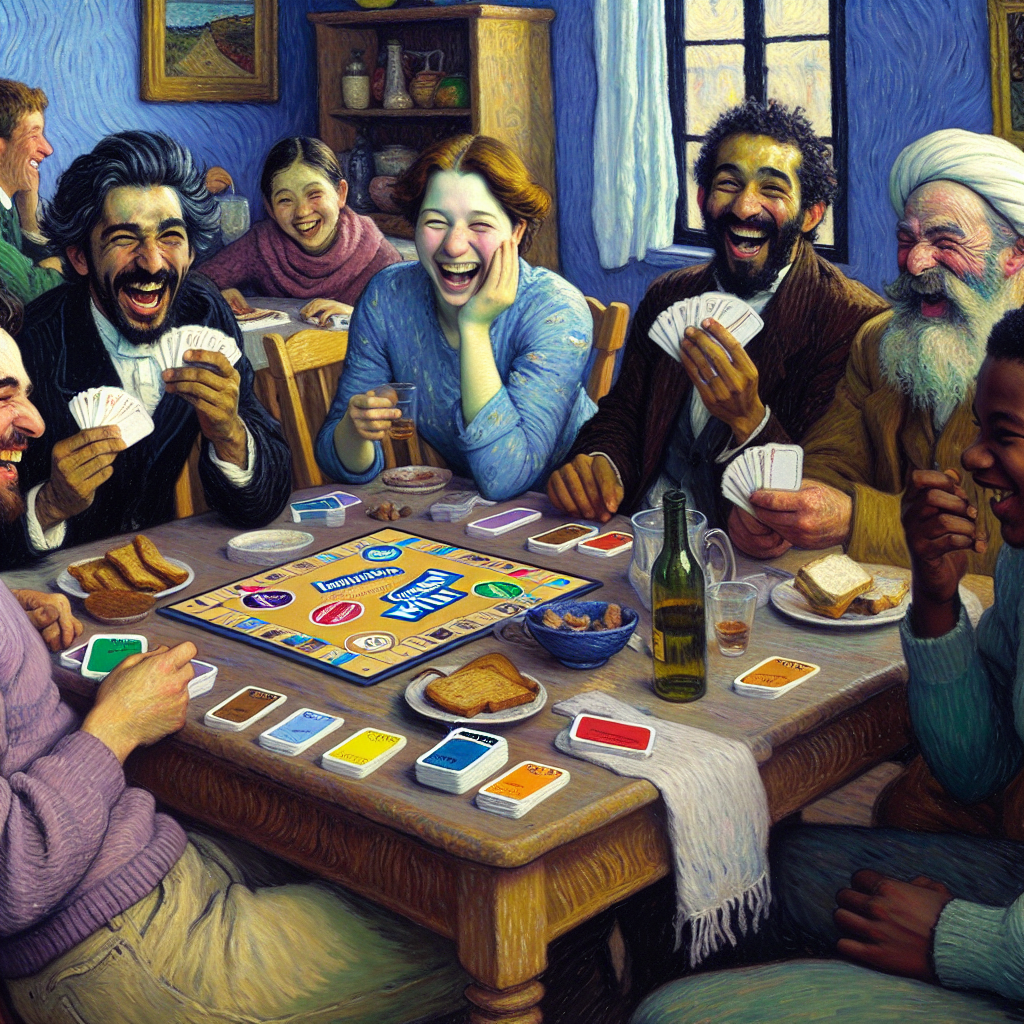
In a world where technology often feels like it’s pulling us apart, there’s a surprising twist on an old idea that’s bringing people back together—board games. Remember the days when taking a seat around a table meant good laughs, friendly rivalries, and maybe a snack or two? Those days aren’t dead; they’ve just gotten a digital upgrade.
But can you replicate that same electric atmosphere of dice rolling and pawn moving when you’re just another face on a screen? Well, my friends, you might just be in for a delightful surprise. Real-time board games have made a significant leap into the online realm, and with a few keystrokes, you can gather your friends from opposite ends of the globe without having to wrestle for the last slice of pizza.
Imagine the thrill of a game of Catan unfolding in real-time, not around your grandmother’s kitchen table, but instead in the cozy confines of a Discord channel or a gaming platform. The stakes are higher when everyone’s on their toes, trying to negotiate those crucial trades while also keeping an eye on that one friend who definitely has a hidden agenda. Online platforms like Tabletop Simulator and Board Game Arena have been innovators here, transforming how we perceive these traditional games.
Now, don’t get me wrong; while these digital formats can certainly capture the essence of the real deal, certain elements are tricky to replicate. The sound of laughter, the palpable tension of a bad bluff, and the tactile feel of game pieces sliding across a board just can’t quite be substituted by pixels and code. Yet, many gamers are finding that the convenience of online play allows them to connect with pals they haven’t seen in ages. And let’s face it, the logistics of gathering everyone for a game night can be an Olympic sport in its own right.
Plus, these platforms often come with perks: enhanced graphics, built-in timer functions, and the ability to hit the ‘undo’ button when you realize that subpar move you just made. Let’s be honest, who hasn’t wanted a do-over after moving their piece into a trap set by a crafty opponent?
So, whether you’re a die-hard tabletop enthusiast or a newbie just looking to jump into the fun, real-time board games can absolutely thrive online. So gather your friends—electronically, of course—and let the games begin! The excitement, camaraderie, and competition await, right at your fingertips.
Can Real-Time Board Games Be Played Online?
Can Real-Time Board Games Be Played Online?
- Board games are making a comeback, reuniting people despite technological divides.
- Online platforms allow friends from different locations to play in real-time.
- Games like Catan can now be experienced in virtual spaces like Discord.
- Platforms such as Tabletop Simulator and Board Game Arena innovate traditional gameplay.
- Some tactile and emotional elements of board games are challenging to replicate online.
- Online play offers convenience and additional features like enhanced graphics and undo options.
- Real-time board games cater to both seasoned players and newcomers, fostering excitement and camaraderie.
Can Real-Time Board Games Be Played Online?
What Age Groups Enjoy Real-Time Board Games?
When you think about board games, you might picture a table strewn with snacks, a gaggle of friends, and a casual pace that rivals rush hour traffic. But real-time board games—those fast-paced, adrenaline-pumping experiences—bring a whole new flavor to the mix. You might be surprised at the age groups that dive headfirst into this gaming frenzy.
First off, let’s talk about the kids. If there’s one thing a room full of young people proves, it’s that they thrive on excitement and immediate gratification. Real-time board games often incorporate elements of speed, strategy, and chaos, and let me tell you, kids are all about that! From five-year-olds buzzing with energy to teens eager to show off their skills, this genre of games provides an outlet for their limitless enthusiasm. The beauty here is simplicity—the mechanics are often straightforward, allowing young players to pick up the rules within minutes. Games like “Jenga” or “Gorogoa” keep them on their toes, pushing them to think quickly and adapt faster than ever.
But don’t count out millennials and older generations; they revel in the high-stakes fun just as much! This age group often reminisces about simpler times, yet they embrace the frenetic pace of real-time board games, too. Drawing from their experience with time-sensitive video games and sports, they find comfort in the adrenaline rush that these tabletop games offer. Whether it’s a game like “Rush & Bash” or “Escape: The Curse of the Temple,” the thrill of competition fuels their desire to engage. Plus, real-time games tend to be a social endeavor, cutting through the generational divide and setting the stage for laughter and camaraderie.
Now, let’s not forget the grandparents. Yes, you read that right! Those seasoned players aren’t merely observers; they’re often game enthusiasts who relish the opportunity to jump into the action. With a little encouragement, the older generation can embrace the intensity of real-time games, drawing on their reservoir of life experience to stay in the game—after all, quick thinking is a talent honed over a lifetime!
In a nutshell, the appeal of real-time board games spans generations. Whether you’re five or fifty, the excitement is palpable, cutting through the mundane and injecting life into family gatherings and game nights alike. So, gather your crowd, shuffle the deck, and let the games begin!

What Age Groups Enjoy Real-Time Board Games?
What Age Groups Enjoy Real-Time Board Games?
- Real-time board games offer fast-paced, adrenaline-pumping experiences, differing from traditional board games.
- Kids thrive on excitement and immediate gratification, making them natural fans of real-time games.
- Games like “Jenga” and “Gorogoa” cater to young players, with simple mechanics they can learn quickly.
- Millennials and older generations also enjoy real-time games, remembering childhood fun while embracing high-stakes competition.
- Older players, including grandparents, actively participate in real-time games, enhancing their enjoyment with life experience.
- The appeal of real-time board games spans across generations, fostering engagement in family gatherings.
- Real-time games create laughter and camaraderie, ensuring a lively atmosphere for all ages.

What Age Groups Enjoy Real-Time Board Games?
How Long Do Real-Time Board Games Typically Last?
When it comes to the realm of real-time board games, the ticking clock adds an exhilarating layer of urgency that can transform an ordinary game night into an adrenaline-fueled adventure. These games, designed to spur quick thinking and rapid responses, have one central question every player grapples with: just how long do they actually last?
Most real-time board games fall into the sweet spot of 20 to 60 minutes per session, but that’s just the tip of the iceberg. The fast-paced nature of these games means they’re often played in rounds or within specific time intervals, so don’t be surprised if your first playthrough stretches out longer than you might expect. Picture this: you’re sitting around the table, the timer’s about to go off, and suddenly everyone’s shouting answers, fumbling pieces, and scrambling to strategize. The frantic energy can lead to some extended play as players grapple with rules, redo rounds, or even engage in a few spirited debates over the finer points of gameplay.
Now, I hear you asking, what about setup time? Ah, the oft-overlooked sibling of game duration. Depending on the complexity, real-time board games can require a bit of preparation as players familiarize themselves with components, set up pieces, and read through the rules. An intricate game might bring a testament to your patience, as it could take an extra 15 to 30 minutes just to get everyone on the same page before the intensity begins.
Of course, experienced players can whittle down both the learning curve and setup time, but for those new to the genre, setting aside about an hour and a half is prudent for the whole experience. That way, once the timer starts and the fun kicks into high gear, you won’t have to scramble for snacks or bathroom breaks amidst the chaos.
The beauty of real-time board games lies not just in their duration but in the high-stakes camaraderie they cultivate. Whether each round lasts a mere few minutes or stretches out longer through laughter and mishaps, what’s truly important is the shared moments you create with friends and family while the clock ticks down. So gear up, grab your nearest players, and dive into the thrilling world of real-time gameplay—where every second counts and the fun never quite ends!
How Long Do Real-Time Board Games Typically Last?
How Long Do Real-Time Board Games Typically Last?
- Real-time board games introduce urgency that enhances excitement during gameplay.
- Typical game sessions last between 20 to 60 minutes, often extending due to fast-paced nature.
- Frantic energy leads to extended play as players navigate rules and strategies under pressure.
- Setup time varies; complex games can require an additional 15 to 30 minutes for preparation.
- Experienced players may execute quicker setups, but new players should plan for about 1.5 hours total.
- Real-time gameplay fosters camaraderie, creating memorable moments with friends and family.
- Embrace the thrilling experience of real-time board games where every second is critical to fun.
How Long Do Real-Time Board Games Typically Last?
Are There Cooperative Real-Time Board Games?
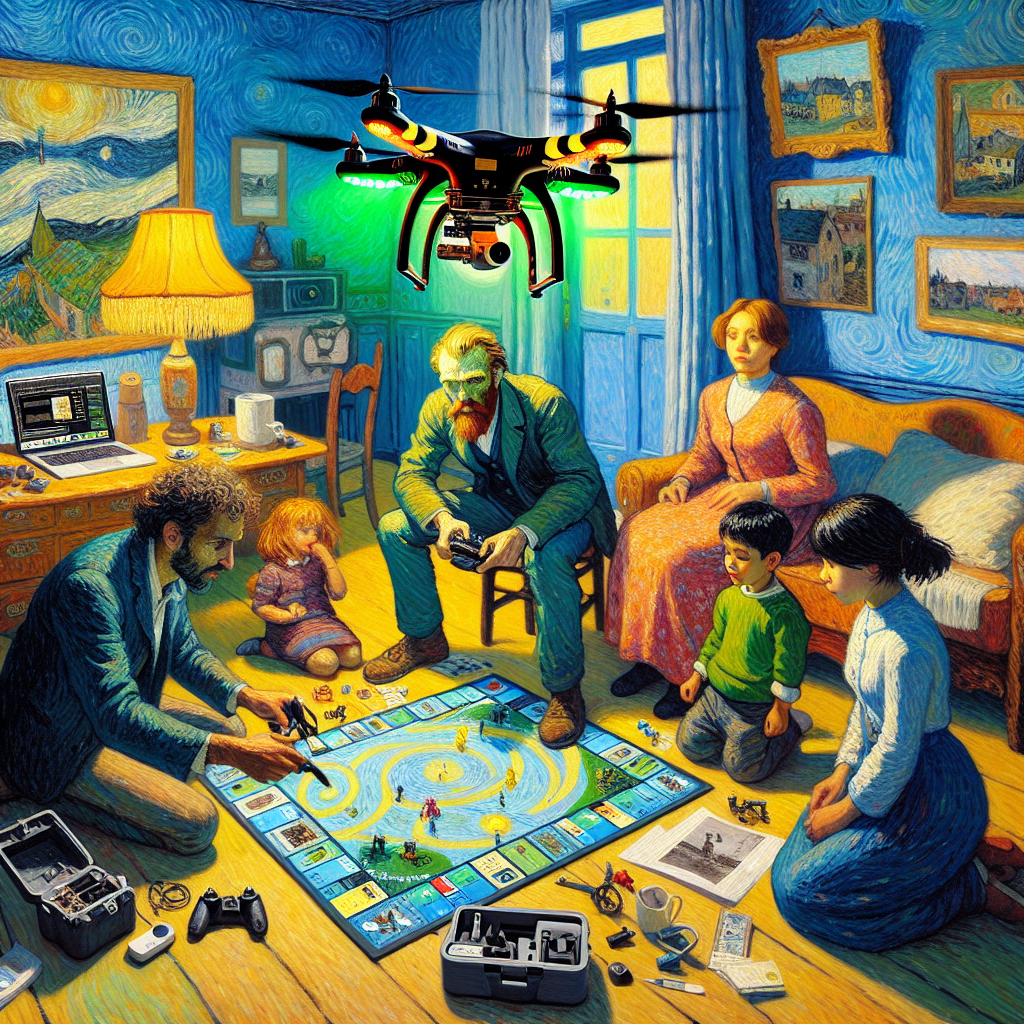
When you think of board games, the image that usually pops into your head is a group of friends, perhaps a pint of something cold in hand, gathered around a table for a little friendly competition. But what if I told you there’s a different kind of game out there—one where everyone works together instead of against each other? Enter the realm of cooperative real-time board games, where teamwork, strategy, and a ticking clock take center stage.
Now, let’s unpack this. Cooperative games are like a well-oiled machine, where every player’s input, strategy, and quick thinking is critical for success. The catch? You don’t have the luxury of time; these games unfold in real-time, creating an atmosphere that’s equal parts adrenaline and camaraderie. Forget sitting back and watching the action unfold; in these games, every second counts. Whether you’re defending a castle from an onslaught of marauding goblins or racing against impending doom to solve a mystery, the clock is ticking, and decisions must be made in the heat of the moment.
For instance, let’s take “Escape: The Curse of the Temple.” You and your fellow adventurers have just set foot in a cursed temple, and guess what? The exit is closing fast. Every player must scurry to collect treasures, dodge traps, and work together to find the way out, all while the music ticks away in the background. It’s a whirlwind of chaos where communication is key, and moments of triumph can be just as exhilarating as those heart-stopping near-misses.
Another gem in the cooperative real-time landscape is “Project: ELITE.” In this high-energy game, players are elite soldiers fighting off waves of aliens, all while dodging around the table like their lives depend on it. The best part? You’re not just strategizing and rolling dice; you’re physically moving, acting out your role like a character in an action movie. The urgency pushes players to make split-second decisions, test their limits, and rely on each other in ways that traditional board games simply don’t.
So, in a world where it’s tempting to go for gold on your own, these cooperative real-time board games remind us of the power of teamwork. They turn the table into a battleground of collaboration, where each player’s success is tied to the group’s ability to think on their feet, strategize in real-time, and forge connections that last long after the last dice is rolled. If you haven’t tried one yet, gather a crew, set the timer, and embrace the chaos. You might just find yourself shouting in triumph—or just plain old laughing at the glorious mayhem.

Are There Cooperative Real-Time Board Games?
Are There Cooperative Real-Time Board Games?
- Cooperative real-time board games emphasize teamwork over competition.
- Players work together under a time constraint, enhancing the sense of urgency and excitement.
- Quick thinking, strategy, and communication are essential for success in these games.
- Examples like “Escape: The Curse of the Temple” require players to collect treasures and escape a closing exit amidst chaotic gameplay.
- “Project: ELITE” involves players physically moving and acting out roles while battling aliens, creating an immersive experience.
- These games foster collaboration, with individual success tied to the group’s performance.
- Playing cooperative real-time games can lead to moments of triumph and laughter, making for memorable experiences.
Are There Cooperative Real-Time Board Games?
What Themes Are Common In Real-Time Board Games?
When you step into the world of real-time board games, you might think you’re just passing the time, but in reality, you’re diving headfirst into a universe brimming with common themes that push the limits of player engagement. Strap on your boots, because we’re about to explore the rich soil where these games flourish.
First off, let’s talk about urgency. Real-time board games thrive on the clock ticking down, creating an adrenaline-pumping atmosphere that keeps players on their toes. This sense of immediacy engenders a frantic energy that can lead to bursts of creativity and, let’s be honest, some gloriously chaotic moments. The race against time can transform even the most reserved players into frantic strategists, as they scramble to meet objectives before the buzzer sounds. It’s not just about winning; it’s about how fast you can think on your feet and adapt to unforeseen twists.
Next up is teamwork—or the lack thereof. Many of these games are designed to either encourage collaboration or cast players as rivals in a shared goal. In cooperative games, like “Escape: The Curse of the Temple,” players must harmonize their efforts, sharing resources and strategizing amidst the chaos. It’s a beautiful dance of communication, where every player’s decision impacts the group’s success. Conversely, in competitive titles like “Magic Maze,” players can’t speak, leading to a bewildering but thrilling ballet of nonverbal cues. Whether holding hands or butting heads, the dynamics of teamwork add layers of complexity to the experience.
Then there’s resource management, a theme that often underpins gameplay mechanics. Players are tasked with juggling various elements—be it time, cards, or physical actions—while striving to maximize their efficiency. It’s a balancing act that adds depth to the rapid-fire decision-making. How do you allocate your limited time while still progressing toward your goal? This question hangs in the air like static before a storm, fueling the excitement of every roll of the dice or swipe of the timer.
Lastly, let’s not forget the ever-present element of chaos. A real-time board game is like a firework: unpredictable and explosive. With every turn, the stakes can shift, and your meticulously crafted strategy can go up in smoke. This randomness adds an exhilarating unpredictability that tests adaptability, making it essential for players to embrace the mayhem.
In essence, real-time board games aren’t just a test of speed; they weave together urgency, teamwork, resource management, and chaos into a delightful tapestry of fun. So, the next time you find yourself racing against the clock, remember: you’re not just playing a game; you’re engaging in a thrilling dance with time itself.

What Themes Are Common In Real-Time Board Games?
What Themes Are Common In Real-Time Board Games?
- Real-time board games create an adrenaline-pumping atmosphere through urgency, compelling players to think fast and adapt.
- The ticking clock fosters frantic energy, transforming players into dynamic strategists racing against time.
- Teamwork can either enhance collaboration or create rivalry, significantly affecting gameplay dynamics.
- Cooperative games like “Escape: The Curse of the Temple” necessitate effective communication and resource-sharing among players.
- In competitive games like “Magic Maze,” nonverbal cues become vital as players must strategize without speaking.
- Resource management is key, requiring players to maximize efficiency while juggling limited elements like time and actions.
- The element of chaos plays a crucial role, introducing unpredictability that tests players’ adaptability and strategy.

What Themes Are Common In Real-Time Board Games?
How Should Beginners Approach Real-Time Board Games?
When it comes to diving into the vibrant world of real-time board games, beginners often find themselves at a crossroads. The excitement is palpable, but so too is the anxiety of unknown rules, frantic timers, and the pressure of teamwork. Fear not, for there’s a way to navigate these waters without losing your marbles—figuratively, of course.
First off, embrace the chaos. Real-time games are all about urgency, immersion, and a sprinkle of zaniness. The clock is ticking, tension is high, and it’s easy to feel like you’re in over your head. So, take a deep breath. Everyone at the table is likely just as eager and bewildered as you are. Focus not on the impending doom of that countdown but on the sheer joy of the experience. After all, there’s a certain thrill that comes from making split-second decisions alongside your fellow players. You’re in this together, and that camaraderie is half the fun.
Before you even think about diving into a game, it pays to do your homework. Familiarize yourself with the instructions. Read them once, twice, even three times if you have to. Unlike a leisurely turn-based game, where you might have moment to ponder your next move, real-time games demand a sharp mind and quick reflexes. Understanding the rules ahead of time will help you stay one step ahead of the clock. You wouldn’t jump into a sprint without stretching those legs first, would you?
Once you’re ready to play, start with simpler games. There’s no need to dive headfirst into something complex with a hundred components. Choose games that have a learning curve tailored for beginners. Not only will this ease you into the frantic pace of real-time gaming, but it will provide a foundation to build your skills upon.
Also, don’t be afraid to communicate with your team. Sure, the clock is ticking, and the pressure is on, but a quick pep talk or a shout-out of what each player should tackle can make a world of difference. Remember, success is often a team effort in these high-stakes scenarios.
Finally, keep your sense of humor intact. Mistakes will happen, chaos will ensue, and you’ll likely find yourself laughing more than playing at times. Remember that the heart of real-time board games is about enjoying the moment with friends and family. Embrace the madness, learn from your blunders, and most importantly, have a blast!

How Should Beginners Approach Real-Time Board Games?
How Should Beginners Approach Real-Time Board Games?
- Beginner players often feel excited yet anxious about real-time board games due to unknown rules and teamwork pressures.
- Embrace the chaos, focusing on joy rather than countdown anxiety to enhance the gaming experience.
- Familiarize yourself with the game instructions multiple times to prepare for quick, sharp decision-making.
- Start with simpler games to ease into the frantic pace and build foundational skills.
- Communication with your team is crucial; quick pep talks can greatly improve teamwork and success.
- Keep your sense of humor alive, as mistakes and chaos are part of the fun in real-time gaming.
- Remember that the primary goal is to enjoy moments with friends and family while embracing the madness of the game.
How Should Beginners Approach Real-Time Board Games?
What Are The Best Strategies For Winning Real-Time Board Games?
When it comes to real-time board games, we’re not just moving pieces; we’re engaging in a high-octane dance of strategy and improvisation. Here’s the lowdown on how to up your game and come out on top in this fast-paced arena.
First off, let’s talk about preparation. Think of it as warming up for an intense workout. Familiarize yourself with the rules, the objectives, and the intricacies of the game. While you won’t have the luxury of pausing to consult the rulebook mid-game, knowing the ins and outs will let you make faster decisions on the fly. Study the components, learn the systems, and you’ll have a solid foundation to work from when the clock starts ticking.
Next, teamwork is seldom just a suggestion. In cooperative real-time games, you’ll want to establish clear roles and communication methods with your teammates before the timer starts. This means leveraging each individual’s skill set: if one person excels in quick calculations and another has a knack for strategy, assign tasks accordingly. Everyone needs to know what’s expected of them under pressure. Trust me, a well-oiled team can accomplish amazing feats in mere minutes.
Also, don’t be the deer in the headlights when the timer kicks in. The adrenaline rush can be exciting, but you need to channel that energy. Focus on breathing and keep your thoughts streamlined. Break the game down into manageable chunks. Instead of getting overwhelmed by everything happening at once, hone in on specific tasks that need attention. This will keep you from spiraling into chaos.
And then there’s adapting on the fly, which might just be the most critical piece of the puzzle. Sometimes, your plans will go awry—or perhaps a last-minute curveball comes your way. Instead of panicking, be ready to pivot quickly. Embrace the chaos! Reassess your strategy with a clear mind, and remember: flexibility often wins the day.
Finally, don’t forget to debrief after the game. Winning is great, but learning from every experience is even better. Analyze what worked, what didn’t, and how you can improve next time. This reflective practice could be the game-changer you need for future encounters.
So, whether you’re strategizing with friends or competing intensely, keep these strategies in your back pocket. Every game is a learning experience, and with the right approach, you’ll turn those challenges into triumphs. Now, get out there and conquer those game nights!
What Are The Best Strategies For Winning Real-Time Board Games?
What Are The Best Strategies For Winning Real-Time Board Games?
- Real-time board games require strategy and improvisation, not just movement of pieces.
- Preparation is key: familiarize yourself with the rules and game intricacies before playing.
- Teamwork and clear communication roles are essential in cooperative real-time games.
- Stay focused under pressure; break tasks into manageable chunks to avoid overwhelm.
- Be adaptable: quickly reassess and pivot as plans change during the game.
- Debrief after each game to learn from experiences and improve for future encounters.
- Every game is a learning opportunity; approach challenges with the goal of turning them into triumphs.
What Are The Best Strategies For Winning Real-Time Board Games?
Can Real-Time Board Games Be Enjoyed Solo?
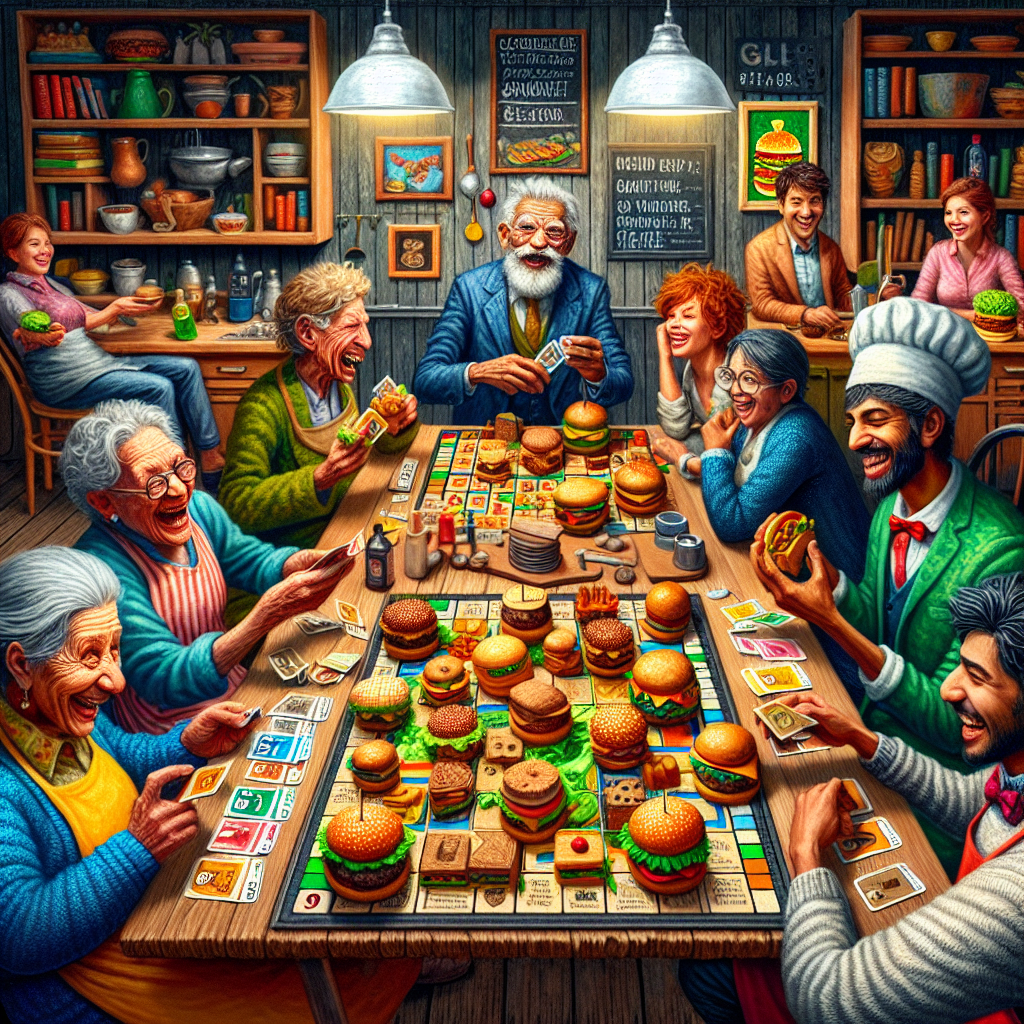
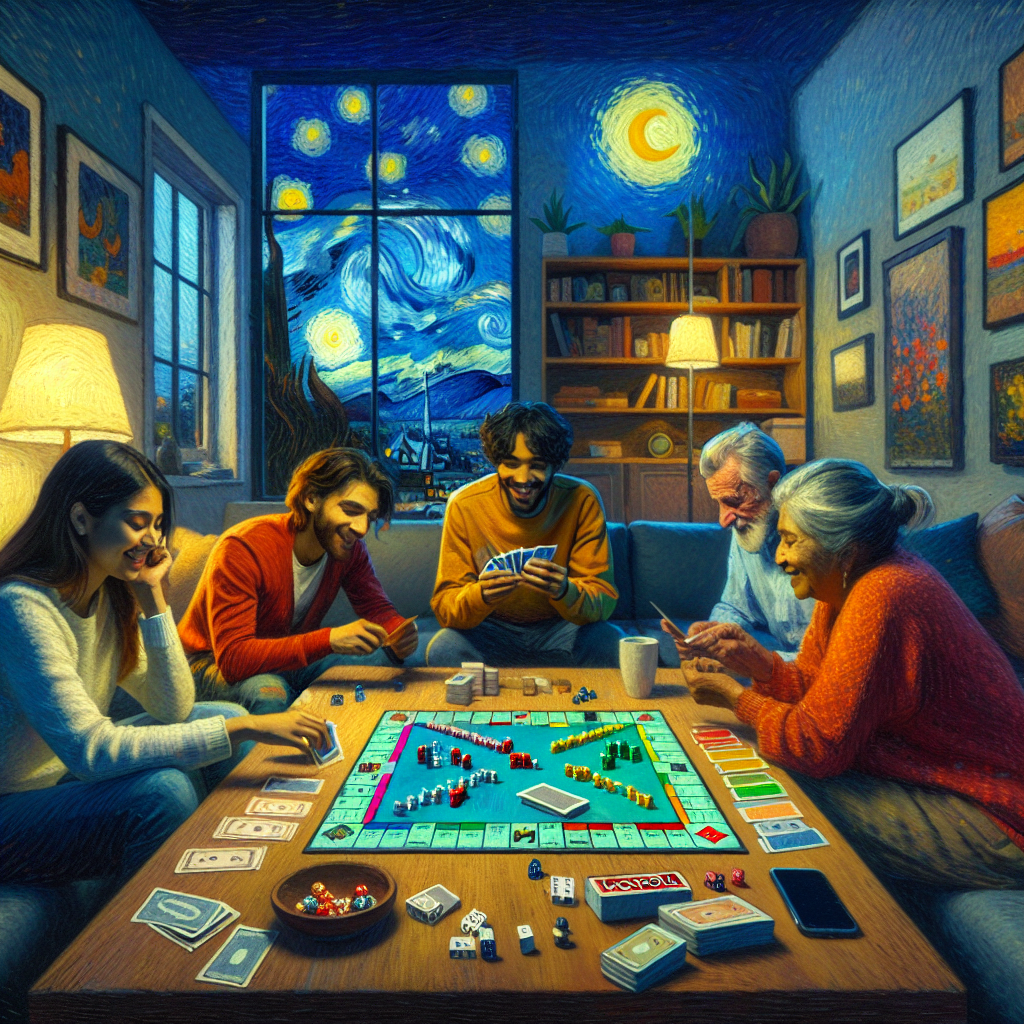
When you think of real-time board games, you might picture a frenetic scramble, filled with laughter and a bit of friendly chaos. The clock’s ticking, players are shouting strategies, blocks are precariously stacked, and every split second counts. But in the quiet solitude of your living room, alone with your thoughts and a cup of coffee, you may wonder: can these exhilarating games really be enjoyed solo?
The short answer? Absolutely! But it’s not about simply playing the game as it was intended. Much like a lone chef whipping up a gourmet meal when the dinner party’s canceled, solo gaming requires a bit of creativity, adaptability, and perhaps a hint of improvisation. Sure, real-time board games are designed for multiple players—think of classics like ‘Escape: The Curse of the Temple’ or ‘Wavelength’—but with a few tweaks and a dash of imagination, they can become a one-player affair.
First off, familiarize yourself with the rules. This may seem like a no-brainer, but understanding the core mechanics is critical. After all, you’re not just trying to win against other human opponents; you’re battling against yourself. Setting personal goals can elevate the experience. Perhaps strive to beat your own previous times or set challenges based on how many points you can score solo.
Then, consider role-playing. Embrace a narrative element where you’re not just moving pieces; you’re embarking on a quest. What’s your motivation? Maybe you’re the lone explorer racing against time to escape a cursed temple, or a secret agent trying to decode a message before it self-destructs. This kind of storytelling can add layers of excitement, even when it’s just you, a board, and an unforgiving clock.
While the rush of competition might seem like it’s missing from the equation, there’s beauty in the tension that comes from racing against the clock solo. The pressure’s still there, and you’ll find that your heart races just as much when it’s you against time. Plus, there’s a unique satisfaction in achieving new personal bests.
So, can real-time board games be enjoyed solo? Indeed, they can. They might not replace the laughter of friends gathered around a table, but with a pinch of ingenuity, you can turn a solitary afternoon into an adventure all your own.
Can Real-Time Board Games Be Enjoyed Solo?
Can Real-Time Board Games Be Enjoyed Solo?
- Real-time board games often evoke excitement, chaos, and laughter among multiple players.
- Solo gaming requires creativity, adaptability, and improvisation to enjoy real-time games alone.
- Familiarizing yourself with the rules is essential, as you are competing against yourself.
- Setting personal goals, like beating previous times or scoring points, can enhance the solo experience.
- Incorporating role-playing and narrative elements can make the game more engaging despite playing alone.
- Racing against the clock solo creates tension and satisfaction from achieving personal bests.
- Real-time board games can be enjoyable solo, transforming a quiet afternoon into an adventurous experience.
Can Real-Time Board Games Be Enjoyed Solo?
What Components Are Often Found In Real-Time Board Games?
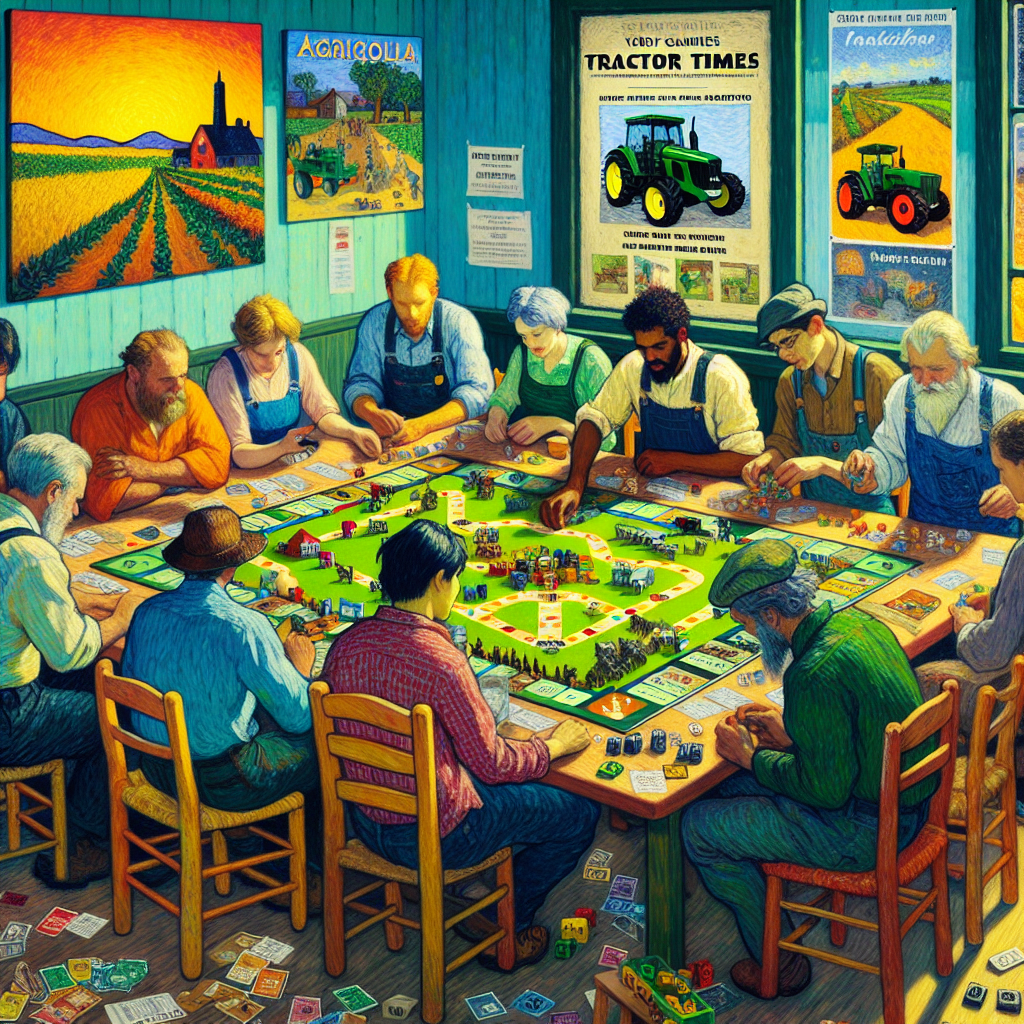
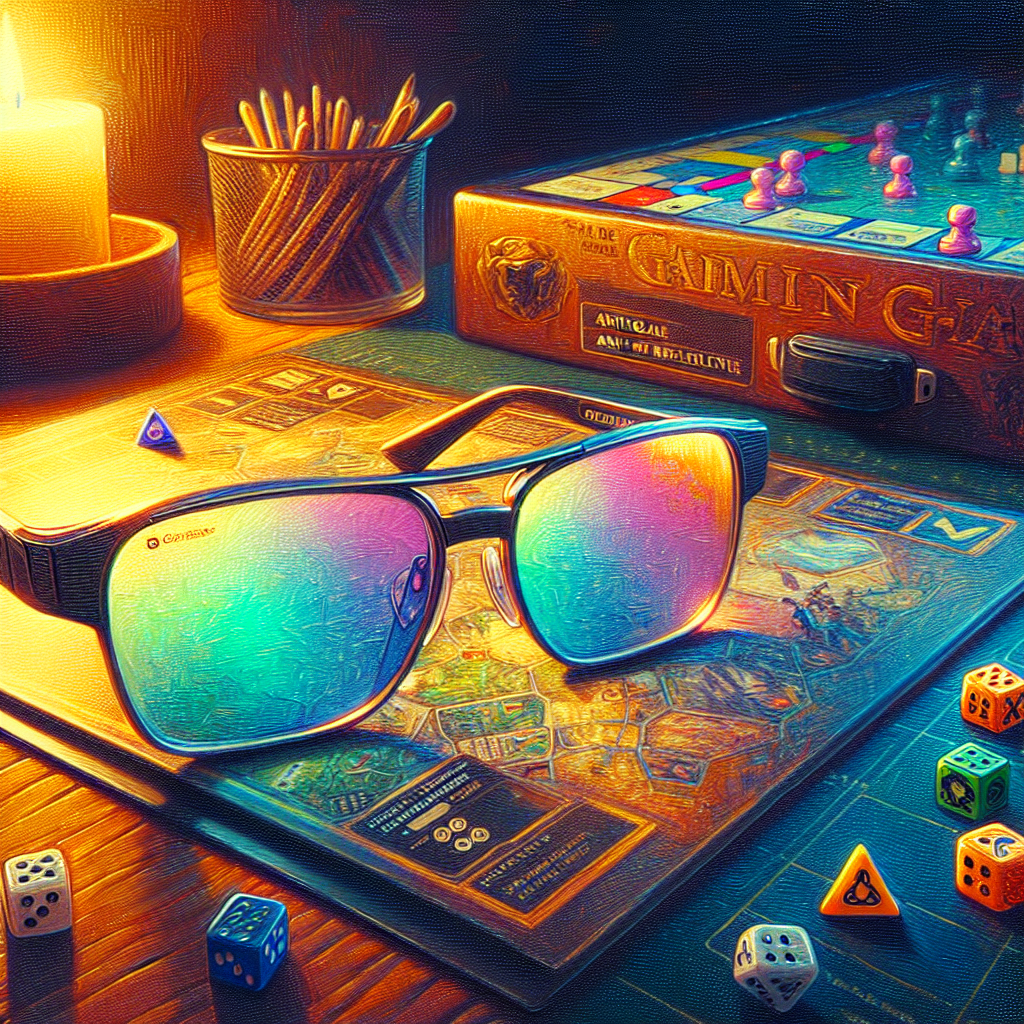
When you dive into the world of real-time board games, you quickly discover that it’s a bustling arena packed with unique components. These games thrive on urgency, and the components are meticulously crafted to amplify that adrenaline rush.
First and foremost, you’ve got timers. Now, these aren’t your garden-variety clocks. Real-time board games often employ sand timers, digital timers, or even app-based countdowns that tick away, reminding players that every second counts. The pressure mounts as players scramble to complete tasks before the clock runs out. Few components evoke tension quite like the steady drip of sand slipping through glass, urging everyone to focus and hustle.
Next, let’s talk about player boards or action spaces. These are the battlegrounds where the real-time action unfurls. They can range from simple, laid-out grids to layered, modular maps that offer rich strategic depth. A well-designed player board keeps everyone engaged, ensuring they know exactly where their efforts fit into the bigger picture. After all, when you’re up against the clock, every choice counts—even more so when you factor in the chaos of simultaneous play.
Then there are the various tokens, cards, and pieces littered across the table. These game components are not just eye candy; they often symbolize resources, objectives, and obstacles that players must navigate in real-time. Picture a flurry of colorful ingredients in a cooking game, or scattered treasure tokens in a treasure-hunting adventure. Each flutter of movement sends a small thrill through the air as players feverishly grasp, trade, and utilize them to outsmart their opponents.
Speaking of player interaction, many real-time games incorporate cooperative elements, requiring players to collaborate under pressure. Communication pieces might appear in the form of shared boards, group tokens, or designated roles that each player must adopt. These components not only encourage teamwork but often add a layer of complexity as players negotiate their strategies amidst the frenzy.
Don’t overlook sound cues. Many real-time games deploy auditory elements—like alarms or thematic soundtracks—to elevate the experience. These cues serve as a clarion call, enhancing the urgency, reminding everyone that time is a precious commodity slipping away.
In essence, real-time board games are a unified orchestra of components, each playing its part in a symphony of frantic fun. Whether it’s the urgency clocking away, the strategic boards, vivid tokens, collaborative elements, or engaging sound, each aspect contributes to the heart-pounding experience that keeps players coming back for more. After all, when the chips are down—and time is up—every second truly counts.
What Components Are Often Found In Real-Time Board Games?
What Components Are Often Found In Real-Time Board Games?
- Real-time board games feature unique components designed to amplify urgency and adrenaline.
- Timers play a crucial role, with options like sand timers, digital timers, or app-based countdowns helping build tension.
- Player boards or action spaces serve as the battlegrounds, with varying designs that engage players and enhance strategic depth.
- Tokens, cards, and pieces represent resources, objectives, and obstacles, contributing to the fast-paced gameplay.
- Many real-time games emphasize player interaction, with cooperative elements and negotiation under pressure being common.
- Sound cues, such as alarms or thematic soundtracks, add to the urgency of the gaming experience.
- Collectively, these components create a heart-pounding experience that keeps players engaged and returning for more.
What Components Are Often Found In Real-Time Board Games?
How Can You Create Your Own Real-Time Board Game?
So, you’ve got a burning idea swirling around in your head, and it’s about time you bring that wild vision to life. Creating your own real-time board game might sound daunting, but trust me, it’s not as complicated as it seems. Let’s break it down step by step without the snazzy Hollywood production.
First Things First: Research and Inspiration
Before diving into game mechanics and fancy designs, take a moment to explore existing board games. Play them, analyze them. What do you enjoy? What makes you roll your eyes? Reach into the depths of what makes a game tick. Are there elements that make your heart race? Think about the pacing, the interaction, and, of course, the chaos!
Define Your Concept
Once you’ve gathered some inspiration, it’s time to solidify your concept. What’s the theme? Is it a tense race against time in a post-apocalyptic wasteland, or perhaps a frantic scramble to complete intricate puzzles in a magical realm? Nail down the core mechanics too. In real-time games, every second counts; consider how players will interact with the clock. What actions can players take in one go? Will you have real-time challenges, or will they need to strategize on the fly?
Create a Prototype
Now, toss your fancy ideas onto the table and build a prototype. Use whatever you’ve got lying around—index cards, dice, markers—you’re not auditioning for a design award here. This is about functionality. Create rough versions of your player pieces, game board, and any necessary materials. Once they’re together, it’s game time!
Playtest, Playtest, Playtest
This is where the rubber meets the road. Gather your buddies, family, or favorite volunteers, and test it out. Be prepared to watch the chaos unfold, and don’t shy away from taking notes. What worked? What didn’t? Was there too much downtime or confusion? Adjust the mechanics on the fly, and don’t be afraid to tweak your rules and components.
Iterate and Finalize
Your first go-around will likely be messy—but don’t be disheartened! Take all that feedback and refine your game. Repeat the testing phase as many times as necessary. The more you play, the better your game will become.
Creating your own real-time board game should be, above all, fun. Embrace the challenge, enjoy the journey, and remember, every great game started with a simple idea and a willingness to try. So roll those dice and let your imagination run wild!
How Can You Create Your Own Real-Time Board Game?
How Can You Create Your Own Real-Time Board Game?
- Begin by researching existing board games for inspiration; analyze what you enjoy and dislike.
- Define your game’s concept, including theme, core mechanics, and player interaction with the timer.
- Create a prototype using readily available materials like index cards and markers, focusing on functionality over aesthetics.
- Conduct extensive playtesting with friends or family to gather feedback and observe gameplay dynamics.
- Adjust game mechanics and rules based on feedback received during playtesting.
- Iterate and refine your game, repeating the testing phase until you achieve a polished version.
- Enjoy the process and creativity involved in designing your real-time board game; every great game starts with an idea.
How Can You Create Your Own Real-Time Board Game?
What Future Trends Are Emerging In Real-Time Board Games?
As we peer into the crystal ball of the board game world, a handful of trends emerge that promise to reshape our understanding of what a “game night” is all about. With the reinvention of real-time play mechanics, the future is set to be fast-paced, immersive, and richly engaging—more akin to a high-energy sports event than the traditional sit-and-think board game.
One trend that stands out is the integration of technology. Forget about the days when board games were merely analog experiences. Today, we’re seeing a surge in hybrid games that combine physical components with digital apps. Picture this: dice rolling on your table while your smartphone tracks scores and manages the game dynamics in real-time. This blend allows for enhanced interactivity, immersive storytelling, and even augmented reality elements that bring the game to life in your living room. It’s as if the game itself is walking off the board and joining you at the table.
Another fascinating development is the rise of community-driven content. Many modern board games enable players to craft their own scenarios, rules, and campaigns, providing layers of customizability like never before. The idea of a living game, where your actions can influence the ongoing narrative or shape future play sessions, dovetails perfectly with the desire for collaborative experiences. This trend not only deepens player engagement but transforms each match into a shared journey, allowing groups to build their unique gaming legacy.
Moreover, we’re witnessing an emphasis on speed. Real-time games, where players must think on their feet and act swiftly, appeal to a generation raised on fast-paced video games and instant gratification. These titles thrust you into the action and demand quick decision-making, strategy, and teamwork—all rolled into one electrifying experience. Think of it as a race against the clock, where every second counts and every choice matters.
Lastly, the increasing focus on inclusivity and accessibility cannot be overlooked. Game designers are becoming more mindful of creating experiences that cater to diverse demographics, ensuring everyone can join the fun. Whether through simpler rules, varied player roles, or even sensory-friendly components, the goal is clear: making sure everyone feels welcome at the gaming table.
So, as we look ahead, it’s clear that the future of real-time board games is aligning more closely with the way we live today—connected, fast, and collaborative. Get ready, because the next chapter of board gaming is about to hit the table, and it’s going to be one wild ride.
What Future Trends Are Emerging In Real-Time Board Games?
What Future Trends Are Emerging In Real-Time Board Games?
- Trends in board games are shifting to create a more dynamic game night experience.
- Integration of technology is becoming common, with hybrid games combining physical components and digital apps.
- Players can enjoy enhanced interactivity and immersive storytelling through apps accompanying traditional board games.
- Community-driven content allows players to create their own scenarios and rules, leading to personalized gaming experiences.
- Focus on real-time gameplay demands quick decision-making, appealing to the fast-paced culture of today’s players.
- Emphasis on inclusivity and accessibility ensures that games cater to diverse demographics, making gaming experiences welcoming for all.
- The future of board gaming emphasizes connection, speed, and collaboration, redefining traditional gameplay.
What Future Trends Are Emerging In Real-Time Board Games?
Conclusion
Alright, folks, if you’ve ever gathered with your crew for a night of gaming and felt the electricity in the air as the clock counts down to oblivion, then you know exactly what real-time board games are all about. They’ve taken the stuffy, slow turns of traditional tabletop experiences and thrown them out the window, replacing them with a chaotic, adrenaline-pumping scramble where second-guessing is a luxury you simply can’t afford.
Here’s the thing: real-time board games inject every gathering with a pulse-racing energy that’s as infectious as it is invigorating. You step into the arena, and suddenly it’s less about meticulous strategy and more about survival—teamwork, fast thinking, and that innate human instinct to respond when the pressure is on. Whether you’re racing against the clock to gather treasures in “Escape: The Curse of the Temple” or frantically dodging imaginary patrons in “Kitchen Rush,” the stakes are sky-high, and every moment is a chance for hilarity—whether that’s due to your partner’s miscalculations or your own hilarious missteps.
Now, let’s not dismiss the nuance here. Real-time games come dressed in various flavors, from cooperative missions that pull your team together to chaotic rivalries that spark feisty debates and laughter. They blur age lines, inviting everyone from the sprightly children to the seasoned pros—and yes, even the grandparents—to join in, creating a whirlwind of shared moments and unforgettable memories.
But there’s more than just frenzied fun going on. The beauty of these games extends far beyond entertainment; they sharpen the mind, boost communication skills, and improve decision-making abilities. Think of it like a weightlifting session for your brain, but with the bonus of laughter and camaraderie!
So, whether it’s face-to-face at a crowded table or through an online platform connecting friends separated by distance, the realm of real-time board games is expanding. It’s a testament to our need for connection and shared experiences in today’s fast-paced world. As we continue to blur the lines between traditional gaming and bold, innovative designs, one thing’s for sure: if you want to light the fires of competition, embrace the chaos, and laugh until your sides ache, gather your friends, grab a real-time board game, and let the good times roll! Because in this high-octane, fast-paced universe, every tick of the clock leads to a story worth telling. Ready, set, game on!
Conclusion
Conclusion:
- Real-time board games replace traditional slow turns with chaotic, fast-paced gameplay.
- They create an adrenaline-pumping environment focused on teamwork and quick thinking.
- Games like “Escape: The Curse of the Temple” and “Kitchen Rush” highlight high stakes and comedic moments.
- They cater to a wide range of ages, from children to grandparents, fostering shared experiences.
- These games enhance cognitive skills, such as communication and decision-making, in a fun way.
- The rise of online platforms allows friends to connect and play while physically apart.
- Real-time board games exemplify our need for connection in a fast-paced world, promising memorable moments.
Conclusion
Other Resources
Other Resources
Here is a list of other resources you can review online to learn more:
- The Best Real-Time Board Games | Dicebreaker
- How Realtime Games Deliver Excitement (Topic Discussion) – Tabletop Games Blog
- What Is A Real-time Board Game? Examples and More
- Real Time Strategy Board Games | The Gamers Guides
- 10 Best Real-Time Board Games – Board Game Halv
Each of these articles provides different perspectives and insights on real-time board games.
Other Resources
Glossary Terms
What Are Real-Time Board Games? – Glossary Of Terms
1. Real-Time: A type of gameplay where players act simultaneously within a fixed time limit, adding urgency and excitement to the game.
2. Turn-Based: A gameplay style where players take turns to make decisions or actions, contrasting with real-time mechanics.
3. Cooperative Gameplay: A game mode where players work together towards a common goal rather than competing against each other.
4. Timer: A device or tool used to measure the time in which players must complete their actions, essential for real-time games.
5. Action Point: Points that players can use to perform actions during their turn in a game, often limited by time in real-time scenarios.
6. Chaos: The often chaotic atmosphere in real-time games, where players must quickly adapt to changing situations.
7. Intuition: An essential skill in real-time board games, allowing players to make quick decisions based on instinct rather than in-depth analysis.
8. Strategy: A plan of action developed by players to achieve their objectives, which may be altered dynamically in real-time play.
9. Player Interaction: The ways in which players affect each other’s gameplay, which can be amplified in real-time board games through direct competition.
10. Simultaneous Actions: A mechanic where all players perform actions at the same time, creating an intense and fast-paced environment.
11. Resource Management: The strategy of controlling and allocating resources efficiently within the time constraints of the game.
12. Pacing: The speed at which the game progresses, which is often accelerated in real-time formats compared to traditional games.
13. Adrenaline: The heightened state of excitement or stress experienced by players during the fast-paced action of real-time games.
14. Game State: The current situation of the game, including player positions, resources, and objectives, which can change rapidly in real-time play.
15. Player Blocking: A tactic where players physically or strategically impede others’ progress towards objectives in a real-time game.
16. Element of Surprise: The unpredictability that can arise in real-time games, often leading to unexpected outcomes and strategies.
17. Skill Ceiling: The maximum proficiency a player can achieve in a game, which may vary in real-time scenarios depending on player experience.
18. Scoring: The method by which players earn points or victory in the game, often determined through quick actions during the real-time phase.
19. Game Components: The physical pieces required for gameplay, such as cards, tokens, and boards, which are integral to real-time mechanics.
20. Obstacles: Any challenges or barriers introduced in the gameplay that players must overcome in real-time, adding complexity and fun.
21. Victory Conditions: The specific criteria that players must meet to win the game, which can change based on real-time decisions.
22. Replayability: The aspect of a game that allows it to be played multiple times with different outcomes, common in real-time board games due to their dynamic nature.
23. Decision-Making Under Pressure: The process of making quick choices in stressful situations, crucial in real-time games.
24. Team-Based Play: A format where players collaborate in teams, often seen in real-time board games to enhance cooperation and strategy.
25. Simultaneous Resolution: The process by which all players’ actions are resolved at once, leading to a more chaotic yet thrilling outcome.
26. Event Cards: Special cards that can trigger unpredictable events during the game, often played instantly, modifying the game state.
27. Dexterity: The skill involved in physically manipulating game components quickly, often a requirement in real-time games.
28. Tension: The suspense and excitement generated by the time restrictions in real-time games, keeping players on edge.
29. Feedback Loop: The mechanisms by which players learn from their actions and adjust their strategies in real-time scenarios.
30. Accessibility: The ease with which new players can understand and join in the game, an essential feature of successful real-time board games.
Glossary Of Terms
Other Questions
What Are Real-Time Board Games? – Other Questions
If you wish to explore and discover more, consider looking for answers to these questions:
- What are some beginner-friendly real-time board games?
- How do you choose the right real-time board game for a group?
- What makes a good real-time board game design?
- What are the benefits of playing real-time board games for kids?
- Are there expansions for popular real-time board games?
- Can real-time board games be played with fewer players?
- How do you manage chaos and teamwork in real-time board games?
- What are some ways to improve performance in real-time board games?
- What role do visuals and artwork play in real-time board games?
- How do real-time board games compare to real-time video games?
- What is the best way to introduce non-gamers to real-time board games?
- What impact do sound effects have on the experience of real-time board games?
- What are some popular themes explored in real-time board games?

Other Questions
Haiku
What Are Real-Time Board Games? – A Haiku
Friends gather, hearts race,
Time’s ticking, chaos unfolds—
Games ignite the night.
Haiku
Poem
What Are Real-Time Board Games? – A Poem
In a room aglow with laughter and cheer,
Real-time board games bring friends near.
The clock ticks loudly, the pulse races fast,
Each frantic moment, a thrill unsurpassed.
Gone are the days of leisurely turns,
As strategy kindles and fervor burns.
With every heartbeat, decisions collide,
In a whirlwind of chaos, we’re swept up in the tide.
From puzzles assembled in breathless haste,
To monsters lurking that no time can waste,
Together we scramble, teammates allied,
In a symphony of shouts, our spirits collide.
Urgency reigns, every second our foe,
As players gesticulate, ideas in tow.
In Galaxy Trucker, we build and we fly,
While in cursed temples, we race or we die.
Kids with bright eyes dive in with delight,
While millennials and grandpas share in the fight.
For each friendly rivalry offers a spark,
Uniting generations, igniting the dark.
A blend of tradition with digital flare,
Where apps enhance play, making moments rare.
Bring forth community, allow voices to soar,
Crafting our stories, we strive to explore.
So gather your crew, set the table with care,
Embrace all the chaos, the laughs we all share.
Every roll of the dice, each heart-pounding round,
In real-time board games, a new joy is found.
Adventure awaits, with time by our side,
Camaraderie forged when we dare to collide.
In this vibrant domain where excitement won’t fade,
Every second matters, as we leap unafraid.
Poem
Checklist
What Are Real-Time Board Games? – A Checklist
Introduction to Real-Time Board Games
_____ Understand the Definition: Read about what real-time board games are and how they differ from traditional ones.
_____ Identify the Unique Appeal: Consider why the frantic pace and tension of real-time gameplay might be appealing to you and your group.
Key Characteristics of Real-Time Board Games
_____ Recognize the Elements: Familiarize yourself with common components such as timers, player boards, and tokens.
_____ Identify Popular Titles: List some popular real-time board games (e. g. , *Escape: The Curse of the Temple*, *Galaxy Trucker*, *Burgle Bros. *).
Skills Developed Through Gameplay
_____ Decision-Making: Engage in games that enhance quick thinking and risk assessment.
_____ Team Communication: Practice effective communication skills while playing cooperatively.
_____ Adaptability: Focus on improving your flexibility in strategy during frantic gameplay.
Strategies for Success
_____ Preparation: Read the rules thoroughly and familiarize yourself with game mechanics before playing.
_____ Establish Roles in Team Settings: If playing cooperatively, determine clear roles for each team member to maximize efficiency.
_____ Stay Calm Under Pressure: Work on breathing techniques to maintain focus during the game.
Getting Started with Real-Time Board Games
_____ Begin with Simpler Games: Choose beginner-friendly real-time games to ease into the genre.
_____ Embrace Mistakes: Maintain a sense of humor about errors and chaotic moments during gameplay.
Exploring Cooperative Play
_____ Try Cooperative Real-Time Games: Engage in games that require teamwork, like *Escape* or *Project: ELITE*.
_____ Focus on Team Success: Work together to strategize and communicate effectively under pressure.
Considerations for Solo Play
_____ Adapt Games for Solo Play: Explore ways to play real-time games alone by setting personal challenges.
_____ Set Personal Goals: Challenge yourself to improve your previous scores or complete objectives within the time limit.
Future Trends in Real-Time Board Games
_____ Stay Informed: Keep an eye on emerging trends, such as hybrid digital-analog games and community-driven content.
_____ Explore Inclusivity: Look for games designed to cater to diverse audiences and enhance accessibility.
Conclusion
_____ Gather Friends: Organize a game night to dive into the exciting world of real-time board games.
_____ Engage and Enjoy: Remember that the goal is to have fun, connect with others, and enjoy the thrilling dynamics of real-time gameplay!
Checklist
At BestBoardGameNews, we help people who love board games by collating information and news about board games.
Be sure to read our other related stories at BestBoardGameNews to learn more about board games.