Unveiling The Intriguing World Of Social Deduction Games
By Tom Seest
At BestBoardGameNews, we help people who love board games by collating information and news about board games.
Be sure to read our other related stories at BestBoardGameNews to learn more about board games.
What Are Social Deduction Board Games?
Picture this: a gathering of friends, snacks scattered on the table, and a deck of cards waiting to be the catalyst for an evening filled with intrigue and deception. That’s where social deduction board games come into play. They’re not just games; they’re elaborate mind puzzles designed to strip away the pretense and reveal the hidden truths lurking beneath our friendly exteriors.
At its core, a social deduction game is an exercise in cunning and social manipulation. Players assume hidden roles—some are innocuous villagers, while others might be nefarious spies or clever assassins, all trying to outsmart one another. The thrill comes not just from the game mechanics, but from the banter, the eye contact, and the subtle shifts in body language. You’re not just moving pieces on a board; you’re watching your friends squirm and squabble, and suddenly the stakes feel all too real, even if it’s just a game.
Take “Werewolf,” for instance—a classic that pits a group of villagers against hidden werewolves among them. Each night, the wolves “devour” a player, and by day, the remaining villagers must vote to eliminate a suspected wolf. It’s a test of wit and persuasion as accusations fly like confetti at a parade. “I swear, I saw him lurking behind the tree last night!” Soon, suspicions mutate into alliances, and trust is as scarce as a four-leaf clover.
Then there’s “The Resistance,” where players must navigate treachery and deceit in a dystopian world. Each player is either a member of the resistance or an infiltrator attempting to undermine their missions. The tension thickens as players present almost airtight alibis, only to have them crumpled like a discarded soda can when someone bolts forward with an unexpected revelation.
These games tap into humanity’s primal instincts for survival, camaraderie, and even betrayal. They foster an atmosphere of excitement and tension that can sweep through a room faster than a wildfire. Friends become foes; laughter morphs into conspiratorial whispers. And at the end of it all, victory is not merely claimed but contested.
So, what are social deduction board games? They’re an opportunity for us to explore the complex dance of human interaction, wrapped in the guise of leisure. They remind us that, sometimes, the best stories aren’t in the cards we hold but in the tales we weave around the table.
What Are Social Deduction Board Games?
What Are Social Deduction Board Games?
- Social deduction board games serve as a catalyst for intrigue and deception among friends.
- Players assume hidden roles, such as villagers, spies, or assassins, emphasizing cunning and social manipulation.
- Interaction includes eye contact, body language, and verbal banter, adding depth to the game experience.
- “Werewolf” exemplifies the genre, with villagers voting to eliminate suspected werewolves, creating intense dynamics.
- “The Resistance” highlights navigating treachery where players must discern allies from infiltrators amidst rising tensions.
- These games evoke primal instincts for survival and foster excitement, transforming friendships into competitive battlegrounds.
- Ultimately, social deduction games offer a unique way to explore human interaction, revealing deeper stories beyond the gameplay.
What Are Social Deduction Board Games?
Table Of Contents
- What Are Social Deduction Board Games?
- What Defines A Social Deduction Board Game?
- How Do Social Deduction Games Work?
- What Are The Key Mechanics Of These Games?
- What Makes Social Deduction Games Unique?
- What Are Some Popular Examples Of These Games?
- How Do Player Roles Influence Gameplay?
- What Strategies Can Be Effective In Social Deduction Games?
- How Can I Choose A Social Deduction Game For My Group?
- What Age Group Is Suitable For Social Deduction Games?
- How Long Does A Typical Social Deduction Game Last?
- Are There Any Social Deduction Games For Large Groups?
- What Themes Are Common In Social Deduction Games?
- How Do Bluffing And Deception Play A Role?
- What Is The Social Interaction Like In These Games?
- How Have Social Deduction Games Evolved Over Time?
- Conclusion
- Other Resources
- Glossary Of Terms
- Other Questions
- Haiku
- Poem
- Checklist
What Defines A Social Deduction Board Game?
When it comes to social deduction board games, you’re stepping into a realm where the stakes are high, and trust is the currency. Imagine yourself seated around a table, the air thick with intrigue and suspicion. Players don their metaphorical detective hats, each one trying to uncover the truth while keeping their own secrets tucked safely away. This is the essence of a social deduction game and what sets it apart from the rest of the crowded board game universe.
At the heart of these games is the interplay of information and deception. Players are cast into roles—some are seekers of truth, while others lurk in the shadows as skilled deceivers. The organization of the game can vary widely, but the core remains the same: players engage in discussions, share (or withhold) information, and make decisions that can turn allies into enemies within the blink of an eye. It’s not just about winning; it’s a delicate dance of psychology, intuition, and perhaps a bit of luck.
One of the critical defining elements of a social deduction game is the uncertainty that permeates every action. Unlike many traditional board games where victory can often be planned out through straightforward strategies, social deduction games challenge players to think on their feet and adapt to ever-changing dynamics. As players gather evidence and form alliances, the atmosphere becomes electric—every gaze, every whisper, and every casual remark carries weight. This tension is what keeps everyone on their toes and constantly second-guessing themselves.
Communication plays a starring role here. It’s not merely a component of the game – it’s the lifeblood that weaves everything together. Players must skillfully navigate conversations, analyzing intentions while masking their own. This back-and-forth creates an environment that not only tests your ability to read others but also examines your capacity to be persuasive. A well-timed raised eyebrow or a seemingly awkward pause can throw your opponents off balance and tilt the game in your favor.
And let’s not forget the unique thrill that comes from everyone’s differing motivations. The diversity of roles and motivations—good or evil—adds layers of complexity that make every session a fresh experience. Whether you’re a noble detective on a quest for truth or a cunning assassin plotting in secrecy, the thrill of outsmarting your friends (or being outsmarted) is the beating heart of social deduction.
In essence, social deduction games are a clever mix of logic and human behavior, where the true challenge lies not just in the winning, but in the thrill of the chase and the artistry of deception. So gather your pals, keep your secrets close, and let the games begin!

What Defines A Social Deduction Board Game?
What Defines A Social Deduction Board Game?
- Social deduction games involve high stakes and rely on trust among players.
- Players assume roles as either truth-seekers or skilled deceivers, engaging in discussion and strategic decision-making.
- Uncertainty is a defining element, challenging players to adapt to unpredictable dynamics.
- Communication is crucial, requiring players to analyze others’ intentions while concealing their own.
- Diverse roles enhance complexity, offering a variety of motivations for a unique gaming experience each time.
- The excitement stems from outsmarting opponents, with players balancing logic and psychology.
- The essence of social deduction lies in the thrill of the chase and the intricate art of deception.

What Defines A Social Deduction Board Game?
How Do Social Deduction Games Work?
Social deduction games are a fascinating genre that blends strategy, psychology, and a healthy dose of deception. At their core, these games are about figuring out who among the players can be trusted and who’s lurking in the shadows with nefarious intentions. Picture a room filled with friends, all sporting expressions that range from innocent to cunning, each one teetering on the edge of truth and betrayal. It’s not just a game; it’s a psychological battleground, where the stakes are nothing more than pride, but the drama is as thick as molasses.
The mechanics of social deduction games are typically simple, making them accessible to newcomers while offering layers of complexity that will satisfy seasoned players. Along with game elements like role assignments, hidden information, and player elimination, they also rely heavily on discussion, persuasion, and reading body language. But here’s the kicker: the game is as much about what is said as what remains unsaid. You might be in the same room with some of your closest friends, yet the sense of distrust can forge an electric atmosphere.
In games like “Werewolf” or “Among Us,” players assume roles that often come with secret objectives. One player might be tasked with eliminating others without revealing their identity, while others work together to uncover the saboteur. This leads to intense discussions, as players make arguments and accusations that could derail friendships or build alliances. The fun is often found in the comedy of errors—misunderstandings can lead to the most entertaining outcomes.
But deception doesn’t just lie within the roles; it extends into the very mechanics of gameplay. Players often have to bluff their way through conversations, crafting narratives that might lead others astray. Their crafty wordplay can turn innocent questions into traps, and seemingly harmless comments become the foundation for suspicion.
As the game unfolds, layers of complexity add to the intrigue. Players gather clues, scrutinize behaviors, and slowly piece together the puzzle. Once the final vote is cast or the last sneaky play is revealed, the tension dissipates, replaced by laughter and camaraderie—until the next round starts, and the cycle begins anew.
In essence, social deduction games are both an experiment in human behavior and a delightful spectacle of wit. They remind us that while we may sit at the same table, the depths of strategy can often turn our closest allies into the most cunning adversaries.

How Do Social Deduction Games Work?
How Do Social Deduction Games Work?
- Social deduction games blend strategy, psychology, and deception to create an engaging experience.
- Players must determine who can be trusted and who has hidden motives, creating a dynamic atmosphere of tension and drama.
- The mechanics are simple yet offer layers of complexity, making them accessible for newcomers and satisfying for experienced players.
- Key elements include role assignments, hidden information, discussion, persuasion, and reading body language.
- Games like “Werewolf” and “Among Us” involve players taking on secret roles with specific objectives, leading to intense discussions and potential conflicts.
- Deception plays a crucial role, requiring players to bluff and manipulate conversations while gathering clues and piecing together information.
- Ultimately, these games serve as both a study of human behavior and a fun display of wit, transforming allies into adversaries through strategic gameplay.
How Do Social Deduction Games Work?
What Are The Key Mechanics Of These Games?
When you dive into the world of modern gaming, you quickly realize that it’s not just about flashy graphics and catchy soundtracks; it’s the mechanics that really keep players coming back for more. The beauty of these games lies in their intricate designs, allowing for a rich tapestry of gameplay that demands wit, strategy, and sometimes a pinch of luck.
One core mechanic you’ll often encounter is progression systems. These act as the backbone of many games, hooking players by rewarding them with new skills, characters, or gear as they conquer challenges. It’s like climbing a mountain; every step you take brings you closer to that breathtaking view at the summit. Whether it’s leveling up your character or unlocking new abilities, the feeling of progression makes you feel like you’re part of a larger narrative.
Then there’s the element of strategy, which can surface in myriad forms. Take real-time strategy games, for example. Players are thrust into scenarios where quick thinking is paramount. You’ve got to manage resources, command units, and outwit opponents—all in the span of a few heart-pounding moments. It’s a thrilling dance of tactical decisions, and for those who thrive under pressure, it’s a cerebral playground.
Moving on, let’s not overlook exploration mechanics. Many games encourage players to step off the beaten path, revealing hidden treasures and jaw-dropping locales. This invites a sense of curiosity and wonder, akin to wandering through a vast and mysterious landscape. Developers craft these worlds with intricate lore and secrets tucked away in every corner, rewarding the bold and the inquisitive alike.
Co-op play is another vital cog in the machine of modern gaming. Sharing the experience with friends not only amplifies the fun but also transforms obstacles into collective challenges. Whether you’re battling a fearsome boss or solving intricate puzzles, teamwork becomes essential. The feeling of camaraderie born from overcoming tough odds together is a highlight that sticks with players long after the credits roll.
Finally, let’s touch on dynamic systems. Games today often feature evolving environments and adaptive AI, making every encounter feel fresh and unpredictable. These systems weave complexity into gameplay, requiring players to think on their feet and adjust their strategies in real-time. It’s this interactive breathing of the game that separates a good experience from a truly immersive one.
In essence, the key mechanics of these games create a rich layer of engagement, fostering a unique blend of challenge, strategy, and collaboration. It’s this intricate design that transforms a simple pastime into a passion.

What Are The Key Mechanics Of These Games?
What Are The Key Mechanics Of These Games?
- Modern gaming goes beyond graphics and sound, focusing on intricate mechanics that enhance gameplay.
- Progression systems reward players with new skills and gear, creating a compelling sense of achievement.
- Strategic elements challenge players to think quickly and tactically, especially in real-time strategy games.
- Exploration mechanics encourage players to discover hidden treasures and lore within game worlds.
- Co-op play enhances the gaming experience, fostering teamwork and camaraderie among players.
- Dynamic systems with evolving environments and adaptive AI keep gameplay fresh and unpredictable.
- These key mechanics create a rich engagement, turning gaming from a pastime into a passionate experience.

What Are The Key Mechanics Of These Games?
What Makes Social Deduction Games Unique?
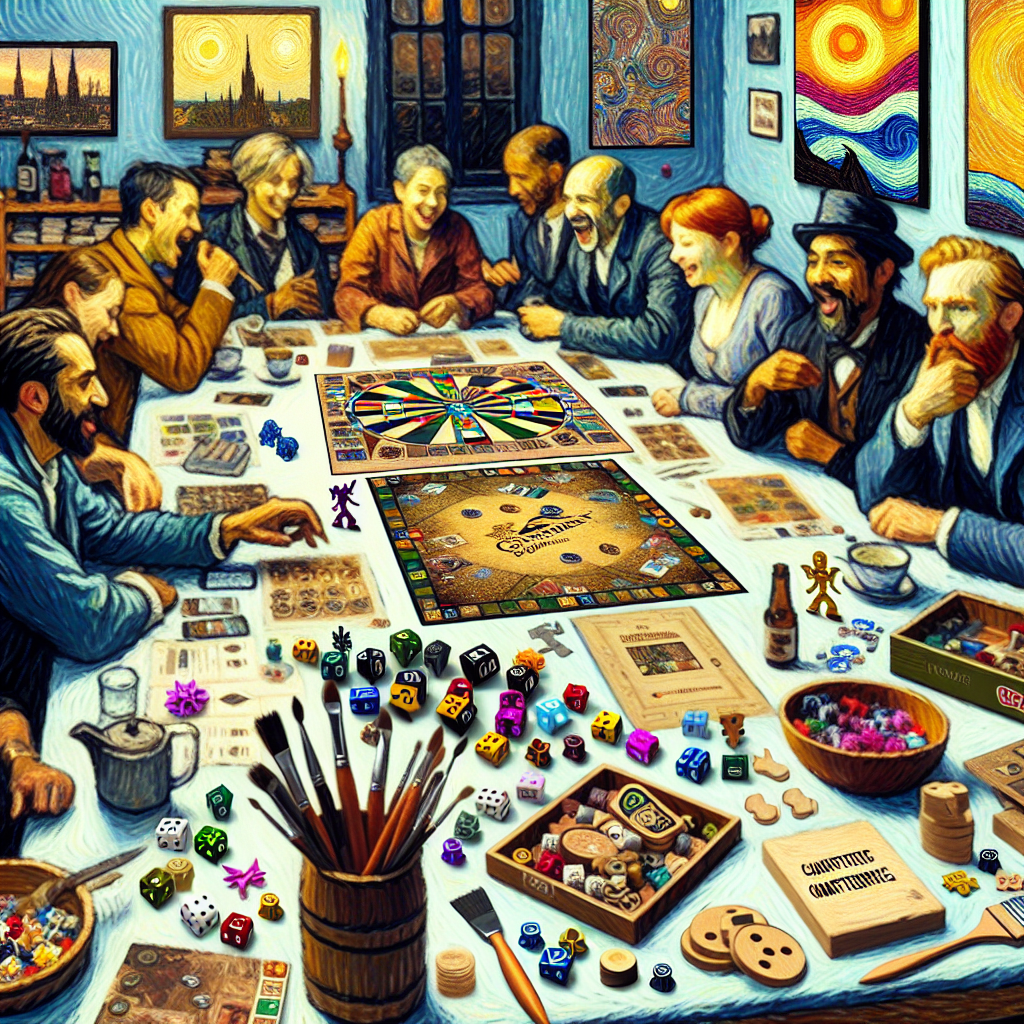
Social deduction games are a special breed, nestled somewhere between a raucous party and a detective thriller. The allure of these games lies not only in their mechanics but in the sheer essence of human interaction they provoke. Picture this: a room full of players, each one armed with a secret agenda, and the tension in the air thick enough to cut with a knife. That’s where the magic begins.
At the heart of these games is an intriguing blend of strategy, psychology, and a dash of bluffing. Players take on roles that often conceal their true intentions, transforming each round into a psychological battlefield. A friend becomes a foe, and every innocent glance or offhand comment can turn into a weapon—intentionally or not. This unique dynamic entices players to read subtle cues, analyze body language, and interpret tone of voice. It’s less about the cards dealt and more about the stories woven in the heat of deception.
Then there’s the thrill of deduction itself. The process of sleuthing out a liar or misdirecting opponents is intoxicating. Participants employ a mix of logic and gut instinct to unravel a web of intrigue—a mix that isn’t merely a mechanic but a narrative experience. It’s like being dropped into the middle of a script where every participant is both an actor and an audience member. Each revelation feels like a small victory, and the stakes rise as players become more invested in their roles and the unfolding drama.
Additionally, social deduction games encourage an environment where friendships are tested and alliances are formed—and sometimes broken—like fragile glass. In the course of a single game, you may find yourself strategizing, persuading, and even betraying people you’ve known for years. This aspect often leads to laughter, shouting, and the profound realization that sometimes, it takes a little deceit to truly appreciate honesty.
Moreover, these games are often accessible to folks of all backgrounds and experience levels. You don’t need impossible math skills or an engineering degree to get in on the action. The rules can be simple, and the learning curve is gentle, opening the door for anyone willing to dive into the social fray.
In summary, social deduction games stand out because they are a blend of intellect, intuition, and heart. They invite players to explore the gray areas of trust and deception, all while having a heck of a time. Whether you win or lose, the real triumph lies in the connections forged and the stories shared—making each game a memorable experience unlike any other.
What Makes Social Deduction Games Unique?
What Makes Social Deduction Games Unique?
- Social deduction games blend elements of party games and detective thrillers, creating a unique atmosphere of human interaction.
- Players assume roles with hidden agendas, turning rounds into psychological battles where every cue matters.
- The thrill of deduction involves sleuthing and misdirection, making each game feel like a narrative experience.
- Friendships are tested as players strategize, persuade, and sometimes betray, leading to memorable social dynamics.
- These games are accessible to individuals of all backgrounds, with simple rules and a gentle learning curve.
- Social deduction games highlight the complexities of trust and deception, providing both intellectual and emotional engagement.
- The true victory lies in the connections formed and stories shared, creating lasting memories regardless of the game’s outcome.

What Makes Social Deduction Games Unique?
What Are Some Popular Examples Of These Games?
When you think of games that have captured the hearts of many, several prime examples spring to mind, each embodying a unique element that makes them so addictive. Let’s dive into a few of these captivating experiences, and see what all the fuss is about.
First up, we have Minecraft. Imagine a world where your only limitations are your imagination and a handful of blocks. This game, which allows players to build and explore vast landscapes of their own creation, has become a cultural phenomenon. From crafting intricate castles to mining for rare resources, Minecraft offers a playground for creativity. What’s fascinating is not just the construction aspect; it’s the survival mode that brings a thrilling challenge, forcing you to gather resources, fend off monsters, and build your shelter before night falls. It’s a blend of crafting, adventure, and some good old-fashioned problem-solving, all rolled into one pixelated package.
Next, let’s talk about Fortnite. This isn’t just a game; it’s a social event. With its colorful graphics and fast-paced gameplay, Fortnite has amassed millions of players around the globe. But it’s not just the battle royale format that keeps gamers coming back—it’s the constant evolution. New seasons bring fresh themes, challenges, and an ever-expanding universe, all while the community engages in dynamic events that transform the gaming landscape. It’s hard to deny the appeal of teaming up with friends, strategizing, and outbuilding your opponents in a vibrant, cartoonish world.
Then, there’s Animal Crossing: New Horizons. This delightful game offers an escape into a charming island paradise where you can fish, catch bugs, and decorate your home to your heart’s content. With its laid-back pace, players can immerse themselves in a life of gardening, crafting, and community engagement. The real-time clock and seasons create a sense of continuity that makes your island feel alive and ever-changing. It’s less about competitiveness and more about personal expression and connection with the adorable animal villagers that know you by name.
Finally, you can’t mention popular games without touching on The Legend of Zelda: Breath of the Wild. This masterpiece redefined open-world gaming. Link’s epic quest to save Hyrule is not just about combat; it’s about exploration and discovery. Players are encouraged to wander off the beaten path, solve intricate puzzles, and tackle challenges in any order they choose. The sheer scope and freedom offered in this game set a new standard for what an adventure can be.
These games exemplify the diverse experiences that modern gaming offers, drawing in millions to partake in their respective worlds. Whether it’s creativity, competition, or relaxation, there’s a game out there for everyone.

What Are Some Popular Examples Of These Games?
What Are Some Popular Examples Of These Games?
- Minecraft: A world limited only by imagination, allowing players to build and explore vast landscapes.
- The game features a survival mode, where players gather resources and fend off monsters.
- Fortnite: A social phenomenon with colorful graphics, fast-paced gameplay, and constant evolution through new seasons.
- It encourages teamwork and strategy in a vibrant, cartoonish world.
- Animal Crossing: New Horizons provides a laid-back escape into a charming island paradise focused on personal expression and community engagement.
- The Legend of Zelda: Breath of the Wild redefined open-world gaming with its emphasis on exploration and discovery.
- These games showcase the diverse experiences in modern gaming, catering to creativity, competition, and relaxation.

What Are Some Popular Examples Of These Games?
How Do Player Roles Influence Gameplay?
In the world of competitive gaming, player roles are the unsung heroes, the backstage crew keeping the show running smoothly. Just like a well-oiled machine, each role has its purpose, and without them, the entire operation can come crashing down faster than you can say “game over.” From the strategic architect to the relentless front-liner, every player contributes to the intricate tapestry of gameplay.
Let’s break it down. Picture a basic team composition in a multiplayer game. You usually have your tanks, those hulking players who absorb damage like they’re made of bricks, standing at the front lines to shield their teammates. Their presence is often like a beloved old pickup truck—bulky, dependable, and ready to take a hit. They ensure that the team can maneuver effectively, allowing the more vulnerable players to stay safe and focus on their tasks. Tanks create space, setting the stage for tactical plays that help tilt the balance of the game in their favor.
Next, we have the damage dealers, often called DPS (damage per second) players. These sharpshooters and spell-slingers are the sharp knives in the drawer, ready to carve a path through enemy defenses. They rely on precise timing and sharp reflexes to unleash devastating attacks while dodging incoming fire. The thrill of watching a well-executed combo is akin to witnessing a perfectly choreographed dance, where timing and teamwork turn chaos into art. The pressure these players shoulder is immense, but when they hit their mark, it changes everything.
Then come the support players, the quiet guardians of the group. They don’t often grab headlines or show up in highlight reels, but their impact is profound. Whether they heal wounds, bolster defenses, or provide strategic intel, they embody the essence of teamwork—lifting their team when the going gets tough. A skilled support player can transform the tide of battle, turning a potential defeat into a glorious victory with a well-timed healing spell or a selfless sacrifice.
When every role collaborates seamlessly, a team can unleash a torrent of strategies that outmaneuvers their opponents. However, the moment one role falters or goes rogue, the carefully constructed architecture begins to crumble. So, the next time you dive into a game, remember that while individual skill is essential, it’s the harmony of roles that truly defines the experience. In a world where everyone can be a hero, it’s the combined efforts of many that create legends.

How Do Player Roles Influence Gameplay?
How Do Player Roles Influence Gameplay?
- Player roles in competitive gaming are crucial for smooth gameplay, similar to a well-oiled machine.
- Tanks are frontline players who absorb damage, allowing vulnerable teammates to focus on their tasks.
- Their presence is likened to a dependable pickup truck, creating space for tactical plays.
- Damage dealers (DPS) are precise sharpshooters and spellcasters who execute devastating attacks.
- Their performance is comparable to a choreographed dance, where teamwork enhances effectiveness.
- Support players are the unsung heroes, providing healing, bolstering defenses, and contributing strategic intel.
- Effective teamwork across roles is essential; failure of any role can lead to a team’s downfall.

How Do Player Roles Influence Gameplay?
What Strategies Can Be Effective In Social Deduction Games?
When diving into the world of social deduction games, you’re stepping into a minefield of deception, strategy, and, let’s face it, a whole lot of human interaction. Whether you’re navigating the treacherous waters of *Werewolf*, *Mafia*, or any other game in this genre, it becomes imperative to have a few tricks up your sleeve. So, let’s explore some strategies that can elevate your game, whether you’re playing as a cunning deceiver or a vigilant investigator.
First off, let’s talk observation. Yes, the ol’ “listen and learn” rule applies here, folks. Pay attention to how players react to accusations. Notice the tells—those subtle body language cues, the slight waver in their voices, the way they look at the floor or cling to their drinks like they’re about to race for the door. This kind of observation is key to deciphering who’s being truthful and who’s weaving a tangled web of lies.
Next up is role-playing. Now, I’m not telling you to end up in fancy costumes or chant medieval phrases, but putting on a persona can help you blend in or stand out in a crowd. If you’re a member of the “good” team, exude calmness and confidence; if you’re playing the villain’s role, embrace the chaos! A well-placed smirk or a humorous quip can throw your opponents off their game—and that’s what it’s all about.
Another effective strategy is to establish alliances, but tread lightly here—trust is a fragile commodity in social deduction games. Forming a coalition with other players can bolster your defenses against the evil lurking in the shadows. However, remember to keep your allies close and your suspicions closer. Betrayal is a tool in these games, just like any other, and the ability to pivot quickly is often what separates the wise from the woefully naive.
Let’s not forget about communication. A well-timed question can stir the pot, forcing others to reveal their hands. Be inquisitive but strategic—don’t just bombard players indiscriminately. Instead, steer the conversation to dig for information while deflecting attention away from yourself.
Finally, always adapt. Social deduction games are unpredictable—what works one round may not in the next. Assess the room, gauge the mood, and be prepared to pivot your strategy at a moment’s notice. Remember, in this game, the only constant is change, and the adaptability to thrive amidst uncertainty may just lead you to victory. Keep your wits about you, and may the best player win!

What Strategies Can Be Effective In Social Deduction Games?
What Strategies Can Be Effective In Social Deduction Games?
- Social deduction games require deception, strategy, and human interaction.
- Observation is crucial; pay attention to players’ reactions and body language to identify truth and lies.
- Role-playing can enhance your gameplay; adopt a persona that fits your team’s goals.
- Establish alliances cautiously, as trust is fragile; be ready for potential betrayals.
- Effective communication can unveil information; ask strategic questions to guide discussions.
- Adaptability is essential; adjust strategies based on the ever-changing dynamics of the game.
- Success in these games relies on maintaining awareness and being vigilant.

What Strategies Can Be Effective In Social Deduction Games?
How Can I Choose A Social Deduction Game For My Group?
When it comes to choosing a social deduction game for your group, the process can feel a bit like picking the right tool for a job. You want something that’s not just shiny and new, but also fit for purpose, and above all, brings everyone together for an unforgettable experience. Here are some practical steps to guide you through this fun but crucial decision-making process.
First off, consider the size of your group. Some games shine in smaller, intimate settings, where whispers and side glances add layers of tension and intrigue. Others are designed for larger crowds, promoting chaos and a flurry of accusations. It’s essential to know your audience—do you have a tight-knit group that thrives on clever banter, or a larger assembly where loud laughter and boisterous debates reign supreme?
Next on your checklist: experience level. If your group consists of seasoned gamers who live for the thrill of logical deduction, you might want to dive into something with a bit more complexity. Games that offer intricate mechanics and deeper strategies can really set your enthusiasts ablaze. On the other hand, if you’re introducing new players to the genre, opt for more accessible options that won’t leave them scratching their heads midway through.
Theme and setting are also pivotal in the selection process. Do you crave hidden agendas set in a dystopian future, or perhaps a lighthearted whodunit among friends? The theme can significantly influence the mood of the game and enhance the immersive experience; evocative themes can spark creativity and encourage players to fully embrace their roles, making the event more memorable.
Time constraints should not be overlooked either. Some social deduction games can stretch on longer than an all-you-can-eat buffet on a holiday weekend. Consider how much time your group has to spare. If you’re looking for a quick, engaging session, aim for games with shorter rounds that can keep the excitement flowing without dragging on.
Lastly, check the components. A game with engaging artwork, solid components, and a sleek design can elevate the overall experience. But remember, it’s the interactions that really bring these games to life. So, before you commit to just one title, gather some friends, do a trial run, and watch the magic unfold. The right social deduction game will not only challenge your wits but stir up laughter, intrigue, and camaraderie, leaving you all with stories to tell and perhaps a bit of playful deception to remember.

How Can I Choose A Social Deduction Game For My Group?
How Can I Choose A Social Deduction Game For My Group?
- Consider the size of your group; some games suit small, intimate settings while others are better for larger crowds.
- Know your audience; assess if they prefer clever banter or loud, boisterous debates.
- Evaluate the experience level of players; complex games are better for seasoned gamers, while beginners may need simpler options.
- Choose a theme and setting that resonates; themes can significantly enhance the mood and immersive experience.
- Take time constraints into account; opt for games with shorter rounds if your group needs a quicker session.
- Check the game’s components; engaging artwork and solid design enhance the experience, but player interaction is key.
- Conduct a trial run with friends to determine the best fit; the right game promotes laughter, intrigue, and camaraderie.

How Can I Choose A Social Deduction Game For My Group?
What Age Group Is Suitable For Social Deduction Games?
When it comes to social deduction games, the question of age suitability is more than just about the number of candles on a birthday cake; it’s about the capacity for strategy, social interaction, and a healthy dose of deception. These games bring a unique blend of fun, tension, and sharp-witted communication to the table, but understanding which age group thrives in this environment can make all the difference.
First and foremost, social deduction games often require players to engage in deep critical thinking and the ability to read the room. This means skills like interpreting body language, picking up on subtle cues, and employing persuasive tactics. Typically, you’ll find that players aged 12 and up are well-equipped to handle these elements. By this age, most kids are not just familiar with basic game mechanics but are also bolstered by a burgeoning sense of empathy and social awareness. They can grasp the nuances of a game where bluffing and deceit play pivotal roles, making them prime candidates for these experiences.
As we inch towards the teenage years and beyond, we find that social deduction games become even more appealing. Young adults and seasoned gamers relish the opportunity to engage in deeper levels of strategy and cunning. By their late teens and early twenties, players are often better at navigating complex social dynamics, understanding the meta-game that emerges when everyone is trying to outsmart one another. They can appreciate the intricacies of the rules, allowing the game to flourish in a way that is both competitive and collaborative.
However, let’s not forget about the seasoned veterans of the game world—adults. The beauty of social deduction games is that they scale effortlessly with age and experience. Whether it’s a group of friends reuniting after years apart or a family gathering where stories and laughter abound, these games can bridge generational gaps. Adults often bring a wealth of experience in negotiation, persuasion, and even tactical thinking that elevates the game to another level.
In summary, while social deduction games are generally suitable for ages 12 and up, the real magic happens when players of varying ages come together. The confluence of youthful ingenuity and seasoned wisdom creates an environment rich in strategy and laughter, turning a simple game night into an unforgettable experience. So, gather your crew, no matter the age, and dive into the delightful world of deception and deduction—it’s bound to be enlightening.

What Age Group Is Suitable For Social Deduction Games?
What Age Group Is Suitable For Social Deduction Games?
- Age suitability in social deduction games relies on more than just age; it involves strategic and social interaction skills.
- Players aged 12 and up typically possess the capacity for critical thinking, reading body language, and employing persuasive tactics.
- By age 12, many children have a sense of empathy and social awareness, essential for engaging in games involving bluffing and deceit.
- Teenagers and young adults enjoy deeper strategy and can navigate complex social dynamics, enhancing game experiences.
- Adults contribute their experience in negotiation and tactical thinking, which elevates gameplay quality.
- Social deduction games promote interaction across generational gaps, making them suitable for diverse age groups.
- The combination of youthful creativity and adult wisdom results in memorable game nights filled with strategy and laughter.

What Age Group Is Suitable For Social Deduction Games?
How Long Does A Typical Social Deduction Game Last?
When it comes to social deduction games, timing is everything. Just like a well-planned heist, these games require precision, strategy, and a keen sense of timing to pull off successfully. Now, if you’re wondering how long a typical session lasts, allow me to break it down.
Most social deduction games typically run anywhere from 30 to 90 minutes. That’s right—a tight window, perfect for gathering a group of friends or family members who are ready to slip into their roles as detectives, traitors, or even unsuspecting bystanders. The duration often hinges on a mix of the game’s complexity and the number of players involved. For instance, lighter games like “Werewolf” or “Coup” can wrap up in 20-40 minutes if the players are well-versed and actively engaged. When players know the ropes, a lightning-fast round can easily become a contention of wits and nerves.
On the other hand, games with more elaborate mechanics, like “The Resistance” or “Secret Hitler,” may stretch those seconds into the realm of 60-90 minutes. These games demand not just strategic thinking but also an unspoken dance of social interactions—bluffs, accusations, and a delicate balance of trust and betrayal. The longer a game takes, the deeper you dive into the psychology of your fellow players. You’re not just uncovering hidden roles; you’re peeling back layers of personality, motivation, and maybe a few friendly vendettas along the way.
But let’s not forget the critical variable of player experience. Newcomers may require a little hand-holding to understand the rules, leading to extended play times. Experienced players, on the flip side, can hit the ground running, accelerating play and elevating tension as they race to unmask the hidden foes amongst them.
The magic of social deduction games lies in their unpredictability. The clock may tick in one direction, but the energy of the room can swing wildly in others—laughter erupting, fingers pointing, alliances forming and breaking on a dime. Grab your friends, set the timer, and get ready—because when the game is on, time is both your ally and your enemy, and there’s no telling how deep the rabbit hole will go.

How Long Does A Typical Social Deduction Game Last?
How Long Does A Typical Social Deduction Game Last?
- Timing is crucial in social deduction games, requiring precision and strategy.
- Typical session durations range from 30 to 90 minutes, ideal for group play.
- Lighter games like “Werewolf” or “Coup” can last 20-40 minutes with engaged players.
- Games with complex mechanics, such as “The Resistance” or “Secret Hitler,” may last 60-90 minutes.
- Longer games allow for deeper social interactions, including bluffs and accusations.
- Player experience affects game duration, with newcomers needing more guidance.
- The unpredictability of the game creates dynamic energy, making time both an ally and an enemy.

How Long Does A Typical Social Deduction Game Last?
Are There Any Social Deduction Games For Large Groups?
Gather ‘round the table—unless your table’s not big enough, in which case, just gather in the yard. Social deduction games are like the spicy hot sauce in the world of board games; they bring people together with a mix of tension, strategy, and a healthy dose of deceit. But what do you do when your group resembles a small army rather than an intimate gathering? Fear not! There are plenty of social deduction games designed for larger crews, ensuring that no one is left out of the fun.
First up in the lineup is The Resistance, a classic that excels with crowds of 5 to 10 players. In this game, you become a member of a resistance movement, tasked with outsmarting the spies hidden among you. The twist? You need to figure out who you can trust while casting suspicion on your friends—and nothing builds camaraderie like a little friendly betrayal. With rounds filled with debate, strategizing, and whispering behind hands, you’re in for a wild ride where everyone’s motives are under scrutiny.
Next on the roster is Avalon, which takes the foundations of The Resistance and adds in a splash of Arthurian lore. This version accommodates up to 10 players as well, inviting you to dive into the world of knights and quests. Here, my friends, you’ll find that some of the players are loyal servants of Arthur, while others, well—let’s just say they’ve chosen a less honorable path. The game employs roles that add depth and complexity, giving everyone a chance to flex their inner detective (or villainous schemer).
If you happen to be playing with an even larger group, look no further than Werewolf or its sibling Mafia. These games thrive with 8 to 30 players, requiring nothing but the power of persuasion, a few character cards, and your best poker face. As players take on roles of villagers or werewolves (or mafia members), panic and laughter ensue when accusations fly and strategic thinking is put to the test.
Lastly, we can’t overlook Spyfall, a game that’s as much about deduction as it is about improvisation and wit. Perfect for 3 to 12 players, it involves players asking questions to find the spy among them, who’s trying to stay hidden. If you can maintain your façade while leading others down a rabbit hole of confusion, you’re destined for a good time.
So, whether you’re holed up in a cramped living room or sprawled out on a sunny patio, embracing the spirit of social deduction games means you’ve got more than a few options to keep the larger gang entertained. Just remember to keep the rules in mind and your deceit even sharper!

Are There Any Social Deduction Games For Large Groups?
Are There Any Social Deduction Games For Large Groups?
- Social deduction games are exciting board games that combine tension, strategy, and deceit.
- The Resistance is ideal for 5 to 10 players, focusing on outsmarting hidden spies within a resistance movement.
- Avalon builds on The Resistance with Arthurian lore, accommodating up to 10 players, featuring roles that enhance gameplay complexity.
- Werewolf and Mafia are great for larger groups of 8 to 30 players, emphasizing persuasion and strategic thinking among villagers and werewolves or mafia members.
- Spyfall is suited for 3 to 12 players, involving players deducing the identity of a hidden spy through questioning.
- These games can be played in various settings, from cramped rooms to spacious patios, ensuring enjoyment for large groups.
- Players should keep in mind the rules and maintain their deceitful strategies to enhance the gameplay experience.

Are There Any Social Deduction Games For Large Groups?
What Themes Are Common In Social Deduction Games?
When we delve into the intriguing world of social deduction games, what we’re really unpacking is a rich tapestry of themes that captivate players and encourage interaction. These games are not just a battle of wits; they’re social laboratories where human behavior is laid bare, and certain themes tend to bubble up to the surface like cream in a well-churned milkshake.
At the heart of many social deduction games is trust—or the lack thereof. Players enter a social contract where everything seems benign, yet lurking beneath the surface are hidden agendas and ulterior motives. Trust is the glue that bonds players together, but it can dissolve in mere seconds with a single accusation or a well-timed reveal. The tension created by this dynamic is electric and keeps players on the edge of their seats, wondering who they can depend on and who they must watch closely.
Deception is another prevalent theme in these games. Like a master magician pulling a rabbit from a hat, players often find themselves weaving webs of lies and half-truths to stay one step ahead of their competitors. The thrill of deception isn’t just in misdirection—it’s also about identifying when others are trying to hoodwink you. This creates an environment ripe for psychological tactics, where observing body language and tone becomes as crucial as understanding game mechanics.
Then there’s identity, the ever-elusive concept that takes on new meaning in each game. Many social deduction games revolve around hidden roles, meaning that players must navigate their character’s persona while simultaneously trying to uncover the identities of others. The tension between who you are and who you appear to be often leads to fascinating interactions, as players draw lines between truth and performance. This exploration of identity can lead to profound moments, as players confront their own moral compasses and assess what they’re willing to do—or betray—to achieve victory.
Finally, we can’t overlook the theme of community. Social deduction games unite players, often transforming a simple table into a microcosm of society. Each game becomes a shared experience full of laughter, suspicion, and camaraderie. The quest to root out the “impostors” brings people closer together, creating bonds forged in the fires of friendly competition.
In summary, social deduction games come packed with themes of trust, deception, identity, and community. They encourage players to engage not just with the game, but with each other—reminding us that, at the end of the day, it’s not just about winning; it’s about the connections we make along the way.

What Themes Are Common In Social Deduction Games?
What Themes Are Common In Social Deduction Games?
- Social deduction games are rich in themes that encourage player interaction.
- Trust is a central theme that can quickly dissolve under tension and accusations.
- Deception plays a significant role, with players weaving lies to outsmart each other.
- Identity is a key factor, as players navigate hidden roles and personas.
- These games provoke players to explore their moral compasses and choices.
- Community is emphasized, creating bonds through shared experiences and competition.
- Ultimately, these games highlight the importance of connections over winning.

What Themes Are Common In Social Deduction Games?
How Do Bluffing And Deception Play A Role?
In the grand theater of life and competition, bluffing and deception weave a complex tapestry that plays a pivotal part in how we navigate our social landscapes. Whether it’s a high-stakes poker game, a business negotiation, or even the friendly banter at a bar, the art of misdirection can often tip the scales in favor of those who wield it effectively.
At its core, bluffing is about not revealing your hand, confidence draped in ambiguity. Imagine a poker table where players are not just battling their cards but each other’s minds. A well-timed bluff can cause an opponent to second-guess their strategy, sending ripples of uncertainty through what once seemed like a secure position. In this realm, a shaky hand can morph into a solid strategy if the bluffer plays their role well. The essence of bluffing is human psychology; understanding fear, ambition, and desire allows one to tap into a deep reservoir of intuition and instinct.
But bluffing isn’t relegated solely to the confines of gambling tables or corporate boardrooms. Everyday life often calls for a little tact and cunning. Picture a job interview where a candidate is asked about their experience with a specific software. Without having extensive knowledge, a hint of confidence in their voice can lead the interviewer to overlook that missing technical know-how, swayed by the illusion of competence. This deception allows the interviewee to create a narrative—they’re not lying outright, but they’re certainly not giving the full picture.
However, bluffing carries inherent risks. The line between a successful deception and a catastrophic reveal is razor-thin. A too-ambitious bluff can crumble under the weight of scrutiny, leading to a loss of credibility and trust. Once exposed, the veneer of confidence shatters, leaving only doubts and questions. That’s why timing and context play critical roles in the effectiveness of deception. Knowing when to hold your cards close and when to reveal them is a skill honed only through experience, observation, and sometimes, a healthy dose of gut instinct.
Deception, whether cunning or calculated, embodies a fundamental aspect of human interaction. It enriches our social fabric, creating a dynamic interplay between truth and falsehood. In a world where not everything is as it seems, mastering the delicate balance of bluffing and deception can give individuals a crucial edge in countless situations. So, the next time you find yourself in a tight spot, remember: sometimes, a little bluff might just be the best play you can make.

How Do Bluffing And Deception Play A Role?
How Do Bluffing And Deception Play A Role?
- Bluffing and deception are integral to navigating social landscapes and competitive situations.
- Bluffing involves not revealing one’s true intentions, creating ambiguity that can alter opponents’ strategies.
- A successful bluff can exploit human psychology, tapping into emotions like fear and ambition.
- Bluffing is not limited to gambling but occurs in everyday situations, such as job interviews.
- Confidence in communication can lead to misperceptions of competence and skill.
- Risks accompany bluffing; failure to maintain the deception can result in loss of credibility and trust.
- Mastering the timing and context of bluffing and deception can provide a competitive advantage.

How Do Bluffing And Deception Play A Role?
What Is The Social Interaction Like In These Games?
In the world of gaming, social interaction has evolved beyond mere chat rooms and forums. Today, it’s an intricate dance of virtual camaraderie, complete with its own set of unwritten rules and communal norms. Imagine stepping into a digital arena, where the stakes are high, and the bonds formed can rival those forged in the heat of battle. Welcome to the modern gaming experience, a realm where interaction takes center stage.
At the heart of these games lies an intricate tapestry of player dynamics. Whether you’re raiding a fortress with a band of merry adventurers or strategizing with your squad in a fast-paced shooter, cooperation is the name of the game. You don’t just log on; you join a guild, unite with friends, or even forge alliances with complete strangers. This is where the beauty of communication shines. Voice chat has replaced the clumsy text boxes of yore, allowing for real-time banter, encouragement, and, at times, the inevitable trash talk that comes with competition. Laughter erupts as defeats unfold, and cheers resonate after hard-won victories.
However, it’s not all rainbows and high-fives. The social fabric of gaming can be as nuanced as any gathering around a campfire. Players can bond over shared experiences and advice, fostering a sense of belonging. Yet, lurking in the shadows are the occasional trolls and toxic players, those who serve as reminders of the darker side of online interaction. Each game cultivates its own culture, attracting diverse groups—some welcoming and warm, others competitive and cutthroat. Navigating this landscape requires a keen sense of awareness. It’s essential to discern when to engage, when to lay low, and how to mitigate conflict while maintaining one’s integrity.
Moreover, these games promote community-building beyond mere gameplay. Players often gather on platforms like Discord or Twitch, sharing strategies, showcasing achievements, or simply chatting about life. These interactions create a lively ecosystem where friendships thrive far beyond the screen. Gamers find themselves attending real-world meetups, all borne out of a virtual connection. What starts as a simple “Hello!” can blossom into lifelong friendships, collaborations, or even romantic relationships.
In essence, social interaction in today’s gaming landscape serves as a microcosm of society itself—filled with camaraderie, competition, and everything in between. Much like any bustling community, it’s a place to connect, to share, and to enjoy the thrill of the game together. Whether you’re building alliances or navigating social minefields, the experience is as rich and textured as the games themselves. So, lace up those virtual boots, and get ready to dive into the social fray.

What Is The Social Interaction Like In These Games?
What Is The Social Interaction Like In These Games?
- Modern gaming has transformed social interaction from chat rooms to intricate virtual camaraderie.
- Player dynamics are central, emphasizing teamwork in various gaming scenarios such as raids and competitive matches.
- Real-time communication through voice chat enhances social interaction, enabling banter and encouragement.
- While players bond over experiences, issues like trolls and toxic behavior exist, complicating the social landscape.
- Games foster community-building through platforms like Discord and Twitch, enriching players’ social lives beyond gameplay.
- Real-world connections can emerge from virtual interactions, leading to friendships and collaborations.
- Social interaction in gaming mirrors society, showcasing camaraderie, competition, and a rich tapestry of experiences.

What Is The Social Interaction Like In These Games?
How Have Social Deduction Games Evolved Over Time?
Social deduction games have a rich tapestry of history woven through the fabric of human interaction. From their humble beginnings in the crowded salons of social gatherings to the digital landscapes of the internet, these games have evolved remarkably, reflecting not just the mechanics of gaming, but the intricacies of human behavior.
In the early days, social deduction games were largely informal. Picture a group of friends huddled around a table, faces alight with mischief as they navigated the treacherous waters of trust and deception. Games like Mafia emerged in the 1980s, transforming social gatherings into battlegrounds of wit where players assumed hidden roles—some vigilantes, others villains. The thrill of accusation hovered in the air, fueling a dynamic interplay between suspicion and camaraderie. Players relied heavily on intuition and social cues, turning the art of observation into a finely honed skill.
Yet, as society became more interconnected, so did the games themselves. The rise of the internet birthed new platforms where players could engage across vast distances. Werewolf, a variation on Mafia, found its way onto message boards, enabling a new generation of gamers to embrace the challenge of deception without the constraints of face-to-face interaction. Suddenly, the dynamics shifted. The anonymity of the digital space allowed for bolder strategies, where voices could be hidden behind avatars, and the stakes of social interaction ebbed and flowed in entirely new ways.
Simultaneously, the advent of designer board games revolutionized the genre. Games like The Resistance and Avalon introduced streamlined mechanics, enhancing accessibility while deepening strategic complexity. These modern iterations incorporated elements such as roles with distinct abilities, increasing the layers of deception and requiring players to think several steps ahead. The genre flourished, contributing to the rise of game nights in homes across the globe, where strangers became allies and foes alike.
In recent years, social deduction games have embraced digital expansion even further with online versions and apps, accommodating a world still reeling from the effects of isolation. Acquaintances could now gather virtually, turning players into detectives and liars in a pixelated landscape. Innovations like live-streamed games and interactive platforms have broadened the appeal, creating an enticing blend of social interaction and strategic gameplay.
As social deduction games continue to evolve, they will likely reflect the ever-changing human experience. In every dishonest glance and every whispered suspicion, these games reveal not just the nature of deception, but the very essence of our social fabric—the pursuit of trust, the thrill of strategy, and the joy of a well-played game.

How Have Social Deduction Games Evolved Over Time?
How Have Social Deduction Games Evolved Over Time?
- Social deduction games have evolved from informal gatherings to sophisticated digital interactions.
- Games like Mafia, originating in the 1980s, introduced hidden roles and dynamics of trust and deception among players.
- The rise of the internet allowed games like Werewolf to flourish, enabling play across distances with reduced face-to-face interaction.
- Modern designer board games such as The Resistance and Avalon introduced structured mechanics and complex strategies.
- Social deduction games have adapted to digital platforms, allowing virtual gatherings and remote gameplay.
- Innovations like live-streamed games and interactive apps have expanded the genre’s appeal, combining social interaction with strategic gameplay.
- The evolution of these games mirrors the complexities of human interactions, including themes of trust and deception.

How Have Social Deduction Games Evolved Over Time?
Conclusion
So, let’s wrap our heads around this fascinating genre of social deduction board games. At the heart of these games lies a whirlwind of strategic interaction, underpinned by layers of deception, trust, and a healthy dose of competitive spirit. Imagine gathering a crew of friends, each masked in their particular roles, diving into a world where alliances can shift as rapidly as the sun sets. It’s not just about moving pieces or rolling dice—it’s about the very human experience of reading one another, of navigating the emotional landscape that our best friends can often obscure.
Take notes from classics like “Werewolf” and “The Resistance,” where every joyful shout can swiftly turn into pointed fingers and heated accusations. In these games, you’re not merely in it to win; you’re in the arena to outsmart, charm, and, let’s face it, sometimes deceive your closest companions. The thrill is as electric as a summer thunderstorm; it sweeps through the room and sparks laughter, suspicion, and ultimately, camaraderie. You’ll find that you’ve not only uncovered the hidden werewolf or outwitted the traitor among you, you’ve forged deeper connections and shared in stories that will become legendary around the table for years to come.
These games serve as a mirror reflecting our proclivities to form alliances and manifest our instincts to protect ourselves when faced with threats—real or imagined. They offer a unique platform to explore human psychology, revealing truths nestled in deception. Every glance, every furtive whisper, and every subtly raised eyebrow becomes a vital piece of evidence in your social sleuthing arsenal. It’s fascinating how they can turn even the most serene gathering into a landscape of tension and excitement, igniting a roller coaster of emotions that test the limits of trust and friendship.
And don’t forget the multitudes of themes—from dystopian resistance to whimsical mystery—each layering an extra dimension to gameplay. There’s a social deduction game for every taste, age group, and gathering size, making them an inclusive choice for any game night.
In conclusion, social deduction games are not merely games; they are an exploration of the intricate dance of human relationships, cleverly disguised as entertainment. So, gather your friends, dive into the lies, laughter, and the delightful chaos of deduction, and let the games (and the mischief) begin!

Conclusion
Conclusion:
- Social deduction board games are characterized by strategic interaction, deception, trust, and competition.
- Players engage in role-playing, forming shifting alliances as they navigate social dynamics.
- Classic examples include “Werewolf” and “The Resistance,” emphasizing outsmarting and charming opponents.
- The games create an electrifying atmosphere that fosters laughter, suspicion, and camaraderie.
- They reflect human tendencies to form alliances and protect oneself when faced with threats.
- A variety of themes add complexity, ensuring there is a social deduction game for everyone.
- Ultimately, these games explore human relationships and emotions while providing entertaining experiences.

Conclusion
Other Resources
Other Resources
Here is a list of other resources you can review online to learn more:
- What Are Social Deduction Games? – No Rolls Barred
- Social deduction game – Wikipedia
- What is Social Deduction in Gaming: A Clear Explanation
- Explainer: What is a Social Deduction game? – BoardgamingParent.com
Each of these articles provides different perspectives and insights on social deduction board games.

Other Resources
Glossary Terms
What Are Social Deduction Board Games? – Glossary Of Terms
1. Social Deduction: A genre of games where players must deduce the roles or identities of other players, often involving deception and hidden information.
2. Role: Each player’s specific character or function in the game, which often has unique abilities or objectives that influence gameplay.
3. Identity: The secret role a player assumes, which can be either benign, malevolent, or neutral in pursuit of game objectives.
4. Faction: A group of players with a common goal or shared identity, such as villagers vs. werewolves in “One Night Ultimate Werewolf”.
5. Bluffing: The act of intentionally misleading other players about one’s identity or intentions to gain an advantage.
6. Deduction: The process of reasoning and inferring information from available clues and player behaviors to identify hidden roles.
7. Hidden Information: Key game details that are known only to specific players, making it critical to deduce others’ roles without revealing one’s own.
8. Voting: A mechanic where players collectively decide on an action, often determining who to eliminate or accuse based on gathered suspicions.
9. Accusation: The act of claiming another player has a specific role or intention, potentially leading to their removal from the game.
10. Lying: A common strategy where players intentionally provide false information to confuse others and protect their own identities.
11. Social Interaction: The engagement and communication between players, which is crucial for effective deduction and strategy.
12. Game Master: A player or moderator who may facilitate the game; in some games, they have unique knowledge or powers, influencing the flow of the game.
13. Elimination: The removal of a player from the game, typically through voting or specific actions, often leading to a shift in gameplay dynamics.
14. Night Phase: A game phase where players act secretly and perform special actions without other players’ knowledge, common in games like “Mafia.
15. Day Phase: The open discussion and voting phase where players share information and accusations based on the previous night’s actions.
16. Loyal: A player whose objectives align with a majority faction or the “good” side, often tasked with destroying opposing factions.
17. Traitor: A player whose goal is to secretly sabotage their team, often working against them to achieve victory for their own faction.
18. Innocent: A player who does not belong to any malicious faction and typically seeks to identify threats and protect allies.
19. Power Role: A character with special abilities that can influence the game, such as the ability to investigate or protect other players.
20. Meta-Game: The dynamics and strategies that emerge from players’ knowledge of each other’s play styles and past behaviors outside of the current game.
21. Consensus: An agreement among players about a decision, such as who to eliminate, based on collective opinion and persuasion.
22. Spy: A player whose ability allows them to gather information on others without revealing their identity, adding layers of strategy.
23. Investigation: Actions taken by certain roles to reveal the identities or intentions of other players, playing a key part in the deduction process.
24. Communication: The exchange of thoughts, suspicions, and strategies among players, essential for forming alliances and planning actions.
25. Tension: The heightened sense of suspense and uncertainty that can arise as players attempt to unveil hidden identities.
26. Deception: Strategies employed by players to hide their true intentions or roles, creating a misleading narrative for others.
27. Alliance: A temporary partnership formed between players to achieve mutual goals, often fraught with mistrust and betrayal.
28. False Identity: A strategy where players take on characteristics of another role to mislead opponents about their true identity.
29. Endgame: The final phase of a game, where remaining players must reveal identities and make strategic moves to clinch victory.
30. Victory Conditions: The specific requirements each faction or role must achieve in order to win the game, often differing by game type.
These terms encapsulate key elements involved in understanding and playing social deduction board games

Glossary Of Terms
Other Questions
What Are Social Deduction Board Games? – Other Questions
If you wish to explore and discover more, consider looking for answers to these questions:
- What are some beginner-friendly social deduction games?
- How can social deduction games enhance group dynamics?
- What are the best strategies for new players in social deduction games?
- Are there social deduction games with unique themes other than the typical murder mystery?
- How can I host a social deduction game night?
- What psychological skills can be developed through playing social deduction games?
- Are there any mobile apps for social deduction games?
- What is the role of humor in social deduction games?
- How do player dynamics shift in larger groups in social deduction games?
- What are some ways to reduce tension during heated moments in social deduction games?
- Can social deduction games be played online, and if so, how do they differ from in-person play?
- Which social deduction games have won awards or received high ratings?

Other Questions
Haiku
What Are Social Deduction Board Games? – A Haiku
Deceptions unfold,
In voices filled with mistrust,
Truth hides in plain sight.

Haiku
Poem
What Are Social Deduction Board Games? – A Poem
In a world where friendships twist and turn,
Gathered close, with secrets to discern,
Social deduction games weave a complex spell,
Where laughter hides, and whispers swell.
Around the table, each player’s guise,
A cunning wolf or a deceitful spy,
Accusations fly like stars in the night,
Turn foes into allies in strategic light.
From Werewolf’s moans to Resistance’s fight,
A dance of deception ignites the night,
Beneath the laughter looms tension, surreal,
With every glance shared, our secrets concealed.
You absorb the cues, the glimmering eyes,
The subtle shifts, the well-crafted lies,
A game of survival, of trust held tight,
Where innocence falters in the heat of the fight.
Through roles we embody, both villain and sage,
We navigate chaos on this interactive stage,
With alliances forged and alliances shattered,
The tales we create leave us both battered and flattered.
So gather your friends, let deceptions unfold,
In the mingling of minds, find the stories untold,
For in every revelation, every strategic maneuver,
Lies the beauty of connection, revealed ever truer.
In the end, it’s about more than grabbing the win,
It’s the bonds we forge, the laughter within,
In this game of deduction, with hearts on our sleeves,
We uncover the layers of trust and perceive.

Poem
Checklist
What Are Social Deduction Board Games? – A Checklist
1. Understand the Genre:
_____ Familiarize yourself with the concept of social deduction games.
_____ Learn about the key themes, such as trust, deception, and identity.
2. Game Selection:
_____ Consider the size of your group (5-30 players).
_____ Assess the experience level of participants (newcomers vs. seasoned players).
_____ Choose a game based on theme preferences (e. g. mystery, survival, fantasy).
3. Game Mechanics:
_____ Explore the core mechanics of social deduction games, like role assignments and player elimination.
_____ Recognize the importance of communication, observation, and bluffing.
4. Popular Game Examples:
_____ Research classic games like “Mafia,” “Werewolf,” “The Resistance,” and “Avalon. ”
_____ Look into newer or alternative options like “Spyfall” and “Among Us. ”
5. Game Duration and Complexity:
_____ Be aware of estimated game playtime (30 to 90 minutes).
_____ Choose games that match your available time and desired complexity.
6. Strategies for Success:
_____ Practice observational skills to gauge player reactions.
_____ Build alliances but be ready for potential betrayals.
_____ Enhance communication with well-timed questions and statements.
7. Age Suitability:
_____ Identify age-appropriate games (typically suitable for ages 12 and up).
_____ Ensure the chosen game aligns with the group’s maturity and understanding of strategy.
8. Social Interaction Dynamics:
_____ Expect a lively atmosphere filled with alliance-building and playful deception.
_____ Assess how group dynamics may change based on gameplay and player choices.
9. Adaptation and Evolution:
_____ Stay informed about innovations in social deduction games, including online adaptations.
_____ Be open to experimenting with new games and formats as they emerge.
10. Enjoy the Experience:
_____ Remember that the primary goal is enjoyment and connection with others.
_____ Embrace the fun of social interaction, storytelling, and shared moments that arise from gameplay.
Prepare for Game Night
_____ Select a location with enough space for your group.
_____ Gather snacks and drinks to enhance the gaming atmosphere.
_____ Encourage players to embrace their roles for a fully immersive experience.
By following this checklist, you can ensure an engaging and enjoyable social deduction game night that participants will remember.

Checklist
At BestBoardGameNews, we help people who love board games by collating information and news about board games.
Be sure to read our other related stories at BestBoardGameNews to learn more about board games.