Boost Your Board Game Skills with ChatGPT Prompts
By Tom Seest
At BestBoardGameNews, we help people who love board games by collating information and news about board games.
Be sure to read our other related stories at BestBoardGameNews to learn more about board games.
What Are Some ChatGPT Prompts That Can Help Board Game Play?
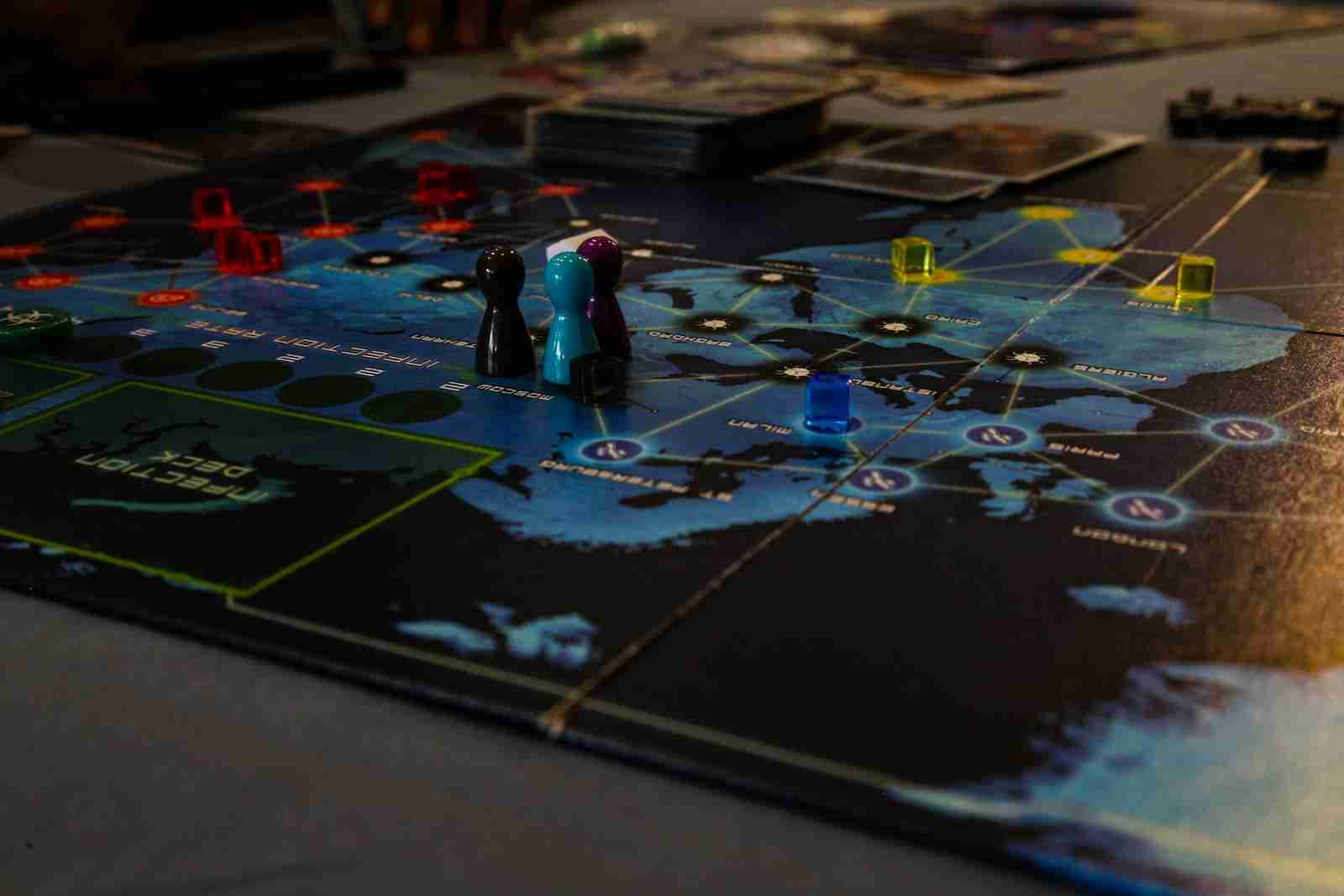
When it comes to board games, the fun often lies in the interaction between players, the strategic maneuvers, and the unexpected twists that make each session unique. But sometimes, a little nudge in the right direction can go a long way. That’s where prompts can step in, acting like a friendly guide through the labyrinth of game mechanics and strategies. So, let’s roll the dice and explore some prompts that could take your board game night from ordinary to extraordinary.
First up, consider using a prompt that helps with game setup. “ChatGPT, can you provide a checklist for setting up [insert board game name]?” This handy tool ensures that you don’t miss any crucial components, whether it’s shuffling cards or placing your tokens in just the right spot. By having a checklist in hand, players can dive right into the action without fumbling around for instructions.
Once the game is underway, the dynamic shifts. You might find yourself wrestling with the rules or trying to outsmart an opponent. So, what do you do? “ChatGPT, how can I best counteract [insert player’s strategy] in this game?” This query can lead to solid strategies—revealing ways to undermine your opponent, shift the tide, or forge an unexpected alliance.
Now, let’s not forget the sweet moments of wit and banter that often accompany game night. A little humor goes a long way in keeping spirits high. Try asking, “ChatGPT, can you suggest some funny and lighthearted insults/banter for board games?” This prompt will spice up the atmosphere, turning friendly competition into a lively event. After all, laughter is one of the best ways to enhance camaraderie.
But it’s not all about competition. Collaboration can be just as thrilling, especially in cooperative games. If teamwork is your game, give this prompt a whirl: “ChatGPT, what strategies can my team use to tackle [insert game challenge]?” Here, AI can channel the collective knowledge of gamers who’ve faced similar challenges, offering sage advice that might just lead to victory.
Lastly, when the game wraps up, it’s time for reflection. A good prompt at this stage could be, “ChatGPT, can we brainstorm new variations or house rules for [insert game name]?” Expanding the game into new territories can invigorate your next play session, ensuring that no two nights ever feel the same.
Harnessing a handful of smart prompts can elevate your board game nights into a realm of strategy, humor, and creativity. So, gather your friends, roll out a few prompts, and let the games begin!

What Are Some ChatGPT Prompts That Can Help Board Game Play?
What Are Some ChatGPT Prompts That Can Help Board Game Play?
- Prompts can enhance board game interactions by providing guidance on game mechanics and strategies.
- Use prompts for setup assistance, like asking for a checklist to ensure all components are ready.
- Mid-game, prompts can help players strategize against opponents by countering their tactics.
- Incorporate humor and lighthearted banter by requesting suggestions for funny insults to keep spirits high.
- For cooperative games, prompts can suggest strategies for teams to tackle specific challenges together.
- Encourage game innovation by brainstorming new variations or house rules after the game ends.
- Leveraging these prompts can transform board game nights into memorable experiences filled with strategy and fun.

What Are Some ChatGPT Prompts That Can Help Board Game Play?
Table Of Contents
- What Are Some ChatGPT Prompts That Can Help Board Game Play?
- What Are The Best AI Prompts for Improving Strategy In Board Games?
- How Can ChatGPT Assist with Rules Explanations for Board Games?
- What AI Prompts Can Help Generate New Board Game Ideas?
- How to Use ChatGPT to Create Custom Board Game Scenarios?
- What Are Effective Prompts for Enhancing Storytelling In Board Games?
- How Can ChatGPT Help In Character Backstories for Board Games?
- What Prompts Can Aid In Organizing a Board Game Night?
- How Can I Use ChatGPT to Balance a Board Game?
- What Prompts Are Useful for Creating Trivia Questions for Board Games?
- How Can ChatGPT Assist In Resolving Disputes During Board Game Play?
- How Can ChatGPT Help Design an Engaging Board Game Theme?
- What Are Some Prompts for Creating Unique Board Game Mechanics?
- How Can I Use ChatGPT for Crafting Board Game Expansion Ideas?
- What Prompts Can Inspire User-Generated Content for Board Games?
- Conclusion
- Other Resources
- Glossary Of Terms
- Other Questions
- Haiku
- Poem
- Checklist
What Are The Best AI Prompts for Improving Strategy In Board Games?
When it comes to elevating your board game experience, a little artificial intelligence can go a long way. Picture this: you’re gathered around the table, dice clattering, chips clinking, and the smell of popcorn wafting through the air. But instead of victory, all you feel is the weight of another crushing defeat. Fear not! With the right AI prompts, you can supercharge your strategic thinking and transform your game night into a battlefield of brainpower.
So, what does it take to unlock the hidden strategies lurking in your favorite games? One approach is to ask your AI buddy to analyze past moves. Prompt it with something like, “Evaluate my last three games of Settlers of Catan and identify any patterns in my resource allocation.” By sifting through the decisions you made—and perhaps regretted—it can help pinpoint missteps and reveal opportunities you overlooked.
Don’t stop there! Engage your AI with hypothetical scenarios to sharpen your tactical prowess. Try asking, “What would I do differently if my opponent had two more victory points in Ticket to Ride?” This not only gets your mental gears turning but also fosters a deeper understanding of the game’s mechanics.
Now, let’s consider positional play. For games like chess or even strategy-heavy Euro games, a great prompt might be, “Identify the most advantageous position for my pieces in our current game setup.” Here, the AI can evaluate the board and suggest optimal moves, turning you into a strategic mastermind before the night’s over.
Another game-changer? Planning ahead. Create a prompt like, “Outline a five-turn plan based on my current position in Carcassonne.” This encourages forward-thinking, forcing you to anticipate your opponent’s moves and react proactively instead of reactively.
Lastly, don’t underestimate the power of variety. If you’re honing your skills in a specific game, throw in prompts that explore variations and rules. Ask, “What are some house rules that could change the dynamics of my game of Risk?” This can open new avenues of strategy and keep things fresh.
Incorporating AI into your board game strategy sessions isn’t about handing over control; it’s about enriching your decision-making process and unleashing your inner tactician. So, the next time you’re eyeing that game shelf, remember: the best strategies are just a prompt away!

What Are The Best AI Prompts for Improving Strategy In Board Games?
What Are The Best AI Prompts for Improving Strategy In Board Games?
- Using AI can enhance your board game experience and strategy.
- Ask AI to analyze past moves for insights, such as evaluating resource allocation in Settlers of Catan.
- Engage with hypothetical scenarios to improve understanding, like assessing actions against an opponent’s victory points in Ticket to Ride.
- Utilize AI for positional advice, for example, identifying advantageous positions in chess or Euro games.
- Plan ahead with AI by outlining strategies based on the current game position, like creating a five-turn plan in Carcassonne.
- Explore game variations and house rules with AI to refresh gameplay and strategies, such as changing dynamics in Risk.
- Integrating AI enhances decision-making and fosters strategic thinking, empowering you to approach your games more effectively.

What Are The Best AI Prompts for Improving Strategy In Board Games?
How Can ChatGPT Assist with Rules Explanations for Board Games?
When it comes to board games, the rules can sometimes feel like a dense fog hanging over an otherwise fun experience. Whether you’re gathered around the table with friends or family, the excitement can quickly dissipate when confusion reigns supreme. That’s where ChatGPT steps in—think of it as your friendly neighborhood guide through the maze of mechanics and gameplay.
Imagine this: you’re all set to dive into a night filled with laughter and strategy, but then you realize someone’s struggling to grasp the intricacies of a new game. This is the moment when frustration can build faster than a game of Jenga on shaky ground. Instead of fumbling with a manual that looks like a tax document, you can turn to ChatGPT for a helping hand.
With a quick question or two, you can ask for clarification on specific game rules. Need to know how the scoring works in that complicated euro-style game? Or unsure how to execute a tricky card combo in a fast-paced duel? Simply type in your question, and this digital assistant can provide clear, concise explanations that cut through the clutter. Forget about flipping through pages or watching tedious videos; all the information you need is just a prompt away.
But it doesn’t stop at definitions or gameplay mechanics. ChatGPT can offer strategic advice tailored to your specific game scenario, helping you navigate your next move with the finesse of a seasoned player. It’s like having a knowledgeable friend whispering subtly in your ear. Rather than relying on luck and guesswork, you can maximize your chances of success based on sound strategies derived from the game’s mechanics.
Moreover, ChatGPT can help you discover new games that align with your group’s preferences. By chatting about the types of games you enjoy—merging themes, player counts, or complexity—you can receive tailored recommendations, making game night something fresh and exciting. It’s like having a personal board game curator at your fingertips, ensuring you never have to settle for another round of the same old thing.
The joy of board games lies in connection and camaraderie. With ChatGPT as your rule-explaining ally, you can elevate your gaming experience from potential chaos to seamless fun, turning foggy rulebooks into a clear path toward a memorable night. So, go ahead—grab those dice and cards, and ensure everyone’s on the same page, ready for an evening of competition, strategy, and laughter.

How Can ChatGPT Assist with Rules Explanations for Board Games?
How Can ChatGPT Assist with Rules Explanations for Board Games?
- Board game rules can create confusion during play, diminishing the fun.
- ChatGPT serves as a helpful guide to clarify mechanics and gameplay.
- Players can quickly ask ChatGPT questions for clear explanations on rules and strategies.
- ChatGPT offers tailored strategic advice, enhancing chances of success during gameplay.
- The assistant can recommend new games based on group preferences for a fresh experience.
- Using ChatGPT transforms chaotic gaming sessions into enjoyable and memorable experiences.
- Incorporating ChatGPT helps ensure everyone is informed and ready for a night of fun.

How Can ChatGPT Assist with Rules Explanations for Board Games?
What AI Prompts Can Help Generate New Board Game Ideas?
When embarking on the journey of board game creation, the first step is often the hardest: the idea. It’s the spark that ignites the flame of creativity. However, in this digital age, we have a new companion in this quest—artificial intelligence. Many may picture a flashy sci-fi robot, but when it comes to brainstorming board game ideas, AI is more like a helpful co-pilot, guiding us through the vast landscape of possibilities.
So, what can AI prompts do to generate fresh board game concepts? First off, they can stir your imagination. Think of it like shaking a can of soda—it’s not just for fun; it gets the fizz bubbling. By inputting key themes or mechanics you’re interested in, the AI generates a plethora of ideas that can help you see concepts from angles you hadn’t considered. For instance, you might be drawn to the idea of a dungeon crawler, but the AI might throw in twists that meld a time-travel mechanic into the adventure. Suddenly, you’re no longer just hacking away at monsters; you’re diving into different epochs, altering the fabric of the game.
But generating ideas is just the tip of the iceberg. AI prompts can also help hone your mechanics. So you’ve got an idea for a game involving pirates? Great! Now, leverage some AI magic to explore different gameplay mechanics—what if your pirate crew had to balance treasure hunting with loyalty issues? The AI can help you explore themed mechanics like resource management, area control, or cooperative play that elevate your initial ideas into a polished product.
Let’s not forget about world-building. Crafting a narrative backdrop can be one of the most daunting tasks in game design. Here, AI can serve up rich lore and dazzling settings with just a few keywords. One prompt about mythical creatures could lead to an entire universe where players navigate treacherous waters populated by sea serpents, while clashing with rival tribes over mystical artifacts. The possibilities are genuinely endless.
Lastly, the iterative process of using AI isn’t a one-and-done affair. Don’t shy away from feeding your evolving concepts back into the system. The AI can provide feedback while also suggesting alterations that could enhance gameplay or narrative depth.
Harnessing AI prompts offers a practical and creative tool that transforms the oft-mundane aspect of idea generation into an engaging, exploratory adventure. So go ahead, don’t be shy—let that digital partner help you bring those board game visions to life.

What AI Prompts Can Help Generate New Board Game Ideas?
What AI Prompts Can Help Generate New Board Game Ideas?
- Board game creation begins with a crucial idea, considered the most challenging initial step.
- AI acts as a helpful co-pilot in brainstorming board game ideas, offering guidance through various possibilities.
- AI can stimulate imagination by generating numerous ideas from key themes or mechanics provided by the user.
- Utilizing AI can lead to innovative gameplay mechanics that enhance initial board game concepts.
- AI aids in world-building, providing rich lore and settings that expand the narrative backdrop of the game.
- The iterative process with AI allows users to refine concepts and receive feedback for improvements.
- Harnessing AI transforms idea generation into a creative and engaging adventure in board game design.

What AI Prompts Can Help Generate New Board Game Ideas?
How to Use ChatGPT to Create Custom Board Game Scenarios?
Creating custom board game scenarios is like crafting a fine piece of art—it requires imagination, a dash of creativity, and a willingness to explore uncharted territory. Enter ChatGPT, your digital partner in this endeavor. This state-of-the-art language model not only generates text but also serves as a brainstorming buddy, ready to help you conjure compelling tales and unique challenges for your games.
First, you need to have a clear vision of your game’s universe. What themes tickle your fancy? Are we talking fantasy realms, futuristic dystopias, or perhaps a more grounded historical setting? Whatever your flavor, lay it out for ChatGPT. Drop some parameters, and let it know what vibes you want to capture—a dash of humor here, a splash of tension there. For example, if you’re diving into a medieval fantasy world, you could prompt it with something like, “Generate a scenario where players must navigate a cursed forest to retrieve a stolen artifact.” That’s your icebreaker.
Then, prepare yourself for the unexpected. One of the beauty marks of this tool is its ability to surprise you with ideas you might not have considered. Sure, you may start off wanting a simple scavenger hunt, but ChatGPT might serve you a multi-layered plot involving treachery, alliances, and a dragon who’s more than meets the eye. Don’t shy away from these twists; instead, embrace them! They’ll add depth and richness to your game.
Once you’ve generated a few scenarios, take a moment to evaluate them. Consider how they align with your game mechanics. Will the scenario engage players effectively? Does it fit within the rules and flow of your game? This will require a bit of gut instinct and test runs. You might need to tweak the ideas ChatGPT offers to fit your particular needs—after all, you’re the captain of this ship.
Next comes the real fun: integrating your scenario with gameplay elements. Imagine how players will interact with the story. What choices will they be faced with? What consequences will arise from their actions? Your goal is to create an immersive experience where players feel invested in the unfolding drama.
Finally, gather feedback from your playtest crew. Every game designer knows that the best ideas often emerge during live play. Let ChatGPT empower you as you polish your scenarios, ensuring they’ll leave players hungry for more. After all, creating board games isn’t just about the destination, but the adventure along the way!

How to Use ChatGPT to Create Custom Board Game Scenarios?
How to Use ChatGPT to Create Custom Board Game Scenarios?
- Creating custom board game scenarios requires imagination and creativity.
- ChatGPT acts as a brainstorming partner, helping generate unique game narratives and challenges.
- Establish a clear vision for your game’s universe, including themes and vibes.
- Be open to unexpected ideas from ChatGPT, as they can enhance the game’s depth.
- Evaluate scenarios for alignment with game mechanics and player engagement.
- Integrate scenarios with gameplay elements to foster player immersion and investment.
- Gather feedback from playtests to refine scenarios and enhance the gaming experience.

How to Use ChatGPT to Create Custom Board Game Scenarios?
What Are Effective Prompts for Enhancing Storytelling In Board Games?
When it comes to storytelling in board games, the secret sauce often lies in the prompts that guide players through their narrative journey. Crafting effective prompts is akin to setting up a delicate domino arrangement: each piece must be meticulously placed to achieve a mesmerizing chain reaction. So, grab a seat and let’s dig into what makes prompts not just effective, but downright transformative for your gaming experience.
First off, context is king. The prompts you use should immerse players in the game world right from the get-go. Give them the juicy details about the setting—a haunted castle, a distant planet, or a medieval village—and watch as they dive head first into the narrative. Instead of a simple “What do you want to do next?”, try, “Your heart races as you hear whispers echoing through the darkened hall. Do you investigate further, or retreat to safety?” This simple tweak adds layers, inviting players to engage not only their characters but also their imaginations.
Next, don’t underestimate the power of character development. Prompts that encourage players to explore their character’s backstory or motivations can lead to rich storytelling. For instance, instead of a question like “What does your character do?”, pose one that sparks reflection: “What secret does your character hide that, if revealed, could change everything?” This not only drives the plot but also deepens the connection between players and their characters, making every decision feel weighty.
At the same time, it’s crucial to leave room for creativity and spontaneity. A well-placed open-ended prompt can act as a catalyst for those unexpected plot twists that make for unforgettable moments. For example, “Suddenly, the ground shakes beneath you! What do you see emerging from the depths?” This type of prompt gives players ownership of the unfolding story, allowing them to shape the narrative in ways that could never have been predicted.
Lastly, pacing is essential. Keep the energy flowing by weaving prompts throughout the game in rhythm with the storyline. Too many prompts can feel overwhelming, while too few can stagnate the action. Think of prompts as the music in your storytelling symphony: each note must harmonize with the others, setting the stage for a captivating experience.
In summary, effective prompts are your storytelling allies. By providing context, encouraging character exploration, fostering creativity, and maintaining a steady pace, you’ll cultivate a board game atmosphere that’s not just played—but truly lived.

What Are Effective Prompts for Enhancing Storytelling In Board Games?
What Are Effective Prompts for Enhancing Storytelling In Board Games?
- Effective storytelling in board games relies on carefully crafted prompts that guide players through their narrative journey.
- Context is crucial; prompts should immerse players in the game world with detailed settings.
- Encouraging character development through thoughtful prompts deepens the player’s connection to their characters.
- Open-ended prompts foster creativity and can lead to unexpected plot twists.
- Maintaining proper pacing with prompts prevents overwhelming players and keeps the action flowing.
- Prompts should be likened to music, harmonizing with the overall game storyline for an engaging experience.
- Incorporating context, character exploration, creativity, and pacing cultivates an immersive board game atmosphere.

What Are Effective Prompts for Enhancing Storytelling In Board Games?
How Can ChatGPT Help In Character Backstories for Board Games?
When it comes to crafting character backstories for board games, you don’t just want a run-of-the-mill biography slapped together with a few adjectives and a backstory that reads like a second-rate novel. You want rich, textured tales that breathe life into your characters, and that’s where a smart AI tool can come in handy. Think of it like having a brainstorming buddy who never runs out of ideas, no matter how ridiculous or grandiose they might be.
Picture this: you’re sitting down to flesh out a rogue who steals from the rich to feed the poor, and you’re staring at a blank page. Frustrating, isn’t it? But what if you had a dialogue partner—an assistant who can kickstart your creativity just by asking the right questions? An AI like ChatGPT can help generate the foundational elements of your character’s history, all while throwing in some twists you might not have considered. You could ask about their upbringing, define pivotal moments in their life, or even explore unique quirks that make them who they are.
Want to know how your character learned to pick locks? No sweat. Just feed the AI a few prompts. It might suggest an apprenticeship with a notorious thief or perhaps a fateful encounter with a noble who turned out to be less than benevolent. This not only saves you time but also gives your character layers that players will connect with.
Moreover, let’s not forget that the world of board gaming is all about the details. Players want to be immersed in your game’s universe. ChatGPT can help you weave in those intricate details. Need a name for the rogue’s hometown? The AI can brainstorm a list of options—each with its own vibe and backstory. You might stumble upon a name that unlocks a whole new subplot.
But it doesn’t stop there. You can use ChatGPT to simulate interactions between characters, test their motivations against various scenarios, or even outline future adventures based on their past. By exploring these dynamics, you not only create compelling characters but enhance the overall narrative of your board game.
In short, leveraging tools like ChatGPT can transform how you approach creating backstories. It’s like having an on-call author who’s ready to collaborate, opening the door to fresh ideas and narratives that will engage everyone at the table. So when you sit down to create, embrace the options. Dive deep and let that AI be your co-pilot on this creative journey—because every great character deserves a story worth telling.

How Can ChatGPT Help In Character Backstories for Board Games?
How Can ChatGPT Help In Character Backstories for Board Games?
- Craft rich, textured character backstories for board games instead of superficial biographies.
- Utilize AI tools, like ChatGPT, as brainstorming partners that generate creative ideas.
- Overcome writer’s block by having an AI assistant that asks the right questions to kickstart creativity.
- Create character histories with unique twists through focused prompts to the AI.
- Enhance the game’s narrative by integrating immersive details and character connections.
- Simulate character interactions and test motivations to outline future adventures.
- Transform your storytelling approach by leveraging AI collaboration for engaging narratives.

How Can ChatGPT Help In Character Backstories for Board Games?
What Prompts Can Aid In Organizing a Board Game Night?
When it comes to hosting a board game night, the key to a lively gathering isn’t just the games themselves but the atmosphere you cultivate around that table. Preparation is half the battle, and that begins with a few well-chosen prompts that can guide your planning process like a compass on a murky night.
First up, consider your guest list. Who are you inviting? Are they seasoned strategists or casual gamers? Take a moment to jot down a few names and think about their preferences. Nothing derails a game night faster than a group of friends struggling to understand how to play or, worse yet, feeling left out. A prompt like, “What games does everyone enjoy?” can spark conversations that will not only help you choose the right games but also break the ice among your guests.
Next, think about the space where you’ll host your game night. Is it cozy enough to invite laughter and low-stakes banter? Will there be room for everyone and their snack plates? Use a prompt such as, “What does my space need to accommodate a night of fun?” to guide your preparations. Maybe you need more chairs or a bigger table. Or perhaps, it’s just a simple touch of ambiance—some mood lighting and a playlist filled with tunes that keep spirits high and nostalgia flowing.
Speaking of snacks, let’s not overlook the culinary aspect. Only a fool underestimates the power of good snacks to elevate the evening. Ditch the old bag of chips and brainstorm with prompts like, “What flavors will keep the energy high without causing a greasy mess?” Cheese platters, finger foods, and even thematic treats related to your chosen games can add an innovative flair to the night.
Finally, build an itinerary or schedule. A game night doesn’t have to resemble a military operation, but having a loose timeline can help keep everyone engaged. Craft a prompt like, “How can I ensure everyone gets a turn without losing the spirit of fun?” This could be as simple as a rotation system or designating a game host responsible for keeping the momentum going.
By paying attention to these thoughtful prompts, you set the stage for an evening filled with laughter, competition, and camaraderie. After all, a well-organized board game night isn’t just about the games; it’s about creating lasting memories. So grab a pen, gather your ideas, and get ready to roll the dice on a night of unforgettable fun!

What Prompts Can Aid In Organizing a Board Game Night?
What Prompts Can Aid In Organizing a Board Game Night?
- Preparation is key to a successful board game night, focusing on a lively atmosphere.
- Consider your guest list, identifying their gaming experience to ensure everyone enjoys the night.
- Use prompts like, “What games does everyone enjoy?” to select games and facilitate guest interaction.
- Evaluate the hosting space for comfort and capacity, using prompts to guide necessary accommodations.
- Enhance the evening with thoughtful snack choices; prompts can help brainstorm suitable options.
- Create a loose itinerary to maintain engagement, utilizing prompts for turn-taking without losing fun.
- A well-organized game night fosters laughter and camaraderie, emphasizing that memories are key.

What Prompts Can Aid In Organizing a Board Game Night?
How Can I Use ChatGPT to Balance a Board Game?
When it comes to the world of board games, balance is the holy grail. Whether you’re crafting a new game from scratch or tweaking an existing one, achieving that elusive equilibrium between player abilities, mechanics, and outcomes is akin to walking a tightrope. Fortunately, you don’t have to navigate this tricky path alone. Enter ChatGPT, your friendly digital companion, ready to offer insights and suggestions that can help you balance your game in ways you might not have considered.
First off, let’s talk about what “balance” really means in the board game realm. It’s not just about making sure no one player can steamroll the competition. A balanced game promotes fairness, engagement, and strategic thinking. When players have equal chances to win, the fun factor skyrockets. But how does one go about ensuring this balance? This is where ChatGPT comes in.
Start by outlining the core mechanics of your game. Describe each player’s objectives, the actions they can take, and how they interact with one another. Once you’ve laid everything out, you can enlist the help of ChatGPT to identify potential imbalances. For instance, ask it questions like, “Are there any player abilities that seem too strong?” or “How might different game mechanics impact the overall tempo of the game?” ChatGPT can analyze your input and offer suggestions based on a plethora of gaming scenarios.
Next, you can simulate different game situations by using ChatGPT as a role-playing partner. Describe the actions of various players and ask, “What might happen next?” This type of brainstorming can reveal weaknesses in your game’s design that you might not notice on paper. It’s like having a sounding board that gives you new perspectives.
Once you’ve gathered feedback, it’s crucial to iterate. Share your findings with ChatGPT, then ask for alternative rules or mechanics that could help address the imbalances. You may find that a slight tweak to an ability or a change in resource allocation can drastically enhance the game’s balance and enjoyment.
Finally, after making adjustments and playtesting with real-life players, return to ChatGPT for insights on fine-tuning those tweaks. The feedback loop you create can transform your game from a rough draft into a polished masterpiece, ensuring players keep coming back for more. Balancing a board game may take time and effort, but with the right tools and a little ingenuity, you can create a captivating experience that your players will cherish—and you can’t put a price on that.

How Can I Use ChatGPT to Balance a Board Game?
How Can I Use ChatGPT to Balance a Board Game?
- Balance is essential in board games, ensuring fairness, engagement, and strategic thinking.
- ChatGPT can assist in identifying and addressing potential imbalances in player abilities and game mechanics.
- Outline core game mechanics and player interactions to facilitate effective analysis with ChatGPT.
- Use ChatGPT to simulate game situations and brainstorm potential outcomes to discover design weaknesses.
- Iterate on feedback by asking ChatGPT for alternative rules or mechanics to improve game balance.
- After playtesting, engage with ChatGPT for further insights to fine-tune the game’s adjustments.
- Utilizing ChatGPT in game design can enhance the overall player experience and contribute to a successful game.

How Can I Use ChatGPT to Balance a Board Game?
What Prompts Are Useful for Creating Trivia Questions for Board Games?
When it comes to crafting trivia questions for board games, the process can feel a bit like digging for treasure in a sandstorm. The key is to arm yourself with the right prompts—those golden nuggets of inspiration that will illuminate your path and help you tap into the rich history of knowledge waiting to be discovered. What follows are some prompts that can help you sift through the vast landscape of trivia, turning mundane facts into engaging quiz questions.
First off, consider the popular culture landscape. What movies, music, or books have captivated audiences over the years? Reflect on iconic lines from films, chart-topping songs, or classic novels that everyone pretends to have read. Ponder this: what’s a plot twist that left you jaw-dropped? Use these touchpoints as a springboard; they can provoke conversations and lighthearted debates at the game table. Remember, trivia thrives on nostalgia and shared experiences.
Next, delve into history. Broad themes like ancient civilizations or significant events are superb starting points. Ask yourself: What invention changed the course of humanity? Or, who was the underdog that defied the odds? These questions can unearth fascinating stories and lead your players down a rabbit hole of discovering remarkable people, places, and moments in time.
Geography is another fertile ground for trivia prompts. Think about places that have unique histories or quirky features. Consider questions like, “What country is home to the world’s oldest continuously inhabited city?” Such inquiries stimulate curiosity about the world and can inspire further exploration in real life.
Don’t forget about science and nature—a field bursting with trivia potential. What odd animal facts do you know? Or, which scientific discovery revolutionized our understanding of the universe? A touch of the bizarre or the profound can engage your players in delightful ways, turning a run-of-the-mill trivia night into a wild intellectual adventure.
Lastly, tap into the realm of “fun facts.” These are the unsolicited nuggets of knowledge that people share at parties—the kind that make you remember them long after the evening is over. They often come from unexpected places, like the origins of a well-known idiom or a quirky law still on the books. Embrace the peculiar; these little gems often lead to unexpected laughter and camaraderie as players vie for answers.
So, whether you’re crafting questions for a casual night in or a competitive showdown, keep these prompts in your back pocket. The journey of trivia creation is just as rewarding as the game itself, and with the right inspiration, you can cultivate an experience that will be remembered long after the last card has been played.

What Prompts Are Useful for Creating Trivia Questions for Board Games?
What Prompts Are Useful for Creating Trivia Questions for Board Games?
- Crafting trivia questions can be challenging but ultimately rewarding, akin to treasure hunting.
- Use popular culture—movies, music, and books—as inspiration for nostalgic and engaging quiz questions.
- Explore history with broad themes, asking questions about inventions and significant events that shaped humanity.
- Geography offers unique trivia opportunities, focusing on locations with interesting histories or features.
- Science and nature provide a wealth of knowledge, from surprising animal facts to revolutionary scientific discoveries.
- Integrate “fun facts” that pique curiosity and spark laughter, enhancing the social aspect of trivia games.
- Utilize these prompts to elevate your trivia game experience, ensuring memorable moments for all players.

What Prompts Are Useful for Creating Trivia Questions for Board Games?
How Can ChatGPT Assist In Resolving Disputes During Board Game Play?
When you throw a group of friends around a board game table, what you’re really doing is opening a can of delightful chaos. Be it a friendly game of Monopoly or a cutthroat session of Settlers of Catan, disputes are bound to arise. Whether it’s a questionable dice roll or a miscalculated score, these moments can escalate into heated debates faster than you can say “game night.” But before you let the tension boil over like a pot of spaghetti water, consider enlisting the help of your AI pal.
Enter ChatGPT—your digital referee. Instead of letting emotions dictate the flow of the game, why not let technology take the wheel? With its wealth of knowledge about board games, rules, and strategies, ChatGPT can help navigate those murky waters of disagreement. When the inevitable question arises—“Did I land on your property or was it mine?”—you can pull out your device and give ChatGPT a quick shout. Just feed it a description of the game and the situation, and voilà! It can provide clarifications on rules, suggest fair resolutions, or even share strategies to divert conflict.
But hold on; it’s not just about settling disputes. ChatGPT brings a whole new flavor to the table. Imagine having a friendly assistant at your disposal, ready to dive into the nuances of game mechanics or help you sharpen your strategies. If someone is struggling to grasp the rules or how to optimize their gameplay, ChatGPT can break things down in a way that makes sense. This way, everyone stays engaged while minimizing the temptation to go off the rails when accusations start flying.
Still, let’s not forget the human touch. Using ChatGPT is like having a GPS for your game night—helpful, efficient, and incredibly informative. But it can’t replace the camaraderie and laughter shared around the table. A healthy sprinkle of humor and grace can help diffuse tension, too. If someone feels slighted by a perceived unfairness, having ChatGPT on hand can offer concrete insights, while also encouraging players to keep the spirit of fun alive.
So, when you’re knee-deep in an epic showdown, don’t hesitate to call on this digital ally. After all, a board game should be a battlefield of wits, not a war zone of tempers. With a little help from your AI friend, you can keep the game moving and ensure that your next board game night is filled with laughter, strategy, and most importantly, endless fun.

How Can ChatGPT Assist In Resolving Disputes During Board Game Play?
How Can ChatGPT Assist In Resolving Disputes During Board Game Play?
- Board games among friends can lead to delightful chaos and disputes.
- Common issues include questionable dice rolls and miscalculated scores.
- ChatGPT can serve as a digital referee to help resolve conflicts during gameplay.
- Players can consult ChatGPT for clarifications on rules and fair resolutions.
- ChatGPT can assist with understanding game mechanics and optimizing strategies.
- While useful, ChatGPT should complement, not replace, human camaraderie and humor.
- Using ChatGPT can enhance game nights, making them more fun and engaging.

How Can ChatGPT Assist In Resolving Disputes During Board Game Play?
How Can ChatGPT Help Design an Engaging Board Game Theme?
Creating a compelling board game isn’t just about strategy or mechanics; it’s also about the story you weave around it. After all, a great theme can elevate a simple game to an unforgettable experience. Enter ChatGPT — your brainstorming buddy that never tires, never judges, and is ready to kickstart your imagination.
Imagine you’re sitting at your kitchen table, surrounded by half-eaten snacks and crumpled sketches, pondering how to pull together an engaging board game theme. Maybe you’re aiming for nautical adventures or the thrill of a medieval quest. Here’s where ChatGPT steps in, armed with an arsenal of ideas and insights. Start by throwing out your initial thoughts—after all, even the seed of a good idea needs some cultivation. Describe what you have in mind, and before you know it, ChatGPT will help you expand on that with suggestions that push the boundaries of your thinking.
Now, let’s talk specifics. Want to evoke the eerie silence of a haunted mansion? ChatGPT can provide a cascade of chilling visuals and narrative hooks that make the players feel as though they’re tiptoeing through shadowy halls, avoiding unearthly frights. Got a hankering for a post-apocalyptic setting? It can suggest everything from a dystopian struggle for resources to a tale of rebuilding civilization, complete with memorable characters that players will root for—or against.
But that’s not all. ChatGPT can also help you nail down the tone of your game. Are you leaning toward humor? Serious drama? A mix of both? It can throw out ideas for dialogue, quirky item descriptions, or even event cards that can add depth and atmosphere. Crafting your game’s narrative will become not only easier but a lot more fun when you have a sounding board that churns out ideas at the drop of a hat.
Don’t underestimate the power of collaboration in the creative process. ChatGPT can help you navigate pitfalls, refine your ideas, and give you a fresh perspective when you hit a wall. The conversations you have can trigger those “aha!” moments, leading to breakthroughs that may not have occurred in solitude.
So, whether you’re a novice aiming to create a killer board game or a seasoned designer looking for a spark, embracing the capabilities of ChatGPT could be your ticket to creating a theme that draws players in and keeps them coming back for more. Your next great board game adventure is just a chat away!

How Can ChatGPT Help Design an Engaging Board Game Theme?
How Can ChatGPT Help Design an Engaging Board Game Theme?
- Creating a compelling board game revolves around engaging themes and storytelling.
- ChatGPT serves as a supportive brainstorming tool, helping to generate and expand on game ideas.
- It can assist in developing specific themes, such as haunted mansions or post-apocalyptic settings.
- ChatGPT helps establish the game’s tone through ideas for dialogue, item descriptions, and event cards.
- Collaboration with ChatGPT can lead to novel ideas and solutions while navigating creative challenges.
- The tool is beneficial for both novice and experienced designers seeking inspiration.
- Utilizing ChatGPT can enhance the creative process and contribute to a memorable board game experience.

How Can ChatGPT Help Design an Engaging Board Game Theme?
What Are Some Prompts for Creating Unique Board Game Mechanics?
When you think about board games, what usually comes to mind? Rolling dice, drawing cards, and moving pieces on a board. Most games stick to this tried-and-true formula. But the beauty of board game design is that it’s a canvas waiting for your imagination to splash it with color. So, how do you step outside the box and concoct mechanics that are fresh, engaging, and maybe a little wacky? Below are some prompts to get those creative gears grinding.
1. Merging Game Genres: Think about how you can bring two seemingly incompatible worlds together. What if you combined a classic word game with a strategic territory control game? Picture players building land while also crafting words from those very territories. The mix of brainstorming and strategizing creates layers of challenge that can delight minds eager for something new.
2. Player Interaction: How can you increase interaction between players without diving into raw conflict? Consider mechanics that encourage collaboration or negotiation. Imagine a game where players form temporary alliances to tackle a common challenge but can choose to betray one another at any point. It’s the thrill of trust—and the danger of deceit—all rolled into one.
3. Resource Management with a Twist: Most games ask you to collect resources and trade them strategically. Why not flip that idea on its head? Design a system where you have to spend resources to “spend” time, and each action costs valuable moments from your life. The pressure of time as a resource forces players to think deeply about their choices, creating tension right out of the gate.
4. Physical Mechanisms: Dive into the physicality of the game. What unique materials can you incorporate? Think about a game that uses a slingshot or a catapult to launch components around the board. The unpredictability of arcs and landings can introduce a delightful chaos, making every round an exhilarating spectacle.
5. Evolving Objectives: Challenge the notion of fixed goals. Create a game where objectives change mid-play. As players advance, they might discover new paths toward victory, or even have to adapt strategies based on evolving game states. This sort of dynamic can keep everyone on their toes and make every playthrough distinct.
The essence of innovation lies in how well you can break the norms without losing the joy of play. So grab that pencil, toss around some ideas, and who knows? You might just create the next board game that leaves everyone buzzing with excitement long after the pieces have been put away. Keep experimenting; the next great mechanic could be just one spark away.

What Are Some Prompts for Creating Unique Board Game Mechanics?
What Are Some Prompts for Creating Unique Board Game Mechanics?
- Board games traditionally involve rolling dice, drawing cards, and moving pieces, but innovation is key to fresh designs.
- Merging game genres can create unique experiences, such as combining a word game with territory control.
- Enhancing player interaction can be achieved through collaboration and negotiation, fostering both trust and deceit.
- Resource management can be flipped by using time as a resource, adding tension to decision-making.
- Incorporating physical mechanisms, like slingshots or catapults, can introduce unpredictability and excitement.
- Evolving objectives keep gameplay dynamic, requiring players to adapt their strategies mid-play.
- Innovation in board game design thrives on breaking norms while maintaining the joy of play; exploration and experimentation are encouraged.

What Are Some Prompts for Creating Unique Board Game Mechanics?
How Can I Use ChatGPT for Crafting Board Game Expansion Ideas?
Let’s face it: if you’re a board game aficionado, you know that designing expansions is like adding a new ingredient to grandma’s secret recipe—it can elevate a classic dish into something spectacular. But where do you even begin? Well, allow me to tell you about a nifty little tool that could turn your brainstorming sessions into a well-oiled machine of creativity. Enter ChatGPT.
Imagine, for a moment, you have a brainstorming buddy at your side, ready to toss around ideas faster than a dice roll. That’s ChatGPT for you—a digital companion that doesn’t tire out or throw a fit if you don’t like its suggestions. Start by outlining your existing game’s themes, mechanics, and characters. Share these details with ChatGPT. The more context you provide, the more robust the conversation. Think of it like explaining a game to a new player—lay down those ground rules, and soon enough, the possibilities will start flowing like a river.
Once you engage with this AI, prompt it to suggest new mechanics that align with your base game. Do you want a new character class? Perhaps a fresh set of challenges? ChatGPT can churn out numerous ideas that dig deep into the nuances of game theory or thematic innovation. For instance, if you have a fantasy-themed board game, ask for quests that introduce moral dilemmas or create characters with backstories that test players’ alliances. The AI can even help you by highlighting what has historically worked (or flopped) in similar games.
Now, it’s time to kick things up a notch. How about asking ChatGPT to help you explore the types of players that might be drawn to your expanded gameplay? The AI can help you envision demographics, playing styles, or even suggest community engagement strategies—making sure your game doesn’t just sit on the shelf collecting dust.
Finally, take those ideas and refine them. ChatGPT can assist you in visualizing how expansions could fit into the current game mechanics, offering practical insight into balancing power levels or game timing. Don’t forget: the more you interact with it, the better your output.
So, roll up your sleeves, engage your creativity, and let this tool help you forge the next great expansion that keeps players coming back to your table. After all, board gaming shouldn’t just be about winning—it’s about creating adventures worth sharing. And with ChatGPT by your side, those adventures are just a few prompts away.

How Can I Use ChatGPT for Crafting Board Game Expansion Ideas?
How Can I Use ChatGPT for Crafting Board Game Expansion Ideas?
- Designing board game expansions can elevate classic games, similar to adding a new ingredient to a recipe.
- ChatGPT serves as a brainstorming companion, providing a wealth of creative ideas without fatigue.
- Outline your existing game’s themes, mechanics, and characters to enhance the interaction with ChatGPT.
- Prompt ChatGPT for new mechanics, character classes, or challenges that align with your game’s theme.
- Engage ChatGPT to explore player demographics, playing styles, and community engagement strategies.
- Refine ideas with ChatGPT’s insights on balancing game mechanics, power levels, and timing.
- Utilize ChatGPT to create engaging board game adventures that keep players coming back for more.

How Can I Use ChatGPT for Crafting Board Game Expansion Ideas?
What Prompts Can Inspire User-Generated Content for Board Games?
Creating an engaging board game is just the beginning of a thrilling journey. Once players gather around the table, the potential for user-generated content (UGC) springs to life. But what exactly can inspire this creative spark from your gaming community?
First off, let’s talk about storytelling. Board games often come with rich lore and thematic backdrops, but there’s nothing quite like letting players take the reins. Encourage them to share their own narratives based on in-game events or personal experiences with the game. This could lead to captivating short stories, fan art, or even expansions that build upon the original framework. For example, if your game revolves around a futuristic conflict, why not invite players to craft their own backstories for characters, or even suggest alternate endings for the main campaign? The sky’s the limit when you allow imagination to flourish.
Next up, let’s look at challenges. A little bit of competition can be a two-edged sword, but when done right, it can inspire players to create content that showcases their skills. You could launch a design contest where players invent new game mechanics or develop unique scenarios utilizing the core components of your game. Not only does this get the creative juices flowing, but it fosters a sense of community as players share ideas and feedback, learning from one another in the process.
Speaking of community, let’s not forget the power of collaboration. Encourage players to team up and craft content together. This could be in the form of co-designed game expansions, art projects, or even a collaborative comic strip depicting their favorite in-game moments. By making UGC a social activity, you’ll be fostering connections that could lead to lasting friendships beyond the game board.
Finally, don’t underestimate the impact of prompts. Use social media platforms or community forums to post weekly challenges, be it creating quirky character bios, designing new game boards, or even crafting themed snacks that complement gameplay. These prompts can encourage participation and offer a consistent outlet for creativity, resulting in a treasure trove of content that can enhance the overall gaming experience.
At the end of the day, it’s all about harnessing the enthusiasm and creativity of your players. The more you can inspire them, the richer the tapestry of user-generated content will be, breathing new life into your beloved game and fortifying a vibrant community. So, roll the dice and watch the creativity unfold!

What Prompts Can Inspire User-Generated Content for Board Games?
What Prompts Can Inspire User-Generated Content for Board Games?
- Creating a board game is just the start of an engaging community journey.
- Storytelling encourages players to share their narratives, leading to captivating content like short stories and fan art.
- Challenges, such as design contests, can inspire players to create new game mechanics and scenarios.
- The power of collaboration can be harnessed by encouraging teamwork in creating co-designed expansions and art projects.
- Prompts on social media can encourage ongoing participation and creativity among players.
- Inspiring player creativity enriches user-generated content and enhances the gaming experience.
- Building a vibrant gaming community relies on tapping into players’ enthusiasm and imagination.

What Prompts Can Inspire User-Generated Content for Board Games?
Conclusion
Alright folks, let’s wrap it up with a good ol’ conclusion. Let me tell you, when it comes to board games, what you really want is about more than just rolling nice dice or laying down some seriously strategic moves. No, it’s about the adventure, the camaraderie, and, let’s face it, those moments of delightful chaos that happen when friends gather around a table. At times, that chaos can be a little overwhelming—enter ChatGPT, your trusty tool, or rather, your AI wingman for game night.
You see, using prompts from ChatGPT isn’t about taking shortcuts; it’s about enhancing your adventure. Need to set up a game without forgetting vital pieces? Just shoot ChatGPT a query, and voila! You’ve got a checklist ready to go! Now, as the game heats up and your buddy across the table tries to pull a fast one, guess what? ChatGPT can help you devise tactics to counter that sly strategy, offering insights that might just turn the tide of the game.
And while we’re at it, why not sprinkle some humor into the mix? You ask ChatGPT for some witty banter, and suddenly, that competition transforms into a full-blown comedy show. Laughter, after all, is the glue that keeps those friendships intact. But hey, if you’re more into cooperation than competition, ChatGPT has got you covered there too. Whether you need to brainstorm strategies for a tough challenge or craft new house rules, the AI is right there to support your team efforts.
Don’t forget the importance of reflection, either. Once the dust of battle settles, muse over your gameplay with ChatGPT. Use those insights to create new variations that keep the fun rolling into next week, or embark on a treasure hunt for new game ideas—it’s all part of the board game culture.
In a nutshell, ChatGPT is like that magical toolbox at the back of your garage—you pull it out not when you’re lost, but when you want to innovate and spice up the ordinary. So, gather your pals, throw down some prompts, and let the games begin! Here’s to strategic maneuvers, belly laughs, and the thrill of togetherness. Game on!

Conclusion
Conclusion:
- Board games offer more than just gameplay; they provide adventure and camaraderie.
- ChatGPT acts as a helpful tool to enhance your game night experience.
- It can provide checklists to ensure no vital game pieces are forgotten.
- ChatGPT offers tactical insights to counter opponents’ strategies.
- Humor can be injected into game nights with witty banter from ChatGPT.
- It supports cooperative efforts by helping brainstorm strategies and new house rules.
- Reflecting on gameplay with ChatGPT can lead to innovative variations and new game ideas.

Conclusion
Other Resources

Other Resources
Here is a list of other resources you can review online to learn more:
- “Game Time”
- “I taught ChatGPT to teach me board games. Here’s how I …”
- “CHAT GPT board game!”
- “A Chat With ChatGPT About Tabletop Games”
- “Stanford creates Sims-like game filled with NPC’s powered …”
- “ChatGPT makes a Board Game.”
- “I took ChatGPT to board games. Is it ready for game night?”

Other Resources
Glossary Terms
What Are Some ChatGPT Prompts That Can Help Board Game Play? – Glossary Of Terms
1. Prompt: A directive or question that guides the AI in generating responses; a starting place for conversation.
2. Game Mechanics: The rules and systems governing gameplay; prompts that clarify these can enhance understanding.
3. Strategy: A plan of action designed to achieve a particular goal in the game; prompts can help players brainstorm strategies.
4. Player Dynamics: The interaction between players; prompts can explore how different players might affect the game flow.
5. Scenario Creation: Crafting a unique gaming situation; prompts can help create interesting backstories or situations to play out.
6. Character Development: The process of evolving a character’s attributes and backstory; prompts can assist in generating character ideas.
7. Thematic Elements: The overarching concepts or stories within a game; prompts can help brainstorm thematic variations.
8. Game Balance: The fairness and competitiveness of a game; prompts can generate suggestions for balancing gameplay.
9. Replayability: The likelihood that a game will be played multiple times; prompts can explore ways to increase this aspect.
10. Player Roles: The different responsibilities players have during a game; prompts can help define or innovate these roles.
11. Victory Conditions: The specific criteria for winning a game; prompts can suggest alternative conditions or twists.
12. Game Setup: The initial organization of game elements; prompts can provide tips or variations for setup scenarios.
13. Conflict Resolution: Methods for resolving disputes during gameplay; prompts can suggest techniques for smooth resolution.
14. Action Economy: The allocation of actions during a turn; prompts can assist in finding innovative ways to maximize actions.
15. Randomness: The use of chance elements in games; prompts can explore how to effectively incorporate randomness.
16. Game Narrative: The storyline or plot of the game; prompts can help write engaging narratives for different scenarios.
17. Player Engagement: The level of interest and involvement from players; prompts can spark ideas to enhance engagement.
18. Adaptation: Modifying a game for different skill levels or player counts; prompts can propose effective adaptation methods.
19. Game Accessories: Items that enhance the gaming experience; prompts can suggest useful or creative accessories.
20. House Rules: Custom rules created by players; prompts can generate interesting house rule variations.
21. Theme Variations: Different thematic interpretations of a game; prompts can help brainstorm alternative themes.
22. Resource Management: The strategy behind allocating resources; prompts can explore advanced management strategies.
23. Turn Order: The sequence in which players take their turns; prompts can provide unique turn order variations.
24. Endgame Scenarios: Situations that dictate how a game concludes; prompts can explore dynamic closing scenes or rules.
25. Collaborative Play: Gameplay that encourages teamwork; prompts can suggest cooperative challenges or tasks.
26. Game Components: The physical or digital elements used in gameplay; prompts can suggest creating new or customized components.
27. Critical Thinking: Analyzing and evaluating actions and strategies; prompts can pose dilemmas that encourage critical thinking.
28. Game Flow: The pacing and structure of gameplay; prompts can generate tips to maintain a smooth game progression.
29. Learning Curve: The time it takes for players to become proficient; prompts can offer strategies to lower the learning curve.
30. Feedback Loop: The continuous exchange of information about actions and results; prompts can suggest methods for effective feedback among players.

Glossary Of Terms
Other Questions
What Are Some ChatGPT Prompts That Can Help Board Game Play? – Other Questions
If you wish to explore and discover more, consider looking for answers to these questions:
- What are some examples of board games where ChatGPT has helped improve play?
- How can I customize ChatGPT prompts for specific board games?
- What other AI tools can assist with board game strategy and mechanics?
- How can I effectively integrate AI into my board game design process?
- What are some common pitfalls to avoid when using ChatGPT for board games?
- How can I ensure my game night is inclusive for all player skill levels?
- What are some advanced strategies for using ChatGPT in enhancing game mechanics?
- Can ChatGPT help in generating engaging narratives for board games?
- How do I get the best responses from ChatGPT for board game inquiries?
- What are some creative ways to use ChatGPT beyond prompts for board games?
- How do I balance humor and competitiveness during board game sessions with ChatGPT assistance?
- What additional resources can support my journey in board game development with AI?

Other Questions
Haiku
What Are Some ChatGPT Prompts That Can Help Board Game Play? – A Haiku
ChatGPT enhances play,
Guiding strategy, humor—
Game nights bloom with joy.

Haiku
Poem
What Are Some ChatGPT Prompts That Can Help Board Game Play? – A Poem
In the realm of game night where laughter takes flight,
Where dice clatter and strategy ignites,
A tool has emerged, a guide through the maze,
ChatGPT shines bright in playful displays.
With prompts to enhance every game’s setup,
Ensuring pieces align, no need for a hiccup.
“Checklist for [game name]!” you swiftly might call,
To dive into adventure—let camaraderie enthrall.
As strategies twist like the fate of a die,
“Counter their moves, but don’t let them spy!”
The AI whispers tactics, revealing the schemes,
While humor adds spice, laughter fuels dreams.
For co-op challenges where allies unite,
“How do we tackle this with all our might?”
It channels the wisdom of players before,
Building bonds that endure, leaving hearts wanting more.
When games come to rest, and reflection takes hold,
“New rules and variations, let the story unfold!”
ChatGPT fosters creativity, igniting the spark,
Renewing the fun, making timeless its mark.
From crafting new themes to generating lore,
It shapes characters’ tales, urging them to explore.
With each playful query, your game grows more vast,
A digital partner—your fun unsurpassed.
So gather your friends, bring snacks to the table,
Let AI guide you, turn your mind into fable.
For board games are more than just strategy and score,
They bind us together—forever, encore!

Poem
Checklist
What Are Some ChatGPT Prompts That Can Help Board Game Play? – A Checklist
Setup & Preparation
_____ Choose a board game to play.
_____ Use the prompt: “ChatGPT, can you provide a checklist for setting up [insert board game name]?”
_____ Prepare the gaming space for comfort and accessibility.
_____ Ensure there is enough seating for all players.
Guest Engagement
_____ Create a guest list tailored to the games chosen.
_____ Use the prompt: “What games does everyone enjoy?”
_____ Plan icebreaker questions related to games to initiate conversation.
Game Dynamics & Strategy
_____ Before the game starts, ask ChatGPT: “ChatGPT, how can I best counteract [insert player’s strategy] in this game?”
_____ Discuss roles and strategies among players collaboratively.
_____ Use the prompt: “What strategies can my team use to tackle [insert game challenge]?”
Humor & Entertainment
_____ Incorporate humor to keep the atmosphere light.
_____ Use the prompt: “ChatGPT, can you suggest some funny and lighthearted insults/banter for board games?”
Reflection & Variation
_____ After playing, consider using the prompt: “ChatGPT, can we brainstorm new variations or house rules for [insert game name]?”
_____ Discuss what worked and what didn’t during the game for improvement.
Snacks & Refreshments
_____ Plan a menu of snacks that align with game themes.
_____ Use the prompt: “What flavors will keep the energy high without causing a greasy mess?”
Game Night Itinerary
_____ Create a flexible schedule for the evening.
_____ Use the prompt: “How can I ensure everyone gets a turn without losing the spirit of fun?”
Conflict Resolution
_____ Prepare to handle disputes with the help of ChatGPT.
_____ Use the prompt: “ChatGPT, can you provide clarifications on [specific rule] or suggest fair resolutions for [specific disagreement]?”
Post-Game Closure
_____ Facilitate an open discussion about the game experience and feedback.
_____ Encourage sharing memories or stories that arose during the game.
Continuous Engagement
_____ Plan future game nights and solicit feedback on preferences.
_____ Use prompts to explore new games or themes for the next gathering.
Keep this checklist handy for your next board game night to ensure a successful and enjoyable experience for all players!
Checklist
At BestBoardGameNews, we help people who love board games by collating information and news about board games.
Be sure to read our other related stories at BestBoardGameNews to learn more about board games.