Exploring Epic Fantasy Board Games
By Tom Seest
At BestBoardGameNews, we help people who love board games by collating information and news about board games.
Be sure to read our other related stories at BestBoardGameNews to learn more about board games.
What Are Some Examples Of Fantasy Board Games?
When you think of fantasy board games, you might picture wizards hurling fireballs, knights in shining armor embarking on epic quests, or perhaps a dragon hoarding a treasure trove. But beneath those vivid images lies a rich landscape of gameplay that invites players of all ages to step into worlds that defy the mundane. Let’s take a look at some noteworthy examples of fantasy board games that have captivated the imaginations of players everywhere.
First up, we have “Dungeons & Dragons.” While technically a tabletop role-playing game, it has undeniably influenced the realm of board games. Imagine gathering around a table with friends, each donning the mantle of a character—a cunning rogue or a fierce barbarian—as you embark on adventures curated by the Dungeon Master. The beauty of “D&D” lies in its limitless possibilities where every choice shapes the narrative, creating stories as unique as the players themselves.
Next, there’s “Gloomhaven,” a modern staple that turns cooperative gameplay up a notch. This monster of a game merges role-playing with risk management in a sprawling, campaign-driven adventure. Players embark on quests, battling formidable foes and unveiling secrets, all within a modular board that changes with each scenario. With branching storylines and character progression, “Gloomhaven” offers endless replayability, making it a favorite for those seeking depth and strategy in their fantasy escapades.
Then we have “Blood Rage,” a game where Viking clans clash in a battle for glory and survival. Filled with strategic choices and breathtaking miniatures, players summon monsters, upgrade their warriors, and strive to earn honor before Ragnarok descends. The allure here lies in the blend of tactical combat and mythology, providing an exhilarating experience that melds fantasy with competitive play.
“Castle Panic” takes a different approach by inviting players to unite against the common enemy—waves of rampaging monsters! This cooperative game brings a delightful sense of urgency as players strategize to defend their castle, making it a fantastic option for families or groups looking to bond over a common goal while facing down the fantastical.
Lastly, we can’t forget “Tales of Arabian Nights,” where you journey through the mystical lands of the Middle East, encountering various characters and scenarios based on classic tales. With a unique storytelling mechanic, this game turns players’ decisions into a tapestry of outcomes, encouraging exploration and creativity.
These examples, ranging from cooperative adventures to competitive showdowns, showcase just a taste of the fantasy board gaming landscape. So gather around the table, roll those dice, and let your imagination roam free!
What Are Some Examples Of Fantasy Board Games?
What Are Some Examples Of Fantasy Board Games?
- Fantasy board games invite players into imaginative worlds filled with wizards, knights, and dragons.
- “Dungeons & Dragons” influences board gaming with limitless possibilities and character-driven narratives.
- “Gloomhaven” combines role-playing and risk management in a modular, campaign-driven cooperative adventure.
- “Blood Rage” features strategic Viking clan battles, blending tactical combat with mythology.
- “Castle Panic” is a cooperative game where players defend against waves of monsters, promoting teamwork.
- “Tales of Arabian Nights” offers a unique storytelling experience through classic tales set in mystical lands.
- These games represent a variety of styles, from cooperative to competitive, within the fantasy board gaming landscape.
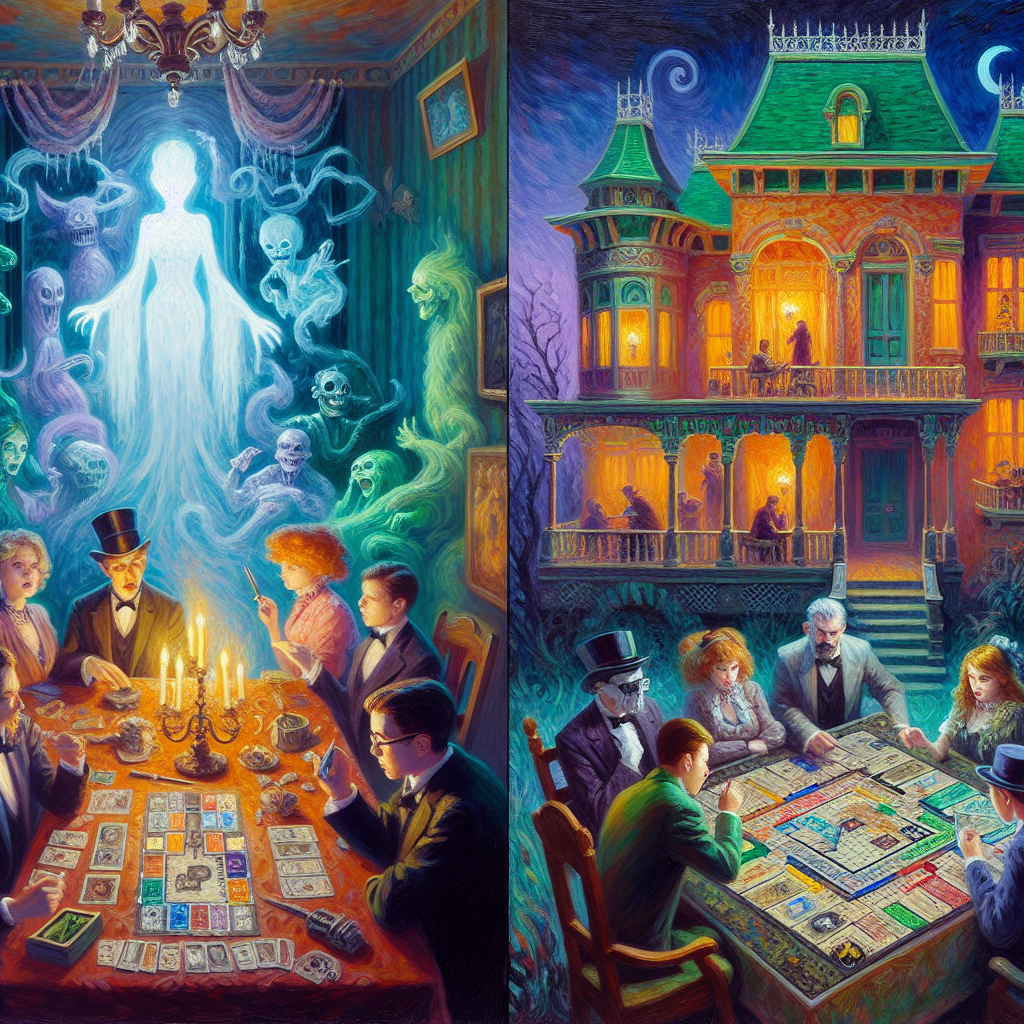
What Are Some Examples Of Fantasy Board Games?
Table Of Contents
- What Are Some Examples Of Fantasy Board Games?
- What Defines A Fantasy Board Game?
- What Are Popular Fantasy Board Games?
- How Do Fantasy Board Games Differ From Other Genres?
- What Mechanics Are Common In Fantasy Board Games?
- How Do Themes Enhance Fantasy Board Games?
- What Age Groups Enjoy Fantasy Board Games?
- Are There Cooperative Fantasy Board Games?
- How Do Expansions Affect Fantasy Board Games?
- What Are Some Solo-Play Fantasy Board Games?
- What Role Do Miniatures Play In Fantasy Board Games?
- How Can I Choose The Right Fantasy Board Game For Me?
- What Are The Benefits Of Playing Fantasy Board Games?
- How Do Fantasy Board Games Promote Creativity?
- Are There Fantasy Board Games For New Players?
- What Makes A Fantasy Board Game A Classic?
- Conclusion
- Other Resources
- Glossary Of Terms
- Other Questions
- Haiku
- Poem
- Checklist
What Defines A Fantasy Board Game?
In the bustling world of board games, fantasy serves as a shimmering gateway to realms unknown. But what exactly defines a fantasy board game? It’s a bit like asking what defines a good story; it’s a blend of elements that, when sewn together, create a tapestry of adventure and imagination.
First and foremost, we have *the setting*. Fantasy board games are teeming with lush landscapes, mysterious creatures, and epic quests. Think enchanted forests, sprawling kingdoms, and dark dungeons filled with treasure, waiting to be plundered by daring heroes. The environment sweeps players into a world where the impossible becomes possible, where magic and might reign supreme.
Next, we dive into *characters*—the heart and soul of any great fantasy tale. Unlike your average board game where you might be moving a monotone pawn across a dull track, in fantasy games, you’ll find vibrant heroes, cunning rogues, and wise mages. Each character often comes with unique abilities and backstories that not only enrich the gameplay but allow players to connect on a personal level with the struggles and triumphs of their avatars. It’s not just about rolling dice; it’s about stepping into the boots of a figure that represents your desires for heroism and adventure.
Then there’s the pivotal role of *narrative*. A fantastic fantasy board game weaves an intricate storyline that guides the players through their journey. Some games come with pre-set narratives, like epic sagas waiting to be unraveled, while others provide frameworks that encourage players to craft their own tales. In this respect, the experience transcends the mere act of playing; it becomes a collaborative storytelling event, where each player contributes to the unfolding drama.
And, of course, we can’t forget *the magic*. In fantasy board games, spells and enchanted artifacts often govern the flow of battle and strategy. Players face mystical forces that can turn the tide of a game in an instant—nothing like the thrill of casting a last-minute spell to claim victory! It introduces an entirely new layer of strategy, where every decision could lead to triumph or disaster, keeping players on their toes.
At its core, a fantasy board game is a celebration of imagination, community, and adventure. It invites players to leave behind the shadows of the mundane world and embraces them in a vibrant tapestry of lore, legends, and laughter. So, gather your friends, and embark on a quest; the world of fantasy awaits!
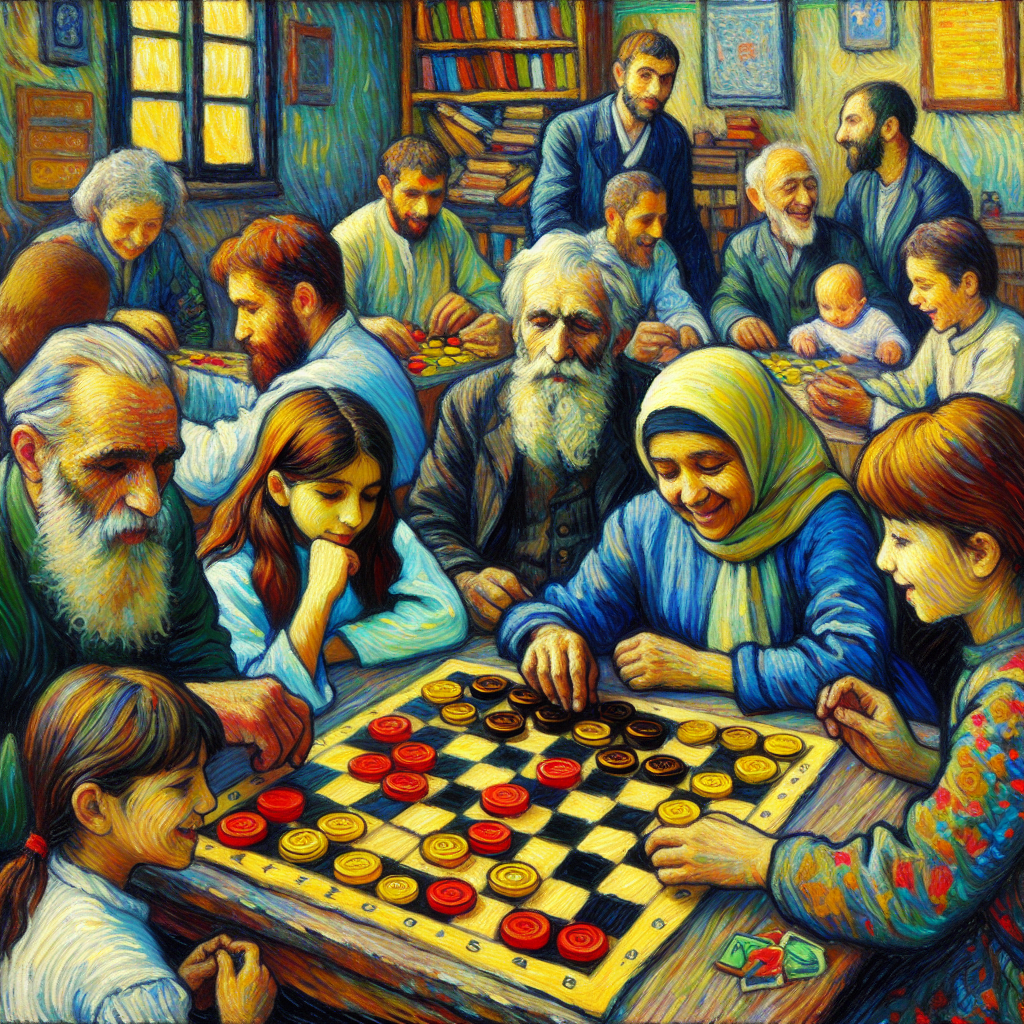
What Defines A Fantasy Board Game?
What Defines A Fantasy Board Game?
- Definition: Fantasy board games blend elements to create a tapestry of adventure and imagination.
- The Setting: Rich environments like enchanted forests and dark dungeons serve as captivating backdrops.
- Characters: Players assume vibrant roles such as heroes and mages, each with unique abilities and backstories.
- Narrative: Engaging storylines guide gameplay, enabling collaborative storytelling among players.
- The Magic: Spells and enchanted artifacts introduce strategic depth, influencing game outcomes.
- Core Experience: Celebrates imagination, community, and adventure beyond everyday mundanity.
- Call to Action: Encourages gathering friends to embark on adventures in the world of fantasy.
What Defines A Fantasy Board Game?
What Are Popular Fantasy Board Games?
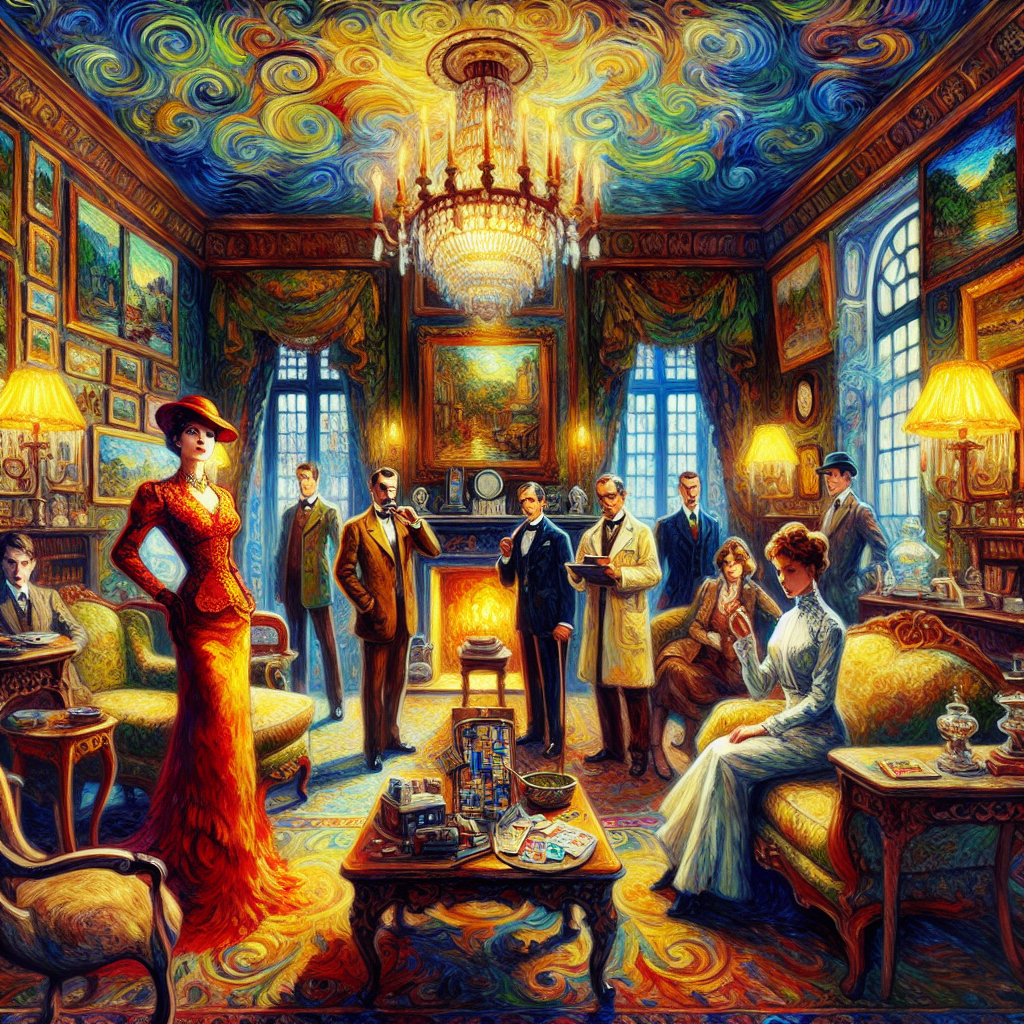
When it comes to fantasy board games, we’re diving headfirst into a world where imagination reigns supreme, and the only limit is how far your mind can wander. You might be sitting around the dining room table with your friends or gathered in a cozy nook with family, but once those game pieces hit the board, you’re no longer in Kansas anymore. Instead, you’re slashing your way through dark dungeons, negotiating with sly elves, or unearthing ancient artifacts from long-forgotten realms.
One of the heavyweights in this genre is *Dungeons & Dragons*. Now, I can hear some of you rolling your eyes and saying, “Isn’t that a tabletop RPG?” Sure, it might be played with dice and character sheets, but it’s a gateway drug to the board game universe. It’s all about story, collaboration, and a hefty dose of imagination. With a Dungeon Master leading the charge, players create heroes, villains, and epic narratives that can spin out for weeks, if not years. Just one session can lead to uncontrollable laughter, nail-biting suspense, and a deeper bond among friends.
Then there’s the vibrant world of *Gloomhaven*, a game that blends tactical combat with a rich, evolving storyline. Here, players act as mercenaries, choosing different classes and paths as they navigate dungeon after dark dungeon. The beauty of *Gloomhaven* lies in its layer of strategy. Not only are you working against the game itself, but you’re also strategizing alongside your fellow adventurers. And believe me, nothing brings people together quite like facing inevitable doom and trying to escape it, one turn at a time.
If you’re looking to balance strategy with a bit of whimsy, *Ticket to Ride: Europe* offers a uniquely magical voyage through fantasy-infused landscapes—think trains and picturesque views. Not quite deep-rooted fantasy, but high on charm and accessibility, it serves as a great entry point for newbies and seasoned players alike.
Lastly, you might stumble upon *Scythe*, set in an alternate history of the 1920s. It’s a game of resource management, area control, and tactical warfare, all wrapped in an aesthetically pleasing package. Players aren’t merely trying to crush their opponents; they elevate their own factions and build an empire, all while surrounded by stunning artwork.
Popular fantasy board games are more than just entertainment; they’re a bridge to another world. Whether you’re coordinating an assault in *Gloomhaven* or negotiating peace in *Scythe*, these games tap into the most human part of us—the thirst for adventure, camaraderie, and a good story. So gather your dice, grab your friends, and unleash your imagination!
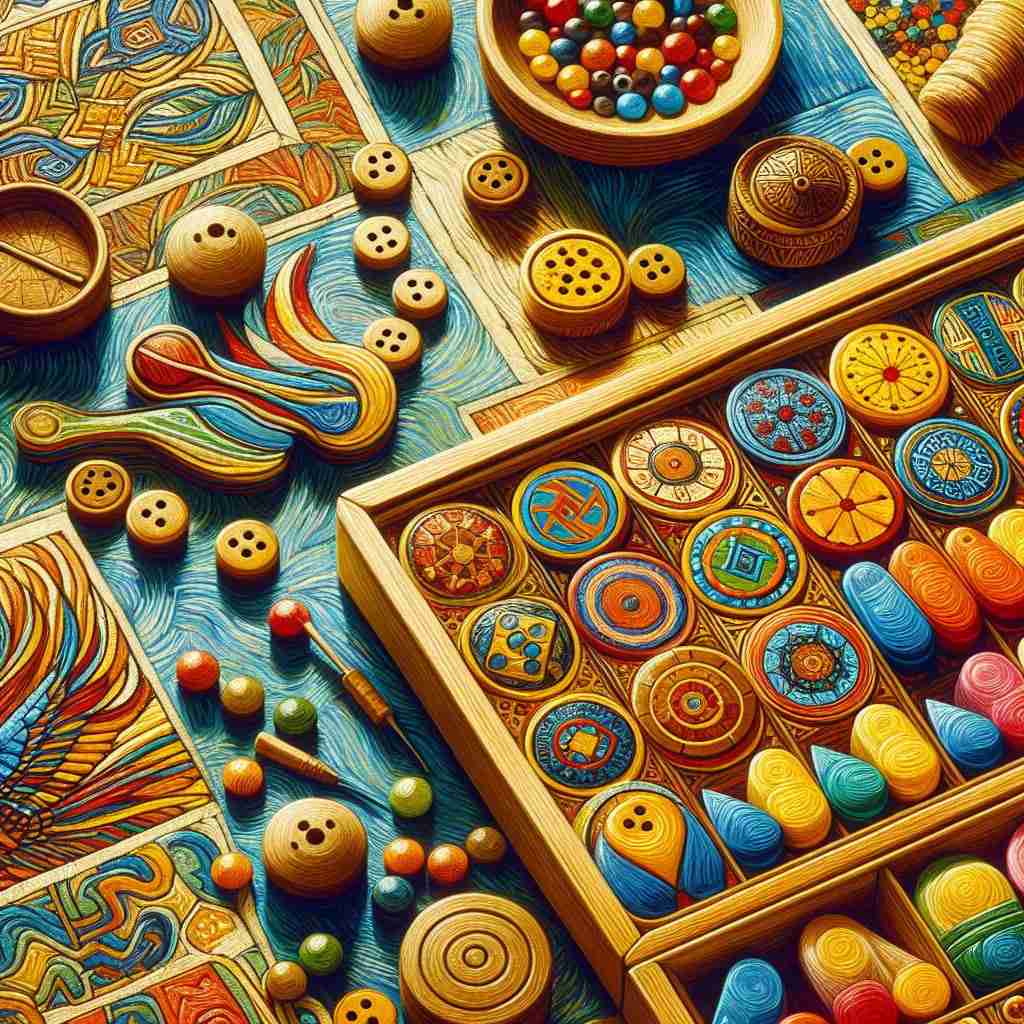
What Are Popular Fantasy Board Games?
What Are Popular Fantasy Board Games?
- Fantasy board games transport players into worlds where imagination reigns supreme.
- *Dungeons & Dragons* serves as a gateway to the board game universe, emphasizing story, collaboration, and creativity.
- In *Dungeons & Dragons*, players create narratives and characters under the guidance of a Dungeon Master.
- *Gloomhaven* combines tactical combat with an evolving storyline, requiring teamwork and strategic thinking.
- *Ticket to Ride: Europe* provides a whimsical journey through fantasy landscapes, appealing to both new and experienced players.
- *Scythe* features resource management and area control in an alternate 1920s history, emphasizing empire building.
- Popular fantasy board games foster adventure, camaraderie, and storytelling among players.
What Are Popular Fantasy Board Games?
How Do Fantasy Board Games Differ From Other Genres?
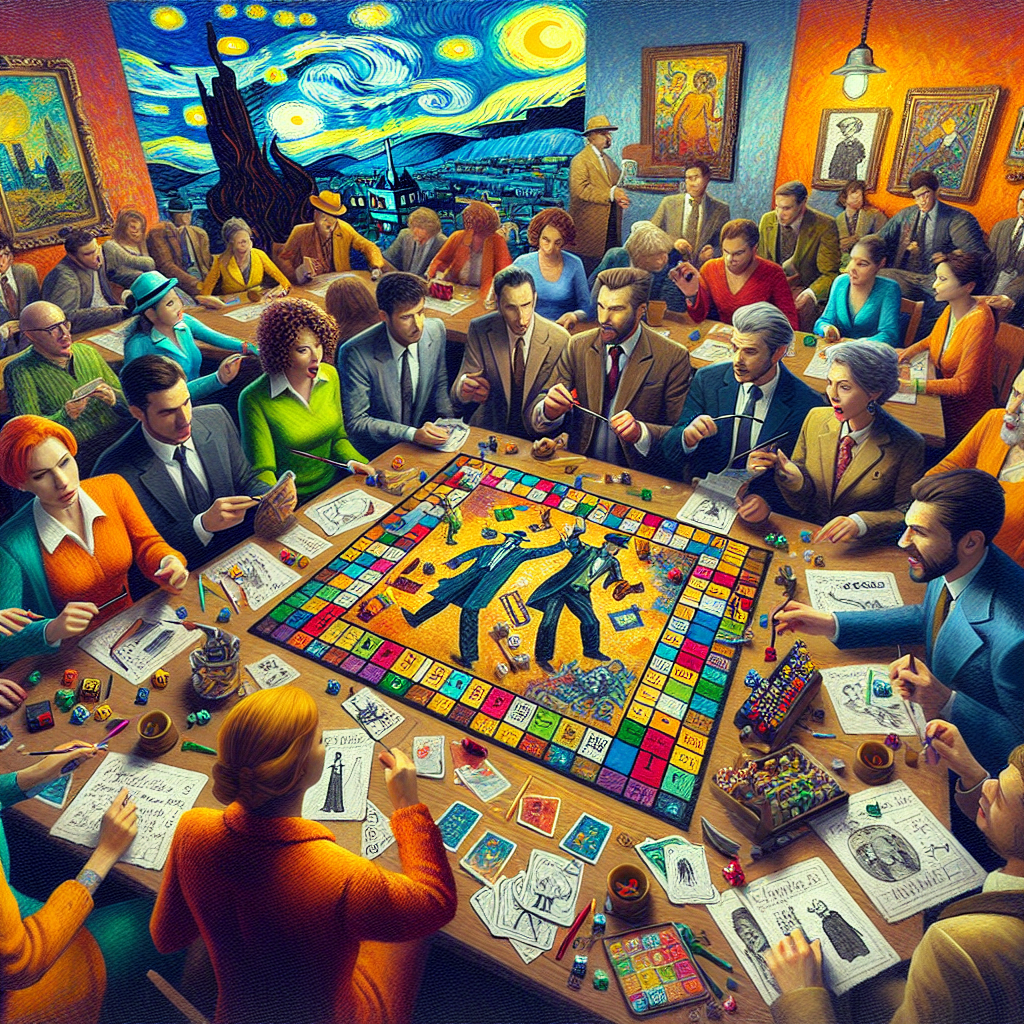
When you step into the world of fantasy board games, you’re not just flipping a few tokens or rolling some dice; you’re embarking on an escapade that challenges the very notion of reality. Unlike other board game genres, fantasy games draw you into a rich tapestry woven from spells, mythical creatures, and epic quests—a realm where imagination reigns supreme. Here’s how they diverge from the mundane and the mechanical found in other gaming types.
First, there’s the theme. In strategy games, you may be managing resources or building empires. In trivia games, knowledge is king. But in fantasy board games, the focus is on storytelling and world-building. Every game feels like a chapter in an unfolding saga, from navigating enchanted forests to wooing dragon-slaying heroes into your party. Characters are not mere statistics; they embody traits, backstories, and motivations, making each player’s choices more meaningful. The emphasis on narrative allows players to escape their realities and delve into a universe where they can be whoever or whatever they choose.
Next, let’s talk complexity. Sure, other genres can have layers, but in fantasy games, complexity often intertwines with creativity. Games like Dungeons & Dragons offer players an almost infinite playground filled with possibilities, where rules can bend—much like the laws of physics seem to bend in your living room. Players are often required to conjure their own rules or modify existing ones to fit their imaginative whims. This fluidity can be liberating, encouraging customization, and giving everyone at the table a stake in the narrative.
Interaction is another differentiator worth noting. While many board games foster competition, fantasy games thrive on cooperation and collaboration—I mean, it’s hard to slay a dragon solo. Parties work together to overcome obstacles, reflecting a shared journey rather than a mere points race. Every decision carries weight, leading to alliances, betrayals, and everything in between. Each roll of the dice can change the course of the adventure, leading to results that are often far more dramatic (and entertaining) than any ordinary game.
Lastly, much of the joy in fantasy board games comes from their ability to adapt. Many of these games evolve over time with expansions, allowing players to continuously explore new narratives, characters, and challenges. This perpetual growth is the lifeblood of the genre, keeping each experience fresh and exciting, unlike many static games where what you see is what you get.
Fantasy board games envelop you in a universe of imagination that defies the boundaries of traditional gaming. They celebrate creativity, collaboration, and story, inviting players to step beyond the table and into a realm of endless possibilities.
How Do Fantasy Board Games Differ From Other Genres?
How Do Fantasy Board Games Differ From Other Genres?
- Fantasy board games offer an immersive escapade that challenges reality through spells, mythical creatures, and epic quests.
- The focus is on storytelling and world-building, creating a narrative experience that feels like a chapter in an unfolding saga.
- Characters possess traits, backstories, and motivations, enhancing the significance of players’ choices.
- Complexity in fantasy games often combines with creativity, allowing for customized rules and imaginative gameplay.
- Fantasy games emphasize cooperation and collaboration, as players often work together to overcome challenges.
- Each decision and dice roll can dramatically alter the course of the adventure, creating dynamic and entertaining outcomes.
- These games evolve with expansions, providing continuous exploration of new narratives, characters, and challenges.
How Do Fantasy Board Games Differ From Other Genres?
What Mechanics Are Common In Fantasy Board Games?
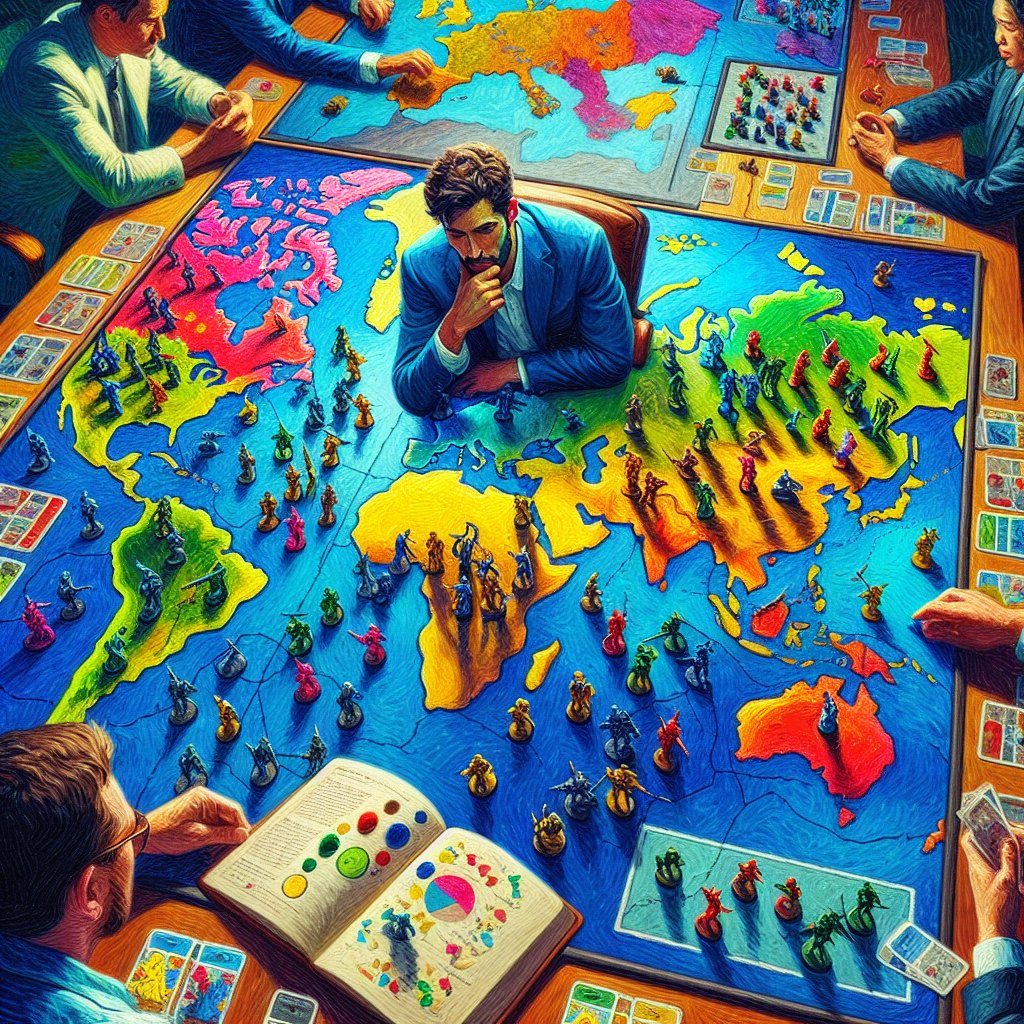
When diving into the colorful world of fantasy board games, one quickly discovers an array of mechanics that elevate these games from mere pastime to epic adventures. Like a skilled craftsman blending the finest materials into a masterpiece, designers incorporate various elements that engage players and immerse them in elaborate narratives.
One prevalent mechanic is resource management. Players are often tasked with gathering and allocating resources wisely, whether it’s gold coins, magical gems, or enchanted herbs. This mechanic not only adds an element of strategy but also creates a sense of urgency—after all, hoarding resources won’t get you very far in slaying dragons or building empires. Balancing needs with ambition keeps players on their toes, often leading to fierce competition over limited supplies.
Character progression is another hallmark of fantasy board games. Just like a hero in a good story, players often start off as mere novices—but through gameplay, they can unlock abilities, enhance skills, and become legendary warriors or cunning sorcerers. This journey of growth instills a sense of achievement, as players invest in their characters and take pride in personal development.
Combat mechanics are front and center in many of these games. Dice rolls, card draws, and tactical positioning can dictate the fate of fierce battles between heroes and monsters. Whether through epic die rolls that determine hits and misses or strategic card play that unleashes devastating attacks, the thrill of combat creates an adrenaline-pumping experience. Players find themselves teetering on the edge of victory or defeat, and the stakes have never been higher.
Exploration also plays a fundamental role in shaping the gameplay experience. Maps filled with secrets, hidden treasures, and lurking foes beckon players to explore deeper, much like a treasure hunter in an uncharted jungle. Encountering random events or discovering legendary artifacts not only enhances storytelling but also adds layers of unpredictability, keeping players engaged and guessing what lies around the corner.
Lastly, cooperative gameplay is becoming increasingly popular in fantasy board games. Players band together against a common enemy, pooling resources, skills, and strategies to overcome challenges. This camaraderie fosters teamwork and builds bonds—after all, there’s nothing like triumphing over insurmountable odds with friends by your side.
As you plunge into the rich realm of fantasy board games, these mechanics serve as the backbone of what makes these games not only engaging but endlessly replayable. They create intricate tapestries of strategy, adventure, and collaboration that draw players back time and time again.
What Mechanics Are Common In Fantasy Board Games?
What Mechanics Are Common In Fantasy Board Games?
- Fantasy board games feature diverse mechanics that enhance the gameplay experience.
- Resource management, involving gathering and wisely allocating resources, adds strategy and urgency.
- Character progression allows players to evolve from novices to legendary heroes, providing a sense of achievement.
- Combat mechanics include dice rolls, card draws, and tactical positioning to determine battle outcomes.
- Exploration invites players to discover secrets, treasures, and random events, enhancing storytelling and unpredictability.
- Cooperative gameplay encourages teamwork as players unite against common foes, strengthening bonds.
- These mechanics create engaging, replayable experiences filled with strategy, adventure, and collaboration.
What Mechanics Are Common In Fantasy Board Games?
How Do Themes Enhance Fantasy Board Games?
When you sit down for a game night, the air is thick with anticipation. The table is strewn with colorful components, maps, and intricate cards. But what truly elevates the experience beyond mere mechanics? It’s the rich, immersive themes weaving their magic into every roll of the dice and every drawn card.
Imagine, for a moment, escaping to a realm where dragons soar high above enchanted forests, and noble knights clash in epic battles for glory or redemption. That’s the power of a well-crafted theme. It’s not just window dressing; it’s the lifeblood of the tabletop experience. A strong theme fills your senses, drawing you into a world where the mundane falls away, replaced by adventure, intrigue, and a sprinkle of danger.
Themes create narratives that hook players from the get-go. Consider games like “Gloomhaven” or “Dungeons & Dragons.” These are not merely games; they are sagas. Each session presents a new chapter filled with choices that affect the story’s outcome. You’re not just moving pieces around the board; you’re engaging in a heroic journey where character development and choices resonate far beyond the table. This narrative depth encourages investment and emotional engagement, getting you hooked not just on winning, but on the journey itself.
Furthermore, themes often dictate the game mechanics, creating a seamless integration that enhances gameplay. In a sci-fi setting, for instance, resource management may reflect the struggle for survival in a post-apocalyptic world. Conversely, a fantasy game might employ magic systems that adhere closely to lore, making every spell cast feel meaningful and impactful. This alignment between theme and mechanics ensures that every action feels grounded, reminding players that each move is part of a larger story.
In addition to fostering engagement and coherence, themes also nurture camaraderie among players. When you’re huddled together, plotting strategies or sharing laughs as your team battles a ferocious monster, those shared experiences solidify bonds that go beyond the game. The laughter, the banter, and even the occasional groaning over a poor dice roll—all these moments are heightened by the theme, creating lasting memories.
So, the next time you gather around a board with friends, take a moment to appreciate the themes at play. They do more than enhance gameplay; they build worlds, foster relationships, and kick-start imaginations. In the realm of fantasy board games, a strong theme is what transforms a simple pastime into an unforgettable adventure.
How Do Themes Enhance Fantasy Board Games?
How Do Themes Enhance Fantasy Board Games?
- Game nights are filled with anticipation, featuring colorful components and intricate cards.
- Rich, immersive themes elevate gameplay beyond mechanics, providing a sense of adventure and intrigue.
- Strong themes create engaging narratives, as seen in games like “Gloomhaven” and “Dungeons & Dragons.”.
- Themes dictate game mechanics, enhancing gameplay through seamless integration and meaningful actions.
- Shared experiences foster camaraderie among players, solidifying bonds through laughter and strategic planning.
- Themes not only enhance gameplay but also build worlds and inspire imagination.
- A strong theme transforms tabletop gaming from a pastime into an unforgettable adventure.
How Do Themes Enhance Fantasy Board Games?
What Age Groups Enjoy Fantasy Board Games?
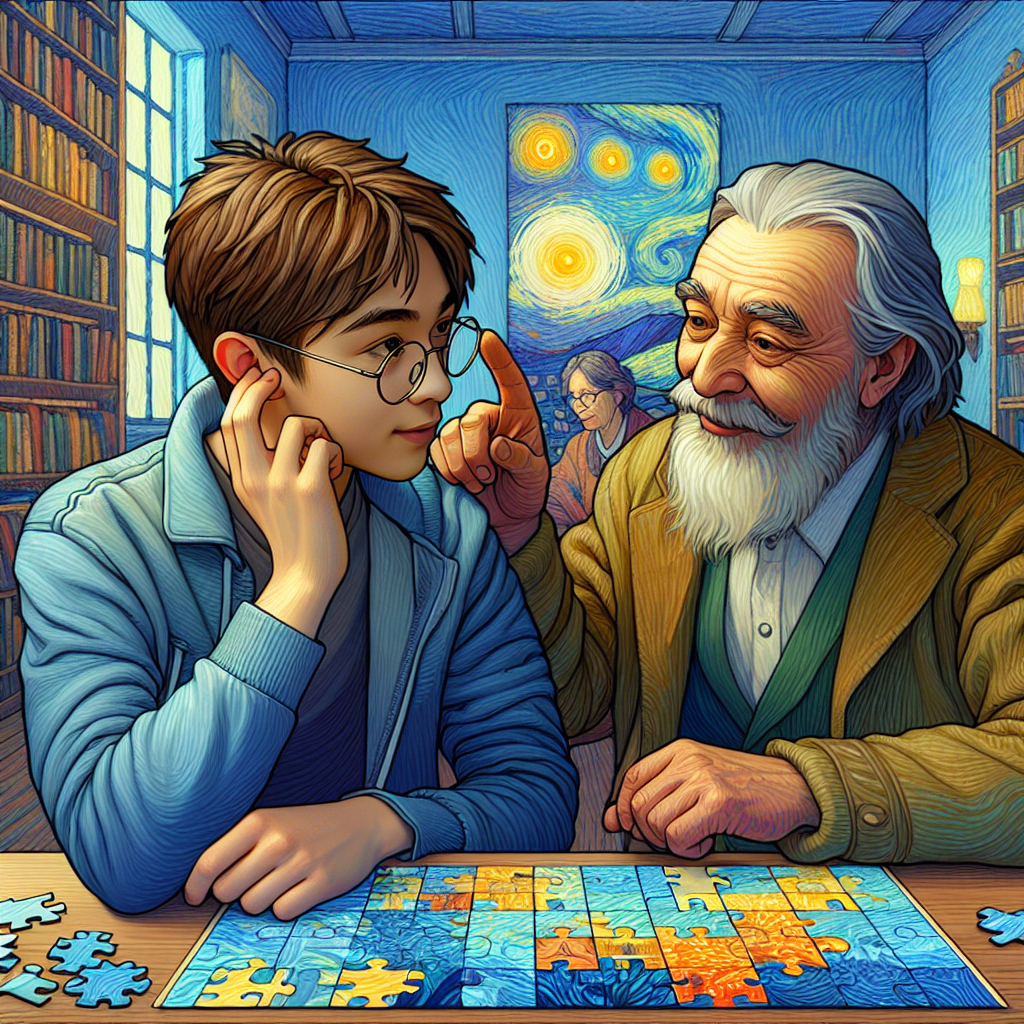
When it comes to fantasy board games, the allure of epic quests, mystical realms, and legendary creatures casts a spell that’s hard to resist—regardless of the decade you’ve been schooled in. Now, you might think that these enchanting adventures are solely for the giddy heart of youth, but the truth is more complicated, like a well-structured campaign filled with twists and turns that rival any fantasy tale.
First, let’s talk about the younger generation. Kids as young as eight can dive headfirst into simplified versions of fantasy board games. Titles like *Dungeons & Dragons: Junior Edition* or even *Ticket to Ride* with its colorful trains transport youngsters into worlds of imagination. They’re not just rolling dice; they’re honing critical thinking, problem-solving skills, and social dynamics. The adventure ignites their creative spark, allowing them to narrate their actions and develop characters who become digital friends. This age group thrives on the thrill of storytelling and the camaraderie that comes from cooperative gameplay.
As adolescence strikes and those kids morph into teens, the complexity of their board game preferences shifts. Enter the world of strategy-laden blockbusters like *Gloomhaven* or *Descent*. These teenagers are ready to tackle intricate rule sets and long, meticulous campaigns that challenge their tactical thinking and patience. They bond over late-night sessions filled with pizza, laughter, and a healthy dose of competitive spirit. Fantasy board games become the backdrop for building friendships and creating unforgettable memories, fostering a sense of belonging among a diverse group.
But let’s not forget the adults, who often play a pivotal role in this meal of fantasy feasting. Middle-aged folks, many craving a departure from the daily grind, are now taking to the woods of board gaming with furious enthusiasm. With games like *Terraforming Mars* or *Wingspan*, they thrive on rich narratives and complex themes. For these seasoned players, it’s not just entertainment; it’s an escape, a way to reconnect with their inner child or challenge themselves in ways life hasn’t allowed. It’s the camaraderie and shared experiences that fuel the fire.
Moreover, many retirees find joy in the relaxed pace of fantasy board games. The delightful blend of strategy and storytelling fosters social interaction and keeps cognitive skills sharp. They revel in the joy of passing down stories—stories that begin at the board and unfold in the hearts of multiple generations.
In this magical universe, fantasy board games span ages like an endless tale, proving that the love for adventure knows no bounds, unlocking the potential for bonding and creativity across every stage of life. So whether you’re wielding a die or simply sharing a laugh, there’s always a place at the table for everyone.
What Age Groups Enjoy Fantasy Board Games?
What Age Groups Enjoy Fantasy Board Games?
- Fantasy board games captivate players of all ages with epic quests and legendary creatures.
- Younger players, starting from age eight, engage in simplified games like *Dungeons & Dragons: Junior Edition* and *Ticket to Ride*, enhancing critical thinking and social skills.
- Teenagers transition to more complex games such as *Gloomhaven* and *Descent*, fostering camaraderie through strategy and competitive play.
- Adults seek escape and nostalgia through rich narratives in games like *Terraforming Mars* and *Wingspan*, using board gaming to reconnect with their inner child.
- Retirees enjoy the social interaction and cognitive benefits of fantasy board games, sharing stories across generations.
- Fantasy board games create connections, proving that the love for adventure transcends age.
- There’s a welcoming space for everyone at the gaming table, regardless of their life stage.
What Age Groups Enjoy Fantasy Board Games?
Are There Cooperative Fantasy Board Games?
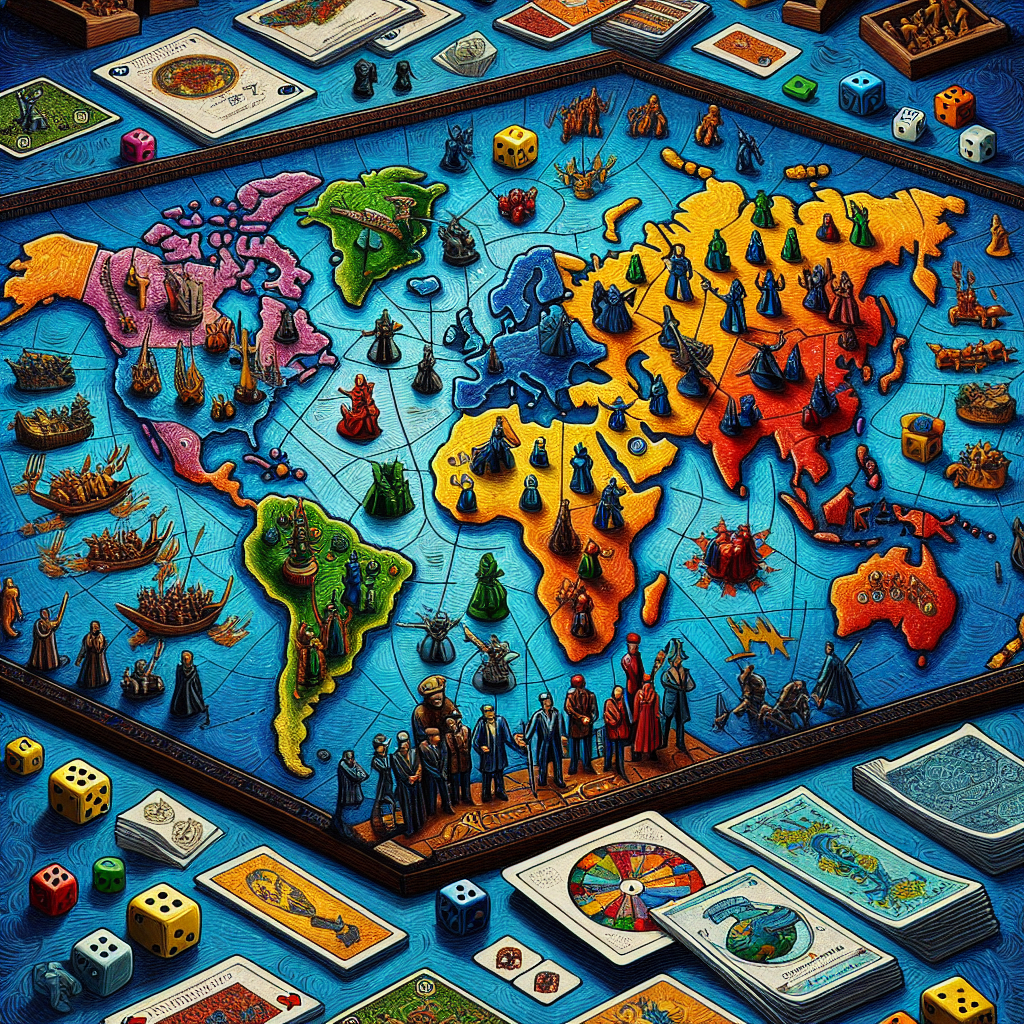
In the ever-expanding realm of tabletop gaming, where dragons soar and wizards weave their spells, the cooperative fantasy board game shines like a beacon for players looking to join forces instead of facing off against one another. Picture this: a group of friends huddled around a table, armed not with swords or spells but with strategy, communication, and a shared goal. They’re fighting the good fight together, united against a common foe, rather than squabbling over treasure and territory. Now, that’s a beautiful sight.
Cooperative fantasy board games bring the thrills of adventure and lore right into your living room. Take “Gloomhaven,” for instance. With its epic clashes and tactical maneuvering, players work collaboratively to explore a richly woven world filled with quests and branching narratives. You and your pals aren’t just vying for victory; you’re teaming up to navigate an unfolding story that feels like a blend of fantasy epic and strategic puzzle. Every decision matters, and the excitement builds as you find yourself caught up in a narrative that’s constantly evolving based on your choices.
But it doesn’t end there. “Pandemic: Fall of Rome” offers a fantastic twist on the cooperative format by interwoven health and historical themes. Set in ancient times, you and your companions must safeguard your civilization against invading forces and disease outbreaks. You’re not just saving your skin; you’re preserving a legacy. It’s captivating to think about how your decisions echo through time, with each turn impacting the fate of an entire empire.
Then there’s “Descent: Legends of the Dark,” where teamwork is paramount. With richly detailed figures and immersive storytelling, players band together to face dungeons loaded with monsters, traps, and loot. It marries adventure with tactics and gives every team member a chance to shine. You might lead the charge with a stout hero, while another player might stealthily flank the enemy. The synergy of your group becomes a vital force, and overcoming challenges together is nothing short of rewarding.
These games are not just about winning; they cultivate camaraderie, encourage collaboration, and evoke laughs over near catastrophes. With cooperative fantasy board games, you and your friends can dive into a world of imagination and adventure, proving that when it comes to gaming, sometimes it’s better to fight side by side than to battle alone. Embrace the magic, roll the dice, and let the adventure begin — together.

Are There Cooperative Fantasy Board Games?
Are There Cooperative Fantasy Board Games?
- Cooperative fantasy board games encourage teamwork and collaboration instead of competition.
- Players engage in shared goals, united against common foes, creating a positive gaming atmosphere.
- “Gloomhaven” exemplifies this genre with its tactical gameplay and evolving storylines.
- “Pandemic: Fall of Rome” combines historical themes with cooperative challenges to save civilization.
- “Descent: Legends of the Dark” emphasizes teamwork and individual roles in an immersive gaming experience.
- These games foster camaraderie and communication among players while navigating adventures together.
- Cooperative gaming proves that collaboration can lead to more fulfilling and enjoyable experiences.
Are There Cooperative Fantasy Board Games?
How Do Expansions Affect Fantasy Board Games?
When you dive into the world of fantasy board games, it’s like stepping into a living, breathing realm of adventure, strategy, and epic storytelling. But just when you think you’ve seen it all, along comes an expansion pack, shaking things up like a wizard casting a wild spell. So, how exactly do these expansions affect the games we love? Let’s break it down.
First off, expansions can introduce new mechanics that enrich the gameplay. Imagine a classic setting where you’re just trying to survive or defeat a dragon. Now picture a new expansion that brings in magical items or unique character abilities. Suddenly, the game opens up like a treasure chest, filled with possibilities. Players are no longer just fighting enemies; they’re strategizing, negotiating, and working around novel gameplay elements that alter the very fabric of their gaming experience.
Then there’s the story aspect. Many fantasy board games are not just about the mechanics; they thrive on narratives that draw players in. An expansion often weaves new tales, adding depth to existing lore or introducing entirely new story arcs. This could mean new quests to embark on or mysteries to unravel. Players find themselves not only engaged in gameplay but also enmeshed in a richer, more textured storyline, turning each game night into a saga worth recounting.
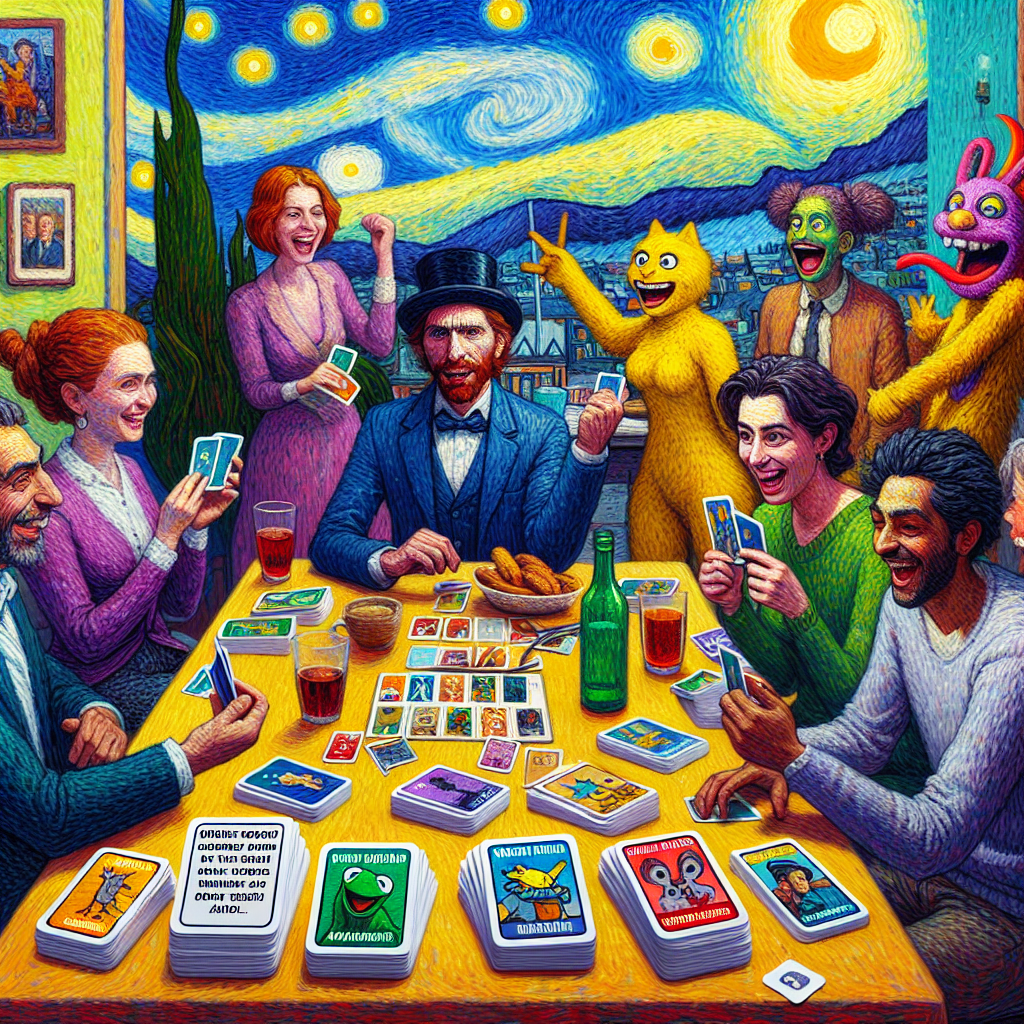
But let’s not overlook the social dynamics at play. Expansions not only enhance the game; they also alter the player interactions. Adding new characters or factions creates new alliances and rivalries, making each game unpredictable. Players have to adapt to not just new rules, but to new relationships and strategies, whether they like it or not. This means that the table talk, the laughter, and even the healthy banter take on new flavors as players navigate these fresh waters.
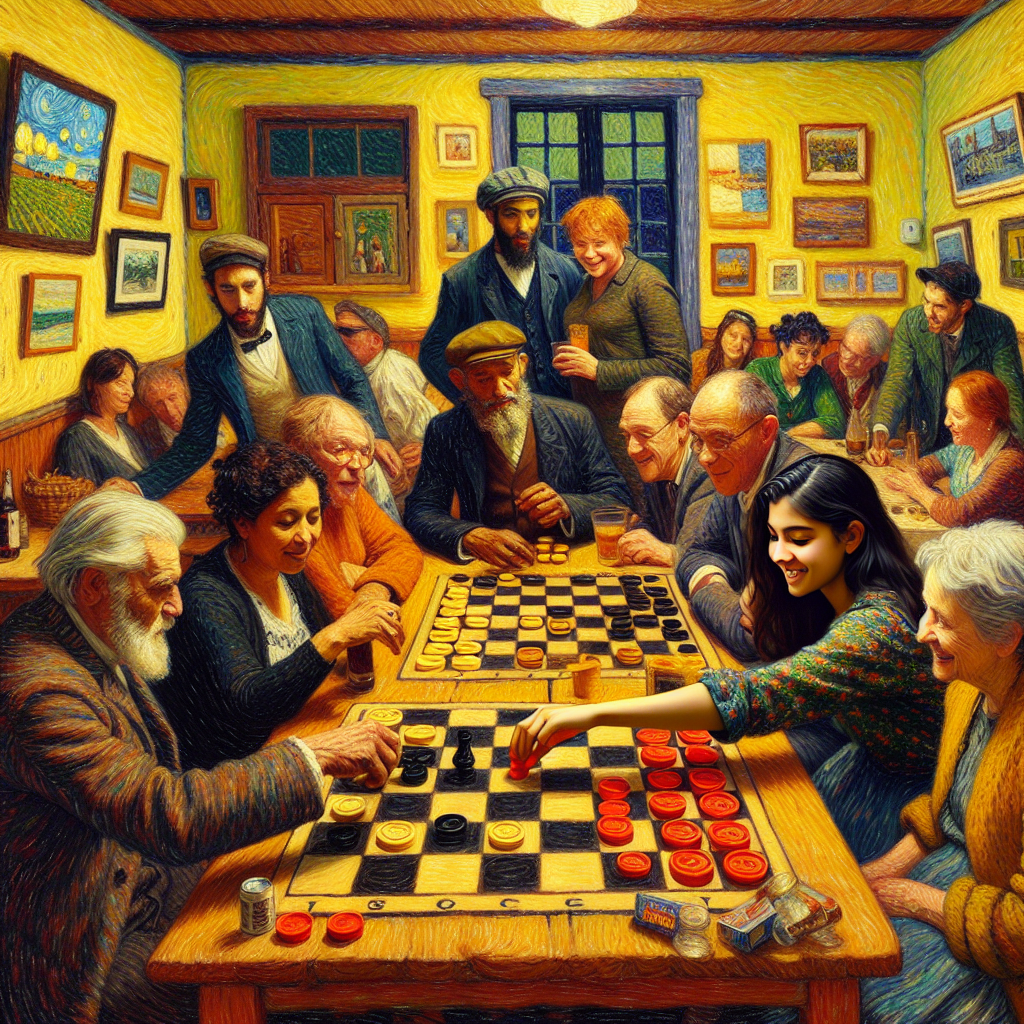
Lastly, expansions often breathe new life into games that might otherwise be collecting dust. They act like a revitalizing potion, sparking interest even in veterans who have played most of the base game to its limits. The allure of new content can pull players back in, making old games feel brand new again, which is no small feat in a world of endless gaming options.
In essence, expansions serve as a vital ingredient in the fantasy board game recipe. They enhance complexity, deepen stories, transform player dynamics, and re-invigorate old favorites, ensuring that every journey into these fantastical worlds remains as exhilarating as the first. So, when you come across an expansion, remember: it’s not just an addition; it’s an invitation to adventure anew.
How Do Expansions Affect Fantasy Board Games?
How Do Expansions Affect Fantasy Board Games?
- Expansions introduce new mechanics that enrich gameplay, offering players new strategies and options.
- They enhance the storytelling aspect by adding depth, new quests, and mysteries, transforming gameplay into a rich narrative experience.
- Expansions change social dynamics by introducing new characters or factions, creating fresh alliances and rivalries among players.
- They encourage adaptability as players must navigate new rules and relationships, affecting table interactions.
- Expansions revive interest in games that may have become stale, appealing even to veteran players with fresh content.
- They serve as a critical element in fantasy board games, enhancing complexity, deepening stories, and rejuvenating old favorites.
- In essence, expansions are invitations to new adventures, ensuring that every gaming session remains exciting and unpredictable.
How Do Expansions Affect Fantasy Board Games?
What Are Some Solo-Play Fantasy Board Games?
When it comes to solo-play fantasy board games, it’s time to toss aside the notion that tabletop gaming always needs a crowd. There’s a unique charm in going it alone, diving deep into a world crafted of imagination and strategy, where every decision is yours to make. So, grab your dice, clear some space on the table, and let’s explore a few notable contenders that promise an adventure without needing a whole party.
First up is Gloomhaven, a titan in the world of cooperative and solo gameplay. It’s a sprawling, immersive experience that combines tactical combat with a rich story, all set in a dark fantasy universe. As you navigate through its many scenarios, you’ll find yourself controlling a band of mercenaries—each with their unique abilities—going on quests, battling foes, and making choices that shape the narrative. And while it’s great with friends, Gloomhaven’s robust solo mode allows you to experience the unfolding saga at your own pace, tailoring the challenge to fit your skill level.
Next on our list is Mage Knight, a game that elevates the concept of solo board gaming to a whole new level. It’s like being the hero in your own epic fantasy novel—exploring a vast land filled with monsters, cities, and glorious treasures, all while managing your resources and battling foes. The beauty of Mage Knight lies in its complexity and the range of paths you can take. Each game unfolds differently, providing endless opportunities for strategic planning and tactical execution—all while you get to play the lone hero.
Now, if you’re in the market for a storytelling experience, look no further than Sleeping Gods. Set in an imaginative world filled with rich lore and captivating characters, this game allows you to take on the role of Captain Sofi Odessa, embarking on a journey to find your way home with your crew. The narrative-driven gameplay is wonderfully immersive, filled with choices that lead to different outcomes. With no set time limit and an expansive world to explore, it’s the perfect game to get lost in for hours, either solo or with friends.
Let’s not overlook The Lord of the Rings: Journeys in Middle-earth—a cooperative campaign game that offers a thrilling solo experience. Set in the beloved Middle-earth, players take on the roles of iconic characters while navigating through a series of quests rich with lore and adventure. The combination of strategy, exploration, and teamwork—albeit just with yourself—makes it a standout choice for fans of Tolkien’s world.
So, whether you’re playing as a mercenary in Gloomhaven, a mighty mage in Mage Knight, a captain in Sleeping Gods, or a hero in Middle-earth, these solo-play fantasy board games open up a world of adventure at your fingertips. It’s all about the journey—one that you can embark on any time you wish, and that’s a beautiful thing.
What Are Some Solo-Play Fantasy Board Games?
What Are Some Solo-Play Fantasy Board Games?
- Solo-play fantasy board games provide a unique charm, allowing players to dive deep into imaginative worlds without needing a crowd.
- Gloomhaven: An immersive game featuring tactical combat and a rich story, where players control mercenaries on quests with a robust solo mode.
- Mage Knight: Offers a complex solo experience, where players explore a vast land, manage resources, and battle foes, with each game unfolding differently.
- Sleeping Gods: A narrative-driven game where players, as Captain Sofi Odessa, embark on a journey home with choices that impact outcomes in an expansive world.
- The Lord of the Rings: Journeys in Middle-earth: A cooperative campaign game that provides a thrilling solo experience set in Tolkien’s beloved Middle-earth.
- These games allow players to enjoy rich adventures whether alone or with friends, emphasizing the journey over just gameplay.
- Solo-play fantasy board games open up numerous possibilities for exploration and strategy, making them a delightful option for enthusiasts.
What Are Some Solo-Play Fantasy Board Games?
What Role Do Miniatures Play In Fantasy Board Games?
When you crack open a box of a fantasy board game, what’s the first thing that catches your eye? Is it the intricate artwork, the sprawling game board, or perhaps those meticulously crafted miniatures? These little figures, often no bigger than your thumb, serve a purpose far beyond mere decoration. They are the unsung heroes of the tabletop, weaving together the fabric of imagination, strategy, and interaction.
First and foremost, miniatures act as the embodiment of the characters and creatures that populate your fantasy realm. When you pull a finely detailed elf warrior or a towering dragon from the box, you’re not just handling a piece of plastic; you’re grabbing a tangible representation of a story waiting to unfold. These figures provide a visual language that speaks volumes, allowing players to immerse themselves deeper into the narrative simply by the act of placing these miniatures onto the board. Suddenly, you’re not just moving a token; you’re charging into battle as a valiant knight, or sneaking through shadows as a cunning rogue.
But the role of miniatures transcends mere aesthetics. They become the focal point of strategy and tactics within the game. Positioning, movement, and even the potential for conflict are all dictated by the physicality of these figures. Players aren’t just making abstract decisions; they’re moving their army of tiny warriors, calculating risks, and imagining the stakes. The engagement becomes much more visceral when you can see the consequences of your actions play out in real-time.
Moreover, miniatures foster social interaction—the lifeblood of any board game. As friends huddle around the table, they aren’t just rolling dice and discussing stats; they’re sharing laughs, banter, and occasionally some good-natured rivalry as they move their miniature avatars across the battlefield. It’s a communal experience, a chance to bond over shared victories and defeats, all while the miniatures silently take their place in the unfolding drama.
In short, miniatures are more than just props. They are storytellers, strategists, and social connectors, creating a multi-dimensional experience that elevates fantasy board games from mere entertainment to immersive adventures. So whether you’re inching your way toward defeating the evil overlord or forging alliances with fellow players, remember: those tiny figures are key players in a grand narrative that’s waiting to be told.
What Role Do Miniatures Play In Fantasy Board Games?
What Role Do Miniatures Play In Fantasy Board Games?
- Miniatures in fantasy board games are more than decorative items; they enhance gameplay.
- They represent characters and creatures, providing a tangible connection to the game’s narrative.
- Using miniatures allows players to immerse themselves in the story, enhancing the gaming experience.
- They play a crucial role in game strategy, affecting positioning, movement, and conflict.
- Players engage more deeply with the game as they visualize the consequences of their actions.
- Miniatures foster social interaction, enhancing camaraderie and friendly rivalry among players.
- Ultimately, they transform board games into immersive adventures, enriching the storytelling experience.
What Role Do Miniatures Play In Fantasy Board Games?
How Can I Choose The Right Fantasy Board Game For Me?
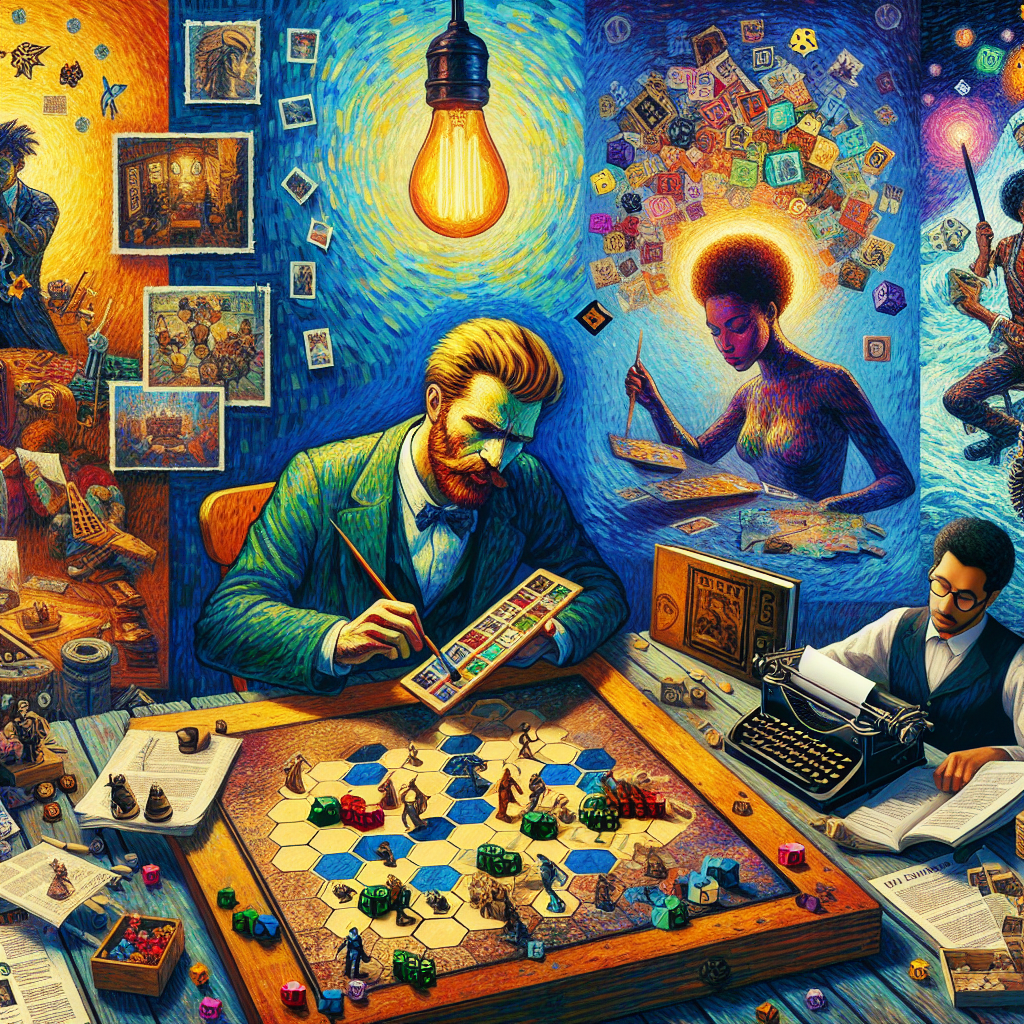
Choosing the right fantasy board game can feel like stepping into a mystical realm fraught with as many choices as there are elves in a Tolkien novel. But fear not, brave gamer! With a little bit of preparation, you can navigate this enchanted landscape and find a game that’s a perfect fit for your style and preferences.
First, consider your gaming experience. Are you a seasoned veteran who’s navigated the treacherous waters of complex gameplay, or are you a newcomer, still learning the ropes? If you’re more of a novice, look for games that are beginner-friendly. Titles with straightforward rules and quick setups can help you ease into the hobby and build your confidence. On the other hand, if your wings are already clipped from experience, embrace the challenge of games with intricate mechanics and strategic depth. You want to feel the thrill of adventure, not the frustration of confusion.
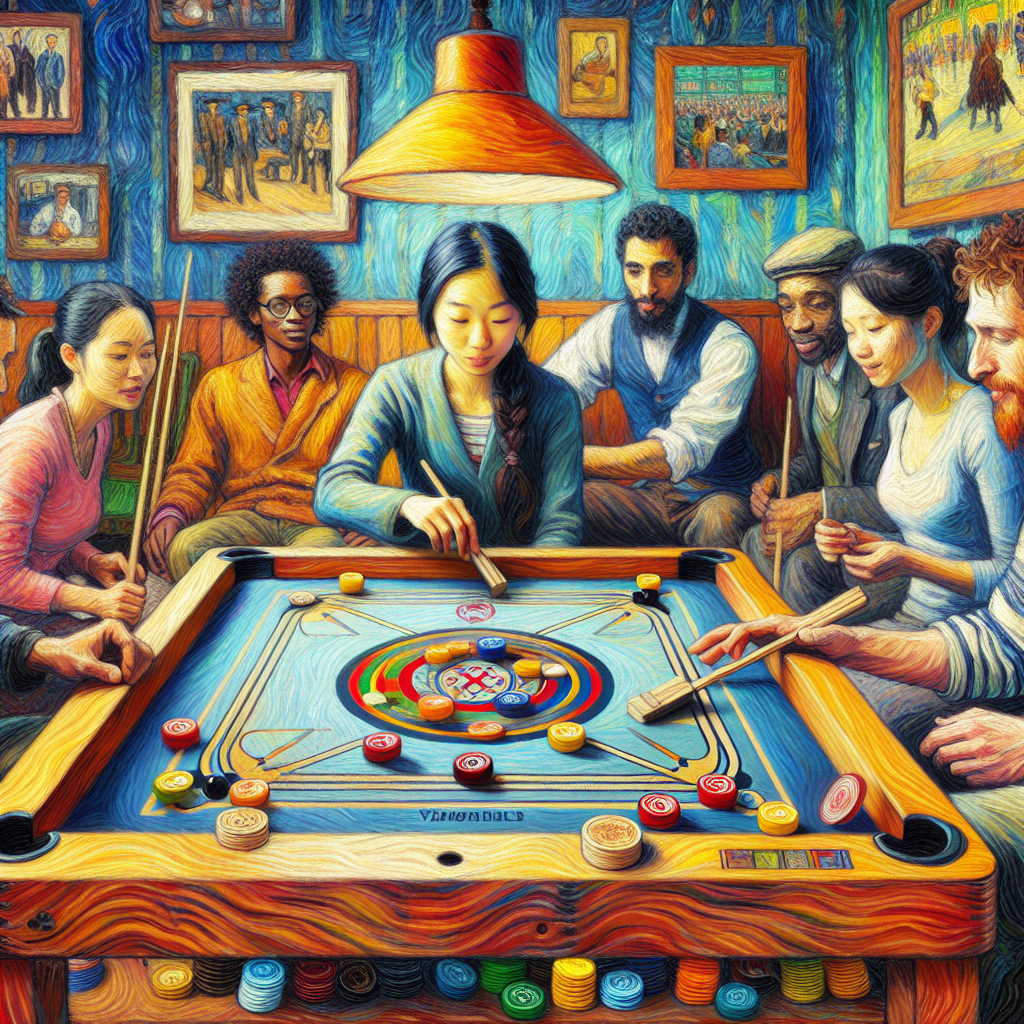
Next, reflect on the kind of gameplay you enjoy most. Do you thrive on collaboration and teamwork, or do you prefer the cutthroat competition of individual victories? Some fantasy board games have cooperative elements, where players join forces to battle evil forces or solve riddles. Others can turn friends into foes as you fight for supremacy in a fantasy realm. Knowing whether you want to band together or battle it out will help you zero in on the right choice.
Also, consider the length of your gaming sessions. Some games require a significant time investment, crossing the threshold into epic quests that can last several hours. If you’ve got the time and the commitment, go for those immersive experiences. But if your gaming evenings often resemble a sprint more than a marathon, look for games that can be wrapped up in 30 minutes to an hour.
Finally, don’t underestimate the power of aesthetics. Fantasy board games can feature breathtaking artwork and immersive themes, which can add to your enjoyment. Browse through reviews and images to see what resonates with you. After all, if you’re going to spend an evening slaying dragons or casting spells, it should be in a world that captivates your imagination.
Choosing the right fantasy board game is like embarking on a quest—it requires thoughtful consideration, an understanding of your fellow adventurers, and a willingness to explore. So gear up, investigate your options, and let the adventure begin!
How Can I Choose The Right Fantasy Board Game For Me?
How Can I Choose The Right Fantasy Board Game For Me?
- Assess your gaming experience: Determine if you’re a beginner or a seasoned player.
- Choose beginner-friendly games if new; opt for complex mechanics if experienced.
- Reflect on your gameplay preference: collaboration vs. competition.
- Cooperative games promote teamwork, while competitive games encourage rivalry.
- Consider the duration of gaming sessions: epic quests vs. shorter games.
- Look for games that fit your time commitment, whether a marathon or a sprint.
- Pay attention to aesthetics: artwork and themes enhance the gaming experience.
How Can I Choose The Right Fantasy Board Game For Me?
What Are The Benefits Of Playing Fantasy Board Games?
What Are The Benefits of Playing Fantasy Board Games?
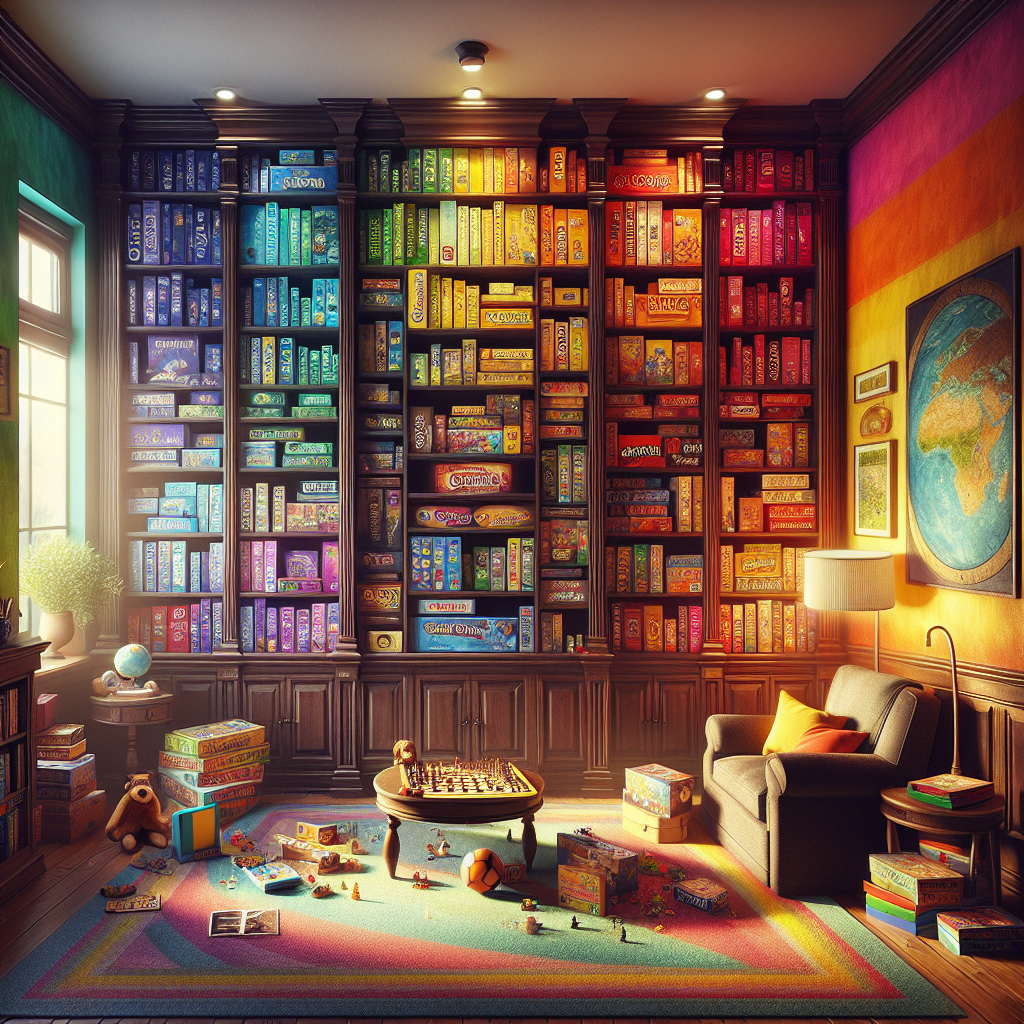
In a world where screens dominate our leisure time, it’s easy to forget the simpler joys of gathering around a table, rolling dice, and embarking on grand adventures in fantastical realms. Fantasy board games offer not only entertainment but a treasure trove of benefits that enhance our cognitive and social skills.
First off, let’s talk about creativity. When you dive into a fantasy board game, you’re stepping into a narrative just waiting to be explored. You’re not just rolling dice; you’re crafting stories, developing characters, and making choices that affect the outcome of the game. This kind of imaginative play encourages creative thinking and problem-solving. It’s like a mental workout, where your brain flexes its muscles, conjuring new ideas and strategies, and that’s something anyone can benefit from, whether you’re a teenager or a retiree looking for some intellectual engagement.
Then there’s the social aspect. In a society where social interaction is often reduced to emojis and quick texts, gathering friends or family around a table for a fantasy board game is a breath of fresh air. It fosters face-to-face communication, teamwork, and camaraderie. You see, while the fate of your characters hangs in the balance, so does your ability to negotiate, compromise, and collaborate with your fellow players. Whether you’re forging alliances or scheming tactics for winning, these interactions lay the groundwork for deeper relationships and camaraderie.
Let’s not forget about strategic thinking. Fantasy board games require planning, foresight, and the ability to adapt. You can’t always predict your opponent’s next move or the outcome of a roll. It’s an exercise in perseverance, as you learn to cope with setbacks, adjust your plans, and keep your eye on the prize. Over time, honing these skills can lead to improved decision-making abilities in everyday life – whether you’re tackling a project at work, managing your time, or resolving conflicts.
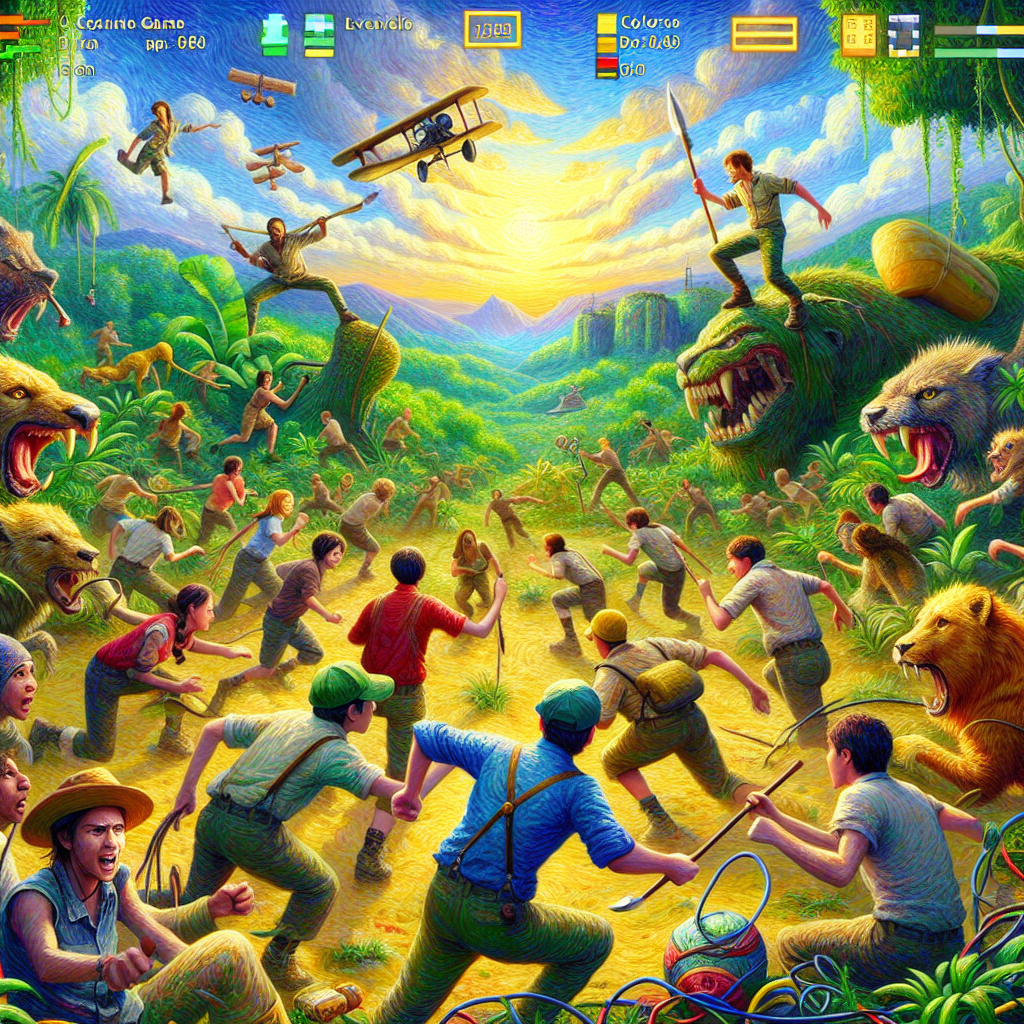
Lastly, there’s the simple joy of escaping reality, even if just for a few hours. Fantasy board games provide an opportunity to step away from the worries of everyday life and dive into a world of magic, adventure, and possibilities. It’s an antidote to the mundane, revitalizing your spirit and leaving you with cherished memories of laughter and competition with friends.
So, if you haven’t experienced the enchantment of a fantasy board game yet, it’s high time to roll the dice and see what adventures await!
What Are The Benefits Of Playing Fantasy Board Games?
What Are The Benefits Of Playing Fantasy Board Games?
- Fantasy board games provide entertainment and enhance cognitive and social skills.
- They promote creativity by encouraging players to craft stories, develop characters, and make impactful choices.
- Playing these games fosters in-person communication, teamwork, and camaraderie among friends and family.
- Engaging in fantasy board games enhances strategic thinking, planning, and adaptability.
- Players learn to cope with setbacks and improve decision-making skills applicable in daily life.
- These games offer an escape from reality, allowing players to dive into magical adventures and relieve everyday stress.
- Participating in fantasy board games creates cherished memories filled with laughter and friendly competition.
What Are The Benefits Of Playing Fantasy Board Games?
How Do Fantasy Board Games Promote Creativity?
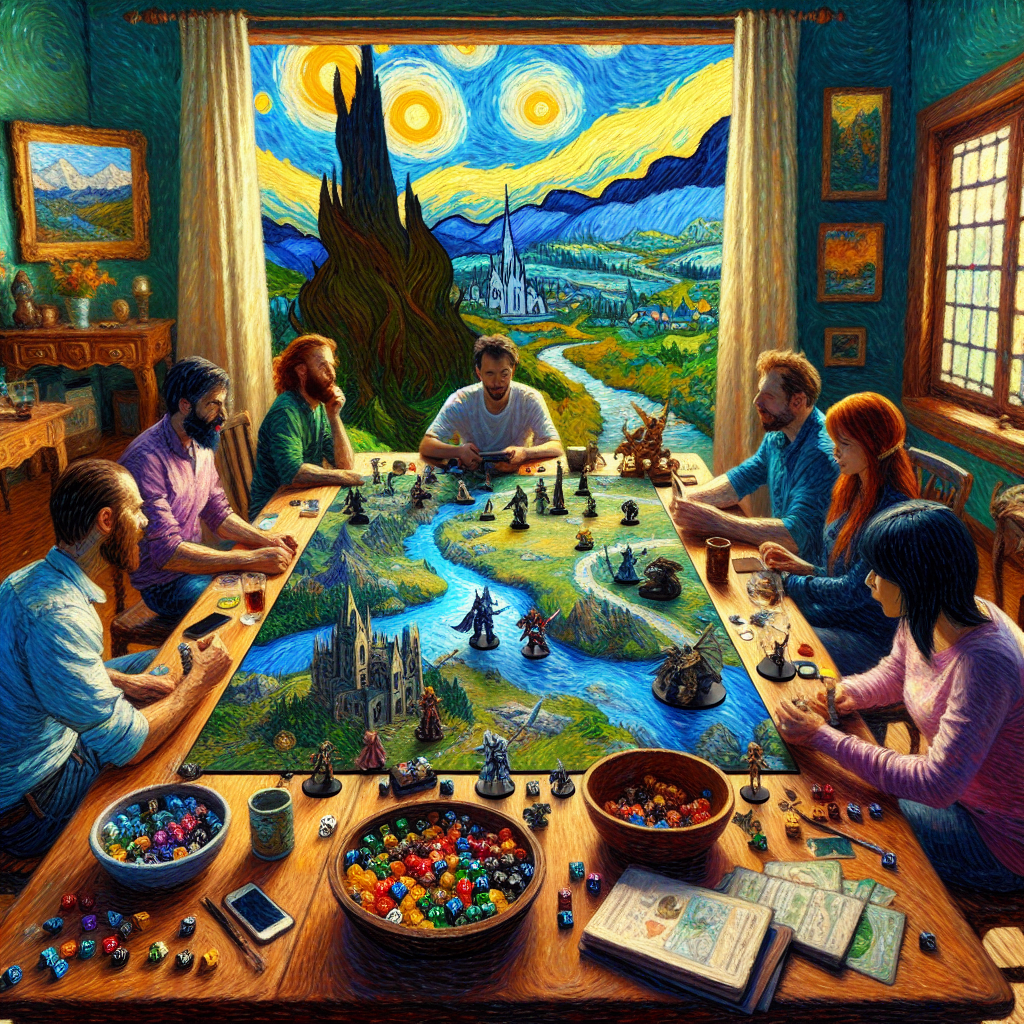
When it comes to unleashing the imagination, few activities can rival the engaging world of fantasy board games. Picture a table surrounded by friends, each person immersed in vivid storytelling, strategic maneuvering, and a little bit of good-natured scheming. It’s a real-life playground for creativity, where the only limits are the imaginations of those at the table—and trust me, they can stretch pretty far.
First off, let’s talk about the narrative. In most fantasy board games, players aren’t merely rolling dice or moving little pawns across a colorful board. They’re stepping into the shoes of unique characters, often in fantastical realms filled with dragons, wizards, and quests aplenty. Players craft their own stories in real time, making decisions that shape the narrative’s flow. One moment you might be negotiating peace with a grumpy troll, and the next, you’re leading a charge against a fierce brigand. Each choice becomes a brushstroke on the canvas of the game, allowing players to express themselves and bend the storyline in unexpected ways.
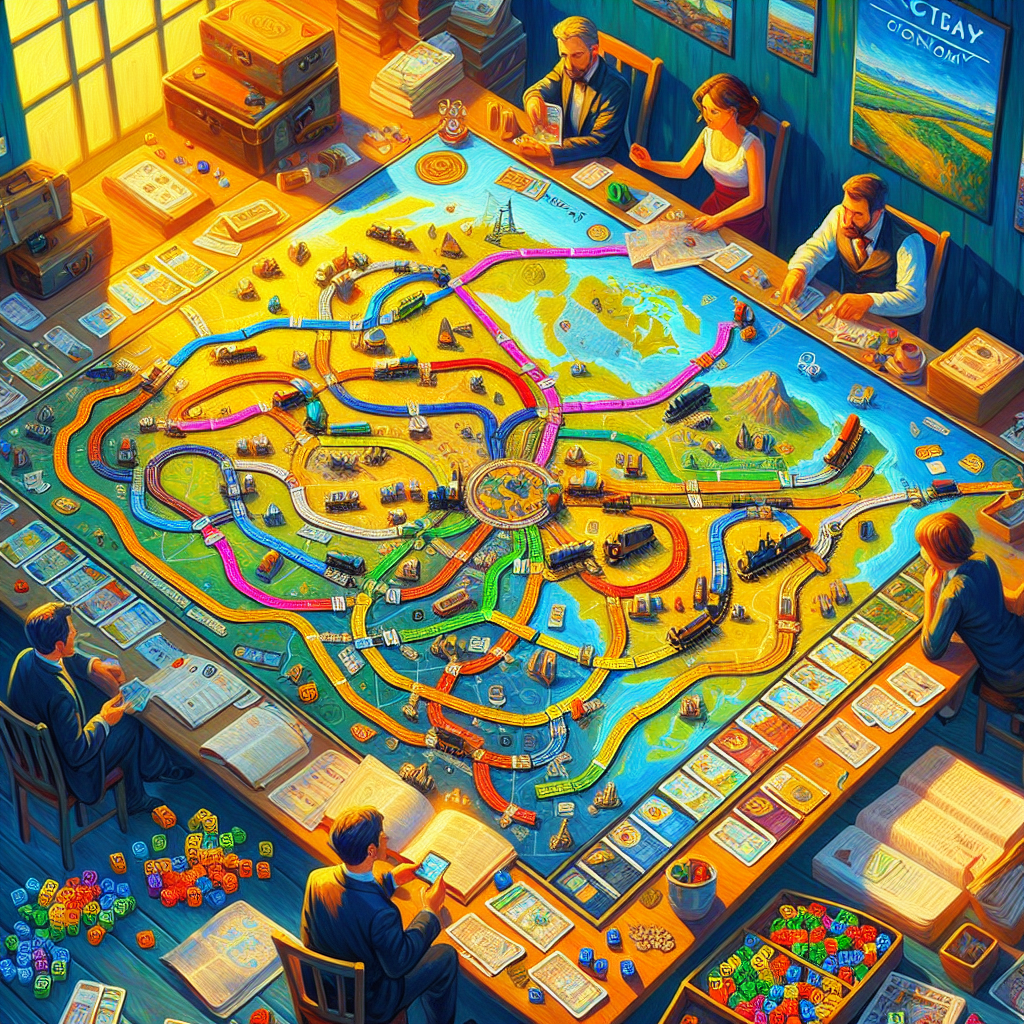
Then there’s the art of collaboration. Many fantasy board games thrive on teamwork, requiring players to devise strategies and share ideas. In essence, you’re building something together. Whether it’s forming alliances to vanquish a common enemy or pooling resources to achieve a collective goal, the creativity that blossoms during these interactions is something special. Players brainstorm and think outside the box, trying to find the best way to approach a quest or solve a riddle. Ideas bounce around the table like a pinball, igniting sparks of inspiration that transcend the game itself.
Let’s not forget about the visual aspect of these games. The artwork, the meticulously designed pieces, and striking boards all serve as a catalyst for imagination. They create an immersive atmosphere that invites players to get lost in the worlds before them. Gamers are compelled to envision stories that rise above the static images laid before them, transforming the game into a living, breathing universe.
Finally, there’s the potent blend of strategy and improvisation. Players must often think creatively on their feet to turn the tide in their favor. A move that seems harmless can quickly lead to unforeseen consequences, prompting adaptability and inventive thinking. This dynamic encourages players to explore, experiment, and take risks, all of which are vital components in the tapestry of creativity.
When you gather your friends around that board, you’re not just playing a game; you’re embarking on an adventure that cultivates creativity in every roll of the dice and every whispered plot twist, reminding us all that sometimes, the most fantastical outings happen right in our own living rooms.
How Do Fantasy Board Games Promote Creativity?
How Do Fantasy Board Games Promote Creativity?
- Fantasy board games create a unique environment for creativity and imagination among friends.
- Players assume the roles of distinctive characters, navigating fantastical realms and shaping the narrative through their choices.
- The collaborative aspect of these games encourages teamwork and strategic thinking, fostering a sense of unity among players.
- Immersive artwork and intricately designed game components enhance the visual experience, drawing players deeper into the game world.
- Players often engage in strategic improvisation, making quick decisions that can alter the course of the game.
- The blend of creativity, strategy, and spontaneity in fantasy board games promotes exploration and risk-taking.
- Gathering friends for a game serves as an adventure, stimulating creativity in an engaging and interactive setting.
How Do Fantasy Board Games Promote Creativity?
Are There Fantasy Board Games For New Players?
Title:
Diving into the world of fantasy board games can feel a bit like stepping into a dragon’s lair—exciting but also just a tad intimidating. For newcomers, the sheer variety of games out there can be overwhelming. But fear not, intrepid adventurer! There’s a whole realm of fantasy board games designed specifically for those new to the scene. In fact, many of these games are as welcoming as a friendly tavern in a bustling village.
Let’s start with “Ticket to Ride.” While not a traditional fantasy game in the mythical sense, it’s a gateway into strategic gameplay that can easily serve as a bridge to more complex titles. In this game, players collect train cards to claim railway routes across North America. It’s accessible, quick to learn, and offers just enough strategy to keep players engaged without inducing brain overload. Plus, you’ll get a taste of competition and camaraderie that makes fantasy gaming so appealing.
Next on the list is “Carcassonne.” Here’s a tile-placement game where you build cities, roads, and fields in a quaint medieval landscape. It’s perfect for new players because it combines strategy with a simple rule set. As you lay tiles and place your followers, you’ll find yourself immersed in building your own little fiefdom, all without the need for a hefty rulebook.
If you’re yearning for a touch of classic fantasy but don’t want to get bogged down in overly intricate mechanics, “Dungeons & Dragons: Starter Set” is your friend. This comprehensive package includes a simplified rulebook and pre-made characters, making it easier than ever for newbies to embark on their very first adventure. Gather your friends around the table, unleash your creativity, and before you know it, you’ll be navigating dungeons and slaying beasts, even if you can’t remember the last time you rolled a 20-sided die.
Lastly, let’s not overlook “Mice and Mystics.” Here we have a cooperative game that turns players into brave little mice embarking on a quest. With beautiful artwork and a captivating storyline, it’s less about head-to-head competition and more about teamwork—a refreshing approach for those new to fantasy gaming.
There’s a cornucopia of fantasy board games tailored for new players. With approachable mechanics and inviting themes, any of these options can help ease you into the world of strategy, storytelling, and camaraderie. So gather your gear, rally your friends, and step boldly into your next great adventure!
Are There Fantasy Board Games For New Players?
Are There Fantasy Board Games For New Players?
- Diving into fantasy board games can be exciting yet intimidating for newcomers.
- Various games are designed specifically for beginners, much like friendly taverns in bustling villages.
- “Ticket to Ride” serves as a strategic gateway, where players collect train cards for railway routes in North America.
- “Carcassonne” is a tile-placement game that allows players to build cities and roads, featuring simple rules and immersive gameplay.
- The “Dungeons & Dragons: Starter Set” offers a simplified rulebook and pre-made characters for newcomers to explore fantasy adventures.
- “Mice and Mystics” is a cooperative game focused on teamwork with beautiful artwork and a rich storyline.
- Many approachable fantasy board games exist for new players, providing a great way to engage in strategy and storytelling.
Are There Fantasy Board Games For New Players?
What Makes A Fantasy Board Game A Classic?
When it comes to fantasy board games, the realm of imagination meets the world of strategy, and therein lies the magic of what transforms a game into a classic. A true classic isn’t just created; it’s cultivated through time, innovation, and a profound connection with its players. So, what are the fundamental ingredients that elevate a fantasy board game from a mere diversion to an enduring masterpiece?
First and foremost, let’s talk about narrative. A captivating story is the backbone of any fantasy game. Whether you’re weaving through enchanted forests or battling nefarious dragons, the story must breathe life into the game. Think back to the epics of your childhood—those tales that pulled you in by the scruff of your neck and wouldn’t let go. A classic game invites players to be part of a larger narrative, creating a tapestry of adventures filled with heroes, villains, and untold outcomes.
Next, we can’t ignore the role of mechanics. The gameplay must be engaging, extraordinarily well-balanced, and encourage strategy like a friendly tug of war. Classics often introduce unique mechanics that challenge players to think more deeply, to outsmart their opponents, or even to cooperate in unexpected ways. The dance between luck and skill should feel harmonious—like a finely tuned instrument coaxing out a familiar yet exhilarating melody.
Then, there’s the all-important aspect of accessibility. A classic game should be easy to learn but difficult to master, welcoming new players with open arms while providing seasoned gamers with the intricate layers of strategy they crave. It strikes a balance, creating a framework that feels rewarding no matter your level of expertise. Think about that old friend who, over a pint, painstakingly explains the rules—only to have you utterly engrossed within ten minutes. That’s the essence of accessibility.
Lastly, let’s not forget the power of community. A classic board game cultivates a loyal following, binding players together through shared experiences. It generates so much enthusiasm that it creates its subcultures—think conventions, fan art, and endless discussions about strategies. These games become woven into the fabric of friendships, families, and sometimes even the very makeup of our lives.
A fantasy board game becomes a classic not just through its gameplay, but through the experiences it fosters, a compelling narrative, and the community it nurtures. The great ones are more than just games; they are journeys that remain etched in our memories long after the dice have stopped rolling.
What Makes A Fantasy Board Game A Classic?
What Makes A Fantasy Board Game A Classic?
- The magic of fantasy board games lies in the combination of imagination and strategic gameplay.
- A classic game is cultivated over time and involves a strong connection with its players.
- A captivating narrative serves as the backbone, inviting players into a larger story filled with adventures.
- Engaging and balanced mechanics challenge players to think strategically and maintain harmony between luck and skill.
- Accessibility is key; a classic should be easy to learn but difficult to master, appealing to both new and seasoned players.
- A strong community enhances the experience, fostering loyalty and generating shared experiences and enthusiasm.
- Ultimately, classic fantasy board games create lasting memories and connections beyond just the gameplay.
What Makes A Fantasy Board Game A Classic?
Conclusion
As we draw our adventure-filled exploration of fantasy board games to a close, let’s reflect on just how these captivating games transform tables into portals of imagination. Whether you’re a wizard casting spells or a rogue sneaking through shadows, there’s an electrifying thrill in gathering your friends, rolling the dice, and diving into these fantastical realms. Fantasy board games are not merely about winning or losing; they’re about the connections we forge, the laughter we share, and the extraordinary narratives we create together.
At their core, these games invite us into epic sagas—a narrative tapestry where every roll of the dice can spin the tale in unexpected directions. Regardless of whether you’re delving deep into a Dungeons & Dragons campaign, forging alliances in Gloomhaven, or teaming up against monstrous foes in Castle Panic, each game provides a canvas for creativity and group strategy like no other. It’s a celebration of collaboration, as players unite to overcome challenges or, at times, vie for supremacy.
What’s truly enchanting about fantasy board games is their ability to adapt across various age groups and gaming preferences. From children embarking on magical journeys in colorful quest tales to seasoned adults navigating more complex narratives, everyone finds a place at the table. Age matters not when imagination takes the reins—a testament to how these games transcend generations, igniting curiosity and camaraderie in equal measure.
Yet, the charm of these games doesn’t rest solely on communal play. Many titles cater to the solo adventurer, proving that your journey through fantastical realms can still thrive without a full party by your side. Gloomhaven, Mage Knight, and others offer immersive experiences that allow for deep strategy and storytelling, reinforcing that the magic of fantasy board games is truly boundless.
In wrapping up, remember that whether you’re teaming up to defeat dragons, building kingdoms, or navigating political intrigue in epic realms, fantasy board games provide a rich space for imagination, strategy, and community. They’re more than just objects on a table; they’re gateways to unforgettable experiences, laughter-filled nights, and the creation of lasting friendships. So, gather your friends, summon your courage, and let the adventures unfold—because in the world of fantasy board games, every session is a new chapter waiting to be written. Don’t just play; create your legend!
Conclusion
Conclusion:
- Fantasy board games transform tables into portals of imagination.
- They create connections, laughter, and extraordinary narratives among players.
- These games invite players into epic sagas where each dice roll influences the story.
- They celebrate collaboration, with players uniting or competing to overcome challenges.
- Fantasy board games adapt across various age groups, appealing to children and adults alike.
- Many titles also cater to solo players, offering immersive experiences for individual adventurers.
- Ultimately, these games are gateways to unforgettable experiences, fostering camaraderie and creativity.
Conclusion
Other Resources
Other Resources
Here is a list of other resources you can review online to learn more:
- “Dungeons & Dragons: Castle Ravenloft Board Game”
- “Dungeons Dragons Boardgame | Acquisti Online su …”
- “2021 Creative 12×12 Challenge”
- “Dungeons & Dragons: The Fantasy Adventure Board Game”
- “Search Reviews”
- “Creative 12×12 Challenge: 2017”
- “Tuotehaku”
- “Sleeves by Game (Updated) – Live | Download Free PDF”
- “Your Turn!: The Guide to Great Tabletop Game Design …”
- “WonderCon 2023: Full Schedule”
- “Euro Stock List | PDF | Batman | Green”
- “Other Role-Playing”
- “Podcast Episode – Role Playing Public Radio”
Bing Copilot Prompt: Please provide me with a list of online articles with their URLS in a bulleted list that I can read regarding What Are Some Examples Of Fantasy Board Games?
Other Resources
Glossary Terms
What Are Some Examples Of Fantasy Board Games? – Glossary Of Terms
1. Adventure: A narrative experience within the game where players embark on quests and explore various realms.
2. Campaign: A series of connected game sessions where players progress through an overarching story, often featuring character development and evolving plotlines.
3. Dice: Cubes or polyhedral objects used to generate random numbers, influencing game mechanics and outcomes, crucial in many fantasy settings.
4. Dungeon: Underground or enclosed spaces that players navigate, often filled with traps, treasures, and monsters.
5. Expansion: An additional set of game components or rules that enhance and broaden the original game experience.
6. Faction: A group or faction within the game world often representing a specific ideology, race, or interest that players can belong to.
7. Hero: The central character controlled by a player, often with unique abilities and the goal to overcome challenges within the game.
8. Lore: The backstory, history, and mythology of the game world, enriching the thematic experience and providing context for characters and events.
9. Mechanics: The rules and systems governing gameplay, including how actions are taken, combat is resolved, or resources are managed.
10. Miniatures: Small figurines representing characters, monsters, or units, used primarily for visualization and gameplay in many board games.
11. Monsters: Creatures that players may encounter, battle, or interact with, each often having its own abilities and weaknesses.
12. Narrative: The story elements that unfold during gameplay, driven by player decisions and events within the game.
13. Party: A group of heroes or characters that players control, working together to achieve goals or complete quests.
14. Points of Interest: Specific locations within the game that are significant for quests, battles, or lore developments.
15. Resource Management: Mechanics involving the collection and strategic use of resources like currency, materials, or time to advance in the game.
16. Role-playing: The act of players immersing themselves in the persona of their characters, often influencing decisions and interactions in the game.
17. Set Collection: A game mechanic where players gather sets of items or characters to achieve objectives or score points.
18. Strategy: The plan players devise to outmaneuver opponents and achieve game objectives, often requiring foresight and tactical decision-making.
19. Theme: The overarching idea or setting that defines the atmosphere and storytelling elements of the game, often tied to fantasy elements.
20. Turn-based: A gameplay style where players take turns performing actions, often leading to strategic decision-making during each player’s turn.
21. Victory Conditions: The criteria that determine how a player or team wins the game, which may vary from defeating opponents to completing objectives.
22. World Building: The creation of the game’s universe, including its geography, societies, and laws, providing depth and immersion for players.
23. Card Drafting: A mechanic where players select cards from a limited pool to build their hand or deck strategically.
24. Cooperative Play: A game mode where players work together as a team to achieve common goals rather than competing against each other.
25. Skill Trees: Systems that allow characters to gain abilities or improve skills over time, providing choices in character customization and development.
26. Victory Points: Points awarded throughout the game for various achievements, used to determine the winner at the game’s end.
27. Tabletop: A term referring to games played on a flat surface, typically involving physical components like boards, cards, and miniatures.
28. Quest: A specific mission or task that players undertake, often related to the narrative and questing mechanics of the game.
29. Bidding: A mechanic where players offer resources or tokens to secure actions, items, or advantages in gameplay.
30. Game Master (GM): The individual responsible for leading the game, narrating the story, controlling non-player characters, and facilitating player interactions.

Glossary Of Terms
Other Questions
What Are Some Examples Of Fantasy Board Games? – Other Questions
If you wish to explore and discover more, consider looking for answers to these questions:
- What are some beginner-friendly fantasy board games?
- How do I start playing Dungeons & Dragons?
- What are the key differences between cooperative and competitive fantasy board games?
- Are there any expansions for popular fantasy board games?
- What are the most rated fantasy board games of all time?
- How do miniatures enhance the gaming experience?
- What themes are common in fantasy board games?
- What should I consider when playing a fantasy board game solo?
- Are fantasy board games suitable for family game nights?
- What are some strategies for winning in competitive fantasy board games?
- Can fantasy board games help with teamwork and communication skills?
- How do different cultural influences shape fantasy board games?
- Are there fantasy board games based on popular books or films?
- What role do expansions play in the replayability of fantasy board games?
- How have fantasy board games evolved over the years?
Other Questions
Haiku
What Are Some Examples Of Fantasy Board Games? – A Haiku
Imagination thrives,
In realms where quests come alive—
Fantasy awaits.
Haiku
Poem
What Are Some Examples Of Fantasy Board Games? – A Poem
In the Realm of Fantasy Games
In realms where dragons soar and shadows dance,
Where whispers of magic cast a spellbound trance,
Gather ’round, dear friends, let the stories unfold,
In epic board games, let your imagination behold.
First to call, the iconic Dungeons & Dragons,
Where heroes arise, be they rogues or magicians,
With dice in hand, tales spun with delight,
Every choice shapes the saga, burning bright.
Enter Gloomhaven, a modern adventure grand,
Where mercenaries evolve, united they stand,
In quests filled with dangers, each move keen and bold,
A tapestry of strategy, bravely retold.
Viking clans clash in Blood Rage’s fierce fight,
Myths intertwine with strategy’s might,
Honor sought before Ragnarok’s descent,
In the tempest of battle, camaraderie spent.
Cooperatively defend a castle in fright,
As waves of monsters roll in the night,
Castle Panic beckons, with urgency’s call,
Together you stand, together you fall.
From Arabian nights where rich tales abide,
To every decision that shapes your ride,
Fantasy board games weave a world rich and vast,
An enchanting escape from the shadows they cast.
Characters vibrant, with stories spun tight,
You don their personas, imbued with pure light,
In each roll of the dice, a new path to explore,
Where strategy mingles with friendships galore.
So gather your kin, set the table just right,
In the magic of games, let your laughter ignite,
For in every quest, there’s a chance to transcend,
Fantasy board games, where joy knows no end.
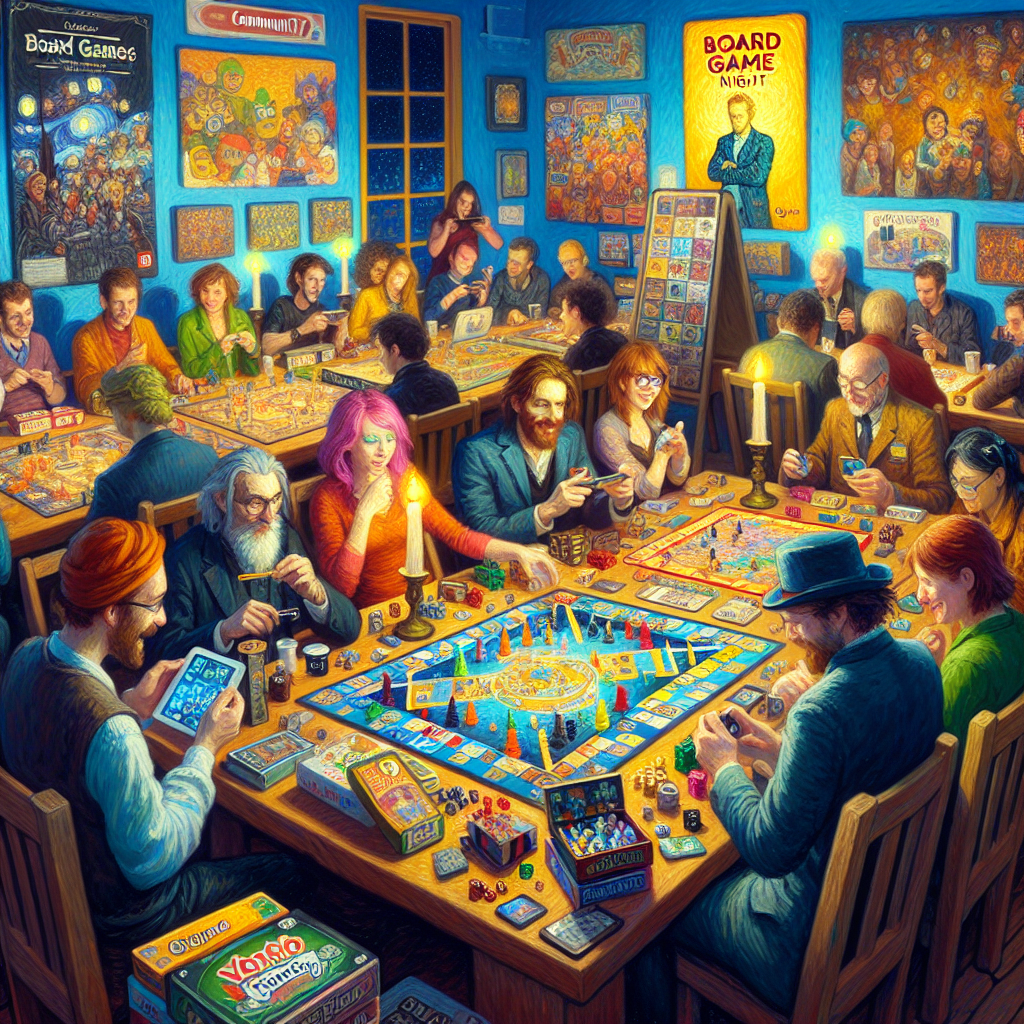
Poem
Checklist
What Are Some Examples Of Fantasy Board Games? – A Checklist
Before the Game
_____ Determine Your Experience Level
_____ Are you a beginner, intermediate, or advanced player?
_____ Consider Your Interests
_____ Do you prefer cooperative play, competitive strategy, or immersive storytelling?
_____ Check Game Duration
_____ How much time do you want to invest in a single session?
_____ Look for Aesthetic Appeal
_____ Explore game artwork and themes that resonate with you.
Choosing the Right Game
_____ Research Popular Titles
_____ Dungeons & Dragons, Gloomhaven, Blood Rage, Castle Panic, Tales of Arabian Nights, etc.
_____ Check Accessibility & Complexity
_____ Look for games that are beginner-friendly or offer simpler rules for newcomers.
_____ Assess Group Size
_____ Make sure the game accommodates the number of players you typically have.
_____ Explore Solo Options
_____ If you prefer to play alone, consider games like Gloomhaven, Mage Knight, or The Lord of the Rings: Journeys in Middle-earth.
Ready to Play
_____ Gather Your Friends or Family
_____ Invite players who share your interest in fantasy storytelling or strategy.
_____ Prepare Your Space
_____ Set up a comfortable gaming environment with enough space and good lighting.
_____ Review Game Mechanics
_____ Familiarize yourself with the rules and unique gameplay mechanics.
Enhancing the Experience
_____ Encourage Creative Storytelling
_____ Embrace the narrative aspects and improvise stories as you play.
_____ Cultivate Teamwork
_____ Focus on cooperative strategies and foster camaraderie among players.
_____ Document Your Adventures
_____ Keep a journal or log of your gaming sessions and the stories that unfold.
Post-Game Reflection
_____ Discuss Player Experiences
_____ Share favorite moments, memorable decisions, and character developments with players.
_____ Evaluate the Game
_____ Assess what you enjoyed and what you’d like to explore next.
_____ Consider Expansions
_____ Look for expansions that can add new mechanics, narrative depth, and replayability.
Future Exploration
_____ Expand Your Interests
_____ Dive deeper into the fantasy board game community, attend events or conventions.
_____ Try New Genres
_____ Explore different board game genres beyond fantasy to broaden your gaming horizons.
Feel free to use this checklist to maximize your enjoyment of fantasy board games and embark on heroic adventures with friends and family!

Checklist
At BestBoardGameNews, we help people who love board games by collating information and news about board games.
Be sure to read our other related stories at BestBoardGameNews to learn more about board games.