Chilling Board Games: Scary Examples You Need To Play
By Tom Seest
At BestBoardGameNews, we help people who love board games by collating information and news about board games.
Be sure to read our other related stories at BestBoardGameNews to learn more about board games.
What Are Some Examples Of Horror Board Games?
When it comes to the world of board games, the eerie chill of horror themes tends to draw in a unique crowd of players looking for more than just friendly competition. Instead of rolling dice and simply moving pieces across a board, horror board games immerse players in dark narratives filled with suspense, strategic thinking, and a true test of courage. Let’s explore a few notable examples that pull you straight into the heart of frightful fun.
First up is the ever-popular *Betrayal at House on the Hill*. Picture this: a group of brave explorers sets foot in a haunted mansion, only to discover that one among them has turned traitor, seeking to unleash a sinister plot. The genius of this game lies in its modular board that changes with each session, ensuring a fresh experience as players venture through haunted rooms, uncovering items, and dodging malevolent spirits. By the time the betrayal hits, trust is in shambles, and the atmosphere is as thick as the fog outside.
Next, let’s not overlook *Arkham Horror*, a sprawling epic that throws players into the ghastly universe of H.P. Lovecraft. In this game, you’re not merely trying to survive—oh no, you’re fighting against the very end of reality itself! With its multitude of characters, monsters, and an ever-ticking clock, each game is a race against time to stop ancient gods and ensure humanity’s survival. A strategy-heavy game, it’s perfect for players who relish in drawn-out gameplay and intricate lore. Dive into this one, and you better pack a healthy dose of ambition!
If you prefer a dash of simplicity in your horrific escapades, *Mysterium* might be your ticket to ghostly fun. One player takes on the specter of a murdered soul, while others act as psychic detectives, piecing together heaps of abstract clues. The catch? The ghost communicates through beautifully illustrated cards, leaving it up to the detectives’ intuition and deduction to solve the mystery. It’s a game that elegantly balances intrigue with interactive teamwork, ensuring everyone remains on the edge of their seat, much like a good ghost story.
Finally, let’s cap off this horror showcase with *Dead of Winter*, a post-apocalyptic survival game that blends elements of horror and strategy. Players must work together to endure the harsh winter while fending off zombies, but there’s a twist: one player may have ulterior motives, adding layers of paranoia to the chilling atmosphere. In this game, it’s not just survival; it’s about surviving together—or perhaps against each other.
In the world of horror board games, there’s never a dull moment. So gather your friends, dim the lights, and prepare for an unforgettable evening filled with thrills, chills, and maybe a bit of betrayal along the way.
What Are Some Examples Of Horror Board Games?
What Are Some Examples Of Horror Board Games?
- Horror board games attract players seeking deeper engagement beyond standard competition.
- *Betrayal at House on the Hill* features a haunted mansion and a traitor among the players, with a modular board for varied experiences.
- *Arkham Horror*, based on H.P. Lovecraft’s universe, pits players against ancient gods in a strategy-heavy race against time.
- *Mysterium* allows one player to be a ghost while others act as detectives, solving mysteries through abstract clues and card communication.
- *Dead of Winter* combines survival and strategy in a post-apocalyptic setting, where players may have hidden motives.
- Horror board games are designed to create suspense and teamwork, often leaving players with a sense of paranoia.
- These games promise thrilling, memorable experiences perfect for gatherings with friends.
What Are Some Examples Of Horror Board Games?
Table Of Contents
- What Are Some Examples Of Horror Board Games?
- What Defines A Horror Board Game?
- What Are Popular Horror Board Games?
- How Do Horror Mechanics Enhance Gameplay?
- What Themes Are Common In Horror Board Games?
- Are There Family-Friendly Horror Board Games?
- What Are The Best Horror Games For Beginners?
- How Do Horror Board Games Differ From Other Genres?
- What Makes A Horror Board Game Replayable?
- How Important Is Artwork In Horror Board Games?
- What Are Some Cooperative Horror Board Games?
- How Do Expansions Affect Horror Board Games?
- What Are The Most Immersive Horror Board Games?
- How Do You Choose A Horror Board Game For Your Group?
- What Role Does Storytelling Play In Horror Board Games?
- How Can Horror Games Create Tension And Fear?
- Conclusion
- Other Resources
- Glossary Of Terms
- Other Questions
- Haiku
- Poem
- Checklist
What Defines A Horror Board Game?
When you crack open a box of shivers and screams, you’re stepping into a world carefully crafted by designers who know how to tread that fine line between thrill and chill. A horror board game isn’t just about throwing dice or managing resources; it’s about crafting an experience that awakens your fears and makes your heart race while playing with friends—or perhaps against them in the darkest of betrayals.
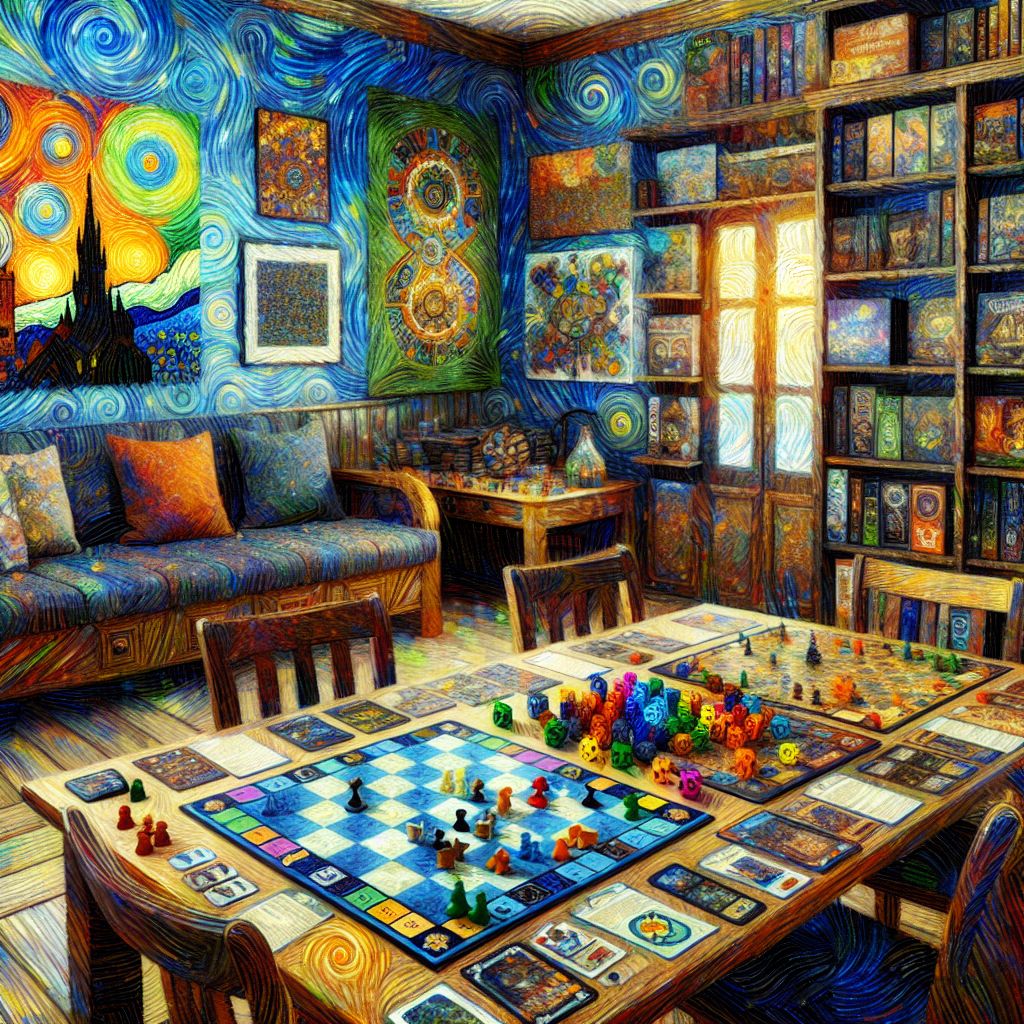
First and foremost, atmosphere sets the stage for a good horror board game. This isn’t your garden-variety board game where you’re just moving pieces around a brightly colored board. No, a horror game is typically steeped in a shadowy narrative—think haunted houses, terrifying creatures, or apocalyptic scenarios. The artwork, flavor text, and components, from player pieces to the design of the board itself, all work in concert to draw you into this world of dread. Each element, whether it’s the haunting illustrations of a decrepit mansion or the chilling sound of a haunted score played in the background, builds tension that’s almost tactile.
Then, there’s the gameplay mechanics. Most horror board games lean on suspense rather than sheer combat prowess. You can expect a heavy dose of unpredictability, whether it’s through random draws from a chilling deck of cards or the sudden appearance of a lurking monster that wasn’t supposed to show up yet. Cooperative gameplay is also prevalent—players often find themselves working together to survive the night against a common foe, cultivating a sense of camaraderie that’s punctuated by the occasional heart-stopping betrayal that keeps everyone on edge.
Let’s not forget about the narrative. A compelling story is essential in immersing players into the game. Whether you’re deciphering clues in a cursed mansion or attempting to escape a malevolent force that stalks your every move, narrative elements drive the experience. The best horror board games invite players to invest emotionally into their characters, raising the stakes significantly as decisions are made and lives hang in the balance.
Finally, there’s fear itself—the heart of any good horror game. It’s not about the gore or jump scares; it’s about the anticipation, the uncertainty of what’s lurking just around the corner. A great horror board game strikes that balance, leaving you breathless, eager, and perhaps a teensy bit terrified, each time you lift the lid and dive in. So gather your friends, dim the lights, and ready yourself; horror awaits!
What Defines A Horror Board Game?
What Defines A Horror Board Game?
- Horror board games create thrilling experiences that awaken fears and evoke strong emotions.
- Atmosphere is crucial, featuring shadowy narratives such as haunted houses and terrifying creatures.
- Artwork and components work together to immerse players in a world of dread.
- Gameplay emphasizes suspense, unpredictability, and often cooperative elements among players.
- The narrative is integral, involving compelling stories that emotionally engage players.
- Fear is central, achieved through anticipation and uncertainty rather than gore or jump scares.
- Gathering friends and setting the mood enhances the horror experience.
What Defines A Horror Board Game?
What Are Popular Horror Board Games?
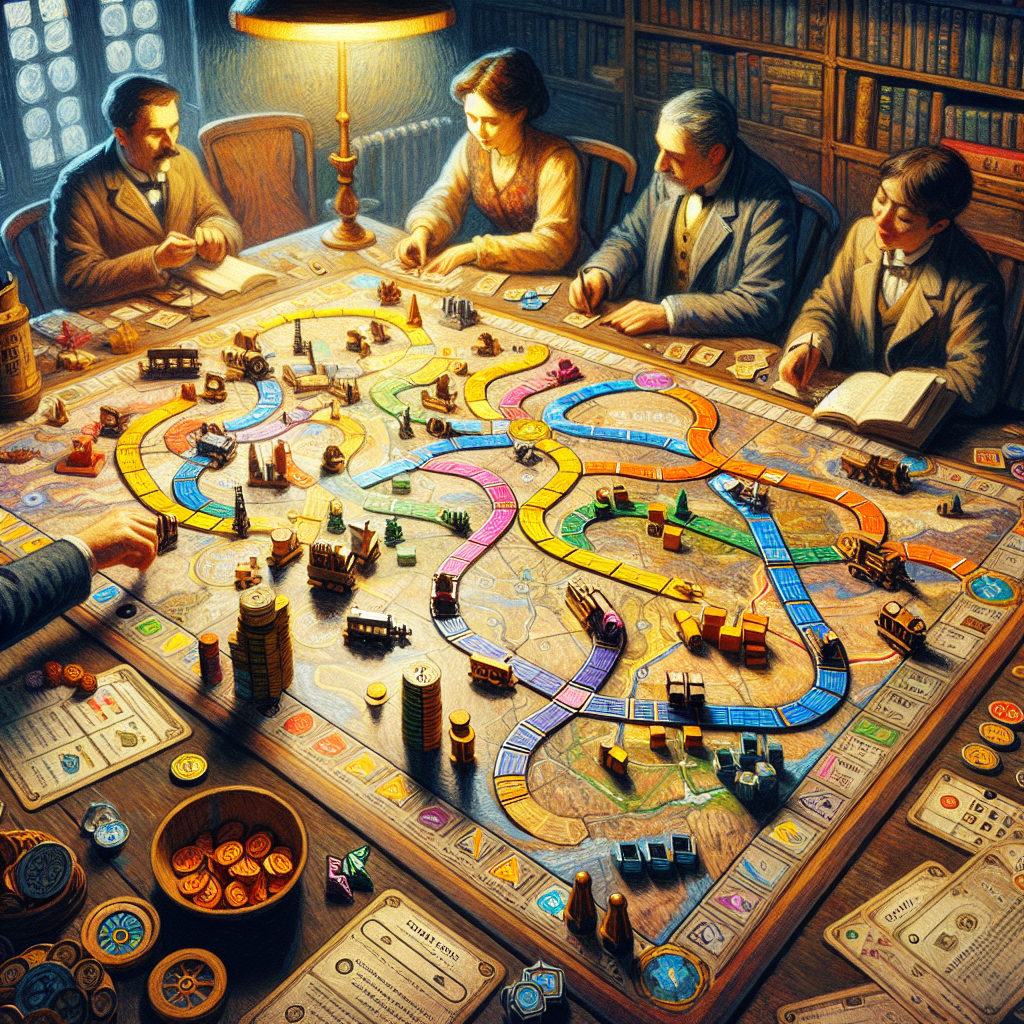
When it comes to horror board games, the genre has a way of pulling you in with its spine-chilling themes and pulse-pounding suspense. For those brave enough to gather around the table and face the darkness, there are several standout titles that promise to deliver thrills and chills. From cooperative experiences where survival hinges on teamwork to competitive games that leave you second-guessing everyone at the table, here’s a rundown of some popular horror board games that are sure to satisfy your thirst for terror.
First up is “Betrayal at House on the Hill.” In this game, players explore a haunted mansion, tile by tile, uncovering its many secrets. But here’s the twist: one of your fellow players will eventually turn traitor, leading to a surprise scenario where the game shifts from team-based exploration to a battle of survival. Every session is different, and no one can predict who will become the hidden menace, making for endless replayability and nail-biting suspense.
If you’re itching for a cooperative experience, look no further than “Pandemic: Legacy – Season 1.” While it’s not strictly horror in the traditional sense, the stakes are elevated against a global crisis that spirals out of control, leading to tragic and horrifying consequences. The ongoing story develops over 16 or more games, and the decisions you make will change everything—characters, abilities, and the world around you. It’s a race against time and disease, and the weight of your choices brings a palpable tension that will keep you on your toes.
For true survival horror aficionados, “Dead of Winter: A Crossroads Game” is a must. This is not your typical zombie apocalypse game. It’s a unique blend of storytelling and survival, where you and your fellow players navigate through the harsh realities of a post-apocalyptic world, struggling to keep morale high while tackling personal quests. Adding to the thrills is the possibility of a hidden traitor lurking among you, creating a palpable sense of distrust and urgency.
Lastly, let’s not forget “Mansion of Madness.” This app-driven game immerses players in a Lovecraftian horror experience, challenging them with puzzles and mysteries while they explore a richly detailed mansion filled with terrors from beyond. The integration of technology into tabletop gameplay adds an extra layer of excitement, making each session a gruesome adventure of strategic decision-making, cooperation, and the constant likelihood of encountering the unimaginable.
So gather up your bravest companions, because these horror board games are not just about rolling dice—they’re about rolling with the punches as you face the horrors that lurk in the shadows.
What Are Popular Horror Board Games?
What Are Popular Horror Board Games?
- Horror board games captivate players with spine-chilling themes and suspenseful gameplay.
- Highlights include cooperative games focusing on teamwork and competitive ones that induce second-guessing.
- “Betrayal at House on the Hill” features a haunted mansion exploration with a traitor among the players, ensuring endless replayability.
- “Pandemic: Legacy – Season 1” elevates stakes through a global crisis, with evolving stories and impactful player decisions.
- “Dead of Winter: A Crossroads Game” combines storytelling and survival in a post-apocalyptic world, with a possibility of a hidden traitor.
- “Mansion of Madness” offers a Lovecraftian horror experience supported by an app, presenting puzzles and mysteries in a terrifying mansion.
- Gather friends for these immersive horror games, where the focus is on facing lurking terrors rather than merely rolling dice.
What Are Popular Horror Board Games?
How Do Horror Mechanics Enhance Gameplay?
In the realm of gaming, there’s a particular thrill that comes from stepping into a world drenched in suspense and fear. Horror mechanics are like the seasoning in a well-cooked meal; they bring depth, complexity, and an unmistakable zing that transforms a mundane experience into something truly captivating. But how exactly do these elements elevate gameplay and keep players on the edge of their seats?
First and foremost, horror mechanics create a palpable tension that grasps players from the moment they press “start.” This tension can be achieved through an array of tools, such as dim lighting, eerie soundscapes, and foreboding atmospheres. When a player is navigating through a shadowy corridor with only the sound of their own heartbeat thumping in their ears, that tension is not merely present—it’s felt in every pore. The player becomes hyper-aware of their surroundings, turning what could be a simple task into a nail-biting ordeal.
Next, consider the importance of unpredictability. In horror, the unexpected is not just common; it’s essential. Jump scares and sudden plot twists keep players on their toes, continually engaging them as they battle their anticipation and dread. This element of surprise can transform familiar scenarios into treacherous landscapes filled with potential dangers. Players become cautious, weighing each decision as if their next move could lead to salvation or doom.
Moreover, horror mechanics introduce stakes that evoke emotional responses. When characters are placed in life-and-death situations, players form genuine connections, rooting for their survival. The anxiety of losing a character nurtures empathy and investment, making players think twice about their actions. A simple survival instinct kicks in, amplifying the gameplay experience—you aren’t merely playing a game; you’re surviving a narrative.
Another critical aspect is the ambient storytelling that horror mechanics facilitate. Through intricate design and unsettling environments, players grasp narrative hints without the need for excessive exposition. The rusted chains hanging from a wall or the bloodied footprints leading into the unknown tell a story all their own, inviting players to piece together the chilling lore.
In essence, horror mechanics do more than just evoke fear; they cultivate an immersive, engaging landscape where players tread warily. They heighten emotions, amplify tension, and enrich the storytelling, leading to unforgettable experiences. Whether you’re barely making it through a zombie apocalypse or solving a puzzle in a haunted mansion, horror mechanisms serve as the backbone of compelling gameplay, drawing players in and refusing to let them go.
How Do Horror Mechanics Enhance Gameplay?
How Do Horror Mechanics Enhance Gameplay?
- Horror mechanics enhance gameplay by adding suspense and fear, transforming ordinary experiences into captivating ones.
- They create palpable tension from the start, using dim lighting and eerie soundscapes to immerse players.
- Unpredictability is crucial; jump scares and plot twists keep players engaged and on edge.
- These mechanics introduce high stakes that evoke emotional responses and nurture empathy for characters.
- Horror elements facilitate ambient storytelling, allowing players to grasp narrative hints through environmental design.
- They heighten emotions and amplify tension, enriching the overall gameplay experience.
- Ultimately, horror mechanics serve as the backbone of compelling gameplay, providing unforgettable experiences.
How Do Horror Mechanics Enhance Gameplay?
What Themes Are Common In Horror Board Games?
When diving into the eerie world of horror board games, it becomes evident that certain themes emerge time and again, creating an atmosphere steeped in suspense and engaging players in a uniquely unsettling way. These themes serve as the backbone of the gameplay experience, immersing players in a chilling narrative that often echoes the horrors of classic literature and cinema.
One prevalent theme is isolation. Many horror board games place players in desolate settings—a haunted mansion, a deserted village, or a remote spaceship—where they must navigate a world teeming with unseen threats. This sense of solitude ramps up tension and creates a palpable fear of what might lurk just beyond the next corner. Think of it this way: when you’re all alone, and the darkness closes in, the mind plays tricks that are far scarier than what you can see.
Another common theme is the struggle against an overwhelming evil. Often, players find themselves facing monstrous antagonists, whether they be reanimated corpses, ancient deities, or malevolent spirits. These games typically involve cooperative gameplay, where participants must band together to survive these threats. The mechanics of teamwork heighten the experience, allowing players to share fears, strategize their escape, and relish in the adrenaline-pumping moments when they narrowly avoid a grisly fate. It’s not just about winning; it’s about staying alive against the odds.
Player choice also plays a critical role in horror games. Decisions can be life or death, shaping the narrative as players move through their spine-chilling adventures. This theme of consequence creates an interactive experience that feels deeply personal. One wrong turn can lead to a catastrophic encounter, reinforcing the idea that every action has weight, just like in the real world—except in this case, the consequences are often much more grim.
Lastly, the theme of the unknown frequently haunts horror board games. The fear of the unexplained is a powerful motivator, tapping into our primal instincts. Players might be deprived of critical information, forced to make choices in a haze of uncertainty that fuels anxiety and tension. This theme resonates well with life’s unpredictable nature—what lurks in the shadows can often be more terrifying than what’s bathed in light.
In sum, the compelling themes of isolation, an overwhelming evil, meaningful choices, and the fear of the unknown all intertwine to create the spine-chilling essence of horror board games. They invite players to confront their fears head-on, ensuring that each game is as thrilling as it is haunting.
What Themes Are Common In Horror Board Games?
What Themes Are Common In Horror Board Games?
- Themes in horror board games create a suspenseful atmosphere that engages players uniquely.
- Isolation is a prevalent theme, placing players in desolate settings that heighten tension and fear.
- The struggle against overwhelming evil involves facing monstrous antagonists, fostering cooperative gameplay.
- Player choice influences the narrative, with decisions leading to meaningful consequences.
- The theme of the unknown taps into primal fears, creating anxiety through uncertainty.
- These interconnected themes enhance the chilling experience of horror board games.
- Players are invited to confront their fears, ensuring each game is both thrilling and haunting.
What Themes Are Common In Horror Board Games?
Are There Family-Friendly Horror Board Games?
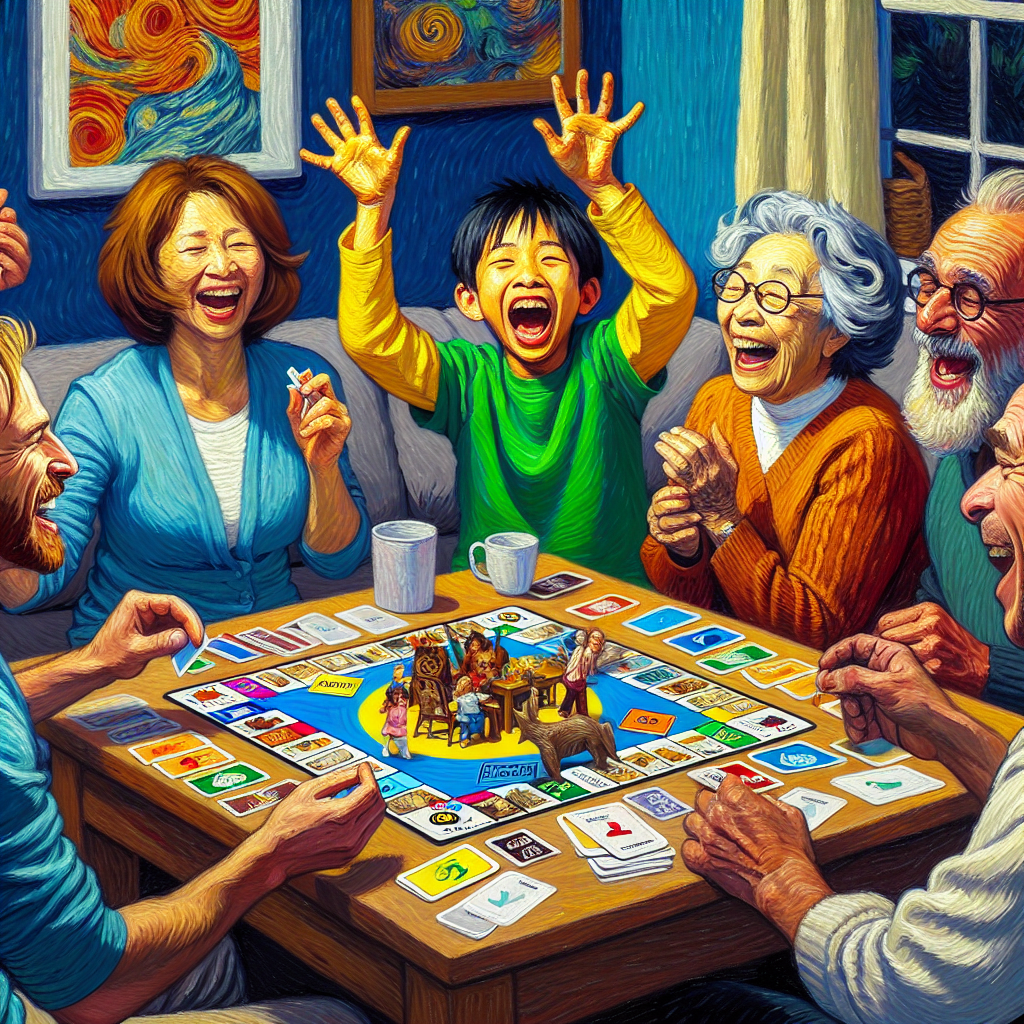
When you think of family game night, visions of laughter, friendly competition, and maybe even a slice of pizza come to mind. Horror, on the other hand, conjures images of dark basements, flickering candles, and suspenseful soundtracks that make your heart race. But what if I told you there’s a delightful little intersection where those two worlds collide? Enter the realm of family-friendly horror board games—a place where spookiness meets wholesome fun, proving that you don’t have to sacrifice your soul (or your family) for a good scare.
Now, let’s clarify what we mean by “family-friendly.” We’re not talking about grisly tales or existential dread. Instead, these games offer a playful approach to the spooky side of life. Titles like “Ghost Fightin’ Treasure Hunters” turn the tables on traditional horror themes, pinning players against mischievous ghosts in a race to collect treasure while working together. Parents can breathe a sigh of relief because the stakes are low—just a touch of suspense to keep everyone engaged, without any nightmares lurking under the bed afterward.
Another fan favorite is “Mysterium.” Here, players become detectives, collaborating to decipher the visions of a ghost. What makes it family-friendly is the imaginative art and the cooperative nature of the game. No one is pitted against each other; instead, the whole family unites to solve a mystery. It’s like playing Scooby-Doo but without the cartoonish hijinks—just a straightforward blend of strategy and deduction that lets you enjoy a dash of spookiness while building team spirit.
Moreover, let’s not overlook lighter takes on classic horror films and lore. Games like “Betrayal at House on the Hill” offer a variety of scenarios in which players explore a haunted mansion—drawing inspiration from beloved horror flicks yet remaining safe for family gatherings. With numerous gameplay variations, it’s always a different experience, turning each session into a mini-adventure without the weighty dread that more intense horror can carry.
So, there you have it: a treasure trove of family-friendly horror board games that don’t come wrapped in gore or dread. They offer just the right amount of chills to make your family game night memorable, proving that you can embrace the spooky spirit of Halloween any time of year—all while keeping the family bond strong and the smiles wide. Time to gather the kin, roll the dice, and let the ghostly good times roll!
Are There Family-Friendly Horror Board Games?
Are There Family-Friendly Horror Board Games?
- Family game night combines laughter, friendly competition, and fun.
- Family-friendly horror board games blend spookiness with wholesome fun.
- These games focus on playful, low-stakes horror without causing nightmares.
- “Ghost Fightin’ Treasure Hunters” has players collect treasure while avoiding mischievous ghosts.
- “Mysterium” involves players collaborating to decipher a ghost’s visions, promoting teamwork.
- Games like “Betrayal at House on the Hill” explore haunted houses with various scenarios.
- These board games offer chills suitable for all ages, enhancing family bonding during game night.
Are There Family-Friendly Horror Board Games?
What Are The Best Horror Games For Beginners?
Diving into the spine-chilling world of horror games can feel a bit like stepping onto a haunted house ride—you know it’s meant to be fun, but your heart is pounding like a jackhammer. For the uninitiated, it’s vital to find those welcoming entry points that give just the right amount of thrill without leaving you cowering in the dark. Here’s a rundown of some of the best horror games for beginners that blend a sense of fear with manageable gameplay elements.
First on the list is “Amnesia: The Dark Descent.” Imagine yourself in a foreboding castle, a haunted labyrinth with dark corners and eerie whispers. Here, the real terror is psychological; it’s not about combat, but about survival. You’ll navigate chilling environments while solving puzzles to escape the madness. What makes it accessible for newcomers is the pacing—it allows you to soak in the atmosphere without overwhelming you with action.
Next up is “Outlast,” a game that throws you into an abandoned psychiatric hospital where the odds are stacked against you. Armed only with a camera and your wits, you’ll face terrifying encounters that’ll make you jump at the smallest sounds. What’s beginner-friendly here is the straightforward mechanics; you can’t fight back, which encourages stealth and strategy over excessive button-mashing.
For those who appreciate a dash of humor with their horror, “Dead by Daylight” offers a multiplayer experience that’s both thrilling and slightly less daunting. You can choose to play as a survivor trying to escape or as a killer. The game features various characters, each with unique abilities, making it easy to find a playstyle that suits you. Plus, the group dynamics mean you won’t be facing your fears alone, which can ease the tension a bit.
Lastly, consider “Little Nightmares.” This gem combines eerie visuals with a beautifully haunting story that’ll have you questioning everything around you. The game is platform-based with simple controls, making it an excellent choice for those new to the genre. You’ll find yourself drawn into a dreamlike world filled with unsettling imagery that lingers in your mind long after you’ve put down the controller.
With these selections, you’re not just stepping into horror—you’re doing it with a guiding hand. They offer just the right balance of fright and engagement, providing a solid groundwork to prepare you for the scarier corners of gaming. So, grab your snacks, turn down the lights, and ready yourself for some spooky fun!
What Are The Best Horror Games For Beginners?
What Are The Best Horror Games For Beginners?
- Diving into horror games is like a haunted house ride—thrilling yet intense.
- “Amnesia: The Dark Descent” features psychological terror with survival gameplay, ideal for beginners.
- “Outlast” places players in an abandoned psychiatric hospital, emphasizing stealth and strategy with simple mechanics.
- “Dead by Daylight” offers a multiplayer experience where players can choose to be survivors or killers, enhancing the social aspect of horror.
- “Little Nightmares” combines eerie visuals with a haunting story and simple platform-based controls.
- These games provide an accessible introduction to the horror genre, balancing fright and engagement.
- Prepare for a spooky experience with manageable gameplay and a supportive atmosphere.
What Are The Best Horror Games For Beginners?
How Do Horror Board Games Differ From Other Genres?
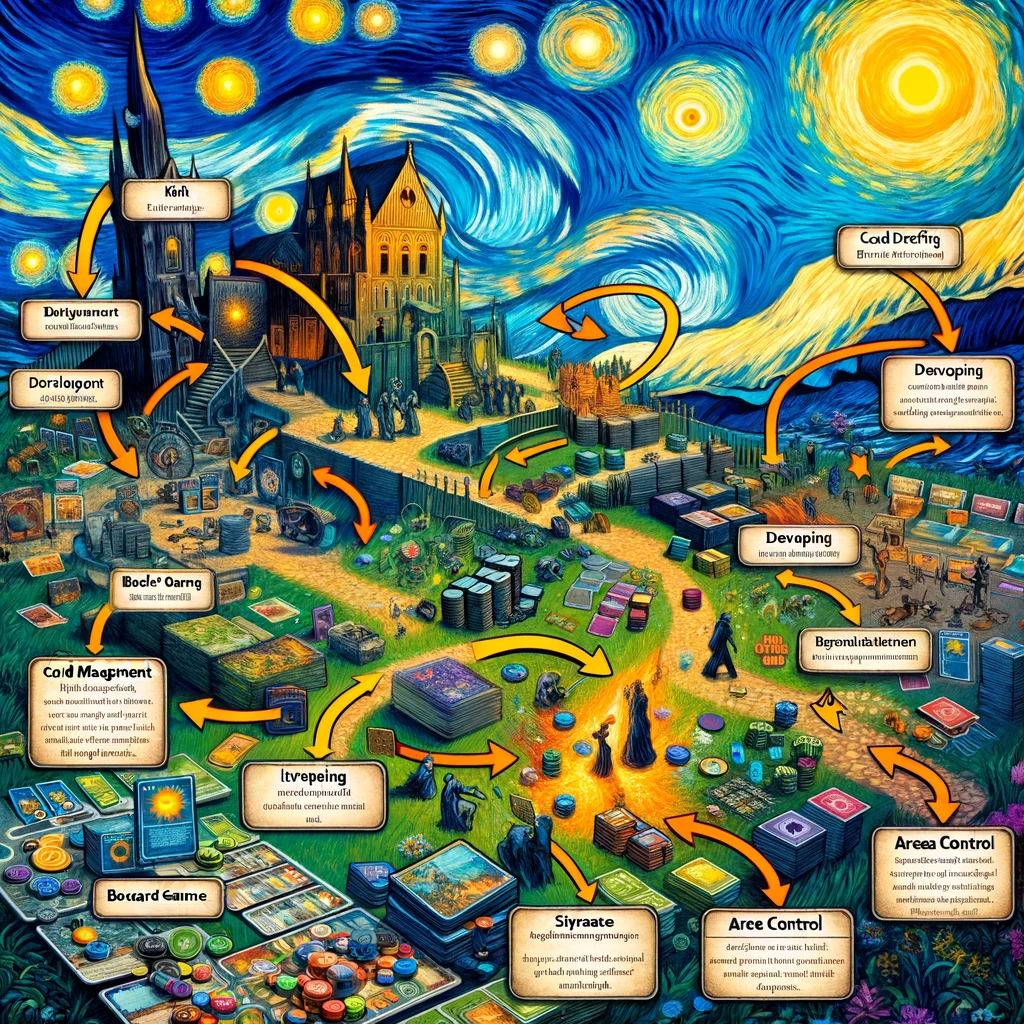
When it comes to board games, most folks think of friendly competition, strategy, and perhaps a little lighthearted banter over snacks. But then there’s a whole other realm of gaming that dives into the dark and shadowy corners of imagination: horror board games. They’re not just about rolling dice and moving pieces on a board; they create an experience that feels more like a meticulously orchestrated fright fest than a casual Sunday afternoon with friends.
What sets horror board games apart from their lighter counterparts isn’t just their thematic focus—it’s about how they engage players on a visceral level. Where a typical game may revolve around building empires or gathering resources, horror games tap into our most primal fears. They often introduce mechanics that evoke tension, uncertainty, and sometimes even a palpable sense of dread. Players might find themselves exploring haunted mansions, fighting off hordes of undead, or solving intricate mysteries with limited information. Every decision feels weighty, as it can have dire consequences for both their characters and their fellow players.
Atmosphere plays a crucial role too. In horror board games, the setting is not just a backdrop; it often shapes the gameplay itself. Many games incorporate elements like dim lighting, ambient soundtracks, or custom art to help set the scene. Players are encouraged to immerse themselves fully, to engage their imaginations in a way that other genres might not require. This means that while you’re flipping cards or rolling dice, you’re also becoming part of a narrative—a story that threatens to turn dark at any moment.
Furthermore, horror games often blur the lines between competition and cooperation. While players may start as adversaries, the lurking threat of an overarching monster or catastrophic event might compel them to work together. This unique dynamic adds layers of tension and betrayal. What was once a friendly rivalry can quickly devolve into paranoia as alliances shift and secrets come to light.
Let’s not forget the social element; horror board games often bring people closer together, even as they’re scaring the pants off each other. The thrill of shared terror can forge bonds that lighter fare simply can’t match.
In short, horror board games pull you in and hold you hostage, demanding not just your attention but your willingness to confront the unknown. It’s a world where the mundane meets the macabre, creating an experience that’s as thrilling as it is unforgettable. So, gather your bravest friends, turn down the lights, and prepare for a night that might just haunt you long after the last die has been rolled.
How Do Horror Board Games Differ From Other Genres?
How Do Horror Board Games Differ From Other Genres?
- Horror board games create immersive experiences that go beyond casual gameplay.
- They engage players on a visceral level by tapping into primal fears and evoking tension.
- Gameplay often involves exploring dark themes, such as haunted mansions and undead hordes.
- Atmosphere is essential; dim lighting and ambient soundtracks enhance the gameplay experience.
- Horror games often blur competition with cooperation, leading to shifting alliances and paranoia.
- The thrill of shared terror can strengthen bonds between players in ways lighter games cannot.
- These games demand full immersion, challenging players to confront the unknown and the macabre.
How Do Horror Board Games Differ From Other Genres?
What Makes A Horror Board Game Replayable?
When you dive into the world of horror board games, you might find yourself asking a simple question: what keeps players coming back for more? After all, a thrilling experience might send shivers down your spine the first time around, but for a game to hold its ground in your collection, it needs to be more than just a flash in the pan. There’s a complexity to replayability that goes beyond mere mechanics.
First off, let’s talk about variability. If every game feels like a clone of the last, you can bet players will find themselves drifting away like ghosts in the night. A game that offers different scenarios, characters, or board layouts each time helps stave off that “been there, done that” feeling. The element of surprise—whether it’s a new monster lurking in the shadows or an unexpected plot twist—can keep even seasoned players on their toes.
Next, consider player choice. Those moments when you get to make a significant decision can punch up the tension and give the game its own heartbeat. These choices shape not only the storyline but also the fate of your characters. When players know their decisions carry weight and can lead to varying outcomes, the stakes are raised, transforming even the most familiar paths into fresh adventures with every playthrough.
The social aspect can’t be overlooked, either. Horror often thrives on group dynamics. Whether your friends are cackling at a particularly gruesome demise or scurrying for safety, the reactions at the table are an organic part of the game’s charm. Great horror board games encourage storytelling, injecting the gameplay with laughter, gasps, and banter that breathe life into those dark themes. Each session fosters memorable tales, creating a communal bond that makes players want to return to that haunted space.
Lastly, engagement through thematic depth can extend a game’s life significantly. Rich lore, immersive settings, and compelling narratives turn an average session into an unfolding saga. Players won’t just remember a game for its mechanics but for the haunting tales shared, the adrenaline-fueled moments of teamwork, and even those heart-stopping betrayals. Extend the narrative across multiple sessions, and you’ve tapped into a vein of replayability that’s hard to ignore.
In a nutshell, the magic of replayability in horror board games comes down to variability, player choice, social dynamics, and thematic richness. It’s a mix that sparks excitement, keeps the thrills alive, and ensures your collection never collects dust. So, gather your amigos, dim the lights, and grab a game; there’s a world of terror waiting to be unearthed again and again.
What Makes A Horror Board Game Replayable?
What Makes A Horror Board Game Replayable?
- Replayability in horror board games goes beyond mechanics; it needs complexity.
- Variability is key; different scenarios, characters, or layouts prevent monotony.
- The element of surprise keeps players engaged, introducing new monsters or plot twists.
- Player choice adds tension and meaningful decisions that affect the story and outcomes.
- Social dynamics enrich the experience, fostering laughs, gasps, and memorable anecdotes.
- Thematic depth with rich lore and narratives transforms gameplay into engaging sagas.
- The combination of these elements ensures horror games remain exciting and replayable.
What Makes A Horror Board Game Replayable?
How Important Is Artwork In Horror Board Games?
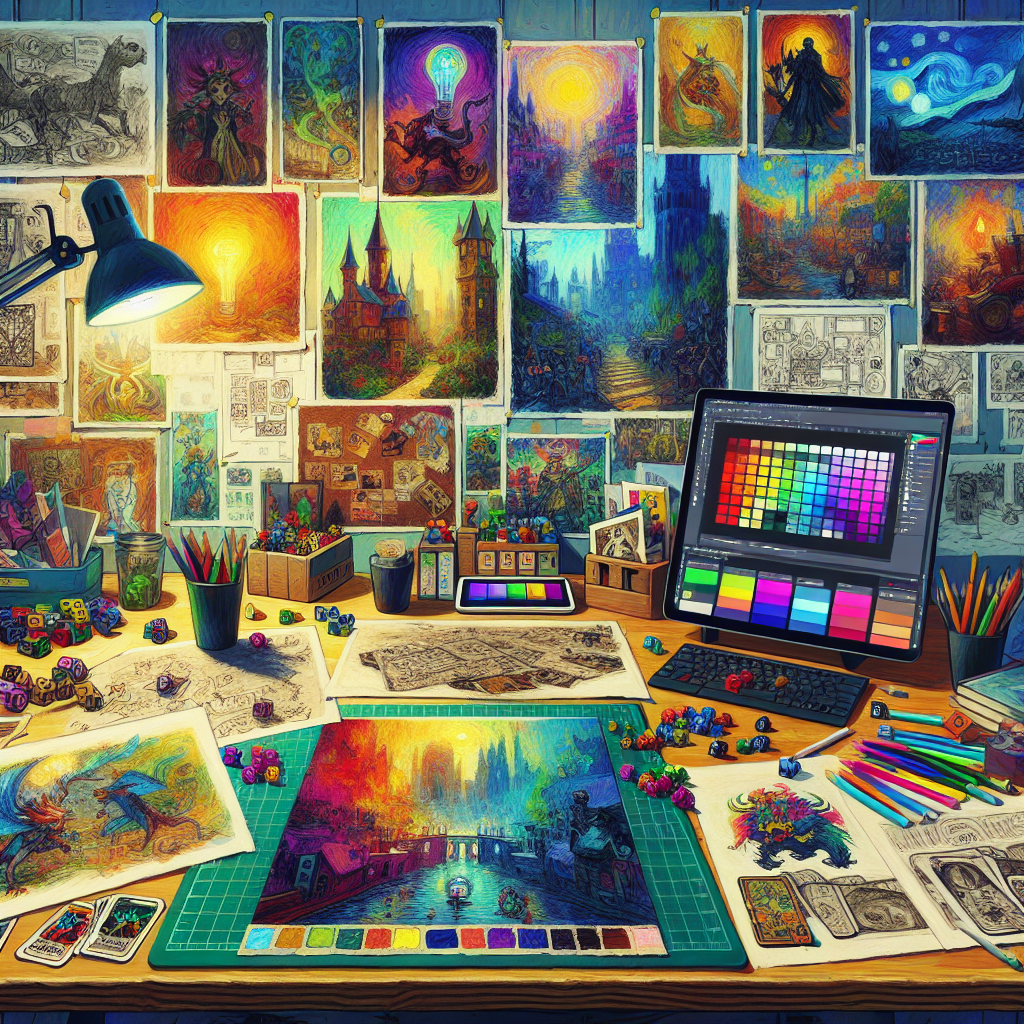
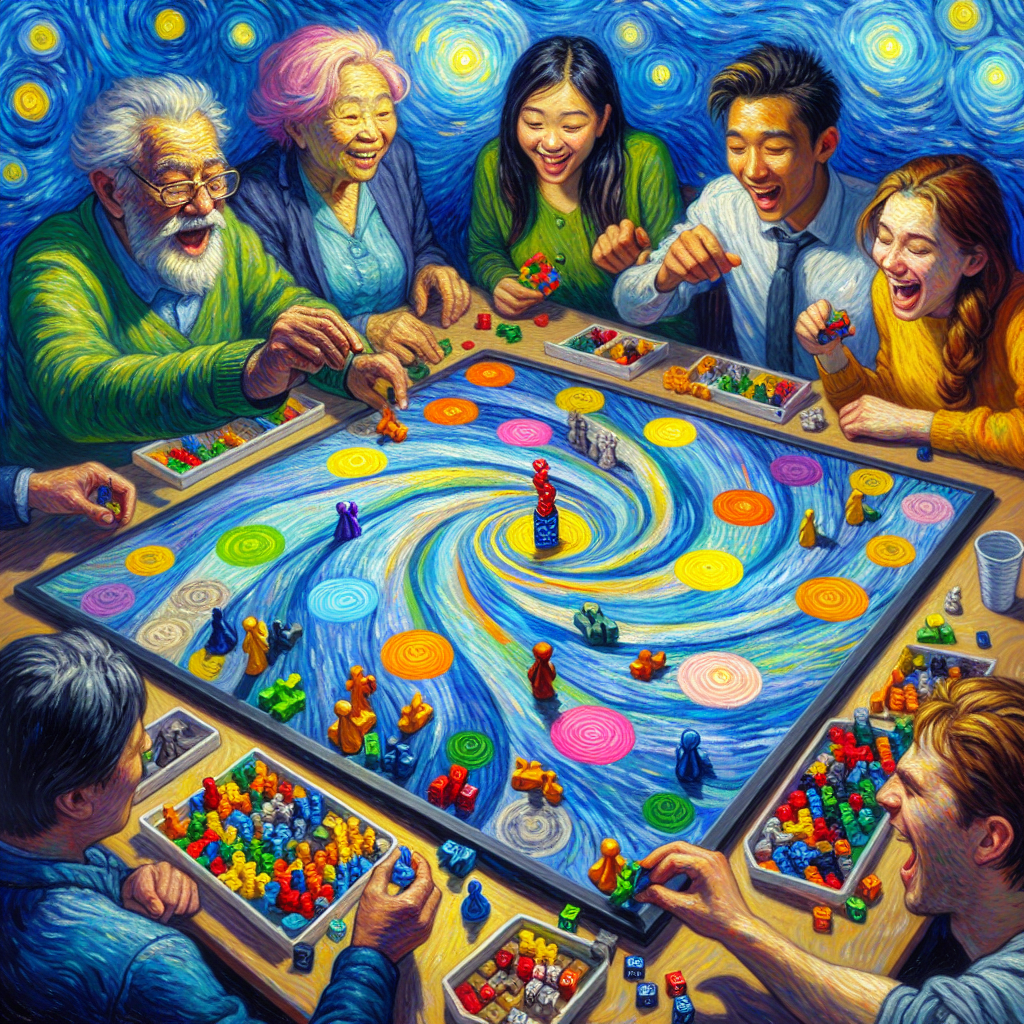
When you think about horror board games, your first instinct might be to focus on the mechanics, the gameplay, or the well-timed jump scares. Sure, the mechanics are vital for engagement and strategy, but let’s not gloss over one of the most vital components: artwork. The imagery in horror board games isn’t just there to look pretty; it’s the lifeblood that pulses through the very veins of the experience.
Imagine, if you will, the moment you crack open the box. You’re greeted by the eerily captivating cover art that beckons you into a world of suspense and dread. This artwork sets the tone for what’s to come. It’s specifically designed to evoke emotion—fear, intrigue, or even a twinge of nostalgia for those classic horror films. The visual elements pull you in before you even roll a single die or draw a card. They create a psychological atmosphere, preparing you for the impending thrill and terror.
Now, let’s dive deeper into the game itself. The illustrations on the cards, the designs of the miniatures, and the overall aesthetic of the game board serve one purpose: immersion. The best horror board games transport players from the comfort of their living rooms into a nightmarish realm where anything can happen. High-quality artwork enhances this experience, making ghosts seem to drift off the cards and monsters seem to loom just beyond the shadows.
Take a moment to consider the power of suggestion. The right image can trigger your imagination far more effectively than words alone. Picture a grotesque creature, illustrated with such detail that its sharp teeth seem to glisten under a dim light. That artwork doesn’t just depict; it engages your fears and things that lurk in the dark corners of your mind. It amplifies the stakes and channels that primal fear, drawing you deeper into the narrative.
Conversely, poor artwork can lead to a disjointed experience that dulls the suspense. If the visuals don’t align with the horror theme or lack the necessary grit, you might find yourself chuckling instead of shivering. A seamless blend of gameplay and art is crucial for crafting a truly immersive horror experience.
In essence, the artwork in horror board games is not mere decoration; it serves as the gateway to dread. It enhances storytelling and builds an atmosphere that leaves an indelible mark on players. So, the next time you shuffle through your collection, take a moment to appreciate the artistry—the real heart behind the horror.
How Important Is Artwork In Horror Board Games?
How Important Is Artwork In Horror Board Games?
- Artwork is a vital component of horror board games, enhancing gameplay and player engagement.
- The cover art sets the initial tone, evoking emotions like fear and intrigue.
- High-quality illustrations and designs immerse players in a nightmarish realm.
- Powerful imagery engages imagination and amplifies the game’s narrative and stakes.
- Poor artwork can disrupt the experience, making it less suspenseful and engaging.
- A seamless blend of gameplay mechanics and visuals is crucial for immersion.
- Artwork serves as a gateway to dread, enhancing storytelling and leaving a lasting impact on players.
How Important Is Artwork In Horror Board Games?
What Are Some Cooperative Horror Board Games?
When it comes to board games, horror aficionados often seek an experience that transcends mere chance; they crave a riveting tale, a palpable sense of dread, and the thrill of survival—all while playing alongside companions who share in the fright. Enter cooperative horror board games: where the stakes are high, but the camaraderie is even higher. Here’s a rundown of some spine-tingling favorites that promise to deliver chills, thrills, and a bit of teamwork.
First up, “Pandemic: Reign of Cthulhu.” This gem takes the beloved “Pandemic” formula and injects it with a healthy dose of Lovecraftian mythos. Gone are the cute little disease tokens; replace them with groaning cultists and nightmarish creatures threatening to tear reality asunder. In this cooperative endeavor, players work together to thwart those pesky cultists aiming to awaken the unspeakable horrors lurking in the void. With a finite number of turns to prevent doom, your teamwork and strategic acumen become paramount. Just remember: the odds are never in your favor.
Next on the list is “Horrified,” a delightful yet harrowing twist on classic monster fare. Picture yourself in a town besieged by iconic horror figures like Frankenstein’s Monster and the Mummy. Players must band together to fend off these menaces while completing tasks to save hapless townsfolk. With a blend of resource management and strategic collaborations, “Horrified” not only brings you a chilling encounter but also provides a refreshing way to embrace those classic characters without the drama of betrayal—assuming your friends can keep their undead urges in check.
For those with a penchant for a labyrinthine narrative, “Mansions of Madness” beckons. This sprawling experience immerses players in a twisted world of ancient tomes and otherworldly horrors. With app integration guiding you through scenarios, you and your fellow investigators will explore haunted locales while solving puzzles and facing down terrifying creatures. Every decision matters, and with multiple scenarios alongside a plethora of expansions, the replay value is as high as your heart rate during that inevitable heart-stopping encounter.
Last but not least is “Gloomhaven: Jaws of the Lion.” While not horror in the traditional sense, it certainly captures the essence of a dark fantasy world filled with peril and grim narratives. This cooperative campaign-driven game combines tactical combat with a story just dark enough to keep you on edge. Face daunting foes and make tough choices that could spell the difference between victory and utter devastation.
In each of these cooperative horror games, the heartbeat of the experience lies in shared dread and collective triumph. So gather your brave companions, turn down the lights, and prepare for a hauntingly good time!
What Are Some Cooperative Horror Board Games?
What Are Some Cooperative Horror Board Games?
- Cooperative horror board games provide a thrilling shared experience filled with suspense and teamwork.
- “Pandemic: Reign of Cthulhu” replaces diseases with Lovecraftian threats, requiring strategic collaboration to prevent doom.
- “Horrified” features classic horror monsters in a town setting where players work together to protect townsfolk.
- Resource management and strategic collaboration are key elements in “Horrified” to fend off iconic monsters.
- “Mansions of Madness” offers a narrative-driven experience with app integration, puzzles, and explorations in haunted locations.
- “Gloomhaven: Jaws of the Lion” combines tactical combat with dark storytelling, challenging players with tough choices and formidable foes.
- Shared dread and collective triumph are essential in creating a memorable gaming experience with friends.
What Are Some Cooperative Horror Board Games?
How Do Expansions Affect Horror Board Games?
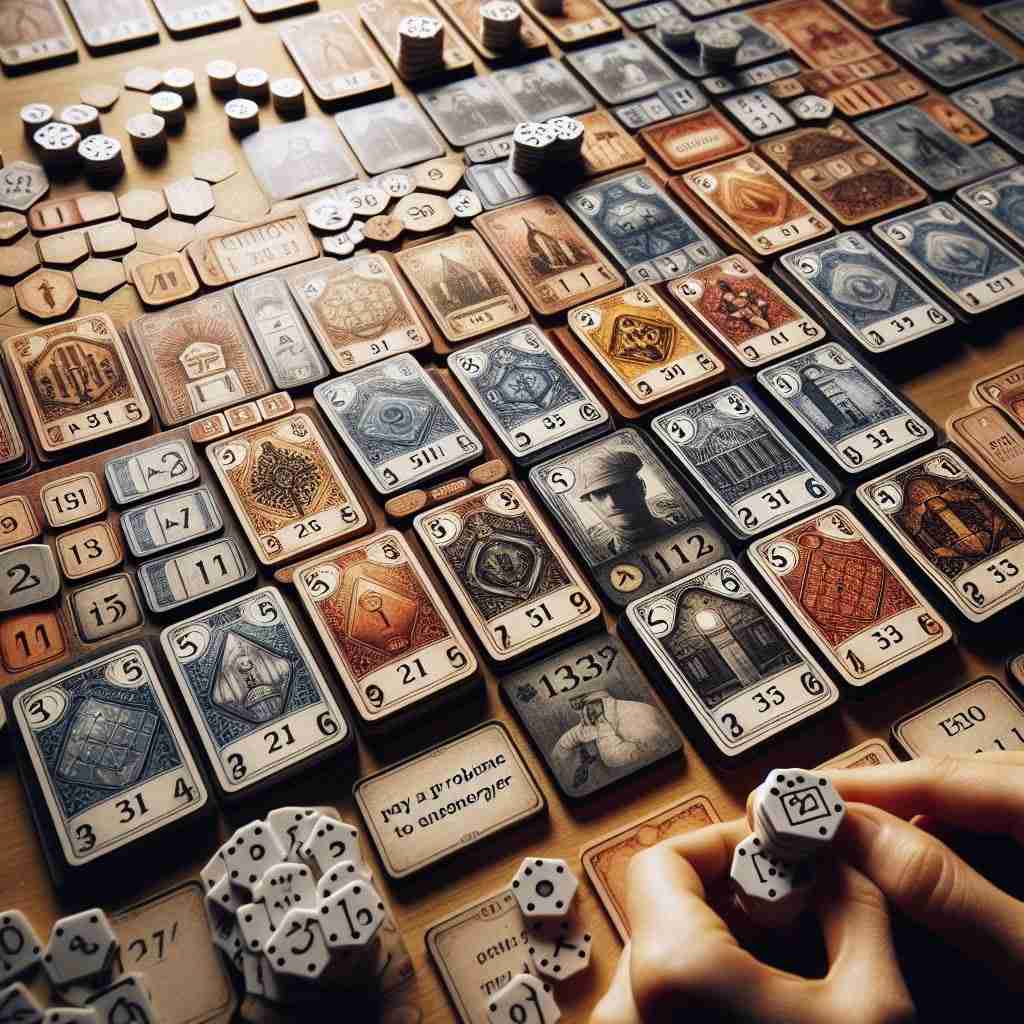
When it comes to expanding the universe of horror board games, the process can be as thrilling as an unexpected twist in a spine-chilling narrative. Much like a good horror movie that knows when to up the ante, expansions introduce new elements, mechanics, and themes that can both heighten the tension and deepen the experience. Intrigued? You should be.
Firstly, expansions offer a fresh coat of paint to familiar landscapes. Take a game like “Mansions of Madness,” for example. This game already immerses players in a maze of mystery and dread. However, the addition of an expansion can weave in new scenarios, characters, or even entire settings steeped in Lovecraftian mythos. Suddenly, you’re not just exploring a haunted mansion; you’re also delving into the depths of ancient ruins or facing off against otherworldly beings. This variety means that no two game nights need to tread the same path, and the replayability factor skyrockets as you explore these new layers of horror.
Then there’s the power of narrative expansion. Horror is all about the story, and when an expansion drops, it’s like a seasoned novelist has taken the helm. New plot twists, character backstories, and lore-rich settings can breathe new life into gameplay. As players encounter new threats or allies, the story morphs and grows in surprising directions. The narrative isn’t just an add-on; it becomes a vital part of the gaming experience, pulling players deeper into the lore, giving them stakes that feel personal, and turning every dice roll into a gasp-inducing moment.
But let’s not forget the strategic dimension. Expansions often bring new mechanics that can alter how players approach the game. Whether it’s new rules for combat, unique abilities for the characters, or additional challenges that ramp up the difficulty levels, it’s like handing a master key to a haunted mansion—suddenly, you need to think on your feet and adapt your strategy. The stakes are higher, and the tension crackles in the air, much like the final moments before a scare.
In essence, expansions for horror board games do more than just add content; they cultivate an eerie, ever-evolving world that players can’t resist returning to. They keep us on our toes, challenge our fears, and draw us further into the shadows—one spine-tingling experience at a time. Embrace the fear, dive into the expansion, and see what horrors await.
How Do Expansions Affect Horror Board Games?
How Do Expansions Affect Horror Board Games?
- Expansions enhance the horror board game experience with new elements, mechanics, and themes.
- They provide a fresh perspective on familiar games, like “Mansions of Madness,” introducing new scenarios and settings.
- Expansions increase replayability by allowing players to explore diverse layers of horror and adventure.
- Narrative expansions add depth through new plot twists, character backstories, and lore-rich settings.
- They transform gameplay into a rich storytelling experience, making every decision feel impactful.
- Expansions often introduce new mechanics, requiring players to adapt their strategies for heightened challenges.
- Overall, they create an evolving world that entices players to embrace fear and return for more thrilling experiences.
How Do Expansions Affect Horror Board Games?
What Are The Most Immersive Horror Board Games?
When it comes to immersive horror board games, we’re diving into a realm where the stakes are as real as they come—at least as real as a game can get. It’s a space where fear meets strategy, and every move you make could mean the difference between a heart-pounding escape or a spine-chilling demise.
At the top of the list, you can’t overlook Gloomhaven. Now, it may not scream “horror” in the traditional sense, but its dark, pixelated world wrapped in rich storylines has a way of creeping into your bones. Players embark on a massive campaign, where the choices aren’t just about combat; they’re about survival in a world fraught with betrayal and dark magic. The psychological element of teamwork and individual character arcs add layers of tension that could give any ghost a run for its money.
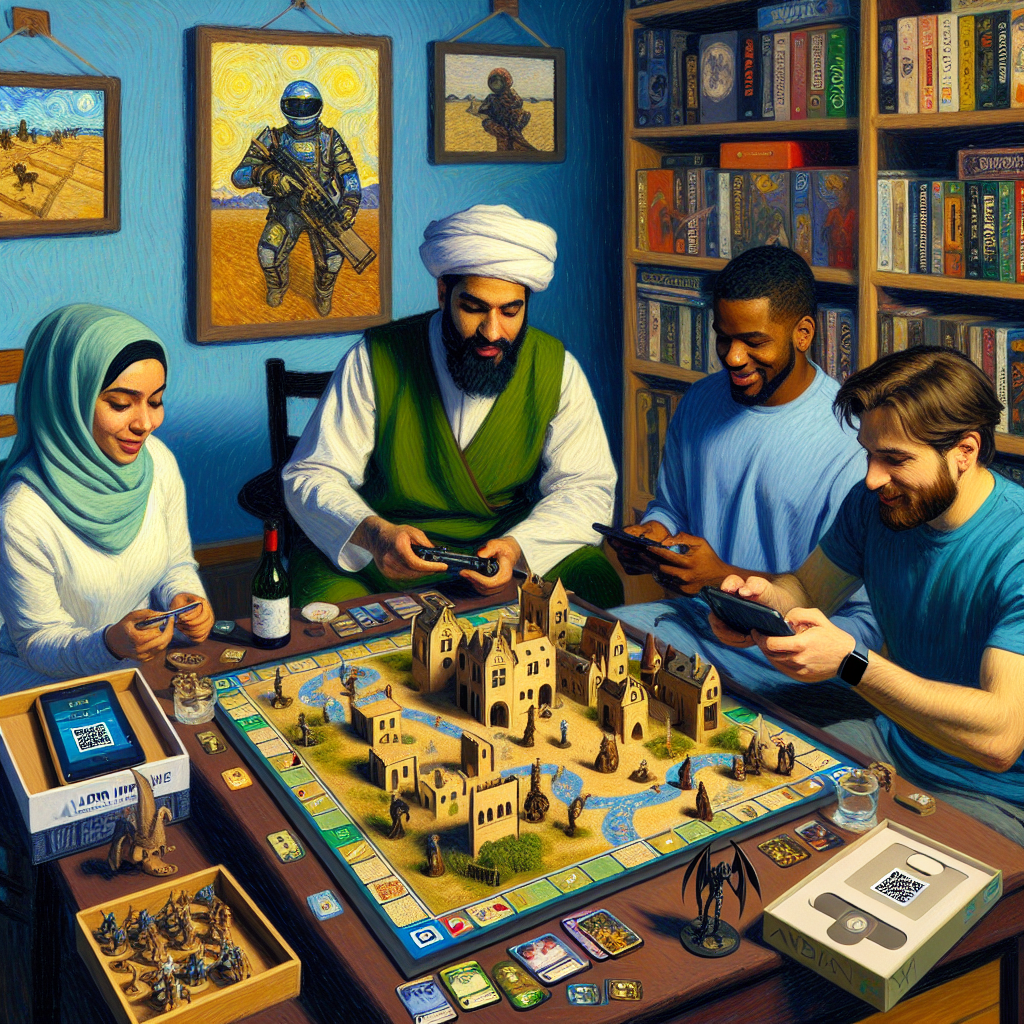
Next up is Mansions of Madness, a true beacon of horror board gaming. This game transports players straight into a Lovecraftian nightmare, complete with intricate miniatures and immersive storytelling. Utilizing an app that guides the gameplay, it brings a sense of unease and unpredictability, simulating the kind of tension you’d feel in a horror film. You’ll find yourself investigating mysteries and battling unspeakable horrors, all while your actions affect the very outcome of the scenario. It’s the kind of experience that grips you and doesn’t let go until the very end.
Then we have Dead of Winter, a game where the horror lies not just in the zombies munching on your best friends’ brains but also in the moral dilemmas you face as a survivor. Set in a post-apocalyptic world, players must work together to secure resources, fend off the undead, and also manage the ever-looming threat of betrayal within their own group. You’ll often find yourself wondering: Is that your friend, or just another chess piece on the board? That uncertainty keeps the tension high and the nights sleepless.
Lastly, there’s Arkham Horror, the granddaddy of thematic horror games. With its sprawling board and endless pathways to madness, players delve into the depths of H.P. Lovecraft’s iconic universe. Each session is a unique adventure filled with creepy cults, eldritch beings, and, let’s be honest, a whole lot of existential dread.
So, whether you’re looking to pit your wits against monsters or wrestle with moral choices that haunt you, these immersive horror board games are sure to send chills down your spine. Just remember: sometimes the scariest part isn’t what’s lurking in the shadows, but what’s lurking in our own hearts.
What Are The Most Immersive Horror Board Games?
What Are The Most Immersive Horror Board Games?
- Immersive horror board games blend fear and strategy, heightening the stakes for players.
- Gloomhaven, while not traditionally horror, features a dark world with rich storylines and intense psychological elements.
- Mansions of Madness offers a Lovecraftian experience with intricate miniatures and an app to enhance storytelling.
- Dead of Winter emphasizes moral dilemmas in a post-apocalyptic setting, where players must navigate betrayal among companions.
- Arkham Horror immerses players in H.P. Lovecraft’s universe, featuring unique adventures filled with eldritch horrors.
- These games challenge players to confront not only external threats but also their own inner fears and moral choices.
- In this genre, the real terror may stem from personal conflict and uncertainty rather than just monsters.
What Are The Most Immersive Horror Board Games?
How Do You Choose A Horror Board Game For Your Group?
How Do You Choose a Horror Board Game for Your Group?
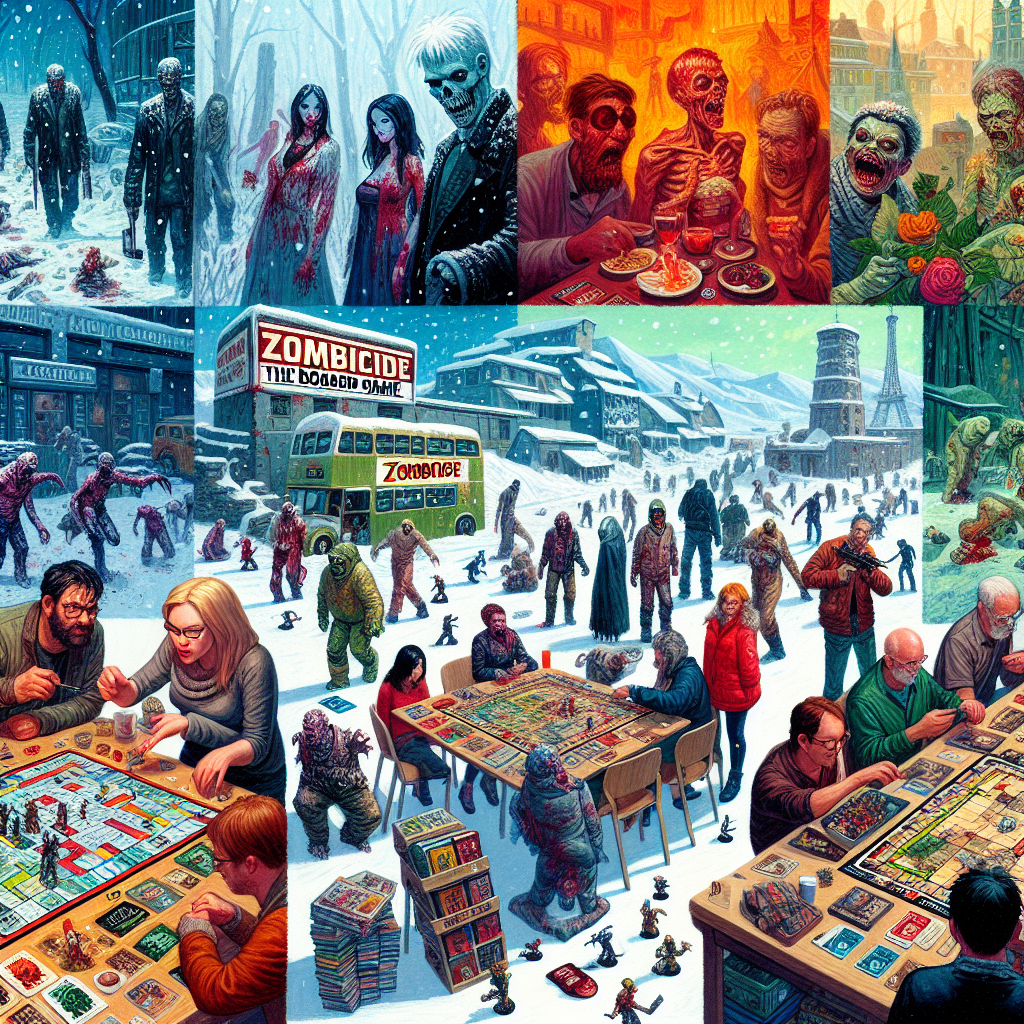
Let’s face it: gathering your friends for a night of horror board gaming is as much about the atmosphere as it is about the game itself. You’re not just choosing a game; you’re setting the stage for some spine-tingling thrills and, if all goes well, at least a little laughter mixed with the screams. So, how do you go about picking that perfect horror board game for your crew? Well, grab a flashlight, because we’re about to shine some light on the subject.
First off, consider the interests of your group. Are they seasoned horror aficionados, or are they the type that screams at a well-timed jump scare? There’s a wide spectrum between those two extremes, and finding a game that fits your group’s comfort level is critical. If your pals tend to shy away from the macabre, a lighter “chiller” with spooky themes rather than outright terror might be more their speed. Look for games that combine horror elements with humor—think less “Saw” and more “Ghostbusters.”
Once you’ve gauged the comfort levels, you’ll want to dive into the mechanics of the game. Is your group made up of strategists who love pondering each move like it’s a chess match? Or are they more the “go for broke” type, indulging in speed and spontaneity? Some horror board games have elaborate mechanics that might leave your group scratching their heads halfway through, while others are easy to pick up and play even after a few rounds of your favorite adult beverages. Make sure you choose a game that suits their style; nothing kills a mood faster than confusion and frustration.
Then, consider the length of playtime. After all, no one wants to be trapped in a five-hour game that feels like an eternity in purgatory. Aim for something that fits your time constraints—and remember, a good game can always leave room for a few spontaneous scares and laughter.
Lastly, don’t forget about the theme. Whether it’s a haunted house, a zombie apocalypse, or a ghostly mystery, pick a game with a theme that will spark your group’s imagination. The right atmosphere can set the tone for the night and transform a simple game session into an unforgettable experience.
In short, choosing the right horror board game involves a mix of personal preference, gameplay mechanics, time considerations, and thematic depth. With a little foresight and insight from your group, you can ensure that the night is filled with chills, thrills, and maybe a little friendly competition. Happy gaming!
How Do You Choose A Horror Board Game For Your Group?
How Do You Choose A Horror Board Game For Your Group?
- Consider the interests of your group; find a game that matches their comfort level with horror themes.
- Look for games that incorporate humor into horror to cater to a wider range of players.
- Evaluate the gameplay mechanics; choose a game that aligns with your group’s playing style, whether strategic or spontaneous.
- Check the length of playtime to avoid prolonged sessions that may dampen the mood.
- Select a theme that excites your group, such as haunted houses or zombie apocalypses, to enhance the atmosphere.
- Balance personal preferences, game mechanics, time limits, and thematic aspects in your decision-making process.
- With thoughtful consideration, you can create an unforgettable horror board game night filled with excitement and fun.
How Do You Choose A Horror Board Game For Your Group?
What Role Does Storytelling Play In Horror Board Games?
In the world of horror board games, storytelling isn’t just an accessory; it’s the beating heart that propels players into the chilling embrace of dread and suspense. Imagine gathering around a table, the lights dimmed, and an eerie ambiance creeping into the room. The role of storytelling in these games transforms a mere pastime into an immersive experience that tantalizes the imagination and evokes primal fears.
At its core, storytelling in horror board games serves to create a narrative framework. Players find themselves in a world where each choice carries weight, where the flickering candlelight seems to cast shadows on more than just the walls. The rich lore and carefully crafted scenarios serve to bind players in a collective experience that’s as engaging as it is terrifying. The thrill isn’t solely derived from winning or losing; rather, it’s from the journey through the narrative, where every twist and turn can lead to unexpected horrors lurking just around the corner.
Take, for instance, games that embrace scenarios steeped in myth and legend. Here, players might encounter ghosts whispering forgotten secrets or uncover ancient artifacts that unleash dark spirits. Each reveal is a testament to careful storytelling that invites players to question their motivations and collaborations. Drama unfolds in real time, often leading to the same pulse-racing moments found in traditional horror films. It’s that moment of anticipation—the hair-raising calm before the storm—that keeps players on the edge of their seats.
Furthermore, the decisions players make can shape the unfolding narrative. Many horror board games employ mechanics that encourage players to take risks, fostering tension and uncertainty. Will they dare to open that creaky door, risking a malevolent encounter? Or will they decide to flee, perhaps missing a chance at uncovering profound truths? These choices feed into an elaborate tapestry of horror, where each session can evolve into a completely different story, contingent on the players’ actions.
Moreover, a group narrative always amplifies the experience. Conversations and shared reactions weave a communal story that can be just as terrifying as the game itself. Suddenly, the game room isn’t just a space filled with pieces and tokens; it transforms into a living, breathing environment where dread hangs in the air and friendships are tested by fear.
In essence, storytelling is what elevates horror board games from mere mechanics to a full-bodied psychological experience, allowing players to confront their fears in a controlled environment and emerge—hopefully—unscathed. After all, isn’t that what draws us back to the darkness time and again?
What Role Does Storytelling Play In Horror Board Games?
What Role Does Storytelling Play In Horror Board Games?
- Storytelling is the central element that enhances the horror board game experience, evoking dread and suspense.
- The narrative framework creates a world where players’ choices deeply impact the game, adding weight and tension to their decisions.
- Rich lore and crafted scenarios bind players in a collective and immersive experience that transcends traditional gaming.
- Players encounter mythic scenarios with ghosts and ancient artifacts, heightening the storytelling’s complexity and intrigue.
- Player decisions significantly shape the narrative, leading to risk-taking and uncertainty that keep the gameplay dynamic.
- A communal narrative unfolds through shared reactions, turning the game room into an engaging, fear-filled environment.
- Storytelling transforms horror board games into psychological experiences, allowing players to confront fears in a safe setting.
What Role Does Storytelling Play In Horror Board Games?
How Can Horror Games Create Tension And Fear?
When diving into the world of horror games, it’s an eye-opening experience to see just how cleverly developers manipulate the very fabric of our emotions. Creating tension and fear is like orchestrating a symphony, where every note perfectly builds upon the last. It’s a dance of light and shadow, sound and silence, designed to provoke a visceral response.
At the heart of this fear-inducing design is atmosphere. From the moment players step into a darkened room or a desolate landscape, the stakes begin to rise. It’s the subtle creaks of an old floorboard, the faint whispers carried on the wind, or the unsettling flicker of a lightbulb that keep you on edge. These sensory details serve as a reminder of just how vulnerable you are in this virtual space. Developers know that the imagination often conjures more terrifying images than anything that can be shown on screen, and they harness that uncertainty to their advantage.
Sound design plays an equally crucial role. The right audio cues can raise goosebumps faster than a shadow darting across the screen. A sudden crescendo might indicate danger, while an eerie silence can be just as distressing, leaving players to ponder what lurks just beyond their view. These auditory experiences work in tandem with visuals, crafting a holistic sense of dread that wraps around you like a heavy fog.
Then there’s the gameplay mechanics themselves. Limited resources, like dwindling ammo or scarce health packs, create a gnawing sense of desperation. The fear of the unknown is further heightened when players face unpredictable enemies, lurking in the shadows, ready to pounce at any moment. It’s a masterclass in tension when the player can never quite guess what’s around the corner or when a scare is coming. You’re forced to tread cautiously, your heart racing, constantly second-guessing your next move.
Moreover, psychological horror takes us on a different journey altogether. Here, the fear often stems from internal conflicts and insecurities. Through themes of isolation, guilt, and madness, players not only confront external threats but also grapple with their own psyche. This dual layer of horror can be even more unsettling, transforming the game from a simple fright fest into a deeply resonant experience.
Horror games thrive on a delicate balance of atmosphere, sound, gameplay mechanics, and psychological depth, all geared towards inducing tension and fear in a way that lingers long after the screen fades to black. It’s a captivating process that invites us to face our fears, one pulse-pounding moment at a time.
How Can Horror Games Create Tension And Fear?
How Can Horror Games Create Tension And Fear?
- Horror games use clever design to manipulate players’ emotions and build tension and fear.
- Atmosphere is crucial, with sensory details like creaks and whispers making players feel vulnerable.
- Developers leverage the imagination, suggesting terror rather than showing it directly.
- Sound design enhances fear, where audio cues can instill dread as effectively as visuals.
- Gameplay mechanics, such as limited resources and unpredictable enemies, create a sense of desperation.
- Psychological horror explores internal conflicts, adding depth to the gaming experience.
- Horror games balance atmosphere, sound, gameplay, and psychological elements to leave a lasting impact.
How Can Horror Games Create Tension And Fear?
Conclusion
As we draw the curtains on our exploration of horror board games, let’s pause and consider what truly makes this genre a beloved selection among gamers looking for something a bit more spine-chilling than your average Monopoly night. It’s not just the eerie themes or the thrill of being scared out of your socks; rather, it’s the perfect blend of storytelling, cooperative mechanics, and immersive experiences that create a spellbinding atmosphere. Think about it—when you crack open a box that promises horror, you’re not merely engaging in a game; you’re stepping into a narrative that grips you by the throat and won’t let go until the final die is rolled.
Each title we’ve touched on boasts its unique flair, from the betrayal and tension of *Betrayal at House on the Hill* to the cooperative dread of *Dead of Winter*. These are not just games; they’re mini horrorfests that invite players to work together or against each other, sparking camaraderie amidst the creeping dread. The games thrive on unpredictability—who doesn’t love the tension of not knowing when the monster will strike, or deciding whether you can trust your fellow players? These elements don’t just enhance the gameplay; they create camaraderie in fear, an experience to bond over.
Let’s not discount the role of artistry either. Artwork serves as the gateway to immersive dread, drawing players into haunting worlds that feel palpably real. The atmosphere—set by killer illustrations and evocative soundscapes—turns the simple act of rolling dice into something that feels like walking through a horror movie. It’s about creating tension that schools your senses, where the mundane merges with the macabre.
Moreover, the storytelling in these games plays an integral role—covering themes of isolation, existential dread, and moral dilemmas. Players grip their character sheets tightly, not just out of concern for survival, but out of an emotional connection forged through the compelling storylines. Every choice can lead to disaster or triumph, and that level of investment keeps players coming back for more.
So gather your bravest friends, dim the lights, and remember: in the world of horror board games, the laughter is often intertwined with screams, and those unforgettable escapes from darkness are what make these games a staple on any game night. Embrace the thrill, and get ready for an unforgettable, edge-of-your-seat experience that will have you talking long after the last ghost has vanished back into the shadows.
Conclusion
Conclusion:
- Horror board games are popular for their blend of storytelling, cooperative mechanics, and immersive experiences.
- Each game provides a unique experience, such as the betrayal in *Betrayal at House on the Hill* and the cooperative tension in *Dead of Winter*.
- These games create camaraderie through shared fear and unpredictability, enhancing the gameplay experience.
- Artistry plays a crucial role, with illustrations and soundscapes that enhance the immersive horror atmosphere.
- Storytelling covers themes like isolation, existential dread, and moral dilemmas, fostering emotional connections with characters.
- Every decision in the game can lead to different outcomes, keeping players engaged and returning for more.
- Gather friends for an exhilarating experience where laughter and screams coexist, making horror board games a must for game nights.
Conclusion
Other Resources
Other Resources
Here is a list of other resources you can review online to learn more:
- “Arkham Horror or Betrayal at House on the Hill”
- “Arkham Horror | Board Game”
- “Arkham Horror”
- “Arkham Horror Third Edition”
- “Brave the Museum’s Horrors and Save the World”
Bing Copilot Prompt: Please provide me with a list of online articles with their URLS in a bulleted list that I can read regarding What Are Some Examples Of Horror Board Games?
Other Resources
Glossary Terms
What Are Some Examples Of Horror Board Games? – Glossary Of Terms
1. Horror Board Game: A genre of tabletop games that incorporates elements of horror, suspense, and the supernatural to create a thrilling experience for players.
2. Theme: The central topic or concept around which the game is designed, often involving horror motifs such as monsters, ghosts, or haunted settings.
3. Mechanics: The rules and systems that govern gameplay, including how players interact with the game components and each other.
4. Cooperative Gameplay: A style of play where players work together to achieve a common goal, often facing formidable foes or overcoming collective challenges.
5. Semi-Cooperative: Players often need to work together, but there may be hidden motives or betrayals among them, leading to a tension-filled experience.
6. Deck-Building: A mechanic where players construct their own decks of cards throughout the game, often to gain powers or resources.
7. Miniatures: Small figures or models representing characters, creatures, or monsters, often used to enhance the visual appeal of the game.
8. Scenario: A specific storyline or situation within the game that players must navigate, often leading to different outcomes based on their choices.
9. Asymmetrical Gameplay: A design where players have different roles, abilities, or objectives, creating varied gameplay experiences.
10. Narrative Elements: Storytelling aspects incorporated into the game, helping to immerse players in the horror experience.
11. Player Elimination: A mechanic where players can be knocked out of the game, often raising the stakes and tension among remaining players.
12. Survival Horror: A subgenre that focuses on characters trying to survive in terrifying situations, often with limited resources.
13. Cthulhu Mythos: A fictional universe created by author H. P. Lovecraft, commonly used as a theme in horror games featuring eldritch horrors.
14. Psychological Horror: Elements that create tension and fear through atmosphere, suspense, and character-driven storytelling rather than overt violence.
15. Map Exploration: A mechanic where players discover a game board, revealing new areas and encounters as they progress.
16. Spooky Atmosphere: Creating an eerie environment using thematic components, such as artwork, music, or sound effects, to enhance player immersion.
17. Game Master (GM): A player who facilitates gameplay, often controlling the narrative and leading encounters without direct involvement in the player’s objectives.
18. Resource Management: The strategic allocation of limited resources, such as health, items, or time, to survive and succeed in the game.
19. Mystery: An essential component where players must piece together clues, often involving a plot twist or hidden information.
20. Horror Iconography: Visual symbols of horror, such as skulls, haunted houses, or blood, used in the game’s design and components.
21. Action Points: A resource that players can spend each turn to perform specific actions, adding strategic depth to decision-making.
22. Thematic Components: Game elements specifically designed to support the horror theme, such as creepy artwork or unsettling components.
23. Player Agency: The degree to which players can make meaningful choices that affect the game outcome and narrative.
24. Betrayal: A mechanic or narrative twist where one player or character turns against the group, adding tension and excitement.
25. Fear Track: A game mechanic that monitors players’ levels of fear or sanity, often affecting gameplay as fear increases.
26. Event Cards: Cards that trigger specific occurrences or challenges during gameplay, contributing to the unpredictability of the game.
27. Thematic Objectives: Goals that align with the horror theme, such as escaping from a monster or solving a haunting mystery.
28. Dice Rolling: A randomization mechanic where players roll dice to determine the outcomes of actions, often introducing an element of chance.
29. Ambiance: The overall mood and setting of the game, created through components, storytelling, and player interactions.
30. Replayability: The potential for a game to be played multiple times with varying experiences, often due to different scenarios, choices, or player dynamics.
These terms should provide a comprehensive understanding of the elements commonly found in horror board games.
Glossary Of Terms
Other Questions
What Are Some Examples Of Horror Board Games? – Other Questions
If you wish to explore and discover more, consider looking for answers to these questions:
- What other horror board games should I consider trying?
- Are there any horror board games based on movies or books?
- How do horror board games promote teamwork among players?
- What age group are horror board games suitable for?
- Do horror board games have a typical playtime, and what is it?
- What makes a horror board game suitable for beginners?
- Can horror board games be played solo, or do they require a group?
- How do expansions enhance the narrative of a horror board game?
- What are some tips for creating the perfect atmosphere for horror gaming?
- How do player choices impact the outcome of horror board games?
- Are there any horror board games that focus on psychological themes?
- What role does luck play in horror board games compared to strategy?
- How can horror board games incorporate elements of surprise effectively?
- What are some popular themes in horror board games that are not commonly known?
- Are there award-winning horror board games that have received critical acclaim?
Other Questions
Haiku
What Are Some Examples Of Horror Board Games? – A Haiku
Gather friends and fear,
Horror games weave tales of dread,
Chills and thrills await.
Haiku
Poem
What Are Some Examples Of Horror Board Games? – A Poem
In shadowed halls where whispers creep,
A boardgame beckons, secrets deep.
Come gather, friends, in dim-lit space,
For chills and thrills, this night we face.
Betrayal at House on the Hill,
Trust crumbles, hearts race at will.
Each room unfolds with a ghostly tale,
‘Til treachery strikes and loyalties pale.
Arkham Horror—madness unleashed,
Against ancient gods, hope’s grip decreased.
Characters clash in lore so dense,
A race for survival, a fight against suspense.
Then Mysterium, where spirits sigh,
Detectives’ minds reach for the sky.
Abstract clues through cards they share,
Intuition guides in the spectral air.
In post-apocalypse, Dead of Winter thrives,
While zombies lurk, and distrust derives.
Survive together or betray your kin,
Paranoia grows, a wicked game to win.
Atmosphere thick, with fear like a shroud,
Where choices weigh heavy, and hearts beat loud.
Unseen terrors forge bonds in the night,
In laughter and dread, joy meets fright.
Replay each theme, a fresh tale to weave,
With expansions that pulse like a breath we believe.
From ghosts to cults, each narrative flows,
In the intricate dance of fear one bestows.
So roll the dice, let the stories unfold,
In the realm of horror, bold hearts brave the cold.
Together let us face what shadows might bring,
For in the world of horror, together we sing.
Poem
Checklist
What Are Some Examples Of Horror Board Games? – A Checklist
1. Know Your Group’s Preferences
_____ Experience Level: Are most players seasoned gamers or new to horror games?
_____ Comfort with Horror: Is your group comfortable with dark themes, or do they prefer lighter, family-friendly horror games?
_____ Desired Atmosphere: Do you want a game that’s more about cooperative play or one with elements of betrayal?
2. Choose the Right Game Mechanics
_____ Gameplay Style: Does your group enjoy strategic planning, or do they prefer fast-paced action?
_____ Complexity: Will everyone be able to grasp the rules easily, or do you want to tackle a more complex game?
_____ Game Length: How much time do you have? Choose a game that fits within your schedule.
3. Consider Themes and Stories
_____ Thematic Interest: What themes appeal to your group? Haunted houses, zombies, or something more Lovecraftian?
_____ Narrative Depth: Look for games that provide an engaging storyline, where player choices impact the outcome.
4. Enrich the Experience with Atmosphere
_____ Artwork Quality: Does the game have immersive and high-quality illustrations to enhance the horror experience?
_____ Sound Elements: Consider whether you can incorporate music or sound effects to build suspense.
5. Factor in Replayability
_____ Variability: Does the game offer multiple scenarios or character choices for varied experiences each time?
_____ Player Choice Impact: Will decisions made during the game lead to different outcomes?
_____ Expansions Available: Are there expansions that can be purchased to enhance gameplay and introduce fresh elements?
6. Assess Group Dynamics
_____ Collaboration vs. Competition: Does your group prefer working together against the game or playing against each other?
_____ Social Interaction: Will the game generate lively discussions and shared experiences?
7. Test-run Family-Friendly Options (if applicable)
_____ Game Style: Look for games like “Ghost Fightin’ Treasure Hunters” or “Mysterium” that balance spooky fun with family-friendly gameplay.
8. Prepare for Game Night
_____ Set the Scene: Dim the lights and turn up some eerie background sounds.
_____ Snacks & Drinks: Prepare some thematic snacks for a full immersion experience.
_____ Have Fun: Remind everyone that the goal is to enjoy the thrills and laughs—even amidst terrifying moments!
Conclusion
By following this checklist, you can ensure a memorable horror board game night that caters to everyone’s preferences and comfort levels, creating the perfect blend of fear, fun, and fellowship. Happy gaming!
Checklist
At BestBoardGameNews, we help people who love board games by collating information and news about board games.
Be sure to read our other related stories at BestBoardGameNews to learn more about board games.