Discover The Exciting World Of Miniatures Board Games
By Tom Seest
At BestBoardGameNews, we help people who love board games by collating information and news about board games.
Be sure to read our other related stories at BestBoardGameNews to learn more about board games.
What Are Some Examples Of Miniatures Board Games?
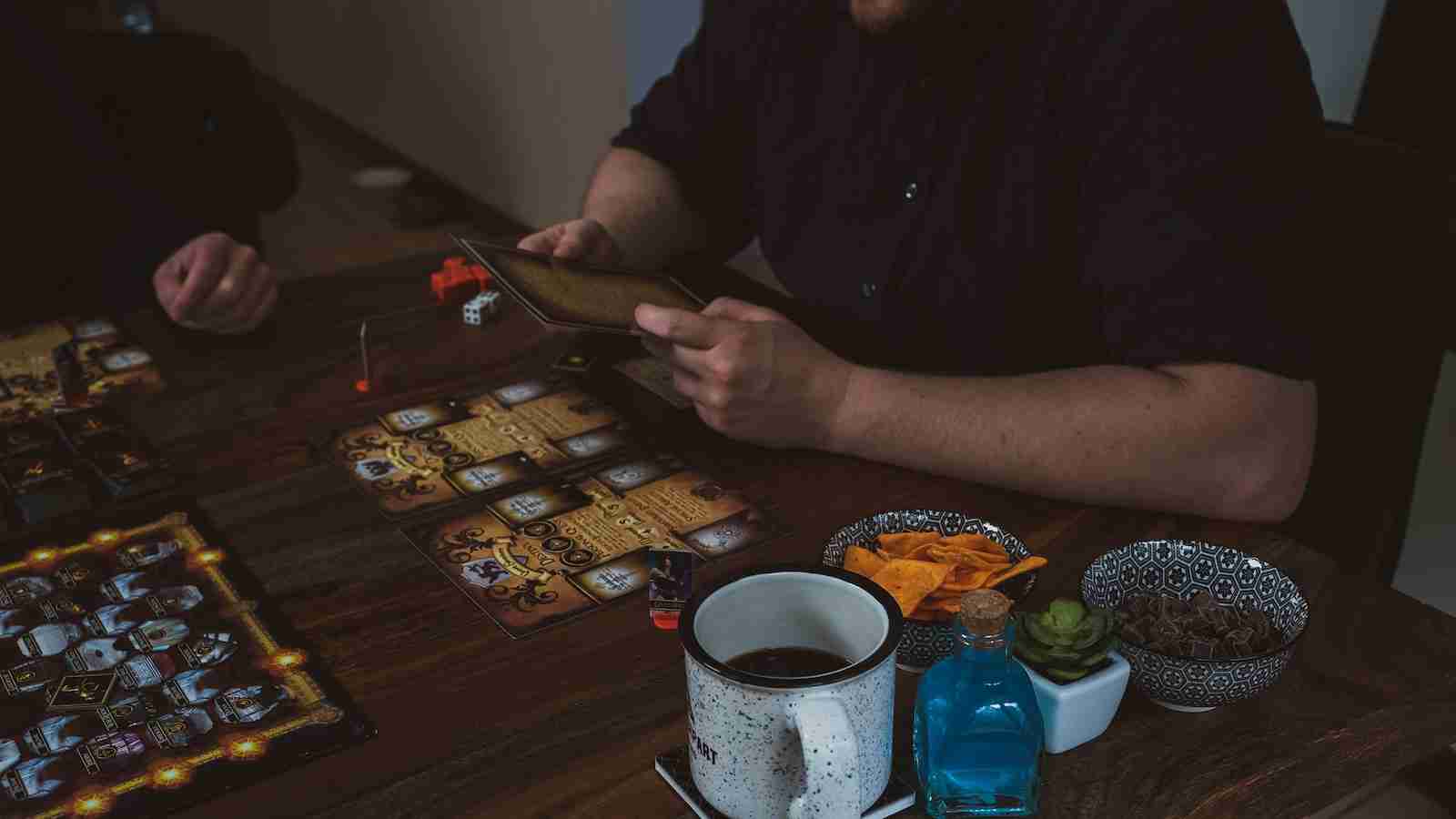
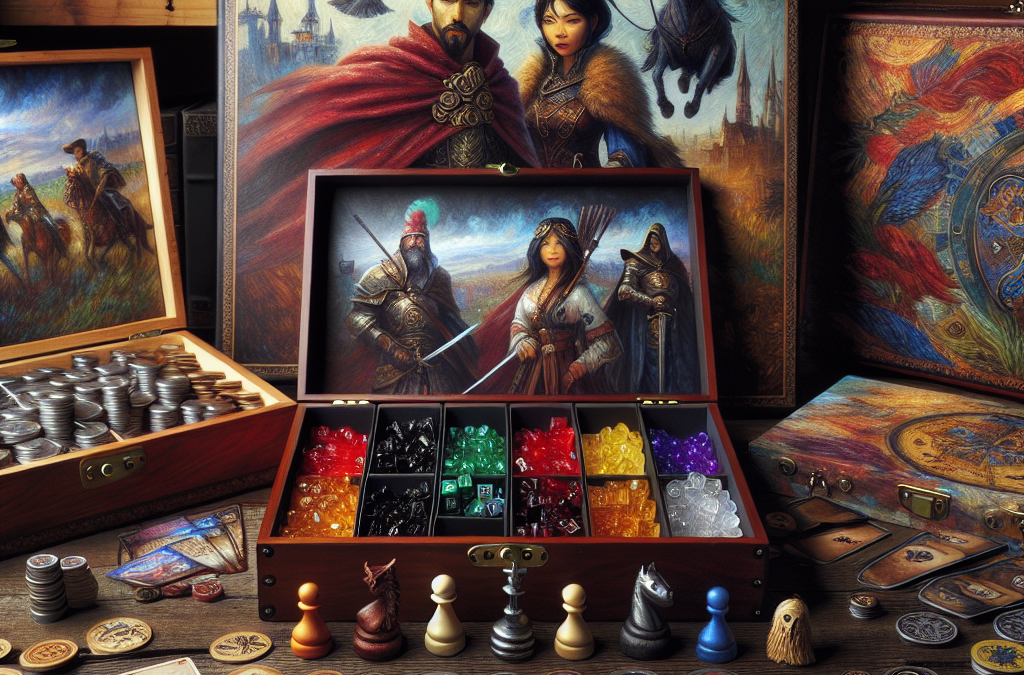
When we think of board games, images of cardboard tokens and rolling dice often come to mind. But there’s a whole universe of miniatures board games that take gameplay to another level, imbuing it with rich storytelling, tactical depth, and a delightful three-dimensionality. These games aren’t just played—they’re experienced. Let’s dive into some standout examples that illustrate the charm and complexity of the miniature board game world.
First up, Warhammer 40,000! This behemoth of science fiction strategy is the granddaddy of miniature gaming. Players assemble and paint their armies—everything from futuristic soldiers to towering walkers—before heading to the battlefield. The intricate lore sets the stage for heroes and villains to clash in a gothic, dystopian future. It’s a mix of artistry, strategy, and, for some, a touch of obsession. Winning here isn’t just about rolling dice; it’s about crafting a narrative that spans time and space.
For those who prefer a dash of horror with their strategy, Zombicide is a great pick. In this cooperative game, players take on the roles of survivors in a zombie apocalypse. The beauty of Zombicide lies in its modular board, allowing for infinite customization, and its horde of miniatures that represent both heroes and relentless undead. The thrill of fighting off waves of zombies alongside friends—while each player’s miniature may tell a story of its own—is what keeps the adrenaline pumping.
If a bit of medieval fantasy is more your style, Dungeons & Dragons: Adventure Begins delivers an engaging experience where players embark on quests filled with traps, treasure, and monsters. Miniatures here aren’t just obstacles on a board; they’re essential characters in the unfolding drama. Each dungeon master crafts a uniquely immersive world, transforming the gameplay into a shared storytelling adventure where imagination runs wild.
Then there’s Mice and Mystics, a delightful twist where players become heroic mice battling against the very threats of the castle they once called home. The charming miniatures embody each character, and the game seamlessly merges storytelling with tactical play, encouraging players to strategize while adjusting to ever-changing dilemmas.
Lastly, don’t overlook the Star Wars: Legion, where fans of the iconic saga can take command of their favorite factions in gripping, tactical skirmishes. The combination of strategic depth and beloved characters makes it a perfect choice for fans who want to immerse themselves in intergalactic battles.
These miniatures board games are more than just a hobby; they’re gateways to realms of creativity and camaraderie. They engage us on multiple levels, offering not just a game, but a chance to share stories, forge bonds, and escape the mundane for a while. Whether you’re rolling dice in a gothic future or embarking on a heroic quest as a mouse, there’s a miniature game waiting that’s just right for you.
What Are Some Examples Of Miniatures Board Games?
What Are Some Examples Of Miniatures Board Games?
- Miniatures board games offer rich storytelling, tactical depth, and immersive 3D gameplay.
- Warhammer 40,000 is a foundational game in miniature gaming, focusing on strategy, artistry, and narrative.
- Zombicide features cooperative gameplay set in a zombie apocalypse with customizable boards and miniatures.
- Dungeons & Dragons: Adventure Begins is a medieval fantasy game that emphasizes storytelling and immersive quests.
- Mice and Mystics transforms players into heroic mice, blending tactical play with engaging narratives.
- Star Wars: Legion allows fans to command iconic factions in thrilling tactical skirmishes.
- These games foster creativity and camaraderie, offering players an escape into imaginative realms.
What Are Some Examples Of Miniatures Board Games?
Table Of Contents
- What Are Some Examples Of Miniatures Board Games?
- What Are Miniatures Board Games And How Do They Work?
- What Are Popular Themes In Miniatures Board Games?
- How Do I Choose The Right Miniatures For My Game?
- What Are The Best Miniatures Board Games For Beginners?
- How Much Do Miniatures Board Games Typically Cost?
- What Are Some Tips For Painting Miniatures For Board Games?
- How Do Expansions Impact Miniatures Board Games?
- What Are The Differences Between Digital And Physical Miniatures?
- Can Miniatures Board Games Be Played Solo?
- What Skills Do Players Develop Through Miniatures Board Games?
- Conclusion
- Other Resources
- Glossary Of Terms
- Other Questions
- Haiku
- Poem
- Checklist
What Are Miniatures Board Games And How Do They Work?
Miniatures board games are a fascinating intersection of strategy, artistry, and a little bit of whimsy where players dive into intricate worlds teeming with tiny figures and grand narratives. Picture this: sprawling battlefields and intricate scenarios crafted not just with words on a page, but with beautifully sculpted miniatures that you can hold in your hand. These games transform an ordinary table into a vibrant battleground, a mystical realm, or even a recollection of a historical trilogy. If you’ve ever played one, you know it’s like stepping into a living painting, alive with the hustle and bustle of tiny warriors poised to embark on epic quests.
So, how does this all work? At its core, a miniatures board game is often built around a carefully designed rule set that governs how players interact with each other and the environment. The rulebooks provide structure, delineating how actions are taken, how combat is resolved, and how characters develop over time. Players typically assemble and paint their miniatures, infusing personality into each figure, whether it’s a heroic knight, a fearsome monster, or an enigmatic wizard. This preparation phase builds not only anticipation but also fosters a unique bond between the player and their characters.
Game boards may feature hex or grid layouts, although many miniatures games use modular boards that can be arranged in countless ways. This flexibility allows for diverse scenarios, meaning no two games are ever the same. As you shake the dice and move your miniatures across the terrain, strategy comes into play. Every decision matters—each maneuver could lead you closer to victory or send you spiraling toward defeat. The interplay of strategy, chance, and player agency creates a captivating environment where every game feels fresh and engaging.
Communal storytelling is another alluring aspect of miniatures board games. Players often roleplay their characters, weaving narratives that can evolve over multiple sessions. The beauty of these games lies not just in winning but in the shared experiences, tough choices, and camaraderie that develop as players vie for supremacy or team up against a common foe.
In short, miniatures board games are about more than just game pieces; they’re about crafting a shared experience that combines artistry, strategy, and ambition. They invite you to become part of something larger than yourself, where every miniature tells a story, and every session becomes a new chapter in a greater narrative. So gather your friends, unleash your creativity, and let the adventure begin.
What Are Miniatures Board Games And How Do They Work?
What Are Miniatures Board Games And How Do They Work?
- Miniatures board games blend strategy, artistry, and whimsy, immersing players in intricate worlds with tiny figures and grand narratives.
- These games turn ordinary tables into vibrant battlegrounds or mystical realms, akin to stepping into a living painting.
- A carefully designed rule set governs player interactions, providing structure for actions, combat, and character development.
- Players personalize their miniatures through assembly and painting, creating a unique bond with each character.
- Game boards can feature hex or grid layouts or use modular designs, ensuring diverse scenarios and unique gameplay experiences.
- Communal storytelling is emphasized, as players roleplay and weave narratives that evolve over multiple sessions.
- Overall, miniatures board games create shared experiences that combine creativity, strategy, and collaborative storytelling.

What Are Miniatures Board Games And How Do They Work?
What Are Popular Themes In Miniatures Board Games?
When you dive into the world of miniatures board games, you quickly find that these little figurines aren’t just fancy pieces of plastic or resin; they’re icons of imagination and adventure. Each game transports players to unimaginable realms—be it through the clashing swords of medieval knights, the sci-fi skirmishes in distant galaxies, or the mysterious depths of ancient civilizations. Let’s take a closer look at some of the most popular themes that keep players coming back for more.
First up, we have the classic fantasy genre. Think of dragons soaring over enchanted forests, brave heroes embarking on epic quests, and malevolent sorcerers plotting world domination. Games like Dungeons & Dragons have paved the way for countless adaptations, where players can create their own characters, battle mythical beasts, and delve into dungeons that echo with the whispers of adventure. The allure here lies in the vast possibilities for storytelling woven seamlessly into gameplay, making every session a unique experience.
Then there’s the grips of sci-fi themes pulling at players’ imaginations. Space explorers, alien civilizations, and intergalactic warfare paint a picture that’s as vast as the cosmos itself. Games like Warhammer 40,000 exemplify this theme, where players command armies composed of boldly sculpted miniatures, each with rich lore and cunning strategies. The excitement stems from not only the strategic conflicts but also the endless variety of settings—from alien planets to dystopian futures—allowing players to ponder the great “what-ifs” of humanity’s place in the universe.
Next, we can’t overlook historical themes that take a more grounded approach. Miniatures set in significant historical epochs, like the Napoleonic Wars or the American Civil War, draw players in with intricate landscapes and armies inspired by real events. These games not only provide a riveting gaming experience but often spark curiosity about the past, allowing players to engage with history in a hands-on way.
And let’s not forget the apocalyptic scenarios that have emerged in recent years. Zombie outbreaks, post-apocalyptic societies, and survival scenarios dominate this theme. Here, players find themselves banding together in the face of overwhelming odds, combining strategy and cooperation, all while battling both hordes of the undead and the fragility of human nature.
Whether it’s traversing fantasy realms, blasting through the stars, reliving history, or surviving the end of days, the themes in miniatures board games are as diverse and captivating as the players themselves. So, gather your friends, choose your miniatures, and let the games begin—adventure awaits!
What Are Popular Themes In Miniatures Board Games?
What Are Popular Themes In Miniatures Board Games?
- Miniature board games offer more than just figurines; they are gateways to imaginative adventures.
- Classic fantasy themes feature dragons, heroes, and sorcerers, exemplified by games like Dungeons & Dragons.
- Sci-fi themes involve space explorers and intergalactic battles, highlighted in games like Warhammer 40,000.
- Historical themes engage players with miniatures based on real events, offering a hands-on way to interact with the past.
- Apocalyptic scenarios challenge players with zombie outbreaks and survival tactics, emphasizing cooperation and strategy.
- The diverse themes in miniatures board games enhance the gaming experience for players of all types.
- Gather friends, select miniatures, and embark on epic adventures together.
What Are Popular Themes In Miniatures Board Games?
How Do I Choose The Right Miniatures For My Game?
How Do I Choose the Right Miniatures For My Game?
Choosing the right miniatures for your tabletop game isn’t just a matter of picking what looks cool—though let’s be honest, that’s not a bad place to start. It’s a blend of practicality, style, and a pinch of personal flair. Whether you’re diving into epic fantasy battles or gritty sci-fi skirmishes, the right mini can enhance your experience in ways you might not expect.
First things first: consider the scale of your game. Most tabletop games have standardized measurements—like 28mm for fantasy settings or 32mm for sci-fi. When you’re scouring the internet or perusing your local game shop, make sure those little figures will play nice with each other. Nothing spoils a campaign faster than dwarves that tower over everyone else. So check the scale, and if you can, mix and match miniatures to populate your world. A band of mismatched chaos can add character to any adventure, making each encounter feel fresh and unique.
Next, think about the styles that resonate with you and your game theme. Are you more inclined towards grimdark aesthetics, or does your heart beat for vibrant, high-fantasy scenes? The miniatures you choose should reflect the tone of your narrative. Remember, a well-crafted miniature can tell a story all on its own—think about the pose, the details, and the character’s expression. Those are the elements that will draw players into the narrative and keep them engaged.
Now, let’s not overlook the importance of customization. Some of us are natural tinkerers. If you’re the type who can’t resist adding a unique touch to your characters, look for miniatures that offer modular parts or are easily customizable with bits from other models. This is where you can truly let your creativity shine and make each mini a true representation of the character you envision.
Lastly, keep in mind the budget. Miniatures can range from affordable to jaw-droppingly expensive. You don’t have to break the bank to populate your game table. There are plenty of places that offer excellent quality at reasonable prices. And don’t forget about the aftermarket—websites that specialize in second-hand minis can be gold mines.
The right miniatures can transform your gaming experience from a simple roll of the dice into an engaging adventure. So gather your crew, pick your favorites, and get ready to paint those little warriors into battle-ready masterpieces. Your next great adventure awaits!
How Do I Choose The Right Miniatures For My Game?
How Do I Choose The Right Miniatures For My Game?
- Choosing miniatures involves practicality, style, and personal flair.
- Consider the scale of your game (e.g., 28mm for fantasy, 32mm for sci-fi) to ensure compatibility.
- Mixing and matching miniatures can add character and uniqueness to your game.
- Select styles that resonate with your game’s theme, reflecting its tone and narrative.
- Look for customizable miniatures if you enjoy personalizing your characters with unique touches.
- Be mindful of your budget; quality miniatures are available at various price points.
- The right miniatures can elevate your gaming experience into an engaging adventure.
How Do I Choose The Right Miniatures For My Game?
What Are The Best Miniatures Board Games For Beginners?
When it comes to diving into the immersive world of miniatures board games, beginners often face a daunting landscape of choices, each more intricate and elaborate than the last. However, fear not, intrepid explorers! There are plenty of engaging options that won’t leave you questioning your sanity or your budgeting skills. Here’s a curated list of the best miniatures board games to get your feet wet without feeling overwhelmed.
First off, let’s talk about Zombicide. This cooperative game combines teamwork, strategy, and a healthy dose of slicing and dicing zombies with a variety of cool miniatures. As a group, players work together to complete missions while facing hordes of the undead. With straightforward rules and easy-to-paint miniatures (if that’s your thing), Zombicide allows players to immerse themselves without having to navigate through a dense rulebook or complex strategies. Plus, there’s nothing quite like bonding with friends over a tabletop massacre of flesh-eating monsters.
Next up is Mice and Mystics. This charming game upends the traditional fantasy trope by putting players in the tiny shoes of brave mice on a quest to reclaim their home from evil forces. It’s rich in storytelling, allowing players to embark on an adventure with serious heart. With accessible gameplay and a straightforward narrative, Mice and Mystics is perfect for families and those new to tabletop gaming. Plus, the adorable miniatures are a real treat for the eyes, adding a touch of whimsy to every gaming session.
Another solid entry for newcomers is Star Wars: Imperial Assault. This game elegantly blends miniatures and strategy within the iconic Star Wars universe. Players can take on the roles of legendary heroes or sinister Imperial forces in tactical skirmishes. With a modular board setup and plenty of campaign options, it delivers high replayability. Whether you’re traversing the galaxy with Han Solo or hunting down rebels, the thematic depth and engaging mechanics make it an excellent starting point for fans of the franchise – or even those just out for a fun evening with friends.
Last but not least is HeroQuest. This classic has experienced a resurgence, introducing a new generation to the joys of dungeon-crawling. Simple mechanics, variety in quest design, and easy-to-understand character classes make it a stellar introduction for anyone who’s ever dreamed of epic battles in fantastical realms.
Whether you’re gearing up for an evening with friends or just looking to escape reality for a few hours, these miniatures board games will deliver fun without the headache. So gather your crew, roll those dice, and let the adventures unfold!
What Are The Best Miniatures Board Games For Beginners?
What Are The Best Miniatures Board Games For Beginners?
- Beginners in miniature board games face a wide variety of intricate choices.
- Zombicide is a cooperative game focusing on teamwork and zombie battles, with accessible rules.
- Mice and Mystics offers a storytelling-rich experience where players become brave mice on a quest.
- Star Wars: Imperial Assault combines miniatures and strategy set in the iconic Star Wars universe.
- HeroQuest is a classic dungeon-crawling game that introduces easy mechanics and diverse quests.
- These games provide enjoyable experiences for both groups of friends and families, minimizing complexity.
- Perfect for escaping reality and bonding with others over engaging gameplay.
What Are The Best Miniatures Board Games For Beginners?
How Much Do Miniatures Board Games Typically Cost?
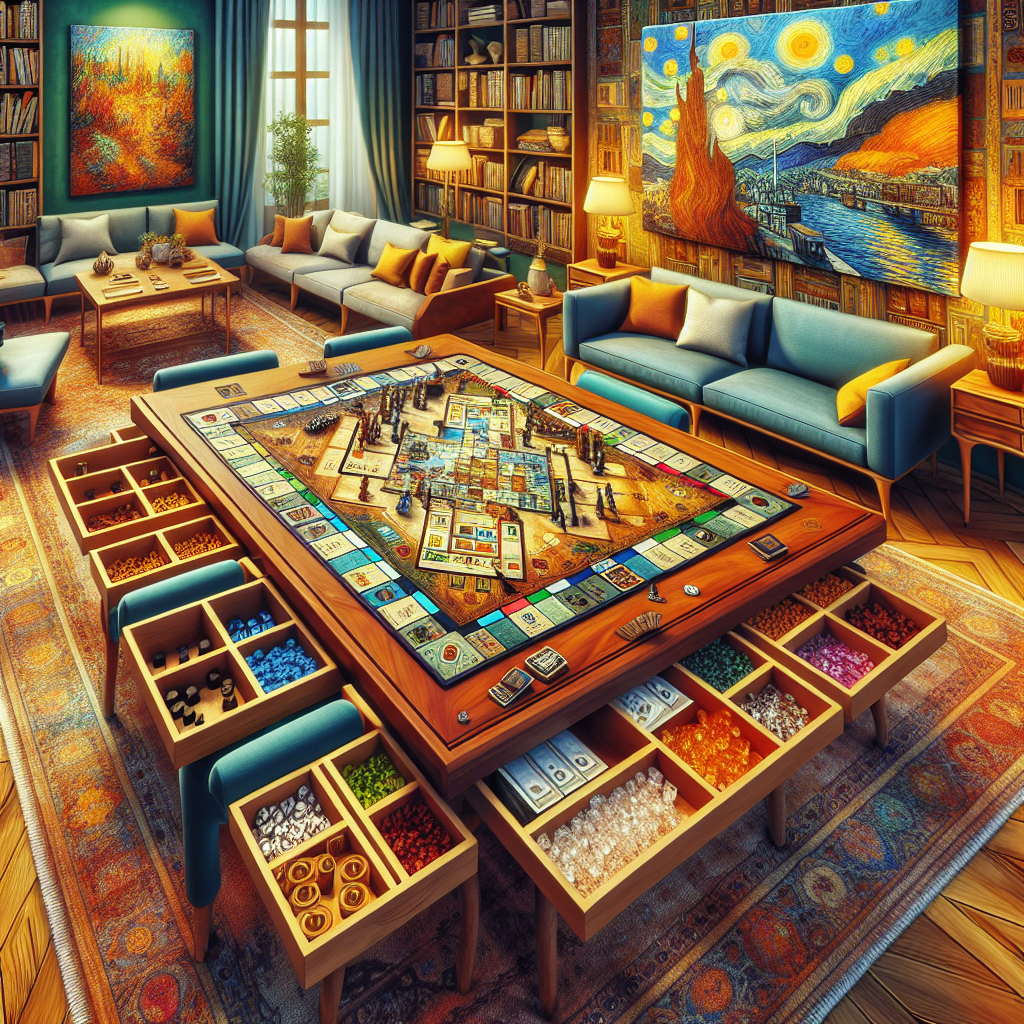
When it comes to miniatures board games, the price tag can be as varied as the games themselves. It’s a world where you can lay down a few bucks or drop a hefty sum, and in both cases, you might walk away satisfied—or scratching your head wondering why your wallet feels significantly lighter.
First off, let’s peel back the layers on the budget-friendly side of the spectrum. You can find introductory games or smaller sets for as little as $20 to $50. These are often perfect for novices or casual players who want to dip their toes into the miniatures world. Think of these purchases as the gateway snacks to a larger buffet; they offer a taste without demanding a massive commitment. Games like “Zombicide” or “Carcassonne” with miniatures might be the perfect way to start, balancing quality and cost to keep your wallet in check.
Now, if you’re ready to go full throttle, prepare your wallet—or perhaps a piggy bank with reinforced glass. More comprehensive games, especially those that boast intricate and beautifully designed miniatures, can range anywhere from $100 to $300. This price often includes enough content to keep a group entertained for hours, if not days. The elaborate battles or narratives these games offer help justify the sticker shock, transforming your tabletop into a battlefield or an epic fantasy realm, where your companions can get lost for an evening or two.
For die-hard fans or dedicated collectors, the price can skyrocket. Special editions or limited releases can command prices that slam the door shut on most of us mere mortals—think $400, $500, or even higher! But hang on. Many enthusiasts see this as more than just a game; it’s an investment into a hobby that can foster community and creativity. Besides, who wouldn’t want those expertly sculpted figures gracing their shelves?
And let’s not forget about the hidden costs. Yes, the initial game set is just the tip of the iceberg. Painting supplies, custom terrain, and expansions add to the experience and your spending. Consider these the cherry on top of your miniature sundae, a way to personalize your gaming adventures just the way you like them.
In summary, the world of miniatures board games is as diverse as it is exciting, with costs that can be as varied as the games themselves. Whether you’re embarking on this journey as a curious newbie or a seasoned veteran, there’s a price point that likely suits your needs, all it takes is a little research and perhaps a willingness to invest in your whimsy.

How Much Do Miniatures Board Games Typically Cost?
How Much Do Miniatures Board Games Typically Cost?
- The price of miniatures board games can range widely, accommodating both low and high budgets.
- Introductory games or smaller sets typically cost between $20 to $50, targeting novices and casual players.
- Popular beginner games like “Zombicide” and “Carcassonne” offer quality experiences without a heavy financial commitment.
- More intricate games with elaborate miniatures can range from $100 to $300, providing extensive content for hours of entertainment.
- Special editions and limited releases can escalate costs to $400, $500, or more for die-hard fans and collectors.
- Hidden costs, such as painting supplies and expansions, can significantly increase total spending on the hobby.
- Overall, the miniatures board games market is diverse, with options to suit both newcomers and seasoned veterans alike.
How Much Do Miniatures Board Games Typically Cost?
What Are Some Tips For Painting Miniatures For Board Games?
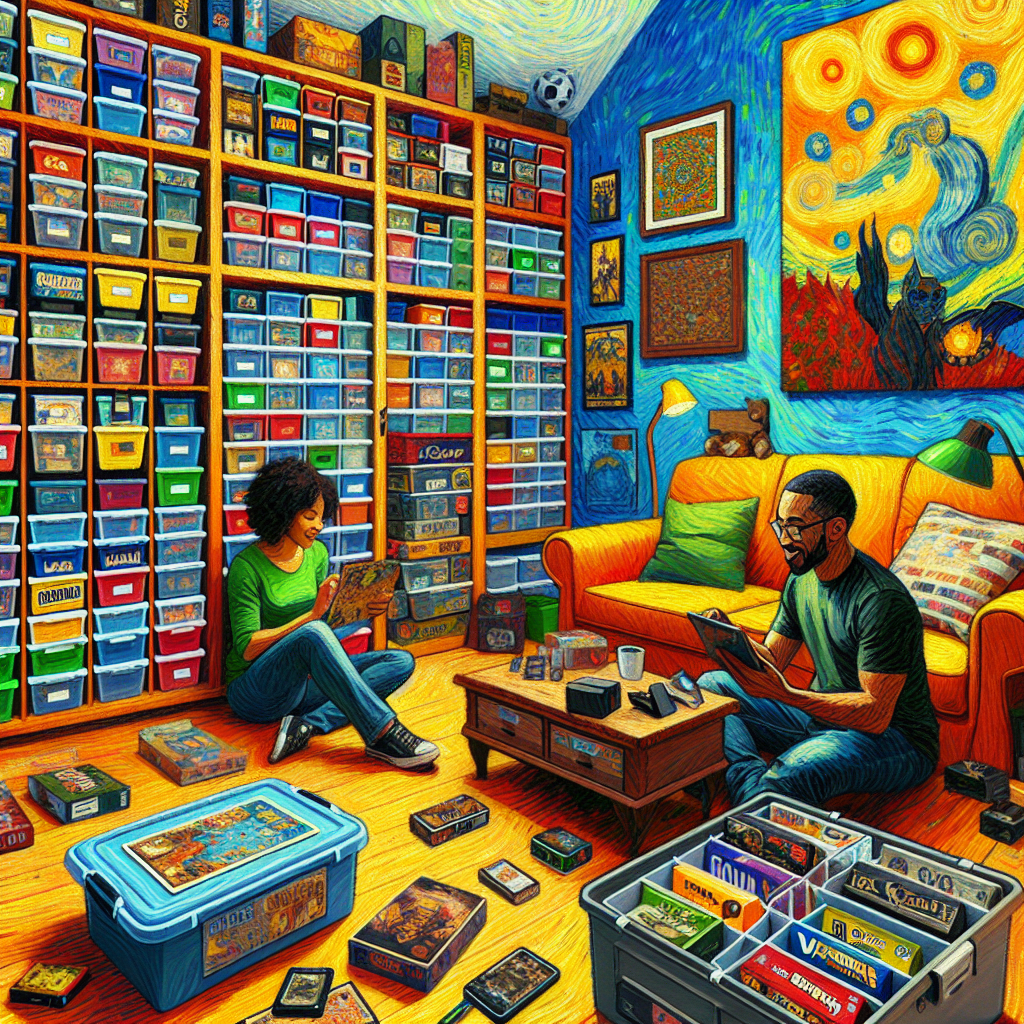
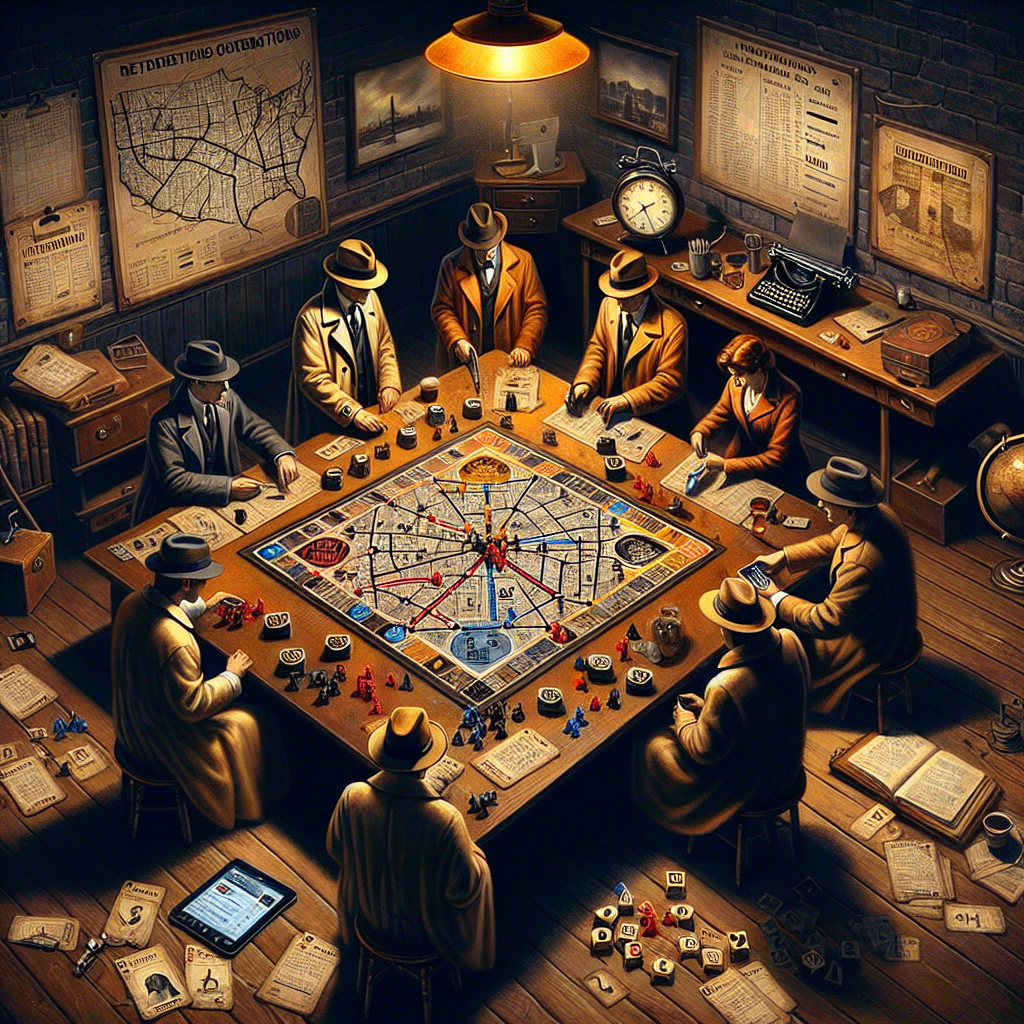
Painting miniatures for board games is more than just a hobby; it’s a journey that combines patience, creativity, and a pinch of good old-fashioned grit. Whether you’re wielding a tiny paintbrush like a paint-slinging warrior or tiptoeing into this colorful realm for the first time, a few practical tips can help elevate your efforts from “meh” to masterpiece. So, roll up those sleeves and let’s dive in.
Start with the Right Tools
Before any brush touches a figure, you’ve got to assemble your arsenal. Invest in quality brushes in various sizes—fine-tipped for detail and broader brushes for those sweeping strokes. A sturdy palette for mixing colors? Absolutely essential. And don’t forget the importance of good lighting; a well-lit workspace keeps those tiny details from slipping through the cracks like a sneaky goblin in the night.
Prep Your Miniatures
Every great artist knows that preparation is key. Most miniatures come with mold lines and flash—those unsightly little imperfections you’ll want to trim off before the first dab of paint. Clean the surface with warm soapy water and dry it thoroughly to ensure the paint adheres properly. A little prep work goes a long way, trust me.
Base Coats Matter
Once prepped, it’s time to apply your base coat. Choose a color that resonates with your vision for the miniature. Consider the details: lighter colors may require a white or light gray primer, while darker shades might call for black. Remember, the base coat sets the stage for everything that follows, so don’t skimp on this crucial step.
Embrace Layering and Washes
Here’s where the magic really begins. Use layering techniques to build depth, applying successive coats of color to highlight different aspects of your figure. And let’s not overlook washes—these watery concoctions settle into the crevices, enhancing shadows and adding character without requiring a PhD in fine arts.
Don’t Rush the Drying
Remember, patience is a virtue, especially when it comes to paint drying. A little bit of waiting can save you from merging colors you never intended to mix. It’s all part of the process, my friend!
Enjoy the Journey
Most importantly, remember that painting miniatures is supposed to be fun! Embrace the imperfections, celebrate the small victories, and don’t be afraid to experiment. Each brushstroke is a chance to express yourself, and each miniature tells a story. So take a deep breath, roll up those sleeves, and let your imagination run wild!
What Are Some Tips For Painting Miniatures For Board Games?
What Are Some Tips For Painting Miniatures For Board Games?
- Painting miniatures combines patience, creativity, and determination.
- Invest in quality brushes of various sizes and ensure good lighting for detailed work.
- Prepare miniatures by removing mold lines and cleaning surfaces to help paint adhere.
- Apply a base coat that suits your vision; this is crucial for the overall look.
- Use layering and washes to add depth and enhance details without complex techniques.
- Be patient during drying times to avoid unintended color mixing.
- Enjoy the process, embrace imperfections, and use each piece as a form of self-expression.
What Are Some Tips For Painting Miniatures For Board Games?
How Do Expansions Impact Miniatures Board Games?
When you think about miniatures board games, the first thing that might come to mind is the sheer visual appeal: those finely crafted pieces of plastic, metal, or resin waiting to leap into action on a beautifully designed game board. But there’s something about expansions that elevates these games from mere collections of adorable figures to full-fledged adventures. Expansions can be the secret sauce that transforms what might feel like a static game into an evolving world of endless possibilities.
Let’s face it—staring at the same characters and scenarios week after week can feel like watching paint dry. Enter the expansion, bursting onto the scene like an unexpected hero in a stale narrative. It’s not just a handful of new pieces; it’s the introduction of fresh mechanics, new storylines, and additional complexity that can breathe life into your game nights. Imagine bringing in a new faction, complete with their own unique abilities, or maybe a new campaign that shifts the very nature of how you interact with your opponents. An expansion isn’t just change; it’s a whole new lease on life for your tabletop experience.
But let’s get down to brass tacks: with these expansions also comes the challenge of integrating new elements seamlessly into existing gameplay. This is where the magic—or disaster—can happen. The balance of gameplay needs to be considered; you wouldn’t want that new unit to overshadow everything else on the board, now would you? Careful design ensures that expansions enhance rather than disrupt, allowing players to explore new strategies without causing mayhem in the established order.
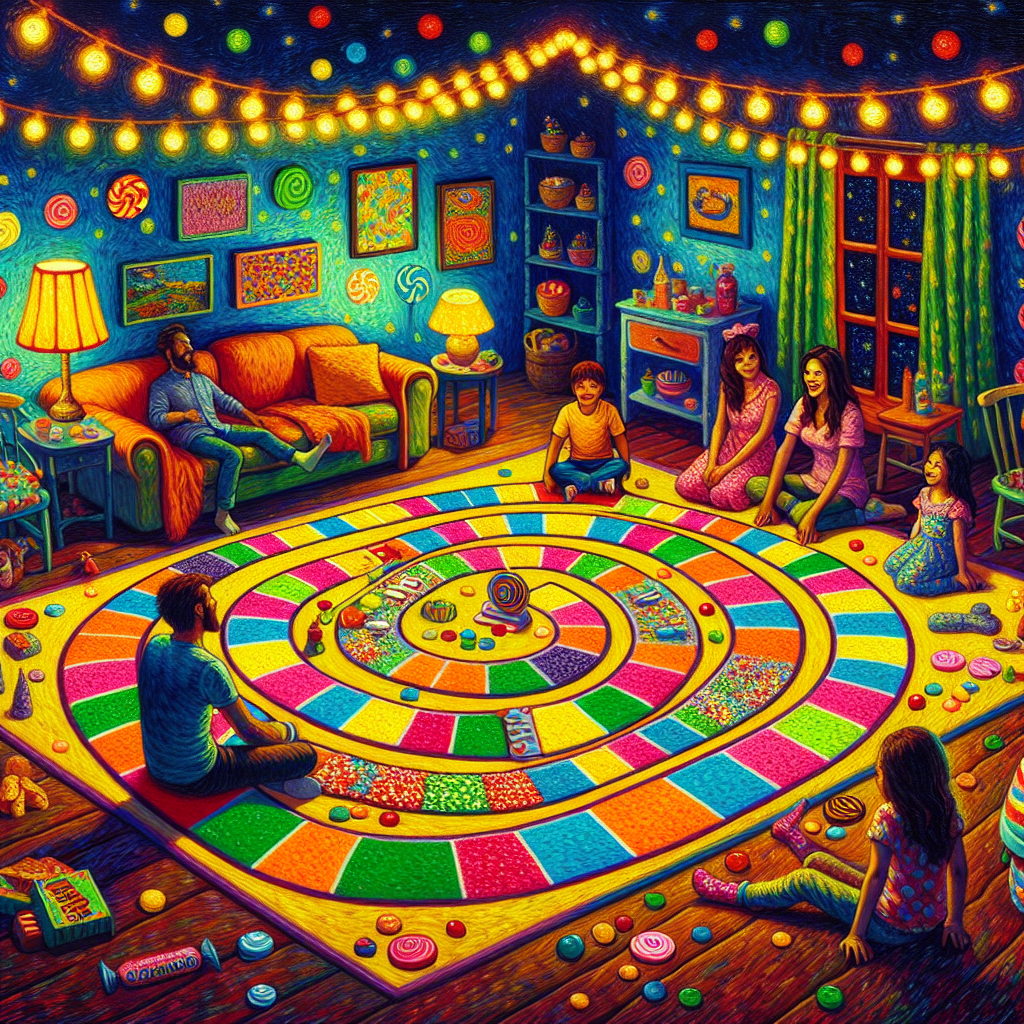
Consider also the social aspect of board gaming. Introducing an expansion can rekindle interest, allowing veteran players to rediscover the joy they once felt while drawing in newcomers who might be curious about that extra flavor. New players can witness the rich tapestry of lore and competition that draws seasoned gamers into this passionate community. It’s like inviting someone into your home and introducing them to an entire family of colorful characters lurking within your game stash.
Expansions are about growth—both in gameplay and in community. They offer the chance not only to refresh and enrich a game but also to foster camaraderie and friendly competition. So, if you’re contemplating dusting off an old favorite, consider diving into an expansion that can turn a familiar game night into an unforgettable saga.
How Do Expansions Impact Miniatures Board Games?
How Do Expansions Impact Miniatures Board Games?
- Miniature board games are visually appealing due to their finely crafted pieces and beautifully designed boards.
- Expansions transform games into diverse adventures, introducing new mechanics, storylines, and complexities.
- New factions and campaigns provide fresh interactions and experiences for players.
- Careful integration of expansions is essential to maintain gameplay balance and ensure new elements enhance the game.
- Expansions can rekindle interest among veteran players and attract newcomers to the community.
- They foster camaraderie and friendly competition, enriching both gameplay and social interaction.
- Consider exploring expansions to enhance familiar games and create memorable game nights.
How Do Expansions Impact Miniatures Board Games?
What Are The Differences Between Digital And Physical Miniatures?
When you dive into the world of miniatures, a fascinating divide emerges—a chasm that separates the digital realm from the physical one. To entirely unpack this, you need to appreciate what each medium brings to the table.
Let’s start with the tactile charm of physical miniatures. There’s something undeniably satisfying about holding a carefully crafted figurine in your hands. Whether it’s the smooth finish of resin or the delicate details of a hand-painted model, physical miniatures resonate with an authenticity that digital creations often struggle to emulate. These miniature warriors, heroes, or mythical beasts beckon you to engage with them, to arrange them on your gaming board, or to display them on a shelf. Every imperfection tells a story—a brushstroke missed here, a slight dent there—these quirks breathe life into the piece, making it a product of human artisanship.
On the flip side, we’ve got digital miniatures, the shiny marvels of modern technology. It’s hard to argue against the benefits of 3D modeling software, where the constraints of material and technique evaporate. Designers can whip up an entire army in a fraction of the time it takes to build a single physical piece. Need ten goblins? Just hit copy and paste. Moreover, digital miniatures can easily be updated with new designs, colors, or enhancements; a simple click can transform a standard figure into something entirely unique. And let’s not forget about the stunning detail achievable through digital sculpting, where artists can create complex features that would be incredibly difficult, if not impossible, to achieve by hand.
However, this digital ease comes at a cost. While these designs are beautifully polished, they often lack the warmth and narrative that accompanies handmade items. There’s an argument to be made that a physical miniature holds a deeper connection to the creator and the collector. The ownership feels different; it’s about the journey of acquiring and sometimes even modifying a model until it feels like an extension of your personality or gaming style.
At the end of the day, it’s not a question of which is better; it’s about what you value most. Whether you find joy in the tangible imperfections of a crafted piece or the limitless potential of a digital creation, the world of miniatures beckons you with open arms, each medium offering its own unique rewards. It’s all about preference—and there are no wrong choices here.
What Are The Differences Between Digital And Physical Miniatures?
What Are The Differences Between Digital And Physical Miniatures?
- Miniatures exist in two distinct realms: physical and digital.
- Physical miniatures offer tactile charm and authenticity, featuring unique details from human craftsmanship.
- Every imperfection in physical miniatures adds character and tells a story.
- Digital miniatures are quick to produce using 3D modeling software, allowing mass creation and easy modification.
- Digital designs can achieve stunning detail and complexity, often impractical for hand crafting.
- Despite their polish, digital miniatures may lack the warmth and narrative associated with handmade items.
- The choice between physical and digital miniatures depends on personal preference and values; both mediums offer unique rewards.
What Are The Differences Between Digital And Physical Miniatures?
Can Miniatures Board Games Be Played Solo?
If you’ve ever experienced the thrill of navigating a sprawling board littered with meticulously painted miniatures, you might be wondering if those intricate games can still deliver that same excitement when it’s just you at the table. And let me assure you, they absolutely can. Sure, you might miss the banter of friends and the competitive edge of face-to-face play, but solo gaming with miniatures can be a deeply rewarding experience all on its own.
First things first: you’ll want to break down the typical features of a miniatures board game that appeal to group play—strategy, cooperation, and narrative progression. Guess what? These components can be adapted beautifully for solo gameplay. Many modern miniatures games come equipped with solo rules or campaigns designed specifically for the lone wolf player, allowing you to craft a story that unfolds with every turn while outsmarting AI-controlled opponents.
Now, let’s talk about immersion. When you’re piloting your squad through a treacherous terrain populated with enemy forces, you’re not just moving pieces around a board; you’re stepping into a whole new world. When you’re flying solo, embrace that perspective. Set the scene, create a backstory for your mission, and fully inhabit the roles of your miniatures. Narrate their actions as if you’re the director of a blockbuster film, complete with internal dilemmas and heroic moments. This commitment to narrative can elevate your experience to a level that rival even the best multiplayer experiences.
However, there are some things to keep in mind. Solo play means you might need to manage multiple factions or strategize by employing a few rule tweaks to even the odds. Nobody says you can’t rewrite the rules to suit your needs—it’s your game after all! Some seasoned solo gamers even suggest keeping a journal of your plays, tracking successes and failures as if you’re on a quest of your own.
So, whether you’re rolling dice alone in your living room or painting miniatures for hours while blasting your favorite tunes, don’t discredit the power of solitary play. Embrace it. You might discover a rich, satisfying narrative and strategic depth that provides an exhilarating solo adventure all its own. And who knows? You might just find yourself falling in love with the game in an entirely new way.
Can Miniatures Board Games Be Played Solo?
Can Miniatures Board Games Be Played Solo?
- Solo gaming with miniatures can be a rewarding experience, even without friends.
- Key features like strategy, cooperation, and narrative from group play adapt well to solo gameplay.
- Many modern miniatures games offer solo rules or campaigns for lone players against AI-controlled opponents.
- Immerse yourself in the game by creating backstories and narrating your miniatures’ actions.
- Managing multiple factions and tweaking rules can balance gameplay during solo sessions.
- Keeping a journal of your gaming sessions can track progress and enhance the quest experience.
- Embrace solitary play to discover new narrative richness and strategic depth in your gaming experience.
Can Miniatures Board Games Be Played Solo?
What Skills Do Players Develop Through Miniatures Board Games?
When it comes to miniatures board games, you might think it’s all about rolls of the dice and the thrill of battle— and while that’s certainly part of it, the truth runs far deeper. These games are treasure troves of skill development, blending strategy, creativity, and interpersonal savvy in ways that might surprise even the most seasoned player.
First off, let’s talk strategy. Miniatures games often resemble intricate chess matches on steroids, where positioning and foresight are everything. Players must think several steps ahead, weigh their options, and anticipate their opponent’s next move. It’s not just about who has the flashiest mini or the biggest numbers on their stat cards; it’s about the mental gymnastics that come with plotting your path to victory. This skill transcends the gaming table and seeps into real life, helping individuals make smarter choices in everything from career planning to personal relationships.
Then there’s creativity and imagination. Setting the stage with beautifully painted miniatures and lush terrain contributes to a story that unfolds as the game progresses. Players often craft their own narratives, designing scenarios that reflect their vision. This kind of creative engagement fosters not just artistic skills—like painting and modeling—but also narrative building and storytelling prowess. The ability to weave a compelling story isn’t just useful for game night; it can enhance professional skills such as marketing, presentation, and even project management.
Additionally, these games develop social and communication skills. Whether you’re collaborating on tactics with teammates or negotiating terms with an opponent, effective communication is the name of the game. It’s not merely about asserting your own ideas; it’s about listening, persuading, and sometimes even deceiving. These interpersonal dynamics help players become better communicators and cultivate emotional intelligence—critical attributes in both personal and professional realms.
Finally, there’s just plain old patience and resilience. Miniatures games are not for the faint of heart; they require both time and effort. From painting miniatures to learning complex rules, dedication is essential. Players learn to embrace challenges, adapt to changing circumstances, and endure setbacks, whether that means a devastating roll of the dice or an unexpected change in strategy.
So, next time you glimpse a game board scattered with meticulously painted miniatures, remember: they aren’t just toys draped in nostalgia. They’re tools for honing a diverse set of invaluable life skills that extend far beyond the realm of gaming.
What Skills Do Players Develop Through Miniatures Board Games?
What Skills Do Players Develop Through Miniatures Board Games?
- Miniatures board games develop skills beyond gaming, including strategy, creativity, and interpersonal savvy.
- Players engage in strategic thinking, necessitating foresight and the ability to plan several steps ahead.
- Creative imagination is fostered through crafting narratives and designing game scenarios, enhancing storytelling abilities.
- Artistic skills such as painting miniatures also develop as part of the game experience.
- Social and communication skills are enhanced through collaboration and negotiation during gameplay.
- Players cultivate patience and resilience, valuable traits learned through dedication and overcoming challenges.
- Miniatures games serve as tools for acquiring life skills applicable in personal and professional settings.
What Skills Do Players Develop Through Miniatures Board Games?
Conclusion
In wrapping up our exploration of miniatures board games, let’s pause to consider the remarkable world we’ve uncovered. When most folks think of board games, they might conjure images of cardboard and dice. Yet, as we’ve discovered, the realm of miniatures offers an exhilarating elevation of gameplay, creating a tapestry rich with strategic depth and storytelling. Each miniature is a gateway—not just to a game, but to a collective experience that invites creativity and camaraderie.
Take “Warhammer 40,000,” for instance—an archetype in this domain. Players don’t just engage in combat; they assemble their armies with care, painting each figure not only to win but to tell a story. It’s akin to crafting a narrative spanning time and space, where strategy intertwines with artistry. And if your taste leans toward collaborative chaos, “Zombicide” eagerly invites players to join forces against a zombie onslaught on a modular board that dazzles with endless possibilities. Ultimately, both games prove that victory often lies in the chilling thrill of shared experiences.
But let’s not forget the enchanting whimsy offered by titles like “Mice and Mystics,” where you’re transformed into heroic mice navigating a perilous castle, and “Dungeons & Dragons: Adventure Begins,” which turns every session into a living tale. Through these narratives, players are not merely rolling dice—they’re crafting stories that resonate and evolve with each chapter played.
What’s more, for the budding gamer, we highlighted some stellar entry points. Games such as “Star Wars: Imperial Assault” or the timeless “HeroQuest” serve as ideal introductions, drawing curious minds into this beautifully complex universe without overwhelming them with excessive rules.
We also delved into the economic landscape of miniatures, shedding light on that wide range of costs—from budget buys to collector’s dreams. Whether you’re just dipping your toes in or seeking to invest in masterpieces, there’s a treasure awaiting you, but it comes with its own unique investment.
In essence, miniatures board games aren’t just about winning or losing; they are immersive experiences that cultivate creativity, strategy, and social connection. Whether you’re painting miniatures or navigating the treacherous paths of a fantasy realm, each game session becomes a chapter in a much bigger adventure. So gather your friends, roll those dice, and unleash your imagination. The world of miniatures beckons, and it’s alive with possibility!
Conclusion
Conclusion:
- Miniatures board games elevate gameplay beyond traditional cardboard and dice, offering strategic depth and storytelling.
- Games like “Warhammer 40,000” combine combat, army assembly, and creative artistry, allowing players to craft narratives.
- “Zombicide” promotes collaborative gameplay against a zombie onslaught on a modular board, emphasizing shared experiences.
- Titles such as “Mice and Mystics” and “Dungeons & Dragons: Adventure Begins” transform gameplay into rich storytelling adventures.
- Entry-level games like “Star Wars: Imperial Assault” and “HeroQuest” serve as ideal introductions to the miniatures universe.
- The economic landscape of miniatures includes a wide range of costs, appealing to both budget-conscious and collector-minded gamers.
- Overall, miniatures board games foster creativity, strategy, and social connections, making each session a unique adventure.
Conclusion
Other Resources
Other Resources
Here is a list of other resources you can review online to learn more:
- Best Miniature Board Games: Top Picks for Tabletop Gaming Fans
- 9 best miniatures games that aren’t Warhammer | Dicebreaker
- The best miniatures board games 2024 – The best board games at Tibi
- A Board Gamer’s Guide to Getting into Miniatures Games
- 15 Board Games That Have Amazing Miniatures – CBR
Other Resources
Glossary Terms
What Are Some Examples Of Miniatures Board Games? – Glossary Of Terms
1. Miniature: A small-scale replica of a figure or object used in tabletop games, often representing characters, vehicles, or creatures.
2. Tabletop Game: A game played on a flat surface, often requiring physical components like boards, pieces, or cards.
3. War Game: A type of strategy game that simulates military conflict, often using miniatures to represent units on a battlefield.
4. Skirmish Game: A smaller scale version of a war game focusing on limited combat scenarios, often featuring fewer miniatures.
5. Role-Playing Game (RPG): A game where players assume the roles of characters and collaborate in storytelling, often with miniatures representing the characters.
6. Game Master (GM): The player who organizes and narrates the game, often presenting challenges and controlling non-player characters.
7. Scenario: A specific set of circumstances or plot within a game session that outlines objectives, challenges, and the setting.
8. Model: A miniature figure or vehicle that is often painted and detailed for use in gameplay.
9. Terrain: Physical structures and landscapes (hills, buildings, forests) used on a game board to enhance gameplay and strategic options.
10. Base: The platform or bottom part of a miniature that allows it to stand upright and may provide information regarding its stats.
11. Painted Miniatures: Miniature figures that have been customized with paint to enhance their appearance and reflect character traits.
12. Faction: A group within a game that represents a specific ideology, army, or culture, often with unique abilities or characteristics.
13. Turn-based Gameplay: A gaming structure where players take turns performing actions, common in many miniature board games.
14. Action Points: A mechanic that limits the number of actions a player can take during their turn, encouraging strategic decision-making.
15. Dice Mechanics: The use of dice to determine outcomes in a game, often affecting combat, movement, and random events.
16. Point System: A method of balancing armies by assigning point values to miniatures, limiting the total cost per side to ensure fair competition.
17. Campaign: A series of connected gaming sessions that follow a narrative or progression, allowing for character and world development.
18. Tactical Movement: Strategic placement and movement of miniatures on the board to gain advantages in gameplay.
19. Clash: A direct confrontation between opposing miniatures, often resulting in conflict or competition for objectives.
20. Victory Conditions: The specific goals or criteria that determine a winner at the end of a game session.
21. Custom Scenarios: Player-created gameplay situations that differ from the standard rules or settings, adding variety to the game.
22. Game Mat: A flat surface designed for use in miniature games, often featuring printed landscapes or grids to enhance the gaming experience.
23. Objective Markers: Tokens or miniature representations placed on the board to indicate specific goals players need to achieve.
24. Overhead View: A perspective on the game board that allows players to see the entire battlefield layout, often used for strategy discussions.
25. House Rules: Customized game rules created by players to modify existing game mechanics for enjoyment or simplicity.
26. Cooperative Gameplay: A game where players work together towards a shared objective, often against game-controlled adversaries.
27. Expansion Packs: Additional sets of miniatures and rules that enhance or extend the original game, introducing new content.
28. Starter Set: A beginner-friendly kit that includes everything needed to start playing a particular miniature game, often featuring simplified rules.
29. Scenario Book: A manual that provides various scenarios and campaigns for use with a game, complete with rules and objectives.
30. Painting Guide: Instructions and tips for painting miniatures effectively, often including techniques for shading and detailing.
Glossary Of Terms
Other Questions
What Are Some Examples Of Miniatures Board Games? – Other Questions
If you wish to explore and discover more, consider looking for answers to these questions:
- What are the best miniatures board games for different skill levels?
- How do miniatures board games compare to traditional board games?
- What are the most popular miniature brands or manufacturers?
- Are there miniatures board games suitable for children?
- How can I improve my painting skills for miniatures?
- What accessories do I need for painting miniatures?
- Are there digital marketplace platforms for purchasing miniatures?
- Can you play miniatures board games in a competitive tournament setting?
- What are the community resources available for miniatures board game enthusiasts?
- What are the common mistakes to avoid when starting with miniatures board games?
- How does one store and care for miniatures to prevent damage?
- What are some popular expansions for the mentioned miniatures board games?
- How can I customize miniatures to make them unique?
- What considerations should I have when setting up a miniature game space?
Other Questions
Haiku
What Are Some Examples Of Miniatures Board Games? – A Haiku
Miniatures abound,
Crafting tales in the battles,
Strategy and art.
Haiku
Poem
What Are Some Examples Of Miniatures Board Games? – A Poem
In Miniature Realms: A Journey of Play
In a world of sculpted dreams we find,
Tabletop wonders, both crafted and designed.
Where war-torn futures and dungeons unfold,
Each miniature speaks with stories untold.
Warhammer echoes with strategy grand,
Heroes and villains take their stand.
Crafting a narrative, a tale intertwined,
In gothic shadows, our fates aligned.
Zombicide beckons with a zombie horde,
Survivors unite, wielding teamwork as sword.
With adrenaline pumping, friendships are forged,
In the heat of battle, our spirits enlarged.
In Dungeons & Dragons, we journey as one,
Quests filled with treasure, adventures begun.
Each player’s a character, vibrant and bright,
Imagination dances in shared candlelight.
Mice and Mystics add whimsy and cheer,
Tiny heroes face threats both far and near.
Tactics and stories are woven like thread,
In castles of wonder, where brave souls tread.
Star Wars: Legion calls from galaxies wide,
With tactics and legends, our passions collide.
A clash of the iconic—a skirmish intense,
In the cosmos of lore, our heroes commence.
Miniatures breathe life into gaming delight,
Inviting us all to share in the night.
Crafting alliances, adventures to savor,
In these painted realms, we find camaraderie and flavor.
So roll the dice, let your imagination soar,
Each game is a canvas, opening a door.
To realms of creativity and tales to compose,
In miniature magic, each player’s heart grows.
Poem
Checklist
What Are Some Examples Of Miniatures Board Games? – A Checklist
Getting Started with Miniatures Board Games
_____ Identify Your Interests: Determine which themes appeal to you—fantasy, sci-fi, historical, or horror.
_____ Research Popular Titles: Look into beginner-friendly games like Zombicide, Mice and Mystics, Star Wars: Imperial Assault, and HeroQuest.
_____ Understand Game Mechanics: Familiarize yourself with how miniatures board games work, including rules and gameplay structure.
Choosing the Right Miniatures
_____ Check Scale Compatibility: Ensure miniatures match the game’s scale (e. g. , 28mm for fantasy games).
_____ Select Styles That Inspire You: Consider the aesthetics that resonate with your gameplay style.
_____ Consider Customization Options: Look for miniatures that allow for personal touches or modifications.
Budgeting for Miniatures
_____ Assess Your Budget: Decide how much you’re willing to spend on miniatures and games.
_____ Explore Entry-Level Options: Start with affordable games priced between $20-$50.
_____ Plan for Additional Costs: Factor in expenses for paint, supplies, and potential expansions.
Painting and Personalizing Miniatures
_____ Gather the Right Tools: Invest in quality brushes, paints, and good lighting for painting sessions.
_____ Prepare Your Miniatures Carefully: Clean and trim mold lines before painting.
_____ Practice Layering and Wash Techniques: Build depth with multiple paint layers and use washes for shadows.
Gaming Experience
_____ Engage in Solo Gameplay: Explore games that offer solo rules to enjoy miniatures on your own.
_____ Embrace Narrative Crafting: Create backstories for your characters and settings to enhance immersion.
Expanding Your Experience
_____ Consider Expansions: Look into expansions to keep the game fresh and introduce new mechanics.
_____ Participate in Community: Engage with fellow gamers through forums or local game shops for tips and experiences.
Skills Development
_____ Practice Strategic Thinking: Challenge yourself to anticipate moves and develop winning strategies.
_____ Enhance Creative Storytelling: Utilize narrative elements to build rich scenarios for your games.
_____ Improve Communication Skills: Collaborate and negotiate with others during gameplay to enhance interpersonal abilities.
_____ Cultivate Patience and Resilience: Learn to embrace challenges and adapt, making the gaming experience both fun and educational.
Ready to Play
_____ Gather Friends: Invite friends to join you in exploring the exciting world of miniatures board games.
_____ Have Fun: Enjoy the process—remember that miniatures board games are about creativity, strategy, and camaraderie!
Keep this checklist handy as you delve into the enchanting world of miniatures board games. Happy gaming!

Checklist
At BestBoardGameNews, we help people who love board games by collating information and news about board games.
Be sure to read our other related stories at BestBoardGameNews to learn more about board games.