Discover Exciting Negotiation Board Games Today!
By Tom Seest
At BestBoardGameNews, we help people who love board games by collating information and news about board games.
Be sure to read our other related stories at BestBoardGameNews to learn more about board games.
What Are Some Examples Of Negotiation Board Games?
When it comes to negotiation board games, we’re talking about something that goes beyond your average game night. These games are like the fine art of conversation married to the strategic planning of a chess master. They’re designed to test your wits, sharpen your social skills, and help you embrace the beauty of compromise—sometimes over a few well-deserved snacks. If you think board games are just a simple roll of the dice and moving pieces around, hold onto your hats because we’re diving into a world where every decision means something.
Take “Catan,” for instance. This classic game of resource management is popular not just for its gameplay but for its negotiation skills. You’ll find yourself bartering brick for wood or wheat for sheep as you try to build settlements and cities. Every trade is a mini negotiation, and if you’re not careful, someone else could swoop in and snag what you need right out from under your nose. It’s a perfect blend of strategy, resource control, and the persuasive charm necessary to get what you want.
Then there’s “Power Grid.” In this electrifying game, players compete to build power plants and expand their networks. The catch? You can’t do it alone! You’ll need to negotiate with others to secure your materials while figuring out who’s stepping on your territory. The tension of trying to outmanoeuvre your opponents while keeping your plans under wraps is palpable, making it a nail-biter for players at any skill level.
Let’s not forget “Diplomacy,” a game that’s practically a masterclass in the art of negotiation. Set in pre-World War I Europe, players take on the roles of different nations, forming alliances and breaking them at the drop of a hat. Every agreement is as fragile as a soap bubble, and one wrong move—or betrayal—could plunge you into a diplomatic disaster. The game emphasizes face-to-face negotiation, making it a thrilling social exercise as players bluff, charm, and cajole their way into dominance.
Lastly, we have “Chinatown,” where you play as a Chinese immigrant trying to build your business empire. The beauty here lies in trading properties and negotiating deals with other players, which often results in creative compromises. With each transaction, you’ll find your negotiation skills being tested in ways you never anticipated.
If you’re ready to elevate your game night, consider diving into these negotiation board games that not only entertain but empower you to hone your negotiation skills. Who knows? You might walk away with a few new tricks up your sleeve for the next time you need to negotiate a better deal on that next batch of snacks!
What Are Some Examples Of Negotiation Board Games?
What Are Some Examples Of Negotiation Board Games?
- Negotiation board games elevate typical game nights, merging conversation with strategic planning.
- These games enhance social skills and teach the art of compromise while having fun with snacks.
- “Catan” involves resource management and bartering, where every trade is a mini negotiation.
- “Power Grid” requires players to negotiate for materials and expand networks while competing strategically.
- “Diplomacy” offers a deep dive into negotiation with players forming and breaking alliances in pre-WWI Europe.
- “Chinatown” challenges players to trade properties and negotiate deals creatively as they build a business empire.
- These games not only entertain but also empower players to improve their negotiation skills for real-world scenarios.

What Are Some Examples Of Negotiation Board Games?
Table Of Contents
- What Are Some Examples Of Negotiation Board Games?
- What Are Negotiation Board Games And How Do They Work?
- What Skills Can You Develop Through Playing Negotiation Board Games?
- What Are The Best Examples Of Negotiation Board Games For Beginners?
- How Do Negotiation Board Games Differ From Traditional Board Games?
- What Themes Are Commonly Found In Negotiation Board Games?
- Can Negotiation Board Games Be Played Online Or In Person?
- What Age Groups Are Most Suitable For Negotiation Board Games?
- How Do You Set Up A Negotiation Board Game For Optimal Play?
- What Strategies Can Enhance Your Chances Of Winning Negotiation Games?
- Are There Any Popular Negotiation Board Games That Promote Teamwork?
- How Long Does A Typical Negotiation Board Game Session Last?
- What Should You Consider When Choosing A Negotiation Board Game?
- Are Negotiation Board Games Suitable For Educational Purposes?
- How Can Negotiation Board Games Improve Communication Skills?
- What Mistakes Should You Avoid When Playing Negotiation Board Games?
- Conclusion
- Other Resources
- Glossary Of Terms
- Other Questions
- Haiku
- Poem
- Checklist
What Are Negotiation Board Games And How Do They Work?
When you hear the term “negotiation board games,” you might picture a table piled high with snacks, friends squabbling over the last slice of pizza, and the inevitable disputes over who gets to be the banker. But hold your horses; this is more than just a culinary battleground. Negotiation board games are a unique blend of strategic thinking, resource management, and social dynamics, all wrapped up in a neatly designed package.
At their core, these games facilitate discussions and bargaining among players. They challenge players not just to collect the most loot or beat their opponents in a race to the finish line, but to engage in lively dialogues, reach agreements, and sometimes, even betray their own friends. Imagine trying to negotiate a deal while looking your buddy in the eye as you try to outmaneuver him for that extra point. It’s like high-stakes poker, but instead of a smoky backroom, you’ve got a colorful grid and a few plastic pieces.
How do these games typically work? Well, they’re often centered around a theme, whether it’s trading spices along the Silk Road, navigating a post-apocalyptic wasteland, or even constructing a thriving metropolis. Each player usually starts with a set of resources or skills, but as the game evolves, the real magic happens in the negotiation phase. You might need that one resource your neighbor has, while she’s eyeing your stash of gold. This makes for a perfect storm of persuasion, strategy, and sometimes, a dash of deception.
Players often have to form temporary alliances, pool resources, or strike cunning deals to achieve their objectives. One moment you could be friends sharing strategies, and the next, you could find yourself backstabbing that same ally to come out on top. The beauty lies in how relationships evolve over the course of the game, which can lead to camaraderie or heated rivalries—sometimes within a single session!
Negotiation board games are about more than just winning; they’re about the journey of wheeling and dealing and the thrill of outsmarting your peers. They offer a peculiar blend of competition and cooperation that’s both exhilarating and insightful, leaving you with valuable lessons about human interaction that extend far beyond the board. So, whether you’re huddled around a kitchen table or sweating it out in a game café, remember: it’s not just a game; it’s a microcosm of life itself.

What Are Negotiation Board Games And How Do They Work?
What Are Negotiation Board Games And How Do They Work?
- Negotiation board games combine strategic thinking, resource management, and social dynamics.
- They facilitate discussions and bargaining among players, emphasizing dialogue and agreements.
- Gameplay involves negotiating for resources, often leading to temporary alliances or betrayals.
- These games are themed around various scenarios like trading, survival, or city building.
- Players must adapt their strategies as relationships evolve, creating camaraderie or rivalries.
- The experience reflects valuable lessons about human interaction that extend beyond gaming.
- These games offer a unique blend of competition and cooperation, making them exhilarating and insightful.
What Are Negotiation Board Games And How Do They Work?
What Skills Can You Develop Through Playing Negotiation Board Games?
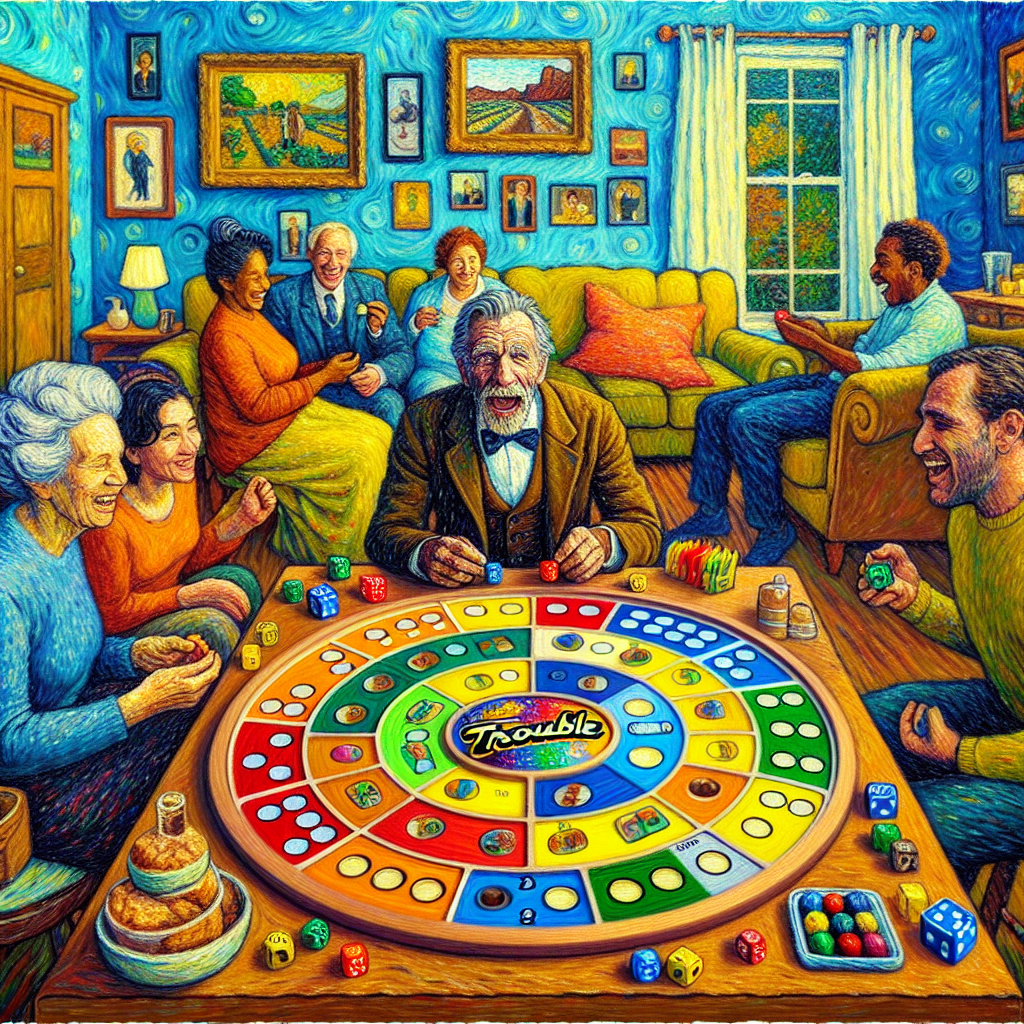
Negotiation board games aren’t just colorful boxes filled with intricate pieces and rules; they’re practical training grounds for life. When you dive into these tabletop strategizes, you’re not only having fun but also honing a variety of skills that could serve you well in both personal and professional arenas.
First off, let’s talk about communication. The heart of negotiation lies in how you convey your ideas and persuade others. As players attempt to strike deals and forge alliances, they learn to articulate their positions clearly and listen actively. This back-and-forth fosters an environment where clarity matters, teaching participants how to express themselves in a manner that gets their point across while also respecting opposing viewpoints.
Then there’s critical thinking. In the heat of competition, players must analyze situations quickly and evaluate potential outcomes. The ability to assess risks and rewards is crucial, as is the realization that not all decisions will yield immediate gratification. The strategic dimension of negotiation games pushes players to think three moves ahead, anticipating how their choices will affect others at the table. That kind of forward-thinking can enhance not just game performance but real-world decision-making as well.
Equally important is emotional intelligence. Negotiation isn’t simply about making logical choices; it’s also about understanding people. Players quickly learn to read body language and vocal tones, recognizing when someone may be bluffing or feeling cornered. This skill in emotional discernment can be invaluable in any negotiation, helping players capitalize on psychological insights that might otherwise go unnoticed.
Let’s not overlook adaptability. Negotiations rarely go as planned. Unexpected developments require players to pivot and reassess their strategies. Learning to stay flexible and adjust your approach is a skill that transcends the tabletop and can be remarkably useful in everyday life and the unpredictable world of business. Those who embrace this adaptive mindset are often better equipped to handle the curveballs that life throws their way.
Finally, there’s a lesson in collaboration. Many negotiation board games emphasize teamwork alongside competition. Crafting a common goal while navigating personal interests teaches players the delicate balance needed to achieve collective success. It’s a reminder that even in a fiercely competitive environment, collaboration can lead to more fruitful outcomes.
Playing negotiation board games offers far more than just entertainment. It serves as a unique and engaging way to develop essential skills that can enhance both professional relationships and personal interactions. All while having a good time with friends or family around the table.
What Skills Can You Develop Through Playing Negotiation Board Games?
What Skills Can You Develop Through Playing Negotiation Board Games?
- Negotiation board games serve as practical training for both personal and professional life.
- Players enhance their communication skills by learning to articulate ideas and listen actively.
- Engagement in critical thinking is vital as players analyze situations, evaluate outcomes, and anticipate future moves.
- Emotional intelligence is sharpened through recognizing body language and vocal tones during gameplay.
- Adaptability is fostered, enabling players to pivot and reassess strategies as unexpected developments occur.
- Collaboration is emphasized, teaching players to balance personal interests with common goals for collective success.
- Overall, playing these games develops essential skills while providing entertainment and bonding opportunities.

What Skills Can You Develop Through Playing Negotiation Board Games?
What Are The Best Examples Of Negotiation Board Games For Beginners?
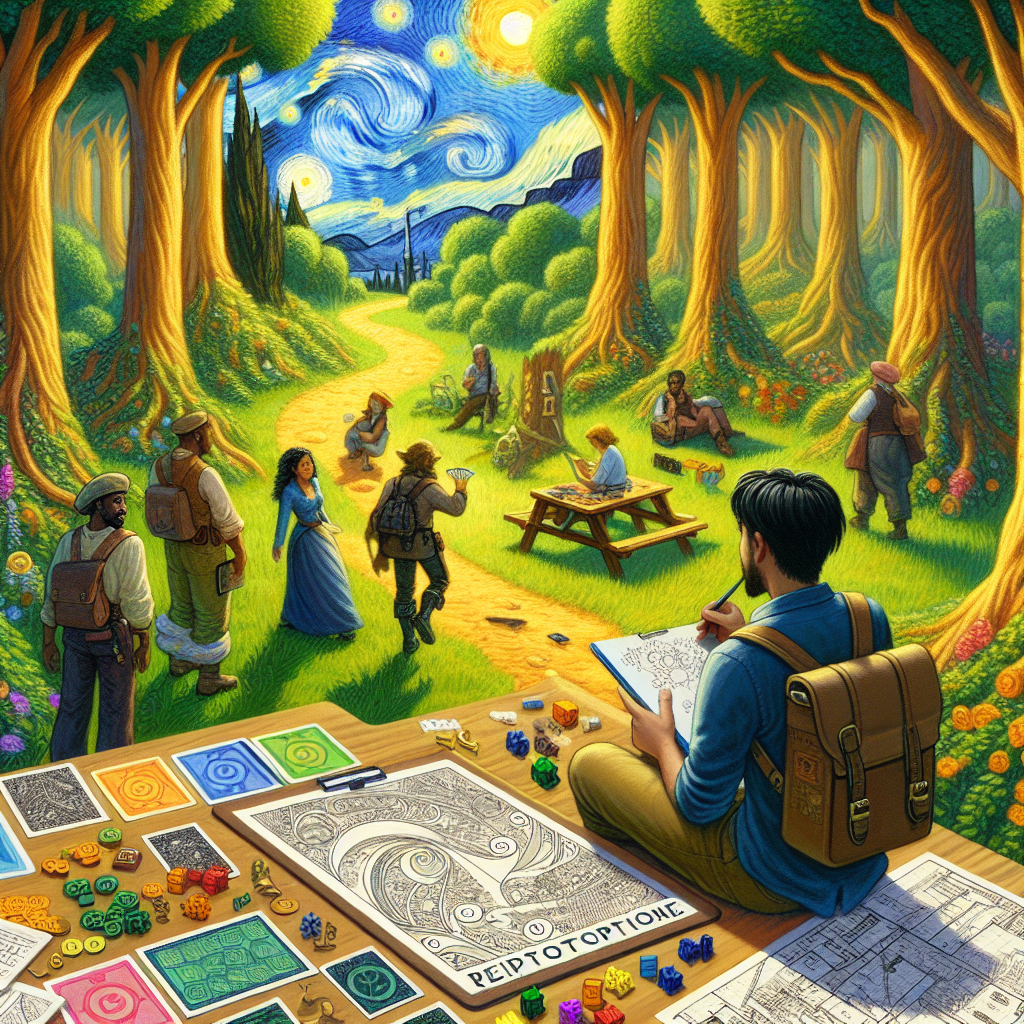
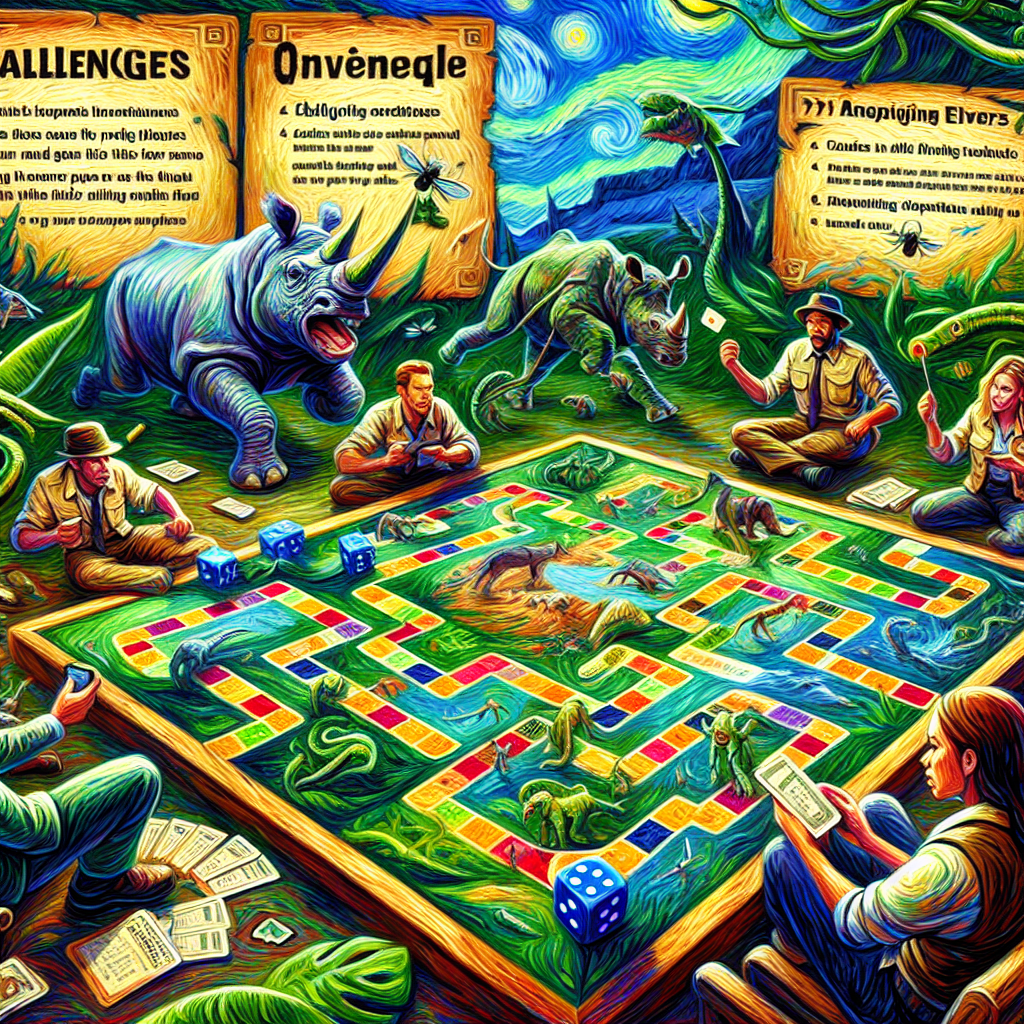
When it comes to dipping your toes into the world of negotiation board games, there’s no shortage of options that strike the perfect balance between fun and strategy. These games serve not just as a way to pass the time, but also as an exciting avenue to develop your bargaining skills—skills that might just come in handy for that next real-world deal. So, let’s pull back the curtain and explore some top picks for beginners that are as accessible as they are entertaining.
First in line is the classic Catan. While many might remember this game for its hexagonal tiles and sheep trading, what often gets overlooked is the delightful chaos of negotiation embedded in its very core. As players vie for resources to build roads, settlements, and cities, alliances are formed, broken, and reformed in the span of a single turn. Whether you’re sweetening the pot with extra wood or making promises you may not keep, Catan is a gentle introduction to a world of wheeling and dealing.
Now, let’s turn our attention to Bohnanza, a delightful card game that’s all about planting beans and, you guessed it, trading them. This game emphasizes open communication; players must negotiate to get the right beans into their fields before they can harvest. The catch? You can’t rearrange your hand. This constraint forces you to collaborate and bargain with others, ensuring that no one leaves empty-handed. Trust me; you’ll find out just how persuasive—or persuasive you aren’t—during those tense trading moments.
Next, let’s chat about Chinatown. This game is a highlight reel of negotiation madness where players buy, sell, and trade properties in a bustling Chinese marketplace. The beauty of Chinatown lies in its lack of structured rounds; rather, it thrives on the spontaneous nature of deal-making. The dialog is where the magic happens. With visual cues of location and resource management at play, it’s a canvas for creativity in trade that even the most novice negotiators can navigate.
Last but not least, we can’t overlook For Sale. A quick-fire card game that gets everyone involved without dragging on. Players bid on properties and negotiate their way through a fun, fast-paced experience. Simple rules mean less time figuring out what to do and more time engaging in lively bargaining.
So, gather your friends, bring some snacks, and dive into these games. They’re not just fun; they’re the perfect way to learn the art of negotiation while having a blast!
What Are The Best Examples Of Negotiation Board Games For Beginners?
What Are The Best Examples Of Negotiation Board Games For Beginners?
- Negotiation board games offer a blend of fun and strategy, enhancing bargaining skills for real-world situations.
- Catan is a classic game featuring resource trading and dynamic alliances among players.
- Bohnanza encourages open communication and negotiation while players deal with fixed hands of beans.
- Chinatown allows for spontaneous deal-making in a vibrant marketplace setting, enhancing creative trade skills.
- For Sale is a quick-paced card game involving property bidding and negotiation, ideal for engaging multiple players.
- These games provide an enjoyable way to practice negotiation techniques while socializing with friends.
- Gather friends and snacks to fully enjoy these entertaining and skill-building games.
What Are The Best Examples Of Negotiation Board Games For Beginners?
How Do Negotiation Board Games Differ From Traditional Board Games?
When you think of board games, what probably pops into your mind are those classic family gatherings, the sound of dice rolling, and the friendly competition that often ends in laughter—or maybe just a playful spat over the rules. Traditional board games are typically characterized by a set structure: clear objectives, established rules, and a definitive winner. Now, enter the world of negotiation board games, a realm where the rules are more like guidelines, and victory can hinge on your ability to schmooze, strategize, and, let’s face it, occasionally play the role of a card shark.
First off, let’s talk about the sheer fluidity of negotiation board games. Unlike their counterparts, which often unfold with the predictability of a well-rehearsed play, negotiation games are unpredictable landscapes of alliances and betrayals. In these games, players must not only focus on their own goals but also engage with others—forming temporary alliances, breaking them, and continually recalibrating your strategy based on the shifting winds of group dynamics. It’s like trying to navigate a maze where the walls keep moving, and your competitors can be your best friends one minute and your worst enemies the next.
Furthermore, these games often thrive on social interaction. While traditional games may have moments of banter, negotiation board games are like a form of social engineering. You’re not just playing against opponents; you’re working with them and, at times, manipulating them. You’ll need to read body language, analyze motives, and master the art of persuasion. Skills like negotiation and conflict resolution become your bread and butter. You’ve got to know when to sweet-talk your way to victory and when to call someone’s bluff.
The outcomes can be much murkier, too. In a classic game of Monopoly, you know what it takes to win—bankruptcy your opponents until you’re the last one standing. But in a negotiation game? Well, victory can feel more like a social construct, shaped by the delicate balance of relationships and trust you’ve built throughout the experience. Sometimes it’s not about who has the most points on the scoreboard but about who played the cards of their social connections the best.
In short, while traditional board games lay out the playing field and let you battle it out with straightforward rules, negotiation board games throw you into a cauldron of social intrigue where success depends less on luck and more on your wit, charm, and ability to navigate the human experience. It’s a whole new ball game—one where the strategy doesn’t just lie in the moves you make, but in how you engage with every player at the table.

How Do Negotiation Board Games Differ From Traditional Board Games?
How Do Negotiation Board Games Differ From Traditional Board Games?
- Traditional board games are structured with clear objectives, rules, and winners.
- Negotiation board games blur rules into guidelines, focusing on social manipulation and strategy.
- Gameplay involves forming and breaking alliances, requiring adaptable strategies based on group dynamics.
- Social interaction is central, with players reading body language and motives to succeed.
- Skills like negotiation and conflict resolution become crucial in these games.
- Victory in negotiation games often depends on relationship-building rather than just points scored.
- Overall, success hinges on wit, charm, and social engagement rather than mere luck.

How Do Negotiation Board Games Differ From Traditional Board Games?
What Themes Are Commonly Found In Negotiation Board Games?
When it comes to negotiation board games, a few themes tend to rise to the surface, like the froth on a freshly poured pint. These games are not just about rolling dice or moving pieces; they dig deep into the art of deal-making, persuasion, and the delicate dance of human interaction.
First and foremost, trust and betrayal lie at the heart of many negotiation games. Think of them as the two blades of a well-crafted dagger: one half is essential for collaboration, while the other represents the potential for backstabbing. Players often find themselves walking a tightrope, weighing the risks of revealing their true intentions against the need for alliances. The thrill of having a partner today and a rival tomorrow adds an electric tension that keeps everyone on their toes. After all, in a world where everyone’s motives are under a microscope, who can truly be trusted?
Next up, we have the theme of resource management. In most negotiation board games, you’ll find players juggling various assets like commodities, favors, or even secrets. This resource balancing act creates a bustling marketplace of opportunities. Participants must not only negotiate to get what they want but also manage their resources wisely to avoid being outmaneuvered. The thrill of getting a great deal, or the agony of watching someone else snatch victory from your grasp due to poor resource management, creates stories worth telling around the family table long after the game is over.
Another common theme in negotiation games is the concept of power dynamics. Players often wield influence in different ways, whether it’s through charm, cunning, or sheer force. Some gamers position themselves as the benevolent kingpin, swaying others with charisma and offers of partnership, while others might employ a more cutthroat strategy, strong-arming their opponents into submission. This interplay of power not only makes the game more engaging but also gives players an opportunity to explore the ripple effects of their choices.
Lastly, many of these games weave in the element of risk vs. reward. Every negotiation is a gamble; a player must continually assess whether the potential payoff is worth the risks involved. Should you take the leap and offer that sweet deal, or hold back and play it safe? This perpetual tension adds layers of complexity, encouraging players to hone their instincts and sharpen their negotiation skills.
Negotiation board games are rich tapestries woven with themes of trust, resource management, power dynamics, and risk. They challenge players to navigate a world of alliances and rivalries while sharpening their strategic thinking. So, next time you gather around a game table, remember: it’s not just a game; it’s a masterclass in human behavior.

What Themes Are Commonly Found In Negotiation Board Games?
What Themes Are Commonly Found In Negotiation Board Games?
- Negotiation board games focus on deal-making, persuasion, and human interaction.
- Trust and betrayal are central themes, fostering collaboration and the risk of backstabbing.
- Resource management is crucial, with players managing assets like commodities, favors, and secrets.
- The interplay of power dynamics allows players to influence through charm, cunning, or force.
- Risk vs. reward is a constant theme, requiring players to assess potential payoffs against risks.
- These games encourage strategic thinking, navigating alliances and rivalries.
- Overall, negotiation games serve as a masterclass in human behavior and interaction.

What Themes Are Commonly Found In Negotiation Board Games?
Can Negotiation Board Games Be Played Online Or In Person?
When you dive into the world of negotiation board games, the question often arises: can these interactive brain-teasers be enjoyed online or are they best suited for live, in-person play? Well, let’s roll up our sleeves and explore this engaging conundrum.
First off, let’s talk about the digital landscape. Online platforms have exploded in popularity, creating virtual arenas where players can engage in thrilling standoffs without the need to lace up their shoes or convoy across town. You’ve got websites and apps dedicated entirely to fostering negotiations, complete with chat functionalities and virtual dice rolls that bring a whole new dimension to the game. The convenience of playing from your couch, surrounded by snacks and a refreshing beverage, certainly has its appeal. Plus, let’s not forget the ability to connect with players from all corners of the globe—no geographic boundaries, no limits to your opponent pool. Need a break from the everyday grind? Fire up that laptop and dive into some intense deal-making with a player halfway around the world.
However, let’s not overlook the magic that happens when you gather around a table with friends, family, or even friendly foes. There’s a certain electricity in the air, an unquantifiable energy that pulses through face-to-face interactions. In-person negotiation board games come alive as you watch body language, hear the intonation of voices, and feel the tension that only a room full of folks deep in negotiation can generate. You’ll find that those strategic poker faces and subtle glances are like poetry in motion, adding layers to the game that a screen simply can’t replicate.
Moreover, the tactile experience of shuffling cards, rolling dice, and sliding tokens across a board has its own irresistible charm. It’s not just a game; it’s an event. The shared laughter, heated discussions, and even occasional outbursts become treasured memories. In many ways, the experience is as much about the relationships you build as it is about the negotiations themselves.
So, can negotiation board games be played online or in person? The answer is a resounding yes! Each medium offers its unique flavor, and the choice ultimately depends on your circumstances, preferences, and the company you keep. Whether you’re logging in from a sunny sarong or jostling for position at a crowded table, the art of negotiation is waiting for you just a move away.

Can Negotiation Board Games Be Played Online Or In Person?
Can Negotiation Board Games Be Played Online Or In Person?
- Negotiation board games can be enjoyed both online and in-person, each offering a unique experience.
- Online platforms provide virtual arenas for players to engage in negotiations from anywhere, without the need for physical travel.
- Digital gameplay features, like chat functionalities and virtual dice rolls, enhance the interactive experience.
- Online play allows for connections with global opponents, expanding the player pool beyond local limitations.
- In-person gameplay offers a dynamic atmosphere with real-time interactions and body language cues that can enhance negotiations.
- The tactile elements of physical games, such as handling cards and dice, contribute to a memorable and engaging experience.
- The choice between online and in-person play ultimately depends on personal preferences and social circumstances.

Can Negotiation Board Games Be Played Online Or In Person?
What Age Groups Are Most Suitable For Negotiation Board Games?
What Age Groups Are Most Suitable for Negotiation Board Games?
When it comes to negotiation board games, the real magic happens at the intersection of age, experience, and a little bit of stage fright. You’ve got to consider who’s sitting around the table, as not every age group brings the same level of wits and tactics to the game.
Let’s start with the younger crowd—kids aged 8 to 12. At this age, children are just beginning to grasp the concept of give and take, and that makes them ripe for negotiation games. Sure, they might still be working on understanding the value of a dollar, but they can certainly comprehend the thrill of bartering LEGO pieces for a cookie. Games designed for this age group emphasize simple strategies and basic negotiation tactics without overwhelming them with complex rule sets. Think of it as a gentle initiation into the world of diplomacy—players learn valuable skills while also having the time of their lives.
Now, move up the age ladder to teenagers, usually around 13 to 18. This is where you start to see a significant evolution in gameplay. Teens are armed with a fiery mix of confidence and, let’s face it, a touch of stubbornness. They are ready to dive headfirst into the complexities of negotiation. Games targeting this demographic often introduce real stakes and multi-layered strategies, pushing players to think critically and consider all angles before making a deal. This age group thrives on competition and the thrill of outsmarting peers, all while navigating the sometimes awkward terrain of social interactions.
Finally, there’s the adult crowd—those over 18—with a unique set of advantages and challenges. Adults bring life experience to the table that can add depth and nuance to negotiation games. They’re equipped with a toolkit of interpersonal skills, street smarts, and a sometimes brutal understanding of negotiations from the real world. Games for this group often delve into more intricate mechanisms, demanding that players read each other like a good novel and navigate ethical dilemmas that would baffle even the most seasoned diplomats.
Negotiation board games are versatile tools that can engage various age groups, but they shine brightest when tailored to the players at hand. Each age range brings its own flavor to the table, but the joy of negotiation binds them all together, turning a simple game into a thriving exercise in strategy, communication, and, of course, a bit of playful deception.

What Age Groups Are Most Suitable For Negotiation Board Games?
What Age Groups Are Most Suitable For Negotiation Board Games?
- Negotiation board games are influenced by the age, experience, and confidence level of players.
- Children aged 8 to 12 begin to grasp negotiation concepts, making them suitable for simple negotiation games.
- Games for younger players emphasize basic strategies and friendly bartering, offering a fun introduction to diplomacy.
- Teenagers (13 to 18) introduce more complex gameplay, characterized by confidence and competitive spirits.
- Negotiation games for teens involve real stakes and multi-layered strategies, fostering critical thinking and peer interaction.
- Adults over 18 leverage life experience and interpersonal skills, allowing for deeper and nuanced negotiations.
- Each age group brings unique elements to negotiation board games while sharing the common enjoyment of strategy and communication.

What Age Groups Are Most Suitable For Negotiation Board Games?
How Do You Set Up A Negotiation Board Game For Optimal Play?
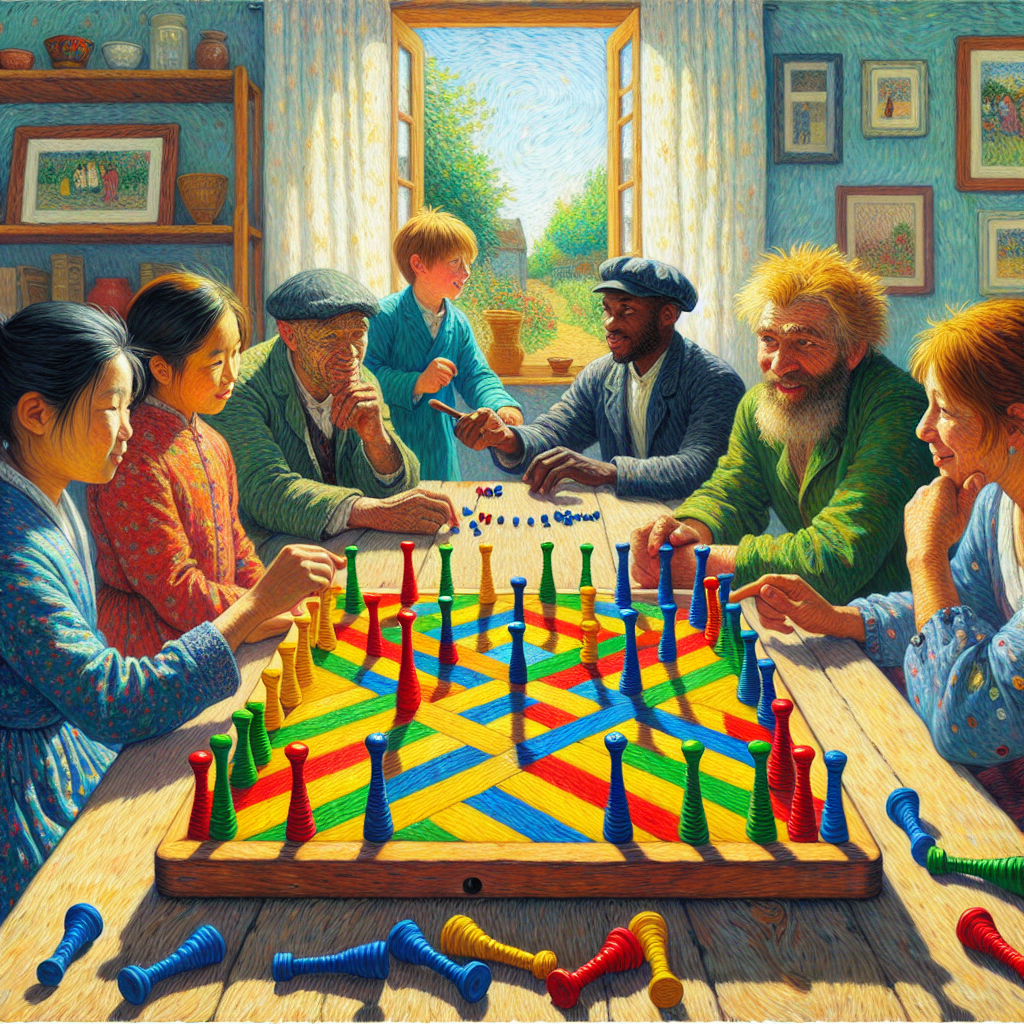
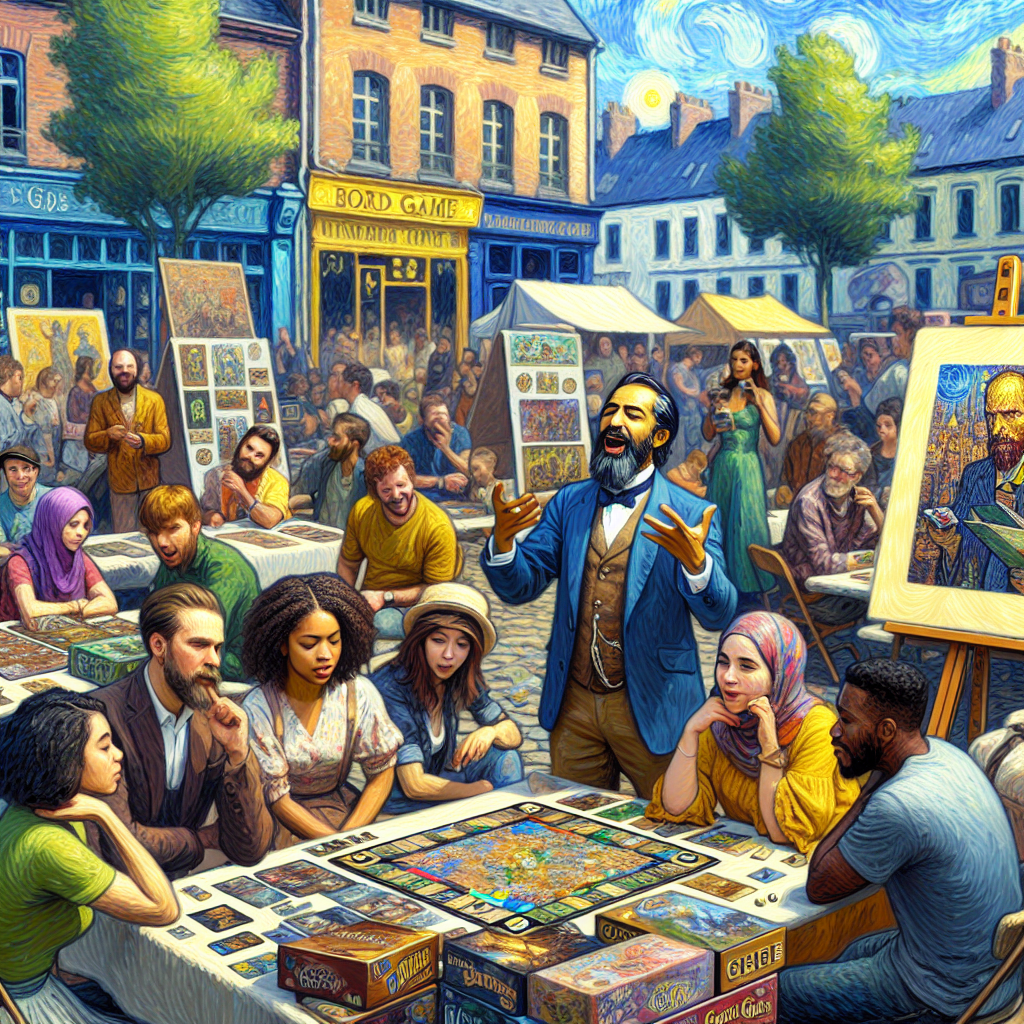
When you decide to gather a few friends around a table for a good ol’ negotiation board game, you’re not just setting up a game; you’re laying the groundwork for an experience that blends strategy, psychology, and a touch of good-natured chaos. No two games are exactly alike, and that’s the beauty of it. But if you want to get the most out of your negotiations—and maybe even keep your friendships intact—here’s how to set up for optimal play.
First, find a table big enough to accommodate everyone. I’m talking about a space where elbows can spread without fear of knocking over a drink or sending game pieces flying. You want everyone to feel comfortable enough to negotiate, barter, and, let’s be honest, occasionally backstab each other without worrying about spatial restrictions. A well-chosen table can help set the tone for the evening.
Next, ensure that everyone has access to the game rules. You might be tempted to do a verbal rundown and think, “How hard can it be?” But trust me, having those rules printed and accessible can save you from a dozen mini-arguments over what the fine print means. Lay them out in front of the players, just like a smorgasbord of snacks, inviting them to dig in at their leisure.
As you set up the game itself, make sure all pieces are easily within reach—cards, tokens, dice, you name it. A disorganized setup can lead to frustration and exacerbate any heated negotiations. Think of it as preparing a workspace; a little order goes a long way in keeping the peace.
Now, let’s talk about the atmosphere. Background music can be helpful, but be careful with the volume. You want something that enhances the experience but doesn’t drown out voices or hushed whispers of strategizing players. A little bit of ambiance can act like the secret sauce, making things feel a tad more intense without becoming a distraction.
With everything in place, take a minute to make sure everyone is on the same page—not just about the rules, but about the spirit of the game. Remind folks that, while winning might be the goal, the real prize is the laughter, the merry banter, and those moments of crafty negotiation that turn friends into rivals and rivals into allies. So gather your players, roll those dice, and let the negotiations begin!
How Do You Set Up A Negotiation Board Game For Optimal Play?
How Do You Set Up A Negotiation Board Game For Optimal Play?
- Gather friends for a negotiation board game, blending strategy and psychology.
- Choose a spacious table to allow comfortable negotiations and avoid disruptions.
- Provide printed game rules to prevent misunderstandings and mini-arguments.
- Ensure all game pieces are organized and easily accessible to enhance gameplay.
- Create an inviting atmosphere with background music—keeping the volume balanced.
- Encourage players to embrace the spirit of the game, emphasizing fun over winning.
- Prepare for an experience that fosters laughter, banter, and strategic negotiations.
How Do You Set Up A Negotiation Board Game For Optimal Play?
What Strategies Can Enhance Your Chances Of Winning Negotiation Games?
When it comes to navigating the complex world of negotiation games, having a game plan is essential. Just like a seasoned mechanic knows the ins and outs of an engine, the savvy negotiator understands the art and science behind making a winning deal. Here are some strategies to rev up your chances and steer your negotiations in the right direction.
1. Know Your Terrain
Before diving into negotiations, familiarize yourself with the landscape. Research your counterpart’s interests, strengths, and weaknesses. This doesn’t mean stalking their social media profiles, but rather understanding what makes them tick. The more you know, the better equipped you’ll be to anticipate their moves and counter with your own.
2. Set Your Goals
Just as you wouldn’t set out on a road trip without a destination in mind, you shouldn’t enter a negotiation without clear objectives. Define what you absolutely need, what you want, and what you can walk away from. Having these milestones allows you to drive the conversation toward your desired outcome without veering off course.
3. Listen Actively
In the fast-paced world of negotiation, it’s easy to focus solely on making your points. However, genuine listening is like tuning into a great radio station; it helps you pick up signals you might otherwise miss. By understanding your opponent’s concerns, you can tailor your responses to address their needs, fostering an environment of cooperation rather than conflict.
4. Build Rapport
Think of rapport as the grease that keeps your negotiation engine running smoothly. Establish a connection with your counterpart early on. A few shared laughs or a mutual interest can create a more relaxed atmosphere, making it less likely for things to derail. People are more inclined to reach an agreement when they feel understood and respected.
5. Stay Flexible
Negotiation is a bit like navigating a river. You have to adapt to the currents as they come. If you’re too rigid in your approach, you risk getting stuck on a rock or worse, capsizing altogether. Be prepared to adjust your tactics based on the flow of the conversation.
6. Know When to Walk Away
Finally, never forget this cardinal rule: knowing when to walk away can sometimes be your strongest strategy. If the deal isn’t right for you, it’s better to hold your ground than to make a decision you’ll regret later. A confident exit can often lead to a better offer down the line, as it demonstrates you value your worth.
Winning in negotiation games isn’t just about clever tactics; it’s about understanding human dynamics and fostering relationships. So roll up your sleeves, keep your wits about you, and prepare to engage in the beautiful complexity that is negotiation.

What Strategies Can Enhance Your Chances Of Winning Negotiation Games?
What Strategies Can Enhance Your Chances Of Winning Negotiation Games?
- Having a game plan is essential for successful negotiations.
- Research your counterpart’s interests, strengths, and weaknesses to anticipate their moves.
- Set clear objectives for negotiations, outlining what you need, want, and can walk away from.
- Practice active listening to understand the other party’s concerns and foster cooperation.
- Build rapport early on to create a relaxed atmosphere conducive to agreement.
- Stay flexible and adapt your tactics as the conversation flows.
- Know when to walk away, valuing your worth and avoiding regretful decisions.

What Strategies Can Enhance Your Chances Of Winning Negotiation Games?
Are There Any Popular Negotiation Board Games That Promote Teamwork?
In the world of board games, where strategy meets camaraderie, negotiation games stand out like a beacon of collective problem-solving. These games aren’t just about rolling dice and moving pieces; they call for collaboration, communication, and sometimes a little bit of cunning. They create an environment where teamwork isn’t just encouraged—it’s essential.
Take, for instance, the popular game “Catan.” Yes, it’s a classic, but it’s so much more than a bunch of hexagonal tiles. Here, players gather resources and negotiate trades to build settlements, cities, and roads. But what makes “Catan” truly shine is the social dynamic at play. You can’t simply hoard your wheat; you need to engage with your fellow players. Need that brick to finish your road? You might have to sweeten the deal with a promise—or risk getting cut off. The game thrives on player interaction, demanding that you master the art of negotiation to emerge victorious.
Next up, we have “The Resistance,” a game of deduction that also requires teamwork, albeit with a twist of betrayal. Here, players must unite to complete missions while secretly contending with hidden spies among them. It’s a test of trust and strategy that keeps everyone on their toes. Throughout the game, conversations flutter like leaves in a breeze, as players try to decipher hints, build alliances, and sometimes bluff their way to victory. The real thrill lies in the negotiation: who will you trust, and when will you turn the tables?
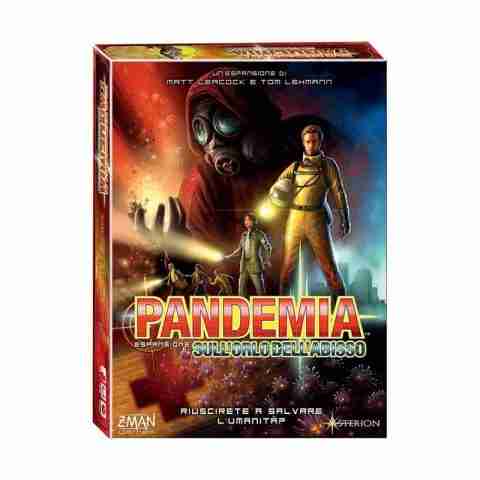
“Pandemic” deserves a mention, too. In this cooperative game, players band together to stop global outbreaks of diseases. Each player assumes a unique role, and success hinges not just on individual prowess but on the efficiency of the team. You can’t be a lone wolf here; it’s all about pooling your skills and crafting an effective strategy. The beauty of “Pandemic” lies in its urgency and the need for communication. Will you go for the cure, or will you contain the outbreaks? Every decision hinges on negotiation and teamwork, making every playthrough a unique experience.
In the realm of board games, negotiation games provide a rich ground for collaboration and strategic mutual benefit. So gather some friends, clear your dining table, and dive into a world where conversation fuels the game. Nothing brings people closer than a solid round of bargaining and cooperation, and who knows? You might just learn something about teamwork along the way.

Are There Any Popular Negotiation Board Games That Promote Teamwork?
Are There Any Popular Negotiation Board Games That Promote Teamwork?
- Negotiation games blend strategy, camaraderie, and collective problem-solving.
- These games emphasize collaboration, communication, and cunning among players.
- “Catan” involves players gathering resources and negotiating trades to build settlements and roads.
- The social dynamic in “Catan” requires players to engage with one another to succeed.
- “The Resistance” challenges players to complete missions while dealing with hidden spies and betrayal.
- “Pandemic” is a cooperative game focused on stopping outbreaks, necessitating teamwork and strategic communication.
- Negotiation games foster collaboration and can enhance interpersonal skills through dynamic interactions.

Are There Any Popular Negotiation Board Games That Promote Teamwork?
How Long Does A Typical Negotiation Board Game Session Last?
When you think about a negotiation board game, you might picture a brisk afternoon with friends, laughter filling the air as deals are struck and alliances are forged. But here’s a reality check: the length of a typical session can vary more than the options on a pizza menu. Some folks make it look easy, finishing a game in a couple of hours, while others have been known to wrestle with a board for a marathon session that stretches into the night.
Let’s break it down. For many classic negotiation games—think titles that have gained a cult following over the years—a two to three-hour timeframe is pretty standard. These games usually have well-defined rules and straightforward mechanics that keep things moving along, allowing players to engage in spirited discussions and clever bargaining without feeling bogged down.
However, the duration can skyrocket if you throw in elements like multiple players, complex strategies, or, heaven forbid, rules misunderstandings. A group of six friends can easily find themselves circling the negotiation table for three to four hours, trying to navigate a web of alliances that feel more complicated than geopolitics. Throw in a few side deals and the occasional backstab, and suddenly you’re looking at an epic saga that could rival some of the great novels of our time.
Then, consider the social aspect. Negotiation games thrive on player interaction. If you’re playing with a group of friends who are particularly chatty, or if someone is a master of prolonged banter, you may end up spending more time joking and sharing stories than actually making deals. Just like that family dinner that stretches long after dessert, a good negotiation board game can easily become a social event, with the game itself serving as a backdrop for camaraderie.
And let’s not forget the game’s setting. A cushy couch with ample snacks and a well-stocked beverage cooler can turn a single evening into something more leisurely. In these scenarios, players might lose track of time amidst laughter, ready to enjoy the thrill of a good debate rather than rush to the finish line.
Ultimately, the question isn’t just “How long will it last?” but rather, “How much fun will you have?” In the world of negotiation board games, time is merely a suggestion, and it’s the experience—tricks, treats, and trades—that truly counts. So, gather your friends, set the scene, and let the negotiations begin!
How Long Does A Typical Negotiation Board Game Session Last?
How Long Does A Typical Negotiation Board Game Session Last?
Sure! Here’s the summarized text in a formatted bulleted HTML list:
- Negotiation board games can vary greatly in session length, from a couple of hours to marathon sessions.
- Classic negotiation games typically have a standard duration of two to three hours, thanks to clear rules and mechanics.
- Game duration can increase with more players, complex strategies, and rules misunderstandings, often lasting three to four hours.
- Social interactions among players can extend gameplay as discussions and jokes take precedence over deals.
- Comfortable settings with snacks and drinks can create a more leisurely gaming experience, allowing players to lose track of time.
- The focus of negotiation games is the enjoyment and experiences rather than strictly adhering to a time limit.
- Gathering friends for a negotiation game can lead to memorable moments and valuable interactions.

How Long Does A Typical Negotiation Board Game Session Last?
What Should You Consider When Choosing A Negotiation Board Game?
When it comes to choosing a negotiation board game, it can feel a bit like stepping into a bustling marketplace, where options are ripe for the picking but require a discerning eye and a firm handshake. The right game can turn an ordinary game night into an exhilarating experience, but there are several factors to consider before placing your bets – or rather, your pieces.
First off, consider the complexity of the game. Are you playing with seasoned strategists or casual board game enthusiasts? The last thing you want is a situation where half the table is scratching their heads while the other half is locked in a high-stakes duel of wits. Some games are designed for deep negotiation and strategizing, while others may lean towards more straightforward gameplay with simple trading mechanics. Make sure the complexity matches the crowd!
Next, think about the player dynamics. Negotiation games thrive on interaction, and this can be a double-edged sword. If your group is filled with assertive types who love to haggle and outmaneuver each other, a game that allows for ruthless tactics might be just the ticket. On the flip side, if you have a mix of personalities, look for games that encourage cooperation and perhaps even alliances. You’ll want something that balances competition with camaraderie; after all, the best game nights are where everyone leaves the table with a smile.
Time is another critical factor. How long do you want to dedicate to a single session? Some negotiation games are quick and snappy, while others can stretch into a marathon. If you’ve got a limited window or a more social group that tends to lose focus after an hour, consider opting for a quicker game. Conversely, if your clan revels in long strategies and in-depth planning, find a game that lets you sink your teeth in.
Lastly, don’t underestimate the power of theme and aesthetics. A beautifully designed game can elevate the entire experience, drawing players in and immersing them in the world you’re navigating. Whether it’s through a rich historical backdrop, an intriguing storyline, or eye-catching artwork, the right theme can turn negotiations into a captivating journey rather than just a mechanical transaction.
Choosing the right negotiation board game is about understanding your players, the dynamics at play, and the kind of experience you want to create. So take a moment to gauge your crew, explore the options, and get ready to whet your appetite for negotiation—and perhaps a little friendly rivalry, too.
What Should You Consider When Choosing A Negotiation Board Game?
What Should You Consider When Choosing A Negotiation Board Game?
- Choosing a negotiation board game involves careful consideration, much like navigating a bustling marketplace.
- Assess the game’s complexity to match the skill levels of your players, whether they are seasoned strategists or casual enthusiasts.
- Consider player dynamics; assertive groups may thrive on competitive tactics, while diverse personalities might benefit from cooperative gameplay.
- Factor in the time commitment; opt for quicker games if your group has a limited focus or longer sessions for those who enjoy detailed strategies.
- Themes and aesthetics significantly enhance the gaming experience, making it more immersive and engaging for players.
- Understanding your players and the desired experience is crucial in choosing the right game.
- Explore various options, gauge your group, and prepare for an entertaining mix of negotiation and friendly rivalry.

What Should You Consider When Choosing A Negotiation Board Game?
Are Negotiation Board Games Suitable For Educational Purposes?
When you think about negotiation board games, what comes to mind? Fun with friends? A fierce tussle of wills over a Monopoly board? But let’s peel back the layers here. These games pack something far more profound than just dice rolls and wooden pieces. They serve as intriguing educational tools, bringing learning into a landscape that is often serious, rigid, and undeniably dull.
Picture a classroom filled with students, their eyes glazed over while a teacher drones on about economics or conflict resolution. Now, imagine that same room transformed into an arena of lively discussions and spirited debates—thanks to a game that invites players to negotiate, barter, and strategize their way to victory. Sounds more appealing, right? That’s the beauty of using negotiation board games for educational purposes—they make learning interactive, engaging, and, dare I say, fun.
What’s particularly compelling about these games is their focus on soft skills. Students aren’t merely memorizing facts or formulas. No, they’re honing abilities that will serve them well beyond the four walls of a classroom. Communication becomes key when persuading a fellow player to trade a critical resource, while active listening takes on a whole new significance as they gauge the motives of others. This is education in action, folks—real-life scenarios played out in a competitive context.
Furthermore, negotiation games often touch on themes of collaboration and compromise. In our fast-paced, high-stakes world, understanding how to work with diverse viewpoints is more critical than ever. A game that encourages players to navigate different interests teaches students the nuances of finding common ground. They learn that winning sometimes comes from finding a mutually beneficial solution rather than bulldozing through with their own agenda.
But let’s get real here—it’s not all sunshine and lollipops. Not every game is created equal. Some might veer into the territory of mindless luck rather than strategic thinking, which won’t do much for educational growth. Educators need to choose wisely and assess whether a game truly fosters the skills they aim to teach.
In summary, negotiation board games can be excellent educational tools when implemented thoughtfully. They cultivate essential life skills in a manner that’s both enjoyable and meaningful, bridging the gap between theory and practice. So, the next time you pull a game off the shelf, remember: it’s not just a game. It’s a classroom in disguise.

Are Negotiation Board Games Suitable For Educational Purposes?
Are Negotiation Board Games Suitable For Educational Purposes?
- Negotiation board games offer more than entertainment; they are effective educational tools.
- These games transform traditional classrooms into interactive environments encouraging discussion and debate.
- Students develop soft skills, such as communication and active listening, through gameplay.
- Negotiation games emphasize collaboration and compromise, teaching students to handle diverse viewpoints.
- Finding mutually beneficial solutions can lead to greater success than forcing personal agendas in negotiations.
- Not all games are beneficial; educators must select games that promote strategic thinking and skill development.
- Ultimately, negotiation board games can bridge the gap between theory and practice, making learning fun and meaningful.

Are Negotiation Board Games Suitable For Educational Purposes?
How Can Negotiation Board Games Improve Communication Skills?
Negotiation board games have become a popular pastime, but they are more than just a way to pass the time; they offer players the chance to hone their communication skills in a fun and engaging way. Let’s take a moment to unpack how these games can create savvy negotiators and improve interpersonal communication.
First off, negotiation board games strip away the formalities often found in face-to-face conversations. You’re not just sitting across the table from a colleague, trying to sell them on your idea; instead, you’re maneuvering through challenges and collaborating with other players to achieve mutual goals. This informal setting breathes life into dialogue, allowing you to experiment with tone and body language without the fear of real-world consequences. You can test the waters with different approaches, learn what resonates, and discard what doesn’t—all while having a little fun.
Communication is fundamentally about connection, and these games encourage that on multiple levels. They require active listening, where players must pay attention not only to what is being said but also to the non-verbal cues around the board. Observing body language and vocal inflection can be as telling as the words themselves. The ability to read the room and respond effectively creates a dynamic where players can adapt their strategies in real-time. It’s a masterclass in situational awareness, emphasizing that communication does not live solely in verbal exchanges.
Moreover, negotiation games often involve role-playing elements, where players embody different characters or personas with distinct objectives. This shift in perspective stretches your understanding of empathy and allows you to view situations through various lenses. This kind of role reversal helps you appreciate the motivations of others, leading to more productive dialogues in the real world. It teaches you that negotiation isn’t just about winning; it’s about finding a common ground for mutual benefit, which is a cornerstone of effective communication.
Finally, failure is built into the process. Losing a round or failing to secure a deal can be a valuable lesson in negotiation skills. It fosters resilience and the understanding that every setback is an opportunity to reassess and refine your approach. This iterative learning process is key to becoming a better communicator, as it encourages you to keep trying different strategies until you find what works.
So, if you’re looking to sharpen those communication skills, consider grabbing a few friends and diving into a negotiation board game. As it turns out, sometimes the best learning happens over a friendly competition.

How Can Negotiation Board Games Improve Communication Skills?
How Can Negotiation Board Games Improve Communication Skills?
- Negotiation board games enhance communication skills in a fun and engaging way.
- These games eliminate formalities, allowing for casual dialogue and experimentation with tone and body language.
- Active listening is emphasized, as players must pay attention to both verbal and non-verbal cues.
- Role-playing elements in these games foster empathy, helping players understand different perspectives.
- Negotiation involves finding common ground, promoting mutual benefit instead of just winning.
- Failure in the game serves as a lesson, teaching resilience and the importance of adapting strategies.
- Playing negotiation board games can be an enjoyable way to improve communication skills with friends.
How Can Negotiation Board Games Improve Communication Skills?
What Mistakes Should You Avoid When Playing Negotiation Board Games?
Negotiation board games are a thrilling blend of strategy, psychology, and a pinch of good old-fashioned bartering. As you dive into this world, it’s easy to get wrapped up in the excitement. But, like a novice hunter trekking into uncharted woods, you must tread carefully to avoid missteps that could cost you the game. Here are some pitfalls to steer clear of when engaging in these competitive exchanges.
First and foremost, never underestimate the power of listening. In the heat of negotiation, it’s tempting to focus solely on your own agenda. But remember, every player brings unique perspectives and desires to the table. By honing in on what others want, you can structure deals that are mutually beneficial, paving the way to better outcomes for everyone involved. Ignoring this crucial part of the game? Well, that’s like trying to catch fish without a net—good luck with that.
Next up, resist the urge to reveal too much. The art of negotiation thrives on the delicate balance of transparency and strategy. If you spill your entire hand, you’re essentially handing your opponents the ammunition they need to outmaneuver you. Keep some cards close to your chest, even if it’s tempting to share. Mysterious gamers often maneuver through the chaos like seasoned pros, leaving their adversaries in a state of confusion.
Also, don’t forget the human element. People aren’t machines; they’re unpredictable creatures driven by emotions and instincts. Getting too caught up in statistics or strict rules can lead you astray. Instead, lead with empathy. Understand your fellow players’ motivations and fears, and navigate the emotional landscape as deftly as you would the game board. This isn’t just a contest of numbers; it’s a battlefield of wits and wills, and a well-placed compliment or gesture can pave the way for strategic alliances.
Lastly, remember that negotiation is as much about maintaining relationships as it is about winning. Whether you’re sealing a deal or subtly throwing your opponent off their game, keep in mind that the next match will come around. Burning bridges today could mean losing valuable partners or rivals tomorrow. Cultivating respect and goodwill will pay dividends down the line, be it in next week’s board game night or in the greater arena of life.
In summary, navigate the waters of negotiation board games with skill, empathy, and a sly sense of strategy. By avoiding common missteps and fostering a spirit of cooperation, you’ll emerge not just as a competitor, but as a respected player in this engaging domain. Happy negotiating!

What Mistakes Should You Avoid When Playing Negotiation Board Games?
What Mistakes Should You Avoid When Playing Negotiation Board Games?
- Negotiation board games combine strategy, psychology, and bartering.
- Listening is crucial; focus on others’ perspectives for mutually beneficial deals.
- Avoid revealing too much; maintain some mystery to outmaneuver opponents.
- Consider the human element; empathy enhances understanding of players’ motivations.
- Prioritize maintaining relationships alongside winning; respect can lead to future partnerships.
- Avoid common pitfalls and promote cooperation for better outcomes.
- Approach the game with skill and strategy for a respected player status.

What Mistakes Should You Avoid When Playing Negotiation Board Games?
Conclusion
Alright, folks, let’s tie a bow on our deep dive into the thrilling universe of negotiation board games—where strategy meets social savvy, all while mightily grappling with the fine art of deal-making. These games are more than just a way to pass the time; they are captivating crucibles where friendships are tested, alliances are forged and broken, and, lest we forget, snacks are devoured like they’re going out of style.
At the heart of these games lies an essential truth: negotiation is not solely about haggling over resources or getting the upper hand. Oh no, it’s much richer than that! It’s a dance—a social waltz where players must engage with their peers, reading body language, deciphering intentions, and sometimes putting on the ol’ poker face when the stakes get high. Just ask any Catan veteran who’s had their precious wheat pinched by a back-stabbing buddy. Learning to navigate this thrilling uncertainty pays off not just in board games, but in life itself, sharpening your instinct for understanding human dynamics.
Consider the myriad of benefits wrapped up in those seemingly simple dice rolls. As players negotiate, they cultivate critical skills ranging from effective communication and active listening to emotional intelligence and adaptability—each of which can bolster both personal and professional interactions. Whether you’re a novice learning to trade those sheep for wood in Catan or a seasoned vet plotting your next move in Diplomacy, every session offers a masterclass in negotiation tactics.
And let’s not forget the sheer variety of available games! From the fast-paced deals in For Sale to the intricate strategies of Pandemic, there’s something for everyone in this eclectic lineup. These aren’t just games—they’re experiences. They invite us into complex scenarios where every choice matters and every interaction can propel us toward victory or sweet, sweet defeat.
So, if you’re tired of the typical board game fare and are ready to spice things up, gather your pals, load up the snacks, and dive into the thrilling world of negotiation board games. Who knows? You may walk away not only with bragging rights but also with newfound skills to negotiate your way through life’s countless challenges. Let the games begin!

Conclusion
Conclusion:
- Negotiation board games blend strategy and social skills, offering captivating gameplay where friendships are tested and alliances formed.
- The essence of negotiation extends beyond resource haggling; it’s a social dance involving body language and intention reading.
- Mastering negotiation in board games sharpens skills that enhance personal and professional interactions, such as communication and emotional intelligence.
- Players experience a range of negotiation tactics, regardless of their experience level, from Catan newcomers to Diplomacy veterans.
- There is a vast variety of negotiation games, from quick-paced options like For Sale to complex strategies in Pandemic.
- These games create immersive experiences where every choice impacts the outcome, fostering strategic thinking and adaptability.
- Engaging in negotiation board games can yield both entertainment and practical life skills, making for a valuable gaming experience.
Conclusion
Other Resources

Other Resources
Here is a list of other resources you can review online to learn more:

Other Resources
Glossary Terms
What Are Some Examples Of Negotiation Board Games? – Glossary Of Terms
1. Negotiation: The process of discussing and reaching an agreement between two or more parties, often involving compromise and persuasion.
2. Strategy: A plan of action designed to achieve a specific goal in the game, relying on the players’ decisions and interactions with others.
3. Diplomacy: A board game that emphasizes negotiation and alliances among players, often set in the context of European powers before World War I.
4. Bargaining: The act of negotiating the terms of an agreement, typically involving offers and counteroffers to reach a mutually beneficial conclusion.
5. Trade: The exchange of resources or benefits between players, which may include goods, information, or promises within the game.
6. Alliance: A formal agreement between players to cooperate for mutual benefit, often used to strengthen positions against other players.
7. Mediator: A neutral party that may help facilitate discussions and negotiations between conflicting players, ensuring a fair outcome.
8. Conflicts: Disagreements or clashes between players’ interests that must be resolved through negotiation.
9. Resources: Various assets or commodities within the game that players can trade or use to strengthen their position (including money, cards, etc. ).
10. Game Mechanics: The specific rules and systems that dictate how players interact within the game, including negotiation opportunities.
11. Social Dynamics: The interactions and relationships among players that influence negotiation outcomes and strategies.
12. Persuasion: The ability to convince other players to agree to a deal or support a proposal, often using logic or emotional appeal.
13. Player Roles: Different characters or positions that players assume, which may influence their negotiation tactics and objectives.
14. Endgame: The final phase of the game where outcomes are determined and players make their last negotiations for victory.
15. Outcomes: The final results of negotiations, which can affect players’ standings and future strategies.
16. Consensus: A general agreement among players, often reached after negotiations and discussions to ensure all parties are satisfied.
17. Market Value: The perceived worth of resources or positions in the game that can fluctuate based on negotiation and trading dynamics.
18. Risk Assessment: The process of evaluating the potential risks and benefits of a negotiation strategy before committing to a deal.
19. Incentives: Rewards or positive outcomes offered to other players to persuade them in negotiations, such as favorable terms or offers.
20. Deception: The use of misleading statements or tactics to influence other players’ decisions in negotiations, often seen in competitive games.
21. Turn-Based Play: A gameplay structure where players take turns to negotiate and make decisions, allowing strategic planning between turns.
22. Game Turn: One complete cycle of play where all players have the opportunity to negotiate and take action before moving to the next turn.
23. Flexibility: The ability to adapt negotiation strategies and tactics based on the dynamics of the game and the actions of other players.
24. Power Dynamics: The influence and authority that players have over one another during negotiations, often based on position or resource control.
25. Deal Flow: The process of offers, negotiations, and agreements moving between players, reflecting the ongoing activity in the game.
26. Voting Mechanism: A method by which players can collectively make decisions or agreements through a voting process in the negotiation.
27. Round Table: A discussion format where all players have equal opportunity to speak and negotiate, often fostering fairness and collaboration.
28. Information Asymmetry: A situation in negotiations where one player has more or better information than others, impacting negotiation leverage.
29. Facilitator: A player or external party who helps guide negotiations, ensuring that discussions remain productive and on track.
30. Victory Conditions: The specific requirements or objectives that a player must achieve to win the game, often influenced by negotiation outcomes.

Glossary Of Terms
Other Questions
What Are Some Examples Of Negotiation Board Games? – Other Questions
If you wish to explore and discover more, consider looking for answers to these questions:
- What are the key characteristics of negotiation board games?
- How do negotiation board games benefit social interactions?
- Can you recommend more advanced negotiation board games for experienced players?
- What are the most popular negotiation board games right now?
- How do you choose the right negotiation game for a specific group of friends?
- Are there any negotiation board games based on historical events?
- What improvements can players expect to see in their negotiation skills after playing these games?
- How can negotiation board games be adapted for team-building exercises in a corporate setting?
- Are there time limits in negotiation board games, and how do they affect gameplay?
- What should you look for in terms of game components when selecting a negotiation board game?
- How can negotiation board games help in conflict resolution skills?
- Are there any specific negotiation tactics that work particularly well in these games?

Other Questions
Haiku
What Are Some Examples Of Negotiation Board Games? – A Haiku
Gather ’round the board,
Negotiation unfolds,
Wit, charm, and trade thrive.
Haiku
Poem
What Are Some Examples Of Negotiation Board Games? – A Poem
In the Realm of Negotiation
Around the table, laughter swells,
Where strategy and charm compels.
Each player wields a cunning plan,
In this board game, the art of man.
From the fields of Catan, trade you’ll seek,
Brick for wood, as alliances peak.
Yet watch your back when offers fly,
For friendship’s mask can quickly die.
Power Grid’s electric race,
A dance of deals fills the space.
Raise your plants, but beware the foe,
For hidden traps can lay you low.
In the halls of Diplomacy’s might,
Nations bargain through the night.
Betrayal’s whisper, so sweet yet dire,
As alliances crumble like dry wood in fire.
Chinatown’s market, bustling and bright,
Traders haggle, day turns to night.
With each deal made, the stakes arise,
In the vibrant web of social ties.
So gather your friends, let the chips fall,
For in each negotiation, there’s magic for all.
A blend of insight, tactics in play,
Where learning and laughter guide the way.
With every turn and twist of fate,
Skills evolve through playful debate.
In this realm where the stakes seem small,
You’ll find life’s lessons—universal to all.
From childhood games to adult contests,
Negotiation shows us our very best.
So raise your glasses, let the games start,
For in the dance of deals, we share our heart.
Poem
Checklist
What Are Some Examples Of Negotiation Board Games? – A Checklist
1. Game Selection
_____ Choose a game that matches the complexity level of your group (beginner vs. experienced).
_____ Ensure the game’s theme appeals to all players.
2. Player Dynamics
_____ Consider the personalities of the group (competitive vs. cooperative).
_____ Balance assertive and reserved players to maintain engagement.
3. Setup for Optimal Play
_____ Ensure there’s enough space for all players to gather comfortably.
_____ Provide printed rules and materials easily accessible to everyone.
_____ Create a welcoming atmosphere with appropriate background music.
4. Communication Strategies
_____ Practice active listening to gauge others’ motivations and intentions.
_____ Build rapport early to create a cooperative environment.
_____ Use role-playing to understand different perspectives.
5. Negotiation Techniques
_____ Set clear goals for what you aim to achieve from the game.
_____ Remain flexible and adaptable to changing dynamics during gameplay.
_____ Balance transparency with strategy; don’t reveal too much to opponents.
6. Emotional Intelligence
_____ Pay attention to body language and emotional cues.
_____ Use empathy to navigate social dynamics and maintain relationships.
7. Time Management
_____ Set time limits for each round or segment to keep the game moving.
_____ Monitor group engagement to prevent losing focus.
8. Enjoyment of the Game
_____ Focus on the fun and camaraderie rather than just winning.
_____ Reflect on experiences after the game to consider what worked well and what could be improved in future sessions.
9. Post-Game Reflection
_____ Discuss strategies used and what could be done differently next time.
_____ Share laughter and memorable moments to foster a positive experience.
Bonus Tips:
_____ Consider snacks and drinks to enhance the environment.
_____ Be open to trying different negotiation games to discover new favorites.
_____ Embrace both victory and defeat; each game is a chance to learn.
Prepare your negotiation toolkit and dive into these experiences with friends or family! Happy negotiating!
Checklist
At BestBoardGameNews, we help people who love board games by collating information and news about board games.
Be sure to read our other related stories at BestBoardGameNews to learn more about board games.